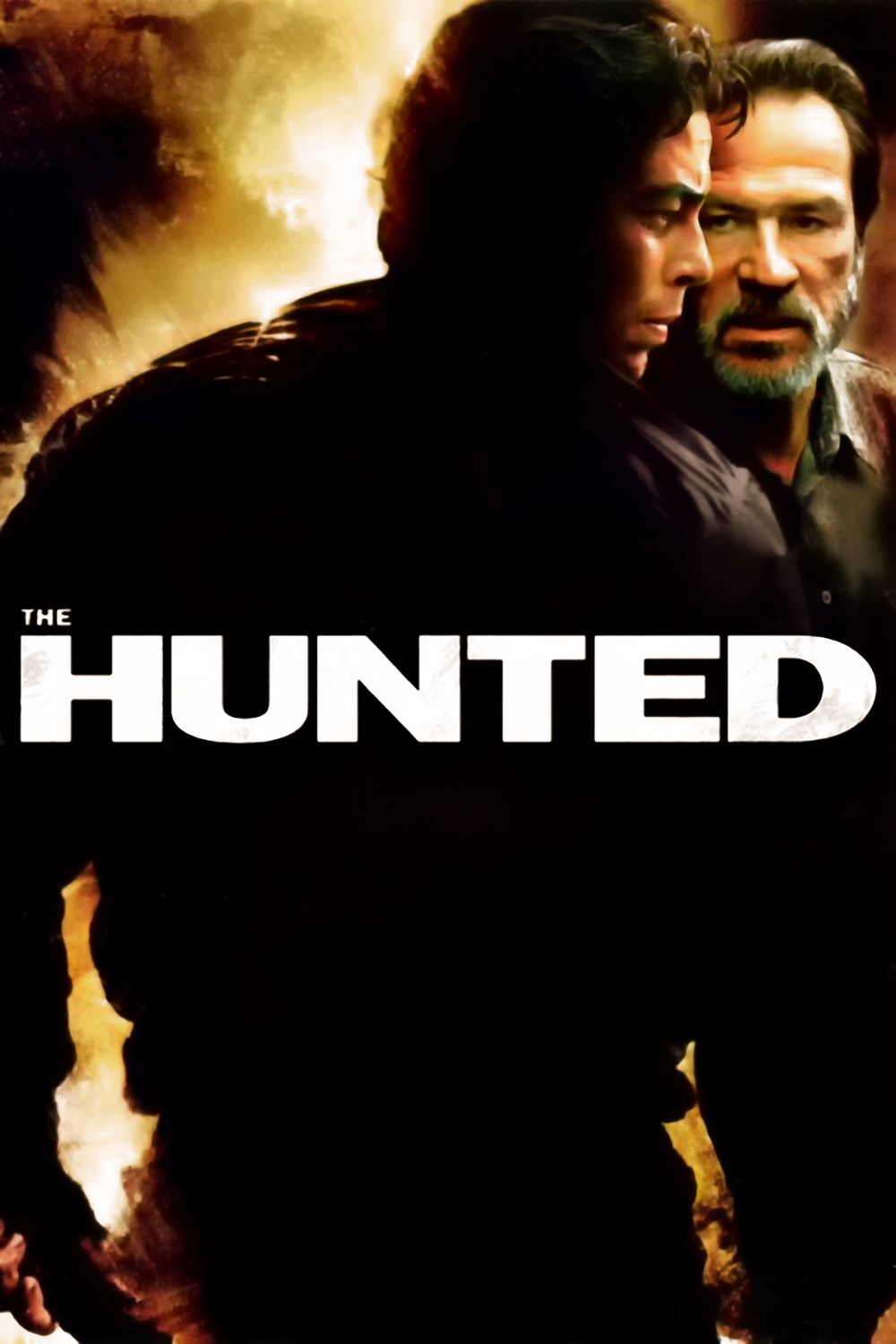
Review: The Hunted (dir. by William Friedkin)


“Once you are able to kill mentally, the physical part will be easy. The difficult part… is learning how to turn it off.” — L.T. Bonham

The Hunted (2003) is one of those films that feels like it slipped through the cracks of early 2000s cinema—a gritty, atmospheric thriller directed by William Friedkin, a filmmaker whose name alone should’ve guaranteed more attention. Friedkin, the man behind The French Connection and The Exorcist, has always had a knack for tension and raw, almost documentary-like realism, and The Hunted carries that same DNA. It’s not a perfect movie, but it’s a fascinating one, a slow-burn chase film that trades explosive set pieces for mood, character, and a kind of existential dread that lingers long after the credits roll.

The story follows L.T. Bonham, a former survival instructor played by Tommy Lee Jones, who’s called back to help the authorities when a series of brutal murders points to a former student of his, Aaron Hallam, played by Benicio del Toro. Hallam, a highly trained assassin, has gone rogue, and Bonham is the only one who can track him down. The premise is simple, almost minimalist: two men, one hunting the other, with the wilderness of the Pacific Northwest serving as their battleground. There’s no grand conspiracy, no world-ending stakes—just a personal, almost primal duel between mentor and protégé. The film’s strength lies in its refusal to overcomplicate things. It’s a character study disguised as a thriller, and it’s all the better for it.

What’s immediately striking about The Hunted is its pacing. Friedkin doesn’t rush. The film takes its time establishing Bonham’s world—a quiet, isolated life in the woods, where he trains soldiers in the art of survival and combat. There’s a sense of routine, of discipline, and when Hallam re-enters his life, it’s not with a bang but with a whisper. The first act is deliberate, almost meditative, as Bonham pieces together the clues and realizes the man he’s after isn’t just any killer, but someone he once shaped. This isn’t a film about action for action’s sake. It’s about the weight of violence, the cost of skill, and the thin line between hunter and hunted.

Benicio del Toro is the standout here. Hallam is a role that could’ve easily been reduced to a one-dimensional villain, but del Toro imbues him with a quiet, unsettling intensity. There’s a scene early on where Hallam, having just committed a particularly gruesome murder, calmly walks away from the crime scene, his face a mask of detached focus. It’s chilling not because he’s raging or unhinged, but because he’s so controlled. Hallam isn’t a monster in the traditional sense; he’s a man who’s been trained to kill and has embraced that role with terrifying efficiency. Del Toro plays him with a stillness that’s unnerving, his eyes always calculating, always three steps ahead. It’s a performance that relies more on presence than dialogue, and it’s one of his most underrated.

Tommy Lee Jones, on the other hand, is a different kind of compelling. Bonham is a man of few words, a hardened veteran who’s seen too much to be rattled by much. Jones, with his gravelly voice and weathered demeanor, sells the role of a man who’s spent a lifetime in the shadows. There’s a weariness to him, a sense that he’s not just chasing Hallam to stop the killings, but to confront his own past. The dynamic between the two is electric, even when they’re not in the same scene. Their eventual face-to-face encounters crackle with tension, not because of what they say, but because of what they don’t. These are two men who understand each other on a level that most people never will, and that mutual recognition makes their conflict all the more tragic.

Friedkin’s direction is, as always, masterful in its restraint. He’s never been one for flashy camerawork or overly stylized shots, and The Hunted is no exception. The cinematography is stark and functional, emphasizing the cold, unforgiving landscape of the Pacific Northwest. The forests, rivers, and small towns feel like characters in their own right, vast and indifferent to the human drama unfolding within them. There’s a scene where Bonham and a local sheriff, played by Connie Nielsen, track Hallam through the woods. The camera lingers on the trees, the mud, the rain—details that ground the film in a tangible, almost tactile reality. It’s not just a chase; it’s a test of endurance, both physical and psychological.

The film shares some striking thematic ground with First Blood, another story about soldiers haunted by what they’ve seen and done in war. Both films explore men who are not just racked with guilt but suffering from PTSD, their minds fractured by the horrors of combat. But where First Blood ultimately offered a glimmer of hope—that understanding and redemption might be possible—The Hunted takes a far bleaker view. Bonham and Hallam aren’t just damaged; they’re broken in ways that can’t be fixed. Hallam, in particular, represents the idea that some soldiers simply cannot come back from the brink of their experiences. There’s no catharsis for him, no moment of clarity or salvation. The film suggests that for some, the training and the trauma run too deep, and the only way out is through violence. It’s a brutal, unflinching perspective that sets The Hunted apart from more sentimental takes on the same themes.

The film’s action sequences, when they do arrive, are brutal and concise. There’s no shaky cam or rapid editing here—Friedkin lets the violence unfold in long, unflinching takes. A knife fight in a motel room is particularly memorable, not for its choreography, but for its rawness. It’s messy, desperate, and over in seconds. There’s no glorification, no slow-motion heroics. Just two men trying to kill each other in the most efficient way possible. It’s a far cry from the hyper-stylized action of the era, and it’s all the more effective for it.

Unfortunately, the film’s strengths are bogged down by its weaknesses, particularly in how it handles its secondary characters. The supporting cast, including Connie Nielsen as the sheriff, often feel thinly written, existing primarily as obstacles to delay the inevitable showdown between Bonham and Hallam. Their motivations and personalities are barely sketched out, making them feel more like narrative speed bumps than fully realized people. It’s frustrating because the film’s core dynamic is so compelling that these underdeveloped side characters only serve to slow down the momentum. And despite its brisk 90-plus minute runtime, The Hunted still manages to drag at times. The deliberate pacing that works so well in establishing atmosphere starts to feel indulgent when the story isn’t moving forward, leaving the audience waiting for the next meaningful interaction between its two leads.

If The Hunted has other weaknesses, it’s that it might be a little too restrained for some viewers. The slow burn won’t be for everyone, especially in an era where audiences have come to expect constant stimulation. The film demands patience, and those who aren’t willing to meet it on its terms might find it dull. There are also moments where the plot feels a bit thin, as if Friedkin and screenwriter Art Monterastelli were more interested in atmosphere than narrative complexity. But that’s also part of its charm. The Hunted isn’t trying to be a puzzle-box thriller or a high-octane spectacle. It’s a mood piece, a meditation on violence and the men who wield it.

The ending, without spoiling too much, is ambiguous in a way that feels true to the film’s themes. There’s no neat resolution, no easy answers. It’s a conclusion that lingers, forcing the audience to sit with the uncomfortable questions it raises. Is justice served? Is Hallam truly defeated, or is he just the first of many? The film doesn’t provide answers, and that’s to its credit. It’s more interested in the journey than the destination, in the hunt rather than the catch. While First Blood left room for healing, The Hunted closes the door on that possibility for some, reinforcing its bleak worldview.

In the grand scheme of Friedkin’s filmography, The Hunted might not rank alongside his most iconic works, but it’s a fascinating entry in his body of work. It’s a film that feels out of time, both in its style and its themes. Released in 2003, it arrived in a cinematic landscape dominated by CGI spectacle and franchise filmmaking, and it’s easy to see why it didn’t make a bigger splash at the time. But for those willing to seek it out, The Hunted is a hidden gem—a tense, thought-provoking thriller that rewards patience and close attention. It’s a film about the cost of violence, the weight of the past, and the thin line between the hunter and the hunted. And in an era where action movies often prioritize style over substance, its grounded, no-nonsense approach feels like a breath of fresh air.
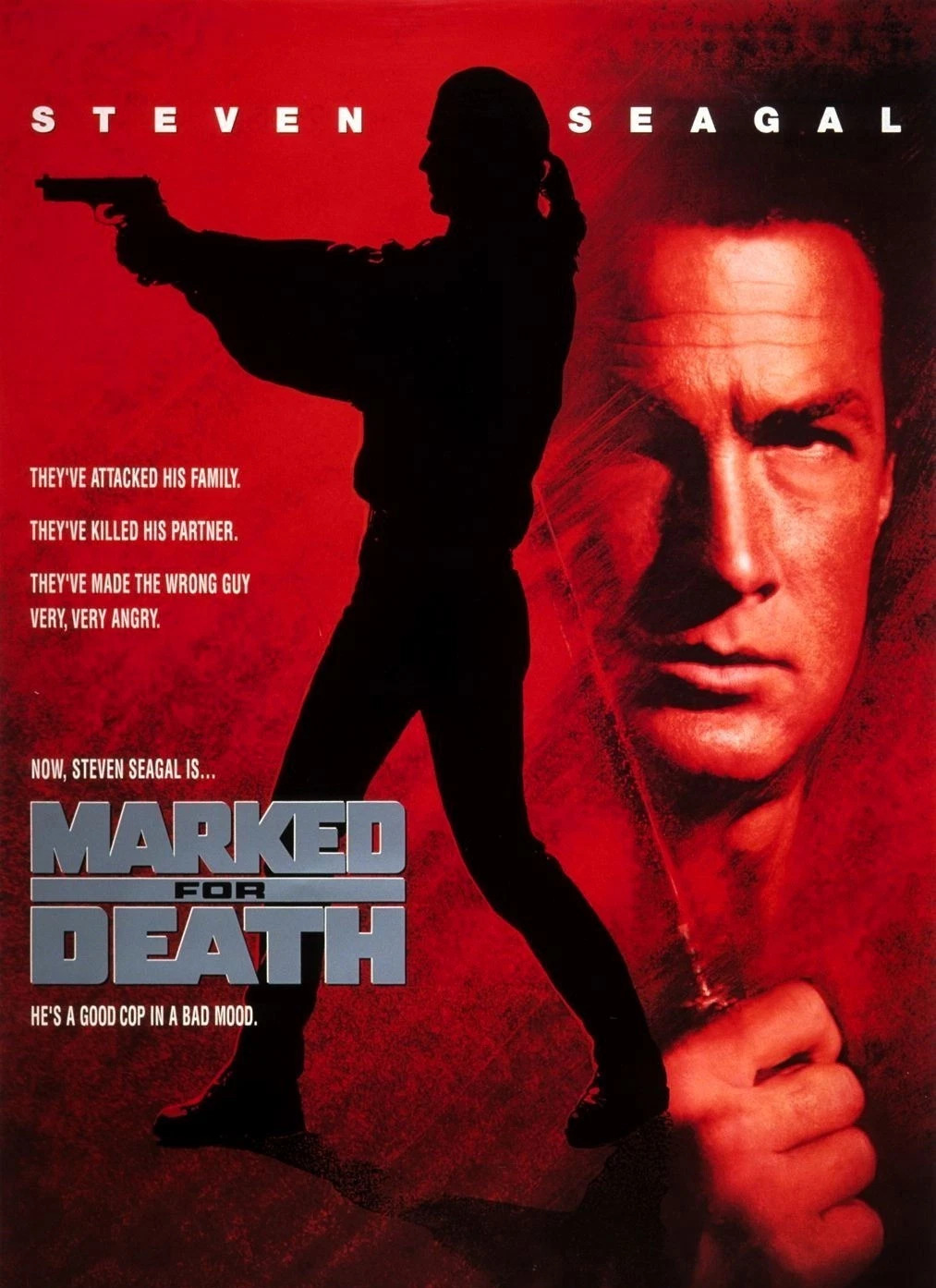
Guilty Pleasure No. 119: Marked for Death (dir. by Dwight H. Little)


There’s a specific, almost mystical, pleasure in watching a movie that is, by almost every conventional standard, a complete mess. It’s a guilty pleasure, that sweet spot where a film is so unapologetically over-the-top, so earnestly ridiculous, that it circles back around to being utterly entertaining. And for my money, few films embody this “so bad it’s good” vibe quite like Steven Seagal’s 1990 action opus, Marked for Death. This is prime, uncut, vintage Seagal, a film that feels like it was beamed in from an alternate dimension where ponytails are a symbol of power, whispering threats is a sign of deep menace, and the streets of Chicago are apparently overrun with voodoo-practicing Jamaican drug lords. It’s silly, sure, but it’s a very specific kind of silly—grounded enough in its grim, urban revenge fantasy to feel almost earnest, which is precisely what makes it work. To put it in perspective, Marked for Death is downright restrained compared to the coked-out, reality-defying lunacy Seagal would unleash just a year later in Out for Justice. That film, with its infamous “anybody seen Richie?” barroom brawl and its general air of sweaty, unhinged mania, operates on a completely different, far more unhinged wavelength. Marked for Death still has one foot in the real world, however wobbly that stance may be, whereas Out for Justice seems to have been fueled by a warehouse full of stimulants and a complete disregard for narrative coherence.

For those who don’t remember the heyday of Seagal-mania, Marked for Death is a perfect time capsule. This was before the bloated, straight-to-DVD era; this was Seagal in his physical prime, slim, athletic, and seemingly capable of snapping every bone in a human body without breaking a sweat. He plays John Hatcher, a burnt-out DEA agent who, after a botched operation in Mexico, decides to retire and seek some peace and quiet by visiting his sister and niece in his old Chicago neighborhood. This is the first of the film’s many logical leaps, because apparently, a retired DEA agent’s idea of a stress-free vacation is moving back to the neighborhood where he grew up and where a violent turf war is raging. It’s a classic action movie setup that requires you to immediately check your brain at the door, but compared to the sheer narrative anarchy of Out for Justice, it practically feels like Shakespeare.

You see, the peace and quiet Hatcher seeks doesn’t exist. The town is being terrorized by a Jamaican drug posse led by the wonderfully named and gloriously performed villain, Screwface. Played with scenery-chewing, eye-rolling relish by Basil Wallace, Screwface is more than just a drug dealer; he’s a voodoo priest with a penchant for giving people a “t’ousand dets wurse dan yoo doo.” He’s a cartoon character in the best possible way, a man so over-the-top that his presence alone elevates the film from a standard revenge flick into something far more memorable. When he declares Hatcher and his family “marked for death,” you can’t help but lean in, not because you’re scared for the hero, but because you want to see what bizarre, hammy line he’s going to come up with next. It’s absurd, but it’s a controlled absurdity, a deliberate performance that knows exactly what movie it’s in. That’s the key difference between this and the later Seagal outings; Marked for Death plays its absurdity with a straight face, whereas Out for Justice feels like it’s sweating and twitching through every frame, as if the filmmakers themselves had just snorted a mountain of the very product their hero was supposedly fighting against.

The plot, such as it is, kicks into gear when a gang shootout at a local bar forces Hatcher into action, and the posse retaliates by shooting up his sister’s house and wounding his young niece. This is the moment where the film’s narrative pivots from “watch the hero mope” to “watch the hero mope and then absolutely obliterate everyone in his path.” The central premise, like many critics have noted, is as formulaic as they come: a former lawman with a troubled past is forced out of retirement to avenge his family using excessive force. One reviewer put it perfectly, noting the film follows the “familiar one-note, bone-crunching action vehicle for Steven Seagal.” And while that might sound like a criticism, in this context, it’s a promise of the guilty pleasures to come. But even within that formula, there’s a certain grim logic that holds it together—something you absolutely cannot say about the gloriously unhinged Out for Justice, where the plot seems to be held together with duct tape and pure, unfiltered rage.

What makes Marked for Death such a classic guilty pleasure is the sheer, unrelenting brutality of the action sequences. This is not the sanitized, quick-cut action of today. This is a film where every punch sounds like a gunshot and every bone snapped echoes with a sickening, satisfying crunch. Director Dwight D. Little, who later went on to direct TV episodes for shows like Prison Break and Bones, stages the action with a “tight handling,” making sure the camera is right there to capture Seagal’s trademark Aikido. The violence is so extreme that it becomes comical. We’re talking broken arms, broken necks, gouged eyes, a decapitation, and a finale so over-the-top that it involves Seagal using a samurai sword to fight his way through a compound. Yet even with all that mayhem, it never quite reaches the hallucinatory, sweaty-palmed frenzy of Out for Justice, where the violence feels less choreographed and more like a bar brawl that somehow escaped onto film stock.

There are moments in Marked for Death that are so ridiculous they deserve their own standing ovation. There’s the infamous department store fight, where Hatcher dismantles a small army of henchmen while surrounded by mannequins and glass displays. It’s a perfect showcase for Seagal’s skills as a fighter and a complete lack of interest in things like, say, civilian casualties or property damage. Then there’s the entire third act, where Hatcher and his buddy Max (played with stoic reliability by the great Keith David), somehow manage to smuggle an entire arsenal of weapons into Jamaica for a final assault on Screwface’s compound. The logic of this is never explained, but it doesn’t matter. We’re given a montage of them prepping their weapons, and the next thing you know, they’re on a plane. It’s this kind of brazen disregard for realism that makes the film such a hoot, but again, it’s a calculated hoot. The cocaine-fueled silliness of Out for Justice would never bother with such a montage—it would just have Seagal appear in Jamaica with a shotgun, no explanation given, because who needs logic when you have that much manic energy coursing through the projector?

Perhaps the most surprising element is that despite the malevolent tone, the film has become a beloved “cult classic” for many. As one reviewer from the time stated, “it’s easy to see how someone could end up not liking Marked for Death. Its plot is ridiculous, it was overly violent for its time period… On the other hand, this is a film that doesn’t seem to care what you think and instead gleefully exist as a throwback to old-school Grindhouse films.” There’s a sense that Seagal and the filmmakers were in on the joke, even if they were playing it completely straight. The film is excessive, ruthless, and mindlessly numbing in all the right ways, a sentiment that perfectly encapsulates its enduring appeal. It’s the cinematic equivalent of comfort food—you know it’s bad for you, but it tastes so good. And it tastes a whole lot more grounded than the chaotic, unfiltered blast of pure id that is Out for Justice, a film that feels like it was edited by a hyperactive squirrel on a sugar rush.

Marked for Death isn’t a great film by any objective measure. The acting is wooden, the dialogue is laughable, and the cultural stereotypes are, to put it mildly, a product of their time. The Miami Herald even noted that Seagal dispatches his foes with “such an obnoxious sense of higher purpose that we get the feeling he’s not in on the fun.” The film’s portrayal of Jamaican culture as a hotbed of violent, voodoo-worshipping drug dealers is certainly problematic and not something that would fly today, which adds to the movie’s bizarre, anachronistic charm. It’s a film that, while considered one of his better works from that era, is far from what you’d call high art. But it knows its lane and stays in it, which is more than you can say for the gloriously unhinged Out for Justice, a movie that seems to have forgotten what lane it was in, swerved into oncoming traffic, and somehow kept driving anyway.

In the end, Marked for Death is the ultimate “bad movie night” experience. It’s a window into a time when action heroes were larger than life, plots were just excuses for mayhem, and a villain named Screwface could be a legitimate threat. It’s a film where you can quote terrible dialogue and cheer for the excessive violence without feeling guilty, because it’s all part of the deal. As one IMDb user succinctly put it, “Marked for Death is a thoroughly entertaining overblown unnecessarily violent & foul mouthed action film, the sort of film which Seagal was perfectly suited to star in. Sure it’s predictable & unoriginal but when a films this much fun who cares?” And honestly, isn’t that the highest praise you can give a movie like this? It’s a big, dumb, brutal, and brilliant piece of schlock that proudly wears its awfulness as a badge of honor. It’s silly, absolutely, but it’s a grounded, almost respectable kind of silly—the kind that makes you appreciate just how far off the deep end Seagal would go with Out for Justice, a film so wildly, unapologetically unhinged that it makes Marked for Death look like a quiet, contemplative drama by comparison.

Previous Guilty Pleasures

  1. Half-Baked
  2. Save The Last Dance
  3. Every Rose Has Its Thorns
  4. The Jeremy Kyle Show
  5. Invasion USA
  6. The Golden Child
  7. Final Destination 2
  8. Paparazzi
  9. The Principal
  10. The Substitute
  11. Terror In The Family
  12. Pandorum
  13. Lambada
  14. Fear
  15. Cocktail
  16. Keep Off The Grass
  17. Girls, Girls, Girls
  18. Class
  19. Tart
  20. King Kong vs. Godzilla
  21. Hawk the Slayer
  22. Battle Beyond the Stars
  23. Meridian
  24. Walk of Shame
  25. From Justin To Kelly
  26. Project Greenlight
  27. Sex Decoy: Love Stings
  28. Swimfan
  29. On the Line
  30. Wolfen
  31. Hail Caesar!
  32. It’s So Cold In The D
  33. In the Mix
  34. Healed By Grace
  35. Valley of the Dolls
  36. The Legend of Billie Jean
  37. Death Wish
  38. Shipping Wars
  39. Ghost Whisperer
  40. Parking Wars
  41. The Dead Are After Me
  42. Harper’s Island
  43. The Resurrection of Gavin Stone
  44. Paranormal State
  45. Utopia
  46. Bar Rescue
  47. The Powers of Matthew Star
  48. Spiker
  49. Heavenly Bodies
  50. Maid in Manhattan
  51. Rage and Honor
  52. Saved By The Bell 3. 21 “No Hope With Dope”
  53. Happy Gilmore
  54. Solarbabies
  55. The Dawn of Correction
  56. Once You Understand
  57. The Voyeurs 
  58. Robot Jox
  59. Teen Wolf
  60. The Running Man
  61. Double Dragon
  62. Backtrack
  63. Julie and Jack
  64. Karate Warrior
  65. Invaders From Mars
  66. Cloverfield
  67. Aerobicide 
  68. Blood Harvest
  69. Shocking Dark
  70. Face The Truth
  71. Submerged
  72. The Canyons
  73. Days of Thunder
  74. Van Helsing
  75. The Night Comes for Us
  76. Code of Silence
  77. Captain Ron
  78. Armageddon
  79. Kate’s Secret
  80. Point Break
  81. The Replacements
  82. The Shadow
  83. Meteor
  84. Last Action Hero
  85. Attack of the Killer Tomatoes
  86. The Horror at 37,000 Feet
  87. The ‘Burbs
  88. Lifeforce
  89. Highschool of the Dead
  90. Ice Station Zebra
  91. No One Lives
  92. Brewster’s Millions
  93. Porky’s
  94. Revenge of the Nerds
  95. The Delta Force
  96. The Hidden
  97. Roller Boogie
  98. Raw Deal
  99. Death Merchant Series
  100. Ski Patrol
  101. The Executioner Series
  102. The Destroyer Series
  103. Private Teacher
  104. The Parker Series
  105. Ramba
  106. The Troubles of Janice
  107. Ironwood
  108. Interspecies Reviewers
  109. SST — Death Flight
  110. Undercover Brother
  111. Out for Justice
  112. Food Wars!
  113. Cherry
  114. Death Race
  115. The Beast Within
  116. Girl Series
  117. Gone in 60 Seconds
  118. Swordfish

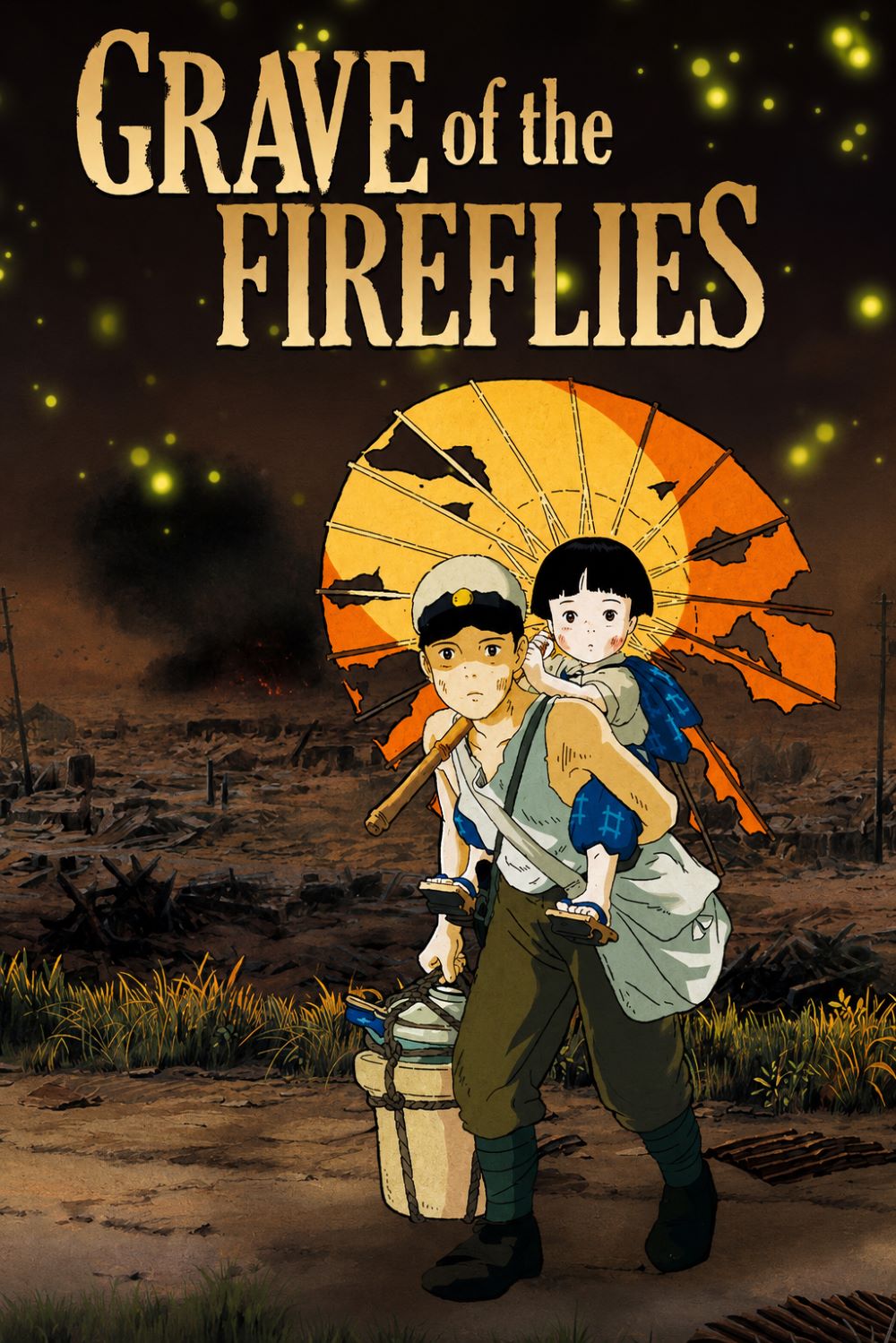
Anime You Should Be Watching: Grave of the Fireflies (Hotaru no Haka)


“Why do fireflies have to die so soon?” — Setsuko

There are films that entertain, films that impress, and then there are films that simply break you. Grave of the Fireflies, directed by Isao Takahata and released by Studio Ghibli in 1988, belongs firmly to that final category. It is one of the most devastating pieces of cinema ever committed to screen — animated or otherwise — and its power has not dimmed a single watt in the decades since its release. If anything, it has only grown heavier with time, which says something quietly terrible about the state of the world we keep building and destroying.

The film is an adaptation of a semi-autobiographical short story of the same name written by Akiyuki Nosaka, first published in 1967. Nosaka drew directly from his own traumatic experience as a child survivor of the American firebombing of Kobe and Nishinomiya during the final months of World War II. He lost his adopted younger sister, Keiko, to malnutrition during that period, and spent much of the rest of his life consumed by guilt over her death — guilt that he transformed into literature as a form of personal penance. The story, and by extension Takahata’s film, is not simply a war narrative. It is a confession. That emotional honesty is what gives Grave of the Fireflies its extraordinary moral weight and separates it from more conventional wartime dramas.

The story follows two siblings—fourteen-year-old Seita and his four-year-old sister Setsuko—who are left to fend for themselves in the ruins of wartime Japan after their mother is killed in an air raid. Their father is away serving in the Imperial Navy, and the children initially take refuge with a distant aunt whose cold pragmatism and growing resentment become as suffocating as the war itself. Eventually, Seita takes Setsuko, and the two retreat to a small abandoned shelter near a lake, where they attempt to survive on dwindling resources. What follows is a story of extraordinary love between two children set against the backdrop of a society collapsing under the weight of its own catastrophic choices. Takahata makes no political speeches; he does not need to. The tragedy unfolds with quiet, terrible inevitability, and the film’s opening scene—in which we learn from the outset that Seita does not survive—ensures that every fleeting moment of joy between the siblings is shadowed by grief already lodged in our chests.

It is worth pausing on the animation itself, because Grave of the Fireflies is a masterwork of the form. Takahata consistently pushed back against the notion that animation was a lesser medium suited only to fantasy or comedy, and here he uses it to render the physical reality of war with extraordinary specificity: the blistering heat of an air raid reflected in Setsuko’s wide eyes, the sickly pallor of a malnourished child’s skin, the gentle glow of fireflies against the blue-black darkness of a summer night. Studio Ghibli’s artists create a version of wartime Japan that feels tactile and achingly real, and the deliberate contrast between the natural beauty of the countryside and the devastation wrought by human violence is one of the film’s most quietly devastating achievements. The fireflies themselves—insects that glow brilliantly for a short time and then die—function as one of cinema’s most elegantly constructed symbols, one the film earns rather than imposes.

Grave of the Fireflies occupies a unique and important place in the history of how anime has been received in the West. For decades, Western audiences and critics tended to treat animation as a genre rather than a medium—something inherently juvenile, made for children, and incapable of the emotional or artistic range associated with live-action film. Anime, with its distinct visual language, was often doubly dismissed as too foreign, too strange, or too cartoonish. The arrival of Studio Ghibli films in Western markets—and Grave of the Fireflies in particular—fundamentally challenged that assumption. Here was an animated film that dealt with death, starvation, grief, and moral ambiguity with more unflinching honesty than most of Hollywood’s prestigious war dramas. Roger Ebert, who gave the film four stars, famously described it as one of the greatest war films ever made—a statement that helped elevate not just the film but animation’s broader cultural status. Grave of the Fireflies helped pave the way for deeper Western critical engagement with anime as a serious art form, a conversation that continued through works like Akira, Ghost in the Shell, Neon Genesis Evangelion, and Spirited Away, and persists into the present era of global anime fandom. Without Takahata’s film insisting on animation’s capacity for genuine tragedy, that shift might have taken far longer.

The film also complicates some of the West’s more self-flattering narratives about World War II. Grave of the Fireflies does not engage with questions of who started the war or who was morally right; it simply shows two Japanese children dying slowly in the wreckage of American bombing campaigns and asks the viewer to sit with that reality. This is not a film that endorses Japanese imperialism or absolves the government whose war Seita and Setsuko ultimately suffer from. Instead, it refuses to let civilian suffering disappear behind the abstractions of historical victory. That refusal has made it an uncomfortable but essential work in discussions about the human cost of war.

One cannot watch Grave of the Fireflies today and remain complacent about the news cycles documenting conflicts around the world. The images of starving children in Gaza, orphaned families in Ukraine, and displaced populations in Sudan are a visceral, real-world echo of Seita and Setsuko’s plight. The film acts as a powerful antidote to the desensitization that can occur in a world numb to constant tragedy. When we scroll past headlines or see statistics of casualties, we are abstracting suffering. The film refuses to let us do that. The reality of malnutrition and starvation is put on screen in a way that feels almost too intimate to watch, from Setsuko’s distended belly to the sores that form on her skin. The film forces a confrontation with the fact that war’s “collateral damage” is not a number, but millions of individual, human stories—stories of children robbed of their childhood, their innocence, and ultimately, their lives, just like Setsuko and Seita. The cyclical nature of conflict means that for every generation, there is a new set of children living out this same tragedy, and the film’s refusal to offer easy catharsis or redemption makes it an enduring, uncomfortable mirror.

Grave of the Fireflies is not an easy film to recommend in the conventional sense. It is not something one watches for enjoyment, and it offers no catharsis in the traditional Hollywood mold—no heroic sacrifice redeemed, no peace restored, no comforting resolution. What it offers instead is something rarer and more valuable: witness. It is a film that confronts the true cost of war and refuses to look away, doing so through animation with a grace and rigor that should permanently dispel any lingering notion that the medium cannot carry the full weight of human experience. Nearly four decades after its release, Grave of the Fireflies remains one of the most important films ever made—a eulogy for two children, and by extension, for every child the world has failed to protect.

Anime You Should Be Watching

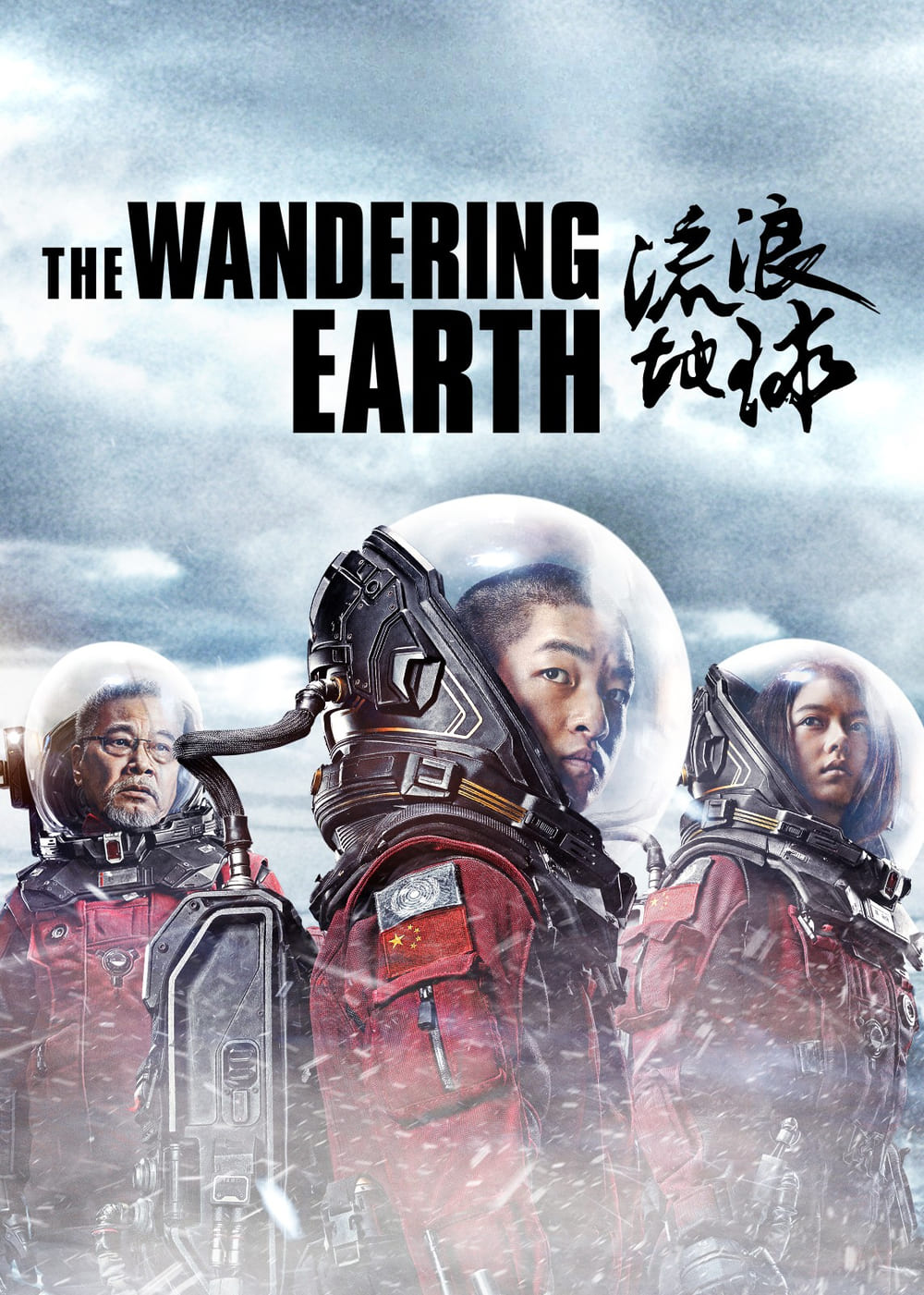
Review: Wandering Earth (dir. by Frant Gwo)


“Regardless of the outcome for the history of mankind, we have decided to choose hope!” — MOSS

When The Wandering Earth hit theaters in 2019, it wasn’t just another blockbuster; it was a massive cultural event that announced Chinese cinema had arrived on the global sci-fi stage. Directed by Frant Gwo and based on a novella by Cixin Liu, the film presents an apocalyptic scenario that makes most Western disaster movies look like minor neighborhood inconveniences. The sun is dying and rapidly expanding, threatening to swallow the Earth. Instead of building a fleet of spaceships to escape—an approach familiar to fans of Interstellar or WALL-E—humanity decides to strap ten thousand massive thrusters to the planet and physically fly the entire Earth to a new solar system. It is a wildly ambitious concept, and the film matches that ambition with a scale that is genuinely jaw-dropping, even if the execution sometimes stumbles under its own weight.

The core premise of The Wandering Earth is where the film’s most fascinating positives lie. In Western sci-fi, the go-to survival strategy usually involves a chosen few hopping onto a ship, leaving a doomed Earth behind. Gwo’s film flips that script entirely. Taking the whole planet with you is a deeply rooted cultural metaphor. It speaks to a connection to the land, an ancestral tie to home that cannot be easily severed. In layman’s terms, if your house is flooding, you don’t just grab a life raft and leave; you try to put the whole house on stilts and float away. This collectivist approach to survival sets the tone for the entire movie. The hero isn’t a single maverick saving the day through individual brilliance; it is a massive, coordinated effort of thousands of engineers, astronauts, and rescue workers. This thematic freshness is a massive point in the film’s favor.

Visually, the movie is an absolute triumph, which is another major positive. The production design is stunning, especially considering it was a trailblazer for high-budget Chinese sci-fi. The planetary engines are these colossal, monolithic structures that make humans look like ants, perfectly capturing the sheer engineering scale required to move a planet. The surface of the Earth, frozen solid as the planet moves away from the sun, is rendered in bleak, atmospheric blues and whites. You really feel the bitter, unforgiving cold of a world that has been abandoned by its star. Sure, if you look closely, some of the CGI can look a little video-gamey, particularly in the faster action sequences. But the overall aesthetic is so dense and imaginative that it’s easy to forgive the moments where the digital effects stretch a bit thin. The design of the rugged transport vehicles, the claustrophobic underground cities, and the menacing, swirling red eye of Jupiter when the Earth gets caught in its gravity—all of it creates a visually cohesive and immersive world.

However, when we shift from the macro to the micro, the film’s flaws become glaringly apparent, starting with its pacing and narrative structure. The plot essentially operates as a relentless series of escalating, life-or-death obstacles. As soon as the characters solve one problem, another, bigger problem immediately pops up. It is an exhausting, breathless way to tell a story, which keeps the adrenaline high but leaves very little room to breathe. The Earth gets caught in Jupiter’s gravitational pull, the planetary thrusters fail, a rescue team has to transport a lighting device across a frozen wasteland, and so on. For a casual viewer, this makes for an exciting, edge-of-your-seat experience. Analytically, however, it exposes a script that relies heavily on convenience and last-minute problem-solving. The characters are constantly shouting scientific jargon to explain why the newest disaster is happening and how they can fix it, which sometimes feels less like organic storytelling and more like a frantic physics lecture you didn’t study for.

The human element is another area where the film struggles with significant flaws. The story centers on the fractured relationship between astronaut Liu Peiqiang, who is stationed on a navigating space station, and his rebellious teenage son Liu Qi, who sneaks out to the frozen surface with his adopted sister. The family dynamic is meant to be the emotional anchor of the film, and there are genuinely poignant moments regarding sacrifice and the lengths parents will go to protect their children. Unfortunately, these emotional beats are often delivered with a very heavy hand. The dialogue can be quite melodramatic, and the characters fall into recognizable archetypes—the angry young man, the stoic mentor, the plucky comic relief. The acting and line delivery can feel over-the-top and stilted. While Western audiences might find this jarring, it fits comfortably within the stylistic norms of Chinese dramatic cinema. Even so, broad emotional strokes and underdeveloped side characters hold the script back from achieving true narrative greatness.

Despite these narrative and emotional flaws, what redeems The Wandering Earth and makes it so compelling is how it leans into its thematic positives. In a standard Hollywood disaster film like Armageddon or 2012, you can bet that one charismatic hero will defy orders, punch a villain, and save the day in the final seconds. Here, the protagonists fail. A lot. Their plans don’t work, and it takes the combined, synchronized effort of rescue teams from all over the globe—including characters we never even meet—to push the story forward. There is a specific, powerful sequence where a group of international rescue workers are pushing a heavy vehicle up a slope, and one by one they fall from exhaustion, only to be immediately replaced by others stepping in to take their place. It is a brilliant, simple visual metaphor for collective endurance. The film argues that humanity survives not through individual heroism, but through shared suffering and mutual sacrifice, which ultimately elevates the flawed script.

Ultimately, The Wandering Earth is a milestone film that demands respect, warts and all. Frant Gwo managed to craft a spectacle that rivals anything coming out of Hollywood, while infusing it with a distinctly Chinese cultural identity. It is not a perfect movie. The pacing is exhausting, the exposition can be clunky, the science is often baffling, and the emotional resonance relies heavily on the audience’s willingness to accept melodramatic family tropes. Yet, the sheer audacity of the concept, the incredible world-building, and the thematic focus on communal survival make it a deeply rewarding watch. The positives of its visual ambition and unique cultural perspective heavily outweigh the flaws of its script and pacing. It is a film that asks what it means to save the world, and boldly answers that it takes the whole world to do it.

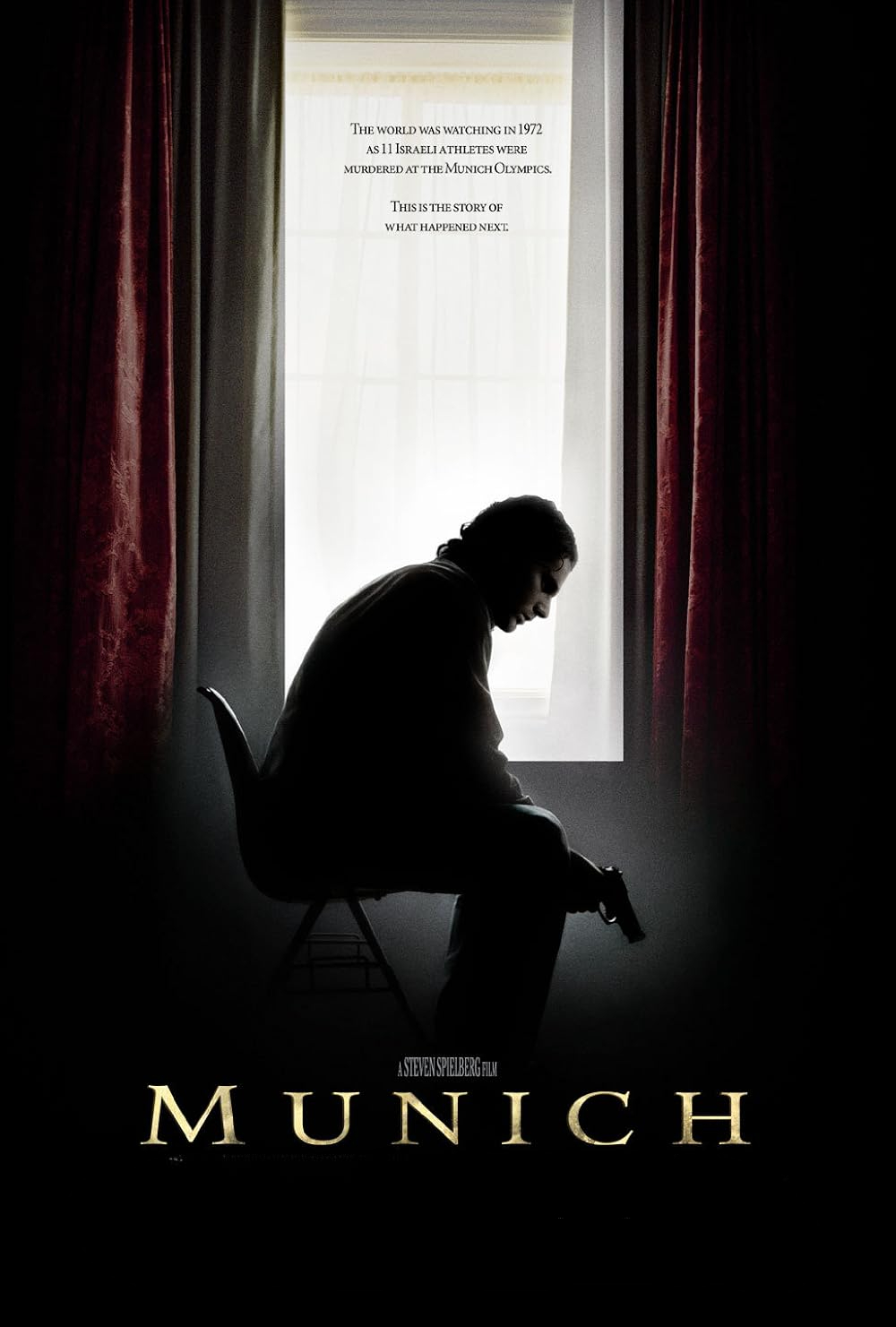
Review: Munich (dir. by Steven Spielberg)


If you’re looking for a comfortable, easily digestible thriller with clear-cut heroes and villains, Munich is going to be a tough sit. This 2005 film, now two decades old, finds Steven Spielberg operating at a peak level of craft, but it’s a cold and angry kind of mastery. It’s a dense, paranoid, and deeply unsettling historical drama that feels less like a movie and more like a wound that’s been picked at for years. Based on the book Vengeance, the film dramatizes the secret Israeli mission, “Operation Wrath of God,” to hunt down and assassinate the Palestinian militants responsible for the massacre of 11 Israeli athletes at the 1972 Munich Olympics. But here’s the kicker: this isn’t an action movie about a bunch of spies getting revenge and feeling good about it. Spielberg isn’t making a war film about who is right and who is wrong. Munich is a film about the ugly, corrosive nature of state-sponsored violence and the way it eats away at the soul of everyone involved. It’s a thriller, sure, but the tension isn’t built around whether the team will succeed, but around the psychological and moral cost of their success. There’s no triumph here, no victory lap—just the sinking realization that for every target they eliminate, the wound in the world only seems to get deeper.

The movie is anchored by a phenomenal performance from Eric Bana as Avner, the team’s leader. He’s a man of deep patriotism, handpicked for this mission by Prime Minister Golda Meir (Lynn Cohen) herself, but he’s completely unprepared for the psychological toll the job will take. He’s joined by a fantastic ensemble that includes Daniel Craig as a brutal and cold-blooded South African operative, and Mathieu Kassovitz as a toymaker turned reluctant bomb expert. They’re a tight, desperate group, and as they move from one European capital to the next, meticulously planning and executing assassinations, the initial sense of righteous duty slowly curdles into paranoia, guilt, and nihilism. The film doesn’t shy away from the violent acts, but it presents them not as a cause for celebration, but as messy, brutal affairs that often have unintended, horrific consequences—like a scene where a bombing intended for a target gets dangerously close to an innocent child. You can feel the weight of every decision pressing down on these men, and Spielberg makes sure you sit with that discomfort rather than brushing past it for the sake of pacing.

One of the most crucial—and still controversial—aspects of Munich is its willingness to humanize the Palestinian perspective. This isn’t a film that paints the Black September terrorists as caricatures of evil. In one of the film’s most powerful scenes, Avner and a PLO member named Ali (Omar Metwally) engage in a tense, philosophical debate about their respective claims to the land. Avner warns that the world will see the Palestinians as “animals” for their actions, to which Ali chillingly replies, “Yes, but then the world will see how they’ve made us into animals. They’ll start to ask questions about the conditions in our cages.” The film doesn’t excuse the terrorism, but it forces the audience to understand the desperation and statelessness that fuels it, presenting a horrifying symmetry where both sides see themselves as victims fighting for survival. It’s a gutsy move for a mainstream Hollywood director, especially in the mid-2000s, and it’s precisely that moral even-handedness that made the film so divisive upon release—and still makes it so damn compelling today.

And that’s where this film connects to a larger, darker moment in Spielberg’s career. Munich was released at the tail end of what some critics have rightly called his “Post-9/11 triptych,” alongside Minority Report (2002) and War of the Worlds (2005). These aren’t just three random films. They are all steeped in a profound sense of paranoia and fear of the outsider that was so prevalent in America after 9/11. Minority Report imagines a society where you’re arrested for a crime before you commit it; War of the Worlds literalizes the fear of a sudden, devastating attack on American soil; and Munich transposes those anxieties onto the Israeli-Palestinian conflict. Spielberg used this triptych to explore the American psyche’s newfound sense of vulnerability and its willingness to embrace extreme, morally ambiguous measures—like torture and preemptive strikes—in the name of security. It was a director grappling with a changed world, and Munich, with its focus on a secret, government-approved assassination squad, feels like his most potent and cynical entry in the series. You can almost hear the echo of post-9/11 rhetoric in every scene, as if Spielberg was holding up a dark mirror to his own country’s creeping acceptance of extrajudicial killing.

But the bleakest part of Munich is how it transcends even that specific historical and political moment. The film relentlessly returns to the theme of the “violence loop.” The team assassinates one target, and he is immediately replaced by someone even more radical. They get a hit, and there’s a retaliatory bombing. It’s a terrifyingly accurate depiction of what has continued to happen for decades after the film’s events. Avner realizes that their entire operation, the endless cycle of state-sponsored revenge, is ultimately pointless for achieving peace. It’s a desperate, bloody game of whack-a-mole that only ensures the conflict continues in perpetuity, a cycle of vengeance that simply feeds on itself. As the film shows, and as is still plain to see today, the violence doesn’t end when the “list” is completed; it just regenerates. The final scenes, where Avner finds himself unable to even sleep in his own bed, watching his young daughter with a haunted look, drive home that the real casualty of state-approved assassination isn’t just the targets—it’s the humanity of the people pulling the trigger. He’s won the tactical war, but he’s lost every single battle that actually mattered.

Ultimately, Munich is a masterclass in filmmaking that offers no easy answers, and watching it today, with the current geopolitical landscape looking more fractured than ever, its relevance hasn’t faded one bit—if anything, it’s sharper and more painful now than it was in 2005. The same arguments, the same grievances, the same bloody score-settling between Israel, the Palestinians, and their Arab allies are still playing out in real time, with no end in sight. And yet, for all its brutal honesty, the film also exposes a tragic truth: this movie, like so much of the discourse surrounding the conflict, will probably only deepen the divide between the two groups watching it, as each side can point to it and say, “See? That’s what they do to us. That’s our pain validated.” It becomes another piece of ammunition in an endless argument rather than a bridge toward understanding. The brilliant cinematography from Janusz Kaminski and the chilling, minimalist score from John Williams only add to that oppressive, paranoid atmosphere, making it not a film that will make you feel good about anything, but one that will make you think—and perhaps that’s exactly why it remains so damn relevant decades later.

So what’s the way out? The film doesn’t give you a manual, but it does whisper a desperate question between its frames: can either side actually step back from the brink long enough to see the loop they’re both trapped in? Because the violence loop isn’t a natural disaster—it’s a human creation, and what humans build, humans can theoretically unbuild. But that would require something infinitely harder than pulling a trigger or planting a bomb—it would require acknowledging that your own righteous suffering doesn’t cancel out the other side’s legitimate pain, it would require looking at the face of your enemy and seeing not a monster but a person who also loves their children and believes they’re fighting for survival. The film dares to suggest that the only real break in the cycle might come from exhaustion, from the sheer soul-crushing fatigue of burying one more generation, or from a moment of radical, almost insane empathy that makes someone say “enough” before the next retaliation.

Spielberg doesn’t offer that moment in the movie, because he knows it hasn’t happened yet in real life—Munich isn’t a prescription; it’s an autopsy. Every few years, when the news cycle inevitably rolls around to another flare-up in that tortured corner of the world, this movie comes back to mind not as a prophecy, but as a painfully accurate diagnosis. It’s a powerful, haunting reminder that the echo of old violence is never truly silent, and that in the long run, vengeance is often a debt that can never be repaid. If you go in expecting a straightforward revenge fantasy, you’ll walk out exhausted and conflicted. But if you go in ready to wrestle with some of the ugliest questions about justice, morality, and state power, then Munich will stick with you like a splinter you just can’t dig out—and maybe, just maybe, that splinter is the first tiny crack in the loop that someone, someday, will have the courage to break.

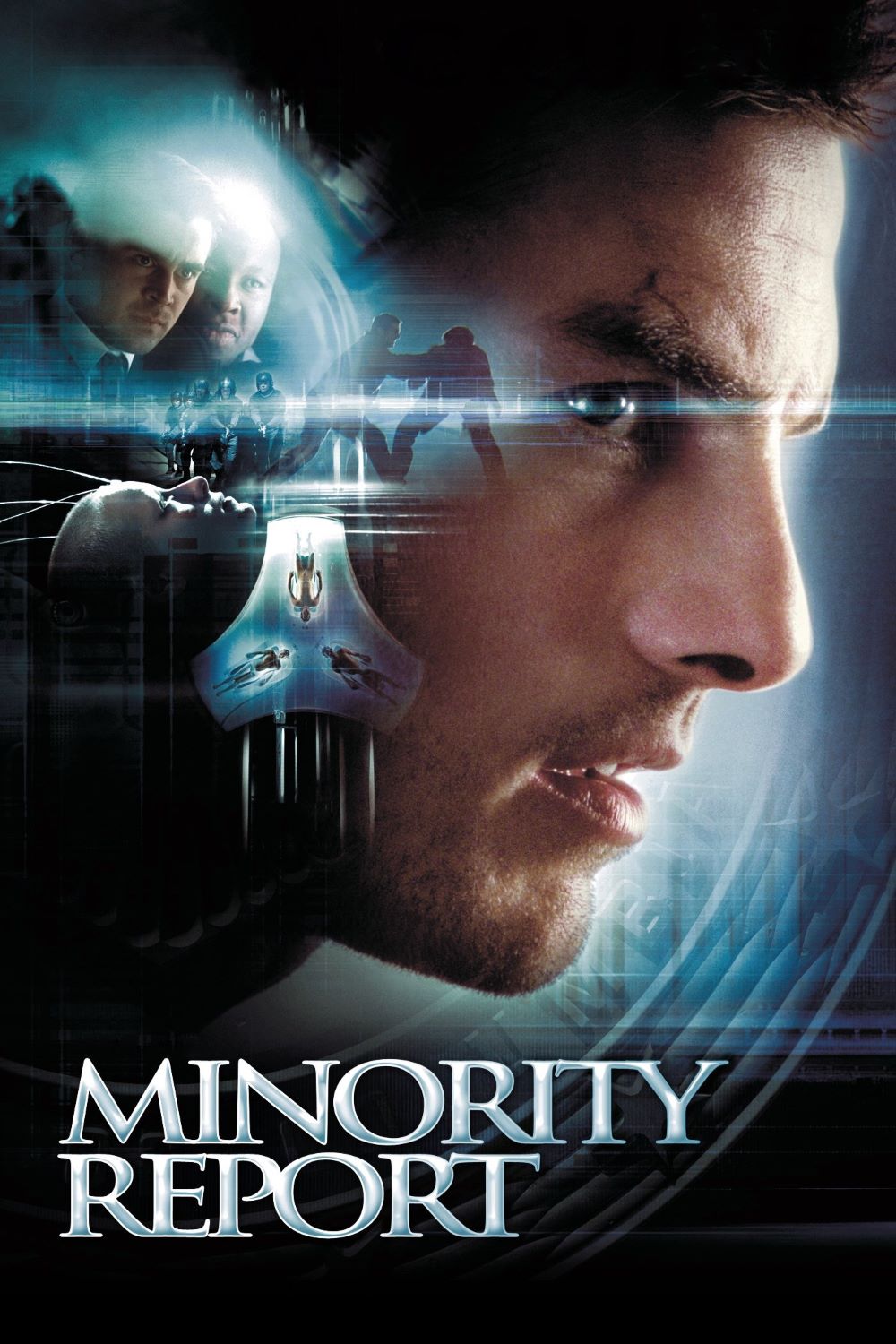
Review: Minority Report (dir. by Steven Spielberg)


“Sometimes, in order to see the light, you have to risk the dark.” — Dr. Iris Hineman

There’s a particular pleasure in revisiting Minority Report now, decades removed from its 2002 release, because it’s aged in the strangest possible way: it hasn’t dated so much as it’s caught up to us. Steven Spielberg’s adaptation of Philip K. Dick’s short story plays like a glossy, big-budget action thriller on the surface, all sleek gestural interfaces and Tom Cruise sprinting across rooftops, but underneath that polish is a film that’s quietly become one of the most unnervingly accurate predictions of how surveillance, data, and policing would actually evolve in the real world.

The premise is simple enough to fit on a poster. In a near-future Washington D.C., a special police unit called PreCrime uses three psychic “precogs” to see murders before they happen, allowing cops to arrest people for crimes they haven’t committed yet. John Anderton, played by Cruise with a kind of haunted, grief-soaked intensity, is the unit’s star detective, a true believer in the system who lost his son years earlier and has thrown himself into the work as a substitute for healing. Then the precogs name him as a future murderer, and the rest of the film is Anderton on the run, trying to prove his innocence inside a system explicitly designed to make innocence irrelevant. It’s a clever structural trick because it forces the audience to watch the hero discover, in real time, all the holes in a system he’s spent his career defending.

What makes the film work as more than just a stylish chase movie is how seriously Spielberg and his screenwriters, Scott Frank and Jon Cohen, take the philosophical rot at the center of the premise. PreCrime isn’t framed as a dystopian villain organization; it’s framed as something genuinely good and genuinely popular, a program that’s driven murder rates to near zero and that ordinary citizens are grateful for. That’s the unsettling part. The film isn’t asking you to be afraid of an obviously evil system. It’s asking you to be afraid of aSteve Harris system that works, that delivers real safety, and that nonetheless requires you to accept punishment without due process, fate without appeal, guilt assigned before the act. Cruise’s Anderton spends the film discovering that the machinery he trusted contains exactly the kind of ambiguity and abuse it was built to eliminate, and the film never lets you forget that the most dangerous systems are the ones that feel necessary.

Visually, this is one of Spielberg’s most distinct collaborations with cinematographer Janusz Kamiński, who bleached the color out of nearly every frame to give the film a cold, overexposed, almost silvery look. It’s a future that feels lived-in and grubby rather than chrome and gleaming, which was a deliberate choice; Spielberg and his production designers consulted with actual futurists and technologists to imagine a 2054 that felt plausible rather than fantastical. That’s part of why the gestural data interfaces Anderton uses, swiping and conducting evidence in midair like an orchestra conductor, became such a cultural touchstone; they didn’t feel like science fiction gadgetry so much as a believable next step from where computing was already heading.

And that brings us to the part of the film’s legacy that’s only grown more pointed with time. Minority Report arrived in June 2002, less than a year after September 11th, and it’s impossible to separate the film’s anxieties from that specific American moment. This was the period when the Patriot Act had just been signed, when warrantless surveillance and preventive detention were being normalized in the name of safety, when the entire architecture of American security policy pivoted toward stopping threats before they materialized rather than responding after the fact. Minority Report dramatizes that exact logic and then methodically exposes its flaws, showing a security state so committed to preventing harm that it’s willing to imprison the innocent, manipulate evidence, and treat dissent as a structural malfunction.

It’s worth situating the film alongside the other two movies Spielberg made in the years immediately following 9/11, because together they form a loose, unofficial triptych about post-9/11 American fear. War of the Worlds, his 2005 alien invasion film, restaged the trauma of a sudden, incomprehensible attack on home soil, with Tom Cruise again playing an ordinary man trying to shepherd his children through a landscape of falling ash, mass panic, and faceless threats descending from above, imagery that’s hard not to read as a direct echo of lower Manhattan that morning. Munich, released the same year, dug into the moral wreckage of a state’s decision to respond to terrorism with a covert campaign of targeted assassination, asking hard questions about whether vengeance dressed up as justice actually makes anyone safer or just perpetuates the cycle. Minority Report is the third leg of that stool, the one concerned not with the attack itself or the retaliation but with the surveillance and preemption apparatus built in the name of preventing the next one. Together, the three films trace a kind of emotional arc through American anxiety in that period: the shock of the unknown threat, the morally compromised vengeance that follows, and the paranoid, technologically enabled security state erected to make sure it never happens again. None of the three films name 9/11 directly, but all three are unmistakably shaped by it, by a culture suddenly suspicious of the outsider, willing to trade liberty for the promise of safety, and uncertain whether the institutions built to protect them could be trusted.

What’s remarkable is how much more relevant the surveillance angle feels today than it did in 2002. Predictive policing software is real now, with departments across the country having actually used algorithms to flag individuals or neighborhoods as high risk for future crime, often with the same built-in biases and feedback loops the film gestures at. Data brokers and advertising networks track movement and behavior with a granularity that makes the film’s retina-scanning ad billboards look almost quaint by comparison. The conversation about predictive algorithms making consequential decisions about people’s freedom, hiring, credit, and policing based on probabilistic models of future behavior is now a mainstream policy debate rather than science fiction. Watching the film now, the gap between its imagined 2054 and our actual 2026 feels uncomfortably narrow, less a futuristic warning than a documentary about tendencies we’re already deep inside of.

That’s what makes Minority Report so achingly prophetic, not just in its prediction of our tech, but in its prediction of our mindset. We live in a world now where predictive policing algorithms are actually being used, where social credit scores are a reality in some places, and where the debate over privacy versus security is a constant, exhausting hum in the background. We’re not at the level of precogs, but we don’t need to be. We have big data, machine learning, and a populace that’s been slowly conditioned to accept that if you have nothing to hide, you have nothing to fear. The film is a warning shot across the bow of that complacency. It asks us to consider the cost of a crime-free society, and it suggests that the price might be our very souls. Spielberg, ever the optimist even in his darkest films, ultimately comes down on the side of human fallibility. He prefers a world with crime and free will to a world of perfect, totalitarian peace. And watching it today, in an age of deepfakes, biometric tracking, and algorithm-driven justice, that preference feels less like a luxury and more like an urgent, desperate necessity. It’s a hell of a ride, with more twists than a pretzel factory and a car chase that still holds up, but the real thrill of Minority Report isn’t the action—it’s the haunting feeling that we’re not watching a dystopian future anymore. We’re watching the news.

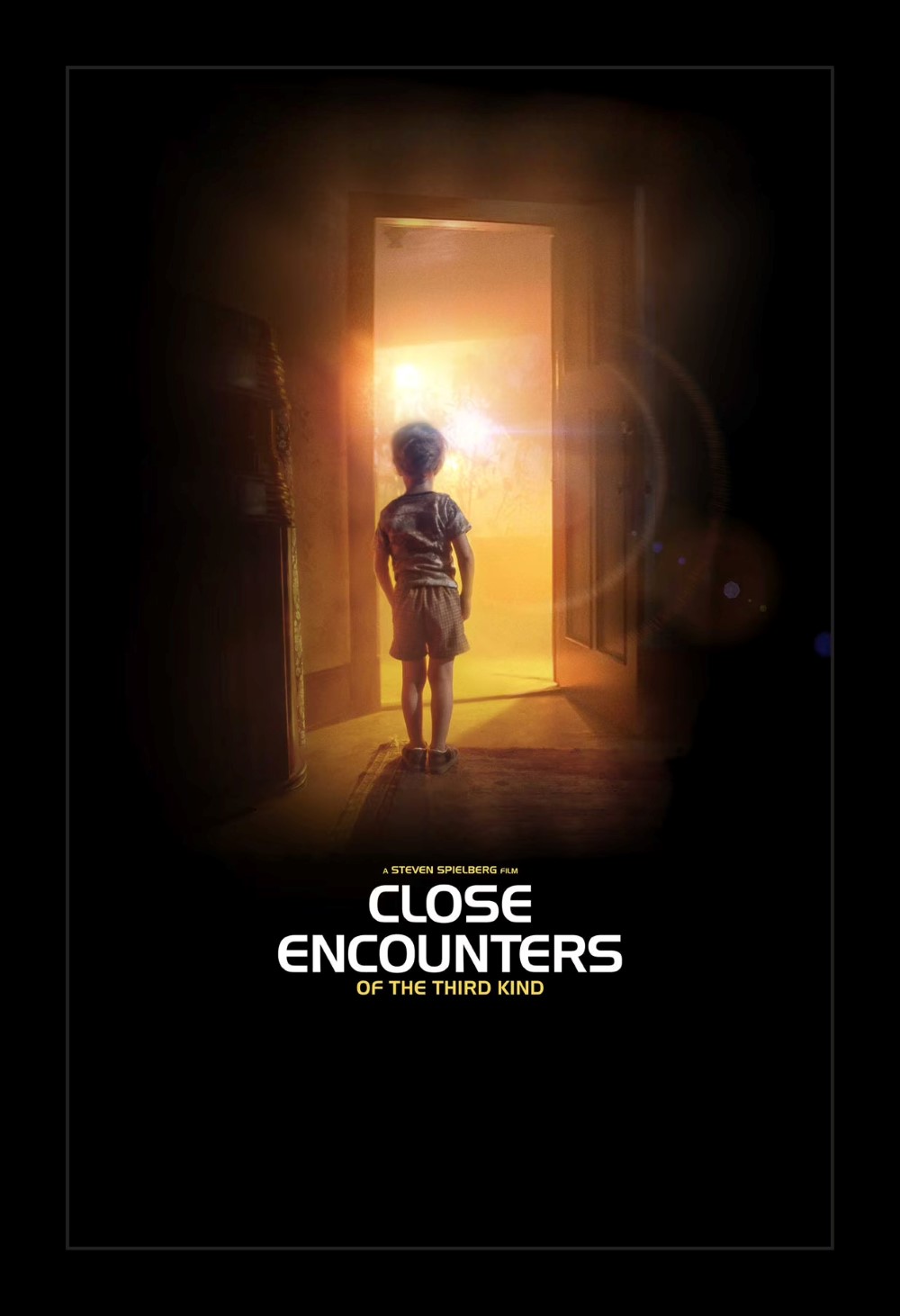
Review: Close Encounters of the Third Kind (dir. by Steven Spielberg)


“Monsieur Neary, I envy you.” — Claude Lacombe

When we look back at the historic cinematic landscape of 1977, it is almost impossible not to view it through the lens of a seismic cultural shift. That was the year a young George Lucas unleashed Star Wars upon the collective consciousness, fundamentally reshaping the Hollywood studio system and redirecting the trajectory of science fiction toward space opera, galactic dogfights, and mythic hero journeys. Yet, just a few months later, Steven Spielberg quietly delivered his own counter-argument to the stars with Close Encounters of the Third Kind. While Lucas looked outward toward far-away galaxies, Spielberg looked upward from our own suburban backyards. The result remains one of the most singular, agonizingly beautiful, and intensely personal science fiction films ever made, a masterclass in atmospheric tension that manages to balance deep blue-collar anxieties with a profound, almost spiritual sense of cosmic wonder. Watching it today, stripped of the immediate historical noise of the late seventies, the film stands out not merely as a technical milestone of visual effects, but as a fascinatingly messy character study about the terrifying, disruptive nature of inspiration and obsession.

The story follows Roy Neary, a blue-collar electrician in Indiana who, during a late-night power outage, sees something inexplicable in the sky. He’s not alone—across the state, a young mother named Jillian Guiler also witnesses strange lights, and her toddler son Barry becomes eerily fascinated by them. What Roy and Jillian don’t know is that similar sightings are happening worldwide, from the Gobi Desert to the air traffic control towers of Indianapolis. The film then does something unusual: instead of cutting to a military briefing or a scientist’s whiteboard, it stays with Roy as his ordinary life starts to fracture. He becomes obsessed with a shape he can’t quite remember—a mountain, maybe, or a tower—that he begins sculpting out of mashed potatoes, shaving cream, and whatever else is at hand. His wife and kids, understandably, think he’s losing his mind. Jillian, meanwhile, faces a more immediate and terrifying version of the same mystery.

What’s remarkable is how Spielberg handles characterization. Roy isn’t a hero in any traditional sense. He’s a loud, slightly goofy family man who loves model trains and bad jokes. Richard Dreyfuss plays him with a permanent crease of confusion between his eyebrows, as if his brain is trying to process a frequency nobody else can hear. The film never explains why Roy is chosen or why the visions hit him so hard—it just shows the consequences: lost jobs, a crumbling marriage, a man who starts seeing his living room as a prison. Jillian, played with fierce tenderness by Melinda Dillon, is the emotional anchor. Where Roy’s obsession feels almost euphoric, Jillian’s is rooted in primal fear and love. She doesn’t want to meet the unknown; she wants her son back. The film wisely never pits them against each other. Instead, they become accidental allies, two people dragged toward the same inexplicable destination for very different reasons.

Then there’s the other side of the coin: the government. François Truffaut (one of the founders of the French New Wave film movement), in a wonderfully offbeat piece of casting, plays Claude Lacombe, a French scientist leading a secret U.N. team that’s been tracking the phenomena for years. We see them discover something astonishing in the Mongolian desert—a lost ship from World War II, returned without its crew, in pristine condition. Later, they find an entire tanker ship deposited in the Gobi, miles from any ocean. These scenes are brief but crucial, because they establish that whatever is happening has been happening for a long time. Lacombe and his team aren’t villains; they’re just as baffled as Roy, but with better funding. Their method of communication—a simple five-note musical phrase—becomes the film’s quiet heartbeat. Spielberg trusts you to understand that this isn’t a code or a weapon. It’s a greeting.

The film’s middle section is where most blockbusters would insert a chase or a battle. Instead, Close Encounters gives us a slow-burn portrait of obsession as a kind of grace. Roy drives his family crazy. Jillian chases rumors. Hundreds of other ordinary people—the film calls them the “paranoids”—start showing up at rural crossroads, drawn by the same psychic pull. Spielberg shoots these scenes with a documentary-like patience: a traffic jam of confused believers, a midnight roadblock, a man who just knows he has to go to Wyoming. You start to feel the pull yourself. By the time Roy finally understands what the mashed-potato mountain is—Devil’s Tower, a real volcanic plug in northeastern Wyoming—the movie has earned every ounce of that revelation. It’s not a twist. It’s a release.

The final forty minutes of Close Encounters are best experienced with as little prior knowledge as possible, so I’ll stay vague. What I will say is that Spielberg stages the arrival of the unknown as a religious event, not an invasion. There are no laser cannons, no ultimatums, no speeches about humanity’s destiny. Instead, there’s light and sound, a symphony of colored orbs and humming engines, and a sequence of hand gestures that communicates more than any dialogue could. The aliens, when they finally appear, are small and pale and oddly childlike—not scary, not angelic, just other. And a choice that Roy faces, involving whether to stay or go, lands with the weight of a moral question, not a happy ending. Spielberg doesn’t tell you if it’s right. He just shows you a man’s face, lit by unearthly glow, and leaves the rest to your own compass.

Technically, the film is a marvel of analog craft. The UFOs aren’t digital—they’re models, lights, and smoke, shot with such loving care that they feel tangible. Douglas Trumbull’s visual effects prioritize scale and mystery over menace. John Williams’s score, anchored by that five-note motif, does the emotional heavy lifting without ever feeling manipulative. And Spielberg’s direction is all about waiting—holding on a character’s face as they process something impossible, letting a shot of the night sky breathe for an extra five seconds. That patience is the film’s secret weapon. In an era of quick cuts and louder-is-better spectacle, Close Encounters dares you to sit in the dark and listen.

Does it hold up? Almost entirely, though with small caveats. The pacing is glacial by modern standards, and Roy’s family is written as shrill obstacles—Teri Garr does her best with a thankless role. Some viewers may find Roy’s eventual choices hard to forgive. But those complaints miss the point. Close Encounters isn’t about good fathers or responsible citizens. It’s about the ache of the ineffable—the feeling that something is out there, just past the treeline, and it knows your name. Spielberg made bigger hits, but he never made anything more personal. If you’ve never seen it, or haven’t since you were a kid, watch it in the dark. Turn your phone off. Let the tones wash over you. You might find yourself humming that five-note song for days. And honestly, that’s the whole point.

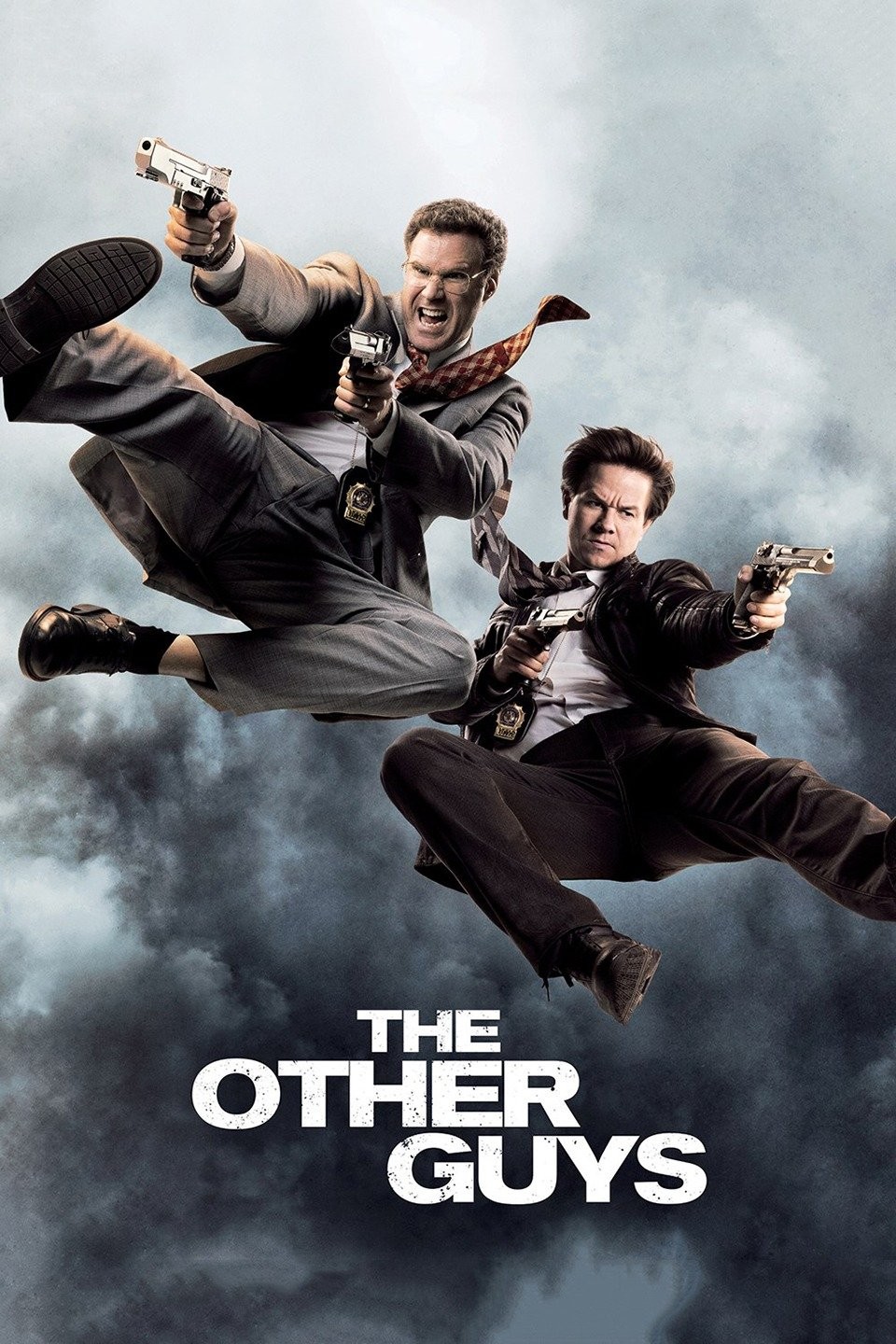
Review: The Other Guys (dir. by Adam McKay)


“We are gonna have sex in your car. It will happen again!” — Dirty Mike

Adam McKay’s The Other Guys feels like the moment a class clown who is secretly a genius finally snaps and decides to teach the entire school a lesson while making them laugh so hard they forget they’re being educated. Released in 2010, the film lands right in that sweet spot of McKay’s career where he was pivoting away from the pure, unhinged mania of Anchorman and Step Brothers and starting to smuggle razor-sharp satire into the multiplex under a mountain of stupidity. It is, without a doubt, one of the funniest movies of its decade, but calling it just a comedy feels like a disservice. It’s a buddy cop movie that hates the irresponsibility of buddy cop movies, a financial crisis explainer disguised as a screamo TLC tribute, and a showcase for two lead performances that should have spawned at least three sequels. If you’ve somehow managed to sleep on this one, it’s time to fix that.

The opening sequence is a masterclass in bait-and-switch. We are introduced to Danson and Highsmith, the city’s top cops, played with magnificent, self-serious swagger by Dwayne Johnson and Samuel L. Jackson. They’re chasing down a minor misdemeanor in a way that destroys half of downtown Manhattan, culminating in them heroically jumping off a twenty-story building to land safely in some bushes. Except they don’t. They splatter. It’s a shocking, hilarious, and instantly iconic death scene that serves as McKay’s thesis statement: the action movie logic you’ve been fed for decades is a lethal fantasy. With the heroes dead, the spotlight shifts painfully to the guys who have to do the paperwork on their mangled corpses, forensic accountant Allen Gamble and hot-headed loose cannon Terry Hoitz. These two are, emphatically, the other guys, and when circumstances force them onto a case involving corporate financial fraud, they stumble their way toward something resembling heroism, occasionally despite themselves.

What separates The Other Guys from the pile of mediocre comedy-action hybrids that came before and after it is the chemistry between Ferrell and Wahlberg, which is genuinely one of the more unexpected comedic pairings of that era. Ferrell plays Gamble as a deeply strange man who has weaponized milquetoast passivity into a superpower. His complete, serene contentment with a life of spreadsheets, Grand Theft Auto grand larceny sprees where he obeys all traffic laws, and a suspiciously beautiful wife played by Eva Mendes is a hypnotic thing to watch. Ferrell dials down the bombast and delivers something wonderfully weird and controlled, a man who is simultaneously a complete dork and, as we later discover, a shockingly capable pimp named Gator. Wahlberg, meanwhile, is doing something genuinely interesting here. Terry Hoitz is a walking wound, a great cop reduced to a desk jockey and public mockery for the unforgivable sin of accidentally shooting Derek Jeter during the World Series. He’s angry, humorless, and convinced of his own greatness despite ample evidence to the contrary. Wahlberg plays him completely straight, which is the exact right call, because his deadpan bewilderment at Ferrell’s behavior, the way his voice cracks with desperate, shrill anger when trying to explain a normal scenario, ends up being funnier than almost anything else in the film. Their chemistry is a perfect storm of a guy who wants to live inside a peaceful spreadsheet and a guy who wants to set that spreadsheet on fire while learning to dance the sardine.

This is the kind of comedy where the supporting cast keeps piling on gloriously unhinged performances, which makes Ray Stevenson’s work as the heavy all the more valuable. As Roger Wesley, the corporate enforcer who does the violent bidding of Steve Coogan’s billionaire fraudster, Stevenson operates in a completely different register from everyone else. While Ferrell is weaponizing passive-aggressive politeness, Wahlberg is screaming about peacocks, and Michael Keaton is unconsciously quoting Waterfalls while running a police precinct, Stevenson remains a granite slab of menace. He doesn’t crack jokes, he doesn’t do double-takes, and he certainly doesn’t care about the absurdity swirling around him. There’s something almost old-fashioned about his screen presence here, a grim, heavy-lidded seriousness that makes him feel like he wandered in from a real crime thriller and simply refused to leave. It’s the kind of straight-man performance that doesn’t just anchor the chaos; it makes the chaos funnier by contrast. When he’s methodically hunting down loose ends while Ferrell and Wahlberg are bickering about whether a lion could beat a tuna in open ocean, the collision of tones is pure McKay alchemy.

The plot, such as it is, involves the duo stumbling onto a massive white-collar crime conspiracy led by a billionaire played with smarmy, cowardly glee by Steve Coogan. It’s here that McKay’s deeper ambitions start to peek through the absurdity. While Terry is desperate for a classic action-movie shootout and car chase, the investigation leads them to the Lendl Global offices, where the real villainy isn’t drug lords or terrorists but leveraged buyouts and pension fund looting. There’s a perfect running gag where they keep trying to get into the action, preparing for a massive gunfight against a team of mercenaries, only to find that the corrupt corporate security detail is made up of ex-cops just looking to quietly retire with their benefits. It is the funniest anti-climax, a deliberate denial of violence that reinforces the film’s core idea that the most dangerous criminals wear suits, not ski masks. The financial villain is a thinly veiled stand-in for the kind of Wall Street grift that was very much in the cultural conversation in 2010, just a couple of years after the financial crisis. McKay would later go much deeper on that territory with The Big Short, but the seeds of that interest are planted all over this film.

The comedy in The Other Guys operates on two distinct but equally brilliant levels. There is the surface-level absurdity, the kind that produces quotes like “I’m a peacock, you gotta let me fly!” and the quiet, steady domination of Gamble’s totemic Prius, which somehow survives a fireball helicopter crash without a scratch. The “aim for the bushes” jump, the lion versus tuna debate that Hoitz treats with theological gravity, and the wooden gun gifted to Gamble are all top-tier ridiculousness. Then there is the deeper, more surreal well of humor that feels distinctly McKay. The entire subplot of Gamble’s past as a college pimp named Gator is a work of deranged genius, a slow-motion, honey-dripped flashback that reveals a world of casual, elegant pimping that Ferrell plays with a straight face so absolute it circles back around to being terrifyingly cool. The relentless jokes about Gamble unknowingly marrying way out of his league, his genuine confusion over why people think Eva Mendes is attractive, is a running gag that beautifully plays on Ferrell’s ability to be completely oblivious to the reality surrounding him. Eva Mendes is admittedly underused, though the film at least has fun with the joke by leaning into Wahlberg’s incredulous reaction every time she appears, which never gets old.

Visually, the film has a blandly competent sheen that actually works in its favor. Unlike the frattish haze of Anchorman, here McKay is directing a movie that looks like a real cop film, which makes the eruptions of insanity even more jarring. The action sequences are staged with real competence. The car chases aren’t played as joke sequences; they’re genuinely well-staged, particularly the Prius chase midway through where Gamble’s calm, methodical driving commentary clashes with a panicking Hoitz. It’s legitimately exciting before it goes completely off the rails in the best way. McKay never lets the plot drag even when the jokes need room to breathe. By this point in his career he’d clearly figured out the right pace for this kind of thing, and it shows. The movie moves. The film also showcases Michael Keaton in a delightful supporting role as Captain Gene Mauch, a cop who unconsciously works a second job at Bed Bath & Beyond while peppering his police work with retail slogans. Keaton’s deadpan delivery of lines about TLC references and towel specials, only to shout the chorus of Waterfalls at a moment of high tension, is a thing of beauty. Every single one of his scenes is a gift. It’s a running joke that never explains itself, and it’s all the better for it.

Then there is the ending. For a film that spends nearly two hours being aggressively stupid-smart, the final moments make a radical pivot. As the bad guy is caught, the movie doesn’t just roll credits. It stops dead and turns into a miniature economics lecture. With animated infographics and hard statistics, McKay lays out exactly how Ponzi schemes, bailouts, and income inequality have shattered the American middle class, all while the Rage Against the Machine cover of Maggie’s Farm thrashes on the soundtrack. It’s a jarring, preachy, and completely unexpected move. On first viewing, it feels like the director violently smashing the emergency brake on the comedy train. But in hindsight, it’s the only honest way this movie could end. McKay isn’t just telling us that bank robbers are less dangerous than bankers; he’s stopping us from leaving the theater without understanding the scale of the theft. It doesn’t undermine the fun at all. If anything it adds a layer of purpose that makes the whole thing feel a little more substantial than your average cop spoof. It’s the moment the class clown pulls out a graph showing your student debt will cripple you for life, and somehow, it works because he’s been earning your trust with jokes for the previous hour and a half.

There’s something almost nostalgic about watching a comedy this confident in its own weirdness. The Other Guys arrived at an interesting moment for this kind of movie, when the mid-budget, R-rated studio comedy was still a viable commercial proposition. It made decent money even if it wasn’t a runaway smash, but more importantly, it trusts that you’re going to be on board for a scene where Ferrell and Wahlberg argue about whether they’d rather be a lion or a tuna, and it’s right to trust that. The criticisms are relatively minor. The movie is maybe fifteen minutes too long, and a subplot involving Wahlberg’s ballet background gets introduced and then somewhat dropped. The villain’s scheme, by design, isn’t particularly cinematic, and the film occasionally strains to make the stakes feel real. But these are the kinds of complaints you make about a movie you liked, not a movie you didn’t, and none of them meaningfully dent the overall experience.

More than a decade later, The Other Guys has aged into something of a classic, a revered staple of late-night cable and quotable group chats. It sits at a fascinating crossroads, holding onto the absurdist, quote-heavy DNA of McKay’s earlier work while laying the formal and thematic groundwork for what he would do next with The Big Short and Vice. It proves that the jump from Ron Burgundy to a film about the 2008 housing crisis wasn’t actually that far at all. He just needed Wahlberg to yell a little bit, Ferrell to explain why a lion would still beat a tuna, even in open ocean, and Stevenson to stand in the middle of it all looking like he genuinely wants to murder everyone in the room. Whether you come for the laughs, the surprisingly competent action, or Michael Keaton mumbling TLC lyrics under his breath, you’re going to find something to love. Absolutely worth your time.

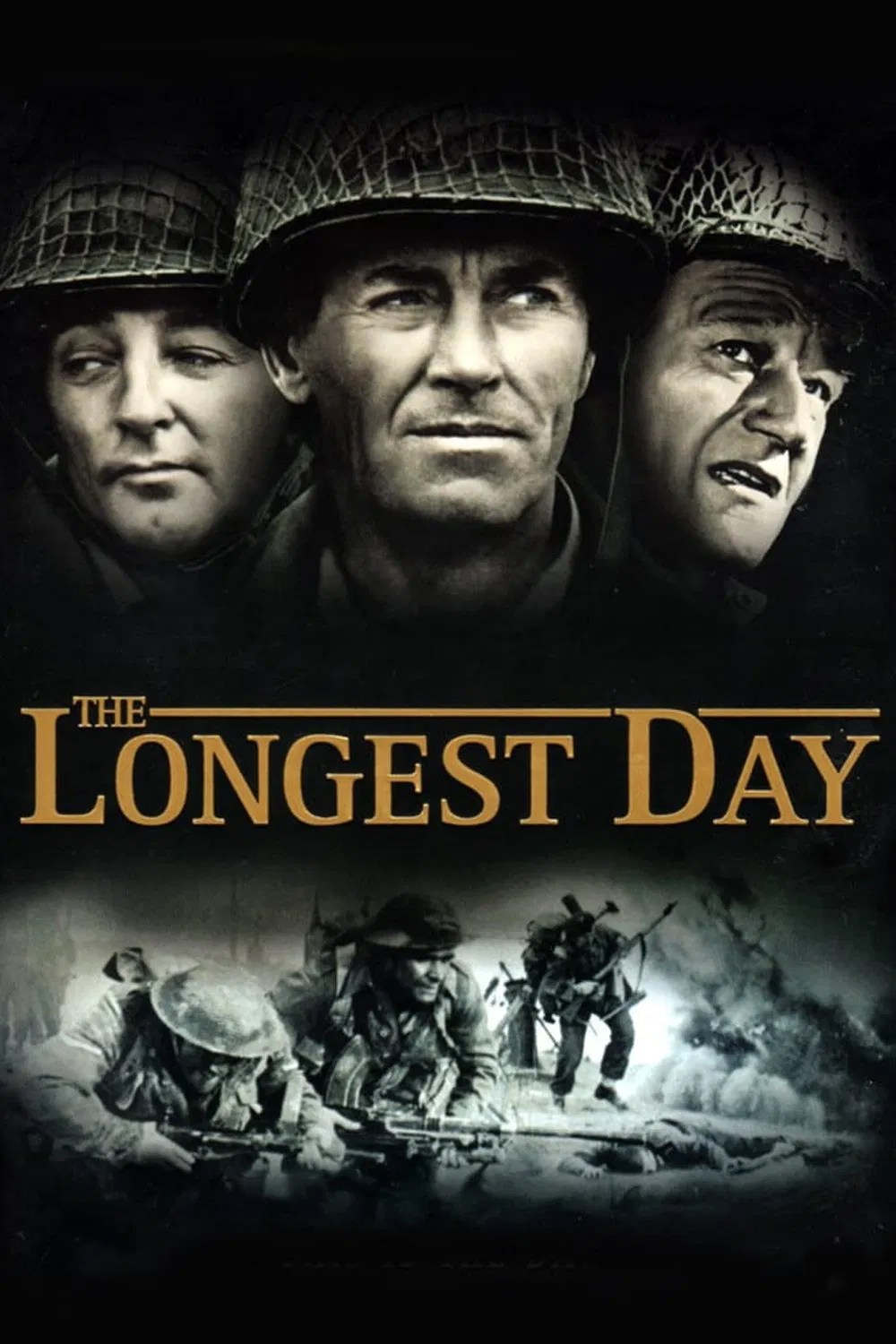
Review: The Longest Day (dir. by Ken Annakin, Andrew Barton & Bernhard Wicki)


“The thing that’s always worried me about being one of the few is the way we keep on getting fewer.” — Flight Officer David Campbell

You could be forgiven for thinking that a three-hour black-and-white war epic from 1962 about the D-Day landings might feel like homework. The Longest Day sounds exactly like the kind of movie your history buff uncle would insist you watch, and you’d brace yourself for stiff acting, dated effects, and a flag-waving tone that hasn’t aged well. But here’s the surprise: this thing still cooks. It’s massive, messy in the best way, and surprisingly modern in its storytelling. Directed by a quartet of filmmakers—Ken Annakin for the British sequences, Andrew Marton for the Americans, Bernhard Wicki for the Germans, and with uncredited help from John Wayne’s own ego (more on that later)—The Longest Day isn’t one movie. It’s five or six movies crammed into a single sprawling canvas, and somehow that chaotic energy works perfectly for a story about the chaos of June 6, 1944.

First, let’s talk about the elephant in the room: the cast. It’s absurd. John Wayne, Robert Mitchum, Henry Fonda, Sean Connery, Richard Burton, Rod Steiger, Robert Wagner, Curt Jürgens, and a young Gert Fröbe (the future Goldfinger) are just the headliners. There are about forty other recognizable faces popping up for two minutes of screen time. You half expect a narrator to say “and that guy from that thing.” But here’s the trick: The Longest Day uses star power not as distraction but as shorthand. When you see John Wayne playing Lt. Col. Benjamin Vandervoort, you don’t need a backstory. You just know he’s the tough, unkillable leader. When you see Henry Fonda as Brig. Gen. Theodore Roosevelt Jr., you read quiet dignity and grit. The movie trusts that you’ll fill in the blanks, which allows it to jump between American, British, French, and German perspectives without pausing for emotional handholding. That’s a bold gamble, and it mostly pays off, though Wayne’s scenes are a prime example of the film’s one real weakness: occasionally, it lets the star overpower the story. His Vandervoort breaks his ankle jumping into Normandy and still leads his men—cool story, historically accurate—but Wayne plays it with that trademark swagger that feels more Rio Bravo than WWII. It doesn’t ruin the film, but it does remind you you’re watching a movie star, not a soldier.

Where The Longest Day truly earns its reputation is in its structure. The film opens with a ground-level view of the German defenders—foggy, tired, complacent. Rommel (Curt Jürgens) is home for his wife’s birthday. Junior officers are skeptical of the “invasion threat.” Then we cut to the Allied side, from Eisenhower’s agonized “go” decision to the paratroopers floating down into French nightmares. The film refuses to pick a hero. It bounces between a German machine-gunner mowing down Americans on Omaha Beach and a French Resistance fighter getting captured and executed. There’s no swelling music to tell you who to root for—the score by Maurice Jarre is often tense, percussive, or eerily quiet. That evenhandedness is shocking for an early-60s war film. The Germans aren’t cackling villains. They’re professionals, some cynical, some naive, all trapped in a bad situation. One scene shows a German officer calmly reporting the invasion to higher command while another weeps because his men have no air support. You don’t sympathize with them exactly, but you understand them. That’s rare for any war movie, let alone one starring John Wayne.

The set pieces remain jaw-dropping. Because this was made before CGI, every paratrooper you see actually jumped (with stuntmen and low altitudes). Every landing craft ramp dropping on Omaha Beach is filled with real extras who had to swim ashore in cold water. The famous shot of a lone French commando running across a bridge under fire? That’s a real explosion, real bullets (blanks, but still). The production employed thousands of military advisors and actual veterans as extras. You can feel that authenticity in the grain of the film. When American soldiers fumble with wet ammunition or a British glider crash-lands through a fence, it’s not slick Hollywood heroism. It’s clumsy, loud, and terrifying. The movie’s most quoted line—“The greatest thing about the greatest generation is they didn’t know they were the greatest”—isn’t in the film, but the spirit is everywhere. These guys aren’t quoting Shakespeare. They’re vomiting from seasickness, losing their gear, and crying for their mothers. Then they get up and climb a cliff. That contrast is what makes The Longest Day so effective: it’s a blockbuster that respects the small, undignified human moments.

If the film has a flaw beyond occasional star vanity, it’s pacing. The first hour is deliberately slow—building tension through radar stations, weather reports, and a French priest’s bicycle ride. That might bore viewers raised on Saving Private Ryan’s opening twenty minutes. But hang with it, because when the invasion starts, the deliberate pace pays off. You’ve been inside the German bunkers, heard their debates, seen their confidence. So when paratroopers land behind their lines with toy clickers (the actual “cricket” device from history), every crack of a twig feels tense. The other flaw is the film’s treatment of the French Resistance and civilians. They get a few noble moments—a girl running through gunfire to deliver a message—but overall, the French are sidelined. The movie is fundamentally Anglo-American, with German scenes as the “other” perspective. That’s honest to the command structure of D-Day, but it does mean the country being liberated mostly watches from the margins.

Still, The Longest Day achieves something that most war epics don’t: it’s a genuine ensemble piece without a single protagonist, and it never loses its moral clarity. There’s a scene where a German colonel (the wonderful Werner Hinz) looks at an American prisoner and says, “We fight for a monster. You fight for your homes.” That’s the whole movie in one line. It doesn’t demonize the Germans as evil—it shows them as humans who made terrible choices and are now paying for them. And it doesn’t sanctify the Allies—it shows them as scared kids with a just cause. The final image of the film is a lingering shot of the beach, littered with bodies and wreckage, as a narrator tells you the exact number of casualties on both sides. No music. No kiss. No flag. Just the silent aftermath. For 1962, that’s audacious. For today, it’s heartbreaking.

So should you watch The Longest Day? Yes, but not as a history lesson. Watch it as a time capsule of how we used to make movies: with real explosions, real extras, and a willingness to let a story breathe across three hours without a superhero or a snappy one-liner. It’s old-fashioned, sure. Some of the acting is stagey, and the black-and-white photography might feel like a relic. But once the landing craft doors drop and the bullets start kicking up water, you’ll forget the runtime. It’s not Saving Private Ryan’s visceral nightmare, and it’s not Band of Brothers’ intimate character study. It’s a reporter’s notebook of a film—raw, sprawling, and full of names you’ll never remember but faces you won’t forget. For a movie that’s over sixty years old, The Longest Day still has legs. And for a story about the longest day, it earns every single minute.

Review: Normal (dir. by Ben Wheatley)


“I used to be a regular sheriff.” — Sheriff Ulysses

Ben Wheatley has built a career on making audiences uncomfortable. From the cultish dread of Kill List to the seasick chaos of Free Fire, he specializes in a specific kind of British miserablism that suddenly snaps into shocking ultraviolence. So, the idea of him directing a snowbound, American action-comedy starring Bob Odenkirk felt a little like hiring a surgeon to cater a birthday party. You know the food will be technically proficient, but you are terrified of what might be in the sauce. The 2026 film Normal, written by Derek Kolstad and Bob Odenkirk, is exactly that catering job: it is messy, bloody, surprisingly filling, and leaves you with a weird stomach ache if you think about it too long. But in a summer movie season often defined by joyless CGI sludge, Normal is a blast of R-rated, mid-budget freshness that knows exactly how stupid it is, even if it stumbles on its way to the finish line.

The premise is a beautiful piece of elevator pitch simplicity. Odenkirk plays Sheriff Ulysses, a haunted, world-weary interim sheriff who takes a short-term gig in the tiny, freezing Minnesotan town of Normal. The previous sheriff died under mysterious circumstances (ice fishing accident, sure), and Ulysses is just looking for a quiet place to drink coffee, ignore his wife’s phone calls, and heal. The problem is that Normal, Minnesota, is anything but. As Ulysses walks the beat, he notices the quiet desperation of rural America has been replaced by a strange, Stepford-like prosperity. The knitting store sells AR-15s. The diner’s walls are lined with loaded rifles. The town has somehow raised sixteen million dollars for a new town hall. It turns out that the citizens of Normal have sold their souls—and their town—to the Yakuza, acting as a quiet, frozen Swiss bank account for Japanese organized crime. When a pair of bumbling out-of-town robbers (Reena Jolly and Brendan Fletcher) hits the local bank, the bulletproof glass shatters, and Ulysses finds himself trapped in a blizzard, fighting for his life against an entire town of friendly, flannel-wearing killers.

Having Odenkirk as co-writer explains a lot about why Normal feels different from Kolstad’s other work. Where John Wick and the first Nobody are lean, machine-tooled scripts, Normal has a looser, more character-obsessed texture. The dialogue is full of weird pauses, non-sequiturs, and the kind of conversational detours that defined Odenkirk’s television work on Better Call Saul. You can feel the actor’s hand in every scene where Ulysses just stares at a absurd situation and mutters something mundane like “Well, that’s not ideal.” If you have seen the Nobody films, you know the rhythm Odenkirk plays as a performer. But what makes Odenkirk so fascinating to watch in Normal is how he continues to solidify an idea we haven’t really seen since Liam Neeson stumbled into Taken: the deeply unconventional action hero. Think about it. Before Neeson, action stars were Schwarzenegger, Stallone, Willis—men built like refrigerators. Then Neeson showed up at fifty-six, all grief-stricken eyebrows and theatrical training, and suddenly audiences realized that a sad dad with a “particular set of skills” was just as terrifying as any bodybuilder. Odenkirk is the spiritual successor to that twist.

No one ever looked at the guy who played slimy lawyer Saul Goodman or the hapless comic from Mr. Show and thought, “There is our next great screen fighter.” Yet here we are, years after the first Nobody, and Odenkirk has quietly become the most believable everyman action lead of his generation. Unlike Neeson’s brooding intensity, Odenkirk brings a specific, almost pathetic vulnerability. In Normal, he excels at playing the “sad dad” action hero—the guy whose joints pop when he stands up, who looks like an accountant but moves like a bar fight. Ulysses isn’t a retired assassin; he’s just a cop who is very, very tired. When he dispatches a thug with a fire extinguisher, there is no cool one-liner, just a wheeze and a wince. That grounded exhaustion is the Odenkirk brand, and because he co-wrote the part, it fits him like a tailored suit. He sells the physicality without losing that “I’m too old for this” shuffle, making you believe a middle-aged man could survive a gauntlet of killers purely out of stubbornness and regret. Henry Winkler, as the smarmy Mayor Kibner, chews the frozen scenery with glee, playing a man so polite and effervescent that you want to punch him immediately. Lena Headey shows up as a barkeep with a shotgun, and while she doesn’t get enough to do, she brings the necessary grit.

However, the secret weapon here is actually Ben Wheatley and his “anti-action” philosophy. In a recent interview, Wheatley described the violence in Normal as being akin to Final Destination. That is the smartest thing about this movie. In a typical John Wick movie, the hero is a force of nature; he actively kills people with surgical precision. In Normal, Ulysses doesn’t so much defeat the town as survive it. In one fantastic set piece, a character slips on ice and impales themselves on their own bayonet. In another, a massive sign falls and crushes a gunman mid-monologue. The town itself becomes a hostile, slippery, glass-strewn deathtrap. This gives Normal a chaotic, Looney Tunes energy that separates it from its cousins. You never know who is going to die next or how, and Wheatley directs the carnage with a blackly comic eye. The sound design of bones crunching against frozen asphalt is disturbingly hilarious. This isn’t the graceful ballet of assassination; it’s the slapstick of murder, and it is refreshing. And Odenkirk’s performance is the perfect anchor for this chaos because he always looks slightly surprised to still be alive—a quality Neeson, for all his skills, rarely conveyed. The fact that Odenkirk helped write the script means those reactions of shock and reluctant disgust feel genuine rather than performed.

But let’s address the moose in the room. Normal desperately wants to be Fargo, but it only has the vocabulary of a comic book. The Coen Brothers’ masterpiece works because the quirky dialogue masks a terrifying emptiness. Normal wears its quirk on its sleeve like a cheap souvenir. The film tries to weave in social commentary about the death of rural America, gun culture, and even features a subplot involving a trans nonbinary teen (Jess McLeod) who was the child of the previous sheriff. These moments are handled with a surprising amount of grace—they aren’t preachy, just present. However, the film is moving so fast (the runtime is a lean 91 minutes) that it forgets to give these themes any weight. You get a five-second shot of a wall of guns, and then someone blows up. The commentary is there, but it’s just set dressing for the explosion.

Furthermore, the plot structure is lopsided. The film opens with a cold sequence in Japan with the Yakuza cutting off fingers and looking menacing. It feels like a contractual obligation to remind you this is from the John Wick universe, and it’s hard not to wonder if that was a Kolstad-driven choice while Odenkirk might have preferred more mystery. It completely spoils the slow-burn reveal of the town’s corruption. Imagine The Wicker Man if the first scene showed you the villagers burning the wicker man. The tension of Ulysses realizing that “the call is coming from inside the house” is neutered because we, the audience, already know the Yakuza are lurking in the basement. Also, for a movie called Normal, it is incredibly predictable within its own lane. Once the shooting starts, you know exactly where Ulysses is going to end up (spoiler: a hardware store and then the police station). The film devolves into a familiar Assault on Precinct 13 siege scenario, and while the kills are inventive, the geography of the action gets muddy. Wheatley shoots the snowy exteriors beautifully—the white landscape makes the red blood pop like neon—but during the frantic third act, the editing gets choppy, and you lose track of who is shooting whom. For a movie that prides itself on “anti-action,” it relies heavily on the generic rhythms of action in its final twenty minutes.

Despite these structural hiccups, Normal works because it never overstays its welcome. At a brisk hour and a half, it gets in, blows up a town, and gets out. Bob Odenkirk continues to prove that he is the most relatable action hero of the 2020s—the natural heir to the “unlikely badass” throne that Liam Neeson occupied for a solid decade. Where Neeson brought Shakespearean tragedy to the genre, Odenkirk brings a frustrated accountant’s fury. He looks like he just finished paying his taxes, and you believe he is furious about it. Having co-written the film only deepens that authenticity; this isn’t a star merely showing up to say lines, but an actor who has shaped the material to his exact strengths. Ben Wheatley manages to smuggle just enough British cynicism and nasty violence into the frame to keep genre fans on their toes.

Is Normal a great film? No. It is too shallow and too structurally messy for that. But is it a great time at the movies? Absolutely. It is the cinematic equivalent of comfort food laced with hot sauce. You know what you are getting, but the kick is still satisfying. For fans of Odenkirk’s grumpy charm and Wheatley’s chaotic tendencies, Normal is a perfectly abnormal way to spend an evening. Just don’t go looking for the heart that the title promises; this one is all viscera. And frankly, in an era where most action movies are built from the same digital spare parts, watching a former comedy writer freeze his way through a Yakuza invasion feels like the most refreshing kind of normal we could ask for.