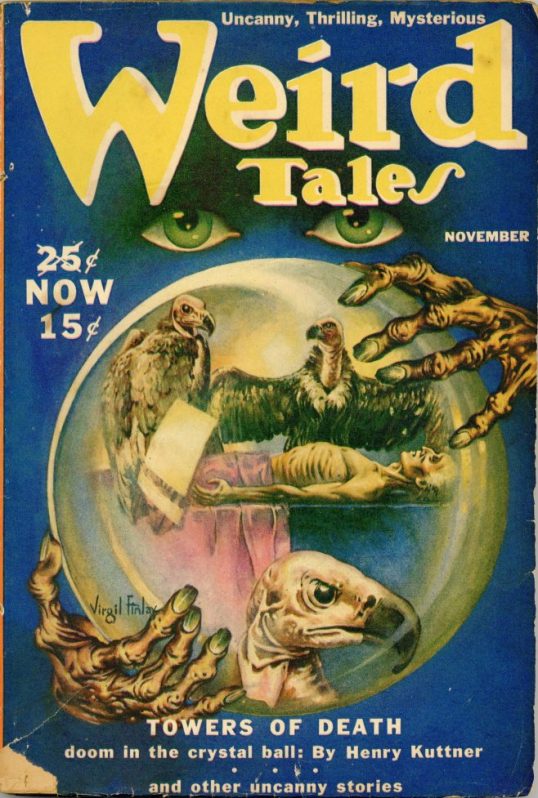
by Virgil Finlay
This cover, which is quite an eyeful, is from 139.
by Virgil Finlay
This cover, which is quite an eyeful, is from 139.
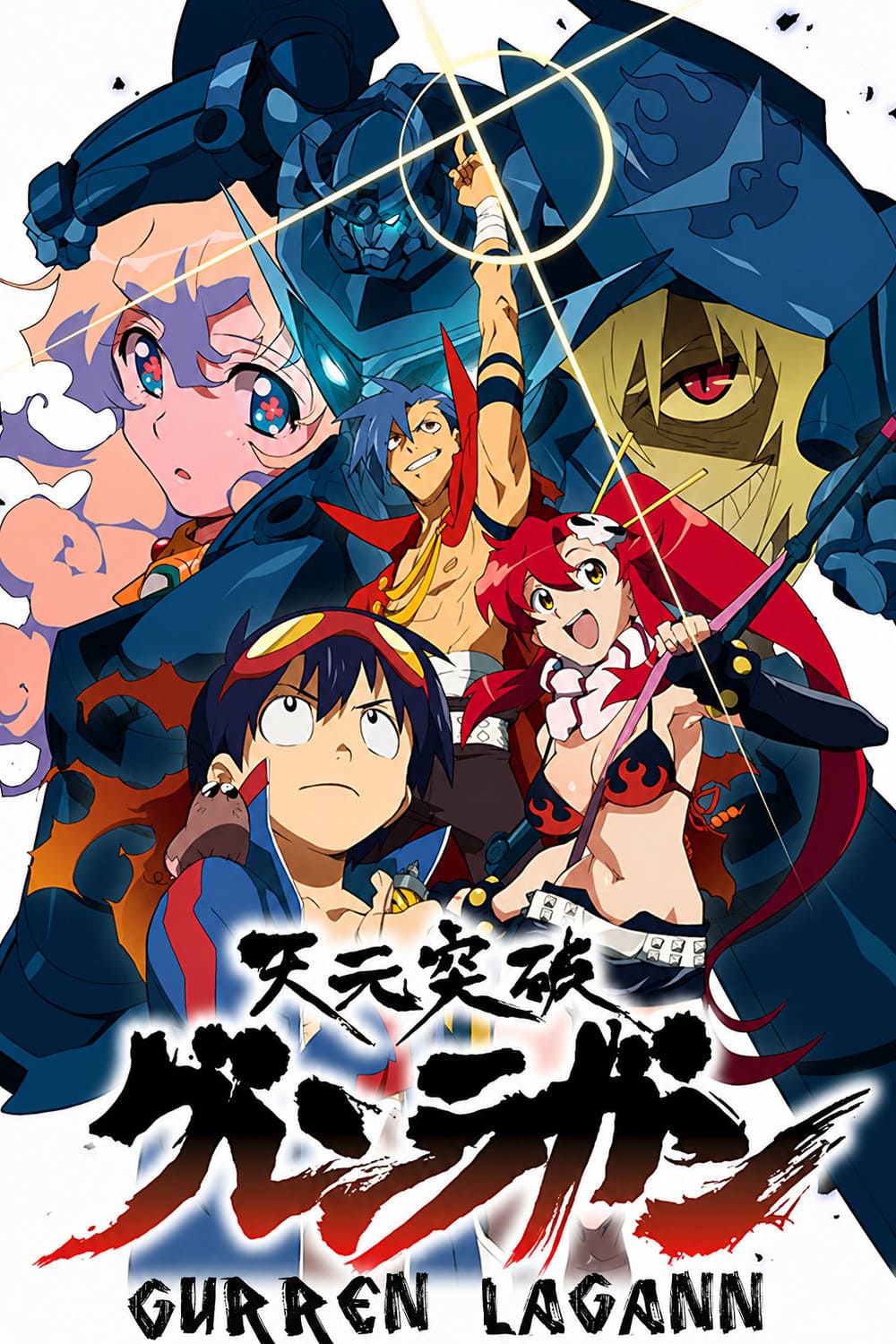
“Don’t forget. Believe in yourself. Not in the you who believes in me. Not the me who believes in you. Believe in the you who believes in yourself.” — Kamina
Gurren Lagann is one of those anime that seems to announce itself at maximum volume before the opening theme has even finished. It is loud, ridiculous, earnest, aggressively stylish, and so emotionally committed to its own escalation that it somehow transforms drills, sunglasses, tiny robots, and increasingly impossible acts of defiance into a genuinely moving epic. Produced by Gainax and originally broadcast in 2007, Tengen Toppa Gurren Lagann begins underground with a timid boy named Simon and ends in a place so cosmically huge that describing it risks making the show sound like parody. But that journey—from cramped tunnels beneath the earth to a battle for humanity’s future among the stars—is exactly why it still lands so hard.
The premise starts simply. Simon lives in an underground village where people have been conditioned to accept a small, confined existence beneath a hostile surface world. He spends his days digging tunnels, largely ignored by the others around him, until his life is upended by Kamina, a reckless older boy who insists that the surface exists and that humans belong there. Kamina’s conviction is less a coherent philosophy than a full-force personality trait: he believes in breaking through walls because walls are there to be broken. When Simon discovers a small drill-shaped device and a miniature mecha called Lagann, the pair’s ambitions become suddenly possible. Their escape to the surface introduces Yoko, the series’ sharp-shooting, level-headed third lead, and kicks off a war against the Beastmen and their towering Gunmen.
On paper, that sounds like a standard mecha adventure. In practice, Gurren Lagann uses that foundation as a launchpad for a story about grief, courage, self-definition, and the strange process of becoming the person you need to be after the person you depended on is gone. Its early episodes are especially effective because Simon is not immediately framed as a hidden hero. He is anxious, withdrawn, and clearly accustomed to having Kamina speak for him. Kamina may be the show’s loudest presence, but Simon is its emotional center. The series understands that confidence is not just something a character “gets” after a training montage. It has to be built through failure, fear, loss, responsibility, and the gradual realization that admiration is not the same thing as identity.
Kamina is still the character most people remember first, and it is easy to see why. His dialogue is endlessly quotable, his poses are absurdly theatrical, and his belief in Simon is powerful precisely because it is so unconditional. Kamina does not believe Simon is capable because Simon has proven himself; he believes Simon will prove himself because he already sees something in him. That relationship gives the early part of Gurren Lagann its heart. Kamina is not merely a mentor figure or a source of comic bravado. He is the force that makes Simon look upward. The show’s famous “believe in the me that believes in you” idea could have been corny in another context, but here it becomes a sincere expression of what it means to lend someone confidence until they can create their own.
The series’ willingness to change after its major emotional turning point is what elevates it beyond a very good action show. Gurren Lagann understands that inspirational speeches cannot erase trauma. Simon does not simply inherit Kamina’s confidence; he has to confront the fact that trying to imitate Kamina leaves him hollow. His eventual growth is about accepting Kamina’s influence without becoming trapped inside it. That distinction gives the show surprising maturity beneath all the bombast. Simon’s ultimate strength comes not from copying another person’s legend, but from finding a voice and resolve that belong to him alone.
Yoko is also more important than the usual “female lead in a shōnen-style action series” label would suggest. She has to serve as both a capable fighter and one of the few people who can puncture the boys’ more reckless impulses, but Gurren Lagann gives her a real emotional presence beyond that function. Her grief, her resilience, and her continued movement through a world that keeps changing around her make her feel essential to the story’s broader ideas about survival. The show’s presentation of Yoko can be very much of its mid-2000s anime era, and some of its fanservice has not aged particularly gracefully. Still, she is never reduced entirely to that material, and the series repeatedly reminds the audience that she is a veteran combatant and a person carrying losses of her own.
Visually, Gurren Lagann remains an absolute blast. Its art style is dynamic in a way that feels almost physically restless. The animation stretches bodies, machines, perspective, and scale for emotional effect rather than strict mechanical realism. Characters lean into poses so hard they feel like they might burst through the frame. Mecha do not merely move; they lunge, twist, slam, and spiral forward with a sense of weight and raw momentum. The show frequently uses exaggerated proportions, thick expressive linework, explosive color, and wild camera angles to make every confrontation feel bigger than the last. Even its stillness has energy, because the designs and compositions are always angled toward motion.
That visual approach has had a real influence on anime in the years since its release. You can see echoes of Gurren Lagann’s expressive exaggeration, bold color blocking, elastic action, and preference for emotional impact over restrained realism in much of the work associated with former Gainax talent and Studio Trigger, particularly Kill la Kill, Promare, Little Witch Academia, and Cyberpunk: Edgerunners. Its influence is broader than any one studio, though. The show helped solidify a modern appetite for animation that can be rough-edged, hyperactive, and knowingly excessive without sacrificing sincerity. A lot of later anime have chased its surface energy—the crazy transformations, the screaming declarations, the impossible scale—but fewer have replicated how carefully Gurren Lagann ties that escalation to character growth.
The mecha designs deserve special credit because they capture the show’s philosophy better than any speech could. Lagann starts as a small, almost toy-like machine, while Gurren is clunky, hot-blooded, and visually associated with Kamina’s swagger. When they combine into Gurren Lagann, the result is not sleek or conventionally elegant. It looks improvised, rebellious, and barely interested in obeying the normal rules of robotics. That is exactly the point. In Gurren Lagann, machines become expressions of willpower. They are not military hardware treated with sterile technical reverence; they are emotional extensions of the people piloting them. The more the characters believe they can surpass a limitation, the more absurdly grand their machines become.
The escalation is famously outrageous, but it is not random. The series moves from village-scale conflict to planetary stakes and eventually to something far beyond that, while preserving the same central question: what do people do when someone or something tells them that they have reached their limit? The antagonistic force behind the story, particularly through the Anti-Spiral, represents stagnation disguised as protection. The Anti-Spiral’s logic has a certain bleak rationality: humanity’s capacity to grow is dangerous, so it must be contained. Simon and the rest of Team Dai-Gurren respond with the series’ central rebuttal—that the risk of moving forward is inseparable from being alive. It is a simple message, but the show sells it with such conviction that it feels almost mythic.
This is also where Gurren Lagann separates itself from pure power fantasy. The characters win because they keep pushing forward, but the series does not pretend that forward movement makes pain disappear. People die. Dreams change. The ending, for all its spectacle, is not a cheap promise that determination guarantees a perfect reward. It recognizes that growing up often means accepting the cost of the choices that define you. Simon’s final arc is compelling because he becomes powerful enough to reshape the universe, yet the story still asks him to live with restraint, loss, and the knowledge that not every desire should be fulfilled simply because it can be.
The soundtrack is equally crucial to the experience. Taku Iwasaki’s score knows exactly when to go huge, mixing orchestral intensity, dramatic choral material, rock energy, and hip-hop-inflected momentum. “Libera Me From Hell” is the obvious standout, and it remains one of the most gloriously over-the-top climactic tracks in anime. It should not work as well as it does. The blend of opera and rap sounds like something invented as a joke, but in the context of Gurren Lagann, it feels completely natural. The song captures the entire show’s spirit: dramatic, strange, sincere, and unwilling to accept the idea that two seemingly incompatible things cannot be fused into something incredible.
There are flaws, of course. The first few episodes can feel especially frantic, and the humor occasionally leans into juvenile territory in ways that may test a new viewer’s patience. Some supporting characters get less development than they deserve, especially once the plot begins accelerating toward its larger conflicts. The fanservice is the element most likely to feel dated, since it can interrupt scenes that are otherwise focused on emotional gravity or visual spectacle. Yet even with those issues, Gurren Lagann never loses its sense of purpose. It is too alive, too earnest, and too committed to its own vision to feel disposable.
More than anything, Gurren Lagann endures because it understands the appeal of impossible optimism. It does not tell viewers that the world will always reward them, or that bravery means never being afraid. Instead, it argues that fear, grief, and uncertainty are not final states. You can carry them with you and still move forward. You can outgrow the person you used to be without betraying them. You can take inspiration from someone else without surrendering your own identity. And if the wall in front of you seems impossible to break, maybe the answer is not to wait for permission. Maybe you pick up a drill and start spinning.
Anime You Should Be Watching
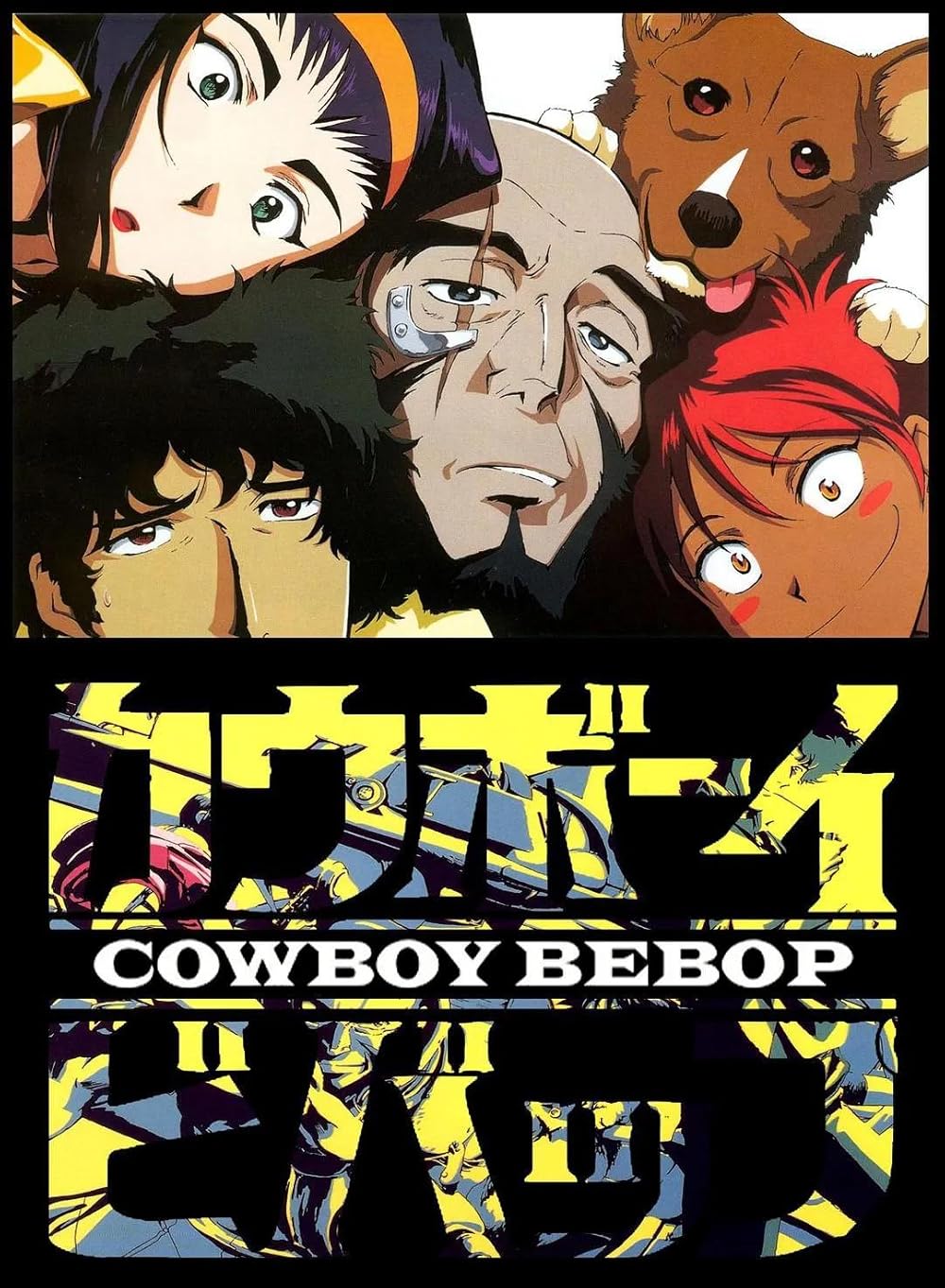
“Men always seem to think about their past before they die, as though they were frantically searching for proof that they truly lived.” — Spike Spiegel
There are certain works of art that transcend their medium to become cultural landmarks, and Cowboy Bebop is one of them. Shinichirō Watanabe’s magnum opus isn’t just a great anime; it’s the classic for many, the show that gets brought up in the same breath as Akira and Ghost in the Shell when people talk about anime as an art form. Even now, decades after its initial run, it absolutely earns that reputation, which is why it non-negotiably belongs on any new anime fan’s must-see list. If someone tells me they want to get into anime but don’t know where to start, this is the first title I throw at them, because it serves as the ultimate gateway, a perfect primer on what the medium is capable of.
At its core, Cowboy Bebop is a space western noir, a genre mash-up that sounds chaotic on paper but plays out with such effortless cool that you never question it. You’ve got Spike Spiegel, a former syndicate hitman with a killer right hook and a death wish; Jet Black, a grizzled ex-cop with a cybernetic arm and a heart of gold; Faye Valentine, a femme fatale with amnesia and a gambling problem; Radical Edward, a chaos-gremlin child hacker; and Ein, a data-dog who is frankly way smarter than everyone else. They’re bounty hunters in the year 2071, just scraping by in a solar system that’s still recovering from a major accident that made Earth largely uninhabitable, and they’re not saving the world—they’re just trying to make enough woolongs to afford their next meal of bell peppers and beef, which, as Jet will remind you, never actually has any beef.
The episodic structure is a huge part of the show’s charm, as you never really know what you’re going to get from one episode to the next. One week, it’s a high-octane action romp; the next, it’s a somber, almost silent meditation on loss; and then it might pivot to a bizarre, almost comedic episode about a fridge floating through space. This variety keeps things endlessly fresh, but it’s the overarching narrative, the slow burn of Spike’s past with the Red Dragon Syndicate, that gives the whole thing its devastating emotional weight. The show rewards multiple viewings because you pick up on new little details, new visual cues, and new emotional resonances every time, and the animation by Sunrise, even by today’s standards, is fluid and expressive with a cinematic flair that often feels like watching a classic film.
If you talk about Cowboy Bebop and don’t immediately mention the music, you’ve missed the entire point. The influence of the soundtrack is so profound that it’s essentially another main character, as Watanabe has always had a brilliant, intuitive understanding of music’s power in storytelling. With composer Yoko Kanno at the helm, he created something that transcends a typical score; the music isn’t just there to heighten the mood, it shapes the mood, defines the narrative, and creates the show’s entire identity. “Tank!” is perhaps the most iconic anime opening of all time, a roaring, brassy jazz piece that screams “style and energy” before you’ve even seen a single frame, but Kanno’s genius is in her range, shifting seamlessly from the bluesy harmonica of “Rain” to the ethereal, Celtic-tinged vocals of “Adieu” to the frantic rock of “What Planet is This?” during a chaotic fight, all of which makes the space-faring adventure feel gritty and lived-in but also achingly beautiful.
This masterful use of sound creates the overall mood of the series, which is one of profound, melancholy cool, steeped in a pervasive sense of loneliness and existential drift. Each of the main characters is running from something—a past they can’t escape, a memory they can’t forget, or a future they can’t imagine—and Spike lives by a philosophy that a man only dies when he’s forgotten, with his entire arc about confronting a past he’s been trying to outrun. They are a found family, but they’re a family of loners, each so wrapped up in their own personal baggage that they can never truly connect on a deeper level; they share meals, they bicker, they fight together, but they rarely share their deepest fears or true feelings, creating a bittersweet undercurrent to all their interactions. This juxtaposition—the cool, action-packed surface and the lonely, emotional depth—is what makes Cowboy Bebop so unforgettable.
For a newcomer, that blend is exactly why the show serves as a perfect gateway, as you don’t need to be steeped in anime tropes or have a tolerance for over-the-top melodrama to appreciate it. The storytelling is grounded, character-driven, and deeply human, with a cinematic sensibility that feels instantly familiar to anyone who loves Western films, noir, or sci-fi, sidestepping the more esoteric quirks that can sometimes be a barrier for new fans and delivering pure, universal storytelling. It shows that anime can be mature, thoughtful, and emotionally complex without being dark and miserable for the sake of it, setting the bar incredibly high and giving newcomers a clear benchmark for quality.
So, is it as good as everyone says it is? Yes, it’s a masterclass in visual storytelling, world-building, and character development, managing to be mature without being gratuitous, philosophical without being pretentious, and deeply sad without being depressing. It’s a singular work of art where every single element—the animation, the story, the characters, and most importantly, the music—aligns perfectly to create something that is so much more than the sum of its parts. Honestly, if you watch Cowboy Bebop and don’t find something to love, anime might just not be your thing, but for the vast majority, it’s the beginning of a beautiful, lifelong obsession. It’s the show you’ll recommend to your friends, rewatch years later, and still find yourself tearing up at the finale—essential viewing, plain and simple. It’s a perfect, beautiful, jazz-infused tragedy, and you’re gonna carry that weight, whether you want to or not.
Anime You Should Be Watching
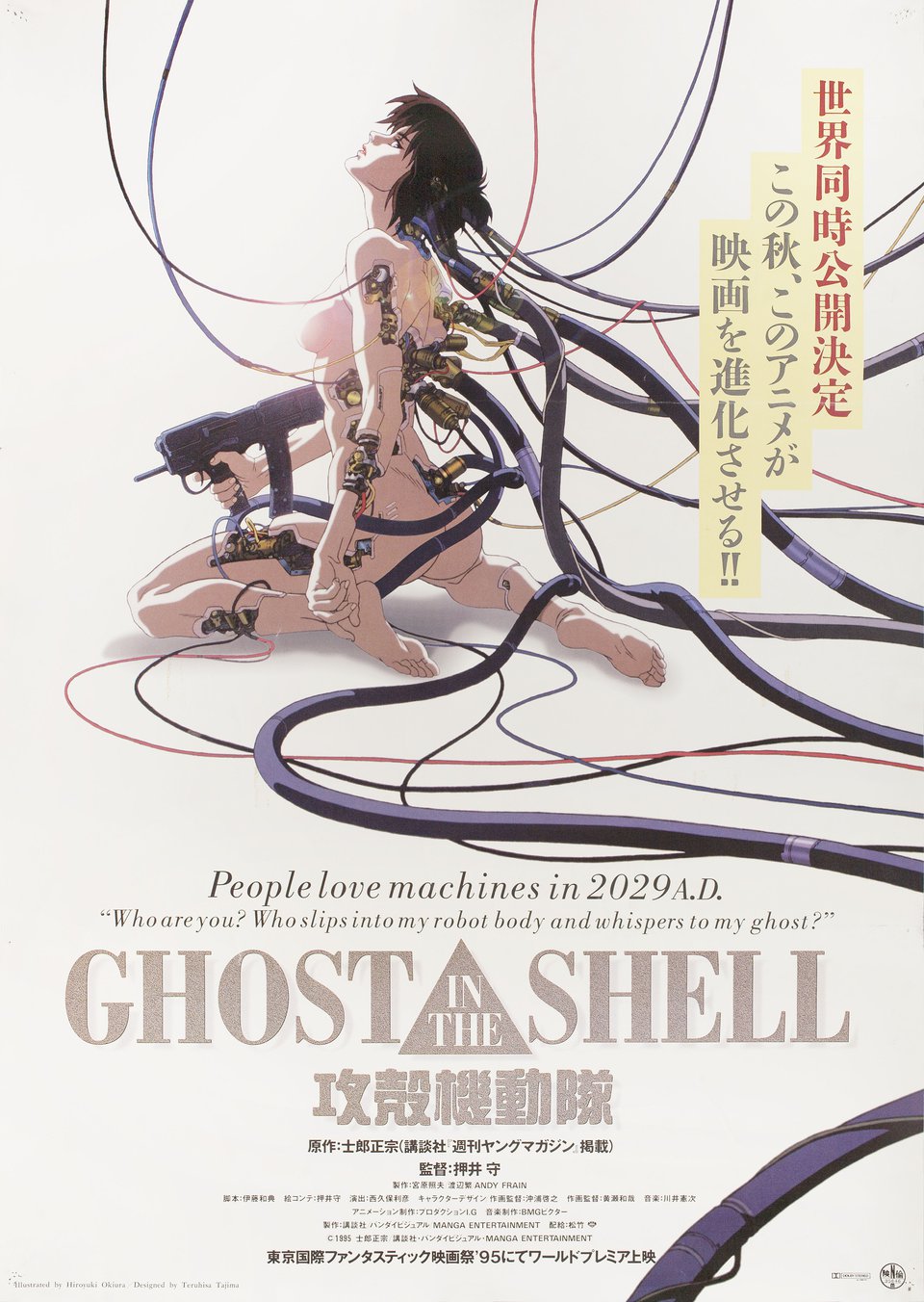
“Man is an individual only because of his intangible memory. But memory cannot be defined, yet it defines mankind.” — Puppet Master
f you are putting together an initial “watch-list” of anime as someone new to the medium, Ghost in the Shell is an absolute must-have. Even if you aren’t a newbie, if you haven’t watched Mamoru Oshii’s 1995 masterpiece, you’ve definitely felt its ripple effects whether you realize it or not. Adapted from the original manga by Masamune Shirow, this movie is one of those rare pieces of art that didn’t just participate in the cyberpunk genre—it practically rewrote the rulebook for it. Coming out in the mid-nineties, it arrived at a time when the internet was still a weird, dial-up mystery to most people, yet here was this incredibly dense, visually stunning anime predicting a hyper-connected future where the line between human and machine was hopelessly blurred. It’s wild to look back at it now, not just because of how well it holds up, but because you can practically trace the DNA of modern science fiction directly back to this single film.
The world Oshii builds is just unbelievably immersive. We’re dropped into Newport City in the year 2029, a sprawling, rain-soaked metropolis that feels like Hong Kong cranked up to eleven. The visual design is insanely detailed, packed with glowing neon signs, crowded waterways, and gritty urban decay that makes you feel the humidity and smog seeping through the screen. But it’s not just a pretty backdrop; the city feels like a living, breathing organism heavily reliant on an omnipresent electronic network. It’s the kind of world-building that doesn’t spoon-feed you exposition. Instead, it just lets you exist in this space, observing the bizarre fusion of ultra-high-tech and crumbling everyday life, making you feel like a total stranger in a familiar yet alien world.
At the center of all this is Major Motoko Kusanagi, a cyborg operative working for a government anti-terror squad called Section 9. The plot kicks off when they’re tasked with hunting down the Puppet Master, a notorious hacker who can rewrite people’s ghosts—the anime’s term for a soul or consciousness—making them do whatever he wants. On the surface, it plays out like a solid futuristic police procedural, but it never stays there for long. Kusanagi is a fascinating protagonist because she’s essentially a human brain floating in a robotic shell, and as she gets closer to the Puppet Master, the movie pivots from chasing down a bad guy to asking some incredibly heavy questions about identity, memory, and what it actually means to be alive.
And that’s really the core of why Ghost in the Shell sticks with you long after the credits roll. It’s deeply philosophical, but it never feels pretentious about it. The movie constantly returns to this idea of the “ghost” versus the “shell.” If your entire body—your face, your arms, your internal organs—is synthetic, and your memories can be digitized and altered, what is left of you? Kusanagi’s existential dread is palpable. She looks at the world through mechanical eyes, wondering if she even has a soul anymore or if she’s just a highly advanced machine running a simulation of a person. It’s a heady concept that could easily crash and burn in the hands of a lesser director, but Oshii balances the cerebral musings with incredible action and atmosphere so you never feel like you’re just sitting through a lecture.
Speaking of the action, the animation is absolutely top-tier. We’re talking about traditional, hand-drawn animation that moves with a fluidity and weight that still puts a lot of modern CGI to shame. The famous thermoptic camouflage sequence, where Kusanagi turns invisible to take out a guy in a flooded alley, is legendary for a reason. The way the light refracts through her invisible form, the brutal efficiency of the combat, and the haunting silence of the scene are just perfection. Add in Kenji Kawai’s iconic soundtrack, which blends traditional Japanese chanting with eerie synthesizers, and you get a movie that has a vibe unlike anything else. It’s moody, it’s contemplative, and it has a strange, melancholic beauty that makes you want to pause the movie just to soak in the backgrounds.
But you really can’t talk about Ghost in the Shell without talking about the absolute monolith of an impact it had on pop culture. When it hit Western shores, it was a massive wake-up call. It completely shattered the perception that animation was just for kids or goofy comedies, proving it could be a mature, complex medium. Its influence on the cyberpunk and sci-fi landscape of the late 90s and beyond—spanning films, books, video games, and television—is so massive that it’s almost impossible to fully quantify. It felt like the missing link between the old-school cyberpunk printed novels of the eighties and the new wave of millennium-era sci-fi literature that was trying to figure out what the World Wide Web was going to do to human intimacy and identity. Suddenly, everyone in Hollywood, the publishing world, and the gaming industry was looking at this anime and realizing the potential of the themes and visuals it presented.
The most famous example of this, of course, is The Matrix by the Wachowskis, which was heavily influenced by it. The directors have been super open about how they showed Ghost in the Shell to producer Joel Silver to explain the exact vibe they were going for. When you look at The Matrix, the DNA is undeniable. The green digital rain cascading down the screen? That’s lifted straight out of the opening credits of Oshii’s film. The concept of jacking into a virtual reality, the ports in the back of the neck, the slow-motion bullet dodges, and the deep-dive into what constitutes reality—all of it feels directly born from the groundwork laid by Kusanagi’s journey. The Matrix might have brought these concepts to the mainstream blockbuster crowd, but Ghost in the Shell was the incubator where those ideas were refined.
The ripple didn’t stop at movies, though; it bled heavily into video games and television as well. If you’ve ever played the Metal Gear Solid games by Hideo Kojima, you’ve experienced the ghost of Oshii’s vision. Kojima is a massive anime fan, and the influence of Ghost in the Shell is smeared all over that franchise. The concept of the cyborg ninja, the deep philosophical codec conversations about the information age, genetics, and the nature of consciousness, and even the stealth camo mechanics feel directly pulled from Section 9’s playbook. On the TV side, you can see its shadow hanging over shows like Serial Experiments Lain and even the cyberpunk elements of Cowboy Bebop, which adopted a similar visual grit and thematic melancholy about living in a high-tech, low-life future.
What’s really crazy is how far that influence reached, touching directors and creators you might not immediately associate with anime. Take Steven Spielberg’s own A.I. film, for instance. While it’s rooted in classic Spielberg sentimentality and the legacy of Stanley Kubrick, the core premise of a synthetic being yearning to be “real” and grappling with the concept of a soul in a machine feels deeply informed by the philosophical path Kusanagi walked. Even James Cameron’s Avatar film series owes a subtle debt to Shirow and Oshii’s creation. The entire mechanic of the avatar program—where a human consciousness is remotely downloaded into a genetically engineered biological shell to interact with the world—is essentially the exact inverse of Kusanagi’s situation, exploring the same disconnection between the mind and the body, and what happens when your “ghost” inhabits a “shell” that isn’t your original form.
Looking back at Ghost in the Shell almost thirty years later, it’s amazing not just how influential the anime has been, but how shockingly prescient it is about the way our world actually operates now. The movie casually presents a reality where the lines between the government, the military-industrial complex, and tech firms have blurred so completely that it’s difficult to see where one starts and where the other ends. In the film, they’ve become all intertwined to control the data that runs the world and rely on the algorithm that eerily predicts our future. Back in 1995, that seemed like far-flung dystopian fiction, but fast forward to today, and we’re watching mega-corporations and defense contractors practically sharing the same bed, hoarding our personal data to feed into predictive algorithms that dictate everything from what we buy to who we vote for. Oshii didn’t just predict the technology; he predicted the terrifying socio-political monopoly on information itself.
Yet, despite all these technological and societal shifts we’ve experienced since 1995, the movie hasn’t aged a bit. It still looks gorgeous, the questions it asks are still terrifyingly relevant, and the emotional weight of Kusanagi’s journey still hits like a ton of bricks. Whether you’re watching it as a hardcore sci-fi fan, an animation buff, or just a movie lover trying to understand where half of modern pop culture came from, it remains an absolute must-watch. It’s not just a great anime; it’s a cornerstone of modern science fiction.
Anime You Should Be Watching
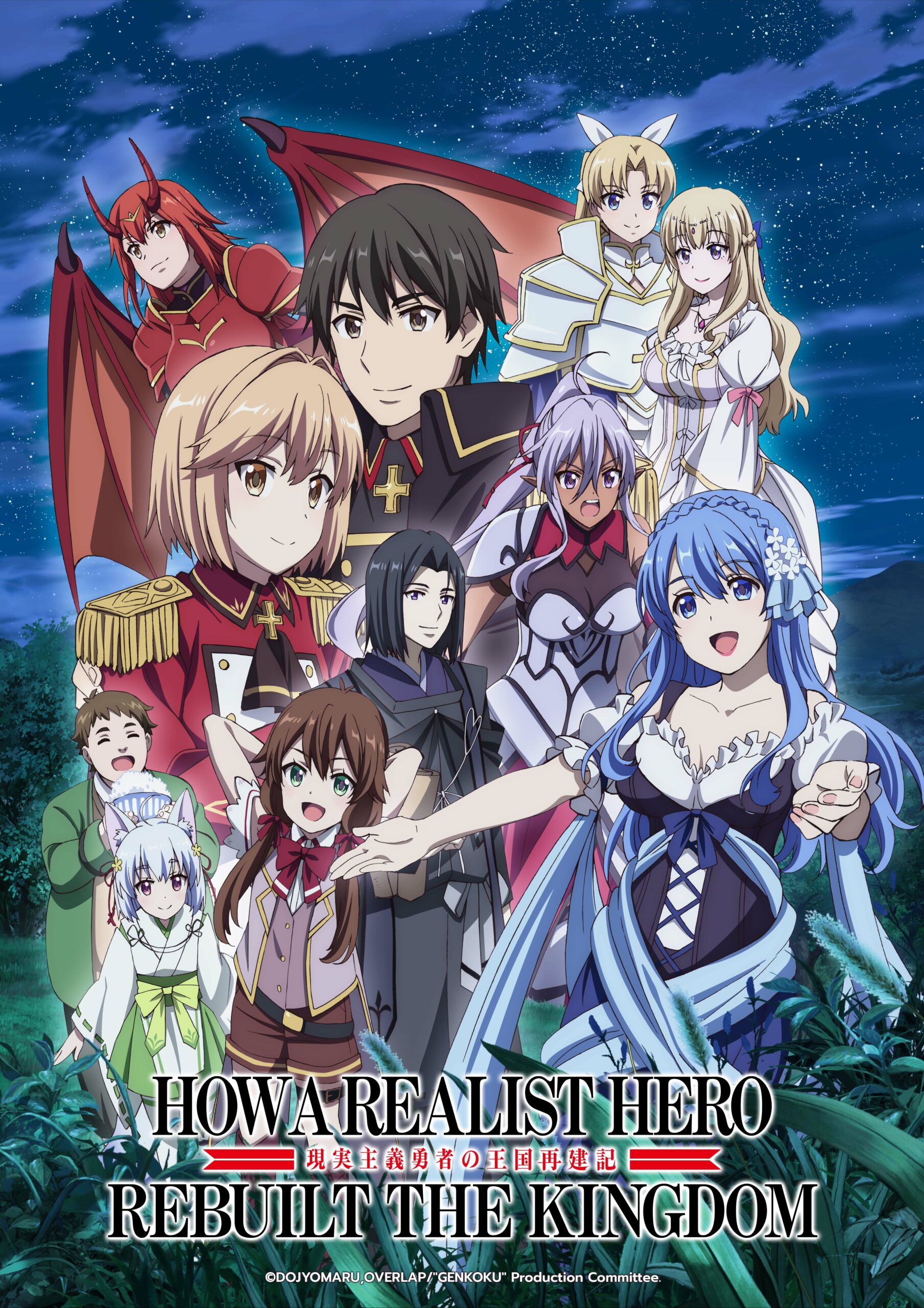
“The king to be sought during times of upheaval is not a saint, but a survivor, who is tenacious.” — Kazuya Souma
How a Realist Hero Rebuilt the Kingdom is one of those isekai anime that flips the script in the best way possible, and it’s a breath of fresh air in a genre that often feels like it’s running on autopilot. Instead of the usual power fantasy where the protagonist gets godlike abilities and smashes through hordes of enemies, this series drops its lead into a medieval kingdom and says, hey, how about you actually run this place? And that’s exactly what makes it so compelling. It’s less about magic swords and dragon slaying, and more about tax reform, infrastructure projects, and international diplomacy. Yeah, it sounds dry when you put it like that, but trust me, it’s anything but boring.
The story kicks off with Kazuya Souma, your average university student with a knack for history and a particular obsession with the Civilization video game series. One day, he’s summoned to the fantasy world of Elfrieden—not as a hero to save the world from a demon king, but as a consultant to help a struggling queen turn her kingdom around. The previous hero they summoned bailed after a few months, leaving the kingdom in worse shape than before. Souma, being the practical guy he is, decides to stick around and actually tackle the problems head-on. No overpowered cheat skills, no harem of adoring fans from day one, just a guy with a modern education trying to apply real-world logic to a medieval society. It’s a premise that sounds simple, but the execution is what makes it shine.
What really sets Souma apart from your typical isekai protagonist is his mindset. He’s not out to prove he’s the strongest or to collect a bunch of waifus (though, let’s be real, a few do end up in his orbit). He’s legitimately trying to fix a broken system. He introduces concepts like paper money, a postal system, and even a form of democracy, all while navigating the political minefield of a world where nobles would rather cling to tradition than admit they might need to change. The way he outmaneuvers his opponents isn’t with flashy spells or brute strength, but with economics, psychology, and good old-fashioned negotiation. Watching him turn a kingdom on the brink of collapse into a thriving nation is oddly satisfying, like binge-watching a really good business documentary, but with more elves and magic.
The supporting cast is just as strong as the protagonist. Queen Lisha starts off as a naive young ruler who’s in over her head, but her growth throughout the series is fantastic to watch. She goes from being a symbol of hope with no real power to a shrewd leader in her own right, learning from Souma’s strategies and gradually taking more control. Then there’s Prime Minister Halbert, the grizzled veteran who’s initially skeptical of Souma’s unconventional methods but slowly comes to respect him. The dynamic between these characters feels genuine, and their interactions are some of the highlights of the series. Even the antagonists aren’t just mustache-twirling villains; they’re people with their own motivations and reasons for resisting change, which makes the conflicts feel more nuanced.
The world-building in How a Realist Hero Rebuilt the Kingdom is another standout feature. Elfrieden isn’t just a generic fantasy kingdom; it’s a place with a rich history, complex social structures, and a variety of cultures. The series does a great job of making the world feel lived-in, from the political tensions between the human kingdom and its neighboring nations to the way magic is integrated into daily life. Unlike a lot of isekai where magic is just a tool for combat, here it’s treated as a natural part of the world that has real economic and social implications. For example, the kingdom’s reliance on slave labor is tied to the fact that certain magical races can only reproduce in specific conditions, which creates a weirdly logical justification for an otherwise dark practice. It’s details like this that make the world feel deeper and more thought-out than your average fantasy setting.
One of the most refreshing things about this anime is how it handles its themes. It’s not afraid to tackle heavy topics like class inequality, systemic corruption, and the ethics of governance. Souma isn’t some infallible genius who always makes the right call; he makes mistakes, faces setbacks, and sometimes has to compromise his ideals for the greater good. There’s a great episode where he has to decide whether to abolish slavery immediately or phase it out gradually, knowing that moving too fast could destabilize the economy and cause more harm than good. It’s a morally gray situation, and the series doesn’t shy away from showing the consequences of his choices. This kind of depth is rare in the isekai genre, where the protagonist’s decisions are usually framed as unambiguously right.
The animation by J.C.Staff is solid, though not exactly groundbreaking. The character designs are clean and distinct, and the backgrounds are detailed enough to sell the fantasy setting. The real star of the visual presentation, though, is the way the series uses its art to emphasize the themes. For example, the contrast between the rundown, impoverished parts of the kingdom and the opulent palaces of the nobility is stark and deliberate, reinforcing the social inequalities Souma is trying to address. The action scenes, while not as frequent as in other isekai, are well-choreographed and serve their purpose without feeling out of place in a story that’s more about politics than combat.
If I had to nitpick, the pacing can be a little uneven at times. The first season does a great job of setting up the world and the characters, but there are moments where it feels like the story is spinning its wheels, especially in the middle episodes. Some of the political maneuvering can also get a bit dense, and if you’re not into the whole nation-building aspect, it might feel slow. That said, the payoff is usually worth it. The moments where Souma’s plans come together are incredibly satisfying, and the character development is consistently strong throughout.
Another thing worth mentioning is how the series handles its source material. How a Realist Hero Rebuilt the Kingdom is based on a light novel series by Dojyomaru, and the anime adaptation does a pretty faithful job of bringing the story to life. There are, of course, some cuts and changes to fit the runtime, but nothing that feels egregious or out of place. If you enjoy the anime, the light novels are definitely worth checking out, as they go into even more detail about the world and the characters’ thoughts and motivations.
So, who is this anime for? If you’re a fan of isekai but tired of the same old power fantasy tropes, this is a must-watch. It’s also a great pick if you enjoy stories about politics, strategy, and world-building. That said, if you’re looking for non-stop action or a more traditional adventure narrative, you might find it a little slow. But if you’re willing to engage with its themes and appreciate a protagonist who wins with brains rather than brawn, How a Realist Hero Rebuilt the Kingdom is an absolute gem. It’s smart, thought-provoking, and surprisingly addictive, like a fantasy version of The West Wing with more dragons. And honestly, in a sea of isekai that often feel interchangeable, that’s more than enough to make it stand out.
Anime You Should Be Watching
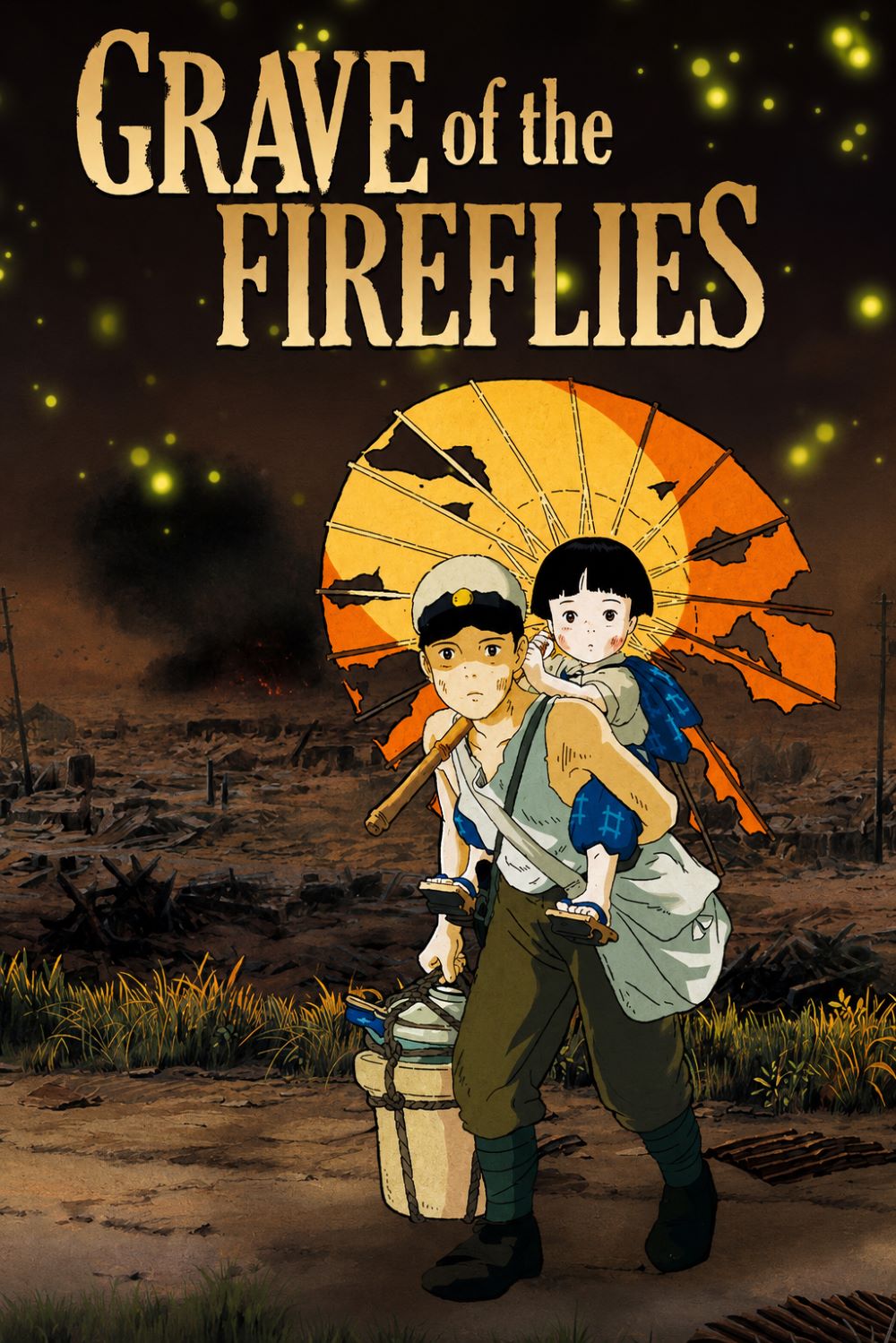
“Why do fireflies have to die so soon?” — Setsuko
There are films that entertain, films that impress, and then there are films that simply break you. Grave of the Fireflies, directed by Isao Takahata and released by Studio Ghibli in 1988, belongs firmly to that final category. It is one of the most devastating pieces of cinema ever committed to screen — animated or otherwise — and its power has not dimmed a single watt in the decades since its release. If anything, it has only grown heavier with time, which says something quietly terrible about the state of the world we keep building and destroying.
The film is an adaptation of a semi-autobiographical short story of the same name written by Akiyuki Nosaka, first published in 1967. Nosaka drew directly from his own traumatic experience as a child survivor of the American firebombing of Kobe and Nishinomiya during the final months of World War II. He lost his adopted younger sister, Keiko, to malnutrition during that period, and spent much of the rest of his life consumed by guilt over her death — guilt that he transformed into literature as a form of personal penance. The story, and by extension Takahata’s film, is not simply a war narrative. It is a confession. That emotional honesty is what gives Grave of the Fireflies its extraordinary moral weight and separates it from more conventional wartime dramas.
The story follows two siblings—fourteen-year-old Seita and his four-year-old sister Setsuko—who are left to fend for themselves in the ruins of wartime Japan after their mother is killed in an air raid. Their father is away serving in the Imperial Navy, and the children initially take refuge with a distant aunt whose cold pragmatism and growing resentment become as suffocating as the war itself. Eventually, Seita takes Setsuko, and the two retreat to a small abandoned shelter near a lake, where they attempt to survive on dwindling resources. What follows is a story of extraordinary love between two children set against the backdrop of a society collapsing under the weight of its own catastrophic choices. Takahata makes no political speeches; he does not need to. The tragedy unfolds with quiet, terrible inevitability, and the film’s opening scene—in which we learn from the outset that Seita does not survive—ensures that every fleeting moment of joy between the siblings is shadowed by grief already lodged in our chests.
It is worth pausing on the animation itself, because Grave of the Fireflies is a masterwork of the form. Takahata consistently pushed back against the notion that animation was a lesser medium suited only to fantasy or comedy, and here he uses it to render the physical reality of war with extraordinary specificity: the blistering heat of an air raid reflected in Setsuko’s wide eyes, the sickly pallor of a malnourished child’s skin, the gentle glow of fireflies against the blue-black darkness of a summer night. Studio Ghibli’s artists create a version of wartime Japan that feels tactile and achingly real, and the deliberate contrast between the natural beauty of the countryside and the devastation wrought by human violence is one of the film’s most quietly devastating achievements. The fireflies themselves—insects that glow brilliantly for a short time and then die—function as one of cinema’s most elegantly constructed symbols, one the film earns rather than imposes.
Grave of the Fireflies occupies a unique and important place in the history of how anime has been received in the West. For decades, Western audiences and critics tended to treat animation as a genre rather than a medium—something inherently juvenile, made for children, and incapable of the emotional or artistic range associated with live-action film. Anime, with its distinct visual language, was often doubly dismissed as too foreign, too strange, or too cartoonish. The arrival of Studio Ghibli films in Western markets—and Grave of the Fireflies in particular—fundamentally challenged that assumption. Here was an animated film that dealt with death, starvation, grief, and moral ambiguity with more unflinching honesty than most of Hollywood’s prestigious war dramas. Roger Ebert, who gave the film four stars, famously described it as one of the greatest war films ever made—a statement that helped elevate not just the film but animation’s broader cultural status. Grave of the Fireflies helped pave the way for deeper Western critical engagement with anime as a serious art form, a conversation that continued through works like Akira, Ghost in the Shell, Neon Genesis Evangelion, and Spirited Away, and persists into the present era of global anime fandom. Without Takahata’s film insisting on animation’s capacity for genuine tragedy, that shift might have taken far longer.
The film also complicates some of the West’s more self-flattering narratives about World War II. Grave of the Fireflies does not engage with questions of who started the war or who was morally right; it simply shows two Japanese children dying slowly in the wreckage of American bombing campaigns and asks the viewer to sit with that reality. This is not a film that endorses Japanese imperialism or absolves the government whose war Seita and Setsuko ultimately suffer from. Instead, it refuses to let civilian suffering disappear behind the abstractions of historical victory. That refusal has made it an uncomfortable but essential work in discussions about the human cost of war.
One cannot watch Grave of the Fireflies today and remain complacent about the news cycles documenting conflicts around the world. The images of starving children in Gaza, orphaned families in Ukraine, and displaced populations in Sudan are a visceral, real-world echo of Seita and Setsuko’s plight. The film acts as a powerful antidote to the desensitization that can occur in a world numb to constant tragedy. When we scroll past headlines or see statistics of casualties, we are abstracting suffering. The film refuses to let us do that. The reality of malnutrition and starvation is put on screen in a way that feels almost too intimate to watch, from Setsuko’s distended belly to the sores that form on her skin. The film forces a confrontation with the fact that war’s “collateral damage” is not a number, but millions of individual, human stories—stories of children robbed of their childhood, their innocence, and ultimately, their lives, just like Setsuko and Seita. The cyclical nature of conflict means that for every generation, there is a new set of children living out this same tragedy, and the film’s refusal to offer easy catharsis or redemption makes it an enduring, uncomfortable mirror.
Grave of the Fireflies is not an easy film to recommend in the conventional sense. It is not something one watches for enjoyment, and it offers no catharsis in the traditional Hollywood mold—no heroic sacrifice redeemed, no peace restored, no comforting resolution. What it offers instead is something rarer and more valuable: witness. It is a film that confronts the true cost of war and refuses to look away, doing so through animation with a grace and rigor that should permanently dispel any lingering notion that the medium cannot carry the full weight of human experience. Nearly four decades after its release, Grave of the Fireflies remains one of the most important films ever made—a eulogy for two children, and by extension, for every child the world has failed to protect.
Anime You Should Be Watching
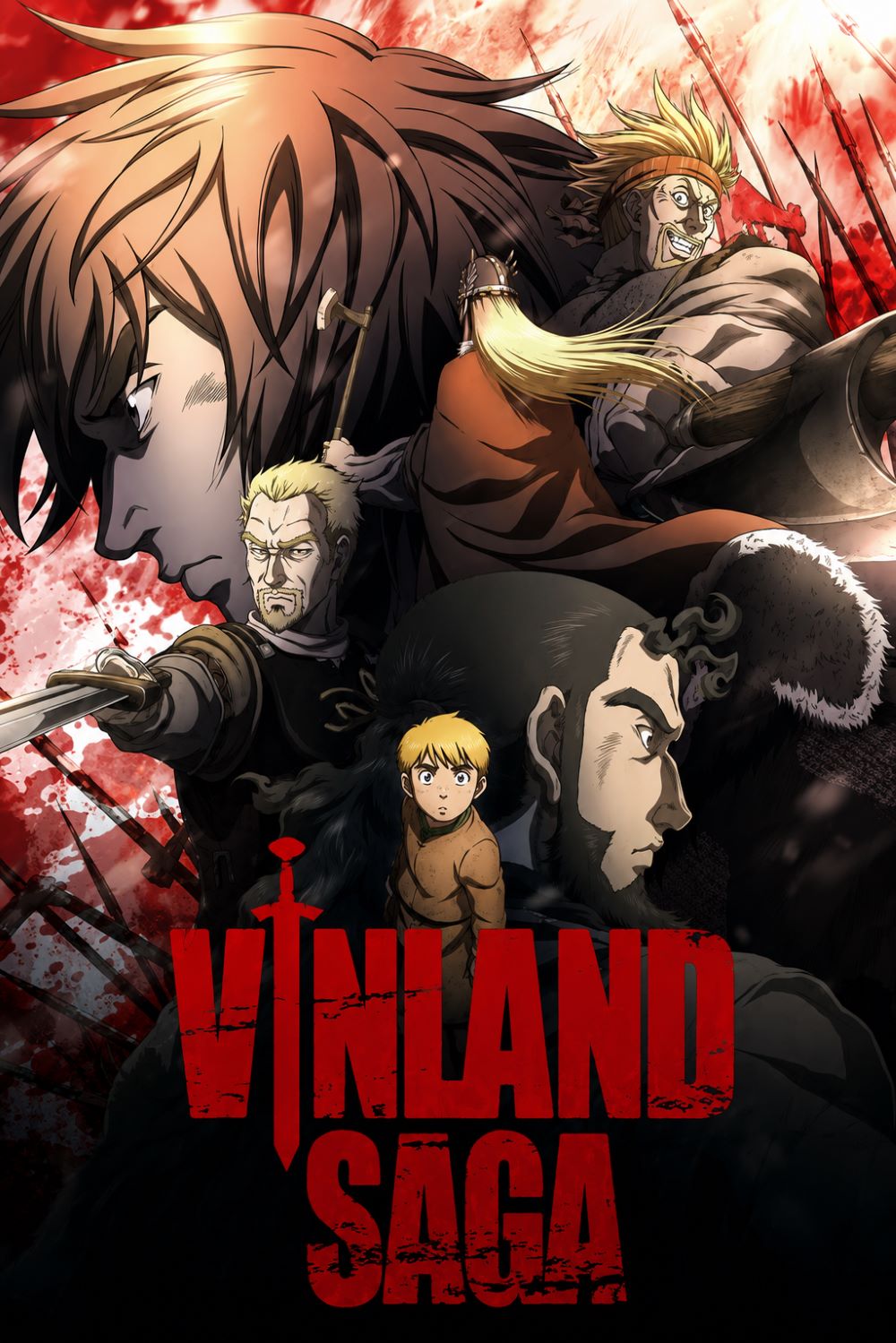
“A true warrior doesn’t need a sword.” — Thors Snorresson
When people talk about the greatest historical fiction in anime, Vinland Saga usually storms the conversation like a Viking longship breaking through a thick morning fog. Adapting Makoto Yukimura’s sweeping manga masterpiece, Wit Studio and later Studio MAPPA created something that transcends the typical boundaries of the shonen and seinen demographics. It starts out looking like a brutal, blood-drenched revenge thriller set during the 11th-century Danish invasion of England, but it morphs into a profoundly moving philosophical epic about pacifism, trauma, systemic violence, and what it truly means to be a warrior. If you came for the hyper-violent axe fights, you will stay for the agonizing, beautiful deconstruction of why those fights shouldn’t happen in the first place.
To understand why Vinland Saga hits so hard, you have to look at how it builds its protagonist, Thorfinn. When we first meet him as a young boy in Iceland, he is bright-eyed, energetic, and eager to prove his worth. His world is shattered when his father, Thors—a legendary warrior who abandoned the Jomsvikings to live a peaceful life—is foully assassinated by a mercenary leader named Askeladd. Driven by blind rage, Thorfinn joins Askeladd’s crew, surviving in the harsh wilds of war-torn Europe for a decade just to earn formal duels against his father’s killer. For the entirety of the first season, Thorfinn is a feral, screaming ball of spite. He doesn’t care about politics, the crown of England, or the suffering of the villages he helps raid. He only cares about revenge. It is a brilliant, uncomfortable framing because the narrative doesn’t glorify his skill; it treats his obsession as a tragic wasting of his youth.
But as great as Thorfinn is, the first season is utterly stolen by Askeladd. He is easily one of the most complex, magnetic antagonists in all of anime. Askeladd is a cynical, brilliant tactician who loathes the very Vikings he leads. He is a man caught between his secret royal Welsh heritage and his current reality as a ruthless mercenary captain. His relationship with Thorfinn is deeply twisted—he is simultaneously the boy’s mortal enemy, employer, and twisted surrogate father figure. Watching Askeladd manipulate kings, generals, and his own men like chess pieces is a masterclass in writing. When the first season reaches its shocking, chaotic climax, Askeladd’s actions fundamentally break Thorfinn’s entire reality, setting the stage for one of the greatest tonal shifts in anime history.
That shift happens in the second season, often referred to by fans as the Slave Arc. If the first season is a roaring fire, the second season is the slow, aching process of clearing away the ash. Stripped of his purpose after the events of the season one finale, Thorfinn is sold into slavery and ends up clearing forests on a massive farm owned by a man named Ketil. Here, the show sheds its battle-shonen pacing entirely and becomes a slow-burning character study. Thorfinn is hollowed out, plagued by nightmarish visions of the people he slaughtered during his mercenary days. Alongside a fellow slave named Einar, Thorfinn has to learn how to farm, how to connect with other human beings, and how to carry the crushing weight of his sins without letting them destroy him.
This second season is where Vinland Saga cements itself as a masterpiece. It takes incredible narrative bravery to take a show known for jaw-dropping action animation and turn it into a quiet drama about crop yields and emotional vulnerability. The bond that grows between Thorfinn and Einar is incredibly moving, built on shared grief and mutual labor. The series uses the micro-cosmos of Ketil’s farm to explore how the violence of the Viking age wasn’t just a problem for kings and warriors on battlefields, but a systemic rot that trickled down to affect slaves, farmers, and women. When Thorfinn finally makes his vow to never hurt anyone again unless absolutely necessary, it feels earned in a way few anime character developments ever do. His realization that a true warrior needs no sword is a direct echo of his father’s words from the very first episode, bringing the emotional arc full circle.
The production values across both seasons are nothing short of stellar, despite a studio handoff. Wit Studio handled the first season with their trademark cinematic flair, giving the action sequences an incredible sense of weight, momentum, and visceral impact. Every swing of an axe or spray of blood feels heavy and dangerous. When Studio MAPPA took over for the second season, they seamlessly maintained the visual continuity while leaning heavily into the quiet, rustic beauty of the agricultural setting. The changing of the seasons on the farm, the play of light through the trees, and the hauntingly expressive close-ups of characters experiencing profound grief or joy are animated with breathtaking care. The soundtracks, composed by Yutaka Yamada, are equally phenomenal, mixing booming, Norse-inspired war chants with melancholic strings that will absolutely tear at your heartstrings during the show’s more tender moments.
It is also worth praising how the show handles its historical setting. While Vinland Saga takes plenty of dramatic liberties, it weaves its fictional narrative into real history with remarkable skill. Real-world historical figures like King Canute the Great, Thorkell the Tall, and Leif Erikson are major players in the plot. Canute, in particular, undergoes a fascinating parallel development to Thorfinn. While Thorfinn goes from a violent warrior to a peaceful farmer, Canute goes from a timid, deeply religious prince to a cold, calculating king willing to stain his hands with blood to build a peaceful utopia on earth. The philosophical clashes between Thorfinn’s personal pacifism and Canute’s grand political ambitions create an incredible, intellectual tension that elevates the final acts of the story far above standard good-versus-evil narratives.
Ultimately, Vinland Saga is an unforgettable experience because it asks incredibly difficult questions and refuses to give cheap answers. It asks how a person can find redemption after doing terrible things, and whether true peace can ever exist in a world built on conquest and subjugation. It is a rare story that respects its audience’s intelligence and emotional maturity, delivering a narrative that is as intellectually stimulating as it is emotionally devastating. Whether you are a die-hard anime fan or someone who usually sticks to prestige live-action television, this series demands your time. It is a monumental achievement in storytelling, an epic that starts with a roar of vengeance and ends with a quiet, beautiful plea for peace.
The only real sting left for fans is the agonizing wait for the next chapter of Thorfinn’s journey. Makoto Yukimura, the brilliant creator of the original manga, has openly expressed how much he looks forward to a third season of the adaptation, fully sharing the audience’s enthusiasm to see the Eastern Expedition arc brought to life. Unfortunately, the anime adaptation and the studio haven’t officially confirmed a third season yet, leaving passionate fans clamoring for news into silence. It is important to note that this delay isn’t because the studio dislikes the property or lacks interest in continuing it. Rather, it comes down to a massive, heavily stacked backlog of massive projects that the studio has to completely finish and clear out before they can even realistically allocate the core creative team to begin working on a third season of Vinland Saga. Until then, the community holds onto the hope that the patient wait will mirror the slow, rewarding pacing of the story itself.
Anime You Should Be Watching
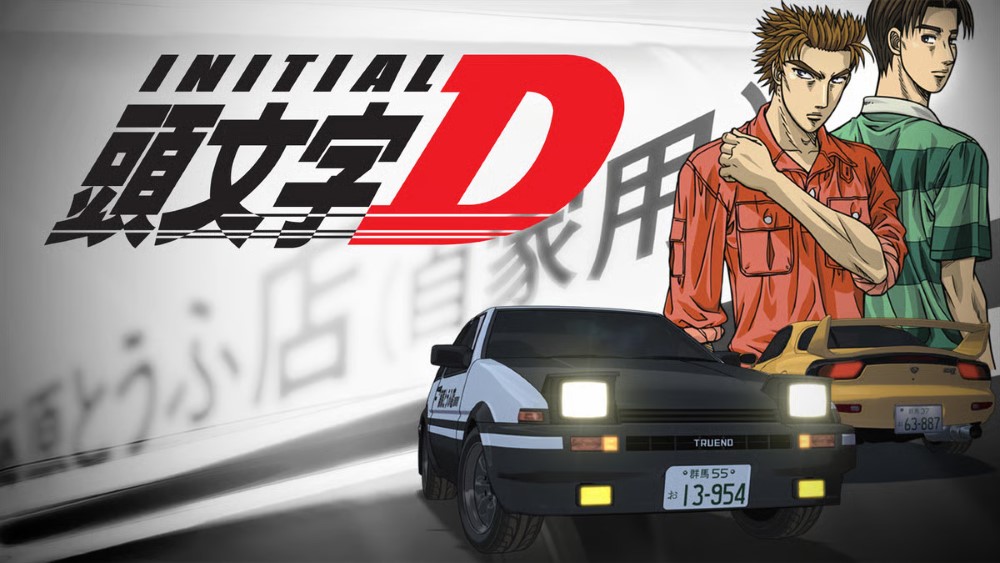
“I don’t care about winning or losing. I just want to see what’s beyond this…” — Takumi Fujiwara
If you’ve ever found yourself staring at a beat-up old Toyota AE86 and wondering why some people treat it like a holy relic, then you’ve already stumbled into the gravitational pull of Initial D. This late 90s anime, based on the manga by Shuichi Shigeno, is one of those classic series that any new fan of anime absolutely needs to have on their list. It’s raw, it’s ridiculous, and it’s somehow one of the most gripping sports anime ever made, despite half of its runtime being close-ups of a sweaty guy shifting gears. The premise is deceptively simple: Takumi Fujiwara, a high school kid who’s been delivering tofu in his dad’s panda-colored AE86 since before he could see over the steering wheel, accidentally discovers he’s the best downhill racer in the Gunma region. He’s not some hot-blooded hero—he’s tired, he works a gas station job, and he’d rather listen to Eurobeat than talk about his feelings. That’s the magic of Initial D. It takes a mundane, almost boring protagonist and turns him into a legend through sheer muscle memory and an encyclopedic knowledge of every gutter, hairpin, and blind corner on Mount Akina.
The anime originally ran from 1998 to 2000, and watching it now feels like cracking open a time capsule. The CGI cars have aged like milk left in the summer sun—clunky, blocky, and hilariously out of place against the beautifully painted 2D backgrounds. But you stop caring about ten minutes into the first episode because the soul is so undeniable. The soundtrack, a relentless barrage of Eurobeat tracks like “Deja Vu” and “Running in the 90s,” injects every race with a dose of pure, uncut adrenaline. You haven’t lived until you’ve watched a silent, unimpressed teenager drift through a tight corner while some Italian disco singer screams about gas gas gas. The manga, which ran from 1995 to 2013, is more detailed and technically sound, explaining the physics of weight transfer and braking points without losing that underdog charm. But the anime amplifies everything—the tension, the sheer speed, and the weird, lonely atmosphere of driving at 3 AM when nobody else is around.
What makes Initial D a classic that deserves a spot on any new fan’s watchlist isn’t just the racing. It’s the way it builds a world around mountain passes that might as well be battlefields. Every rival Takumi faces—Keisuke and Ryosuke Takahashi in their red RX-7, Mako Sato in her SilEighty, or the terrifyingly calm Kyoichi Sudo in his black Evo III—has their own backstory, their own obsession, and their own reason for pushing a car to the absolute limit. The show understands that street racing is about ego, youth, and that brief moment of perfection when you nail an impossible line. Takumi’s growth from a bored delivery boy to someone who genuinely loves driving is subtle but powerful. He doesn’t get a big speech about friendship; he just starts smiling a little more when he hits the apex.
Then there’s the film spinoff: Initial D Third Stage, released in 2001. It’s a movie, but calling it a movie feels generous since it’s only about 90 minutes and basically adapts the final arc of Takumi’s high school career. This is where things get serious. The animation improves—fewer PS1-looking cars—and the emotional stakes jump off a cliff. Takumi faces his toughest rival yet, a no-nonsense driver in an Evo IV named Kyoichi, but that’s not the real battle. The real battle is Takumi deciding whether he wants to drift forever or try to build a normal life. He also finally deals with his feelings for Natsuki Mogi, the girl who’s been his maybe-girlfriend for the whole series. I won’t spoil it, but the movie handles her subplot with a surprising amount of maturity, even if it’s heartbreaking to watch this stoic kid have his heart wrung out on the tarmac. The final race in Third Stage is arguably the most satisfying in the entire franchise, because it’s not just about winning—it’s about Takumi proving he’s ready to move on to the next level.
Now, here’s where Initial D’s legacy comes roaring into focus. You cannot talk about the first three Fast & Furious films without acknowledging the ghost of Mount Akina hovering behind every street race. Before Dom Toretto started grunting about family, the original The Fast and the Furious (2001) was basically a Hollywood translation of the Initial D formula: underground tuners, uphill/downhill respect, and a quiet hero who knows his machine better than he knows people. The sequels, 2 Fast 2 Furious and Tokyo Drift, leaned even harder into that DNA—Tokyo Drift especially, with its drift-obsessed plot, its foreign protagonist learning mountain passes from a local master, and its reverence for Japanese street racing culture. That movie’s entire vibe—the late-night touge battles, the Eurobeat-adjacent soundtrack, the focus on technique over raw horsepower—is Initial D with a Southern accent. Without Takumi Fujiwara’s sleepy-eyed drifts, there’s no Han Lue casually sliding an RX-7 through a parking garage.
Video game franchises owe an even louder debt. Gran Turismo literally included Mount Akina-inspired tracks in several entries, letting players reenact Takumi’s gutterslides with obsessive fidelity, and made the AE86 Sprinter Trueno a fan-favorite car despite its modest stats. Forza Horizon (the latest entry in the series happens to be set in Japan) took that influence and cranked it to eleven, with dedicated Initial D liveries, user-created touge events, and a community that still organizes “Akina downhill” time trials in every new installment. Need for Speed pivoted hard toward the Initial D template with Underground and Underground 2, ditching exotics for tuners and centering the plot on proving yourself against local kings, while Need for Speed: Carbon literally lifted the “crew vs. crew” mountain duel structure from Initial D’s Project D arc. The Crew series, with its massive open-world map and its obsession with car clubs and regional boss battles, practically begs you to recreate Takumi’s journey, even adding an official Initial D pack with the AE86 and an Akina-inspired track. Beyond direct references, Initial D normalized the idea that driving skill is a form of combat. Before its manga and anime, most racing media was about glamour or pure speed. After Initial D, you got Wangan Midnight, MF Ghost (its direct sequel), and a generation of car enthusiasts who argue about weight transfer the way sports fans argue about batting averages.
And here’s the observation that really separates Initial D from almost every other anime or manga out there: as popular as characters like Takumi, Keisuke, Ryosuke, and even side characters like Itsuki or Bunta have become, the series has never lost sight of the fact that it’s really about the cars. You won’t find long monologues about inner demons or tragic backstories resolved through the power of friendship. Instead, you get ten-minute sequences where two characters silently analyze the suspension geometry of a Nissan Skyline GT-R versus a Mazda RX-7, and somehow it’s riveting. The AE86 Trueno isn’t just Takumi’s car—it’s the co-protagonist. The same goes for Keisuke’s yellow FD3S, Nakazato’s R32 Godzilla, or Shingo’s absurdly loud Civic EG6. These machines have personalities, flaws, and growth arcs. An engine blow isn’t just a mechanical failure; it’s a dramatic turning point. A new carbon fiber hood or a swapped racing engine feels like a power-up in a shonen battle manga. That obsessive focus on the hardware—weight distribution, horsepower numbers, tire wear, the specific sound of a turbo spooling at 4 AM—is what makes Initial D feel less like a character drama with cars and more like a love letter written directly to the machinery itself.
That approach is exactly why Initial D single-handedly put Japanese street racing culture onto the global pop culture map. Before the manga launched in 1995 and the anime hit screens in ’98, the idea of “touge” (mountain pass racing) was a niche subculture known mostly to locals and hardcore gearheads in Japan. The rest of the world thought street racing was drag racing on empty American industrial strips. Initial D introduced millions of viewers to concepts like gutter drifting, the braking drift, the invisible line, and the terrifying art of a blind corner attack. It made the winding roads of Akina, Myogi, and Usui as famous as any racetrack in the world. Suddenly, teenagers in Europe, South America, Southeast Asia, and North America weren’t just dreaming of Ferraris and Lamborghinis—they wanted used Silvias, AE86s, and RX-7s. They started learning about Japanese domestic market (JDM) cars the way their parents learned about muscle cars. They argued over whether an Evo was better than an Impreza on a downhill section. They stayed up late watching pixelated fansubs of the anime just to hear the next Eurobeat track drop as a pair of headlights appeared in the rearview mirror.
Walk into any car meet today, and you’ll see AE86s with “Fujiwara Tofu Shop” decals on the doors. You’ll hear people unironically refer to the “Initial D tax” on vintage JDM parts. You’ll find YouTube channels dedicated entirely to recreating Initial D races in real life, with drivers narrating their line choices exactly like the characters in the show. The manga and anime didn’t just document Japanese street racing—they codified it, romanticized it, and exported it so effectively that the term “touge” is now understood by car enthusiasts on every continent.
Look, Initial D isn’t perfect. The dialogue can be wooden, the pacing drags during exposition about camshafts, and the less said about the weirdly horny gas station manager, the better. But none of that matters when the engine roars and the synth kicks in. For a new anime fan coming from modern shows with glossy animation and fast pacing, Initial D might feel like a relic. But that’s exactly why you need to watch it. It’ll teach you that passion can look like a sleepy teenager in a cheap track suit, that rivalries are built on mutual respect more than yelling, and that sometimes the best way to solve a problem is to take the inside line at 120 KPH with one hand on the wheel. Add the manga to your shelf too—it goes way deeper into Takumi’s professional career and is a masterclass in long-form storytelling. But start with the 90s anime. Let that clunky CG and those glorious Eurobeat hooks pull you in. Before you know it, you’ll be looking at every empty mountain road just a little differently, wondering if you’ve got what it takes to be the next ghost of Akina. Even the criticism that Initial D made the AE86 overpriced and overhyped is a testament to its power. A boring 1980s Corolla became a legend because a fictional teenager delivered tofu in it. That’s not just influence. That’s pop culture alchemy. So when you recommend Initial D to a new anime fan, tell them to pay attention to the characters, sure. But remind them to also listen for the roar of a four-cylinder engine bouncing off the limiter. Because that’s the real star of the show, and it always has been. And that, more than anything, is why Initial D will never be forgotten.
Anime You Should Be Watching
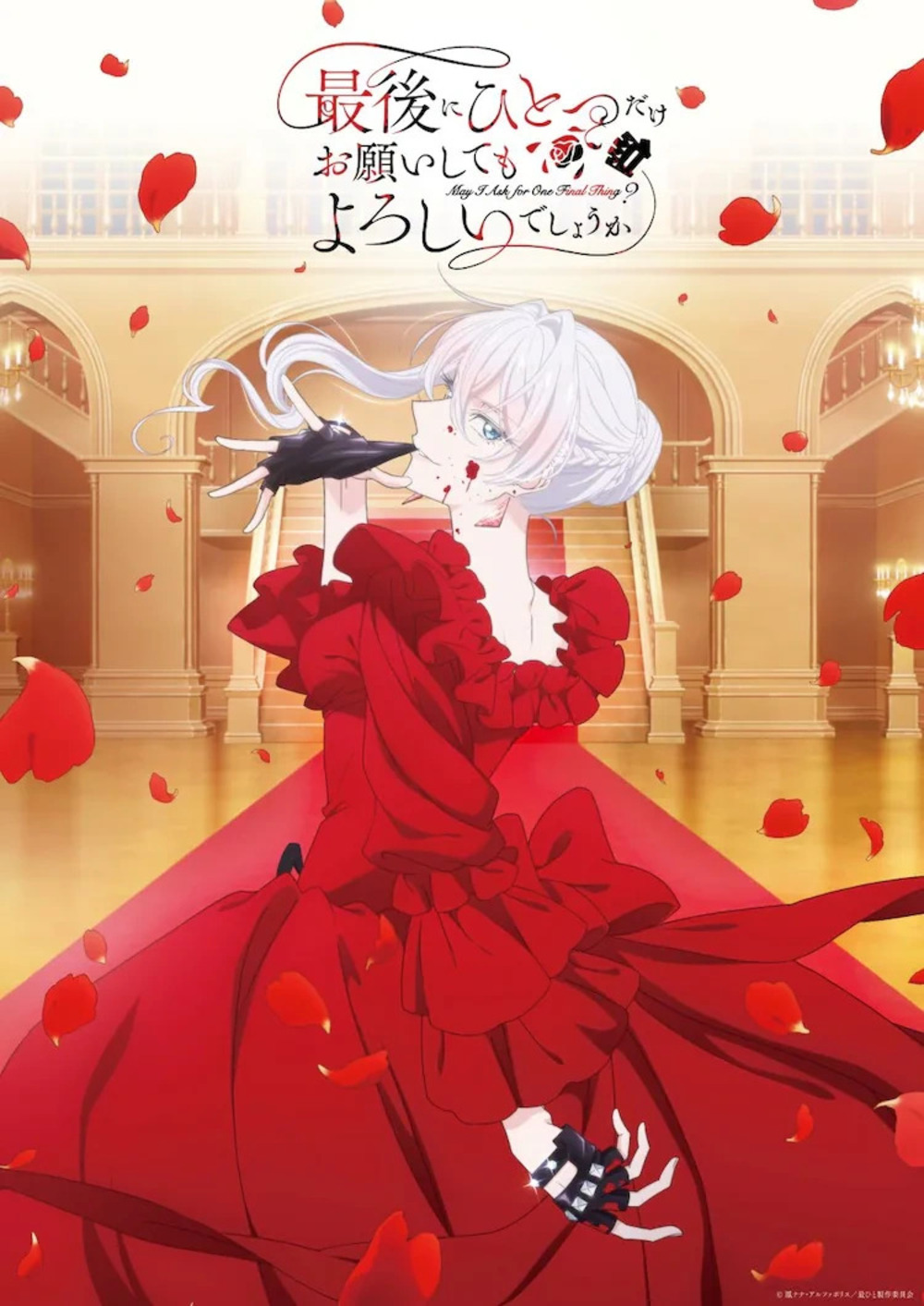
“Corrupt nobles are my meat. You will not deny me my meat.” — Scarlet El Vandimion
May I Ask for One Final Thing? delivers a sardonic skewering of otome genre conventions in its 2025 Fall season run, transforming the familiar villainess trope into a relentless satire of noble excess and romantic delusion. Adapted from Nana Ōtori’s light novels with illustrations by Satsuki, the series follows Scarlet El Vandimion, a duchess trapped in an abusive engagement to the insufferable Prince Kyle von Pallistan. The premiere episode wastes no time dismantling expectations: rather than the prince casting off his “wicked” fiancée for a doe-eyed commoner, Scarlet responds to his public betrayal with a devastating one-punch knockout, toppling Kyle, his paramour Terrenezza Hopkins, and a ballroom full of corrupt elites. This brazen inversion establishes the show’s core mode—mocking the otome formula’s predictable beats while reveling in their absurdity, all anchored by Scarlet’s unyielding presence as its emotional and thematic linchpin.
Scarlet El Vandimion stands as such a strong character that whatever flaws the narrative may have are propped up by how exceptionally well-written she is, her complexity elevating the entire production. Voiced masterfully by Asami Seto, whose excellent performance infuses every line with layers of restrained fury, wry sarcasm, and vulnerable steel, Scarlet embodies the villainess archetype with exaggerated precision—her poise and sharp tongue a deliberate caricature of haughty nobility, yet grounded in palpable humanity. Beneath the icy beauty and controlled outer persona lies a very ultra-sadistic, violent, and confrontational individual, a revelation that adds delicious menace to her every action. Years of Kyle’s physical and emotional mistreatment have conditioned her to endure for her family’s sake, forging a restraint that makes her eventual snap all the more cathartic—and terrifying. When he announces his love for the scheming Terrenezza—a parody of the “pure-hearted” heroine with her manipulative glint—Scarlet’s polite facade shatters. Her iconic line, “May I ask for one final thing?” precedes a barrage that sends foes crashing through opulent decor, satirizing the genre’s ritualized humiliations by reversing victim and victor. Seto’s delivery here is pitch-perfect, a silky venom that turns menace into melody, carrying Scarlet from icy composure to explosive triumph and making her the undeniable heart of every scene, her sadistic glee in the chaos impossible to ignore.
What makes Scarlet even more compelling is how unlike similar characters in otome games and stories she feels. Despite being a master of magic and highly proficient in archery, swordplay, and other martial arts, she still prefers to use her hands to do the talking, as if the black leather gloves with studded knuckles are the most natural extension of her personality. That choice says a lot about her: she is not interested in flashy posturing when direct action will do, and she does not waste time pretending that elegant court manners can solve what brute honesty—and a vicious thrill in inflicting pain—can. The gloves become part of her identity, a visual shorthand for a character who understands perfectly well how much power she has and chooses to express it in the bluntest, funniest, and most satisfying way possible, her confrontational nature reveling in the up-close brutality. It also makes her feel sharper than the typical otome heroine or villainess, because her combat style is not just about strength but about attitude—an ultra-violent worldview that prioritizes the raw satisfaction of a personal beatdown over distant spells or refined techniques.
What unfolds is a parade of otome clichés turned on their head: the engagement ball becomes a demolition derby, scheming rivals meet cartoonish ends, and the “evil fiancée” emerges as the sole agent of justice, her fists a blunt rebuttal to whispered intrigues and teary confessions. Scarlet’s strength shines in these moments, her well-crafted arc—from dutiful sufferer to empowered avenger—propelling the satire forward, fueled by the sadistic undercurrent that makes her victories feel wickedly personal. Seto’s voice acting elevates this further, modulating from haughty drawl to deadpan quips amid chaos, ensuring that even formulaic beatdowns feel fresh through her character’s magnetic charisma and the actress’s nuanced range, capturing the thrill Scarlet takes in her violence. The animation amplifies this satirical edge, with character designs that lampoon aristocratic vanity—elaborate wigs and gowns unraveling into chaotic combat poses, faces contorting from smug superiority to slack-jawed panic. Its art style, reminiscent of classic otome, reverse harem romance stories, and even the yaoi genre, makes light of the series’ overall theme, adopting those genres’ polished, ethereal aesthetics—flowing locks, luminous eyes, and dramatic shading—to underscore the very pretensions it skewers, all while Scarlet’s commanding design cuts through the gloss with her predatory intensity.
Action sequences mimic One Punch Man‘s deadpan efficiency, Scarlet’s blows—voiced with Seto’s exhilarating exertion—dispatching antagonists in over-the-top fashion, underscoring the genre’s inflated stakes while highlighting her confrontational preference for hands-on savagery. The score layers orchestral pomp with jarring rock bursts, mirroring the disconnect between noble pretense and brutal reality. Yet the satire sharpens in quieter moments: Scarlet’s mixed-heritage ally highlights the world’s hypocritical prejudices, a nod to otome’s often superficial “fantastic racism,” while bloodied nobles whimper like the damsels they once scorned. Scarlet’s interactions here reveal her depth, her protective instincts and moral clarity making her a beacon amid the farce, propped up flawlessly by Seto’s emotive subtlety that hints at the violent storm beneath.
Romantic subplots receive the same sardonic treatment, with First Prince Julian—Kyle’s upright counterpart, voiced by Wataru Katoh—offering alliance and affection amid slave-trading busts. Scarlet’s dynamic with him pokes at otome’s chivalric fantasies: her post-abuse caution deflates swooning tropes, turning courtship into pragmatic maneuvering, and Seto’s wary inflections add authentic texture to her guarded heart, even as her sadistic side simmers in the background. Side figures, from enslaved unfortunates to scheming lords, function as satirical props—punchable embodiments of entitlement rather than nuanced players—further mocking the genre’s tendency to flatten opposition. Yet Scarlet’s well-written navigation of these elements, her strategic alliances and unapologetic agency, overshadows their shallowness. The narrative arcs from ballroom chaos to noble reckonings and trafficking exposés, all framed as exaggerated justice porn that lampoons revenge isekai’s moral simplicity. Content like violence and abuse allusions fits the older-teen skew, but Scarlet’s robust characterization and Seto’s vocal prowess keep the satire from descending into mere exploitation.
Even its flaws have basis in its themes of deconstructing and turning the otome genre on its head—and Scarlet props them up regardless. Repetition in the “smug jerk arrives, gets obliterated” formula, waning animation enthusiasm later on, and shallow side-character development mirror the very rote predictability and superficiality the series mocks in its source material—turning potential weaknesses into meta-commentary on otome’s formulaic limitations. Thematically, Scarlet wields sarcasm like a weapon, dismantling otome’s core illusions: the redemptive power of true love, the nobility of suffering silence, the inevitability of the heroine’s triumph. Nobles’ powdered facades flying amid beatdowns evoke a farce on privilege, Kyle’s perpetual bruising a running gag on unearned arrogance, but it’s Scarlet’s growth, voiced with Seto’s masterful control, that ties it all together—her ultra-sadistic core making each triumph a dark delight. Meta-awareness rewards genre veterans—every “prince forsakes fiancée” echo inverted for laughs—while the 12-episode structure satirizes seasonal pacing, teasing light novel extensions without deeper commitment. Pacing falters mid-run, but Scarlet’s charisma, amplified by Seto, sustains the bite: Kyle’s whiny bluster and Terrenezza’s cloying falsity become foils that highlight her superiority.
World-building serves the send-up, opulent halls clashing with sordid underbellies in ways that ridicule escapist splendor. Scarlet’s evolution—from corseted symbol of repression to geared-up avenger—mirrors the genre’s own half-hearted empowerment arcs, taken to gleeful extremes, her journey rendered compelling by Seto’s expressive range and the revelation of her violent essence. Mid-season triumphs, like dismantling a trafficking network, blend action with pointed jabs at abuse narratives, while the finale’s noble clash affirms her ascent, albeit in convoluted fashion that self-mockingly apes convoluted plots—yet Scarlet’s resolve carries it through.
This satirical lens polarizes, delighting those weary of otome’s saccharine loops while frustrating purists attached to its comforts. It thrives as guilty-pleasure critique, echoing Kill la Kill‘s irreverence or Magical Girl Ore‘s gender flips, without reinventing the wheel—content to punch holes in the one it rides, thanks to Scarlet’s anchoring strength.
May I Ask for One Final Thing? stands as a 2025 highlight for its biting otome satire, channeling Scarlet El Vandimion’s rampage into a mirror held to genre absurdities. Her well-written depth—icy facade masking an ultra-sadistic, violent confrontational core—her unusual preference for settling things with her fists despite her magical and martial mastery, and Asami Seto’s excellent voice acting prop up every flaw, elevating the caustic glee and trope-torching catharsis into essential viewing for fans ready to laugh at the formula’s follies.
Anime You Should Be Watching
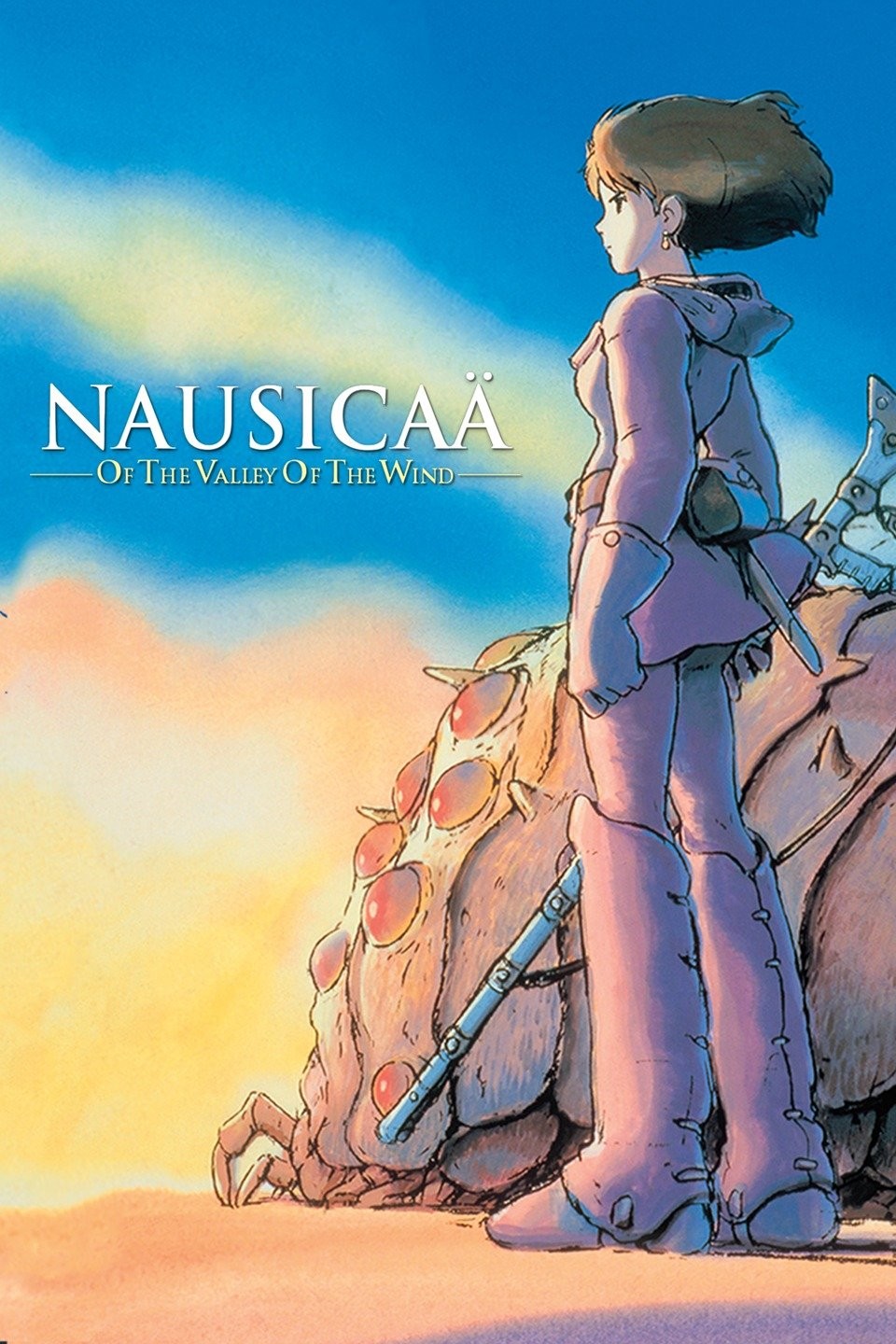
“Every one of us relies on water from the wells, because mankind has polluted all the lakes and rivers. But do you know why the well water is pure? It’s because the trees of the wastelands purify it! And you plan to burn the trees down? You must not burn down the toxic jungle!” — Nausicaä
Nausicaä of the Valley of the Wind stands out as Hayao Miyazaki’s groundbreaking 1984 anime film that blends epic adventure with profound environmental and anti-war messages. This post-apocalyptic tale, adapted from his own manga, follows a young princess fighting to bridge humanity and nature in a toxic world overrun by giant insects.
Imagine an Earth a thousand years after humanity’s self-inflicted apocalypse called the Seven Days of Fire, where massive God Warriors wiped out civilization and left behind the Sea of Corruption—a sprawling, poisonous jungle teeming with mutated bugs like the massive, trilobite Ohmu. In this harsh landscape, pockets of survivors cling to life, and the idyllic Valley of the Wind thrives thanks to constant sea breezes that keep the toxic spores at bay, powering windmills for their farms. Enter Nausicaä, the 16-year-old princess and ace glider pilot, who’s not your typical royal—she dives into the jungle without fear, collects spores, and chats with insects like they’re old pals. Right from the opening, when she calms a raging Ohmu with flash bombs after it chases her mentor Lord Yupa, you know she’s special: brave, empathetic, and way ahead of her people in understanding that the Fukai (the jungle’s name) isn’t just a killer but maybe Earth’s way of healing itself.
The plot kicks into high gear when a hulking Tolmekian airship crashes in the Valley, swarmed by insects and spilling fungi that threaten the crops. Nausicaä rushes in, saving a dying Pejite princess named Lastelle, who begs her to destroy the cargo—a calcified embryo of one of those ancient God Warriors. Too late; Tolmekian forces invade under the steely Princess Kushana, who assassinates Nausicaä’s dad, King Jhil, and claims the embryo to hatch it as a weapon against the Fukai. Kushana’s plan? Revive the beast, burn the jungle, and reclaim the planet for humans, no matter the cost. Nausicaä gets dragged along as a hostage, but chaos ensues: Pejite Prince Asbel (Lastelle’s brother) attacks the convoy in revenge, leading to crashes and a wild glider chase where Nausicaä saves him, only for them to plunge through the jungle floor into a hidden miracle—an underground world of pure water and soil where the Fukai’s roots are actually detoxifying the planet.
Back in the Valley, villagers revolt against the Tolmekians guarding the hatching Warrior, but things spiral when Pejite survivors reveal they lured the Ohmu stampede to the Valley using a tortured baby Ohmu as bait—payback for Tolmekia destroying their city. Nausicaä escapes Pejite captivity (with help from Asbel’s mom and sympathizers), hijacks the baby Ohmu carriers, and races to stop the horde. In one of the film’s most gut-wrenching scenes, she confronts the enraged Ohmu sea, gets trampled to death (or so it seems), her blue-stained dress making her look like a martyr. But the insects heal her with their golden tentacles, lifting her like a messiah in a field of gold, fulfilling a prophecy and halting the rampage just as the premature God Warrior melts down after a couple of blasts. Tolmekians bail, Pejites join the Valley rebuild, and a clean shoot sprouts under the Fukai—hope amid ruin.
What makes Nausicaä of the Valley of the Wind pop off visually is Miyazaki’s hand-drawn mastery, even on Topcraft’s tight nine-month schedule with a million-dollar budget. The gliders (especially her sleek Möwe) slice through skies with fluid grace, Ohmu herds churn like living tsunamis, and the Fukai’s spores shimmer in surreal blues and golds—equal parts beautiful and deadly. Action pops without feeling gratuitous: dogfights buzz with tension, sword clashes ring true (Nausicaä’s gladiator-style fights against armored goons are badass), and that underground reveal flips the script with bioluminescent wonder. Joe Hisaishi’s debut score nails it—haunting flutes for Nausicaä’s flights, pounding percussion for stampedes, and that ethereal title theme sung by Narumi Yasuda that sticks in your head. It’s proto-Ghibli polish before Ghibli existed, proving Miyazaki’s detail obsession (he redrew frames himself).
Nausicaä of the Valley of the Wind isn’t just pretty; it’s a thematic powerhouse that demands attention in our climate-anxious era. At its core, it’s an eco-fable flipping the “man vs. nature” trope: the Fukai isn’t evil—it’s purifying humanity’s mess from industrial hubris, echoing real-world pollution like Minamata Bay that inspired Miyazaki. Nausicaä embodies harmony, tending a secret clean garden proving spores thrive without toxins, and her big revelation underground shows patience over destruction wins. It shares striking parallels with Frank Herbert’s Dune, where both stories unfold in post-apocalyptic or barren landscapes where survival hinges on mastering harsh environments—the Sea of Corruption’s toxic sprawl mirrors Arrakis’s endless dunes, both teeming with misunderstood “monsters” central to their ecosystems. Nausicaä glides over spore-filled jungles much like Paul Atreides rides sandworms, learning to respect rather than conquer these forces; her calming of the Ohmu herd parallels the Fremen’s symbiotic bond with Shai-Hulud, where outsiders must earn nature’s trust through ritual and empathy. The Fukai purifies Earth’s poisoned soil over generations, just as the spice melange ties Arrakis’s fate to galactic power, forcing characters to confront interdependence over exploitation.
Leadership and prophecy drive the parallels deeper: Nausicaä, the blue-clad princess fulfilling a cryptic prophecy through self-sacrifice, embodies the Kwisatz Haderach archetype in Paul, both reluctant saviors burdened by destiny amid warring factions. Tolmekian invaders seeking God Warriors evoke Harkonnen aggressors hungry for spice dominance, while Pejite’s desperate tactics reflect Fremen guerrilla warfare—cycles of revenge where ecology becomes a weapon. Miyazaki drew direct inspiration from Dune, infusing anti-colonial vibes: Nausicaä’s diplomacy rejects imperial conquest, urging coexistence, akin to Herbert’s critique of messiahs sparking holy wars.
Anti-war vibes hit hard too—no pure villains, just cycles of fear and revenge: Tolmekia’s aggression mirrors Pejite’s desperation, both blind to coexistence. Kushana’s not a cartoon baddie; she’s pragmatic, scarred by loss, and her arc hints at redemption. Buddhism creeps in via greed, delusion, and ill will fueling conflict, with Nausicaä’s self-sacrifice as enlightened compassion. Influences like Tolkien and Le Guin shine through, but Miyazaki makes it uniquely hopeful: life’s interconnected, redemption’s possible if we listen.
Nausicaä herself is the heart, a rare female lead who’s warrior, scientist, diplomat—feminine empathy meets masculine grit without preachiness. She leads by diving into danger (ripping off her mask to prove clean air, tackling Pejite goons), inspiring loyalty because she’d never ask what she won’t do. Sidekicks shine: fox-squirrel Teto’s adorable comic relief, Yupa’s wise wanderer vibe, Mito’s gruff loyalty, Obaba’s prophecy-dropping mysticism. Asbel adds rival-turned-ally spark, Kushana steel-spined foil. Voices (Sumi Shimamoto’s Nausicaä especially) convey emotion perfectly; Disney’s 2005 dub (Alison Lohman, Patrick Stewart, Uma Thurman) holds up too, sans the botched 80s Warriors of the Wind edit Miyazaki hated.
Legacy-wise, this flick birthed Studio Ghibli—Miyazaki and Takahata founded it post-success, grossing ¥1.48 billion in Japan alone. Critically adored (91% Rotten Tomatoes, top animated film polls), it influenced games (Panzer Dragoon), Star Wars nods, and eco-anime forever. The manga dives deeper (darker, more conflicted Nausicaä over 12 years), but the film stands alone as pure, idealistic storytelling.
So why is Nausicaä of the Valley of the Wind a must-watch? In a world choking on plastic oceans and endless wars, it slaps you with urgency: destroy nature, destroy ourselves; choose empathy, find salvation. These Dune echoes make it a killer companion for sci-fi fans, blending Miyazaki’s hopeful twist on Herbert’s tragedy to prove timeless ideas thrive across media. It’s thrilling adventure—no slow bits, every frame earns its runtime—with heart that lingers, urging coexistence over conquest. Miyazaki’s optimism shines: even post-apocalypse, one person’s vision sparks change. Skip it, miss anime’s soul laid bare; watch it, level up your worldview. Perfect for sci-fi fans, eco-warriors, or anyone craving stories that stick. Dive in—you’ll emerge healed, like Nausicaä from the Ohmu sea.
Anime You Should Be Watching

