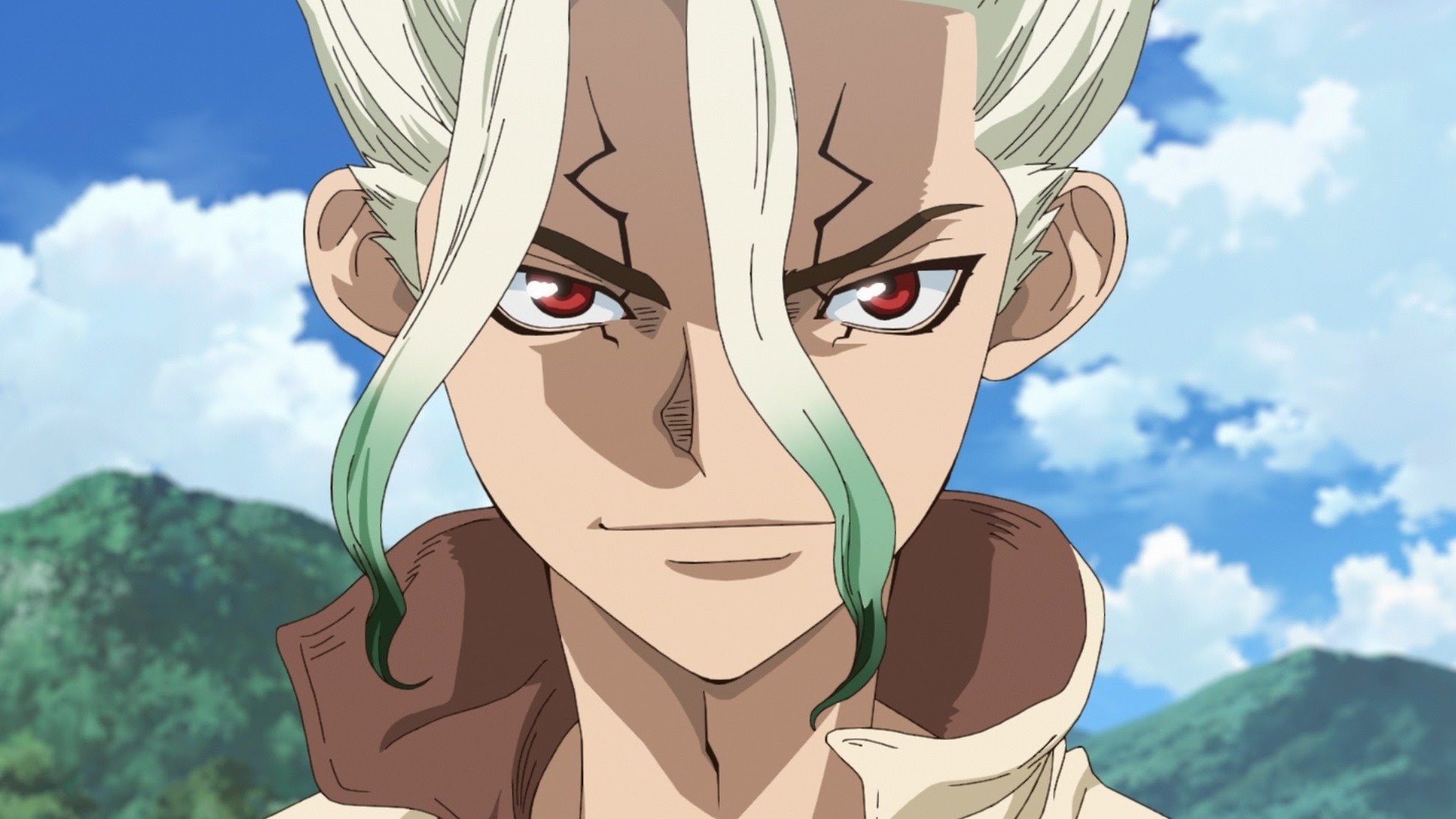
Hero of the Day: Senku Ishigami (Dr. Stone)


“I get excited, get excited!” — Senku Ishigami

n the vast landscape of shonen anime and manga, heroes are traditionally defined by raw physical power, explosive emotional outbursts, or tragic, predetermined destinies. Dr. Stone completely subverts this saturated paradigm through its brilliant protagonist, Senku Ishigami, who arrives as a revolutionary breath of fresh air. Thrust into a post-apocalyptic “Stone World” where humanity has been petrified for over 3,700 years, Senku does not rely on a magical power-up, a hidden prodigy status, or a legendary sword to survive. Instead, his primary weapon is his absolute, unwavering mastery of science—a vast treasury of human knowledge that he wields with the casual confidence of a master artisan. While others might despair at the loss of civilization, Senku simply grins, points to the sky, and declares his ambition to rebuild everything from scratch. This fundamental shift from physical brawn to intellectual muscle instantly sets him apart, establishing him as an unconventional hero whose battlefield is the natural world itself.

What truly elevates Senku’s charisma is his radical rejection of emotional fatalism, coupled with a deeply empathetic soul. On the surface, he frequently presents himself as a cynical, logical pragmatist who claims to care only about efficiency and baseline data, famously declaring that he is moved by science rather than sentimental speeches. Yet this sharp, sometimes arrogant exterior is a thin veil for a profound humanism. In most survival narratives, protagonists are paralyzed by fear, loss, and moral ambiguity. Senku, however, acknowledges these harsh realities but refuses to be defeated by them. His ultimate, audacious goal is the rescue of all seven billion petrified human souls, transforming cold, hard logic into a tool for absolute liberation. His catchphrase, “I get excited, get excited!” is not the thrill of violence but the genuine joy of discovery. This beautiful contradiction—using empirical action to achieve a deeply warm and protective mission—creates a magnetic personality that viewers and fellow characters can’t help but rally behind.

Furthermore, Senku’s charisma relies heavily on his infectious, boundlessly joyful passion for discovery and creation. Watching him struggle through trial-and-error to reinvent antibiotics, cell phones, or hot air balloons from raw wilderness resources is genuinely exhilarating. He strips away the elitism often associated with high-level science, reframing it as a collaborative, step-by-step adventure. His signature phrase, “Ten billion percent,” reflects an intellectual excitement akin to Archimedes’ “Eureka!” moment. He turns the act of learning into a thrilling spectacle, proving that an active mind making gunpowder from bat guano can be just as cinematic as a well-choreographed fistfight. This passion is infectious, drawing characters like Chrome, Kohaku, and even former enemies into his orbit, because Senku makes the process of rebuilding civilization feel less like a chore and more like the greatest game ever played.

Crucially, Senku subverts the classic “lone genius” trope by being a leader who rules through mutual respect and empowerment rather than intimidation or inherited authority. Because he openly acknowledges his own physical weaknesses—frequently joking about his pathetic muscle mass—he understands that science is a team sport and that he cannot rebuild civilization alone. His most brilliant invention is ultimately the community he builds. He relies completely on the diverse, specialized talents of his friends, validating the strength of Kohaku, the craftsmanship of Kaseki, the mental agility of Gen, and the raw muscle of Taiju. Even his philosophical rival, Tsukasa Shishio, is not simply crushed through brute force; he is slowly won over by Senku’s demonstration that science can solve the very problems he believes only violence can address. Senku never demands loyalty; he earns it by giving every person a clear, valued role in his grand vision.

Ultimately, Senku Ishigami is a mesmerizing hero because his unshakable morality, wrapped in pragmatic wit, embodies the triumph of human resilience over impossible odds. He refuses to kill, even when it would be strategically easier, viewing every single human being as a precious resource for the future. His reasoning is not naive idealism but long-term calculus—yet his actions consistently show genuine care, as when he risks his life to cure Ruri’s pneumonia not for political gain, but because a promise is a promise. When faced with the literal collapse of human history, his response is a confident, smirking determination to pick up a rock, start counting from zero, and recreate everything from the wheel to modern medicine. He teaches the audience that being a hero doesn’t require a destiny or a demon inside you; it requires curiosity, resilience, and cooperation. In a world that often celebrates instinct over intellect, Senku Ishigami stands as the brilliant, grinning proof that knowing how is the most powerful superpower of all.

Hero of the Day

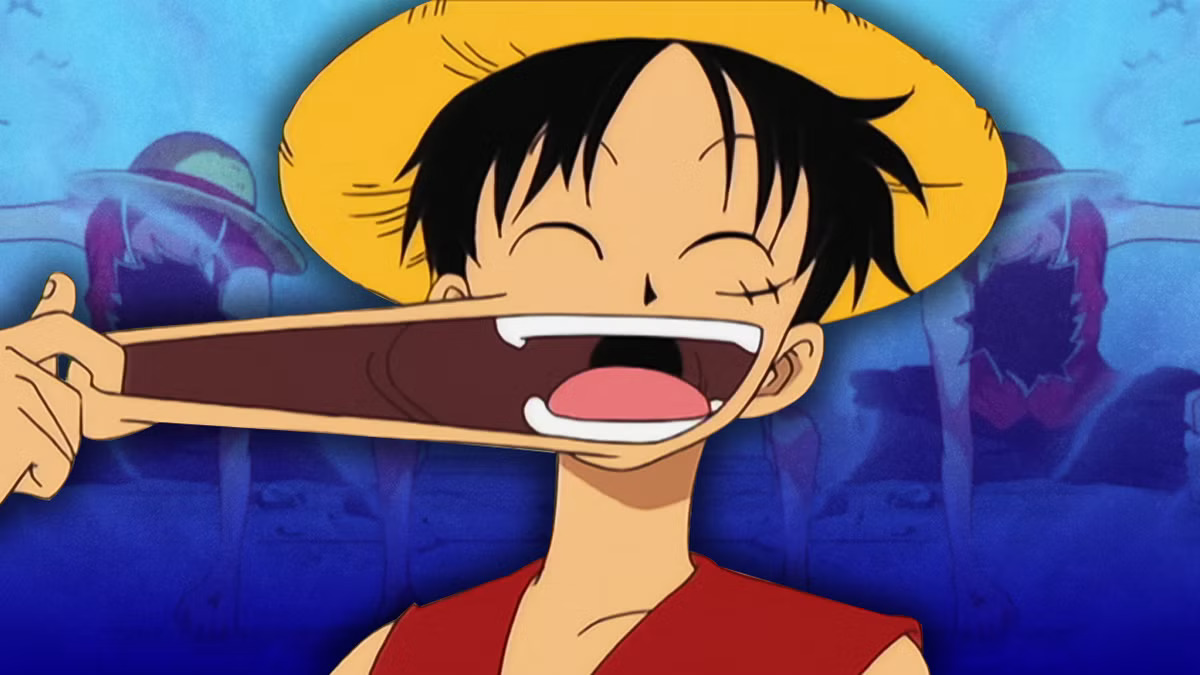
Hero of the Day: Monkey D. Luffy (One Piece)


“If you don’t take risks, you can’t create a future.” — Monkey D. Luffy

Few modern heroes are as deceptively simple—and as radically compelling—as Monkey D. Luffy, the captain of the Straw Hat Pirates in Eiichiro Oda’s One Piece. At first glance, Luffy appears to be a collection of childish quirks: he is obsessed with meat, lacks basic social filters, and possesses a rubbery physiology from eating a Devil Fruit. Yet this very simplicity is the engine of his charisma. Unlike brooding antiheroes or strategically minded protagonists, Luffy operates on pure, unshakable instinct. He does not deliberate over moral philosophy; he simply knows what is right and acts. This unreflective certainty, far from being a flaw, becomes a magnetic force that draws allies, intimidates enemies, and anchors a twenty-year narrative. Luffy’s charm lies in his refusal to be complicated—because in a world as tangled and oppressive as One Piece’s Grand Line, absolute clarity of heart is the rarest and most powerful form of freedom.

What makes Luffy truly interesting is that his simplicity is not ignorance but a deliberate, almost radical philosophy of liberation. From his very first appearance, Luffy declares that becoming the Pirate King is not about dominion or wealth but about having the most freedom in the world. He does not want to rule—he wants to ensure that he and everyone he cares about can live exactly as they choose. This is why he destroys flags, punches world nobles, and declares war on the World Government without a second thought. He does not fight for abstract justice; he fights for the specific, immediate freedom of a friend in pain. At the Enies Lobby arc, when he orders Sogeking to burn the World Government’s flag, he is not calculating political consequences—he is telling Robin that she has the right to live. That moment crystallizes Luffy’s heroism: he makes the grandest political statements through the most personal acts of loyalty.

Luffy’s charisma also stems from his profound and unpretentious emotional intelligence. He may be unable to grasp basic concepts like navigation or medicine, but he can see into a person’s heart in seconds. He understands that Nami’s apparent betrayal hides desperate sacrifice, that Robin’s coldness masks a death wish, and that even villains like Bellamy are pathetic rather than truly evil. His famous line—“I can’t use a sword, I can’t cook, I can’t lie, but I can beat you”—is not arrogance; it is an honest inventory of his limits paired with absolute faith in his crew to fill the gaps. This reciprocal trust is the foundation of his leadership. Luffy does not command; he inspires. Each Straw Hat joins because Luffy recognizes their dream without mockery and stakes his life on its fulfillment. In a genre full of lone prodigies, Luffy’s greatness is entirely relational: he is only as strong as his crew needs him to be, and he knows it.

Structurally, Oda uses Luffy’s resistance to change as a source of dramatic tension and emotional payoff. Unlike typical heroes who evolve through tragedy, Luffy’s core identity remains static—but that stasis is tested mercilessly. The Summit War Saga, where Luffy loses his brother Ace, is devastating precisely because Luffy is not equipped for grief. He breaks completely, questioning whether he deserves to be captain. Yet even then, his recovery does not involve becoming darker or wiser in a cynical sense. He re-emerges with a new technique (Gear Second) but the same simple creed: protect what matters. This refusal to let trauma harden him is deeply refreshing. Luffy cries openly, admits weakness, and then smiles again. His resilience is not stoic suppression but childlike renewal—the ability to feel everything and still believe in his dream. That emotional honesty, rare in shonen protagonists, makes him feel real and aspirational at once.

Ultimately, Monkey D. Luffy endures as a charismatic hero because he embodies a longing that transcends the pages of One Piece: the wish for a person who is utterly free from cynicism, status, and fear. In a world that often rewards calculation, compromise, and cool detachment, Luffy offers the radical alternative of pure, joyful sincerity. He laughs in the face of death, forgives his enemies’ cruelty if it amuses him, and treats admirals and emperors with the same casual informality as a village bartender. His charisma is not about being cool—it is about being incapable of pretending. That authenticity is magnetic because it speaks to a universal desire to live without masks. Luffy will never be the smartest or most polished hero, but he is the one you would follow into hell, because you know he would go first, laughing, and never ask you to be anyone other than who you are. That is the strange, rubbery magic of the man who will be Pirate King.

Hero of the Day

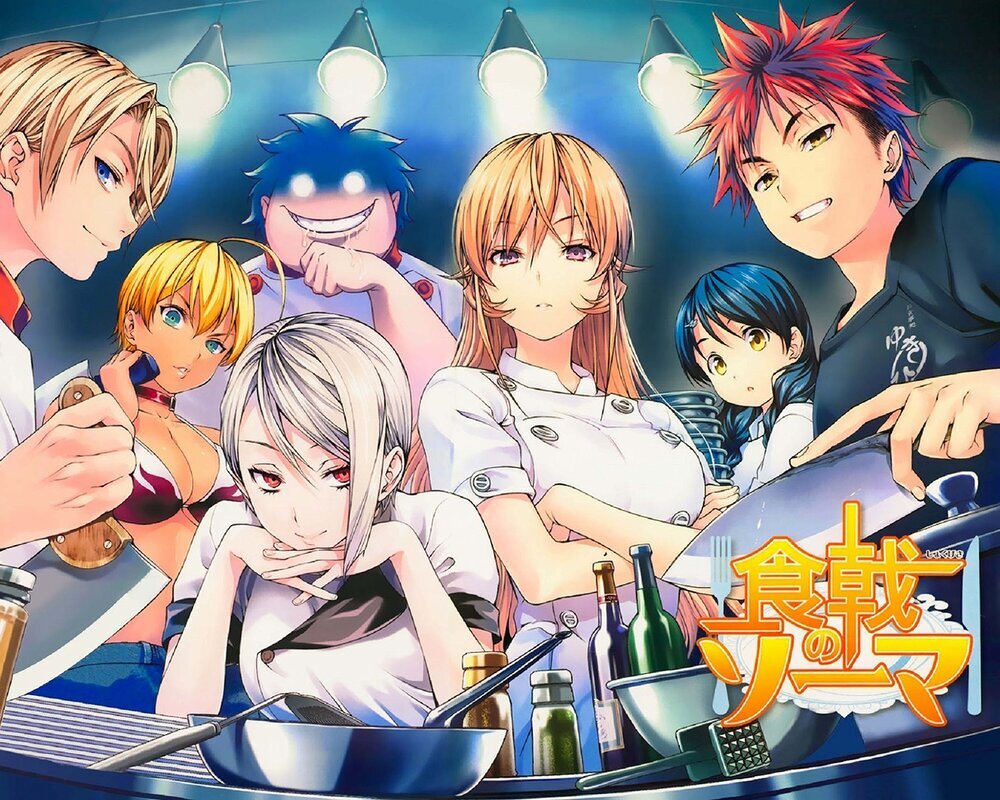
Guilty Pleasure No. 112: Food Wars! (Shokugeki no Soma)


Food Wars is one of those anime that feels like it should be ridiculous on paper, but somehow turns that absurdity into part of its charm. Across its five seasons, it blends intense cooking battles, over-the-top reactions, and shameless fan service into a series that is equal parts culinary hype machine and anime guilty pleasure.

What makes Food Wars stand out right away is how seriously it treats food while never taking itself too seriously as a show. The cooking scenes are loaded with detail, and the anime clearly loves showing off the textures, colors, and techniques behind every dish. Even when the plot gets wild, the series keeps circling back to a genuine appreciation for cooking, competition, and creativity, which gives it more heart than you might expect from an anime known for clothes literally exploding off people after a good bite.

Anyone who has grown up watching the high-octane drama of Iron Chef—whether the original Japanese production or the iconic American version on The Food Network—will feel right at home with the structure of this show. Much like those classic programs, Food Wars relies on a foundation of thematic ingredient requirements, ticking clocks, and an intense panel of judges waiting to dissect every flavor. The “Shokugeki” battles, or culinary duels, capture that same competitive spirit where a single secret ingredient or a daring last-minute pivot can be the difference between legendary status and total failure.

One of the most defining aspects of the series is how it effectively gamifies the entire culinary experience, turning every kitchen session into a high-stakes arena. The show treats cooking like a complex strategy game where each ingredient choice acts as a tactical move and every technique serves as a power-up. This framing forces the audience to view food not just as sustenance, but as a weapon or a defense, making the act of creation feel as tense and strategic as a combat sequence in any traditional action series.

This competitive spirit extends directly into the tasting sequences, which are arguably the most iconic parts of the entire five-season run. When a judge takes a bite, the show transforms the experience into a sensory battleground where the flavors represent different forces, emotions, or even elemental powers that clash on the palate. By turning flavor profiles into visual and psychological challenges, the show ensures that tasting isn’t just about appreciation—it is a judgment call that defines the character’s growth, pride, and survival in the cutthroat atmosphere of Totsuki Academy.

At the center of it all is Souma Yukihira, a protagonist who is easy to root for because he is confident without feeling smug. He is the kind of main character who thrives on pressure, and the show uses him well as an engine for momentum. Every challenge becomes a chance to watch him improvise, adapt, and push himself in a way that keeps the series moving fast. He is not some brooding genius or chosen one; he is just a stubborn, talented cook who wants to prove himself, and that makes the whole competition structure more fun.

The supporting cast is a big reason the anime works as well as it does. Erina starts off as icy and intimidating, but the series gradually gives her more depth, letting her grow beyond the “judge with a famous tongue” gimmick into someone with real emotional weight. The Polar Star Dorm crew adds a lot of personality and warmth, giving the story a sense of community that balances out the cutthroat tournament energy. Even when the show leans into exaggerated comedy, the characters usually feel distinct enough that their rivalries and friendships stay entertaining.

One of the show’s biggest selling points is obviously the fan service, and Food Wars does not pretend otherwise. It uses exaggerated reactions, dramatic body language, and suggestive imagery as a kind of visual shorthand for how amazing the food tastes. That approach is part joke, part spectacle, and part stylistic identity. For some viewers, that is the whole appeal; for others, it is the thing that makes the anime hard to recommend without a warning label. Still, the series is self-aware enough that the fan service feels tied to its outrageous personality rather than just being randomly thrown in.

The first season probably captures the show’s identity best because it still has that fresh mix of school-life fun, cooking creativity, and escalating rivalry. The early arcs feel energetic and focused, with each battle building on the last and giving the cast room to establish who they are. As the series moves forward, it gets more dramatic and more tournament-heavy, which is both a strength and a weakness. On one hand, the stakes rise and the clashes feel bigger; on the other, the show can start to feel like it is repeating its own formula with just enough variation to keep going.

By the middle seasons, Food Wars becomes more polished in some ways and more excessive in others. The food presentation remains impressive, and the battles often feel like mini sports dramas, but the storytelling starts to lean harder into anime logic, rival schools, overblown power scaling, and increasingly ridiculous cooking showdowns. That is not necessarily a bad thing, because the whole series is built on heightened reality, but it does mean the emotional impact depends a lot on whether you are fully onboard with the show’s specific brand of chaos.

The final season is where opinions tend to split the hardest. Some viewers feel it loses the magic and becomes more generic battle shounen than cooking anime, while others still see it as a satisfying enough conclusion that keeps the core spirit alive. There are still character moments worth caring about, especially around Souma and Erina, and the show does try to give the story a proper sense of closure. Even so, it is hard to ignore that the later stretch does not hit the same high point as the earlier seasons, especially when the novelty of the format starts wearing thin.

What keeps Food Wars from collapsing under its own absurdity is that it genuinely understands the appeal of competition. The anime is about food, yes, but it is also about pride, craft, ambition, and the need to prove yourself through skill. That gives it a surprisingly strong backbone underneath all the comedy and fan service. When it is working at its best, the show makes cooking feel like a high-stakes art form, where one meal can define a relationship, a reputation, or a future.

In the end, Food Wars is the kind of anime you watch because you want something loud, stylish, and a little indecent, but you stay because it actually cares about the process of cooking and the people doing it. It is messy, exaggerated, and sometimes way too horny for its own good, but that is also why it sticks in your memory. Across five seasons, it delivers a strange but effective mix of genuine culinary admiration and total anime nonsense, and that combination is exactly what makes it such a recognizable cult favorite.

Previous Guilty Pleasures

  1. Half-Baked
  2. Save The Last Dance
  3. Every Rose Has Its Thorns
  4. The Jeremy Kyle Show
  5. Invasion USA
  6. The Golden Child
  7. Final Destination 2
  8. Paparazzi
  9. The Principal
  10. The Substitute
  11. Terror In The Family
  12. Pandorum
  13. Lambada
  14. Fear
  15. Cocktail
  16. Keep Off The Grass
  17. Girls, Girls, Girls
  18. Class
  19. Tart
  20. King Kong vs. Godzilla
  21. Hawk the Slayer
  22. Battle Beyond the Stars
  23. Meridian
  24. Walk of Shame
  25. From Justin To Kelly
  26. Project Greenlight
  27. Sex Decoy: Love Stings
  28. Swimfan
  29. On the Line
  30. Wolfen
  31. Hail Caesar!
  32. It’s So Cold In The D
  33. In the Mix
  34. Healed By Grace
  35. Valley of the Dolls
  36. The Legend of Billie Jean
  37. Death Wish
  38. Shipping Wars
  39. Ghost Whisperer
  40. Parking Wars
  41. The Dead Are After Me
  42. Harper’s Island
  43. The Resurrection of Gavin Stone
  44. Paranormal State
  45. Utopia
  46. Bar Rescue
  47. The Powers of Matthew Star
  48. Spiker
  49. Heavenly Bodies
  50. Maid in Manhattan
  51. Rage and Honor
  52. Saved By The Bell 3. 21 “No Hope With Dope”
  53. Happy Gilmore
  54. Solarbabies
  55. The Dawn of Correction
  56. Once You Understand
  57. The Voyeurs 
  58. Robot Jox
  59. Teen Wolf
  60. The Running Man
  61. Double Dragon
  62. Backtrack
  63. Julie and Jack
  64. Karate Warrior
  65. Invaders From Mars
  66. Cloverfield
  67. Aerobicide 
  68. Blood Harvest
  69. Shocking Dark
  70. Face The Truth
  71. Submerged
  72. The Canyons
  73. Days of Thunder
  74. Van Helsing
  75. The Night Comes for Us
  76. Code of Silence
  77. Captain Ron
  78. Armageddon
  79. Kate’s Secret
  80. Point Break
  81. The Replacements
  82. The Shadow
  83. Meteor
  84. Last Action Hero
  85. Attack of the Killer Tomatoes
  86. The Horror at 37,000 Feet
  87. The ‘Burbs
  88. Lifeforce
  89. Highschool of the Dead
  90. Ice Station Zebra
  91. No One Lives
  92. Brewster’s Millions
  93. Porky’s
  94. Revenge of the Nerds
  95. The Delta Force
  96. The Hidden
  97. Roller Boogie
  98. Raw Deal
  99. Death Merchant Series
  100. Ski Patrol
  101. The Executioner Series
  102. The Destroyer Series
  103. Private Teacher
  104. The Parker Series
  105. Ramba
  106. The Troubles of Janice
  107. Ironwood
  108. Interspecies Reviewers
  109. SST — Death Flight
  110. Undercover Brother
  111. Out for Justice

Anime You Should Be Watching: That Time I Got Reincarnated as a Slime (Tensei Shitara Suraimu Datta Ken)


“If I happen to die because of this, get rid of my PC.” — Satoru Mikami

That Time I Got Reincarnated as a Slime (Tensei Shitara Suraimu Datta Ken or just Tensura) is one of those anime that sounds ridiculous until you actually watch it—and then it wins you over completely. At first glance, it looks like just another overpowered-protagonist isekai: an average guy dies, wakes up in a fantasy world, and immediately breaks every rule of balance by becoming borderline divine. But the secret of Slime is that it plays the genre cliché knowingly, twists it in clever ways, and wraps it around a surprisingly heartfelt story about kindness, leadership, and how to build a community from the ground up. Adapted from the smash-hit light novel series by Fuse, this anime manages to blend humor, politics, action, and emotional sincerity into something both epic and easy to love.

The plot starts simply enough. Satoru Mikami, a 37-year-old office worker in Tokyo, leads an unremarkable life—no family, no glory, just gray daily routine. When he’s stabbed while saving a coworker from an attack, his story seems over. But in those final moments, a disembodied voice (which fans will come to know as the “Great Sage”) grants him strange abilities based on his dying wishes—resist pain, store knowledge, devour anything—and rebirths him in another world. Only there’s a catch: he’s not reborn as a mighty warrior or a handsome prince—he’s a slime. A small, bouncy, blue blob.

And that’s the brilliance of Slime. Right from the start, it refuses to take itself too seriously. Satoru—now officially calling himself Rimuru Tempest—reacts to his new form with more curiosity than despair. He experiments with his strange “Predator” skill, realizing he can absorb monsters, materials, and abilities. What could have been a story about survival quickly becomes something much more strategic and creative. Rimuru uses his curiosity and intelligence—his distinctly human mindset—to adapt and thrive. Rather than treating this world like his personal video game playground, he studies how it works, learns its rules, and decides to reshape it with compassion instead of domination.

The premise is standard isekai dressing, but the execution sets it apart. Instead of endless dungeon fights or brooding antiheroes, Rimuru’s first big win is domestic: helping a desperate goblin tribe survive by organizing them into an early community. That act of leadership kickstarts the show’s core theme—world-building not just in the literal sense, but in the moral one. Rimuru’s journey isn’t just “how strong can I get?” It’s “how can I make life better for everyone who trusts me?”

Season 1 captures this beautifully. It’s full of warmth, humor, and charm, balancing genuine emotional stakes with endlessly creative fantasy world-building. Each new episode adds another layer: goblins evolve, wolves unite, ogres become loyal allies, and soon Rimuru’s little settlement turns into the thriving “Tempest Federation.” Watching this society grow feels oddly satisfying—like SimCity mixed with The Lord of the Rings. Rimuru’s mix of modern knowledge and genuine empathy makes him an ideal leader, not because he’s undefeatable, but because he listens. And yes, he is overpowered—but his strength never alienates him from others. Instead, it’s his compassion that keeps everyone orbiting around him.

Then Season 2 hits, and that’s where Slime surprises anyone who thought it was just a feel-good story. Without spoiling any major turns, the narrative expands dramatically, weaving in politics, moral conflict, and real emotional stakes. We see the pressures that come with leadership—and that building a nation means dealing with jealousy, greed, and betrayal from other powers. Rimuru faces choices that test his entire philosophy: when kindness clashes with survival, which wins? It’s during this stretch that Slime truly proves it’s not all fluff. It’s not afraid to explore tragedy, anger, and questions of responsibility while still maintaining that core optimism. The emotional moments hit harder precisely because the first season was so upbeat—when darkness strikes, it matters.

By Season 3, the show evolves from a fun fantasy romp into full-blown epic world-building. The stage grows larger as Tempest becomes recognized as a power equal to human nations and even the Demon Lords themselves. The scale of the story starts to echo grand political and military dramas, yet Slime never loses its charm or humor. New characters arrive, alliances form, and the world Fuse created in the light novels starts unfolding in earnest, rich with lore and history. The storytelling becomes more intricate, drawing on themes of diplomacy, governance, and the tension between peace and power. Rimuru, now balancing the weight of nations, remains empathetic, even as he stands toe-to-toe with gods and demons. The anime’s pacing gets sharper in these seasons—the stakes feel higher, but every step still connects back to Rimuru’s original dream of coexistence.

What’s striking is how Slime manages to mature without losing its brightness. Other isekai get darker as they grow “serious,” but Slime earns that depth while keeping its warm soul intact. You still get the lovable banter, the laugh-out-loud humor, and the chaotic cooking incidents with Shion’s questionable meals—but now those lighthearted scenes are contrasted by moments of real tension, making the highs and lows hit harder. It’s a tonal balance most anime fumble, but this one handles gracefully.

Credit where it’s due: Studio Eight Bit deserves massive praise for consistency. Across multiple seasons, the animation remains vibrant, colorful, and fluid. Rimuru’s slime form has this elastic motion that never stops being oddly satisfying to watch, while the battle choreography builds steadily in intensity. The later large-scale fights—especially those involving entire armies—carry real cinematic weight, made possible by polished direction and careful scaling of power levels. And yet, some of the most memorable sequences aren’t the battles at all—they’re moments of world expansion, where the show slows down to reveal a new nation, a festival, or a simple shared meal. The world feels tangible, lived-in, and surprisingly peaceful when it needs to be.

The voice acting is equally excellent. Miho Okasaki’s performance as Rimuru captures the rare balance of leadership and levity—cool-headed yet warm, curious yet confident. Other standouts like M.A.O. as Shion and Makoto Furukawa as Benimaru bring distinctive energy to their roles, adding emotion even to comedic exchanges. The soundtrack enhances everything—rousing orchestral pieces for the grand battles, gentle piano and flute motifs for Tempest’s everyday life. The music, like the story itself, isn’t just about big moments; it’s there to remind you of what’s worth protecting.

Where the series really shines, though, is in how it redefines heroism. Rimuru isn’t a lone knight, a destined savior, or a man on a revenge mission. He’s a builder. He wins through collaboration, understanding, and logic as much as through magic or might. That makes him one of the most endearing protagonists in contemporary anime—a soft-spoken optimist who’d rather talk his way to peace than fight needlessly, but who won’t hesitate to defend what matters when push comes to shove. His brand of leadership feels quietly revolutionary, showing strength through empathy rather than ego. That’s the underlying hook of Slime: it’s power fantasy done with heart.

Supporting characters thrive within that dynamic. Shion’s unfiltered enthusiasm, Benimaru’s steady confidence, Shuna’s intelligence and warmth—each plays a vivid role in making Tempest feel like a real, breathing community. Even the side characters grow, gaining new depth as the seasons roll on. By the time you reach Season 3, the relationships built from earlier episodes pay off emotionally. Tempest doesn’t just survive because Rimuru’s strong—it endures because everyone around him shares his vision.

And just when it feels like the story has covered everything, the best news arrives: there’s much more coming. A massive fourth season has already been announced, set to include 60-plus episodes—one of the largest season plans in recent anime memory. This next arc is expected to dive deep into the light novels’ later storylines, some of the most complex and thematically rich in Fuse’s entire saga. Fans can expect broader conflicts, new continents, cosmic-level stakes, and a deeper dive into the philosophical questions the anime hints at. If Seasons 1 through 3 show Rimuru learning how to rule, Season 4 promises to show what it truly means—to lead, to balance ideals and pragmatism, and to face the cost of utopia head-on.

What’s most exciting is that the groundwork is already there. The anime’s consistent quality, expanding world, and loyal fanbase suggest that these upcoming arcs could elevate it into one of the great long-form fantasy anime—something closer to a serialized epic than a simple adventure. It’s rare for an anime adaptation to not just match its light novel source material but to build upon it visually and emotionally, and Slime continues to do exactly that.

So, why call That Time I Got Reincarnated as a Slime a must-watch? Because it does what few modern fantasy anime manage—it believes in its own heart. It’s smart without being cynical, hopeful without being naive, and endlessly entertaining while still exploring meaningful ideas about leadership, identity, and what it means to build something lasting. Rimuru’s world might be made of magic and myth, but his struggles and principles feel deeply human. Every season expands that truth in new directions, and the best part is, the story isn’t even close to over.

Whether you’re a long-time anime fan or someone looking for a genuinely uplifting escape, this series is pure comfort with real depth—a rare blend of world-building, intelligence, and soul. If you’ve overlooked it before because of its funny title, now’s the perfect time to dive in. With a massive new season on the horizon and Rimuru’s journey only getting grander, That Time I Got Reincarnated as a Slime isn’t just an isekai success story—it’s growing into one of the defining fantasy epics of this generation.

Anime You Should Be Watching

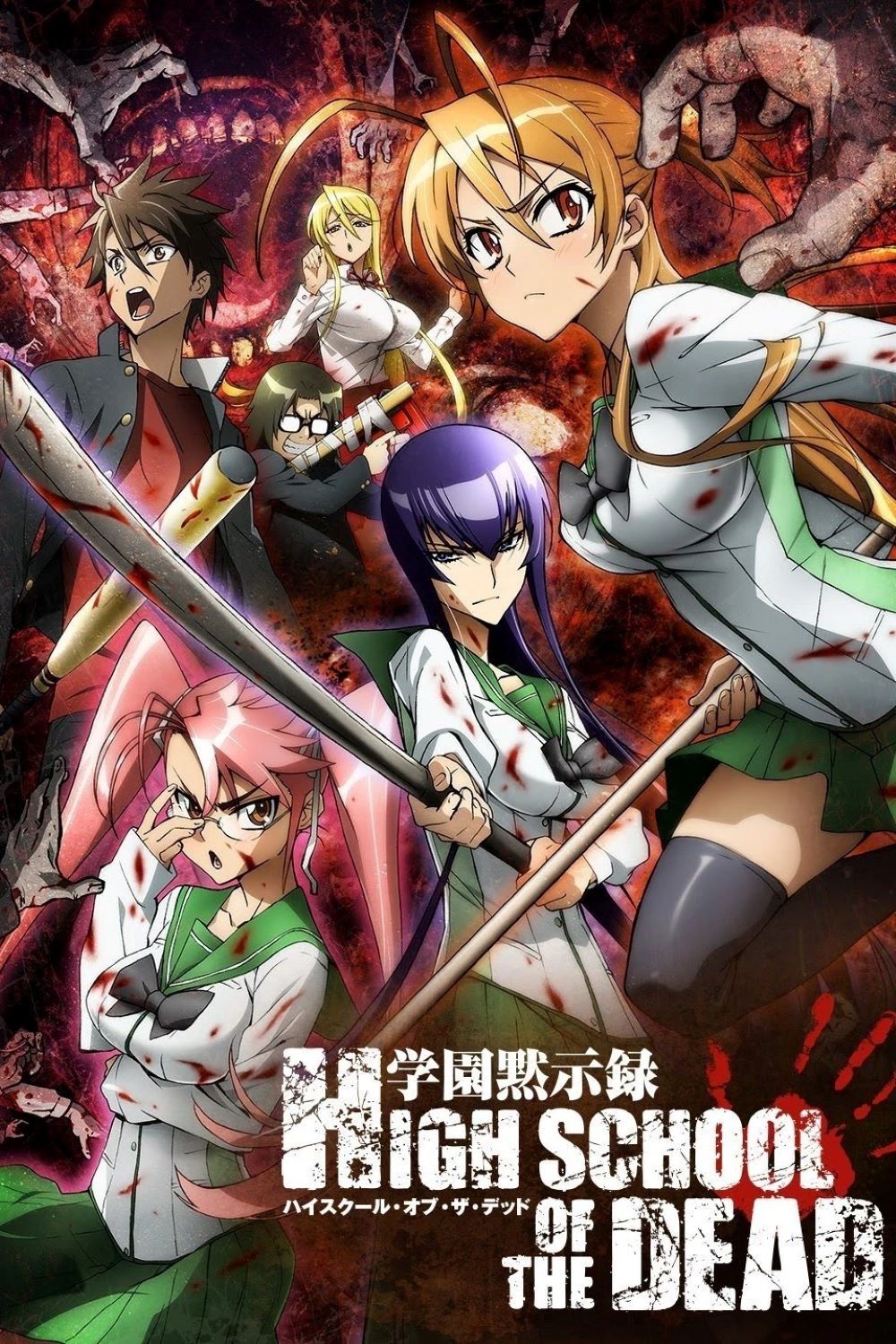
Guilty Pleasure No. 89: Highschool of the Dead (dir. by Tetsurō Araki)


Highschool of the Dead is that wild, over-the-top anime that combines your typical zombie apocalypse survival story with a heavy dose of ecchi fanservice and ridiculous fun. The 12-episode series bursts onto the scene with a gang of Japanese high school students trying to stay alive during a sudden zombie outbreak. The show doesn’t waste time explaining how the zombies came to be — it just tosses you straight into the chaos, and honestly, that’s part of the charm.

The main crew is pretty memorable: Takashi Komuro, the guy reluctantly trying to keep everyone alive while having a crush on Rei Miyamoto; Saeko Busujima, the super cool and mysteriously dark girl who quickly became a fan favorite (and cosplay icon); Saya Takagi, the sharp-witted brainiac; Kohta Hirano, a gun-loving otaku; Shizuka Marikawa, the very adult yet hilariously ditzy school nurse; and little Arisu Marikawa with her adorable, zombie-alert puppy Zeke. This group quickly becomes your ragtag team of survivalists… and eye candy.

Now, let’s get to the heart of Highschool of the Dead — the fanservice. This show is basically a non-stop fanservice marathon, from cheeky panty shots to impossibly large breasts bouncing with wild abandon. If you’re looking for subtlety, sorry, this isn’t the show for you. But if you want ridiculous, unapologetic ecchi mixed with zombie carnage, this anime has got you covered. That infamous “Matrix Boobs” scene? Pure hypnotic, absurd fun and the perfect example of what this anime loves to deliver. These moments are so exaggerated, it’s like the anime knows exactly how nuts it is and just leans into it with a big grin.

Beyond the boobs and butt shots, Highschool of the Dead actually throws in some interesting commentary on human nature in disaster. Sure, zombies are the monsters outside, but the real danger might be the surviving humans themselves, who reveal all kinds of ugly, selfish, and sometimes heroic traits. The teenagers actually fare better than most adults who either panic or take advantage of the chaos — except for the right-wing extremist who surprisingly keeps order with a strict but effective approach. It’s crazy but adds a layer of unexpected depth beneath all the fanservice.

The characters aren’t just there for eye candy either. Komuro isn’t your overly confident anime hero but comes across as a likable, grounded guy. Saeko’s combination of calm, deadly skill and mysterious backstory makes her stand out. Kohta’s military geek side provides a lot of the show’s practical survival know-how, and the occasional comic relief too. The mix of serious struggle and ridiculous fanservice moments makes for a weirdly balanced rollercoaster of tone that keeps you hooked.

Visually, the anime shines with clean, high-quality animation by Madhouse that does a great job blending traditional and CGI elements. You get detailed zombie action and clear, pretty character designs that maximize those fanservice shots. It’s not just about the fanservice — the blood, gore, and zombie fights have their own gritty appeal that balances the show’s lighter, sexier moments. The animation style definitely knows what it’s doing: keep things stylish and eye-catching whether it’s a brutal attack or a cheeky panty shot.

The series also leans into some grindhouse and exploitation vibes, with episode titles like Spring of the Dead and All Deads Attack feeling like throwbacks to 1970s B-movie horror flicks. It’s this blend of horror, action, and exploitation that gives the show its unique flavor. And even though it’s mostly fanservice pandering, it manages to keep a pretty good pace and doesn’t get boring, zipping through the story with lots of action and humor. That “Matrix Boob Physics” meme that went viral years back

While the manga that inspired the series goes deeper and cuts back on fanservice in later chapters, the anime stays firmly in the realm of ridiculous fun with its mix of horror and ecchi. It’s not high art or groundbreaking storytelling, and it would never be mistaken for such. Instead, Highschool of the Dead proudly wears its “guilty pleasure” badge, knowing full well it’s an unapologetically silly, over-the-top romp that doesn’t shy away from the fact that it’s made to entertain and tease rather than inspire or provoke deep thought.

For those who enjoy a wild ride packed with boobs, bullets, and brain-munching zombies, Highschool of the Dead is a perfect guilty pleasure that embraces its identity. It’s a weird mashup that knows it’s silly and really loves having a good time with its audience.

Highschool of the Dead is a wild, ecchi-fueled zombie apocalypse romp that’s totally ridiculous in all the best ways. The show rides the line between horror and parody, serving up enough fanservice moments to satisfy anyone who loves their anime with a side of absurdity and cleavage. Not for everyone, but if you like your zombie stories with a lot of bounce and a wink, this one’s definitely worth a look.

Previous Guilty Pleasures

  1. Half-Baked
  2. Save The Last Dance
  3. Every Rose Has Its Thorns
  4. The Jeremy Kyle Show
  5. Invasion USA
  6. The Golden Child
  7. Final Destination 2
  8. Paparazzi
  9. The Principal
  10. The Substitute
  11. Terror In The Family
  12. Pandorum
  13. Lambada
  14. Fear
  15. Cocktail
  16. Keep Off The Grass
  17. Girls, Girls, Girls
  18. Class
  19. Tart
  20. King Kong vs. Godzilla
  21. Hawk the Slayer
  22. Battle Beyond the Stars
  23. Meridian
  24. Walk of Shame
  25. From Justin To Kelly
  26. Project Greenlight
  27. Sex Decoy: Love Stings
  28. Swimfan
  29. On the Line
  30. Wolfen
  31. Hail Caesar!
  32. It’s So Cold In The D
  33. In the Mix
  34. Healed By Grace
  35. Valley of the Dolls
  36. The Legend of Billie Jean
  37. Death Wish
  38. Shipping Wars
  39. Ghost Whisperer
  40. Parking Wars
  41. The Dead Are After Me
  42. Harper’s Island
  43. The Resurrection of Gavin Stone
  44. Paranormal State
  45. Utopia
  46. Bar Rescue
  47. The Powers of Matthew Star
  48. Spiker
  49. Heavenly Bodies
  50. Maid in Manhattan
  51. Rage and Honor
  52. Saved By The Bell 3. 21 “No Hope With Dope”
  53. Happy Gilmore
  54. Solarbabies
  55. The Dawn of Correction
  56. Once You Understand
  57. The Voyeurs 
  58. Robot Jox
  59. Teen Wolf
  60. The Running Man
  61. Double Dragon
  62. Backtrack
  63. Julie and Jack
  64. Karate Warrior
  65. Invaders From Mars
  66. Cloverfield
  67. Aerobicide 
  68. Blood Harvest
  69. Shocking Dark
  70. Face The Truth
  71. Submerged
  72. The Canyons
  73. Days of Thunder
  74. Van Helsing
  75. The Night Comes for Us
  76. Code of Silence
  77. Captain Ron
  78. Armageddon
  79. Kate’s Secret
  80. Point Break
  81. The Replacements
  82. The Shadow
  83. Meteor
  84. Last Action Hero
  85. Attack of the Killer Tomatoes
  86. The Horror at 37,000 Feet
  87. The ‘Burbs
  88. Lifeforce

Anime You Should Be Watching: Ninja Scroll (Jūbē Ninpūchō)


“If you so want the company of devils, you’d better hurry back to hell, Gemma.” — Jubei

Ninja Scroll, the 1993 anime film directed by Yoshiaki Kawajiri, stands as a landmark in anime history for its groundbreaking animation, intense action, mature themes, and unique blending of historical fantasy with the supernatural. Its fluid, detailed hand-drawn animation vividly brings to life brutal sword fights and supernatural battles, while the richly textured 17th-century Japan setting immerses viewers in a dark, menacing world. This artistic achievement set a high benchmark, elevating anime’s global reputation as a cinematic art form beyond works like Akira.

The story follows Kibagami Jubei, a wandering mercenary ninja drawn into a plot involving the immortal villain Genma and the feared Eight Devils of Kimon. Though the plot remains straightforward—largely focused on Jubei’s confrontation with powerful enemies—it gains depth through morally ambiguous characters and mature themes of sacrifice, honor, and survival. A key emotional element is the relationship between Jubei and Kagero, a female poison ninja cursed to kill anyone who touches her, which sidesteps typical romance tropes and develops themes of vulnerability and resilience.

The voice acting, particularly in the English dub, is a significant highlight, delivering performances that imbue characters with seriousness and emotional nuance, broadening the film’s international appeal and cementing it as a gateway for adult animation in the West. While Ninja Scroll excels in action and atmosphere, it also courts controversy for its graphic violence and explicit sexual content. There is a notably disturbing sexual assault scene involving Kagero, which has long sparked discomfort and debate. However, it is important to clarify that while the film uses explicit sexual content to enhance its darker tone, it does not cross into hentai territory; the sexual content serves a narrative purpose rather than mere eroticism. This mature material intensifies the film’s psychological tension and power struggles, positioning it firmly within adult-oriented anime.

Sexual violence directed mostly at female characters has been a persistent source of controversy surrounding Ninja Scroll. While the sexual content is relatively tame compared to many contemporary non-hentai anime, its depiction of sexual assault and coercion has never lost its provocative edge. The character Kagero, despite being a formidable and dangerous figure, is victimized through sexual violence that many viewers and critics find disturbing. Scenes such as her being captured and violated by monstrous enemies contribute to an uneasy juxtaposition of empowerment and victimhood, with Kagero often used as a plot device to motivate male protagonists rather than as a fully autonomous character. This imbalance and the graphic nature of these depictions have led to censorship in some countries and sparked ongoing debates around the ethics of such content in adult media. Critics often argue that these portrayals risk glamorizing or exploiting sexual violence, while defenders contend that the shocking nature heightens the dark tone of the film’s world, reflecting its brutal and morally fraught universe. Nonetheless, these themes remain divisive, challenging viewers to grapple with how mature animation handles issues of gendered violence and trauma.

One of Ninja Scroll’s defining strengths lies in its animation style. The kinetic action sequences are not only meticulously choreographed but also executed with an extraordinary fluidity and dynamism that were revolutionary for the early 1990s. The hand-drawn fight scenes feature sweeping, graceful movements punctuated by sharply detailed strikes and counterattacks, bringing a visceral sense of speed and impact seldom achieved in other works of the period. This fluidity is complemented by innovative techniques like the use of deleter dot screens for shading and shadow effects, which add texture and depth without sacrificing motion smoothness.

The animation’s prowess extends beyond just the fight choreography. The film’s use of lighting and atmospheric effects creates a hauntingly dreamlike world that feels simultaneously realistic and mythical. Backgrounds are richly painted with a softness that evokes Impressionistic influences, enveloping characters in an environment that accentuates the eerie and supernatural tone. The balance between detailed character animation and these painterly settings builds a distinct visual identity that has aged gracefully over decades.

This combination of fluid, kinetic action and richly atmospheric artistry contributed significantly to Ninja Scroll being considered one of the modern classics of anime. It elevated expectations for what animated films could achieve in terms of dynamic movement and aesthetic sophistication. The influence of its animation style can be traced through numerous subsequent anime productions, as well as Western media inspired by anime’s visual storytelling techniques.

Ninja Scroll’s legacy is extensive and multifaceted. Its DNA can be seen clearly in later samurai-themed anime such as Samurai Champloo and Afro SamuraiSamurai Champloo echoes Ninja Scroll’s stylistic blending of Edo-period Japan with anachronistic influences—infusing hip-hop culture with samurai narratives—while maintaining intense, fluid sword fights and a mix of humor and gravitas. Afro Samurai shares its dark tone, violent action, and lone-protagonist vengeance quest, carrying forward the mood and narrative style originally forged by Ninja Scroll. Director Kawajiri’s subsequent works, including his segments in The Animatrix, further pursue this blend of hyper-realistic violence, dark fantasy, and mature storytelling. His visual style and thematic preoccupations continue to set standards for adult anime storytelling.

Beyond anime, Ninja Scroll substantially impacted Western filmmakers. Its dynamic animation and mature tone influenced the Wachowskis’ Matrix trilogy, particularly in its kinetic martial arts choreography and philosophical depth. This cross-cultural influence helped establish anime as a vital creative wellspring for global media, encouraging Hollywood to adopt similar stylistic and narrative innovations. The film’s success helped popularize ninja and samurai mythologies worldwide, inspiring Hollywood action films and series exploring similar themes.

In conclusion, Ninja Scroll is a seminal work blending technical brilliance, compelling voice performances, stark mature themes, and memorable characters. Its relatively simple yet focused plot allows intense action and emotional depth to shine. While its graphic sexual content remains controversial, especially due to its depiction of sexual violence toward women, this aspect underscores the dark world the film portrays rather than serving gratuitous ends. Its influence spans subsequent anime like Samurai Champloo and Afro Samurai and extends into Western filmmaking, confirming Ninja Scroll’s importance as a groundbreaking and enduring classic that shaped adult animation globally.

Anime You Should Be Watching

4 Shots from 4 Anime: Mecha Edition


Mecha: The name derives from a shortening of the English words “mechanism” or “mechanical” into the Japanese “mecha”

Last time I chose 4 shots from some chosen anime I went the isekai route. This time around I have chosen four shots from some of the more popular and well-received anime of the mecha variety.

This genre of anime has been around as far back as the 1940’s with earliest known mecha-related work being the 1940 manga “Electric Octopus” (Denki Dako). Yet, the subgenre of mecha as we we know of it today as the “super robot” was with the landmark anime from 1972 with Go Nagai’s “Mazinger Z.” This series would establish the many tropes and baseline rules of what mecha has become and will continue to be.

So, here are four shots from four very good to great mecha anime that fans new and old has watched at least once.

Mobile Suit Gundam 00 (dir. by Seiji Mizushima)
Tengen Toppa Gurren Lagann (dir. by Hiroyuki Imaishi)
Macross Plus (dir. by Shinichirō Watanabe)
Neon Genesis Evangelion (dir. by Hideaki Anno)

Anime You Should Be Watching: Akira


“The future is not a straight line. It is filled with many crossroads. There must be a future that we can choose for ourselves.” — Kiyoko

Akira is a landmark anime film that has left an indelible mark on both the medium and popular culture, widely regarded as a masterpiece blending dystopian cyberpunk aesthetics with potent social and political themes. Directed by Katsuhiro Otomo and released in 1988, it is an adaptation of Otomo’s own manga of the same name, adding layers of depth from its source material. The film remains a touchstone for its groundbreaking animation, complex narrative, and deep thematic explorations that resonate decades after its release.

At its surface, Akira tells the story of a post-apocalyptic Neo-Tokyo, a city ravaged by past destruction and on the brink of chaos again due to psychic powers unleashed unexpectedly on its streets. The narrative centers around two childhood friends caught in this upheaval: Kaneda, a rebellious gang leader, and Tetsuo, whose sudden acquisition of devastating psychic abilities leads to uncontrollable transformation and societal breakdown. This conflict draws viewers into a gripping tale of friendship, power, and loss.

Beneath the action-packed plot lies a rich tapestry of themes. One of the most striking is the exploration of loss of humanity through power. Tetsuo’s descent into madness as his psychic abilities spiral beyond his control serves as a visceral metaphor for how absolute power corrupts and alienates. The transformation he undergoes, from a troubled youth into a monstrous entity, dramatizes the fear of losing oneself when faced with forces that cannot be tamed. Meanwhile, the other characters and factions, including the military and resistance groups, depict varying responses to such disruptive power, from authoritarian control to emergent heroism among society’s outcasts and delinquents, emphasizing resilience in adversity.

Akira’s setting is crucial to understanding its impact. Unlike other dystopian sci-fi that glamorizes technology, Neo-Tokyo is raw and unpolished—a place of grime, corruption, and social decay. This lack of fetishization makes the depicted world more relatable and unsettling, reflecting post-World War II anxieties in Japan. The narrative draws clear analogies between the trauma of nuclear devastation and the cyclic nature of destruction and rebirth. The film and manga respectively underline how societies can be dehumanized by catastrophe yet still harbor hope for renewal and change.

The adolescent characters also embody a universal coming-of-age struggle, where uncertainties of identity, power, and responsibility mirror Japan’s own postwar societal shifts. Tetsuo’s monstrous growth and Kaneda’s protective yet rebellious nature capture the complex emotions of fear, resentment, and desire for control, making the story as much about internal battles as external ones. This allegorical layer brings timeless relevance, inviting viewers to reflect on personal and collective growth in times of turmoil.

From a technical and artistic standpoint, Akira set new standards for animation. The film’s fluid motion, attention to detail, and atmospheric world-building were revolutionary for the time and still hold up remarkably well. Otomo’s insistence on lip-syncing dialogue and meticulous frames elevated the cinematic experience far beyond typical anime productions of the 1980s. Its high-budget production values and painstaking artistry make every scene visually immersive, from frenetic gang fights to apocalyptic psychic battles.

One of the film’s most iconic and influential moments is the “Akira slide”—the flawless and stylish maneuver where Kaneda slides his motorcycle to a perfect stop amidst a high-speed chase. This scene has become emblematic not only of Akira’s kinetic energy and visual prowess but also of the potential for animation to convey dynamic motion with a sense of weight, style, and personality. The technique has been endlessly referenced and homaged in both anime and live-action works worldwide, shaping how filmmakers portray fast-paced chase and action scenes. Its balance of fluid animation, camera angles, and character flair set a new benchmark for kinetic storytelling, inspiring generations of animators and directors to capture similar moments of cool, precise motion.

Moreover, Akira’s soundtrack and sound design contribute significantly to its gritty and intense atmosphere, reinforcing the emotional beats and tension throughout the film. The score blends pulsating electronic music with haunting melodies, capturing the film’s blend of futuristic dread and human vulnerability.

Critically, Akira is celebrated not just for its technical achievements but also for its complex storytelling and thematic depth. It does not offer neat resolutions or clear heroes; instead, it portrays a morally ambiguous world where power is both destructive and transformative. The lack of easy answers enhances its emotional and intellectual resonance, making it a powerful narrative of destruction, evolution, and hope.

Akira stands among the most influential works in animation and film, a piece that’s carved its place indelibly in cultural history. Its influence isn’t just in the stunning visuals or the groundbreaking animation techniques; it’s also in how it expanded the horizons of what anime could achieve on a global scale. Otomo’s dystopian vision challenged viewers to confront uncomfortable truths about power, chaos, and societal resilience. Years after its debut, the film continues to inspire and provoke new generations of creators—each eager to capture some fragment of its raw energy and layered storytelling. Akira’s legacy is not just that of a cinematic masterpiece but as a catalyst that reshaped the possibilities for animated storytelling, making it a timeless beacon for artists and audiences alike.

Anime You Should Be Watching

Horror AMV of the Day: Here Comes Trouble


CHUNZ’s “Here Comes Trouble” AMV is definitely worth checking out. It brings together a range of clips from well-known series like Corpse Party, Shiki, and Tokyo Ghoul, blending them skillfully with a haunting soundtrack that really sets the mood. The editing is tight and deliberate, syncing scenes with the music to create a suspenseful, eerie atmosphere that draws you in. It feels less like just a montage and more like a crafted experience that captures the unsettling spirit of these shows in just a few minutes.

What makes this AMV stand out is how it balances energy with a dark, atmospheric tone. ItzMona knows how to keep things engaging without losing the creepy vibe, which makes for a satisfying watch whether you’re a longtime fan of horror anime or just looking for a quick dose of spine-chilling visuals. It’s a great example of how AMVs can be an art form in their own right, blending visuals and sound to tell a mood-driven story. If you want a neat way to revisit some iconic horror anime moments or just want something atmospheric and well-edited to watch, this AMV is an excellent pick.

SongHere Comes Trouble by Neoni

AnimeAldnoah Zero, Cowboy Bebop, Canaan, Megalo Box, W’Z, Elfen Lied, Tokyo Ghoul, Mirai Nikki, Tengen Toppa Gurren Lagann, Another, Jujutsu Kaisen, The Promised Neverland, Gleipnir, Corpse Princess, Ga-Rei-Zero, Koutetsujou no Kabaneri, Overlord, Darling In The FranXX, Blood C, Kekkai sensen, Tales of Zestiria the X, Youjo Senki, Tate no Yuusha no Nariagari, Kimetsu No Yaiba, Fire Force, Your Lie In April, Hunterxhunter, One piece, Gintama, One punch man, Ao no Exorcist, Taboo Tattoo, Fullmetal Alchemist, Monogatari, Shinmai Maou no Testament, Mahou Shoujo Madoka Magica, Highschool Of The Dead, Akame Ga Kill, Dororo, Hellsing, Owari no Seraph, Parasite, Black Rock Shooter, Magi, Kill la kill, No Game No Life, Noragami

CreatorCHUNZ

Past AMVs of the Day

Anime You Should Be Watching (Horror Edition): Angel of Darkness (Injū Kyōshi)


shokushu zeme: “tentacle attack” erotica that explores taboo themes using tentacle-based sexual fantasy as a narrative and visual motif to circumvent Japanese censorship laws.

Angel of Darkness (Injū Kyōshi) holds a notorious place in the lineage of erotic horror anime, bridging the transgressive extremities of Chōjin Densetsu Urotsukidōji and the occult eroticism that would later define Bible Black. This four-episode OVA series from 1994 encapsulates the tentacle horror subgenre with uncompromising explicitness, wrapping its unsettling imagery in a narrative set within the seemingly innocent confines of a girls’ boarding school. The series exemplifies a distinctive moment in adult anime history, when grotesque sexuality and supernatural horror merged to explore themes of control, corruption, and forbidden knowledge.

Like UrotsukidōjiAngel of Darkness does not shy away from cataclysmic violence or graphic sexual transgression. However, rather than sprawling cosmic battles and apocalyptic carnage, it opts for a claustrophobic setting where the boundaries between predation and education collapse. The boarding school, an archetype of sheltered innocence, becomes a crucible for spiritual decay where evil—in the form of demonic possession and twisted rituals—lurks beneath routine façades. This subversion of a sacred educational environment highlights the series’ investment in moral and sexual transgression as intertwined forces.

The plot centers on Professor Goda, whose discovery of a strange stone beneath a campus tree unleashes an ancient, tentacled spirit that begins a viral corruption throughout the school. His transformation into a monstrous sex demon initiates an escalating cycle of ritual abuse and possession among the students and faculty. Against this backdrop, the developing relationship between Sayaka and Atsuko—the relatively innocent lovers trying to find connection amid chaos—provides a tragic human center to the nightmarish events unfolding. The series’ focus on lesbian romance adds emotional depth while diverging from typical harem or fetishistic formulas, instead using sexuality as both refuge and vulnerability under the shadow of demonic influence.

The narrative frequently returns to graphic scenes of domination, bondage, and forced extraction of bodily fluids, imagery that serves symbolic purposes as much as titillation. The recurring S&M rituals, scenes of rape by tentacles, and the desecration of once-hallowed spaces—such as the chapel turned site of torment—communicate a profound collapse of innocence and spirituality. This fusion of sex, violence, and the supernatural positions Angel of Darkness not as mere pornography, but as a stark allegory for power, control, and the corruption of purity.

Visually, the series operates within the constraints of mid-1990s adult OVA budgets, but its simplistic, shadow-heavy animation effectively evokes a mood closer to gothic horror than glossy erotica. The color palette is muted, alternating between the sterile luminescence of the school’s daytime routine and the ominous shadows of ritual scenes. This dichotomy underscores the narrative’s tension between surface normality and subterranean evil. Though the character designs lack the polish of contemporary works like Bible Black, with rougher lines and stilted motion, these limitations amplify the uncanny atmosphere, making the viewer uneasy in a way polished animation rarely achieves.

Sexual content dominates explicitly and persistently, refusing to separate eroticism from horror. This integration exemplifies Angel of Darkness’ commitment to challenging viewer boundaries and expectations. The tentacle horror motifs—ubiquitous in the genre but here rendered with disturbing severity—represent not just physical assault but a symbolic invasion of autonomy and identity by dark forces. The series’ interest in bodily horror situates it firmly within the tradition of Japanese erotic horror, yet its blend of sexuality with a narrative of supernatural possession elevates it beyond titillation toward a meditation on corruption and loss of self.

The series’ narrative and visual style contributed significantly to the evolution of adult anime as a genre willing to explore complex themes within erotic content. It is a clear spiritual predecessor to later occult-erotic works such as Bible Black, which would refine this formula with denser storytelling and atmospheric lighting but owe much to Angel of Darkness’ bold fusion of sex and the supernatural. The taboo-challenging spirit of the series also helped popularize tentacle pornography as a distinctive fetish category internationally, with Angel of Darkness frequently cited as a touchstone in underground anime communities.

Critically, Angel of Darkness remains polarizing. Its extreme explicitness and depiction of violent, non-consensual acts alienate many viewers while fascinating others with its raw thematic ambition. While it is impossible to discuss the anime without acknowledging its deeply problematic content, dismissing it purely as objectionable obscenity overlooks its place as a cultural artifact that pushes the limits of storytelling in adult animation. Indeed, the series critiques institutional complicity and the violation of trust—from teacher to student, from sacred institution to corrupted shrine—embedding its sexual horror within a larger allegory for power abuse.

Despite—or perhaps because of—its intense imagery, Angel of Darkness has maintained a lasting cult status for nearly three decades. Its influence reaches beyond hentai audiences, with many anime historians and scholars referencing it as a foundational work in the erotic horror niche. Its legacy is one of transgression not just for shock, but as a deliberate aesthetic and narrative strategy that challenges the viewer’s comfort zones and probes darker aspects of desire and domination.

Ultimately, Angel of Darkness is a complex and disturbing work that defies simple categorization. It is a horror anime that uses explicit sexuality and supernatural menace to explore themes of corruption, power, and forbidden love. As a historical piece, it represents both the creative ambition and the social taboos of 1990s adult Japanese animation, offering a grim yet compelling experience for those prepared to confront its darkness.

Anime You Should Be Watching