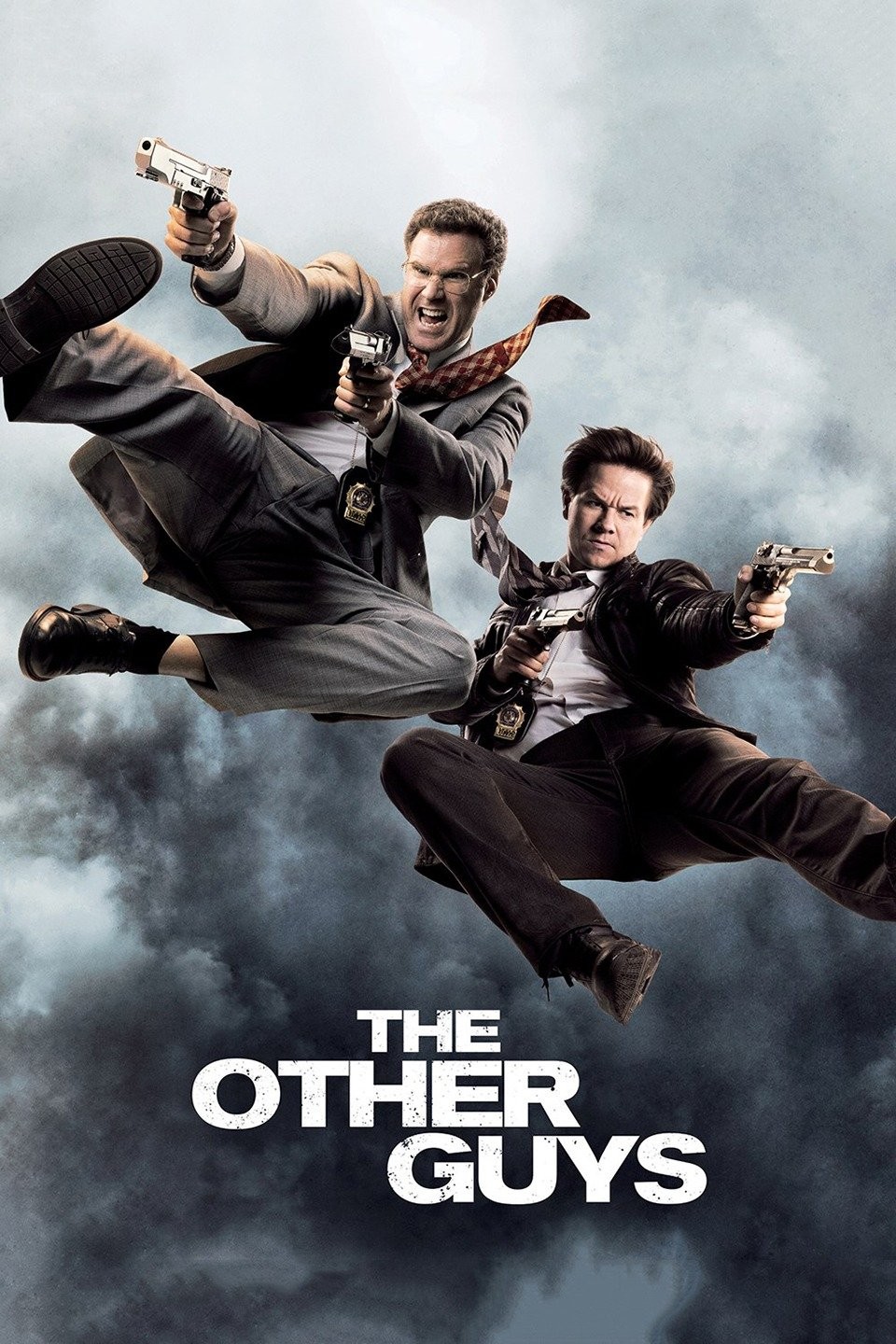
Review: The Other Guys (dir. by Adam McKay)


“We are gonna have sex in your car. It will happen again!” — Dirty Mike

Adam McKay’s The Other Guys feels like the moment a class clown who is secretly a genius finally snaps and decides to teach the entire school a lesson while making them laugh so hard they forget they’re being educated. Released in 2010, the film lands right in that sweet spot of McKay’s career where he was pivoting away from the pure, unhinged mania of Anchorman and Step Brothers and starting to smuggle razor-sharp satire into the multiplex under a mountain of stupidity. It is, without a doubt, one of the funniest movies of its decade, but calling it just a comedy feels like a disservice. It’s a buddy cop movie that hates the irresponsibility of buddy cop movies, a financial crisis explainer disguised as a screamo TLC tribute, and a showcase for two lead performances that should have spawned at least three sequels. If you’ve somehow managed to sleep on this one, it’s time to fix that.

The opening sequence is a masterclass in bait-and-switch. We are introduced to Danson and Highsmith, the city’s top cops, played with magnificent, self-serious swagger by Dwayne Johnson and Samuel L. Jackson. They’re chasing down a minor misdemeanor in a way that destroys half of downtown Manhattan, culminating in them heroically jumping off a twenty-story building to land safely in some bushes. Except they don’t. They splatter. It’s a shocking, hilarious, and instantly iconic death scene that serves as McKay’s thesis statement: the action movie logic you’ve been fed for decades is a lethal fantasy. With the heroes dead, the spotlight shifts painfully to the guys who have to do the paperwork on their mangled corpses, forensic accountant Allen Gamble and hot-headed loose cannon Terry Hoitz. These two are, emphatically, the other guys, and when circumstances force them onto a case involving corporate financial fraud, they stumble their way toward something resembling heroism, occasionally despite themselves.

What separates The Other Guys from the pile of mediocre comedy-action hybrids that came before and after it is the chemistry between Ferrell and Wahlberg, which is genuinely one of the more unexpected comedic pairings of that era. Ferrell plays Gamble as a deeply strange man who has weaponized milquetoast passivity into a superpower. His complete, serene contentment with a life of spreadsheets, Grand Theft Auto grand larceny sprees where he obeys all traffic laws, and a suspiciously beautiful wife played by Eva Mendes is a hypnotic thing to watch. Ferrell dials down the bombast and delivers something wonderfully weird and controlled, a man who is simultaneously a complete dork and, as we later discover, a shockingly capable pimp named Gator. Wahlberg, meanwhile, is doing something genuinely interesting here. Terry Hoitz is a walking wound, a great cop reduced to a desk jockey and public mockery for the unforgivable sin of accidentally shooting Derek Jeter during the World Series. He’s angry, humorless, and convinced of his own greatness despite ample evidence to the contrary. Wahlberg plays him completely straight, which is the exact right call, because his deadpan bewilderment at Ferrell’s behavior, the way his voice cracks with desperate, shrill anger when trying to explain a normal scenario, ends up being funnier than almost anything else in the film. Their chemistry is a perfect storm of a guy who wants to live inside a peaceful spreadsheet and a guy who wants to set that spreadsheet on fire while learning to dance the sardine.

This is the kind of comedy where the supporting cast keeps piling on gloriously unhinged performances, which makes Ray Stevenson’s work as the heavy all the more valuable. As Roger Wesley, the corporate enforcer who does the violent bidding of Steve Coogan’s billionaire fraudster, Stevenson operates in a completely different register from everyone else. While Ferrell is weaponizing passive-aggressive politeness, Wahlberg is screaming about peacocks, and Michael Keaton is unconsciously quoting Waterfalls while running a police precinct, Stevenson remains a granite slab of menace. He doesn’t crack jokes, he doesn’t do double-takes, and he certainly doesn’t care about the absurdity swirling around him. There’s something almost old-fashioned about his screen presence here, a grim, heavy-lidded seriousness that makes him feel like he wandered in from a real crime thriller and simply refused to leave. It’s the kind of straight-man performance that doesn’t just anchor the chaos; it makes the chaos funnier by contrast. When he’s methodically hunting down loose ends while Ferrell and Wahlberg are bickering about whether a lion could beat a tuna in open ocean, the collision of tones is pure McKay alchemy.

The plot, such as it is, involves the duo stumbling onto a massive white-collar crime conspiracy led by a billionaire played with smarmy, cowardly glee by Steve Coogan. It’s here that McKay’s deeper ambitions start to peek through the absurdity. While Terry is desperate for a classic action-movie shootout and car chase, the investigation leads them to the Lendl Global offices, where the real villainy isn’t drug lords or terrorists but leveraged buyouts and pension fund looting. There’s a perfect running gag where they keep trying to get into the action, preparing for a massive gunfight against a team of mercenaries, only to find that the corrupt corporate security detail is made up of ex-cops just looking to quietly retire with their benefits. It is the funniest anti-climax, a deliberate denial of violence that reinforces the film’s core idea that the most dangerous criminals wear suits, not ski masks. The financial villain is a thinly veiled stand-in for the kind of Wall Street grift that was very much in the cultural conversation in 2010, just a couple of years after the financial crisis. McKay would later go much deeper on that territory with The Big Short, but the seeds of that interest are planted all over this film.

The comedy in The Other Guys operates on two distinct but equally brilliant levels. There is the surface-level absurdity, the kind that produces quotes like “I’m a peacock, you gotta let me fly!” and the quiet, steady domination of Gamble’s totemic Prius, which somehow survives a fireball helicopter crash without a scratch. The “aim for the bushes” jump, the lion versus tuna debate that Hoitz treats with theological gravity, and the wooden gun gifted to Gamble are all top-tier ridiculousness. Then there is the deeper, more surreal well of humor that feels distinctly McKay. The entire subplot of Gamble’s past as a college pimp named Gator is a work of deranged genius, a slow-motion, honey-dripped flashback that reveals a world of casual, elegant pimping that Ferrell plays with a straight face so absolute it circles back around to being terrifyingly cool. The relentless jokes about Gamble unknowingly marrying way out of his league, his genuine confusion over why people think Eva Mendes is attractive, is a running gag that beautifully plays on Ferrell’s ability to be completely oblivious to the reality surrounding him. Eva Mendes is admittedly underused, though the film at least has fun with the joke by leaning into Wahlberg’s incredulous reaction every time she appears, which never gets old.

Visually, the film has a blandly competent sheen that actually works in its favor. Unlike the frattish haze of Anchorman, here McKay is directing a movie that looks like a real cop film, which makes the eruptions of insanity even more jarring. The action sequences are staged with real competence. The car chases aren’t played as joke sequences; they’re genuinely well-staged, particularly the Prius chase midway through where Gamble’s calm, methodical driving commentary clashes with a panicking Hoitz. It’s legitimately exciting before it goes completely off the rails in the best way. McKay never lets the plot drag even when the jokes need room to breathe. By this point in his career he’d clearly figured out the right pace for this kind of thing, and it shows. The movie moves. The film also showcases Michael Keaton in a delightful supporting role as Captain Gene Mauch, a cop who unconsciously works a second job at Bed Bath & Beyond while peppering his police work with retail slogans. Keaton’s deadpan delivery of lines about TLC references and towel specials, only to shout the chorus of Waterfalls at a moment of high tension, is a thing of beauty. Every single one of his scenes is a gift. It’s a running joke that never explains itself, and it’s all the better for it.

Then there is the ending. For a film that spends nearly two hours being aggressively stupid-smart, the final moments make a radical pivot. As the bad guy is caught, the movie doesn’t just roll credits. It stops dead and turns into a miniature economics lecture. With animated infographics and hard statistics, McKay lays out exactly how Ponzi schemes, bailouts, and income inequality have shattered the American middle class, all while the Rage Against the Machine cover of Maggie’s Farm thrashes on the soundtrack. It’s a jarring, preachy, and completely unexpected move. On first viewing, it feels like the director violently smashing the emergency brake on the comedy train. But in hindsight, it’s the only honest way this movie could end. McKay isn’t just telling us that bank robbers are less dangerous than bankers; he’s stopping us from leaving the theater without understanding the scale of the theft. It doesn’t undermine the fun at all. If anything it adds a layer of purpose that makes the whole thing feel a little more substantial than your average cop spoof. It’s the moment the class clown pulls out a graph showing your student debt will cripple you for life, and somehow, it works because he’s been earning your trust with jokes for the previous hour and a half.

There’s something almost nostalgic about watching a comedy this confident in its own weirdness. The Other Guys arrived at an interesting moment for this kind of movie, when the mid-budget, R-rated studio comedy was still a viable commercial proposition. It made decent money even if it wasn’t a runaway smash, but more importantly, it trusts that you’re going to be on board for a scene where Ferrell and Wahlberg argue about whether they’d rather be a lion or a tuna, and it’s right to trust that. The criticisms are relatively minor. The movie is maybe fifteen minutes too long, and a subplot involving Wahlberg’s ballet background gets introduced and then somewhat dropped. The villain’s scheme, by design, isn’t particularly cinematic, and the film occasionally strains to make the stakes feel real. But these are the kinds of complaints you make about a movie you liked, not a movie you didn’t, and none of them meaningfully dent the overall experience.

More than a decade later, The Other Guys has aged into something of a classic, a revered staple of late-night cable and quotable group chats. It sits at a fascinating crossroads, holding onto the absurdist, quote-heavy DNA of McKay’s earlier work while laying the formal and thematic groundwork for what he would do next with The Big Short and Vice. It proves that the jump from Ron Burgundy to a film about the 2008 housing crisis wasn’t actually that far at all. He just needed Wahlberg to yell a little bit, Ferrell to explain why a lion would still beat a tuna, even in open ocean, and Stevenson to stand in the middle of it all looking like he genuinely wants to murder everyone in the room. Whether you come for the laughs, the surprisingly competent action, or Michael Keaton mumbling TLC lyrics under his breath, you’re going to find something to love. Absolutely worth your time.

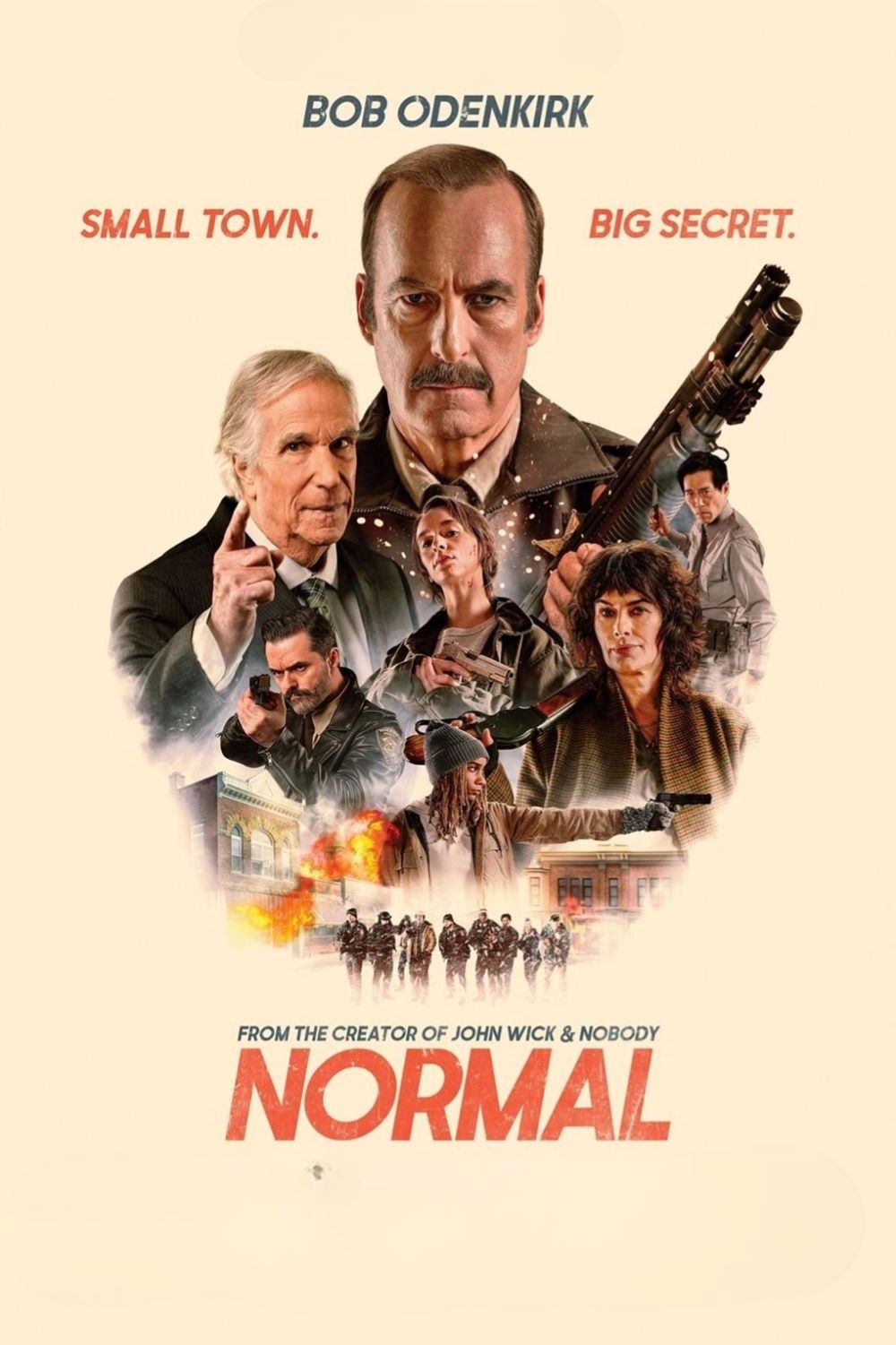
Review: Normal (dir. by Ben Wheatley)


“I used to be a regular sheriff.” — Sheriff Ulysses

Ben Wheatley has built a career on making audiences uncomfortable. From the cultish dread of Kill List to the seasick chaos of Free Fire, he specializes in a specific kind of British miserablism that suddenly snaps into shocking ultraviolence. So, the idea of him directing a snowbound, American action-comedy starring Bob Odenkirk felt a little like hiring a surgeon to cater a birthday party. You know the food will be technically proficient, but you are terrified of what might be in the sauce. The 2026 film Normal, written by Derek Kolstad and Bob Odenkirk, is exactly that catering job: it is messy, bloody, surprisingly filling, and leaves you with a weird stomach ache if you think about it too long. But in a summer movie season often defined by joyless CGI sludge, Normal is a blast of R-rated, mid-budget freshness that knows exactly how stupid it is, even if it stumbles on its way to the finish line.

The premise is a beautiful piece of elevator pitch simplicity. Odenkirk plays Sheriff Ulysses, a haunted, world-weary interim sheriff who takes a short-term gig in the tiny, freezing Minnesotan town of Normal. The previous sheriff died under mysterious circumstances (ice fishing accident, sure), and Ulysses is just looking for a quiet place to drink coffee, ignore his wife’s phone calls, and heal. The problem is that Normal, Minnesota, is anything but. As Ulysses walks the beat, he notices the quiet desperation of rural America has been replaced by a strange, Stepford-like prosperity. The knitting store sells AR-15s. The diner’s walls are lined with loaded rifles. The town has somehow raised sixteen million dollars for a new town hall. It turns out that the citizens of Normal have sold their souls—and their town—to the Yakuza, acting as a quiet, frozen Swiss bank account for Japanese organized crime. When a pair of bumbling out-of-town robbers (Reena Jolly and Brendan Fletcher) hits the local bank, the bulletproof glass shatters, and Ulysses finds himself trapped in a blizzard, fighting for his life against an entire town of friendly, flannel-wearing killers.

Having Odenkirk as co-writer explains a lot about why Normal feels different from Kolstad’s other work. Where John Wick and the first Nobody are lean, machine-tooled scripts, Normal has a looser, more character-obsessed texture. The dialogue is full of weird pauses, non-sequiturs, and the kind of conversational detours that defined Odenkirk’s television work on Better Call Saul. You can feel the actor’s hand in every scene where Ulysses just stares at a absurd situation and mutters something mundane like “Well, that’s not ideal.” If you have seen the Nobody films, you know the rhythm Odenkirk plays as a performer. But what makes Odenkirk so fascinating to watch in Normal is how he continues to solidify an idea we haven’t really seen since Liam Neeson stumbled into Taken: the deeply unconventional action hero. Think about it. Before Neeson, action stars were Schwarzenegger, Stallone, Willis—men built like refrigerators. Then Neeson showed up at fifty-six, all grief-stricken eyebrows and theatrical training, and suddenly audiences realized that a sad dad with a “particular set of skills” was just as terrifying as any bodybuilder. Odenkirk is the spiritual successor to that twist.

No one ever looked at the guy who played slimy lawyer Saul Goodman or the hapless comic from Mr. Show and thought, “There is our next great screen fighter.” Yet here we are, years after the first Nobody, and Odenkirk has quietly become the most believable everyman action lead of his generation. Unlike Neeson’s brooding intensity, Odenkirk brings a specific, almost pathetic vulnerability. In Normal, he excels at playing the “sad dad” action hero—the guy whose joints pop when he stands up, who looks like an accountant but moves like a bar fight. Ulysses isn’t a retired assassin; he’s just a cop who is very, very tired. When he dispatches a thug with a fire extinguisher, there is no cool one-liner, just a wheeze and a wince. That grounded exhaustion is the Odenkirk brand, and because he co-wrote the part, it fits him like a tailored suit. He sells the physicality without losing that “I’m too old for this” shuffle, making you believe a middle-aged man could survive a gauntlet of killers purely out of stubbornness and regret. Henry Winkler, as the smarmy Mayor Kibner, chews the frozen scenery with glee, playing a man so polite and effervescent that you want to punch him immediately. Lena Headey shows up as a barkeep with a shotgun, and while she doesn’t get enough to do, she brings the necessary grit.

However, the secret weapon here is actually Ben Wheatley and his “anti-action” philosophy. In a recent interview, Wheatley described the violence in Normal as being akin to Final Destination. That is the smartest thing about this movie. In a typical John Wick movie, the hero is a force of nature; he actively kills people with surgical precision. In Normal, Ulysses doesn’t so much defeat the town as survive it. In one fantastic set piece, a character slips on ice and impales themselves on their own bayonet. In another, a massive sign falls and crushes a gunman mid-monologue. The town itself becomes a hostile, slippery, glass-strewn deathtrap. This gives Normal a chaotic, Looney Tunes energy that separates it from its cousins. You never know who is going to die next or how, and Wheatley directs the carnage with a blackly comic eye. The sound design of bones crunching against frozen asphalt is disturbingly hilarious. This isn’t the graceful ballet of assassination; it’s the slapstick of murder, and it is refreshing. And Odenkirk’s performance is the perfect anchor for this chaos because he always looks slightly surprised to still be alive—a quality Neeson, for all his skills, rarely conveyed. The fact that Odenkirk helped write the script means those reactions of shock and reluctant disgust feel genuine rather than performed.

But let’s address the moose in the room. Normal desperately wants to be Fargo, but it only has the vocabulary of a comic book. The Coen Brothers’ masterpiece works because the quirky dialogue masks a terrifying emptiness. Normal wears its quirk on its sleeve like a cheap souvenir. The film tries to weave in social commentary about the death of rural America, gun culture, and even features a subplot involving a trans nonbinary teen (Jess McLeod) who was the child of the previous sheriff. These moments are handled with a surprising amount of grace—they aren’t preachy, just present. However, the film is moving so fast (the runtime is a lean 91 minutes) that it forgets to give these themes any weight. You get a five-second shot of a wall of guns, and then someone blows up. The commentary is there, but it’s just set dressing for the explosion.

Furthermore, the plot structure is lopsided. The film opens with a cold sequence in Japan with the Yakuza cutting off fingers and looking menacing. It feels like a contractual obligation to remind you this is from the John Wick universe, and it’s hard not to wonder if that was a Kolstad-driven choice while Odenkirk might have preferred more mystery. It completely spoils the slow-burn reveal of the town’s corruption. Imagine The Wicker Man if the first scene showed you the villagers burning the wicker man. The tension of Ulysses realizing that “the call is coming from inside the house” is neutered because we, the audience, already know the Yakuza are lurking in the basement. Also, for a movie called Normal, it is incredibly predictable within its own lane. Once the shooting starts, you know exactly where Ulysses is going to end up (spoiler: a hardware store and then the police station). The film devolves into a familiar Assault on Precinct 13 siege scenario, and while the kills are inventive, the geography of the action gets muddy. Wheatley shoots the snowy exteriors beautifully—the white landscape makes the red blood pop like neon—but during the frantic third act, the editing gets choppy, and you lose track of who is shooting whom. For a movie that prides itself on “anti-action,” it relies heavily on the generic rhythms of action in its final twenty minutes.

Despite these structural hiccups, Normal works because it never overstays its welcome. At a brisk hour and a half, it gets in, blows up a town, and gets out. Bob Odenkirk continues to prove that he is the most relatable action hero of the 2020s—the natural heir to the “unlikely badass” throne that Liam Neeson occupied for a solid decade. Where Neeson brought Shakespearean tragedy to the genre, Odenkirk brings a frustrated accountant’s fury. He looks like he just finished paying his taxes, and you believe he is furious about it. Having co-written the film only deepens that authenticity; this isn’t a star merely showing up to say lines, but an actor who has shaped the material to his exact strengths. Ben Wheatley manages to smuggle just enough British cynicism and nasty violence into the frame to keep genre fans on their toes.

Is Normal a great film? No. It is too shallow and too structurally messy for that. But is it a great time at the movies? Absolutely. It is the cinematic equivalent of comfort food laced with hot sauce. You know what you are getting, but the kick is still satisfying. For fans of Odenkirk’s grumpy charm and Wheatley’s chaotic tendencies, Normal is a perfectly abnormal way to spend an evening. Just don’t go looking for the heart that the title promises; this one is all viscera. And frankly, in an era where most action movies are built from the same digital spare parts, watching a former comedy writer freeze his way through a Yakuza invasion feels like the most refreshing kind of normal we could ask for.

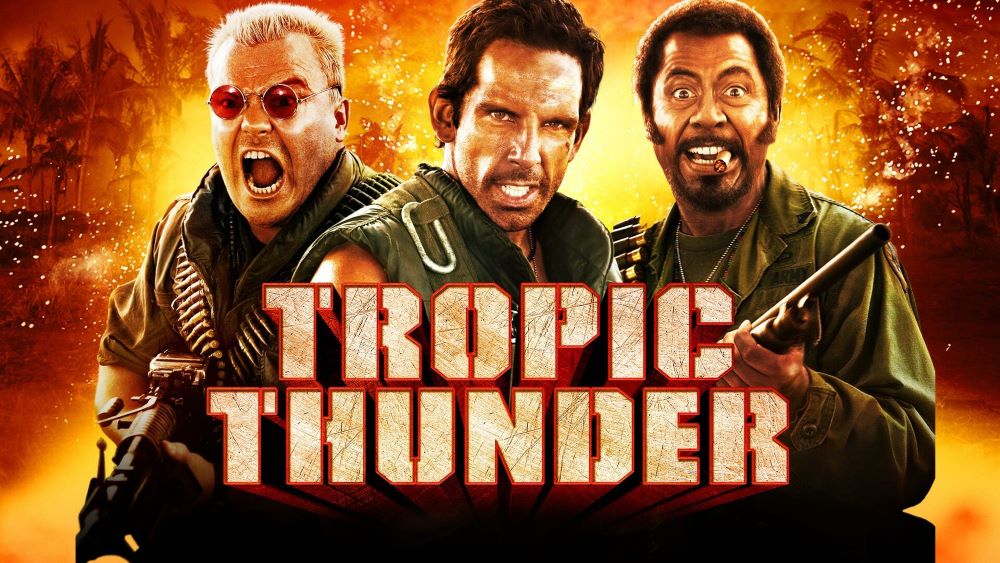
Review: Tropic Thunder (dir. by Ben Stiller)


“A nutless monkey can do your job.” — Les Grossman

Ben Stiller’s Tropic Thunder is a bold, chaotic comedy that dives headfirst into the wild world of Hollywood satire. The film, which Stiller directed, co-wrote, and starred in, feels like a high-energy roast of the movie industry itself, blending action, parody, and sharp commentary into one explosive package. The cast is stacked with familiar faces like Robert Downey Jr., Jack Black, Jay Baruchel, Brandon T. Jackson, and even Tom Cruise in a shockingly hilarious cameo, all committed to the film’s madcap, anything-goes spirit.

A distinctive touch that shows Tropic Thunder’s deep commitment to Hollywood satire is how it begins—not with a typical studio logo or title sequence—but with a series of fake movie trailers. These trailers parody different film genres and Hollywood clichés, setting an irreverent tone before the actual film even starts. The highlight is undoubtedly the “Oscar-bait” trailer for Satan’s Alley, a pitch-perfect send-up of self-serious, emotionally heavy dramas designed for awards season attention. By embedding these faux trailers, the film immerses viewers in its meta commentary and signals from the outset that it’s willing to mock and take apart the film industry at all levels.

This movie-within-a-movie begins with a group of egotistical actors trying to make a serious war film based on the fictional memoir of a Vietnam veteran. Their attempt at gritty realism falters under the weight of their own vanity and cluelessness, turning the set into a feverish comedy of errors. When the director dies and the actors are abandoned in a real jungle with actual dangers, the film blurs the lines between fantasy and reality, leading to a relentless cascade of absurd situations and insider jokes about Hollywood machinery.

Robert Downey Jr.’s portrayal of Kirk Lazarus, a method actor who undergoes extreme skin pigmentation surgery to play a Black character, is both provocative and hilarious. His performance skewers Hollywood’s past mistakes with race and casting, while his tense exchanges with Brandon T. Jackson’s Alpa Chino, who plays a genuinely Black rapper, provide sharp moments that balance discomfort with comedy. Downey Jr.’s “blackface” was a conscious satire of method acting and Hollywood egos, an attempt to ridicule extreme lengths actors go for acclaim rather than an endorsement of offensive practices. However, even at its release in 2008, it sparked conversations about the boundaries of comedy and racial sensitivity—an issue that would be even more controversial in 2025’s cultural climate.

Similarly, the film’s handling of ableist humor through the subplot of Simple Jack, a fictional movie starring Ben Stiller’s character as a person with intellectual disabilities, drew mixed reactions. While intended as a biting critique of Hollywood’s exploitation of disability for sympathy and awards, the portrayal nonetheless walked a tightrope that made some audience members uncomfortable. This nuanced but risky satire highlights how Tropic Thunder throws a wide net in exposing Hollywood’s many blind spots, yet its fearless approach also invites legitimate questions about respect and representation.

Jack Black delivers wild physical comedy as Jeff Portnoy, a drug-addled comedian losing control, offering a blend of slapstick and oddly sincere moments. Meanwhile, Tom Cruise steals the film with his iconic turn as Les Grossman, the balding, foul-mouthed studio exec whose explosive rants and dance moves have reached legendary status. Industry insiders often note that Grossman’s tempestuous persona seems inspired by real-life producer Scott Rudin, known for a similarly volatile temperament.

Much of the film’s humor targets Hollywood’s obsession with awards and ego, skewering Oscar-bait films, blockbuster excess, and ridiculous celebrity antics. The fake trailers highlight these themes, and Lazarus’s infamous line “Never go full retard, man!” takes aim at acting extremes motivated by prestige rather than authenticity. Stiller’s direction embraces loud, over-the-top action sequences that mimic classic Vietnam War movies but infuse them with cartoonish chaos, while the lush jungle serves as a satirical arena for exposing the actors’ incompetence.

While Tropic Thunder is gleefully offensive and hilarious, its treatment of race and disability sparked debate about where satire crosses lines. The film’s biting self-awareness and sharp commentary doesn’t always prevent discomfort, but it highlights the difficulty of balancing edgy humor with social consciousness in comedy. The film’s reception reveals how comedy evolves with cultural awareness; what passed as biting satire in 2008 would face even fiercer scrutiny in today’s more sensitive and politically aware environment.

From an entertainment standpoint, the movie delivers nonstop laughs, with rapid-fire jokes, strong chemistry among the cast, and sharp Hollywood references that keep fans engaged. Downey Jr.’s method acting antics, Black’s physical comedy, and Cruise’s outrageous studio boss combine into a relentless comedic assault. It’s not a film for those who prefer safe or sanitized humor, but for those who appreciate biting satire with reckless energy, it’s a must-watch.

Looking back, Tropic Thunder stands as a snapshot of a moment before social media and instantaneous backlash reshaped Hollywood comedy. Its controversial content might not get greenlit today, much like the boundary-pushers Blazing Saddles and Airplane! before it. Yet, as history shows, comedy will always find new ways to challenge sensibilities and push limits. Only time will tell what the next film is that dares to cross such lines again.

If you haven’t experienced Tropic Thunder, prepare for a relentlessly funny, sharply satirical comedy that skewers everything from celebrity egos to studio politics with savage wit and over-the-top energy.

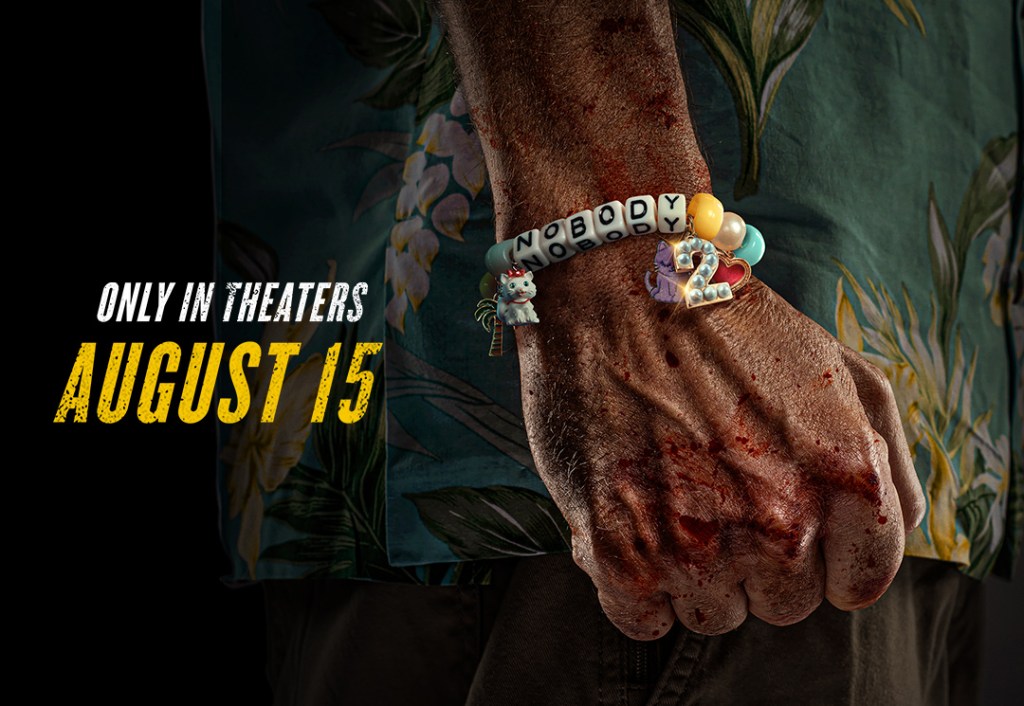
Trailer: Nobody 2


Ilya Naishuller’s 2021 action-comedy Nobody caught everyone by surprise. Many thought it was just a quick cash-grab to take advantage of the success with the John Wick action series. Nobody was released in the middle of the pandemic, yet it was received very positive reviews from critics and audiences, alike.

It was a no-brainer that a sequel would be greenlit. It took awhile to happen but most of the cast and crew are back with the exception of director Ilya Naishuller. Indonesian director Timo Tjahjanto now takes the director’s seat with some new, but familiar faces (Sharon Stone and Colin Hanks) joining the previous cast (Bob Odenkirk, Colin Salmon, Connie Nielsen, Christopher Lloyd and RZA).

From this first trailer, Nobody 2 looks to retain the action-comedy tone of the first, but with the visual flair of Timo Tjahjanto (see The Night Comes for Us for example of how batshit crazy his action turn out).

Nobody 2 arrives in theaters on August 15, 2025.