Review: War of the Worlds (dir. by Steven Spielberg)


“This is not a war any more than there’s a war between men and maggots… This is an extermination.” — Harlan Ogilvy

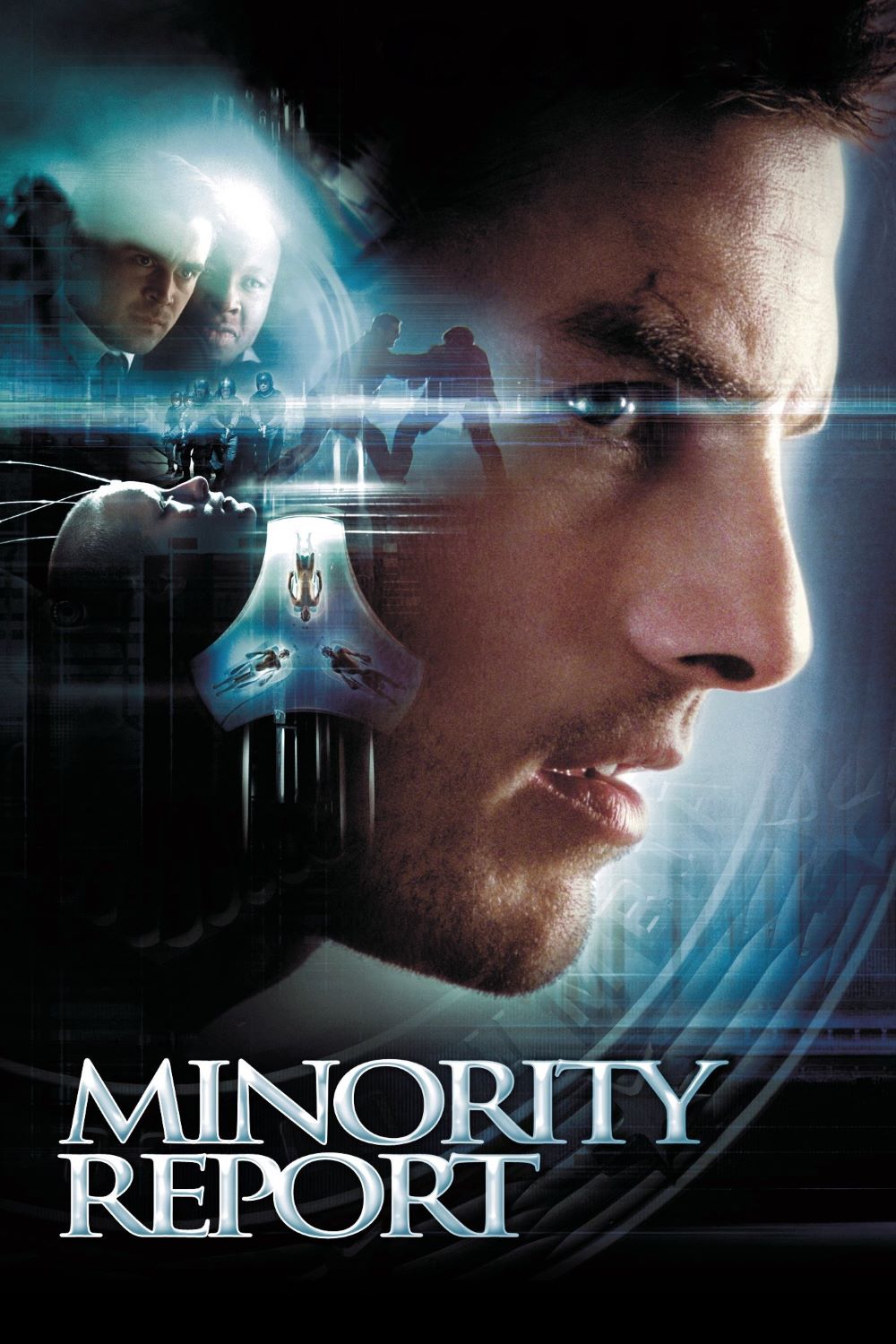
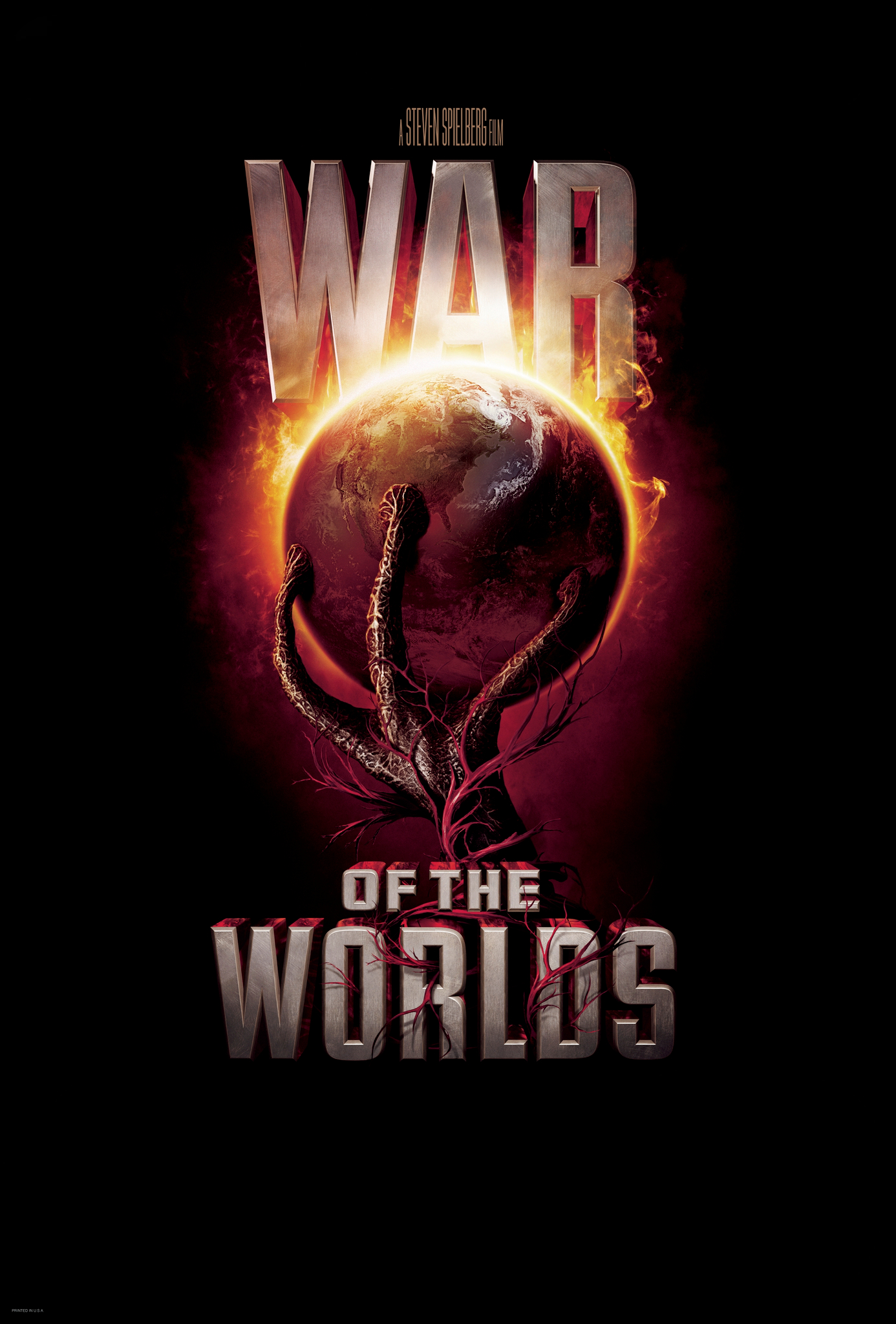
When looking back at the vast filmography of Steven Spielberg, science fiction usually evokes a sense of sweeping wonder, starry-eyed optimism, or at the very least, a deeply felt humanism. Films like Close Encounters of the Third Kindand E.T. the Extra-Terrestrial taught generations to look at the stars with hope rather than dread. Even when things took a darker turn in Jurassic Park or the neon-drenched corridors of Minority Report, there remained a foundational thrill—a cinematic ride that ultimately leaves the audience exhilarated. However, his 2005 adaptation of H.G. Wells’ classic novel, War of the Worlds, stands as a radically different beast altogether. It is arguably the bleakest, most claustrophobic blockbuster Spielberg ever directed, operating less as an adventurous alien invasion epic and more as a raw, nerve-shredding analog for collective trauma. Emerging a mere four years after the collapse of the Twin Towers, the film strips away the romanticism of cosmic exploration and replaces it with a visceral, ground-level nightmare of sudden, inexplicable annihilation.

The brilliance of Spielberg’s approach, working alongside screenwriter David Koepp, lies in how intensely localized the narrative remains. Rather than tracking the invasion from the traditional perspective of military command centers, global leaders, or brilliant scientists, the audience is trapped inside the chaotic, deeply flawed perspective of Ray Ferrier, played with a brilliant, unheroic franticness by Tom Cruise. Ray is not a savior; he is a deadbeat, blue-collar crane operator living in a graying New Jersey suburb. He is the kind of father who doesn’t know his son’s school schedule and has an empty refrigerator when his ex-wife drops off their two children, Robbie and Rachel. By centering the apocalypse around a fractured, working-class American family, Spielberg roots the cosmic terror in a painful reality. The impending destruction of the planet mirrors the collapse of Ray’s domestic stability, forcing a man who can barely manage basic parental accountability to suddenly navigate the literal end of the world.

From a purely technical standpoint, the first act of War of the Worlds features some of the most masterful suspense and terror ever committed to celluloid, heavily leaning on a barrage of explicit 9/11 visual imagery. The sequence where the first Martian Tripod emerges from beneath a New Jersey intersection is a masterclass in modern cinematic dread, directly weaponizing the fresh, collective trauma of the post-9/11 American public. Spielberg eschews the clean, omniscient visual language of standard disaster cinema for an organic, chaotic documentary style, mirroring the sudden, disorienting informational and electronic blackout experienced by millions during the real-world attacks. The camera lingers on heavy, ominous storm clouds moving against the wind, the eerie crackle of localized lightning strikes, and the unsettling silence of a neighborhood stripped of electronic life. When the asphalt fractures and the colossal, three-legged war machine rises from the earth, the sound design hits the audience like a physical blow. The Tripod’s horn—a terrifying, mechanical foghorn groan—instantly triggers an ancient, mammalian fight-or-flight response. As the machine opens fire with its disintegration beams, turning nearby pedestrians into literal puffs of ash, the camera tracks Ray running for his life through a massive, rolling cloud of dust and debris. When Ray finally makes it back to his house, the ash of his vaporized neighbors covers his clothes and face, an unmistakable and deeply unsettling visual that explicitly echoes the horrific reality of the streets of Manhattan on September 11, 2001.

This deliberate invocation of post-9/11 anxiety is the thematic engine that drives the entire film. Spielberg does not hide these parallels; he highlights them with a devastating accuracy that makes the film difficult to watch even decades later. When the invasion begins, a terrified, screaming Rachel asks her father if it is “the terrorists,” a line that perfectly encapsulates the collective, reactionary psyche of the mid-2000s American consciousness, where any sudden, catastrophic violence was instantly filtered through the lens of domestic terrorism. The imagery of walls plastered with photocopied missing-persons flyers, crowds of refugees trudging down desolate highways with whatever belongings they can carry, and a derailed, blazing passenger train hurtling past an abandoned station all tap into a very specific, historical vulnerability. In Independence Day, an alien invasion was an opportunity for global unity and triumphant, cigar-chomping counter-offensives. In Spielberg’s hands, the invasion is an overwhelming, asymmetric slaughter that reduces the world’s most powerful military to a collection of burning tanks rolling over a ridge into an invisible abyss.

However, while the film masterfully handles the grand-scale terror of the invasion, it stumbles significantly when navigating its internal family dynamics, particularly regarding Ray’s son, Robbie, played by Justin Chatwin. I completely agree with the widespread criticism that Robbie is an intensely annoying, deeply self-destructive presence whose actions and decisions repeatedly defy basic human survival instincts. Throughout the crisis, his behavior goes beyond typical teenage rebellion and crosses into pure narrative absurdity. Instead of helping protect his traumatized, screaming younger sister, Robbie consistently sabotages his family’s safety to aggressively gawk at a hopeless war zone. His sudden, obsessive urge to join a military force that is clearly being pulverized by an unearthly power feels entirely unearned and maddening to watch. His character arc reaches a peak of irritation when he blindly runs over a burning ridge directly into a mechanical meat grinder, abandoning his family for a bizarre, suicidal patriotic impulse. This makes his miraculous survival at the end of the film a massive narrative misstep; having him casually show up at his grandparents’ pristine Boston home after witnessing a literal military massacre completely undermines the high-stakes realism Spielberg spent two hours building, turning what should have been a tragic consequence of his own foolishness into a cheap, unearned happy ending.

As the narrative progresses past the family friction, the film shifts its focus from external spectacle to the internal breakdown of human morality under the weight of existential terror. This transition is embodied by the mid-movie introduction of Harlan Ogilvy, played with an unsettling, unhinged intensity by Tim Robbins. Trapped in a dark basement while the Martians harvest the surrounding countryside, Ray and Ogilvy represent two radically different, yet entirely believable, reactions to trauma. Ogilvy is consumed by a vengeful, nihilistic madness, obsessed with digging tunnels and launching a futile, suicidal guerrilla war against an enemy that operates on a completely different evolutionary plane. Ray, conversely, is driven solely by a desperate, animalistic urge to protect his daughter. The sequence culminating in Ray’s decision to kill Ogilvy behind closed doors to keep him from alerting the aliens is one of the darkest thematic beats in Spielberg’s career. It forces the audience to confront a disturbing truth: the true horror of the apocalypse is not just what the monsters do to us, but what we are willing to do to each other to survive another hour.

The film’s visual palette, masterfully crafted by cinematographer Janusz Kamiński, reinforces this pervasive sense of rot and despair. Kamiński utilizes a heavily bleached, high-contrast aesthetic that drains the world of vibrant color, leaving behind a cold, metallic landscape dominated by sickly slates, deep shadows, and stark whites. This visual harshness reaches its zenith during the infamous “Red Weed” sequence. As the Tripods begin carpet-bombing the landscape with human blood to fertilize an invasive, crimson alien flora, the film transforms into a surrealist, gothic horror show. The Earth itself is literally being terraformed by the bodily fluids of the slaughtered, creating a grotesque, bleeding ecosystem that visually mirrors the internal rot of the surviving human populations. It is a sequence that feels closer to the cinematic nightmares of H.R. Giger than the traditional whimsy of a Spielbergian adventure.

Despite its immense strengths, War of the Worlds is frequently criticized for its final act, a critique that deserves a nuanced evaluation. The abrupt resolution—wherein the seemingly invincible Martians suddenly succumb to Earth’s microscopic bacteria—is lifted directly from H.G. Wells’ original 1898 text. While narratively faithful, its execution in a modern Hollywood blockbuster can feel jarring, functioning as a biological deus ex machina that robs the human protagonists of a traditional, heroic victory. Furthermore, Robbie’s unearned survival represents a sudden, almost desperate pivot back toward Spielberg’s traditional family-first sentimentality. This neat resolution feels somewhat unearned given the preceding two hours of unrelenting, uncompromising nihilism, momentarily fracturing the film’s gritty, documentary-like reality.

Yet, looking past these structural stumbles, the final voiceover adaptation of Wells’ text offers a profound philosophical punctuation mark to the nightmare. The realization that humanity has earned its right to survive on this planet not through military might or moral superiority, but through millions of years of evolutionary struggle alongside the tiniest microbes, recontextualizes the entire ordeal. It reminds the audience of our inherent fragility and the hubris of believing ourselves to be permanently secure in our modern, technological fortresses. Spielberg’s War of the Worlds remains an incredibly potent piece of mainstream filmmaking precisely because it refuses to comfort its audience for the majority of its runtime. It stands as a brilliant, terrifying time capsule of an era defined by sudden vulnerability, demonstrating that even the master of cinematic wonder could look into the abyss of the cosmos and see nothing but our own reflections looking back in sheer terror.

Lisa Marie’s Early Oscar Predictions For May


These predictions are still too early to really be taken seriously.  The year is getting off to a slow start as far as the Oscars are concerned.  That said, here are my predictions for May!

Check out my predictions for March and April!

Best Picture

The Adventures of Cliff Booth

Digger

Dune Part Three

Fatherland

Fjord

I Play Rocky

Primetime

Project Hail Mary

The Social Reckoning

Wild Horse Nine

Best Director

David Fincher for The Adventures of Cliff Booth

Phil Lord and Christopher Miller for Project Hail Mary

Cristian Mungiu for Fjord

Pawel Pawlikowski for Fatherland

Denis Villeneuve for Dune: Part Three

Best Actor

Tom Cruise in Digger

Rami Malek in The Man I Love

John Malkovich in Wild Hose Nine

Robert Pattinson in Primetime

Dominic Sessa in Tony

Best Actress

Daisy Edgar-Jones in Sense and Sensibility

Sandra Huller in Fatherland

Mikey Madison in The Social Reckoning

Julianne Moore in No One Cares

Renate Reinsve in Fjord

Best Supporting Actor

Steve Buscemi in Wild Horse 9

Colman Domingo in Michael

Matt Dillon in I Play Rocky

John Goodman in Digger

Jeremy Strong in The Social Reckoning

Best Supporting Actress

Sandra Huller in Project Hail Mary

Scarlett Johansson in Paper Tiger

Tao Okamoto in All Of A Sudden

Parker Posey in Wild Horse Nine

AnnaSophia Robb in I Play Rocky

Lisa Marie’s Way Too Early Oscar Predictions For April


These are all pretty much random guesses so take them with several grains of salt.

Check out my predictions for March here!

Best Picture

The Adventures of Cliff Booth

Digger

Dune Part Three

Fatherland

I Play Rocky

Mr. Irrelevant

The Odyssey

Project Hail Mary

The Social Reckoning

Wild Horse Nine

Best Director

David Fincher for The Adventures of Cliff Booth

Phil Lord and Christopher Miller for Project Hail Mary

Christopher Nolan for The Odyssey

Pawel Pawlikowski for Fatherland

Aaron Sorkin for The Social Reckoning

Best Actor

David Corenswet in Mr. Irrelevant

Tom Cruise in Digger

John Malkovich in Wild Hose Nine

Brad Pitt in The Adventures of Cliff Booth

Hans Zischler in Fatherland

Best Actress

Daisy Edgar-Jones in Sense and Sensibility

Sandra Huller in Fatherland

Mikey Madison in The Social Reckoning

Renate Reinsve in Fjord

Michelle Williams in A Place in Hell

Best Supporting Actor

Scott Caan in The Adventures of Cliff Booth

Willem DaFoe in Werewulf

Colman Domingo in Michael

Matt Dillon in I Play Rocky

Jeremy Strong in The Social Reckoning

Best Supporting Actress

Elizabeth Debicki in The Adventures of Cliff Booth

Scarlett Johansson in Paper Tiger

Tao Okamoto in All Of A Sudden

Parker Posey in Wild Horse Nine

AnnaSophia Robb in I Play Rocky

Lisa Marie’s Way Too Early Oscar Predictions For March


Now that the awards for the best of 2025 have been handed out, it’s time to think about what might be nominated next year!

Below are my first set of Oscar predictions for 2026!  What am I basing these predictions on?  Nothing but instinct, wild guesses, and hopeful thinking.  Take them with a grain of salt.  If nothing else, we’ll look back on these a year from now and we’ll laugh.  Or, we’ll be amazed at my cognitive abilities.

Best Picture

Digger

Disclosure Day

Dune Part Three

I Play Rocky

The Invite

Mother Mary

The Odyssey

Queen At Sea

The Social Reckoning

Wild Horse Nine

Best Director

Lance Hammer for Queen At Sea

Martin McDonagh for Wild Horse Nine

Christopher Nolan for The Odyssey

Steven Spielberg for Disclosure Day

Denis Villeneuve for Dune Part Three

Best Actor

Nicolas Cage in Madden

Timothee Chalamet in Dune Part Three

Tom Cruise in Digger

Anthony Ippolito in I Play Rocky

John Malkovivh in Wild Hose Nine

Best Actress

Juliette Binoche in Queen At Sea

Emily Blunt in Disclosure Day

Isabelle Huppert in The Blood Countess

Mikey Madison in The Social Reckoning

Anya Taylor-Joy in Joni Mitchell

Best Supporting Actor

Tom Courtenay in Queen At Sea

Willem DaFoe in Werewulf

Stephan James in I Play Rocky

Edward Norton in The Invite

Jeremy Strong in The Social Reckoning

Best Supporting Actress

Anna Calder-Marshall in Queen At Sea

Michaela Coel in Mother Mary

Penelope Cruz in The Invite

AnnaSophia Robb in I Play Rocky

Meryl Streep in Joni Mitchell

6 Actors Who I Hope Will Win An Oscar In The Next Ten Years


Ethan Hawke

I should begin by saying that there’s a good chance that Ethan Hawke will win an Oscar later tonight.  He’s been nominated for Blue Moon.  When this Oscar season began, he was definitely the front runner.  As of late, the momentum seems to have shifted toward Michael B. Jordan or perhaps Timothee Chalamet but still, one should not totally discount Hawke’s chances.  If Hawke does lose tonight, I have no doubt that he will be nominated in the future and eventually, he will win.  It’ll be long overdue.  As you can probably guess by the picture at the start of this post, I’m one of those people who thinks that he definitely should have won for Boyhood.

Colin Farrell

Colin Farrell finally received his first Oscar nomination for The Banshees of Inisherin but he lost the award to Brendan Fraser.  Farrell is not an actor who has always gotten the respect that he deserves.  Especially early in his career, he was often miscast.  Much like Matthew McConaughey, he was often dismissed as just being a pretty boy until he met a director — in this case, Martin McDonagh — who truly understood how to best utilize Farrell’s screen presence.  As In Bruges, Banshees and The Penguin showed, Farrell is essentially a character actor in a leading man’s body.  My hope is that Farrell will win his first Oscar between now and 2036 and that he’ll give a memorable acceptance speech.

Brendan Gleeson

Speaking of The Banshees of Inisherin, how does Brandan Gleeson only have one Oscar nomination to his name?  Now, to be clear, I don’t begrudge the fact that Gleeson lost to Ke Huy Quan.  Quan had a wonderful personal story, gave the best performance in the overrated mess that was Everything Everywhere All At Once, and his acceptance speech was truly touching.  That said, my sincere hope is that the Academy understands that Gleeson is long overdue an Oscar.  Hopefully, that will be corrected soon.

Kurt Russell

Kurt Russell is one of those actors who I just can’t believe has never been nominated.  In a few days, Kurt Russell will be turning 75.  He’s been a popular actor for most of his life but he’s not getting any younger.  So, get with it, Academy!  I don’t care what his next film is.  I don’t care how big the role is.  Give Kurt Russell his Oscar!

Tom Cruise

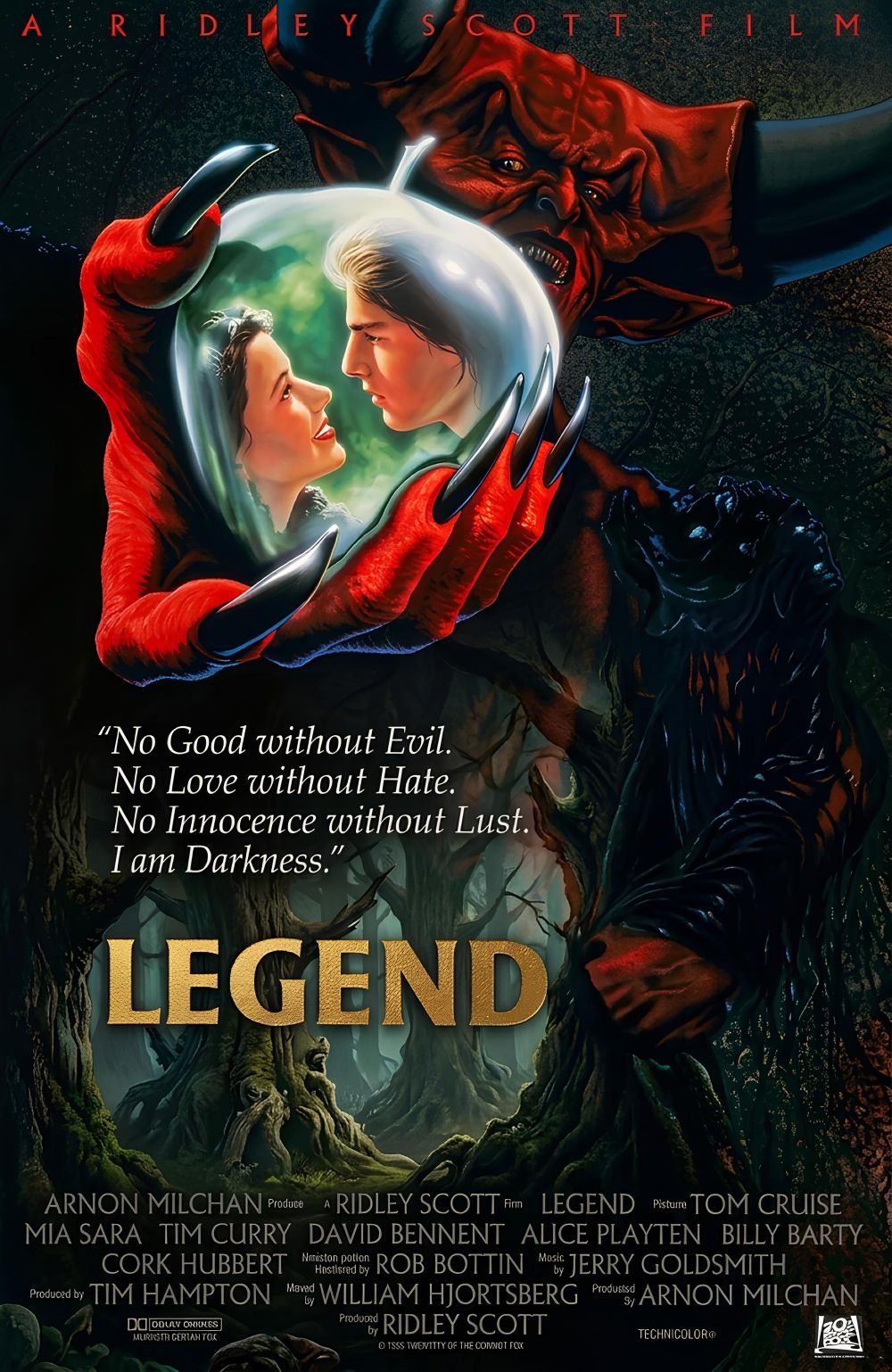
Tom Cruise has had an interesting career.  He went from being a teen idol to a character actor to a somewhat disreputable celebrity to finally reemerging with the Mission Impossible films as one of our last true movie stars.  One need only watch Top Gun: Maverick to see the type of charisma that we’re going to miss once it’s gone.  Later this year, Cruise will be starring in Digger.

Sylvester Stallone

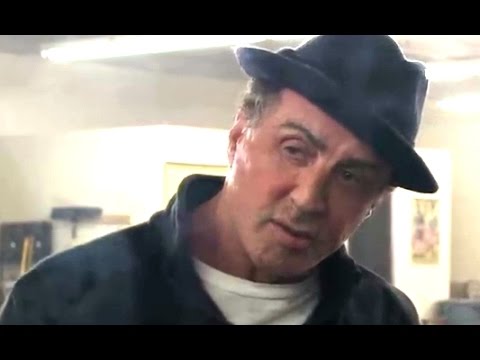
Seriously, how many times does this man have to play Rocky and Rambo before the Academy finally gives him the award that everyone secretly wants him to win?  Give Stallone his Oscar!

Scenes That I Love: The Courtroom Scene From A Few Good Men


For today’s scene that I love, I decided to pick from the only Rob Reiner-directed film to be nominated for Best Picture of the Year, 1992’s A Few Good Men.

This scene features great work from two legitimate film stars, Tom Cruise and Jack Nicholson.  It’s also the type of potentially stagey scene that would have proved problematic for a lot of other directors.  Rob Reiner, however, handled it perfectly.

Review: Tropic Thunder (dir. by Ben Stiller)


“A nutless monkey can do your job.” — Les Grossman

Ben Stiller’s Tropic Thunder is a bold, chaotic comedy that dives headfirst into the wild world of Hollywood satire. The film, which Stiller directed, co-wrote, and starred in, feels like a high-energy roast of the movie industry itself, blending action, parody, and sharp commentary into one explosive package. The cast is stacked with familiar faces like Robert Downey Jr., Jack Black, Jay Baruchel, Brandon T. Jackson, and even Tom Cruise in a shockingly hilarious cameo, all committed to the film’s madcap, anything-goes spirit.

A distinctive touch that shows Tropic Thunder’s deep commitment to Hollywood satire is how it begins—not with a typical studio logo or title sequence—but with a series of fake movie trailers. These trailers parody different film genres and Hollywood clichés, setting an irreverent tone before the actual film even starts. The highlight is undoubtedly the “Oscar-bait” trailer for Satan’s Alley, a pitch-perfect send-up of self-serious, emotionally heavy dramas designed for awards season attention. By embedding these faux trailers, the film immerses viewers in its meta commentary and signals from the outset that it’s willing to mock and take apart the film industry at all levels.

This movie-within-a-movie begins with a group of egotistical actors trying to make a serious war film based on the fictional memoir of a Vietnam veteran. Their attempt at gritty realism falters under the weight of their own vanity and cluelessness, turning the set into a feverish comedy of errors. When the director dies and the actors are abandoned in a real jungle with actual dangers, the film blurs the lines between fantasy and reality, leading to a relentless cascade of absurd situations and insider jokes about Hollywood machinery.

Robert Downey Jr.’s portrayal of Kirk Lazarus, a method actor who undergoes extreme skin pigmentation surgery to play a Black character, is both provocative and hilarious. His performance skewers Hollywood’s past mistakes with race and casting, while his tense exchanges with Brandon T. Jackson’s Alpa Chino, who plays a genuinely Black rapper, provide sharp moments that balance discomfort with comedy. Downey Jr.’s “blackface” was a conscious satire of method acting and Hollywood egos, an attempt to ridicule extreme lengths actors go for acclaim rather than an endorsement of offensive practices. However, even at its release in 2008, it sparked conversations about the boundaries of comedy and racial sensitivity—an issue that would be even more controversial in 2025’s cultural climate.

Similarly, the film’s handling of ableist humor through the subplot of Simple Jack, a fictional movie starring Ben Stiller’s character as a person with intellectual disabilities, drew mixed reactions. While intended as a biting critique of Hollywood’s exploitation of disability for sympathy and awards, the portrayal nonetheless walked a tightrope that made some audience members uncomfortable. This nuanced but risky satire highlights how Tropic Thunder throws a wide net in exposing Hollywood’s many blind spots, yet its fearless approach also invites legitimate questions about respect and representation.

Jack Black delivers wild physical comedy as Jeff Portnoy, a drug-addled comedian losing control, offering a blend of slapstick and oddly sincere moments. Meanwhile, Tom Cruise steals the film with his iconic turn as Les Grossman, the balding, foul-mouthed studio exec whose explosive rants and dance moves have reached legendary status. Industry insiders often note that Grossman’s tempestuous persona seems inspired by real-life producer Scott Rudin, known for a similarly volatile temperament.

Much of the film’s humor targets Hollywood’s obsession with awards and ego, skewering Oscar-bait films, blockbuster excess, and ridiculous celebrity antics. The fake trailers highlight these themes, and Lazarus’s infamous line “Never go full retard, man!” takes aim at acting extremes motivated by prestige rather than authenticity. Stiller’s direction embraces loud, over-the-top action sequences that mimic classic Vietnam War movies but infuse them with cartoonish chaos, while the lush jungle serves as a satirical arena for exposing the actors’ incompetence.

While Tropic Thunder is gleefully offensive and hilarious, its treatment of race and disability sparked debate about where satire crosses lines. The film’s biting self-awareness and sharp commentary doesn’t always prevent discomfort, but it highlights the difficulty of balancing edgy humor with social consciousness in comedy. The film’s reception reveals how comedy evolves with cultural awareness; what passed as biting satire in 2008 would face even fiercer scrutiny in today’s more sensitive and politically aware environment.

From an entertainment standpoint, the movie delivers nonstop laughs, with rapid-fire jokes, strong chemistry among the cast, and sharp Hollywood references that keep fans engaged. Downey Jr.’s method acting antics, Black’s physical comedy, and Cruise’s outrageous studio boss combine into a relentless comedic assault. It’s not a film for those who prefer safe or sanitized humor, but for those who appreciate biting satire with reckless energy, it’s a must-watch.

Looking back, Tropic Thunder stands as a snapshot of a moment before social media and instantaneous backlash reshaped Hollywood comedy. Its controversial content might not get greenlit today, much like the boundary-pushers Blazing Saddles and Airplane! before it. Yet, as history shows, comedy will always find new ways to challenge sensibilities and push limits. Only time will tell what the next film is that dares to cross such lines again.

If you haven’t experienced Tropic Thunder, prepare for a relentlessly funny, sharply satirical comedy that skewers everything from celebrity egos to studio politics with savage wit and over-the-top energy.

The Color of Money (1986, directed by Martin Scorsese)


ÀW

If you grew up in the 80s or 90s, you probably had at least one friend whose father kept a pool table in the garage.  This movie was probably the reason why.

Fast Eddie Felson (Paul Newman) was once The Hustler, the legendary pool player who recovered from having his fingers broken with a bowling ball and went on to defeat the legendary Minnesota Fats.  That was a long time ago.  Now, Fast Eddie is a slick liquor salesman in Chicago.  Eddie stills hangs out at the pool halls, despite his bad memories of the game.  When he sees a cocky young player named Vincent (Tom Cruise) and his girlfriend Carmen (Mary Elizabeth Mastrantonio), he takes them under his wing and teaches them how to hustle.  It’s not always easy because Vincent doesn’t like to lose, even if it means a chance to score an even bigger victory later on.  Eddie finds himself being drawn back into the game, even as he starts to wonder who is hustling who.

I always forget that The Color of Money is a Martin Scorsese films.  It’s a film that Scorsese made at a time when he had a reputation for only being able to make art films that critics loved but audiences stayed away from.  After the box office failure of The King of Comedy and his abortive first attempt to make The Last Temptation of Christ, Scorsese took The Color of Money to prove that he could work with a studio.  This is a Disney Scorsese film, with his signature camera moves but not much of his religious torment.  Even if it’s not one of his personal films, Scorsese makes pool look exciting, a battle that is as much about psychology as physicality.  Watching The Color of Money, you can smell the chalk on the tip of the pool cue.

Scorsese brings the seedy pool halls to life but it’s Paul Newman’s performance that dominates.  The Color of Money won Newman his first and only Oscar and he deserved it.  Newman had first played Fast Eddie Felson in 1961, in The Hustler.  Returning to the role twenty-five years later allowed Newman to show what would eventually happen to the angry young men that he played in the 60s.  Eddie has grown up and he’s got a comfortable life but he’s not content.  He finally has stability but he misses the game.  He needs the thrill of the hustle.  Newman is at his best in The Color of Money, building on The Hustler but also revealing new sides of Eddie Felson.

Newman is so good that Tom Cruise often gets overlooked but both Cruise and Mastrantonio hold their own against Paul Newman.  Cruise especially does a good job as Vincent, playing him as someone who is too cocky for his own good but also not as dumb as he looks.  Just when you think you’ve got Vincent figured out, Cruise surprises you.  The Color of Money came out the same year as Top Gun and Cruise’s Vincent feels like a commentary on the talented, troubled, but cocky characters that Cruise was playing at that time.  Cruise, Scorsese, and Newman make a good team in this more-than-worthy sequel.

Brad reviews THE FIRM (1993), starring Tom Cruise!


In honor of Tom Cruise’s 63rd birthday, I decided to watch THE FIRM, which is based on the 1991 novel from author John Grisham. Cruise stars as the brilliant Harvard law graduate Mitch McBride, who convinces his wife Abby (Jeanne Tripplehorn) to move to Memphis, TN, so he can join the prestigious Memphis law firm of Bendini, Lambert & Locke. With the help of his veteran mentor Avery Tolar (Gene Hackman), Mitch seems to be excelling at his job, and everything is just so perfect. Unfortunately, the good times don’t last as Mitch starts to notice some suspicious stuff going on with the firm, beginning with the mysterious deaths of two of his fellow attorneys. He’s soon approached by FBI agents, led by Wayne Tarrance (Ed Harris), who tell him that there are nefarious deeds taking place at the firm, including the laundering of money for the Chicago mob. When Mitch starts questioning the activities of the firm, he finds himself the subject of blackmail and intimidation from the firm’s security officer William Devasher (Wilford Brimley) because the firm will do anything to protect its secrets. Mitch is soon caught between betraying his corrupt employers, who are threatening to kill him, and the FBI, who is pressuring him to expose the firm’s criminal activities. Not wanting to lose his life, go to jail, or get disbarred, Mitch devises an extremely risky plan to outsmart the firm and the FBI, but is even he brilliant enough to pull this one off?!

Back in the early 90’s, it seemed that every other movie being released was adapted from a John Grisham novel, and the very first of those adaptations was THE FIRM in 1993. Extremely successful at the box office, THE FIRM grossed over $270 million worldwide, setting the stage for five new movies based on Grisham novels over the next five years. THE FIRM was not only financially successful, it’s also an extremely effective movie that showcases a 30-year-old Tom Cruise at his very best. Director Sydney Pollack crafted a creepy and paranoid thriller, using a slow-burn buildup that relies on Cruise’s ability to believably go from naïve and starstruck at the beginning, to scared and desperate during the middle portion of the film, and ultimately to resourceful and intelligent at the end, as he navigates the dangerous situations he finds himself in. It’s a dynamic, intense performance, and even with a huge supporting cast of excellent actors around him, Cruise dominates every frame of this film. Other performances that stand out to me are Jeanne Tripplehorn as Mitch’s wife Abby, Wilford Brimley as the firm’s enforcer, Gary Busey and Holly Hunter as a private investigator and his administrative assistant from Little Rock, and David Strathairn as Mitch’s jailbird brother in Arkansas. Gene Hackman is good in his role as Mitch’s corrupted mentor Avery Tolar, but his character is not one of my favorites from the legendary actor. His character has accepted his corruption and learned to cope with it over the years through alcohol and womanizing, just so he can keep making the money. He knows better and that’s the part that ultimately makes him the most pathetic. Ed Harris is also good in the film as the FBI Agent, but his character is kind of an asshole, and it’s fun to see Mitch outsmart him.

I also like the Memphis, Tennessee locations showcased in THE FIRM, locations that I’ve been to many times, such as Beale Street, Mud Island, and The Peabody Hotel. Early in the movie, Cruise’s character flips right along with the “Beale Street flippers,” popular Beale Street entertainers who perform nightly for tips. I’ve given them some of my cash over the years! And the chase sequence that starts at Mud Island and spills over into downtown Memphis is one of the most exciting parts of the movie. My home state of Arkansas even gets in on the action when Mitch meets FBI agent Wayne Tarrance at the Southland Greyhound Park located in West Memphis, Arkansas. The greyhound race track no longer exists at that location, as the final dog race was held on December 31, 2022. The site has now become the Southland Casino, one of three operating casinos in Arkansas, with the other two being the Oaklawn Casino in Hot Springs and The Saracen Casino in Pine Bluff. I also like the fact that the sleazy private investigator, played by Gary Busey, is from Little Rock, Arkansas. I commute to Little Rock daily to work at my accounting and tax firm, and it’s fun imagining that there could be an “Eddie Lomax” somewhere around here.

THE FIRM may not be a perfect film… some fat could have been trimmed out as it runs for over two and a half hours, a lot of time for a “thriller;” and while effective on paper, I also can’t help but wonder if the resolution would have worked quite as well in real life as it’s portrayed in the film. I still love the movie and consider it to be one of Tom Cruise’s best. I revisit it quite often, and I’m glad his birthday gave me another excuse to watch it again today!