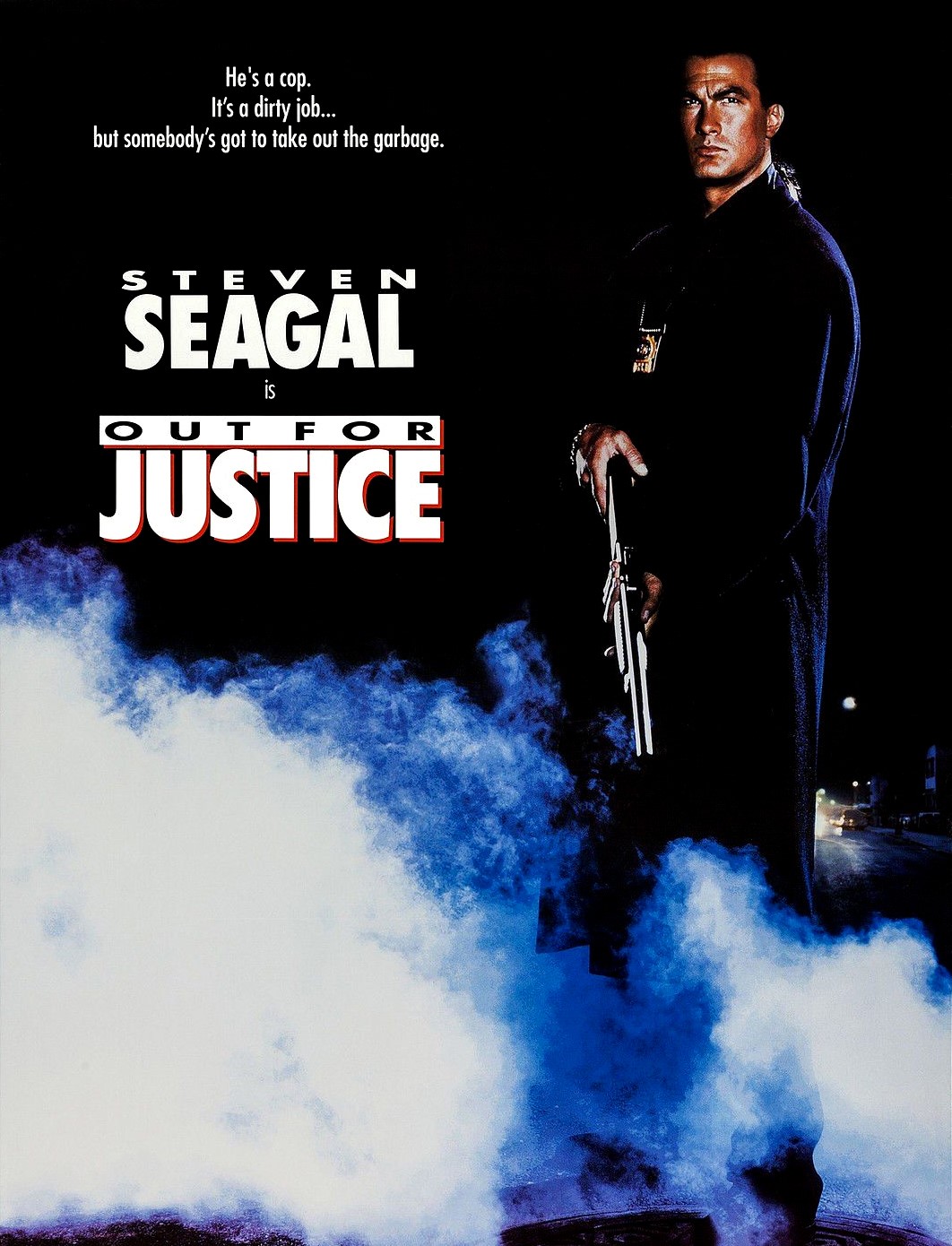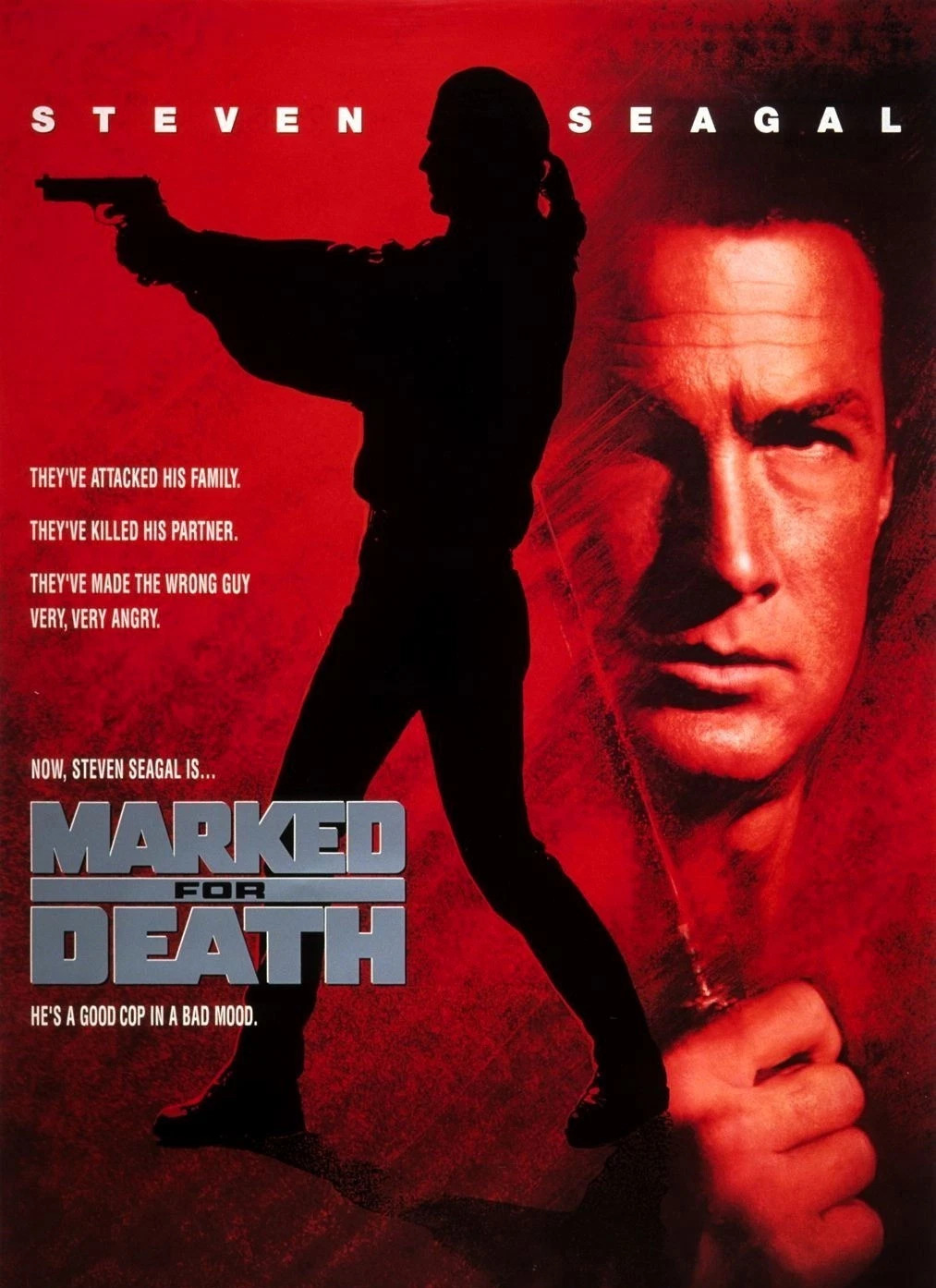
Guilty Pleasure No. 111: Out for Justice (dir. by John Flynn)


Out for Justice is the kind of movie that leans so heavily on its star’s ridiculous swagger that it stops being merely bad and ridiculous and becomes entertaining in a “can’t‑look‑away from the car‑crash” sort of way. It’s not a polished or especially sophisticated action film, but it has a rough, gleefully over‑the‑top energy that makes it a perfect guilty pleasure, the kind of early ’90s action crime movie that works less because of craft and more because of attitude, bruises, and sheer confidence.

At its core, Out for Justice is a revenge story so simple it barely bothers pretending to be anything else. Steven Seagal plays Gino Felino, a Brooklyn cop chasing the man responsible for his partner’s death, and the plot mostly functions as a chain of excuses to send him from one grimy neighborhood stop to the next, collecting broken noses and wounded pride along the way. That stripped‑down structure is part of the movie’s charm, because there’s no attempt to dress it up with complicated twists or emotional depth; it’s all forward momentum, all hard stares, all macho problem‑solving by fist and elbow.

One of the things that gives Out for Justice its off‑kilter charm is how every actor in the cast seems to have read the script as an invitation to extremes. Performances swing violently between scenery‑chewing over‑the‑top theatrics and barely‑there, almost sleepwalking subtlety, with almost nothing in the middle. Either you’re shouting, staring down suspects inches from their faces, or you’re slouched in the background mugging in silence. It shouldn’t work, but the sheer imbalance in energy somehow makes the film feel like a live wire instead of a flat ’90s programmer.

Nowhere is that more obvious than with William Forsythe’s villain, Richie Madano, who plays the role so far “out there” that it’s hard not to wonder if he was actually on a lot of coke like the character was written to be. He leans into every sneer, every twitch, and every unhinged stare until he starts to look less like a character and more like a walking drug‑induced nightmare. There’s a manic, unpredictable edge to his performance that makes him feel genuinely dangerous, even when the dialogue around him is pure tough‑guy parody. It’s a kind of commitment that could easily tip into self‑parody, but Forsythe owns it so completely that he ends up grounding the film’s madness instead of derailing it.

What really makes Out for Justice memorable is how fully it leans into Seagal’s absurd screen persona. He’s at his best here when he’s acting like a man who believes every room belongs to him, and that attitude gives the movie a weird, shameless energy that a lot of his later work lacked. Even when the dialogue is clunky or the Brooklyn swagger feels more imagined than lived‑in, Seagal’s self‑serious delivery turns the whole thing into a performance art piece of tough‑guy certainty. The film is unintentionally funny at times, but that only adds to the appeal, because it makes the movie feel even more like a relic from a time when action stars could be gloriously excessive without irony.

The action is the main draw, and this is where Out for Justice earns most of its reputation. The fights have that satisfying, bone‑crunching roughness that makes the violence feel tangible instead of slick, and the movie keeps finding excuses to escalate from intimidation to outright brutality. Seagal’s style here is less flashy than some of his contemporaries, but that works in the film’s favor because the choreography has a mean, close‑quarters edge to it. The result is a movie that often feels like it’s trying to win by sheer stubbornness, and honestly, that suits it perfectly.

There’s also a strong sleaze factor running through the whole thing, and that’s another reason it works as a “bad but good” movie. The neighborhoods feel dirty, the criminals are exaggerated to the point of cartoonish menace, and the film’s idea of atmosphere is basically to keep everything sweaty, smoky, and angry. Forsythe’s villain, in particular, leans so extravagantly into that sleaze that he ends up giving the film a properly nasty center. A lot of the supporting characters are basically there to be insulted, questioned, or thrown into a wall, but the movie gets enough mileage out of that rhythm that it never really becomes boring.

Still, there’s no reason to pretend Out for Justice is secretly elegant. The script is thin, the character work is mostly functional, and the movie often feels like it was assembled to move from one confrontation to the next as efficiently as possible. Some of the scenes drag, and the film’s macho posturing can wear thin if you’re not already in the mood for this kind of energy. It also has that peculiar Seagal‑era problem where the movie wants him to be a street‑level man of the people, but the character sometimes comes across more like a self‑mythologizing neighborhood warlord than an actual human being. That disconnect is part of the fun, but it is still a disconnect.

What keeps Out for Justice from becoming a throwaway is the confidence behind the nonsense. It feels like a movie made by people who believed that attitude could substitute for sophistication, and in this case, they were mostly right. The pacing may be uneven, the story may be paper‑thin, and the acting may veer into laughable territory, but the movie never loses its nerve, and that gives it a strange kind of integrity. It doesn’t apologize for being dumb, and that unashamed commitment is exactly why it has aged into cult‑status entertainment instead of disappearing into the pile of generic action forgettables.

That’s why Out for Justice works so well as a guilty pleasure. It’s violent, ridiculous, and very much stuck in its own macho time capsule, but those flaws are inseparable from the appeal. The movie’s “bad but good” vibe comes from the way it accidentally becomes bigger and funnier than it likely intended, while still delivering enough real action‑movie satisfaction to justify the ride. It’s the kind of film that invites eye‑rolling and cheers in almost equal measure, and that balancing act is what makes it such a durable little cult object.

In the end, Out for Justice is not a masterpiece, and it doesn’t need to be. It’s a bruised, swaggering, over‑confident slab of early ’90s action cheese that knows how to sell its own nonsense with just enough force to make it lovable. To borrow from film reactor EOM Reacts (who is hilarious, by the way), “This whole movie screams cocaine.” If you want clean storytelling or nuanced performances, it will probably frustrate you. If you want a hard‑edged, trashy, surprisingly watchable Seagal vehicle that embodies the “bad it’s good” spirit—including a cast that either chews every morsel of the scenery or fades into the wallpaper—Out for Justice hits the mark.

Also, be on the look out for a quick cameo of Kane Hodder (who played Jason Voorhees for many of the franchise’s many sequels) as a gang member and for Dan Inosanto (teacher to Bruce Lee and Chuck Norris) as a character named “Sticks.”

Previous Guilty Pleasures

  1. Half-Baked
  2. Save The Last Dance
  3. Every Rose Has Its Thorns
  4. The Jeremy Kyle Show
  5. Invasion USA
  6. The Golden Child
  7. Final Destination 2
  8. Paparazzi
  9. The Principal
  10. The Substitute
  11. Terror In The Family
  12. Pandorum
  13. Lambada
  14. Fear
  15. Cocktail
  16. Keep Off The Grass
  17. Girls, Girls, Girls
  18. Class
  19. Tart
  20. King Kong vs. Godzilla
  21. Hawk the Slayer
  22. Battle Beyond the Stars
  23. Meridian
  24. Walk of Shame
  25. From Justin To Kelly
  26. Project Greenlight
  27. Sex Decoy: Love Stings
  28. Swimfan
  29. On the Line
  30. Wolfen
  31. Hail Caesar!
  32. It’s So Cold In The D
  33. In the Mix
  34. Healed By Grace
  35. Valley of the Dolls
  36. The Legend of Billie Jean
  37. Death Wish
  38. Shipping Wars
  39. Ghost Whisperer
  40. Parking Wars
  41. The Dead Are After Me
  42. Harper’s Island
  43. The Resurrection of Gavin Stone
  44. Paranormal State
  45. Utopia
  46. Bar Rescue
  47. The Powers of Matthew Star
  48. Spiker
  49. Heavenly Bodies
  50. Maid in Manhattan
  51. Rage and Honor
  52. Saved By The Bell 3. 21 “No Hope With Dope”
  53. Happy Gilmore
  54. Solarbabies
  55. The Dawn of Correction
  56. Once You Understand
  57. The Voyeurs 
  58. Robot Jox
  59. Teen Wolf
  60. The Running Man
  61. Double Dragon
  62. Backtrack
  63. Julie and Jack
  64. Karate Warrior
  65. Invaders From Mars
  66. Cloverfield
  67. Aerobicide 
  68. Blood Harvest
  69. Shocking Dark
  70. Face The Truth
  71. Submerged
  72. The Canyons
  73. Days of Thunder
  74. Van Helsing
  75. The Night Comes for Us
  76. Code of Silence
  77. Captain Ron
  78. Armageddon
  79. Kate’s Secret
  80. Point Break
  81. The Replacements
  82. The Shadow
  83. Meteor
  84. Last Action Hero
  85. Attack of the Killer Tomatoes
  86. The Horror at 37,000 Feet
  87. The ‘Burbs
  88. Lifeforce
  89. Highschool of the Dead
  90. Ice Station Zebra
  91. No One Lives
  92. Brewster’s Millions
  93. Porky’s
  94. Revenge of the Nerds
  95. The Delta Force
  96. The Hidden
  97. Roller Boogie
  98. Raw Deal
  99. Death Merchant Series
  100. Ski Patrol
  101. The Executioner Series
  102. The Destroyer Series
  103. Private Teacher
  104. The Parker Series
  105. Ramba
  106. The Troubles of Janice
  107. Ironwood
  108. Interspecies Reviewers
  109. SST — Death Flight
  110. Undercover Brother

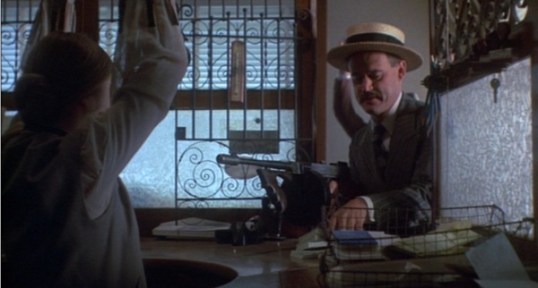
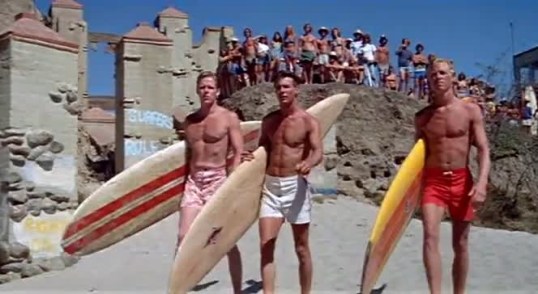
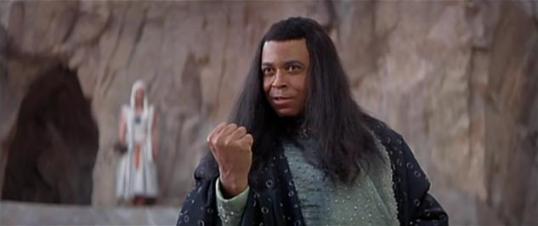
4 Shots From 4 Films: Special John Milius Edition


4 Or More Shots From 4 Or More Films is just what it says it is, 4 shots from 4 of our favorite films. As opposed to the reviews and recaps that we usually post, 4 Shots From 4 Films lets the visuals do the talking!

Today is John Milius’s birthday and you know what?  It should be a national holiday!

It’s time for….

4 Shots From 4 John Milius Films

Dillinger (1973, dir by John Milius, DP: Jules Brenner)

Big Wednesday (1978, dir by John Milius, DP: Bruce Surtees)

Conan The Barbarian (1982, dir by John Milius, DP: Duke Callaghan)

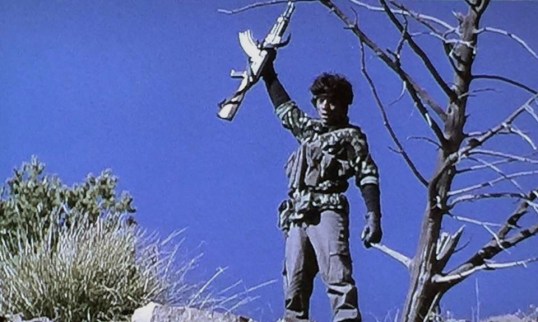
Red Dawn (1984, dir by John Milius, DP: Ric Waite)

4 Shots from 4 Films: Special George Pan Cosmatos Edition


4 Or More Shots From 4 Or More Films is just what it says it is, 4 shots from 4 of our favorite films. As opposed to the reviews and recaps that we usually post, 4 Shots From 4 Films lets the visuals do the talking!

Today, we celebrate the birth of director George Pan Cosmatos!  It’s time for….

4 Shots From 4 George Pan Cosmatos Films

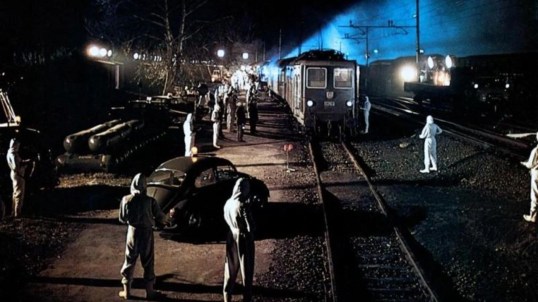
The Cassandra Crossing (1976, dir by George Pan Cosmatos, DP: Ennio Guarnieri)

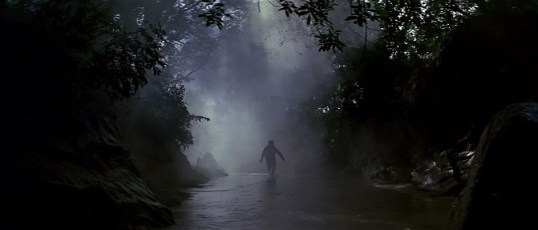
Rambo: First Blood Part II (1985, dir by George Pan Cosmatos, DP: Jack Cardiff)

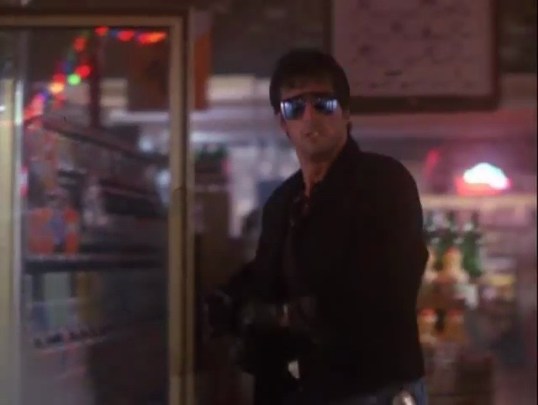
Cobra (1986, dir. George Pan Cosmatos, DP: Ric Waite)

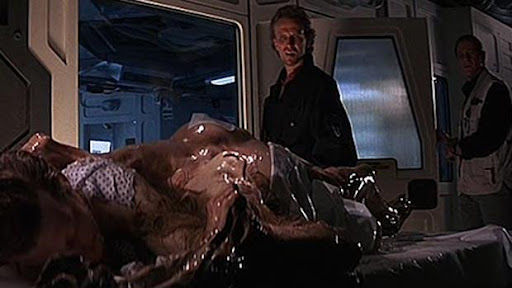
Leviathan (1989, dir by George Pan Cosmatos, DP: Alex Thomson)

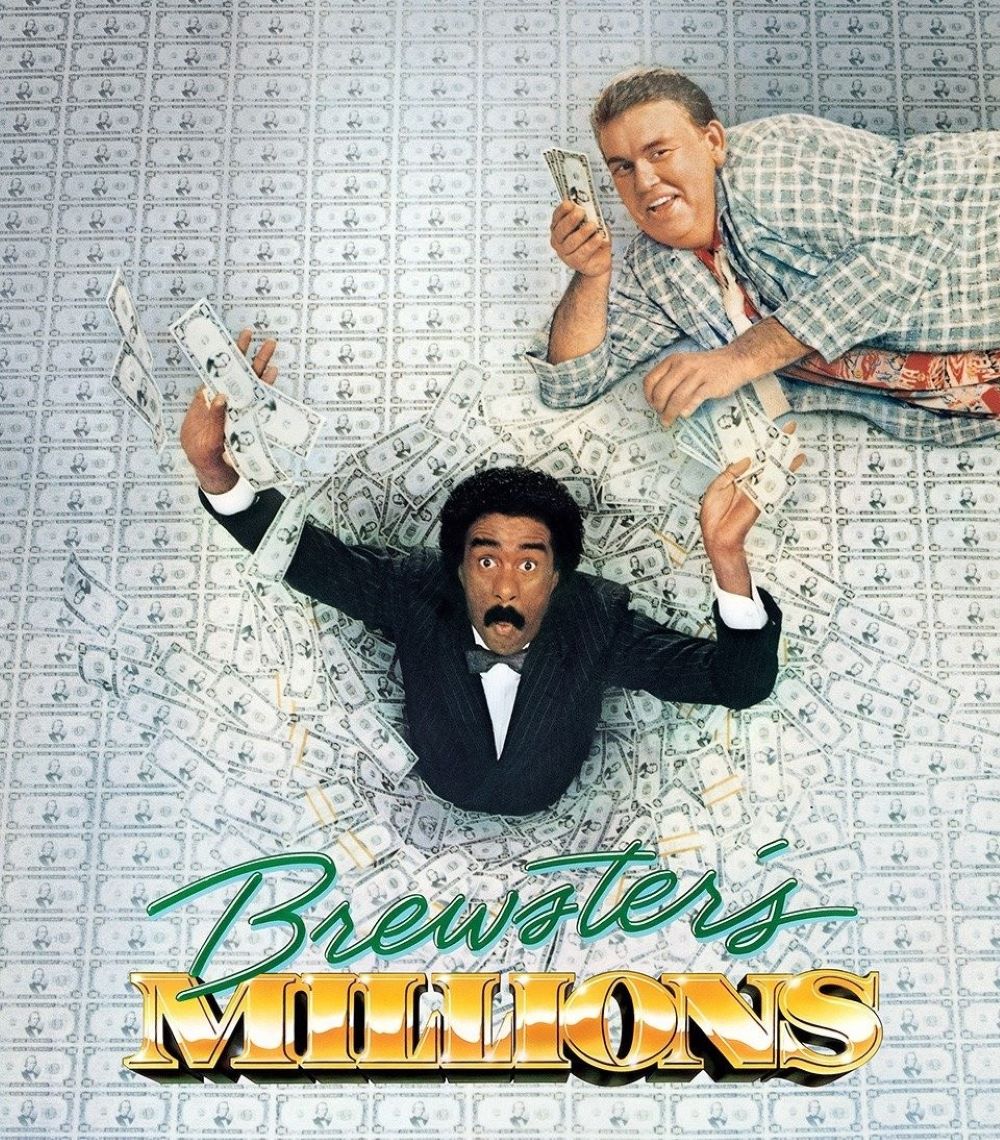
Guilty Pleasure No. 92: Brewster’s Millions (dir. by Walter Hill)


Walter Hill’s Brewster’s Millions (1985) isn’t a perfect movie by any stretch, but it’s the kind of film that sneaks up on you. It may not be sharp enough to qualify as great satire or consistent enough to hit every comedic note, but it has an undeniable charm that pulls you in regardless. It’s loud, uneven, and often ridiculous, yet few comedies from the 1980s are as weirdly entertaining when they’re firing on all cylinders. For many movie fans, it’s that quintessential “guilty pleasure”—a film you know has problems, but that somehow feels impossible to turn off once it starts. And in many ways, that’s exactly where Brewster’s Millions finds its lasting appeal.

The setup alone is too fun to resist. Richard Pryor stars as Montgomery Brewster, a minor league baseball pitcher who unexpectedly inherits the opportunity of a lifetime—to claim a $300 million fortune from a distant relative. The catch? Before he can get it, he has to spend $30 million in 30 days under a bizarre set of conditions that make financial ruin easier said than done. He can’t give the money away, can’t destroy it, can’t buy assets or investments that retain value, and can’t tell anyone why he’s doing it. Fail, and he gets nothing. Succeed, and he becomes one of the richest men alive. It’s the sort of gleefully absurd premise that could only have come from Hollywood in the 1980s, and it’s immediately clear that the film wants audiences to sit back, grab some popcorn, and watch Pryor tear through cash in increasingly funny and desperate ways.

Richard Pryor is, without doubt, the heart and soul of the movie. He imbues Montgomery Brewster with equal parts manic energy and human frustration, giving the character a real emotional arc beneath all the comic spectacle. Pryor’s talent for blending humor with exasperation makes Brewster’s predicament believable, even when it’s insane. Watching him scramble to lose money while the world keeps rewarding him is strangely satisfying. Pryor understood how to play ordinary men caught in extraordinary circumstances, and that quality grounds the film when it could have easily spiraled into total silliness. In scenes where he loses his patience with accountants, schemes wild spending sprees, or watches his good intentions backfire, Pryor’s comic timing keeps the chaos enjoyable.

John Candy adds another layer of charm as Brewster’s best friend and teammate, Spike Nolan. Candy brings warmth, loyalty, and that unmistakable good-heartedness that made him one of the decade’s most beloved comedic actors. The chemistry between Pryor and Candy keeps the film buoyant even through its weaker stretches. Their friendship defines the film’s tone—it’s loose, goofy, and full of bro-ish camaraderie. Without Candy’s infectious energy, the movie’s more hollow comedic beats might have hit the floor with a thud. Together, they create a dynamic that feels real, even inside a premise that’s totally absurd.

As a director, Walter Hill feels like an odd fit for this kind of broad comedy, but that’s part of what makes Brewster’s Millions interesting. Hill, better known for tough, kinetic action films like The Warriors and 48 Hrs., approaches this farce with a surprising amount of structure and visual precision. The film looks slicker and sharper than most comedies of its kind, which gives the excess on-screen an unintentionally epic flair. Hill’s direction keeps the story moving, and though he’s not naturally a comedic filmmaker, his grounded style adds a peculiar edge to all the craziness. It’s chaos with discipline—an aesthetic that somehow works in the movie’s favor.

Still, Brewster’s Millions can’t quite escape its shortcomings. The pacing is uneven, especially in the middle, where the film loses some steam as Brewster cycles through increasingly repetitive spending gimmicks. The story flirts with satire but rarely commits, brushing up against deeper commentary on wealth, politics, and capitalism before retreating to the comfort of broad comedy. The “Vote None of the Above” subplot, where Brewster’s money-wasting political campaign taps into voter cynicism, is one of the smartest parts of the film—but it’s introduced and resolved too quickly to leave a mark. And while the movie is full of lively energy, not every gag lands; a few supporting performances veer into caricature, and some jokes feel very much of their time.

Yet these flaws are partly what make Brewster’s Millions such a delightful guilty pleasure. It’s the cinematic equivalent of junk food—high on calories, low on nutritional value, but deeply enjoyable all the same. Pryor’s constant exasperation, the sheer absurdity of trying to “waste” money legally, and the exaggerated set pieces (like the overblown parties or his failed attempts to lose at gambling) make for irresistible entertainment. Even when the humor dips into predictable territory, the concept keeps pulling you back in. There’s a giddy satisfaction in watching Brewster try—and fail—to lose money, especially because the universe just won’t let him.

The romance subplot with Lonette McKee’s character, Angela Drake, adds just enough heart to balance the absurdity. McKee gives a grounded, intelligent performance that prevents the love story from feeling tacked on, even if it never fully takes center stage. Her presence keeps Brewster tethered to some kind of reality, and the moral through-line—learning that not everything valuable can be bought—lands gently rather than preachily. It’s not profound, but it fits the breezy tone perfectly.

As a comedy of excess, Brewster’s Millions is very much a product of its time. The slick suits, the gaudy parties, the blind faith in wealth, and the Reagan-era optimism about money’s moral neutrality all ooze from every frame. That time-capsule quality is part of its modern appeal. Watching it today, you can’t help but smile at how on-the-nose it feels—a movie from the “greed is good” decade that accidentally ends up mocking the very mindset it sprang from. It’s self-aware only in flashes, but those flashes are enough to make you recognize the movie’s satirical edge hiding beneath its loud surface.

In the end, that’s what makes Brewster’s Millions endure as a lovable guilty pleasure. It has flaws you can’t ignore—uneven pacing, scattershot tone, underdeveloped ideas—but none of them outweigh its charm. Pryor’s comic genius makes even the weakest joke land better than it should. Candy’s warmth keeps the film light. And Hill’s straightforward direction infuses the lunacy with just enough realism to make it believable. The result is a movie that’s too silly to take seriously but too fun to dismiss. You watch it, laugh at its audacity, shake your head at the logic gaps, and yet somehow come away smiling.

Brewster’s Millions may not be a comedy classic, but it’s easy to see why people keep revisiting it. It’s comfort food cinema—lighthearted, clumsy, and endlessly watchable. And like all the best guilty pleasures, it doesn’t need to be perfect to make you happy. Sometimes, seeing Richard Pryor outsmart the meaning of money for two hours is more than enough.

Previous Guilty Pleasures

  1. Half-Baked
  2. Save The Last Dance
  3. Every Rose Has Its Thorns
  4. The Jeremy Kyle Show
  5. Invasion USA
  6. The Golden Child
  7. Final Destination 2
  8. Paparazzi
  9. The Principal
  10. The Substitute
  11. Terror In The Family
  12. Pandorum
  13. Lambada
  14. Fear
  15. Cocktail
  16. Keep Off The Grass
  17. Girls, Girls, Girls
  18. Class
  19. Tart
  20. King Kong vs. Godzilla
  21. Hawk the Slayer
  22. Battle Beyond the Stars
  23. Meridian
  24. Walk of Shame
  25. From Justin To Kelly
  26. Project Greenlight
  27. Sex Decoy: Love Stings
  28. Swimfan
  29. On the Line
  30. Wolfen
  31. Hail Caesar!
  32. It’s So Cold In The D
  33. In the Mix
  34. Healed By Grace
  35. Valley of the Dolls
  36. The Legend of Billie Jean
  37. Death Wish
  38. Shipping Wars
  39. Ghost Whisperer
  40. Parking Wars
  41. The Dead Are After Me
  42. Harper’s Island
  43. The Resurrection of Gavin Stone
  44. Paranormal State
  45. Utopia
  46. Bar Rescue
  47. The Powers of Matthew Star
  48. Spiker
  49. Heavenly Bodies
  50. Maid in Manhattan
  51. Rage and Honor
  52. Saved By The Bell 3. 21 “No Hope With Dope”
  53. Happy Gilmore
  54. Solarbabies
  55. The Dawn of Correction
  56. Once You Understand
  57. The Voyeurs 
  58. Robot Jox
  59. Teen Wolf
  60. The Running Man
  61. Double Dragon
  62. Backtrack
  63. Julie and Jack
  64. Karate Warrior
  65. Invaders From Mars
  66. Cloverfield
  67. Aerobicide 
  68. Blood Harvest
  69. Shocking Dark
  70. Face The Truth
  71. Submerged
  72. The Canyons
  73. Days of Thunder
  74. Van Helsing
  75. The Night Comes for Us
  76. Code of Silence
  77. Captain Ron
  78. Armageddon
  79. Kate’s Secret
  80. Point Break
  81. The Replacements
  82. The Shadow
  83. Meteor
  84. Last Action Hero
  85. Attack of the Killer Tomatoes
  86. The Horror at 37,000 Feet
  87. The ‘Burbs
  88. Lifeforce
  89. Highschool of the Dead
  90. Ice Station Zebra
  91. No One Lives

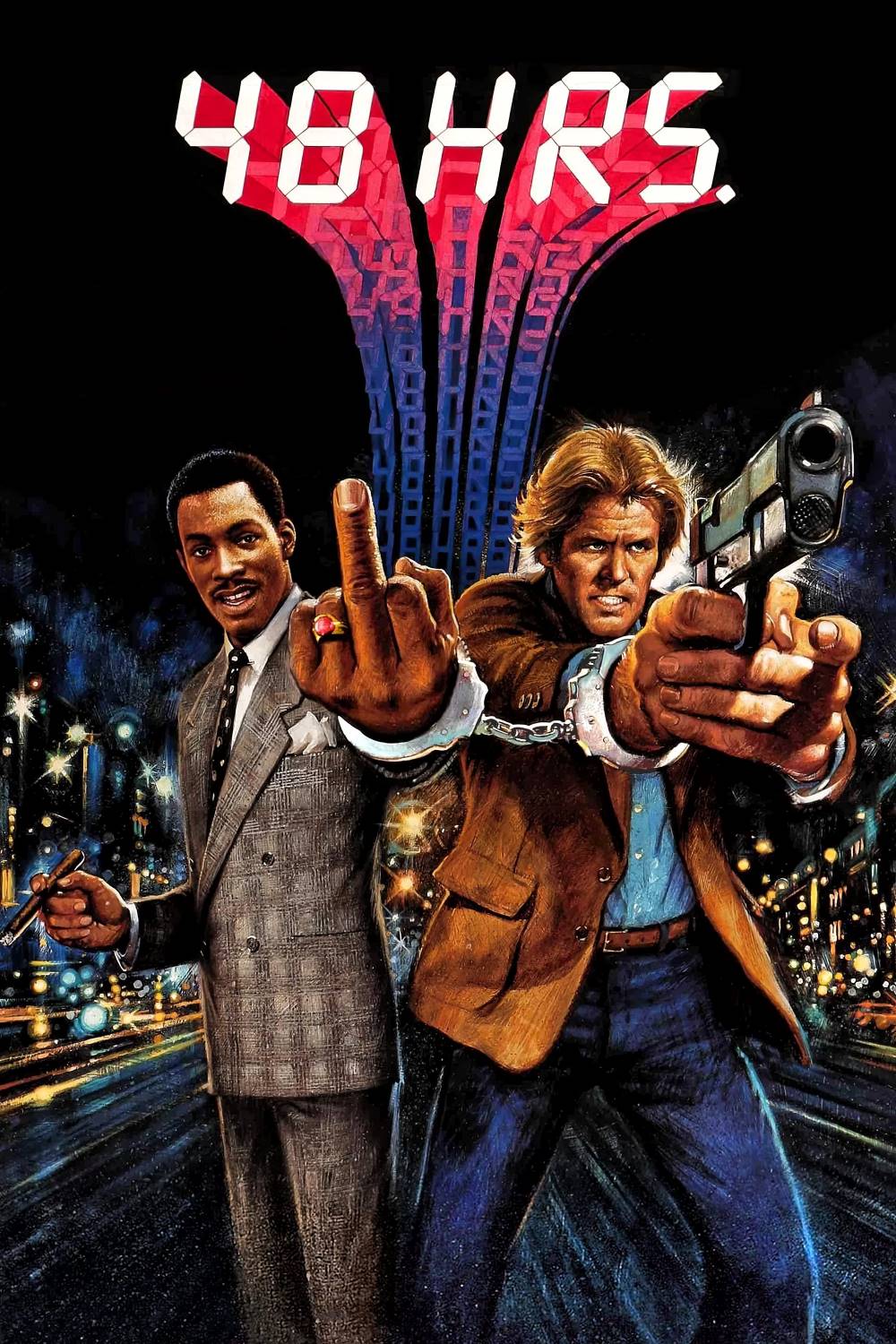
Review: 48 Hrs. (dir. by Walter Hill)


“This ain’t no god damn way to start a partnership.” – Reggie Hammond

48 Hrs. bursts onto the screen with a gritty prison breakout that sets the stage for chaos in the foggy streets of San Francisco, where a pair of ruthless killers slip away after gunning down a cop’s partner in cold blood. Jack Cates, the surviving detective, is left battered and furious, piecing together a case that points to a slick convict named Reggie Hammond holding the key to the crooks’ whereabouts—and a stash of stolen cash. With time ticking down, Jack pulls strings to get Reggie out on a 48-hour pass, thrusting these two polar opposites into a reluctant alliance that turns the city into their personal battlefield of bullets, banter, and bad blood.

From the jump, Jack comes across as the ultimate rough-around-the-edges cop, nursing a flask under his trench coat, snapping at colleagues, and charging headfirst into danger like a man who’s got nothing left to lose. His apartment is a mess of empty bottles and regret, and his rocky relationship with his girlfriend underscores how the job has chewed him up and spit him out, leaving him more beast than man. Reggie, by contrast, rolls in with street-honed swagger, his prison jumpsuit barely containing the energy of a guy who’s survived by being quicker on his feet and sharper with his mouth than anyone around him. He’s got a girlfriend waiting with that hidden money, and no intention of playing nice with a cop who’s eyeing him like fresh meat.

The beauty of their pairing lies in how the film lets their friction spark from the very first shared car ride, where Jack’s growled commands clash against Reggie’s nonstop ribbing, turning a simple stakeout into a verbal demolition derby. Picture them peeling out after a lead goes south, tires screeching through narrow alleys while Reggie gripes about the beat-up car and Jack slams the dash in frustration—it’s these raw, unscripted-feeling moments that make the movie breathe. As they hit up seedy bars, chase informants through strip joints, and dodge ambushes, the script peels back layers: Jack’s not just a bully, he’s haunted by close calls; Reggie’s bravado masks real fear of ending up dead or broke.

One standout sequence drops them into a hillbilly roadhouse packed with hostile locals, where Reggie grabs the mic for an impromptu takedown that flips the room from menace to mayhem, buying them time while Jack backs him up with sheer firepower. It’s tense, hilarious, and perfectly timed, showing how their skills complement each other—Jack’s brute force meeting Reggie’s silver tongue—in ways neither saw coming. The villains, led by a stone-cold Luther and his trigger-happy sidekick, keep the heat cranked high, popping up for savage hits that leave bodies in the gutter and force the duo to improvise on the fly, like hot-wiring rides or shaking down lowlifes for scraps of intel.

Walter Hill’s direction keeps it all taut and visceral, with handheld cameras capturing the sweat and grime of every punch thrown or shot fired, no glossy filters to soften the blows. The San Francisco backdrop shines through rain-slicked hills, neon-lit dives, and shadowy piers, giving the action a grounded, almost documentary edge that amps up the stakes. Sound design punches too—the roar of engines, the crack of gunfire, the thud of fists—layered over a pulsing ’80s score that shifts from funky grooves during chases to ominous drones in quieter beats, mirroring the push-pull between comedy and threat.

Diving deeper into the characters, Jack’s arc feels earned through small touches: a hesitant phone call to his ex, a flicker of respect when Reggie saves his skin, moments that humanize the hardass without forcing redemption. Reggie evolves too, his initial scam-artist vibe giving way to flashes of loyalty, like when he risks his neck to protect that cash not just for himself, but to build something real outside the walls. Supporting roles flesh out the world—the precinct captain barking orders, the sultry singer tangled with the bad guys, Reggie’s tough-as-nails woman who won’t take guff—but they never overshadow the core duo, serving as sparks for conflict or comic relief.

Pacing-wise, the film rarely pauses for breath, clocking in under two hours yet packing in a full meal of twists, from double-crosses at motels to a frantic foot chase across rooftops that leaves you winded. The 48-hour ticking clock adds urgency without gimmicks, every dead end ramping tension as dawn breaks on their deadline. Humor lands organically too, not from slapstick but from character-driven zingers—Reggie calling out Jack’s outdated tough-guy schtick, Jack grumbling about Reggie’s flashy clothes—keeping the tone light even as blood spills.

Of course, watching through modern eyes, the dialogue packs some era-specific punches, with raw language around race, cops, and crooks that reflects ’80s attitudes head-on, for better or worse. It’s unapologetic, mirroring the film’s macho pulse, but adds texture to the time capsule feel, making replays fascinating for how boldly it leaned into taboos. The women, while fierce in spots, often play second fiddle to the bromance brewing, a hallmark of the genre that 48 Hrs. helped cement before it evolved.

What elevates this beyond standard action fare is how it nails the buddy dynamic’s slow burn: no instant high-fives, just gradual thaw from shared survival, culminating in a dockside finale where alliances solidify amid explosions and last stands. The editing zips between high-octane set pieces and downtime breather scenes, like a roadside diner heart-to-heart that reveals backstories without halting momentum. Cinematography plays with shadows and neon to heighten paranoia, turning everyday spots into pressure cookers.

Influence-wise, you can trace lines straight to later hits—the grizzled vet and smooth-talking newbie formula got refined here, blending Lethal Weapon grit with Beverly Hills Cop wit years ahead of schedule. Performances anchor it all: the leads’ chemistry crackles, carrying weaker beats on sheer charisma, while Hill’s lean style ensures every frame earns its keep. Runtime flies because it’s efficient, no fat, just muscle.

Final stretch ramps to operatic violence on those windswept docks, bullets flying as personal scores settle, leaving our heroes bloodied but bonded in a way that feels hard-won. 48 Hrs. endures as a rowdy blueprint for the genre, blending laughs, thrills, and toughness into a package that’s addictive on first watch and rewarding on revisit. It’s got heart under the bruises, edge in the jokes, and a vibe that’s pure ’80s adrenaline—grab it for a night of no-holds-barred entertainment that still packs a wallop over four decades later.

4 Shots From 4 Films: Special John Milius Edition


4 Or More Shots From 4 Or More Films is just what it says it is, 4 shots from 4 of our favorite films. As opposed to the reviews and recaps that we usually post, 4 Shots From 4 Films lets the visuals do the talking!

Today is John Milius’s birthday and you know what?  It should be a national holiday!

It’s time for….

4 Shots From 4 John Milius Films

Dillinger (1973, dir by John Milius, DP: Jules Brenner)

Big Wednesday (1978, dir by John Milius, DP: Bruce Surtees)

Conan The Barbarian (1982, dir by John Milius, DP: Duke Callaghan)

Red Dawn (1984, dir by John Milius, DP: Ric Waite)

4 Shots from 4 Films: Special George Pan Cosmatos Edition


4 Or More Shots From 4 Or More Films is just what it says it is, 4 shots from 4 of our favorite films. As opposed to the reviews and recaps that we usually post, 4 Shots From 4 Films lets the visuals do the talking!

Today, we celebrate the birth of director George Pan Cosmatos!  It’s time for….

4 Shots From 4 George Pan Cosmatos Films

Rambo: First Blood Part II (1985, dir by George Pan Cosmatos, DP: Jack Cardiff)

Cobra (1986, dir by George Pan Cosmatos, DP: Ric Waite)

Leviathan (1989, dir by George Pan Cosmatos, DP: Alex Thomson)

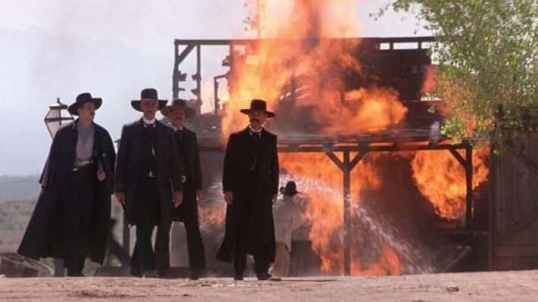
Tombstone (1993, dir by George Pan Cosmatos (and Kurt Russell), DP: William Fraker)

4 Shots From 4 Films: Special John Milius Edition


4 Or More Shots From 4 Or More Films is just what it says it is, 4 shots from 4 of our favorite films. As opposed to the reviews and recaps that we usually post, 4 Shots From 4 Films lets the visuals do the talking!

Today is John Milius’s birthday and you know what?  It should be a national holiday!

It’s time for….

4 Shots From 4 John Milius Films

Dillinger (1973, dir by John Milius, DP: Jules Brenner)

Big Wednesday (1978, dir by John Milius, DP: Bruce Surtees)

Conan The Barbarian (1982, dir by John Milius, DP: Duke Callaghan)

Red Dawn (1984, dir by John Milius, DP: Ric Waite)

4 Shots from 4 Films: Special George Pan Cosmatos Edition


4 Or More Shots From 4 Or More Films is just what it says it is, 4 shots from 4 of our favorite films. As opposed to the reviews and recaps that we usually post, 4 Shots From 4 Films lets the visuals do the talking!

Today, we celebrate the birth of director George Pan Cosmatos!  It’s time for….

4 Shots From 4 George Pan Cosmatos Films

Rambo: First Blood Part II (1985, dir by George Pan Cosmatos, DP: Jack Cardiff)

Cobra (1986, dir by George Pan Cosmatos, DP: Ric Waite)

Leviathan (1989, dir by George Pan Cosmatos, DP: Alex Thomson)

Tombstone (1993, dir by George Pan Cosmatos, DP: William Fraker)

4 Shots From 4 Walter Hill Films


4 Or More Shots From 4 Or More Films is just what it says it is, 4 shots from 4 of our favorite films. As opposed to the reviews and recaps that we usually post, 4 Shots From 4 Films lets the visuals do the talking!

Today, we here at the Shattered Lens wish a happy 80th birthday to the great director Walter Hill.

Walter Hill is one of those legendary figures who has a devoted cult of fans but it still seems like he’s never quite gotten all of the opportunities and the acclaim that he deserved.  Perhaps because so many of his films are considered to be genre pieces, they were often not appreciated until a few years after they were first released.  But for film lovers and film students, Walter Hill is one of the most important directors of the past 50 years.

Today, we celebrate with….

4 Shots From 4 Walter Hill Films

The Warriors (1979, dir by Walter Hill, DP: Andrew Laszlo)

The Long Riders (1980, dir by Walter Hlll, DP: Ric Waite)

Southern Comfort (1981, dir by Walter Hill, DP: Andrew Laszlo)

Streets of Fire (1984, dir by Walter Hill, DP: Andrew Laszlo)