There’s a lot of music being made in Tony Gilroy’s Behemoth!


The teaser for Behemoth didn’t do anything for the first 30 seconds. Yeah, I like Pedro Pascal. He’s fun to watch. Is he a bit overexposed these days? Sure, but then again, so are Tom Holland, Zendaya and Robert Pattinson. Doesn’t mean they can’t act. Still, it wasn’t holding me. 

“This is going to be another Tar, isn’t it?” I said to myself. 

Then Tony Gilroy’s name popped up. I leaned forward in my chair. I was like Robert Downey, Jr. and Robert Rusler’s characters in John Hughes’ Weird Science, watching Lisa pass them by on the escalator at the Mall. I love and own Michael Clayton, and was on board for both seasons of Disney Plus’ Andor. His stories aren’t the most exciting, admittedly (his brother Dan handled that better in Nightcrawler), but I love the conversations his characters have. 

As the music played, I started smiling and quickly opened another browser window. Tony Gilroy usually works with James Newton Howard, and as far as I knew, I hadn’t heard a Howard score since maybe MalecifentRed Sparrow, maybe? . The score of this film may be larger than the story itself. Not only is James Newton Howard involved, but so are Alan Silvestri (The Avengers), Michael Giacchino (The Fantastic Four: First Steps), Henry Jackman (X-Men: First Class), and Michael Abels (Us & Nope), along with Emily Bear (Our Little Secret), Brandon Roberts (Underwater and Andor), Nami Melumad (Star Trek: Strange New Worlds) and Lukas Frank (East of Wall). I’m curious to hear what kind of soundtrack that could be. James Newton Howard has been known to work with other composers, like with Hans Zimmer on Christopher Nolan’s first two Batman films.

As for the film itself, it looks like Pascal’s cellist has a number of issues going on. On hand are Olivia Wilde (Booksmart), Will Arnett (The Lego Batman Movie), and Eva Victor (Dating & New York), Margarita Levieva (Adventureland) , Matthew Lillard (Five Nights at Freddy’s) and JoBeth Williams (Poltergeist). It’s hard to say what it’s all about in just a teaser, but we’ll find out if when it’s released this December. 

Enjoy!

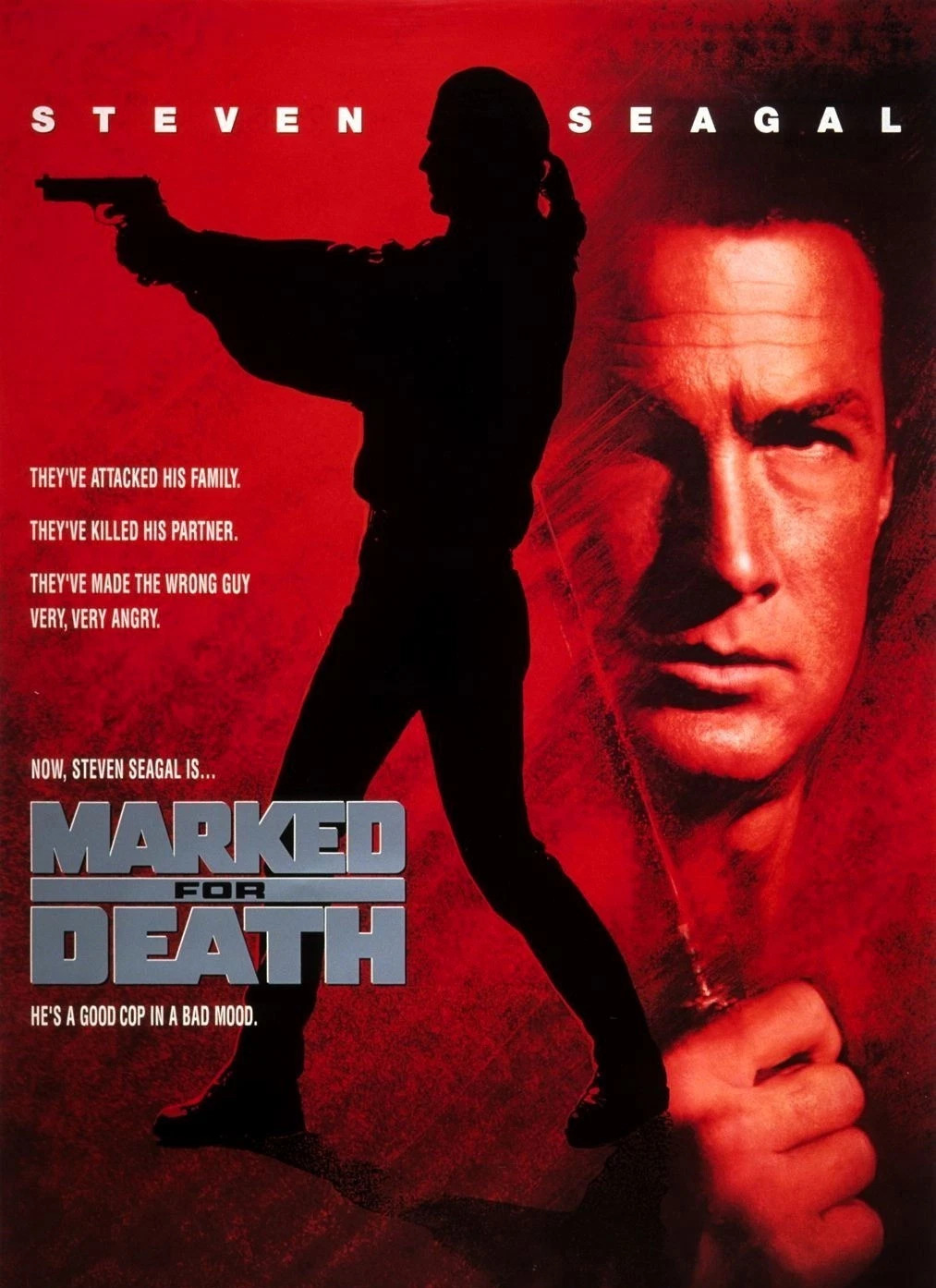
Guilty Pleasure No. 119: Marked for Death (dir. by Dwight H. Little)


There’s a specific, almost mystical, pleasure in watching a movie that is, by almost every conventional standard, a complete mess. It’s a guilty pleasure, that sweet spot where a film is so unapologetically over-the-top, so earnestly ridiculous, that it circles back around to being utterly entertaining. And for my money, few films embody this “so bad it’s good” vibe quite like Steven Seagal’s 1990 action opus, Marked for Death. This is prime, uncut, vintage Seagal, a film that feels like it was beamed in from an alternate dimension where ponytails are a symbol of power, whispering threats is a sign of deep menace, and the streets of Chicago are apparently overrun with voodoo-practicing Jamaican drug lords. It’s silly, sure, but it’s a very specific kind of silly—grounded enough in its grim, urban revenge fantasy to feel almost earnest, which is precisely what makes it work. To put it in perspective, Marked for Death is downright restrained compared to the coked-out, reality-defying lunacy Seagal would unleash just a year later in Out for Justice. That film, with its infamous “anybody seen Richie?” barroom brawl and its general air of sweaty, unhinged mania, operates on a completely different, far more unhinged wavelength. Marked for Death still has one foot in the real world, however wobbly that stance may be, whereas Out for Justice seems to have been fueled by a warehouse full of stimulants and a complete disregard for narrative coherence.

For those who don’t remember the heyday of Seagal-mania, Marked for Death is a perfect time capsule. This was before the bloated, straight-to-DVD era; this was Seagal in his physical prime, slim, athletic, and seemingly capable of snapping every bone in a human body without breaking a sweat. He plays John Hatcher, a burnt-out DEA agent who, after a botched operation in Mexico, decides to retire and seek some peace and quiet by visiting his sister and niece in his old Chicago neighborhood. This is the first of the film’s many logical leaps, because apparently, a retired DEA agent’s idea of a stress-free vacation is moving back to the neighborhood where he grew up and where a violent turf war is raging. It’s a classic action movie setup that requires you to immediately check your brain at the door, but compared to the sheer narrative anarchy of Out for Justice, it practically feels like Shakespeare.

You see, the peace and quiet Hatcher seeks doesn’t exist. The town is being terrorized by a Jamaican drug posse led by the wonderfully named and gloriously performed villain, Screwface. Played with scenery-chewing, eye-rolling relish by Basil Wallace, Screwface is more than just a drug dealer; he’s a voodoo priest with a penchant for giving people a “t’ousand dets wurse dan yoo doo.” He’s a cartoon character in the best possible way, a man so over-the-top that his presence alone elevates the film from a standard revenge flick into something far more memorable. When he declares Hatcher and his family “marked for death,” you can’t help but lean in, not because you’re scared for the hero, but because you want to see what bizarre, hammy line he’s going to come up with next. It’s absurd, but it’s a controlled absurdity, a deliberate performance that knows exactly what movie it’s in. That’s the key difference between this and the later Seagal outings; Marked for Death plays its absurdity with a straight face, whereas Out for Justice feels like it’s sweating and twitching through every frame, as if the filmmakers themselves had just snorted a mountain of the very product their hero was supposedly fighting against.

The plot, such as it is, kicks into gear when a gang shootout at a local bar forces Hatcher into action, and the posse retaliates by shooting up his sister’s house and wounding his young niece. This is the moment where the film’s narrative pivots from “watch the hero mope” to “watch the hero mope and then absolutely obliterate everyone in his path.” The central premise, like many critics have noted, is as formulaic as they come: a former lawman with a troubled past is forced out of retirement to avenge his family using excessive force. One reviewer put it perfectly, noting the film follows the “familiar one-note, bone-crunching action vehicle for Steven Seagal.” And while that might sound like a criticism, in this context, it’s a promise of the guilty pleasures to come. But even within that formula, there’s a certain grim logic that holds it together—something you absolutely cannot say about the gloriously unhinged Out for Justice, where the plot seems to be held together with duct tape and pure, unfiltered rage.

What makes Marked for Death such a classic guilty pleasure is the sheer, unrelenting brutality of the action sequences. This is not the sanitized, quick-cut action of today. This is a film where every punch sounds like a gunshot and every bone snapped echoes with a sickening, satisfying crunch. Director Dwight D. Little, who later went on to direct TV episodes for shows like Prison Break and Bones, stages the action with a “tight handling,” making sure the camera is right there to capture Seagal’s trademark Aikido. The violence is so extreme that it becomes comical. We’re talking broken arms, broken necks, gouged eyes, a decapitation, and a finale so over-the-top that it involves Seagal using a samurai sword to fight his way through a compound. Yet even with all that mayhem, it never quite reaches the hallucinatory, sweaty-palmed frenzy of Out for Justice, where the violence feels less choreographed and more like a bar brawl that somehow escaped onto film stock.

There are moments in Marked for Death that are so ridiculous they deserve their own standing ovation. There’s the infamous department store fight, where Hatcher dismantles a small army of henchmen while surrounded by mannequins and glass displays. It’s a perfect showcase for Seagal’s skills as a fighter and a complete lack of interest in things like, say, civilian casualties or property damage. Then there’s the entire third act, where Hatcher and his buddy Max (played with stoic reliability by the great Keith David), somehow manage to smuggle an entire arsenal of weapons into Jamaica for a final assault on Screwface’s compound. The logic of this is never explained, but it doesn’t matter. We’re given a montage of them prepping their weapons, and the next thing you know, they’re on a plane. It’s this kind of brazen disregard for realism that makes the film such a hoot, but again, it’s a calculated hoot. The cocaine-fueled silliness of Out for Justice would never bother with such a montage—it would just have Seagal appear in Jamaica with a shotgun, no explanation given, because who needs logic when you have that much manic energy coursing through the projector?

Perhaps the most surprising element is that despite the malevolent tone, the film has become a beloved “cult classic” for many. As one reviewer from the time stated, “it’s easy to see how someone could end up not liking Marked for Death. Its plot is ridiculous, it was overly violent for its time period… On the other hand, this is a film that doesn’t seem to care what you think and instead gleefully exist as a throwback to old-school Grindhouse films.” There’s a sense that Seagal and the filmmakers were in on the joke, even if they were playing it completely straight. The film is excessive, ruthless, and mindlessly numbing in all the right ways, a sentiment that perfectly encapsulates its enduring appeal. It’s the cinematic equivalent of comfort food—you know it’s bad for you, but it tastes so good. And it tastes a whole lot more grounded than the chaotic, unfiltered blast of pure id that is Out for Justice, a film that feels like it was edited by a hyperactive squirrel on a sugar rush.

Marked for Death isn’t a great film by any objective measure. The acting is wooden, the dialogue is laughable, and the cultural stereotypes are, to put it mildly, a product of their time. The Miami Herald even noted that Seagal dispatches his foes with “such an obnoxious sense of higher purpose that we get the feeling he’s not in on the fun.” The film’s portrayal of Jamaican culture as a hotbed of violent, voodoo-worshipping drug dealers is certainly problematic and not something that would fly today, which adds to the movie’s bizarre, anachronistic charm. It’s a film that, while considered one of his better works from that era, is far from what you’d call high art. But it knows its lane and stays in it, which is more than you can say for the gloriously unhinged Out for Justice, a movie that seems to have forgotten what lane it was in, swerved into oncoming traffic, and somehow kept driving anyway.

In the end, Marked for Death is the ultimate “bad movie night” experience. It’s a window into a time when action heroes were larger than life, plots were just excuses for mayhem, and a villain named Screwface could be a legitimate threat. It’s a film where you can quote terrible dialogue and cheer for the excessive violence without feeling guilty, because it’s all part of the deal. As one IMDb user succinctly put it, “Marked for Death is a thoroughly entertaining overblown unnecessarily violent & foul mouthed action film, the sort of film which Seagal was perfectly suited to star in. Sure it’s predictable & unoriginal but when a films this much fun who cares?” And honestly, isn’t that the highest praise you can give a movie like this? It’s a big, dumb, brutal, and brilliant piece of schlock that proudly wears its awfulness as a badge of honor. It’s silly, absolutely, but it’s a grounded, almost respectable kind of silly—the kind that makes you appreciate just how far off the deep end Seagal would go with Out for Justice, a film so wildly, unapologetically unhinged that it makes Marked for Death look like a quiet, contemplative drama by comparison.

Previous Guilty Pleasures

  1. Half-Baked
  2. Save The Last Dance
  3. Every Rose Has Its Thorns
  4. The Jeremy Kyle Show
  5. Invasion USA
  6. The Golden Child
  7. Final Destination 2
  8. Paparazzi
  9. The Principal
  10. The Substitute
  11. Terror In The Family
  12. Pandorum
  13. Lambada
  14. Fear
  15. Cocktail
  16. Keep Off The Grass
  17. Girls, Girls, Girls
  18. Class
  19. Tart
  20. King Kong vs. Godzilla
  21. Hawk the Slayer
  22. Battle Beyond the Stars
  23. Meridian
  24. Walk of Shame
  25. From Justin To Kelly
  26. Project Greenlight
  27. Sex Decoy: Love Stings
  28. Swimfan
  29. On the Line
  30. Wolfen
  31. Hail Caesar!
  32. It’s So Cold In The D
  33. In the Mix
  34. Healed By Grace
  35. Valley of the Dolls
  36. The Legend of Billie Jean
  37. Death Wish
  38. Shipping Wars
  39. Ghost Whisperer
  40. Parking Wars
  41. The Dead Are After Me
  42. Harper’s Island
  43. The Resurrection of Gavin Stone
  44. Paranormal State
  45. Utopia
  46. Bar Rescue
  47. The Powers of Matthew Star
  48. Spiker
  49. Heavenly Bodies
  50. Maid in Manhattan
  51. Rage and Honor
  52. Saved By The Bell 3. 21 “No Hope With Dope”
  53. Happy Gilmore
  54. Solarbabies
  55. The Dawn of Correction
  56. Once You Understand
  57. The Voyeurs 
  58. Robot Jox
  59. Teen Wolf
  60. The Running Man
  61. Double Dragon
  62. Backtrack
  63. Julie and Jack
  64. Karate Warrior
  65. Invaders From Mars
  66. Cloverfield
  67. Aerobicide 
  68. Blood Harvest
  69. Shocking Dark
  70. Face The Truth
  71. Submerged
  72. The Canyons
  73. Days of Thunder
  74. Van Helsing
  75. The Night Comes for Us
  76. Code of Silence
  77. Captain Ron
  78. Armageddon
  79. Kate’s Secret
  80. Point Break
  81. The Replacements
  82. The Shadow
  83. Meteor
  84. Last Action Hero
  85. Attack of the Killer Tomatoes
  86. The Horror at 37,000 Feet
  87. The ‘Burbs
  88. Lifeforce
  89. Highschool of the Dead
  90. Ice Station Zebra
  91. No One Lives
  92. Brewster’s Millions
  93. Porky’s
  94. Revenge of the Nerds
  95. The Delta Force
  96. The Hidden
  97. Roller Boogie
  98. Raw Deal
  99. Death Merchant Series
  100. Ski Patrol
  101. The Executioner Series
  102. The Destroyer Series
  103. Private Teacher
  104. The Parker Series
  105. Ramba
  106. The Troubles of Janice
  107. Ironwood
  108. Interspecies Reviewers
  109. SST — Death Flight
  110. Undercover Brother
  111. Out for Justice
  112. Food Wars!
  113. Cherry
  114. Death Race
  115. The Beast Within
  116. Girl Series
  117. Gone in 60 Seconds
  118. Swordfish

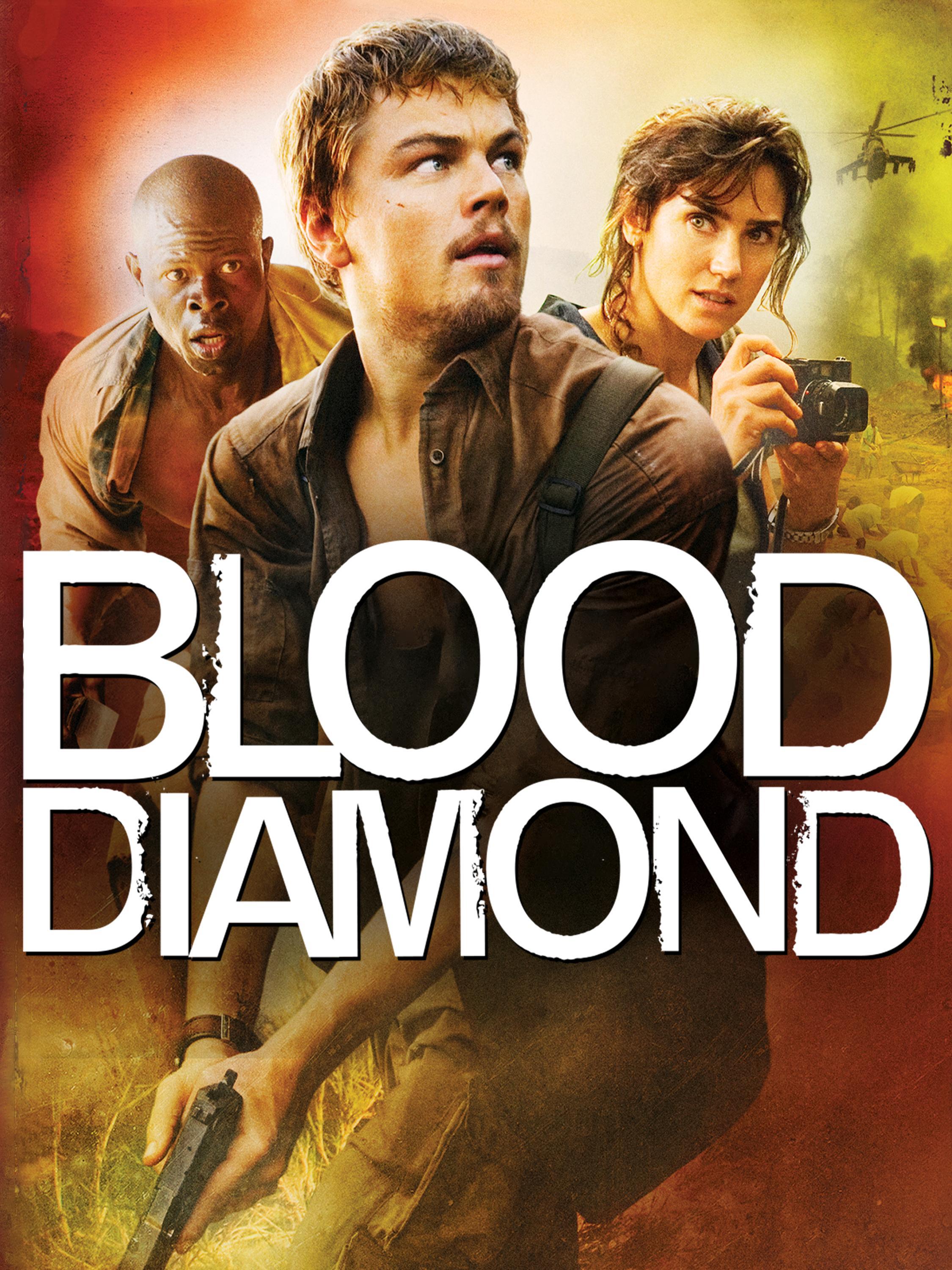
Review: Blood Diamond (dir. by Ed Zwick)


“Sometimes I wonder… will God ever forgive us for what we’ve done to each other? Then I look around and I realize, God left this place a long time ago.” — Danny Archer

Edward Zwick’s 2006 film Blood Diamond is one of those big Hollywood productions that tries to be both a gritty, globe-trotting thriller and a politically conscious indictment of the diamond trade’s role in African civil wars. Set in Sierra Leone during the 1990s, it stars Leonardo DiCaprio as Danny Archer, a Rhodesian mercenary and diamond smuggler, and Djimon Hounsou as Solomon Vandy, a fisherman torn from his family by rebels and forced into brutal diamond mining. Rounding out the leads is Jennifer Connelly as Maddy Bowen, a tenacious reporter determined to expose the atrocities fueling the global supply of conflict diamonds. The film is ambitious, harrowing, and, at times, as slickly entertaining as it is bluntly didactic. But like many socially minded blockbusters, it walks a tightrope between genuine drama and Hollywood sensationalism.

The story kicks off with a bang—literally—as Solomon’s village is raided by Revolutionary United Front militants, a moment that quickly plunges the viewer into Sierra Leone’s chaotic civil war. Solomon’s family is fragmented: he ends up a slave at a rebel-run mining camp, his son is eventually brainwashed into a child soldier, and his wife flees for safety. Meanwhile, DiCaprio’s Archer lands in jail after a failed smuggling run—which sets the two men on a collision course. Archer learns of Solomon’s discovery of an enormous, rare pink diamond—a stone that could mean escape or redemption for both men but is a magnet for greed, violence, and compromise. Their uneasy partnership with Maddy Bowen, who’s chasing a story, adds layers as their individual motives collide and evolve.

The movie doesn’t shy away from illustrating the devastating effects of the diamond trade—child soldiers, forced labor, mass displacement, and political corruption. While most of the on-screen violence is handled to maximize emotional punch, it never lets the viewer forget the real-world stakes of the Blood Diamond narrative. The film ultimately points viewers toward the establishment of the Kimberley Process—a set of international regulations designed to combat the illicit diamond trade.

A lot of the film’s emotional weight lands on DiCaprio and Hounsou, and for good reason. Leonardo DiCaprio nabs the complex role of Danny Archer with a layered performance and goes the extra mile by working hard on the Zimbabwean (Rhodesian) accent. While accents in film can be divisive, DiCaprio immersed himself deeply, working with dialect coaches and spending time with people from the region to best capture the regional nuances. Although some viewers and critics felt the accent was uneven or shifted at points, many others praised him for nailing this challenging and rare dialect. For an American actor to convincingly embody a mercenary with roots in that part of the world is no small feat. DiCaprio’s commitment brings credibility to Archer’s character, who is morally ambiguous but immensely human.

Djimon Hounsou, playing Solomon Vandy, serves as the emotional core and grounding presence of the film. His portrayal of a man torn apart by civil war, who fights desperately to reclaim his family, is heartbreaking and physically compelling. Their scenes together create genuine tension, as trust is both scarce and necessary for survival. Jennifer Connelly’s Maddy Bowen, while less fleshed out, brings determination and serves as the moral compass driving the film’s exposé of conflict diamonds.

Director Edward Zwick has a way of blending spectacle with raw storytelling. The action sequences, especially the firefights and escapes, feel intense and immersive. The cinematography captures the lush, dangerous landscape of Sierra Leone vividly, contrasting beauty with brutality. Some technical aspects do show their age—like certain digital effects that can feel artificial—but these don’t significantly dampen the overall experience. The soundtrack by James Newton Howard underscores the drama without veering into heavy-handed territory.

Blood Diamond scores high on several fronts. The performances by DiCaprio and Hounsou are standout elements, their evolving relationship carrying the film’s emotional heft. The pulse-pounding action sequences inject thrills while highlighting the chaos of civil war. Perhaps most importantly, the movie exposes the grim realities behind the glittering allure of diamonds, educating audiences about child soldiers, forced labor, and the complicity of international markets in perpetuating violence. Though it sometimes leans into melodrama and moralizing dialogue, the film’s commitment to its message is fairly unambiguous and impactful.

That said, the film sometimes succumbs to the trappings of big-budget Hollywood storytelling. The plot can feel overly convenient, with coincidences and resolutions that stretch credibility. Supporting characters, aside from the leads, are underdeveloped, mainly functioning as plot devices. Dialogue can at times be heavy-handed, particularly in the final act where scenes verge on preachy. Some narrative contrivances—like the recovery and passing of the pink diamond—can feel forced even in a tense, action-driven context. On the technical side, a few CGI moments fail to hold up under scrutiny, but these are minor irritants in an otherwise immersive film.

An important and unavoidable observation about Blood Diamond is how, like many of Edward Zwick’s previous action-dramas, it leans heavily into the “white savior” trope, if not outright embodying it. This trope centers a white protagonist—in this case, Danny Archer—who becomes the crucial figure in the salvation or redemption of non-white characters and communities. While the film sheds light on the horrors and complexity of Sierra Leone’s civil war and the conflict diamond trade, the narrative perspective and moral center overwhelmingly revolve around Archer’s personal journey from cynical mercenary to reluctant hero. The African characters, though vital and powerful especially through Hounsou’s Solomon, are often cast in more reactive roles, with Archer positioned as the key agent for change. The film also features a white journalist, Maddy Bowen, reinforcing this pattern.

Zwick’s leanings toward this trope are not new or isolated. His earlier films Glory (1989) and The Last Samurai (2003) also engage with the white savior narrative. Glory, a Civil War epic about the 54th Massachusetts Infantry Regiment, tells a historically significant story but largely centers on Colonel Robert Gould Shaw, a white officer played by Matthew Broderick, as the story’s main emotional and narrative anchor. The film has been noted for respectfully addressing racism and heroism but still revolves around Shaw’s perspective and sacrifice as a key redemptive figure for the African American soldiers. The Last Samurai similarly places Tom Cruise’s character, an American military advisor, at the heart of a narrative about Japanese samurai culture and resistance, blending cultural appreciation with the problematic trope of the white outsider who becomes indispensable to a non-white community’s fate.

This approach, familiar in Hollywood, walks the line between broad audience engagement and ethical storytelling. Zwick’s films often balance studio and audience expectations with a desire to tell compelling stories about marginalized communities. Yet inevitably, this framing simplifies complex histories and contributes to critiques that such films center whiteness and diminish the agency of non-white characters.

Casually speaking, Blood Diamond is not subtle, but that directness is part of its appeal. For viewers looking for a gripping action drama with strong performances and an ethical core, it delivers. It entertains while providing a sobering look at the high cost of luxury goods. DiCaprio’s portrayal of Danny Archer, complete with an authentically worked-on accent from the region, puts to rest doubts about his action lead capabilities. Hounsou’s performance lingers emotionally, especially in scenes grappling with the trauma of child soldiering. The violence depicted is raw and unvarnished, contributing to a visceral sense of the film’s urgent themes.

Running for about two hours and 23 minutes, the film has plenty of time to develop its complex story and deliver tense action sequences without feeling rushed or padded. Ultimately, Blood Diamond is an effective historical thriller that balances high stakes and moral urgency. While it’s not nuanced in every aspect and occasionally tips into cliché and convenience, it makes a strong case for itself beyond mere entertainment. Whether you’re interested in history, action, or the human stories behind the diamond trade, this film offers a thought-provoking, emotionally resonant experience. Leonardo DiCaprio’s dedication to portraying a Rhodesian mercenary authentically, especially through his accent work, is a highlight that complements the film’s broader narrative ambitions.

The Iowa Film Critics Association Honors Nomadland


Though we may never know who actually won the Iowa Caucus last year, we do know which films won with the Iowa Film Critics Association!  Here are their picks for the best of the year:

BEST FILM: “Nomadland”
Runners up: “Minari” and “Sound of Metal”

BEST DIRECTOR: Chloe Zhao – “Nomadland”
Runners up: Darius Marder – “Sound of Metal” and Florian Zeller – “The Father”

BEST ACTOR: Chadwick Boseman – “Ma Rainey’s Black Bottom”
Runners up: Anthony Hopkins – “The Father” and Riz Ahmed – “Sound of Metal”

BEST ACTRESS: Frances McDormand – “Nomadland”
Runners up: Viola Davis – “Ma Rainey’s Black Bottom” and Carey Mulligan – “Promising Young Woman”

BEST SUPPORTING ACTOR: Paul Raci – “Sound of Metal”
Runners up: Bill Murray – “On the Rocks” and Leslie Odom Jr. – “One Night in Miami”

BEST SUPPORTING ACTRESS: Yuh-jung Youn – “Minari”
Runners up: Olivia Colman – “The Father” and Amanda Seyfried – “Mank”

BEST ANIMATED FILM: “Soul”
Runners up: “Over the Moon” and “Wolfwalkers”

BEST DOCUMENTARY: “Dick Johnson is Dead”
Runners up: “Crip Camp” and “The Dissident”

BEST SCORE: Ludovico Einaudi – “Nomadland”
Runners up: James Newton Howard – “News of the World” and Trent Reznor and Atticus Ross – “Mank”

BEST SONG: “Speak Now” – “One Night in Miami”
Runners up: “Green” – “Sound of Metal” and “Rain Song” – “Minari”

Nomadland Wins At The Satellite Awards


Here’s what won at the Satellite Awards on the 15th.  I apologize for being a bit late in posting this but the weather conspired to keep me from watching the Satellite Awards.

Actually, did anyone watch the Satellite Awards?  Does anyone even know who is even giving these things out?

Well, regardless, here’s what won in the film categories:

SPECIAL ACHIEVEMENT AWARD RECIPIENTS

Mary Pickford Award: Tilda Swinton
Tesla Award: Dick Pope
Auteur Award: Emerald Fennell – Promising Young Woman
Best First Feature: Channing Godfrey Peoples – Miss Juneteenth
Stunt Performance Award: Gaëlle Cohen
Humanitarian Award: Mark Wahlberg
Ensemble Motion Picture: The Trial of the Chicago 7
Ensemble Television: The Good Lord Bird

Actress in a Motion Picture Drama
Carey Mulligan – Promising Young Woman
Frances McDormand – Nomadland
Vanessa Kirby – Pieces of a Woman
Viola Davis – Ma Rainey’s Black Bottom
Kate Winslet – Ammonite
Sophia Loren – The Life Ahead

Actor in a Motion Picture Drama 
Anthony Hopkins – The Father
Delroy Lindo – Da 5 Bloods
Riz Ahmed – Sound of Metal
Steven Yeun – Minari
Chadwick Boseman – Ma Rainey’s Black Bottom
Gary Oldman – Mank

Actress in Motion Picture, Comedy or Musical 
Meryl Streep – The Prom
Rashida Jones – On the Rocks
Margot Robbie – Birds of Prey
Michelle Pfeiffer – French Exit
Maria Bakalova – Borat Subsequent Moviefilm
Anya Taylor-Joy – Emma

Actor in Motion Picture, Comedy or Musical
Andy Samberg – Palm Springs
Lin-Manuel Miranda – Hamilton
Dev Patel – The Personal History of David Copperfield
Sacha Baron Cohen – Borat Subsequent Moviefilm
Leslie Odom Jr. – Hamilton

Actress in a Supporting Role
Amanda Seyfried – Mank
Olivia Colman – The Father
Yuh-Jung Youn – Minari
Ellen Burstyn – Pieces of a Woman
Nicole Kidman – The Prom
Helena Zengel – News of the World

Actor in a Supporting Role
Brian Dennehy – Driveways
David Strathairn – Nomadland
Sacha Baron Cohen – The Trial of the Chicago 7
Chadwick Boseman – Da 5 Bloods
Kingsley Ben-Adir – One Night in Miami
Bill Murray – On the Rocks

Motion Picture, Drama
Nomadland
The Trial of the Chicago 7
The Father
Promising Young Woman
Minari
Ma Rainey’s Black Bottom
Tenet
Sound of Metal
One Night in Miami
Miss Juneteenth

Motion Picture, Comedy or Musical 
On the Rocks
Hamilton
Borat Subsequent Moviefilm
Palm Springs
The Personal History of David Copperfield
The Forty-Year-Old Version

Motion Picture, International
Another Round
Tove
A Sun
Two of Us
Jallikattu
I’m No Longer Here
Atlantis
My Little Sister
La Llorona

Motion Picture, Animated or Mixed Media
Over the Moon
Soul
Wolfwalkers
Demon Slayer-Kimetsu No Yaiba-The Movie: Mugen Train
Accidental Luxuriance of the Translucent Watery Rebus
No. 7 Cherry Lane

Motion Picture, Documentary
Collective
Crip Camp
MLK / FBI
The Dissident
A Most Beautiful Thing
The Truffle Hunters
Acasa, My Home
Coup 53
Gunda
Circus of Books

Director
Aaron Sorkin – The Trial of the Chicago 7
Chloé Zhao – Nomadland
David Fincher – Mank
Darius Marder – Sound of Metal
Lee Isaac Chung – Minari
Florian Zeller – The Father

Screenplay, Original
Lee Isaac Chung – Minari
Aaron Sorkin – The Trial of the Chicago 7
Jack Fincher – Mank
Pete Docter, Mike Jones & Kemp Powers – Soul
Andy Siara – Palm Springs
Emerald Fennell – Promising Young Woman

Screenplay, Adapted
Ruben Santiago-Hudson – Ma Rainey’s Black Bottom
Christopher Hampton & Florian Zeller – The Father
Jessica Bruder & Chloe Zhao – Nomadland
Kemp Powers – One Night in Miami
Edoardo Ponti – The Life Ahead
Luke Davies & Paul Greengrass – News of the World

Original Score
Ludwig Goransson – Tenet
Trent Reznor & Atticus Ross – Mank
Alexandre Desplat – The Midnight Sky
James Newton Howard – News of the World
Emile Mosseri – Minari
Terence Blanchard – One Night in Miami

Original Song
“Io Si” – The Life Ahead
“Hear My Voice” – The Trial of the Chicago 7
“Rocket to the Moon” – Over the Moon
“Speak Now” – One Night in Miami
“Everybody Cries” – The Outpost
“The Other Side” – Trolls World Tour

Cinematography
The Midnight Sky
Nomadland
Mank 
News of the World
One Night in Miami
Tenet

Film Editing
Nomadland
The Father
The Trial of the Chicago 7
Mank
One Night in Miami
Minari

Sound (Editing and Mixing)
Sound of Metal
Tenet
Mank
The Prom
The Midnight Sky
Nomadland

Visual Effects
The Midnight Sky
Mank
Tenet    
Birds of Prey
Greyhound
Mulan

Art Direction and Production Design
The Personal History of David Copperfield
One Night in Miami
Mank
The Midnight Sky
The Prom
Mulan

Costume Design
Mulan
Emma
Ma Rainey’s Black Bottom
Mank
The Personal History of David Copperfield
One Night in Miami

The Washington D.C. Film Critics Honor Wonder Woman 1984!


Well, the Washington D.C. Area Film Critics did pick Wonder Woman 1984 as being the best 2020 cinematic depiction of life in Washington D.C.

However, Nomadland won best picture.  Chloe Zhao picked up best director.  Frances McDormand won best actress.  In fact, to be honest, it was pretty much the same films and people who have been winning the majority of the prizes since award season began.  That’s not a complaint, mind you.  It’s just that, when the same film keeps winning over and over again, it makes you appreciate things like Wonder Woman 1984 picking up an award for being the best cinematic depiction of life in Washington D.C.

Here are the winners from our nation’s capital:

Best Film
First Cow
Minari
Nomadland
One Night in Miami…
Promising Young Woman

Best Director
Lee Isaac Chung – Minari
Emerald Fennell – Promising Young Woman
Regina King – One Night in Miami…
Kelly Reichardt – First Cow
Chloé Zhao – Nomadland

Best Actor
Riz Ahmed – Sound Of Metal
Chadwick Boseman – Ma Rainey’s Black Bottom
Anthony Hopkins – The Father
Delroy Lindo – Da 5 Bloods
Steven Yeun – Minari

Best Actress
Viola Davis – Ma Rainey’s Black Bottom
Vanessa Kirby – Pieces Of A Woman
Frances McDormand – Nomadland
Elisabeth Moss – The Invisible Man
Carey Mulligan – Promising Young Woman

Best Supporting Actor
Sacha Baron Cohen – The Trial Of The Chicago 7
Daniel Kaluuya – Judas And The Black Messiah
Bill Murray – On The Rocks
Leslie Odom, Jr. – One Night in Miami…
Paul Raci – Sound Of Metal

Best Supporting Actress
Maria Bakalova – Borat Subsequent Moviefilm
Olivia Colman – The Father
Dominique Fishback – Judas And The Black Messiah
Amanda Seyfried – Mank
Yuh-Jung Youn – Minari

Best Acting Ensemble
Da 5 Bloods
Ma Rainey’s Black Bottom
Minari
One Night in Miami…
The Trial Of The Chicago 7

Best Youth Performance
Millie Bobby Brown – Enola Holmes
Sidney Flanigan – Never Rarely Sometimes Always
Alan Kim – Minari
Talia Ryder – Never Rarely Sometimes Always
Helena Zengel – News Of The World

Best Voice Performance
Tina Fey – Soul
Jamie Foxx – Soul
Tom Holland – Onward
Honor Kneafsey – Wolfwalkers
Octavia Spencer – Onward

Best Original Screenplay
Lee Isaac Chung – Minari
Andy Siara – Palm Springs
Emerald Fennell – Promising Young Woman
Darius Marder & Abraham Marder – Sound Of Metal
Aaron Sorkin – The Trial Of The Chicago 7

Best Adapted Screenplay
Jon Raymond & Kelly Reichardt – First Cow
Charlie Kaufman – I’m Thinking Of Ending Things
Ruben Santiago-Hudson – Ma Rainey’s Black Bottom
Chloé Zhao – Nomadland
Kemp Powers – One Night in Miami…

Best Animated Feature
The Croods: A New Age
Onward
Over the Moon
Soul
Wolfwalkers

Best Documentary
Boys State
Collective
Crip Camp: A Disability Revolution
Dick Johnson Is Dead
Time

Best International/Foreign Language Film
Another Round
Bacurau
La Llorona
Night of the Kings
The Mole Agent

Best Production Design
Emma.
Mank
Ma Rainey’s Black Bottom
News Of The World
Tenet

Best Cinematography
Newton Thomas Sigel – Da 5 Bloods
Erik Messerschmidt – Mank
Dariusz Wolski – News Of The World
Joshua James Richards – Nomadland
Hoyte van Hoytema – Tenet

Best Editing
Kirk Baxter – Mank
Chloé Zhao – Nomadland
Mikkel E. G. Nielsen – Sound Of Metal
Jennifer Lame – Tenet
Alan Baumgarten – The Trial Of The Chicago 7

Best Original Score
Trent Reznor & Atticus Ross – Mank
Emile Mosseri – Minari
James Newton Howard – News Of The World
Trent Reznor, Atticus Ross & Jon Batiste – Soul
Ludwig Göransson – Tenet

The Joe Barber Award for Best Portrayal of Washington, DC
Crip Camp: A Disability Revolution
The Fight
Jimmy Carter: Rock & Roll President
John Lewis: Good Trouble
Wonder Woman 1984

Here Are The Washington D.C. Area Film Critics Association Nominations!


Yesterday, the Washington D.C. Area Film Critics Association announced their nominees for the best of the year.  After it was snubbed by both the Golden Globes and SAG, it’s nice to see at least one group acknowledging First Cow.  (Actually, a lot of groups have been acknowledging First Cow.  I just worry it’s the type of film that will player better with critics than with Oscar voters.  Which is a shame because it’s a great film!)

The winners will be announced on February 8th …. which is tomorrow!  Here are the nominees:

Best Film
First Cow
Minari
Nomadland
One Night in Miami…
Promising Young Woman

Best Director
Lee Isaac Chung – Minari
Emerald Fennell – Promising Young Woman
Regina King – One Night in Miami…
Kelly Reichardt – First Cow
Chloé Zhao – Nomadland

Best Actor
Riz Ahmed – Sound Of Metal
Chadwick Boseman – Ma Rainey’s Black Bottom
Anthony Hopkins – The Father
Delroy Lindo – Da 5 Bloods
Steven Yeun – Minari

Best Actress
Viola Davis – Ma Rainey’s Black Bottom
Vanessa Kirby – Pieces Of A Woman
Frances McDormand – Nomadland
Elisabeth Moss – The Invisible Man
Carey Mulligan – Promising Young Woman

Best Supporting Actor
Sacha Baron Cohen – The Trial Of The Chicago 7
Daniel Kaluuya – Judas And The Black Messiah
Bill Murray – On The Rocks
Leslie Odom, Jr. – One Night in Miami…
Paul Raci – Sound Of Metal

Best Supporting Actress
Maria Bakalova – Borat Subsequent Moviefilm
Olivia Colman – The Father
Dominique Fishback – Judas And The Black Messiah
Amanda Seyfried – Mank
Yuh-Jung Youn – Minari

Best Acting Ensemble
Da 5 Bloods
Ma Rainey’s Black Bottom
Minari
One Night in Miami…
The Trial Of The Chicago 7

Best Youth Performance
Millie Bobby Brown – Enola Holmes
Sidney Flanigan – Never Rarely Sometimes Always
Alan Kim – Minari
Talia Ryder – Never Rarely Sometimes Always
Helena Zengel – News Of The World

Best Voice Performance
Tina Fey – Soul
Jamie Foxx – Soul
Tom Holland – Onward
Honor Kneafsey – Wolfwalkers
Octavia Spencer – Onward

Best Original Screenplay
Lee Isaac Chung – Minari
Andy Siara – Palm Springs
Emerald Fennell – Promising Young Woman
Darius Marder & Abraham Marder – Sound Of Metal
Aaron Sorkin – The Trial Of The Chicago 7

Best Adapted Screenplay
Jon Raymond & Kelly Reichardt – First Cow
Charlie Kaufman – I’m Thinking Of Ending Things
Ruben Santiago-Hudson – Ma Rainey’s Black Bottom
Chloé Zhao – Nomadland
Kemp Powers – One Night in Miami…

Best Animated Feature
The Croods: A New Age
Onward
Over the Moon
Soul
Wolfwalkers

Best Documentary
Boys State
Collective
Crip Camp: A Disability Revolution
Dick Johnson Is Dead
Time

Best International/Foreign Language Film
Another Round
Bacurau
La Llorona
Night of the Kings
The Mole Agent

Best Production Design
Emma.
Mank
Ma Rainey’s Black Bottom
News Of The World
Tenet

Best Cinematography
Newton Thomas Sigel – Da 5 Bloods
Erik Messerschmidt – Mank
Dariusz Wolski – News Of The World
Joshua James Richards – Nomadland
Hoyte van Hoytema – Tenet

Best Editing
Kirk Baxter – Mank
Chloé Zhao – Nomadland
Mikkel E. G. Nielsen – Sound Of Metal
Jennifer Lame – Tenet
Alan Baumgarten – The Trial Of The Chicago 7

Best Original Score
Trent Reznor & Atticus Ross – Mank
Emile Mosseri – Minari
James Newton Howard – News Of The World
Trent Reznor, Atticus Ross & Jon Batiste – Soul
Ludwig Göransson – Tenet

The Joe Barber Award for Best Portrayal of Washington, DC
Crip Camp: A Disability Revolution
The Fight
Jimmy Carter: Rock & Roll President
John Lewis: Good Trouble
Wonder Woman 1984

Here Are The 78th Annual Golden Globe Nominations!


I’m totally turned off by the self-importance of the Golden Globes and I resent every time that I have to write about them.

That said, despite the fact that no one is quite sure who actually votes for the damn things and stories of corruption in the Hollywood Foreign Press Association have been rampant for years, the Golden Globes have still emerged as one of the main Oscar precursors.  So, you kind of have to pay attention to them.  Bleh.

There really aren’t any huge shocks in the list of nominees below, with the exception of maybe Jared Leto for Best Supporting Actor and James Corden’s Prom nomination.  I mean, if you’re that determined to nominate someone for The Prom, why would you go for James Corden as opposed to Meryl Streep?  That’s just odd.

Anyway, here are the nominations:

Best Motion Picture, Drama
“The Father”
“Mank”
“Nomadland”
“Promising Young Woman”
“The Trial of the Chicago 7”

Best Motion Picture, Musical or Comedy
“Borat Subsequent Moviefilm”
“Hamilton”
“Music”
“Palm Springs”
“The Prom”

Best Director, Motion Picture
Emerald Fennell, “Promising Young Woman”
David Fincher, “Mank”
Regina King, “One Night In Miami”
Aaron Sorkin, “The Trial of the Chicago 7”
Chloé Zhao, “Nomadland”

Best Performance by an Actress in a Motion Picture, Drama
Viola Davis, “Ma Rainey’s Black Bottom”
Andra Day, “The United States vs. Billie Holiday”
Vanessa Kirby, “Pieces of a Woman”
Frances McDormand, “Nomadland”
Carey Mulligan, “Promising Young Woman”

Best Performance by an Actress in a Motion Picture, Musical or Comedy
Maria Bakalova, “Borat Subsequent Moviefilm”
Kate Hudson, “Music”
Michelle Pfeiffer, “French Exit”
Rosamund Pike, “I Care a Lot”
Anya Taylor-Joy, “Emma”

Best Performance by an Actress in a Supporting Role in any Motion Picture
Glenn Close, “Hillbilly Elegy”
Olivia Colman, “The Father”
Jodie Foster, “The Mauritanian”
Amanda Seyfried, “Mank”
Helena Zengel, “News of the World”

Best Performance by an Actor in a Motion Picture, Drama
Riz Ahmed, “Sound of Metal”
Chadwick Boseman, “Ma Rainey’s Black Bottom”
Anthony Hopkins, “The Father”
Gary Oldman, “Mank”
Tahar Rahim, “The Mauritanian”

Best Performance by an Actor in a Motion Picture, Musical or Comedy
Sacha Baron Cohen, “Borat Subsequent Moviefilm”
James Corden, “The Prom”
Lin-Manuel Miranda, “Hamilton”
Dev Patel, “The Personal History of David Copperfield”
Andy Samberg, “Palm Springs”

Best Performance by an Actor in a Supporting Role in any Motion Picture
Sacha Baron Cohen, “The Trial of the Chicago 7”
Daniel Kaluuya, “Judas and the Black Messiah”
Jared Leto, “The Little Things”
Billy Murray, “On the Rocks”
Leslie Odom Jr., “One Night In Miami”

Best Screenplay, Motion Picture
Emerald Fennell, “Promising Young Woman”
Jack Fincher, “Mank”
Aaron Sorkin, “The Trial of the Chicago 7”
Florian Zeller and Christopher Hampton, “The Father”
Chloé Zhao, “Nomadland”

Best Original Score, Motion Picture
Alexandre Desplat, “The Midnight Sky”
Ludwig Göransson, “Tenet”
James Newton Howard, “News of the World”
Trent Reznor and Atticus Ross, “Mank”
Trent Reznor, Atticus Ross and Jon Batiste, “Soul”

Best Original Song, Motion Picture
“Fight For You,” Judas and the Black Messiah”
“Hear My Voice,” The Trial of the Chicago 7”
“Io Sì (Seen),” The Life Ahead”
“Speak Now,” One Night In Miami”
“Tigress & Tweed,” The United States Vs. Billie Holiday”

Best Motion Picture, Animated
“The Croods: A New Age”
“Onward”
“Over the Moon”
“Soul”
“Wolfwalkers”

Best Motion Picture, Foreign Language
“Another Round”
“La Llorona”
“The Life Ahead”
“Minari”
“Two Of Us”

Best Television Series, Drama
“The Crown”
“Lovecraft Country”
“The Mandalorian”
“Ozark”
“Ratched”

Best Television Series, Musical or Comedy
“Emily in Paris”
“The Flight Attendant”
“The Great”
“Schitt’s Creek”
“Ted Lasso”

Best Limited Series, Anthology Series or a Motion Picture made for Television
“Normal People”
“The Queen’s Gambit”
“Small Axe”
“The Undoing”
“Unorthodox”

Best Performance by an Actress in a Television Series, Drama
Olivia Colman, “The Crown”
Jodie Comer, “Killing Eve”
Emma Corrin, “The Crown”
Laura Linney, “Ozark”
Sarah Paulson, “Ratched”

Best Performance by an Actress in a Television Series, Musical or Comedy
Lily Collins, “Emily In Paris”
Kaley Cuoco, “The Flight Attendant”
Elle Fanning, “The Great”
Jane Levy, “Zoey’s Extraordinary Playlist”
Catherine O’Hara, “Schitt’s Creek”

Best Performance by an Actress in a Limited Series, Anthology Series or a Motion Picture Made for Television
Cate Blanchett, “Mrs. America”
Daisy Edgar Jones, “Normal People”
Shira Haas, “Unorthodox”
Nicole Kidman, “The Undoing”
Anya Taylor-Joy, “The Queen’s Gambit”

Best Performance by an Actress in a Television Supporting Role
Gillian Anderson, “The Crown”
Helena Bonham Carter, “The Crown”
Julia Garner, “Ozark”
Annie Murphy, “Schitt’s Creek”
Cynthia Nixon, “Ratched”

Best Performance by an Actor in a Television Series, Drama
Jason Bateman, “Ozark”
Josh O’Connor, “The Crown”
Bob Odenkirk, “Better Call Saul”
Al Pacino, “Hunters”
Matthew Rhys, “Perry Mason”

Best Performance by an Actor in a Television Series, Musical or Comedy
Don Cheadle, “Black Monday”
Nicholas Hoult, “The Great”
Eugene Levy, “Schitt’s Creek”
Jason Sudeikis, “Ted Lasso”
Ramy Youssef, “Ramy”

Best Performance by an Actor in a Limited Series or a Motion Picture Made for Television
Bryan Cranston, “Your Honor”
Jeff Daniels, “The Comey Rule”
Hugh Grant, “The Undoing”
Ethan Hawke, “The Good Lord Bird”
Mark Ruffalo, “I Know This Much is True”

Best Performance by an Actor in a Television Supporting Role
John Boyega, “Small Axe”
Brendan Gleeson, “The Comey Rule”
Daniel Levy, “Schitt’s Creek”
Jim Parsons, “Hollywood”
Donald Sutherland, “The Undoing”