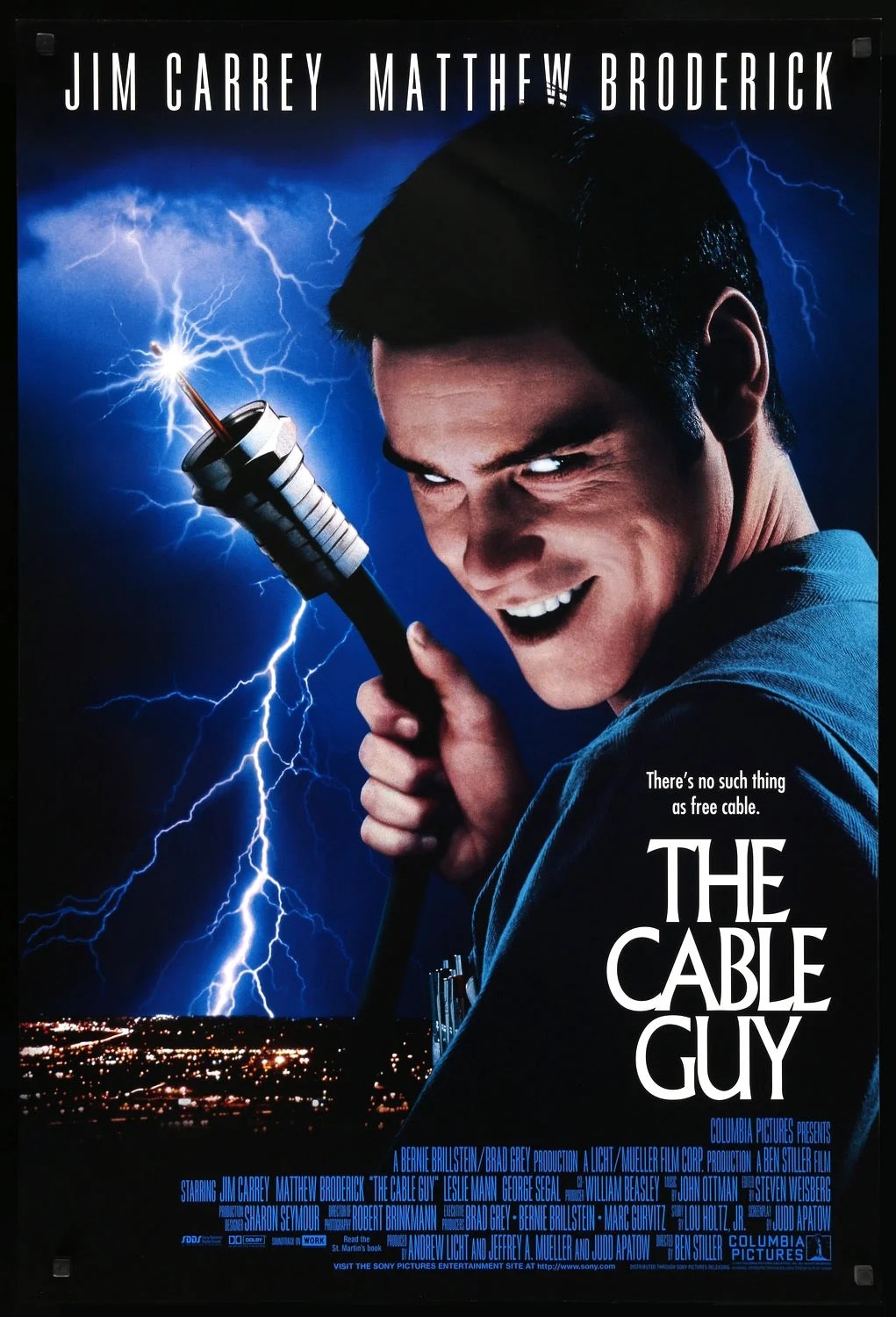
Icarus File No. 32: The Cable Guy (dir. by Ben Stiller)


“You were never there for me, were you, Mother? You expected Mike and Carol Brady to raise me! I’m the bastard son of Claire Huxtable! I am a lost Cunningham! I learned the facts of life from watching The Facts of Life!” — Chip

Few 1990s studio comedies are as awkwardly fascinating—or as misunderstood on arrival—as The Cable Guy. Directed by Ben Stiller and built around one of Jim Carrey’s most deliberately uncomfortable performances, it arrived at a strange point in Carrey’s career: he had become a massive box-office draw through films such as Ace Ventura: Pet Detective, The Mask, Dumb and Dumber, Batman Forever, and Ace Ventura: When Nature Calls. Audiences associated him with rubber-faced chaos, exuberant catchphrases, and a kind of manic but fundamentally likable comic energy. The Cable Guy offers something much colder. Carrey is still loud, physical, and wildly committed, but the movie twists those familiar traits into a portrait of loneliness, obsession, and emotional menace. It is a dark comedy about a man who has absorbed television culture so completely that he cannot form a normal human relationship without treating it like an episode of a sitcom.

That basic idea remains clever and surprisingly ahead of its time. Carrey plays Chip Douglas, a cable installer who enters the life of Steven Kovacs, played by Matthew Broderick, after Steven moves into a new apartment following a breakup with his girlfriend Robin, played by Leslie Mann. Steven wants cable television installed; Chip wants a best friend. What begins as awkward friendliness becomes invasive dependence, as Chip worms his way into Steven’s social circle, his professional life, and eventually his relationship with Robin. Chip is not simply a pest or an eccentric service worker. He is a lonely, emotionally stunted man whose references to television, movies, commercials, and game shows have become his entire vocabulary for intimacy.

The most interesting thing about The Cable Guy is that it understands television as both comfort and damage. Chip’s childhood was clearly shaped by neglect, with television functioning as his guardian, teacher, and surrogate parent. The movie makes this point broadly, sometimes too broadly, but it also gives the character a sad logic. Chip does not understand friendship as mutual connection; he understands it as a package deal. You meet someone, quote the same shows, hang out constantly, become inseparable, and live out the happy ending promised by popular entertainment. When Steven resists that fantasy, Chip does not know how to process rejection. His behavior turns increasingly controlling and vindictive because, in his mind, Steven has violated the rules of the relationship genre they are supposed to be playing.

In that respect, the film was well ahead of its time. In 1996, the idea of television becoming an all-encompassing babysitter for a generation of children was recognizable, but it still played largely as exaggerated satire. Chip represents the extreme result of a childhood where adults failed to provide stability, affection, supervision, and basic emotional guidance, leaving television to fill every role instead. He learned how to talk, how to joke, how to flirt, how to fight, and how to imagine friendship from whatever appeared on the screen. The tragedy is that media gave him endless information and endless imitation, but no real understanding of boundaries, empathy, or reciprocity.

That concern feels much less hypothetical today. Television did not disappear; it expanded into streaming libraries, on-demand movies, YouTube, social media feeds, online games, short-form video, and the constantly available internet. More children now grow up surrounded by screens that are not confined to a living-room television set or a few scheduled hours of programming. The old guardrails of limited channels, parental supervision around a shared TV, and the simple fact that a show ended at a certain time have weakened or, in many homes, disappeared altogether. The Cable Guy obviously does not predict every aspect of the internet age, but it does anticipate the emotional danger of allowing media to become a substitute for parenting, companionship, and healthy social development.

The film is careful enough to suggest that media alone did not create Chip. He is the product of abandonment first and television second. That distinction matters, because the movie is not arguing that children who watch too much television will inevitably become unstable stalkers. Rather, it suggests that screens can become especially powerful when they are used to fill an emotional void that should be addressed by family, community, and genuine relationships. Chip’s many references are funny at first because they are recognizable, but they become sadder as the movie reveals that he is not simply quoting pop culture for fun. He is quoting it because he has little else to draw from.

That makes the film more ambitious than its reputation as “the weird Jim Carrey movie” might suggest. The screenplay, by Lou Holtz Jr., has fun with media saturation, consumer culture, male insecurity, and the way people use technology to avoid direct emotional communication. The title itself now feels almost quaint, because cable installation hardly seems threatening in an age of smartphones, streaming services, social media surveillance, and algorithmic recommendation systems. Yet Chip’s obsession has only become more recognizable. He is essentially a proto-internet stalker, a man who treats access as entitlement. Because he can enter Steven’s home to connect his television service, he assumes he deserves access to Steven’s private life. The film exaggerates that premise for comic effect, but the underlying discomfort has aged well.

At the same time, The Cable Guy has a major problem, and it is inseparable from the reason the film exists: Jim Carrey. Casting Carrey was a commercial gamble meant to make a very dark premise accessible to a mainstream audience. In theory, it is an inspired decision. His brand of elastic, outsized comedy gives Chip a strange unpredictability; you never know whether he is going to make a ridiculous movie reference, belt out a sentimental song, physically humiliate himself, or suddenly become frightening. Carrey’s comic instincts make Chip memorable in a way that a more restrained actor likely would not have been. His version of the character is like an abandoned cartoon character who has somehow wandered into a real person’s life.

But the same performance often works against the movie. Carrey’s penchant for excessive facial expressions, exaggerated voices, and physical escalation overwhelms the subtler and more unsettling possibilities in the script. The film wants to be a satirical dark comedy, but it repeatedly gives itself over to big Jim Carrey bits. Some are undeniably funny, especially because Carrey commits to them with fearless energy, but they can make Chip feel less like a damaged human being and more like a delivery system for gags. The movie keeps shifting between “this man is dangerously unstable” and “look at Jim Carrey doing something weird,” and that unevenness prevents it from fully landing as either a truly disturbing character piece or a consistently hilarious farce.

The medieval-themed restaurant sequence is probably the clearest example of both the movie’s strengths and weaknesses. When Chip and Steven engage in an extended jousting and sword-fighting routine at Medieval Times, it is funny because it transforms a casual social outing into a ridiculous, testosterone-heavy spectacle. It also exposes the warped nature of their friendship: Chip is trying to force Steven into a grand, cinematic bonding ritual. Yet the scene is so broad and so committed to the escalating stunt comedy that it can feel detached from the film’s more interesting emotional undercurrents. It is memorable, certainly, but it is also the kind of scene that makes it easy to see why contemporary audiences may have expected another straightforward Carrey comedy rather than a satire with genuine bitterness beneath the jokes.

Broderick is important here because he provides the film’s necessary straight-man perspective. Steven is not a particularly dynamic protagonist, and that is partly the point. He is an ordinary, mildly selfish guy trying to rebuild his life after a breakup, which makes Chip’s intrusion feel even more invasive. Still, Broderick’s deliberately subdued performance can make Steven seem passive compared with the hurricane of Carrey’s performance. The movie needs Steven to be bland enough for Chip to project his fantasies onto him, but that choice also leaves the film with an imbalance: Chip is by far the most vivid person on screen, even when the story is asking us to see him as a nightmare.

Leslie Mann brings warmth and patience to Robin, while Jack Black, in an early supporting role as Steven’s friend Rick, adds a welcome jolt of weird energy without taking over the movie. The supporting cast understands the heightened tone, but Stiller’s direction occasionally pushes the material toward sketch-comedy exaggeration. That is not always a flaw; The Cable Guy is frequently inventive in its visual jokes, its television parodies, and its depictions of Chip turning every situation into a warped pop-culture performance. Still, the film is at its best when Stiller lets the strangeness breathe rather than constantly underlining it.

The movie’s lackluster initial reception makes sense in context. Audiences had been trained to see Carrey as a wildly energetic hero of broad studio comedies, not as a creepy, needy antagonist whose jokes often curdle into discomfort. The promotional challenge was enormous: sell The Cable Guy as a Jim Carrey movie, and viewers might expect another crowd-pleasing laugh machine; sell it honestly as a dark satire about loneliness and media dependency, and it becomes a much harder commercial proposition. Many viewers at the time seemed to reject it not because it lacked ideas, but because it did not give them the version of Jim Carrey they thought they were buying a ticket to see.

In the years since, however, the film has developed a deservedly large cult following. Distance has helped. Modern audiences are more accustomed to comedians making darker career turns, and the themes of mediated identity, parasocial attachment, isolation, and invasive access now feel much more relevant than they did in the mid-1990s. Carrey’s performance, once seen by many as abrasive or miscalculated, can now be appreciated as a risky attempt to weaponize his own comic persona. Chip is funny precisely because he is desperate to be liked, but he is also disturbing because his idea of being liked involves total possession.

The Cable Guy is not a perfect dark comedy. Its tone wobbles, its protagonist can feel underwritten, and Carrey’s larger-than-life antics sometimes obscure the sharper satire hiding underneath. Yet those flaws are also part of what makes it fascinating. It is a studio movie willing to be unpleasant, odd, and commercially confusing at the height of a superstar’s popularity. Rather than simply giving Jim Carrey another vehicle for his most familiar tricks, it turns those tricks into symptoms of a damaged man’s inability to connect. The result is uneven, but it is far more interesting than a safer 1996 Jim Carrey comedy would have been—and its cult status feels earned.

Previous Icarus Files:

  1. Cloud Atlas
  2. Maximum Overdrive
  3. Glass
  4. Captive State
  5. Mother!
  6. The Man Who Killed Don Quixote
  7. Last Days
  8. Plan 9 From Outer Space
  9. The Last Movie
  10. 88
  11. The Bonfire of the Vanities
  12. Birdemic
  13. Birdemic 2: The Resurrection 
  14. Last Exit To Brooklyn
  15. Glen or Glenda
  16. The Assassination of Trotsky
  17. Che!
  18. Brewster McCloud
  19. American Traitor: The Trial of Axis Sally
  20. Tough Guys Don’t Dance
  21. Reach Me
  22. Revolution
  23. The Last Tycoon
  24. Express to Terror 
  25. 1941
  26. The Teheran Incident
  27. Con Man
  28. Looker
  29. 1776
  30. Here
  31. The Adventures of Brisco County, Jr.
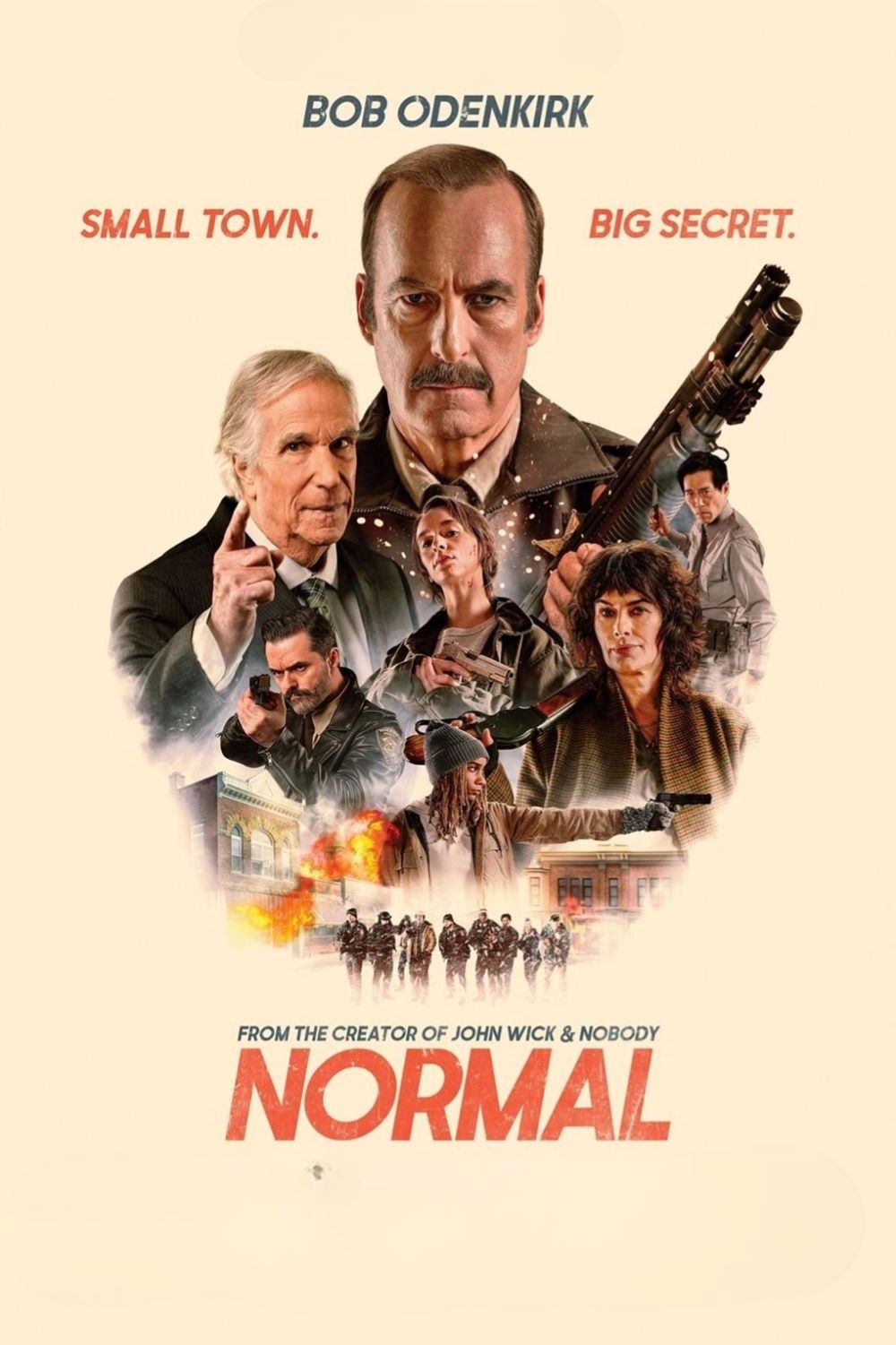
Review: Normal (dir. by Ben Wheatley)


“I used to be a regular sheriff.” — Sheriff Ulysses

Ben Wheatley has built a career on making audiences uncomfortable. From the cultish dread of Kill List to the seasick chaos of Free Fire, he specializes in a specific kind of British miserablism that suddenly snaps into shocking ultraviolence. So, the idea of him directing a snowbound, American action-comedy starring Bob Odenkirk felt a little like hiring a surgeon to cater a birthday party. You know the food will be technically proficient, but you are terrified of what might be in the sauce. The 2026 film Normal, written by Derek Kolstad and Bob Odenkirk, is exactly that catering job: it is messy, bloody, surprisingly filling, and leaves you with a weird stomach ache if you think about it too long. But in a summer movie season often defined by joyless CGI sludge, Normal is a blast of R-rated, mid-budget freshness that knows exactly how stupid it is, even if it stumbles on its way to the finish line.

The premise is a beautiful piece of elevator pitch simplicity. Odenkirk plays Sheriff Ulysses, a haunted, world-weary interim sheriff who takes a short-term gig in the tiny, freezing Minnesotan town of Normal. The previous sheriff died under mysterious circumstances (ice fishing accident, sure), and Ulysses is just looking for a quiet place to drink coffee, ignore his wife’s phone calls, and heal. The problem is that Normal, Minnesota, is anything but. As Ulysses walks the beat, he notices the quiet desperation of rural America has been replaced by a strange, Stepford-like prosperity. The knitting store sells AR-15s. The diner’s walls are lined with loaded rifles. The town has somehow raised sixteen million dollars for a new town hall. It turns out that the citizens of Normal have sold their souls—and their town—to the Yakuza, acting as a quiet, frozen Swiss bank account for Japanese organized crime. When a pair of bumbling out-of-town robbers (Reena Jolly and Brendan Fletcher) hits the local bank, the bulletproof glass shatters, and Ulysses finds himself trapped in a blizzard, fighting for his life against an entire town of friendly, flannel-wearing killers.

Having Odenkirk as co-writer explains a lot about why Normal feels different from Kolstad’s other work. Where John Wick and the first Nobody are lean, machine-tooled scripts, Normal has a looser, more character-obsessed texture. The dialogue is full of weird pauses, non-sequiturs, and the kind of conversational detours that defined Odenkirk’s television work on Better Call Saul. You can feel the actor’s hand in every scene where Ulysses just stares at a absurd situation and mutters something mundane like “Well, that’s not ideal.” If you have seen the Nobody films, you know the rhythm Odenkirk plays as a performer. But what makes Odenkirk so fascinating to watch in Normal is how he continues to solidify an idea we haven’t really seen since Liam Neeson stumbled into Taken: the deeply unconventional action hero. Think about it. Before Neeson, action stars were Schwarzenegger, Stallone, Willis—men built like refrigerators. Then Neeson showed up at fifty-six, all grief-stricken eyebrows and theatrical training, and suddenly audiences realized that a sad dad with a “particular set of skills” was just as terrifying as any bodybuilder. Odenkirk is the spiritual successor to that twist.

No one ever looked at the guy who played slimy lawyer Saul Goodman or the hapless comic from Mr. Show and thought, “There is our next great screen fighter.” Yet here we are, years after the first Nobody, and Odenkirk has quietly become the most believable everyman action lead of his generation. Unlike Neeson’s brooding intensity, Odenkirk brings a specific, almost pathetic vulnerability. In Normal, he excels at playing the “sad dad” action hero—the guy whose joints pop when he stands up, who looks like an accountant but moves like a bar fight. Ulysses isn’t a retired assassin; he’s just a cop who is very, very tired. When he dispatches a thug with a fire extinguisher, there is no cool one-liner, just a wheeze and a wince. That grounded exhaustion is the Odenkirk brand, and because he co-wrote the part, it fits him like a tailored suit. He sells the physicality without losing that “I’m too old for this” shuffle, making you believe a middle-aged man could survive a gauntlet of killers purely out of stubbornness and regret. Henry Winkler, as the smarmy Mayor Kibner, chews the frozen scenery with glee, playing a man so polite and effervescent that you want to punch him immediately. Lena Headey shows up as a barkeep with a shotgun, and while she doesn’t get enough to do, she brings the necessary grit.

However, the secret weapon here is actually Ben Wheatley and his “anti-action” philosophy. In a recent interview, Wheatley described the violence in Normal as being akin to Final Destination. That is the smartest thing about this movie. In a typical John Wick movie, the hero is a force of nature; he actively kills people with surgical precision. In Normal, Ulysses doesn’t so much defeat the town as survive it. In one fantastic set piece, a character slips on ice and impales themselves on their own bayonet. In another, a massive sign falls and crushes a gunman mid-monologue. The town itself becomes a hostile, slippery, glass-strewn deathtrap. This gives Normal a chaotic, Looney Tunes energy that separates it from its cousins. You never know who is going to die next or how, and Wheatley directs the carnage with a blackly comic eye. The sound design of bones crunching against frozen asphalt is disturbingly hilarious. This isn’t the graceful ballet of assassination; it’s the slapstick of murder, and it is refreshing. And Odenkirk’s performance is the perfect anchor for this chaos because he always looks slightly surprised to still be alive—a quality Neeson, for all his skills, rarely conveyed. The fact that Odenkirk helped write the script means those reactions of shock and reluctant disgust feel genuine rather than performed.

But let’s address the moose in the room. Normal desperately wants to be Fargo, but it only has the vocabulary of a comic book. The Coen Brothers’ masterpiece works because the quirky dialogue masks a terrifying emptiness. Normal wears its quirk on its sleeve like a cheap souvenir. The film tries to weave in social commentary about the death of rural America, gun culture, and even features a subplot involving a trans nonbinary teen (Jess McLeod) who was the child of the previous sheriff. These moments are handled with a surprising amount of grace—they aren’t preachy, just present. However, the film is moving so fast (the runtime is a lean 91 minutes) that it forgets to give these themes any weight. You get a five-second shot of a wall of guns, and then someone blows up. The commentary is there, but it’s just set dressing for the explosion.

Furthermore, the plot structure is lopsided. The film opens with a cold sequence in Japan with the Yakuza cutting off fingers and looking menacing. It feels like a contractual obligation to remind you this is from the John Wick universe, and it’s hard not to wonder if that was a Kolstad-driven choice while Odenkirk might have preferred more mystery. It completely spoils the slow-burn reveal of the town’s corruption. Imagine The Wicker Man if the first scene showed you the villagers burning the wicker man. The tension of Ulysses realizing that “the call is coming from inside the house” is neutered because we, the audience, already know the Yakuza are lurking in the basement. Also, for a movie called Normal, it is incredibly predictable within its own lane. Once the shooting starts, you know exactly where Ulysses is going to end up (spoiler: a hardware store and then the police station). The film devolves into a familiar Assault on Precinct 13 siege scenario, and while the kills are inventive, the geography of the action gets muddy. Wheatley shoots the snowy exteriors beautifully—the white landscape makes the red blood pop like neon—but during the frantic third act, the editing gets choppy, and you lose track of who is shooting whom. For a movie that prides itself on “anti-action,” it relies heavily on the generic rhythms of action in its final twenty minutes.

Despite these structural hiccups, Normal works because it never overstays its welcome. At a brisk hour and a half, it gets in, blows up a town, and gets out. Bob Odenkirk continues to prove that he is the most relatable action hero of the 2020s—the natural heir to the “unlikely badass” throne that Liam Neeson occupied for a solid decade. Where Neeson brought Shakespearean tragedy to the genre, Odenkirk brings a frustrated accountant’s fury. He looks like he just finished paying his taxes, and you believe he is furious about it. Having co-written the film only deepens that authenticity; this isn’t a star merely showing up to say lines, but an actor who has shaped the material to his exact strengths. Ben Wheatley manages to smuggle just enough British cynicism and nasty violence into the frame to keep genre fans on their toes.

Is Normal a great film? No. It is too shallow and too structurally messy for that. But is it a great time at the movies? Absolutely. It is the cinematic equivalent of comfort food laced with hot sauce. You know what you are getting, but the kick is still satisfying. For fans of Odenkirk’s grumpy charm and Wheatley’s chaotic tendencies, Normal is a perfectly abnormal way to spend an evening. Just don’t go looking for the heart that the title promises; this one is all viscera. And frankly, in an era where most action movies are built from the same digital spare parts, watching a former comedy writer freeze his way through a Yakuza invasion feels like the most refreshing kind of normal we could ask for.

Live Tweet Alert – #MondayMuggers present NOBODY (2021), starring Bob Odenkirk!


Every Monday night at 9:00 Central Time, my wife Sierra and I host a “Live Movie Tweet” event on X using the hashtag #MondayMuggers. We rotate movie picks each week, and our tastes are quite different. Tonight, Monday July 7th, we are showing NOBODY (2021), starring Bob Odenkirk, Aleksey Serebryakov, Connie Nielsen, Michael Ironside, Colin Salmon, RZA, and Christopher Lloyd.

The plot: A docile family man slowly reveals his true character after his house get burglarized by two petty thieves, which, coincidentally, leads him into a bloody war with a Russian crime boss.

So, if you think you might enjoy watching a “nobody” turn into a badass and take on the Russian mafia, and you’ve about 90 minutes to spare, then we’ve got the movie for you! Join us tonight for #MondayMuggers and watch NOBODY. It’s on Amazon Prime! I’ve included the trailer below:

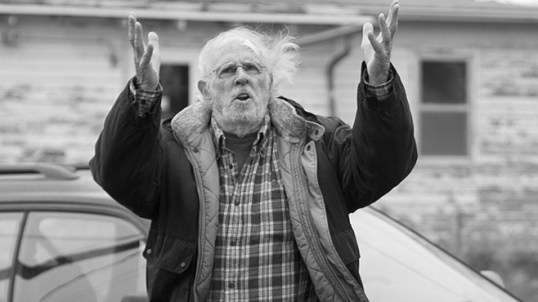
Lisa Marie Reviews An Oscar Nominee: Nebraska (dir by Alexander Payne)


As Brad mentioned earlier, today is Bruce Dern’s birthday!

Bruce Dern is a favorite actor of mine.  He’s one of those performers who, over the course of his very long career, has appeared in all sorts of different and occasionally odd films, sometimes as a lead but most often as a character actor.  He appeared in biker films, westerns, literary adaptations, and Oscar-winners.  He killed John Wayne in The Cowboys.  He introduced Peter Fonda to acid in The Trip.  (Dern, for his part, has said that he the only person on the set of that film who has never done acid.)  He captured the trauma of Vietnam in Coming Home.  He played one of the great hyperactive cops in The Driver.  He came close to playing Tom Hagen in The Godfather and was the original choice for the attorney who was eventually played by Jack Nicholson in Easy Rider.

In 2013’s Nebraska, he broke my heart.

In Nebraska, Dern plays Woody Grant, an elderly man who is convinced that he’s won a million-dollar sweepstakes.  Everyone around him, including his wife (June Squibb) and his oldest son (Bob Odenkirk), realizes that the sweepstakes is a scam and that Woody has actually won nothing.  But Woody is convinced that a million dollars is waiting for him.  All he has to do is somehow make it from Montana to Nebraska.  At first, Woody attempts to walk along the interstate.  When that doesn’t work and the police end up arresting him and sending him home, his youngest son, David (Will Forte), agrees to drive Woody down to Lincoln, Nebraska.  David knows that there’s not any money waiting for Woody but, unlike his mother and his older brother, David hasn’t given up on the idea of connecting with his father.

Nebraska is a road movie, with the majority of the film following David and Woody as the drive through rural and smalltown America.  They stop off in Woody’s former hometown, where they meet Woody’s brother (Rance Howard) and also Woody’s former business partner, a bully named Ed (Stacy Keach).  Ed is convinced that Woody stole money from him.  Woody blames Ed for the loss of his air compressor.  Their anger has simmered for years and, at first, it’s tempting to assume that it’s simply one of those grudge matches that old men seem to have a weakness for.  But Ed turns out to truly be a rotten human being and Woody …. well, Woody his own problems but at least he’s not as bad as Ed.

Before I say anything else, I want to praise the entire cast.  June Squibb, Bob Odernkirk, Stacy Keach, Rance Howard, Melinda Simonsen (who has a small role as a receptionist in Lincoln), they all bring their characters to memorable life.  Will Forte is the heart of the film, trying to keep his family together and standing up for his father when it matters.  If you only know Will Forte as MacGruber, you need to see Nebraska.  That said, this film is dominated by Bruce Dern’s poignant, sad, and often very funny performance as Woody Grant.  Woody is a flawed character and Dern wisely doesn’t try to sentimentalize or downplay any of those flaws.  He drinks too much, he neglected his family when he was younger, he holds a grudge, and he’s incredibly stubborn.  But, as played by Dern, you just can’t help but like Woody and hope that he finds some sort of happiness.  Even though the viewer, like everyone else in Woody’s life, knows that the sweepstakes is a scam, it’s still hard not to spend the film hoping that Woody will prove everyone wrong when he makes it to Nebraska.

Nebraska was nominated for Best Picture while both Bruce Dern and June Squibb picked up acting nominations.  That year, the Best Picture race was dominated by 12 Years A Slave.  Matthew McConaughey won Best Actor for Dallas Buyers Club while Lupita Nyong’o won Best Supporting Actress for 12 Years A Slave.  Alexander Payne lost Best Director to Gravity’s Alfonso Cuaron.  Gravity also won the Oscar for Best Cinematography, defeating Nebraska’s gorgeous black-and-white imagery.

Oscars or not, Nebraska is a wonderful, late career showcase for the great Bruce Dern.

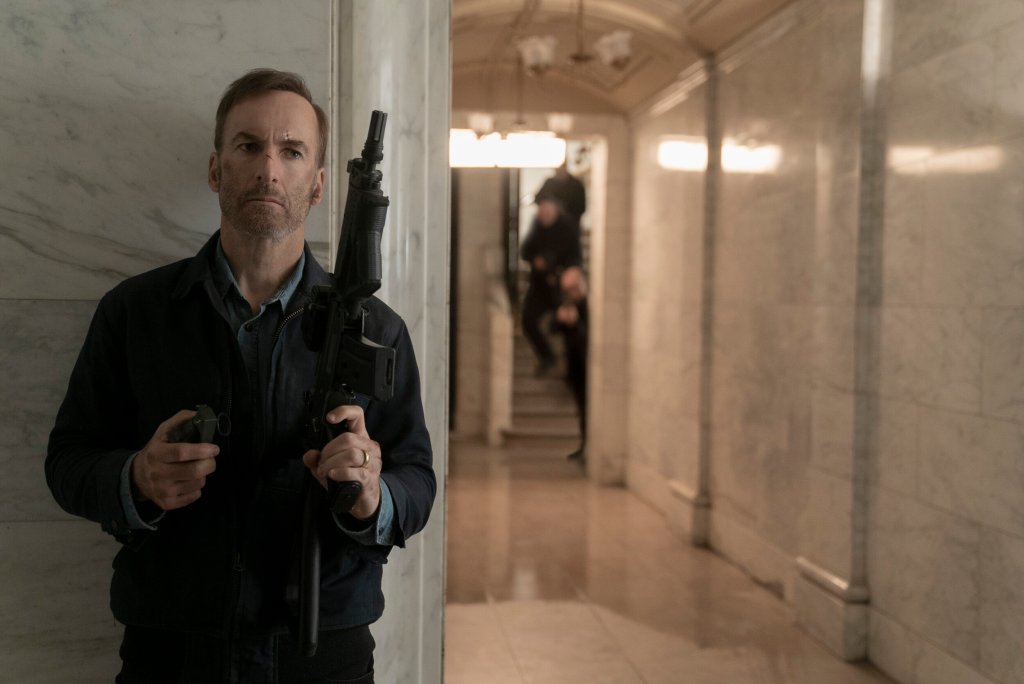
Trailer: Nobody 2


Ilya Naishuller’s 2021 action-comedy Nobody caught everyone by surprise. Many thought it was just a quick cash-grab to take advantage of the success with the John Wick action series. Nobody was released in the middle of the pandemic, yet it was received very positive reviews from critics and audiences, alike.

It was a no-brainer that a sequel would be greenlit. It took awhile to happen but most of the cast and crew are back with the exception of director Ilya Naishuller. Indonesian director Timo Tjahjanto now takes the director’s seat with some new, but familiar faces (Sharon Stone and Colin Hanks) joining the previous cast (Bob Odenkirk, Colin Salmon, Connie Nielsen, Christopher Lloyd and RZA).

From this first trailer, Nobody 2 looks to retain the action-comedy tone of the first, but with the visual flair of Timo Tjahjanto (see The Night Comes for Us for example of how batshit crazy his action turn out).

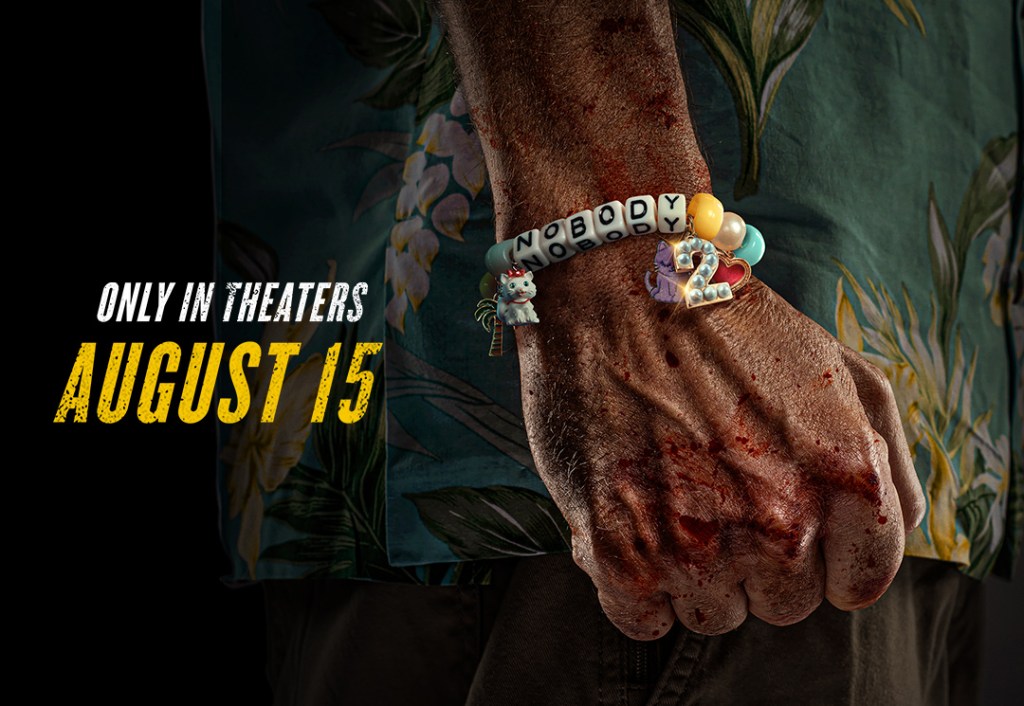
Nobody 2 arrives in theaters on August 15, 2025.

Here’s The Super Bowl Spot for Nobody!


Somehow, last night, I missed the Super Bowl spot for Nobody.  Then again, I also somehow also missed the streaker running across the field.  I was probably busy jotting down notes about the commercials that I had just seen.  Who knows?  It was a strange night.

Anyway, here’s the Super Bowl spot for Nobody!

Bob Odenkirk, action star!  That’s kind of a strange idea but I guess it could happen.  Bryan Cranston went from doing comedy to doing heavy drama.  John Krasinski is another example.  Watching The Office, you would never expect to see Jim Halpert blowing away the bad guys but that’s exactly what happened.  Of course, it looks like there’s going to be a lot of humor to go along with all of the action in this film so I guess that’s good.  Eventually, someone will cast Bob Odenkirk in one of those grim and depressing cop films where he’s like an alcoholic who spends all of his time looking at old case files and searching for that one clue that will put the murderer away.  I fully support the right of Bob Odenkirk to do new and different things!


Here Are The SAG Nominations!


Here are the SAG nominations!  I’ll be post my thoughts under the noms because — let’s be honest, the noms are what you’re here for:

BEST ENSEMBLE
Da 5 Bloods
Ma Rainey’s Black Bottom
Minari
One Night In Miami
The Trial Of The Chicago 7

BEST LEAD ACTOR (FEMALE)
Amy Adams – Hillbilly Elegy
Viola Davis – Ma Rainey’s Black Bottom
Vanessa Kirby – Pieces Of A Woman
Frances McDormand – Nomadland
Carey Mulligan – Promising Young Woman

BEST LEAD ACTOR (MALE)
Riz Ahmed – Sound Of Metal
Chadwick Boseman – Ma Rainey’s Black Bottom
Anthony Hopkins – The Father
Gary Oldman – Mank
Steven Yeun – Minari

BEST SUPPORTING ACTOR (FEMALE)
Maria Bakalova – Borat Subsequent Moviefilm
Glenn Close – Hillbilly Elegy
Olivia Colman – The Father
Youn Yuh-Jung – Minari
Helena Zengel – News Of The World

BEST SUPPORTING ACTOR (MALE)
Sacha Baron Cohen – The Trial Of The Chicago 7
Chadwick Boseman – Da 5 Bloods
Daniel Kaluuya – Judas And The Black Messiah
Jared Leto – The Little Things
Leslie Odom Jr. – One Night In Miami

BEST STUNT ENSEMBLE
Da 5 Bloods
Mulan
News of the World
The Trial of the Chicago 7
Wonder Woman 1984

BEST ENSEMBLE IN A DRAMA SERIES
Better Call Saul
Bridgerton
The Crown
Lovecraft Country
Ozark

BEST ACTRESS IN A DRAMA SERIES
Gillian Anderson – The Crown
Olivia Colman – The Crown
Emma Corrin – The Crown
Julia Garner – Ozark
Laura Linney – Ozark

BEST ACTOR IN A DRAMA SERIES
Jason Bateman – Ozark
Sterling K. Brown – This Is Us
Josh O’Connor – The Crown
Bob Odenkirk – Better Call Saul
Regé-Jean Page – Bridgerton

BEST ENSEMBLE IN A COMEDY SERIES
Dead To Me
The Flight Attendant
The Great
Schitt’s Creek
Ted Lasso

BEST ACTOR IN A COMEDY SERIES
Nicholas Hoult – The Great
Daniel Levy – Schitt’s Creek
Eugene Levy – Schitt’s Creek
Jason Sudekis – Ted Lasso
Ramy Youseff – Ramy

BEST ACTRESS IN A COMEDY SERIES
Christina Applegate – Dead To Me
Linda Cardellini – Dead To Me
Kaley Cuoco – The Flight Attendant
Annie Murphy – Schitt’s Creek
Catherine O’Hara – Schitt’s Creek

BEST ACTOR IN A TV MOVIE/LIMITED SERIES
Bill Camp – The Queen’s Gambit
​Daveed Diggs – Hamilton
Hugh Grant – The Undoing
Ethan Hawke – The Good Lord Bird
Mark Ruffalo – I Know This Much Is True

BEST ACTRESS IN A TV MOVIE/LIMITED SERIES
Cate Blanchett – Mrs. America
Cole – I May Destroy You
Nicole Kidman – The Undoing
Anya Taylor-Joy – The Queen’s Gambit
Kerry Washington – Little Fires Everywhere

Okay, my thoughts:

I guess the big news is that the SAG appreciated Hillbilly Elegy a bit more than the critics.  Glenn Close picking up a supporting actress nom isn’t a huge shock but I do think a few people were a bit surprised to see Amy Adams nominated.  Personally, I think Amy Adams was okay in Hillbilly Elegy but I’ll be kind of disappointed if — after all the great performance she’s given — this is the one that she picks up an Oscar for.

We all kind of laughed off Jared Leto picking up that supporting nomination from the Golden Globes but the SAG nominated him as well!  Is this a sign of momentum or just a crazy coincidence?  Either way, this doesn’t bode well for the Oscar hopes of Sound of Metal‘s Paul Raci.  Raci’s picked up a lot of critical support but getting snubbed by both the Globes and SAG doesn’t seem like a good sign.

Speaking of signs, I’m going to assume that Sidney Flanigan’s Oscar hopes are pretty much gone.  Like Raci, she seems like she would have needed either a GG or a SAG nomination to really break through.

Amanda Seyfried was not nominated.  That took me by surprise but it didn’t upset me as much as Raci getting snubbed, largely because I like Sound of Metal considerably more than Mank.

I think Spike Lee’s Da 5 Bloods is the overrated film of 2020 but you still have to wonder how the film could pick up a Best Ensemble nomination without also getting best actor nomination for Delroy Lindo.  Lindo was also snubbed by the Globes so again, the prospect of him getting nominated for an Oscar no longer seems like a sure thing.

Good news for Steven Yeun!  Some people were writing him off after he didn’t get a Golden Globe nomination but the SAG nomination puts him right back into the hunt.

Finally, the SAG is one of the best precursors regarding what films and performances will actually receive Oscar nominations.  So, whether or not I or anyone else agrees with all of the nominations, the nominees have to be feeling very happy right now.  Best of luck to them all!

Here Are The 78th Annual Golden Globe Nominations!


I’m totally turned off by the self-importance of the Golden Globes and I resent every time that I have to write about them.

That said, despite the fact that no one is quite sure who actually votes for the damn things and stories of corruption in the Hollywood Foreign Press Association have been rampant for years, the Golden Globes have still emerged as one of the main Oscar precursors.  So, you kind of have to pay attention to them.  Bleh.

There really aren’t any huge shocks in the list of nominees below, with the exception of maybe Jared Leto for Best Supporting Actor and James Corden’s Prom nomination.  I mean, if you’re that determined to nominate someone for The Prom, why would you go for James Corden as opposed to Meryl Streep?  That’s just odd.

Anyway, here are the nominations:

Best Motion Picture, Drama
“The Father”
“Mank”
“Nomadland”
“Promising Young Woman”
“The Trial of the Chicago 7”

Best Motion Picture, Musical or Comedy
“Borat Subsequent Moviefilm”
“Hamilton”
“Music”
“Palm Springs”
“The Prom”

Best Director, Motion Picture
Emerald Fennell, “Promising Young Woman”
David Fincher, “Mank”
Regina King, “One Night In Miami”
Aaron Sorkin, “The Trial of the Chicago 7”
Chloé Zhao, “Nomadland”

Best Performance by an Actress in a Motion Picture, Drama
Viola Davis, “Ma Rainey’s Black Bottom”
Andra Day, “The United States vs. Billie Holiday”
Vanessa Kirby, “Pieces of a Woman”
Frances McDormand, “Nomadland”
Carey Mulligan, “Promising Young Woman”

Best Performance by an Actress in a Motion Picture, Musical or Comedy
Maria Bakalova, “Borat Subsequent Moviefilm”
Kate Hudson, “Music”
Michelle Pfeiffer, “French Exit”
Rosamund Pike, “I Care a Lot”
Anya Taylor-Joy, “Emma”

Best Performance by an Actress in a Supporting Role in any Motion Picture
Glenn Close, “Hillbilly Elegy”
Olivia Colman, “The Father”
Jodie Foster, “The Mauritanian”
Amanda Seyfried, “Mank”
Helena Zengel, “News of the World”

Best Performance by an Actor in a Motion Picture, Drama
Riz Ahmed, “Sound of Metal”
Chadwick Boseman, “Ma Rainey’s Black Bottom”
Anthony Hopkins, “The Father”
Gary Oldman, “Mank”
Tahar Rahim, “The Mauritanian”

Best Performance by an Actor in a Motion Picture, Musical or Comedy
Sacha Baron Cohen, “Borat Subsequent Moviefilm”
James Corden, “The Prom”
Lin-Manuel Miranda, “Hamilton”
Dev Patel, “The Personal History of David Copperfield”
Andy Samberg, “Palm Springs”

Best Performance by an Actor in a Supporting Role in any Motion Picture
Sacha Baron Cohen, “The Trial of the Chicago 7”
Daniel Kaluuya, “Judas and the Black Messiah”
Jared Leto, “The Little Things”
Billy Murray, “On the Rocks”
Leslie Odom Jr., “One Night In Miami”

Best Screenplay, Motion Picture
Emerald Fennell, “Promising Young Woman”
Jack Fincher, “Mank”
Aaron Sorkin, “The Trial of the Chicago 7”
Florian Zeller and Christopher Hampton, “The Father”
Chloé Zhao, “Nomadland”

Best Original Score, Motion Picture
Alexandre Desplat, “The Midnight Sky”
Ludwig Göransson, “Tenet”
James Newton Howard, “News of the World”
Trent Reznor and Atticus Ross, “Mank”
Trent Reznor, Atticus Ross and Jon Batiste, “Soul”

Best Original Song, Motion Picture
“Fight For You,” Judas and the Black Messiah”
“Hear My Voice,” The Trial of the Chicago 7”
“Io Sì (Seen),” The Life Ahead”
“Speak Now,” One Night In Miami”
“Tigress & Tweed,” The United States Vs. Billie Holiday”

Best Motion Picture, Animated
“The Croods: A New Age”
“Onward”
“Over the Moon”
“Soul”
“Wolfwalkers”

Best Motion Picture, Foreign Language
“Another Round”
“La Llorona”
“The Life Ahead”
“Minari”
“Two Of Us”

Best Television Series, Drama
“The Crown”
“Lovecraft Country”
“The Mandalorian”
“Ozark”
“Ratched”

Best Television Series, Musical or Comedy
“Emily in Paris”
“The Flight Attendant”
“The Great”
“Schitt’s Creek”
“Ted Lasso”

Best Limited Series, Anthology Series or a Motion Picture made for Television
“Normal People”
“The Queen’s Gambit”
“Small Axe”
“The Undoing”
“Unorthodox”

Best Performance by an Actress in a Television Series, Drama
Olivia Colman, “The Crown”
Jodie Comer, “Killing Eve”
Emma Corrin, “The Crown”
Laura Linney, “Ozark”
Sarah Paulson, “Ratched”

Best Performance by an Actress in a Television Series, Musical or Comedy
Lily Collins, “Emily In Paris”
Kaley Cuoco, “The Flight Attendant”
Elle Fanning, “The Great”
Jane Levy, “Zoey’s Extraordinary Playlist”
Catherine O’Hara, “Schitt’s Creek”

Best Performance by an Actress in a Limited Series, Anthology Series or a Motion Picture Made for Television
Cate Blanchett, “Mrs. America”
Daisy Edgar Jones, “Normal People”
Shira Haas, “Unorthodox”
Nicole Kidman, “The Undoing”
Anya Taylor-Joy, “The Queen’s Gambit”

Best Performance by an Actress in a Television Supporting Role
Gillian Anderson, “The Crown”
Helena Bonham Carter, “The Crown”
Julia Garner, “Ozark”
Annie Murphy, “Schitt’s Creek”
Cynthia Nixon, “Ratched”

Best Performance by an Actor in a Television Series, Drama
Jason Bateman, “Ozark”
Josh O’Connor, “The Crown”
Bob Odenkirk, “Better Call Saul”
Al Pacino, “Hunters”
Matthew Rhys, “Perry Mason”

Best Performance by an Actor in a Television Series, Musical or Comedy
Don Cheadle, “Black Monday”
Nicholas Hoult, “The Great”
Eugene Levy, “Schitt’s Creek”
Jason Sudeikis, “Ted Lasso”
Ramy Youssef, “Ramy”

Best Performance by an Actor in a Limited Series or a Motion Picture Made for Television
Bryan Cranston, “Your Honor”
Jeff Daniels, “The Comey Rule”
Hugh Grant, “The Undoing”
Ethan Hawke, “The Good Lord Bird”
Mark Ruffalo, “I Know This Much is True”

Best Performance by an Actor in a Television Supporting Role
John Boyega, “Small Axe”
Brendan Gleeson, “The Comey Rule”
Daniel Levy, “Schitt’s Creek”
Jim Parsons, “Hollywood”
Donald Sutherland, “The Undoing”

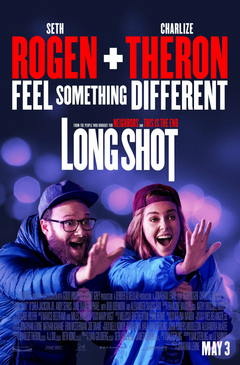
Love on the Shattered Lens: Long Shot (dir by Jonathan Levine)


2019’s Long Shot is a film that truly took me by surprise.

I have to admit that, when I first saw the trailer for Long Shot, I had my concerns.  First off, it was an American political comedy and it’s been a while since there’s really been a good one of those.  There’s been many attempts, especially after Donald Trump was elected in 2016.  But, for the most part, the American films are always at their weakest when they try to be overly political.  There’s always a disturbing lack of self-awareness that, when mixed with the type of strident tone that can only be maintained by people who have never seriously had their ideas challenged, tends to make for a very boring viewing experience.  And, no, don’t you dare say, “What about Vice?” because Vice was freaking terrible.

Secondly, the trailer emphasized that Charlize Theron was playing the Secretary of State and that she was running to become the first woman elected President.  This led me to suspect that the film might essentially be Hillary Clinton fanfic.  Over the past few years, there’s actually been quite a few films and television show that have featured idealized versions of Hillary Clinton — i.e., all of the accomplishments without the albatross of her husband or the reputation for being casually corrupt.  (For six seasons, there was a TV show called Madam Secretary that basically only existed to present an idealized version of Hillary.)  Hillary fanfic, with its attempt to rehabilitate the image of a candidate so inept that she actually lost to Donald Trump, is always cringey.

Finally, as much as I hate to admit it, I was concerned that the film not only starred but was produced by Seth Rogen.  And don’t get me wrong.  I love Seth Rogen.  Seth Rogen is literally my favorite stoner.  I think that, with the right material, he can be one of the funniest performers around.  The problem is that, in the past, Seth Rogen has always been brilliant as long as he wasn’t talking about politics.  Whenever he started talking politics, he just turned into every other wealthy and rather self-righteous progressive.  While Rogen’s political tweets were never as banal as the thoughts of uberboomer Stephen King, there was still nothing about them that suggested that Rogen would be capable of producing one of the funniest and most good-hearted political comedies to come out in the past few years.

And so, like a lot of people, I skipped Long Shot when it was playing in theaters.  I waited until it was released on video to watch Long Shot and you know what?  It turned out that almost everything that I had assumed about Long Shot was incorrect.

Yes, it’s a very political movie but it’s also far more self-aware than I was expecting it to be.  Seth Rogen apparently knows that he has a reputation for being a very loud, knee-jerk leftie because he actually does a very good job of poking fun at his own image.  Rogen plays Fred Flarsky, a loud and crude journalist who quits his job when he discovers that the underground newspaper that he was working for has been purchased by Parker Wembley (Andy Serkis, playing a not-at-all disguised version of Rupert Murdoch).  Fred is about as far to the Left as one can be and he tends to assume that all of his associates agree with him, even though he never bothers to ask them.  One of the best scenes in the film comes when his best friend, Lance (O’Shea Jackson, Jr.), reveals to a stunned Fred that he’s not only a Republican and a Christian but that he’s been one the entire time that he’s known Fred.  Fred never caught on because he just assumed that Lance, being black, would naturally be a Democrat.  When Lance asks Fred why he thought Lance wore a cross around his neck, a befuddled Fred can only reply that he thought it was “cultural.”  It’s a great scene and one that’s wonderfully played by Rogen and Jackson and it works precisely because it remains true to what we’ve seen of both characters.  Almost everything that Lance says over the course of the movie does reflect a traditionally conservative mindset but, like Fred, we don’initially don’t notice because Lance is being played by Ice Cube’s son.  When Fred discovers that Lance is a Republican, it doesn’t change Fred’s mindset but it does teach him that progressives can be just as guilty as conservatives when it comes to making assumptions about people based on where they’re from or what they look like.  As a stunned and chastened Fred puts it, “I’m a racist, you’re a Republican, I don’t know what the fuck’s going on.”

Secondly, the film’s romance is incredibly charming.  Charlize Theron plays Charlotte Field, the Secretary of State who used to be Fred’s babysitter.  After they run into each other at a reception, Charlotte hires Fred to work as a speech writer for her nascent presidential campaign.  You would not expect Charlize Theron and Seth Rogen to have a ton of romantic chemistry but they do.  Theron is an underrated comedic actress and there’s a lot of fun to be had in just listening to her and Rogen bounce lines off of each other.  In fact, as funny as Rogen is, I’d have to say that Charlize Theron is even funnier.  One of the highlights of the film is when Fred and Charlotte sneak away to a club, where they dance and end up taking ecstacy.  Over course, as soon as the drugs kick in, a major diplomatic crisis breaks out and an extremely high Charlotte has to deal with a hostage crisis.  Theron appears to be having a ball with the role and really, this is the film for which she should have been Oscar nominated.  Theron convinces us that 1) she’s a masterful diplomat, 2) that she could be elected President of the United States, and 3) that she could fall in love with someone as messy as Fred without sacrificing her own ambitions.

Long Shot has its flaws, of course.  Andy Serkis is a bit too over-the-top in his villainy and the film has a 125-minute running time, which is way too long for what is essentially a fairly simple romantic comedy.  Some of the scenes of Fred and Charlotte traveling around the world probably could have been cut without harming the story.  There’s an environmental subplot that feels a bit too obvious and there’s a joke about Fred accidentally ejaculating on his own face that’s never as funny as the film seems to think that it is.

That said, Long Shot is often a surprisingly charming film.  (I know what some of you are saying: “Yes. Lisa Marie, Seth Rogen ejaculating on his beard sounds really charming.”  I know, I know.  But the majority of the film is charming.)  If you missed it when it came out the first time, give it another chance.