Film Review: The Dog Stars (dir. by Ridley Scott)


“This world fits you, Bangley. Wake up, defend, survive.” — Hig

Ridley Scott’s The Dog Stars has the scenery of an epic and the energy of someone still deciding whether to get out of bed. There is something potentially compelling about that mismatch: the world has ended, the survivors are exhausted, and being alive no longer means having much to live for. But Scott leans so heavily into melancholy that the film gradually becomes underwhelming. Even when violence interrupts the quiet, it rarely shakes the movie out of its mournful drift. What should feel like a journey through a frightening new world often plays more like a post-apocalyptic travelog, with beautiful views and occasional armed interruptions.

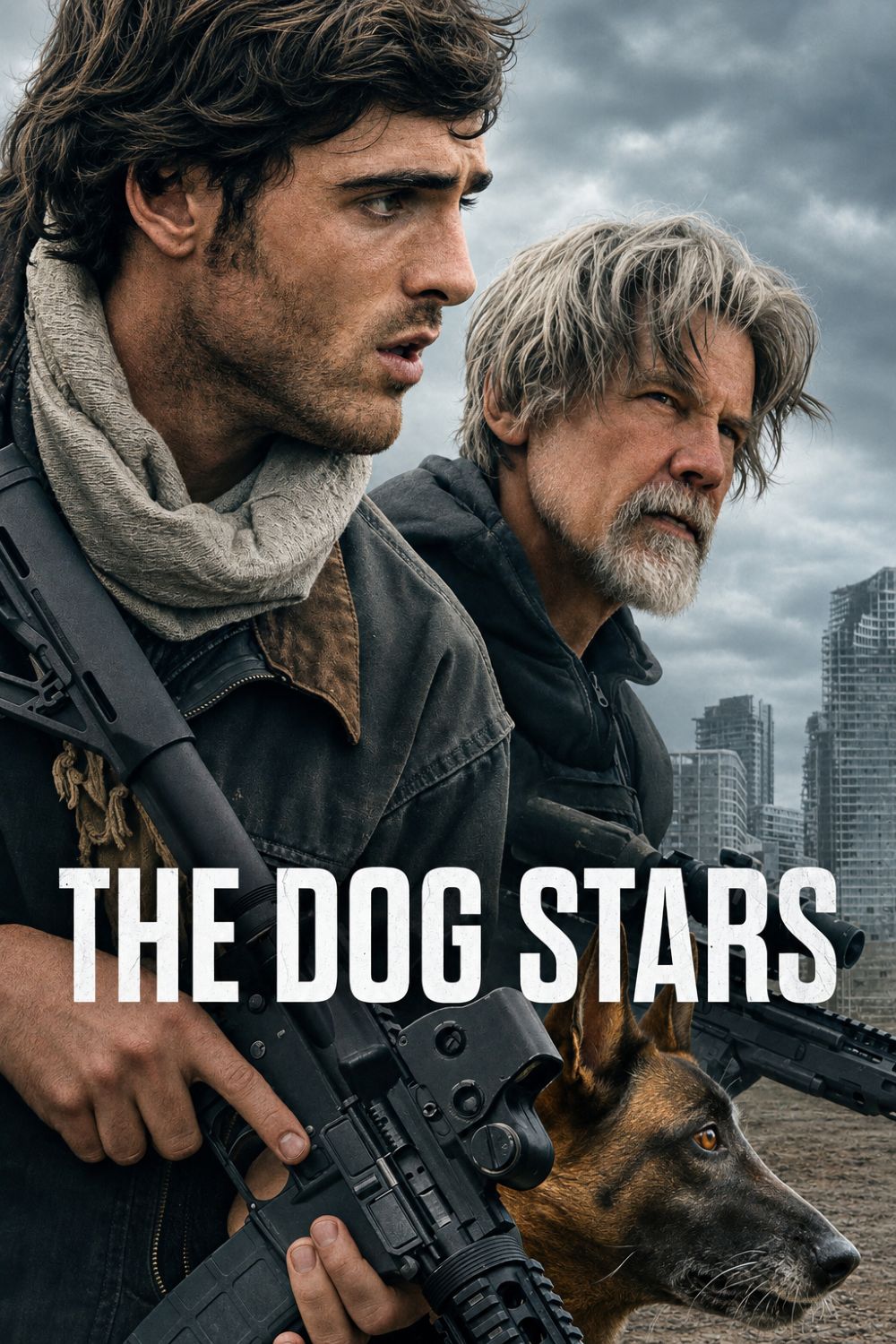
Adapted by screenwriter Mark L. Smith from Peter Heller’s 2012 novel The Dog Stars, the film follows Hig, played by Jacob Elordi, a pilot and mechanic living in Colorado after a pandemic has wiped out most of humanity. His wife is gone, and his remaining companions are his dog, Jasper, and Bangley, a heavily armed former military man played by Josh Brolin. Together, they occupy an abandoned airfield, where practical survival has replaced anything resembling a normal life. Hig eventually follows the possibility of a radio transmission toward other survivors, hoping there might be something beyond the routine of scavenging and keeping strangers at gunpoint.

That setup gives the film a useful emotional conflict. Bangley considers their arrangement a success because they have food, shelter, weapons, and a defensible position. Hig sees the same situation as a slower version of dying. Brolin’s hardened survivor and Elordi’s wounded optimist represent two different responses to catastrophe: shut everyone out, or risk getting hurt by reaching for someone. The problem is that the movie makes this contrast clear fairly early and then struggles to deepen it. Hig’s dissatisfaction supplies a reason to leave, but Scott’s languid treatment makes the journey feel less urgent than the decision behind it ought to be.

Elordi fits the film’s mood, giving Hig the presence of someone carrying grief through every ordinary task. His youth also makes the character’s emotional exhaustion potentially affecting: this is a man who should have decades ahead of him but cannot imagine what those years would contain. Still, the movie relies too much on the appeal of a handsome, sorrowful figure moving through picturesque emptiness. There is a difference between showing a character who feels hollow and allowing that hollowness to become the film’s dominant dramatic quality. Too often, Hig’s sadness is the atmosphere rather than something the story meaningfully tests.

Visually, Scott certainly understands the attraction of a world that has started growing over humanity’s leftovers. The landscapes are expansive, and the production uses Italian locations to stand in for Colorado, with the Dolomites taking the place of the Rockies. Yet the beauty creates its own problem. The more inviting the countryside becomes, the harder the film has to work to make its underlying danger feel immediate. Scott keeps reaching for the scale of an epic, but scale alone cannot make a succession of lonely vistas emotionally expansive. Sometimes the apocalypse looks less like a catastrophe than an unusually exclusive outdoor getaway.

There is also the unavoidable resemblance to HBO’s The Last of Us. The overgrowth, decaying infrastructure, wary survivors, and uneasy movement through abandoned spaces belong to a familiar visual vocabulary by now. The Dog Stars seems eager to exploit the appeal of that look without finding enough fresh perspective to make it distinctive. That is an aesthetic criticism, not a claim that Scott literally copied the series; Heller’s novel has its own history. But the film arrives in a crowded genre, and its lush decay too often prompts recognition rather than discovery. You know the scenery, and you can usually guess the emotional weather.

The violence should complicate that prettiness, and occasionally it does. Raiders and hostile survivors puncture Hig’s wandering with reminders that an empty world is not necessarily a peaceful one. But these bursts of brutality often feel like interruptions rather than pressure building naturally inside the story. Scott alternates reflective stretches with sudden threats, yet the two modes do not consistently strengthen each other. The action briefly wakes the movie up, then the prevailing sadness settles back into place. Instead of making the quieter passages more tense, the attacks can feel like scheduled reminders that this is still supposed to be a dangerous survival thriller.

The arrival of Margaret Qualley’s Cima, a widow living with her protective father, played by Guy Pearce, gives the film a more intimate direction. Hig’s search stops being purely geographical and becomes a question of whether he can permit himself another attachment. There is a genuinely appealing idea here: after civilization collapses, rebuilding might begin with something as small as admitting what you miss. A scene involving remembered pleasures and the rediscovery of recorded music points toward a warmer, more specific film. These moments work because they give loss a recognizable shape rather than treating sadness as a general condition.

Unfortunately, the tenderness never fully resolves the film’s unevenness. Its late detour involving Allison Janney pushes toward a much stranger, more extravagant register, making the surrounding restraint feel even more conspicuous. A movie can certainly contain romance, grief, savage violence, and grotesque eccentricity, but those elements need a stronger dramatic connection than they receive here. Harry Gregson-Williams’s acoustic guitar-laden score reinforces the reflective mood, though that gentleness also contributes to the sense that the film is cushioning experiences that should leave sharper marks. Scott wants contemplation and danger to coexist; too often, they simply take turns.

What makes The Dog Stars frustrating is not its refusal to turn the apocalypse into nonstop combat. Its interest in companionship, grief, and the possibility of hope is welcome. The disappointment is that Scott gives those ideas such a uniformly subdued treatment that they lose force. This should be a story about discovering reasons to live in a world organized around staying alive. Instead, it too often settles for attractive desolation, familiar threats, and sadness presented as depth. There are touching moments and striking landscapes along the way, but the journey promises a greater emotional destination than it finally reaches.
Horror Icarus File No. 36: Mindhunter (by Joe Penhall)


“Butchering people is hard work. Physically and mentally.” — Ed Kemper

The scariest thing in Mindhunter isn’t a crime scene. It’s how quickly a conversation with a murderer can start to feel normal. Someone makes a joke, offers an observation, or answers a question with surprising thoughtfulness, and for a moment you settle into the exchange. Then comes a detail that makes your stomach turn, delivered in exactly the same conversational tone. Across its two seasons, the Netflix series repeatedly catches you making that adjustment. You become comfortable listening to people whose actions should make comfort impossible. That’s where the show finds its particular kind of horror: not in making monsters seem alien, but in showing how easily they can sound like anyone else.

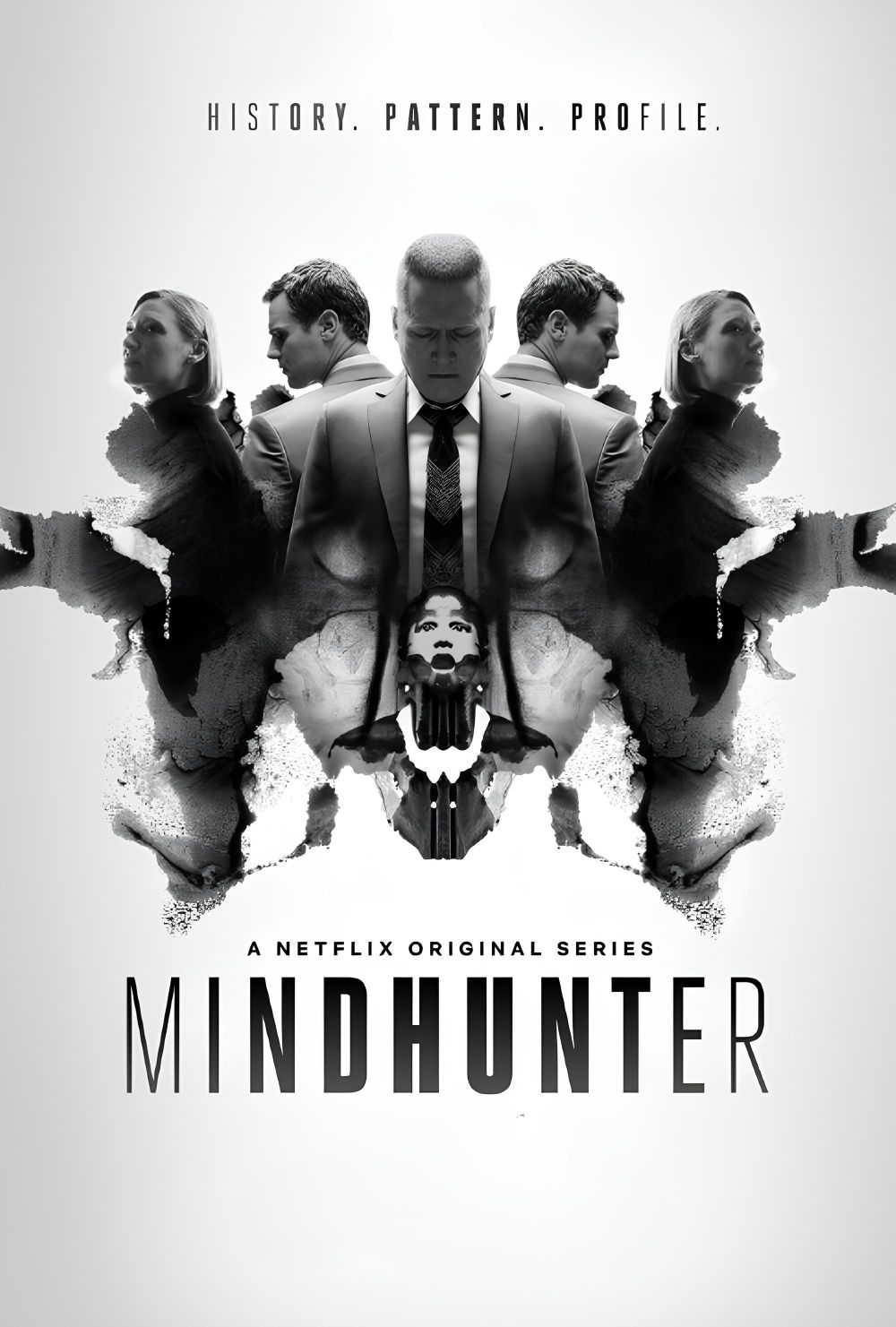
Created by Joe Penhall, with David Fincher serving as an executive producer and a defining directorial presence, Mindhunter draws from John E. Douglas and Mark Olshaker’s book Mindhunter: Inside the FBI’s Elite Serial Crime Unit. It follows the early development of criminal-profiling research within the FBI’s Behavioral Science Unit through agents Holden Ford and Bill Tench and psychologist Wendy Carr. We’ve watched countless investigators study killers and connect behavioral patterns, but what feels different here is the uncertainty. These characters aren’t applying an established formula. They’re trying to determine whether their questions can produce anything useful at all.

That gives the procedural material an unusual texture. Holden and Bill travel, negotiate access, conduct interviews, and deal with colleagues who don’t necessarily see the value in their work. Wendy wants to turn their encounters into research rather than a collection of gruesome anecdotes. The process can be repetitive, awkward, and bureaucratic, which makes it convincing. Instead of treating profiling as a supernatural gift possessed by the smartest person in the room, Mindhunter presents it as a developing discipline shaped by observation, disagreement, and mistakes. Getting someone to talk is only the beginning. Knowing what to do with the answers is another problem entirely.

Unlike Se7en, Mindhunter doesn’t surround its characters with a grimy, nihilistic atmosphere that makes the entire world feel rotten. Nor is its main driving force the obsessive, cat-and-mouse pursuit that consumes the investigators in Zodiac. Its horror comes from somewhere quieter: the suggestion that beneath everyday normalcy lurks a darker, much darker world. Ed Kemper, Dennis Rader—the BTK killer—Wayne Williams, and Charles Manson weren’t inventions designed to populate a nightmare. They existed and walked among the masses. Their histories aren’t interchangeable, but their presence throughout the series punctures the comforting idea that dangerous people must somehow announce themselves as dangerous.

Calling Mindhunter a crime thriller or police procedural, then, only gets you so far. It has horror in its DNA and both feet firmly planted in the genre. That isn’t simply because it deals with murder and sexual violence. It makes normalcy itself feel unreliable. A calm voice, a familiar routine, or an apparently reasonable explanation tells you remarkably little about the person behind it. These people occupied ordinary spaces, held conversations, and participated in a world that didn’t always recognize what they were. There’s no supernatural threat to identify and no reassuring boundary separating their world from ours.

The use of the killers’ own recorded words makes that realization harder to shake. Although Mindhunter dramatizes its encounters rather than reconstructing them as a documentary, portions of its interview dialogue draw from actual statements. You aren’t simply hearing a screenwriter invent something horrible for a villain to say. There’s a real person behind the language, someone who found ways to describe, explain, or rationalize appalling acts. The matter-of-fact presentation makes it worse. The show rarely needs to insist that you be disturbed. It simply gives you enough time to understand what you’ve just heard.

Cameron Britton’s Ed Kemper is the clearest expression of that approach. He’s articulate, conversational, and seemingly pleased that someone wants to listen. Britton doesn’t play every exchange as a warning that violence is about to erupt. He lets Kemper be engaging, which creates a more uncomfortable response than constant menace would. You understand Holden’s fascination even while recognizing the danger in it. Kemper’s willingness to talk doesn’t mean he has surrendered control. Sometimes it means he has found another way to exercise it. Britton makes the difference between access and understanding frighteningly easy to miss.

Fincher’s influence is apparent in how patiently these encounters unfold. The controlled framing, subdued interiors, and measured pacing encourage you to notice small changes: a pause, a look, a shift in posture. A room can remain physically unchanged while the balance of power inside it moves somewhere unpleasant. These are horror sequences built around conversation. Nobody needs to jump out of the shadows. The tension comes from proximity and the possibility that the investigators have become more exposed than they realize. They can leave the room, but that doesn’t mean everything they heard stays behind.

Jonathan Groff makes Holden’s confidence both understandable and irritating. His curiosity opens doors, but he starts confusing his ability to provoke a response with an ability to control the encounter. Groff preserves the earnestness beneath that arrogance. Holden wants the work to matter, but he also wants to be right. His frightening encounter with Kemper exposes how little professional enthusiasm can do when intellectual curiosity becomes physical vulnerability. Understanding danger isn’t the same thing as feeling another person take control of your safety.

Holt McCallany’s Bill Tench supplies the weary perspective Holden lacks. He’s practical, skeptical, and more aware that a useful interview can still leave damage behind. His dry humor keeps the series from becoming suffocatingly solemn, but exhaustion always feels close to the surface. The second-season situation involving his adopted son and a toddler’s death brings his professional anxieties home. The parallel sometimes feels overly arranged, yet McCallany grounds it in a father’s helplessness. Anna Torv’s Wendy provides another necessary counterweight, insisting on methods and conclusions that can withstand scrutiny. Her personal story integrates less smoothly, but her presence keeps the project from becoming a celebration of Holden’s instincts.

The Atlanta child-murder investigation pushes those instincts against a reality that refuses to accommodate them. Behavioral patterns collide with racial distrust, political pressure, institutional priorities, and families whose grief cannot be answered by an interesting theory. Holden’s certainty becomes harder to admire when the stakes extend beyond proving his approach works. Meanwhile, the glimpses of BTK quietly undermine any comforting sense of progress. Whatever knowledge the team acquires, other lives continue beyond its awareness. Understanding some offenders doesn’t mean the investigators can recognize or stop them all.

The lack of a third season makes that expanding scope especially frustrating. Fincher has declared Mindhunter finished, citing the difficulty of justifying its production costs against its audience. Instead of reaching a deliberate conclusion, the series stops with important threads still hanging. The recurring glimpses of BTK suggest a longer game that never gets played out, while the futures of Holden, Bill, Wendy, and their developing work remain unresolved. For fans and critics who championed the series, that’s more than the disappointment of losing a favorite show. It’s the frustration of watching something grow more ambitious only to have its possibilities cut short. There’s a difference between deliberately withholding easy answers and losing the opportunity to continue asking the questions.

Still, its unfinished state doesn’t erase what those two seasons accomplished. You can admire the performances, the filmmaking, and the intelligence of its procedural detail, but its lasting effect is less comfortable than admiration. It leaves you thinking about pleasant exchanges and ordinary faces that gave nothing away. Other crime shows let the solution create distance between us and the horror. Mindhunter keeps taking that distance back. By the end, the troubling question isn’t how anyone could sit across from these men and listen. It’s how many people sat across from them before anyone knew what they had done.

Previous Icarus Files:

  1. Cloud Atlas
  2. Maximum Overdrive
  3. Glass
  4. Captive State
  5. Mother!
  6. The Man Who Killed Don Quixote
  7. Last Days
  8. Plan 9 From Outer Space
  9. The Last Movie
  10. 88
  11. The Bonfire of the Vanities
  12. Birdemic
  13. Birdemic 2: The Resurrection
  14. Last Exit To Brooklyn
  15. Glen or Glenda
  16. The Assassination of Trotsky
  17. Che!
  18. Brewster McCloud
  19. American Traitor: The Trial of Axis Sally
  20. Tough Guys Don’t Dance
  21. Reach Me
  22. Revolution
  23. The Last Tycoon
  24. Express to Terror
  25. 1941
  26. The Teheran Incident
  27. Con Man
  28. Looker
  29. 1776
  30. Here
  31. The Adventures of Brisco County, Jr.
  32. The Cable Guy
  33. A Chorus Line
  34. Carrie
  35. Millenium

4 Shots From 4 Films: Special David Fincher Edition


4 Or More Shots From 4 Or More Films is just what it says it is, 4 shots from 4 of our favorite films. As opposed to the reviews and recaps that we usually post, 4 Shots From 4 Films lets the visuals do the talking!

Today, the Shattered Lens wishes a happy 64th birthday to David Fincher!  It’s time for….

4 Shots from 4 David Fincher Films

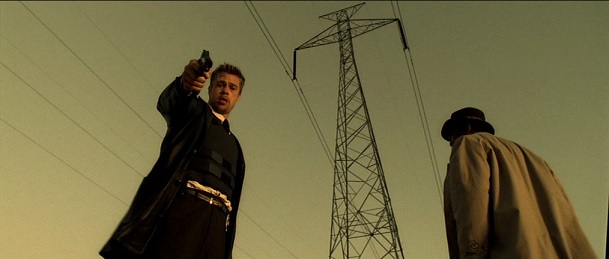
Seven (1995, dir by David Fincher. DP: Darius Khondji)

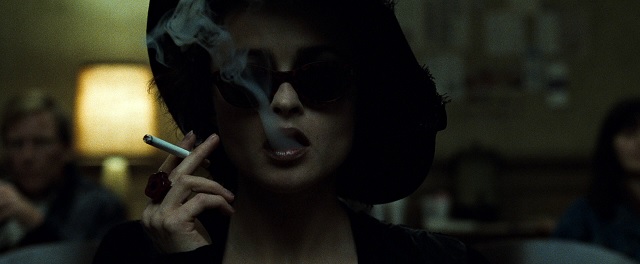
Fight Club (1999, dir by David Fincher, DP: Jeff Croneweth)

Zodiac (2007, dir by David Fincher, DP: Harris Savides)

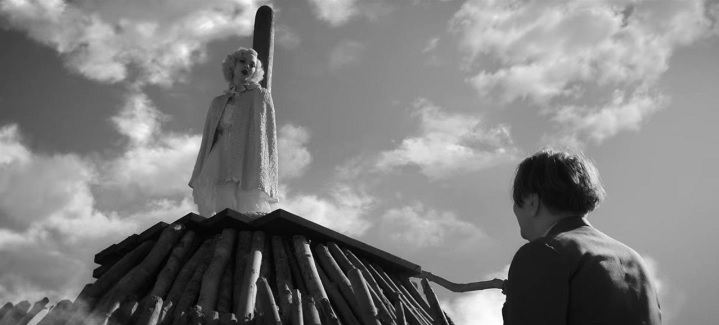
Mank (2020, dir by David Fincher, DP: Erik Messerschmidt)

4 Shots From 4 Films: Special David Fincher Edition


4 Or More Shots From 4 Or More Films is just what it says it is, 4 shots from 4 of our favorite films. As opposed to the reviews and recaps that we usually post, 4 Shots From 4 Films lets the visuals do the talking!

Today, the Shattered Lens wishes a happy 63rd birthday to David Fincher!  It’s time for….

4 Shots from 4 David Fincher Films

Seven (1995, dir by David Fincher. DP: Darius Khondji)

Fight Club (1999, dir by David Fincher, DP: Jeff Croneweth)

Zodiac (2007, dir by David Fincher, DP: Harris Savides)

Mank (2020, dir by David Fincher, DP: Erik Messerschmidt)

4 Shots From 4 Films: Assassin Edition


4 Shots From 4 Films is just what it says it is, 4 shots from 4 of our favorite films. As opposed to the reviews and recaps that we usually post, 4 Shots From 4 Films is all about letting the visuals do the talking.

4 Shots from 4 Assassin Films

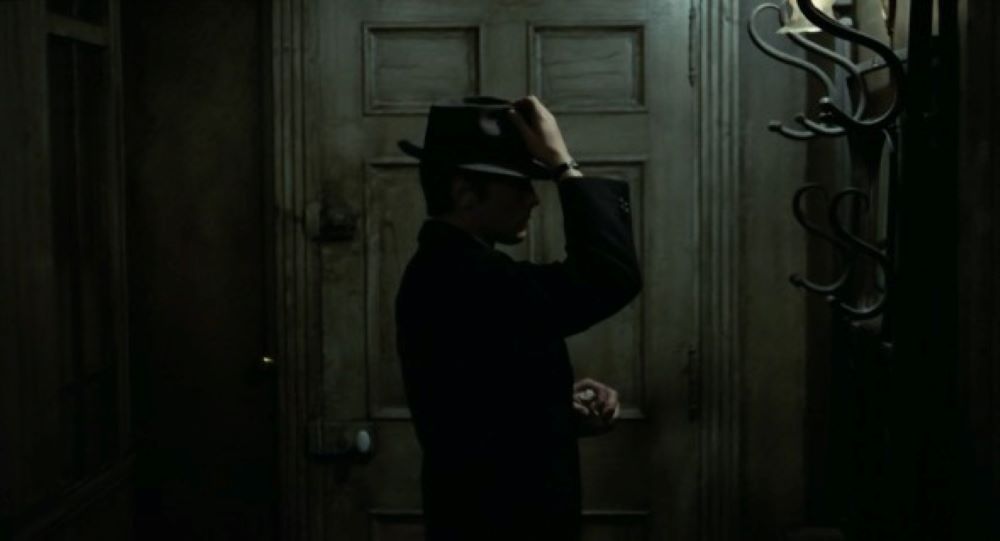
Le Samourai (1967, dir. by Jean-Pierre Melville, DP: Henri Decaë)
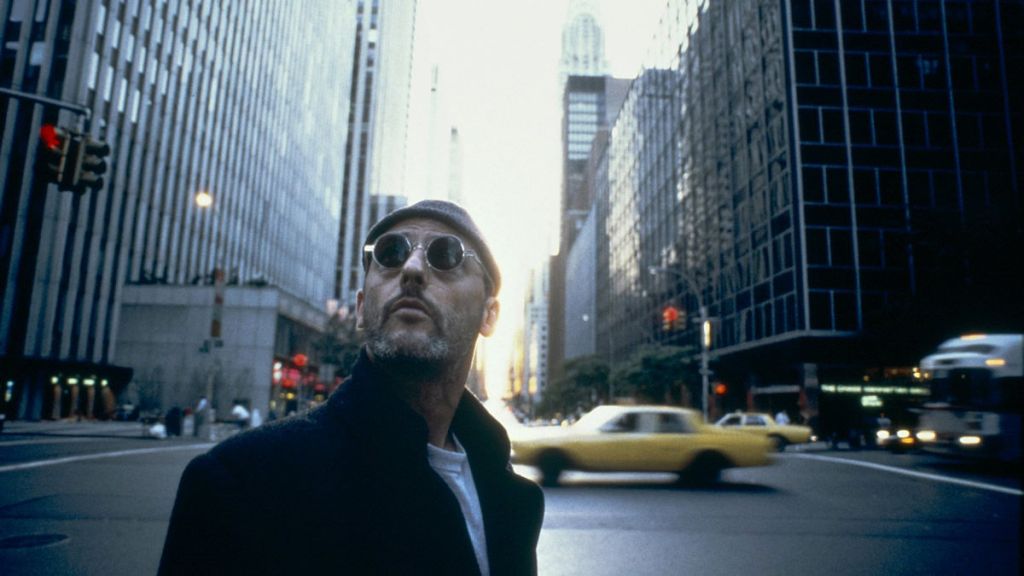
Léon: The Professional (1990, dir. by Luc Besson, DP: Thierry Arbogast)
The Killer (1989, dir. by John Woo, DP: Peter Pau and Wong Wing-Hang)
The Killer (2023, dir. by David Fincher, DP: Erik Messerschmidt)

4 Shots From 4 Films: Special David Fincher Edition


4 Or More Shots From 4 Or More Films is just what it says it is, 4 shots from 4 of our favorite films. As opposed to the reviews and recaps that we usually post, 4 Shots From 4 Films lets the visuals do the talking!

Today, the Shattered Lens wishes a happy 61st birthday to David Fincher!  It’s time for….

4 Shots from 4 David Fincher Films

Seven (1995, dir by David Fincher. DP: Darius Khondji)

Fight Club (1999, dir by David Fincher, DP: Jeff Croneweth)

Zodiac (2007, dir by David Fincher, DP: Harris Savides)

Mank (2020, dir by David Fincher, DP: Erik Messerschmidt)

The Washington D.C. Film Critics Honor Wonder Woman 1984!


Well, the Washington D.C. Area Film Critics did pick Wonder Woman 1984 as being the best 2020 cinematic depiction of life in Washington D.C.

However, Nomadland won best picture.  Chloe Zhao picked up best director.  Frances McDormand won best actress.  In fact, to be honest, it was pretty much the same films and people who have been winning the majority of the prizes since award season began.  That’s not a complaint, mind you.  It’s just that, when the same film keeps winning over and over again, it makes you appreciate things like Wonder Woman 1984 picking up an award for being the best cinematic depiction of life in Washington D.C.

Here are the winners from our nation’s capital:

Best Film
First Cow
Minari
Nomadland
One Night in Miami…
Promising Young Woman

Best Director
Lee Isaac Chung – Minari
Emerald Fennell – Promising Young Woman
Regina King – One Night in Miami…
Kelly Reichardt – First Cow
Chloé Zhao – Nomadland

Best Actor
Riz Ahmed – Sound Of Metal
Chadwick Boseman – Ma Rainey’s Black Bottom
Anthony Hopkins – The Father
Delroy Lindo – Da 5 Bloods
Steven Yeun – Minari

Best Actress
Viola Davis – Ma Rainey’s Black Bottom
Vanessa Kirby – Pieces Of A Woman
Frances McDormand – Nomadland
Elisabeth Moss – The Invisible Man
Carey Mulligan – Promising Young Woman

Best Supporting Actor
Sacha Baron Cohen – The Trial Of The Chicago 7
Daniel Kaluuya – Judas And The Black Messiah
Bill Murray – On The Rocks
Leslie Odom, Jr. – One Night in Miami…
Paul Raci – Sound Of Metal

Best Supporting Actress
Maria Bakalova – Borat Subsequent Moviefilm
Olivia Colman – The Father
Dominique Fishback – Judas And The Black Messiah
Amanda Seyfried – Mank
Yuh-Jung Youn – Minari

Best Acting Ensemble
Da 5 Bloods
Ma Rainey’s Black Bottom
Minari
One Night in Miami…
The Trial Of The Chicago 7

Best Youth Performance
Millie Bobby Brown – Enola Holmes
Sidney Flanigan – Never Rarely Sometimes Always
Alan Kim – Minari
Talia Ryder – Never Rarely Sometimes Always
Helena Zengel – News Of The World

Best Voice Performance
Tina Fey – Soul
Jamie Foxx – Soul
Tom Holland – Onward
Honor Kneafsey – Wolfwalkers
Octavia Spencer – Onward

Best Original Screenplay
Lee Isaac Chung – Minari
Andy Siara – Palm Springs
Emerald Fennell – Promising Young Woman
Darius Marder & Abraham Marder – Sound Of Metal
Aaron Sorkin – The Trial Of The Chicago 7

Best Adapted Screenplay
Jon Raymond & Kelly Reichardt – First Cow
Charlie Kaufman – I’m Thinking Of Ending Things
Ruben Santiago-Hudson – Ma Rainey’s Black Bottom
Chloé Zhao – Nomadland
Kemp Powers – One Night in Miami…

Best Animated Feature
The Croods: A New Age
Onward
Over the Moon
Soul
Wolfwalkers

Best Documentary
Boys State
Collective
Crip Camp: A Disability Revolution
Dick Johnson Is Dead
Time

Best International/Foreign Language Film
Another Round
Bacurau
La Llorona
Night of the Kings
The Mole Agent

Best Production Design
Emma.
Mank
Ma Rainey’s Black Bottom
News Of The World
Tenet

Best Cinematography
Newton Thomas Sigel – Da 5 Bloods
Erik Messerschmidt – Mank
Dariusz Wolski – News Of The World
Joshua James Richards – Nomadland
Hoyte van Hoytema – Tenet

Best Editing
Kirk Baxter – Mank
Chloé Zhao – Nomadland
Mikkel E. G. Nielsen – Sound Of Metal
Jennifer Lame – Tenet
Alan Baumgarten – The Trial Of The Chicago 7

Best Original Score
Trent Reznor & Atticus Ross – Mank
Emile Mosseri – Minari
James Newton Howard – News Of The World
Trent Reznor, Atticus Ross & Jon Batiste – Soul
Ludwig Göransson – Tenet

The Joe Barber Award for Best Portrayal of Washington, DC
Crip Camp: A Disability Revolution
The Fight
Jimmy Carter: Rock & Roll President
John Lewis: Good Trouble
Wonder Woman 1984

Here Are The Washington D.C. Area Film Critics Association Nominations!


Yesterday, the Washington D.C. Area Film Critics Association announced their nominees for the best of the year.  After it was snubbed by both the Golden Globes and SAG, it’s nice to see at least one group acknowledging First Cow.  (Actually, a lot of groups have been acknowledging First Cow.  I just worry it’s the type of film that will player better with critics than with Oscar voters.  Which is a shame because it’s a great film!)

The winners will be announced on February 8th …. which is tomorrow!  Here are the nominees:

Best Film
First Cow
Minari
Nomadland
One Night in Miami…
Promising Young Woman

Best Director
Lee Isaac Chung – Minari
Emerald Fennell – Promising Young Woman
Regina King – One Night in Miami…
Kelly Reichardt – First Cow
Chloé Zhao – Nomadland

Best Actor
Riz Ahmed – Sound Of Metal
Chadwick Boseman – Ma Rainey’s Black Bottom
Anthony Hopkins – The Father
Delroy Lindo – Da 5 Bloods
Steven Yeun – Minari

Best Actress
Viola Davis – Ma Rainey’s Black Bottom
Vanessa Kirby – Pieces Of A Woman
Frances McDormand – Nomadland
Elisabeth Moss – The Invisible Man
Carey Mulligan – Promising Young Woman

Best Supporting Actor
Sacha Baron Cohen – The Trial Of The Chicago 7
Daniel Kaluuya – Judas And The Black Messiah
Bill Murray – On The Rocks
Leslie Odom, Jr. – One Night in Miami…
Paul Raci – Sound Of Metal

Best Supporting Actress
Maria Bakalova – Borat Subsequent Moviefilm
Olivia Colman – The Father
Dominique Fishback – Judas And The Black Messiah
Amanda Seyfried – Mank
Yuh-Jung Youn – Minari

Best Acting Ensemble
Da 5 Bloods
Ma Rainey’s Black Bottom
Minari
One Night in Miami…
The Trial Of The Chicago 7

Best Youth Performance
Millie Bobby Brown – Enola Holmes
Sidney Flanigan – Never Rarely Sometimes Always
Alan Kim – Minari
Talia Ryder – Never Rarely Sometimes Always
Helena Zengel – News Of The World

Best Voice Performance
Tina Fey – Soul
Jamie Foxx – Soul
Tom Holland – Onward
Honor Kneafsey – Wolfwalkers
Octavia Spencer – Onward

Best Original Screenplay
Lee Isaac Chung – Minari
Andy Siara – Palm Springs
Emerald Fennell – Promising Young Woman
Darius Marder & Abraham Marder – Sound Of Metal
Aaron Sorkin – The Trial Of The Chicago 7

Best Adapted Screenplay
Jon Raymond & Kelly Reichardt – First Cow
Charlie Kaufman – I’m Thinking Of Ending Things
Ruben Santiago-Hudson – Ma Rainey’s Black Bottom
Chloé Zhao – Nomadland
Kemp Powers – One Night in Miami…

Best Animated Feature
The Croods: A New Age
Onward
Over the Moon
Soul
Wolfwalkers

Best Documentary
Boys State
Collective
Crip Camp: A Disability Revolution
Dick Johnson Is Dead
Time

Best International/Foreign Language Film
Another Round
Bacurau
La Llorona
Night of the Kings
The Mole Agent

Best Production Design
Emma.
Mank
Ma Rainey’s Black Bottom
News Of The World
Tenet

Best Cinematography
Newton Thomas Sigel – Da 5 Bloods
Erik Messerschmidt – Mank
Dariusz Wolski – News Of The World
Joshua James Richards – Nomadland
Hoyte van Hoytema – Tenet

Best Editing
Kirk Baxter – Mank
Chloé Zhao – Nomadland
Mikkel E. G. Nielsen – Sound Of Metal
Jennifer Lame – Tenet
Alan Baumgarten – The Trial Of The Chicago 7

Best Original Score
Trent Reznor & Atticus Ross – Mank
Emile Mosseri – Minari
James Newton Howard – News Of The World
Trent Reznor, Atticus Ross & Jon Batiste – Soul
Ludwig Göransson – Tenet

The Joe Barber Award for Best Portrayal of Washington, DC
Crip Camp: A Disability Revolution
The Fight
Jimmy Carter: Rock & Roll President
John Lewis: Good Trouble
Wonder Woman 1984

The North Texas Film Critics Association Honor Nomadland!


While the National Board of Review was announcing that they had selected Da 5 Bloods as the best film of 2020, the North Texas Film Critics Association was busy honoring Nomandland instead.

Here are the winners from North Texas:

(Winners are in bold)

BEST PICTURE
Nomadland
Mank
The Trial of the Chicago 7
Promising Young Woman

BEST ACTOR
Steven Yeun – Minari
Riz Ahmed – Sound of Metal
Delroy Lindo – Da 5 Bloods
Chadwick Boseman – Ma Rainey’s Black Bottom

BEST ACTRESS
Frances McDormand – Nomadland
Carey Mulligan – Promising Young Woman
Viola Davis – Ma Rainey’s Black Bottom
Vanessa Kirby – Pieces of a Woman

BEST DIRECTOR
Isaac Chung – Minari
Chloé Zhao – Nomadland
Emerald Fennell – Promising Young Woman
David Fincher – Mank

BEST SUPPORTING ACTOR
Sacha Baron Cohen – The Trial of the Chicago 7
Bill Murray – On the Rocks
JK Simmons – Palm Springs

BEST SUPPORTING ACTRESS
Youn Yuh-jung – Minari
Maria Bakalova – Borat Subsequent Film
Ellen Burstyn – Pieces of a Woman

BEST CINEMATOGRAPHY
Hoyte Van Hoytema – Tenet
Joshua James Richard – Nomadland
Eric Messerschmidt – Mank

BEST FOREIGN LANGUAGE FILM
The Life Ahead
Minari
The Mole Agent

BEST DOCUMENTARY
Time
All In: The Fight for Democracy
Crip Camp: A Disability Revolution

BEST ANIMATED FILM
Soul
Wolfwalkers
Over the Moon

BEST NEWCOMER
Maria Bakalova – Borat Subsequent Film
Jessie Buckley – I’m Thinking of Ending Things
Linda May – Nomadland

GARY MURRAY AWARD (Best Ensemble)
The Trial of the Chicago 7
Da 5 Bloods
The Glorias

The Online Film Critics Society Honors Nomadland


Nomadland chalked up yet another victory today as it was named Best Picture by the Online Film Critics Society.

Check out all of the OFCS winners below:

Best Picture
1. Nomadland
2. Da 5 Bloods
3. Promising Young Woman
4. Never Rarely Sometimes Always
5. First Cow
6. Minari
7. Sound of Metal
8. I’m Thinking of Ending Things
9. Soul
10. The Trial of the Chicago 7

Best Animated Feature
Onward
Over the Moon
Soul
The Wolf House
Wolfwalkers

Best Director
Emerald Fennell – Promising Young Woman
Eliza Hittman – Never Rarely Sometimes Always
Spike Lee – Da 5 Bloods
Kelly Reichardt – First Cow
Chloé Zhao – Nomadland

Best Actor
Riz Ahmed – Sound of Metal
Chadwick Boseman – Ma Rainey’s Black Bottom
Anthony Hopkins – The Father
Delroy Lindo – Da 5 Bloods
Steven Yeun – Minari

Best Actress
Jessie Buckley – I’m Thinking of Ending Things
Viola Davis – Ma Rainey’s Black Bottom
Sidney Flanigan – Never Rarely Sometimes Always
Frances McDormand – Nomadland
Carey Mulligan – Promising Young Woman

Best Supporting Actor
Sacha Baron Cohen – The Trial of the Chicago 7
Chadwick Boseman – Da 5 Bloods
Bill Murray – On the Rocks
Leslie Odom Jr. – One Night in Miami
Paul Raci – Sound of Metal

Best Supporting Actress
Maria Bakalova – Borat Subsequent Moviefilm
Olivia Colman – The Father
Talia Ryder – Never Rarely Sometimes Always
Amanda Seyfried – Mank
Youn Yuh-jung – Minari

Best Original Screenplay
Da 5 Bloods – Danny Bilson, Paul Demeo, Kevin Willmott & Spike Lee
Minari – Lee Isaac Chung
Never Rarely Sometimes Always – Eliza Hittman
Promising Young Woman – Emerald Fennell
The Trial of the Chicago 7 – Aaron Sorkin

Best Adapted Screenplay
First Cow – Jonathan Raymond, Kelly Reichardt
I’m Thinking of Ending Things – Charlie Kaufman
Ma Rainey’s Black Bottom – Ruben Santiago-Hudson
Nomadland – Chloé Zhao
One Night in Miami – Kemp Powers

Best Editing
Da 5 Bloods – Adam Gough
Mank – Kirk Baxter
Nomadland – Chloé Zhao
Tenet – Jennifer Lame
The Trial of the Chicago 7 – Alan Baumgarten

Best Cinematography
Da 5 Bloods – Newton Thomas Sigel
First Cow – Christopher Blauvelt
Mank – Erik Messerschmidt
Nomadland – Joshua James Richards
Tenet – Hoyte Van Hoytema

Best Original Score
Da 5 Bloods – Terence Blanchard
Mank – Trent Reznor & Atticus Ross
Minari – Emile Mosseri
Soul – Trent Reznor & Atticus Ross
Tenet – Ludwig Goransson

Best Debut Feature
Radha Blank – The Forty-Year-Old Version
Emerald Fennell – Promising Young Woman
Regina King – One Night in Miami
Darius Marder – Sound of Metal
Andrew Patterson – The Vast of Night

Best Film Not in the English Language
Another Round (Denmark)
Bacurau (Brazil)
Collective (Romania)
La Llorona (Guatemala)
Minari (United States)

Best Documentary
Boys State
Collective
Dick Johnson Is Dead
The Painter and the Thief
Time

Technical Achievement Awards
Sound of Metal – Sound Design
Emma. – Costume Design
Tenet – Visual Effects
Mank – Production Design
The Invisible Man – Visual Effects

BEST NON-UNITED STATES RELEASE
(This award is for the best films released outside the United States in 2020 that were not released in the United States during the eligibility period.)
A Beast in Love (Japan)
The Disciple (India)
Ghosts (Turkey)
Mogul Mowgli (United Kingdom)
New Order (Mexico)
Notturno (Italy)
Rocks (United Kingdom)
Saint Maud (United Kingdom)
Summer of 85 (France)
Undine (Germany)

LIFETIME ACHIEVEMENT AWARDS
Rob Bottin (Makeup Artist)
David Byrne (Composer)
Jane Fonda (Actor)
Jean-Luc Godard (Director)
Frederick Wiseman (Documentarian)

SPECIAL ACHIEVEMENT AWARDS
“Small Axe” — Director Steve McQueen created a series of films for the small screen that rivals the best of the theatrical features of the year, that can be seen individually and yet work together to explore a cultural experience largely unseen on big screens, television, or streaming to date.
Distributor Kino Lorber for being the first company to offer virtual film distribution as a way to help independent theaters during the pandemic through the Kino Marquee.
Kudos to the independent theater entities that participated in presenting “Virtual Cinema” when forced to close due to the pandemic. Films that otherwise may not have been seen were made available through online platforms, with ticket prices shared by the distributor with the theater.