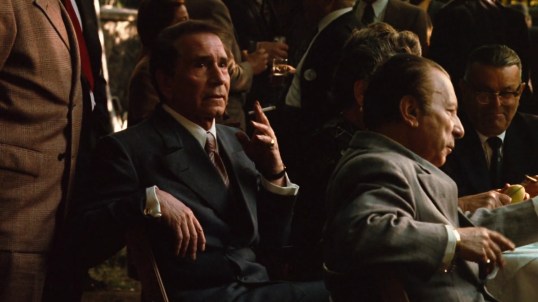
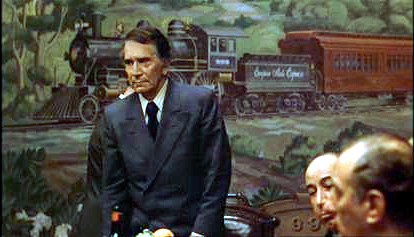
As played by Richard Conte in The Godfather, Barzini is far different from many of the other mob bosses that we meet over the course of Mario Puzo’s and Francis Ford Coppola’s Mafia epic. He doesn’t yell. He doesn’t threaten. If anything, Barzini comes across as almost being a statesman. When it’s time to broker a peace between the Tattaglia and the Corleone families, Barzini is the one who sits at the head of the table. When it’s time to determine how the drug trade will be divided, Barzini is the one who offers up the “sensible” solution. Barzini keeps calm. He knows how to deal with volatile people. He just wants to make sure that peace is restored and everyone gets a fair cut of the profit. “We are not communists,” he says.
It’s after that meeting that Vito Corleone finally realizes that everything that has happened, from the nearly successful attempt on his life to the exile of Michael to the death of Santino, was Barzini’s doing. Barzini perhaps a got a bit too clever for his own good. By so coolly and efficiently brokering the peace, Barzini revealed that was far more clever than the “pimp” Philip Tattaglia. Whereas Tattaglia was too crude to put together a coalition against the Corleones, Barzini was just the type of pitiless manipulator who could convince a group of otherwise powerful people to sign away their own futures. Perhaps he was a communist after all.
Of course, most viewers (and readers) will have figured out that Barzini is the main bad guy long before Vito does. From the first minute that we see Barzini at the wedding reception at the Corleone Compound, we know that he’s a sinister figure. While everyone else at the wedding is being emotional, sentimental, and delightfully Italian, Barzini watches without a hint of emotion. Indeed, the only time we see any real emotion from Barzini is when he smirks at Vito’s funeral.
After his goons unsuccessfully attempt to assassinate Don Vito, Sollozzo famously tells Tom Hagen that “the Don was slipping.” And it’s hard not to feel that Sollozzo had a point. Consider Vito Corleone’s track record in The Godfather. He failed to teach Sonny the basics of being a good Don. He promoted Tom Hagen to consiglieri despite the fact that Tom was viewed as being an outsider by the other Families. When it came time to send someone undercover to investigate the Tattaglias, he gave the job to Luca Brasi despite the fact that everyone knew there was no way that Brasi would actually betray Vito. He stopped to buy fruit, despite not being accompanied by his bodyguards. Worst of all, Vito somehow missed that it was Barzini all along. Vito was slipping. He got complacent. He failed to see how the world was changing and how the old honor system was being discarded. That allowed him to be victimized by Barzini.
Fortunately, Michael was there to take charge. Unfortunately, for Barzini, Al Neri was also there to put on his policeman’s uniform and wait for Barzini to exit from his latest meeting. Barzini took several bullets to the back. Barzini’s driver was caught in the cross-fire. I’ve always felt bad about that. I mean, the driver was just asking why he had been given a parking ticket and Neri shot him. If nothing else, we can see why Neri didn’t make it as a cop.
Barzini and Vito had a lot in common. They were both diplomats who could use violence when necessary. It’s perhaps not a surprise to learn that, before he was cast as Barzini, Richard Conte was one of the many actors considered for the role of Vito Corleone. How different would the film have been with the sinister Conte — as opposed to the likable Brando — in the lead role?
Luckily, Coppola made the right decision. Just as Brando was the perfect Vito, Richard Conte was the perfect Barzini.
It’s hard to imagine that someone could overact while playing a corpse but Louise Fletcher somehow manages to do just that in 1983’s Brainstorm and I think we owe her some respect for that. The underrated Fletched won an Oscar for playing Nurse Ratched in One Flew Over The Cuckoo’s Nest and she appeared in a handful of other films that I’ve liked (Strange Behavior, the 2012 restoration of Once Upon A Time In America) but, now that I’ve watched Brainstorm, I will always think of her playing a dead character with the biggest, hammiest facial expression ever on her otherwise lifeless face.
In Brainstorm, Fletcher plays Dr. Lillian Reynolds, a chain-smoking scientist who is always upset about something. When Lillian isn’t lighting a cigarette or yelling, “You sold me out!,” she’s clutching her chest and taking her heart pills. Working with her partner, Dr. Michael Brace (Christopher Walken), Lillian has developed a brain-computer interface that allows people’s brain waves to be recorded on tape so that others can then experience what they experienced. In practice, this looks like putting on a helmet and then seeing what appears to be a home movie. What fun! Lillian thinks that the interface can be used to change and save the world. Dr. Brace thinks he can use the interface to discover why his marriage to Karen (Natalie Wood) fell apart. Their associate, Hal (Joe Dorsey), thinks he can use it to experience his friend screwing the babysitter over and over and over again. Meanwhile, Alex Taber (Cliff Robertson) thinks that it can be used as a military weapon.
(Hal is probably the one who comes the closest to what people would actually use this technology for.)
Lillian is not happy about her technology being turned over to the military. She gets upset about it over and over again. Eventually, she suffers one of the most overdramatic heart attacks ever recorded on film. Before she dies, she hooks herself up to the machine and records her dying vision. Michael becomes obsessed with seeing what Lillian saw as she entered the afterlife. Unfortunately, the mean military folks have the tape so it looks like Michael is going to have to unleash some chaos. I can’t think of any other film that mixes Christopher Walken having a beatific vision with a bunch of slapstick humor featuring an out-of-control robot and a bunch of soap bubbles.
Today, if Brainstorm is known for anything, it’s as the film that Natalie Wood was shooting when she died. One popular theory about the circumstances surrounding Wood’s death is that she was having an affair with Christopher Walken. Watching the two of them in this film should disabuse anyone of that notion as the two of them have absolutely zero chemistry as a couple. (For the record, I think Wood’s death was an accident and that a lot of self-styled Internet sleuths owe Robert Wagner an apology.) If there’s anything that this film should be known for, it should be that it features a large number of Oscar nominees and winners and they all end up giving absolutely lousy performances. Even the usually wonderful Christopher Walken seems to be playing someone imitating himself. Watching this film, I was never quite sure why anyone was actually doing anything.
Director Douglas Trumbull was best known for designing the Stargate sequence in 2001: A Space Odyssey and, not surprisingly, Brainstorm’s vision of the afterlife is actually pretty effective. One gets the feeling that Trumbull was more comfortable with the special effects than he was with the human actors.
I have to admit that I always smile a little at films where scientists are shocked — shocked, I tell ya! — to discover that their technology is going to be used for military purposes. Why did they think the government was funding them in the first place? Lillian seems to believe that her technology will be used to allow people to experience what it’s like to ride a roller coaster. That’s what IMAX is for.
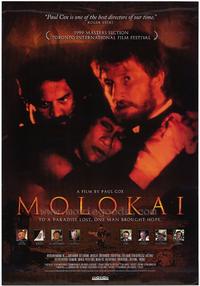
In the late 19th Century, a leper colony was established on the Hawaiian island of Molokai. Officially, the Kalaupapa Leprosy Settlement was said to be for the care of people with leprosy, which was then raging across Asia. Unofficially, it was a prison where lepers were isolated from the rest of society and left to die. Any leper who tried to leave the colony would be shot on sight. Father Damien, a Belgian priest, was one of the few people willing to walk amongst the lepers. When he was first sent to the colony, he was ordered to only administer last rites to the dying and to not allow himself to be touched. Instead, Damien stayed and ministered to the lepers, knowing that he would probably never be allowed to leave. For 16 years, Damien ministered to the colony. Even after he himself grew sick, he continued his ministry and continued to be an advocate for his fellow lepers until he died.
Molokai: The Story of Father Damien is a wonderful film about the life and ministry of Father Damien. The movie features a lot of familiar actors in small roles, like Sam Neill, Kris Kristofferson, Peter O’Toole, Tom Wilkinson, and Alice Krige. But the star of the film is David Wenham, who portrays the kindness and dedication of Father Damien without ever making him seem idealized or boring. Father Damien is guided by both his faith and his belief that no one should be abandoned. It’s not always easy to watch. The horrors of leprosy are unflinchingly portrayed. But, by the end of the movie, it doesn’t matter if you’re Catholic or not. You’re just thankful for men like Father Damien.
Saint Damien of Molokai was canonized by Pope Benedict XVI in 2009.
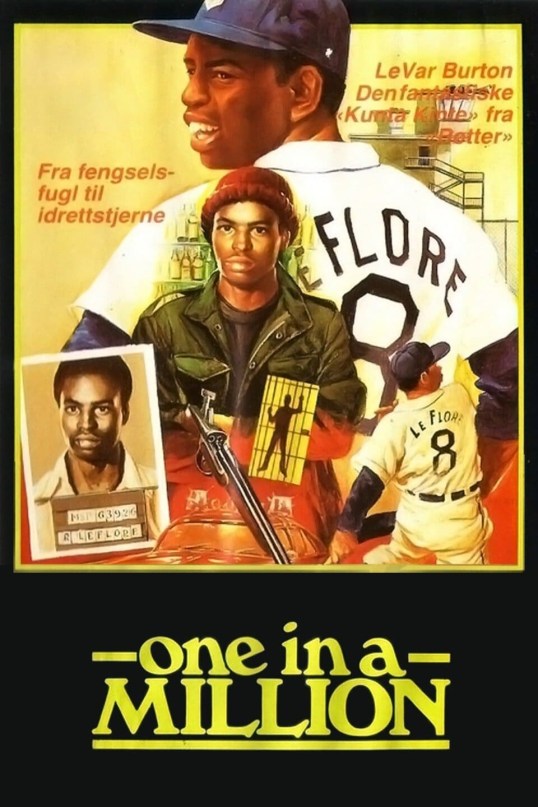
LeVar Burton stars as Ron LeFore. After growing up on the hard streets of Detroit and getting addicted to heroin, Ron is arrested for armed robbery and sentenced to four years in prison. It’s in prison that Ron starts playing baseball and proves himself to be so good at the game that he’s offered a contract with Tigers. (Manager Billy Martin plays himself.) Out of prison, Ron proves himself on the field but he worries about his younger brother (Larry B. Scott), who is still trying to survive in Detroit.
This movies was made for television and no one’s going to mistake it for anything other than a television movie. When the movie was made, Ron LeFore was still playing in the Major Leagues. Several players appear as themselves and the movie feels pretty sanitized. None of the other players give Ron a hard time about being a baseball player on parole. Instead, they’re all supportive and encouraging from the minute he arrives. They’re the nicest jocks around! I like baseball players. I still light up whenever I think about the way Elvis Andrus would smile when he was playing for the Rangers. But even I know that players like to give each other a hard time.
I still liked the movie because it was about second chances and one of the things that I love about baseball is that it’s a game that gives second chances. There is always another chance to hit the ball. There’s always another chance to make a game-saving catch. There’s always another chance to throw a strike. A player who struggles on one team can become a star on another. While the rest of the world gave up Ron LeFore, his family believed in him. The city of Detroit believed in him. Baseball believed in him.
LeVar Burton isn’t the most convincing baseball player that I’ve ever seen but Ron LeFore’s story still moved me. After this movie aired, LeFore went on to set franchise records for stealing bases. After playing a few seasons with the White Sox, he retired from the game in 1983.
“In the field we had a code of honor: you watch my back, I watch yours. Back here there’s nothing!” — John Rambo
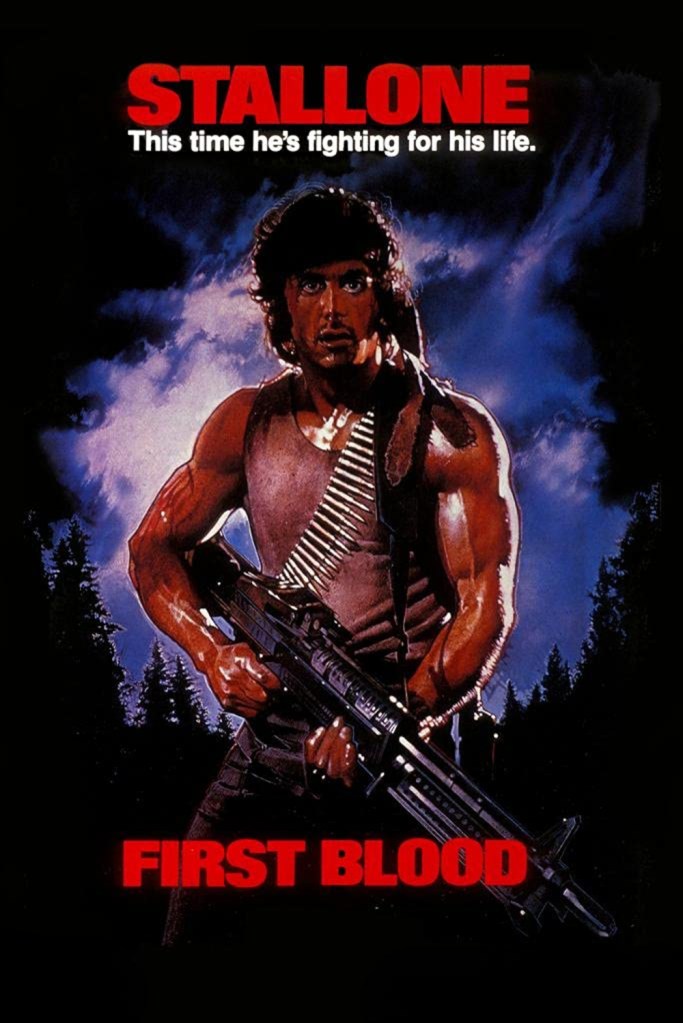
You sit down expecting a brainless 80s action flick, and instead you get a meditation on trauma, bureaucracy, and the American wilderness. That’s First Blood for you. Directed by Ted Kotcheff and released in 1982, this is the movie that introduced the world to John Rambo, but don’t go in hoping for a body count or one-liners. What you actually get is a lean, gritty, and surprisingly sad drama about a guy who just wants to eat a hot meal and ends up accidentally declaring war on an entire small-town police force. And honestly? It holds up to this day. The film is adapted from David Morrell’s 1972 novel of the same name, but if you’ve read the book, you’ll notice some serious tonal differences right away. Morrell’s novel is bleak, brutal, and deeply nihilistic—a product of its era’s raw disillusionment with Vietnam. Kotcheff and Stallone sanded down some of those rougher edges, not to sell out, but to make Rambo a more sympathetic figure. The bones are the same, but the spirit is just a little warmer, and that choice changes everything.
Let’s break down the plot, because it’s deceptively simple. Sylvester Stallone plays John Rambo, a former Green Beret and Vietnam War hero who wanders into the town of Hope, Washington, looking for a fellow soldier he served with. He finds out the guy died of cancer from Agent Orange exposure. That’s the first gut punch. Rambo, already drifting and clearly struggling with PTSD, just wants to grab some food and keep moving. But the local sheriff, Will Teasle (a perfectly cast Brian Dennehy), takes one look at Rambo’s long hair, army jacket, and tired face and decides he’s a vagrant who needs to be run out of town. From a structural standpoint, Teasle isn’t a cartoon villain—he’s a classic dramatic antagonist: a rigid, small-town authoritarian who sees drifters as a threat to his orderly world. That realism makes the whole thing sting because you can almost see both sides. Almost.
When Teasle tries to escort Rambo to the city limits, Rambo walks back into town. That’s his big crime. He gets arrested, and at the station, the deputies start pushing him around. One of them, a veteran deputy named Galt (played with sneering menace by Jack Starrett), is the real problem here. Galt isn’t some young hothead. He’s an older, seasoned deputy who’s clearly been in his role for years, and he’s become entitled on the power of his badge. You can see it in the way he leans into the booking process, the casual cruelty in his eyes, the way he treats Rambo like a stray dog he’s finally allowed to kick. During the shaving scene, as deputies try to clean Rambo up after the arrest, Galt is the one who holds Rambo down, restraining him while another deputy wields the straight razor. He’s not waving the razor himself, but that almost makes it worse—he’s the enforcer, the guy who pins you in place while someone else does the dirty work. It’s a veteran cop who knows exactly how to exert control without getting his own hands bloody. That makes Galt far more chilling than some screaming bully. He represents the rot of unchecked authority, the way small-town power can curdle into casual sadism over time. And that whole humiliating process—being held down, having a straight razor brought to his face—triggers a full-blown flashback for Rambo. Then something clicks. Rambo explodes, beats down half the station, and escapes into the nearby mountains.
Now the hunt begins. Teasle calls in the State Patrol, the National Guard, and eventually his old mentor, Colonel Trautman (Richard Crenna), who knows exactly what kind of animal they’re chasing. Trautman warns Teasle that Rambo isn’t just a drifter; he’s a trained killer with a “purple heart, a silver star, and a congressional Medal of Honor.” And here’s the core irony: Rambo doesn’t want to hurt anyone. He just wants to be left alone. But the chase escalates, people die, and by the end, you’re not cheering for the hero to win—you’re hoping he gets some peace.
From an analysis perspective, where First Blood really earns its stripes is its restraint. The action sequences are tense but never escalate into cartoon violence. Rambo uses the forest like a ghost, setting traps, crawling through mud, and surviving on raw squirrel meat. He doesn’t mow down dozens of cops with a machine gun. In fact, the only person he kills is Galt, who falls to his death while hanging off a helicopter because Rambo throws a rock at the chopper. And Rambo immediately looks horrified. That’s the key. Even Galt, as entitled and cruel as he is, isn’t a villain Rambo wants to execute. The kill is accidental, a desperate act of survival. The movie takes its time showing how the very skills that made Rambo a hero in Vietnam—his survival instincts, his aggression, his ability to turn anything into a weapon—now make him a monster in peacetime America. The local cops are out of their depth, but aside from Galt, they’re mostly just scared men doing a job. Nobody else is pure evil. Just broken systems and broken people.
But let’s talk about that novel, because the comparison is crucial for understanding the film’s choices. David Morrell’s First Blood is a much darker animal. In the book, Rambo is more feral, less a wounded hero and more a walking death sentence. He kills multiple cops, not by accident or in self-defense, but with cold, tactical efficiency. The novel has no Colonel Trautman to serve as a moral anchor—Trautman is there, but he’s just as ruthless. And the ending? Devastating. In Morrell’s version, Rambo and Teasle essentially murder each other in a final, bloody standoff. Trautman finishes Rambo off with a shotgun blast to the gut. There’s no catharsis, no plea for understanding. Just bodies and regret. The tone is nihilistic to the core: the system destroyed these men long before the first page, and there was never any hope. Kotcheff’s film pulls back from that abyss. It keeps the violence lean and mostly off-screen. It gives Rambo that famous final monologue where he sobs about his friend dying next to him, about protesters spitting on him, about not being able to turn off the war inside his head. That scene isn’t in the book—not like that. The movie says, “This man is suffering, and maybe he can still be saved.” The novel says, “This man is already dead, and he’s taking everyone with him.” Both are valid responses to Vietnam, but the film’s slightly toned-down approach is why Rambo became an icon instead of a footnote.
From a performance standpoint, Stallone gives the work of his career here. Forget the grunting one-liners of later sequels. In First Blood, he barely speaks, and when he does, his voice cracks. Watch his eyes during that final monologue. After Trautman finally talks him down, Rambo dissolves into a sob. “Nothing is over!” he screams at Trautman. “You don’t just turn it off!” It’s raw, uncomfortable, and genuinely moving. You realize that the whole movie has been one long panic attack for this character. The Rambo that pops up in Rambo: First Blood Part II is a cartoon superhero. The Rambo here is a guy who needed a therapist and a hug about thirty years ago. That vulnerability is the film’s great deviation from the source material. Morrell’s Rambo never asks for understanding. Kotcheff’s does. And that small shift in tone—from nihilism to wounded humanity—is what elevates the film from a grim exploitation picture to a legitimate character study.
On the technical side, Ted Kotcheff’s direction is patient and atmospheric. He shoots the Pacific Northwest like a character—vast, wet, dark, and full of hiding places. The chase scenes are grounded, with long takes and practical stunts. When Rambo jumps off a cliff into a tree and lands with a thud that sounds real, it hurts. There’s no CGI safety net. Jerry Goldsmith’s score is mournful, with lonely woodwinds and a simple, haunting main theme that never pumps you up for a fight. It just makes you sad. The movie even has the guts to end on a downer—but not as brutal as the book’s. Rambo surrenders, crying in Trautman’s arms, and the final shot is him walking away in handcuffs into the rain. No freeze-frame high five. No sequel tease. Just rain. And yet, compared to the novel’s blood-soaked finale, that rain feels almost like mercy. That’s tonal balancing at its finest: the film acknowledges the darkness without drowning in it.
Of course, the cultural memory of First Blood has been completely buried by its sequels. Most people under thirty know Rambo as the muscle-bound machine gun guy from memes and video games. But the original is closer to a western like The Deer Hunter meets a paranoid 70s thriller like The French Connection. It’s a movie about a country that used its soldiers and then discarded them. Teasle represents the willful ignorance of middle America—“I don’t care about your war” is basically his attitude. And Rambo represents the bill coming due. Galt, as that entitled veteran deputy, represents the everyday cruelty of those who’ve held power too long and forgotten what it’s for—the guy who doesn’t need to swing the blade because he’s the one holding you still. That theme hits even harder today, decades later, when veterans are still fighting for basic support and stories of badge-heavy misconduct still dominate headlines. The novel took that theme to its logical, horrific conclusion: no survivors, no lessons learned. The film pulls back just enough to let you breathe, and that one small change turned First Blood from a bleak cult artifact into a mainstream classic. You can argue which version is more honest. But you can’t argue that Stallone and Kotcheff made the right call for the screen.
First Blood rules. It’s a rainy, sad, surprisingly smart action movie that will stick with you longer than any explosion-fest. It’s also a masterclass in adaptation, showing how a slight shift in tone—from nihilistic to wounded—can transform a story without betraying its core. Brian Dennehy is perfect as the stubborn but not evil sheriff. Jack Starrett makes Galt a quietly terrifying portrait of bureaucratic sadism, a veteran deputy who’s learned to love the leash and the privilege of pinning a man down while someone else does the cutting. Richard Crenna brings real weight as Trautman, a father figure who knows he helped raise a weapon he can no longer control. And Stallone acts his soul out. When he whispers “I could have killed them all” in the final scene, he’s not bragging. He’s confessing. That’s why First Blood is a classic. It’s not a recruitment poster. It’s a eulogy—just a little less hopeless than the novel that birthed it. Four stars, easily. Just don’t go in expecting explosions every five minutes. Go in expecting to feel bad, and you’ll leave feeling like you watched something real.
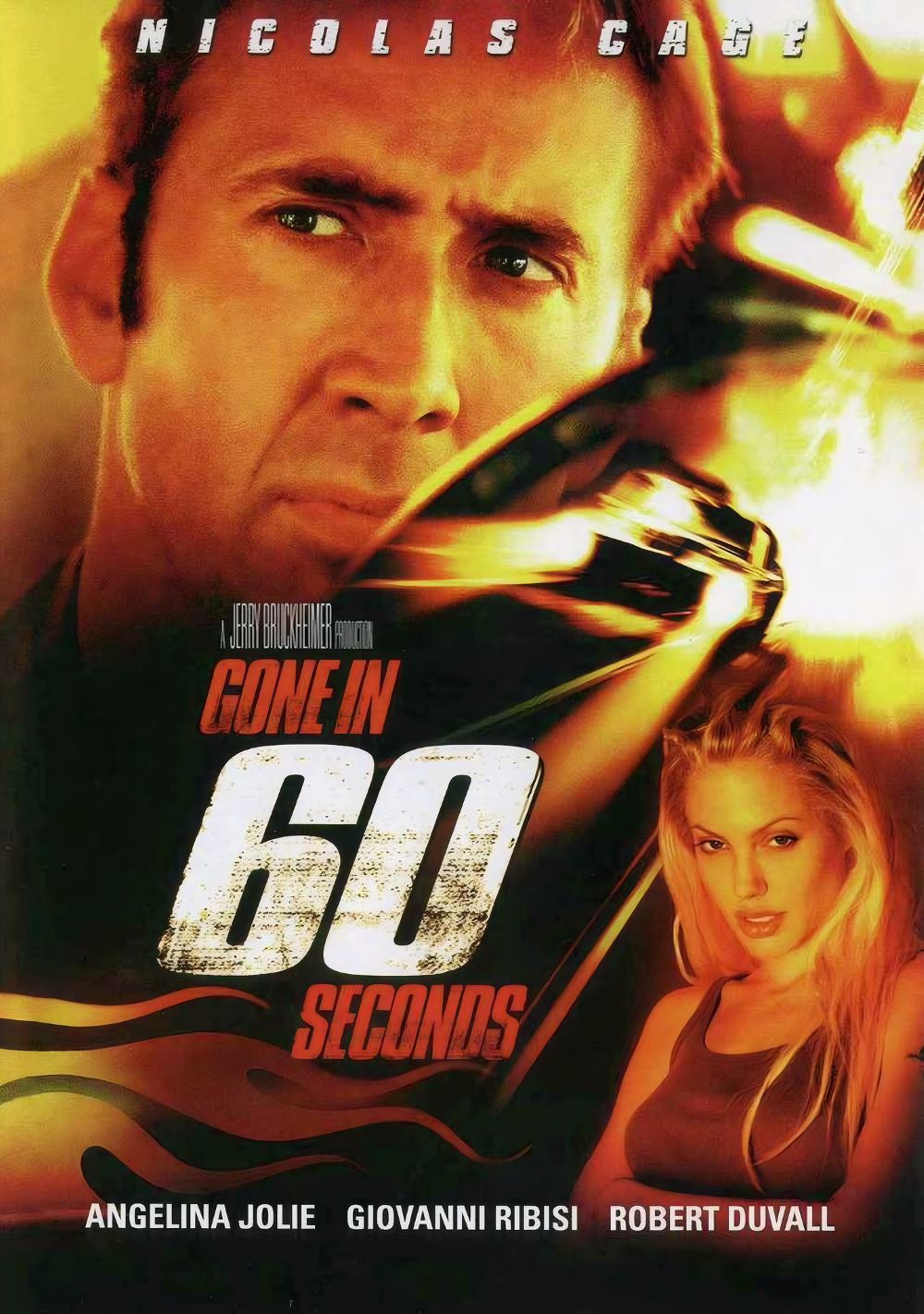
There is a specific, almost alchemical quality to the late 1990s and early 2000s era of Nicolas Cage as an action star. Before the internet turned every one of his performances into a meme and before his financial troubles led him down the rabbit hole of direct-to-video oddities, Cage was genuinely one of the most exciting and weirdly compelling action heroes on the planet. From The Rock in 1996 to Con Air in 1997 and Face/Off in 1997, he delivered a holy trinity of high-octane insanity that no other actor could have pulled off. By the time the calendar flipped to 2000, Cage was at the peak of his powers, and director Dominic Sena’s Gone in 60 Seconds arrived as both a victory lap and a slight exhale. It is not as unhinged as Face/Off nor as tightly wound as The Rock, but it is a perfect snapshot of its moment: a glossy, MTV-infused car heist flick that smells like gasoline, leather, and late-90s hubris. And while it has plenty of shortcomings, Gone in 60 Seconds has earned its place not in the pantheon of great action cinema, but in that more beloved hall of fame: the Guilty Pleasure.
The plot is as simple as a carburetor. Cage plays Randall “Memphis” Raines, a legendary car thief who has supposedly gone straight, now living a quiet life designing hybrid engines. But when his reckless younger brother Kip, played with sweaty desperation by Giovanni Ribisi, botches a job for a ruthless British gangster named Raymond Calitri (Christopher Eccleston at his sleaziest), Memphis is forced back into the life he left behind. The task is absurdly impossible: steal 50 specific luxury cars in a single weekend, or Calitri will kill Kip. That’s right, fifty cars. In three days. The film never really bothers to explain the logistics of storing or delivering that many vehicles, but that’s not the point. The point is the ride, the revving engines, and the way Cage stares at a 1967 Shelby GT500 named Eleanor like she’s the ghost of a lost lover. That car is the real star, and the film knows it.
Dominic Sena, who previously directed Cage in the underrated road thriller Kalifornia, brings a music video sensibility to the proceedings. Gone in 60 Seconds is drenched in late-90s visual tics: slow-motion shots of hubcaps spinning, golden sunsets glaring off polished chrome, and a soundtrack that alternates between nu-metal grooves and bluesy rock. The editing is fast but not confusing, and the heist sequences have a rhythmic, almost choreographed feel. You never believe for a second that Memphis and his crew—a motley collection of oddballs played by Robert Duvall, Vinnie Jones, and a very underutilized Angelina Jolie—can actually pull off fifty thefts without the entire LAPD catching on. But the film operates on movie logic. Cars are hotwired in seconds, police radio chatter is effortlessly avoided, and every chase defies the laws of physics. It is pure fantasy, and that is exactly why it works as a guilty pleasure.
Now, let’s talk about Cage. In 2000, he was still riding the high of that legendary late-90s run, and Gone in 60 Seconds fits neatly into his brand of action star as tortured romantic. Memphis Raines is not the coked-up lunatic Castor Troy or the shouty Stanley Goodspeed. He is weary, melancholic, and trying to be honorable in a dishonorable profession. Cage plays him with a hangdog sincerity that is surprisingly effective. When he talks to Eleanor, stroking her steering wheel and whispering about how she tests her drivers, he is utterly committed. There is no irony, no winking at the camera. That is the secret to Cage’s enduring appeal in this era: he treats absurd material with the same intensity he would bring to a Shakespeare soliloquy. The action sequences—especially the climactic chase where Eleanor leaps over a drawbridge—showcase Cage’s physicality and willingness to do real stunt work. He sells the danger and the desperation. You believe that this man would risk everything for a car, and that belief makes the film’s silliness palatable.
But let’s be honest about the shortcomings, because Gone in 60 Seconds has plenty. The middle act drags considerably. For a movie about stealing fifty cars, there is a surprising amount of standing around in warehouses and having conversations about “respecting the machine.” Angelina Jolie’s character, Sara, is Memphis’s ex-girlfriend and a fellow thief, but she is given almost nothing to do except look cool in leather and exchange tepid romantic banter with Cage. The chemistry between them is nonexistent. Christopher Eccleston’s Calitri is a one-note villain who likes opera and cruelty, and his final defeat is laughably abrupt. Delroy Lindo plays a dogged detective, but he is so incompetent that he never generates real tension. The film’s central gimmick—the ticking clock of fifty cars in three days—is inconsistently tracked, and by the final act, you have no idea how many cars are left or why it still matters. The dialogue is also gloriously corny. Lines like “Ride or die” and “Respect the car, man” are delivered with such straight faces that they circle back around to being endearing.
And yet, Gone in 60 Seconds earns its status as a guilty pleasure because it understands exactly what it is. This is not a sophisticated heist thriller like Heat or a gritty crime drama. It is a shiny, high-budget B-movie about a man and his car, and it leans into that identity without apology. The final twenty-minute chase sequence is genuinely thrilling, with real cars being destroyed and practical stunts that modern CGI could never replicate. Eleanor getting airborne, landing hard, and somehow still running is a moment of pure cinematic joy. The sound design—the roar of that V8 engine, the screech of tires on asphalt—is visceral and satisfying. And Cage’s performance, even when the script lets him down, holds the whole thing together. He is the anchor that keeps the film from floating away into utter nonsense.
Looking back from today’s perspective, Gone in 60 Seconds is a time capsule of a very specific moment. It captures the tail end of the late-90s obsession with extreme sports, tuner culture, and the idea that cars had souls. It also captures Nicolas Cage at a fascinating crossroads: still an A-list action star, still capable of opening a blockbuster, but already showing the signs of the wonderful weirdness that would later define his career. This film is not his best, not by a long shot, but it is one of his most rewatchable. You put it on when you want to turn your brain off, hear some great engine noises, and watch a sweaty, sincere Nic Cage talk to a Shelby like she is his long-lost sweetheart. That is the definition of a guilty pleasure. It is not good in the traditional sense, but it is fun. And sometimes, fun is enough.
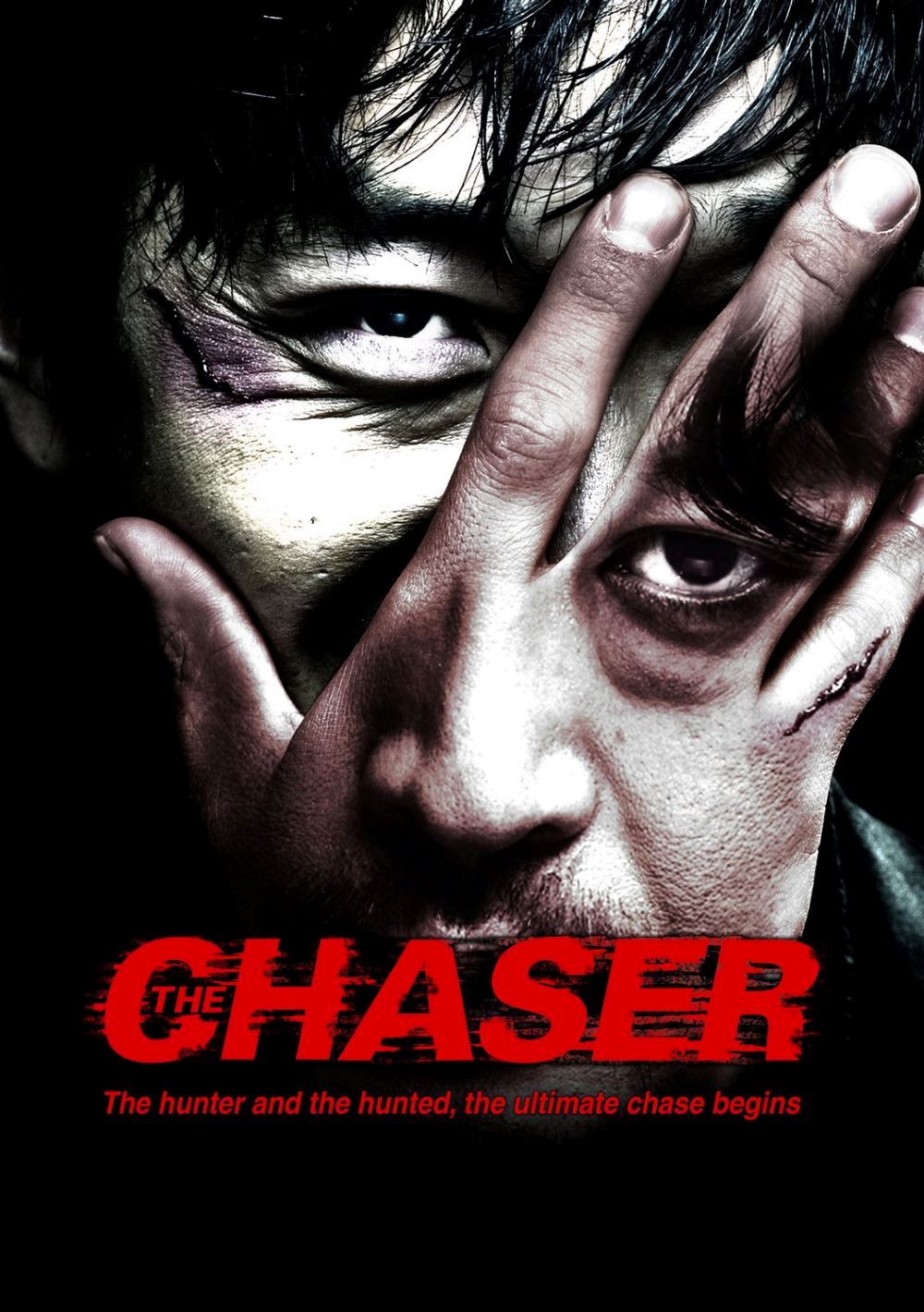
You know that feeling when a thriller drags you so deep into its messiness that you forget to breathe? That’s The Chaser for most of its runtime, but it’s also a movie that stumbles as often as it sprints. Directed by Na Hong-jin in his feature debut back in 2008, this South Korean thriller doesn’t play by the usual rules. It’s not about a genius detective outsmarting a methodical killer. It’s about a washed-up, broke ex-cop turned pimp who stumbles into a serial murder case because one of his girls went missing and, frankly, he wants his money back. That blunt, ugly premise sets the tone for what follows: raw, desperate, and uncomfortably human. But being a first-time effort, The Chaser also shows its seams—clunky pacing in places, a few too many convenient coincidences, and an ending that tries for tragedy but sometimes feels more like the writer painted himself into a corner.
Let’s talk about our unlikely “hero,” Joong-ho, played with permanent five-o’clock shadow and simmering rage by Kim Yoon-seok. He’s not a good guy. He runs an escort service, slaps his girls around when they’re difficult, and only starts looking for one of them, Mi-jin, because her disappearance means lost profit. But here’s the tricky part Na Hong-jin pulls off: you still root for him. Joong-ho is tired, cynical, and beaten down by life, but underneath the scuzziness is a man who has seen too much corruption and feels a prick of responsibility when he realizes a customer might be a monster. The film doesn’t redeem him—he never turns into a noble saint—but it gives him a blunt, stubborn engine that feels real. That said, his character arc is more of a flat line. He doesn’t really change or learn anything by the end; he just gets more exhausted. For a debut, that’s a common shortcut—confusing intensity with development.
The killer, Young-min (Ha Jung-woo), is the opposite of what you’d expect. He’s not a lurking shadow or a theatrical psycho. He’s a soft-spoken guy with a pale, ordinary face who lives in a nondescript house. When Joong-ho first tracks him down through a phone number, Young-min calmly admits he took the girl, and then he calmly admits he probably killed her. The chilling part? He can’t remember the exact number of victims. He keeps a photo collection, but his memory is foggy from a brain injury. That detail is clever. It strips away the “mastermind” trope and leaves you with something more disturbing: a man who kills almost casually, like a bad habit he can’t quite recall. But the film never really explores why that brain injury matters beyond giving Young-min an occasional blank stare. As a debut flaw, it’s the kind of half-baked motivation that a more experienced director might have fleshed out or cut entirely.
What separates The Chaser from a typical cat-and-mouse thriller is how it weaponizes time and bad luck. The whole movie takes place over a day and a half, and every missed connection feels like a punch to the gut. At one point, Joong-ho drives right past the house where Mi-jin is still alive but bleeding out, because he’s following a different lead. Later, the police release Young-min on a technicality—lack of evidence—moments before Joong-ho finds crucial proof. You’ll scream at the screen. But here’s the thing: not all of these near-misses feel earned. Some of them rely on characters making decisions that are less “human error” and more “plot convenience.” For a debut director, balancing realism with momentum is tough, and Na Hong-jin sometimes tips too far into frustration for its own sake. The chase scenes aren’t slick; they’re clumsy and exhausting, which works in theory, but in practice, a couple of them drag on long enough that you start checking the runtime.
Then there’s Mi-jin (Seo Yeong-hie), the missing escort. For most thrillers, she’d be a corpse or a victim trophy. But The Chaser spends real time with her after she escapes Young-min’s basement—badly injured, confused, dragging herself through dark alleys. We see her call her young daughter. We see her haggle with a convenience store owner for a bandage. She’s not a plot device; she’s a tired single mom trying to survive. That’s genuinely good writing. However, the film also sidelines her for long stretches in the middle act, and when she reappears, the emotional payoff feels rushed. It’s a common debut problem: wanting to do justice to a supporting character but not yet knowing how to balance screen time across a whole cast.
Visually, the film is drenched in muted grays and wet streets. This isn’t the neon-lit Seoul of Oldboy or the slick gloss of I Saw the Devil. It’s rainy, cramped apartments, rundown police stations, and the kind of low-budget grit that makes everything feel lived-in and hopeless. That’s a strength. But the camerawork can get distractingly shaky, especially in dialogue scenes where no one is running. You can tell Na Hong-jin comes from a documentary background—sometimes it adds urgency, other times it feels like they forgot to set up a tripod. The sound design is nastier than the visuals: bones crack audibly, hammers thud on tile, and a child’s voice over a phone cuts through like glass. The score is barely there, which works until it doesn’t—some scenes feel a little too dry, a little too quiet, like the director was afraid of seeming manipulative.
What becomes increasingly difficult to ignore as The Chaser progresses is how the film’s portrayal of police incompetence drifts from pointed social critique into something closer to farce, yet without ever fully committing to satire. The detectives aren’t just flawed—they’re written as so hilariously useless that the movie flirts with dark comedy, but then pulls back. Are we supposed to laugh at the officer who falls asleep during a murder confession, or are we supposed to feel outraged? The tonal whiplash suggests Na Hong-jin wasn’t sure how far to push the absurdity, which is a common growing pain for a first-time director trying to balance genre beats with real-world cynicism. Also, the ending has become famous for its bleakness, but on a second watch, some of that bleakness feels forced. Without spoiling anything, the final fifteen minutes rely on a string of bad luck that would strain belief in a Final Destination movie. For a film that otherwise prides itself on gritty realism, that stretch feels like a debut director overcorrecting—trying too hard to avoid a happy ending and landing on something that’s more exhausting than meaningful.
If you compare The Chaser to Na Hong-jin’s later work, like The Yellow Sea or The Wailing, you can see the bones of a great filmmaker learning to control his impulses. Here, he throws everything at the wall: grueling chase scenes, social commentary about corrupt policing, a serial killer who isn’t a genius, a protagonist who isn’t a hero. Some of it sticks. Some of it slides off. The movie is too long by about fifteen minutes, and the middle section sags under the weight of repeated near-misses that start to feel less like tragedy and more like the director twisting the knife for the sake of it.
In the end, The Chaser is a good but uneven thriller. It’s not the masterpiece some fans claim, and it’s not a failure either. It’s a debut film with genuine energy, a couple of great performances, and a willingness to be ugly and uncomfortable. But it also has pacing issues, tonal confusion, and a third act that mistakes relentless misery for emotional depth. Watch it for Kim Yoon-seok’s grimy determination and Ha Jung-woo’s creepy blankness. Just don’t expect the polish of a veteran director. Na Hong-jin would get there later. Here, he’s still chasing his own potential.
Yesterday, it was announced that George Eastman had passed away at the age of 83.
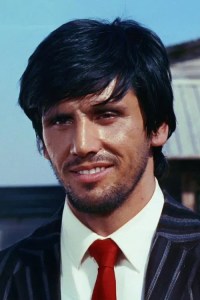
George Eastman was born Luigi Montefiori in Genoa, Italy. Montefiori began his career by appearing in Spaghetti westerns. The tall and often bearded Montefiori had the dangerous look that made him a natural for outlaw and henchmen roles. Like many Italian actors, he took an “Americanized” alias for his acting roles. He appeared in his share of American and British films (he appeared opposite Charlton Heston in Call of the Wild and played Goliath in King David) but his fans will always remember him best for the work that he did in his native Italy. Occasionally, he played a hero. He gave a particularly strong performance in — don’t laugh — Erotic Nights of the Living Dead. That said, Eastman will always be best remembered for his villians.
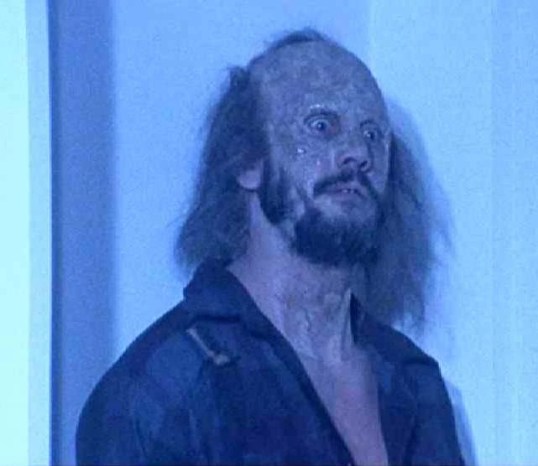
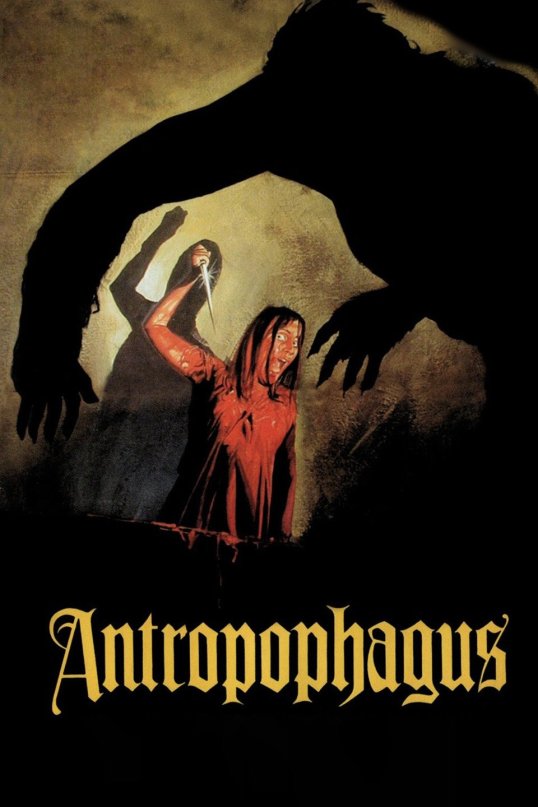
Klaus Wortmann is the one who will always give me nightmares. Eastman played Wortmann in Joe D’Amato’s infamous 1980 film, Antropophagus. Klaus Wortmann was a wealthy man who lived on a Greek island with his wife, daughter, and his sister. Unfortunately, when he and his family were shipwrecked, Klaus resorted to cannibalism to survive. As the movie begins, Klaus is back at his mansion and being sheltered by sister. He’s also become an obsessive cannibal. He’s surrendered his humanity. He can no longer speak and instead just growls. He attacks everyone that he sees and he does things to his victims that led to this film being banned in several countries. Also known as The Grim Reaper, Antropophagus is film that delights in showing people being ripped to pieces and George Eastman is right in the middle of it all.
And he’s absolutely terrifying.
In real life, George Eastman was a handsome man. That’s one of the things that made him such a fascinating villain in countless western and crime films. He was usually playing a total psycho but there was still something about him that made you want to get to know more about him. Klaus Wortmann, on the other hand, is a terrifying monster. Unwashed, bearded, hideously scarred, continually bathed in sweat, growling and howling as he chases his victims, Klaus is a nightmare come to life. Eastman throws himself into capturing every grimy detail of Wortmann’s twisted existence and he comes across as a creature who seems to have literally jumped out of the shadows of our greatest fears.
In many ways, Antropophagus is not a particularly good film. Not even the notoriously shameless Joe D’Amato appeared to think much of it. The story drags because there aren’t enough victims and therefore there’s a lot of travelogue padding, especially early on in the film. Along with Eastman, there are some recognizable people in the cast — Tisa Farrow, Zora Kerova, Serena Grandi (who would later co-star with Eastman in Delirium) — both most of them come across like they’d rather be anywhere but there. But when George Eastman is on-screen, the film become horrifying. No one — not the pregnant woman and her husband, not the innocent blind girl, not even the flakey card reader — is safe. By the end of the movie, Klaus is literally eating pieces of himself. It takes a talented actor to pull that off.
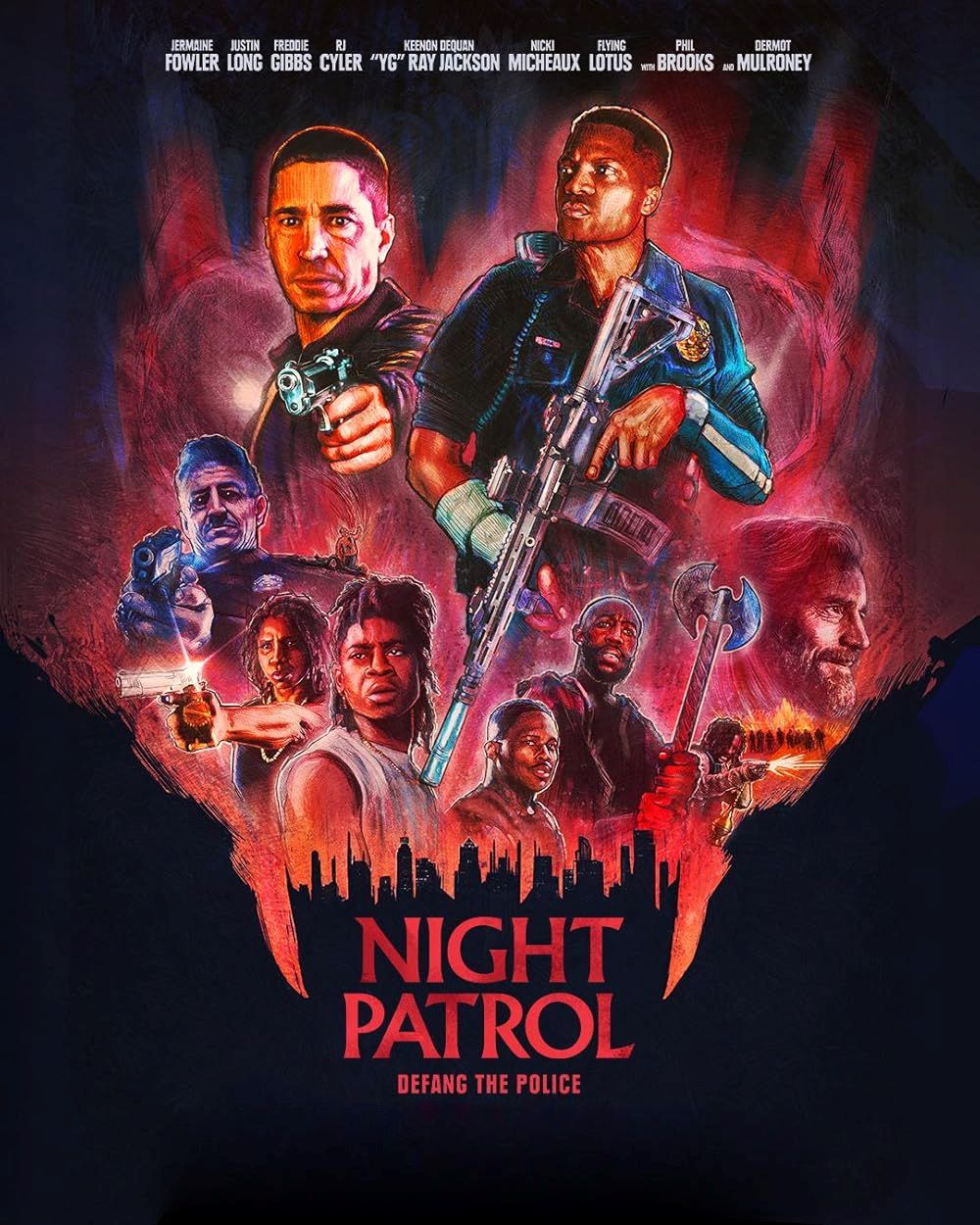
You know the feeling of digging through a forgotten VHS bin and finding a movie that looks like it was beamed in from a parallel universe where grindhouse cinema never died? That’s Night Patrol in a nutshell. Directed by Ryan Prows, this scrappy, bloody genre mashup has a raw, politically charged energy that mixes social outrage with lurid horror tropes. And honestly, streaming services like Shudder have become the bargain bin of the 21st century—the place where genre films of dubious budget and quality get a new life, or in some cases, their only life. Night Patrol is a perfect example of that ecosystem: too weird for a wide theatrical release, too ambitious to be dismissed outright, and exactly the kind of movie you stumble upon at 1 AM, three scrolls deep into a streaming queue. The core idea is audacious: what if the most elite, secret unit of the LAPD wasn’t just crooked, but was actually a coven of vampires using gang violence as a cover for their midnight snacks? It’s the kind of premise that feels like it was dreamed up at 2 AM after a Super Fly and The Warriors double feature—and I mean that as a high compliment.
If you lean in, you’re in for a bumpy but often thrilling ride. The film centers on two LAPD partners: Ethan (Justin Long) and Xavier (Jermaine Fowler). Ethan is the legacy kid, the son of a legendary cop (Dermot Mulroney), who finally gets the nod to join the secretive “Night Patrol.” Xavier, who grew up in the very housing projects the unit is supposedly “cleaning up,” is left on the outside looking in, suspicious of everything. Naturally, Ethan quickly discovers that his new colleagues aren’t just trigger-happy; they’re literally heartless monsters with metal-plated fangs and a thirst for the residents of the neighborhood Xavier calls home.
Meanwhile, on the streets, Xavier’s brother Wazi (RJ Cyler) and his mother Ayanda (Nicki Micheaux) are realizing that the gang war heating up isn’t just about turf—it’s about survival against the undead. The film’s greatest strength is how it throws these characters into a blender. You have the buddy-cop tension between Long and Fowler, the street-level horror from Cyler’s perspective, and this ancient mystical element brought by Micheaux, who plays a matriarch dabbling in Zulu magic to fight the monsters. It’s a lot, but for the first hour, Prows manages to balance these plates relatively well. There’s a hint of that old-school exploitation energy here: Micheaux’s Ayanda refuses to rely on a broken system and instead arms herself with ancestral power, which gives the film a satisfying underdog-revenge backbone.
Let’s talk about the cast, because this is where Night Patrol either fires on all cylinders or sputters, depending on the scene. Justin Long, our reigning scream king, is perfectly cast as the moral compass who suddenly realizes he’s sold his soul to the corporate office. He plays the “good apple” realizing the whole barrel is rotten with a kind of weary, panicked authenticity. Jermaine Fowler is the secret weapon here; he’s grounded, funny, and provides the emotional anchor the film desperately needs when the visuals go off the rails. Think of him as a reluctant warrior caught between two worlds—the badge he wanted to trust and the community he can’t abandon.
Then, there’s C. M. Punk. The WWE champion plays a vicious white supremacist vampire sergeant, and I have to hand it to him—he’s terrifying. He doesn’t chew scenery so much as he drains it dry of all warmth. He has a physical presence and a cold, dead stare that works perfectly for a monster hiding in a uniform. On the flip side, while rapper Freddie Gibbs and Flying Lotus bring a fun, playful swagger to their gang-heavy roles, some of the other supporting performances—specifically among the vampire coven—feel stiff and amateurish. It creates an uneven texture where one scene feels like a gritty HBO drama and the next feels like a student film. That inconsistency is part of the movie’s scrappy charm, but it also keeps it from feeling fully polished—exactly the kind of rough edge you expect from a bargain bin discovery.
Visually, director Ryan Prows (who previously directed the segment The Subject in V/H/S/94) knows exactly how to make Los Angeles look like a sun-bleached hellscape during the day and a neon-drenched deathtrap at night. The cinematography is gritty and grainy, giving it that ’90s VHS vibe that makes every alleyway feel dangerous. It echoes the cheap, hungry look of independent cinema from decades past, which fits the movie’s B-movie ambitions perfectly. However, style only gets you so far, and Night Patrol hits a serious wall in its final act.
The pacing, which was already a slow burn, starts to drag heavily. There is a lot of talking. A lot of sitting in rooms explaining the “ancient lore” of the vampires, and honestly, the rules get so convoluted that you stop caring who the original evil vampire was and just want to see somebody get staked. The movie tries to have its cake and eat it too—it wants to be a serious critique of the “Thin Blue Line” ideology, an action-horror romp, and a mystical family drama. Usually, it ends up being a muddled version of all three. A tighter script would have known exactly how long to linger on a metaphor before cutting to the chase, but Night Patrol often forgets that lesson. This is where the bargain bin analogy really stings: you can feel the ambition straining against the budget and the runtime, and not every swing connects.
When the action finally does hit in the last twenty minutes, it’s brutally fun. There are guts ripped out, decapitations, and a final boss form for the villains that looks like something out of a heavy metal album cover. It’s just a shame it takes so long to get there. The social commentary is loud and clear—cops as gangs, systemic racism, the failure of the “few bad apples” defense. It’s not subtle, but for a movie where a guy gets thrown through a window in slow motion, subtlety isn’t really the goal. Night Patrol has teeth, and when it remembers to bite, it draws blood. It just spends too much time trying to decide what flavor of juice it wants to suck. And yet, without a service like Shudder, a movie like this probably never sees the light of day. It’s too rough for festivals, too niche for Netflix’s algorithm, and too weird for traditional distributors. Streaming has become the digital equivalent of the $5 DVD barrel outside a video store—full of misfires, hidden gems, and everything in between.
It’s a C+ effort that gets a B+ for sheer ambition, and honestly, in the wasteland of January genre releases, that’s more than enough to warrant a watch—if only to see Justin Long react to C. M. Punk turning into a bat-demon while Jermaine Fowler tries to talk sense into everyone. You can’t get that anywhere else, and that’s exactly why the bargain bin still matters.
“Just because you chose this for her doesn’t make it less real.” — Phone Operator
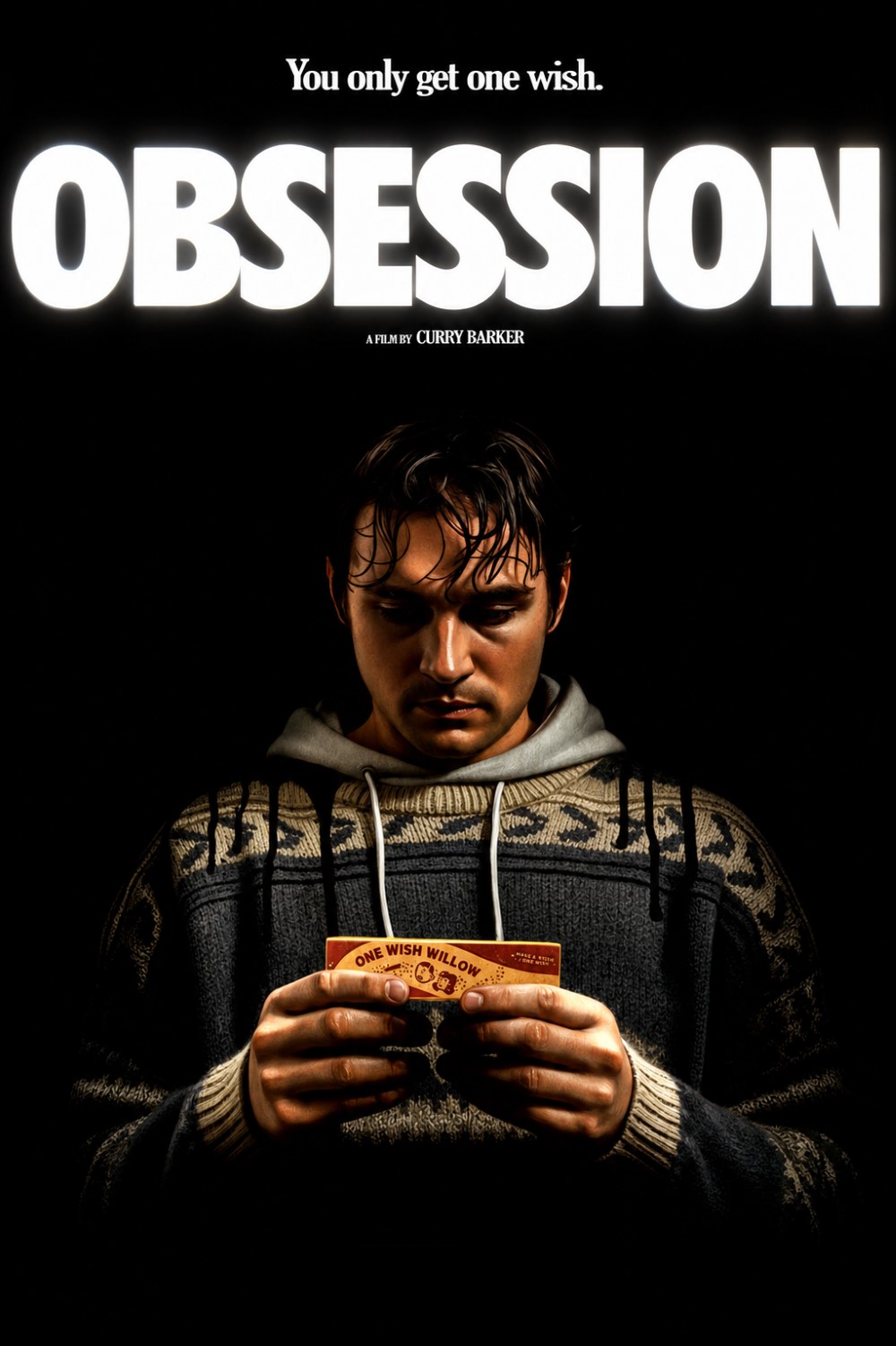
There is something especially unsettling about horror films that begin with a simple emotional truth. Obsession, written and directed by Curry Barker, starts with a feeling most people understand: wanting someone to love you back. Barker takes that universal desire and twists it into something ugly, tragic, and terrifying. The result is a horror film that works both as a supernatural nightmare and as an uncomfortable examination of loneliness, entitlement, and emotional dependency.
The premise sounds deceptively simple. Bear, played by Michael Johnston, is a socially awkward young man hopelessly in love with his longtime friend Nikki, played by Inde Navarrette. Bear convinces himself that if circumstances were just slightly different, Nikki would finally realize he is the right person for her. When he discovers a supernatural object known as the “One Wish Willow,” he makes the disastrous decision to wish that Nikki would love him completely. Naturally, the wish mutates into something horrific, transforming Nikki’s affection into a violent and all-consuming obsession.
At its core, Obsession feels like an old-fashioned monkey’s paw story updated for the modern age. Barker takes the familiar “be careful what you wish for” premise and dials the nastiness up to 11. The film fully commits to the emotional ugliness of its concept, giving the well-worn trope a vicious bite that makes the movie far better than it has any reason to be. Instead of treating the supernatural element like a gimmick, Barker roots the horror in emotional selfishness and the terrifying consequences of trying to control another person’s feelings.
What makes the film work so well is that Barker avoids turning the story into a heavy-handed moral lecture. The script trusts the audience to understand the disturbing reality underneath Bear’s actions. Bear is not portrayed as a cartoon villain. He is insecure, lonely, emotionally immature, and quietly resentful. That complexity makes him far more unsettling because he feels recognizable. The film taps into a very modern type of “nice guy” entitlement, where affection is viewed less as mutual connection and more as something owed or deserved.
Michael Johnston gives an impressively layered performance as Bear. He never plays the character as openly monstrous right away. Instead, Johnston leans into Bear’s passivity and self-pity, making him seem like someone convinced life has unfairly denied him happiness. Even as events spiral out of control, Bear continues rationalizing his decisions instead of fully confronting the damage he has caused. Johnston manages to make the character pathetic, frustrating, and disturbing all at once.
Inde Navarrette delivers the film’s strongest performance as Nikki. Once the wish begins taking hold, Navarrette shifts between affection, emotional collapse, desperation, and outright menace with remarkable control. What makes her performance especially effective is that Nikki never stops feeling human beneath the horror. There is a lingering sadness to the character because the film makes it clear she is losing her autonomy piece by piece. That loss of agency becomes one of the movie’s most disturbing ideas.
More than anything, Obsession is about the horror of emotional suffocation. Barker exaggerates toxic relationship dynamics into supernatural horror, but the emotions underneath everything feel believable enough to sting. The film understands how frightening dependency can become when love starts turning into possession. In many ways, the supernatural curse almost feels secondary to the emotional damage unfolding between the characters.
One of the film’s biggest surprises is how confidently Barker handles tone. Considering his background in online comedy and internet content, it would have been easy for the movie to lean too heavily into irony or self-awareness. Instead, Obsession balances dark humor and psychological dread remarkably well. There are genuinely funny moments throughout the film, often rooted in painfully awkward social interactions, but the comedy never weakens the horror. If anything, it makes scenes more uncomfortable because the characters and situations feel recognizable.
Visually, the film punches far above its apparent budget. Barker and cinematographer Taylor Clemons create an atmosphere that feels claustrophobic and emotionally oppressive. The framing often leaves characters isolated within empty spaces, subtly reinforcing the loneliness and discomfort driving the story. The lighting also deserves praise, frequently bathing scenes in dim yellows, reds, and shadows that gradually make ordinary environments feel increasingly hostile.
The sound design is equally effective. Barker wisely avoids relying only on loud jump scares. Instead, the film builds tension through silence, distant noises, and subtle audio distortions that make scenes feel emotionally wrong before anything overtly frightening even happens. Combined with Rock Burwell’s unsettling score, the movie maintains a lingering sense of dread that hangs over nearly every scene.
When the horror finally erupts into violence, Barker shows admirable restraint. The graphic moments land hard because the emotional groundwork has already been carefully established. Some scenes are genuinely difficult to watch not simply because they are bloody, but because the violence feels directly tied to desperation, obsession, and loss of control. The film understands that emotional discomfort can often be more disturbing than gore itself.
If the movie has weaknesses, they mostly stem from Barker occasionally pushing the central metaphor a little too hard. Some later scenes become slightly obvious in their symbolism, and a few supporting characters feel underdeveloped compared to the leads. Still, those flaws never seriously damage the film because the central performances and atmosphere remain compelling throughout.
What ultimately makes Obsession stand out from many modern horror films is how emotionally specific it feels. Rather than chasing broad social commentary, Barker narrows his focus onto a very particular kind of emotional dysfunction. The film is less interested in making sweeping statements about relationships and more interested in examining the terrifying consequences of confusing love with ownership.
In that sense, the “One Wish Willow” works less as a magical object and more as a representation of selfish fantasy. Bear wants love without vulnerability, rejection, or reciprocity. He wants an easy shortcut to emotional fulfillment. The horror comes from realizing that genuine love cannot exist without freedom.
There are traces of earlier psychological horror films throughout Obsession. The movie occasionally recalls the obsessive fixation of Misery and the emotional body horror of Possession, though Barker filters those influences through a distinctly modern lens shaped by internet-age loneliness and social isolation. Yet despite those influences, the film never feels derivative. Barker’s voice as a filmmaker comes through clearly in both the emotional discomfort and escalating supernatural chaos.
Perhaps the most impressive thing about Obsession is how assured it feels for a filmmaker still early in his career. Barker directs with confidence, gradually tightening the emotional pressure until the movie becomes almost suffocating by its final act. By the end, the film reaches a level of tragic inevitability that feels earned rather than forced.
Obsession succeeds because it recognizes how frightening loneliness and emotional dependency can become when mixed with entitlement and fantasy. Beneath the supernatural premise is a painfully human story about people confusing obsession with love. Curry Barker turns that idea into a disturbing, darkly funny, emotionally bruising horror film that lingers long after the credits roll.
For a filmmaker making such an ambitious leap into feature-length horror, Barker delivers something remarkably confident and emotionally sharp. Obsession is creepy, uncomfortable, tragic, and surprisingly insightful. More importantly, it feels like the arrival of a filmmaker who understands how modern horror can reflect real emotional anxieties while still delivering an entertaining and deeply unsettling experience. In many ways, Barker joins the recent wave of younger horror filmmakers like Oz Perkins and Zach Cregger who have proven that horror, dread, and dark comedy do not have to work against each other. Like those directors, Barker understands how to blend discomfort, absurdity, and genuine emotional tension into a cohesive whole, creating a film that is as unsettling as it is unexpectedly funny.
 Luckily, Coppola made the right decision. Just as Brando was the perfect Vito, Richard Conte was the perfect Barzini.