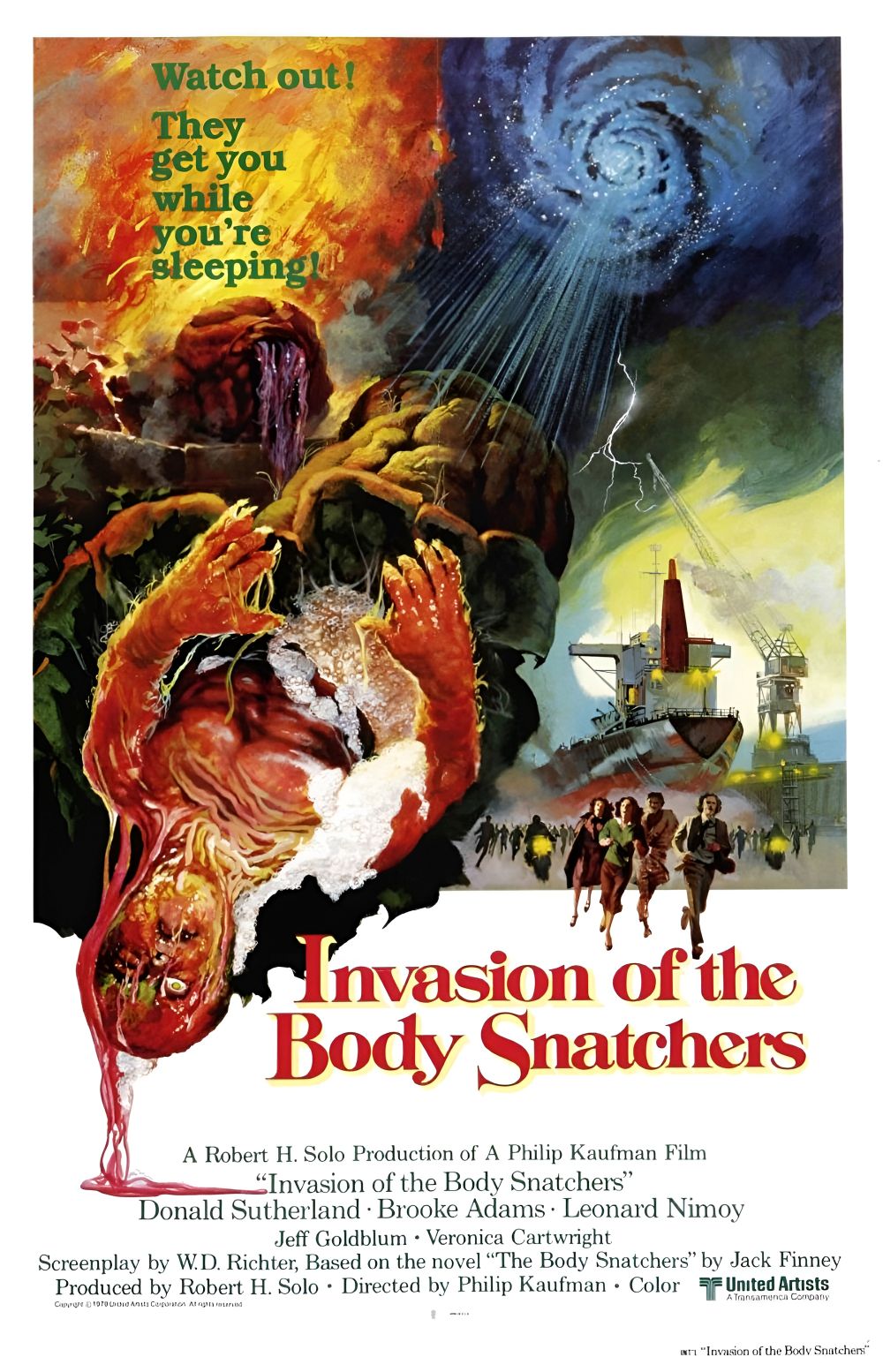
Horror Film Review: Invasion of the Body Snatchers (dir. by Philip Kaufman)


“I keep seeing these people, all recognizing each other.” — Elizabeth Driscoll

Most alien-invasion movies give you something obvious to fear: a flying saucer, a ruined skyline, a creature that clearly doesn’t belong here. Philip Kaufman’s Invasion of the Body Snatchers goes after something more uncomfortable. What happens when the person beside you looks perfectly normal, but you can’t shake the feeling that they’re gone? Released in 1978, this remake of Don Siegel’s 1956 film of the same name turns that question into a funny, disgusting, and increasingly desperate nightmare. Its greatest weapon isn’t an alien organism. It’s the possibility that being human is something you can lose while the rest of the world carries on as if nothing has happened.

That fear takes hold through Elizabeth Driscoll, played by Brooke Adams, who notices an unsettling change in her boyfriend. Nothing about his appearance explains it; he simply no longer seems like himself. Her colleague Matthew Bennell, a San Francisco health inspector played by Donald Sutherland, listens sympathetically but initially searches for a reasonable explanation. Unfortunately, reason has some catching up to do. Alien life forms are duplicating people while they sleep, leaving behind replacements who possess familiar faces but none of the emotional attachments. Adapted, like the original, from Jack Finney’s The Body Snatchers, the story turns an outrageous premise into a horribly intimate problem.

What’s especially effective is that Elizabeth’s concern resembles something people might ordinarily dismiss. Relationships change. Partners become distant. A person who once seemed attentive can suddenly appear distracted or cold. How do you explain that someone isn’t themselves when you have no physical evidence and can’t point to a single decisive incident? Adams makes that uncertainty convincing. Elizabeth isn’t immediately trying to prove an alien invasion; she’s trying to get someone to understand an experience she can barely describe. The science-fiction concept works because the emotional situation already makes sense. Before the movie asks us to believe in replacement bodies, it asks us to recognize the discomfort of feeling shut out by someone familiar.

Kaufman gets plenty of mileage out of the gap between noticing a problem and understanding it. Early scenes contain little disturbances that don’t immediately announce themselves as clues. Background figures behave strangely, conversations feel slightly off, and people seem to be moving according to instructions the main characters haven’t received. You begin watching the edges of the image, wondering who belongs there and who has already changed. That’s where the film’s paranoia takes root. Rather than simply telling us that Matthew and Elizabeth are frightened, Kaufman encourages us to adopt their increasingly suspicious way of looking at everyone. Watching becomes a form of anxious detective work.

The nice thing about this approach is that the film doesn’t need every suspicious detail to become a dramatic revelation. Sometimes a strange person is simply strange, and sometimes an awkward interaction remains unexplained. That uncertainty makes the environment feel less predictable than a straightforward series of planted clues would. We’re never comfortably ahead of the characters, checking off signs of an invasion we already understand. Instead, we share their problem of deciding what matters. Once the possibility of replacement enters the picture, practically any behavior can look incriminating. Someone is too calm, too hurried, too distracted, or too interested in what you’re doing. There’s no useful baseline anymore.

San Francisco is essential to that effect. A crowded city should offer anonymity and plenty of places to disappear, but here it gradually becomes a network of observers. Restaurants, offices, streets, and public facilities stop feeling neutral. Even asking for help becomes risky when there’s no reliable way to know who is answering. The shift from the earlier film’s small California community gives the remake a different kind of claustrophobia. There’s more room to run, yet fewer reasons to believe running will help. Kaufman makes a recognizable city feel like a trap without needing to empty its streets. The ordinary activity is what makes it oppressive: everybody seems to have somewhere to go, and you’re increasingly certain you don’t want to follow them.

That change also helps distinguish the remake’s concerns from those of the 1956 original. Siegel’s film sits within the Cold War and Red Scare atmosphere, its replacement story lending itself to fears of Communist infiltration as well as the pressures of McCarthyist conformity. Kaufman’s version leans more heavily into the conspiracy-minded mood of the 1970s. Suspicion reaches beyond dangerous outsiders to institutions, professional authority, and the mechanisms of everyday life. The frightening question isn’t just whether someone has infiltrated society. It’s whether society is already organized around keeping you confused. Discovering the truth doesn’t restore control; it reveals how little control the characters have.

The setting adds another bitter layer: this is San Francisco after the idealism of the 1960s counterculture has started wearing thin. A city associated with freedom, experimentation, and communal possibility becomes the backdrop for the destruction of individuality. The film catches something unsettling in the distance between the promise of personal liberation and the emotional isolation that can follow it. People have ways to discuss feelings, relationships, and self-improvement, but that vocabulary doesn’t necessarily help them connect. The invasion feels less like a complete break with their world than a horrible extension of tendencies already taking shape within it. The old dream of everyone coming together returns in a form nobody should want.

That doesn’t mean the movie is simply sneering at countercultural ideals or suggesting that conformity is inevitable. Its sympathies remain with affection, eccentricity, and the difficult business of caring about other people. What it distrusts is the substitution of smooth language for genuine feeling. There’s a difference between understanding someone and talking them out of their own experience, and the film keeps poking at that distinction. The invaders offer an existence without emotional conflict, but removing pain also means removing the attachments that make pain possible. It’s an awful bargain disguised as a sensible solution. From that angle, the invasion is selling a particularly extreme version of peace of mind.

Leonard Nimoy makes that idea especially sharp as psychiatrist and self-help celebrity David Kibner. He speaks with the confidence of someone accustomed to explaining other people to themselves, and his calm manner initially seems comforting. Before long, though, that reassurance starts to feel oppressive. When someone insists that your terror is merely a misunderstanding, how do you tell compassion from dismissal? Nimoy keeps that question alive without overplaying it. His composure becomes a source of tension precisely because it’s so controlled. In a movie full of people struggling to articulate their distress, he always seems to have an answer ready. Eventually, that feels less like wisdom than a reason to worry.

Against that polished certainty, Sutherland’s rumpled warmth is a major asset. Matthew seems intelligent and attentive rather than exceptionally brave, which makes his growing desperation convincing. He’s willing to listen, but he also needs time to abandon the explanations that usually make his world manageable. Sutherland lets him be funny and slightly awkward without turning him into a lovable collection of quirks. You believe he has a life outside the plot. That matters because the movie isn’t simply threatening his physical survival. It’s dismantling the ordinary habits, professional confidence, and personal connections that allow him to function.

His relationship with Elizabeth gives that dismantling an emotional center. Adams and Sutherland build their closeness through looks, conversations, and small gestures rather than big romantic speeches. There’s warmth between them, but also hesitation, as though they’re still working out what they’re allowed to acknowledge. The restraint makes the relationship feel vulnerable even before the invasion closes in. In a story about bodies surviving while personalities disappear, their chemistry provides something the special effects can’t: a sense of what replacement would erase. A duplicate could repeat the right words, but the movie has already shown us how much communication happens in the spaces around them.

Jeff Goldblum and Veronica Cartwright bring welcome friction as Jack and Nancy Bellicec. Goldblum’s nervous, argumentative manner keeps Jack from becoming a generic supporting character, while Cartwright makes Nancy’s alarm feel immediate and physically exhausting. Together, the central group is messy in recognizably human ways. They interrupt, disagree, misjudge situations, and occasionally get on each other’s nerves. Their humor isn’t a distraction from the horror; it establishes the untidy individuality the invaders would eliminate. The prospect of a world without conflict might sound attractive in theory, but spending time with these people makes its emotional cost clear. An easier existence would also be a much emptier one.

When the physical horror arrives, it gives that emptiness a nasty material form. Developing duplicates look wet, unfinished, and unpleasantly organic, turning an abstract fear of lost identity into something you can practically smell. There’s something especially upsetting about seeing a recognizable human shape emerge without the person who should belong to it. Kaufman knows when to stop suggesting and show us the evidence, and those moments hit harder because the surrounding suspense has been so controlled. The effects aren’t merely punctuation between chase scenes. They make replacement feel like a biological process that has no interest in whether its victims understand or consent.

Sleep is an equally effective threat because there’s no sustainable way to avoid it. A locked door might keep someone outside, but it can’t keep you awake forever. As exhaustion takes over, the characters’ bodies become unreliable allies, and the movie’s rhythm grows more desperate. Brief moments of rest carry their own suspense because relief and surrender begin to resemble each other. That’s one of the film’s cruelest moves: something comforting and necessary becomes the condition that makes you vulnerable. Survival requires constant vigilance, while ordinary human limits guarantee that vigilance will eventually fail.

The film’s relentless pressure can make its later passages feel deliberately exhausting. Once the invasion becomes undeniable, there’s less room for the social comedy and ambiguity that make the opening so engaging. But that narrowing feels purposeful rather than merely repetitive. The characters lose options, and the movie loses breathing room with them. Places that once seemed distinct start to feel like extensions of the same hostile environment. By then, the question isn’t whether they can explain what’s happening. It’s whether knowing makes any practical difference at all.

By the time Invasion of the Body Snatchers reaches its brutal conclusion, its opening uneasiness has become a way of life. Every familiar face demands scrutiny, and every moment of relief feels borrowed. The famous ending brings that uncertainty to a devastating point without needing to explain away its power. What stays with me, though, is how much warmth the film puts at risk before it gets there. Kaufman makes humanity look awkward, argumentative, affectionate, and vulnerable—hardly an efficient arrangement, but one worth defending. The replacements can reproduce a face and move through the routines of a life. The horror is everything they leave out.
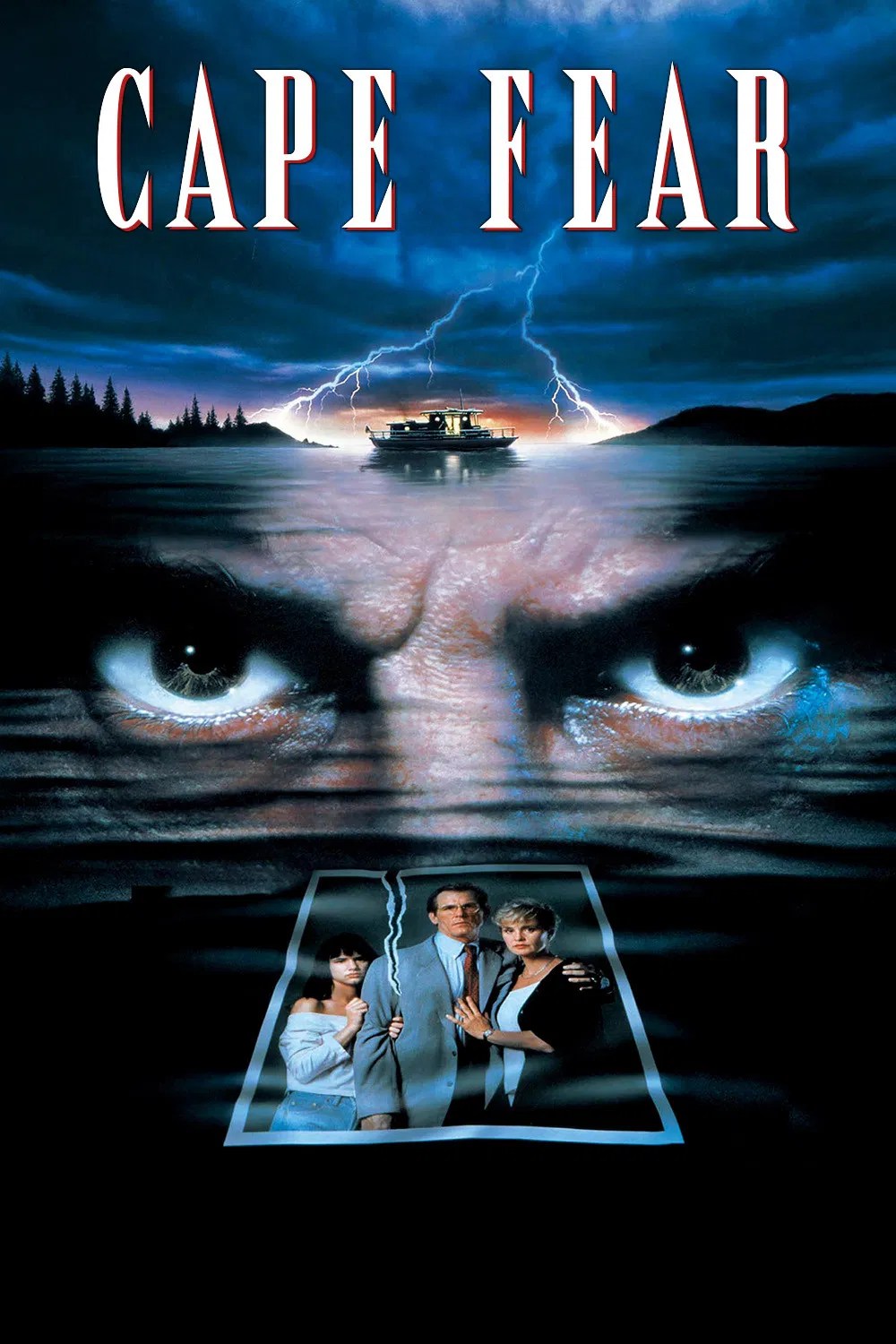
Horror Film Review: Cape Fear (dir. by Martin Scorsese)


“Every man… every man has to go through hell to reach paradise.” — Max Cady

There’s nothing subtle about the way Martin Scorsese’s Cape Fear gets under your skin. The music announces an approaching apocalypse, the camera seems unable to sit still, and Robert De Niro looks ready to chew through the scenery before anyone can stop him. Yet beneath all that noise is a nasty question: what happens when someone discovers the secret that makes your respectable life possible? This 1991 horror-thriller builds its terror around that vulnerability, turning a revenge story into a nightmare about being exposed. It’s wildly entertaining, even when its determination to overwhelm you becomes a little much.

A remake of J. Lee Thompson’s 1962 film of the same name, itself adapted from John D. MacDonald’s novel The Executioners, Cape Fear follows convicted rapist Max Cady after his release from prison. Cady, played by De Niro, has spent fourteen years nursing a grudge against his former defense attorney, Sam Bowden. Nick Nolte’s Sam withheld evidence that might have helped his client’s case, deciding that his disgust justified compromising Cady’s defense. Now Cady has come looking for him, and he isn’t satisfied with an apology. He wants to dismantle Sam’s life slowly enough that Sam understands exactly who is doing it.

Making Sam morally compromised is the remake’s smartest move. Rather than simply asking us to root for an innocent family against an evil outsider, Scorsese gives us a man whose professional betrayal has returned to haunt him. That doesn’t make Cady’s campaign remotely justified, but it complicates Sam’s position. He wants the protection of rules he previously decided didn’t apply to him. Every attempt to present himself as the reasonable, law-abiding party becomes harder to accept without qualification. The suspense comes partly from wondering what Cady will do next and partly from watching Sam struggle to maintain his version of himself.

Casting Nolte in the role previously played by Gregory Peck makes that shift especially convincing. Where Peck’s authoritative presence suited the original’s more upright protector, Nolte brings a battered, irritable quality that makes Sam’s respectability feel less secure. You believe this man may regret living in the law’s moral gray areas without having learned to stay out of them. When protecting his family means employing criminal methods, including arranging an assault on Cady, the decision feels like an extension of his character rather than a sudden reversal. Nolte makes the contradiction work: Sam wants to be decent, but he’ll use dirty resources when he decides the circumstances demand it.

De Niro makes those circumstances as uncomfortable as possible. His Cady is all tattoos, muscle, exaggerated politeness, and a Southern drawl that turns ordinary conversation into a threat. It’s a performance built around excess, and you can practically feel De Niro enjoying how far he can push it. That might sound like a criticism, but Cady is performing, too. He wants Sam to notice him, fear him, and recognize his control over the situation. Every appearance becomes a demonstration of power, with each smile suggesting he knows something everyone else would rather leave unspoken.

The character becomes more interesting, and less believable, as the film continues. Initially, Cady is a dangerous convict with a personal grudge and a talent for exploiting legal boundaries. Eventually, he resembles a boogeyman: impossibly resilient, seemingly everywhere, and almost impossible to keep out. Here the remake embraces more recent slasher-film tropes, moving beyond intimidation toward an unstoppable-killer nightmare. Practically speaking, that transformation gets ridiculous. Psychologically, though, it fits. Cady becomes a manifestation of Sam’s guilt, something that can be denied, attacked, or temporarily escaped, but never comfortably buried again. His persistence makes emotional sense even when his physical endurance strains credibility.

That idea connects the horror to the story’s Southern Gothic roots, which Scorsese emphasizes even more heavily than the original. Religious obsession, sexual menace, family dysfunction, and corruption beneath respectable surfaces create an overheated atmosphere. Cady treats revenge as a sacred mission, dressing cruelty in scripture and self-righteous declarations. Sam has his own history of deciding that moral certainty excuses misconduct. The men aren’t equivalent, but the echoes matter. Cady doesn’t introduce darkness into an innocent household so much as drag existing darkness into the open, where nobody can politely ignore it.

The Bowdens are already miserable enough to make that process convincing. Nolte gives Sam a prickly defensiveness, while Jessica Lange, as his wife Leigh, conveys the exhaustion of someone living with unresolved resentment. Their marriage feels strained before Cady applies pressure, making his interference more destructive. Occasionally, their hostility becomes so relentless that the family scenes feel almost as punishing as the stalking. Still, the performances ground the tension. These aren’t symbolic victims waiting to be threatened; they’re people whose existing problems make the threat harder to manage.

Juliette Lewis is especially good as their teenage daughter, Danielle, whose uncertainty makes her vulnerable to Cady’s attention. Their encounter at her school is the most unsettling sequence because it trades spectacle for something horribly intimate. Cady listens, flatters, and presents himself as someone who understands her better than her parents do. Lewis captures the mixture of curiosity, discomfort, and a teenager’s desire to appear older. The scene exposes the predatory calculation beneath Cady’s theatrical behavior. He doesn’t need physical force to gain control, which makes him scarier than his muscles ever could.

Scorsese surrounds these performances with filmmaking that rarely lets anyone breathe. Working with cinematographer Freddie Francis, he uses distorted perspectives, oppressive close-ups, lurid lighting, and restless camera movements to make ordinary surroundings threatening. Bernard Herrmann’s original score, adapted by Elmer Bernstein, adds an operatic sense of disaster. Sometimes the style shouts over an already effective scene, and restraint might have made certain moments sharper. But the commitment is impressive. By the storm-battered houseboat climax, everyday realism has disappeared, and the setting feels like an extension of the characters’ psychological collapse.

What makes Cape Fear stick isn’t simply whether the Bowdens can survive Cady. It’s the uglier possibility that survival won’t restore the comfortable story they once told about themselves. Scorsese pushes that idea through a thriller so outrageous that its moral complications occasionally get swallowed by spectacle. Nevertheless, Nolte keeps Sam’s contradictions recognizable beneath the chaos: a man who regrets crossing lines but remains willing to cross them again. Cady may become too indestructible to believe in as a person, yet he’s persuasive as the reckoning Sam cannot shut out. The locks were never going to be enough.

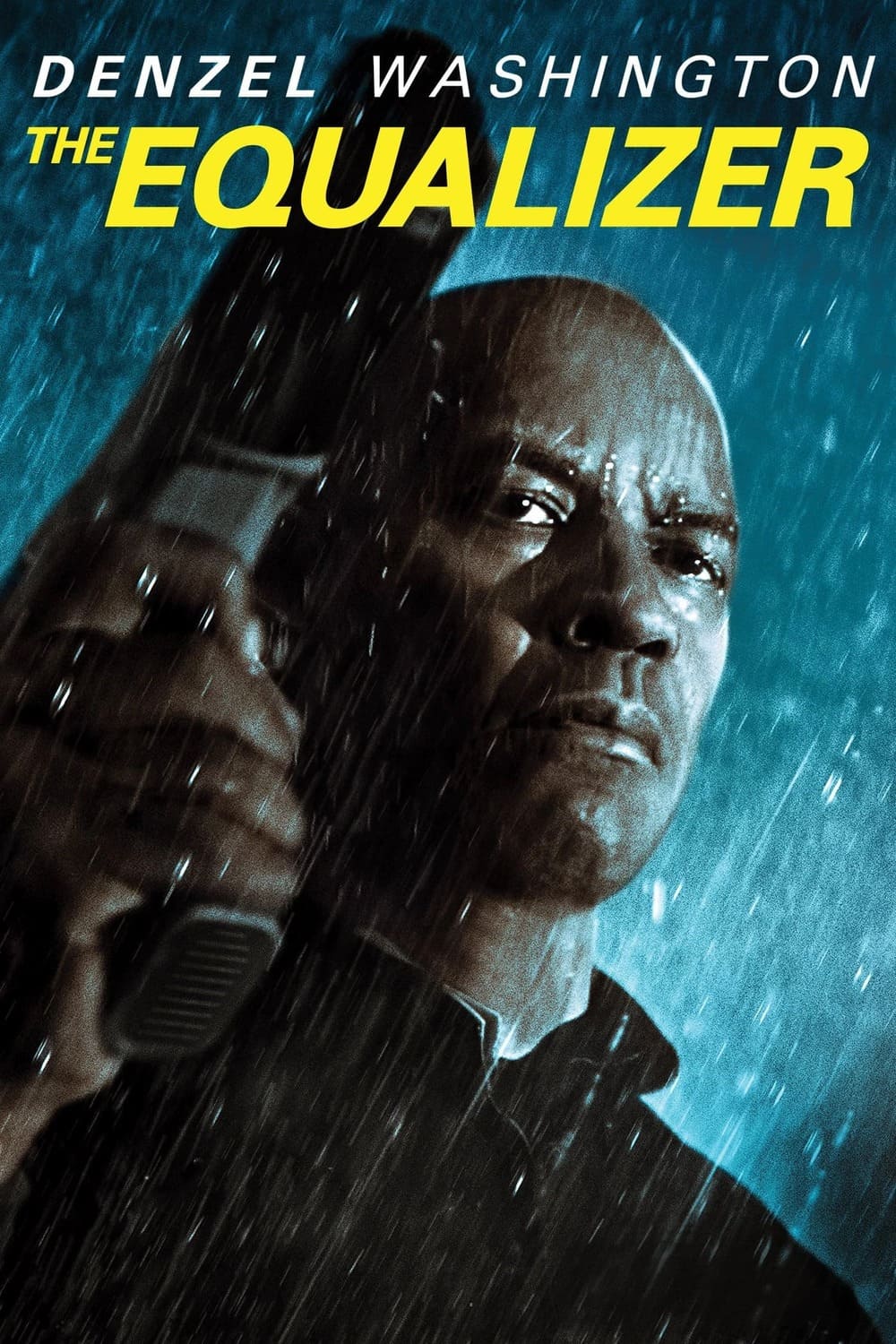
Review: The Equalizer (dir. by Antoine Fuqua)


“When you pray for rain, you gotta deal with the mud too.” — Robert McCall

Antoine Fuqua’s The Equalizer is a film remake of the original 1980s TV series that starred Edward Woodward in the title role, and it feels like a throwback to the gritty, no-nonsense action thrillers of that era, but with a modern polish that only a director like Fuqua can deliver. From the opening frame, you know you’re in for something that’s equal parts stylish and brutal, a film that doesn’t waste time with unnecessary fluff and instead gets straight to the point: justice, served cold and calculated. Denzel Washington plays Robert McCall, a man who looks like your average big-box store employee by day but transforms into a methodical, almost surgical force of retribution by night. The premise is simple—McCall can’t stand to see good people get hurt, and when the Russian mob pushes him too far, he snaps into action—but the execution is anything but.

Where Woodward’s McCall was a more cerebral, world-weary ex-intelligence officer who relied on wit and strategy as much as physical force, Denzel’s version is a man of few words who lets his actions do the talking. Woodward brought a melancholic, almost philosophical edge to the role, giving the original series a more introspective, morally ambiguous tone. Denzel, though, brings a quiet intensity that’s all about controlled fury, shifting the film’s tone toward something more visceral and immediate. It’s less about the internal struggle and more about the sheer efficiency of justice being delivered, which makes Fuqua’s version feel like a high-octane action thriller rather than a brooding character study. This difference in approach is key to why the movie works so well as a modern reboot—it keeps the spirit of the original while amping up the energy to match today’s action standards.

This version of The Equalizer stands out in how it balances its quiet, character-driven moments with explosive bursts of violence. Fuqua has always had a knack for action, but here he takes his time building tension, letting scenes breathe in a way that makes the eventual payoff feel earned. There’s a sequence early on where McCall takes apart a room full of Russian gangsters, and it’s not just the choreography that impresses—it’s the precision. Every movement has purpose, every strike is efficient, and the whole thing unfolds with a kind of balletic brutality. Washington sells it all with that signature calm intensity of his, the kind of performance where you’re never quite sure if he’s about to offer you a cup of tea or put you in the ground. His McCall is a man of discipline, a guy who’s clearly spent a lifetime honing his skills, and it shows in the way he carries himself, whether he’s reading a book in a diner or turning a hardware store into an improvised armory.

The story itself isn’t reinventing the wheel. It’s a classic revenge tale with a heavy dose of vigilante justice, but the devil’s in the details. McCall isn’t some invincible super-soldier; he’s a guy who’s smart, resourceful, and, above all, patient. He doesn’t rush into things. He plans, he observes, and when he finally makes his move, it’s with the kind of cold efficiency that makes you wince and cheer at the same time. The film’s villain, Teddy Rensen, played by Marton Csokas, is a solid antagonist—a slick, ruthless mob fixer who’s used to getting his way. Csokas brings a quiet menace to the role, and his dynamic with Washington crackles with tension, especially in their final confrontation, which is as much a battle of wits as it is a physical showdown.

Fuqua’s direction is a masterclass in pacing and atmosphere. He knows how to make even the simplest scenes feel charged with meaning. Take, for example, the way he frames McCall in his apartment, surrounded by mementos of a past life we only get glimpses of. There’s a sense of history there, a depth to the character that’s never explicitly spelled out but is always felt. And then there’s the action, which is shot with a clarity that’s refreshing in an era where so many directors rely on shaky cam and rapid cuts to hide their lack of choreography. Fuqua lets you see everything, and it makes the violence hit harder because of it. The climactic battle in the hardware store is a perfect example—it’s a long, unbroken take (or at least feels like one) that puts you right in the middle of the chaos, and it’s thrilling precisely because you can follow every punch, every improvised weapon, every desperate move.

The supporting cast does a great job of fleshing out the world around McCall. Chloe Grace Moretz plays Teri, the young prostitute who becomes the catalyst for McCall’s crusade, and she brings a vulnerability to the role that makes her more than just a damsel in distress. She’s tough, but she’s also broken, and Moretz nails that balance. Then there’s Harold, McCall’s coworker and only real friend, played by Bill Pullman. Their scenes together provide some much-needed levity, but they also serve as a reminder that McCall isn’t just a machine—he’s a human being with connections, however tenuous, to the world around him.

One of the things I like most about The Equalizer is how it doesn’t glorify violence so much as it treats it as a necessary evil. McCall doesn’t enjoy what he does; he does it because he feels he has to. There’s a fascinating psychological undercurrent to his conversations with Teri about the nature of the people who hurt others, specifically this idea that the cruel and corrupt always find a way to rationalize their monstrous actions. The film really explores this twisted logic where abusers and criminals somehow convince themselves they are actually the good guys, completely blind to their own wickedness. It cuts to the heart of the movie’s theme: that real justice isn’t always pretty, and sometimes the only way to stop a relentless villain is to step into the darkness and meet them on their own brutal terms. It’s a morally complex idea, and the film doesn’t shy away from it. McCall isn’t a hero in the traditional sense. He’s a man with a very particular set of skills, and he uses them to tip the scales in a world that’s heavily weighted toward the cruel and the powerful.

Visually, the film is stunning. Fuqua and his cinematographer, Mauro Fiore, make Boston feel like a character in its own right, all grimy streets and neon-lit alleys. The color palette is dark and moody, with pops of color—like the red of a taillight or the blue of a neon sign—that stand out in a way that feels almost painterly. And the score by Harry Gregson-Williams is the perfect complement, all pulsing synths and deep, ominous basslines that ratchet up the tension without ever feeling overbearing. It’s the kind of soundtrack that you don’t notice until it’s gone, and then you realize how much it was adding to the experience.

If there’s a downside to The Equalizer, it’s that the plot can feel a bit thin at times. The story is straightforward, almost to a fault, and there are moments where you wish it would delve a little deeper into McCall’s backstory or the larger implications of his actions. But then again, that’s not really what the movie is going for. This isn’t a sprawling epic; it’s a tight, focused thriller that’s more concerned with mood and atmosphere than with intricate plotting. And in that regard, it succeeds admirably. The film is lean, mean, and never boring, with a runtime that flies by because it’s so damn entertaining.

Denzel Washington, of course, is the glue that holds it all together. At this point in his career, he could probably read the phone book and make it compelling, but The Equalizer gives him a role that’s tailor-made for his strengths. McCall is a man of few words, but every line Washington delivers carries weight. Whether he’s calmly negotiating with a gangster or unleashing hell on a group of armed thugs, he commands the screen with an effortless charisma that’s hard to look away from. It’s the kind of performance that reminds you why he’s one of the greatest actors of his generation.

In the end, The Equalizer is a movie that knows exactly what it is and doesn’t apologize for it. It’s a violent, stylish, and endlessly watchable action thriller with a lead performance that elevates it above the usual fare. It doesn’t pretend to be anything more than it is, and that’s part of its charm. In a world where so many films try to be everything to everyone, The Equalizer is content to be a well-made, pulse-pounding revenge story—and it’s all the better for it. If you’re a fan of action movies that don’t skimp on the brains or the brawn, this one’s a must-watch. Just don’t be surprised if you find yourself rooting for a guy who’s technically a vigilante. After all, in a world this unfair, sometimes you need an equalizer.

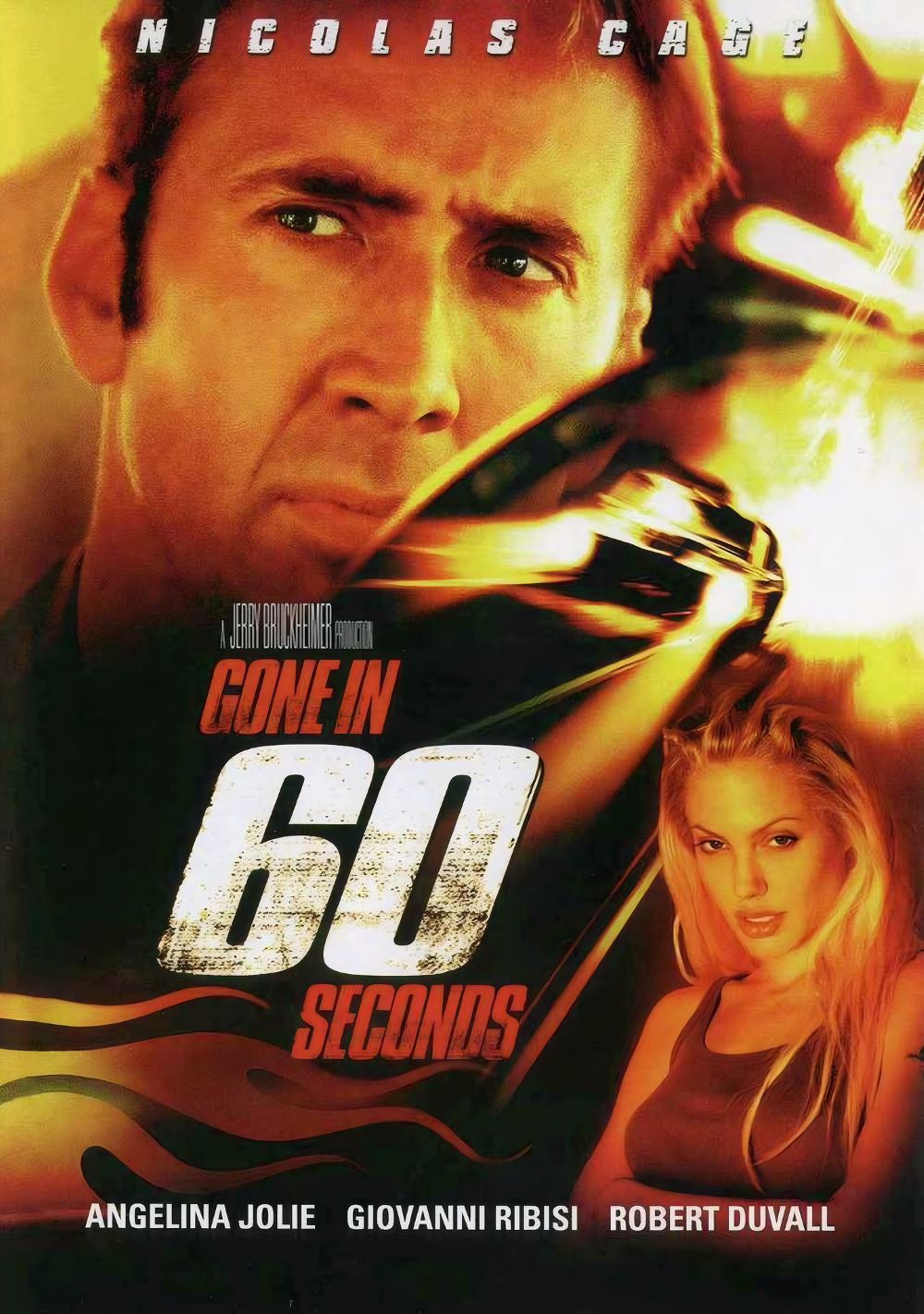
Guilty Pleasure No. 117: Gone in 60 Seconds (dir. by Dominic Sena)


There is a specific, almost alchemical quality to the late 1990s and early 2000s era of Nicolas Cage as an action star. Before the internet turned every one of his performances into a meme and before his financial troubles led him down the rabbit hole of direct-to-video oddities, Cage was genuinely one of the most exciting and weirdly compelling action heroes on the planet. From The Rock in 1996 to Con Air in 1997 and Face/Off in 1997, he delivered a holy trinity of high-octane insanity that no other actor could have pulled off. By the time the calendar flipped to 2000, Cage was at the peak of his powers, and director Dominic Sena’s Gone in 60 Seconds arrived as both a victory lap and a slight exhale. It is not as unhinged as Face/Off nor as tightly wound as The Rock, but it is a perfect snapshot of its moment: a glossy, MTV-infused car heist flick that smells like gasoline, leather, and late-90s hubris. And while it has plenty of shortcomings, Gone in 60 Seconds has earned its place not in the pantheon of great action cinema, but in that more beloved hall of fame: the Guilty Pleasure.

The plot is as simple as a carburetor. Cage plays Randall “Memphis” Raines, a legendary car thief who has supposedly gone straight, now living a quiet life designing hybrid engines. But when his reckless younger brother Kip, played with sweaty desperation by Giovanni Ribisi, botches a job for a ruthless British gangster named Raymond Calitri (Christopher Eccleston at his sleaziest), Memphis is forced back into the life he left behind. The task is absurdly impossible: steal 50 specific luxury cars in a single weekend, or Calitri will kill Kip. That’s right, fifty cars. In three days. The film never really bothers to explain the logistics of storing or delivering that many vehicles, but that’s not the point. The point is the ride, the revving engines, and the way Cage stares at a 1967 Shelby GT500 named Eleanor like she’s the ghost of a lost lover. That car is the real star, and the film knows it.

Dominic Sena, who previously directed Cage in the underrated road thriller Kalifornia, brings a music video sensibility to the proceedings. Gone in 60 Seconds is drenched in late-90s visual tics: slow-motion shots of hubcaps spinning, golden sunsets glaring off polished chrome, and a soundtrack that alternates between nu-metal grooves and bluesy rock. The editing is fast but not confusing, and the heist sequences have a rhythmic, almost choreographed feel. You never believe for a second that Memphis and his crew—a motley collection of oddballs played by Robert Duvall, Vinnie Jones, and a very underutilized Angelina Jolie—can actually pull off fifty thefts without the entire LAPD catching on. But the film operates on movie logic. Cars are hotwired in seconds, police radio chatter is effortlessly avoided, and every chase defies the laws of physics. It is pure fantasy, and that is exactly why it works as a guilty pleasure.

Now, let’s talk about Cage. In 2000, he was still riding the high of that legendary late-90s run, and Gone in 60 Seconds fits neatly into his brand of action star as tortured romantic. Memphis Raines is not the coked-up lunatic Castor Troy or the shouty Stanley Goodspeed. He is weary, melancholic, and trying to be honorable in a dishonorable profession. Cage plays him with a hangdog sincerity that is surprisingly effective. When he talks to Eleanor, stroking her steering wheel and whispering about how she tests her drivers, he is utterly committed. There is no irony, no winking at the camera. That is the secret to Cage’s enduring appeal in this era: he treats absurd material with the same intensity he would bring to a Shakespeare soliloquy. The action sequences—especially the climactic chase where Eleanor leaps over a drawbridge—showcase Cage’s physicality and willingness to do real stunt work. He sells the danger and the desperation. You believe that this man would risk everything for a car, and that belief makes the film’s silliness palatable.

But let’s be honest about the shortcomings, because Gone in 60 Seconds has plenty. The middle act drags considerably. For a movie about stealing fifty cars, there is a surprising amount of standing around in warehouses and having conversations about “respecting the machine.” Angelina Jolie’s character, Sara, is Memphis’s ex-girlfriend and a fellow thief, but she is given almost nothing to do except look cool in leather and exchange tepid romantic banter with Cage. The chemistry between them is nonexistent. Christopher Eccleston’s Calitri is a one-note villain who likes opera and cruelty, and his final defeat is laughably abrupt. Delroy Lindo plays a dogged detective, but he is so incompetent that he never generates real tension. The film’s central gimmick—the ticking clock of fifty cars in three days—is inconsistently tracked, and by the final act, you have no idea how many cars are left or why it still matters. The dialogue is also gloriously corny. Lines like “Ride or die” and “Respect the car, man” are delivered with such straight faces that they circle back around to being endearing.

And yet, Gone in 60 Seconds earns its status as a guilty pleasure because it understands exactly what it is. This is not a sophisticated heist thriller like Heat or a gritty crime drama. It is a shiny, high-budget B-movie about a man and his car, and it leans into that identity without apology. The final twenty-minute chase sequence is genuinely thrilling, with real cars being destroyed and practical stunts that modern CGI could never replicate. Eleanor getting airborne, landing hard, and somehow still running is a moment of pure cinematic joy. The sound design—the roar of that V8 engine, the screech of tires on asphalt—is visceral and satisfying. And Cage’s performance, even when the script lets him down, holds the whole thing together. He is the anchor that keeps the film from floating away into utter nonsense.

Looking back from today’s perspective, Gone in 60 Seconds is a time capsule of a very specific moment. It captures the tail end of the late-90s obsession with extreme sports, tuner culture, and the idea that cars had souls. It also captures Nicolas Cage at a fascinating crossroads: still an A-list action star, still capable of opening a blockbuster, but already showing the signs of the wonderful weirdness that would later define his career. This film is not his best, not by a long shot, but it is one of his most rewatchable. You put it on when you want to turn your brain off, hear some great engine noises, and watch a sweaty, sincere Nic Cage talk to a Shelby like she is his long-lost sweetheart. That is the definition of a guilty pleasure. It is not good in the traditional sense, but it is fun. And sometimes, fun is enough.

Previous Guilty Pleasures

  1. Half-Baked
  2. Save The Last Dance
  3. Every Rose Has Its Thorns
  4. The Jeremy Kyle Show
  5. Invasion USA
  6. The Golden Child
  7. Final Destination 2
  8. Paparazzi
  9. The Principal
  10. The Substitute
  11. Terror In The Family
  12. Pandorum
  13. Lambada
  14. Fear
  15. Cocktail
  16. Keep Off The Grass
  17. Girls, Girls, Girls
  18. Class
  19. Tart
  20. King Kong vs. Godzilla
  21. Hawk the Slayer
  22. Battle Beyond the Stars
  23. Meridian
  24. Walk of Shame
  25. From Justin To Kelly
  26. Project Greenlight
  27. Sex Decoy: Love Stings
  28. Swimfan
  29. On the Line
  30. Wolfen
  31. Hail Caesar!
  32. It’s So Cold In The D
  33. In the Mix
  34. Healed By Grace
  35. Valley of the Dolls
  36. The Legend of Billie Jean
  37. Death Wish
  38. Shipping Wars
  39. Ghost Whisperer
  40. Parking Wars
  41. The Dead Are After Me
  42. Harper’s Island
  43. The Resurrection of Gavin Stone
  44. Paranormal State
  45. Utopia
  46. Bar Rescue
  47. The Powers of Matthew Star
  48. Spiker
  49. Heavenly Bodies
  50. Maid in Manhattan
  51. Rage and Honor
  52. Saved By The Bell 3. 21 “No Hope With Dope”
  53. Happy Gilmore
  54. Solarbabies
  55. The Dawn of Correction
  56. Once You Understand
  57. The Voyeurs 
  58. Robot Jox
  59. Teen Wolf
  60. The Running Man
  61. Double Dragon
  62. Backtrack
  63. Julie and Jack
  64. Karate Warrior
  65. Invaders From Mars
  66. Cloverfield
  67. Aerobicide 
  68. Blood Harvest
  69. Shocking Dark
  70. Face The Truth
  71. Submerged
  72. The Canyons
  73. Days of Thunder
  74. Van Helsing
  75. The Night Comes for Us
  76. Code of Silence
  77. Captain Ron
  78. Armageddon
  79. Kate’s Secret
  80. Point Break
  81. The Replacements
  82. The Shadow
  83. Meteor
  84. Last Action Hero
  85. Attack of the Killer Tomatoes
  86. The Horror at 37,000 Feet
  87. The ‘Burbs
  88. Lifeforce
  89. Highschool of the Dead
  90. Ice Station Zebra
  91. No One Lives
  92. Brewster’s Millions
  93. Porky’s
  94. Revenge of the Nerds
  95. The Delta Force
  96. The Hidden
  97. Roller Boogie
  98. Raw Deal
  99. Death Merchant Series
  100. Ski Patrol
  101. The Executioner Series
  102. The Destroyer Series
  103. Private Teacher
  104. The Parker Series
  105. Ramba
  106. The Troubles of Janice
  107. Ironwood
  108. Interspecies Reviewers
  109. SST — Death Flight
  110. Undercover Brother
  111. Out for Justice
  112. Food Wars!
  113. Cherry
  114. Death Race
  115. The Beast Within
  116. Girl Series