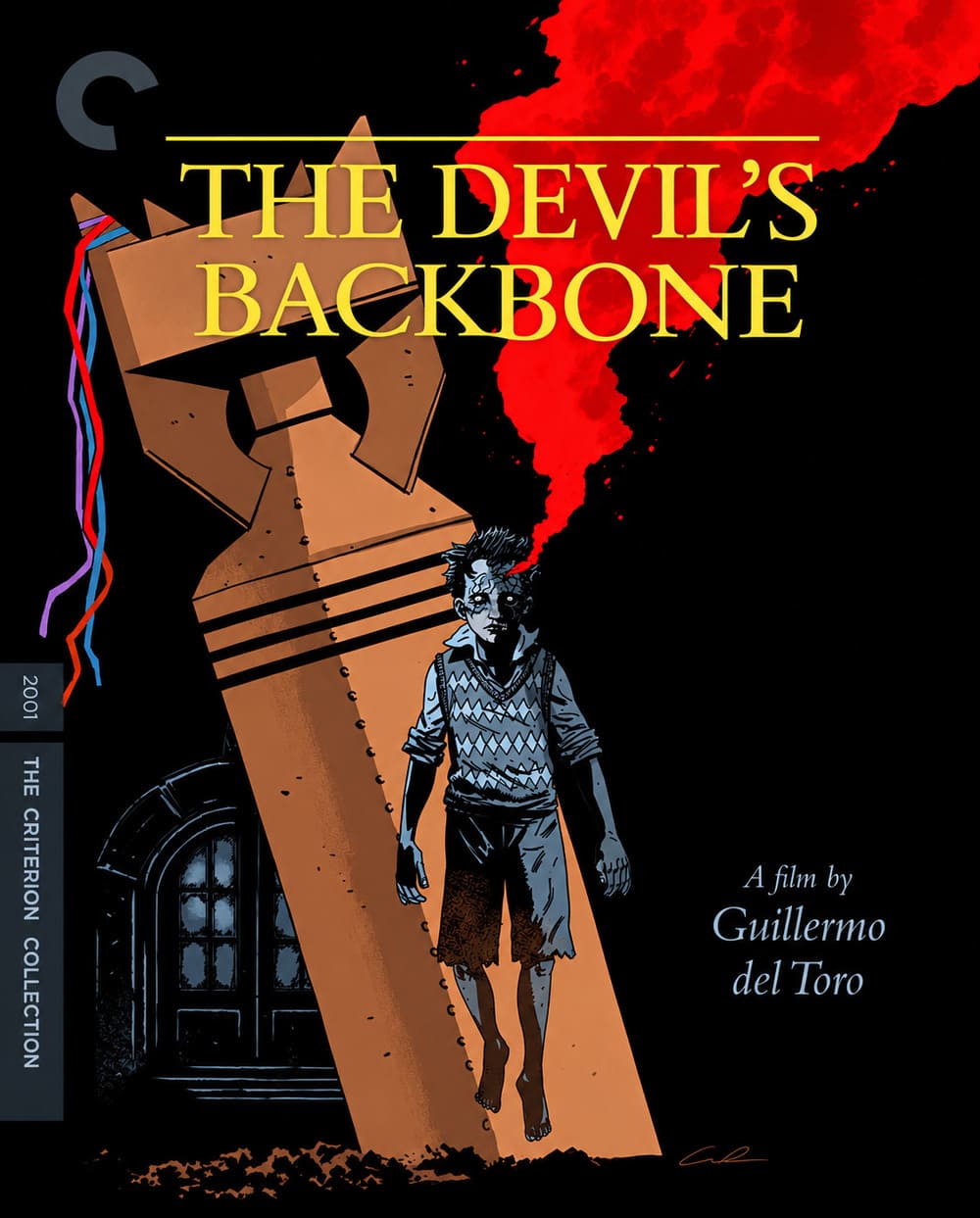
Horror Film Review: The Devil’s Backbone (dir. by Guillermo del Toro)


“A tragedy condemned to repeat itself time and again?” — Casares

The first time you see the ghost in The Devil’s Backbone, you’re likely to wonder what he’s going to do to the children. By the end, the more troubling question is what people have already done to him. That change in perspective is the heart of Guillermo del Toro’s 2001 supernatural horror film, a movie that slowly rearranges your sense of where the danger lies. It delivers eerie encounters, hidden secrets, and an isolated setting, but its real achievement is making those familiar ingredients feel emotionally necessary. The haunting isn’t there to interrupt the human story. It’s there to reveal the human story everyone else has found a way to avoid.

Set in 1939, near the end of the Spanish Civil War, the film follows Carlos, played by Fernando Tielve, as he arrives at a remote orphanage. He enters a community that has already established its routines, rivalries, and silences. The other boys know things he doesn’t, while the adults seem reluctant to explain much of anything. Carlos has enough to worry about before he encounters Santi, the ghost of a dead child whose presence suggests that the building holds more than ordinary unhappiness. Del Toro links these sources of anxiety from the beginning. Being haunted is frightening, but so is depending on strangers who control your life without telling you the truth about it.

Carlos makes an effective guide because he’s neither unusually helpless nor conveniently fearless. Tielve lets curiosity, stubbornness, and insecurity coexist without making them seem like separate performance choices. Carlos wants answers, but he also wants to fit in, and those desires don’t always lead him in the same direction. Investigating something strange can bring him attention he doesn’t necessarily want. Standing up for himself can make an already uncertain situation worse. The film respects the practical difficulty of being a child in an unfamiliar place: even when you recognize that something is wrong, you may have very little power to change it.

The orphanage makes that lack of power feel tangible. It’s a refuge, but it’s also a place Carlos hasn’t chosen and can’t simply leave. Del Toro makes its rooms and corridors feel connected to daily life rather than arranged exclusively for scares. Children sleep, argue, and establish little territories within a building that also contains private grief and concealed violence. That mixture matters. The frightening spaces aren’t somewhere separate from ordinary experience; they’re part of the same home. As Carlos learns more, familiar locations take on different meanings. The building doesn’t change, but his understanding of what has happened inside it does.

Visually, the film finds unease without depending entirely on darkness. Dusty daylight and exposed spaces can feel just as uncomfortable as a shadowy passageway. The unexploded bomb in the courtyard captures this approach perfectly. There’s nothing hidden about it. Everyone can see the danger, yet its continued presence has become part of the routine. It’s a striking image because it turns familiarity into something unsettling. Getting used to a threat doesn’t make it safe; sometimes it simply means you’ve stopped expecting anyone to remove it. That idea extends beyond the courtyard and into the orphanage’s relationships, where people tolerate arrangements that remain fragile or harmful.

Santi initially appears to belong to a different category of danger. Unlike the bomb, he’s mysterious, difficult to understand, and impossible to explain through the ordinary rules of the place. His appearance is disturbing, but del Toro gives that disturbance an emotional dimension. The ghost looks wounded rather than merely monstrous. As Carlos pays closer attention, the signs of suffering become harder to separate from the features that make Santi frightening. It’s an impressive balancing act. The film doesn’t need to make him visually comforting to encourage sympathy. Instead, it asks whether an unsettling appearance has prevented everyone from seeing a vulnerable child.

That question gives the haunting its purpose. Santi isn’t simply a supernatural problem that must be removed so the orphanage can return to normal. His presence challenges the idea that its normal life was acceptable to begin with. Something has happened that demands acknowledgment, and continuing without that acknowledgment becomes part of the wrong. This is where the mystery develops a moral dimension without turning into a lecture. Carlos’s discoveries don’t just provide information; they alter his obligations. Once he understands more, looking away is no longer an innocent choice. The ghost becomes frightening partly because he makes avoidance impossible.

The other boys complicate Carlos’s education in whom to fear and whom to trust. Their bullying and competitiveness can be cruel, but del Toro doesn’t flatten them into miniature villains. They’re children negotiating their own uncertain circumstances, sometimes by making someone else feel smaller. Their relationships develop through friction, guarded exchanges, and changing impressions rather than instant friendship. That makes their growing connections more convincing. The film understands that solidarity isn’t automatic just because people share a difficult situation. It has to be built, and building it requires recognizing something beyond your own immediate need to feel secure.

The adults offer even less reliable guidance. Carmen, played by Marisa Paredes, has the authority necessary to keep the orphanage functioning, but that authority doesn’t mean she can control everything happening within it. Professor Casares, played by Federico Luppi, brings gentleness and thoughtfulness, though neither quality guarantees action when action is needed. Both characters have emotional lives that extend beyond their responsibilities to the children. Their disappointments and attachments make them sympathetic, but they also create blind spots. Del Toro is especially good at showing the gap between wanting to protect someone and actually providing protection. Affection matters, but it isn’t a substitute for judgment or courage.

There’s a quiet sadness in those adult relationships that deepens the horror rather than distracting from it. These are people who can recognize beauty, offer tenderness, and understand suffering, yet still hesitate at crucial moments. The film doesn’t treat their limitations with contempt. It allows us to see how exhaustion and longing can narrow a person’s attention. At the same time, the children still have to live with the consequences. That tension keeps the story from becoming too reassuring. Good intentions don’t make an institution safe, and a sympathetic guardian can still fail someone who depends on them.

Jacinto, played by Eduardo Noriega, makes that distinction more brutal. His resentment and self-interest bring an increasingly direct threat into the orphanage. Beside Santi, he creates the film’s clearest reversal: the figure who looks unnatural may deserve compassion, while an ordinary human being can choose extraordinary cruelty. Jacinto is effective, though he’s also where the storytelling becomes less nuanced. As his role sharpens, some of the earlier uncertainty gives way to a more straightforward confrontation. The emotional complications surrounding Carmen and Casares are often more absorbing than his menace. Still, his presence makes the children’s vulnerability impossible to dismiss as merely a product of their imaginations.

The war gives that vulnerability a wider context without overwhelming the intimate story. It shapes the orphanage’s resources, its loyalties, and the uncertain future awaiting everyone inside. Physical distance from the fighting offers no real independence from its consequences. This isn’t a peaceful household suddenly disturbed by a ghost; it’s a precarious refuge whose existing problems become harder to conceal. The historical setting also reinforces the difference between having power and deserving it. The children inherit dangers they didn’t create, while the adults’ decisions determine how much of that danger reaches them. Even private acts of selfishness carry greater weight in a community with so little protection to spare.

What holds these ideas together is del Toro’s empathy, which is more demanding than simple sympathy for the unfortunate. The film asks us to revise our judgments, but it doesn’t suggest that every harmful action can be forgiven once we understand its cause. Santi’s suffering deserves recognition; another person’s resentment doesn’t justify turning others into victims. That distinction keeps the movie emotionally generous without making it morally vague. It encourages careful attention to people who frighten us while remaining clear-eyed about those who exploit the vulnerability of others. The mystery changes how we see the characters, not whether their choices matter.

The film does lose a little of its delicacy as it approaches the ending. Its early strength lies in allowing dread to gather through spaces, relationships, and unanswered questions. Later, the conflicts become more explicit, and the plotting pushes the separate elements into alignment. Some of that uneasy openness gives way to more familiar suspense. For me, the quieter stretches are the most distinctive, especially when a look or an uncomfortable pause communicates more than a dramatic confrontation could. Even so, the emotional investment survives the shift. By then, the children feel too specific and their situation too precarious for the resolution to become merely a matter of mechanics.

What stays with you after The Devil’s Backbone isn’t simply the appearance of its ghost, but the effort required to see him clearly. Del Toro takes a figure we’re prepared to recoil from and makes our changing response the measure of the story’s emotional progress. The film remains chilling because understanding doesn’t erase violence or restore what has been lost. It offers something smaller: the possibility that a person’s suffering will finally be recognized rather than absorbed into another household secret. That’s why its sadness feels earned. The ghost stops being just a frightening interruption and becomes someone whose absence should have mattered all along.
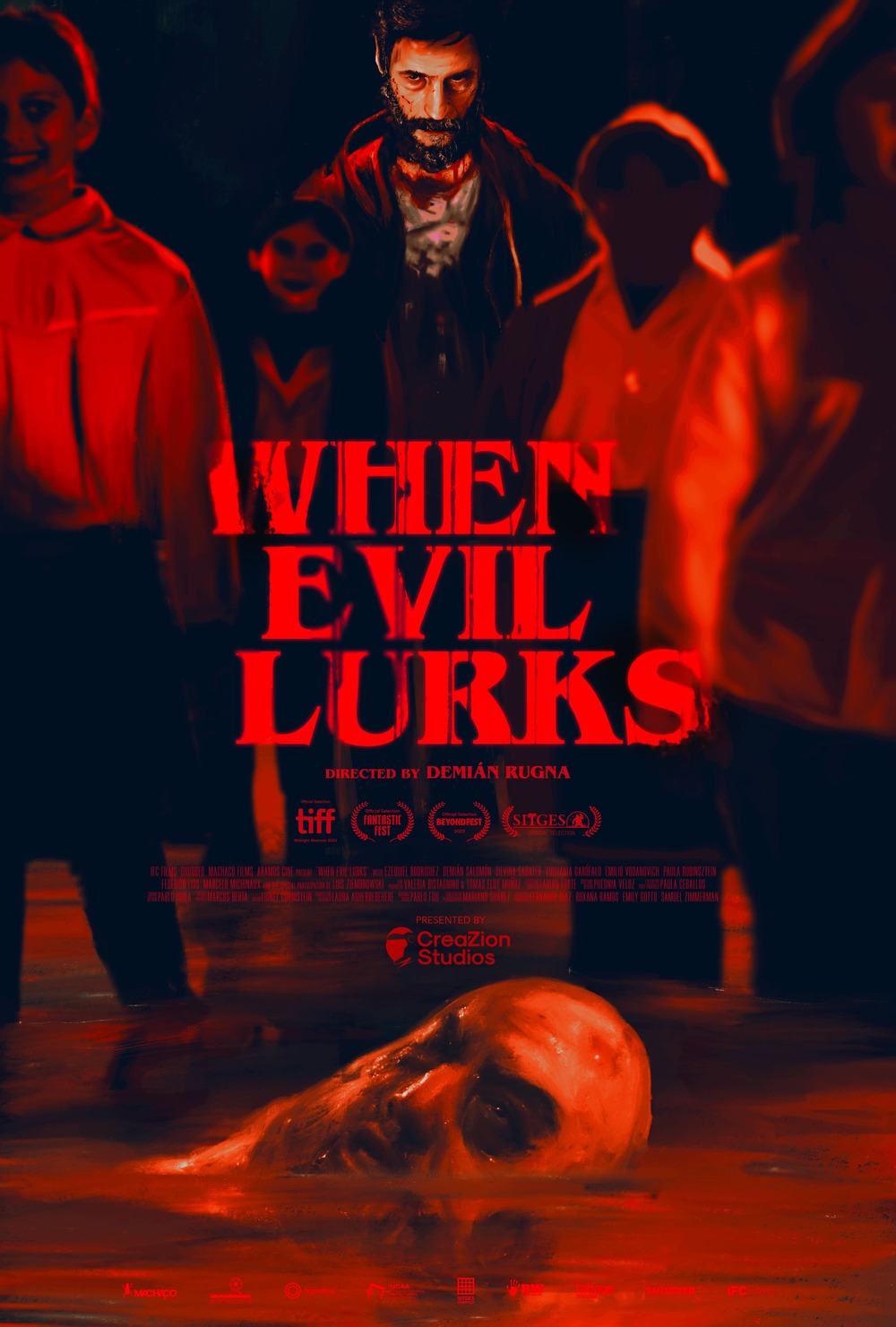
Horror Film Review: When Evil Lurks (dir. by Demián Rugna)


“Evil likes children, and children like evil.” — Mirtha

Most possession movies give you something to hold on to: a priest with a plan, a family worth saving, or the reassuring possibility that evil can be sent back where it came from. Demián Rugna’s When Evil Lurks takes those comforts away and leaves a bunch of frightened people making a terrible situation worse. This 2023 Argentine horror film is less interested in a battle between good and evil than in what happens when ordinary human weakness gives evil room to spread. It’s a vicious, messy, deeply uncomfortable movie, and its most disturbing quality isn’t the gore. It’s how quickly a supposedly sensible decision becomes an irreversible mistake.

The trouble begins in rural Argentina, where brothers Pedro and Jimmy discover a severely deteriorated man whose body is harboring a demonic presence. He’s known as a “rotten,” and dealing with him requires more care than the people nearby are willing to exercise. Alongside a local landowner, the brothers attempt to move him away from their property, treating a supernatural emergency like an unpleasant chore. Naturally, this doesn’t solve anything. Their attempt to put distance between themselves and the danger helps spread it instead. That opening establishes the movie’s central pattern: somebody recognizes a problem, chooses the quickest solution, and creates something much worse. The horror grows out of people trying to regain control without fully understanding what they’re handling.

What makes this setup interesting is that possession isn’t an unbelievable discovery in the world of the film. People already have a vocabulary for it. There are rules, warnings, and specialists called cleaners who are supposed to handle these situations. The trouble is that knowing a danger exists doesn’t mean anyone responds responsibly. Rugna builds his supernatural world through anxious conversations and half-understood instructions rather than a long explanation. We pick things up while the characters are already struggling to keep pace. It makes the setting feel lived-in, as though this nightmare has happened elsewhere and the lessons simply haven’t stuck. There’s something particularly unnerving about watching people face a known threat with so little practical preparedness.

The countryside adds another layer of discomfort. There’s plenty of open space, but very little actual freedom. Roads connect one vulnerable household to another, and leaving a dangerous place doesn’t necessarily mean escaping the danger. Rugna and cinematographer Mariano Suárez make farms, modest homes, and stretches of daylight feel exposed rather than peaceful. You don’t spend the whole movie peering into dark corners, waiting for something to emerge. Sometimes the threat is clearly visible, and the suspense comes from watching someone approach it anyway. That directness gives the horror an unpleasant physical presence. It isn’t safely tucked away in shadows or confined to some obviously sinister building. The ordinary surroundings also make the violence feel intrusive, as though something has broken into a world that wasn’t visually prepared for it.

The physical effects make that presence hard to ignore. The rotten man’s swollen, decaying body is an early announcement that Rugna isn’t interested in keeping this material tasteful. Flesh looks vulnerable, contaminated, and capable of becoming something horribly unfamiliar. Yet the gore isn’t effective simply because it’s graphic. It destroys the comfortable distance between recognizing a horror setup and feeling genuinely worried about what comes next. Children and animals aren’t protected by the usual genre boundaries, which makes otherwise ordinary scenes nerve-racking. Viewers sensitive to violence involving either should approach cautiously. The movie doesn’t merely suggest that terrible things could happen; it follows through. More importantly, those moments alter the atmosphere afterward. Once a familiar source of comfort becomes dangerous, it’s difficult to trust another one.

Rugna is especially good at deciding when to make us wait and when to pull the floor out. Some sequences stretch a warning sign until you want to shout at the screen. Others turn violent before you’ve fully registered the possibility. That combination keeps the film from settling into an easily predictable rhythm. A quiet conversation can feel more dangerous than a frantic escape, because you’re never sure which moment Rugna is preparing to rupture. The effect is exhausting, sometimes deliberately so. Like the characters, you’re left trying to assess the next immediate threat without having recovered from the last one. The film’s strongest stretches create a nasty tension between wanting the characters to hurry and knowing that rushing is exactly what keeps getting them into trouble.

Ezequiel Rodríguez gives Pedro enough emotional weight to keep this from becoming an empty collection of atrocities. Pedro wants to protect his family, but that desire doesn’t automatically make him thoughtful, reliable, or brave in useful ways. His fear often comes out as impatience, and his need to act can override his ability to listen. Rodríguez makes that combination painfully believable. You can understand the emotion driving a decision while still wanting to stop him from making it. His performance is especially effective when confidence starts looking like a desperate pose rather than a genuine belief that things will work out. Pedro needs to see himself as someone who can help, even when his actions suggest otherwise.

Demián Salomon provides an effective contrast as Jimmy, and their exchanges carry the strained familiarity of brothers who don’t need a crisis to have disagreements. Their relationship gives the movie a human texture that its grotesque imagery alone couldn’t provide. They don’t suddenly become a perfectly coordinated team because the stakes are high. They argue, react differently, and struggle to turn shared concern into a useful plan. That messiness matters because the movie keeps questioning whether emotional attachment actually makes people better at protecting one another. Love creates urgency, but urgency can become recklessness. The brothers’ attempts to help are frightening partly because they aren’t detached from the people who might suffer.

Still, the movie’s reliance on bad decisions is also its biggest weakness. There are moments when a character’s mistake feels tragically human, and others when it feels like the screenplay needs someone to ignore an obvious warning. Pedro in particular can test your patience. The supernatural rules create a related problem: they’re specific enough to invite scrutiny but incomplete enough to leave certain developments feeling arbitrary. Not understanding everything can deepen the horror, but it can also weaken the sense that choices have clear consequences. When almost any action might trigger disaster, suspense occasionally slips into the expectation that everyone is doomed regardless. The later stretches also feel less tightly focused than the opening, as the story divides its attention and keeps introducing fresh complications.

What keeps those frustrations from taking over is the film’s consistent interest in responsibility. People try to move the danger, deny its implications, or overpower something they don’t understand. The impulse is rarely outright villainous. More often, it’s recognizable self-protection mixed with pride and impatience. That makes the spreading evil feel like more than a supernatural gimmick. It becomes a way of exposing how easily private shortcuts turn into collective disasters. Rugna doesn’t stop the action to underline that idea, and he doesn’t need to. We keep watching people confuse doing something quickly with doing something useful, then leave others to absorb the consequences. The film is bleak because good intentions offer so little protection against that pattern.

By the end, what lingers isn’t a neat explanation of the demon or a satisfying display of courage. It’s the awful distance between wanting to protect someone and being capable of it. When Evil Lurks isn’t perfectly controlled: its rules can frustrate, its characters can exasperate, and its cruelty will be too much for some viewers. But Rugna gives those rough edges a powerful emotional center. He makes horror out of failed judgment as much as bodily destruction, leaving no comfortable separation between the monster and the mistakes that help it along. The film gets under your skin because the evil is extraordinary, but the behavior allowing it to flourish feels painfully ordinary.

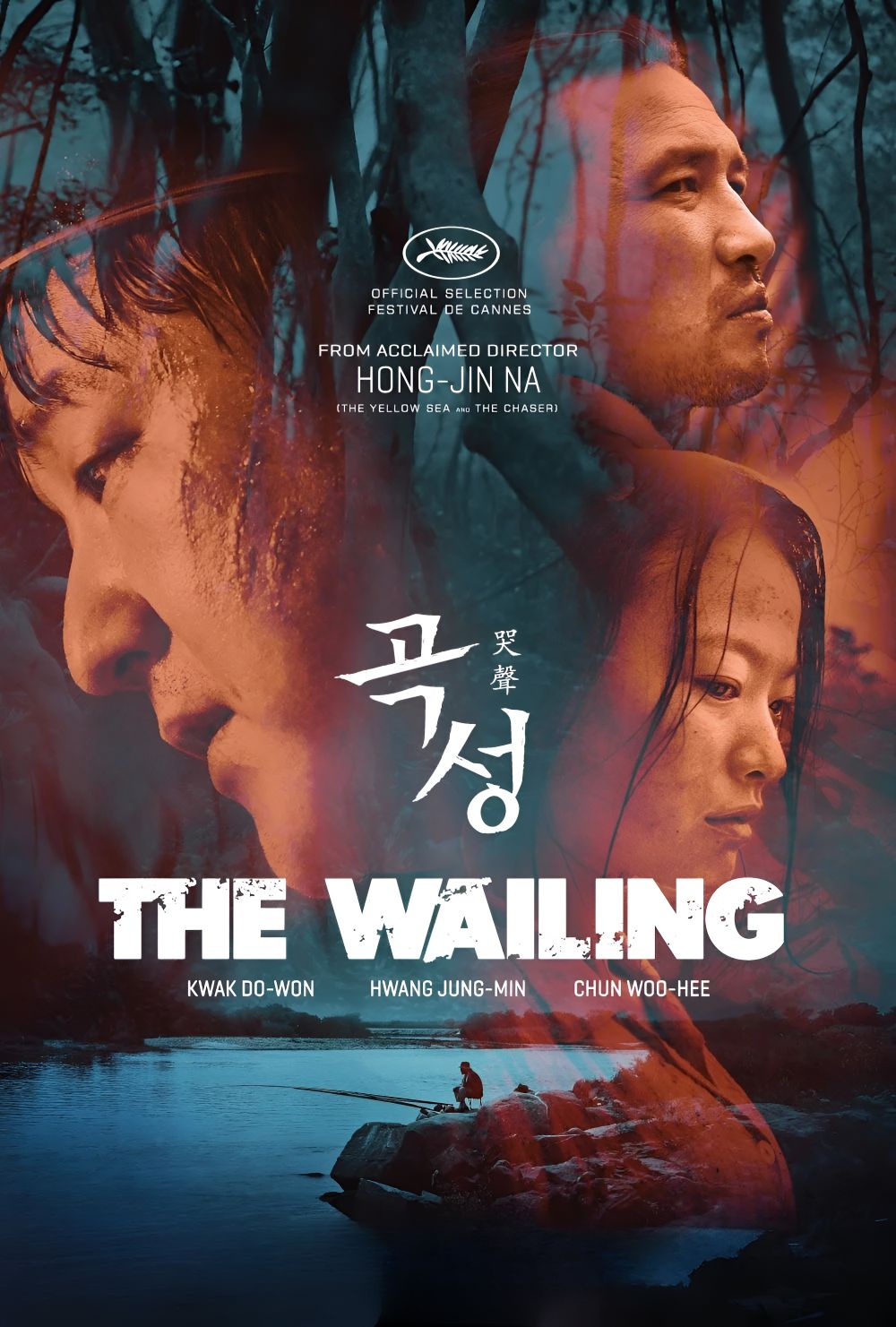
Horror Film Review: The Wailing (dir. by Na Hong-jin)


“Not everything that moves, breathes, and talks is alive.” — Il-gwang

For about an hour, The Wailing pretends to be a detective story. There’s a series of bizarre deaths in a remote village, a suspect who fits nobody’s profile but everyone’s prejudices, a witness with a wild story, and a cop digging for the truth. Everything about Na Hong-jin’s 2016 film is structured like an investigation — interviews, evidence gathering, surveillance photos, a timeline of incidents. The twist is that this is a detective story where the crime scene is the entire world, the culprit may not be a person at all, and every tool the genre normally hands you to solve the case is precisely the thing that gets people killed. Watching it, you keep waiting for the reveal that ties everything together, and slowly it dawns on you: the movie has been quietly teaching you that some cases can’t be closed, and that a detective who can’t accept that is the most dangerous man in the film.

The setup is beautifully simple. In a small village called Gokseong (which gives the film its Korean title), people start getting sick. Then they start getting violent — wild-eyed, homicidal, creepier than your standard zombie by a wide margin. At the center of it all is Jong-goo, a chubby, cowardly, deeply ordinary local policeman played by Kwak Do-won, whose daughter Hyo-jin falls mysteriously ill after the family has a run-in with a stranger. Rumors quickly gather around that stranger, a Japanese man who lives alone in the mountains (Jun Kunimura), who fishes, photographs things he shouldn’t be photographing, and was reportedly seen at the scene of one of the killings. The village has already convicted him; Jong-goo, half-convinced and half-scared, decides to build the case, and the more evidence he collects, the worse everything gets.

What makes The Wailing special isn’t the premise, though — it’s how Na stacks unreliable testimony on top of unreliable evidence until the whole movie feels like a case file with every page contradicting the last. You’ve got a shaman, Il-gwang (Hwang Jung-min, having an absolute blast), who performs one of the most electric exorcism sequences ever filmed, all drums and chanting and animal sacrifice, cross-cut with something else I won’t spoil — essentially an expert witness with his own competing theory. That sequence alone is worth the price of admission: a frantic, drum-driven standoff between two rituals playing out simultaneously, with Na cutting between them faster and faster until you realize he’s using suspense-film grammar to stage a theological argument. You’ve got a mysterious young woman in white (Chun Woo-hee), who shows up with her own version of events, a burned-down house, a zombie-looking guy in the rain, and a very unlucky police partner who keeps finding the worst possible things at the worst possible times.

The genius of the movie is that every one of these characters confidently testifies about what’s happening, and they can’t all be right. Is the Japanese man a demon? A ghost? Just a scapegoated outsider? Is the woman in white a guardian or the actual source of the evil? Is the shaman a fraud or the only person who knows what he’s doing? The film keeps handing you exhibits, then yanking them away — the procedural pleasure of gathering clues, weaponized against you. There’s a scene with photographs that made my stomach drop, a hair tie that functions as a gut-punch with zero gore, and an interview over a cigarette break that recontextualizes the entire first hour. Na shoots all of it in gorgeous, humid, rain-soaked widescreen — this is a beautiful film about terrible things, all green mountains, wet fields, and pale sunlight — and the unhurried pacing isn’t padding, it’s the point: it lets you settle into the village’s rhythm so that each new irregularity registers as a wrong note in a familiar song. The horror rarely announces itself; it’s just suddenly there, sitting in the frame, and half the time you notice it before the characters do.

The folklore texture deserves its own shout-out. Na reportedly built the film from real shamanic traditions, rural superstitions, and his own questions about why inexplicable suffering happens, and you feel that authenticity in every ritual scene. This isn’t Hollywood exorcism-by-numbers; the shamanism feels lived-in, transactional, dangerous, and the film even works in bits of everyday folk logic — the old rule that meeting someone’s gaze means you’ve seen a ghost, the black hair nailed to a door, the persistent Korean dread of the Japanese stranger as a carryover of historical wounds. The title itself points at the movie’s worldview — there’s an old belief that a spirit’s wail can possess the living — and the film is smart enough to treat belief, not just demons, as the thing doing damage. When an entire village decides someone is a monster, what happens next is horror regardless of the supernatural facts.

Performance-wise, this is Kwak Do-won’s movie. His Jong-goo is one of the great horror protagonists precisely because he’s not brave, not sharp, and not special — he’s a tired dad making guesses, and every wrong guess costs him. You watch a decent, dim man get dismantled piece by piece, and the film’s darkest trick is making you complicit in his worst decision. Jun Kunimura is remarkable in a role that requires him to be sinister, pitiable, and genuinely terrifying depending on which scene you’re watching — the man can shift the temperature of a room just by deciding whether to make eye contact. Hwang Jung-min goes full rock-star shaman and steals the middle of the movie, and Chun Woo-hee does extraordinary work with a character who has to work on two levels at once: every time she speaks, you’re simultaneously calmed by her and checking the frame for what she might really be.

Now, fair warnings. The pacing is slow, especially in the first hour, and the runtime is a hefty 156 minutes. If you need jump scares every ten minutes or a third act that explains itself, this will test you. There’s also animal harm on screen, which I know is a dealbreaker for some folks. And the ambiguity is total — people walk out having landed on completely opposite conclusions, and I genuinely think the film is more layered on a second viewing, since the dialogue is full of lines that read completely differently once you know how things shake out. But Na leaves one crucial scene open-ended on purpose, because the whole point is that certainty, in the face of real evil, is a luxury nobody gets.

And that’s what elevates The Wailing above most possession movies. It’s a horror film about epistemology, honestly — about how we decide what to believe, who benefits from our belief, and how being unable to choose can be the most dangerous state of all. The village looked at a stranger and closed its case; Jong-goo spends the whole film trying to close his, following every lead, consulting every expert, and the movie watches what each conclusion costs him. There’s a line near the end, about trusting versus doubting, that lands like a knife because the entire film has been secretly about that question. The scariest thing in The Wailing isn’t the demon; it’s the idea that you could do everything right and still lose everyone you love because you hesitated a moment too long.

So, where does it land? For my money, The Wailing is a masterpiece of modern horror and easily one of the best South Korean films of the 2010s — a decade that includes Train to Busan, The Handmaiden, and Parasite, which tells you how competitive that field is. It’s not a crowd-pleaser in the jump-scare sense; it’s a slow-burn, smoky, mystifying fever dream that rewards patience and punishes assumptions. Watch it late, watch it with subtitles, don’t look up anything beforehand, and let it mess with you. Most detective stories end with the case closed and the world set right; The Wailing ends with the file left open on the desk, because Na Hong-jin’s real subject was never whodunit — it was the hubris of assuming that every mystery owes you an answer. That open file is exactly what keeps the film wailing in your head long after it’s over.

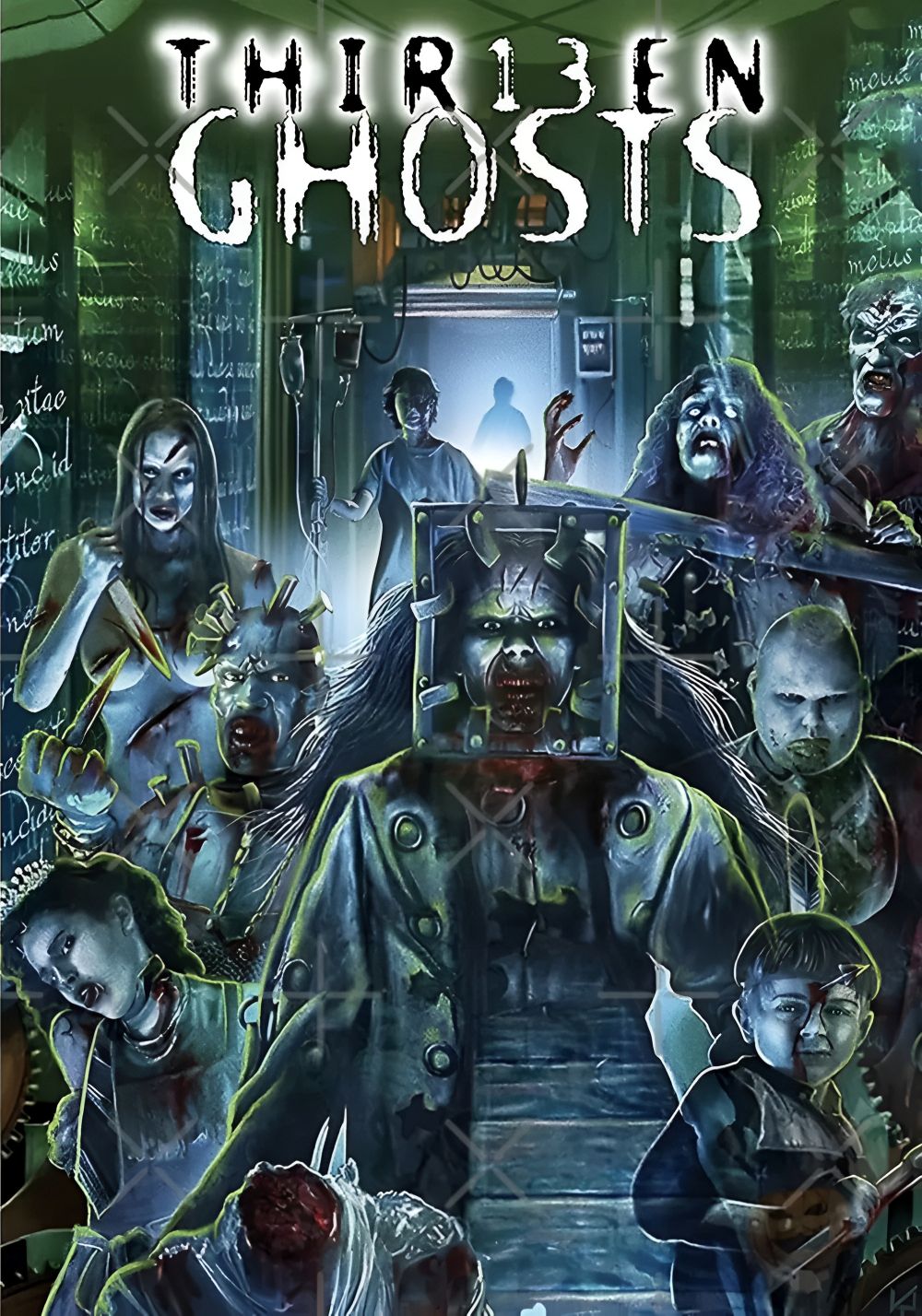
Horror Film Review: Thirteen Ghosts (dir. by Steve Beck)


“Did I say there’s a petting zoo downstairs? No! There are ghosts downstairs, Arthur!” — Dennis Rafkin

In Thirteen Ghosts, getting a spectacular house for free turns out to be considerably worse than struggling to afford one. That cruel little reversal gives Steve Beck’s 2001 horror film a promising starting point: a family’s apparent good fortune becomes another nightmare they have to survive. As a remake of William Castle’s 1960 film 13 Ghosts, though, it isn’t interested in preserving much of its predecessor’s low-budget charm. Beck trades playful spook-show entertainment for grotesque creatures and brutal violence. The result has an unmistakable identity, but its impressive visual imagination often outpaces its ability to tell a compelling story.

Tony Shalhoub plays Arthur Kriticos, a widowed father trying to provide some stability for his children. When his wealthy uncle Cyrus, played by F. Murray Abraham, leaves him an extraordinary house, it looks like the kind of opportunity he can’t afford to question. Arthur arrives with his family and their nanny, only to discover that their new home contains trapped spirits and some deeply suspicious machinery. Naturally, the house isn’t simply haunted. Its design has a purpose, and the people walking through it have become part of something they don’t understand.

There’s a nasty streak running through that setup, and the remake embraces it. Castle’s original has the scrappy appeal of an old carnival attraction, where the modest effects and ghost-viewing gimmick contribute to the fun. Beck’s version wants to hit harder. The ghosts look tortured, their attacks feel vicious, and the atmosphere offers little of the earlier film’s playful reassurance. That approach separates the remake from the original rather than leaving it feeling like a glossy imitation. Still, the difference is enormous. It keeps the basic inheritance premise while taking the experience about as far from Castle’s charmingly cheap thrills as possible.

The strongest part of that transformation is the house itself. Its glass walls, strange inscriptions, and mechanical components make it feel more like an elaborate trap than somewhere anyone could live. The transparency is especially effective. Haunted-house movies usually make darkness and concealment threatening, but here the characters can look through walls without knowing what they’re seeing or how to reach safety. Everything appears exposed, yet very little feels understandable. Even during stretches when the plot becomes clumsy, the setting holds your attention. There’s almost always an unsettling detail somewhere in the frame.

The special glasses that reveal the ghosts make good use of that environment. Without them, a seemingly empty room can contain something capable of killing you. With them, the house becomes even less inviting. It’s a clever connection to the original’s viewing gimmick, repurposed to suit the remake’s harsher personality. The bathroom encounter with the Angry Princess is particularly effective because it builds danger around a character’s limited awareness. For a moment, the film doesn’t need complicated explanations or frantic action. The simple possibility of sharing a confined space with an unseen threat does the work.

The creatures are equally important to the movie’s appeal. Their makeup, clothing, and physical behavior suggest distinct personalities and horrible histories. They aren’t interchangeable figures waiting to jump into the camera. Several look interesting enough to support much longer sequences, which makes their treatment frustrating. The movie introduces these elaborate designs and then rushes toward the next confrontation. You want to understand what separates one spirit from another, but the screenplay too often treats them as obstacles in a supernatural obstacle course. The imagination behind their appearances is stronger than the storytelling that puts them to use.

That hurry extends to the scares. Beck frequently pushes the action with rapid editing, loud sound effects, and sudden bursts of violence. There’s some fun in that aggressive approach, especially if you enjoy horror that refuses to be restrained. But the constant pressure eventually flattens the suspense. When nearly every encounter arrives at full volume, there’s little room for dread to build. An ugly figure lingering behind glass can be more disturbing than another noisy attack. The movie creates plenty of striking images, then seems nervous about letting the audience sit with them.

The actors help keep the chaos watchable. Shalhoub gives Arthur a weary sincerity that makes his concern for his children believable. Matthew Lillard brings an anxious, twitchy energy that fits the increasingly frantic situation, while Shannon Elizabeth and Rah Digga add life to the ensemble. Unfortunately, the family’s emotional circumstances get less attention than the machinery surrounding them. Arthur’s desire to turn an inheritance into security should make the house’s betrayal sting. Instead, the film keeps interrupting that thread to explain another supernatural complication or send everyone running. The characters remain likable enough, but they rarely become as interesting as their surroundings.

By the time the house has revealed its true colors, Thirteen Ghosts has made a better case for its production design than its storytelling. There’s real pleasure in its elaborate nastiness, and Beck deserves credit for giving the remake a personality separate from Castle’s original. This isn’t the same haunted-house ride with a fresh coat of paint; it’s a colder, bloodier attraction built on the old foundation. Whether that trade works depends on how much creature design and frantic violence you need to stay entertained. For me, there’s enough to enjoy, but not enough to stop wishing the movie would slow down and let its best ideas haunt us.

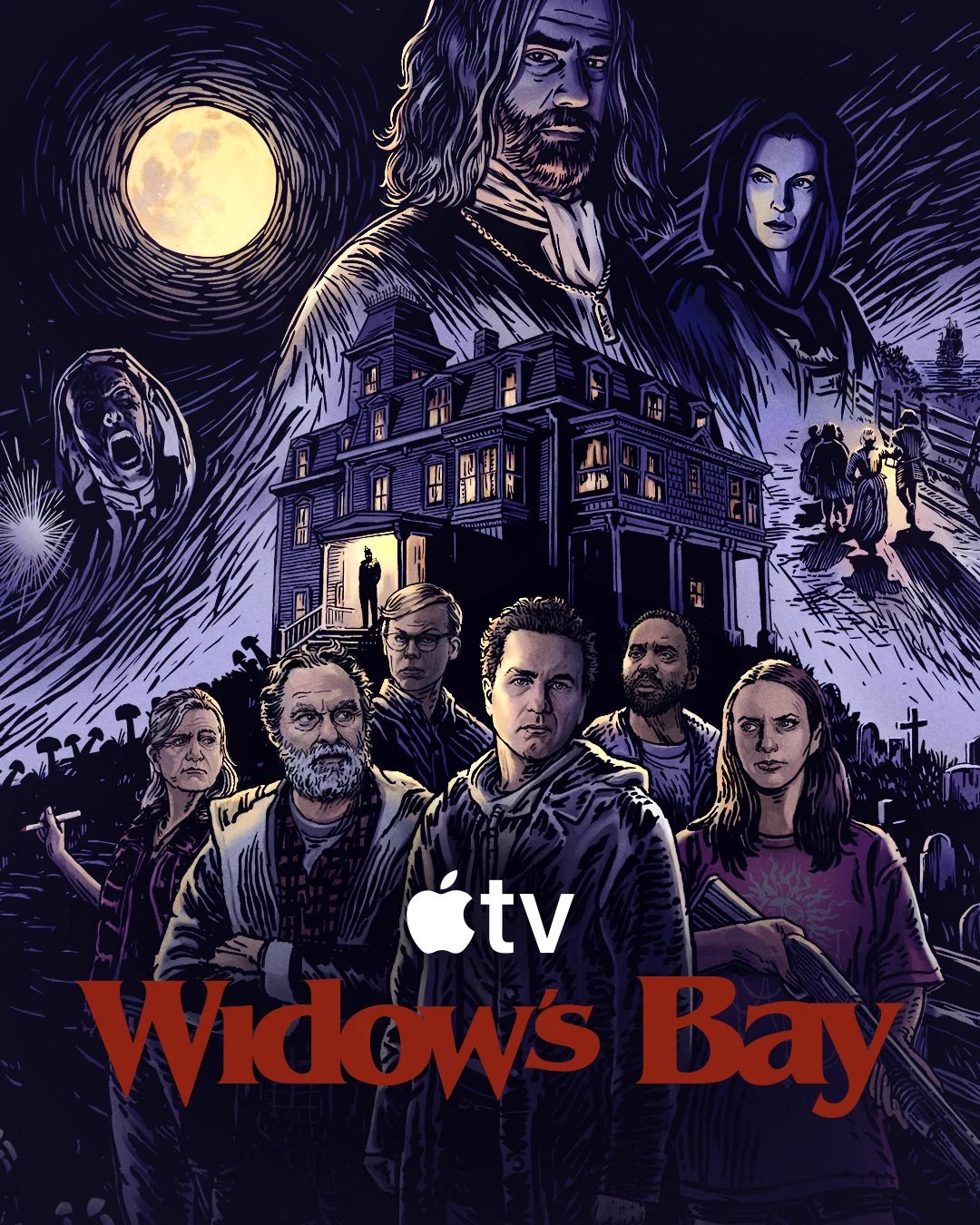
Horror Series Review: Widow’s Bay (by Katie Dippold)


“I didn’t realize it was a haunt. I’m sorry. Could you remind me again? A haunt is worse than a spook, but not as bad as a fright? Oh, oh, equal to a scare, right?” — Tom Loftis

Most horror stories would be a lot shorter if people could admit that something was wrong. Widow’s Bay turns that familiar frustration into the foundation of a very funny, genuinely creepy series about a community with plenty of reasons to avoid the truth. Created by Katie Dippold for Apple TV, the 2026 horror comedy understands that denial isn’t just a convenient way to keep characters in danger. Sometimes it’s a survival strategy, a family tradition, or practically a requirement for holding public office. That gives the show something more interesting to work with than another cursed town full of people making terrible decisions.

At the center of that denial is Tom Loftis, played by Matthew Rhys, the mayor of an isolated New England island he wants to turn into a thriving tourist destination. It’s an understandable ambition, except that his hometown’s atmosphere is less relaxing coastal getaway and more place where someone’s grandmother knows exactly why you shouldn’t go outside tonight. The residents believe the island is cursed, while Tom sees their superstitions as obstacles to progress. Their competing interpretations give the series its central tension: how do you convince people that their future can improve when their past apparently refuses to stay buried?

Rhys makes Tom’s refusal to acknowledge the obvious both entertaining and revealing. He’s not simply playing the clueless authority figure who exists so viewers can yell at the screen. There’s anxiety beneath his confidence, and his determination to control the island’s future overlaps with his worries about his increasingly independent son. He wants to believe that being responsible and working hard will eventually make everything manageable. Watching that belief collide with circumstances beyond his control provides some of the show’s best comedy. More importantly, it makes his stubbornness feel like a character flaw rather than a screenwriting shortcut.

Dippold does an excellent job of weaving comedy into the horror without making either side feel like an obligation. The jokes aren’t constantly elbowing the audience, pointing out how silly supernatural stories can be. Instead, they emerge from people trying to preserve their dignity, defend their authority, or get through an awkward conversation while something deeply unsettling happens around them. There’s a wonderful absurdity to treating a potentially cursed community as a branding problem. Yet the show never loses sight of the fact that these characters have to live with the consequences once the promotional optimism wears off.

That approach also gives familiar horror tropes some welcome personality. The series draws on recognizable territory, including haunted spaces, slasher scenarios, ominous warnings, and communities with disturbing histories. There are echoes of The Fog, The Shining, Halloween, and The Witch, but recognition isn’t the whole joke. Dippold uses those familiar shapes to explore how these particular people respond to fear. Sometimes they panic, sometimes they argue, and sometimes they behave as though acknowledging a supernatural threat would be more embarrassing than getting killed by it. The humor comes from their reactions, not from suggesting that the danger doesn’t matter.

The New England coastal setting gives that danger a distinct character. Widow’s Bay understands the appeal of a picturesque place where the local stories gradually make the scenery feel less inviting. Its folklore and mythology aren’t just decorative details sprinkled over a generic haunted-town premise. They influence how residents understand their surroundings and what they consider normal. Stories about church bells, mushrooms, and the consequences of leaving the island suggest a community organized around inherited warnings. There’s something especially creepy about rules everyone repeats but nobody can fully explain, particularly when ignoring them might carry consequences.

That uncertainty connects the show’s supernatural mythology to its interest in generational trauma. The island’s history isn’t something its residents can simply remember, regret, and move beyond. It has become part of their behavior, their relationships, and their expectations. The curse works as more than an explanation for frightening events; it also becomes a way of thinking about damage passed down through families and communities. The show’s attention to buried history and Puritan-era origins reinforces the sense that the present rests on foundations nobody has properly examined. Tom’s desire for a fresh start clashes with everything that a fresh coat of paint cannot fix.

What keeps this material from becoming heavy-handed is the show’s willingness to let pain and absurdity occupy the same scene. People don’t stop being petty, awkward, or unintentionally funny because they’re dealing with inherited suffering. Sometimes those habits are precisely how they avoid confronting it. Widow’s Bay finds humor in those defenses without treating the underlying hurt as a punch line. That distinction matters. The series can laugh at the ways people cope while still recognizing why they developed those responses. Its comedy makes the emotional material feel more human, rather than providing an escape hatch whenever things become uncomfortable.

The supporting cast helps make that balance convincing. Kate O’Flynn’s Patricia and Stephen Root’s Wyck contribute more than colorful reactions to the latest strange occurrence. Patricia’s loneliness and need for connection, along with Wyck’s regrets, give the island’s troubles an emotional dimension beyond the immediate business of staying alive. Their eccentricities might get the initial laugh, but the vulnerabilities underneath keep them interesting. The community works because it feels populated by people with unfinished lives, not just convenient victims. As those lives become entangled with the supernatural, the danger gains weight without requiring everyone to become suddenly solemn.

The season’s episodic variety is another strength, allowing individual supernatural stories to develop while the larger mystery continues taking shape. That structure gives different characters and different kinds of fear room to breathe. It also prevents the series from leaning too heavily on Tom’s skepticism as its only comic engine. Some horror imagery does make its influences obvious, and viewers looking for completely unfamiliar genre territory may recognize certain setups early. Still, the show usually finds its freshness in character and tone. Predicting the general direction of a scare doesn’t necessarily mean predicting the uncomfortable, funny, or revealing response that follows.

What makes Widow’s Bay worth spending time with is how comfortably it lets you laugh and feel uneasy without forcing a choice between the two. Dippold gives the island’s strange traditions, inherited wounds, and supernatural threats room to feed into one another, while the cast keeps everything grounded in recognizable human behavior. Not every familiar horror setup feels entirely fresh, but the people caught inside those situations make the difference. You’re laughing at their stubbornness one minute and worrying about them the next. That’s a tricky balance to sustain, and the show makes it look deceptively easy.

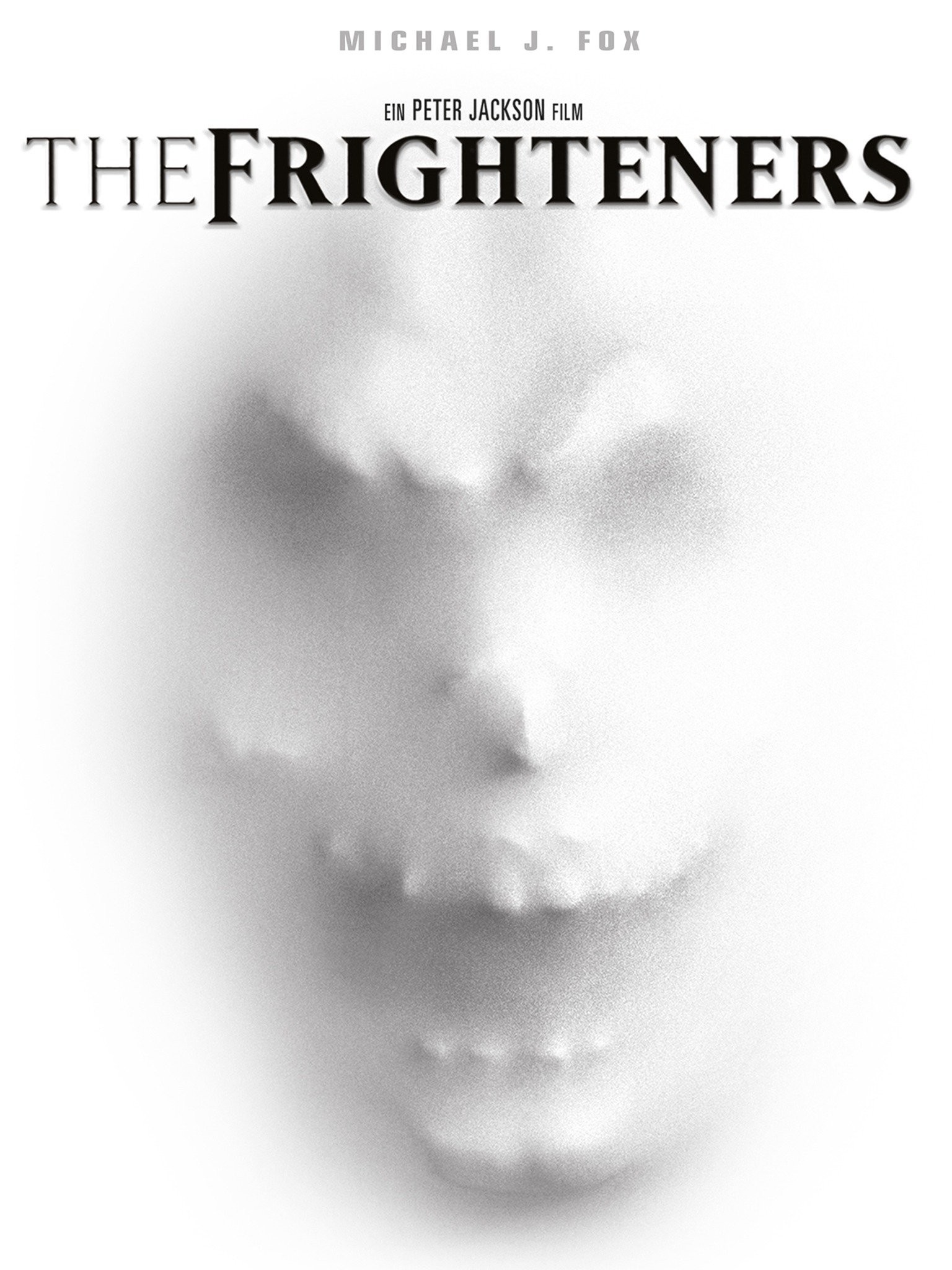
Horror Film Review: The Frighteners (dir. by Peter Jackson)


“Give it up, Frank! Death ain’t no way to make a living!” — The Judge

The best thing about The Frighteners is that its ghosts seem easier to live with than most of its people. Peter Jackson’s 1996 horror comedy builds a lively supernatural world around that idea, filling it with deadbeat spirits, suspicious neighbors, damaged investigators, and a paranormal con man who would rather make a quick buck than save anybody. It’s a funny, nasty, occasionally uneven movie that keeps finding something entertaining beneath its clutter. Even when the comedy and horror pull in different directions, Jackson’s enthusiasm makes the whole thing feel like an invitation to enjoy the chaos rather than question its manners.

At the center is Frank Bannister, played by Michael J. Fox with a mixture of nervous charm and emotional exhaustion. Following the accident that killed his wife, Frank can see and communicate with ghosts. Naturally, he turns this extraordinary ability into a questionable business opportunity. His dead associates haunt local homes, and he conveniently arrives to clear them out for a fee. It’s a wonderfully crooked arrangement because Frank really can do what he advertises; he just happens to be responsible for creating the problem. Things become considerably less manageable when unexplained deaths suggest that another supernatural presence is operating without his relatively harmless motives.

Fox gives the movie the grounding it needs. Frank has the quick wit and comic frustration associated with many of his performances, but the character feels more withdrawn and defeated. His scams aren’t simply evidence of greed. They’re part of a life that has stalled, leaving him more comfortable dealing with the dead than maintaining relationships with the living. Fox allows that grief to emerge without making every scene announce it. Consequently, Frank’s eventual willingness to risk himself for someone else feels like a genuine change rather than an obligation imposed by the screenplay. The wisecracks work because there’s somebody hurting underneath them.

His ghostly partners make the fraudulent haunting business look like a workplace comedy with unusually flexible rules about physical boundaries. Chi McBride’s Cyrus and Jim Fyfe’s Stuart bicker, complain, and carry out their assignments with personalities that death apparently did nothing to improve. John Astin’s deteriorating Judge pushes the humor into more grotesque territory, while R. Lee Ermey brings familiar drill-sergeant hostility to his cemetery patrol. These characters make the supernatural seem oddly mundane. Passing into the next world hasn’t erased anyone’s ego or annoying habits; it has merely removed some practical limitations on how those habits can bother everybody else.

Jackson clearly enjoys that comic freedom, sometimes a little too much. Certain jokes linger past their natural stopping point, and the supporting cast occasionally competes to see who can make the biggest impression. Still, the early silliness establishes an important distinction between Frank’s ghostly companions and the hooded killer moving through town. One group treats haunting as a hustle; the other turns death into a terrifying certainty. When that figure begins bending surfaces and pursuing victims, the movie briefly makes its own playful supernatural rules feel dangerous. Suddenly, walking through walls isn’t a funny trick. It means there may be nowhere safe to hide.

The transition from ghost comedy to serial-killer mystery gives The Frighteners its edge, although it also creates its biggest problems. Jackson and co-writer Fran Walsh gradually connect the present-day deaths to an earlier killing spree, introducing a nastier atmosphere than the opening antics suggest. That darkness gives the stakes weight, but the shifts can be abrupt. A cartoonish gag might sit beside an ugly revelation, with neither getting enough room to establish its intended mood. Sometimes the collision is exciting because the film becomes difficult to predict. Other times, it feels as though Jackson is enjoying every possibility too much to choose between them.

The performances embrace that excess. Jeffrey Combs makes FBI agent Milton Dammers a spectacular collection of twitches, strained reactions, and barely contained dysfunction. He’s entertainingly bizarre, although his scenes sometimes seem to belong to a separate, even stranger movie. Jake Busey brings an obnoxious, grinning confidence to Johnny Bartlett that makes the character’s cruelty especially unpleasant. Dee Wallace adds a more unsettling human dimension to the darker material, helping prevent the horror from becoming nothing more than an effects demonstration. These aren’t restrained performances, but restraint would probably look out of place in a film this committed to pushing its characters toward the grotesque.

Trini Alvarado provides a useful contrast as Lucy Lynskey. Her comparatively grounded presence gives Frank someone to connect with outside his circle of supernatural accomplices and hostile acquaintances. Their developing relationship isn’t the movie’s most fully realized element, but it supports his emotional recovery without overwhelming the story. Visually, meanwhile, Jackson rarely slows down. Ghosts slide through objects, bodies distort, and ordinary rooms become unstable territory. Some digital effects show their age, particularly when translucent figures interact with physical surroundings. Yet the imagery remains expressive, using exaggeration to sell jokes and scares rather than relying entirely on realism. The effects have personality, which helps them survive their technical limitations.

That ambition also makes The Frighteners an important bridge in Jackson’s career. His mostly low-budget New Zealand splatter-comedy roots in Bad Taste, Meet the Feebles, and Braindead remain visible in its grotesque humor and cheerful bad taste. Heavenly Creatures had already demonstrated his dramatic range, but this Robert Zemeckis-backed production gave him a larger Hollywood canvas while allowing him to keep working in New Zealand. Its extensive effects demands helped expand Wētā’s capabilities, building toward the filmmaking infrastructure that would become essential to The Lord of the Rings trilogy. The scale changed, but the filmmaker’s mischievous instincts clearly came along for the ride.

For all its importance as a stepping stone, the movie works best when appreciated as its own unruly creation. The plotting gets crowded, the climax occasionally substitutes activity for suspense, and the tonal balancing act never becomes effortless. But Fox gives the spectacle a heart, and Jackson gives it enough imagination to make its imperfections forgivable. There’s genuine affection for the misfits underneath the grotesque imagery, even as the story finds ugliness among people who should know better. By the end, The Frighteners makes a convincing case that being dead is less of a character flaw than being a jerk.

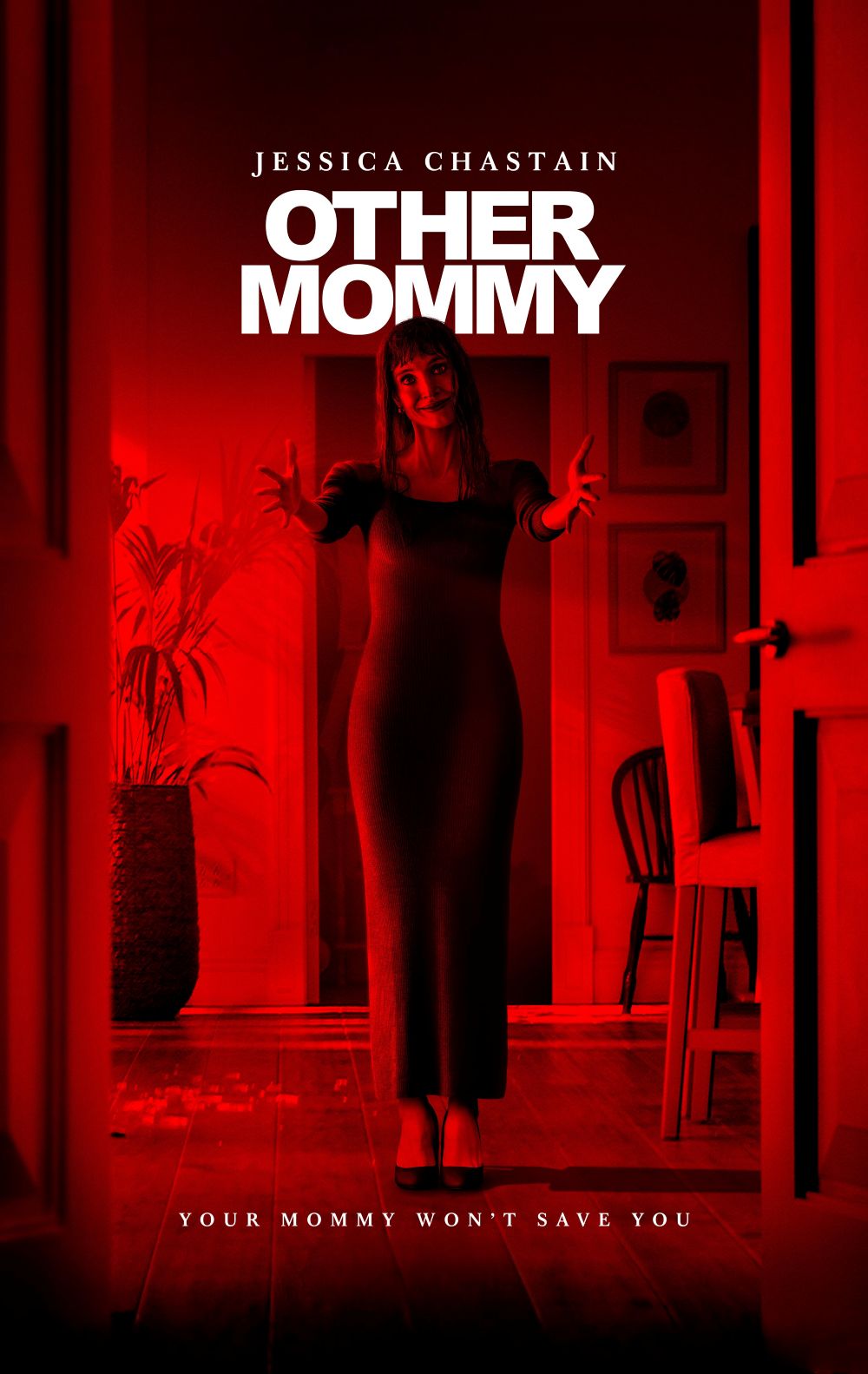
Horror Film Review: Other Mommy (dir. Rob Savage)


“Sometimes I think about when you and I were one person, and it makes me so happy, I cry. Do you remember that?” — Other Mommy

Jessica Chastain is the only reason Other Mommy works at all, and even she cannot quite save a horror movie that turns a genuinely strong premise into something silly through its own adaptation. Rob Savage’s 2026 film is based on Josh Malerman’s novel Incidents Around the House, and the source material’s central idea—a young girl discovers that the entity haunting her house looks exactly like her mother—is legitimately creepy and emotionally rich. The novel understands that a child’s fear of losing her mother, and a mother’s fear of being replaced, can carry an entire horror story. The movie takes that same foundation and rushes through it, leans into chaotic scares, and never finds a consistent tone, until the premise starts to feel ridiculous rather than frightening. What keeps it from being a total loss is Chastain’s double performance as both the struggling mother Ursula and the grotesque creature impersonating her. Without her, this would be an easy movie to forget. With her, it becomes a frustrating watch—good enough to keep you interested, bad enough to make you wish it had been better.

The story follows Bela, an eight-year-old girl played by Arabella Olivia Clark, who lives with her parents Ursula and Russ, played by Chastain and Jay Duplass. Their home is already unstable. The marriage is strained, the parents are distracted, and Bela is left to make sense of it all on her own. Into that environment comes Other Mommy, an entity that emerges from the closet wearing Ursula’s face. She does not simply attack Bela. Instead, she asks to be let into her heart, promising love and closeness while making it clear that refusal will have consequences. In Malerman’s novel, that setup works because the book takes its time exploring the psychological weight of it: a child caught between a mother who cannot fully show up for her and a monster who will happily pretend to. The film has the same ingredients but treats them more like a starting point for increasingly ridiculous scares than something it actually wants to sit with, and that is where the adaptation starts to lose the plot.

Chastain is the reason any of it works at all. Playing Ursula and Other Mommy gives her a chance to show two very different sides of the same face, and she makes the contrast convincing. As Ursula, she is tired, brittle, and emotionally unavailable in a way that feels believable even when the plot around her falls apart. She loves her daughter, but she is too overwhelmed and angry to show it consistently, and Chastain plays that failure without turning Ursula into a villain. As Other Mommy, she gets to go full nightmare fuel. The creature performs motherhood like someone who has studied it from the outside, smiling too widely, speaking in a warm but slightly off register, and moving with an unnatural confidence that makes every interaction feel wrong. Chastain understands that the scariest version of the monster is not the one that growls or lunges, but the one that almost gets the role right. She knows the words. She does not understand the feeling behind them.

That performance is what gives the film its few genuinely effective moments. When Other Mommy pleads with Bela to accept her, the scene works because the creature is both terrifying and pitiful. She wants to be loved, believed, and chosen, and she cannot comprehend why Bela would resist. There is something sad about that, and Chastain finds it without softening the character’s menace. She makes the entity feel like a desperate, needy thing wearing a mother’s face, and that is a much more interesting horror idea than the movie’s actual plot delivery system. If the film had leaned harder into that emotional contradiction and given it room to breathe, it might have come closer to capturing what makes the novel’s premise so effective. Instead, it keeps rushing past the interesting parts to get to the next loud, chaotic set piece.

That pacing is one of the movie’s biggest problems. At 93 minutes, Other Mommy moves fast, and not in a good way. It introduces the family’s problems, brings in the monster, and starts escalating the scares before the audience has had much time to connect with anyone. We understand that Ursula and Russ are unhappy, but we do not feel the specific weight of that unhappiness. We know Bela is lonely, but the film does not give her enough quiet moments to show what that loneliness looks like day to day. The result is a movie full of confrontations with the entity but very little emotional buildup between them. The family feels more like pieces in a horror machine than people whose survival actually matters, and that makes it hard to care when things go wrong. The novel earns its scares by making you care about the people first; the film skips that step and wonders why the scares do not hit as hard.

Savage’s direction does not help. He clearly likes big visual ideas, sudden movements, and scares that come out of nowhere, but the execution often feels more frantic than frightening. The creature design has some inventive moments—Other Mommy can stretch, contort, and squeeze herself into spaces no human body should fit—but the film rarely trusts quiet dread. It piles on noise, fast editing, and chaotic CGI effects until the tension flattens out. A scare that might have landed with a little patience becomes one more startle in a long line of startles. When the entity lingers at the edge of the frame, half-seen through a doorway or reflected somewhere she should not be, the movie creates real unease. Those moments are too rare. Most of the time, the film would rather show you everything immediately and hope volume substitutes for atmosphere, which is exactly the kind of choice that turns a creepy premise into a silly one.

The tonal swings make things worse. Other Mommy wants to be sad, scary, funny, and ridiculous all at once, and it does not know when to switch gears. There are sequences where the creature’s behavior becomes so exaggerated that it tips into camp, including a ball-pit scene that pushes the film into full-on absurdity. That campiness might work in a movie that fully embraces it, but this one keeps trying to have it both ways. It wants you to laugh at the monster’s physical comedy one minute and feel genuine dread the next, and the shifts are jarring rather than effective. The result is a film that never settles into a consistent identity. It is too silly to be truly scary and too serious to be fun camp, and that in-between space is where it lost me—and where it drifts furthest from the novel’s more controlled, unsettling tone.

The supporting cast does not do much to help. Duplass gives Russ a believable sense of helplessness, but the character is thinly written and mostly reactive. Karen Allen, Arian Moayed, and Dichen Lachman show up in roles that serve the plot rather than add dimension. Clark is better than the material deserves, bringing a real vulnerability to Bela that makes her more than just a screaming kid. She holds her own opposite Chastain, which is no small feat given how much the older actress is doing in every scene. But even a good child performance cannot fix a screenplay that does not know what it wants to say about the family at the center of the story.

In the end, Other Mommy is a movie with one great performance and an adaptation that takes a strong, genuinely unsettling premise and makes it feel silly through rushed pacing, chaotic direction, and tonal confusion. The idea of a mother-shaped entity trying to replace a child’s real mother is not the problem—Malerman’s novel proves it can be genuinely frightening. The problem is that Savage’s film does not know how to translate that idea to the screen without turning it into a series of loud, inconsistent set pieces. Chastain plays both sides of the dynamic with total commitment, and she is the only reason the movie stays watchable. It is not the worst horror movie of the year, but it is a disappointing one, because you can see the better version of this story trying to get out. If you watch it, watch it for her. Just do not expect the movie around her to hold up the way the book’s premise deserves.

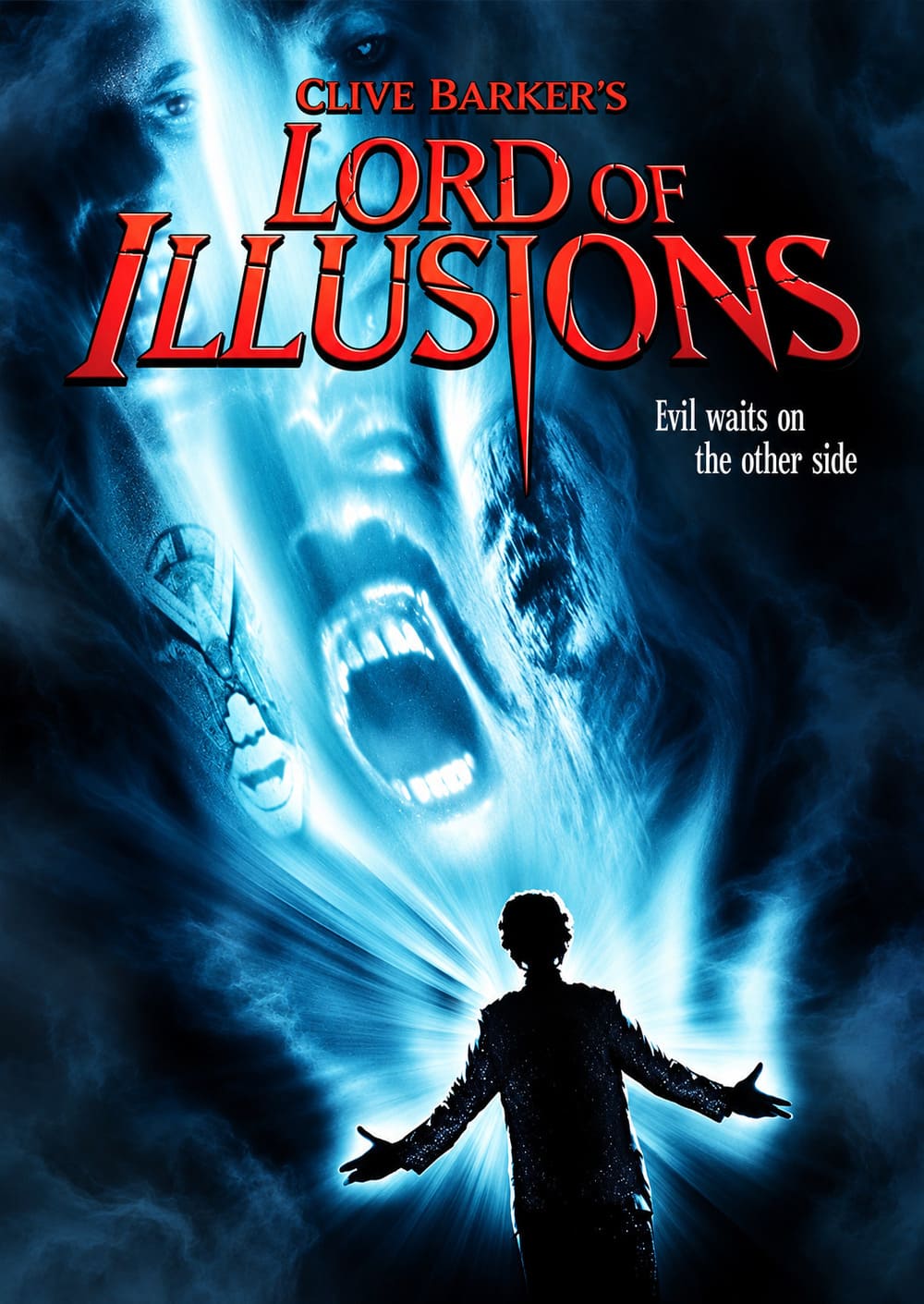
Horror Film Review: Lord of Illusions (dir. by Clive Barker)


“I was born to murder the world.” — William Nix

There’s a version of Lord of Illusions that exists only in Clive Barker’s head, and it’s probably a masterpiece. The version that actually made it to theaters in 1995 is something else entirely: a fascinating, frustrating, occasionally brilliant mess of a movie that tries to fuse film noir with cosmic horror and only partially succeeds. Barker wrote and directed the film based on his own 1985 short story The Last Illusion, and while he clearly understands the material better than anyone else could, his direction is surprisingly by the numbers, playing it safe when the source material practically begs for supernatural insanity.

The plot, such as it is, kicks off with a prologue in 1982 at a Mojave Desert cult compound run by a genuinely terrifying figure named William Nix, played with unsettling intensity by Daniel Von Bargen. Nix calls himself “The Puritan,” which is a nice bit of irony given that he’s basically Charles Manson with actual supernatural powers, and he’s about to sacrifice a young girl when a group of his own followers, led by a man named Philip Swann, stage a violent coup. They shoot Nix, screw an iron mask onto his face, and bury him in the desert, assuming that’s the end of it. It’s a strong opening, full of the kind of visceral, apocalyptic imagery that Barker does better than almost anyone, and it sets up a genuinely intriguing mystery about what happened to this cult and why its members turned on their leader.

Thirteen years later, we meet Harry D’Amour, a New York private detective played by Scott Bakula, who has a habit of stumbling into the supernatural the way other noir detectives stumble into dames with secrets. Harry gets pulled into a case in Los Angeles that leads him to Swann, now a world-famous illusionist, and his wife Dorothea, played by Famke Janssen, who seems to know more about the danger lurking around her husband than she’s letting on. When Swann dies on stage in a spectacularly grisly accident involving suspended swords, Harry finds himself drawn deeper into a world where the line between stage magic and genuine sorcery has been blurred past the point of no return. The investigation takes him through a strange subculture of professional magicians, each with their own secrets and rivalries, and gradually reveals that Swann’s death was not an accident but the opening move in a larger, darker game.

What works best about Lord of Illusions is its atmosphere. Barker has always had an eye for the grotesque and the baroque, and here he leans hard into the noir trappings to ground the supernatural stuff in something that feels almost noir-ish in its fatalism. Harry D’Amour is a classic archetype, a rumpled, world-weary guy who’s seen too much but keeps going anyway, and Bakula plays him with a likable, low-key charm that keeps the film from drowning in its own self-seriousness. The Los Angeles setting is used well, too, with the stark contrast between the sun-drenched surface and the darkness lurking beneath feeling very much in line with classic noir like Chinatown or The Long Goodbye. The film’s visual palette is appropriately moody, all shadows and neon and rain-slicked streets, and there are moments where it genuinely feels like it could be a lost noir from the 1940s, just with more blood and occult symbolism.

The thing is, though, Barker’s directing here is quite by the numbers. He knows the material inside and out, obviously, since he wrote the short story and the screenplay, but as a director he plays it safe instead of leaning into the supernatural insanity of the source material. There’s nothing wrong with the film on a technical level, but there’s also nothing that really grabs you by the throat the way Barker’s best work does. It’s competent, it’s professional, and it’s ultimately a little bit forgettable in a way that a Clive Barker movie really shouldn’t be. For a filmmaker whose whole reputation is built on pushing boundaries and going places other horror directors won’t, Lord of Illusions feels oddly restrained, like Barker was holding something back.

And that’s what makes the film so bewildering. Barker definitely knows how to direct a film that matches the over-the-top imagery and narrative of his source material. If his work on Hellraiser is any indication, he’s more than capable of translating his own literary excesses to the screen with style and confidence. Hellraiser is a film that fully commits to its own weirdness, that doesn’t apologize for its cenobites or its flesh-and-blood aesthetics or its genuinely transgressive themes. It’s a movie that knows exactly what it is and leans into it with everything it’s got. So why does Lord of Illusions, which comes from a story that’s every bit as strange and ambitious as The Hellbound Heart, feel so much more pedestrian? It’s not a question of budget or resources, because Lord of Illusions actually had a bigger budget than Hellraiser. It’s not a question of experience, because Barker had already directed one genuinely great film by this point. It’s a question of nerve, and for whatever reason, Barker just doesn’t seem to have the same nerve here that he did with Hellraiser.

Would leaning harder into the weirdness have made the film better? Maybe, maybe not. But here’s the thing: like most of Barker’s stories, Lord of Illusions works best when it goes over the top. Barker’s whole deal as an artist is excess. His best work, whether it’s The Hellbound Heart or Weaveworld or The Great and Secret Show, is unapologetically maximalist, throwing ideas at the wall with reckless abandon and trusting that the sheer force of imagination will carry the reader through. The short story The Last Illusion is no exception. It’s a wild, hallucinatory piece of work, full of reality-bending weirdness that feels like it could have been a genuinely unhinged horror film in the right hands. The movie version sands off a lot of those rough edges in favor of something more conventional, and while that makes the film more accessible, it also makes it less memorable.

The film’s biggest problem, and it’s a substantial one, is its pacing and structure. Barker has always been a writer with more ideas than he knows what to do with, and Lord of Illusions is stuffed to the gills with concepts and imagery that never quite cohere. The theatrical cut, which runs about 109 minutes, is notoriously choppy, jumping from scene to scene with a kind of frantic energy that leaves the audience scrambling to keep up. Characters appear and disappear without much explanation, plot threads are introduced and abandoned, and the whole thing has a rushed, unfinished quality that makes it feel like a much longer film that was hacked down in the editing room. There’s a director’s cut that runs about 121 minutes and restores a lot of the character development and thematic material, and while it doesn’t magically turn the film into a masterpiece, it does make it feel considerably more coherent. If you’re going to watch Lord of Illusions, do yourself a favor and track down the director’s cut. It won’t fix all the film’s problems, but it at least gives you a better sense of what Barker was going for.

The performances are a mixed bag in a way that’s almost charming. Bakula is genuinely good as Harry, bringing a kind of earnest decency to a role that could easily have been a Bogart impression. He’s not the most hard-boiled guy in the world, but that’s part of the point; Harry D’Amour is a detective who keeps finding himself in supernatural situations not because he’s special but because he’s unlucky, and Bakula sells that beautifully. He’s the kind of guy you’d want on your side in a crisis, even if he’s not entirely sure what he’s doing half the time, and that makes him a surprisingly effective audience surrogate for a film this strange.

Famke Janssen, in one of her earliest major roles, is somewhat underused as Dorothea, but she has a presence that makes you wish the film had given her more to do. She’s got the kind of old-Hollywood glamour that fits the noir aesthetic perfectly, and there are hints of a much more interesting character buried in there somewhere. Kevin J. O’Connor as Swann is the weak link; he’s supposed to be a charismatic showman hiding a dark secret, but he mostly comes across as twitchy and unfocused, which undercuts the tragedy of his character. The real standout among the supporting cast is Barry Del Sherman as Butterfield, one of Nix’s acolytes, who brings a genuinely unsettling energy to every scene he’s in. He’s the kind of henchman who seems like he’s enjoying himself a little too much, and that makes him far more memorable than the film’s actual villain.

Then there’s Nix himself. Barker has said that he deliberately made Nix uncharismatic, wanting to subvert the expectation of the magnetic cult leader by making him genuinely pathetic and repellent. The intention, clearly, was to evoke the real-world evil of figures like Jim Jones and Charles Manson, those charismatic monsters whose power came from their ability to bend other people’s wills to their own. It’s an interesting idea in theory, a deliberate rejection of the idea that evil has to be seductive to be dangerous.

But here’s the thing: it doesn’t really work. Nix is meant to be a Jim Jones or Charlie Manson type of evil, a man whose sheer force of personality could convince people to hand over their lives and their sanity, but he comes off as uninspired instead. Von Bargen is a fine actor and he does what he can with the role, but the character as written lacks the magnetic pull that made those real-life figures so terrifying. He’s not a seducer, he’s not a manipulator, he’s just a guy in a mask shouting about being a god. The film tells us he had followers, tells us he was dangerous, but it never really shows us why anyone would have followed him in the first place. And that’s a problem, because if you’re going to build a horror movie around a cult leader, the one thing you absolutely have to nail is the cult leader’s charisma. Nix should be the kind of villain who makes your skin crawl because you can almost understand why people fell under his spell. Instead, he’s just a snarling figurehead.

The film’s climax, where Nix is resurrected and goes on a rampage, is where the movie loses a lot of its goodwill. The special effects, which were probably decent for 1995, have not aged well, and the sequence where Nix buries his followers in the desert via a torrential downpour is more silly than scary. The famous “Origami Man” chase sequence, where Harry is pursued by a creature made of folding paper and a dog made of fire, is similarly unconvincing, looking more like a mid-90s CD-ROM cutscene than anything genuinely threatening. It’s the kind of scene that probably looked great on paper but just doesn’t work in execution, and it ends up undermining the film’s attempts at genuine dread.

And yet, despite all its flaws, I can’t bring myself to dismiss Lord of Illusions. There’s something genuinely compelling about a film that tries this hard to be something different, to blend genres in a way that studio horror almost never does. Barker’s vision, even when it’s undercut by dated effects or its own uneven execution, is always interesting. The film’s central idea, that the difference between a magician and a sorcerer is the difference between someone who entertains and someone who actually traffics with dark forces, is a genuinely good one, and the way it plays out through Swann’s character arc is the film’s strongest thematic thread. Swann, who possesses real power but chooses to use it for fame and fortune, is a more interesting figure than the film sometimes knows what to do with. His decision to hide his abilities behind the veneer of stage magic feels like a commentary on something, maybe on the compromises artists make, maybe on the way we all hide the parts of ourselves that are too dangerous or too strange for polite society.

The first two-thirds of the film, with Harry navigating the strange world of professional magicians and slowly uncovering the truth about Swann and Dorothea’s past, is genuinely engaging. It’s when the film shifts into full-on horror mode that it loses its footing, trading atmosphere for spectacle in a way that feels like a concession to the genre’s demands rather than a natural progression of the story. That’s a shame, because the noir elements are what make Lord of Illusions feel unique. There are plenty of horror films about cults and demons and dark magic, but there aren’t many that approach those subjects through the lens of a hard-boiled detective story, and the tension between those two modes is what gives the film its distinctive flavor.

In the end, Lord of Illusions is entertaining enough for what it is, but it’s hindered by a filmmaker well-known for swinging for the fences who, for some reason, holds himself back here when the source material, one he himself wrote, pretty much begs for it. This isn’t a movie that swings and misses; it’s one that never really swings at all, settling for competent when it could have been fearless.

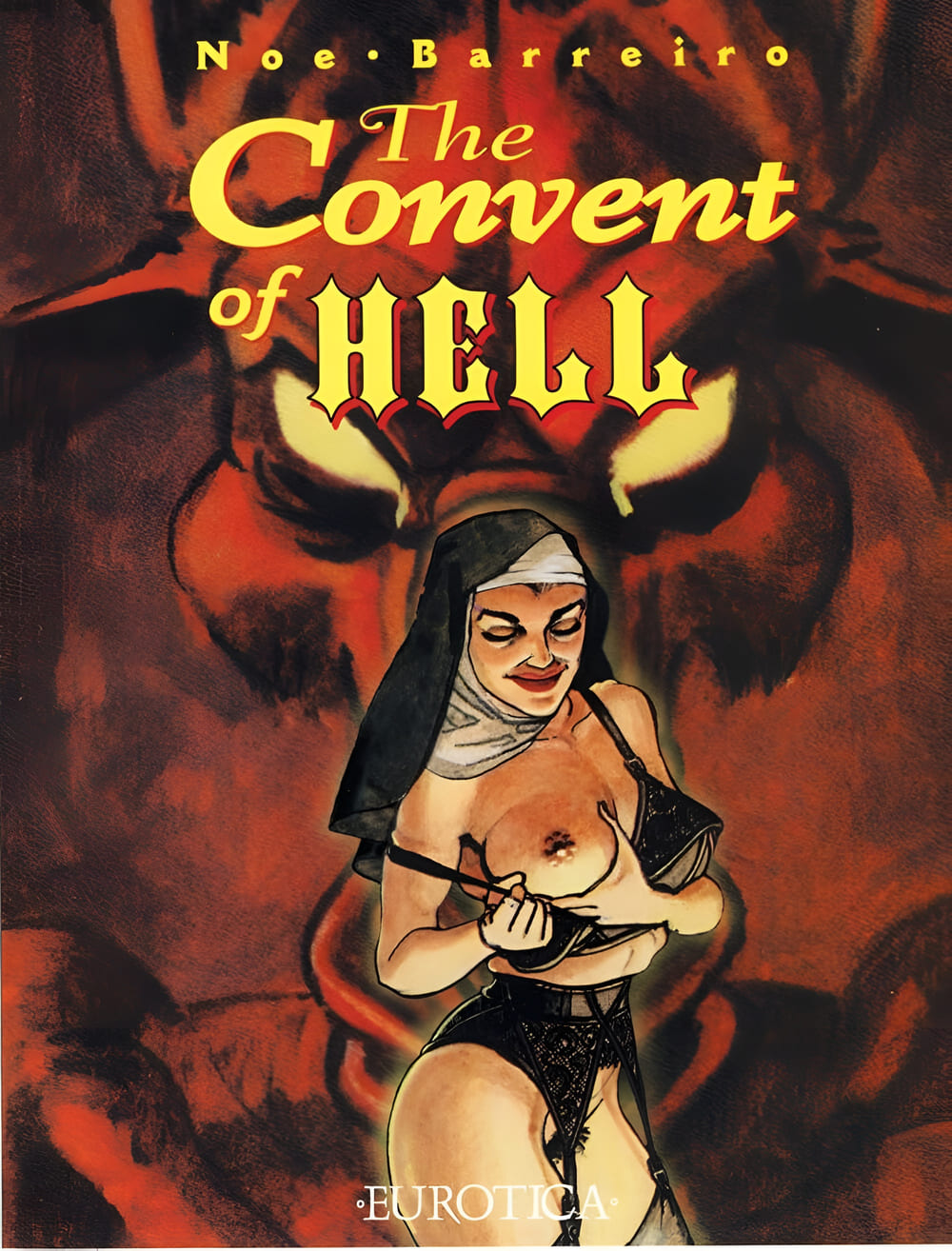
Horror Guilty Pleasure No. 132: The Convent of Hell (by Ricardo Barreiro & Ignacio Noé)


The Convent of Hell is the kind of guilty pleasure that makes you admire the artwork while hoping nobody walks in and asks what you’re reading. Written by Ricardo Barreiro and illustrated by Ignacio Noé, it feels like what would happen if European exploitation films of the 1970s collectively decided they weren’t being exploitative or extreme enough. Whatever restraint those movies occasionally exercised gets thrown out the convent window, leaving a delirious collision of religious imagery, explicit adult material, and grotesque supernatural horror. It is definitely not safe for work, and that warning covers considerably more than nudity. Still, beneath the shock tactics sits an impressive piece of visual storytelling, presented with more artistic conviction than its premise might suggest.

The setup is wonderfully suited to this kind of lurid entertainment. An isolated Spanish convent conceals a mysterious door in its basement, and investigating what lies behind it proves spectacularly unwise. Religious discipline already exists alongside cruelty, repression, and compromised authority before the supernatural threat fully emerges. That matters because the horror does not simply invade an otherwise innocent sanctuary. It finds an institution with weaknesses already built into its foundations. The Mother Superior’s fascination with the forbidden doorway turns curiosity into catastrophe, giving the story a clear dramatic engine even when its increasingly outrageous content threatens to take over completely. You know opening that door is a terrible idea, but watching the inevitable disaster unfold is part of the appeal.

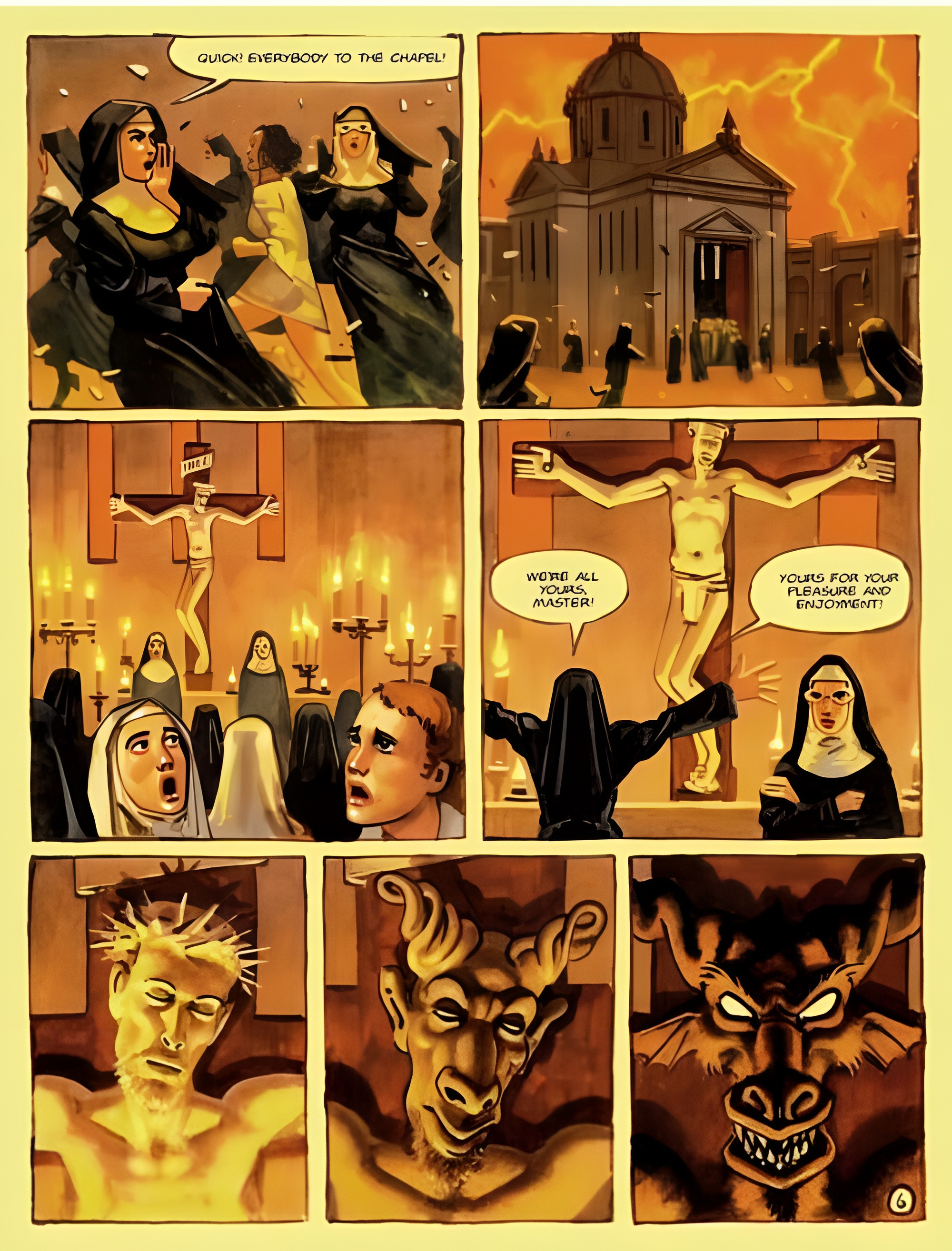
Noé’s artwork is the biggest reason the book rises above being a disposable exercise in provocation. His painted imagery gives the convent a physical presence that makes its corruption feel unusually tangible. The building looks oppressive rather than comforting, with an atmosphere of isolation that establishes unease before the demonic spectacle arrives. There is a strong contrast between the solidity of the setting and the impossible things that eventually occupy it. Instead of treating the backgrounds as empty space between bodies, Noé uses the environment to sustain the mood. The result is a comic whose visual atmosphere remains compelling even when the narrative is operating at its most ridiculous. You can question the taste involved while still admiring the craftsmanship.

That craftsmanship also helps the horror retain some genuine ugliness. The demonic presence is not simply a glamorous fantasy figure with a few sinister accessories. Its animalistic design and exaggerated scale make it feel invasive, alien, and fundamentally wrong within the convent’s enclosed world. This is important because the book constantly moves between erotic spectacle and disgust, sometimes refusing to give the reader a comfortable distinction between them. Noé makes that collision visually forceful. The imagery can be excessive, but it rarely feels timid or accidentally awkward. Whether a particular page fascinates or repels you, there is usually little doubt that the artist knows exactly what kind of reaction he is trying to provoke.

Barreiro’s writing deserves some credit for giving the excess a framework. The discovery of the door, the growing mystery surrounding it, and the escalation into outright supernatural disaster create a recognizable progression rather than a completely shapeless collection of adult scenes. There is anticipation, a threshold being crossed, and a widening sense of consequences. The opening stretch gives the setting time to acquire some menace, which makes the later chaos feel like a release of pressure rather than an arbitrary change of subject. That does not mean the book becomes a deeply layered psychological drama. It simply means its exploitation elements benefit from actual pacing, and pacing makes a considerable difference when the premise is this aggressively overblown.

The characters are less convincing as complicated individuals than as participants in a nightmare about repression and corrupted power. The Mother Superior is the most important figure because her authority and transgression become inseparable, but the book is not especially interested in patiently exploring everyone’s interior life. Its religious imagery supplies an immediate vocabulary of purity, temptation, punishment, and desecration, then twists those ideas into spectacle. There is potential for a sharper critique of institutional hypocrisy here, yet the comic generally prefers another outrageous escalation to a sustained argument. That limitation is worth acknowledging. A reader looking for an insightful examination of faith or convent life will probably find the book much thinner than its elaborate artwork initially promises.

The biggest obstacle, however, is not the thin characterization. It is the sexual violence. Calling this a cheeky naughty-nuns comic would badly undersell how cruel and confrontational parts of it become. Its explicit content includes nonconsensual acts, so the guilty-pleasure label needs a serious qualification: the pleasure comes from the feverish horror, visual skill, and sheer audacity, not from pretending the disturbing material is harmless. For some readers, that combination will be an immediate dealbreaker, and understandably so. Even readers comfortable with extreme horror may find the balance between eroticism and brutality unpleasant rather than entertaining. This is a book whose content warnings are genuinely useful, not merely promotional shorthand for something mildly scandalous.

What ultimately makes The Convent of Hell memorable is the mismatch between its disreputable subject matter and its committed execution. It has the instincts of a midnight exploitation feature, but Noé gives those instincts a richly realized visual identity, while Barreiro supplies enough structure to keep the descent into chaos moving. It is excessive, uncomfortable, occasionally absurd, and unmistakably adults-only. As a guilty pleasure for readers who can tolerate its extreme content, it delivers a distinctive collision of supernatural horror and sacrilegious spectacle. As a recommendation for the average graphic-novel reader, it comes with enormous reservations. The artistry is real; so are the reasons to leave it on the shelf.

Previous Guilty Pleasures

  1. Half-Baked
  2. Save The Last Dance
  3. Every Rose Has Its Thorns
  4. The Jeremy Kyle Show
  5. Invasion USA
  6. The Golden Child
  7. Final Destination 2
  8. Paparazzi
  9. The Principal
  10. The Substitute
  11. Terror In The Family
  12. Pandorum
  13. Lambada
  14. Fear
  15. Cocktail
  16. Keep Off The Grass
  17. Girls, Girls, Girls
  18. Class
  19. Tart
  20. King Kong vs. Godzilla
  21. Hawk the Slayer
  22. Battle Beyond the Stars
  23. Meridian
  24. Walk of Shame
  25. From Justin To Kelly
  26. Project Greenlight
  27. Sex Decoy: Love Stings
  28. Swimfan
  29. On the Line
  30. Wolfen
  31. Hail Caesar!
  32. It’s So Cold In The D
  33. In the Mix
  34. Healed By Grace
  35. Valley of the Dolls
  36. The Legend of Billie Jean
  37. Death Wish
  38. Shipping Wars
  39. Ghost Whisperer
  40. Parking Wars
  41. The Dead Are After Me
  42. Harper’s Island
  43. The Resurrection of Gavin Stone
  44. Paranormal State
  45. Utopia
  46. Bar Rescue
  47. The Powers of Matthew Star
  48. Spiker
  49. Heavenly Bodies
  50. Maid in Manhattan
  51. Rage and Honor
  52. Saved By The Bell 3. 21 “No Hope With Dope”
  53. Happy Gilmore
  54. Solarbabies
  55. The Dawn of Correction
  56. Once You Understand
  57. The Voyeurs 
  58. Robot Jox
  59. Teen Wolf
  60. The Running Man
  61. Double Dragon
  62. Backtrack
  63. Julie and Jack
  64. Karate Warrior
  65. Invaders From Mars
  66. Cloverfield
  67. Aerobicide 
  68. Blood Harvest
  69. Shocking Dark
  70. Face The Truth
  71. Submerged
  72. The Canyons
  73. Days of Thunder
  74. Van Helsing
  75. The Night Comes for Us
  76. Code of Silence
  77. Captain Ron
  78. Armageddon
  79. Kate’s Secret
  80. Point Break
  81. The Replacements
  82. The Shadow
  83. Meteor
  84. Last Action Hero
  85. Attack of the Killer Tomatoes
  86. The Horror at 37,000 Feet
  87. The ‘Burbs
  88. Lifeforce
  89. Highschool of the Dead
  90. Ice Station Zebra
  91. No One Lives
  92. Brewster’s Millions
  93. Porky’s
  94. Revenge of the Nerds
  95. The Delta Force
  96. The Hidden
  97. Roller Boogie
  98. Raw Deal
  99. Death Merchant Series
  100. Ski Patrol
  101. The Executioner Series
  102. The Destroyer Series
  103. Private Teacher
  104. The Parker Series
  105. Ramba
  106. The Troubles of Janice
  107. Ironwood
  108. Interspecies Reviewers
  109. SST — Death Flight
  110. Undercover Brother
  111. Out for Justice
  112. Food Wars!
  113. Cherry
  114. Death Race
  115. The Beast Within
  116. Girl Series
  117. Gone in 60 Seconds
  118. Swordfish
  119. Marked For Death
  120. The Internship
  121. The Angry Red Planet
  122. 2012
  123. Old School
  124. No Escape
  125. In Death Series
  126. Alligator
  127. Little Annie Fanny
  128. Wicked Wanda
  129. Congo
  130. The 13th Warrior
  131. Sudden Death

Horror Film Review: Evil Dead (dir. by Fede Alvarez)


“I don’t know if you’ve noticed this, but nothing has been fine. And everything’s been getting worse every second.” — Eric

Evil Dead does not tiptoe around its legacy; it kicks the cabin door open, grabs the Necronomicon, and buries the audience under gallons of blood. Fede Alvarez’s 2013 soft reboot faced the nearly impossible task of revisiting Sam Raimi’s The Evil Dead, a cult horror landmark so tied to its handmade weirdness, manic energy, and eventual dark-comedy sensibility that a straight duplicate would have been pointless. Alvarez wisely does not try to replace the original. Instead, he takes its basic framework—the isolated cabin, the Book of the Dead, a group of doomed young people, and an escalating demonic outbreak—and reshapes it into something more polished, more punishing, and much more relentlessly nasty.

The major difference is tone. Raimi’s original had a rough, handmade quality that made every improvised effect, wild camera move, and strange performance feel like part of its identity. It was scary, but it was also energized by a kind of reckless invention. Alvarez’s Evil Dead goes in another direction. It is slicker, more controlled, and deeply mean-spirited in a way that makes the cabin feel less like a creepy vacation spot and more like a rotting death trap. This is not a winking horror-comedy, at least not until the violence becomes so excessive that it starts circling back around into stunned laughter. For most of its running time, the movie plays things brutally straight. It wants the audience to feel trapped in that filthy cabin right alongside the characters, watching every injury worsen and every possible escape route close off.

That seriousness is actually one of the film’s smartest choices. The cabin trip is no longer just a random weekend getaway that turns into hell. Mia, played by Jane Levy, is being brought to the family cabin by her brother David and a few friends so she can detox from heroin. It is a grim premise, but it gives the story a real emotional spine. Mia’s friends and family are not merely there to be picked off one by one; they are trying, however imperfectly, to help her survive something terrifying before any supernatural force enters the picture. When Mia starts seeing horrific things, the others initially assume she is suffering withdrawal symptoms or trying to manipulate them into letting her leave. That adds a nasty layer of uncertainty to the setup. The audience knows something evil is happening, but the people around Mia have a believable reason not to trust her.

Jane Levy carries a huge amount of the movie. Mia has to move through several different modes: vulnerable, furious, terrified, possessed, exhausted, and eventually almost mythic in her determination to survive. It would have been easy for the movie to turn her into either a helpless victim or a standard final girl, but Levy gives her enough rawness that she feels like a person fighting two battles at once. She is struggling with addiction, family resentment, and an actual demonic infection spreading through the cabin. Her performance gets more intense as the movie goes on, and by the final act she has become one of the more memorable protagonists in the franchise.

The supporting cast is less developed, though that is partly by design. David, played by Shiloh Fernandez, is Mia’s estranged brother and the closest thing the film has to a traditional lead for much of the first half. Lou Taylor Pucci’s Eric is the unfortunate idiot who reads from the Necronomicon despite the book being wrapped in barbed wire, marked with warnings, and seemingly designed to scream “do not open this.” Still, the movie at least gives him more guilt than the average horror-movie fool. Once he realizes what he has unleashed, Eric spends much of the film trying to help Mia and clean up his mistake. Olivia and Natalie are thinner characters, but the film uses them effectively as different stages of the Deadite infection and as delivery systems for some especially vile set pieces.

And that is where Evil Dead really earns its reputation. The film’s violence is not merely bloody; it is aggressive, tactile, and determined to make the audience squirm. Needles, glass, nail guns, electric carving knives, box cutters, hot water, exposed nerves, severed limbs—Alvarez and co-writer Rodo Sayagues treat the cabin like a giant torture chamber filled with household objects waiting to become weapons. The gore is so over-the-top that it becomes almost operatic. There is a clear effort to make every major injury feel specific rather than generic. This is not just people getting slashed in dark rooms. The movie wants viewers to remember exactly what happened, which is why several scenes are difficult to shake even after the credits roll.

What makes the carnage work is the heavy use of practical effects. The film has digital touch-ups here and there, but it mostly wants blood, makeup, prosthetics, and physical messiness in the frame. That choice connects it directly to the old-school horror tradition that made the original The Evil Dead so memorable. Alvarez has a cleaner visual style than Raimi, but he does not make the mistake of turning the Deadites into sleek CGI monsters. They look diseased, swollen, burned, cut open, and horribly physical. The cabin itself is just as important. It is damp, dark, decaying, and full of corners that seem infected before anyone even opens the book.

The film also knows how to use the iconography of the series without becoming trapped by it. The Book of the Dead is immediately recognizable, but it is presented as a more grotesque object than ever: bound in human skin, wrapped in barbed wire, and full of disturbing images and warnings that practically dare someone to ignore them. There are nods to Raimi’s films, including a familiar yellow Oldsmobile and the expected cabin imagery, but Alvarez avoids simply repeating Ash Williams’s story. Bruce Campbell’s Ash is such a distinct character that trying to replace him outright would have been a disaster. Instead, Evil Dead makes Mia its own survivor and lets her final confrontation stand apart from the earlier movies.

The biggest criticism of Alvarez’s film is also a fair one: it can feel almost too grim. The original movies had a wild punk-rock sense of fun—raw, fast, messy, inventive, and powered by the kind of reckless confidence that turns limitations into personality. Alvarez’s soft reboot abandons that punk-rock attitude almost entirely. If Raimi’s The Evil Dead feels like a sweaty, chaotic garage band ripping through a horror song at maximum volume, Alvarez’s Evil Dead is the Norwegian black-metal version: colder, uglier, more nihilistic, and committed to burying the audience under mud, blood, grief, and cruelty. It is still extreme, but it is extreme in a much more punishing key.

That is not automatically a flaw, even if it may leave fans of the original’s humor missing the unhinged fun. Alvarez is not trying to make a Raimi imitation. He makes a full-blooded, punishing horror film that takes the mythology seriously while still delivering the series’ essential pleasures: demonic possessions, a cursed cabin, practical gross-out effects, and enough blood to drown a small town. The dialogue is occasionally stiff, some of the supporting characters never become much more than targets, and the addiction metaphor can be a little blunt, but those weaknesses do not erase the film’s commitment or craft.

The climax is where the movie finally fully embraces the outrageousness that defines the franchise. Mia’s fight against the Abomination during a literal rain of blood is ridiculous in the best possible way. It is gruesome, excessive, and visually unforgettable. The movie has spent so long tightening the screws that this ending feels like an explosion of all the pent-up insanity it had been holding back. It is not as funny as Evil Dead II or Army of Darkness, but it absolutely understands that an Evil Dead finale should be bigger, wetter, louder, and more deranged than logic permits.

Ultimately, Evil Dead works because it treats the source material with respect without treating it like museum property. It is nastier than the original, more emotionally grounded, and less playful, but it is still recognizably part of the same cursed family tree. Alvarez’s version may not have the handmade chaos or goofy charm of Raimi’s The Evil Dead, but it has its own savage identity. More importantly, it proved the franchise could move forward without simply repeating Ash Williams’s story. Its grimy, practical-effects-heavy, emotionally brutal approach became the blueprint for the modern Evil Dead films that followed, including Evil Dead Rise and Evil Dead Burn, even as each one found a new setting, cast, and nightmare to unleash. Evil Dead Rise moved the carnage from the cabin into a cramped apartment building, while Evil Dead Burn carried that modern branch of the series forward with another standalone story connected to the same larger Deadite universe.

For viewers who want horror movies to go all the way—who want the blood to spray, the limbs to fly, and the final girl to earn every second of her survival—it remains one of the strongest horror remakes of its era.