Live Tweet Alert: Join #ScarySocial for Creature!


As some of our regular readers undoubtedly know, I am involved in a few weekly live tweets on twitter.  I host #FridayNightFlix every Friday, I co-host #ScarySocial on Saturday, and I am one of the five hosts of #MondayActionMovie!  Every week, we get together.  We watch a movie.  We tweet our way through it.

Tonight, at 9 pm et, Deanna Dawn will be hosting #ScarySocial!  The movie?  Creature!  

If you want to join us this Saturday, just hop onto twitter, start the movie at 9 pm et, and use the #ScarySocial hashtag!  It’s a friendly group and welcoming of newcomers so don’t be shy.

The film is available on Prime!

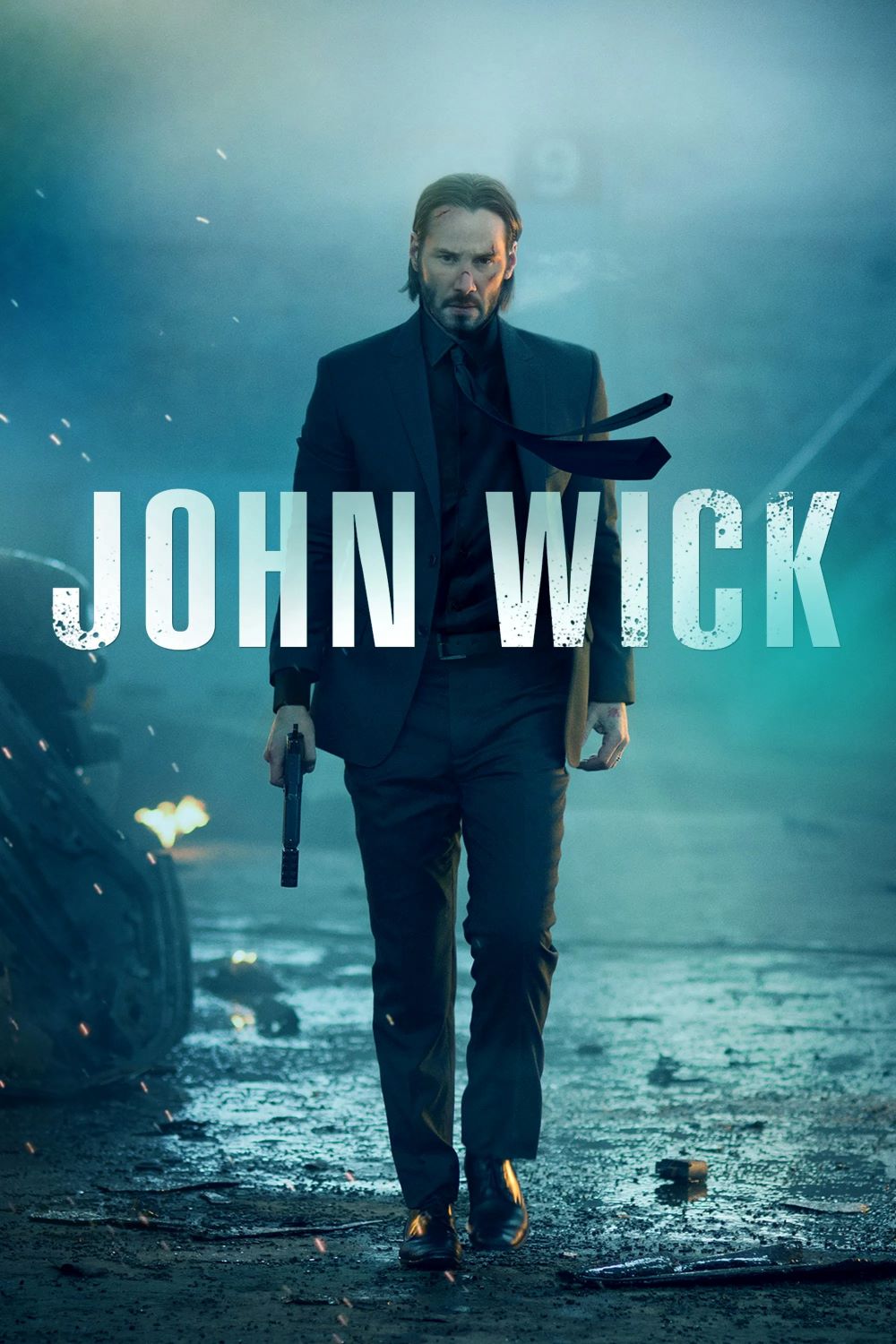
Review: John Wick (dir. by Chad Stahelski)


“John is a man of focus, commitment, sheer will… something you know very little about. I once saw him kill three men in a bar… with a pencil, with a fucking pencil.” — Viggo Tarasov

John Wick kicks off with a simple, gut-punching premise that hooks you right away. Keanu Reeves plays the titular character, a retired hitman trying to leave his bloody past behind after the death of his wife. She leaves him a beagle puppy as a final gift, symbolizing a chance at normalcy, but some punk Russian mobsters steal his prized Mustang and kill the dog, setting off a revenge rampage. It’s a revenge story done right—straightforward, no frills, and fueled by raw emotion rather than convoluted twists. Directed by Chad Stahelski and David Leitch, who share a stunt background, the film feels like a love letter to classic action flicks from the ’80s and ’90s, but with a modern polish.

What sets John Wick apart from the glut of forgettable action movies is its relentless focus on craftsmanship. The action sequences are balletic and brutal, blending gun-fu—a mix of precise gunplay and martial arts—with practical stunts that avoid overreliance on CGI. This gun-fu draws directly from the Center Axis Relock (CAR) system, a real-world self-defense close-combat technique where the pistol is held close to the chest at a forward cant for better retention and control in tight quarters. Reeves, at 50 when the film was made, moves like a man possessed, his long-limbed frame perfect for the choreography. Watch the nightclub shootout: bodies drop in waves as Wick reloads with one hand while pistol-whipping foes with the other, all grounded in CAR’s principles that have since become a staple in action films. It’s exhilarating, almost musical in rhythm, thanks to a thumping soundtrack featuring artists like Aloe Blacc and Kaiser Chiefs that amps up the tension without overpowering the visuals.

Keanu Reeves carries the film on his stoic shoulders, and it’s one of his best turns since The Matrix. John Wick isn’t a chatterbox; he’s all simmering grief and quiet menace, his thousand-yard stare conveying depths of loss that words don’t touch. That opening montage of him and his wife—tender beach walks, her terminal illness—hits hard because it’s so understated. Reeves sells the puppy’s death not with histrionics but a single, shattered sob, making his vengeance feel earned. Supporting players elevate the mix too: Michael Nyqvist chews scenery as the mob boss Viggo, Willem Dafoe shines as a sympathetic mentor figure, and Ian McShane adds suave authority as the Continental hotel’s manager. Alfie Allen, pre-Game of Thrones fame, nails the cocky antagonist role without caricature.

The world-building is another standout, introduced efficiently without info-dumps. The Continental Hotel emerges as a neutral ground for assassins, complete with gold coins as currency and strict no-business-on-premises rules—hints at a larger universe that sequels would expand. It’s a clever nod to pulp noir and spy thrillers, giving the violence a code of honor. Stahelski’s visual style, with its neon-drenched nights and stark lighting, evokes The Raid while carving its own path. The Mustang chase is a highlight: tires screech, bullets ping off chrome, and Wick dispatches goons from the driver’s seat with cold efficiency. Production design shines in details like the mobsters’ gaudy mansions contrasting Wick’s minimalist home, underscoring his outsider status.

John Wick isn’t flawless. The plot is paper-thin, essentially “bad guys kill dog, hero slaughters 100 dudes,” with little character depth beyond Wick. Supporting characters get one-note arcs; Viggo monologues about Wick’s legend, but we learn more through reputation than growth. Some viewers find the 101-minute runtime padded by repetitive shootouts—after the first dozen kills, the thrill dips into redundancy for all but the most action-addicted. Women are scarce and sidelined: Wick’s wife appears mostly in flashbacks, and the few female roles are functional at best. It’s a dude-bro fantasy at heart, prioritizing spectacle over substance, which alienates if you’re craving nuance or social commentary.

Pacing stumbles early too. The first act drags with somber setup, mourning the wife and puppy, before exploding into chaos. Once it hits gear, though, it rarely brakes, building to a cathartic finale at Viggo’s compound. Some criticize the violence as gratuitous—headshots galore, blood sprays like a Tarantino wet dream—but it’s stylized, not sadistic, with clear rules (headshots for efficiency) that heighten tension. Compared to contemporaries like Taken, which leaned on gruff one-liners, John Wick opts for silence, letting deeds speak. It’s refreshing, but purists might miss emotional beats amid the bullet casings.

Stylistically, the film borrows heavily yet innovates. Influences from Hong Kong cinema (Hard Boiled, John Woo) shine in the balletic-style of action, while the “gun fu” term coined by critics fits perfectly, elevated by that CAR-inspired hold that’s now echoed in blockbusters everywhere. Cinematographer Jonathan Sela’s work—wide lenses for spatial awareness in fights—makes every room a battlefield, unlike shaky-cam hacks. The music for the film was courtesy of Tyler Bates and Joel L. Richard, pulsing with industrial beats that sync to gunfire like a heartbeat. Budgeted at $20-30 million, it grossed over $86 million worldwide, proving audiences craved this stripped-down revenge tale amid superhero fatigue.

Reeves’ commitment deserves props; he trained rigorously in judo, jiu-jitsu, and firearms, selling every beatdown with authentic CAR posture. Stahelski, his longtime stunt double, directs with intimacy, framing close-quarters brawls to feel visceral. The film’s legacy? It revived Reeves’ career, birthed a franchise (now four films deep, plus spin-offs), and influenced action design industry-wide—expect “John Wick”-style choreography, complete with Center Axis Relock grips, in everything from Netflix shows to indies. Yet its simplicity invites backlash: online threads buzz with “overhyped” takes, arguing it’s style sans soul. Fair point—it’s not Heat‘s operatic depth—but as popcorn entertainment, it delivers uncut adrenaline.

Culturally, John Wick taps male grief mythology: the Baba Yaga legend (Wick as unstoppable boogeyman) mirrors real loss through mythic fury. No preachiness, just catharsis. Drawbacks persist—predictability (you know Wick wins), thin Russian accents straining credulity, and a sequel-bait ending that feels calculated. Still, it revitalized the genre post-Avengers dominance, proving solo heroes endure. For fans of Die Hard or Léon, it’s essential; others might yawn at the body count.

In a landscape of quippy Marvel flicks, John Wick stands tall for earnestness. It doesn’t pretend to be profound, owning its B-movie roots with A-grade execution. Reeves mourns, fights, repeats—rinse with blood. Flaws and all, it’s a blast: taut, stylish, and unapologetic. If action’s your jam, dive in; just don’t expect Shakespeare.

Weapons used by John Wick throughout the film

  • Heckler & Koch P30L: His signature primary pistol (custom compensator), used throughout—from the home invasion to the Red Circle club.
  • Glock 26: Backup compact pistol, pulled out during the bathhouse shootout when ammo runs low.
  • Coharie Arms CA-415: Short-barreled rifle (HK416 clone) for the church assault and parking lot shootout.
  • Kel-Tec KSG: Bullpup shotgun commandeered from goons after church assault and parking lot shootouts.

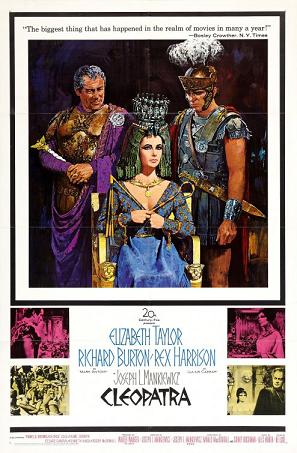
Scenes That I Love: Elizabeth Taylor Enters Rome In Cleopatra


Today would have been the 94th birthday of one of the greatest film stars of all time, Elizabeth Taylor!

Today’s scene that I love comes from 1963’s CleopatraCleopatra is often dismissed as the film that nearly bankrupted a studio but it’s enjoyable if you’re in the right mood and you’ve got four hours of free time.  Elizabeth Taylor may not have been a historically accurate Cleopatra but who cares?  It seems appropriate that the most glamorous woman of what was then the modern world played the most glamorous woman of the ancient world.

In this scene, Cleopatra arrives in Rome with all of the fanfare befitting the world’s most beautiful and powerful woman.  Keep in mind that this scene was done in the days before AI.  Every costume was real.  Every extra was real.  Everything about this scene was real.

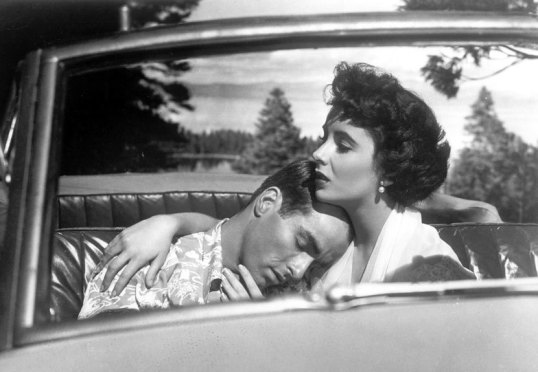
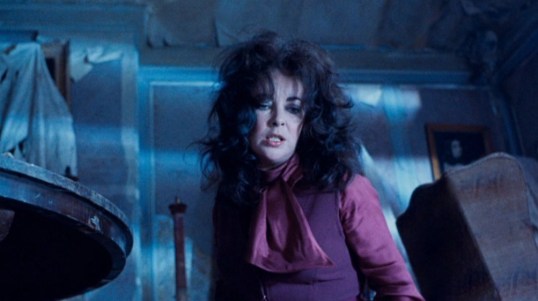
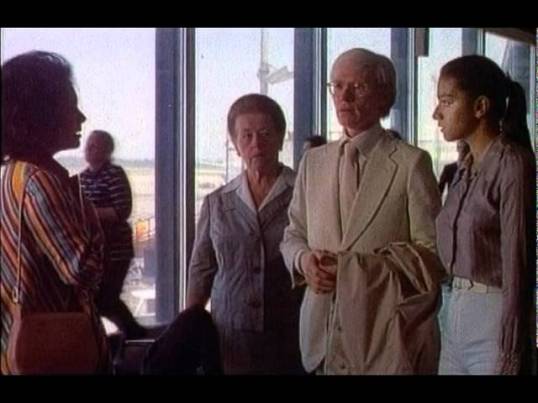
4 Shots From 4 Films: Special Elizabeth Taylor Edition


4 Shots From 4 Films is just what it says it is, 4 shots from 4 of our favorite films. As opposed to the reviews and recaps that we usually post, 4 Shots From 4 Films lets the visuals do the talking!

Today is the birthday of one of the greatest films stars ever, Elizabeth Taylor!  And you know what that means.  It’s time for….

4 Shots From 4 Elizabeth Taylor Films

A Place in the Sun (1951, dir by George Stevens, DP: William C. Mellor)

Boom! (1968, dir by Joseph Losey, DP: Douglas Slocombe)

Night Watch (1973, dir by Brian G. Hutton, DP: Billy Williams)

The Driver’s Seat (1974, dir by Giuseppe Patroni Griffi, DP: Vittorio Storaro)

Live Tweet Alert: Join #FridayNightFlix for Detention!


As some of our regular readers undoubtedly know, I am involved in a few weekly watch parties.  On Twitter, I host #FridayNightFlix every Friday and I co-host #ScarySocial on Saturday.  On Mastodon, I am one of the five hosts of #MondayActionMovie!  Every week, we get together.  We watch a movie.  We tweet our way through it.

Tonight, at 10 pm et, I will be hosting #FridayNightFlix!  The movie?  2003’s Detention!

If you want to join us this Friday, just hop onto twitter, find Detention on Prime or Tubi, start the movie at 10 pm et, and use the #FridayNightFlix hashtag!  I’ll be there happily tweeting.  It’s a friendly group and welcoming of newcomers so don’t be shy.

See you there!

Frontier Fractured: Taylor Sheridan’s Neo-Western Reckoning


“The characters are fiction, but the landscape and the lives the characters are navigating are real.” — Taylor Sheridan

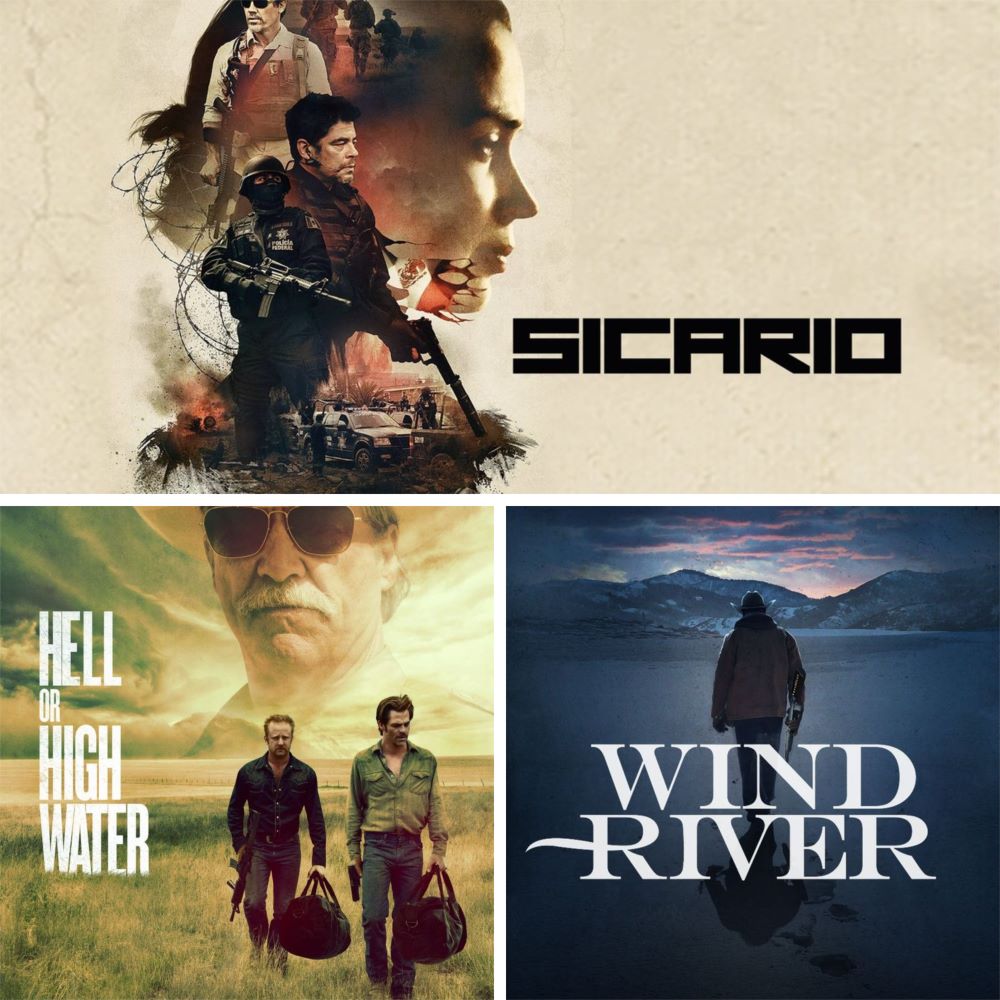
Taylor Sheridan’s American Frontier Trilogy—Sicario (2015), Hell or High Water (2016), and Wind River (2017)—stands as a landmark in modern neo-Western cinema, a tightly crafted exploration of America’s frayed edges penned by the screenwriter who would later dominate television with Yellowstone. These films, while not narratively linked, form a thematic triptych that dissects the moral decay of the contemporary frontier, where law buckles under the weight of systemic injustice, economic despair, and cultural erasure. This retrospective examines Sheridan’s screenplays as a cohesive vision of a nation haunted by its own myths of manifest destiny, blending pulse-pounding tension with unflinching social critique.

Defining the Trilogy’s Core

Sheridan’s “American Frontier” trilogy emerged from his own observations of overlooked American landscapes, as he described in interviews around Wind River‘s release. Sicario, directed by Denis Villeneuve, plunges into the U.S.-Mexico border war on drugs, following idealistic FBI agent Kate Macer (Emily Blunt) as she’s drawn into a shadowy CIA operation led by the enigmatic Matt Graver (Josh Brolin) and the ruthless Alejandro (Benicio del Toro). The film boasts breakneck pacing and claustrophobic tension, transforming a procedural thriller into a meditation on moral compromise, where the line between hunter and hunted dissolves in Juarez’s blood-soaked streets.

Hell or High Water, helmed by David Mackenzie, shifts to West Texas, chronicling brothers Toby (Chris Pine) and Tanner Howard (Ben Foster) as they rob branches of the Texas Midlands Bank—the same institution foreclosing on their mother’s ranch. It delivers a lean, character-driven drama, with an ear for authentic dialogue that captures rural Texan fatalism: lines like “You’re free now” underscore a cycle of poverty where crime becomes an act of reclamation. Ranger Marcus Hamilton (Jeff Bridges), pursuing them, embodies the law’s weary inefficiency.

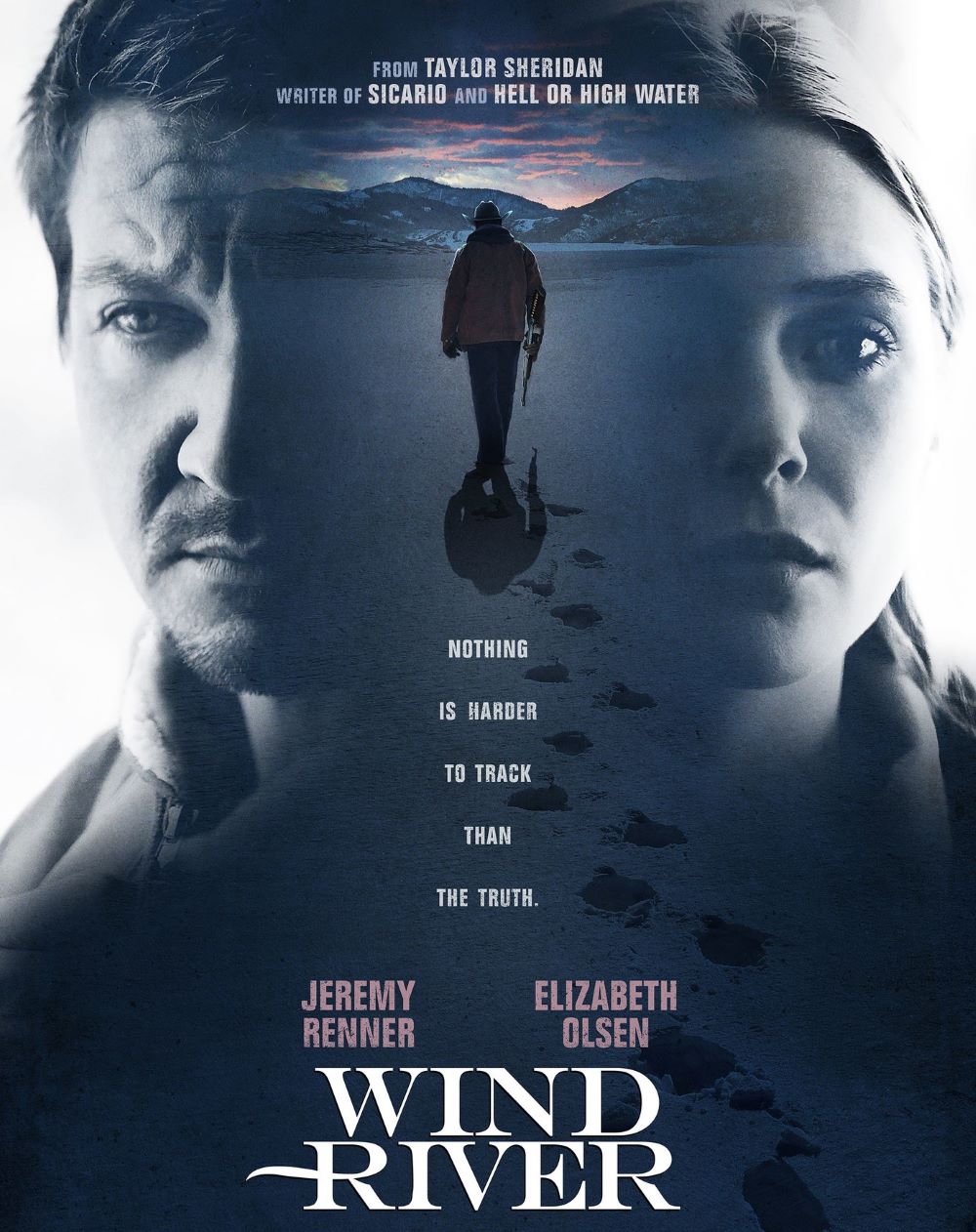
Wind River, which Sheridan also directed, unfolds on Wyoming’s Wind River Indian Reservation, where U.S. Fish and Wildlife officer Cory Lambert (Jeremy Renner) aids rookie FBI agent Jane Banner (Elizabeth Olsen) in investigating a young Native woman’s death in the snow. It lands as a gut-punch of grief and rage, spotlighting the epidemic of missing and murdered Indigenous women (MMIW), with Cory’s personal loss fueling a vigilante justice that indicts federal neglect.

What unites them? Remote, unforgiving terrains—the border deserts, dusty plains, frozen reservations—mirror the characters’ isolation. Protagonists skirt legality not from villainy but necessity, exposing institutions (CIA, banks, FBI) as complicit oppressors. The “United States legal system” emerges as the trilogy’s true antagonist, wreaking havoc on the marginalized.

Thematic Pillars: Justice Beyond the Badge

At the trilogy’s heart lies a profound distrust of official justice, a motif each film escalates. In Sicario, Kate’s arc is one of disillusionment; she clings to warrants amid Graver’s extralegal raids, only to realize the “war” thrives on endless escalation. Sheridan’s script masterfully builds dread through escalating set-pieces—like the night-vision tunnel assault—while Alejandro’s backstory reveals the human cost of cartel savagery, blurring good and evil. It’s a film where victory feels pyrrhic, the frontier’s violence spilling northward unchecked.

Hell or High Water flips the script to economic predation. The Howards aren’t greedy outlaws but desperate everymen funding their family’s future against predatory lending. Sheridan’s sardonic humor amid despair shines in banter between Marcus and his partner Alberto (Gil Birmingham), laced with casual racism that humanizes their bond. The film’s climax, a bank standoff turned shootout, affirms the brothers’ twisted righteousness, critiquing how banks “won the West” anew through debt. It’s Sheridan’s most optimistic entry, suggesting personal agency can pierce systemic greed.

Wind River delivers the rawest indictment, weaving personal trauma into institutional failure. Cory tracks predators—animal and human—across a landscape where Native lives vanish without trace; statistics cited in the film (96% of reservation rapes unreported) hit like bullets. Its poetic minimalism—from snow-dusted crime scenes to Cory’s haunting promise to a grieving father: “I wish I could take that pain away”—underscores how the reservation embodies America’s forgotten frontier. Here, justice is vengeance, meted quietly in the mountains.

Across the trilogy, Sheridan updates Western archetypes: the principled lawman (Kate, Marcus, Jane) yields to the lone avenger (Alejandro, Toby, Cory). This serves as a modernization of classic Western struggles, swapping cattle barons for cartels and banks.

Stylistic Mastery and Sheridan’s Voice

Sheridan’s prose is economical yet evocative, favoring sparse dialogue that reveals worlds. His authentic regionalism comes through in Texan drawls in Hell or High Water, Arapaho stoicism in Wind River, and border Spanglish in Sicario. Directors amplify this: Villeneuve’s Sicario is visceral, with Roger Deakins’ cinematography turning borders into hellscapes; Mackenzie’s Hell or High Water feels expansive yet intimate, Giles Nuttgens capturing Texas’s soul-crushing vastness; Sheridan’s Wind River is austere, Nick Cave’s score amplifying isolation.

Performances elevate the scripts. Del Toro’s coiled fury in Sicario earned Oscar nods; Bridges’ folksy gravitas anchors Hell or High Water; Renner and Olsen ground Wind River‘s procedural in raw emotion. Yet Sheridan’s writing shines brightest in quiet beats: Kate’s post-raid breakdown, Toby’s motel confession, Cory’s frozen vigil.

The films were critically acclaimed for their sharp writing and thematic depth, earning Sheridan Oscar nominations for Hell or High Water and Wind River, while resonating widely with general audiences through gripping narratives and relatable human struggles that packed theaters and sparked enduring discussions. This neo-Western revival took audiences to unseen locales, from Juarez slums to Wind River snows.

Cultural Impact and Legacy

Released amid the turbulent 2010s—marked by escalating border crises, the lingering financial fallout from the 2008 recession, and rising awareness of the #MMIW epidemic—the trilogy presciently tapped into deep-seated national anxieties, reshaping conversations around justice, identity, and power in America. Sicario arrived as tensions over immigration and the drug war boiled over, humanizing the futility of America’s “war on drugs” just before the 2016 presidential debates on border walls and cartel violence. Its portrayal of shadowy U.S. operations crossing ethical lines sparked debates on real-world CIA tactics and the moral cost of security, influencing discourse in policy circles and popular media alike. The film’s raw depiction of Juarez’s carnage forced viewers to confront overlooked atrocities, bridging Hollywood thrillers with journalistic urgency and priming audiences for later works like Narcos.

Hell or High Water struck a populist chord amid post-recession rage, echoing Occupy Wall Street’s anti-bank fervor and the foreclosure crisis that ravaged rural America. By framing bank robbers as sympathetic everymen fighting predatory lending, Sheridan tapped into widespread resentment toward financial institutions, a sentiment that fueled political movements from Tea Party economics to progressive wealth taxes. The film’s Texas setting amplified its authenticity, resonating in heartland theaters and inspiring think pieces on economic despair as a driver of crime. Its legacy endures in modern “eat the rich” narratives, from The Gentlemen to economic thrillers, while proving indie sensibilities could deliver blockbuster emotional punches.

Wind River ignited a cultural firestorm by centering the MMIW crisis, a long-ignored epidemic where Native women face violence at rates exponentially higher than the national average. The film’s stark statistics and harrowing story propelled #MMIW into mainstream consciousness, directly contributing to legislative momentum like Savanna’s Act (passed in 2020), which improved federal responses to cases on tribal lands. Sheridan consulted with Native communities for accuracy, amplifying Indigenous voices through actors like Gil Birmingham and Julia Jones, though it faced critiques for “white savior” elements. Nonetheless, it opened doors for Native-led stories in films like Reservation Dogs and heightened Hollywood’s focus on underrepresented frontiers.

Collectively, the trilogy’s impact reverberates profoundly. Lionsgate’s 2022 Blu-ray collection formalized its status as a cinematic canon, while Sheridan’s scripts birthed his TV empire—Yellowstone1883Lioness—exporting frontier grit to streaming billions. Yet the films surpass his serialized work in laser-focused purity, influencing a neo-Western renaissance seen in No Country for Old Men echoes, The Power of the Dog, and series like Longmire. In policy realms, Sicario informed border security debates under both Biden and now-President Trump’s 2025 reelection; Hell or High Water prefigured rural economic populism in Trump-era politics; Wind River bolstered tribal advocacy amid ongoing land rights battles.

By 2026, amid Sheridan’s Yellowstone spinoffs dominating Paramount+ and renewed border rhetoric in a second Trump administration, the trilogy feels more vital than ever. It birthed a cinematic language for America’s internal fractures—geographic, economic, racial—challenging viewers to question who truly governs the forgotten edges. Academic panels dissect its archetypes; fan communities on Reddit and Letterboxd binge it as essential viewing. Flaws persist—Sicario 2‘s dilution without Sheridan, Wind River‘s debated optics—but its triumph lies in tension and truth, proving standalone stories can outlast franchises. Sheridan’s evolution from struggling actor to scribe magnate underscores a rare feat: films that entertain viscerally while indicting society, ensuring the frontier’s ghosts haunt us still.

Individual Breakdowns

Sicario: Border Inferno

Villeneuve’s adaptation turns Sheridan’s outrage at Juarez carnage—ignored by U.S. media—into a descent narrative. Kate’s naivety crumbles amid moral voids; Alejandro’s vendetta personalizes cartel horrors. Its operatic violence peaks in the stadium raid, where justice devolves to assassination. At 121 minutes, it’s taut prophecy.

Hell or High Water: Desperate Heist

Sheridan’s personal favorite channels his Texas roots, pitting family against finance. Pine’s everyman resolve contrasts Foster’s volatility; Bridges steals scenes with wry wisdom. The thrilling cat-and-mouse culminates in redemption through sacrifice, a neo-Bonnie and Clyde for foreclosure America. 102 minutes of populist fire.

Wind River: Frozen Requiem

Sheridan’s directorial bow personalizes loss—his script grew from real MMIW stats. Renner’s haunted tracker partners uneasily with Olsen’s fish-out-of-water fed; subplots flesh reservation despair. Its heartbreaking intimacy ends not in triumph but resolve amid endless winter. 107 minutes of unflinching truth.

Why It Endures

Sheridan’s trilogy isn’t mere genre exercise; it’s elegy for eroded American dreams. By bucking plot contrivances for lived-in despair, it forces reckoning with borders, banks, and buried bodies. These thrillers bleed social conscience—unadulterated, unflagging. In a franchise-saturated era, these standalone gems reclaim cinema’s frontier spirit.
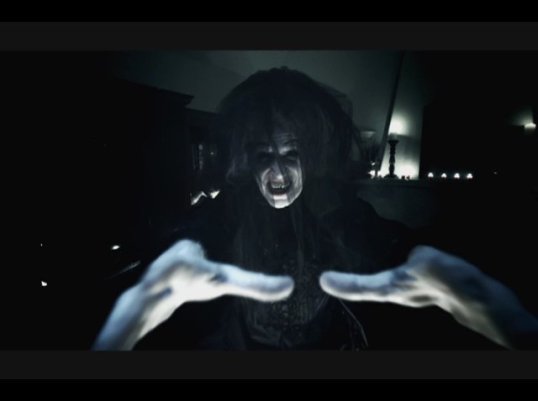
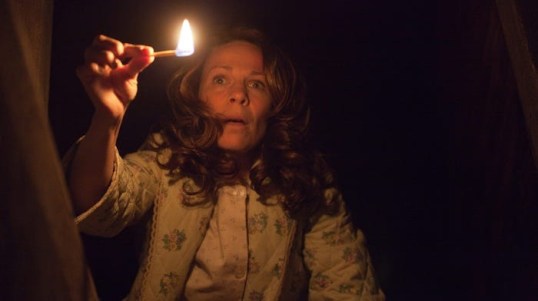
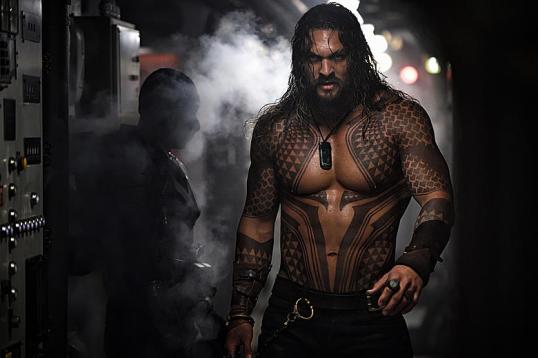
4 Shots From 4 Films: Special James Wan Edition


4 Shots From 4 Films is just what it says it is, 4 shots from 4 of our favorite films. As opposed to the reviews and recaps that we usually post, 4 Shots From 4 Films lets the visuals do the talking!

Today, we wish a happy birthday to one of the directors who brought the horror genre back to box office life in the aughts and 2010s, James Wan!  It’s time for….

4 Shots From 4 James Wan Films

Insidious (2011, dir by James Wan, DP: John Leonetti))

The Conjuring (2013, dir by James Wan, DP: John Leonetti)

Aquaman (2018, dir by James Wan, DP: Don Burgess)

Malignant (2021, dir by James Wan, DP: Michael Burgess)

Review: Wind River (dir. by Taylor Sheridan)


“Luck don’t live out here.” — Cory Lambert

Wind River is a gripping crime thriller set against the stark, frozen backdrop of Wyoming’s Wind River Indian Reservation, where U.S. Fish and Wildlife tracker Cory Lambert teams up with rookie FBI agent Jane Banner to investigate the brutal death of a young Native American woman named Natalie Hanson. Wind River marks the third film in Taylor Sheridan’s American Frontier trilogy that he wrote—following Sicario and Hell or High Water—and it’s the first where Sheridan steps into the director’s chair himself, bringing his sharp eye for gritty realism to the helm. Clocking in at just under two hours, it delivers a mostly positive experience through strong performances, atmospheric visuals, and a script that builds suspense without unnecessary flash, though it occasionally leans on familiar tropes.

Right from the opening moments, Wind River immerses you in a world of isolation and harsh beauty. Snow-covered plains stretch endlessly under a pale sky, and the crunch of boots on ice sets an immediate tone of vulnerability. Cory, played with quiet intensity by Jeremy Renner, discovers Natalie’s frozen body while tracking a mountain lion that’s been preying on livestock. She’s barefoot, half-naked, and miles from any help—details that hit hard and underscore the film’s core mystery: what happened to her, and why does it feel like no one cares? Renner nails the role of a man haunted by his own past loss—his teenage daughter died under mysterious circumstances a few years back—making Cory a grounded everyman rather than a superheroic cowboy. His subtle grief adds layers to every scene, turning routine investigation beats into something personal and raw.

Enter Elizabeth Olsen as Jane Banner, the FBI agent flown in from Vegas who’s clearly out of her depth in sub-zero temperatures and jurisdictional limbo. Olsen brings a mix of determination and wide-eyed realism to the part, avoiding the cliché of the big-city hotshot who learns frontier wisdom overnight. She’s tough but human—hypothermic after a chase, throwing up from the cold, yet pushing through because Natalie deserves justice. The dynamic between Cory and Jane is one of the film’s highlights: no forced romance, just mutual respect born from necessity. Sheridan smartly lets their partnership evolve organically, with Cory’s local knowledge filling Jane’s gaps in protocol and reservation politics. It’s refreshing to see two leads click without sparks flying, focusing instead on shared purpose amid tragedy.

The script shines in its efficient storytelling. Sheridan wastes no time on exposition dumps; instead, he weaves backstory through quiet conversations and flashbacks that pack emotional punch. We learn about the epidemic of missing Indigenous women—thousands vanish yearly, often ignored by media and law enforcement—via stark statistics flashed on screen and through the eyes of Natalie’s family. Gil Birmingham delivers a heartbreaking performance as her father, Martin, a stoic oil rig worker whose rage simmers beneath a veneer of resignation. His scenes with Cory, especially a late-night talk by a bonfire, cut deep, exploring themes of fatherly failure and systemic neglect without preaching. Birmingham’s restrained power elevates what could have been a stock grieving parent into a standout supporting role.

Visually, Wind River is a stunner, thanks to cinematographer Ben Richardson. Those vast, snowy expanses aren’t just pretty—they mirror the characters’ emotional desolation and amplify the stakes. An early tracking sequence, with Cory following Natalie’s footprints in the snow, builds dread masterfully, the silence broken only by wind and labored breaths. The film shifts tones seamlessly: slow-burn investigation gives way to visceral action in the third act, including a raid on an oil site trailer that’s tense, realistic, and over in a flash—no prolonged shootouts or slow-mo heroics. Sound design plays a big role too; the howling wind and muffled gunshots make every moment feel immediate and unforgiving.

Sheridan’s direction keeps things taut without rushing the build-up. This is a slow-burner that earns its pace, letting tension simmer through everyday details like jurisdictional squabbles with underfunded tribal police or Cory teaching Jane to dress for the cold. Nick Cave and Warren Ellis’s score is another winner—sparse, haunting electronics that evoke loneliness rather than bombast. It underscores key scenes without overpowering them, much like the film itself avoids Hollywood excess.

That said, Wind River has its stumbles. Pacing dips in the middle, with some dialogue-heavy stretches that spell out themes a tad too explicitly—like chats about reservation poverty or ignored crimes. It can feel heavy-handed, pulling you out of the immersion. A few characters, like the bumbling FBI contingent or security guards, border on caricature, though the leads stay nuanced. The violence, while sparse and purposeful, includes a harrowing assault scene that’s tough to watch; it’s crucial to the story but might overwhelm sensitive viewers. And while the film tackles real issues facing Native communities, some critics note it centers white protagonists in a Native story, though Sheridan consulted tribal members and cast authentically.

Still, these are minor gripes in a film that largely succeeds on its own terms, especially as the capstone to Sheridan’s trilogy exploring America’s frayed edges. The ending delivers catharsis without easy answers, leaving you with a chill that lingers. Cory gets a measure of redemption, Jane gains hard-won insight, and the reservation’s harsh realities feel unflinchingly real. It’s the kind of movie that sticks because it respects your intelligence—connecting dots about corruption, indifference, and human cost without hand-holding.

What elevates Wind River above standard thrillers is its humanity. Every character, even antagonists, feels fleshed out rather than villainous stock. The oil workers aren’t cartoon evil; they’re desperate men making brutal choices in a forgotten corner of America. Sheridan, drawing from his own ranching background, captures blue-collar grit authentically—no glamour, just survival. Renner’s Cory hunts for a living, bottles his pain, and bonds with his ex-wife’s new family in tender asides that ground the procedural. Olsen’s Jane evolves from outsider to advocate, her arc subtle but satisfying.

The film’s relevance hasn’t faded since its 2017 release. With ongoing conversations around Missing and Murdered Indigenous Women (MMIW), it spotlights a crisis stats show claims over 5,000 cases annually, many unsolved due to jurisdictional messes. Wind River doesn’t solve it but demands attention, blending genre thrills with advocacy seamlessly.

In a crowded field of crime dramas, Wind River stands out for its chill factor, both literal and figurative. It’s not reinventing the wheel, but Sheridan proves he’s a triple threat: writer, director, voice for the voiceless. Renner and Olsen lead a tight ensemble, and the Wyoming wilderness becomes a character itself. If you dig thoughtful thrillers like Hell or High Water or Sicario, this one’s essential. It’s mostly positive vibes from me—intense, moving, and worth cranking up the thermostat for.

Sheridan’s ear for dialogue keeps things natural—terse exchanges crackle with subtext, like Cory’s line to Martin about enduring loss as a father that hits like a gut punch with simple words carrying profound weight. The film trusts silence too; long shots of characters staring into the void say more than monologues ever could, while technically it’s polished with editing that snaps during action and breathes during reflection. Even smaller roles shine—Kelsey Asbille as Natalie brings fire in limited screen time, and James Jordan plays an irredeemable private security contractor so well. Balanced against its preachiness, Wind River earns its emotional heft, dragging occasionally sure, but the payoff of an explosive finale and quiet closure makes it worthwhile, with power in inevitability and quiet fury as Sheridan avoids exploitative rape-revenge clichés to focus on aftermath and accountability.

Wind River delivers assured direction in Sheridan’s feature debut, memorable performances, and a compelling story that resonates. It refreshes the thriller genre with its blend of tension and substance.

Scenes That I Love: Christopher George In City of the Living Dead


Today, we celebrate what would have been the 95th birthday of the rugged American actor Christopher George.

George may have gotten his start in westerns and war movies but he is best remembered for a series of horror films in which he appeared in the late 70s and early 80s.  One of the best of those was Lucio Fulci’s 1980 classic, City of the Living Dead.

In today’s scene that I love, Christopher George plays a reporter who realizes that psychic Catriona MacColl has been buried alive.  He digs her up.  Of course, this is a Fulci film, so things nearly go terribly wrong.