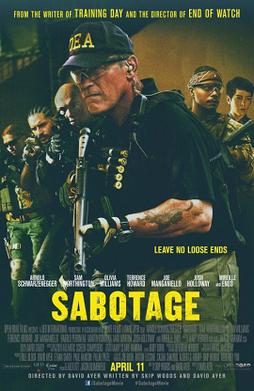
Sabotage (2014, directed by David Ayer)


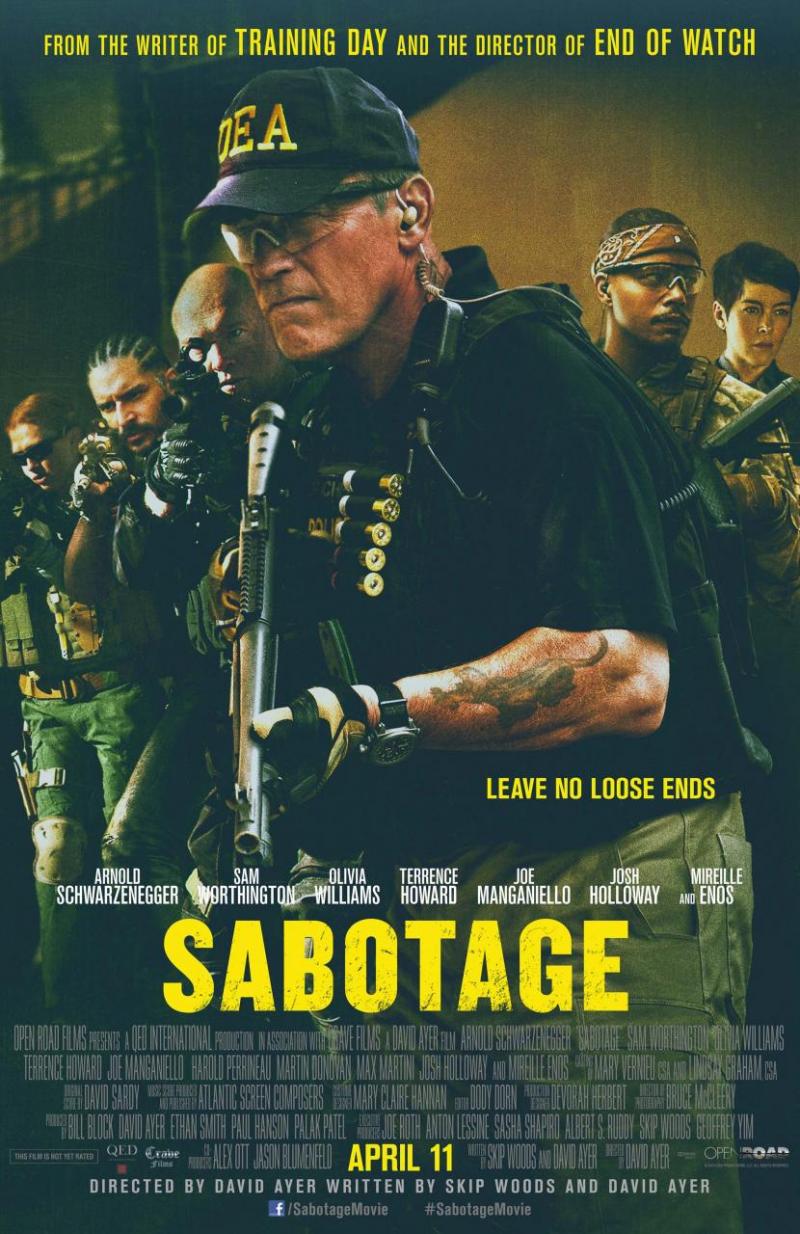
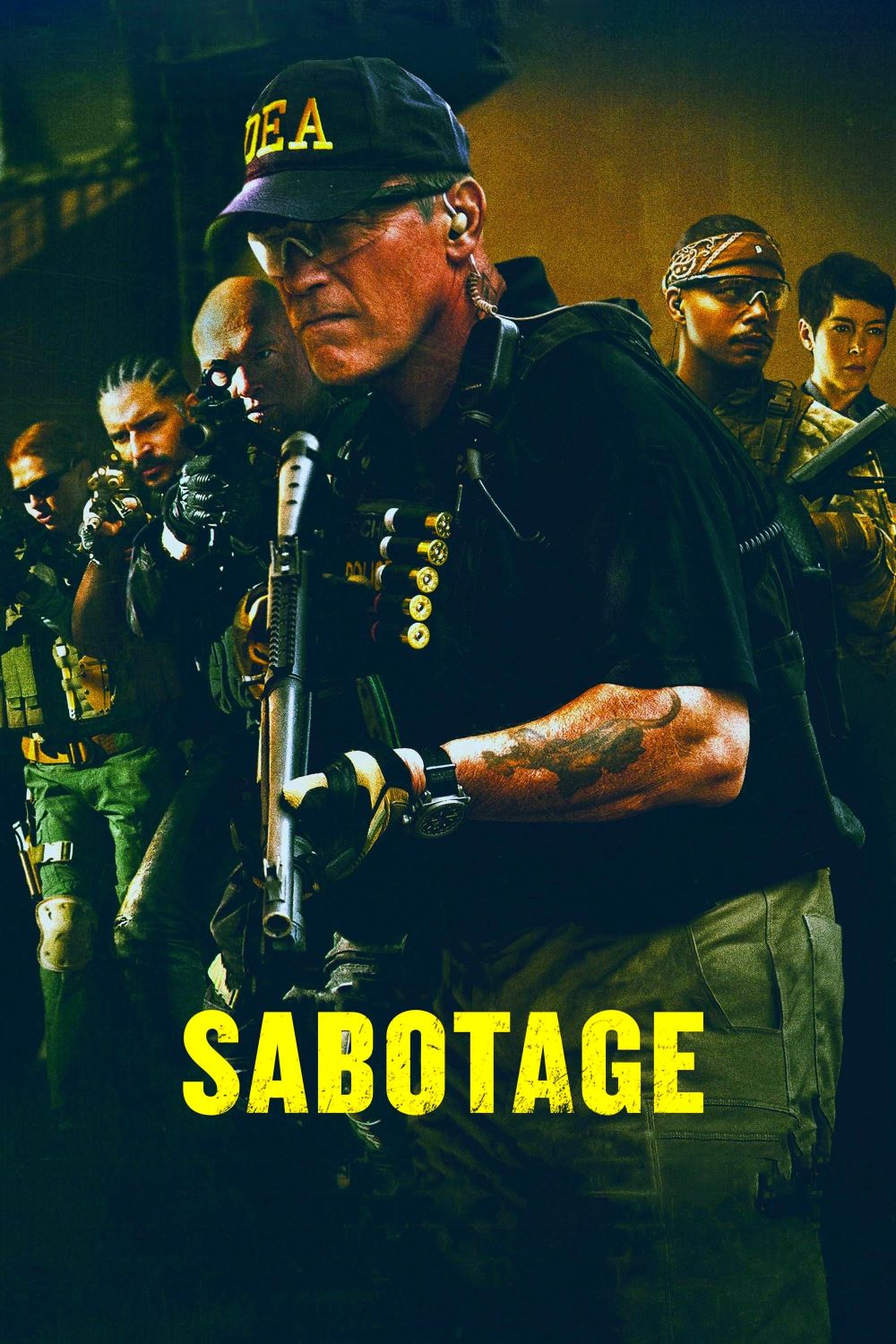
Atlanta Homicide detective Caroline Brentwood (Olivia Williams) and her partner, Darius Jackson (Harold Perrineau), are the primaries on the murder of a former DEA agent.  Their investigation leads them to an elite special operations team led by “Breacher” Wharton (Arnold Schwarzenegger).  Wharton and his crew were previously suspended for six months while the FBI investigates their last raid and why there was a $10 million dollar discrepancy between the amount of money the team reporter and the amount of money the FBI was expecting to be recovered.  Someone is murdering the members of Breacher’s team one-by-one.  Breacher and Brentwood investigate the murder and what happened to the money but they both discover that they can’t trust anyone.

Sabotage has got a cast that is full of talent and familiar faces, including Sam Worthington, Mireille Enos, Terrence Howard, Joe Manganiello, Martin Donavon, and Josh Holloway.  It also has one truly great action scene, a violent chase down a busy Atlanta street that comes to sudden and very bloody conclusion.  The film’s final scene takes Sabotage into western territory, with Schwarzenegger dominating the screen like a larger-than-life Sergio Leone hero.  It’s just too bad that the rest of the movie isn’t as a good as its final shot or that one chase scene.  Unfortunately, most of the film feels repetitive and half-baked, with way too much time being wasted on supporting characters who tend to blend together.

Arnold Schwarzenegger gives one of his better performances.  When he made Sabotage, he was no longer a governor and he was also no longer an automatic box office draw and there’s a tired weariness to his performance.  Unfortunately, the rest of the cast is either miscast (Olivia Williams) or stuck playing one-dimensional characters (everyone else).  There’s enough good action sequences to keep Sabotage watchable and Schwarzenegger shows that he can actually be a very good actor but it’s also easy to see why this film didn’t reignite his his career.

The Alliance of Women Film Journalists Announced Their Picks For The Best of 2016!


american_honey_poster

The Alliance of Women Film Journalists (of which I am not a member and what’s up with that!?) announced their picks for the best of 2016 earlier this week.

And here they are:

AWFJ BEST OF AWARDS
These awards are presented to women and/or men without gender consideration.
Best Film
Arrival
Hell or High Water
La La Land
Manchester by the Sea
Moonlight

Best Director
Damien Chazelle – La La Land
Barry Jenkins – Moonlight
Kenneth Lonergan – Manchester by the Sea
David Mackenzie – Hell or High Water
Denis Villeneuve – Arrival

Best Screenplay, Original
20th Century Women – Mike Mills
Hail Caesar – Joel Coen and Ethan Coen
Hell or High Water – Taylor Sheridan
La La Land – Damien Chazelle
Manchester by the Sea – Kenneth Lonergan

Best Screenplay, Adapted
Arrival – Eric Heisserer
Lion – Luke Davies
Love & Friendship – Whit Stillman
Moonlight – Barry Jenkins
Nocturnal Animals –Tom Ford

Best Documentary
13th – Ava DuVernay
Gleason – Clay Tweel
I Am Not Your Negro – Raoul Peck
OJ Made in America – Ezra Edelman
Weiner – Elyse Steinberg and Josh Kriegma

Best Animated Film
Finding Dory – Andrew Stanton andAngus MacLane
Kubo and the Two Strings- Travis Knight
Moana – Ron Clements, Don Hall, John Musker, Chris Williams
Zootopia – Byron Howard, Rich Moore, Jared Bush

Best Actress
Amy Adams – Arrival
Isabelle Huppert – Elle
Ruth Negga – Loving
Natalie Portman – Jackie
Emma Stone – La La Land

Best Actress in a Supporting Role
Viola Davis – Fences
Greta Gerwig – 20th Century Women
Naomie Harris – Moonlight
Octavia Spencer – Hidden Figures
Michelle Williams – Manchester by the Sea

Best Actor
Casey Affleck – Manchester By The Sea
Joel Edgerton – Loving
Ryan Gosling – La La Land
Tom Hanks – Sully
Denzel Washington – Fences

Best Actor in a Supporting Role
Mahershala Ali – Moonlight
Jeff Bridges – Hell or High Water
Ben Foster – Hell or High Water
Lucas Hedges – Manchester By the Sea
Michael Shannon – Nocturnal Animals

Best Ensemble Cast – Casting Director
20th Century Women – Mark Bennett and Laura Rosenthal
Hail Caesar – Ellen Chenoweth
Hell or High Water – Jo Edna Boldin and Richard Hicks
Manchester by the Sea – Douglas Aibel
Moonlight – Yesi Ramirez

Best Cinematography
Arrival – Bradford Young
Hell or High Water – Giles Nuttgens
La La Land – Linus Sandgren
Manchester by The Sea – Jody Lee Lipes
Moonlight – James Laxton

Best Editing
Arrival – Joe Walker
I Am Not Your Negro — Alexandra Strauss
La La Land – Tom Cross
Manchester By The Sea – Jennifer Lame
Moonlight – Joi McMillon and Nat Sanders

Best Non-English-Language Film
Elle – Paul Verhoeven, France
Fire At Sea – Gianfranco Rossi, Italy
The Handmaiden – Chan-Wook Park, South Korea
Julieta – Pedro Almodovar. Spain
Toni Erdmann – Maren Ede, Germany

EDA FEMALE FOCUS AWARDS
These awards honor WOMEN only

Best Woman Director
Andrea Arnold – American Honey
Ava DuVernay -13TH
Rebecca Miller – Maggie’s Plan
Mira Nair – Queen of Katwe
Kelly Reichardt – Certain Women

Best Woman Screenwriter
Andrea Arnold – American Honey
Rebecca Miller – Maggie’s Plan
Kelly Reichardt – Certain Women
Lorene Scafaria – The Meddler
Laura Terruso – Hello, My Name is Doris

Best Animated Female
Dory in Finding Dory –Ellen DeGeneres
Judy in Zootopia – Ginnifer Goodwin
Moana in Moana – Auli’i Cravalho

Best Breakthrough Performance
Sasha Lane – American Honey
Janelle Monáe – Moonlight and Hidden Figures
Madina Nalwanga – Queen of Katwe
Ruth Negga – Loving

Outstanding Achievement by A Woman in The Film Industry
Ava DuVernay – For 13TH and raising awareness about the need for diversity and gender equality in Hollywood
Anne Hubbell and Amy Hobby for establishing Tangerine Entertainment’s Juice Fund to support female filmmakers
Mynette Louie, President of Gamechanger Films, which finances narrative films directed by women
April Reign for creating and mobilizing the #OscarsSoWhite campaign

EDA SPECIAL MENTION AWARDS

Actress Defying Age and Ageism
Annette Bening – 20th Century Women
Viola Davis – Fences
Sally Field – Hello, My Name is Doris
Isabelle Huppert – Elle and Things to Come
Helen Mirren – Eye in the Sky

Most Egregious Age Difference Between The Lead and The Love Interest Award
Dirty Grandpa – Robert De Niro (b. 1943) and Aubrey Plaza (b. 1984)
Independence Day: Resurgence – Charlotte Gainsbourg (b 1971) and Jeff Goldblum (b 1952)
Mechanic Resurrection – Jason Statham (b. 1967) and Jessica Aba (b. 1981)
Rules Don’t Apply – Warren Beatty (b. 1937) and Lily Collins (b. 1989)

Actress Most in Need Of A New Agent
Jennifer Aniston – Mother’s Day and Office Christmas Party
Melissa McCarthy – The Boss and Ghostbusters
Margot Robbie – Suicide Squad and Tarzan
Julia Roberts – Mother’s Day
Shailene Woodley – Divergent Series

Bravest Performance
Jessica Chastain – Miss Sloane
Naomie Harris – Moonlight
Isabelle Huppert – Elle
Sasha Lane – American Honey
Ruth Negga – Loving

Remake or Sequel That Shouldn’t have been Made
Ben-Hur
Ghostbusters
Independence Day: Resurgence
The Magnificent Seven
My Big Fat Greek Wedding 2

AWFJ Hall of Shame Award
Sharon Maguire and Renee Zellweger for Bridget Jones’s Baby
Nicholas Winding Refn and Elle Fanning for The Neon Demon
David Ayer and Margot Robbie for Suicide Squad
David E. Talbert and Mo’Nique for Almost Christmas

Comic-Con’s First Look At The Suicide Squad


SuicideSquad

“If anything goes wrong we blame them. We have built-in deniability.” — Amanda Waller

When will studios finally realize that showing any video reel, trailer or teaser at Comic-Con’s Hall H will inevitably be leaked if no official release has been made. It’s the nature of the internet and has become a sort of ritual each summer when Comic-Con rolls around. Some studios have been better with whetting the appetite of fans by giving those who can’t make Hall H with something to see. Others seem intent on trying to control what comes out of Hall H. It’s almost as if they’re saying “sucks to be you” if one couldn’t attend Comic-Con and get a seat in Hall H.

This year it seems Warner Brothers is that studio that’s trying to stamp out all the leaked footage shown at this year’s Hall H during their industry panel. It was a panel that was seen as the best thing about the Hall H gatherings. They did the right thing about releasing the latest trailer for Batman v. Superman: Dawn of Justice to the public and not just keeping it for the Hall H crowd. Yet, they whiffed big time by not doing the same for the Suicide Squad trailer (or first look as some call it).

Inevitably some in Hall H were kind enough to turn on their smartphones and video a rough and grainy look at the trailer which was then uploaded onto the internet. This was the first look a majority of comic-book and film fans got of Suicide Squad. Not a good look, but fans were playing this leaked footage nonstop. So, taking a page out of Marvel Studios PR playbook after the first Avengers: Age of Ultron trailer leaked in a very non-HD version, Warner Bros. has finally surrendered and released an HD-version of the Suicide Squad trailer.

All is right with the world.

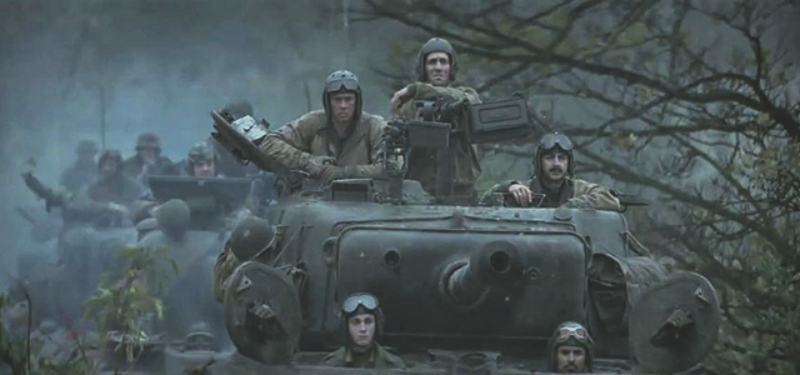
4 Shots From 4 Films: Sabotage, The Raid 2, John Wick, Fury


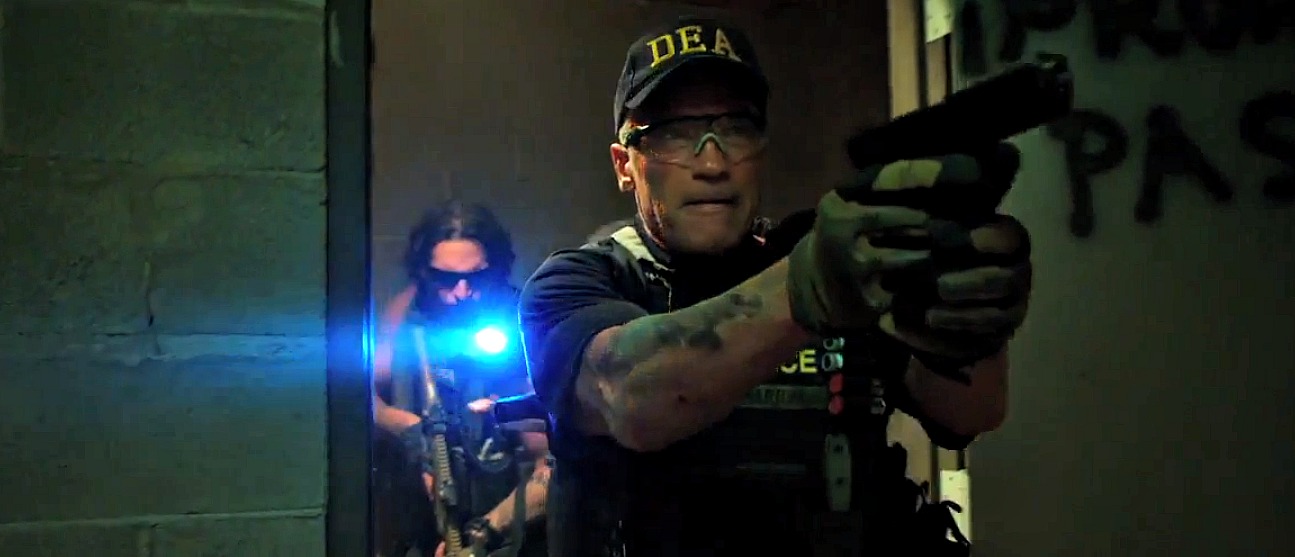
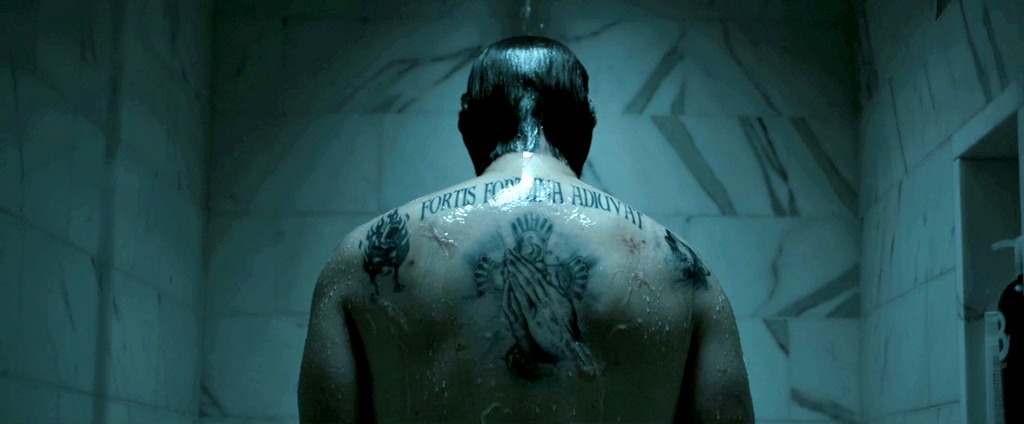
2014 had it’s share of very good action films and here are four that I was particularly drawn to. While the film themselves were of varying degrees of quality in terms of storytelling. These 4 films all had one thing that I enjoyed despite their films’ flaws. They all had action scenes that I thought were quite excellent.

You have gritty present-day action thriller, an operatic gangster epic, a revenge thriller and a war film. One stars an aging action star back from playing politician. Another a foreign film whose filmmaker and star have set the bar for all action films for years to come. Then there’s the stunt coordinators and 2nd unit directors finally making their mark with their first feature-length film. Lastly, a war film that brings the brutality of World War II tank warfare to the forefront.

4 SHOTS FROM 4 FILMS

Sabotage (dir. by David Ayer)

Sabotage (dir. by David Ayer)

John Wick (dir. by Chad Stahelski & David Leitch)

John Wick (dir. by Chad Stahelski & David Leitch)

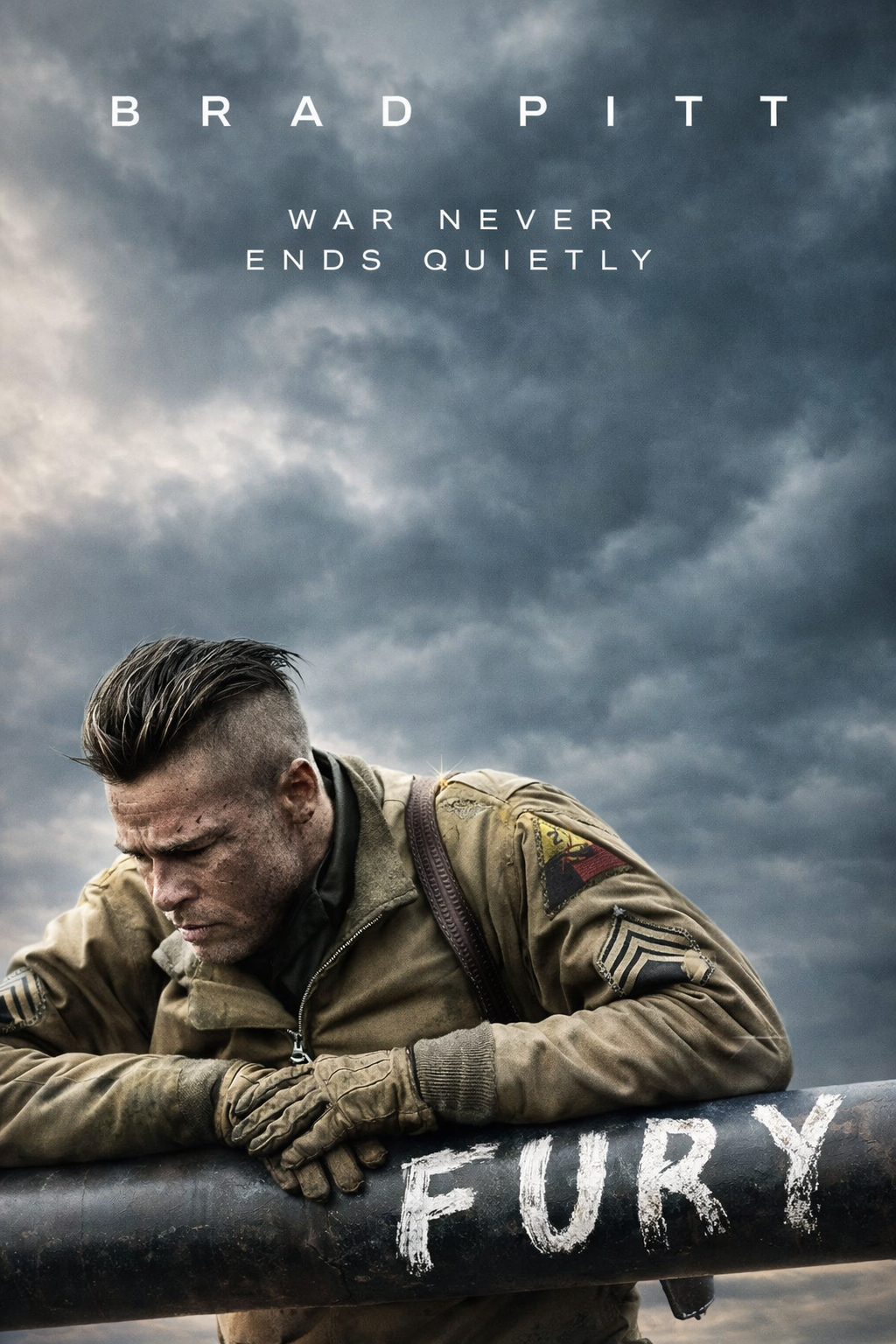
Review: Fury (dir. by David Ayer)


“Ideals are peaceful. History is violent.”

You know that feeling when a war movie tries so hard to be gritty that it forgets to be anything else? Fury, directed by David Ayer, flirts with that problem but mostly stays on the right side of the line. Released in 2014, this WWII drama follows a five-man American tank crew as they push deeper into Nazi Germany in April 1945. The war is almost over, but as the film constantly reminds us, that only makes the fighting more desperate and meaningless. Ayer, who wrote Training Day and directed End of Watch, clearly wanted to make a grimy, claustrophobic, and visceral experience—not a clean, heroic adventure. And for the most part, he succeeds. But the movie is also uneven, sometimes brilliant, and occasionally frustrating. One thing becomes clear early on: Ayer is not just making a war movie. He is trying to out-war the war movie that changed everything. Saving Private Ryan raised the bar for realistic combat violence in 1998, and ever since, directors have been chasing that opening Omaha Beach sequence. Fury spends its entire runtime trying to shove that bar even higher, especially in its final act, where the violence tips over from realistic into something almost performative—as if Ayer is daring you to look away.

The plot is simple. We meet Don “Wardaddy” Collier, played by Brad Pitt, as the seasoned commander of a Sherman tank nicknamed “Fury.” His crew includes Boyd “Bible” Swan (Shia LaBeouf), the religious gunner; Coon-Ass (Jon Bernthal), the volatile loader; and Grady (also Bernthal, though the character is actually Grady “Coon-Ass” Travis; the movie gives everyone a nickname). The crew loses their assistant driver in the opening scene, and they get a replacement: Norman Ellison (Logan Lerman), a young typist who has never fired a gun and has no intention of killing anyone. The rest of the film is basically a crash course in how war turns gentle men into monsters—or at least into effective killers.

What works best in Fury is the sense of being trapped inside a steel coffin. Ayer films almost everything from inside the tank or right next to it. You hear every shell clank, every engine strain, every bullet ping off the hull. The sound design is incredible—it’s the kind of movie where you feel the bass in your chest during combat scenes. And the tank battles are brutally realistic. There’s no slick choreography here. When a German Tiger tank shows up, the fight becomes static, clumsy, and terrifying. The Sherman isn’t some superhero; it’s outgunned and out-armored, and the crew wins only because they’re desperate and lucky. That sequence alone is worth the price of admission. You can feel Ayer’s respect for Saving Private Ryan in those moments—the same handheld cameras, the same sudden death, the same sense that no one is safe. But then the film goes further.

Brad Pitt gives one of his tougher, quieter performances. Wardaddy isn’t a philosopher or a hero. He’s a tired man who has seen too much and made too many compromises. He forces Norman to execute a German prisoner, not out of cruelty but out of a cold, broken logic: if Norman can’t kill, he’ll get the whole crew killed. Pitt sells the weight of that decision without grand speeches. Shia LaBeouf is surprisingly restrained as Bible, a character who prays before each battle but never preaches. The real surprise is Logan Lerman. He starts as a scared kid who vomits at the sight of corpses and ends the film doing things that would ruin anyone’s soul. His transformation is uncomfortable to watch, but that’s the point.

However, the movie has some clunky moments. One extended scene has Wardaddy and Norman sharing a meal with two German women in an abandoned apartment. It’s supposed to show a brief flash of normal life—eggs, music, a soft bed—but it feels oddly staged. The women are just props. They have no real personality except to be gentle and then get killed offscreen. It’s a rare moment where Ayer’s macho instincts flatten the story instead of deepening it. But the real problem is the final act. The crew holds a crossroads against an entire SS battalion of about 200 men, doing it with a broken-down tank that cannot move. Realistically, they’d be dead in minutes. But Ayer turns it into a grim last stand that feels more like a Western than a WWII movie. The Germans attack in waves like idiots, running straight into machine-gun fire. And here is where you sense Ayer’s real intention: he is not trying to be realistic anymore. He is trying to one-up Saving Private Ryan by making the violence not just brutal but excessive, almost numbing. Limbs fly. Faces get torn open. The camera lingers on wounds long past the point of necessary storytelling. It feels like Ayer is saying, “You thought Spielberg was intense? Watch this.” But instead of adding emotional weight, the violence starts to feel like a dare. The movie becomes less about these five men and more about proving it can stomach more than any other war film.

Thematically, Fury is about how institutions crush individuality. Norman was a decent person who typed letters and likely never hurt anyone. By the end, he is sitting in the commander’s seat, pulling triggers without hesitation. The movie doesn’t celebrate this—it presents it as a tragedy. But the final act undercuts that tragedy because it becomes so cartoonishly violent that you stop feeling for the characters and just wait for the bloodshed to end. Unlike Saving Private Ryan, which uses its famous opening sequence to establish horror and then pulls back for character moments, Fury seems to think that more gore equals more truth. It doesn’t. It just equals more gore.

If you’re looking for a clean story with clear good guys and bad guys, this isn’t it. The Germans are offscreen most of the time, and the real enemy is the war itself. Wardaddy even says, “The only thing that separates us from them is this uniform.” That’s a heavy line, and the film never really resolves it. It just lets it hang there. Some critics called Fury shallow because it raises moral questions without answering them. I’d argue that’s the point. War doesn’t come with footnotes. You just survive or you don’t. But the film’s desperate need to prove it is tougher than its predecessors does make it feel, at times, like a younger brother showing off.

On a technical level, the cinematography by Roman Vasyanov is beautiful in a grim way. Colors are desaturated—browns, grays, washed-out greens. Mud and blood look the same. The camera shakes when it needs to, but it’s not the hyperactive Bourne style. It’s controlled chaos. And the final shot, where the camera slowly pulls back from the dead tank, is haunting. It stays with you.

So, final verdict? Fury is a solid, often great war film that trips over its own ambitions in the last thirty minutes. It wants to be a small, character-driven horror show, then pivots to a heroic last stand that feels like it belongs in a different movie—one that cares more about shocking you than moving you. The comparison to Saving Private Ryan is unavoidable, and Fury clearly wants to be mentioned in the same breath. But where Spielberg used violence as a doorway into human cost, Ayer sometimes uses it as a blunt instrument. The performances are strong, the tank combat is second to none, and the atmosphere is suffocating in the best way. It’s not Come and See, but it’s also not Pearl Harbor. If you can handle the tonal whiplash and the occasional macho posturing, you’ll find a movie that respects its audience enough to leave them feeling dirty. Just don’t expect a clean exit—and don’t expect it to earn every drop of blood it spills.

Trailer: Sabotage (Red Band)


Sabotage

Since Arnold Schwarzenneger left the California governor’s office and politics he’s gone back to doing what he was good at (or at least good at during the 80’s and 90’s). His first couple of films since getting back in front of the camera has been average at best (though I must say that Last Stand was pretty fun).

Now, we have him back in another film, but this time around one that’s a very hard, gritty R-rating that he hasn’t done since ever. He’s always had rated-R films, but they had a certain fun tone to them. With David Ayer’s Sabotage it looks like Schwarzenneger is trying to flex his hardcore bones. It’s definitely a surprise to hear him curse like a sailor during the red band trailer.

Sabotage is set for a March 28, 2014, release date.