“If you don’t take risks, you can’t create a future.” — Monkey D. Luffy
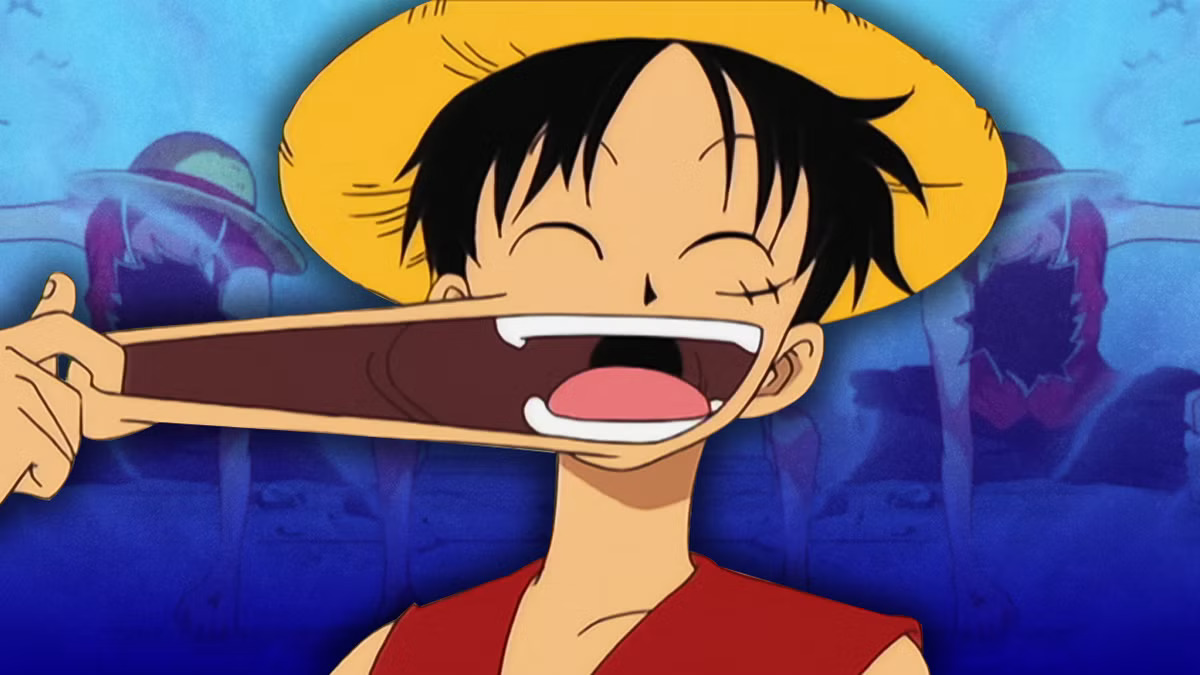
Few modern heroes are as deceptively simple—and as radically compelling—as Monkey D. Luffy, the captain of the Straw Hat Pirates in Eiichiro Oda’s One Piece. At first glance, Luffy appears to be a collection of childish quirks: he is obsessed with meat, lacks basic social filters, and possesses a rubbery physiology from eating a Devil Fruit. Yet this very simplicity is the engine of his charisma. Unlike brooding antiheroes or strategically minded protagonists, Luffy operates on pure, unshakable instinct. He does not deliberate over moral philosophy; he simply knows what is right and acts. This unreflective certainty, far from being a flaw, becomes a magnetic force that draws allies, intimidates enemies, and anchors a twenty-year narrative. Luffy’s charm lies in his refusal to be complicated—because in a world as tangled and oppressive as One Piece’s Grand Line, absolute clarity of heart is the rarest and most powerful form of freedom.
What makes Luffy truly interesting is that his simplicity is not ignorance but a deliberate, almost radical philosophy of liberation. From his very first appearance, Luffy declares that becoming the Pirate King is not about dominion or wealth but about having the most freedom in the world. He does not want to rule—he wants to ensure that he and everyone he cares about can live exactly as they choose. This is why he destroys flags, punches world nobles, and declares war on the World Government without a second thought. He does not fight for abstract justice; he fights for the specific, immediate freedom of a friend in pain. At the Enies Lobby arc, when he orders Sogeking to burn the World Government’s flag, he is not calculating political consequences—he is telling Robin that she has the right to live. That moment crystallizes Luffy’s heroism: he makes the grandest political statements through the most personal acts of loyalty.
Luffy’s charisma also stems from his profound and unpretentious emotional intelligence. He may be unable to grasp basic concepts like navigation or medicine, but he can see into a person’s heart in seconds. He understands that Nami’s apparent betrayal hides desperate sacrifice, that Robin’s coldness masks a death wish, and that even villains like Bellamy are pathetic rather than truly evil. His famous line—“I can’t use a sword, I can’t cook, I can’t lie, but I can beat you”—is not arrogance; it is an honest inventory of his limits paired with absolute faith in his crew to fill the gaps. This reciprocal trust is the foundation of his leadership. Luffy does not command; he inspires. Each Straw Hat joins because Luffy recognizes their dream without mockery and stakes his life on its fulfillment. In a genre full of lone prodigies, Luffy’s greatness is entirely relational: he is only as strong as his crew needs him to be, and he knows it.
Structurally, Oda uses Luffy’s resistance to change as a source of dramatic tension and emotional payoff. Unlike typical heroes who evolve through tragedy, Luffy’s core identity remains static—but that stasis is tested mercilessly. The Summit War Saga, where Luffy loses his brother Ace, is devastating precisely because Luffy is not equipped for grief. He breaks completely, questioning whether he deserves to be captain. Yet even then, his recovery does not involve becoming darker or wiser in a cynical sense. He re-emerges with a new technique (Gear Second) but the same simple creed: protect what matters. This refusal to let trauma harden him is deeply refreshing. Luffy cries openly, admits weakness, and then smiles again. His resilience is not stoic suppression but childlike renewal—the ability to feel everything and still believe in his dream. That emotional honesty, rare in shonen protagonists, makes him feel real and aspirational at once.
Ultimately, Monkey D. Luffy endures as a charismatic hero because he embodies a longing that transcends the pages of One Piece: the wish for a person who is utterly free from cynicism, status, and fear. In a world that often rewards calculation, compromise, and cool detachment, Luffy offers the radical alternative of pure, joyful sincerity. He laughs in the face of death, forgives his enemies’ cruelty if it amuses him, and treats admirals and emperors with the same casual informality as a village bartender. His charisma is not about being cool—it is about being incapable of pretending. That authenticity is magnetic because it speaks to a universal desire to live without masks. Luffy will never be the smartest or most polished hero, but he is the one you would follow into hell, because you know he would go first, laughing, and never ask you to be anyone other than who you are. That is the strange, rubbery magic of the man who will be Pirate King.
Hero of the Day


Pingback: Hero Of The Day: Leo Kessler (Ten To Midnight) | Through the Shattered Lens
Pingback: Hero of the Day: Senku Ishigami (Dr. Stone) | Through the Shattered Lens
Pingback: Hero of the Day: Marcus Fenix (Gears of War) | Through the Shattered Lens
Pingback: Hero of the Day: Samwise Gamgee (The Lord of the Rings) | Through the Shattered Lens
Pingback: Hero of the Day: Haven Hamilton (Nashville) | Through the Shattered Lens
Pingback: Brad’s “Hero of the Day” – Bernardo O’Reilly (THE MAGNIFICENT SEVEN)! | Through the Shattered Lens
Pingback: Hero of the Day: Maj. Motoko Kusanagi (Ghost in the Shell) | Through the Shattered Lens
Pingback: Hero of the Day: Spike Spiegel (Cowboy Bebop) | Through the Shattered Lens
Pingback: Brad’s “Hero of the Day” – Chief Martin Brody (JAWS) | Through the Shattered Lens
Pingback: Hero of the Day: Raylan Givens (Justified) | Through the Shattered Lens
Pingback: Hero of the Day: Ash Williams (Evil Dead Series) – Through the Shattered Lens
Pingback: Hero Of The Day: John Nada (They Live) – Through the Shattered Lens
Pingback: Hero of the Day: Jeff Trent (Plan 9 From Outer Space) – Through the Shattered Lens