Horror Film Review: Near Dark (dir. by Kathryn Bigelow)


“Let’s put it this way: I fought for the South.” — Jesse

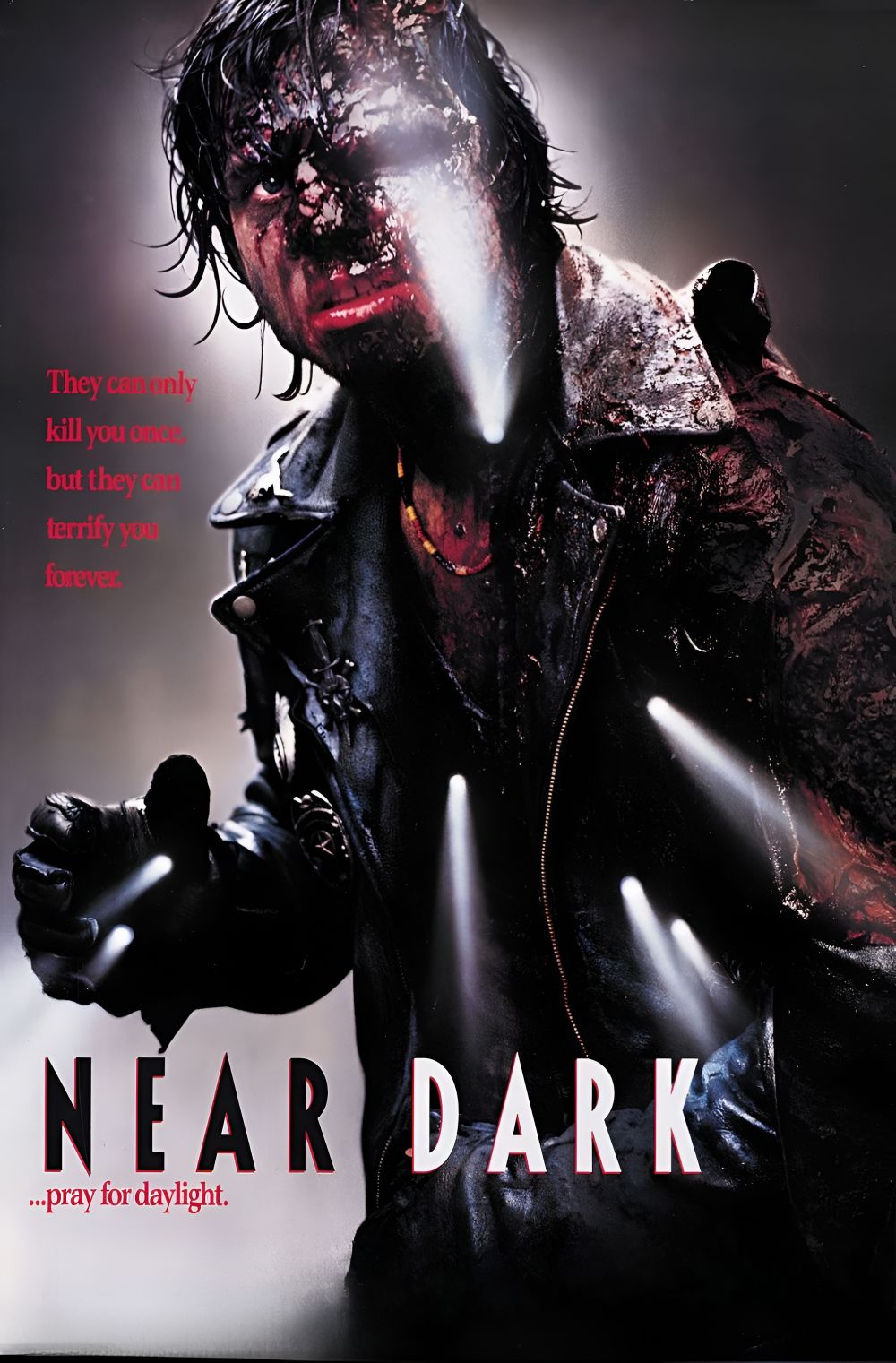
Most vampire movies make you wonder what it would feel like to live forever. Near Dark makes you wonder who you’d be stuck living forever with. In Kathryn Bigelow’s 1987 western-horror film, becoming a creature of the night means joining a small, volatile group whose affection comes with conditions and whose idea of a good evening could leave a roomful of people dead. There’s romance in this world, but very little comfort. Bigelow builds the movie around the uncomfortable possibility that finding people who understand you might be almost as dangerous as having nowhere to belong. It’s a scruffy, seductive horror film that knows how exciting bad company can seem before the bill arrives.

Caleb, played by Adrian Pasdar, doesn’t go looking for immortality. He’s a country boy looking for a little excitement when he meets Mae, played by Jenny Wright. Their early flirtation has the familiar awkwardness of two strangers trying to figure each other out, except one of them has a much better reason to worry about sunrise. A bite changes Caleb’s circumstances before he understands what he has gotten into. Soon he’s traveling with Mae’s vampire companions, who regard him less as a welcome addition than a problem she has brought home. He needs their help, but needing these particular people is its own kind of nightmare.

That dependence gives the story more tension than a simple battle between humans and monsters would offer. Caleb can’t just walk away and resume his old life, yet accepting the group means accepting what they do. The vampires aren’t interested in allowing him a long adjustment period. They expect him to feed, contribute, and stop making his confusion everyone else’s problem. There’s a darkly funny clash of perspectives here: Caleb is enduring an existential crisis, while his new companions are dealing with an irritating passenger. Bigelow makes their impatience recognizable without suggesting that their demands are reasonable.

The western elements give that conflict a natural shape. These vampires behave like an outlaw gang, traveling through an American landscape where staying mobile offers both freedom and protection. Their loyalty matters, but it exists within a closed circle. Anyone outside it is a potential resource, obstacle, or victim. That makes the genre combination feel purposeful rather than decorative. Westerns often find excitement in people who live beyond ordinary rules, and vampire stories have their own attraction to seductive outsiders. Near Dark brings those traditions together, then asks what their freedom looks like from the perspective of someone they decide to hurt.

Bigelow also understands how to make open space feel threatening. Roads and empty horizons usually suggest escape, but they provide little shelter when daylight arrives. The farther these characters get from civilization, the fewer places they have to hide. A miserable room can become more valuable than miles of beautiful countryside. That reversal gives the landscape an active role in the suspense. The vampires may dominate an encounter after dark, but their power comes with a deadline. No amount of swagger can change the time of sunrise, and the movie gets considerable mileage out of watching dangerous people suddenly become desperate.

The physical texture makes that desperation convincing. Clothes look worn, temporary accommodations feel uncomfortable, and traveling together seems like something everyone has done for too long. Immortality hasn’t brought these people luxury or even much convenience. They still have to find transport, secure shelter, and manage one another’s moods. Bigelow doesn’t stop the story to explain their routines, but the strain is visible. This is a particularly effective way of grounding the supernatural: the characters may have extraordinary abilities, yet their existence remains full of practical annoyances. Escaping ordinary human life has left them with a different set of exhausting obligations.

At the same time, the film never becomes so grimy that you lose sight of its appeal. Bigelow finds beauty in nighttime spaces, especially when Caleb and Mae are briefly alone. Darkness offers them privacy and the possibility of closeness, even as it connects them to everything threatening around them. Tangerine Dream’s electronic score helps sustain that contradiction. Its drifting, dreamlike sound creates an emotional distance from the rough surroundings without making them disappear. The music can make a moment feel tender and suspended, then leave the violence to shatter it. That push between attraction and alarm gives the film much of its distinctive atmosphere.

Bill Paxton embodies the alarming side as Severen, a vampire who seems thrilled that survival provides so many opportunities for bad behavior. He plays the role with outrageous confidence, making Severen funny without making him safe. The danger lies in how much pleasure he takes in every confrontation. He isn’t merely prepared to hurt someone if necessary; he appears disappointed when an evening doesn’t require it. Paxton makes that appetite entertaining enough to put the viewer in an awkward position. You look forward to seeing what Severen will do next while understanding that anyone actually standing beside him should be looking for an exit.

Lance Henriksen’s Jesse works through restraint rather than constant provocation. As the group’s leader, he has an authority that doesn’t need much advertising. Henriksen suggests long experience in the way Jesse watches people and decides how much patience they deserve. His steadiness makes the gang feel sustainable, at least on its own ugly terms. These aren’t simply predators who happen to be in the same vehicle. They have a structure, and Jesse helps hold it together. That structure gives Caleb’s possible acceptance real weight. He’s being offered a place in something established, not just permission to tag along until the next disaster.

The film’s strongest idea is that belonging can involve affection and coercion at the same time. The vampires’ attachments don’t have to be fake for their influence to be destructive. They can care about their own people while expecting those people to commit terrible acts. For Caleb, that makes the choice harder than rejecting an obviously empty promise. The group understands what he is becoming in a way his former world cannot. Their companionship answers a real need, but it also demands that he abandon the hesitation keeping him connected to his humanity. Acceptance is available, provided he becomes someone capable of earning it.

Mae gives that conflict its emotional center. Wright makes her vulnerable without turning her into a blameless observer of the gang’s behavior. She belongs to this life, and her attraction to Caleb doesn’t magically separate her from it. Their romance works best when it acknowledges that difficulty. She can offer tenderness without offering safety, and he can care about her without being able to live as she does. Pasdar is less immediately magnetic than the actors playing his traveling companions, but his relative ordinariness serves a purpose. Caleb still has recognizable limits, which gives the audience a way to measure how far the others expect him to go.

The roadhouse sequence makes those expectations impossible to avoid. As the gang terrorizes a bar, the movie strips away any comfortable distinction between their charisma and their cruelty. Bigelow allows the scene to be outrageous and darkly funny, particularly through Paxton, while keeping the vulnerability of the other people in view. It’s exciting filmmaking, but the excitement catches in your throat. For Caleb, the encounter is more than another demonstration of how dangerous his companions are. It’s a test of whether he can participate. He can’t remain indefinitely on the edge of their world, enjoying its romance while refusing its central activity.

That willingness to make the monsters compelling without excusing them is one of the film’s best qualities. Their humor, loyalty, and individuality matter, but none of those things makes their victims disposable. The movie holds both sides of that equation together better than it handles its eventual resolution. Without spelling out the mechanics, the route toward normality feels too convenient after Caleb’s predicament has become so physically and morally tangled. The emotional desire behind the ending is understandable; the storytelling shortcuts are less satisfying. A film so good at establishing the cost of this existence could have used a more difficult reckoning with escape.

Even so, Near Dark earns its place in the memory through the uneasy life it creates between attacks. The worn-out spaces, shifting loyalties, fleeting tenderness, and approaching daylight make the gang feel like more than a collection of horror characters. You can imagine them continuing down another road, having the same arguments and finding new strangers to consume. That’s what makes Caleb’s dilemma linger. The real threat isn’t simply that these people might kill him. It’s that he might become comfortable with them. Bigelow’s film is at its sharpest when the night looks beautiful, the company almost feels welcoming, and you remember exactly what staying would require.

Retro Television Review: St. Elsewhere 4.17 and 4.18 “Time Heals”


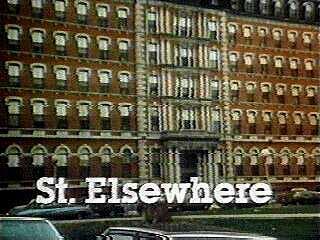
Welcome to Retro Television Reviews, a feature where we review some of our favorite and least favorite shows of the past! On Fridays, I will be reviewing St. Elsewhere, a medical show which ran on NBC from 1982 to 1988.  The show can be found on Daily Motion.

In this special two-part episode, 50 years of St. Elsewhere are documented in just two hours.

Episodes 4.17 and 4.18 “Time Heals”

(Dir by Mark Tinker, originally aired on February 19th and February 20th, 1986)

Aired over two nights, “Time Heals” uses St. Eligius’s 50th anniversary to give us 50 years of history. While the staff prepares to observe half a century of serving Boston, the episode skips back and forth in time.

In 1935, a young and enthusiastic priest named Joseph McCabe (Edward Herrmann) prepares for the opening of a hospital that he hopes will serve the downtrodden and forgotten of Boston. Monsignor Senti (Norman Burton) views McCabe as a troublemaker. Meanwhile, a young Donald Westphall watches as his father helps bring a wounded man named Patrick O’Casey (William Russ) to the hospital. Later, Westphall’s sister and mother are killed in a house fire.

In 1945, a young liver specialist named Daniel Auschlander (James Stephens) is brought on staff and meets an angry teenage Donald Westphall (Michael Sharrett). Donald shines shoes in the hospital lobby. When Donald is caught stealing, Father McCabe takes him to the hospital’s gym and gives him a boxing lesson. As for Auschlander, he allows a returning serviceman named Patrick O’Casey to see his young daughter, who is suffering from polio and has been placed in an isolation ward.

In 1955, the Archdiocese sells the hospital to the city and Father McCabe is fired. McCabe gets drunk. Auschlander says that he intends to resign in protest. McCabe replies that that would be a mistake—Auschlander is the man McCabe has recommended as his replacement. Meanwhile, Patrick O’Casey’s daughter dies after spending ten years in an iron lung, and a cocky intern named Mark Craig (William Daniels, sans mustache) has a panic attack while performing his first operation. The demanding Dr. David Domedion (Jackie Cooper) orders Craig back into the operating room. Later, Craig tells another resident, Donald Westphall (Ed Flanders, his hair dyed black but still looking quite middle-aged), that he’s been offered a position at Boston General and will never return to St. Eligius.

In 1965, Dr. Craig returns to St. Eligius, bitter that he was passed over for chief of surgery at Boston General. While a young Luther Hawkins sits in the waiting room, a newly arrived nurse named Helen Eisenberg helps Dr. Westphall deal with Terence O’Casey (Brian Kerwin), a young man having a bad acid trip. “Get a haircut, hippie,” Dr. Craig says at one point.

In 1975, Terence O’Casey is back in the hospital, waiting as Dr. Craig performs open-heart surgery on his father, Patrick. Donald Westphall is appointed hospital administrator. The same night, his wife, Maureen (Anita Gillette), is in an auto accident that leaves her brain-dead. Westphall is the one who has to decide to remove her breathing tube and allow her to pass on.

In 1985, high school principal Terence O’Casey is brought to the hospital with sudden paralysis. His doctor, Jack Morrison, struggles to diagnose Terence’s condition until he goes down to the basement, looks through the earliest hospital records, and reads about Terence’s sister, who died in an iron lung. Jack diagnoses Terence with Guillain-Barré syndrome, a paralyzing condition that can resemble polio.

Meanwhile, Jack’s son, Pete, is apparently abducted by a man at the hospital. I say “apparently” because the plotline feels a bit underdeveloped. The episode ends with the police returning Pete to Jack during St. Eligius’s anniversary party. Pete seems to be physically unharmed, and we’re not really given any details as to who abducted him or how the police tracked him down.

The subplot featuring Morrison’s son being abducted is oddly undeveloped, but that’s really the only flaw to be found in “Time Heals.” This is not only a great episode of St. Elsewhere; it’s also one of the greatest episodes of television I’ve ever seen. That said, it isn’t just a great episode of television. It’s a great work of art, period, from the excellent performances to the way the episode seamlessly mixes the flashbacks so that they come together to tell one epic story of the 20th century. Featuring both the story of the hospital and the story of the O’Caseys, “Time Heals” is a portrait of how times change and how they remain the same.

A few random notes:

For those who think Dr. Craig is too hard on his residents, this episode shows that Craig’s mentor was equally hard on him, and that it helped turn Craig into the surgeon he is today. That said, it’s also amusing to see that young Mark Craig was just as obnoxious as Victor Ehrlich.

I’ve often complained about how depressed Westphall always seems to be. This episode shows that Westphall has a lot of reasons to be depressed. The man’s life has been one tragedy after another.

One cannot overlook the importance of the O’Caseys to this episode’s power. The O’Caseys represent the community St. Eligius is meant to serve. The hospital is part of the family’s life. History repeats itself throughout the O’Casey storyline. In 1935, Patrick O’Casey is injured and nearly killed in a fight. By 1945, he’s married and a member of the U.S. Army. In 1965, Patrick’s son, Terence, is a drug-abusing member of the counterculture. By 1985, he’s a conservative high school principal who has an estranged relationship with his gay son, Kevin (John Scott Clough). All of the male O’Caseys have more in common than they realize.

Each decade is shot in a different visual style, which helps us keep track of things. The 1935 scenes are shot in black and white. The 1945 scenes feature muted colors. As we move through time, the colors become clearer and more vibrant until we finally find ourselves in 1985.

“Time Heals” is touching, powerful, and even funny. It’s a true work of art.

Moments #40: Driving In The Rain


It’s the rain season in Texas and there’s a chance that it might rain on Halloween night. We usually don’t have many trick-or-treaters in this neighborhood. In fact, our neighbors have barely decorated for Halloween. Lisa says it’s because the socialists are trying to kill any holidays that aren’t about celebrating the government. I think it’s because we don’t have many kids around. Even thought we usually don’t have many people coming by to ask for candy, I still feel bad whenever it does rain on Halloween night, and I hope that, if it happens this year, the parents take the precaution of buying backup candy.

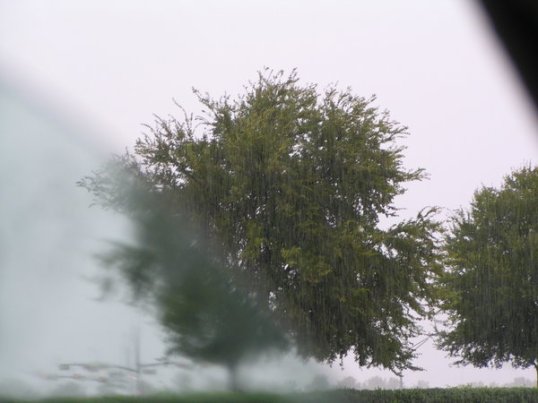
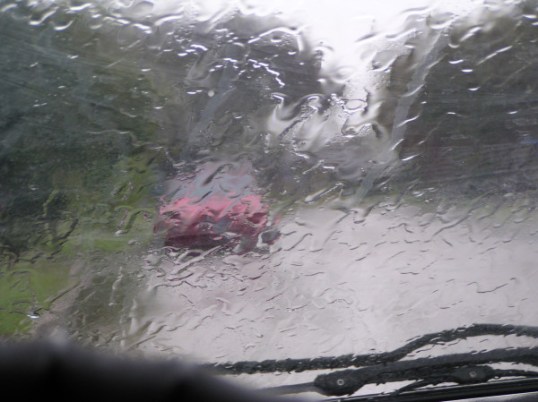
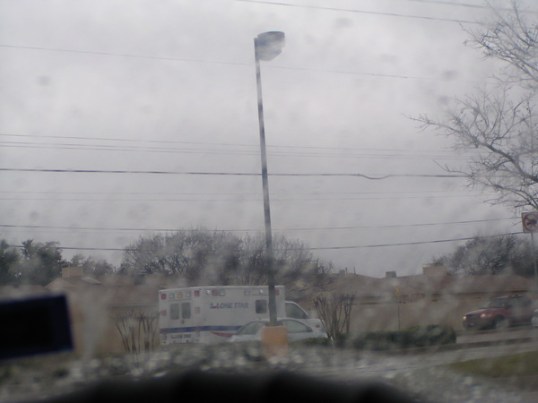
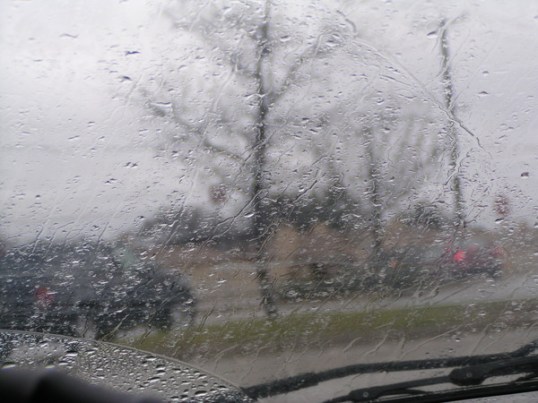
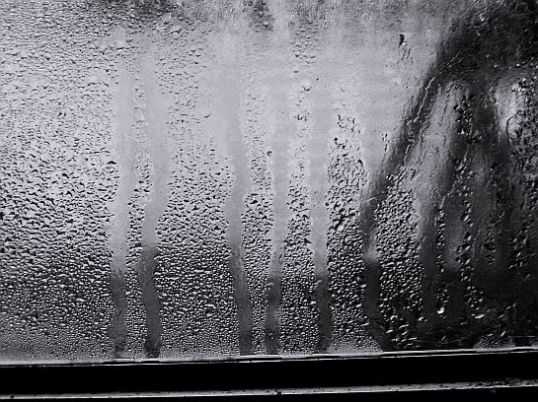
A few years ago, as fall approached (and I’d love to say it was on Halloween, but I can’t remember the exact date), it started to rain while I was driving, and I had to keep pulling over to the side of the road because, even with the windshield wipers going, I couldn’t see where I was going and I knew that was probably true for a lot of other people on the road. Fortunately, I was never without a camera.

I hope everyone has a safe and relatively dry Halloween!

Previous Moments:

  1. My Dolphin by Case Wright
  2. His Name Was Zac by Lisa Marie Bowman
  3. The Neighborhood, This Morning by Erin Nicole
  4. The Neighborhood, This Afternoon by Erin Nicole
  5. Walking In The Rain by Erin Nicole
  6. The Abandoned RV by Erin Nicole
  7. A Visit To The Cemetery by Erin Nicole
  8. The Woman In The Hallway by Lisa Marie Bowman
  9. Visiting Another Cemetery by Erin Nicole
  10. The Alley Series by Erin Nicole
  11. Exploring The Red House by Erin Nicole
  12. The Halloween That Nearly Wasn’t by Erin Nicole
  13. Watchers and Followers by Erin Nicole
  14. Visitors by Erin Nicole
  15. Fighting by Case Wright
  16. Walking In The Fog by Erin Nicole
  17. A Spider Does What It Can by Erin Nicole
  18. Downtown Richardson, In The Rain by Erin Nicole
  19. Me, our kids, and ONCE UPON A TIME IN HOLLYWOOD! by Bradley Crain
  20. The Statues of SMU by Erin Nicole
  21. Exploring the Back Yard Of An Abandoned House by Erin Nicole
  22. The Ugly Old Swing by Erin Nicole
  23. The Fourth of July In My Town by Erin Nicole
  24. A 4th of July Tradition: Blurry Firework Pictures! by Erin Nicole
  25. That Doll by Erin Nicole
  26. Invasion of the Dolls by Erin Nicole
  27. The Dollhouse by Erin Nicole
  28. Jake and Max by Erin Nicole
  29. The Morning of October 26th by Erin Nicole
  30. Casper The God by Erin Nicole
  31. Carrying The Flag by Erin Nicole
  32. The First Morning Of 2026 by Erin Nicole
  33. This Squirrel by Erin Nicole
  34. That Duck by Erin Nicole
  35. The Turkey Vulture by Erin Nicole
  36. October Rain by Lisa Marie Bowman
  37. Hello by Erin Nicole
  38. Three Dolls by Erin Nicole
  39. She’s Got Food by Erin Nicole

The TSL Horror Grindhouse: Night of the Living Dead (dir by Tom Savini)


The dead are coming back to life! When her brother, Johnny (Bill Moseley), is killed by a zombie at the cemetery, Barbara (Patricia Tallman) flees and makes her way to an isolated farmhouse. It’s there that she’s joined by Ben (Tony Todd), a traveling salesman who is also fleeing from the zombies. Also hiding out at the farmhouse are young lovers Tom (William Butler) and Judy (Katie Finneran) and Harry (Tom Towles), his wife (McKee Anderson), and daughter (Heather Mazur). While the living dead lay siege to the house, Ben and Harry argue over whether it would be better to hide in the basement or to stay upstairs. Even in the face of an unimaginable crisis, the living just can’t stop bickering.

If the plot sounds familiar, it should. Unfortunately, this is not George Romero’s original Night of the Living Dead. This is a remake that came out in 1990. Apparently, when the original film was made, Romero forgot to include a copyright notice on the film and that, combined with a long court battle over the film’s profits, meant that he made next to no money off of its subsequent popularity. (In Romero’s defense, no one originally suspected that his low-budget zombie movie would go on to become a cultural phenomenon.) In the late 80s, when Romero heard that Menahem Golan was considering doing a remake, Romero contacted him and signed on to write the script and serve as an executive producer. Romero’s plan was to establish his copyright over the material while heading off a potentially terrible remake. And, of course, Romero hoped to finally make some money off of the whole thing. Tom Savini was originally brought in to do the special effects but Romero subsequently persuaded him to direct the film. Savini later said that directing the film was a nightmare. While Romero was supportive of Savini’s ideas for the film, the other producers were not and Savini estimated that only 40% of the film was his vision. Once filming was finished, Savini was contractually obligated to cut some of the film’s most gory moments to get an R rating.

Unfortunately, the remake doesn’t really work. Shooting the film in color robs the film of the harsh atmosphere and the almost documentary-style realism that made the first film such a nightmare-inducing success. What was once subtext is made explicit by the film’s script. As opposed to ending with a series of increasingly grainy still shots that bring to mind the records of real-life war atrocities, this film features Barbara watching a trigger-happy posse and literally saying that the living are just like the dead.

The biggest update is that Barbara no longer spends the entire movie in a state of shock. Instead, she grabs a rifle and turns out to be the best shot in the movie. Of course, after spending 90 minutes watching her shoot zombies in the head, it’s a bit hard to take seriously the idea that she would be offended by the sight of the posse. The remake tries to make Barbara a stronger character but then they cast someone who gave an absolutely terrible, one-note performance in the role, which kind of negates the whole thing. In the original film, Ben shoots Harry and it’s a sad moment because it shows that people cannot work together. In the remake, Barbara shoots Ben and we’re supposed to cheer because it’s a 90s film. Beyond that, though, one of the reasons why the first Night of the Living Dead was so effective is because Barbara had the reaction that we all secretly suspect we would have. I may not be happy to admit it but if the dead did come back to life, I’d probably be catatonic as well. Most people would. Not everyone is going to turn into an action hero whenever a crisis breaks out. I would be totally worthless in the face of a zombie apocalypse and so would you. The original Night of the Living Dead had the courage to admit that. The remake does not and that’s why the remake is ultimately just another zombie film.

(Of course, one could argue that by taking the original and spelling out its subtext and making Barbra into a stereotype, this film actually predicted everything from American Horror Story to Mike Flanagan’s Carrie.)

When it comes to the Dead, stick with the Romero originals.

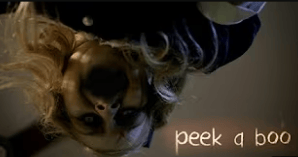
Peek a Boo, Short Film Review by Case Wright


A woman hears a noise so she checks out her attic. Then, she finds a mysterious box with a VHS tape inside. Okay lady, that’s enough. Go away from the cursed box and cursed VHS tape. Are you literally the only person who didn’t see “The Ring”. Enough! Stop! Put those evil things away and get a normal hobby. She lacks all survival skills.

She starts watching the film and it has creepy background music. She starts playing peek-a-boo with the girl in the film who did warn her not to cheat. Did she cheat? Yes. Did the girl become an evil ghost? Yes! I have no sympathy for her- at all.

Brad reviews the South Korean film THE HOUSEMAID (2010)!


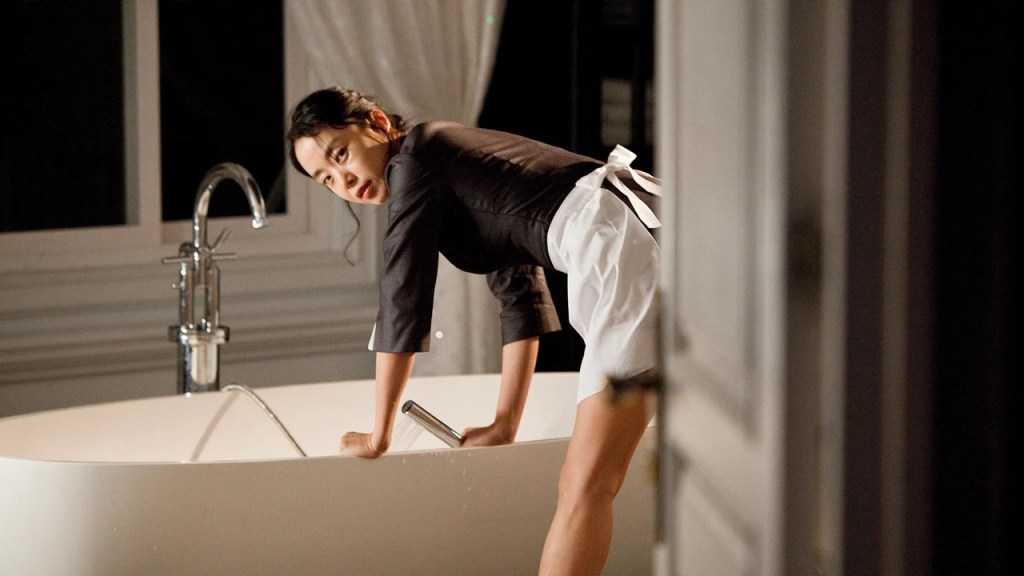
It’s hard for me to watch movies where decent, hardworking people are mercilessly crushed by the system. But that’s exactly where we find ourselves in THE HOUSEMAID, a slow burning South Korean film from director Im Sang-soo that’s not really a thriller or a horror film, but it’s disturbing as hell for anyone looking for something a little different.

Eun-yi (Jeon Do-yeon) takes a job as a housemaid for a wealthy family. Her responsibilities include caring for the family’s young daughter, Nami (Ahn Seo-hyun), and helping look after her pregnant mother, Hae-ra (Seo Woo). The household is overseen by the experienced housekeeper Byeong-sik (Youn Yuh-jung), who knows all too well how things work in this home. The head of the family is Hoon (Lee Jung-jae), a wealthy businessman who seems to always get whatever he wants. In this case, he wants a sexual relationship with Eun-yi, setting in motion a chain of events that will show just how ugly preserving wealth and privilege can be.

One of the hardest things to watch in the film is how the family reacts when they find out that Eun-yi is pregnant with Hoon’s child. Nobody confronts Hoon or asks him to take responsibility for his actions. They actually do the opposite by concealing it from him. First, they try to kill her by setting up a household “accident.” When she survives that, they offer her money to get an abortion and just go away. When she won’t take the money, they poison her. They just want the problem to disappear, by any means necessary. Hae-ra’s mother, Mi-hee (Park Ji-young), is a particularly nasty villainess who’s determined to protect the family’s reputation and lifestyle, even if it means taking another woman’s life. Who needs a serial killer or Michael Myers when you can simply destroy someone, and without an ounce of remorse?!!

Jeon Do-yeon gives a good performance as Eun-yi, a woman whose initially cheerful and kind personality makes her increasingly difficult circumstances all the more heartbreaking to watch. Lee Jung-jae is smooth and self-assured as Hoon, a man who believes that his wealth and position mean that he doesn’t have to play by the normal rules of society. And Youn Yuh-jung is excellent as Byeong-sik, whose years of service have taught her to recognize the cruelty behind the family’s polished facade. She understands the system she works within, and she protects it “almost” to the bitter end. Interestingly, Youn would win an Oscar for her outstanding performance in the film MINARI back in 2020. She’s an incredible actress and I’m glad she got the international recognition she deserves.

For most of its runtime, THE HOUSEMAID is a psychological thriller with elements of erotic melodrama and social satire. The tension comes from watching the characters maneuver against one another and wondering just how much more abuse Eun-yi can endure before something finally gives. But as the film moves toward its final act, it becomes clear that being discarded as less than human has taken its toll, and she’s going to do something about that. The question is what can she do about it, and the answer is quite disturbing and will probably stick with me for a while.

THE HOUSEMAID is an unsettling film about privilege, exploitation, and the lengths people will go to protect their own interests. It’s not a horror film, but its story does prove that real people are likely to be far more frightening than a masked killer.

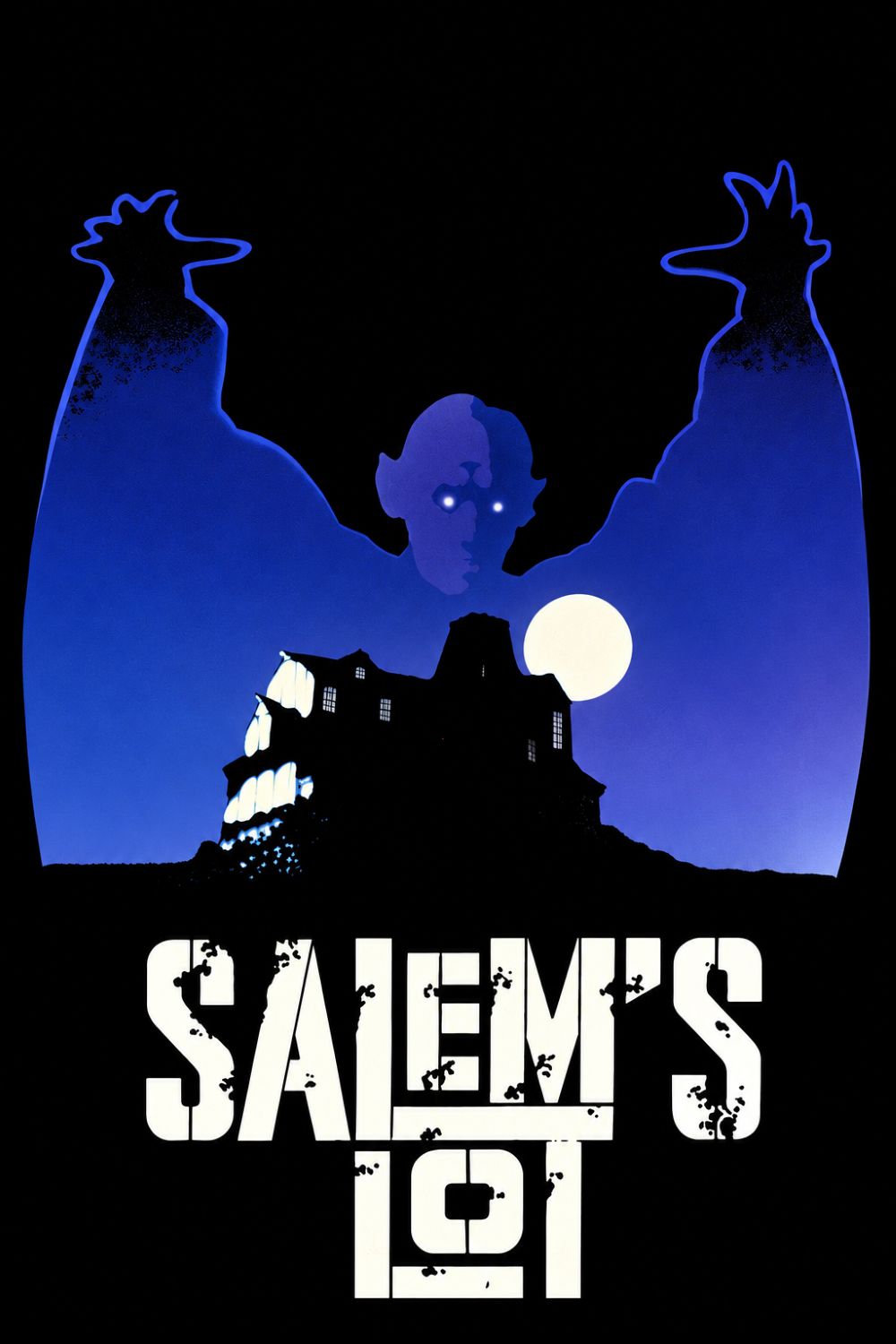
Horror Series Review: Salem’s Lot (by Tobe Hooper & Paul Monash)


“Open the window, Mark.” — Danny Glick

A town doesn’t have to look sinister to be hiding something rotten. That idea gives Tobe Hooper’s 1979 Salem’s Lot much of its staying power. Sure, there’s a creepy old house overlooking the neighborhood, but the real trouble settles into places that should feel reassuring: bedrooms, family homes, and familiar streets. Adapted from Stephen King’s novel, the miniseries turns an ordinary community into a feeding ground without losing sight of what made it ordinary in the first place. It’s uneven, occasionally stiff, and unmistakably a television production, yet its best moments deliver the sort of unease that expensive effects can’t guarantee.

The story begins with novelist Ben Mears, played by David Soul, returning to Jerusalem’s Lot, Maine. He’s drawn back partly by disturbing memories of the Marsten House, a property that seems to concentrate the town’s darkness. Unfortunately, antiques dealer Richard Straker and his mysterious partner, Kurt Barlow, have taken an interest in the place, too. Their arrival coincides with disappearances, illnesses, and deaths that suggest something worse than local bad luck. It’s familiar vampire territory, but familiarity works in its favor. We recognize the warning signs while the characters struggle to explain them away, creating tension between what the audience suspects and what the town will believe.

Hooper takes his time getting everyone into position, which is both a strength and a frustration. The early stretches contain plenty of conversation and everyday business before the supernatural threat becomes impossible to ignore. Some scenes could move faster, and a few supporting characters seem more interesting in principle than in practice. Still, the buildup matters. King’s novel isn’t simply about a vampire turning up; it’s about an entire town becoming vulnerable to him. The miniseries cannot reproduce the book’s full social landscape, but it establishes enough relationships and routines to make the destruction feel like more than a body count.

The town also isn’t an innocent paradise suddenly spoiled by an outside monster. Secrets, resentments, and unpleasant impulses already exist beneath its respectable surface. The vampires don’t invent those weaknesses so much as exploit them. This is an important part of King’s novel to preserve, and the adaptation gets the idea across even when individual subplots feel abbreviated. The Marsten House may be the obvious symbol of evil, but it doesn’t exist in isolation. Its presence above the town suggests a darkness everyone can see and would rather leave alone. That indifference makes the setting more interesting than a collection of unsuspecting victims.

Soul provides a steady center as Ben, even if his restrained performance sometimes borders on flatness. He’s convincing as a man returning to unfinished emotional business, and his seriousness keeps the increasingly bizarre events grounded. There’s little danger of him making the material feel campy. His reserve occasionally creates distance, though, especially when the story needs a stronger emotional response. Ben works best as an observer forced into action, someone whose interest in haunted history becomes considerably less comfortable once it stops behaving like material for a book. Soul conveys that shift more effectively than the warmer aspects of the character.

The romance with Susan Norton, played by Bonnie Bedelia, is less satisfying. Their relationship offers a glimpse of the life Ben might build in town, giving him something to move toward rather than simply something to investigate. That’s useful, but the scenes don’t always generate enough warmth to make the possibility compelling. Bedelia brings an appealing directness to Susan, yet the relationship can feel emotionally hurried even when the surrounding story moves slowly. You understand why it belongs without becoming invested in every exchange. A stronger connection would have given the supernatural threat a more painful personal dimension.

Lance Kerwin makes a livelier impression as Mark Petrie, a horror-loving kid whose interests become unexpectedly practical. Mark could have been a convenient walking instruction manual, but Kerwin gives him enough vulnerability to avoid that trap. He recognizes the danger without becoming immune to it. There’s also something satisfying about a character who takes the evidence seriously rather than endlessly refusing to accept it. His imagination helps him understand the situation, but it doesn’t make everything manageable. That distinction captures something essential about King’s treatment of childhood: knowing what the monster is can help you survive, but it won’t stop you from being terrified.

James Mason is the cast’s great weapon. As Straker, he brings such controlled unpleasantness that a polite conversation can feel like a threat. His calm suggests someone completely comfortable with things everyone else would find horrifying. Is he being dismissive, quietly amused, or openly contemptuous? Often, the answer seems to be all three. Mason gives the production authority whenever he appears, making civilized behavior look like something a predator has learned to imitate. He’s particularly effective because he doesn’t strain for menace. The performance lets us sense the cruelty beneath the manners without constantly dragging it into view.

That elegance becomes especially important because Barlow departs sharply from the novel. King’s vampire can speak, manipulate, and present a recognizable personality. Hooper and actor Reggie Nalder instead give us a largely silent creature, leaving Straker to handle the smooth conversation. Readers who miss the original Barlow have a fair argument: something is lost when an articulate villain becomes primarily a physical menace. Onscreen, though, the decision pays off. With his bald head, pointed ears, and jutting teeth, this Barlow recalls Nosferatu rather than a charming drawing-room vampire. He looks fundamentally unwelcome, and Hooper limits his appearances enough to keep that impression potent.

Even so, Barlow isn’t responsible for the miniseries’ most haunting imagery. That honor belongs to the children floating outside bedroom windows. These sequences create a nasty collision of recognition and wrongness: the face is familiar, but its position, movement, and expression are not. The glass offers protection, yet the request to be let inside makes that protection uncertain. Hooper turns the instinct to welcome someone you know into something dangerous. The possibility that affection might defeat caution makes these scenes more troubling than a straightforward attack. They threaten not only physical safety but the trust that makes a home feel secure.

The windows themselves are wonderfully simple horror devices. They let the characters see the danger while leaving them exposed to its attention. A wall would conceal it; an open doorway would admit it. The glass suspends the scene between those possibilities, stretching out the question of whether the barrier will hold. Mist and unnatural movement complete the effect without requiring elaborate explanations. Almost everyone understands the feeling of being awake in a dark room, looking toward a window and wishing something more substantial separated inside from outside. Hooper takes that common vulnerability and gives it a face.

Moments like these make the television restrictions feel less like a handicap than a challenge Hooper knows how to use. Without relying on graphic violence, he builds horror through faces, shadows, sound, and timing. The production doesn’t always escape its limitations: some exchanges feel conventional, transitions can be abrupt, and the pacing occasionally stalls. But the ordinary interiors also help establish the world being invaded. These look like rooms where people eat dinner, argue, and sleep. The adaptation sacrifices some of the novel’s complexity, thinning supporting characters and narrowing the town’s communal collapse, yet preserves the frightening contrast between everyday surroundings and impossible events.

What finally makes Salem’s Lot worth returning to isn’t perfect fidelity or flawless pacing. It’s the way Hooper understands what the vampires take away before they take anyone’s life: the ability to trust familiar surroundings and familiar faces. King explores that collapse more deeply, but the miniseries preserves its central nightmare with remarkable force. Its quieter stretches give the horror somewhere recognizable to live, and its strongest images make that recognition uncomfortable. By the end, the town’s comforting routines have become part of the trap. For a production working within network television’s boundaries, that’s an impressive achievement—and a more lasting scare than extra blood would have provided.

The Aliens Invade The Pulps!


(By Allen Gustav Anderson)

Ever since the early days of the pulp era, artists have been imagining what it will be like when aliens eventually invade and conquer our planet. Here’s a few illustration for the day the pulp conquered the world.

(Artist Unknown)
(Artist Unknown)
By Ally Fell
By Ally Fell
(Artist Unknown)
(Artist Unknown)
(By Alex Schomburg)
(By Alex Schomburg)
(By Earle Bergey)
(By Earle Bergey)
(By Edmond Swiatek)
(By Edmond Swiatek)
(By Gabriel Mayorga)
(Artist Unknown)
(Artist Unknown)

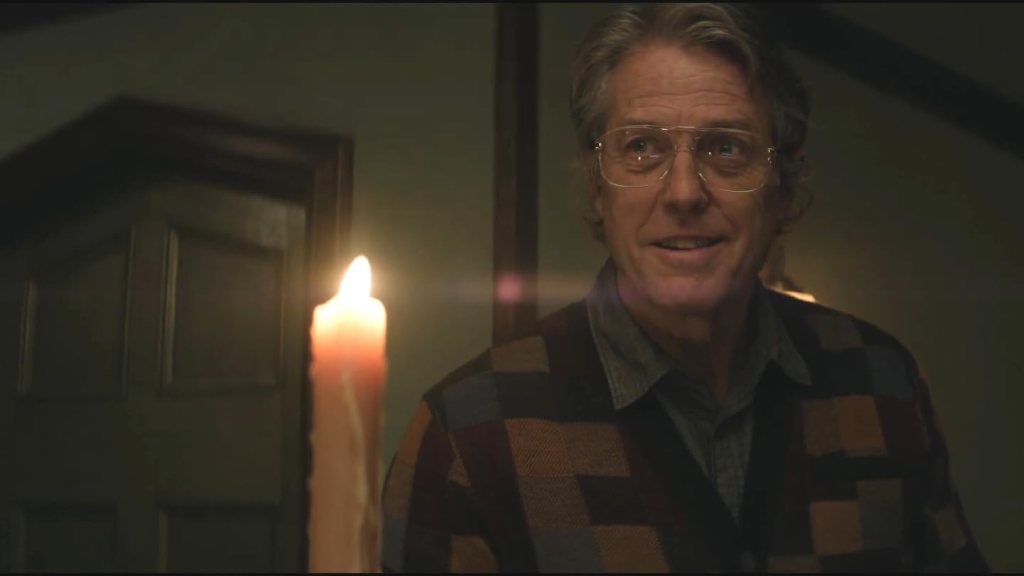
Brad reviews HERETIC (2024), starring Hugh Grant!


Two of my all-time favorite movies, SENSE AND SENSIBILITY and NOTTING HILL, star Hugh Grant. I just think he’s incredible, and in those films in particular. I know he can be a real cad, like in BRIDGET JONES’S DIARY, but I’ve never imagined what he’d be like in the role of a completely amoral, evil man. Tonight, I was able to experience that when I watched HERETIC.

HERETIC follows two young Mormon missionaries, Sister Barnes (Sophie Thatcher) and Sister Paxton (Chloe East), who knock on the door of a seemingly harmless man named Mr. Reed (Grant). He’s friendly, intelligent and more than happy to discuss religion with them. Unfortunately, their decision to accept his invitation inside turns into a nightmare when they discover that there’s much more to this man than meets the eye. What follows is a game of psychological manipulation in which Mr. Reed challenges the women’s religious beliefs while also demonstrating that he’s in complete control of their situation. He seems articulate and reasonable, but the more we learn about him, the more uncomfortable things become.

The movie takes an interesting approach to horror by spending a lot of time exploring questions about faith, organized religion, and the ways in which people use belief systems to influence others. These conversations may seem a little deep for a horror film, but they’re among its most interesting elements. Reed isn’t simply interested in frightening these women. He wants to get inside their heads, challenge everything they believe, and eventually convince them that they know nothing.

And Hugh Grant… what the hell?!! I’ve seen this man aw-shucks his way through romantic misunderstandings, charm his way through countless relationships, and generally make a career out of being the likable Englishman. Seeing him in a role like this is quite an experience. The filmmakers use him perfectly, as the man we initially meet seems a lot like the Grant we’ve seen in the past, just maybe a little quieter. But there’s still that familiar charm and conversational delivery that will make Mr. Reed much more frightening when it’s turned off. It’s an excellent performance that I will NOT be forgetting about anytime soon.

Beyond Hugh Grant’s casting, though, the film continues to subvert our expectations with our Mormon missionaries. The film opens with the young ladies in mid-conversation on topics you wouldn’t necessarily expect to hear them discussing, in this case, condom size and pornography. We do move quickly into more traditional activities as they go about their day interacting with potential converts, but that discussion lingers as we move forward. The story gradually reveals real depth in each of their characters. Sophie Thatcher and Chloe East are very good, with their contrasting personalities and abilities adding another layer to the proceedings. They do a nice job conveying the fear and desperation of women who suddenly find themselves in a horrific situation they cannot control. Thatcher’s Sister Barnes hasn’t been as sheltered growing up, so she brings some street smarts and toughness to the proceedings. I found East to be particularly appealing as she’s able to show real intelligence and bravery behind Sister Paxton’s seemingly naïve façade.

HERETIC isn’t a movie that’s going to appeal to everyone. If you’re not willing to spend some time discussing religion and philosophy, this is probably not the movie for you. I appreciate that directors Scott Beck and Bryan Woods were willing to take a different approach to the horror genre. Their focus on exposing unchallenged, narcissistic beliefs and how they ultimately lead to horrific actions is much more effective than simply relying on jump scares and other familiar tricks. Just know that the movie’s going to operate on a sense of impending dread for quite a while before jumping into real horror.

I found HERETIC to be a genuinely creepy thriller that benefits enormously from Hugh Grant’s presence. While I’ll always love his performances from the past, it won’t be easy to shake the evil he presents here. Who knew that the guy from LOVE ACTUALLY could be this disturbing!

Pulp From Beyond The Stars


by Carmine Infantino

Years before man even landed on the Moon, the pulps told the world all that it needed to know about spaceships, aliens, and what lies beyond the Milky Way.  Here are a few intergalactic covers from the pulps!

by Virgil Finlay

by Mel Hunter

by Leo Morey

by Edmund Emshwiller

by Leo Morey

by Fred Kirberger

by Robert Gibson Jones

by Lou Morales

by Albert Drake

by Frank R. Paul

by Peter Poulton

by Leo Morey