Review: The Equalizer (dir. by Antoine Fuqua)


“When you pray for rain, you gotta deal with the mud too.” — Robert McCall

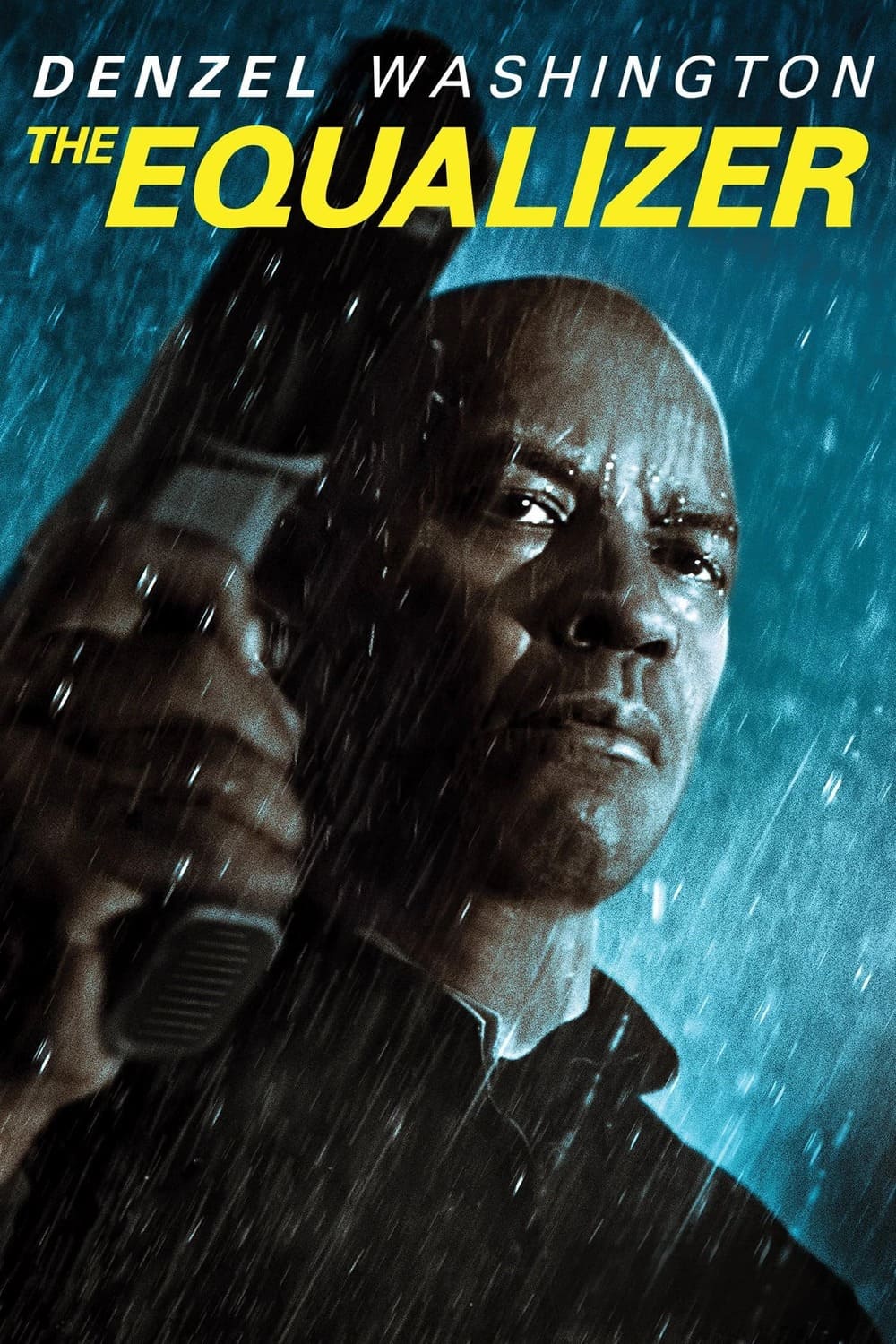
Antoine Fuqua’s The Equalizer is a film remake of the original 1980s TV series that starred Edward Woodward in the title role, and it feels like a throwback to the gritty, no-nonsense action thrillers of that era, but with a modern polish that only a director like Fuqua can deliver. From the opening frame, you know you’re in for something that’s equal parts stylish and brutal, a film that doesn’t waste time with unnecessary fluff and instead gets straight to the point: justice, served cold and calculated. Denzel Washington plays Robert McCall, a man who looks like your average big-box store employee by day but transforms into a methodical, almost surgical force of retribution by night. The premise is simple—McCall can’t stand to see good people get hurt, and when the Russian mob pushes him too far, he snaps into action—but the execution is anything but.

Where Woodward’s McCall was a more cerebral, world-weary ex-intelligence officer who relied on wit and strategy as much as physical force, Denzel’s version is a man of few words who lets his actions do the talking. Woodward brought a melancholic, almost philosophical edge to the role, giving the original series a more introspective, morally ambiguous tone. Denzel, though, brings a quiet intensity that’s all about controlled fury, shifting the film’s tone toward something more visceral and immediate. It’s less about the internal struggle and more about the sheer efficiency of justice being delivered, which makes Fuqua’s version feel like a high-octane action thriller rather than a brooding character study. This difference in approach is key to why the movie works so well as a modern reboot—it keeps the spirit of the original while amping up the energy to match today’s action standards.

This version of The Equalizer stands out in how it balances its quiet, character-driven moments with explosive bursts of violence. Fuqua has always had a knack for action, but here he takes his time building tension, letting scenes breathe in a way that makes the eventual payoff feel earned. There’s a sequence early on where McCall takes apart a room full of Russian gangsters, and it’s not just the choreography that impresses—it’s the precision. Every movement has purpose, every strike is efficient, and the whole thing unfolds with a kind of balletic brutality. Washington sells it all with that signature calm intensity of his, the kind of performance where you’re never quite sure if he’s about to offer you a cup of tea or put you in the ground. His McCall is a man of discipline, a guy who’s clearly spent a lifetime honing his skills, and it shows in the way he carries himself, whether he’s reading a book in a diner or turning a hardware store into an improvised armory.

The story itself isn’t reinventing the wheel. It’s a classic revenge tale with a heavy dose of vigilante justice, but the devil’s in the details. McCall isn’t some invincible super-soldier; he’s a guy who’s smart, resourceful, and, above all, patient. He doesn’t rush into things. He plans, he observes, and when he finally makes his move, it’s with the kind of cold efficiency that makes you wince and cheer at the same time. The film’s villain, Teddy Rensen, played by Marton Csokas, is a solid antagonist—a slick, ruthless mob fixer who’s used to getting his way. Csokas brings a quiet menace to the role, and his dynamic with Washington crackles with tension, especially in their final confrontation, which is as much a battle of wits as it is a physical showdown.

Fuqua’s direction is a masterclass in pacing and atmosphere. He knows how to make even the simplest scenes feel charged with meaning. Take, for example, the way he frames McCall in his apartment, surrounded by mementos of a past life we only get glimpses of. There’s a sense of history there, a depth to the character that’s never explicitly spelled out but is always felt. And then there’s the action, which is shot with a clarity that’s refreshing in an era where so many directors rely on shaky cam and rapid cuts to hide their lack of choreography. Fuqua lets you see everything, and it makes the violence hit harder because of it. The climactic battle in the hardware store is a perfect example—it’s a long, unbroken take (or at least feels like one) that puts you right in the middle of the chaos, and it’s thrilling precisely because you can follow every punch, every improvised weapon, every desperate move.

The supporting cast does a great job of fleshing out the world around McCall. Chloe Grace Moretz plays Teri, the young prostitute who becomes the catalyst for McCall’s crusade, and she brings a vulnerability to the role that makes her more than just a damsel in distress. She’s tough, but she’s also broken, and Moretz nails that balance. Then there’s Harold, McCall’s coworker and only real friend, played by Bill Pullman. Their scenes together provide some much-needed levity, but they also serve as a reminder that McCall isn’t just a machine—he’s a human being with connections, however tenuous, to the world around him.

One of the things I like most about The Equalizer is how it doesn’t glorify violence so much as it treats it as a necessary evil. McCall doesn’t enjoy what he does; he does it because he feels he has to. There’s a fascinating psychological undercurrent to his conversations with Teri about the nature of the people who hurt others, specifically this idea that the cruel and corrupt always find a way to rationalize their monstrous actions. The film really explores this twisted logic where abusers and criminals somehow convince themselves they are actually the good guys, completely blind to their own wickedness. It cuts to the heart of the movie’s theme: that real justice isn’t always pretty, and sometimes the only way to stop a relentless villain is to step into the darkness and meet them on their own brutal terms. It’s a morally complex idea, and the film doesn’t shy away from it. McCall isn’t a hero in the traditional sense. He’s a man with a very particular set of skills, and he uses them to tip the scales in a world that’s heavily weighted toward the cruel and the powerful.

Visually, the film is stunning. Fuqua and his cinematographer, Mauro Fiore, make Boston feel like a character in its own right, all grimy streets and neon-lit alleys. The color palette is dark and moody, with pops of color—like the red of a taillight or the blue of a neon sign—that stand out in a way that feels almost painterly. And the score by Harry Gregson-Williams is the perfect complement, all pulsing synths and deep, ominous basslines that ratchet up the tension without ever feeling overbearing. It’s the kind of soundtrack that you don’t notice until it’s gone, and then you realize how much it was adding to the experience.

If there’s a downside to The Equalizer, it’s that the plot can feel a bit thin at times. The story is straightforward, almost to a fault, and there are moments where you wish it would delve a little deeper into McCall’s backstory or the larger implications of his actions. But then again, that’s not really what the movie is going for. This isn’t a sprawling epic; it’s a tight, focused thriller that’s more concerned with mood and atmosphere than with intricate plotting. And in that regard, it succeeds admirably. The film is lean, mean, and never boring, with a runtime that flies by because it’s so damn entertaining.

Denzel Washington, of course, is the glue that holds it all together. At this point in his career, he could probably read the phone book and make it compelling, but The Equalizer gives him a role that’s tailor-made for his strengths. McCall is a man of few words, but every line Washington delivers carries weight. Whether he’s calmly negotiating with a gangster or unleashing hell on a group of armed thugs, he commands the screen with an effortless charisma that’s hard to look away from. It’s the kind of performance that reminds you why he’s one of the greatest actors of his generation.

In the end, The Equalizer is a movie that knows exactly what it is and doesn’t apologize for it. It’s a violent, stylish, and endlessly watchable action thriller with a lead performance that elevates it above the usual fare. It doesn’t pretend to be anything more than it is, and that’s part of its charm. In a world where so many films try to be everything to everyone, The Equalizer is content to be a well-made, pulse-pounding revenge story—and it’s all the better for it. If you’re a fan of action movies that don’t skimp on the brains or the brawn, this one’s a must-watch. Just don’t be surprised if you find yourself rooting for a guy who’s technically a vigilante. After all, in a world this unfair, sometimes you need an equalizer.
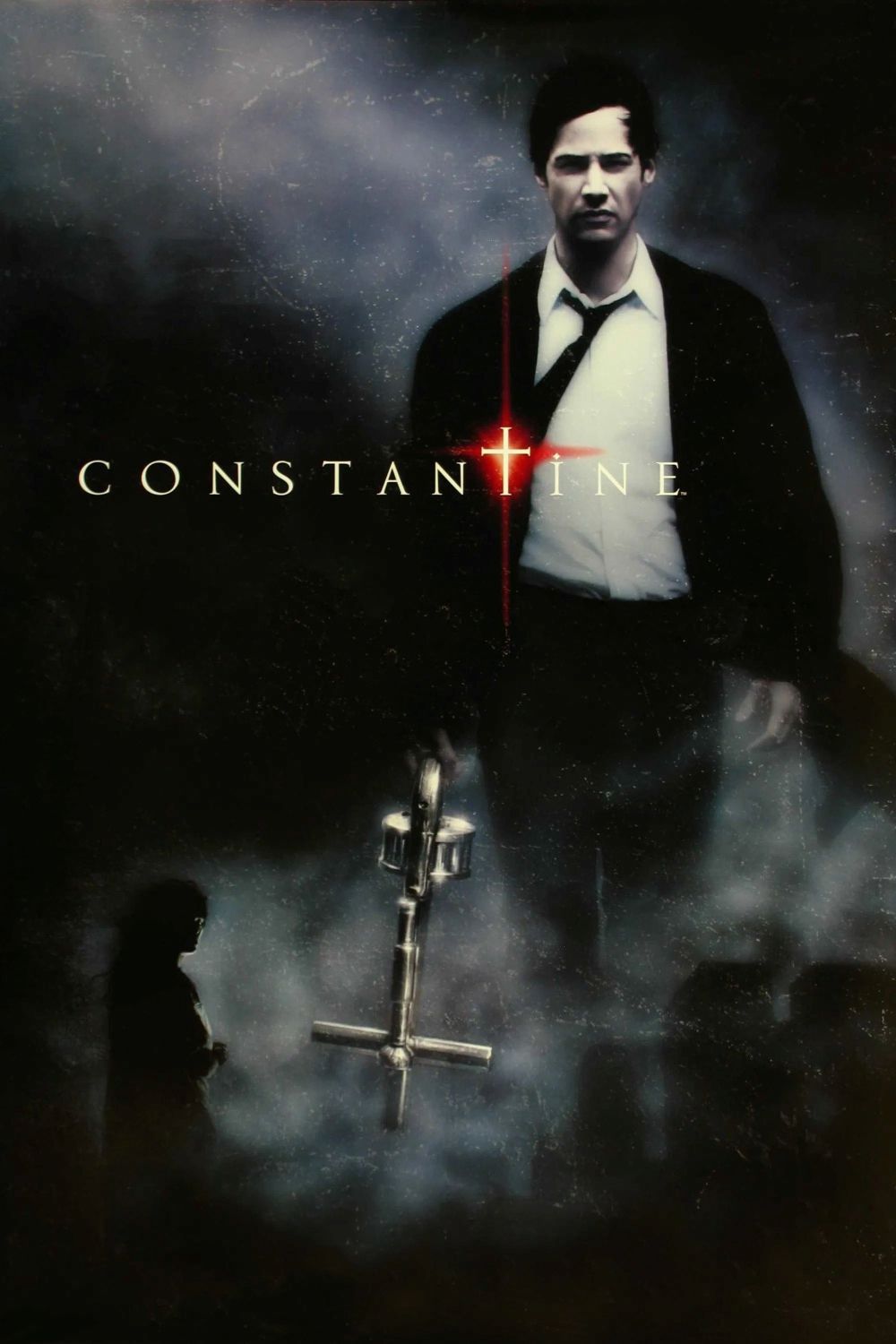
Review: Constantine (dir. by Francis Lawrence)


“Heaven and Hell are right here, behind every wall, every window, the world behind the world. And we’re smack in the middle.” — John Constantine

Constantine is one of those mid-2000s comic book adaptations that never quite hit mainstream classic status but has quietly built a loyal cult following, and it is pretty easy to see why once you revisit it. On the surface it is a supernatural action movie about a chain‑smoking exorcist stomping demons in Los Angeles; underneath, it is wrestling with guilt, faith, and whether redemption is even possible for someone who does not think they deserve it. The film is messy in spots but strangely compelling, and that tension between pulpy cool and spiritual angst is a big part of its charm.

Keanu Reeves plays John Constantine as a tired, bitter man who has seen way too much of both Hell and humanity to have patience for either. This version of Constantine is loosely adapted from DC’s Hellblazer comics, but the film leans into a distinctly Hollywood noir vibe: he is not a wisecracking British punk in a tan trench coat so much as a burnt‑out L.A. exorcist in a black suit who chain‑smokes like it is a survival mechanism. That shift understandably annoyed some comic fans, but taken on its own terms, this Constantine works. Reeves’s usual reserved style actually fits a guy who has emotionally checked out; he moves through scenes like someone who has accepted that his life is transactional and almost over, and there is something darkly funny about how little awe he shows when confronted with angels and demons. Even when the script gives him on‑the‑nose lines about damnation, he plays them with a kind of deadpan resignation that keeps the character from turning into a parody.

The basic setup is simple enough: Constantine can see “half‑breeds,” angelic and demonic entities who nudge humanity toward good or evil while technically obeying a truce between Heaven and Hell. As a child, he tried to kill himself because of these visions, and that suicide attempt has doomed his soul to Hell. Now he works as a freelance exorcist, trying to earn his way back into God’s good graces, not out of pure faith but out of sheer self‑preservation. That dynamic gives the movie a strong hook—this is a protagonist who is doing the “right” thing for profoundly self‑centered reasons. When he gets pulled into a mystery involving a police detective, Angela (Rachel Weisz), investigating her twin sister’s apparent suicide, the film folds in a noirish murder case, religious prophecy, and a scheme that could break the balance between Heaven and Hell. It is all a bit overstuffed, but there is a certain pleasure in how seriously the movie commits to its supernatural mythology.

Visually, Constantine is where the film really separates itself from a lot of its contemporaries. Director Francis Lawrence leans hard into a grungy, stylized urban Hellscape—Los Angeles feels damp, sickly, and spiritually polluted even before anyone literally steps into Hell. When Constantine does cross over, Hell is portrayed as a blasted version of our world, frozen in an eternal atomic blast, buildings shattered and howling winds full of ash and debris. It is not subtle, but it is memorable, and many of the images still hold up surprisingly well for a 2005 effects‑heavy movie. The demon designs are gnarly without becoming cartoonish, the exorcism sequences have a tactile, physical quality, and the movie uses practical effects and lighting cleverly to smooth over the limitations of its CG. Even small visual touches—like holy relics turned into weapons or tattoos used as mystical triggers—help sell the idea that this world is saturated with hidden religious warfare.

The cast around Reeves does a lot of heavy lifting. Rachel Weisz brings warmth and vulnerability to Angela, grounding the story whenever it threatens to float away in theological technobabble. Her dual role as both Angela and her deceased twin gives the plot some emotional weight beyond cosmic stakes. Tilda Swinton’s Gabriel is one of the film’s secret weapons: androgynous, cool, and quietly menacing, Gabriel feels alien in a way that fits an angel who has spent too long watching humans from a distance. Then there is Peter Stormare’s Satan, who shows up late in the game and somehow steals the entire third act with a performance that is gleefully gross and oddly charismatic; his version of Lucifer is barefoot, in a white suit stained with tar, amused and disgusted by Constantine in equal measure. These performances keep the movie watchable even when the script gets tangled in its own mythology.

Tonally, Constantine lives in an odd space between horror, action, and supernatural thriller. On one hand, it has jump scares, grotesque demons, and a very dark sense of humor. On the other, it features extended action beats where Constantine straps on a holy shotgun and goes demon hunting like a paranormal hitman. The film is at its best when it leans into slow‑burn dread and eerie atmosphere—scenes like the early exorcism or Angela’s first encounters with the supernatural feel genuinely unsettling. When it shifts into more conventional action territory, it is fun but less distinctive; some sequences play like obligatory “we need a set piece here” insertions rather than organic escalations of the story. The score and sound design help stitch it all together, layering in ominous drones, choral elements, and sharp sound cues that emphasize the hellish undertones without getting too bombastic.

One of the more interesting aspects of Constantine is how it treats belief and morality. The film’s theology is a mash‑up of Catholic imagery, comic‑book lore, and Hollywood invention, and if you are looking for doctrinal accuracy, you will probably walk away frustrated. But as metaphor, it works better than it has any right to. God and the devil are treated almost like distant power brokers using Earth as their battleground, the angels and demons as middle management enforcing a “rules of the game” structure that Constantine constantly pushes against. What saves it from feeling totally cynical is that the film does not ultimately let Constantine win by gaming the system; his big climactic play hinges on a genuinely selfless act. There is a sense, however stylized, that grace and sacrifice still matter, even in a world that treats salvation like paperwork. At the same time, the movie is very much a product of its edgy 2000s era, and at points it flirts with the idea that faith is mostly about loopholes and bargaining, which might put some viewers off.

That brings up another key point: Constantine is absolutely not a family‑friendly comic book movie. It is full of disturbing imagery, body horror, and bleak subject matter like suicide, damnation, and spiritual despair. The violence is often grotesque rather than purely action‑oriented, and the general mood is closer to a horror film than a superhero romp. The R rating is well earned. For some audiences, those elements will be exactly what makes the movie interesting—a comic book adaptation that is not afraid to be nasty and heavy. For others, the relentless grimness and graphic content will feel excessive, especially when paired with a mythology that is, frankly, all over the place.

Where Constantine stumbles most is in its storytelling clarity and pacing. The film loves its jargon: half‑breeds, the Spear of Destiny, balance between realms, rules of engagement, obscure relics tossed into dialogue with minimal explanation. If you are not already inclined to meet the movie halfway, it can feel like a pile of cool‑sounding concepts that never fully cohere into a clean narrative. The central mystery—what really happened to Angela’s sister and why—is engaging early on, but as the plot widens into apocalyptic stakes, some of the emotional throughline gets lost in exposition. The pacing can be uneven too, moving from slow, moody sequences to abrupt bursts of action, then back to dense dialogue. It is rarely boring, but it can feel disjointed.

Compared to the Hellblazer source material, the film definitely sandpapers off some of John Constantine’s rougher, more politically charged edges and transplants him into a more conventional action framework. Fans of the comics often point to the loss of his British identity, the absence of his punk roots, and the more simplified view of magic and the occult as major flaws. Those criticisms are fair if you are judging the adaptation on fidelity. As a stand‑alone movie, though, Constantine carves out a distinct identity: a moody, grimy, spiritually obsessed supernatural noir built around a protagonist who is more tired than heroic. It is less about clever schemes and more about a man who has done terrible things realizing that the only way out is to finally stop acting in his own interest.

In the years since its release, Constantine has aged better than a lot of early comic book movies. The visual style remains striking, the performances are still strong, and its willingness to be weird and bleak makes it stand out in a landscape that increasingly favors quip‑heavy, crowd‑pleasing superhero fare. The flip side is that its flaws—clunky exposition, a sometimes incoherent mythology, and a very specific grim tone—are just as apparent as they were in 2005. Whether it works for you will depend a lot on how much patience you have for religious horror dressed up as action cinema. Taken as a whole, Constantine is an imperfect but memorable ride: stylish, occasionally profound, frequently ridiculous, and ultimately more interesting than many cleaner, safer adaptations.

We’re following the White Rabbit again in The Matrix Resurrections Trailer


It’s been more than 20 years since the original Matrix dazzled audiences. It looks like both Keanu Reeves and Carrie-Anne Moss are reprising their roles as Neo and Trinity, alongside some fresh faces in Candyman‘s Yahya Abdul-Mateen II and Underwater‘s Jessica Henwick (sporting a fresh blue hairdo). Once again, Thomas Anderson is realizing the world around him isn’t quite what it seems. Just like before, others will show up to hopefully help him find his way, all to the tune of a sweet remix of Jefferson Airplane’s White Rabbit.

So, it looks like we might be in another cycle of the One here? Anyone who saw the Matrix Reloaded should recall that there were at least 6 previous Ones before Thomas Anderson, a.k.a. “Neo” came along. What I’m curious about is how this is going to be with all the background changes. The Wachowski’s have usually made their films as a pair, from Bound to Speed Racer to Cloud Atlas. This time around, Lana’s on her own in the directing duties, though we also have Sense8 writers Aleksandar Hemon and David Mitchell on board. That should bring some familiarity to fill in the space where Lilly Wachowski would be. My first thought is that it might be like a Christopher Nolan film without his brother Jonathan on board, but we’ll see how it goes. Musically, there’s also a change. Instead of Don Davis, we have Cloud Atlas‘ Tom Tykwer & Johnny Klimek on board.

The Matrix Resurrections also stars Jonathan Groff (Frozen), Christina Ricci (The Addams Family), Priyanka Chopra Jonas (Baywatch), Neil Patrick Harris (Gone Girl), Daniel Bernardt (Nobody, The Matrix Reloaded), Lambert Wilson (The Matrix Reloaded), Erindira Ibarra (Sense8), and Jada Pinkett Smith (The Matrix Reloaded)

The film will release in theatres and HBO Max this Christmas.

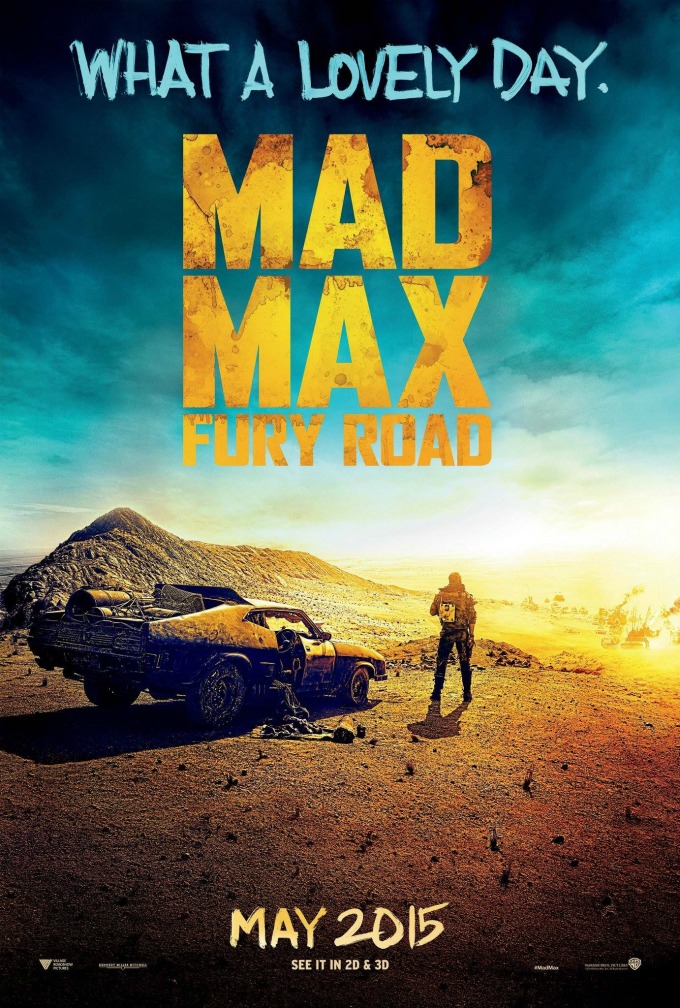
What a Lovely Day To Be Mad Max: Fury Road


MadMaxFuryRoad

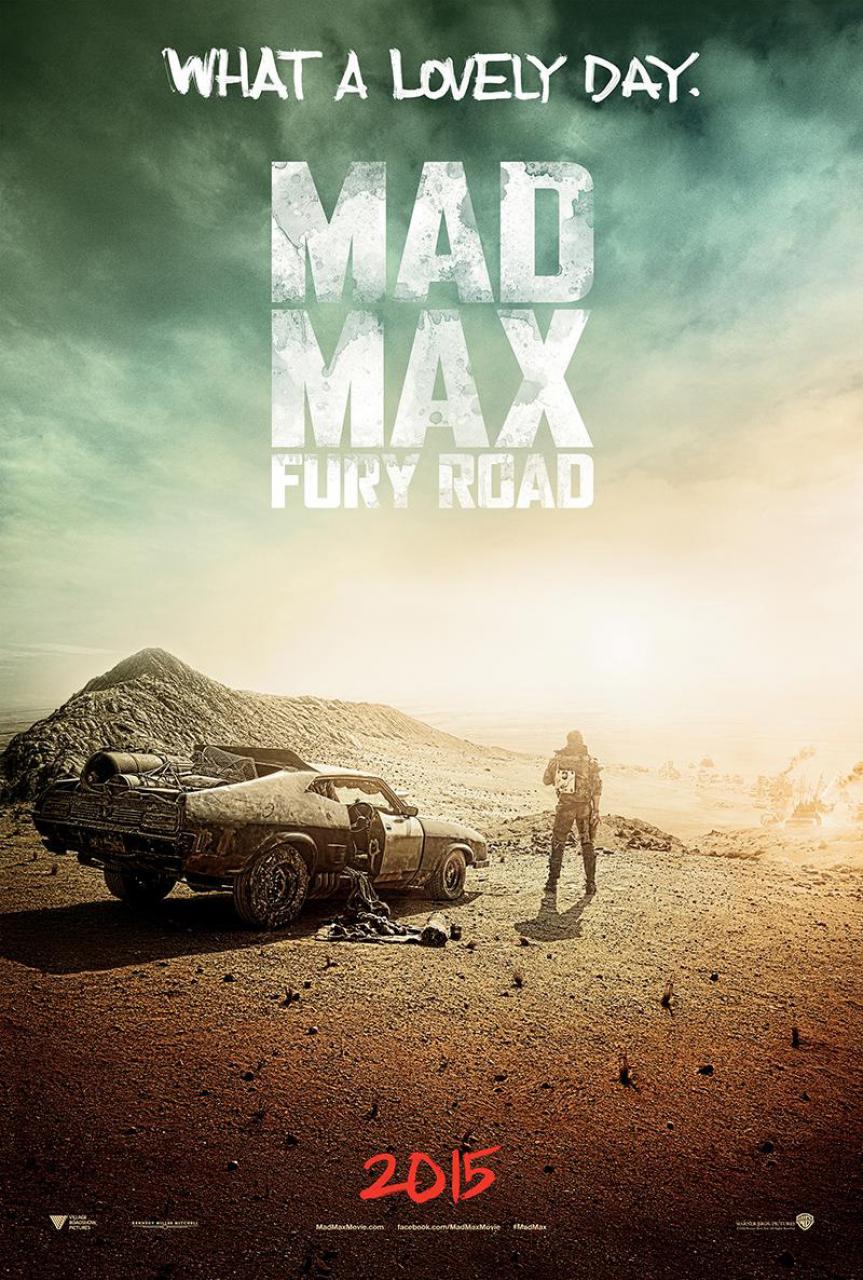
We have the first official trailer (not teaser which the others last year had been) for the upcoming vehicular masterpiece mayhem from the mind of George Miller. It’s been a couple of decades since Miller played in the post-apocalyptic world of one Max Rockatansky.

A special teaser trailer was released during last year’s Comic-Con in San Diego and it was universally-hailed as mind-blowing and melt-your-face in it’s awesomeness.

Today we get the first official trailer and, most likely, the only one since the film is nearing it’s release date. So, watch and try not to melt your face as you stare into the mayhem before you.

Mad Max: Fury Road is set for a May 15, 2015 release date.

San Andreas Once Again Takes Out the Golden State


San Andreas Banner

With all the rocking and rolling and metal headbanging the site has been on of late it’s just appropriate that we  take a quick intermission with a different sort of rocking and rolling.

The Rock aka Dwayne Johnson will take on the Big One and only one will come out victorious.

San Andreas is set for a May 29, 2015 release date.

Trailer: American Sniper (2nd Official)


American Sniper

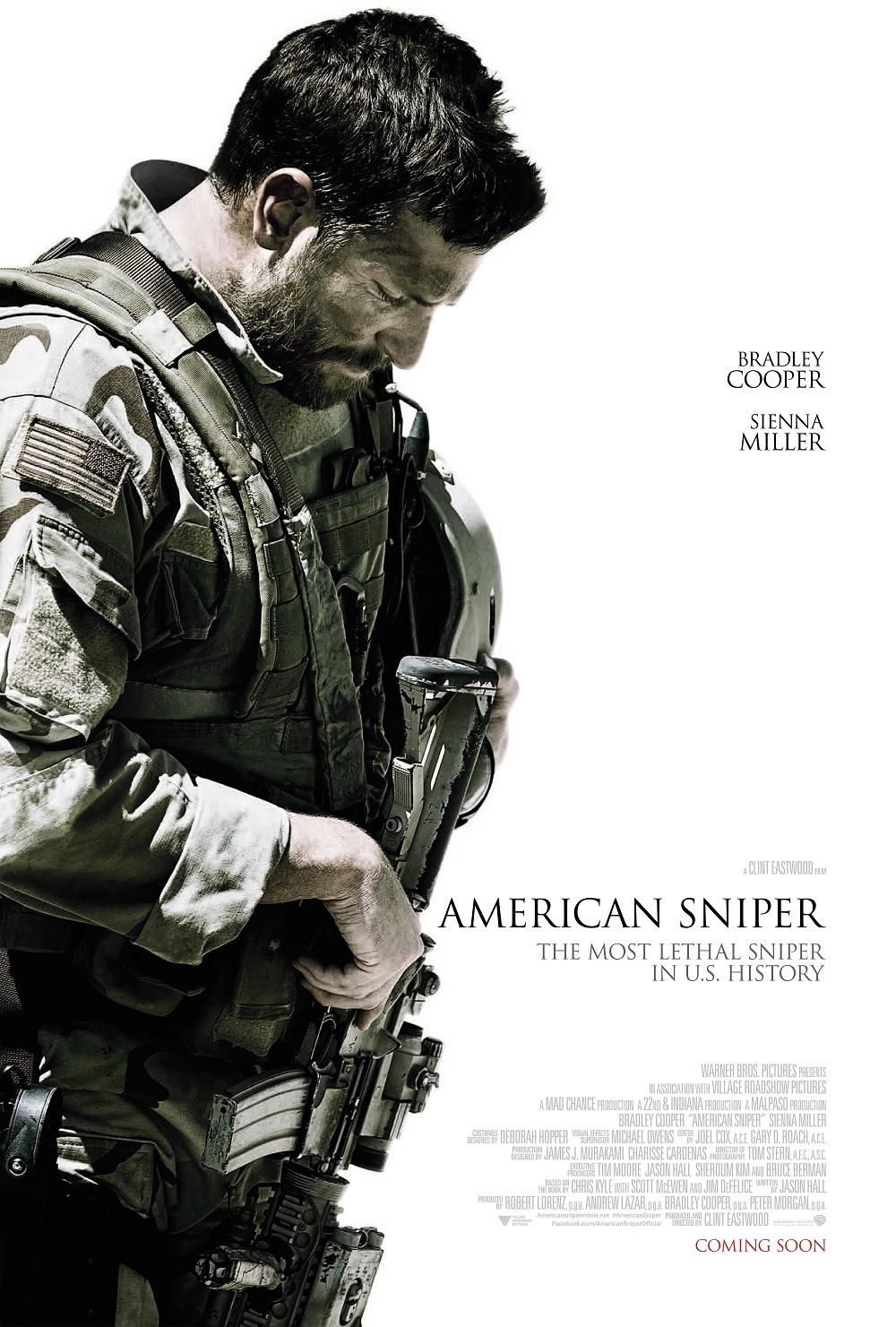
Talking to empty chairs aside, Clint Eastwood still goes down as one of the greatest living American filmmakers. This doesn’t dismiss the current slump he has been in the past couple years (Jersey Boys, Hereafter, J. Edgar just to name a few). This 2014 holiday season he’s set to release his latest film: American Sniper.

The film is an adaptation of the best-selling autobiography of the same name by former Navy SEAL sniper Chris Kyle. Steven Spielberg was initially attached to direct the film, but bowed soon after. In comes Clint Eastwood to take up the director’s chair with Bradley Cooper starring as Chris Kyle (also producer on the film).

The film has already made it’s premiere at the AFI Fest with a limited release on Christmas Day 2014.

American Sniper will  have a general release date of January 16, 2015.

Mad Max: Fury Road Official Teaser Trailer


mad-mad-fury-road-comic-con-poster

What a lovely day, indeed.

At this year’s Hall H over at Comc-Con this past summer a trailer was shown that figuratively blew off the roof at the convention. It was the trailer for all the upcoming films for 2015 and beyond that everyone ended up geeking up over. It wasn’t the sizzle reel for the upcoming Age of Ultron (though it seems that was a close second). It wasn’t the brief tease of Batman v. Superman (though from people I know who went the teaser went a long way in removing doubts about the film).

No, the film the trailer was all about was George Miller’s return to his post-apocalyptic world inhabited by one of the original badasses of the 1980’s: Max Rockatansky aka Mad Max.

Yes, we are going to have sandwiched between Avengers: Age of Ultron and Star Wars: The Force Awakens a new Mad Max film (4th in the series) with Tom Hardy in the title role. The title to this latest entry in the series will be Mad Max: Fury Road.

The Comic-Con teaser for Fury Road whetted the appetite and this latest teaser trailer released by Warner Brothers today will just feed the thirst for post-apocalyptic vehicle mayhem.

Mad Max: Fury Road will be set for a May 15, 2015 release.

Trailer: American Sniper (Official)


AmericanSniper

Warner Bros. Pictures makes it a triple-bill with the latest in a series of trailers for some of their upcoming films.

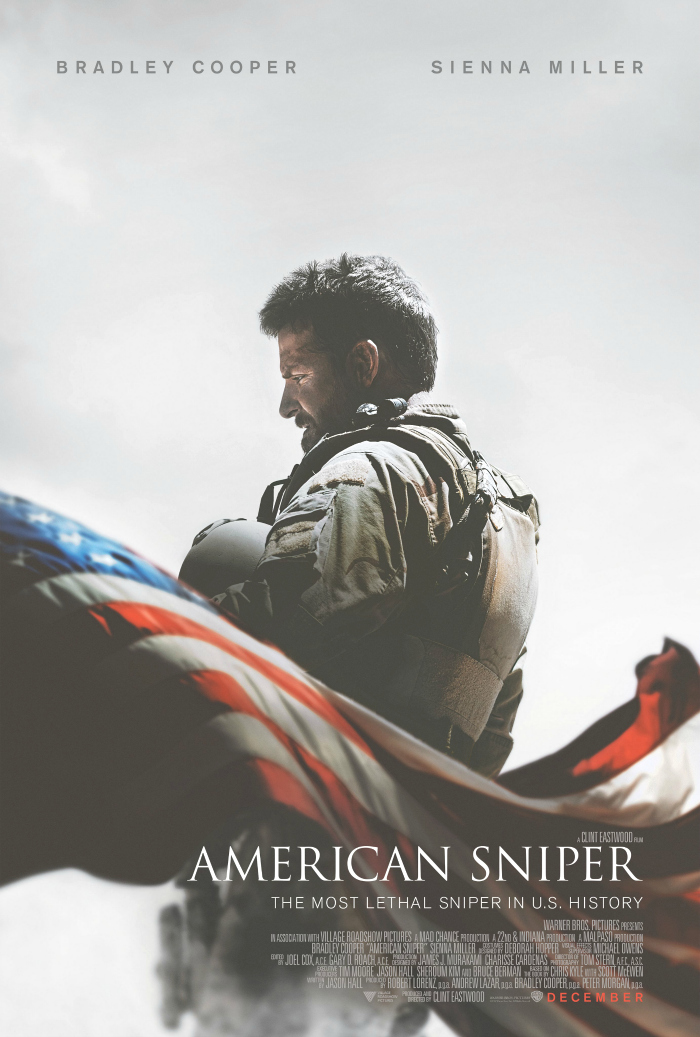
The latest to arrive is Clint Eastwood’s latest film. Eastwood adapts the Chris Kyle autobiography, American Sniper, of which Steven Spielberg was originally attached to direct until dropping out in the summer of 2013. Eastwood was announced a week later as taking on directing duties on one of the more sought after properties of the last couple years.

Bradley Cooper will star in as Chris Kyle with Sienna Miller in the role of Chris’ wife, Taya Renae Kyle.

American Sniper is set for a limited release on December 25, 2014 and going wide on January 20, 2015.

Trailer: Jupiter Ascending


jupiter1

The Wachowskis, Andy and Lana, have a new film set for release in early 2015. Jupiter Ascending was suppose to come out in 2014, but things happened and now it’s been pushed back for a February 2015 release.

Such a drastic delay in release usually means something major on the negative side of the ledger has occurred and the studio in charge of it’s release have little to no faith in the film. Has Warner Bros. Studios lost faith in the latest Wachowski offering? Is Jupiter Ascending the hot mess that it has been rumored about? Is the grandiose space opera the film is being made out to be making studio exec’s nervous?

So, many questions that most people who like to dwell on the in’s and out’s of filmmaking and the business of making them are probably asking themselves.

My only concern is that the Wachowskis have taken the extra time to make the film they set out to make. They’re one of the few filmmakers who seem to always get to do the sort of dream projects that more successful directors rarely get a chance to or even attempt to try. Whether it’s The Matrix, Speed Racer or Cloud Atlas, the Wachowskis have danced to their own tune and for some reason Warner Bros. continue to give them big-budgets after big-budgets to get their next dream project made into reality.

Here’s to hoping Guardians of the Galaxy being such a huge success will help this upcoming space opera turn it’s February release (usually a place where films go to die) into a new addition to the resurgence of the space opera.

Trailer: Man of Tai Chi (Official)


ManofTaiChi

I think Keanu Reeves has always had it in him to play a bad guy. I think playing a villain suits him better than playing a hero. The latter requires charisma and presence and that’s something that Keanu will never be mistaken for having. Now as a villain he can go all-out and channel his inner-Nicolas Cage.

Man of Tai Chi will be the test to see if he can pull off being a film’s heel. It helps that this film also comes as his directorial debut. Looking like a much more polished, but even more kick-ass take on the Bloodsport-theme, Man of Tai Chi is one film later this year that I’ve been highly-anticipating. It speaks to my inner martial-artist and it’s been awhile since we’ve had a film where it looks like the fighting is not all about wire work.

The film stars Keanu Reeves as the villain Donaka Mark with the hero role going to his stuntman friend and owner of a badass name, Tiger Chen.

Man of Tai Chi has already premiered at both the Beijing and Cannes Film Festivals and should make it’s North American premiere at this year’s Toronto International Film Festival. Here’s to hoping it gets a wide release before the end of 2013.