Brad ranks the nine J. Lee Thompson / Charles Bronson movies!


British director J. Lee Thompson was born on August 1, 1914. He directed some classics in the early 60’s, movies like THE GUNS OF NAVARONE (1961), where he received an Oscar nomination for Best Director, and the original CAPE FEAR (1962), which I personally consider superior to Scorsese’s 1991 remake. Gregory Peck, who starred in both films, once said there were only four directors he could trust to tell him whether or not he was faking his performance: Alfred Hitchcock, George Cukor, William Wyler and J. Lee Thompson. High praise indeed!

When the British film industry began caving in at the end of the decade, Thompson moved into Hollywood productions and continued to work steadily for the next couple of decades. He worked on films in all genres, like westerns (MACKENNA’S GOLD – 1968), science fiction (CONQUEST OF THE PLANET OF THE APES – 1972) and horror (HAPPY BIRTHDAY TO ME – 1981). After Thompson retired in 1989, he would sometimes lament that he had “sold out” his individual artistic desires in order to just keep working. But he would never be too hard on himself, because he enjoyed making movies and always brought professionalism and competence no matter the movie. 

The main reason I like J. Lee Thompson is because he would make 9 films with actor Charles Bronson from 1976 to 1989. With Thompson as director, you knew the film would always have a certain level of quality, and Bronson loved his fast, no-frills method of shooting. In celebration of Thompson’s 112th birthday in cinema heaven, I thought it might be fun to provide my ranking of those 9 films. So here we go! 

Messenger of Death

Coming in at #9 is MESSENGER OF DEATH (1988). Thompson is at his best during the incredibly tense and vicious opening sequence, but the script ultimately can’t keep the momentum going, and it’s one of Bronson’s more boring films. On some positive notes, it’s a different kind of movie for Bronson, more of a whodunnit than a straight action film. It has a strong cast, filled with veterans like John Ireland, Jeff Corey, and Trish Van Devere. It also has some beautiful Colorado scenery. 
Cabo Blanco

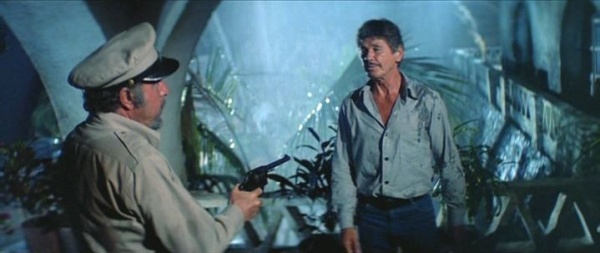
Next up at #8 is CABO BLANCO (1980). After years of poor video releases, Kino Lorber released the film on a special edition Blu-ray in 2016, which highlights how Thompson was able to capture the natural beauty of the Mexican locations. Bronson gives a committed performance as Giff Hoyt. The casting of legends like Jason Robards and Fernando Rey, in a fantastically corrupt turn, are a big plus as well. Unfortunately, the film’s script and story never really come together and the end doesn’t make much sense. 

Kinjite: Forbidden Subjects

Coming in at #7 is KINJITE: FORBIDDEN SUBJECTS (1989). This would be Thompson’s final film, and he goes out with a slick and sleazy thriller. In my opinion, KINJITE contains one of Bronson’s stronger Cannon performances, but the subject matter is particularly dark and ugly, with themes of child exploitation, human trafficking, sexual violence, and prejudice. I think it’s a good film, but you definitely need a bath afterwards. Juan Fernandez is odd and memorable as the villainous pimp, Duke. 

Death Wish 4: The Crackdown

For #6, I’m going with DEATH WISH 4: THE CRACKDOWN. After the bonkers outrageousness of DEATH WISH 3, Thompson took the reins from Michael Winner for this entry, and delivered a much more straightforward action film. There is so much action in DEATH WISH 4, and the oilfield shootout contains some of Bronson’s more iconic imagery of the 80’s. The film was a huge renter at the video store, the most successful of the entire franchise in that department. John P. Ryan is also gleefully over the top as the bad guy. 
The White Buffalo

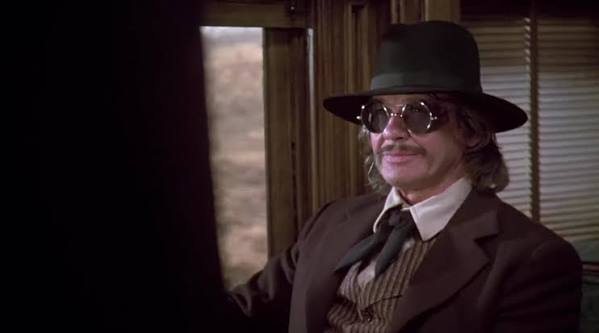
At #5, I’m going with THE WHITE BUFFALO (1977). This western has grown on me over the years. Thompson is able to pull strong performances out of Charles Bronson and Will Sampson in the lead roles of Wild Bill Hickok and Crazy Horse. Combined with John Barry’s musical score, he’s able to give the film an eery, otherworldly quality with each appearance of the white buffalo. The film may have bombed at the box office, but it’s pretty darn good movie. 

The Evil That Men Do

At #4, I’m going with THE EVIL THAT MEN DO (1984). I’m especially appreciative of Thompson for his work on Bronson’s final badass hitman film. The original director, Fielder Cook, was fired and Thompson was brought in at the last minute with very little prep time. He was still able to deliver a violent, brutal thriller. This one has its rough moments, but I’ve always liked Bronson as the amoral instrument of justice. And his down-low takedown of the giant sexual predator in the slimy Mexican bar is one of the more memorable scenes in any action film!

St. Ives

Heading into the top 3, I’m going with ST. IVES (1976) at #3. In Thompson’s first movie with Bronson, he delivers a fun, little mystery thriller. I particularly enjoy Bronson’s performance as Ray St. Ives. He seems to always have a smile on his face as he makes his way through the various Los Angeles locations. With definitely less action than your average Bronson film, I enjoy the change of pace as well as the excellent supporting cast of veteran actors like John Houseman, Jacqueline Bisset, Maximillian Schell, Harry Guardino, Harris Yulin, Dana Elcar and Michael Lerner. Heck, Jeff Goldblum and Robert Englund even show up as some henchmen. This is Bronson at the peak of his movie stardom. 
Murphy’s Law

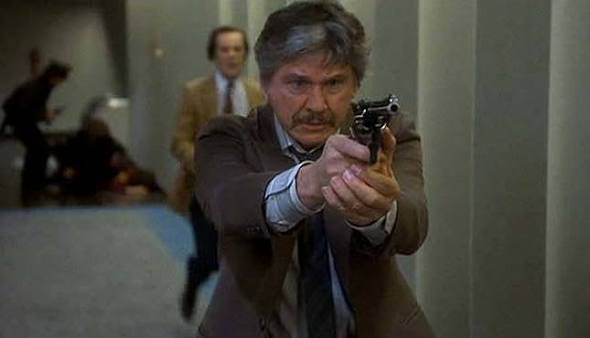
At #2, I make an extremely personal choice with MURPHY’S LAW (1986). While the film is definitely an 80’s Cannon time capsule, this is one of two movies that kicked off my lifelong obsession with Charles Bronson, with the other being DEATH WISH 3. Thompson keeps the action moving efficiently from one set piece to another as Jack Murphy and Arabella McGee (Kathleen Wilhoite) try to figure out who is framing him for the murder of his stripper ex-wife. Carrie Snodgress is enjoyably nuts as the bad lady. Not only have I watched this movie dozens of times, I have been blessed to meet the film’s composer (Val McCallum) and interview Murphy’s partner (Robert F. Lyons). This movie is just special to me in ways that critical analysis can never capture. 
10 To Midnight

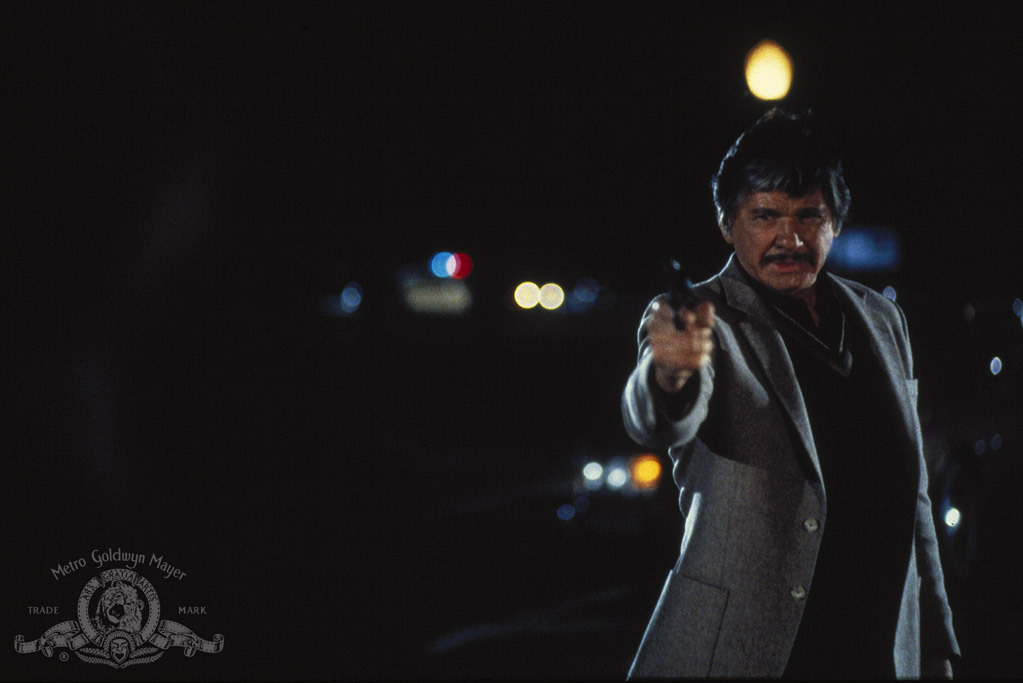
And at #1 in my list of Bronson-Thompson collaborations, I choose the 1983 tough cop/slasher hybrid TEN TO MIDNIGHT. Charles Bronson is particularly strong as Leo Kessler, the veteran detective and dad who will go to any length to bring down a vicious, impotent killer of women, played brilliantly by Gene Davis. It has one of the best and most controversial endings of Bronson’s career. I give credit to Thompson for delivering an entertaining thriller that would appeal to an audience outside of Bronson’s normal fanbase. 10 TO MIDNIGHT would be a major player on premium cable channels like HBO. When I met my wife, she didn’t know who Bronson was, but she knew the film and loved it. Even though he was already an aging action star, the success of this movie propelled Bronson’s theatrical leading man career to the end of the 80’s. 

Thanks for all the memories, J. Lee. Your films have been an endless source of entertainment for me for over 40 years! Rest in peace, sir
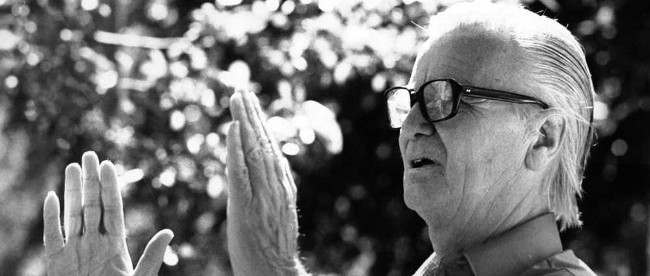
J. Lee Thompson

American Images, Part Four


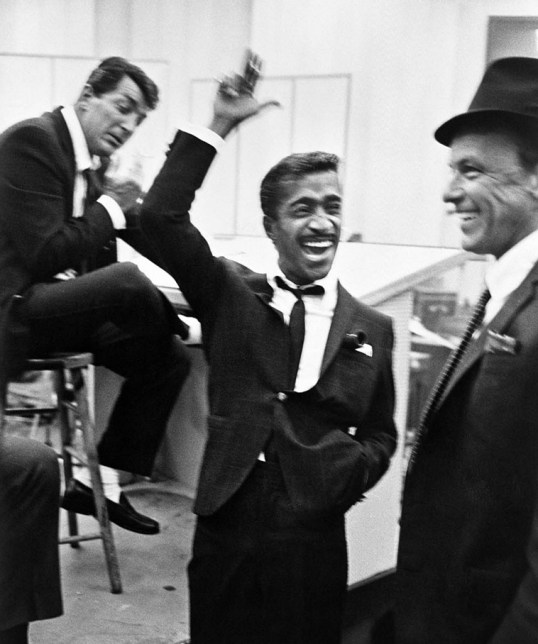
The Rat Pack by Phil Stern

We’re only a few hours away from America’s 250th birthday!  And what would an American birthday party be without some American celebrities of the present and the past?

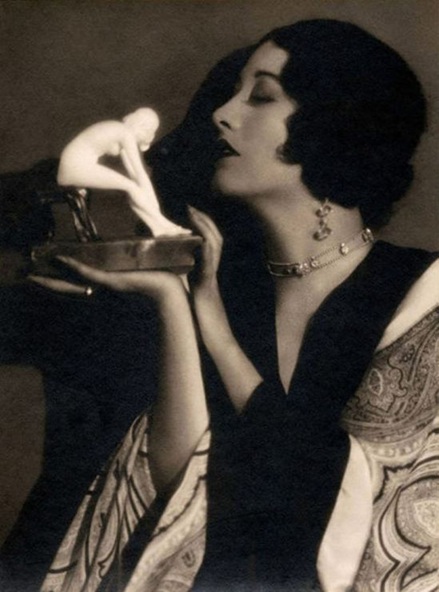
Joan Crawford by Ruth Harriet Louise

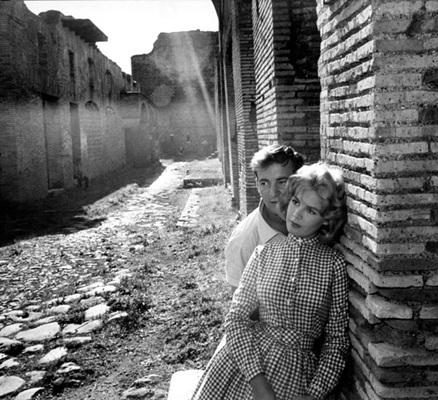
Bobby Darin and Sandra Dee by Leo Fuchs

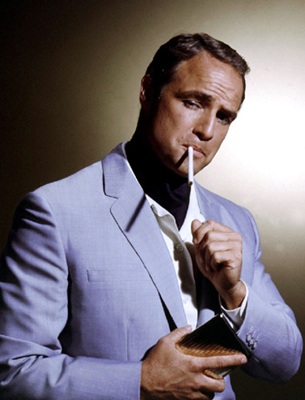
Marlon Brando by Leo Fuchs

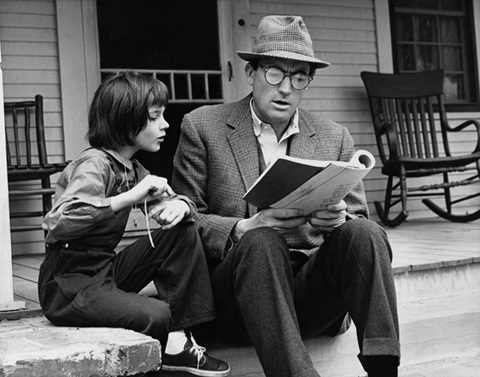
Mary Badham and Gregory Peck by Leo Fuchs

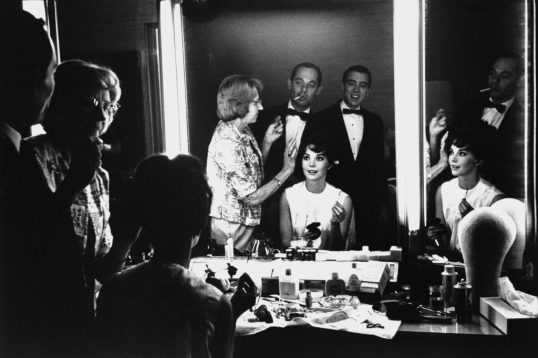
Natalie Wood by Alan Grant

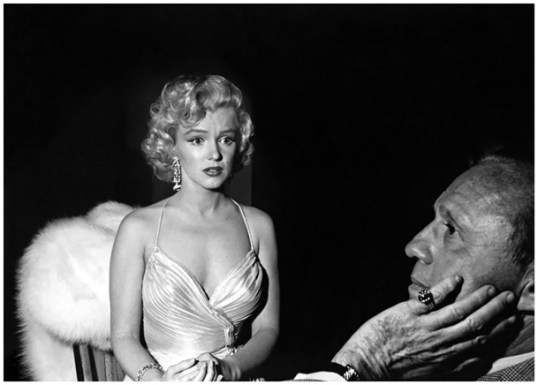
Marilyn Monroe and Jack Benny by Phil Stern

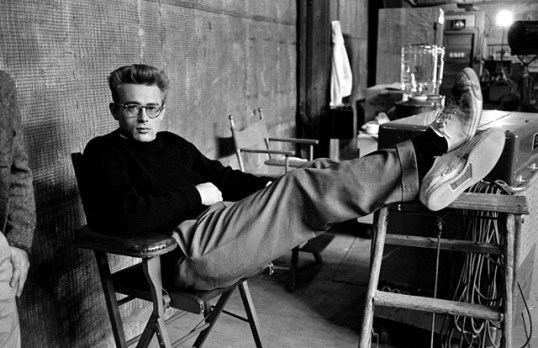
James Dean by Phil Stern

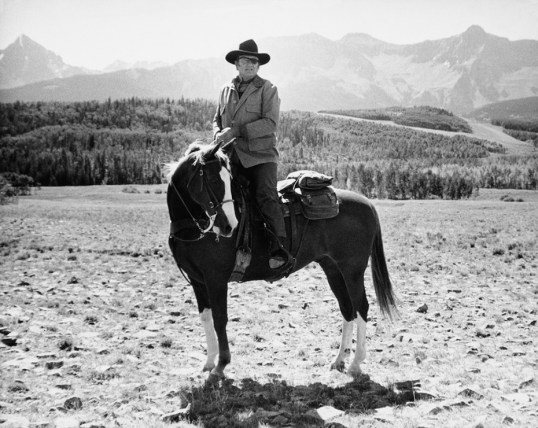
John Wayne by Phil Stern

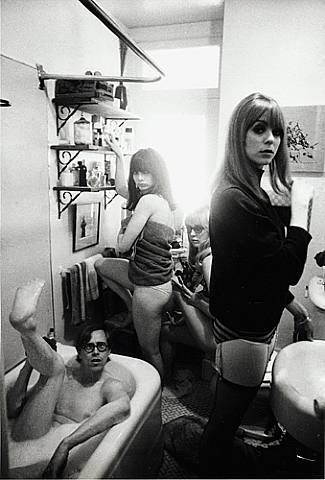
Bruce Conner, Toni Basil, and Teri Garr by Dennis Hopper

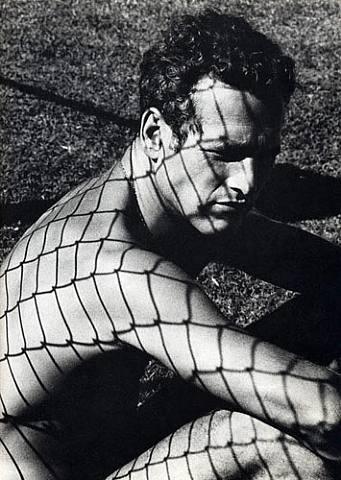
Paul Newman by Dennis Hopper

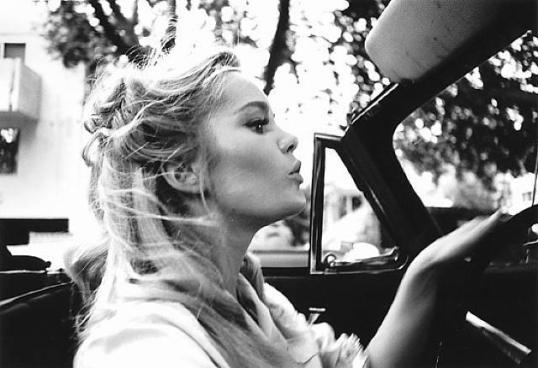
Tuesday Weld by Dennis Hopper

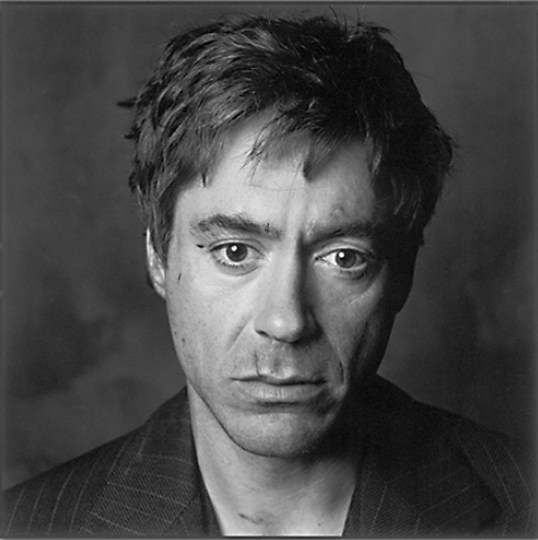
Robert Downey, Jr. by Mary Ellen Mark

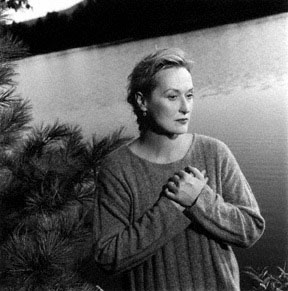
Meryl Streep by Mary Ellen Mark

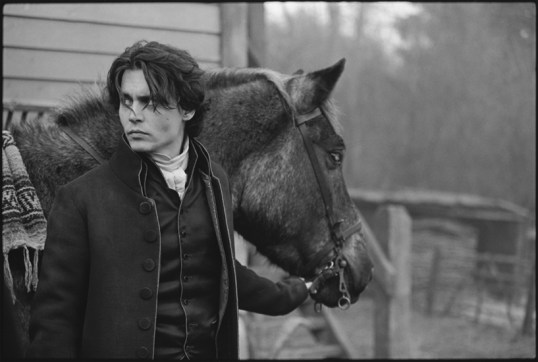
Johnny Depp by Mary Ellen Mark

Scenes That I Love: Gregory Peck and Audrey Hepburn at The Mouth of Truth in Roman Holiday


Given how much I love the 1953 film, Roman Holiday, I’ve probably shared this scene before but that’s okay.  It’s an incredibly charming scene and hey, April is the birth month of both Gregory Peck and Audrey Hepburn!

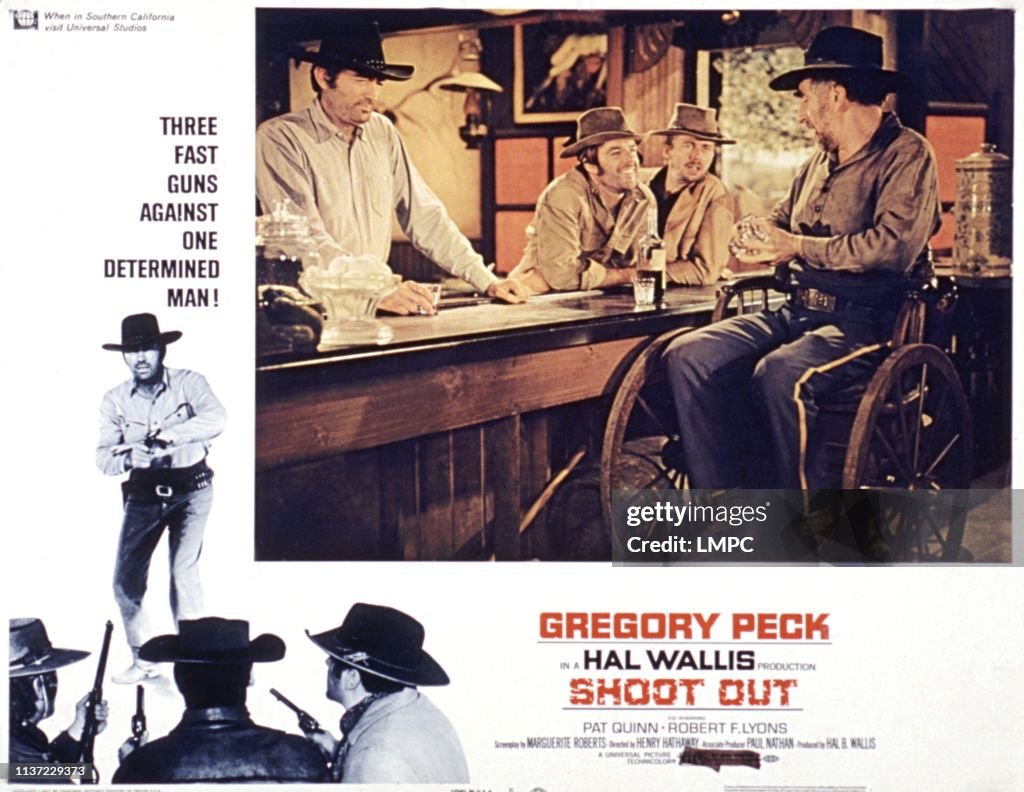
Brad reviews SHOOT OUT (1971), starring Gregory Peck & Robert F. Lyons! 


After serving a stretch at the Canon City penitentiary, Clay Lomax (Gregory Peck) gets out with only one thing on his mind… revenge on his former partner Sam Foley (James Gregory), who shot him in the back during a bank robbery, leaving him to take the rap. Foley isn’t a fool, though, so he’s hired a trio of young punks, Bobby Jay (Robert F. Lyons), Skeeter (John Davis Chandler), and Pepe (Pepe Serna) to surveil Lomax and let him know if he’s heading to his home in Gun Hill with payback on his mind. These guys are about as crazy as it gets, and they make two major mistakes. First, they kill Lomax’s friend Trooper (Jeff Corey) who lets him know where Foley is with his dying breath. Second, they kidnap the prostitute Alma (Susan Tyrell) just because they want to treat her like crap and have fun with her, which turns out to be a dumb move. Interrupting Lomax’s quest for revenge, he finds himself being forced to care for a young child named Decky (Dawn Lyn), who just may be his daughter with a lady back in Kansas City who used to be his “friend.” Looking after Decky, and then meeting and falling for the widow Juliana Farrell (Patricia Quinn), Lomax is soon facing off against his most dangerous foe, the crazed Bobby Joe, as he attempts to protect all these new people that he loves so he can move on with his life. But is it all too late?!!

I love westerns, but I must admit that I’m not the biggest fan of director Henry Hathaway’s SHOOT OUT. Hathaway has directed some of my favorite actors and movies, like Charles Bronson’s debut film with Gary Cooper, YOU’RE IN THE NAVY NOW (1951), along with the Jimmy Stewart film CALL NORTHSIDE 777 (1948) and John Wayne’s Oscar winning TRUE GRIT (1969). Unfortunately, it seems his best years are behind him, and he would only direct one more film after this, the less than excellent black action film HANGUP (1974). This isn’t exactly Gregory Peck’s best work either. Coming nine years after his Oscar winning performance in TO KILL A MOCKINGBIRD (1962), this is definitely not even close to that kind of level. Don’t get me wrong, I do enjoy his turn as Lomax when he’s the wronged outlaw looking for revenge, but I don’t really care at all for his part as the reluctant father figure trying to deal with the six-year-old Decky. I found Dawn Lyn to be more annoying than cute in the role, and this storyline distracted me from the revenge plot that I actually enjoyed. As a co-host of the “This Week in Charles Bronson Podcast,” we had the opportunity to interview Robert F. Lyons, who plays the bad guy, Bobby Jay Jones. I specifically asked him about this film and what it was like working with Gregory Peck. While he enjoyed working with Peck, his response about the film itself was telling…. “The work in there is not my work.” If you’ve watched much of the excellent actor’s work before, you can immediately understand what he means. Lyons goes so over-the-top as the spying outlaw Bobby Jay Jones, that his performance is inconsistent with the bulk of his career. Lyons told us that his performance was orchestrated by Hathaway in a way that he disagreed with, and he essentially disowns his work in the film. You can see a similar vibe with his “gang” that includes the actors John Davis Chandler and Pepe Serna. 

While I’m not a huge fan of the overall direction of the storyline or the focus of some of the main performances in SHOOT OUT, I am appreciative of the genre and the classic western stars that Hathaway cast in supporting roles. I especially enjoy seeing Jeff Corey in the small but pivotal role as the wheelchair bound Trooper, Paul Fix as the train brakeman who delivers Decky and a stack of cash to Lomax, and Arthur Hunnicutt as the ranch owner who barters with Lomax over the price of a pony. Hunnicutt is a particular favorite of mine although his role here is very small. Nominated for an Oscar for his performance in Howard Hawks’ THE BIG SKY (1952), Hunnicutt is from the small town of Gravelly, Arkansas, which is not far from where my own family is from. He even attended the same college that I graduated from, the University of Central Arkansas, which was known as the Arkansas State Teachers College when he (and my dad) went there. And then there is the setup of the revenge scenario at the beginning and the final showdown at the end, classic staples of the western genre. These are enjoyable and satisfying moments as Lomax settles his scores and the bad guys get their comeuppance.

Overall, SHOOT OUT is best enjoyed by fans of old school westerns and star Gregory Peck. It veers aways from the best storylines of the genre and wastes a lot of time with uninteresting melodrama, but it does offer us another chance to see some of our great character actors doing what they do. That means something to me. 

I’ve included our podcast episode with Robert F. Lyons below. He discusses SHOOT OUT at around the 1:00:30 mark.

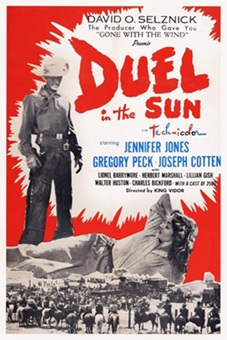
Duel In The Sun (1946, directed by King Vidor)


After her father is executed for killing her mother and her mother’s lover, “half-breed” Pearl Chavez (Jennifer Jones) is sent to live with her father’s second cousin, Laura Beth McCanles (Lillian Gish).  Laura is the wife of rancher, politician, and all-around racist Senator Jackson McCanles (Lionel Barrymore).  Worried that Pearl’s beauty and uninhibited manner will get her into trouble, Laura arranges for Pearl to meet with a minister known as The Sinkller (Walter Huston) who instructs Pearl on how to be a “good” girl.

Wanting to make Pearl bad and his, Lewton “Lewt” McCanles (Gregory Peck) becomes obsessed with Pearl and is soon forcing himself on her on a regular basis.  When the good McCanles brother, Jesse (Joseph Cotten), leaves the ranch despite being in love with Pearl, Pearl tries to find a good husband in the form of Sam Pierce (Charles Bickford).  Lewt responds by gunning Sam down and then goes on the run.  It all leads to an overwrought duel in the sun as the two doomed lovers take aim at each other.

Duel In The Sun is credited to veteran director King Vidor and there are a few shots of the western landscape that do feel typical of Vidor’s work.  However, Duel In The Sun’s true auteur was its producer, David O. Selznick.  Still looking to recapture his earlier success with Gone With The Wind and eager to make his future wife, Jennifer Jones, into an even bigger star than she was, Selznick obsessed over every detail of Duel In The Sun, pushing Vidor and a host of other directors (including Josef von Sternberg, William Dieterle, William Cameron Menzies, Otto Brower, and Sidney Franklin)  to make the film more steamy, more melodramatic, more violent, and more visually epic.  Reportedly, while Video was trying to shoot the film’s titular duel, he had to call cut several times when Selznick ran into the scene with a water bottle to spray more “sweat” onto Jones and Peck.  Today, the stiff Peck seems miscast as the black sheep of the family, the reserved Jones is even more miscast as a mestiza, and the plot is clearly too simplistic to carry the film’s epic ambitions.  A few impressive shots aside, Duel In The Sun is just boring,  In the 40s, though, the film’s relative openness about sex generated enough controversy to make Duel In The Sun into a box office hit.  It was one of the two top-grossing westerns of the 40s, beating out Red River, My Darling Clementine, Fort Apache, The Ox-Bow Incident, and several other films that were actually good.

Unlike Jones, Peck, and even usually reliable stalwart like Lionel Barrymore and Walter Huston, Joseph Cotten at least emerges from this film with his dignity intact.  Playing the good brother, Cotten gets to underplay while everyone else is overplaying and it turns out to be the right approach for him.  Surviving Duel In The Sun was no easy feat but Cotten pulled it off.

Scenes That I Love: Gregory Peck in To Kill A Mockingbird


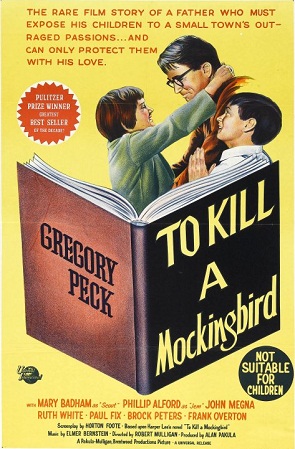
108 years ago today, the actor Gregory Peck was born in San Diego, California.  With his deep voice and his Lincolnesque profile, Peck was always best cast as a man of integrity who was willing to take a stand, even if it meant going against the majority.  That made him ideal for the role of attorney Atticus Finch in 1962’s To Kill A Mockingbird.

Today’s scene that I love comes from that film.  In this scene, Atticus makes his closing statement in the murder trial of Tom Robinson.  While Atticus is speaking to the jury, Gregory Peck is speaking to the audience in the theater (and later, in front of the television).  Reportedly, Peck only needed one take to perfectly deliver his speech.

Lisa Reviews An Oscar Nominee: Spellbound (dir by Alfred Hitchcock)


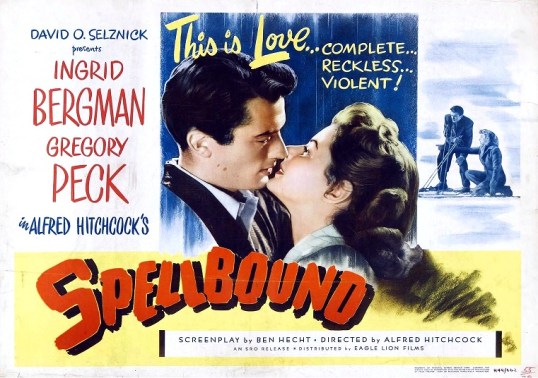
The 1945 Best Picture nominee, Spellbound, tells the story of Dr. Constance Petersen (Ingrid Bergman), a psychoanalyst at a mental hospital in my least favorite state, Vermont.

Constance has fallen in love with a man (Gregory Peck) who she believes to be Dr. Anthony Edwardes, the newly appointed director of the hospital.  Dr. Edwardes is youngish and handsome and idealistic and authoritative …. well, he’s Gregory Peck.  However, he also has an intense phobia about seeing any set of parallel lines.  Curious to discover the reason for Edwardes’s phobia, Constance does a little digging on her own and discovers that Dr. Anthony Edwardes is not a doctor at all!  Instead, he’s a guilt-stricken amnesiac who is convinced that he murdered Dr. Edwardes and took his place!

Constance, however, doesn’t believe that the Amnesiac is a murderer.  She thinks that he is suffering from some sort of deep-rooted guilt that had led him to believe that killed the doctor.  She wants a chance to psychoanalyze him and discover the truth about his background.  Unfortunately, the police do think that the Amnesiac is a murderer and their determined to arrest him.

Constance and the Amnesiac go on the run, heading to the home of Constance’s mentor, Dr. Alexander Brulov (Michael Chekhov, the nephew of Anton Chekhov).  With Brulov’s help, Constance analyzes a dream that the Amensiac had, one involving curtains decorated with eyes, the faceless proprietor of a casino, and a man falling off a mountain.  Can Constance and Brulov solve the mystery of the Amnesiac’s identity before the police take him away to prison?

Spellbound was the last of the four Hitchcock best picture nominees and it was also the last film that Hitchcock made for producer David O. Selznick.  Selznick was quite a fan of psychoanalysis and he insisted that Hitchcock not only make a movie about it but that he also use Selznick’s own therapist as a technical advisor on the project.  Hitchcock, for his part, was able to bring in the surrealist Salvador Dali to help design the Amnesiac’s dream sequence but Selznick felt that the 20-minute sequence was too long and too weird and, as a result, it was cut down to two minutes for the final film.  All this considered, it’s not a surprise that, despite the fact that Spellbound was a hit with critics and audiences, Hitchcock himself didn’t care much for it and considered it to be more of a Selznick film than a Hitchcock film.  And it is true that the film’s total faith is psychoanalysis feels more like something one would expect to hear from a trendy producer than from a director like Hitchcock, who was known for both his dark wit and his rather cynical attitude towards anyone in authority.

For a film like Spellbound to truly work, there has to be some doubt about who the Amnesiac is.  For the suspense to work, the audience has to feel that there’s at least a chance, even if it’s only a slight one, that the Amnesiac actually could be a murderer, despite the attempts of Constance and Brulov to prove that he’s not.  And Spellbound is full of scenes that are meant to leave the audience wondering about whether or not the Amnesiac should be trusted.  However, because the Amnesiac is played by Gregory Peck, there’s really no doubt that he’s innocent.  Hitchcock was not particularly happy with Gregory Peck as his leading man.  Peck projected a solid, middle-American integrity.  It made him ideal for heroic and crusading roles but made him totally wrong for any role that required ambiguity.  It’s difficult to believe that the Amnesiac is suffering from a guilt complex because it’s difficult to believe that Gregory Peck has ever done anything for which he should feel guilty.  Cary Grant could have played the Amnesiac.  Post-war Jimmy Stewart could have done an excellent job with the role.  But Peck is just too upstanding and stolid for the role.  In a role that calls from neurosis, Peck is kind of boring.

That said, the rest of the cast is fine, with Ingrid Bergman giving one of her best performance as Constance and Michael Chekhov bringing some needed nuance to a role that could have turned into a cliché.  Leo G. Carroll has a small but pivotal role and he does a good job keeping the audience guessing as to his motivation.  Even at a truncated two minutes, the Dali dream sequence is memorably bizarre and the famous shot of a gun pointed straight at the camera still carries a kick.  This is a lesser Hitchcock film but, that said, it’s still a Hitchcock film and therefore worth viewing.

As I mentioned previously, this was the last of Hitchcock’s films to be nominated for Best Picture.  Ironically, his best films — Rear Window, Vertigo, and Psycho among them — were yet to come. Spellbound was nominated for six Oscars but only won for Miklos Rozsa’s score.  (Ingrid Bergman was nominated for Best Actress that year, not for her role in Spellbound but instead for The Bells of St. Mary’s.)  The big Oscar winner that year was Billy Wilder’s The Lost Weekend.

Lisa Reviews An Oscar Nominee: The Guns of Navarone (dir by J. Lee Thompson)


The Oscar nominations are finally due to be announced on March 15th and the Oscars themselves are scheduled to be awarded at the end of April.  In anticipation of the big event (and the end of this current lengthy awards season), I am going to spend the next two months watching and reviewing Oscar nominees of the past.  Some day, I hope to be able to say that I have watched and reviewed every single film nominated for Best Picture.  It’s a mission that, with each passing year, I come a little bit closer to acomplishing.

Tonight, I decided to start things off by watching the 1961 best picture nominee, The Guns of Navarone.

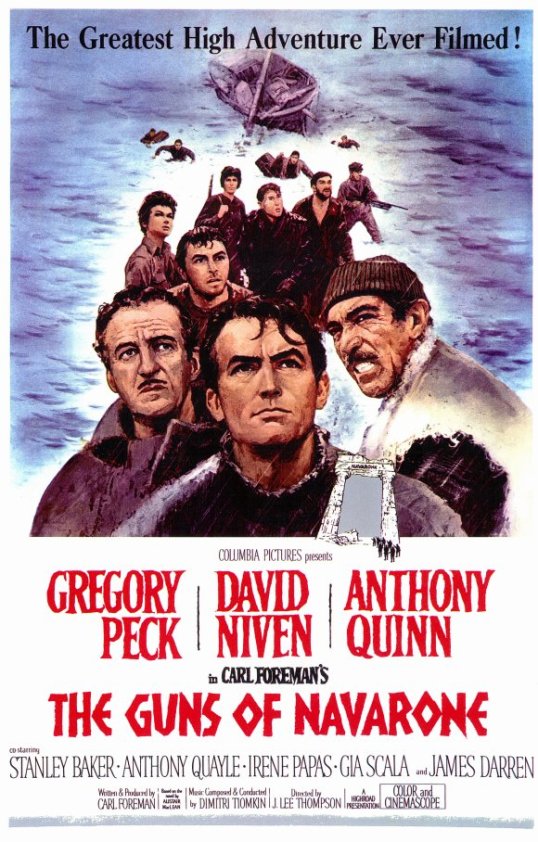
The Guns of Navarone takes place in 1943, during World War II.  2,000 British troops are stranded on the Greek island of Kheros and the Nazis are planning on invading the island in a show of force that they hope will convince Turkey to join the Axis powers.  The Allies need to evacuate those troops before the Nazis invade.  The problem is that, on the nearby island of Navarone, there are two massive guns that can shoot down any plane that flies over and sink any ship that sails nearby.  If the British soldiers are to be saved, the guns are going to have to be taken out.

Everyone agrees that it’s a suicide mission.  Even if a commando team manages to avoid the patrol boats and the German soldiers on the island, reaching the guns requires scaling a cliff that is considered to be nearly unclimbable.  Still, the effort has to be made.  Six men are recruited to do the impossible.  Leading the group is Major Roy Franklin (Anthony Quayle), a natural-born leader who is described as having almost supernatural luck.  Franklin’s second-in-command is Keith Mallory (Gregory Peck), an American spy who speaks several languages and who is an expert mountain climber.  Spyros Pappadimos (James Darren) and Butcher Brown (Stanley Baker) are both assigned to the team because they have fearsome reputations as killers, though it quickly becomes clear that only one of them kills for enjoyment.  Colonel Stavrou (Anthony Quinn) is a member of the defeated Greek army and he has a complicated past with Mallory.  Finally, Corporal Miller (David Niven) is a chemistry teacher-turned-explosive expert.  Waiting for the men on the island are two members of the Resistance, Spyros’s sister Maria (Irene Papas) and her friend, Anna (Gia Scala).  The mission, not surprisingly, the mission doesn’t go as planned.  There’s violence and betrayal and not everyone makes it to the end.  But everyone knows that, as tired as they are of fighting, the mission cannot be abandoned.

The Guns of Navarone was a huge box office success when it was originally released, which probably has a lot to do with it showing up as a best picture nominee.  It’s an entertaining film and, watching it, it’s easy to see how it served as a prototype for many of the “teams on a mission” action films that followed.  Though none of the characters are exactly deeply drawn, that almost doesn’t matter when you’ve got a cast that includes actors like Gregory Peck, Anthony Quinn, and David Niven.  At it best, the film works as a triumph of old-fashioned movie star charisma.  Peck is upright and determined to do whatever needs to be done to get the job done.  Quinn is tempermental and passionate.  David Niven is cynical, witty, and very, very British.  Quayle, Darren, and especially Stanley Baker provide strong support.  Before Sean Connery got the role, Stanley Baker was a strong contender for James Bond and, watching this film, you can see why.

Seen today, there’s not a lot that’s surprising about The Guns of Navarone.  It’s simply a good adventure film, one that occasionally debates the morality of war without forgetting that the audience is mostly watching to see the bad guys get blown up.  Some of the action scenes hold up surprisingly well.  The scene where the team is forced to deal with a German patrol boat is a particular stand-out.

The Guns of Navarone was nominated for 7 Academy Awards, including Best Picture.  Though it lost the top prize to West Side Story, The Guns of Navarone still won the Oscar for Best Visual Effects.

Marooned (1969, directed by John Sturges)


Imagine The Martian or Apollo 13 without any humor or narrative momentum and you’ve got an idea what Marooned is like.

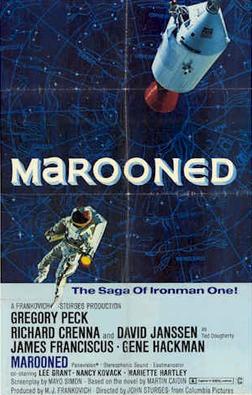
Three American astronauts (played by Richard Crenna, Gene Hackman, and James Franciscus) are returning to Earth after serving on an experimental space station when the engine to their spacecraft fails.  Now stuck in orbit around the Earth, they only have two days before they run out of oxygen.  While flight commander Crenna tries to keep everyone calm and make sure that all the proper procedures are followed, Gene Hackman yells at NASA and demands to be rescued.

Down on Earth, the head of NASA (Gregory Peck) says that there’s nothing that can be done.  There’s no way to get a rescue mission set up quickly enough to save the lives of the astronauts.  Both the President and David Janssen disagree with him.  Janssen demands to be sent into space immediately, regardless of the dangers, so that he can bring America’s astronauts home.

Marooned is a painfully slow movie that went into production at the height of the space race and which was released just a few weeks before the first successful moon mission.  Because it was made at a time when there were still many who claimed that NASA was a waste of money, the movie goes out of its way to explain that, even though the astronauts are probably going to die in space, NASA is in no way to blame.  Richard Crenna absolves NASA of blame after being told that a rescue mission isn’t feasible.  Gregory Peck holds a press conference, where he gives a lengthy speech about why space exploration is still important.  The movie is very detailed in showing that NASA is staffed by personality-free professionals, which might have boosted confidence in NASA but which also leads to a dull story.  You’ll notice that I haven’t referred to anyone in this film by the names of their characters.  That’s because their names don’t matter because, other than Gene Hackman and David Janssen, none of them is really distinguished by any sort of identifiable personality.  Hackman chews the scenery while Janssen plays another surly character who seems like he has a permanent hangover.  I wouldn’t trust Janssen to pilot a spaceship.

Marooned won an Oscar for its Special Effects, which were probably impressive back in 1969 but which are dull by modern standards.  Winning that Oscar meant that Marooned would eventually earn the distinction of being the only Oscar winner to be featured on Mystery Science Theater 3000.  On MST 3K, it aired under the title Space Travelers, which is a perfectly generic name for a perfectly generic film.


Scenes That I Love: Gregory Peck and Audrey Hepburn at The Mouth of Truth in Roman Holiday


Given how much I love the 1953 film, Roman Holiday, I’ve probably shared this scene before but that’s okay.  It’s an incredibly charming scene and hey, it’s Gregory Peck’s birthday!