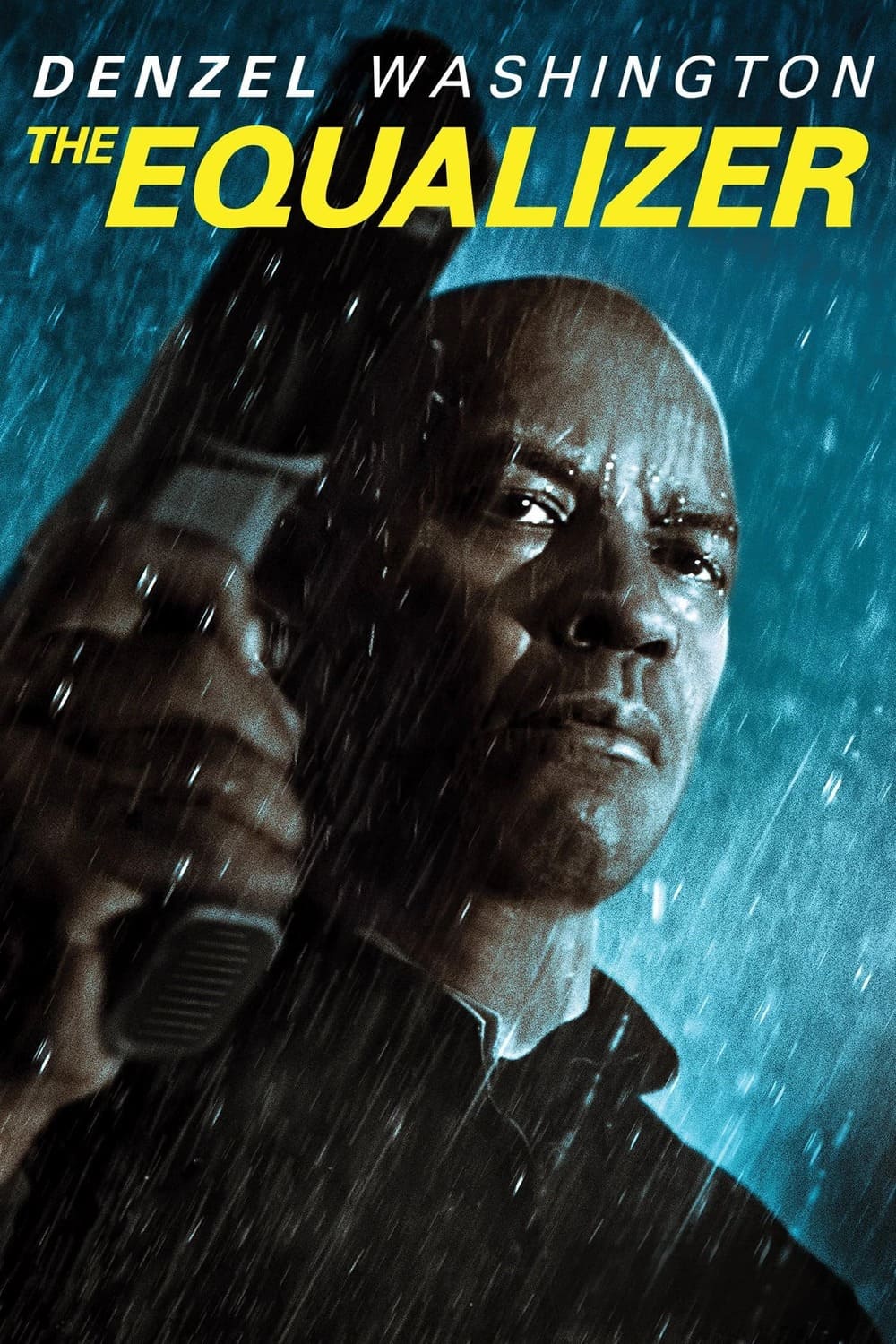
Review: The Equalizer (dir. by Antoine Fuqua)


“When you pray for rain, you gotta deal with the mud too.” — Robert McCall

Antoine Fuqua’s The Equalizer is a film remake of the original 1980s TV series that starred Edward Woodward in the title role, and it feels like a throwback to the gritty, no-nonsense action thrillers of that era, but with a modern polish that only a director like Fuqua can deliver. From the opening frame, you know you’re in for something that’s equal parts stylish and brutal, a film that doesn’t waste time with unnecessary fluff and instead gets straight to the point: justice, served cold and calculated. Denzel Washington plays Robert McCall, a man who looks like your average big-box store employee by day but transforms into a methodical, almost surgical force of retribution by night. The premise is simple—McCall can’t stand to see good people get hurt, and when the Russian mob pushes him too far, he snaps into action—but the execution is anything but.

Where Woodward’s McCall was a more cerebral, world-weary ex-intelligence officer who relied on wit and strategy as much as physical force, Denzel’s version is a man of few words who lets his actions do the talking. Woodward brought a melancholic, almost philosophical edge to the role, giving the original series a more introspective, morally ambiguous tone. Denzel, though, brings a quiet intensity that’s all about controlled fury, shifting the film’s tone toward something more visceral and immediate. It’s less about the internal struggle and more about the sheer efficiency of justice being delivered, which makes Fuqua’s version feel like a high-octane action thriller rather than a brooding character study. This difference in approach is key to why the movie works so well as a modern reboot—it keeps the spirit of the original while amping up the energy to match today’s action standards.

This version of The Equalizer stands out in how it balances its quiet, character-driven moments with explosive bursts of violence. Fuqua has always had a knack for action, but here he takes his time building tension, letting scenes breathe in a way that makes the eventual payoff feel earned. There’s a sequence early on where McCall takes apart a room full of Russian gangsters, and it’s not just the choreography that impresses—it’s the precision. Every movement has purpose, every strike is efficient, and the whole thing unfolds with a kind of balletic brutality. Washington sells it all with that signature calm intensity of his, the kind of performance where you’re never quite sure if he’s about to offer you a cup of tea or put you in the ground. His McCall is a man of discipline, a guy who’s clearly spent a lifetime honing his skills, and it shows in the way he carries himself, whether he’s reading a book in a diner or turning a hardware store into an improvised armory.

The story itself isn’t reinventing the wheel. It’s a classic revenge tale with a heavy dose of vigilante justice, but the devil’s in the details. McCall isn’t some invincible super-soldier; he’s a guy who’s smart, resourceful, and, above all, patient. He doesn’t rush into things. He plans, he observes, and when he finally makes his move, it’s with the kind of cold efficiency that makes you wince and cheer at the same time. The film’s villain, Teddy Rensen, played by Marton Csokas, is a solid antagonist—a slick, ruthless mob fixer who’s used to getting his way. Csokas brings a quiet menace to the role, and his dynamic with Washington crackles with tension, especially in their final confrontation, which is as much a battle of wits as it is a physical showdown.

Fuqua’s direction is a masterclass in pacing and atmosphere. He knows how to make even the simplest scenes feel charged with meaning. Take, for example, the way he frames McCall in his apartment, surrounded by mementos of a past life we only get glimpses of. There’s a sense of history there, a depth to the character that’s never explicitly spelled out but is always felt. And then there’s the action, which is shot with a clarity that’s refreshing in an era where so many directors rely on shaky cam and rapid cuts to hide their lack of choreography. Fuqua lets you see everything, and it makes the violence hit harder because of it. The climactic battle in the hardware store is a perfect example—it’s a long, unbroken take (or at least feels like one) that puts you right in the middle of the chaos, and it’s thrilling precisely because you can follow every punch, every improvised weapon, every desperate move.

The supporting cast does a great job of fleshing out the world around McCall. Chloe Grace Moretz plays Teri, the young prostitute who becomes the catalyst for McCall’s crusade, and she brings a vulnerability to the role that makes her more than just a damsel in distress. She’s tough, but she’s also broken, and Moretz nails that balance. Then there’s Harold, McCall’s coworker and only real friend, played by Bill Pullman. Their scenes together provide some much-needed levity, but they also serve as a reminder that McCall isn’t just a machine—he’s a human being with connections, however tenuous, to the world around him.

One of the things I like most about The Equalizer is how it doesn’t glorify violence so much as it treats it as a necessary evil. McCall doesn’t enjoy what he does; he does it because he feels he has to. There’s a fascinating psychological undercurrent to his conversations with Teri about the nature of the people who hurt others, specifically this idea that the cruel and corrupt always find a way to rationalize their monstrous actions. The film really explores this twisted logic where abusers and criminals somehow convince themselves they are actually the good guys, completely blind to their own wickedness. It cuts to the heart of the movie’s theme: that real justice isn’t always pretty, and sometimes the only way to stop a relentless villain is to step into the darkness and meet them on their own brutal terms. It’s a morally complex idea, and the film doesn’t shy away from it. McCall isn’t a hero in the traditional sense. He’s a man with a very particular set of skills, and he uses them to tip the scales in a world that’s heavily weighted toward the cruel and the powerful.

Visually, the film is stunning. Fuqua and his cinematographer, Mauro Fiore, make Boston feel like a character in its own right, all grimy streets and neon-lit alleys. The color palette is dark and moody, with pops of color—like the red of a taillight or the blue of a neon sign—that stand out in a way that feels almost painterly. And the score by Harry Gregson-Williams is the perfect complement, all pulsing synths and deep, ominous basslines that ratchet up the tension without ever feeling overbearing. It’s the kind of soundtrack that you don’t notice until it’s gone, and then you realize how much it was adding to the experience.

If there’s a downside to The Equalizer, it’s that the plot can feel a bit thin at times. The story is straightforward, almost to a fault, and there are moments where you wish it would delve a little deeper into McCall’s backstory or the larger implications of his actions. But then again, that’s not really what the movie is going for. This isn’t a sprawling epic; it’s a tight, focused thriller that’s more concerned with mood and atmosphere than with intricate plotting. And in that regard, it succeeds admirably. The film is lean, mean, and never boring, with a runtime that flies by because it’s so damn entertaining.

Denzel Washington, of course, is the glue that holds it all together. At this point in his career, he could probably read the phone book and make it compelling, but The Equalizer gives him a role that’s tailor-made for his strengths. McCall is a man of few words, but every line Washington delivers carries weight. Whether he’s calmly negotiating with a gangster or unleashing hell on a group of armed thugs, he commands the screen with an effortless charisma that’s hard to look away from. It’s the kind of performance that reminds you why he’s one of the greatest actors of his generation.

In the end, The Equalizer is a movie that knows exactly what it is and doesn’t apologize for it. It’s a violent, stylish, and endlessly watchable action thriller with a lead performance that elevates it above the usual fare. It doesn’t pretend to be anything more than it is, and that’s part of its charm. In a world where so many films try to be everything to everyone, The Equalizer is content to be a well-made, pulse-pounding revenge story—and it’s all the better for it. If you’re a fan of action movies that don’t skimp on the brains or the brawn, this one’s a must-watch. Just don’t be surprised if you find yourself rooting for a guy who’s technically a vigilante. After all, in a world this unfair, sometimes you need an equalizer.

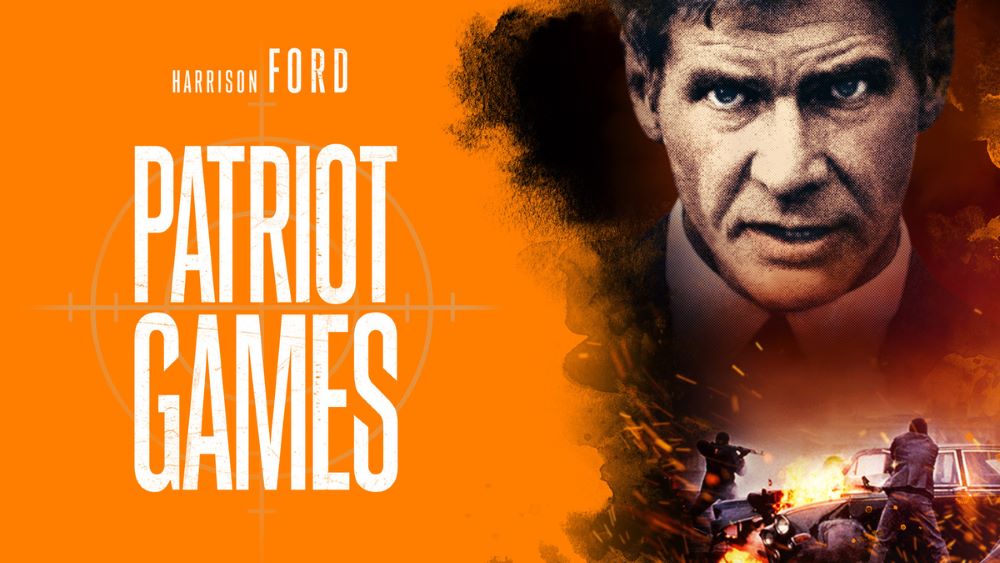
Review: Patriot Games (dir. by Phillip Noyce)


“You don’t know what it’s like to have your life destroyed by one stupid mistake!” — Sean Miller

Patriot Games hits the ground running by thrusting Jack Ryan and his family into the heart of a terrorist ambush on a London street, targeting a key British official tied to the royal family. Harrison Ford plays Ryan as a sharp-minded history professor and former CIA analyst on a simple vacation with his wife Cathy and daughter Sally, but his old Marine training surges up—he charges in, kills two attackers including one terrorist’s brother, and gets winged by a bullet himself. Right away, this setup grabs attention by showing how a random act of guts can boomerang into endless trouble, forcing a guy who craves quiet lectures to dodge bullets and betrayal across oceans, and it plants seeds about whether playing hero is worth the fallout on everyone you love.

Back in Maryland at the Naval Academy, Ryan tries piecing together normalcy, grading papers and dodging CIA calls, but Sean Miller—the captured terrorist whose sibling Ryan killed—gets sprung in a brutal prison convoy hit that leaves cops dead in the dirt. Miller, now laser-focused on payback, reroutes his rogue Ulster splinter group’s rage straight at Ryan’s home front, culminating in a savage freeway pileup where goons ram Cathy’s car off the road, injuring her and Sally badly. Ford nails the shift from composed academic to seething protector, his clenched jaw and urgent phone calls conveying a dad pushed to the brink, while these family-targeted strikes crank the paranoia, transforming everyday drives and school runs into potential kill zones that linger long after the crashes fade.

Sean Bean invests Miller with a coiled, wordless intensity—scarred features and piercing glares that scream obsession without needing speeches, flipping Ryan’s principled stand into the villain’s fuel for a mirror-image crusade. This fictional IRA offshoot rolls with pro-level gear for hits from UK alleys to U.S. suburbs, dodging authorities with insider tips, but their flat-out villainy skips any cracks in loyalty or ideology, turning them into efficient machines rather than messy humans with grudges worth unpacking. Anne Archer holds Cathy together through hospital beds and hushed fears, emerging tougher, as James Earl Jones’ Admiral Greer supplies the gruff guidance that tugs Ryan toward Langley, balancing the intimate home front with globe-spanning spycraft that feels like a real squeeze on one man’s bandwidth.

The camera shifts smoothly from rain-slicked London corners to bright Maryland bays, capturing open spaces that make characters look small and exposed against the sprawl. Gunshots snap clean and engines growl low during pursuits, pulling you deeper into the fray without drowning out the quieter beats. Horner’s soundtrack builds with brooding pipes and driving rhythms that hit hard in the final bay showdown, boats tearing through darkness with bursts of flame from hands-on stunts that pack a punch even now. Action ramps up step by step from early scraps to that watery chaos, mixing smarts with muscle, even if plot points line up a bit too neatly at times.

CIA war rooms buzz with satellite feeds sharpening grainy Libyan camp footage into proof of terror training, a tech showcase that echoes Clancy’s gearhead love and ramps brainpower against brute force without flashy overkill. Ryan hashes out returns to duty with British contacts, including a Sinn Féin type disavowing the extremists, sketching post-Cold War shifts where lone wolves replace nation-states in the threat lineup. Book-to-screen changes crank Ryan’s field time over desk strategy, letting Ford flex rugged moves that thrill audiences but sand off novel layers of naval tactics and alliance chess for punchier pacing.

Ford and Archer capture the raw friction in Ryan’s marriage through tense, whispered spats about diving back into danger, their easy chemistry making the pushback feel lived-in and real rather than scripted melodrama. Miller’s storyline hurtles toward a frantic leap onto Ryan’s rocking boat, boiling his grudge down to savage, no-holds-barred combat amid crashing waves. On-screen locations—from echoing Naval Academy corridors to churning bay waters—breathe life into the settings, casting national pride as a bruising, up-close shield instead of hollow cheers. Subtle audio touches, like distant creaks in the dim Ryan house, crank up the exposed feeling, linking slick production values to gut-punch emotions without piling on the noise.

Those procedural deep dives—poring over red-haired accomplice sketches or grilling shaky informants—add authentic wonkery, like Ryan spotting tells in grainy photos that crack the case wide, but they drag amid family rehab montages where Sally’s recovery mirrors the slow-burn hunt. The baddies’ cartoonish zeal glosses Northern Ireland’s brutal splits, opting for clear-cut evil over thorny politics that could’ve mirrored real headlines from the era, a choice that streamlines tension yet dates the take harshly next to modern nuance. Endgame flips the house siege into a decoy boat trap, Ryan baiting Miller solo on fiery Chesapeake swells, evolving his street-brawl start into tactical payback, though the tidy win lacks the submarine slyness of earlier Ryan yarns.

This swap prioritizes visceral family shields over shadowy sub hunts, hooking casual viewers while purists miss the book’s flowchart plotting, yet it spotlights Ford’s prime reluctant-warrior groove amid practical blasts that crush today’s green-screen slop. Pacing ebbs in alliance huddles, but peaks like the SAS desert wipeout—watched live via infrared ghosts—deliver clinical thrills tying brains to bangs seamlessly.

Taken together, the taut opener, vengeful pursuits, tech-savvy thrills, emotional anchors, dated politics, and solid craftsmanship add up to a clear verdict: Patriot Games is a good film, a reliable ’90s thriller that delivers crowd-pleasing tension and strong leads without reinventing the wheel. It holds up for its practical stunts and intimate stakes, earning replays as Ford’s standout Ryan turn, even if flaws like simplification and lulls keep it from greatness. Worth the watch for anyone craving balanced action with heart.

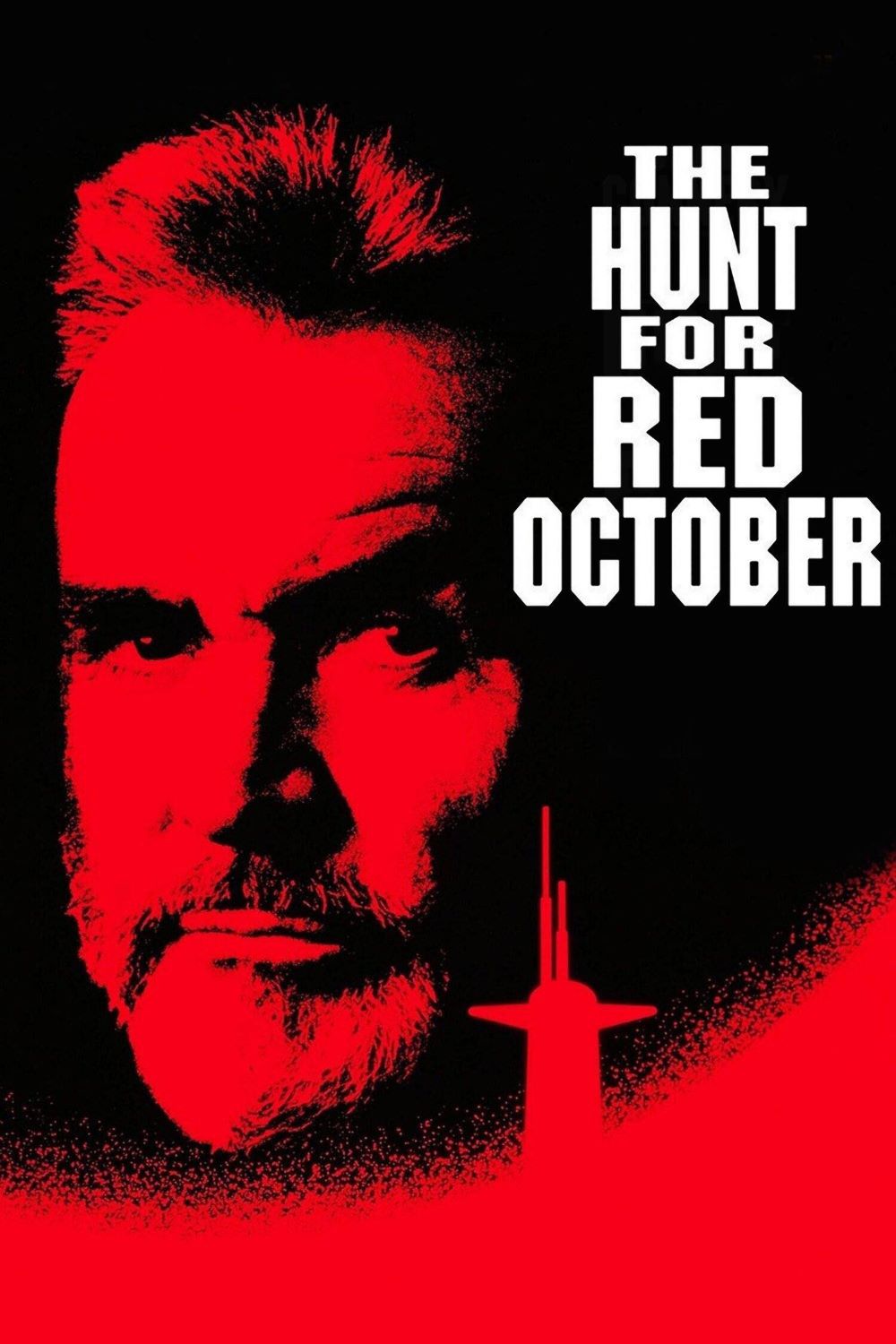
Review: The Hunt for Red October (dir. by John McTiernan)


“I’m a politician. Which means that I am a cheat and a liar, and when I’m not kissing babies, I’m stealing their lollipops.” — Dr. Jeffrey Pelt, National Security Advisor

The Hunt for Red October glides into the tail end of Cold War cinema like a stealthy sub cutting through midnight swells, packing a smart mix of spy intrigue and nail-biting underwater showdowns that keep you locked in from the opening credits. Directed by John McTiernan, fresh from helming Die Hard, this 1990 adaptation of Tom Clancy’s doorstopper novel smartly distills pages of naval geekery into a taut, propulsive thriller where Soviet skipper Marko Ramius—Sean Connery in full brooding mode—pilots the formidable Red October, a behemoth sub with a hush-mode propulsion system that ghosts past detection like a shadow in fog.

McTiernan shines in wrangling the script from Clancy’s tech-heavy tome, slicing through the babble to propel the story with crisp momentum and unrelenting suspense, turning potential info-dumps into pulse-quickening beats that hook casual viewers and sub nerds alike. The premise grabs fast: Ramius’s bold maneuvers ignite a transatlantic frenzy, with U.S. and Soviet forces locked in a paranoid standoff over what looks like an imminent crisis. That ’80s-era distrust simmers perfectly here, crammed into a runtime that pulses with fresh urgency decades later, amplified by those dim-lit sub corridors in steely teal tones that squeeze the air right out of the room.

Alec Baldwin embodies Jack Ryan as the reluctant brainiac from CIA desks, sweaty and green around the gills yet armed with instincts that cut through official noise like a periscope through chop. Pulled from family downtime—teddy bear in tow—he injects everyday stakes into the global chessboard, proving heroes don’t need camo or cockiness, just smarts and stubbornness. Connery’s Ramius dominates as a haunted vet with a personal chip on his shoulder, steering a tight-knit officer corps including Sam Neill’s devoted second-in-command, their quiet bonds hinting at deeper loyalties amid the red menace.

Standouts fill the roster seamlessly: James Earl Jones lends gravitas as the steady Admiral Greer backing Ryan’s wild cards; Scott Glenn commands the American hunter sub with laconic steel; Jeffrey Jones brings quirky spark to the sonar savant whose audio tricks flip the script on silence. The dialogue crackles with shorthand lingo and understated jabs, forging a crew dynamic that’s as pressurized as the hull plates, pulling you into hushed command post vibes without a whiff of cheesiness.

​​

McTiernan elevates the genre by leaning on wits over blasts—thrilling pursuits deliver without dominating, letting mind games and split-second calls drive the dread, all while streamlining Clancy’s minutiae into seamless propulsion. Gadgetry gleams without overwhelming: the sub’s whisper-quiet tech sparks clever cat-and-mouse in hazard-filled depths, ramping uncertainty to fever pitch. Pacing builds masterfully from war-room skepticism—Ryan battling brass skepticism—to heart-in-throat ocean dashes, every frame taut as a bowstring. Practical models and effects ground the peril in gritty tangibility, no digital gloss, evoking Ice Station Zebra‘s frosty traps but streamlined into a relentless machine that dodges the older film’s drag. It’s a clinic in balancing spectacle and smarts, where tension coils from isolation’s cruel math: one ping too many, and it’s lights out.

On the eyes and ears front, the movie plunges into submersed nightmare fuel—consoles pulsing crimson in battle stations, scopes piercing mist-shrouded waves, silo bays looming like sleeping leviathans. McTiernan tempers his action flair for thinker-thrills; Basil Poledouris’s great orchestral score surges with iconic power through the chases—those brooding horns, choral swells, and rhythmic pulses echoing engine throbs have etched into legend, pounding your chest like incoming cavitation and elevating every dive. Audio wizardry seals the immersion: hull groans, ping echoes, bubble roars craft a metallic tomb where errors echo eternally. Flaws peek through—early scenes drag with setup chatter, foes skew broad-stroked—but the core hunt erases them, surging to a sharp, satisfying close that nods to Ryan’s budding legend without overplaying the hand.

’90s tentpole lovers and thaw-era history fans find a benchmark here, as the film plays the long con of trust amid torpedoes, fusing bombast with nuance that reboots chase in vain. It bottles superpower jitters spot-on—frantic commands clashing with strike debates—yet softens adversaries via Connery’s world-weary depth and Neill’s subtle conviction. Endless rewatches uncover gems: crew hints dropped early, sonar hacks foreshadowing real tech leaps. Baldwin’s grounded Ryan—chopper-barfing, suit-clashing, chaos-navigating—earns triumphs the hard way, contrasting Das Boot‘s bleak grind with upbeat ingenuity that feels won, not waved. Poledouris’s motifs linger post-credits, a symphonic anchor boosting replay pulls.

Endurance stems from mastering sub-horror’s essence: solitude sharpening choices, where flubs invite apocalypse. Ramius embodies defector realism—war-weary idealist mirroring history’s turncoats—while Clancy’s specs (sub classes, velocities) anchor without anchoring down. McTiernan sidesteps flags; zero flag-waving, pure operator craft in dodges and climactic finesse that blends brains with boom. Quirks delight—the premier’s bluster, aides’ cool calculus—padding a 134-minute gem that exhales you surfacing, amped. Expands on score’s role too: “Hymn to Red October” choral rise mirrors Ramius’s quiet rebellion, threading emotional undercurrents through mechanical mayhem, a Poledouris hallmark outlasting the film.

Bottom line, The Hunt for Red October captivates via cerebral kick—shadow games in fluid physics, intellect over muscle, audacious plays punking empire folly. Sparks post-view chin-strokes on allegiances and risks. Connery’s gravelly “One ping only, Vasily” endures as gold; storm-watch it, trade sofa for sonar station—raw thrill spiked with savvy. Sub saga staple? This silent stalker nails every target.