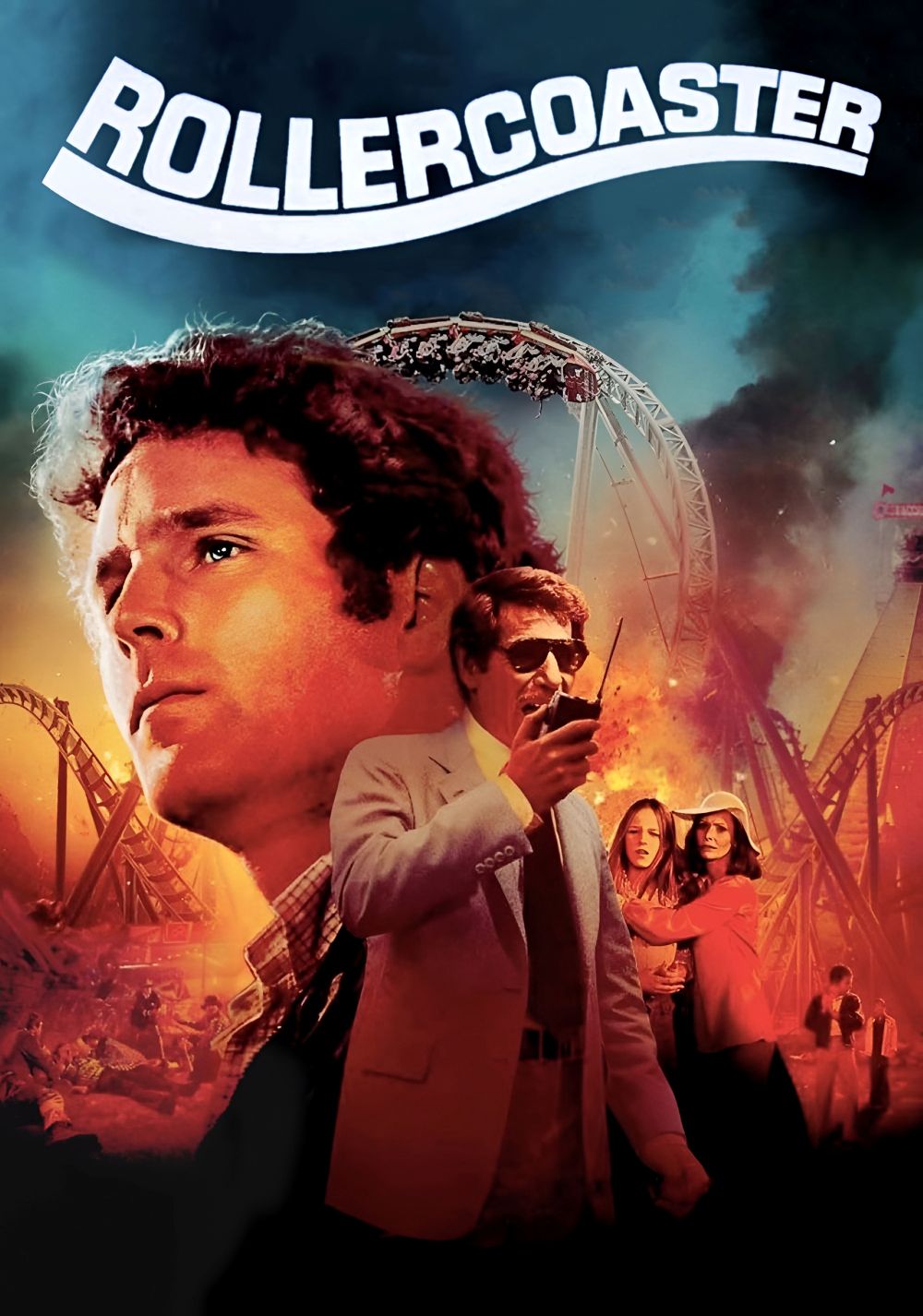
Review: Rollercoaster (dir. by James Goldstone)


“If they pay me and if they do what I say, I’ll never bother them again.” — Young Man

James Goldstone’s 1977 film Rollercoaster exists in a fascinating, albeit deeply flawed, space within the history of seventies disaster cinema. If you are a fan of retro 70s movies, specifically the whole Sensurround era where Hollywood was desperately trying to get people out of their living rooms and into theaters with seat-rumbling audio gimmicks, you have probably heard of this one. It has a genuinely neat, gritty vibe because it was actually shot on location at real amusement parks like Kings Island and Magic Mountain. You get this awesome, vintage, mid-century theme park atmosphere that you just cannot fake on a studio backlot. You can almost smell the cotton candy, the hot asphalt, and the stale beer. But once that initial wave of nostalgia wears off, you are left looking at what is actually on the screen, and honestly, Rollercoaster is not a great film. In fact, one could very easily say it is not even a good film. At its absolute best of times, it is a thoroughly average, middle-of-the-road thriller that feels more like a slightly elevated, padded-out television movie of the week than a major theatrical release.

The plot is about as standard as it gets for this era of disaster-adjacent cinema. A mysterious, young terrorist starts blowing up rollercoasters, not for any grand political manifesto, but simply to extort amusement park owners for millions of dollars. Enter our protagonist, Harry Calder, played by George Segal, who is a cynical safety inspector that just happens to survive the first derailment. Segal is basically just playing George Segal here—exasperated, a bit snarky, wearing a rumpled suit, and teaming up with an FBI agent played by Richard Widmark. The villain is played by a very young Timothy Bottoms, who is effectively creepy but given virtually zero backstory or motivation. He is just a blank-eyed psycho doing psycho things because the script needs an antagonist. The movie essentially just bounces from one park to another, with Segal walking around looking stressed while the FBI tries to figure out where the next bomb is hidden.

The pacing is arguably the film’s biggest sin. For a movie literally named Rollercoaster, it is shockingly lacking in momentum. Goldstone’s direction completely lacks the tight, pulse-pounding beats you would expect from a high-stakes thriller. There is so much filler here, so many scenes of Segal drinking coffee and staring at blueprints, and so much tedious FBI bureaucratic nonsense that it completely kills any tension. The romantic subplot feels entirely tacked on, and the climax fails to deliver the massive, explosive payoff you have been waiting for. If you judge Rollercoaster purely on its cinematic merits—the acting, the script, the direction—it is undeniably average, the kind of movie you leave on in the background while you fold laundry.

However, despite all of these glaring, undeniable flaws, Rollercoaster has a fascinating, almost prophetic legacy when you look back at the history of the thriller genre. It may not be remembered as a great movie, but it essentially built the exact template for an entire subgenre of cat-and-mouse thrillers that dominated the 90s. It practically invented the “specific-professional-against-a-psychopathic-mastermind” formula. Before Rollercoaster, thrillers were usually about spies, cops, or generic everymen. But this film introduced the idea of a highly specific, niche expert being forced into a one-on-one intellectual duel with a terrorist who targets them specifically because of their expertise. Think about how that exact template was endlessly copied and refined in the decades that followed. Look at In the Line of Fire, where Clint Eastwood plays a Secret Service agent hunted by a psycho played by John Malkovich. Or look at Blown Away, where Jeff Bridges is a bomb-defusing expert tormented by an Irish terrorist played by Tommy Lee Jones. Even The Bone Collector fits this mold perfectly, with Denzel Washington’s bedridden forensics expert being targeted by a serial killer who uses specific crime scenes just to test Washington’s intellect. All of these films drew direct DNA from Rollercoaster, using that exact same dynamic of a reluctant protagonist with a very particular set of skills being singled out by a psychopath who treats mass murder like a twisted, personalized game of chess. And if you want the absolute pinnacle of the “expert vs. bomb” trope, you have to look at Speed, which polished the cat-and-mouse dynamic perfected right here in Rollercoaster.

Because the original film was so hampered by 1970s filmmaking technology, it really makes you realize how easily this movie could be remade in this day and age. Back then, the actual destruction of the rides was limited by practical effects, clunky models, and standard camera angles that made the crashes feel somewhat static and safe. Today, technology in filmmaking has advanced to the point that the sheer scale, speed, and physical danger of the rides themselves really does become the focus of real danger. With modern CGI, drone cameras, and advanced practical rigging, you could put the audience right inside the front car of a 300-foot hyper-coaster as the tracks buckle and twist in slow motion. You could make the metal fatigue, the snapping cables, and the horrific physics of a derailment feel genuinely terrifying, turning the amusement park rides into massive, mechanical monsters rather than just static backdrop props for guys in suits to talk around.

Naturally, if Hollywood were to actually remake Rollercoaster today, you know exactly how it would look and who would star in it. It would undoubtedly star someone like Dwayne Johnson or Chris Pratt, a guy who can deliver a quip while looking concerned and holding a blueprint. They would inevitably give the safety inspector a tragic backstory, probably a dead wife or a kid they are estranged from, just to artificially raise the emotional stakes. And because it is a high-concept thriller that does not quite have the cultural weight of a massive comic book franchise, the remake would almost certainly be relegated to a streaming release. It would drop on a Friday on Netflix or Amazon Prime with a generic, algorithmically tested poster and a slick, forgettable title. It would be exactly the kind of mid-budget, mildly entertaining action flick you watch on a rainy Sunday afternoon before completely forgetting about it by Monday morning.

So, ultimately, how do you rate a movie like Rollercoaster? You just have to accept its extreme averageness and respect its ripple effect. It is clunky, the performances are uneven, and it is rarely as thrilling as its title promises. But it absolutely should not be written off entirely. It was the exact moment Hollywood realized that pitting highly specialized professionals against high-concept villains made for compelling, relatable drama. Without George Segal boredly walking around Magic Mountain, we probably do not get the overly dramatic, incredibly ridiculous, yet thoroughly entertaining 90s thriller boom, nor the slick, CGI-heavy streaming thrillers of today. Rollercoaster might just be a mediocre hill, but it is undeniably the hill that started the entire ride.
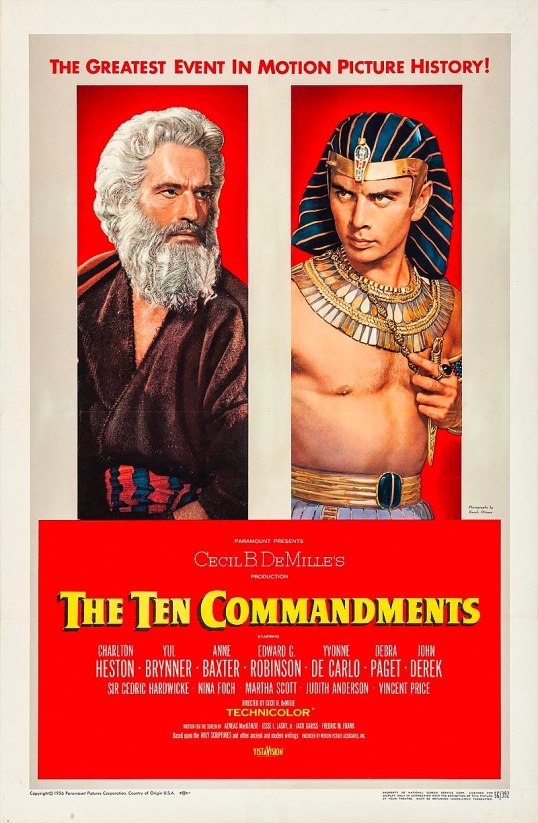
Scenes That I Love: Moses Parts The Red Sea In The Ten Commandments!


145 years ago, on this date, director Cecil B. DeMille was born in Ashfield, Massachusetts.  From the silent era until his death in 1959, DeMille was one of Hollywood’s superstar directors.  His films, which were often over the top and effective at the same time, helped to build the modern film industry.

Today’s scene that I love comes from DeMille’s final film.  From 1956’s The Ten Commandments, Moses parts the Red Sea.

(Please note, this video starts with a frozen image that lasts for about 12 seconds.)

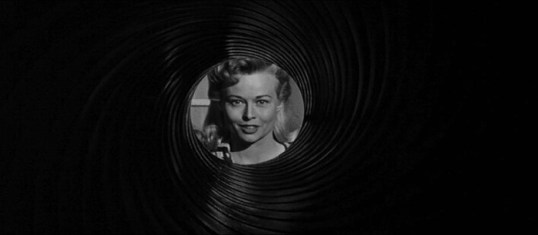
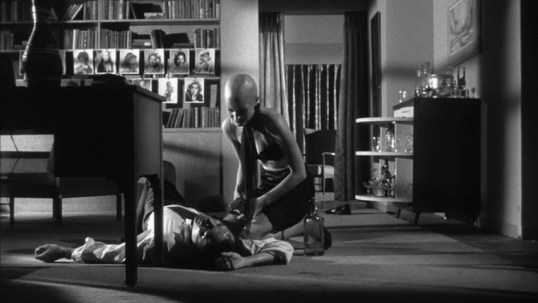
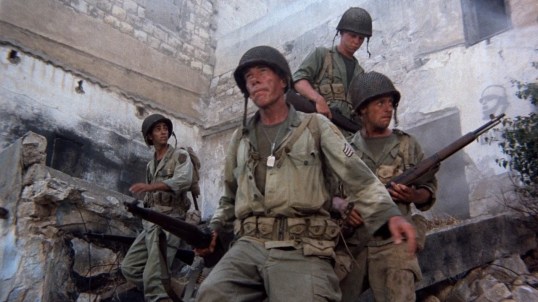
4 Shots From 4 Films: Special Sam Fuller Edition


4 Or More Shots From 4 Or More Films is just what it says it is, 4 shots from 4 of our favorite films. As opposed to the reviews and recaps that we usually post, 4 Shots From 4 Films lets the visuals do the talking!

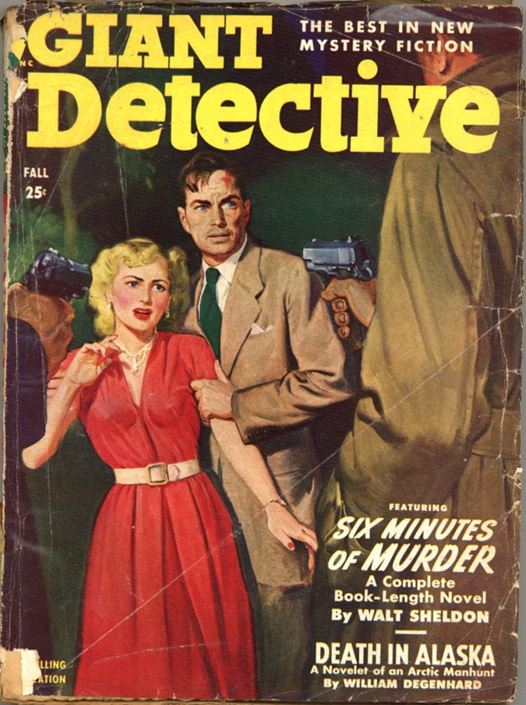
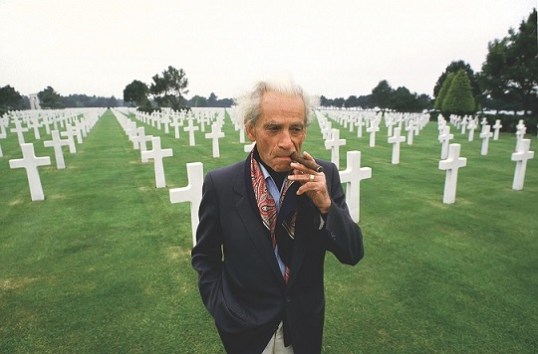
On this date, 114 years ago, Samuel Fuller was born in Massachusetts.  Before he became a filmmaker, Fuller was a crime reporter and a pulp novelist.  His films were often melodramatic and unapologetically sordid.  They were also often dismissed when they were initially released but almost all of them were subsequently rediscovered by audiences who appreciated Fuller’s striking visuals and the often subversive subtext to be found underneath the surface of his genre films.

Today, we celebrate Fuller’s legacy with….

4 Shots From 4 Sam Fuller Films

Forty Guns (1957, dir by Samuel Fuller, DP: Joseph Biroc)

Shock Corridor (1963, dir by Samuel Fuller, DP: Stanley Cortez

The Naked Kiss (1964, dir by Samuel Fuller, DP: Stanley Cortez)

The Big Red One (1980, dir by Samuel Fuller, DP: Adam Greenberg)

Music Video of the Day: Couple Days Off by Huey Lewis and the News (1991, directed by Jim Yukich)


Everyone needs a couple of days off, even Huey Lewis and the News!

This song was the final single from Huey to chart in the Billboard Top 20.  For better or worse (I would say “better”), Huey Lewis and the News were the epitome of a mid 80s band.  They worked hard and they made videos that celebrated having a good time.  Huey Lewis and the News will always be the blue collar bar band for me.

This video was directed by Jim Yuckich, who has directed videos for everyone.

Enjoy!

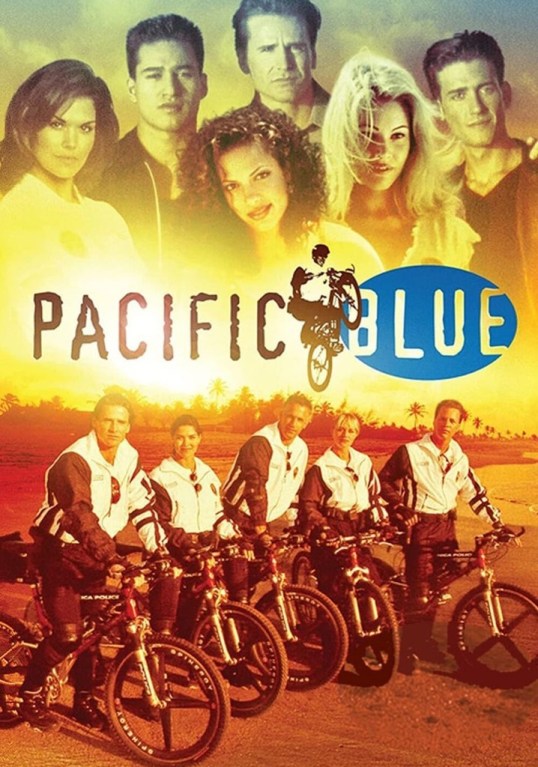
Late Night Retro Television Review: Pacific Blue 4.14 “Inferno”


Welcome to Late Night Retro Television Reviews, a feature where we review some of our favorite and least favorite shows of the past! On Tuesdays, I will be reviewing Pacific Blue, a cop show that aired from 1996 to 2000 on the USA Network!  It’s currently streaming everywhere, though I’m watching it on Tubi.

This week, Bobby goes undercover!

Episode 4.14 “Inferno”

(Dir by Sara Rose, originally aired on January 17th, 1999)

TC is on vacation but, before he leaves, he tasks Cory with discovering who is selling heroin at a trendy nightclub.  To be honest, that sounds like a job for the Narcotics Squad but whatever.  Cory tasks Bobby and Monica with going undercover.  Monica starts to hang out at the club.  Bobby gets a job as a bouncer.  It’s amazing how the same two cops can somehow both patrol the same small stretch of land and also continually work undercover without anyone ever recognizing them.  Their presence at the club still doesn’t prevent a rock star from overdosing or an actor from later shooting himself in front of Monica.

Meanwhile, Cory and Amy ride their stupid bikes around Santa Monica and harass drug addicts.   Amy catches one addict and says that he hasn’t been looking too good lately.  Amy has only been a member of the bike patrol for a few months so why is she acting like she’s been on this show for years?  As silly as the undercover work is, Pacific Blue is still at its most ludicrous when it tries to make the bike cops look like a bunch of badasses,

Bobby’s ex-girlfriend, Rita (Heather Marie Marsden), turns up singing at the club.  Despite Monica warning that Bobby is making a mistake, he allows himself to fall for Rita again despite the fact that Rita is now dating club owner Gary Fein (Scott Paetty), the man who is suspected of being Santa Monica’s biggest heroin dealer.  Of course, it turns out that Rita is the drug dealer.  Eventually, Bobby has to kill his ex-girlfriend to keep her from shooting his fellow bike cops.  Bobby is almost as upset about that as Slater was over losing his salamander.

The episode ends with a Cory/Bobby conversation.  Cory asks if Bobby was in love with Rita and Bobby admits that he had feelings for her.  The scene suggests that Cory and Bobby are secretly a couple.  If I was Cory, I would be hesitant about dating someone who killed his last girlfriend.

TC returns and tells Cory that she did a good job running the department.  Cory thanks him and then looks sad as the episode ends.  If she really felt that way about Bobby, why did she send him undercover in the first place?  Why not send in Granger?  Actually, is Granger still a character on this show?  I haven’t seen him in a while.

This is a dumb show.  You already knew that.  This episode served as a reminder that, along with being dumb, no one on this show is particularly good at their job.  Bobby goes undercover and allows his emotions to get the better of him …. again!  Monica goes undercover and actually does a good job but Cory won’t acknowledge it because she hates Monica …. still!  Amy rides around on her bicycle and harasses people like a corrupt deputy in a drive-in movie.  The fact that everyone is on bicycles just makes everything all the more ridiculous.

Santa Monica, you deserve better!

Brad’s “Scene of the Day” is the opening scene of VAMPIRES (1998)!


James Woods was recently asked on X if he would have enjoyed starring in a sequel to one of his movies!

His response… “John Carpenter’s VAMPIRES, because it was just so much fun to do!”

As a huge fan of Woods going back to the 80’s, I saw VAMPIRES when it played in the movie theater. I really enjoyed it, and I’ve even written a review for the film for this website. (On a side note, I shared that review with Mr. Woods, and he thanked me for it.) One of the main reasons I like the film is the badass opening sequence. Woods couldn’t have looked any cooler, and Carpenter’s guitar sets the macho mood perfectly. Today I thought it would be fun to share that scene with all of you. It’s a long clip, but it’s still awesome. Enjoy!

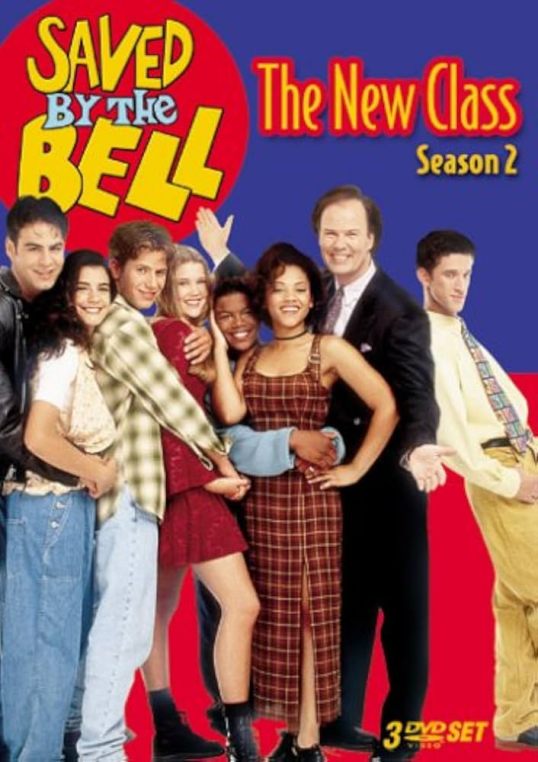
Retro Television Review: Saved By The Bell: The New Class 2.13 “Bayside Story”


Welcome to Retro Television Reviews, a feature where we review some of our favorite and least favorite shows of the past!  On Tuesdays, I will be reviewing Saved By The Bell: The New Class, which ran on NBC from 1993 to 2o00.  The show is currently on Prime.

Oh no, it’s another Bayside vs Valley episode!

Episode 2.13 “Bayside Story”

(Dir by Don Barnhart, originally aired on October 22nd, 1994)

It’s time for Bayside and Valley to meet on the athletic field …. again!

*sigh*

Seriously, how much water can this show draw from the well of this particular rivalry?  Ever since the original Saved By The Bell, there have been episodes about Bayside competing against Valley.  Every episode begins with Mr. Belding complaining that Bayside never beats Valley.  And yet, every episode also seems to end with Bayside defeating Valley so I’m really not sure what Belding’s problem is.

This episode, after Valley toilet papers the Bayside hallways, Mr. Belding complains that Bayside hasn’t defeated Valley since Slater graduated.  Tommy D, Lindsay, Rachel, Megan, Brian, and Bobby all nod in agreement, which is odd since Slater graduated before any of them started at Bayside.  Belding also mentions that Screech is in Vegas for Zack and Kelly’s wedding and, again, everyone nods as if they know who Zack and Kelly are.  None of these students knew who Screech was when he first came back so how would they know Zack and Kelly?  Am I just giving this too much thought?  Perhaps.

As the head cheerleader, Megan is determined that the cheerleading squad (which is apparently made up of only her, Rachel, and Lindsay) is ready to declare death to Valley.  But then she meets Doug (Bumper Robinson), the captain of Valley’s football team, and she ends up falling for him.  Her friends are horrified that Megan would date someone from Valley but that doesn’t stop them from using Megan’s relationship to take advantage of Doug by pulling off one of those elaborate SBTB schemes where everyone dresses up in a stupid costume and distracts Doug long enough for Brian and Bobby to use a spy camera to take pictures of Valley’s playbook.

(Seriously, the whole thing is really stupid.)

Shortly afterwards, Megan ends up breaking up with Doug because she can’t handle everyone’s disapproval.  The Gang feels guilty so they decide to give the pictures of the playbook back to Doug but, as opposed to just giving him the film, they instead decide to pull off another elaborate prank that involves everyone putting on costumes.

The reason why I’m not going into a lot of details about the pranks and the costumes is that it’s all really stupid.  And I’m worried that if I spend too much time describing all of this, my brain might short-circuit.  Let’s just say that it never occurs to anyone to just do the simplest of things, like maybe practicing really hard on the football field and trying to win the game legitimately.

That said, there a few things that work in this episode.

Amazingly, there actually is a funny running joke in this episode.  Unlike most of the characters on this show, Brian knows nothing about American sports and continually has to be told the most basic facts about football.  (“It’s played on a field, not a rink!”)  Christian Oliver delivered his lines with the right amount of enthusiastic naivete and it was kind of nice to see Brian transformed into something more than just a stand-in for Zack.

The episode ends with the Bayside Gang meeting the Valley Gang at the Maxx and everyone crying as they realize that they’re not so different after all.  That was actually kind of sweet.  And then Belding ran in wearing riot gear because he was convinced a fight was about to break out.  That actually made me laugh a little.  So, dumb pranks aside, this episode wasn’t a total loss.

In conclusion, I should mention that my high school had a hated rival that was actually only a few blocks away from us.  Our football team hated their football team and all that other stuff.  Unfortunately, since my school was pretty much an art school, I don’t think we ever won a game against them.  Some of that was because my school didn’t even have a football field so our team had to go over to the rival school whenever they wanted to practice.

Seriously, not even Slater could have saved them.


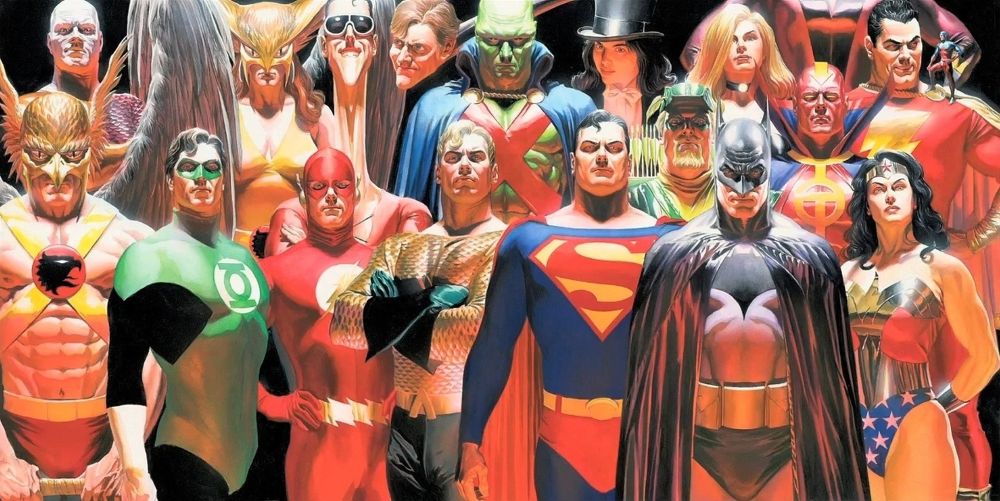
Artist Profile: Alex Ross


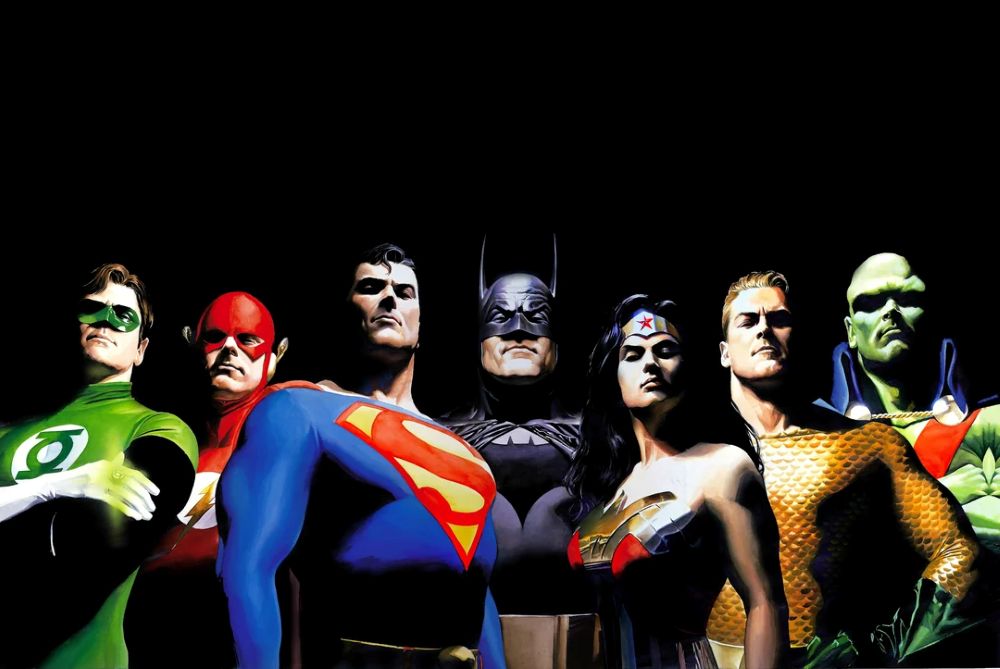
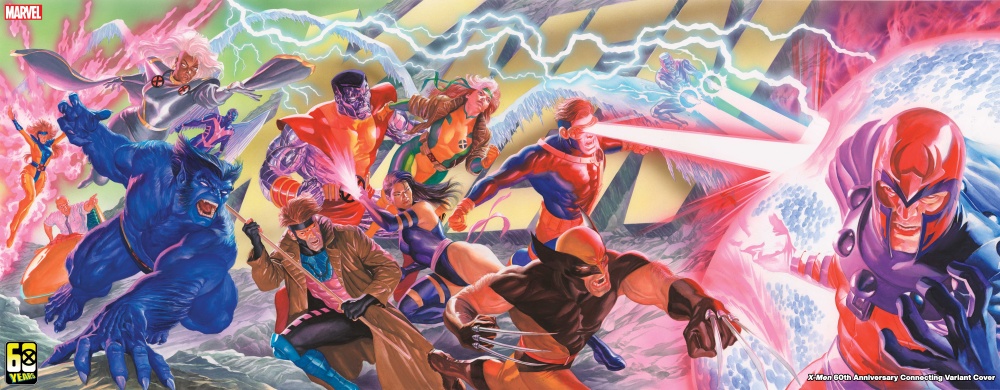
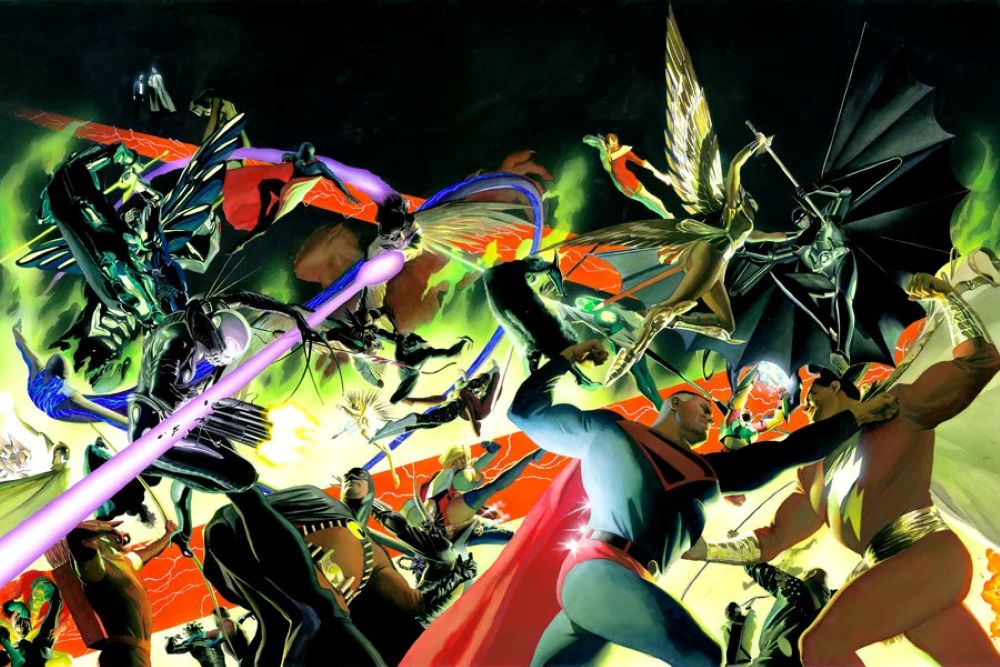
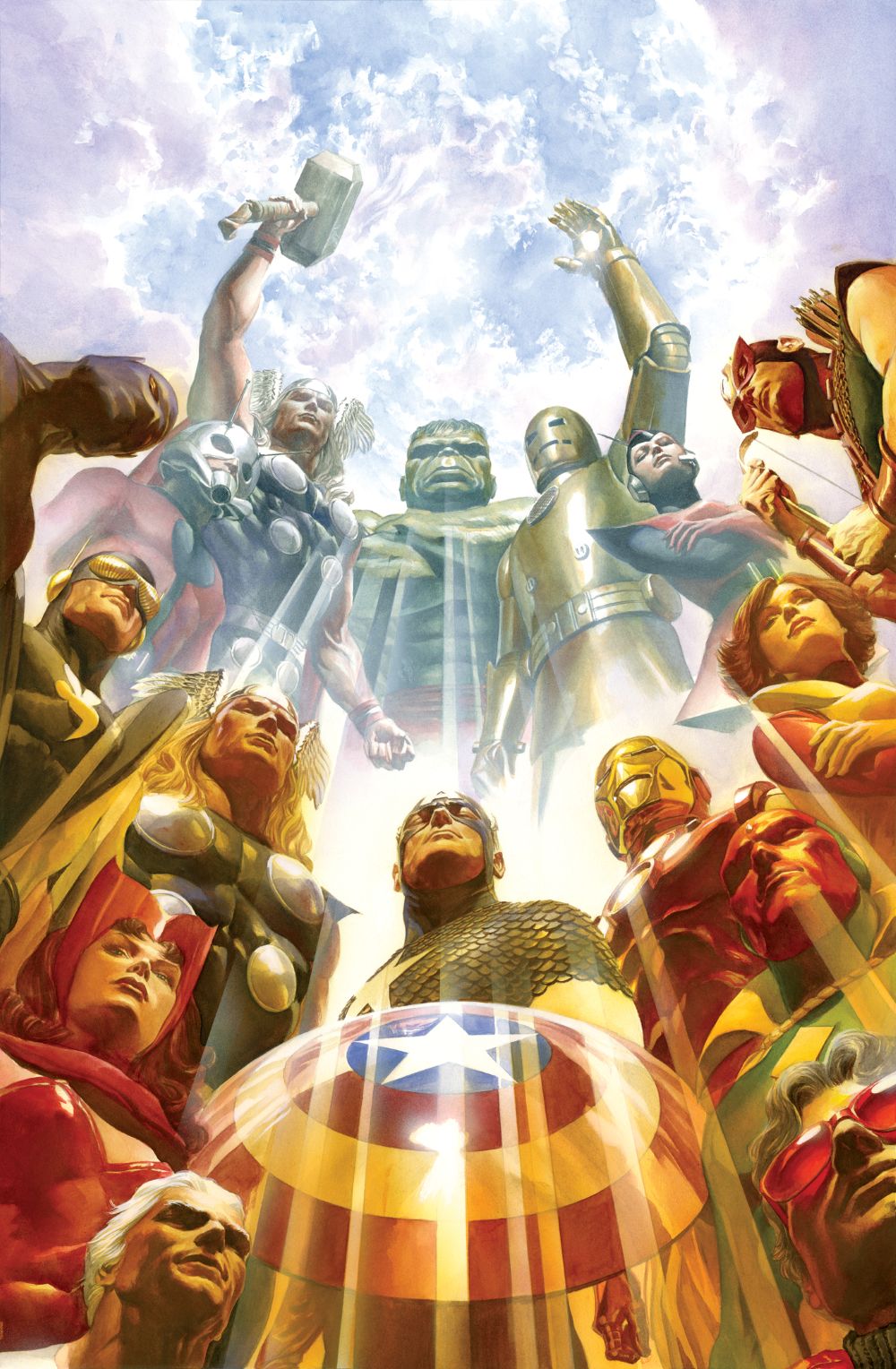
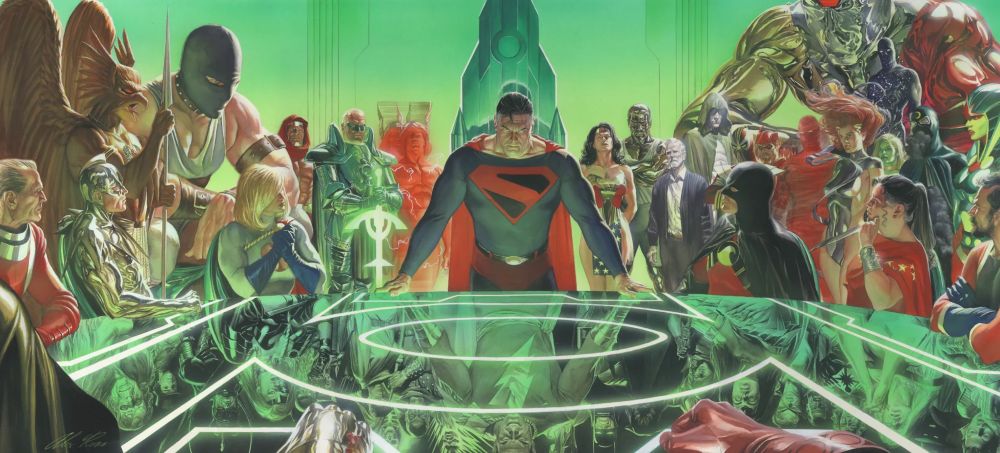
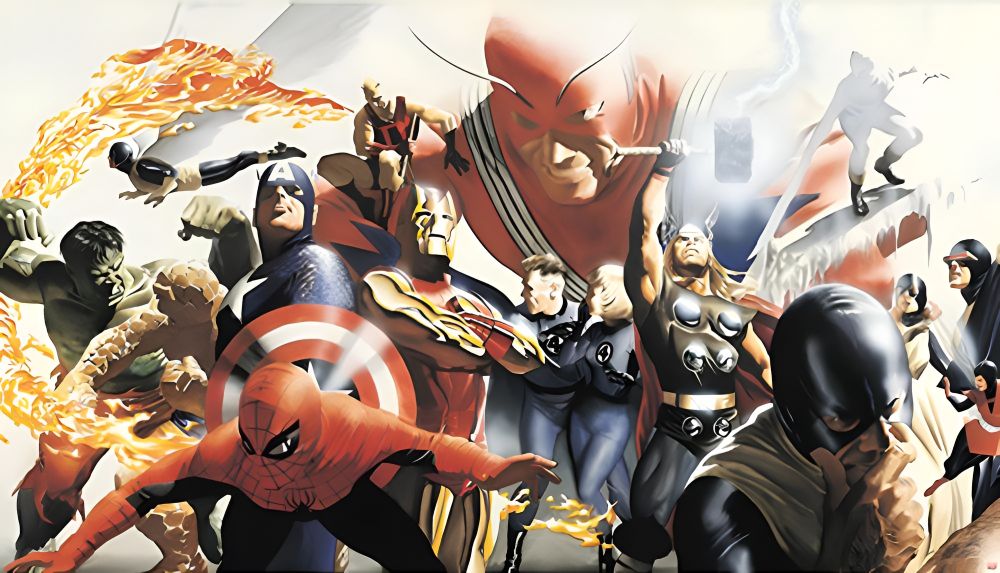
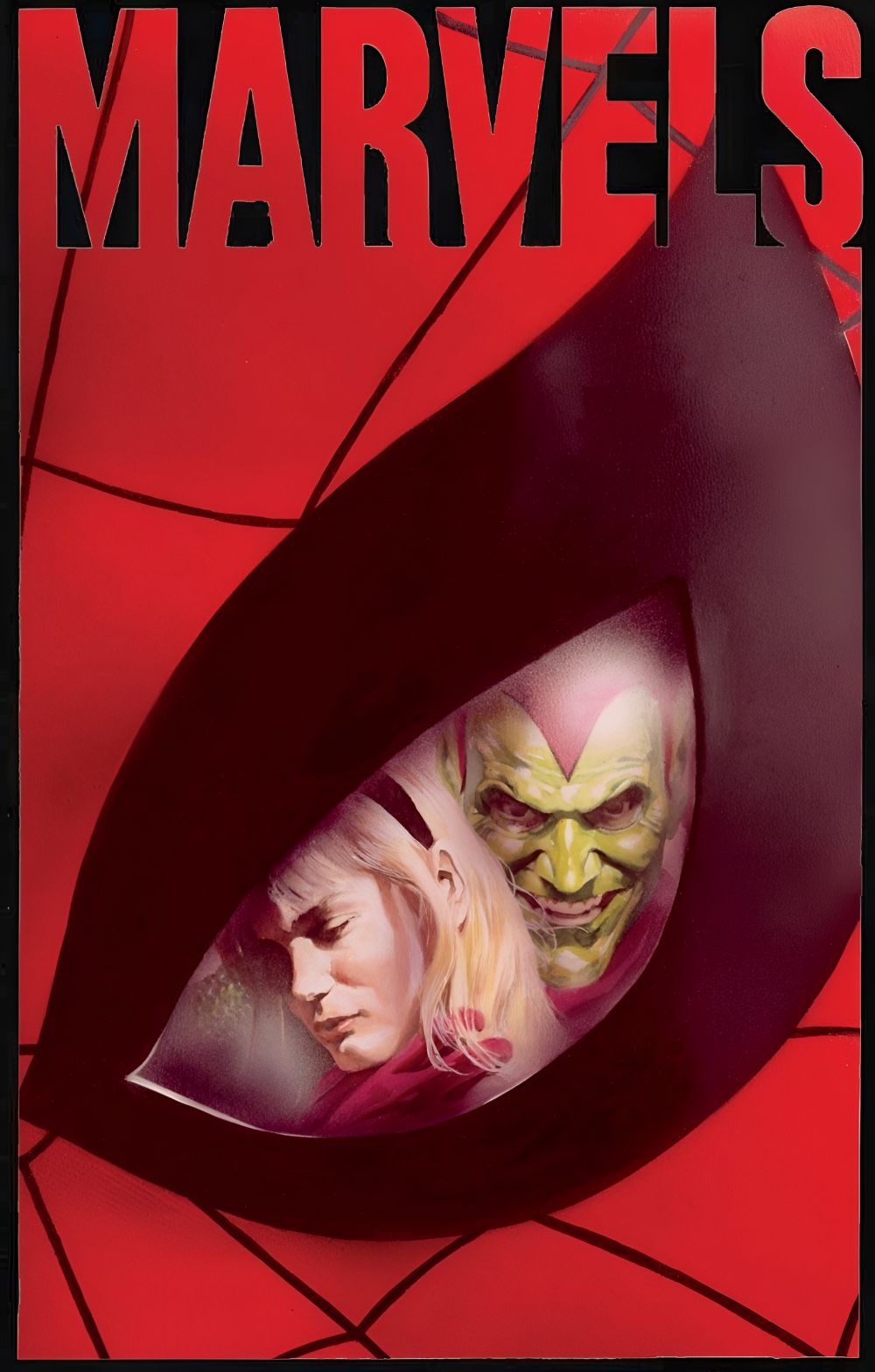
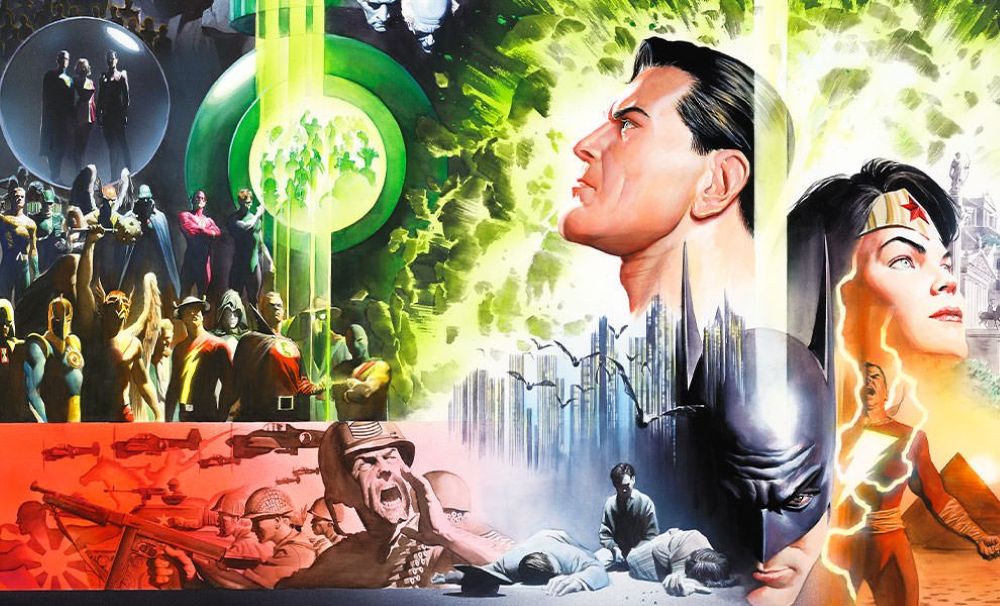
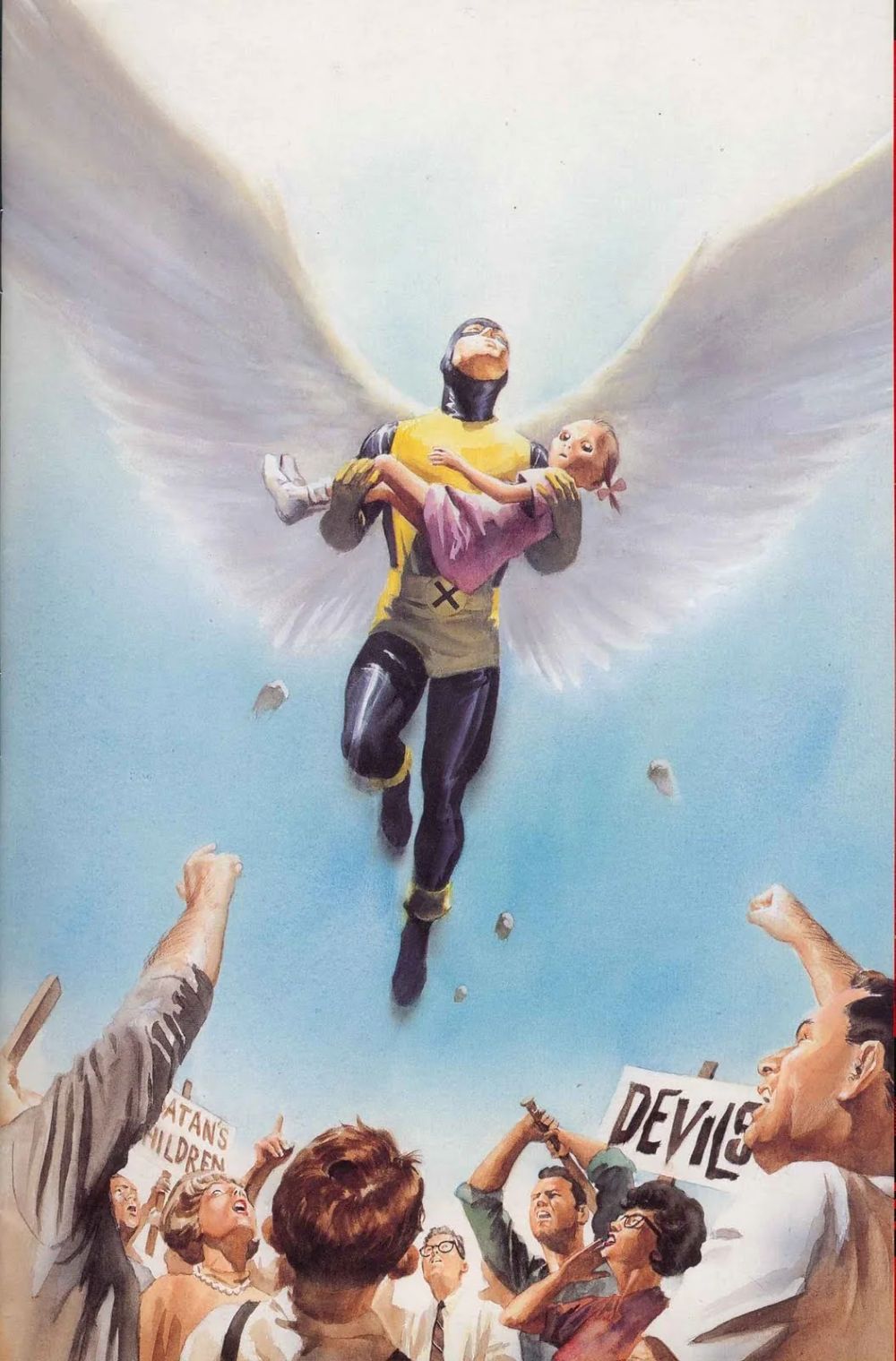
Alex Ross fundamentally transformed the visual language of American comic books by introducing a level of photorealistic fine art painting previously unseen in the medium. Eschewing traditional pen-and-ink line work, Ross utilized gouache, watercolor, and ink to render iconic superheroes with a tangible weight and texture that made them feel startlingly real. His approach treated comic book characters not as colorful abstractions, but as living, breathing figures existing in a recognizable world. By grounding these fantastical beings in reality through meticulous brushwork, realistic lighting, and lifelike facial expressions, Ross elevated the comic book cover and interior page to the status of gallery-worthy illustration, forever changing the expectations of comic book artistry.

Ross’s impact is indelibly tied to his defining projects for the industry’s “Big Two” publishers. At Marvel Comics, his groundbreaking 1994 miniseries Marvels recontextualized the Golden and Silver Ages of the publisher’s universe through the weary eyes of an ordinary photojournalist, capturing the awe and terror of living alongside gods. He later expanded this sprawling mythos with the Earth X trilogy. However, it was at DC Comics where Ross arguably cemented his legacy. His 1996 magnum opus Kingdom Come offered a grand, prophetic, and deeply moral vision of the DC Universe’s future, utilizing his painted style to bridge the gap between the publisher’s Golden Age innocence and modern cynicism. Through works like Justice and Peace on Earth, Ross continually reimagined DC’s most famous characters, stripping away decades of dark reinterpretations to restore their fundamental nobility and mythic grandeur.

The legacy of Alex Ross extends far beyond the individual pages of his graphic novels; he essentially spawned an entire subgenre of painted comic book art that dominated the industry in the late twentieth century. While many imitators emerged attempting to replicate his style, few could match his nuanced understanding of color theory, historical costume design, and emotional resonance. Furthermore, his aesthetic influence has bled heavily into broader pop culture, with his conceptual character designs serving as direct visual inspiration for numerous animated television shows and live-action films. By proving that superhero mythology could be approached with the same gravitas and classical technique as Norman Rockwell’s illustrations or Renaissance portraiture, Ross forced the comic book industry to permanently expand its artistic boundaries.