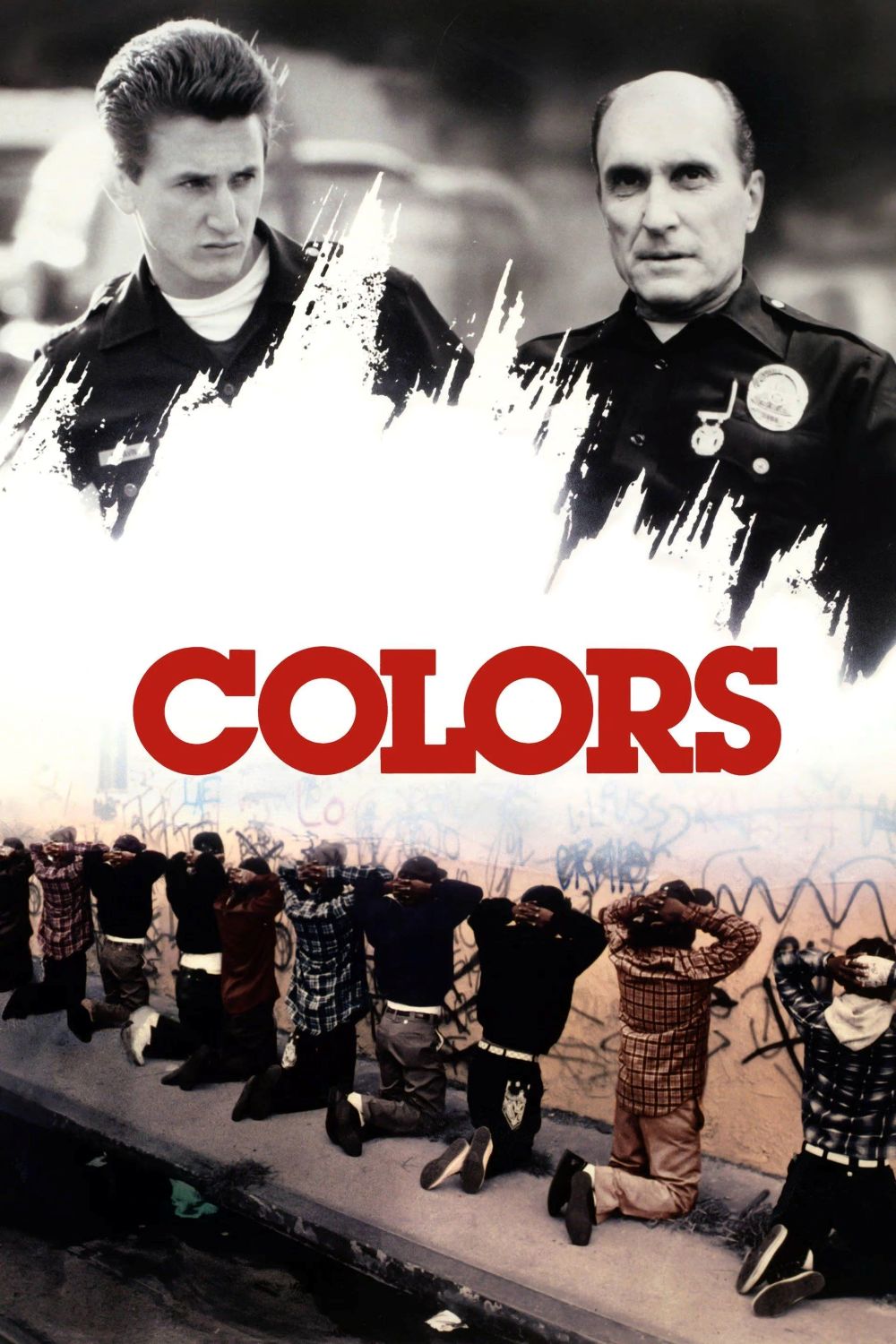
Review: Colors (dir. by Dennis Hopper)


“You got problems with the whole fuckin’ world.” — Officer Bob Hodges

Consider, for a moment, the cultural landscape of 1988. Inner-city gang violence was hardly a new phenomenon, but it remained largely relegated to local news broadcasts and distant urban nightmares for most of the country. Dennis Hopper’s Colors changed that dynamic almost overnight, serving as a brutal, unfiltered introduction to a world that mainstream America had collectively chosen to ignore. Hopper, whose own countercultural credentials were cemented decades earlier with Easy Rider, took a considerable risk here, and while the final product is undeniably uneven, its cultural footprint is impossible to overstate. The film functions simultaneously as a historical document, a cautionary tale, and a cinematic watermark that forever altered how audiences perceived the volatile landscape of Los Angeles.

The basic setup is old-school buddy-cop material. Robert Duvall plays Bob Hodges, a seasoned LAPD officer in the CRASH unit—Community Resources Against Street Hoodlums—who has spent enough years policing Los Angeles to understand that aggression does not automatically produce respect. Sean Penn plays Danny McGavin, his hotheaded new partner, a guy who approaches every situation like he has something to prove. They are assigned to patrol neighborhoods divided by Bloods, Crips, and Chicano gangs, attempting to keep retaliation killings from escalating into full-scale warfare. The main plot is not especially complicated, and that is probably intentional. Hopper is less interested in a twist-heavy police procedural than in dropping the viewer into a city where tension seems to hang over every street corner, traffic stop, and act of public bravado.

Duvall is the film’s anchor. Hodges is not written as a saint—he is still a cop working inside a hostile and often brutal institution—but Duvall gives him a weary, almost paternal quality that makes him more compelling than the standard “veteran teaching the rookie a lesson” archetype. He understands that policing gangs is not as simple as walking in, making arrests, and congratulating yourself afterward. He has a kind of street fluency, knowing when to talk, when to threaten, and when to step back before a small humiliation becomes a body count. Penn, meanwhile, is all sharp edges. McGavin is reckless, racist in ways he may not fully recognize, and always a half-second away from making a situation worse. Penn can be exhausting here, but that is the point. His character embodies the movie’s fear that a badge, a gun, and an appetite for confrontation can be as combustible as any gang rivalry.

Hopper directs Colors with a lot of energy and an almost documentary-like alertness to its setting. The film’s Los Angeles feels sun-blasted, crowded, and perpetually unstable, not the glossy dream factory of postcards and celebrity magazines. Haskell Wexler’s cinematography does huge work in making the city feel tactile and lived-in. Hopper also has a sharp ear for the way music, cars, clothing, graffiti, and neighborhood boundaries become a visual language of identity. The title is not subtle, but it works: colors signify affiliation, pride, danger, and the instantly visible lines people are willing to kill or die over. The film’s soundtrack, including Ice-T’s title song, further locks it into the cultural moment, giving the movie a rawness that separates it from more generic police thrillers.

What makes Colors uncomfortable is also what makes it valuable. Its attention to gangs was controversial from the beginning, with critics and community voices arguing that it risked sensationalizing violence and reducing Black and Latino communities to dangerous backdrops for a cop story. The criticism is fair. The film sees gang life largely from the windshield of the LAPD cruiser; its gang-affiliated characters are often treated as threats, symbols, or tragic consequences rather than people granted the same interiority as Hodges and McGavin. Even at its strongest, Colors can make complex social realities feel like an arena in which two white cops test their methods and masculinity.

Still, it would be wrong to dismiss it as empty exploitation. Colors does not really romanticize its violence. Hopper shoots drive-bys, funerals, and retaliations with a nasty abruptness; nobody comes out looking triumphant. The gang members are not cleanly divided into monsters and victims either. Some are cruel, some are frightened, some are locked into a status they may not know how to escape, and some clearly enjoy the power that comes with being feared. The movie may not fully examine poverty, segregation, institutional racism, the drug economy, or generational trauma, but the instability of its world comes through. The police are not presented as saviors, either. They are frequently antagonistic, operating through intimidation and humiliation, while McGavin’s actions repeatedly demonstrate how easily law enforcement can intensify exactly the conflict it claims to contain.

This is where Colors matters most historically. Before it, movies had certainly depicted urban crime, racial conflict, and youth violence, but Hopper’s film made contemporary L.A. gang culture recognizable as a major studio subject. It helped bring gang culture, strained police-community relations, and inner-city issues into a much wider popular conversation. The film did not invent the genre that followed, but it helped clear a path for the wave of gang-related and urban-crime movies that arrived in the late ’80s and especially the ’90s. Films such as Boyz n the Hood, American Me, South Central, New Jack City, and Menace II Society inherited some of its urgency, its focus on neighborhoods under siege, and its refusal to pretend gang violence was merely a distant news-story problem.

The major difference is that many of those later movies also corrected Colors’ biggest limitation: they shifted the point of view inward. Boyz n the Hood does not treat South Central as a backdrop for police work; it makes the residents’ friendships, families, dreams, grief, and daily routines the emotional center. American Me follows the historical and institutional roots of Chicano gang identity with a scope Colors never attempts. South Central turns toward redemption, fatherhood, and the possibility—however fragile—of interrupting the cycle. In that sense, Hopper’s film can feel like an important opening statement rather than the final word. It showed mainstream audiences the subject; the films that followed increasingly demanded that audiences understand the people living inside it.

Its influence can also be felt internationally, though it is best understood as part of a broader transnational exchange of urban-crime cinema, hip-hop culture, and anti-police sentiment rather than a simple one-to-one blueprint. Mathieu Kassovitz’s La Haine is far more formally daring and politically focused than Colors, but both films draw power from a city divided by territory, race, policing, and simmering retaliation. La Haine brought France’s banlieues to mainstream French audiences and put police violence and marginalized youth at the center of the frame. Where Colors views the street crisis through law enforcement’s eyes, La Haine makes its young Black, Jewish, and Arab protagonists the whole point. Yet the resemblance is there in the oppressive sense of escalation, the combustible police encounters, and the idea that one violent incident can send an already alienated community toward catastrophe. Colors helped establish a mainstream vocabulary for this kind of story, while La Haine transformed that vocabulary into something more intimate, stylized, and politically devastating.

In the end, Colors is messy, dated in places, and frustratingly narrow in its perspective, but those flaws are part of why it is worth revisiting. It captures a Hollywood industry beginning to confront an issue it did not fully understand, using the sturdy frame of a cop thriller to look at a social wound much larger than its plot. Dennis Hopper brings volatility, Duvall brings soul, Penn brings danger, and Los Angeles itself does the rest. It is not the definitive gang film—later movies would surpass it in depth, perspective, and emotional force—but it is a crucial precursor. Colors made the subject visible to the mainstream, and the films that came after kept pushing the camera closer to the people trapped inside the picture.
Join #TubiThursday For The Forbidden Dance!


Hi, everyone!  Tonight, on Mastodon, I will be hosting the #TubiThursday watch party!  Join us for a true classic, 1990’s The Forbidden Dance!

You can find the movie on Tubi and YouTube and you can join us on Mastodon at 9 pm central time!  (That’s 10 pm for you folks on the East Coast.)  We will be using #TubiThursday hashtag!  See you then!

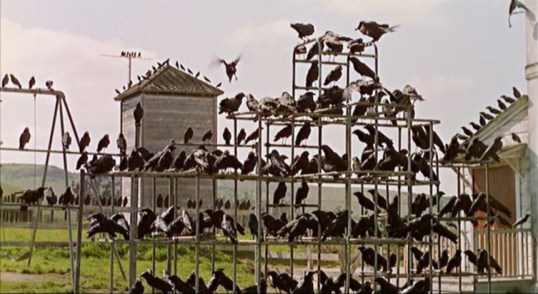
Scenes that I Love: The Gas Station Attack From Alfred Hitchcock’s The Birds


It’s not just The Birds that cause chaos in this scene from Alfred Hitchcock’s 1963 film of the same name.  I will never understand why that gentleman decided that he just had to light up a cigar at that particular time.  And if he had used a lighter instead of a match, he could have prevented a lot of trouble.

You do have to respect the Birds for somehow knowing that he would do exactly that and therefore, making sure that the gasoline ended up right around his feet.  Those birds are clever!

Seriously, though, this scene really creeps me out.  I think it’s because there’s so many birds and, as this scene showed, there was absolutely no way the humans on that island were going to be able to win this particular battle.

12 Shots From 12 Films: Special Alfred Hitchcock Edition


4 Or More Shots From 4 Or More Films is just what it says it is, 4 shots from 4 of our favorite films. As opposed to the reviews and recaps that we usually post, 4 Shots From 4 Films lets the visuals do the talking!

127 years ago, the master of suspense was born in England.  Today, we honor the career and legacy of the great Alfred Hitchock with….

12 Shots From 12 Alfred Hitchcock Films

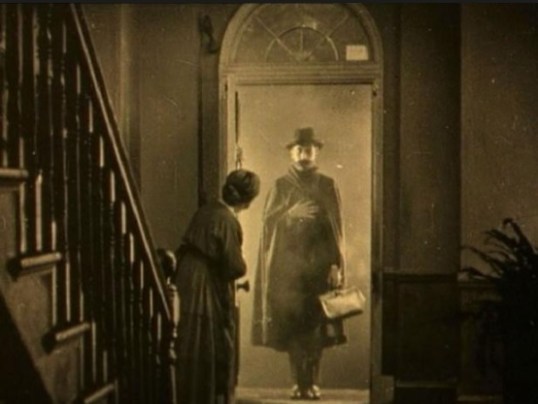
The Lodger (1926, dir by Alfred Hitchcock)

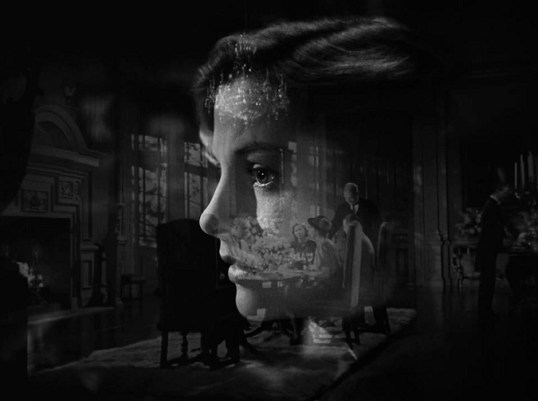
Rebecca (1940, dir by Alfred Hitchcock, DP: George Barnes)

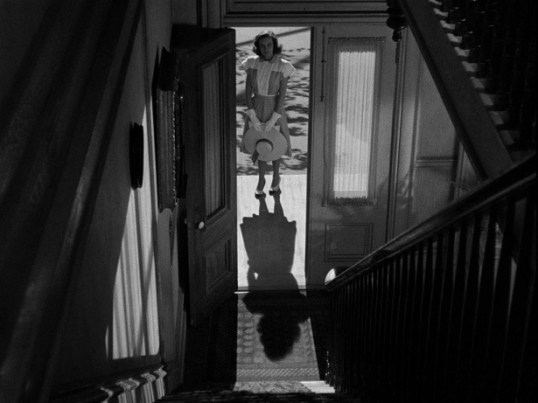
Shadow of a Doubt (1943, directed by Alfred Hitchcock, DP: Joseph A. Valentine)

Notorious (1946, dir by Alfred Hitchcock, DP: Ted Tetzlaff)

Spellbound (1945, dir by Alfred Hitchcock, dir by George Barnes))

Rear Window (1954, dir by Alfred Hitchcock, DP: Robert Burks)

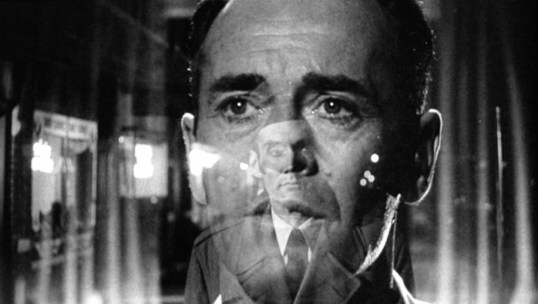
The Wrong Man (1956, Dir. by Alfred Hitchcock, DP: Robert Burks)

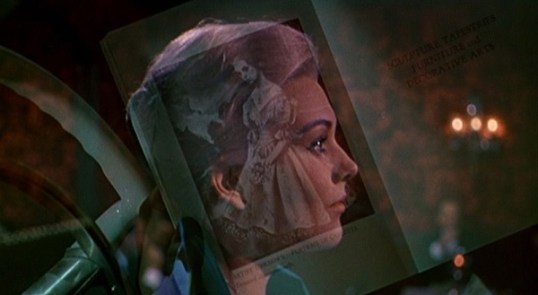
Vertigo (1958, dir by Alfred Hitchcock, DP: Robert Burks)

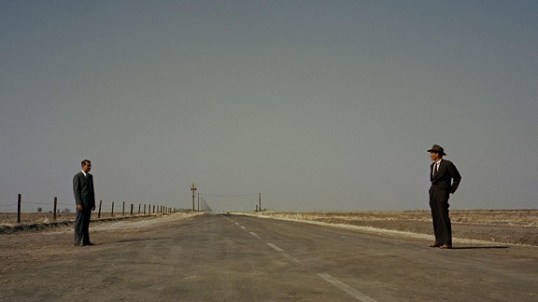
North by Northwest (1959, dir by Alfred Hitchcock, DP: Robert Burks)

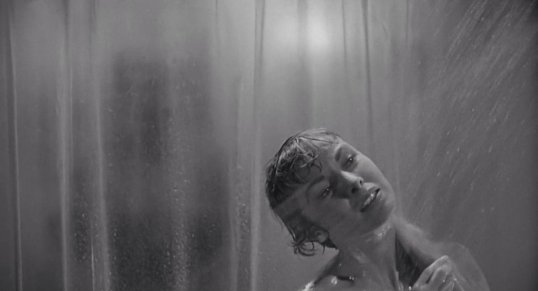
Psycho (1960, dir by Alfred Hitchcock, DP: John L. Russell)

The Birds (1963, dir by Alfred Hitchcock, DP: Robert Burks)

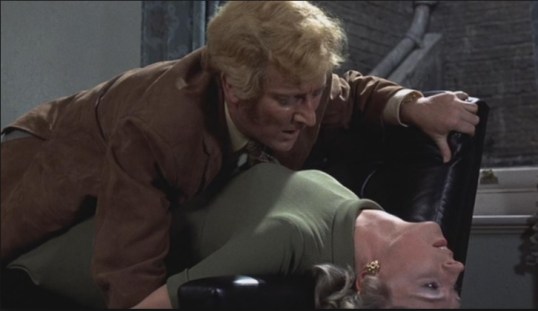
Frenzy (1972, dir by Alfred Hitchcock, DP: Gil Taylor))

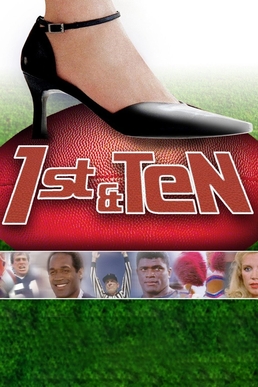
Late Night Retro Television Review: 1st & Ten 4.12 “Duty Calls”


Welcome to Late Night Retro Television Reviews, a feature where we review some of our favorite and least favorite shows of the past! On Wednesdays, I will be reviewing 1st and Ten, which aired in syndication from 1984 to 1991. The entire series is streaming on Tubi.

The season continues!  Can the Bulls hold on to their undefeated record?

Episode 4.12 “Duty Calls”

(Dir by Stan Lathan, originally aired on December 21st, 1988)

Considering all of the time that I’ve spent complaining about how there’s usually very little continuity from one 1st & Ten episode to another, I really do have to start this review by giving this show some credit. This episode actually follows up on something that happened a few episodes ago. Harley (Ken Morrison), the kid that Dr. Death befriended in “Injustice for All,” shows up at Bulls Stadium and tells Dr. Death that his mother has abandoned him yet again.

Dr. Death tracks Frankie (Beth Broderick) down at a biker bar and tells her that she needs to go home and take care of her son. It turns out that Frankie hasn’t even told her new boyfriend, Deacon (John Benjamin Martin), that she has a son. When Deacon finds out, he’s offended that Frankie wasn’t honest with him. He explains that bikers are all about family. If Frankie has a son, that means all of the other members of the motorcycle gang have a son as well.

(While it’s easy to scoff at this episode’s mawkish dialogue and its simplistic handling of what looks to be a case of massive parental neglect, I do have to say that my Dad had his share of biker friends and, underneath their admittedly rough exterior, they were some of the nicest people that I have ever met.)

While Dr. Death is fixing a family, Gail (Shanna Reed) and TD Parker (OJ Simpson) are trying to motivate the team to win their 11th game by offering them a $900,000 bonus if they secure a victory. This gets Gail in trouble with the rest of the league’s owners, all of whom are worried that Gail’s bonus is going to harm their bottom line. Gail’s boss, Mr. Medford (Monte Markham), thinks that it’s a great idea.

That said, the Bulls are going to have a tough game. Two Miami gamblers (one of whom is played by a youngish Chazz Palminteri) bribe the temperamental chef at Bubba and Jethro’s bar to give the Bulls food poisoning! On the morning of the game, all of the players are feeling sick and — ugh — flatulent. Will the Bulls still be able to win the game?

Yes, they do.

How do they win the game? I have no idea. Coach Denardo yells at them and then, one jump cut later, we see that the Bulls are ahead on the scoreboard. All of the players are still sick and constantly having to run off the field, but somehow they still crush their opponents. Maybe they were just playing a really bad team….

(For a show about a football team, it’s always interesting how little time 1st & Ten devotes to things like strategy or play calling. We’re told that Coach Denardo is one of the best, but it’s rare that we ever actually see him coaching.)

As nice as it was to see Dr. Death reuniting Harley with his mother, the rest of this episode was pretty much the epitome of everything that bothers me about this show. Who are the two gamblers who poisoned the entire team? The episode keeps things vague, and I imagine that we’ll never hear about either one of them again. The gamblers will vanish, just like the team’s female placekicker vanished after appearing in one episode. There really aren’t any stakes in 1st & Ten because most storylines get abandoned only a few minutes after they start.

Oh well. At least OJ Simpson always killed it in the role of TD Parker. This episode finds OJ — or actually, TD, but we all know TD might as well be named OJ — talking about the beauty of an undefeated season. Maybe that’s why the team won. They knew better than to get on OJ’s bad side.

Next week: The march to the championship game continues!

Brad reviews Samuel Fuller’s RUN OF THE ARROW (1957), starring Rod Steiger and Charles Bronson! 


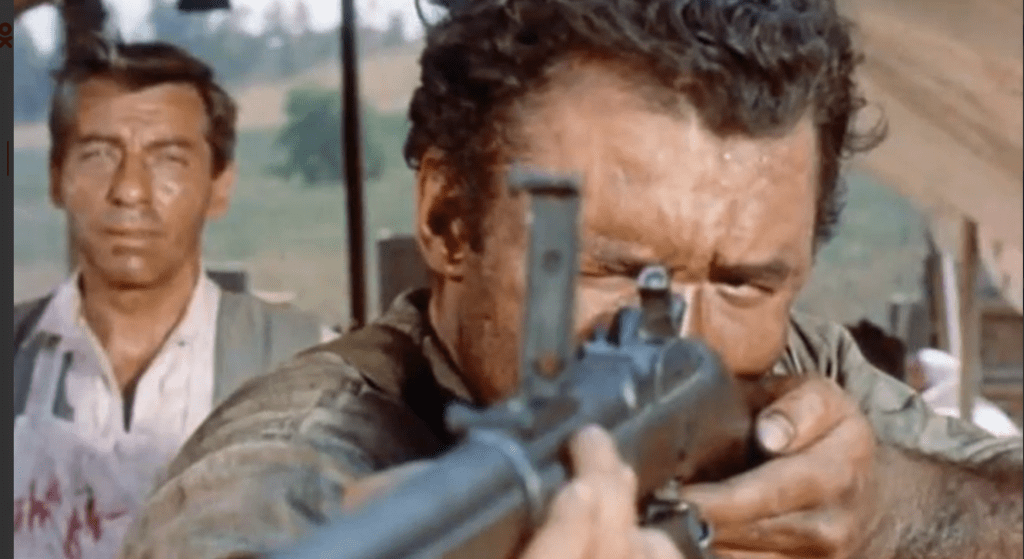
RUN OF THE ARROW opens with confederate sharpshooter O’Meara (Rod Steiger) shooting the final shot of the Civil War. With no war to fight and with a heart full of hate for the Yankees, O’Meara declares himself to be a man without a country and heads west. When he’s captured by a band of Sioux warriors led by Crazy Wolf (H.M. Wynant), he invokes the “run of the arrow”, a ritualistic game that could save his life. The problem… no one has ever survived the run of the arrow, but today’s his lucky day as he’s wounded but survives just long enough to be saved by the beautiful Yellow Moccasin (Sarita Montiel). She nurses him back to health and presents him to her tribal chief, Blue Buffalo (Charles Bronson), who eventually allows O’Meara and Yellow Moccasin to get married. Things seem to be going so well, too well. When Crazy Wolf starts another violent campaign against the American army, O’Meara must decide if he’s a Sioux warrior willing to kill American soldiers, or if there’s a part of him that can still love his country?

In RUN OF THE ARROW, director Samuel Fuller made a movie about the damage that occurs when human beings allow their hearts to be so filled with hate that they quit caring about other people. It’s also about what happens when those same people run into rational people, and we find out if they’re capable of considering the possibility that their own hate has blinded them from the truth. In other words, it’s a film that’s possibly more relevant today than it was when it was made in 1957. Bitterness and hate are represented by the characters of O’Meara (Steiger), Crazy Wolf (Wynant), and Lieutenant Driscoll (Ralph Meeker). O’Meara hates Yankees, Crazy Wolf hates the white man, and Driscoll hates the Indians. The rational people are the characters of Yellow Moccasin (Montiel), Blue Buffalo (Bronson), and Captain Clark (Brian Keith). Yellow Moccasin saves O’Meara when everyone else would have just let him die. Blue Buffalo engages in honest conversation with O’Meara and even welcomes him into their tribe. Captain Clark shows O’Meara an empathetic ear and kindness when others have told him to just get over himself. The actions and fates of the characters play out against this dynamic of hatred versus humanity, with the results underscoring just how tragic it is when people focus on the things that separate us rather than the things that unite us. It’s all so unnecessary, but it’s also a realistic vision of the world we live in. The film also struck me as particularly violent for a 50’s western, which also underscores that reality.

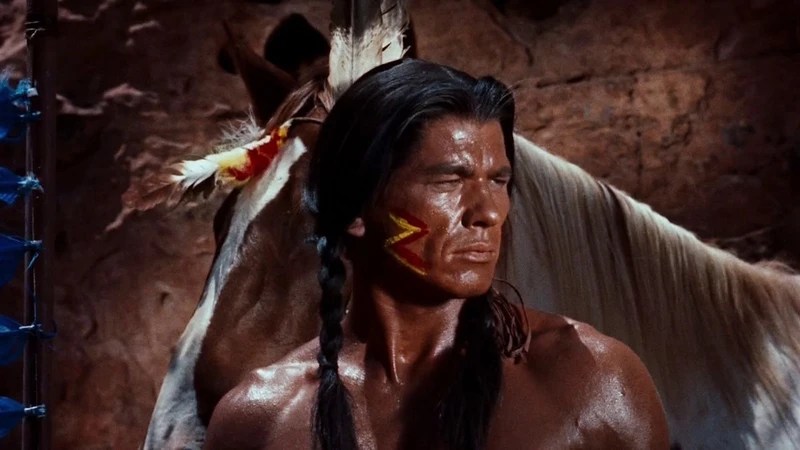
Some of the performances are very effective in the film. Rod Steiger’s Irish, confederate Sioux is an interesting character and the actor gives it his all as you’d expect. I’m a big fan of Steiger and his performance here only solidifies my respect for him. Brian Keith’s Captain Clark arrives fairly late in the proceedings and comes across as a tough, but honest man of integrity at a point when the movie really needs him. He has an excellent scene with Steiger where he debates the old confederate’s reasons for renouncing his citizenship with both sound logic, empathy, kindness and a hint of likable sarcasm all at the same time. It’s one of the best scenes in the film. And likewise, Charles Bronson, the most buff Hollywood Indian to ever strip down to a loincloth, comes across as a reasonable and kind tribal chief in his dealings. Bronson had played American Indians before, but he was usually more of the renegade, warpath variety, so it was nice seeing him as a good guy here. H.M. Wynant took the renegade Sioux warrior role here which you might have expected for Bronson at the time. He’s suitably fierce but one-dimensional. The same can be said for Ralph Meeker as Lieutenant Driscoll. He’s pretty much just a stereotypical jerk. He’s good at being a jerk though! And Sarita Montiel, voiced by Angie Dickinson, is quite the beauty as Yellow Moccasin. 

I’ve recently heard RUN OF THE ARROW compared to Kevin Costner’s DANCES WITH WOLVES, and there are definitely similarities. I won’t go into all of those here, but one of the things I appreciated the most about RUN OF THE ARROW is the fact that the movie makes its feelings known about politics. In a movie filled with characters who have had their lives upended by the various decisions of political leaders, Fuller has crafted a story that focuses most sharply on defining the quality of men based on what’s in their “hearts.” When it’s all said and done, oftentimes the only control we have is the way we respond to the events in our lives, and that’s not politics, it’s personal. To drive this home, an older scout named Walking Coyote tells O’Meara that he could have been a chief if he had wanted to be. When O’Meara pushes him on why he didn’t want the position, Walking Coyote responds with, “Because I hate politics!” On that point, I couldn’t agree more. 

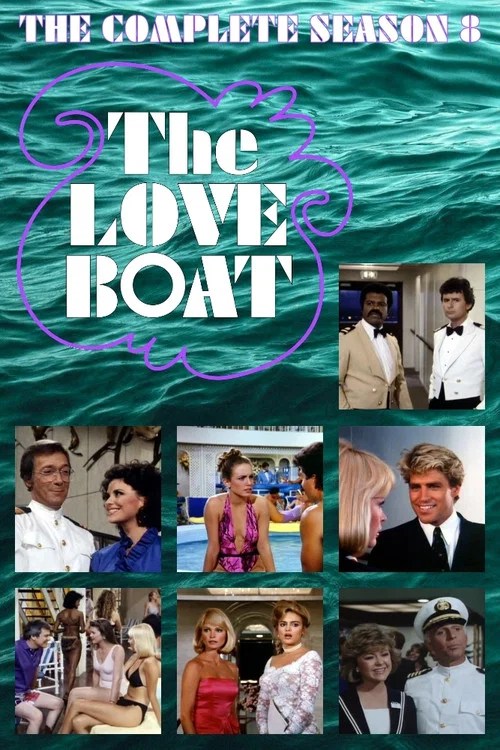
Retro Television Review: The Love Boat 8.6 “Soap Gets in Your Eyes/A Match Made in Heaven/Tugs of the Heart”


Welcome to Retro Television Reviews, a feature where we review some of our favorite and least favorite shows of the past!  On Wednesdays, I will be reviewing the original Love Boat, which aired on ABC from 1977 to 1986!  The series can be streamed on Paramount Plus!

Soon we’ll be making another round….

Episode 8.6 “Soap Gets in Your Eyes/A Match Made in Heaven/Tugs of the Heart”

(Dir by Bruce Bilson, originally aired on October 20th, 1984)

Years ago, Gopher asked Leslie Palmer (Dianne Kay) to marry him. Leslie turned him down, breaking his heart. At the time, she said that Gopher just wasn’t mature enough to marry.  He had no direction in his life.

This week, when Leslie boards the Pacific Princess, she sees that Gopher has grown up.… well, at least a little. As Gopher explains it, he has an important job, a nice salary, and a good pension. “People call me sir,” he says, and Fred Grandy delivers the line with just enough sheepishness that one gets the feeling he’s just as surprised as anyone by the fact that he’s finally gotten his life together. When Gopher again asks Leslie to marry him, she says yes.

Oh my God! First Julie got married and now Gopher! Is there going to be anyone left on the ship?!

Well, hold on. Leslie may accept Gopher’s proposal, but later she has a breakdown and apologizes. Leslie says that she loves Gopher but, “I’m not in love with you.” It turns out that Leslie is pregnant and she accepted Gopher’s proposal so her child would not be born out of wedlock. Gopher is surprisingly forgiving.

This was actually a sweet story, largely due to Fred Grandy’s sincere performance as Gopher. At the same time, it was hard not to miss Lauren Tewes while watching this story. The Love Boat always hinted that Julie was destined to end up with either Doc or Gopher. Pat Klous is doing a good job as Julie’s replacement, but she still doesn’t have the same chemistry with the cast that Tewes did. If Julie McCoy seemed like everyone’s sister, Judy seems like everyone’s respected coworker.

While Gopher was getting his heart broken, the recently deceased Jack Davidson (Bill Macy) boarded the ship with his guardian angel, Mr. Weatherby (Fritz Weaver). In order to get into heaven, Jack would have to commit one selfless act while on the boat. Jack met and fell in love with Blair Chapman (Juliet Mills). However, knowing that he was destined to disappear into the afterlife immediately after the cruise ended, Jack gently told Blair that he couldn’t get involved with her. That counted as his selfless act. As for Blair, it turned out that she was terminally ill and had only a month or so to live. Jack leaves the boat happy, knowing that Blair will soon die and be in Heaven with him. Only The Love Boat could present dying as a happy ending.

Finally, soap opera actor David Swick (Charles Frank) plays a villain on daytime television, but he’s a nice guy in real life. Melanie (Susan Blanchard) discovers this firsthand when she meets David on the boat and they fall in love. Unfortunately, Melanie’s mother (Jayne Meadows) cannot forgive David for all the evil things his character has done on television. This story was just silly, but at least Frank and Blanchard had a likable chemistry.

Though the season overall may have gotten off to a rough start, this week’s episode of The Love Boat was actually a pretty pleasant cruise. Fred Grandy got to do something other than just be goofy. Juliet Mills died .… okay, well that wasn’t pleasant, but at least she’ll have someone waiting for her in the afterlife. As for the soap opera storyline, it took me back to those summer days when I was out of school and I watched the daytime dramas with my mom and my aunt. Those were good memories.

I enjoyed this cruise! The Love Boat truly has something for everyone.