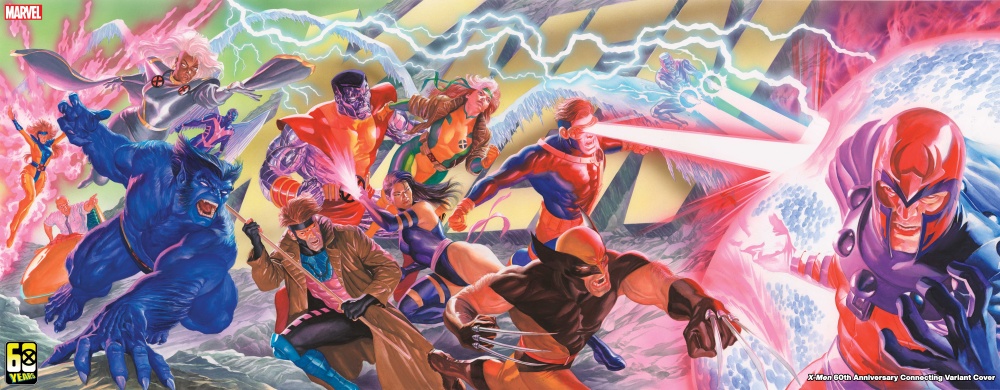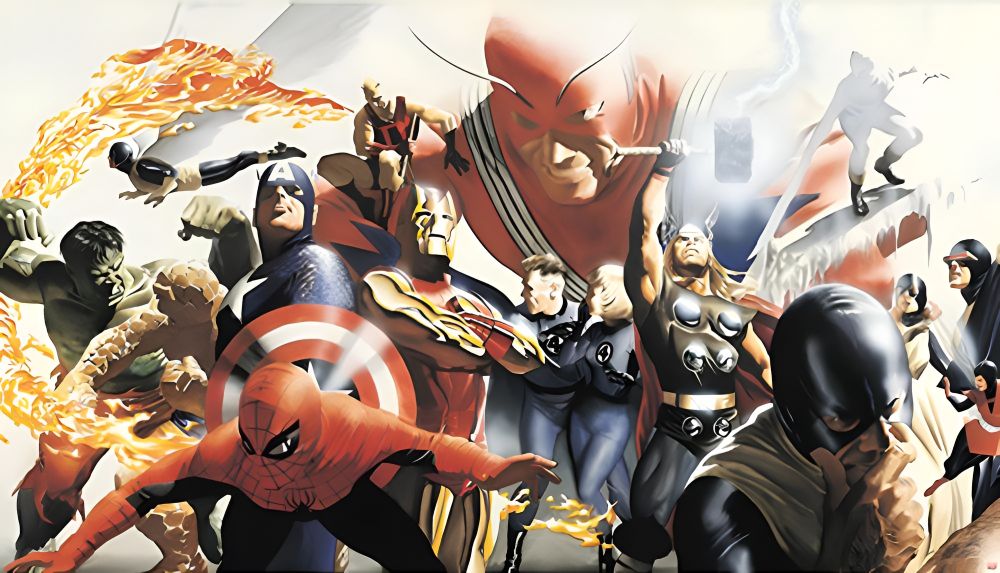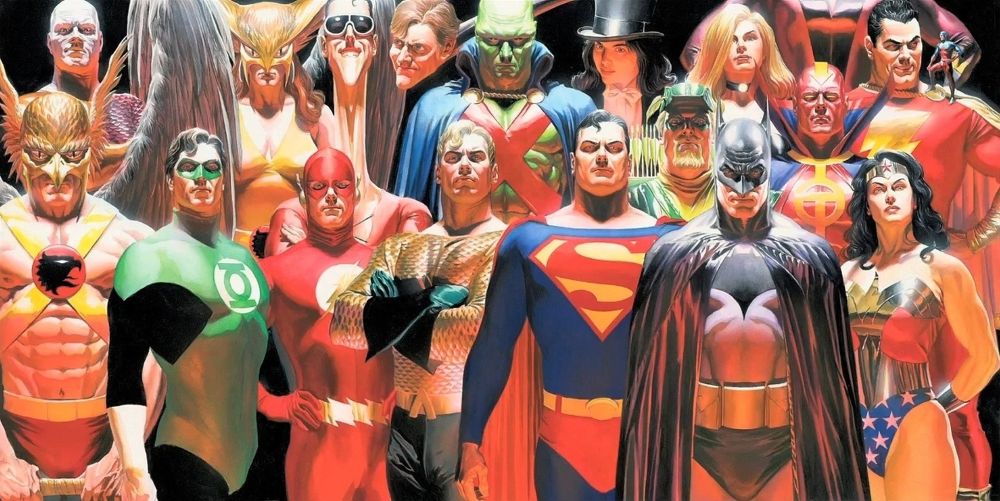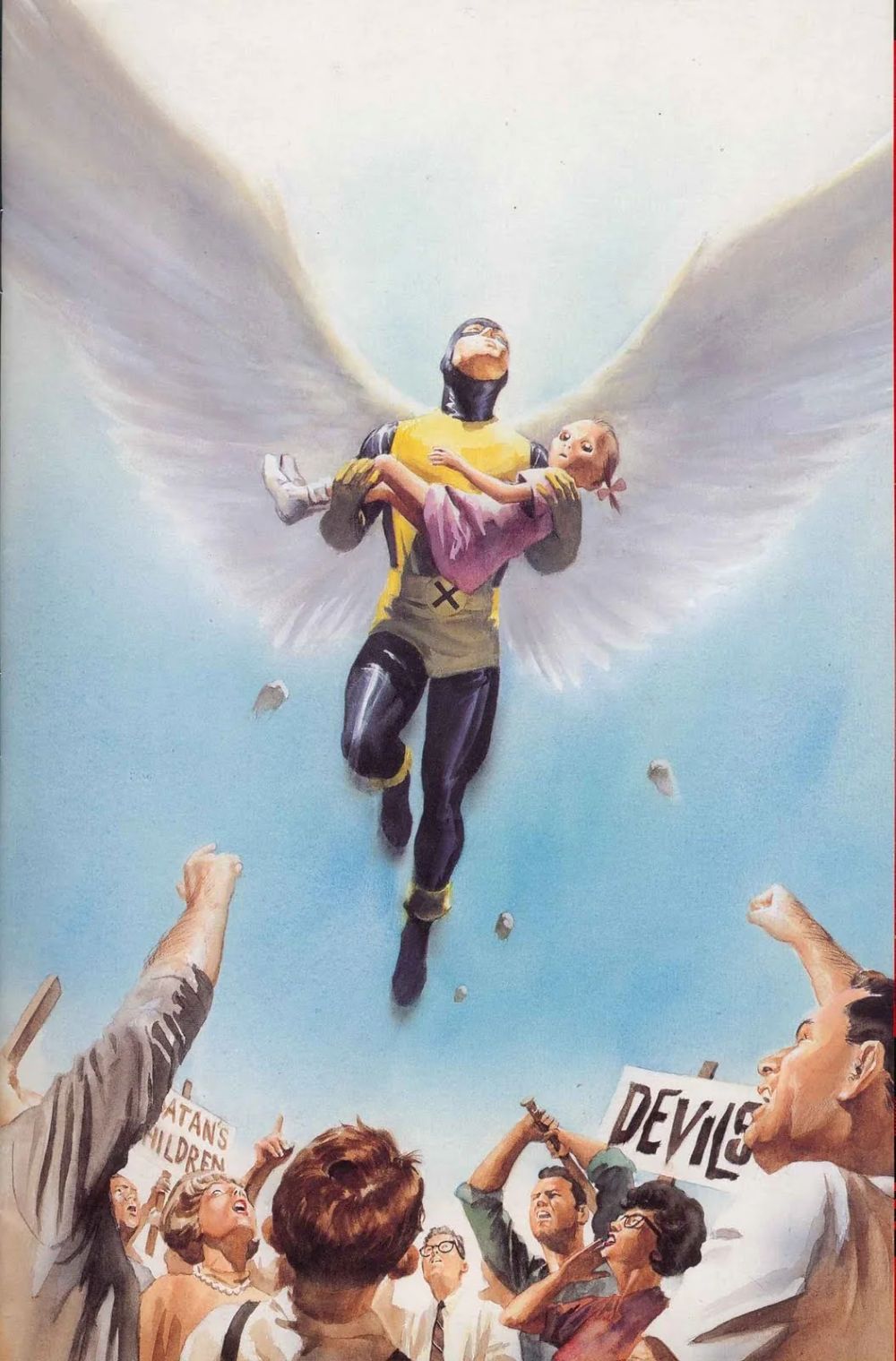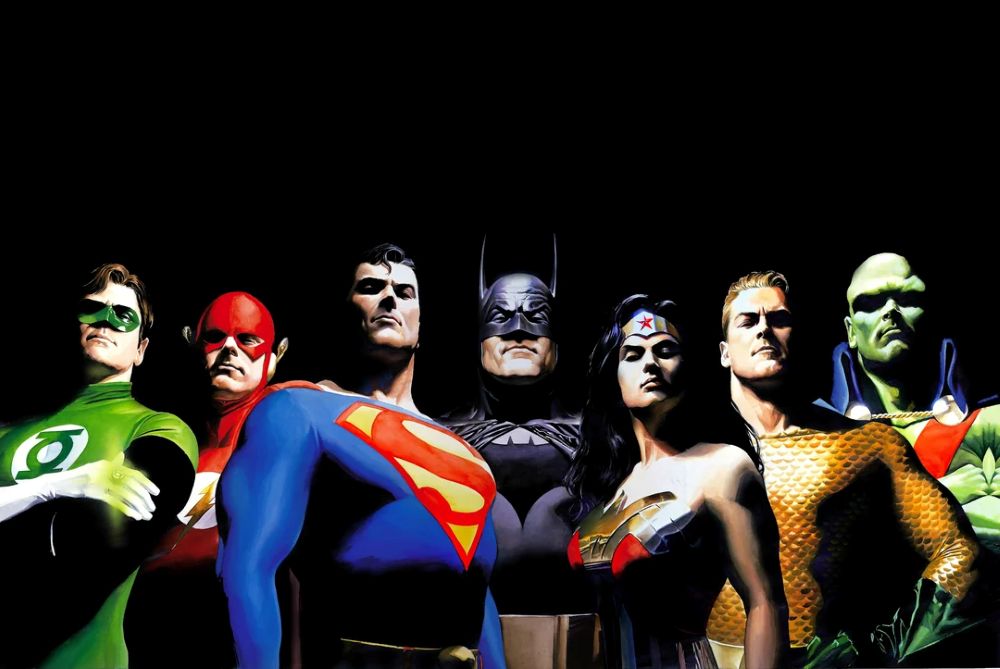
Alex Ross fundamentally transformed the visual language of American comic books by introducing a level of photorealistic fine art painting previously unseen in the medium. Eschewing traditional pen-and-ink line work, Ross utilized gouache, watercolor, and ink to render iconic superheroes with a tangible weight and texture that made them feel startlingly real. His approach treated comic book characters not as colorful abstractions, but as living, breathing figures existing in a recognizable world. By grounding these fantastical beings in reality through meticulous brushwork, realistic lighting, and lifelike facial expressions, Ross elevated the comic book cover and interior page to the status of gallery-worthy illustration, forever changing the expectations of comic book artistry.
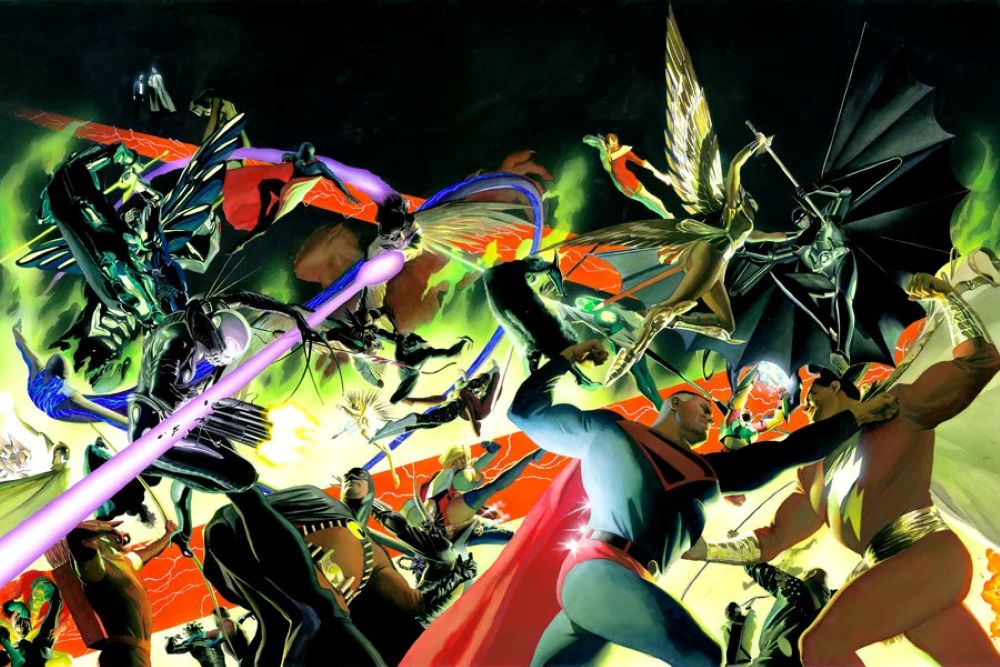
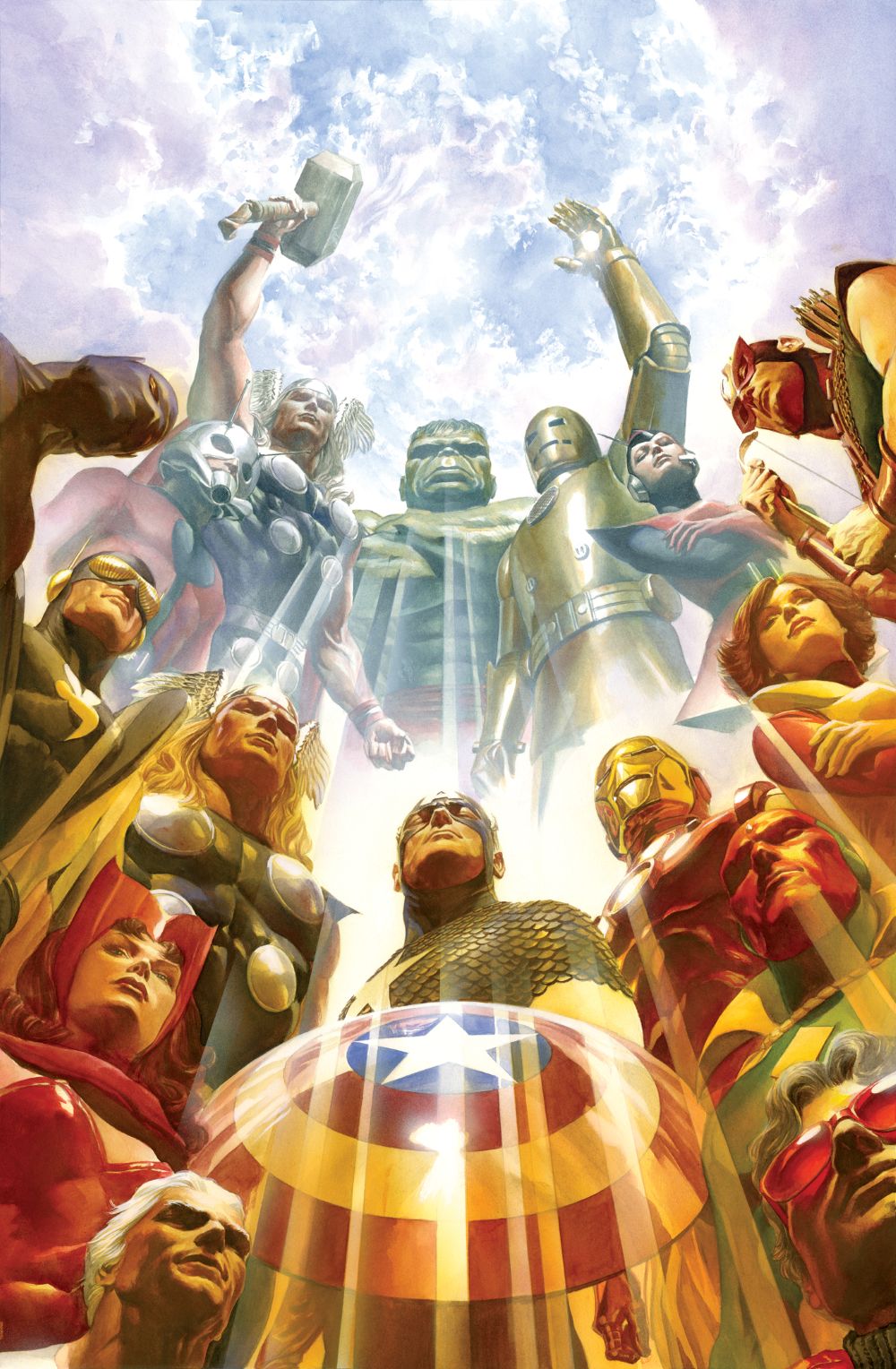
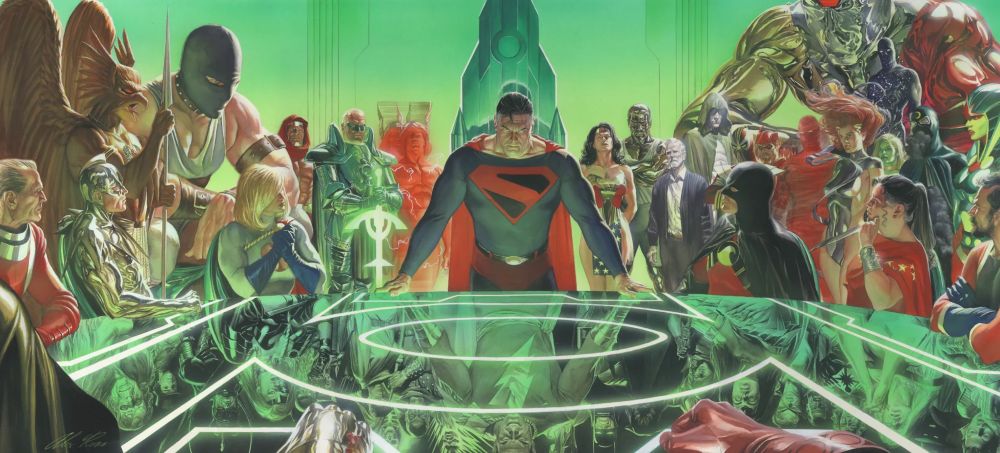
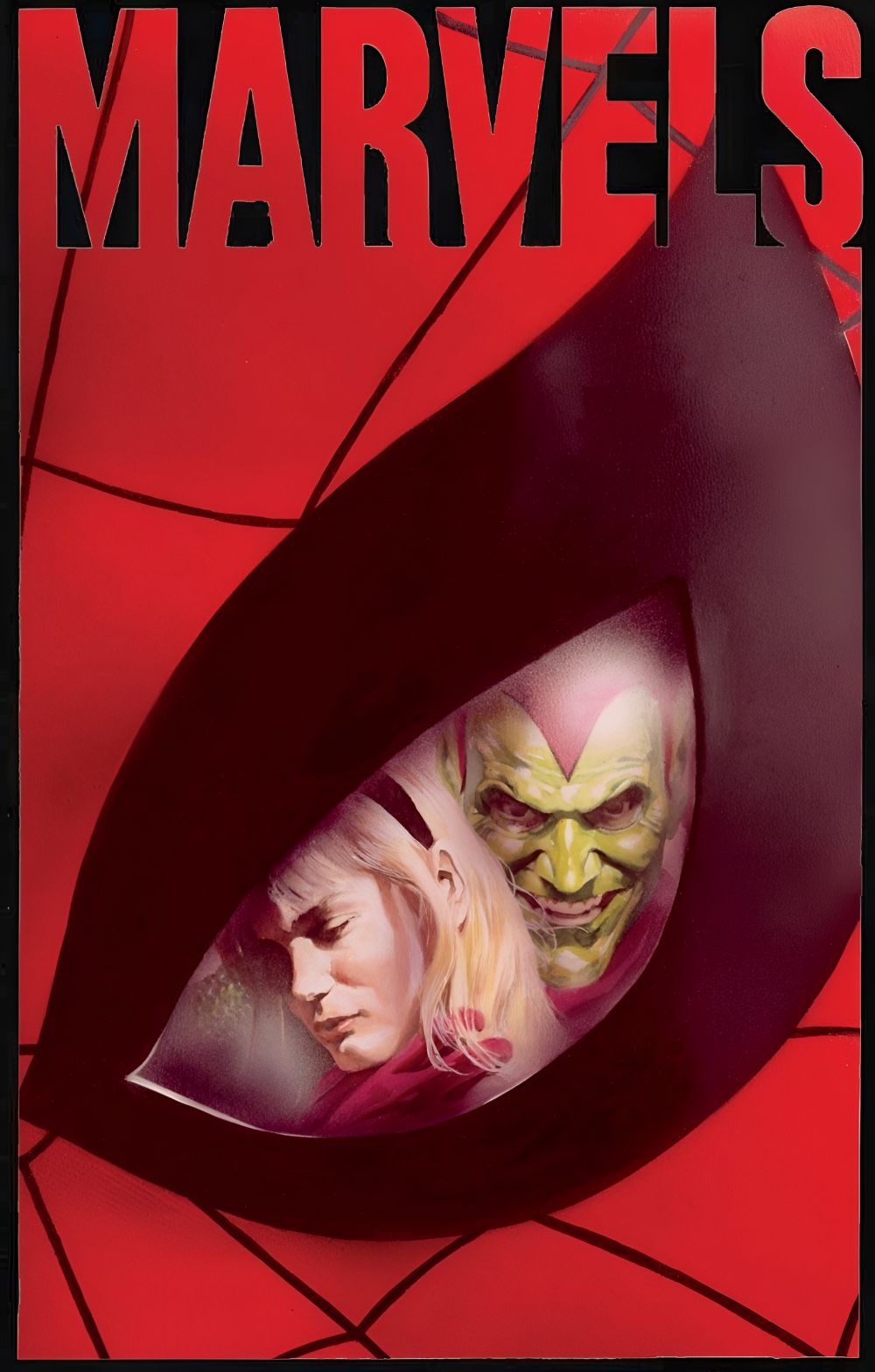
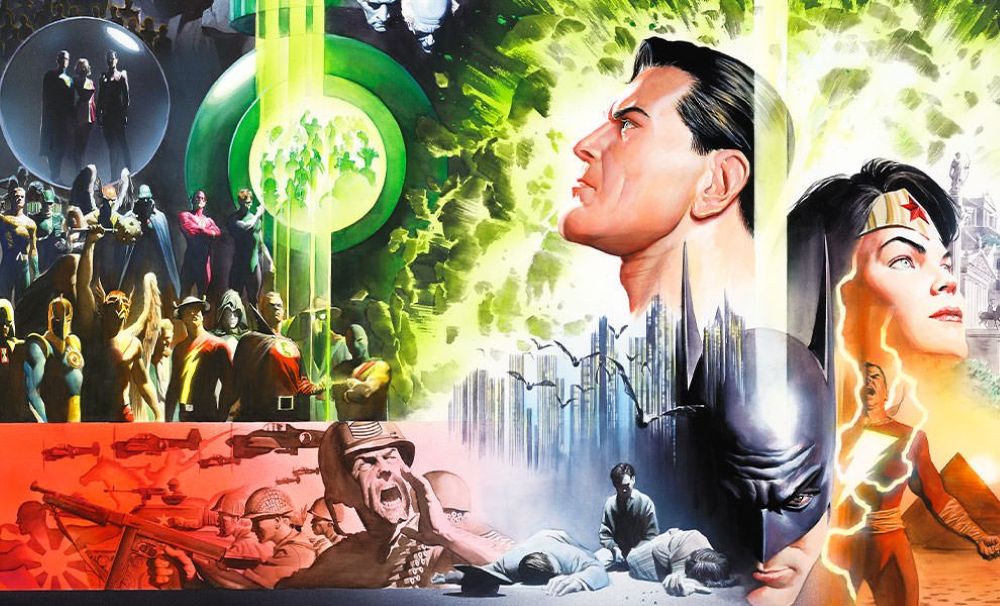
Ross’s impact is indelibly tied to his defining projects for the industry’s “Big Two” publishers. At Marvel Comics, his groundbreaking 1994 miniseries Marvels recontextualized the Golden and Silver Ages of the publisher’s universe through the weary eyes of an ordinary photojournalist, capturing the awe and terror of living alongside gods. He later expanded this sprawling mythos with the Earth X trilogy. However, it was at DC Comics where Ross arguably cemented his legacy. His 1996 magnum opus Kingdom Come offered a grand, prophetic, and deeply moral vision of the DC Universe’s future, utilizing his painted style to bridge the gap between the publisher’s Golden Age innocence and modern cynicism. Through works like Justice and Peace on Earth, Ross continually reimagined DC’s most famous characters, stripping away decades of dark reinterpretations to restore their fundamental nobility and mythic grandeur.
The legacy of Alex Ross extends far beyond the individual pages of his graphic novels; he essentially spawned an entire subgenre of painted comic book art that dominated the industry in the late twentieth century. While many imitators emerged attempting to replicate his style, few could match his nuanced understanding of color theory, historical costume design, and emotional resonance. Furthermore, his aesthetic influence has bled heavily into broader pop culture, with his conceptual character designs serving as direct visual inspiration for numerous animated television shows and live-action films. By proving that superhero mythology could be approached with the same gravitas and classical technique as Norman Rockwell’s illustrations or Renaissance portraiture, Ross forced the comic book industry to permanently expand its artistic boundaries.