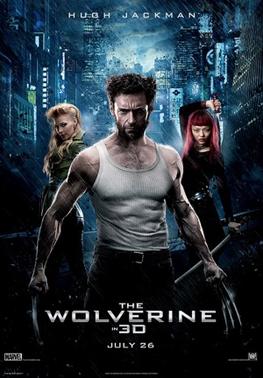
The Wolverine (2013, directed by James Mangold)


Having left the X-Men after the death of Jean Grey (Famke Janssen), Logan (Hugh Jackman) is now living as a hermit in the Canadian wilderness. He is haunted by dreams of his past and visions of Jean. (In the X-Men comic books, Scott Summers was the one who went off to live as a hermit and was haunted by memories of Jean, but since Scott was killed off in X-Men: The Last Stand, Logan was the one who got this story and the visions of lingerie-clad Jean, despite never having been in a truly romantic relationship with her.) Logan is drawn out of hiding by Yukio (Rila Fukushima), a mutant who can predict when people are going to die. Yukio works for Ichiro Yashida (Haruhiko Yamanouchi), a Japanese industrialist who first met Logan during World War II. Logan saved Yashida’s life when Nagasaki was bombed.
Logan and Yukio return to Japan, where Logan discovers that Yashida is on the verge of death. Yashida and Dr. Green (Svetlana Khodchenkova) have apparently developed a way to transfer Logan’s self-healing powers to Yashida, but Logan refuses to cooperate, explaining that immortality is a curse. When Yashida dies, Logan finds himself at war with the Yakuza and also without his power of self-regeneration.

The Wolverine isn’t bad. Even though Logan is no longer as interesting a character as he was when he made his first film appearance in X-Men, the film features some of the best action sequences to be found in the entire X-Men franchise. The extended fight sequence that takes place on top of a bullet train is especially exciting, and it holds up even when you watch it a second time. Unlike the previous X-Men film, The Wolverine makes good use of its characters. The Silver Samurai may be a lesser villain in the comic books, but in this movie, he was one of the few opponents who seem able to match Logan’s combat skills. For the most part, the movie respects the lore of the comic books without getting bogged down in mythology.

Wolverine finally makes peace with himself at the end of this movie. Of course, as soon as he does, Ian McKellen and Patrick Stewart show up with a new mission for him. A hero’s work is never done.

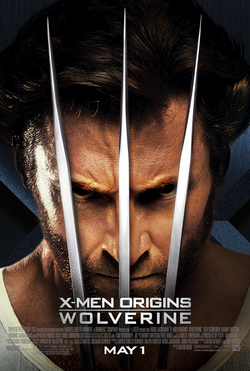
X-Men Origins: Wolverine (2009, directed by Gavin Hood)


Decades before he joins the X-Men, James “Logan” Howlett (Hugh Jackman) is just another mutant with retractable claws and a super-healing ability that essentially makes him immortal. With his half-brother Victor Creed (Liev Schreiber), Logan fights in wars throughout the centuries. When both Logan and Creed (who share Logan’s healing abilities) survive being executed by a firing squad, they are recruited by William Stryker (Danny Huston) to serve as members of Team X. Eventually, Logan tires of being an assassin and goes off on his own. However, both Stryker and Creed have plans for him and all the other mutants that they’ve captured or killed over the years. Several familiar characters appear—Scott Summers (Tim Pocock), Gambit (Taylor Kitsch), and the Blob (Kevin Durand) amongst others—but none of them have much of the personality that made them popular to comic book readers. (Just imagine including Gambit in an X-Men film but not Rogue.) Those who made it to the end of the film were given a Patrick Stewart cameo, albeit one that used CGI to de-age Stewart and make him look like an automaton.

With the majority of the X-Men either dead or cured at the end of X-Men: The Last Stand, it only made sense to spin Hugh Jackman’s Wolverine off into his own series of films. Unfortunately, 20th Century Fox didn’t understand that the thing that made Wolverine so interesting as a character was that his past was shrouded in mystery. Their first Wolverine film revealed his origin and it turned out to be not that interesting. X2 had been filled with so many hints about Wolverine’s past that the origin story didn’t feel as if it was telling us anything that we hadn’t already figured out. Even the many fight scenes between Sabretooth and Wolverine felt dull because it was established that both of them were essentially immortal and impervious to pain.

Today, this movie is mostly remembered for featuring the first appearance of Wade Wilson, the mercenary who will eventually become Deadpool. There’s very little of Deadpool to be found in this film’s version of Wilson. He tells a few jokes before getting his lips sewn shut. Imagine introducing a character who is affectionately known as “the merc with a mouth” and then rendering him silent for the majority of the movie. In Deadpool 2, there’s a scene where Deadpool goes back in time and kills this earlier version of Wade Wilson (or Weapon XI as he’s called here). The audience I saw the film with cheered.

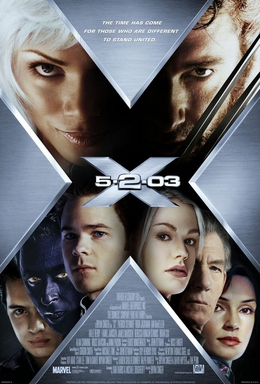
X2 (2003, directed by Bryan Singer)


After Nightcrawler (Alan Cumming) causes a national security crisis by teleporting into the White House, Colonel William Stryker (Brian Cox) is given the authority to invade Professor Xavier’s School and investigate its connection to the mutants. Stryker, who not only wants to investigate the mutants but also destroy them by manipulating the same technology that Xavier uses to find them, just happens to be an old enemy of Logan’s (Hugh Jackman). In fact, Stryker is responsible for Logan fusing the adamantium to his bones. That’s a hell of a coincidence.

A sequel to X-Men, X2 tells a bigger and more complex story than the first film. Professor Xavier’s students are spread out by the chaos. Rogue (Anna Paquin) sees prejudice firsthand when Bobby Drake (Shawn Ashmore) is betrayed by his own family. Pyro (Aaron Stanford) is tempted to reject the X-Men’s philosophy of coexistence. After being underused in the first film, both Scott (James Marsden) and Jean Grey (Famke Janssen) are key players here. Magneto (Ian McKellen) and Mystique (Rebecca Romijn-Stamos) return, this time temporarily allying with Professor X (Patrick Stewart) to stop Stryker. Logan has his own reasons to go after Stryker. Surprisingly, X2 is not only bigger than the first film but it’s also better. The actors are more convincing in their roles, the action is more exciting, and director Bryan Singer capably juggles all of the different parts without losing the plot. He even manages to ably set up the Dark Phoenix Saga. In the first film, the X-Men had it almost too easy when it came to battling opponents like Toad and Sabretooth. This film has not only Brian Cox’s William Stryker but also Kelly Hu’s Deathstrike.

Those of us who were shocked when X-Men turned out to be good were even more shocked when X2 turned out to be even better. For a little while, it seemed like there would never be a bad X-Men movie! Later, that’s the way a lot of us would also feel about the Marvel movies. Those were good days.

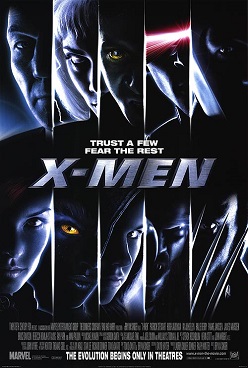
X-Men (2000, directed by Bryan Singer)


I saw X-Men on the first day that it opened in theaters. Actually, I saw it twice.

The first time I saw it was by myself. I had been planning on waiting to see it in the evening with my friends Johnny and Kyleigh, but I actually found myself with a few hours to spare, so I decided to go ahead and see it. I watched it in the later afternoon and, after that showing got out, I met up with Johnny and Kyleigh outside the theater and went straight back in.

It’s hard to describe what a big deal the X-Men movie was in 2000. This was before there was a new Marvel movie or show every three months. It was also at a time when comic book movies, following the failure of Batman and Robin, were no longer considered to be a sure thing. Johnny and I were lifelong Marvel fans and, having survived the trauma of The Phantom Menace, were very much looking forward to the X-Men movie. We knew that both Patrick Stewart and Ian McKellen were the perfect choices for Professor X and Magneto. Anna Paquin seemed like a good choice for Rogue. But would Hugh Jackman, an actor neither of us had heard of before, be able to bring Wolverine to life?

Even though we both rolled our eyes when we heard that Rogue’s name was apparently Marie, Johnny and I were shocked at how good X-Men was. Today, we take it for granted that comic books can be turned into movies, but in 2000, X-Men took us by surprise by being well-acted, well-directed, and surprisingly entertaining. Kyleigh was not a fan of comic books in general and she liked the movie considerably less than we did. (“Dr. Wheelchair” was her name for Charles Xavier.) But for Marvel fans, X-Men was the anti-Phantom Menace.

Looking back, the plot felt like it could have been lifted from the pages of the comic book. Sen. Robert Kelly (Bruce Davison) is leading a national political movement against the mutants. Magneto has created a machine that will induce mutations in human beings. (The movie opens with a flashback that establishes Magneto as a survivor of the Holocaust. Today, everyone knows his backstory, but in 2000, people were stunned that a comic book movie could also deal with reality.) Magneto and Professor X both try to recruit Rogue to their side, and Wolverine, as Rogue’s protector, reveals his claws and reluctantly becomes a member of the X-Men.

When X-Men was first released, Hugh Jackman was the big question mark, but he turned out to be the perfect choice for Wolverine, even if he did seem to be too tall for the role. Jackman was tough and surly and somehow, he looked credible with claws. He was everything that fans like me wanted out of Wolverine and, once he showed up, I knew it was going to be a good movie. Not surprisingly, Patrick Stewart and Ian McKellen were perfect for Xavier and Magneto, as was Anna Paquin as Rogue. Though they’re overshadowed by Stewart, McKellen, Jackman, and Paquin, the other members of the X-Men are played by James Marsden (Scott), Famke Janssen (Jean Grey), and Halle Berry (Storm). Ray Park plays Toad, Tyler Mane plays Sabretooth, and Rebecca Romijn-Stamos excited male viewers everywhere by playing the naked and blue Mystique.

A lot of time has passed since 2000. An entire Marvel Cinematic Universe was created that did not initially include the X-Men, though that has since changed. Bryan Singer is no longer on the A-list. But I still always look fondly on the day that I watched X-Men twice.

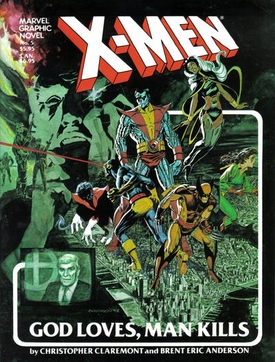
Graphic Novel Review: X-Men: God Loves, Man Kills by Chris Claremont and Brent Eric Anderson


X-Men: God Loves, Man Kills was the fifth Marvel Graphic Novel. It was first published in 1982. It’s 44 years old, and it still makes an impression. When I was a kid, there was a copy of it hidden among the periodicals and magazines at Waldenbooks. When I was in the store, I’d find it, open it, and pick up where I had left off. I knew there was no way I could get away with buying something called God Loves, Man Kills, but that’s because the story wasn’t for kids.

Two children are shot and killed in a playground and left hanging from a swing set. Why? Because they were mutants. Magneto, who until that point had been presented as a villain, is the one who gives them a proper burial. From the beginning, X-Men was a comic book that was actually about prejudice and racism, but God Loves, Man Kills made the message clear. The opening of the story wasn’t something you’d find in a normal monthly Marvel comic.

The villain is a white-haired televangelist named William Stryker. He preaches against mutants. He secretly leads the Purifiers. He kidnaps Professor X and attempts to use his powers to destroy the X-Men. The X-Men and Magneto team up and face an enemy so obsessed with their destruction that, for once, Magneto no longer seems like the fanatic. Even Professor X is tempted to give up his dream of coexistence.

Stryker appears to die, shot by a human security guard who fired to keep Stryker from killing a mutant. It’s a powerful ending. In typical Marvel fashion, the ending was ruined when they decided to bring Stryker back. Stryker died multiple times and somehow came back to life repeatedly. Eventually, he went from being a televangelist to being a Satanist. Marvel never knew how to leave well enough alone.

God Loves, Man Kills remains powerful, though. It was a true graphic novel, with a plot and themes worthy of a novel and graphics that were far more mature than anything to be found in the comics. I read it at Waldenbooks, and I’ve never forgotten it.

Artist Profile: Alex Ross


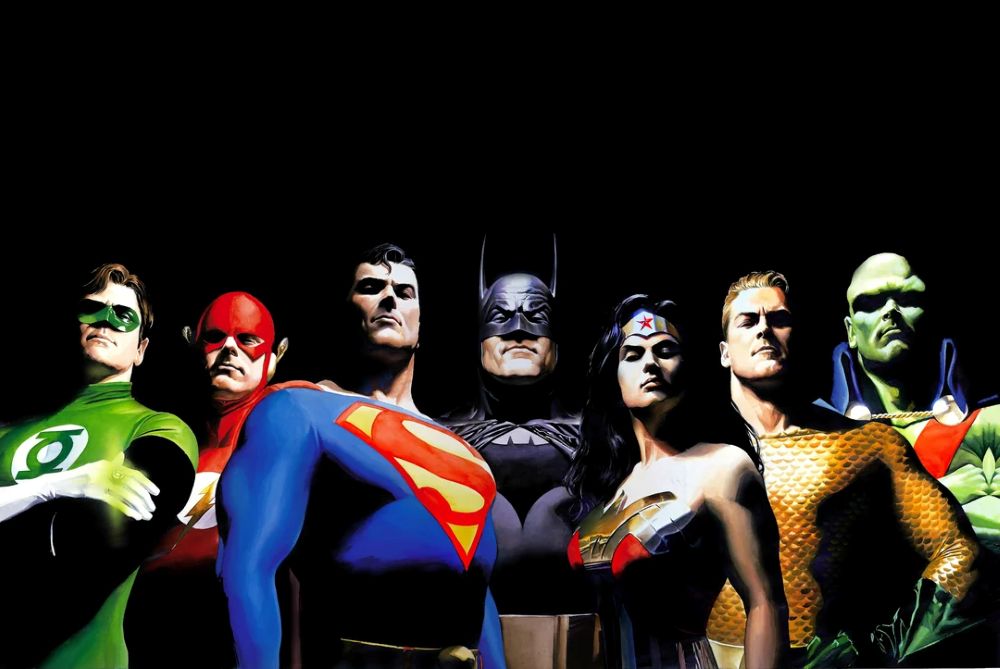
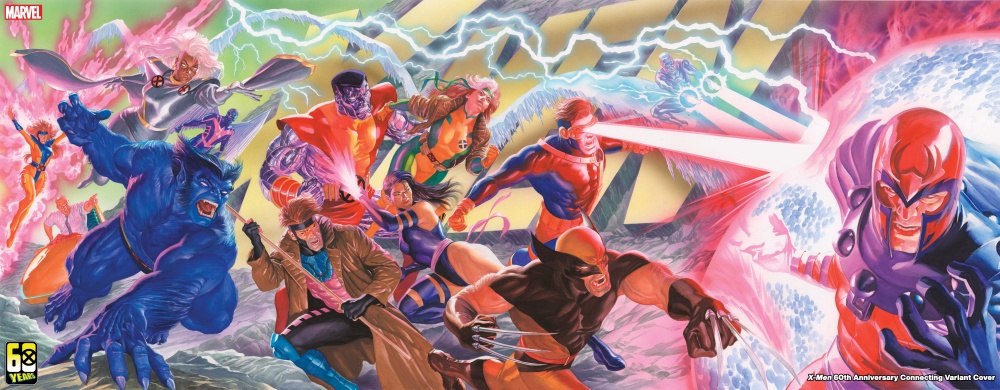
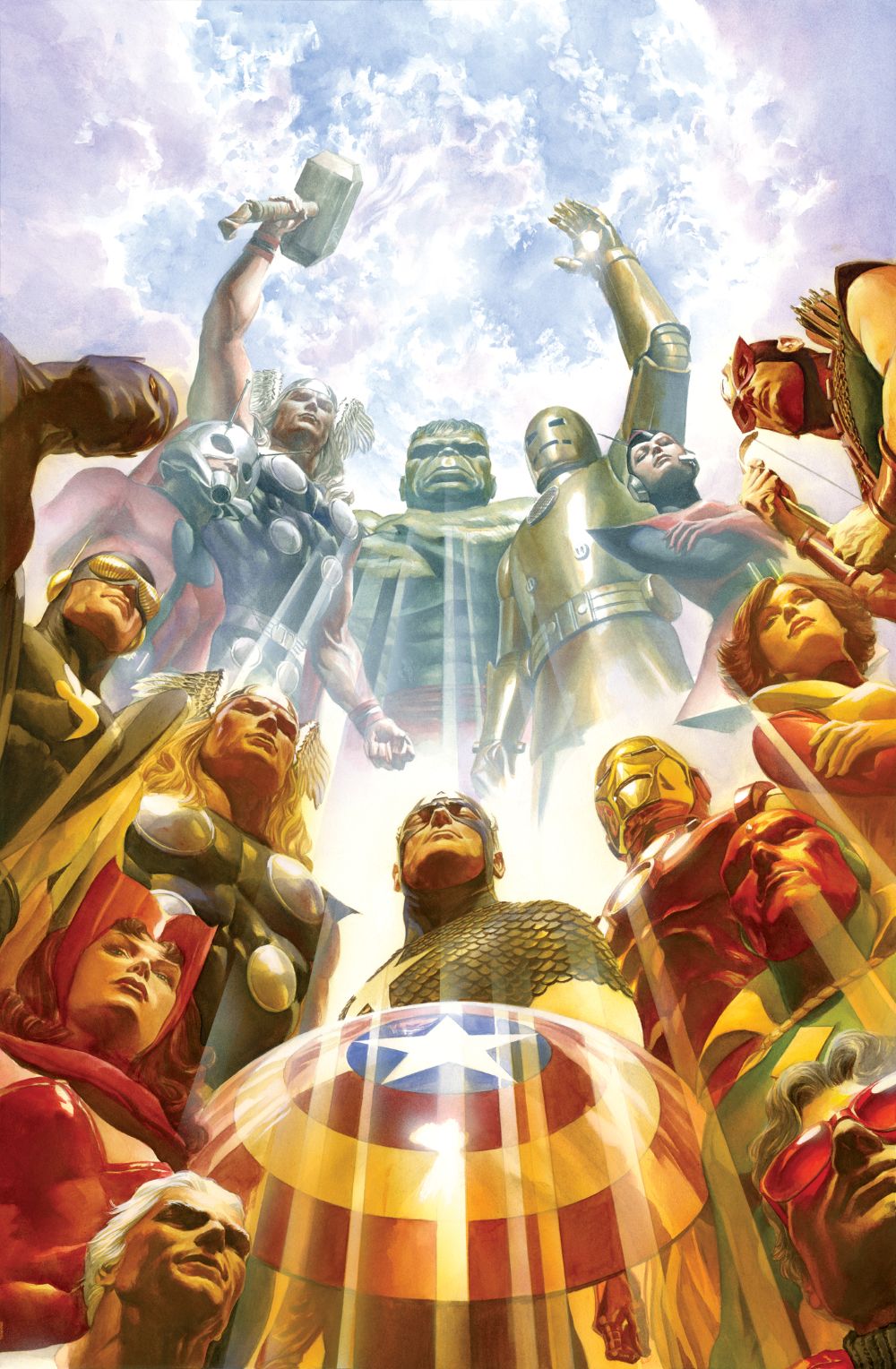
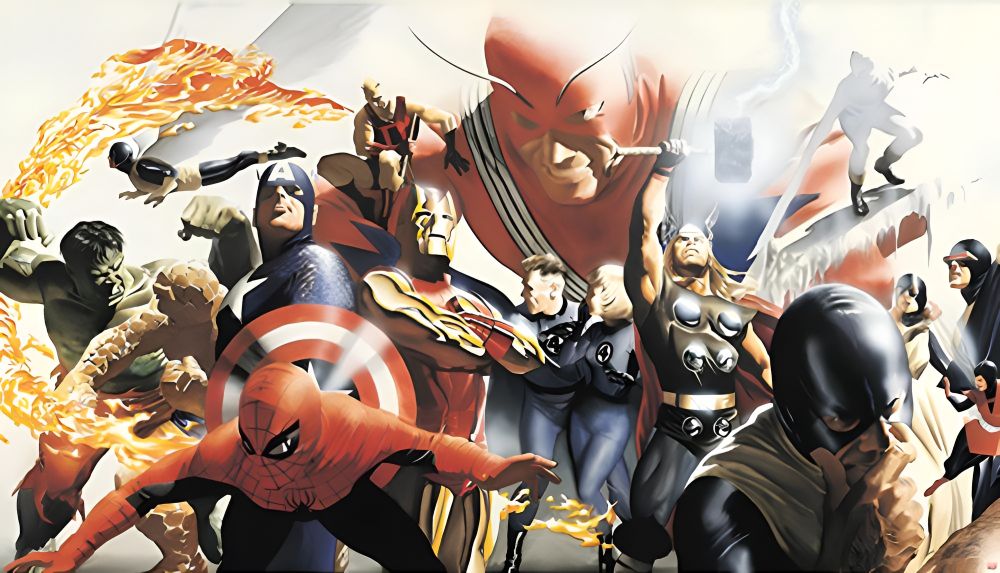
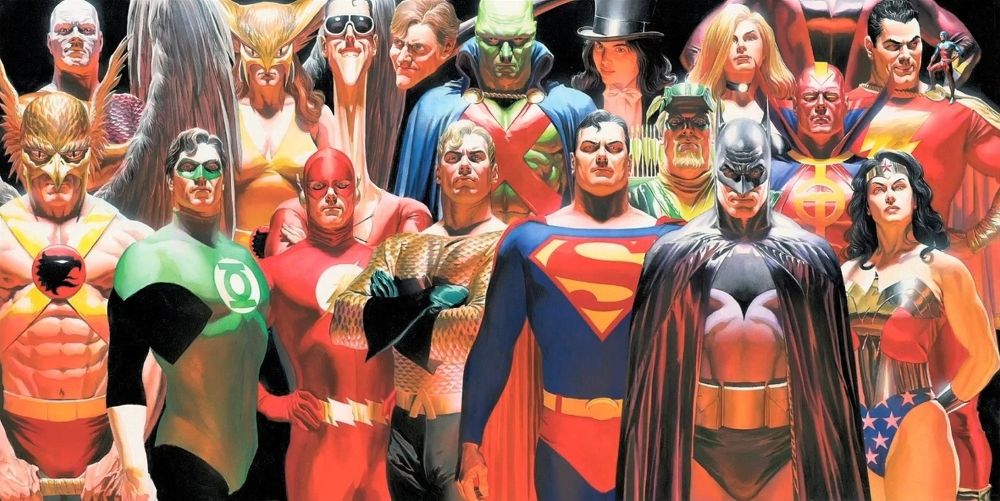
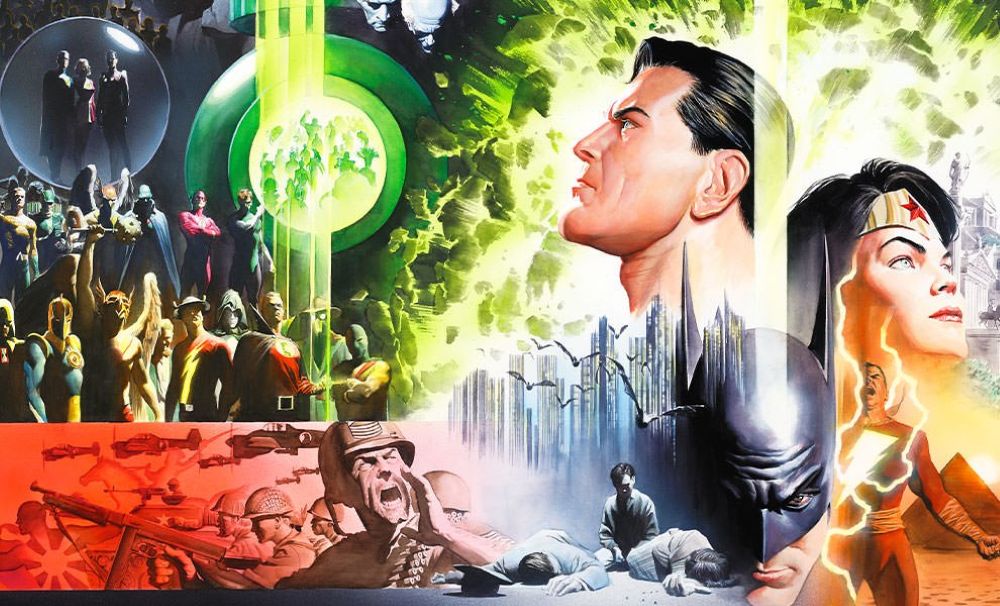
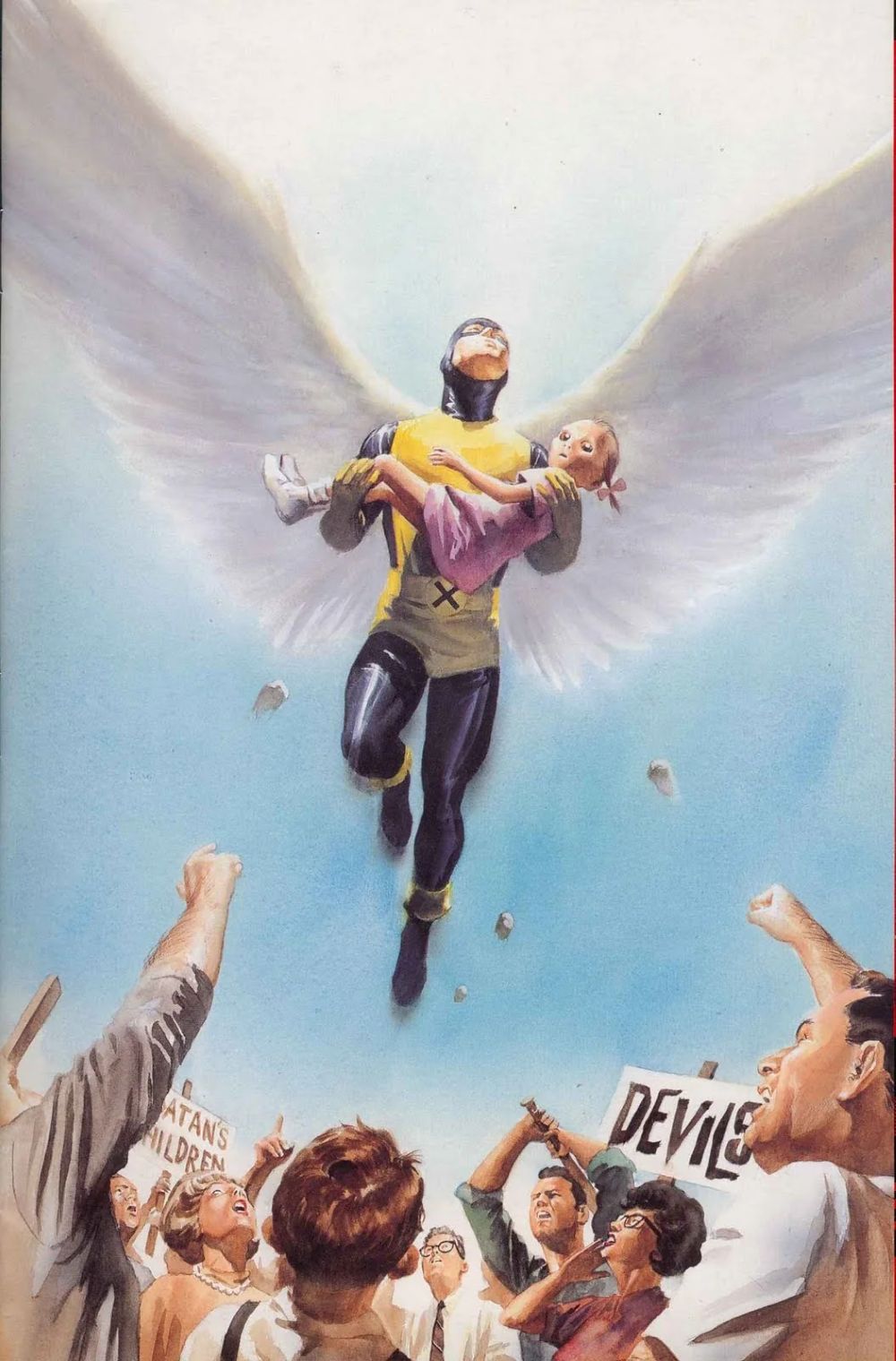
Alex Ross fundamentally transformed the visual language of American comic books by introducing a level of photorealistic fine art painting previously unseen in the medium. Eschewing traditional pen-and-ink line work, Ross utilized gouache, watercolor, and ink to render iconic superheroes with a tangible weight and texture that made them feel startlingly real. His approach treated comic book characters not as colorful abstractions, but as living, breathing figures existing in a recognizable world. By grounding these fantastical beings in reality through meticulous brushwork, realistic lighting, and lifelike facial expressions, Ross elevated the comic book cover and interior page to the status of gallery-worthy illustration, forever changing the expectations of comic book artistry.

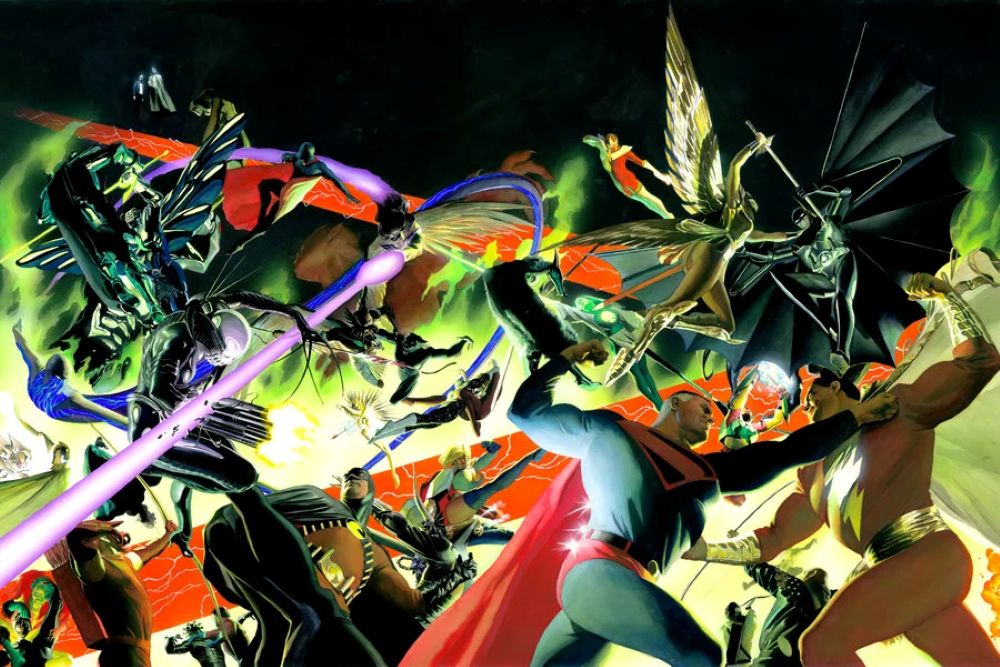
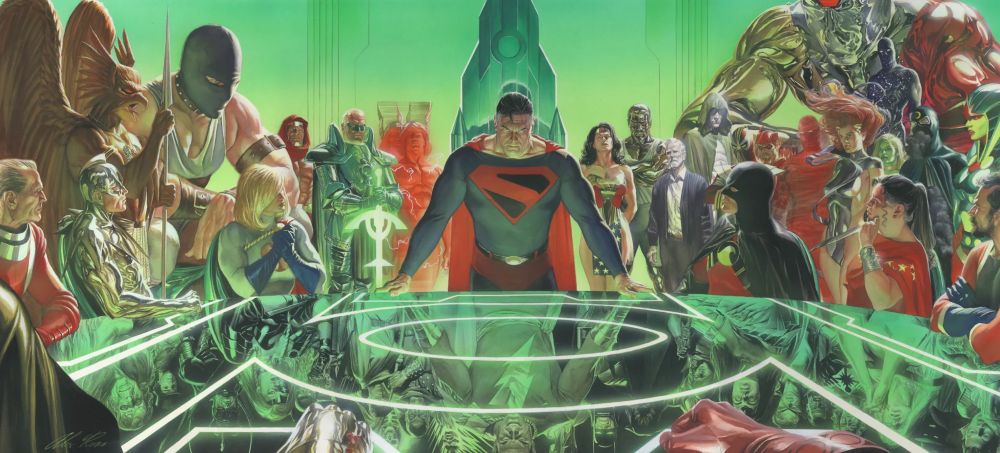
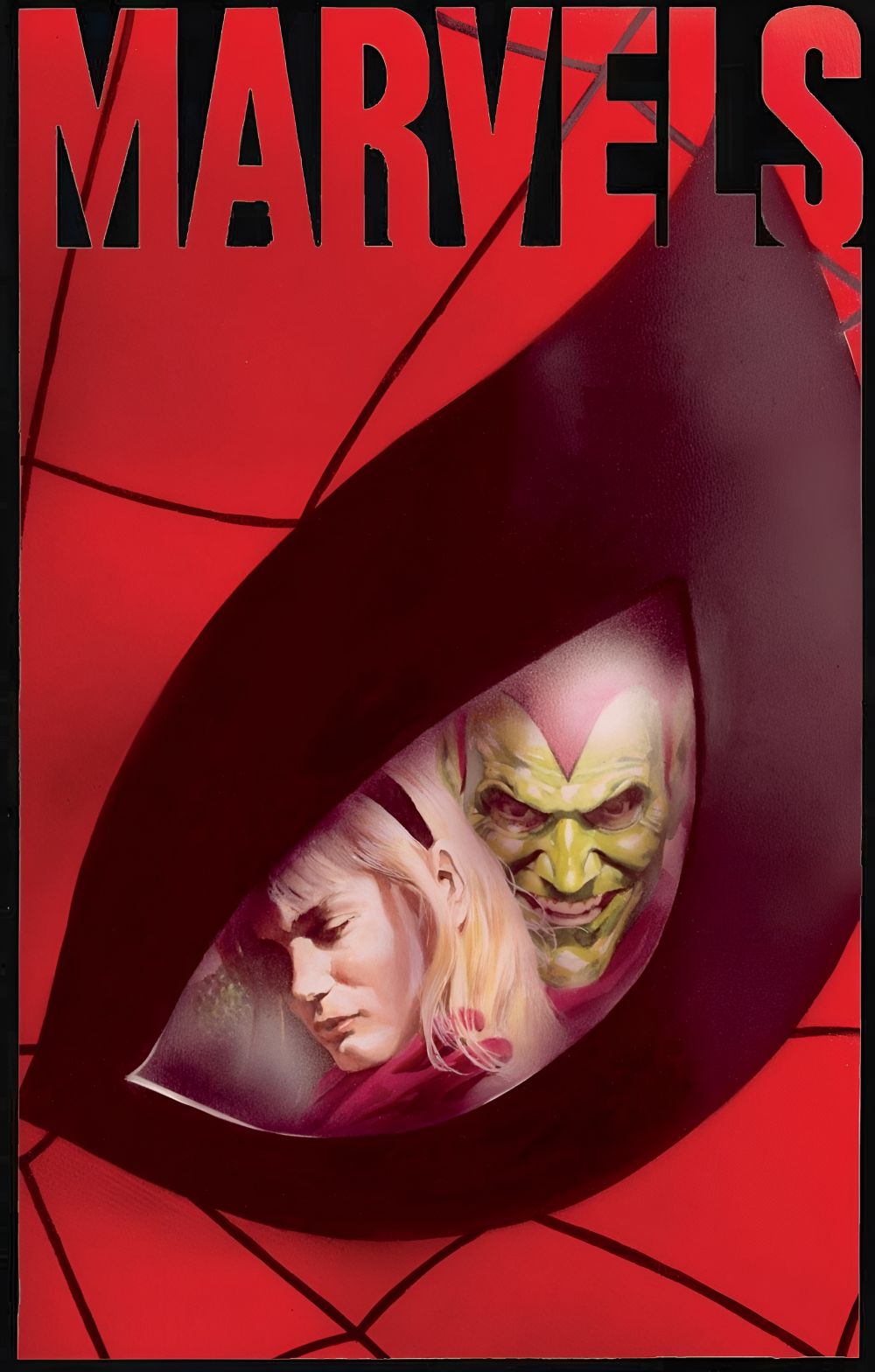
Ross’s impact is indelibly tied to his defining projects for the industry’s “Big Two” publishers. At Marvel Comics, his groundbreaking 1994 miniseries Marvels recontextualized the Golden and Silver Ages of the publisher’s universe through the weary eyes of an ordinary photojournalist, capturing the awe and terror of living alongside gods. He later expanded this sprawling mythos with the Earth X trilogy. However, it was at DC Comics where Ross arguably cemented his legacy. His 1996 magnum opus Kingdom Come offered a grand, prophetic, and deeply moral vision of the DC Universe’s future, utilizing his painted style to bridge the gap between the publisher’s Golden Age innocence and modern cynicism. Through works like Justice and Peace on Earth, Ross continually reimagined DC’s most famous characters, stripping away decades of dark reinterpretations to restore their fundamental nobility and mythic grandeur.

The legacy of Alex Ross extends far beyond the individual pages of his graphic novels; he essentially spawned an entire subgenre of painted comic book art that dominated the industry in the late twentieth century. While many imitators emerged attempting to replicate his style, few could match his nuanced understanding of color theory, historical costume design, and emotional resonance. Furthermore, his aesthetic influence has bled heavily into broader pop culture, with his conceptual character designs serving as direct visual inspiration for numerous animated television shows and live-action films. By proving that superhero mythology could be approached with the same gravitas and classical technique as Norman Rockwell’s illustrations or Renaissance portraiture, Ross forced the comic book industry to permanently expand its artistic boundaries.

Great Moments In Comic Book History #43: The X-Men Meet Frankenstein’s Monster


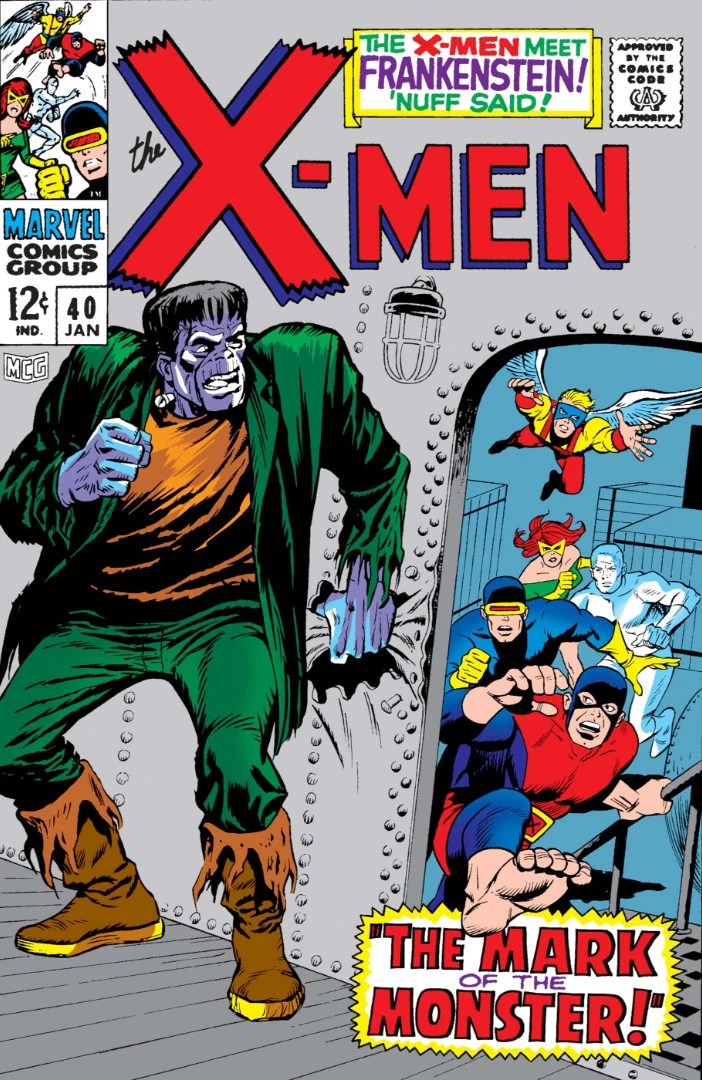
Back in the early days of the X-Men, before Wolverine and Nightcrawler and Storm, when the comic book was an acclaimed but perennial low seller, the X-Men celebrated 1967’s Halloween by meeting Frankenstein’s Monster!

He wasn’t actually the Monster.  He was a robot who looked like the film version of the Monster and he was destroyed by the end of X-Men #40.  Still, this was the first reference to Frankenstein in the Marvel Universe.  The “real” Monster would officially join the Marvel Universe a few years later.

Cover art by George Tuska, Marie Severin and Sam Rosen

Previous Great Moments In Comic Book History:

  1. Winchester Before Winchester: Swamp Thing Vol. 2 #45 “Ghost Dance” 
  2. The Avengers Appear on David Letterman
  3. Crisis on Campus
  4. “Even in Death”
  5. The Debut of Man-Wolf in Amazing Spider-Man
  6. Spider-Man Meets The Monster Maker
  7. Conan The Barbarian Visits Times Square
  8. Dracula Joins The Marvel Universe
  9. The Death of Dr. Druid
  10. To All A Good Night
  11. Zombie!
  12. The First Appearance of Ghost Rider
  13. The First Appearance of Werewolf By Night
  14. Captain America Punches Hitler
  15. Spider-Man No More!
  16. Alex Ross Captures Galactus
  17. Spider-Man And The Dallas Cowboys Battle The Circus of Crime
  18. Goliath Towers Over New York
  19. NFL SuperPro is Here!
  20. Kickers Inc. Comes To The World Outside Your Window
  21. Captain America For President
  22. Alex Ross Captures Spider-Man
  23. J. Jonah Jameson Is Elected Mayor of New York City
  24. Captain America Quits
  25. Spider-Man Meets The Fantastic Four
  26. Spider-Man Teams Up With Batman For The Last Time
  27. The Skrulls Are Here
  28. Iron Man Meets Thanos and Drax The Destroyer
  29. A Vampire Stalks The Night
  30. Swamp Thing Makes His First Cover Appearance
  31. Tomb of Dracula #43
  32. The Hulk Makes His Debut
  33. Iron Man #182
  34. Tawky Tawny Makes His First Appearance
  35. Tomb of Dracula #49
  36. Marvel Publishes Star Wars #1
  37. MAD Magazine Plays Both Sides
  38. The Cover of Green Lantern/Green Arrow #85
  39. LBJ Stands Up For The Hulk
  40. Chamber of Chills #2
  41. Tomb of Dracula #41
  42. Tomb of Dracula #27

Great Moments In Comic Book History: “Even in Death…”


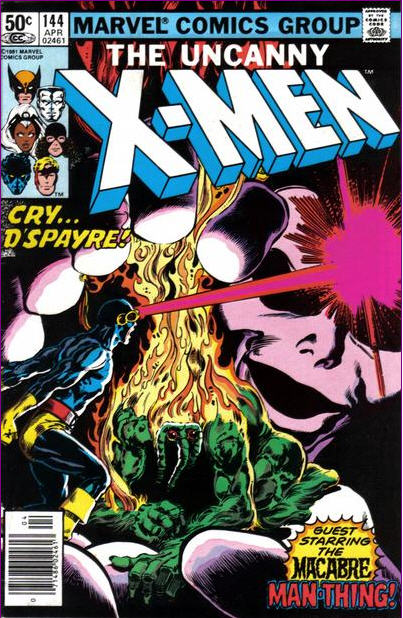
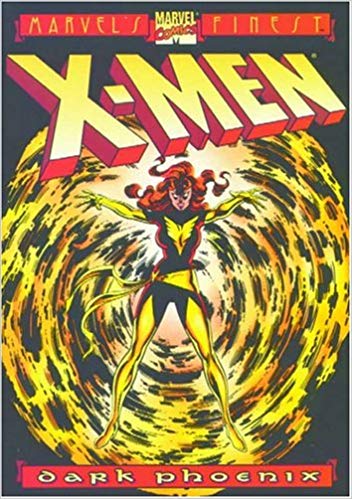
The Uncanny X-Men #144 finds Scott Summers (better known as Cyclops, the occasional leader of the X-Men) working on a fishing boat in the Florida Everglades.  Scott’s new boss, Lee Forrester, is obviously interested in him but Scott is still mourning Jean Grey.  It’s been months since Jean, consumed by the Dark Phoenix, chose to protect the universe by destroying herself.  Scott has taken a leave of absence from the X-Men to grieve and, as they used to say back in the day, find himself.

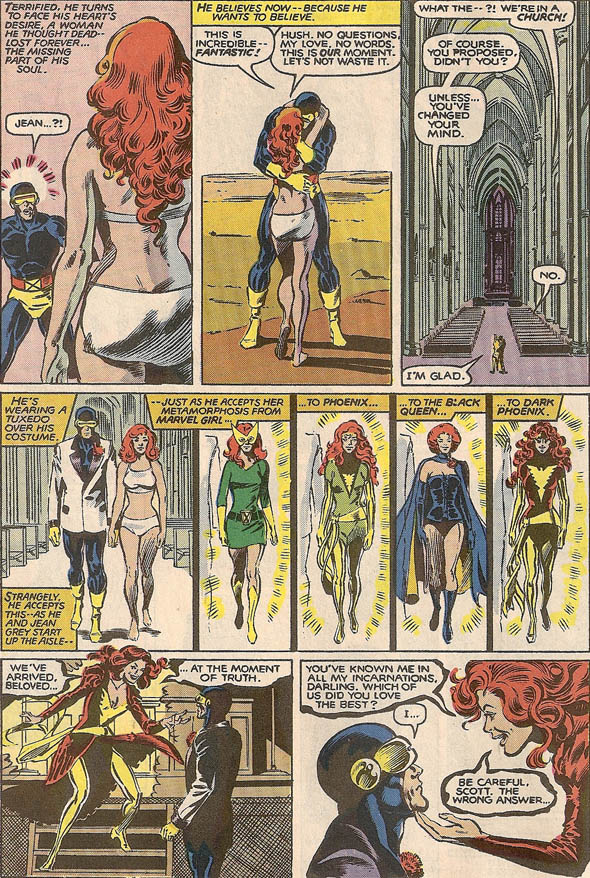
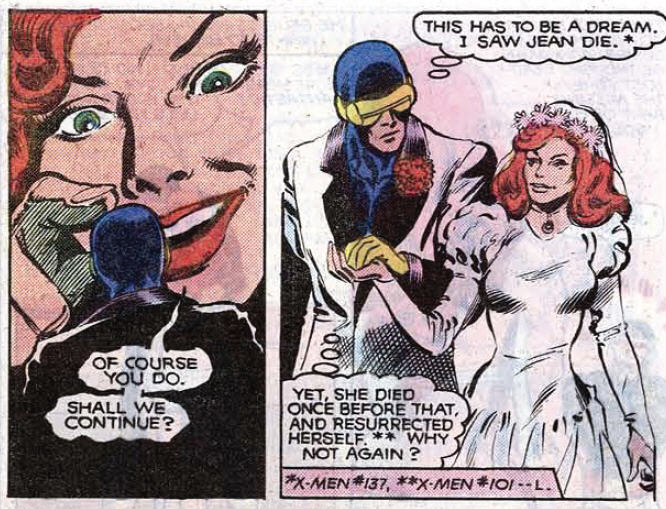
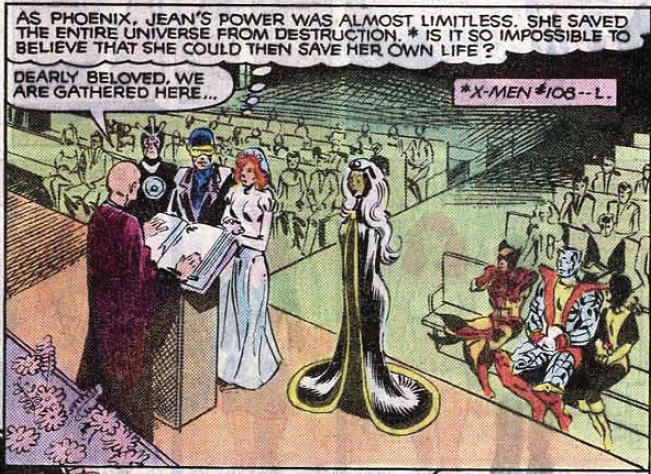
When the fear-inducing demon D’Spayre shows up, it not only drives Lee’s father to suicide but it also forces Scott to deal with his deepest fears.  Scott hallucinates the plane crash that led to him and his brother being separated from their parents.  He visualizes the X-Men dead, having been killed by Sentinels.  And finally, in the issue’s most famous scene, he finds himself walking down a church aisle with Jean.

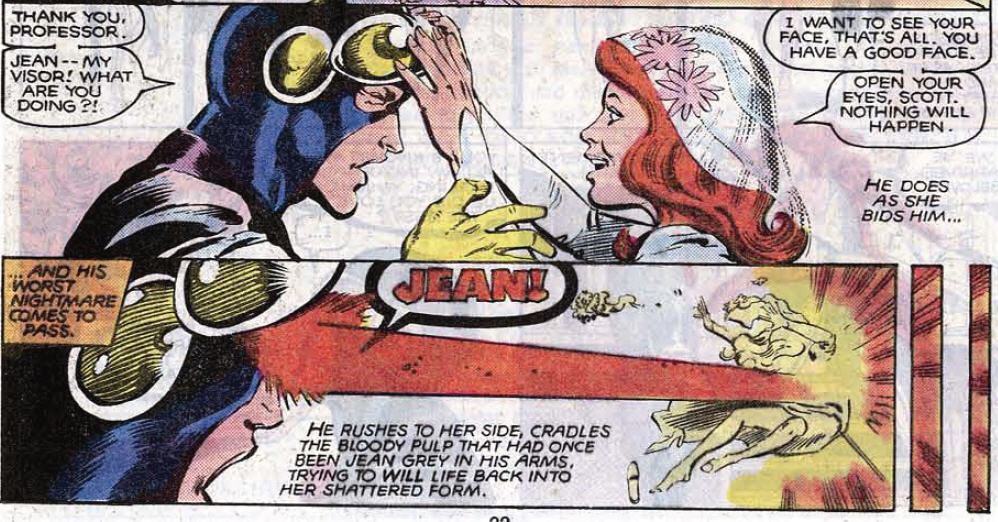
As they walk down the aisle, Jean’s costume changes to reflect all of the different roles that she played as member of the X-Men.  She goes from being in her underwear to being in her green Ms. Marvel costume to being the Phoenix to being the Hellfire Club’s Black Queen to finally being the Dark Phoenix.  When they reach the minister, Jean is dressed as a bride.  When the minister tells Scott that he may kiss the bride, Jean suddenly reaches up and lifts Scott’s visor.  A blast a red energy brings the wedding to an abrupt end.

Eventually, Scott teams up with the Man-Thing (who is Marvel’s version of Swamp Thing) and is able to easily defeat D’Spayre.  Since all you have to do to make D’Spayre go away is refuse to believe what he’s showing you, he is not one of Marvel’s most intimidating villains.  Still, Scott’s church hallucination provides not only a perfect coda for the Dark Phoenix saga but it also shows a comic book character dealing with depression.  That’s an emotion that, until Chris Claremont started writing the X-Men, super heroes rarely had to deal with for more than an issue or two.  Even Spider-Man, with all of his problems and guilt, always kept his sense of humor.  This issue of the X-Men finds Scott deeply mired in his grief.  Even after Scott defeats D’Spayre, the sadness remains but he swears to himself that will not surrender to it.

Of course, the impact of this issue is lessened by the fact that Marvel would later reveal that the Dark Phoenix who sacrificed herself was just an energy force that took on Jean’s memories and personality while the real Jean remained in suspended animation at the bottom of Jamaica Bay.  X-Men #144 is still a good issue and a good example of Chris Claremont’s ability to bring out the humanity in even those with super powers.

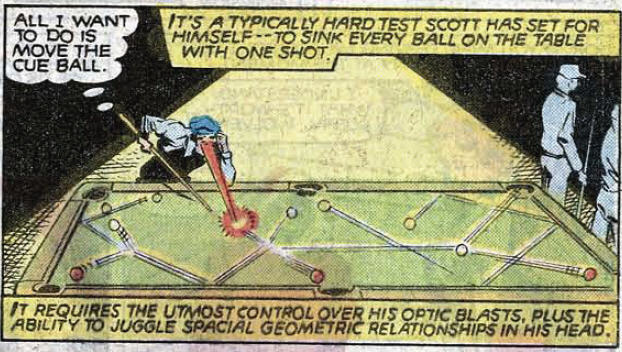
Plus, we learn how Cyclops plays pool

The Uncanny X-Men #144 (April, 1981)

“Even in Death”

  • Writer: Chris Claremont
  • Guest Penciler: Brent Anderson
  • Inker: Josef Rubenstein
  • Letterer: Tom Orzechowski
  • Colorist: Glynis Wein
  • Editor: Louise Jones
  • Editor-in-Chief: Jim Shooter

Previous Great Moments In Comic Book History:

  1. Winchester Before Winchester: Swamp Thing Vol. 2 #45 “Ghost Dance” 
  2. The Avengers Appear on David Letterman
  3. Crisis on Campus

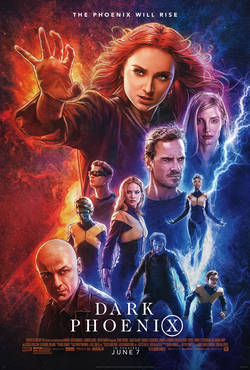
Last Stand Of The X-Men: Dark Phoenix (2019, directed by Simon Kinberg)


Last week, I finally watched Dark Phoenix and I could tell within 15 minutes that it wasn’t going to be good.  From the start, everything about it seemed to be off, particularly compared with other, more recent comic book films.  This is not Logan or Joker.  It’s not even as good as Apocalypse.  Dark Phoenix felt like a comic book film from 2002 that somehow got made and released in 2019.

The latest installment of the X-Men film saga opens in 1992.  The X-Men have been hailed as heroes and it finally looks like like the dreams of Charles Xavier (James McAvoy) are going to come true.  Humans and mutants are going to co-exist.  Unfortunately, all of that progress is undone when Jean Grey (Sophie Turner) connects with a surge of energy and her powers go supernova.  Jean discovers that she was responsible for her mother’s death and her father rejected her as a result.  She also learns Xavier placed a mental block in her mind.  Seriously pissed off, Jean flees to the island of Genosha, which is ruled over by Magneto (Michael Fassbender).  She also accidentally kills Mystique, therefore freeing Jennifer Lawrence from having to appear in any more of these movies.  All the while, a shape-shifting alien named Vuk (a slumming Jessica Chastain) wants to capture Jean’s powers and use them for herself.

This was the second attempt to bring the Dark Phoenix saga to the screen and somehow, it was even more bland and forgettable than X-Men: Last Stand.  The Dark Phoenix saga is one of the greatest comic book storylines of all time but it seems destined to never be the basis of a good movie.  In the comic books, the Dark Phoenix saga was the accumulation of two decades of storytelling.  After being the most forgettable member of the original X-Men, Jean suddenly became the most powerful mutant in the world.  When she sacrificed herself for the good of the universe, it was not only the end of her life but also the end of one of Marvel’s longest-running love stories, as Cyclops could only cradle her body afterwards.  As usual, Marvel later lessened the emotional impact by revealing that the Phoenix wasn’t actually Jean but just an alien force that took on her memories and personality while the real Jean remained in suspended animation at the bottom of Jamaica Bay.  Despite this, the Dark Phoenix saga still remains a prime example of Marvel at its best.

Why, with such great source material and a talented cast, was this latest film version of the Dark Phoenix saga so cumbersome?  No one seemed to care.  Unlike in the comic books, there was no emotional depth to the story of Jean Grey losing herself and becoming the Dark Phoenix.  Instead, every scene felt like it was just there to set up the next CGI-fueled confrontation.   Sophie Turner and Tye Sheridan (who played Cyclops) seemed to barely know each other and the film spent more time on Nicholas Hoult’s Beast mourning for Mystique than on the relationship that should have been at the center of the film.  None of the actors seemed to be invested in the story.  I’ve never seen Jennifer Lawrence, Michael Fassbender, and James McAvoy look so bored.  The inevitable Magneto scene felt pointless.  The comic books could take a break from Magneto and let other villains have a turn.  The movies have to find an excuse to force him into every story.

It’s been said that the X-Men will be moving into the MCU and will get a whole new reboot.  We’ll probably get a third Dark Phoenix film someday.  I hope this one gets it right.

Quick Review: Logan (dir. by James Mangold)


logan_2017_posterHey, bub! Before you read this,  Lisa already has an awesome review for Logan. Start there first, and if you feel like it, double back here.

The short of it:

+ Might be Jackman and Stewart’s best turn in their roles since X-2:X-Men United.

+ Logan’s well written, with some good characterization, particularly among the leads. There’s a vulnerability here.

+ It’s brutal. Logan is the bloody version of Wolverine we all hoped for.

+ Moves like the best of Westerns. Just about as cool as 3:10 to Yuma.

+ Though changed from her comic book origins Laura (X-23) is awesome on screen.

– The film feels long. For a film that’s just a hair over 2 hours, it feel almost like 3.

– Some of the action scenes may be a little quick for the camera.

– There isn’t an answer/explanation for everything (nor should there be).

The long of it:

I was 25 when I saw the original X-Men in the cinema. While everyone was excited to see their favorite mutants show up on screen (no Nightcrawler for me – that would take the sequel), it was Wolverine that caused the most buzz. When Hugh Jackman first stepped into the role, there was a great deal of skepticism. He wasn’t short and stocky nor big and bulky, and there was only so much one could do to give him that Wolverine look. Yet, he made the role his own and despite a few stutter-steps (such as X-Men: The Last Stand, X-Men Origins: Wolverine), it’s hard to fathom any X-Men film without him.

The same can also be said of Patrick Stewart. Just about the easiest first pick for Charles Xavier anyone could have, his time with the X-Men is only slightly shorter as he wasn’t really needed for X-Men: First Class.

It’s been roughly 17 years for them both. That’s longer than any single actor’s run of James Bond. Longer than any superhero portrayal – Christopher Reeve only had a decade as Superman. Robert Downey Jr. Has about 9 years under his belt as Iron Man. It’s about time that their stories come to a close.

There was a bit of yawning and exaggerated sighing in my screening of Logan, which leads me to believe the audience was really expecting a faster paced film. I didn’t get the outright snoring that occurred during a Manhattan showing of the Robocop remake, if that’s any consolation. Usually the Midnight crowd are the liveliest bunch of patrons, particularly when it comes to superhero or action films. At its heart, Logan is a drama piece peppered with action sequences. It honestly felt like a really good Western, with an old cowboy that wants nothing more than to hang up his guns, yet finds their peace constantly challenged. The film has a lot of exposition through dialogue, and for some, this could make the story feel really slow at times. It’s not a superhero action film, even though it has its moments.

The Western angle is of no real surprise here, given that Logan reunites 3:10 to Yuma and The Wolverine director James Mangold with both Hugh Jackman and Patrick Stewart. It flows in the same fashion as Yuma, but with mutants.

Logan takes place in a future timeline where no new mutants have appeared in nearly 20 years (which is very similar to Alfonso Cuaron’s Children of Men). James Howlett is a broken individual working as a limo driver. Time has taken its toll on The Wolverine. He doesn’t heal as well as he used to and he struggles with the Adamantium in his bones. Adding to Logan’s troubles is an ailing Charles Xavier. Forced to take care of him both out of friendship and the possible danger he poses, I felt it added a great level of vulnerability to both individuals. They’re both nearing their end and they can’t count on their abilities to rescue them as well as it once could. The conversations between them speak of regrets and/or just keeping afloat, though Xavier is still hopeful that there’s some good on the horizon. Their long term friendship also adds to the banter between the two, with a few comical quips throughout the film.

The audience never truly learns how this timeline occurred, but it doesn’t truly matter. This is a character driven film, not so much a plot driven one. The story amps up a little once Laura (Dafne Keen, in her first role) enters the mix. Those familiar with her comic origins will spot the connection, though it’s been changed in a number of ways to fit Mangold’s screenplay. Both Keen and Laura match up so well here that you could disregard the comic altogether in favor of this cinematic origin. Laura is being chased by a group of mercenaries led by Pierce (Brad Holbrook – Netflix’s Narcos), and her protector asks Logan to take her to a designated place.

Taking a cue from Deadpool’s success, Logan went with a R rating and makes the most of it. There’s profanity abound, and when the claws come out, there’s major bloodshed. Heads are skewered, limbs are lost and it’s a beautiful sight to behold. Did the movie have to have the blood? Perhaps not, but it doesn’t really detract from the story. If anything, it might come as a surprise when you first witness it all on screen. The only drawback to this is that some of the fight sequences are so quick that you could miss some of the movements. It’s not a terrible thing at all, but it may warrant a second viewing to catch everything.

In the end, Logan a perfect final chapter for one of the most popular X-Men out there.  We’ve all grown with both the character and the actors involved.