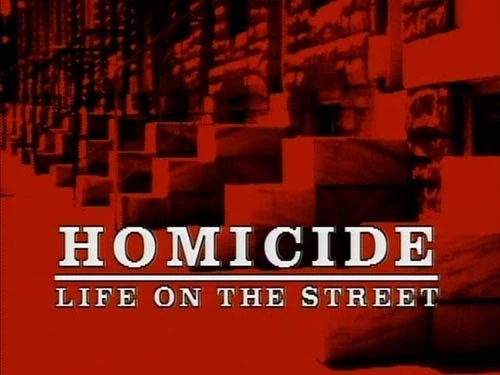
Welcome to Retro Television Reviews, a feature where we review some of our favorite and least favorite shows of the past! On Sundays, I will be reviewing Homicide: Life On The Street, which aired from 1993 to 1999, on NBC! It can be viewed on Peacock.
This week, season 5 comes to a close.
Episode 5.22 “Strangers And Other Partners”
(Dir by Kenneth Fink, originally aired on May 16th, 1997)
It’s all hands on deck as the Homicide squad investigates the murder of Beau Felton. This episode opens with Giardello announcing that Pembleton will be the primary and that they will all be working with Detective Falsone (Jon Seda) of the auto squad and Detective Gharty (Peter Gerety) of Internal Affairs.
“I ain’t working with anyone from IID!” Falsone snaps.
Hey, Falsone — you’re a guest star. Shut up and do what you’re told, you prick.
The fifth season finale is a mess. Some of that is because Beau Felton was never a strong enough a character for his death to have the emotional kick that it’s obviously meant to have. Felton was not Crosetti. Felton wasn’t some sort of beloved icon. Felton was a jerk whose storylines were usually the least interesting of the show’s first three seasons.
An even bigger problem is that the emphasis is not on the detectives who we all know and love but instead on Falsone and Gharty. Falsone and Gharty go from being at each other’s throats to teaming up to use a shared informant to get the evidence they need to go after Felton’s murderer. Peter Gerety does a good job as Gharty. It helps that Gharty has a compelling storyline. He’s a cop that many people have dismissed as being a coward. He’s trying to prove himelf.
Falsone, on the other hand …. seriously, what is the deal with this douchebag? He spends this episodes strutting around in his stupid leather jacket, threatening to beat up people. I get that he’s supposed to be a tough cop but he just comes across like a jackass with anger management issues. It doesn’t help that actor Jon Seda gives a one-note performance in the role.
This whole episode is basically an introduction for Gharty and Falsone. The other Homicide cops are pushed to the side so that these two can grab some legitimacy before becoming regular characters during season 6. Gharty seems like he’ll be an okay addition to the ensemble. Falsone, on the other hand, should be allowed nowhere near a show like Homicide.
While all of that is going on, Kellerman and Cox are both struggling with their drinking. I’m a little bit tired of Kellerman and Cox, to be honest. Kellerman, at least, has a compelling storyline with the Luther Mahoney shooting. Dr. Cox, on the other hand, is starting feel superfluous. No one from the Homicide squad can step into a bar without running into Dr. Cox.
Finally, Pembleton and Mary meet and agree to give their marriage another try. Good.
This episode (and the season) ends with Felton’s murderer still on the run. Giardello announces that the Baltimore police department is instituting a new policy in which detectives will rotate from unit to unit. “In three months,” he tells the detectives, “none of us may be here.”
Season 5 was pretty good so it’s unfortunate that the finale was a mess. The strength of Homicide has always been its ensemble of quirky, flawed, and heart-breakingly human cops. Using the final episode of the season to focus on a one-note character like Paul Falsone almost feels insulting to the rest of the cast.
In honor of Gene Kelly’s birthday, today’s scene that I love comes from the 1952 classic, Singin’ In The Rain. In this scene, Debbie Reynolds performs the song Good Mornin’ with Gene Kelly and Donald O’Connor.
4 Shots From 4 Films is just what it says it is, 4 shots from 4 of our favorite films. As opposed to the reviews and recaps that we usually post, 4 Shots From 4 Films lets the visuals do the talking!
Today, we celebrate the birth of Gene Kelly! It’s time for….
4 Shots From 4 Gene Kelly Films
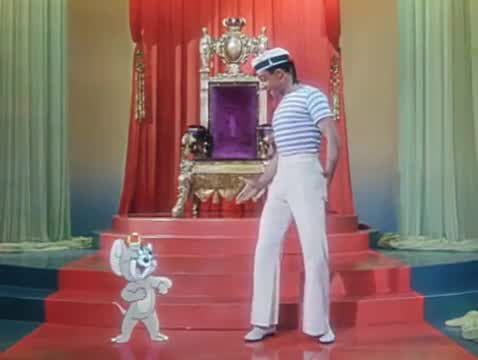
Anchors Aweigh (1945, dir by George Sidney, DP: Charles Boyle and Robert Planck)
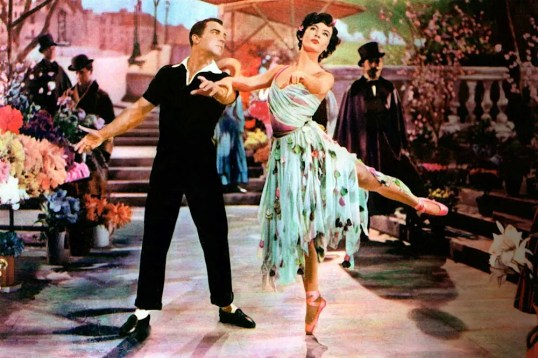
An American In Paris (1951, dir by Vincente Minnelli, DP: Alfred Gilks)
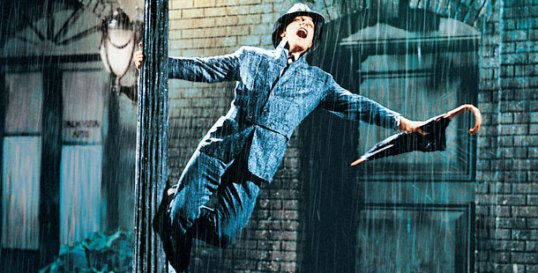
Singin’ In The Rain (1952, dir by Gene Kelly and Stanley Donen, DP: Harold Rosson)
Xanadu (1980, dir by Robert Greenwald, DP: Victor J. Kemper)
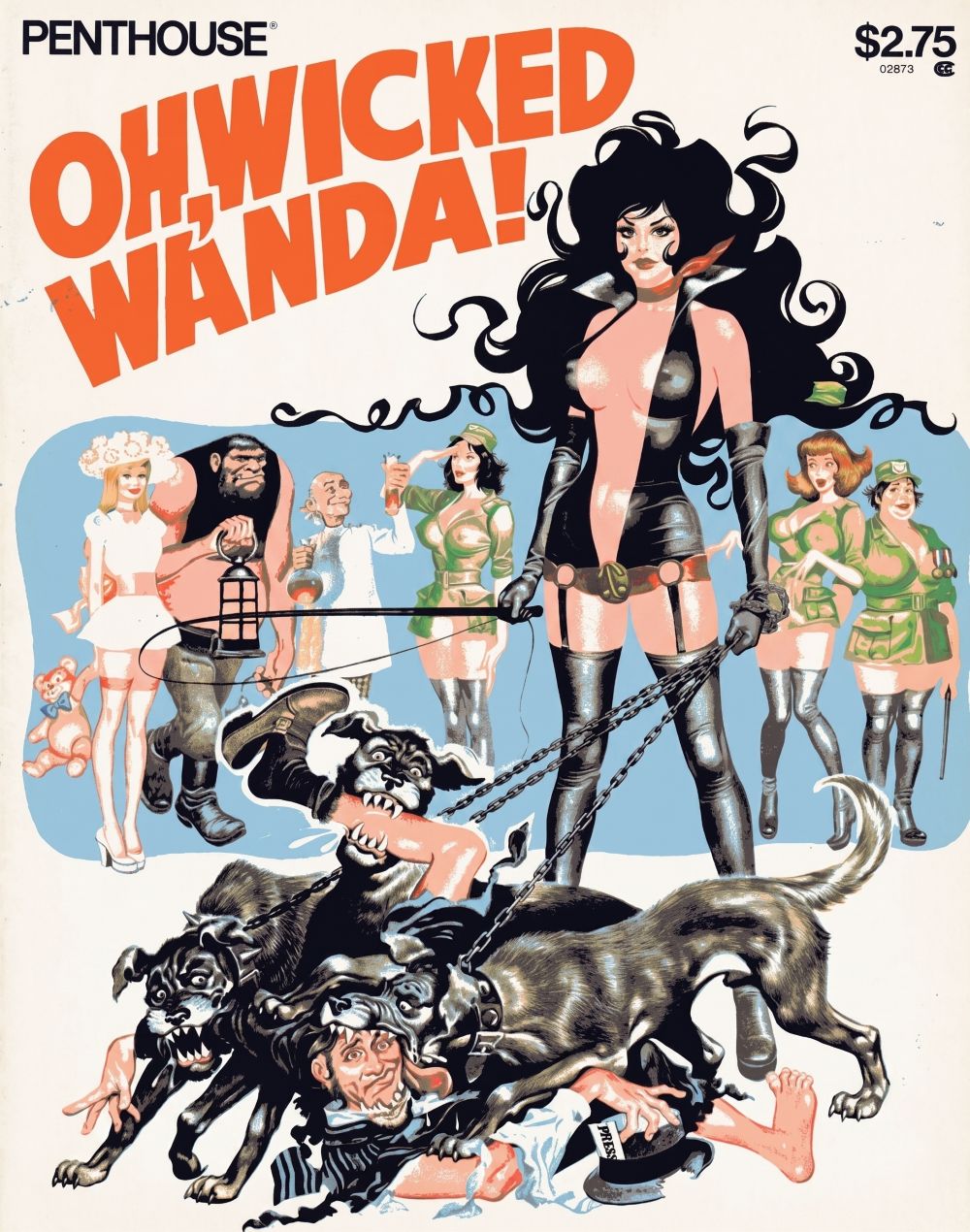
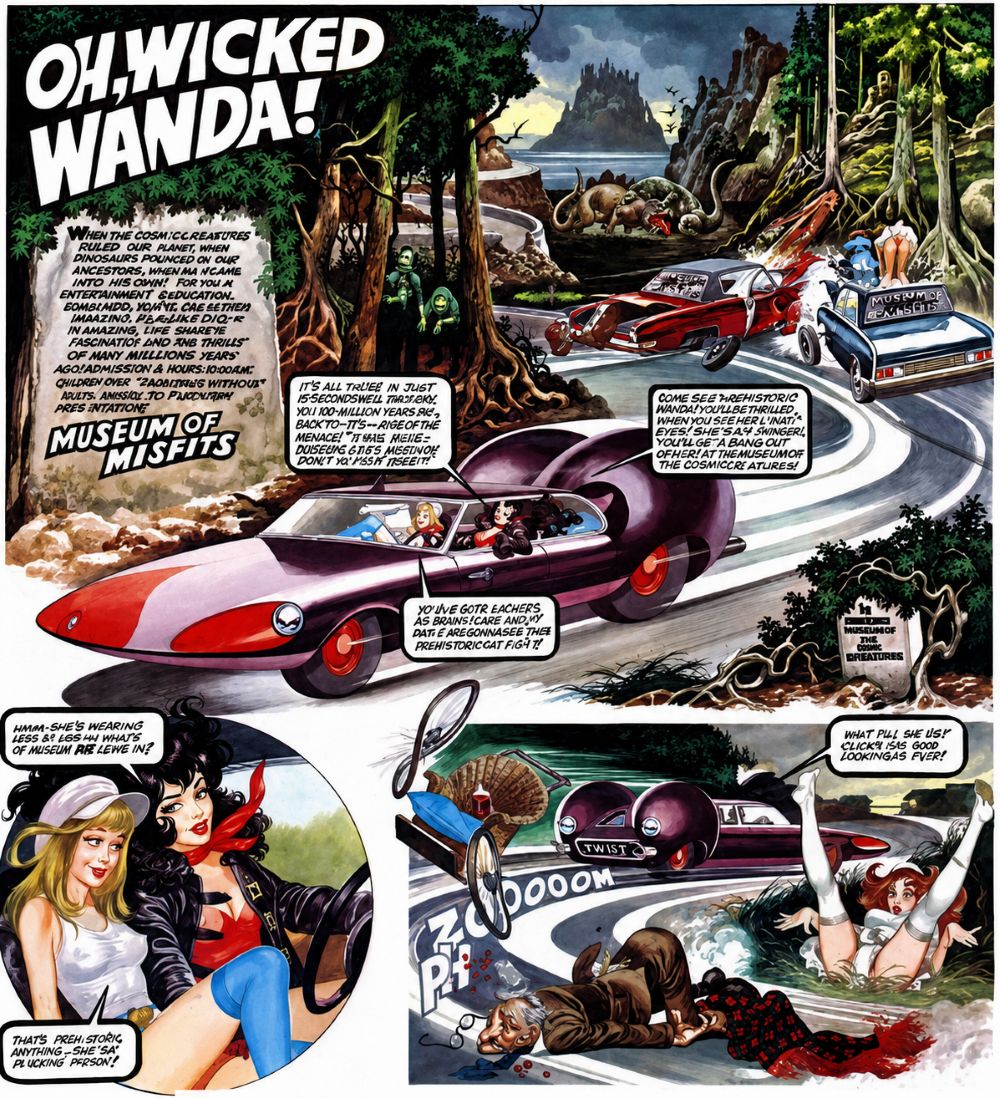
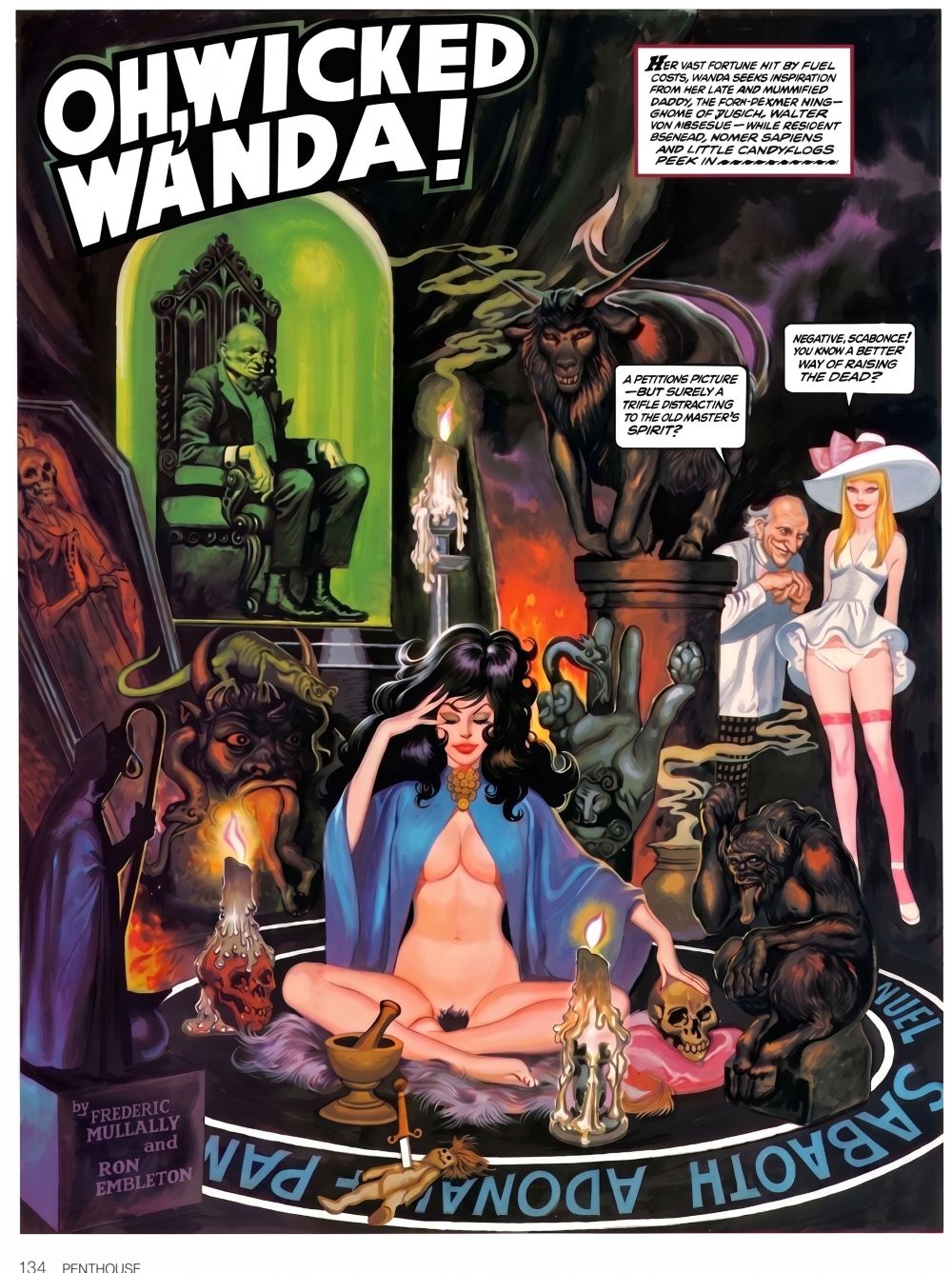
Oh, Wicked Wanda!—later shortened to Wicked Wanda—was Penthouse’s bold, lavish, and often deranged answer to Playboy’s Little Annie Fanny: an adult comic strip that met its competitor’s sexual satire with more cruelty, more eccentricity, more political bite, and startlingly beautiful painted art. Running as a full-color comic from 1973 to 1980, it paired novelist and journalist Frederic Mullally’s caustic scripts with Ron Embleton’s rich watercolor imagery, transforming a prior prose feature into one of the strangest recurring fixtures in 1970s men’s magazines.
Bob Guccione’s reaction to Playboy’s Little Annie Fanny was not merely to imitate it. He wanted Penthouse to have an equivalent feature—and, characteristically, something he considered superior. Playboy’s strip had been a signature showcase for Harvey Kurtzman and Will Elder: a highly polished, densely gagged satire built around the sexually guileless Annie, who repeatedly stumbled into an absurd succession of social fads, political caricatures, pop-cultural parodies, and erotic situations. Guccione saw the commercial and cultural value in such a feature and commissioned Mullally to develop Penthouse’s alternative, ultimately bringing in Embleton, an accomplished British comics artist and painter, to give the strip an unusually lush visual identity.
The crucial difference lies in what each strip thinks its heroine represents. Little Annie Fanny is fundamentally a comic of naïveté. Annie is constantly exploited, ogled, misled, commodified, or swept along by the lunacy of a world more foolish than she is. Kurtzman and Elder’s satire is crowded, busy, and democratic in its ridicule: everyone from hypocrites to celebrities to institutions becomes part of the page’s manic visual clutter. Wicked Wanda, by contrast, has no innocence at its center. Wanda Von Kreesus is a fabulously wealthy, sexually assertive, openly malicious heiress who does not drift helplessly through corruption; she thrives within it. She does not discover the depravity of society. She engineers it, enjoys it, or conquers it.
That shift makes Wicked Wanda feel less like a naughty comic romp and more like a grotesque aristocratic fantasy. Wanda is essentially an erotic supervillain, living in a gothic schloss with a bizarre supporting cast that includes her young companion Candyfloss, a brutish servant, a mad scientist, and an all-female private army. The strip’s premise gives Mullally considerable freedom: a Wanda episode can become a spy spoof, a mad-science horror story, a political satire, a time-travel farce, or simply a malicious practical joke played at the expense of a man, a public institution, or a recognizable cultural icon. This is a world in which immense wealth removes moral restraint rather than imposing responsibility.
Mullally’s writing is the source of the feature’s bitter flavor. Its comedy is not merely sexual; it is aggressively satirical, often directed at power, vanity, social respectability, consumerism, and masculine pomposity. Wanda’s money and immunity make her the perfect vehicle for exposing a world already ruled by appetite and status. The joke is frequently that society’s supposedly serious figures are no less ridiculous or depraved than Wanda herself. Rather than giving readers a conventional virtuous point of identification, the strip invites them into complicity with its amoral protagonist. That is a riskier, stranger comic strategy than the more buoyant misadventures of Annie Fanny.
The tone also benefits from the Britishness of Mullally’s sensibility. Wicked Wanda has the acidic air of a satire that distrusts authority at every level, but it is not solemn about that distrust. It is flamboyant, frequently silly, and happy to push a premise toward outright surrealism. Its plots can be crude, and its sexual politics can be distinctly uncomfortable to a contemporary reader, especially in the way the material handles power, coercion, and age. But that ugliness is partly inseparable from the strip’s chosen landscape: Wicked Wanda is a comic about people with too much power and too little conscience. Its excesses are rarely incidental; they are the point.
Embleton’s contribution is what elevates the feature beyond an interesting magazine curio. Unlike the deliberately cartoonish line work associated with Kurtzman and Elder’s Little Annie Fanny, Embleton approached Wicked Wanda with painted realism. He used watercolor for the comic’s panels, giving faces, fabrics, bodies, castles, machinery, landscapes, and elaborate costumes a level of sensual texture unusual for a periodical gag strip. The effect is fascinating because the visual surface is so much more refined than the situations it depicts. A scene may involve broad farce, bondage-inflected spectacle, grotesque parody, or a ridiculous villainous scheme, yet Embleton renders it with the seriousness of a lavish adventure illustration.
That tension is the strip’s great aesthetic achievement. Wicked Wanda looks expensive, almost prestigious, even when it is being juvenile, vulgar, or gleefully tasteless. Embleton’s polished craft does not sanitize Mullally’s material, but it gives the comic an eerie grandeur. Wanda herself becomes more than a pin-up figure because she is rendered as a commanding, almost mythic presence: elegant, dangerous, detached, and perfectly at home in worlds of luxury and nightmare. The visual vocabulary borrows from horror films, decadent European adventure comics, fashion illustration, and pulp fantasy, helping the strip build an identity that is far more distinctive than its origins as a competitive response to Playboy might suggest.
Its relationship to Little Annie Fanny is made explicit in early jokes that parody Playboy’s heroine, including gags involving artificial breasts or buttocks that deflate when punctured. These are hardly subtle gestures, but their lack of subtlety is revealing. Penthouse was not quietly borrowing Playboy’s format; it was declaring war on it. Where Little Annie Fanny offered a glamorous but comparatively benign sexual farce, Wicked Wanda presented itself as nastier, more confrontational, and more willing to make sex, class, and media fantasy look ludicrous.
Yet Wicked Wanda is not simply “better” than Little Annie Fanny in any universal sense. Kurtzman and Elder’s strip remains the more formally intricate comedic machine, with Elder’s pages packed with visual jokes that reward slow reading. Wicked Wanda is more uneven, more dependent on its period references, and more likely to mistake extremity for wit. But its best material possesses a singular personality. It is an adult comic that does not settle for supplying erotic ornament to a joke; it makes eroticism part of an entire system of domination, fantasy, absurdity, and satirical venom.
When Penthouse ended Wicked Wanda in 1980, it replaced the strip with Sweet Chastity, again illustrated by Embleton and associated with Guccione’s own creative direction. That succession underscores how important the format had become to Penthouse’s editorial identity. Still, Wicked Wanda remains the more memorable artifact: a decadent, politically irreverent, visually sumptuous comic whose villainous heroine gave Penthouse a genuinely different counterpoint to Playboy’s comic-strip institution. It began as Guccione’s competitive answer to Little Annie Fanny, but at its strongest it became something more peculiar and more enduring—a feverish fantasy of wealth, sex, cruelty, and satire painted with astonishing conviction.
Lightning Strikes was one of Aerosmith’s first videos to be created for MTV. (It was also their only single to chart during the Jimmy Crespo years.) The video switches back and forth from Aerosmith performing in a club and Aerosmith in a hallway, about to go to battle with a bunch melons.
Director Arnold Levine also directed the video for Aerosmith’s Chiquita, as well as videos for Cheap Trick and REO Speedwagon.