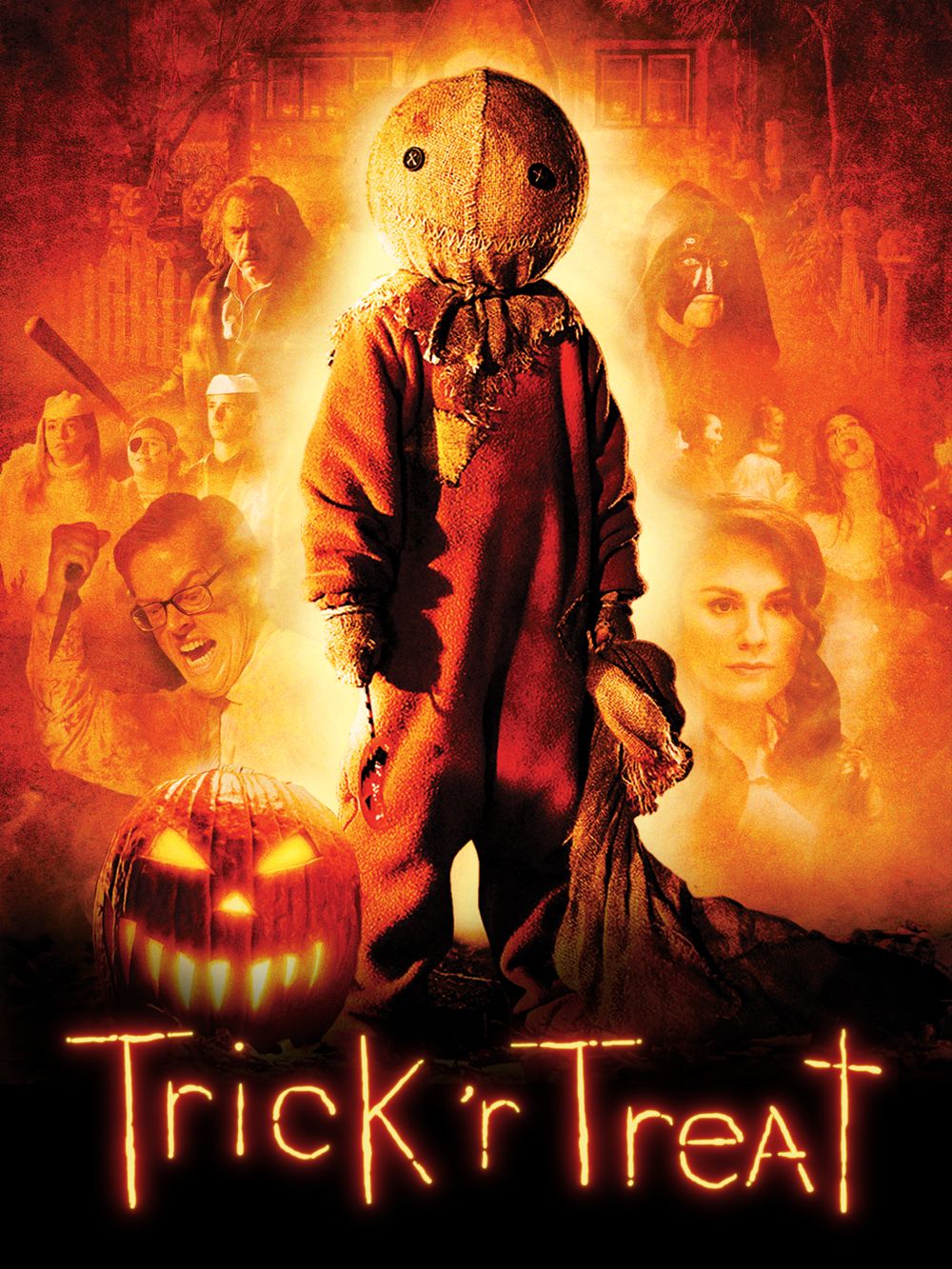
Horror Review: Trick ‘r Treat (dir. by Michael Dougherty)


“All these traditions, jack-o’-lanterns, putting on costumes, handing out treats, they were started to protect us, but nowadays… no one really cares.” — Principal Steven Wilkins

What better and more fun way is there to celebrate the full month of scares and horror that October has become than with Michael Dougherty’s 2007 film Trick ’r Treat? It is the kind of Halloween movie that feels less like it was merely set on the holiday and more like it was built out of everything people love about it. Trick ’r Treat has jack-o’-lanterns glowing on porches, costumes ranging from charming to grotesque, chilly nighttime streets, old local legends, candy bowls, haunted-school-bus stories, werewolves, serial killers, and that ever-present feeling that something is watching from behind a tree. It is funny, nasty, creepy, and strangely cozy at the same time. More than almost any modern horror film, it understands Halloween as a whole atmosphere rather than a collection of familiar props.

At first glance, the movie looks like an anthology film. It is divided into several distinct stories with their own central characters, premises, and horror styles. One segment involves a principal with a murderous secret, another follows a group of kids investigating a grim local legend, another centers on young women looking for dates at a costume party, and another focuses on a bitter old man dealing with a small but persistent visitor. Each story could almost function as its own short horror movie. Dougherty clearly enjoys shifting tones, moving from slasher material to ghost-story melancholy, then into monster-movie lunacy and dark comedy. But the key difference is that Trick ’r Treat is not simply an anthology stitched together by a host or a framing device. Every story told in the film ties into an overarching story unfolding across one night of Halloween.

That structure is one of the movie’s smartest features. Characters drift in and out of one another’s narratives, sometimes briefly and sometimes in ways that completely change the audience’s understanding of what they have already seen. A person who seems like a background extra in one sequence becomes the focus of another. A strange sound, a distant scream, a passing school bus, or a visual detail in one story can gain much more meaning when it reappears elsewhere. The movie plays with chronology too, allowing events to overlap and occasionally revealing that scenes which seemed straightforward were occurring at a different point in the night than viewers assumed. It rewards attention without becoming confusing for the sake of being clever.

Dougherty handles those connections smoothly because the film never stops feeling like one continuous Halloween night. The transitions are playful rather than showy. The camera may follow a character down a street, past a decorated yard, into another group’s story, and suddenly the audience has entered a different kind of nightmare. That makes the town itself feel like a character. It is not a generic horror-movie setting where bad things happen because the script requires them to. It feels like a community with traditions, buried crimes, local myths, annual rituals, and plenty of people who are either hiding something or about to discover something unpleasant.

The town’s Halloween obsession is also what gives the film its personality. Trick ’r Treat treats Halloween rules almost like ancient laws: wear a costume, hand out candy, never blow out a jack-o’-lantern before midnight, and always respect the dead. Breaking those rules does not guarantee immediate punishment in a simple moralistic way, but it certainly puts people at risk. The film’s central icon, Sam, embodies that idea. Wearing orange pajamas, a burlap sack mask, and carrying a lollipop that can become a weapon, Sam is one of the great modern horror mascots because he is both adorable and deeply unsettling. He is not presented as a typical slasher villain with a detailed backstory or a conventional motivation. He feels more like the living spirit of Halloween itself: mischievous, ceremonial, cruel when necessary, and completely devoted to the holiday’s traditions.

Sam’s presence gives the movie a connective thread beyond plot mechanics. He appears in the background, watches over events, and eventually takes center stage in a way that is both amusing and genuinely tense. There is something almost storybook-like about him. He resembles a child going door to door for candy, but his behavior suggests an old supernatural force enforcing rules everyone else has forgotten. The movie wisely never overexplains him. Horror icons often become less interesting once every mystery is reduced to lore, family trees, and exposition. Sam works because Dougherty lets him remain partly unknowable.

The cast is another reason the film holds together so well. Dylan Baker is excellent as Steven Wilkins, the seemingly mild suburban principal whose cheerful politeness becomes much more disturbing once the movie reveals what he is doing after dark. Baker has a talent for making every smile look just slightly too controlled. His storyline is especially effective because it mixes grotesque humor with an unsettling domestic quality. He is not stalking victims through a foggy forest or living in an abandoned asylum. He is cleaning up a mess in his backyard while trying to maintain a normal family routine. That contrast makes his scenes nastier and funnier.

Brian Cox brings real weight to Mr. Kreeg, the grumpy old man at the center of the film’s most memorable Sam-focused material. Cox could have played him as a broad caricature, but he gives the character enough fear, frustration, and hidden sadness to make the confrontation feel more substantial than a simple old-man-versus-monster sequence. The movie’s final act uses his house almost like a haunted maze, with the warm, cluttered interior gradually becoming a battlefield. The tone remains playful, yet there is a real sense of danger whenever Sam drops the cute disguise and shows what he can do.

Anna Paquin also stands out in the segment involving Laurie and her friends. At first, it seems like the film is setting up a familiar vulnerability narrative: young women in costumes, a dark forest, strange men, and the possibility of a predatory attacker. Then Trick ’r Treat gleefully twists expectations. The reveal is not subtle, but it is staged with enough energy and confidence that it lands as a crowd-pleasing monster-movie moment. Dougherty knows that horror does not always need to be grim to be effective. Sometimes the best reaction is an audience laughing in surprise right before a scene turns bloodier than expected.

The school-bus story is probably the film’s creepiest material. The idea of children killed by adults and returning as drowned, decayed figures could have been handled in a cheap or overly cruel way, but the movie gives it a sad, mythic edge. The ghosts are frightening, but the story is also about guilt, buried history, and a town that has allowed its ugliest secret to become a campfire legend. The children may be supernatural monsters by the time they reappear, but the adults who wronged them are even more horrifying. That is a recurring theme throughout Trick ’r Treat: Halloween monsters are dangerous, but human selfishness, cowardice, and cruelty tend to create the worst consequences.

Visually, the film has aged remarkably well because it does not chase a slick, overly polished look. It has a rich autumnal color palette full of oranges, blacks, deep reds, and warm porch-light yellows. The night scenes are dark enough to feel threatening but clear enough that viewers can appreciate the costumes, decorations, and production design. Every street seems covered in leaves, every house has candles or carved pumpkins, and every shadow seems capable of hiding a creature. It feels like a heightened version of childhood Halloween memories, except those memories have been invaded by murderers, werewolves, demons, and ghosts.

The practical effects and creature work add a lot to that charm. The movie uses CGI when needed, but it does not depend on weightless digital spectacle. Sam’s physicality, the werewolf transformations, the decayed school-bus children, and the various masks and props all have a tactile quality. They look like things that belong in a haunted attraction, a particularly elaborate costume shop, or an old EC Comics-style horror story. That handmade texture fits the film perfectly. Trick ’r Treat is polished, but it never feels sterile.

What makes the movie so rewatchable is how comfortably it moves between tones. It can be goofy without becoming stupid, gruesome without becoming exhausting, and sentimental about Halloween without turning saccharine. It embraces the holiday’s childish excitement while acknowledging the darker folklore underneath it. There is candy, costumes, and neighborhood fun, but there are also old grudges, punished sinners, restless dead, and things that hunt after midnight. Dougherty understands that those two sides belong together. Halloween is fun partly because it lets people play with fear in a safe, communal way, and Trick ’r Treat captures that balance better than most horror movies.

The film’s anthology-like design gives it variety, while its overlapping characters, recurring events, and shared setting make it feel like one cohesive story rather than a disconnected collection of shorts. Its lasting popularity has also made the lack of a sequel feel increasingly strange. Fans have been clamoring for another trip through Sam’s Halloween night for years, and Dougherty has repeatedly hinted that he has ideas for where a follow-up could go. He has discussed multiple script drafts, storyboards, concept art, and the possibility of giving Sam a new adversary, but the project still has not received an official greenlight.

That uncertainty is frustrating, especially because Trick ’r Treat feels like a world with plenty more stories left to tell. At the same time, it is probably better that Dougherty has not rushed out a sequel just to cash in on the film’s cult status. The original works because it feels carefully constructed, visually specific, and completely committed to its Halloween setting; any follow-up would need to preserve that same mix of horror, comedy, folklore, and interconnected storytelling. For now, Trick ’r Treat remains an annual October rewatch because it honors Halloween’s old traditions while creating its own: a funny, spooky, blood-soaked celebration of costumes, candy, campfire legends, and the things that come out once the porch lights go dark.
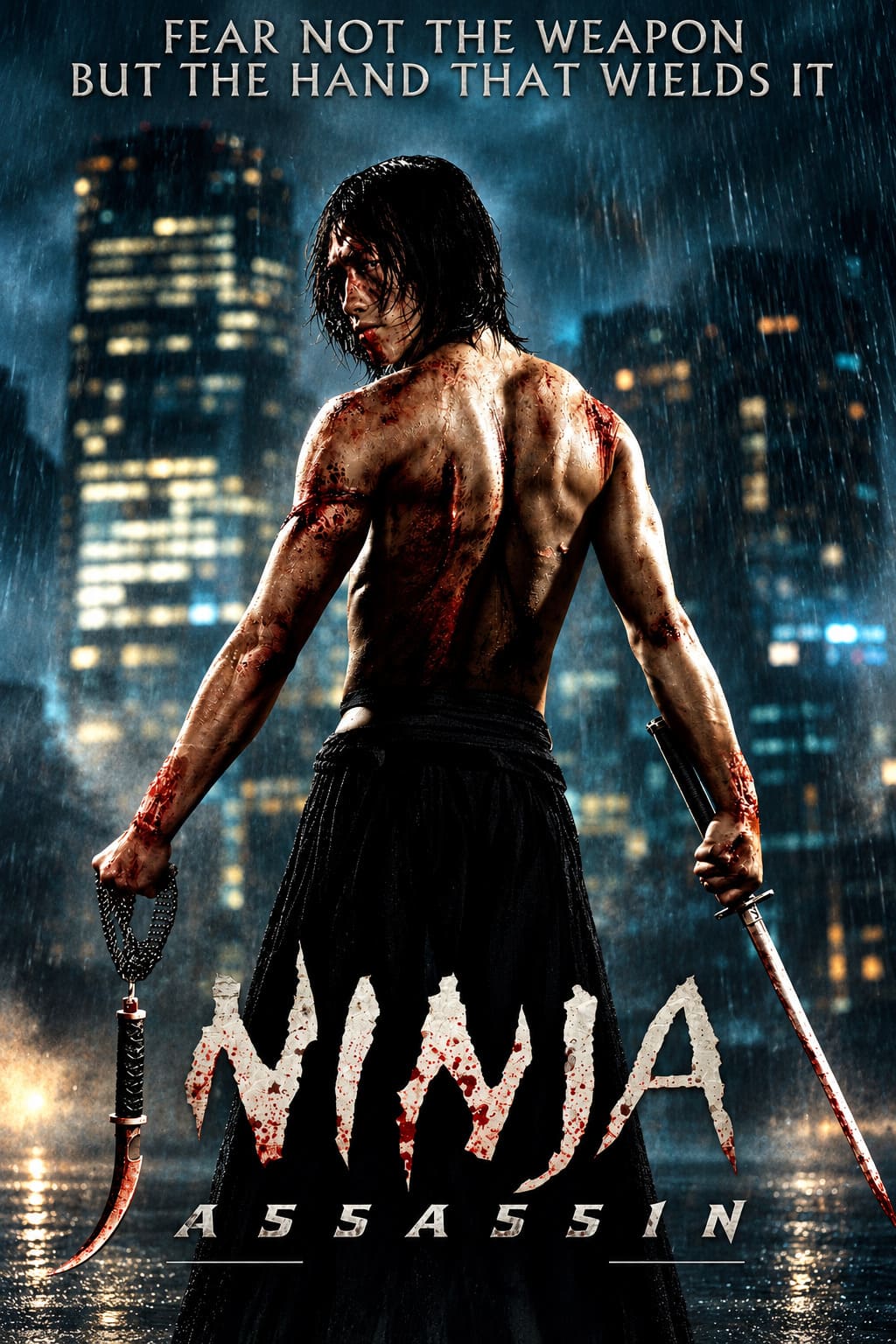
Review: Ninja Assassin (dir. by James McTeigue)


“This is not my family. You are not my father. And the breath I take after I kill you will be the first breath of my life.” — Raizo

Watching Ninja Assassin feels a little like stumbling onto a late-night cable movie that has been given a much bigger budget, a larger blood supply, and zero interest in restraint. It is a blood-soaked, over-the-top revenge movie about a superhuman killer carving his way through an army of shadowy cult ninjas, and it wants blades, bodies, darkness, shredded limbs, dramatic training flashbacks, and a hero so physically intimidating that the camera occasionally seems to pause just to admire how absurdly ripped he is. It is loud, grimy, excessively violent, and frequently ridiculous. It is also, depending on your tolerance for late-2000s CGI carnage and ultra-serious ninja mythology, a pretty entertaining slice of trashy action cinema.

The film stars Korean pop superstar Rain as Raizo, a prodigiously gifted killer raised by the Ozunu Clan, a secret organization that turns stolen children into elite assassins. Raizo is trained from childhood to erase fear, reject compassion, and become basically invisible in the darkness. The clan’s motto might as well be “trauma builds character,” because every flashback involves some new level of horrifying abuse: children fighting one another, training through severe pain, learning to tolerate wounds, and being punished for even the smallest sign of vulnerability. It is all delivered with the straight-faced intensity of a dark comic book, which is probably the best way to approach the movie as a whole.

The present-day story follows Raizo after he breaks from the Ozunu Clan and goes rogue. His target is Lord Ozunu, played by genuine ninja-film legend Sho Kosugi, who runs the entire organization like a supernatural military cult. Raizo’s path crosses with Mika Coretti, played by Naomie Harris, a Europol researcher in Berlin who discovers evidence that a string of political assassinations may be connected to an apparently mythical network of ninja killers. Naturally, nobody believes her, because this is a movie where the phrase “ninja assassins are real” is treated with the same bureaucratic skepticism as an expense-report discrepancy. Once Mika gets too close to the truth, the Ozunu Clan sends people to remove her from the equation, and Raizo enters the picture as both protector and revenge machine.

The plot is not really the point, but it does enough to move the movie from one stabbing to the next. Ninja Assassin has the basic shape of a revenge story, with Raizo torn between the brutal identity he was given and the humanity he is trying to reclaim. The flashbacks fill in his childhood bond with Kiriko, another member of the clan who pays the price for refusing to fully submit to Lord Ozunu’s cruelty. That loss becomes the emotional engine for Raizo’s rebellion, and while the movie does not exactly dig deep into the character’s psychology, it gives Rain a clear enough motivation to work with. He is not just killing bad guys because the script needs more bodies on the floor. He is trying to destroy the institution that made him into a weapon.

Rain is honestly one of the movie’s biggest strengths. He does not have to carry the film through nuanced dialogue or complicated dramatic scenes, and that is probably for the best, because the screenplay does not give him much room for that kind of performance. But he has undeniable screen presence. He looks the part, moves like someone who trained brutally for it, and sells the physical exhaustion of a man who has spent his whole life getting cut, beaten, stabbed, and forced to keep moving anyway. The movie’s action depends on Raizo feeling almost superhuman without becoming completely weightless, and Rain finds that balance most of the time. He is less a conventional action hero than a human weapon who has finally decided to aim himself at the people who built him.

Sho Kosugi is also a welcome presence as Lord Ozunu. He does not get a huge amount of screen time, but he has the kind of weathered, stern authority that makes the role work. Lord Ozunu is not a layered villain; he is an evil master who talks in cold pronouncements about weakness and loyalty, tortures his students, and commands legions of black-clad killers. Still, Kosugi makes him feel more substantial than the usual disposable martial-arts-movie villain. His involvement also gives Ninja Assassin a connection to the ninja-cinema boom of the 1980s, when Kosugi was one of the genre’s biggest names. The film feels like it is trying to combine that old-school ninja-movie sensibility with the slick, digital, hyperviolent style that came out of the Matrix era.

That connection makes sense given the people behind the movie. McTeigue had previously directed V for Vendetta and worked closely with the Wachowskis, who produced Ninja Assassin alongside Joel Silver. You can feel that late-1990s and 2000s action aesthetic all over it: cold blue lighting, rain-slick streets, rapid editing, wire-assisted movement, slow-motion impacts, and CGI blood that erupts in fountains whenever a blade touches skin. The action is often designed less around realism than around visual impact. A ninja does not just stab somebody; he slices through them with enough force to send gallons of digital blood spraying across the frame. Arms come off. Heads come off. Bodies are carved up so thoroughly that the movie sometimes feels like a slasher picture with martial-arts choreography.

When Ninja Assassin is working, that excess is part of the fun. The early sequence in a Bangkok nightclub is a strong example. Gangsters laugh at the idea that ninjas exist, and then the lights go out. Bodies start falling apart in the darkness while unseen attackers move through the room. It is silly, but it is exactly the kind of silly the movie needs to be. The clan’s assassins are framed less like ordinary people than horror-movie monsters: they emerge from shadows, disappear into smoke, and leave mutilated corpses behind. The best moments make ninja combat feel supernatural and frightening rather than simply athletic.

The problem is that the movie sometimes sabotages its own action with its visual style. It is extremely dark, often to the point that it becomes hard to tell who is hitting whom. The rapid editing can also make fights feel more like a blur of limbs, blades, and blood splatter than a clearly staged exchange. There are sequences where the choreography seems like it could be impressive if the camera would just pull back and let the audience see it. Instead, McTeigue often keeps everything moving so fast that the action loses some of its physical clarity. This is particularly frustrating because the film clearly put real effort into Rain’s training and the stunt work.

The CGI is another mixed bag. At times, the exaggerated gore has a knowingly cartoonish quality that fits the movie’s pulpy tone. At other times, it looks like a video-game cutscene from the late 2000s, especially when blood splashes directly toward the camera. The film wants to be nasty and visceral, but the artificial effects can create distance rather than impact. You are rarely shocked by the violence because it is so obviously constructed as spectacle. Then again, nobody should go into a film called Ninja Assassin expecting the sober realism of The Bourne Identity. This is a movie where shadow ninjas attack police officers with chains, blades, and explosive acrobatics. Subtlety was never invited.

Naomie Harris does what she can with Mika, though the character is written mostly as the audience’s entry point into the ninja conspiracy. She gets some decent moments of determination and disbelief, but the film does not give her nearly as much agency as it should. Once Raizo arrives, Mika increasingly becomes someone who needs to be rescued, protected, and dragged through the story’s bloodier sections. Ben Miles is fine as her superior, Ryan Maslow, but the Europol material is the least exciting part of the film. Whenever it cuts away from Raizo’s training, his revenge, or another batch of black-clad assassins, the energy drops.

Still, there is something oddly admirable about how committed Ninja Assassin is to its own trashy premise. It does not pretend to be a prestige thriller, a grounded espionage drama, or a sophisticated martial-arts epic. It is a hard-R revenge movie built around a simple promise: Rain versus an army of ninjas. On that level, it delivers enough mayhem to satisfy viewers who enjoy excessively violent action movies and do not need the script to be smarter than the title.

Ninja Assassin is not a hidden masterpiece, and it has plenty of flaws: thin characters, clunky dialogue, uneven CGI, murky camerawork, and a plot that exists mainly to connect the fight scenes. But it has a strong lead, a memorable villain, a few genuinely cool action-horror moments, and an unapologetically ridiculous energy. It is best enjoyed as a guilty-pleasure throwback to the era when Hollywood action movies believed every problem could be solved with a black mask, a sword, and several gallons of CGI blood.

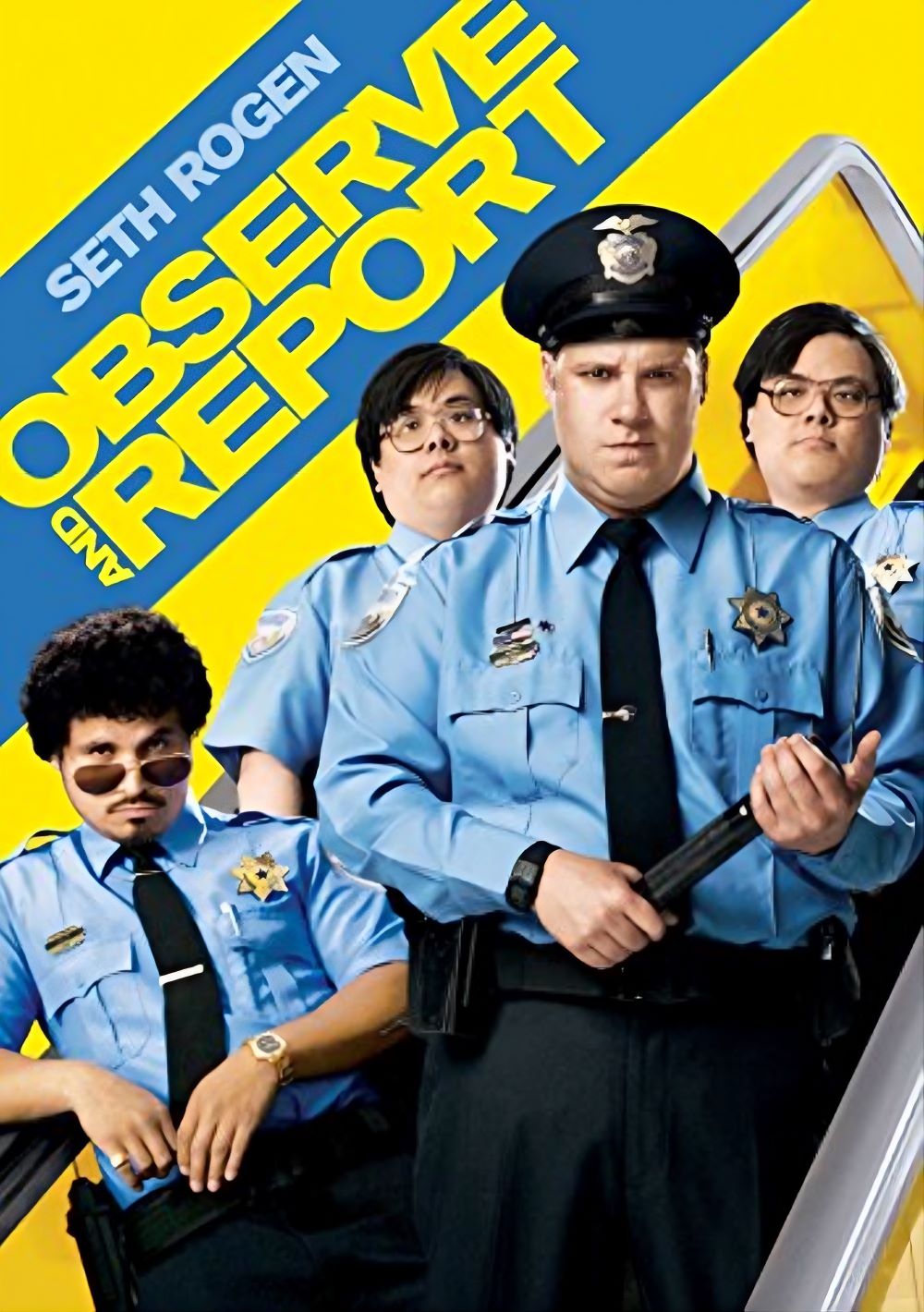
Review: Observe and Report (dir. by Jody Hill)


“I’m not a good person. I’m not a bad person. I’m just not a person that things happen to.” — Ronnie Barnhardt

There’s a specific kind of whiplash that comes from watching Observe & Report, Jody Hill’s 2009 dark comedy about a bipolar mall cop named Ronnie Barnhardt. On its surface, the film invites comparisons to Paul Blart: Mall Cop, which came out the same year, but that’s like comparing a punch to the gut with a tickle fight. Where Paul Blart plays it safe with slapstick and heart, Observe & Report dives headfirst into uncomfortable, ugly, and strangely profound territory. This is not a movie for everyone, and that’s precisely why it has earned a cult following over the years. It’s a film that hides a serious character study inside a dirty joke, and depending on your mood, it’s either a misunderstood masterpiece or a mean-spirited mess. Honestly, it’s a bit of both.

The plot, such as it is, follows Ronnie (played with terrifying commitment by Seth Rogen), the head security guard at the Forest Ridge Mall. Ronnie sees himself as a warrior-poet of law enforcement, constantly vying for the respect he feels he deserves from the local police, specifically the smug Detective Harrison (Ray Liotta). When a flasher starts terrorizing the mall, Ronnie sees his chance to prove his worth. But the film is less about catching the pervert and more about Ronnie’s slow, volatile unraveling. He pops antipsychotic meds, lives with his alcoholic mother (Celia Weston), and harbors a delusional crush on a makeup counter girl named Brandi (Anna Faris), who is openly using him. It’s a recipe for a tragedy, but Hill frames it as a comedy so deadpan and abrasive that you’re never quite sure when you’re allowed to laugh.

Let’s talk about performance, because Rogen does something here that he’s rarely done before or since. He sheds the lovable stoner schtick entirely. Ronnie is not charming. He’s awkward, prone to violent outbursts, and genuinely frightening in his conviction. When he goes off his medication, the film shifts from quirky indie comedy to something closer to Taxi Driver. Rogen plays Ronnie with a straight-backed, chest-out posture that suggests a man holding himself together with duct tape and delusion. There’s a scene where he interrogates a group of teenagers—pulling one kid’s pants down and pepper-spraying another—that is so uncomfortably realistic in its abuse of authority that you might wince instead of chuckle. That’s the point. Hill isn’t interested in making Ronnie a hero. He’s interested in the gap between how Ronnie sees himself (a lone crusader for justice) and how the world sees him (a dangerous liability).

The supporting cast deserves a shout-out here. Anna Faris is pitch-perfect as Brandi, a shallow, cocaine-snorting mess who treats Ronnie’s affection as a minor inconvenience. She never plays for sympathy, which makes her character brutally honest. And it’s in her most uncomfortable scene with Ronnie that the film’s entire thesis snaps into focus. Without spoiling exactly what happens, Brandi invites Ronnie to her apartment after a long night of drinking and using. For a brief, hopeful moment, the film seems to be offering him a genuine connection. But Brandi is too self-absorbed to notice Ronnie’s desperate, medication-starved sincerity, and Ronnie himself misreads every signal she doesn’t bother to send. What unfolds is a hollow, mechanical act that Ronnie mistakes for intimacy and Brandi barely registers as an inconvenience. The scene is shot flatly—no music, no punchline, just the awful silence of two broken people failing to see each other. Ronnie sees a fantasy of Brandi that doesn’t exist. Brandi sees a tool she can use and discard. It’s a car crash you know you shouldn’t slow down for, but you do anyway, and when you get close enough to see the human damage, the film refuses to let you look away. That moment is emblematic of Observe & Report as a whole: it dares you to laugh, then makes you feel gross for even considering it. Most dark comedies use shock for a quick gag. Hill uses it as a mirror.

Michael Peña shows up as Ronnie’s loyal but dim partner Dennis, providing the film’s few genuine moments of warmth. And then there’s Ray Liotta, practically playing a parody of his Goodfellas persona, but in a way that underscores the film’s central irony: the real cops are just as arrogant and flawed as Ronnie, but they have badges, so it’s allowed. Liotta’s Detective Harrison isn’t a hero; he’s just a bully with better legal standing.

From a craft perspective, Observe & Report is deceptively smart. Jody Hill, who came from the brilliant but uncomfortable HBO show Eastbound & Down, directs with a strange kind of sincerity. The mall is shot like a battlefield or a Western town, all wide angles and lonely corridors. There’s a scene where Ronnie imagines a slow-motion shootout set to a cover of “Rocket Man,” and it’s both hilarious and deeply sad. Hill uses music ironically but not cruelly. The film’s climax, which I won’t spoil, involves a literal parking lot confrontation that descends into shocking, bloody violence—and then immediately undercuts it with a joke so tasteless it almost works as social commentary. This is where the film splits audiences. Some see a juvenile attempt to shock. Others see a pointed satire of vigilantism and the American male ego.

The biggest critique of Observe & Report is its tonal chaos. The movie can’t decide if you’re supposed to laugh at Ronnie’s mental illness or cry for him. In one scene, he’s horrifically mean to a genuinely kind love interest (played by Collette Wolfe). In the next, he’s delivering a surprisingly vulnerable monologue about being a “security guard for his own heart.” The Brandi apartment scene sits right at the center of this chaos, a perfect little engine of discomfort that powers everything around it. If you walk in expecting a stoner comedy, that scene will leave you unsettled. If you walk in expecting a gritty character study, the dick jokes and mall-cop absurdity surrounding it will feel out of place. That’s the point. The film deliberately rubs its contradictions in your face, and the Brandi scene is where those contradictions burn hottest.

That said, the film’s final act is where it earns its cult status. Without giving too much away, Ronnie essentially achieves his goal—but the victory is hollow, pointless, and tinged with tragedy. The very last shot is a freeze frame that asks you to reconsider everything you’ve just watched, including that awful night in Brandi’s apartment. Is Ronnie a hero? A monster? A pathetic man who got lucky? Hill refuses to label him, which is rare in mainstream American cinema. Most movies would either punish or redeem a character like this. Observe & Report simply watches him continue, the same broken person he always was, now with a slight bump in self-esteem. That’s either a brilliant subversion of the “loser succeeds” trope or a cop-out. I lean toward brilliant, but I wouldn’t argue with someone who hated it.

So, final verdict? Observe & Report is not a film I can recommend easily. If you need your comedies to be warm, predictable, or morally clear, stay far away. But if you’re interested in a movie that uses the mall-cop setup to ask uncomfortable questions about masculinity, mental health, and the thin line between community guardian and domestic terrorist, this is a fascinating artifact. It’s messy, mean, and occasionally transcendent. Seth Rogen has never been braver, and Jody Hill has never been more himself. Just don’t watch it back-to-back with Paul Blart unless you want emotional whiplash. This is the dark, spiky, unapologetic alternative—the film that says the quiet part out loud, then laughs at you for being surprised. For better or worse, you won’t forget it.

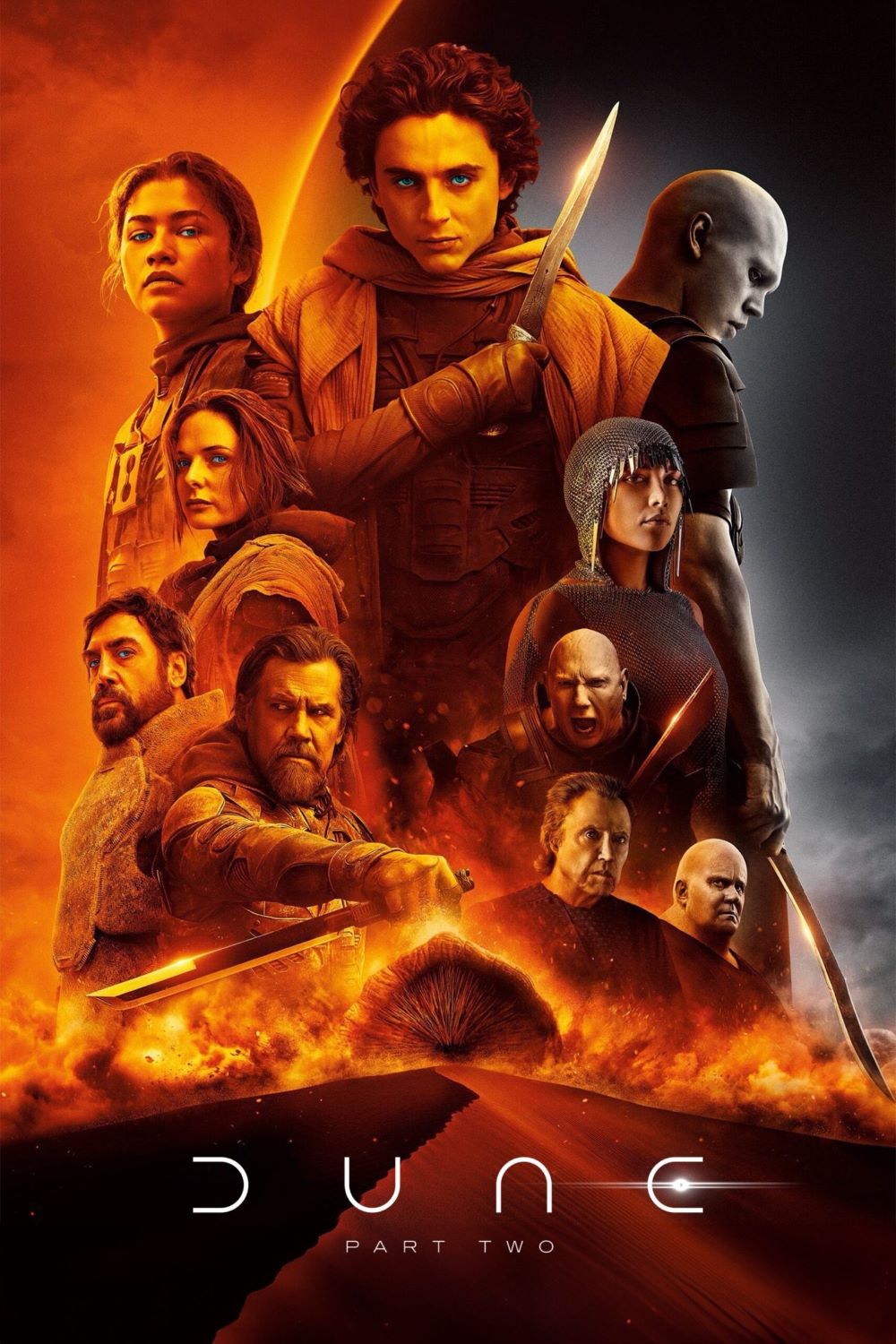
Dune: Part Two (dir. by Denis Villeneuve) Review


“The Mahdi is too humble to say he is the Mahdi. Even more reason to know he is!” — Stilgar

Dune: Part Two picks up right where the first film left off, diving headfirst into Paul Atreides’ quest for revenge on the desert world of Arrakis, and it absolutely delivers on the epic, operatic scale the setup promised. The first movie was all mood and table-setting; this one cashes in that patience with a story that’s bigger, louder, and way more emotionally volatile, without totally ditching the cerebral, slow-burn vibe that makes Dune feel different from other sci-fi tentpoles. Denis Villeneuve isn’t just continuing a story; he’s doubling down on the idea that this whole saga is less about a hero’s rise and more about the terrifying consequences of people begging for a savior and then getting exactly what they asked for.

Narratively, the film tracks Paul and his mother Jessica as they embed deeper into Fremen culture while House Harkonnen tightens its stranglehold on Arrakis. Paul trains, raids spice convoys, and slowly evolves from accepted outsider to full-on messianic figure, even as he keeps insisting he doesn’t want that role. The emotional throughline is his relationship with Chani, who acts as both partner and conscience, pushing back against the religious fervor gathering around him. At the same time, you’ve got Baron Harkonnen scheming from his grotesque oil-bath throne and Feyd-Rautha unleashed as the house’s rabid attack dog, chewing through enemies in gladiatorial arenas and on the battlefield. The stakes are clear and simple—control of Arrakis and its spice—but the film keeps twisting that into something more existential: control of the future itself and who gets to write it.

Visually, Dune: Part Two is just ridiculous in the best way. Arrakis still feels harsh and elemental, like the planet itself is a character that occasionally decides to eat people via sandworm. The desert exteriors are shot with that hazy, golden brutality where every wide shot makes the Fremen look tiny against an uncaring landscape. When Paul finally rides a sandworm, it’s not played as some clean, heroic moment but as a thrashing, chaotic stunt that looks legitimately dangerous—he’s clinging to this titanic creature, sand exploding in sheets around him, the camera swinging wide so you feel both the scale and the sheer lunacy of what he’s doing. The Harkonnen world, by contrast, is stark and stylized, all cold geometry and void-like skies, leaning into monochrome to make it feel like you’ve stepped into some industrial underworld. Villeneuve’s obsession with scale and texture pays off; every frame feels like it was composed to be stared at.

The action this time is more frequent and more brutal. Where Dune: Part One held back, this one goes for full war-movie energy. You get Fremen ambushes out of sand, night raids lit by explosions, and a final battle that’s basically holy war meets desert cavalry charge. Sandworms surf through shield walls, ornithopters slam into the ground, and a sea of troops gets swallowed by sand and fire. The choreography stays clean enough that you can track who’s doing what, but it never loses that messy, grounded feel—knife fights still feel close and ugly, even when they’re surrounded by massive spectacle. The duel between Paul and Feyd is the peak of that: sweaty, vicious, and personal, more about willpower and ideology than just skill.

Performance-wise, the film runs on the tension between Timothée Chalamet’s Paul and Zendaya’s Chani. Chalamet gets to shift from haunted survivor to someone who realizes he can pull the strings of history—and chooses to do it anyway. He plays Paul as a guy who genuinely hates what he sees in his visions but can’t stomach losing, which gives the final act a bitter edge. Zendaya finally gets the screen time the first film teased, and she makes the most of it. Chani isn’t just “the love interest”; she’s the one person in the story who consistently calls bullshit on prophecy, seeing how Fremen belief is being turned into a weapon. That skepticism, that refusal to be swept up, becomes the emotional counterweight to everything Jessica and the Bene Gesserit are engineering.

Rebecca Ferguson’s Jessica goes full political operator here, and it’s honestly one of the most interesting arcs in the film. Once she takes on the role of Reverend Mother, she leans into manipulating Fremen faith, playing up visions, symbols, and omens to lock in Paul’s status. She’s terrifyingly pragmatic about it, and the movie doesn’t let that slide as a “necessary evil”—it’s part of how this whole situation curdles into fanaticism. Austin Butler’s Feyd-Rautha is pure menace: feral, theatrical, and oddly charismatic, like a rock star who decided to become a warlord. He feels like the dark mirror of Paul, another bred product of a toxic system, but one who embraces cruelty instead of burden.

Then you’ve got Florence Pugh’s Princess Irulan and Christopher Walken’s Emperor Shaddam IV, introduced with real weight as the heir to the throne and the man who greenlit House Atreides’ betrayal—but then largely sidelined as bit characters rather than the shadowy power brokers they should be. On paper, they’re the architects of galactic order, pulling levers from opulent palaces while Paul scrambles in the sand. The film gives them poised entrances and sharp dialogue, but parks them as observers to Paul’s whirlwind, more like well-dressed cameos than forces reshaping the board. Walken nails the Emperor’s weary calculation, and Pugh hints at Irulan’s future scheming, but without deeper scenes of imperial intrigue, they orbit Paul’s story instead of challenging it head-on, underscoring how his rise eclipses even the old guard.

Hans Zimmer’s score keeps pushing that strange, alien soundscape he built in the first film and then amps it up. The music leans hard on percussion, guttural vocals, and warped instruments that feel half-organic, half-industrial, like you’re listening to the desert itself breathing. The score doesn’t really do the classic “themes you hum on the way out of the theater” thing; instead, it sits in your bones. During the big set pieces, it’s almost overwhelming—drones, chants, and pounding rhythms layering on top of each other until your seat feels like it’s vibrating. In quieter scenes, Zimmer pulls back just enough to let a harsh little motif peek through, usually when Paul is weighing his choices or when Chani realizes how far things are slipping away from what she hoped for.

Thematically, Dune: Part Two sinks its teeth deepest into the dangers of blind faith and the double-edged sword of prophecy—how it can shatter chains of oppression only to forge far heavier ones in their place. Frank Herbert’s original warning pulses through every frame: belief isn’t just a comfort or a spark for revolution; it’s a weapon that smart people wield to hijack desperate hearts. The Fremen, crushed under imperial boot and environmental hell, latch onto their Lisan al-Gaib legend like a lifeline, and figures like Jessica and the Bene Gesserit are all too happy to fan those flames. Lines like Stilgar’s “The Mahdi is too humble to say he is the Mahdi. Even more reason to know he is!” twist logic into a pretzel, showing how faith devours reason—Paul’s every hesitation or miracle just “proves” his divinity more. Chani’s gut-punch retort, “This prophecy is how they enslave us!” lays it bare: what starts as liberation from Harkonnen greed morphs into submission to a new myth, one engineered off-world to keep Arrakis in check.

Paul embodies this tragedy most painfully. His spice-fueled visions reveal futures of jihad consuming the stars, yet the “narrow path” he chooses—embracing the prophecy—breaks the Fremen’s subjugation to outsiders while binding them to him as unquestioning soldiers. It’s not accidental heroism; it’s a calculated gamble where prophecy empowers the oppressed to topple one empire, only for Paul to birth a deadlier one, fueled by the very zeal that freed them. Princess Irulan’s cool observation, “You underestimate the power of faith,” chills because it’s the Emperor admitting belief outstrips blades or thrones—faith doesn’t just win wars; it rewrites reality, turning Fremen riders into galaxy-scouring fanatics. Even the Reverend Mother Mohiam’s “We don’t hope. We plan” unmasks prophecy as cold manipulation, a multi-generational con that breakers colonial chains today while guaranteeing control tomorrow.

Villeneuve doesn’t glorify this cycle; he revels in its horror. The final rally, with Fremen chanting “Lisan al-Gaib!” as Paul seizes the throne, thrills like a rock concert and curdles like a cult initiation. Chani riding off alone isn’t defeat—it’s the last gasp of clear-eyed doubt in a tide of delusion. Faith topples the Baron and humbles Shaddam, sure, but it installs Paul as its high priest-emperor, proving Herbert right: saviors don’t save; they scale up the suffering. The film tweaks the book to amplify this, giving Chani more agency to voice the peril, making the “victory” feel like a velvet trap. It’s prophecy as breaker of chains—smashing Harkonnen spice rigs and imperial ornithopters—then creator of new ones, with Paul’s jihad looming not as triumph, but inevitable apocalypse.

If the film has a real sticking point, it’s that tension between being a massive, audience-pleasing sci-fi epic and being a deeply cynical story about the cost of belief. On a surface level, it totally works as a grand payoff: you get your worm rides, your duels, your big speeches, your villains being humbled. But underneath, Villeneuve keeps threading in this idea that what we’re watching isn’t a happy ending; it’s the start of something worse. The sidelining of Irulan and Shaddam reinforces how Paul’s myth-centered rise devours old powers, prophecy steamrolling politics.

As a complete experience, Dune: Part Two feels like the rare blockbuster that respects its audience’s patience and intelligence. It assumes you remember part one, assumes you’re willing to sit with long, quiet moments and sudden bursts of violence, and assumes you’ll notice that the “hero’s journey” here is more of a slow moral collapse dressed up as triumph. It’s messy in spots—some pacing jolts, some underused heavy hitters in the cast—but it swings so hard and with such confidence that the rough edges end up feeling like part of its personality. The result is a movie that works both as an immediate, visceral ride and as something you keep chewing on afterward, wondering if you were supposed to be as excited as you were by the sight of a new god-king being crowned in the desert.

Dune: Part One (dir. by Denis Villeneuve) Review


“I said I would not harm them and I shall not. But Arrakis is Arrakis and the desert takes the weak. This is my desert. My Arrakis. My Dune.” — Baron Vladimir Harkonnen

Denis Villeneuve’s Dune: Part One is one of those big, monolithic blockbusters that feels less like a movie night and more like being slowly lowered into someone else’s dream. It’s massive, deliberately paced, and sometimes emotionally chilly, but when it hits, it really hits, and you can feel a director absolutely obsessed with getting this universe right. The film adapts roughly the first half of Frank Herbert’s novel, following Paul Atreides, heir to House Atreides, as his family accepts control of the desert planet Arrakis, the only source of the spice melange that powers space travel and heightens human abilities. The setup is pure operatic space-feudalism: the Emperor orders House Atreides to take over Arrakis from their bitter rivals, House Harkonnen, in what is basically a beautifully staged death trap. Villeneuve leans into the political trap aspect; even if you’ve never read Dune, you can tell from minute one that this is not an opportunity, it’s a setup, and that sense of doom hangs over everything.

What Villeneuve really nails is the “ancient future” texture that people always talk about with Dune but rarely pull off on screen. The technology looks advanced but worn, ritualized, and heavy, from the gargantuan starships to the dragonfly-like ornithopters that rattle and pitch like actual aircraft instead of sleek sci-fi toys. The production design and Greig Fraser’s cinematography go all-in on scale: Caladan’s stormy oceans, Arrakis’s endless dunes, cavernous fortresses that make the human figures look insignificant. It’s not just pretty—it’s doing character work for the universe, selling you on the idea that people here live under forces (political, religious, environmental) that absolutely dwarf them. In theme terms, this is Villeneuve visually translating Herbert’s obsession with ecology and power structures, but he externalizes it more than the book: instead of living inside characters’ heads, you’re constantly being reminded how small they are against their environment.

All of that is backed by Hans Zimmer’s aggressive, sometimes overwhelming score, which sounds like someone trying to invent religious music for a civilization that doesn’t exist yet. It’s not subtle; there are bagpipes blaring on Caladan, guttural chants over Sardaukar warriors being ritually baptized in mud, and wailing voices that basically scream “destiny” every time Paul has a vision. But it syncs with Villeneuve’s approach: this is myth-making by way of blunt force, and the sound design and music are part of the same strategy of immersion and awe. Compared to the novel’s intricate, almost clinical tone, the film leans much harder into a mythic, quasi-religious mood. That means some of Herbert’s more sardonic or critical edges get smoothed out, but it also lets Villeneuve foreground the feeling of a civilization that already half-believes its own prophecies.

Narratively, Dune: Part One walks a weird tightrope. On one hand, this is a story about prophecies, chosen ones, and a messiah in the making, but on the other, the film quietly undercuts that fantasy. Villeneuve and his co-writers emphasize the Bene Gesserit’s centuries-long manipulation of bloodlines and myths, including seeding prophecies among the Fremen, so Paul’s “chosen one” status comes prepackaged with a lot of moral unease. That’s one of the places where Villeneuve stays very faithful to Herbert: the idea that religious belief can be engineered and weaponized. At the same time, by stripping out so much of the book’s interior commentary, the movie makes that critique more atmospheric than explicit. You feel that something is off about Paul’s destiny—the visions of holy war help with that—but you don’t hear the narrative voice outright interrogating the myth the way the novel does. It’s like Villeneuve wants the audience to experience the seduction of the messiah narrative first, and only slowly realize how poisonous it is.

Timothée Chalamet’s performance takes advantage of that approach by playing Paul as a kid who has been trained his whole life for greatness but absolutely does not want the role he’s being handed. Early on, he’s soft-spoken, almost recessive, but you see flashes of arrogance and temper, especially in the Gom Jabbar test and the later tent breakdown after his visions of a holy war in his name. Villeneuve doesn’t try to turn him into an instant charismatic leader; instead, he feels like a thoughtful, scared teenager caught in a machine that’s been running for centuries. That divergence from the source material is subtle but important: book-Paul, with all his internal analysis and mentat-like processing, comes off almost superhumanly composed. Film-Paul is less in control, more overwhelmed, which shifts the theme from “a superior mind learning to navigate fate” toward “a boy being crushed into a role he might never have truly chosen.”

The supporting cast is absurdly stacked, and the film uses them more as archetypes orbiting Paul than as fully fleshed-out characters, which is both a feature and a bug. Oscar Isaac’s Duke Leto radiates tired nobility, a man who knows he is walking into a trap but refuses to show fear because he needs his people to believe. Rebecca Ferguson’s Lady Jessica might be the most compelling presence in the movie: a Bene Gesserit trained in manipulation and control, visibly torn between her loyalty to the order and her love for her son. Ferguson gives Jessica a constant undercurrent of panic; even when she’s composed and commanding the Voice, you can feel the guilt and fear simmering underneath. In Herbert’s text, Jessica carries a heavy burden of calculation and self-critique through internal monologue; Villeneuve replaces that with rawer, more visible emotion. That choice makes Jessica more immediately relatable on screen but also shifts the theme slightly—from a cold, almost chess-like examination of breeding programs and long-term plans to a more intimate conflict between institutional programming and maternal love.

On the more purely fun side, Jason Momoa’s Duncan Idaho brings some sorely needed looseness and warmth. He’s one of the only characters who feels like he exists outside the grim political machinery, which makes his relationship with Paul read as genuinely affectionate instead of court-mandated mentorship. His big stand against the Sardaukar is shot like a mythic warrior’s last stand, and it sells Duncan as the kind of legend people would sing about after the fact. The tradeoff is that Duncan’s characterization leans into straightforward heroism; some of the book’s emphasis on the complexities and limits of loyalty gets compressed into a single grand gesture. Josh Brolin’s Gurney Halleck mostly glowers and shouts in this installment, but there’s enough there—especially in the training scene—that you get a sense of this gruff soldier-poet without the film ever stopping to spell it out. What’s missing, though, is the more overt sense of Atreides culture and camaraderie that the novel lingers on; Villeneuve sketches it, then moves on.

If the heroes lean archetypal, the villains almost go minimalistic to a fault. Stellan Skarsgård’s Baron Harkonnen is an imposing, bloated specter, more a presence than a personality; he spends a lot of time floating, brooding, and letting the makeup and lighting do the talking. In the book, the Baron is a much more talkative schemer, constantly plotting and vocalizing his nastiness, which underlines Herbert’s theme of decadence rotting the powerful from within. Here he’s closer to a horror-movie monster, which works visually but makes the political conflict feel a bit less textured. It’s a conscious trade: Villeneuve sacrifices some of Herbert’s satirical bite for a cleaner, more archetypal good-house-versus-evil-house dynamic. The Mentats, like Thufir Hawat and Piter de Vries, also get sidelined, and with them goes a lot of the book’s focus on human computation and the consequences of tech bans; the movie nods to that world-building but clearly doesn’t prioritize those themes.

Where Dune: Part One really shines is in its set-pieces that double as worldbuilding lessons. The spice harvester rescue sequence isn’t just about a sandworm attack; it’s a crash course in how dangerous Arrakis is, how unwieldy the spice operation can be, and how Paul reacts when the spice hits his system and his visions start intensifying. The hunter-seeker assassination attempt in his room does something similar for palace intrigue and surveillance, even if the staging (Paul standing unnervingly still as the device inches toward him) has rubbed some viewers the wrong way. These scenes make Arrakis feel like a living trap: environmental, political, and spiritual all at once. Compared to the novel’s detailed ecological and economic exposition, Villeneuve’s version is more experiential—you feel sandstorms and worm sign before you fully understand the larger ecological philosophy that Herbert spells out. That keeps the film more cinematic, but it also means the deeper environmental thesis is only hinted at rather than explored.

The downside of Villeneuve’s devotion to mood and worldbuilding is pacing. This is a two-and-a-half-hour movie that very much feels like “Part One,” and you can sense the absence of a conventional third-act climax. The story peaks emotionally with the fall of House Atreides—Leto’s death, Duncan’s sacrifice, Kynes’s end—but then keeps going, drifting into the deep desert with Paul and Jessica. The final duel with Jamis is thematically important—Paul’s first deliberate kill, a step toward becoming the kind of leader his visions imply—but as a closer for a blockbuster, it’s quiet and off-kilter. What’s interesting is how that duel distills one of Herbert’s key themes—the cost of survival and leadership—down to a single, intimate moment. The book wraps that in a ton of cultural detail and internal reflection; the film pares it down to body language, breath, and a few lines of dialogue. Villeneuve keeps the moral weight of the act but narrows the lens, trusting the audience to sit with what it means for Paul to cross that line without spelling it out.

If you come in as a Dune novice, the film is surprisingly navigable but not always emotionally generous. Villeneuve strips away the novel’s dense internal monologues and replaces them with visual suggestion and sparse dialogue, which keeps the movie from turning into a two-hour voiceover but also makes some motivations feel opaque. Characters like Dr. Yueh suffer the most from this approach; his betrayal happens so quickly and with so little setup that it plays more as a plot requirement than a tragic inevitability. That’s a clear case where the film discards a major thematic thread: Herbert uses Yueh to dig into ideas of conditioning, trauma, and the limits of “programmed” loyalty, but Villeneuve mostly uses him to push the plot into the Harkonnen attack. The tradeoff is understandable in a two-part film structure, but it’s a noticeable hollow spot for viewers who care about the story’s psychological underpinnings.

Still, as an opening movement, Dune: Part One feels like a deliberate choice to build the cathedral before lighting the candles. It’s more concerned with making Arrakis, its politics, and its religious machinery feel tangible than with delivering a neatly wrapped narrative. That can make it frustrating if you want a self-contained story, but it pays off in atmosphere: by the time Paul and Jessica join Stilgar’s Fremen and we get that final image of a sandworm being ridden across the dunes, you believe this is a place where myths can walk around as real people. Villeneuve stays true to Herbert’s broad thematic architecture—power, religion as control, ecology as destiny—but he discards a lot of the author’s density and interior commentary in favor of a more streamlined, sensory-driven experience. As a result, the film feels less like reading a dense political text and more like standing inside the legend that text would later be written about.

As a complete film, it’s imperfect—sometimes emotionally distant, sometimes so in love with its own scale that character beats get swallowed—but it’s also one of the rare modern blockbusters that feels handcrafted rather than committee-engineered. As an adaptation, it respects the spirit of Dune while making sharp, cinematic choices about what to emphasize and what to streamline, even if that means some beloved book moments get reduced or reconfigured. And as a foundation for a larger saga, it does exactly what “Part One” says on the label: it sets the board, crowns no clear winners, and leaves you with the distinct feeling that the real story—the dangerous one—is only just beginning.

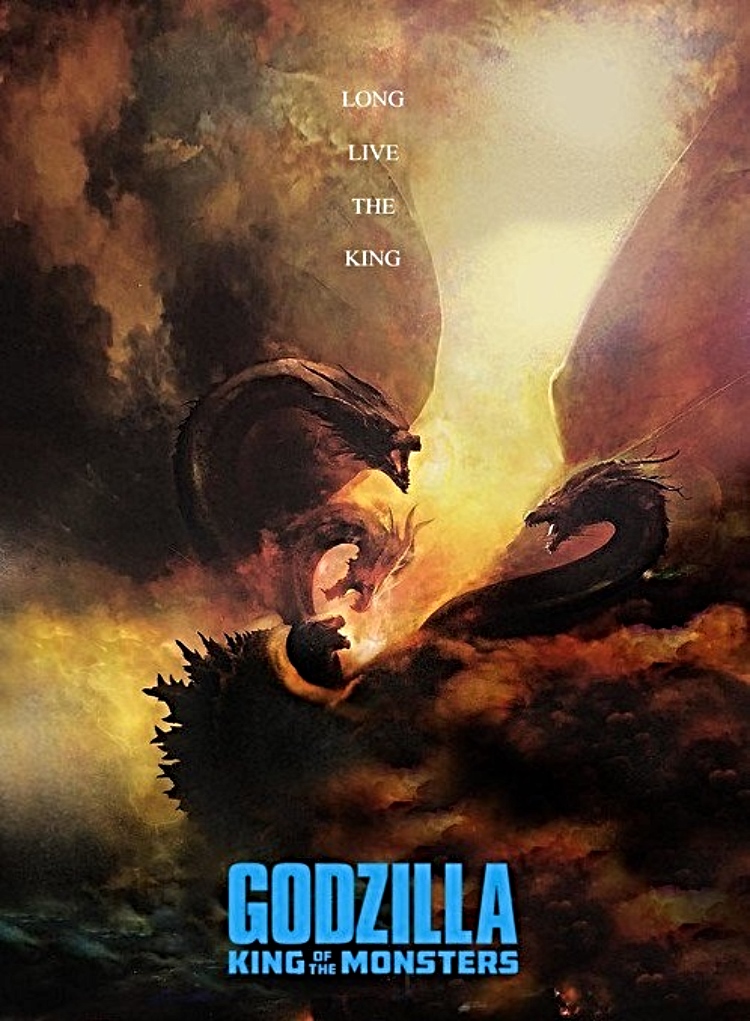
Godzilla: King of Monsters 2nd Official Trailer


Godzilla King of Monsters

This past summer we saw the first trailer to Godzilla: King of Monsters. To say that the reaction to that trailer was positive would be an understatement. It was one of the highlights of San Diego Comic-Con 2018.

Now, Warner Brothers Pictures saw fit to release the second trailer for the film. This time with less classical music and more Kaiju mayhem visuals instead. Michael Dougherty takes over directing duties from Gareth Edwards and this time it shows as the film stresses the action in the film rather than the human interactions underfoot.

Kaiju films have been fan-favorites for decades upon decades because of the monsters and less about the humans. The humans really were just there to give voice to the different factions of monsters duking it out. It looks like this time this sequel will follow the same formula.

Godzilla: King of Monsters is set for May 31, 2019.

Zack Snyder tweets Justice League Teaser for Comic-Con


Zack Snyder’s thrown his hat into the Comic Con fray with a special teaser trailer for Justice League, by way of a recent tweet. The film focuses on Bruce Wayne/Batman(Ben Affleck) and Diana Prince/Wonder Woman (Gal Gadot) as they gather a group of associates to defend against a great threat. So far, it looks interesting (if not a little rushed).

Also on board are Jason Momoa as Aquaman, Ezra Miller as The Flash / Barry Allen and Ray Fisher as Cyborg. The movie has a release date of November 17, 2017.

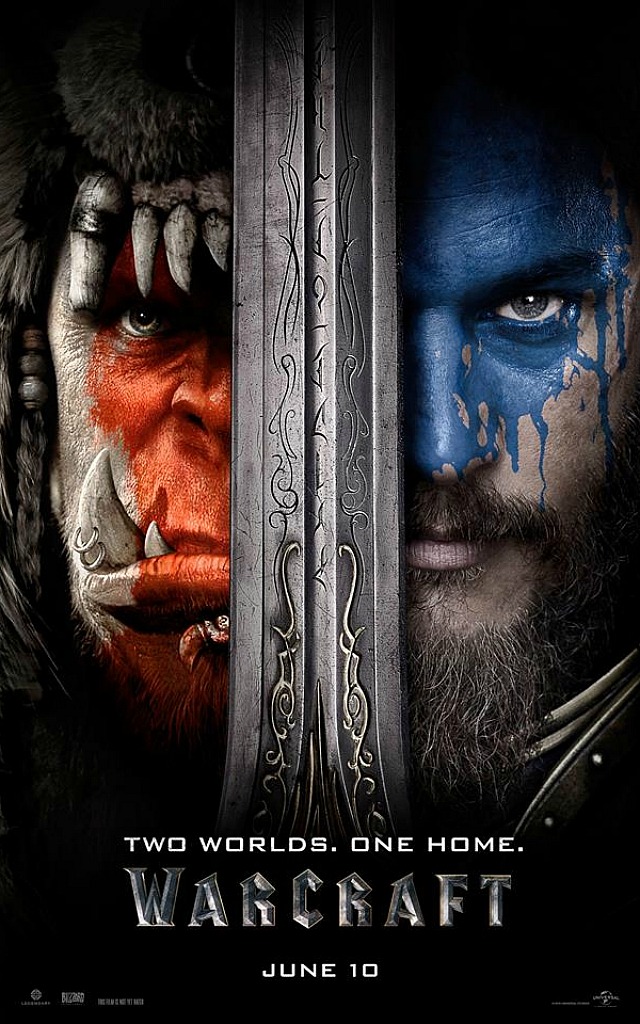
Warcraft Official Trailer (For The Film…Not The Game…I Know, Right!)


Warcraft

Warcraft was a game on the PC that I played for hours on end. It was the closest thing gamers had to a video game version of the Warhammer Fantasy property. the title had two popular sequels and gave birth to the biggest, most popular and most addictive MMORPG in history. I mean, World of Warcraft, led to couples getting divorces, players getting into real fights outside the game and even getting together in holy matrimony for reals.

So, Hollywood seeing a cash cow when it sees one had been trying to get a live-action film based on the Warcraft property for years. So many different directors had been attached to make it (from Uwe Boll right up to Sam Raimi) but in the end Duncan Jones got the job to bring Azeroth (and Draenor) to life on the big-screen.

With the film still months away, Universal and Legendary Pictures look to start the hype train going by releasing the first official trailer for Warcraft with much fanfare.

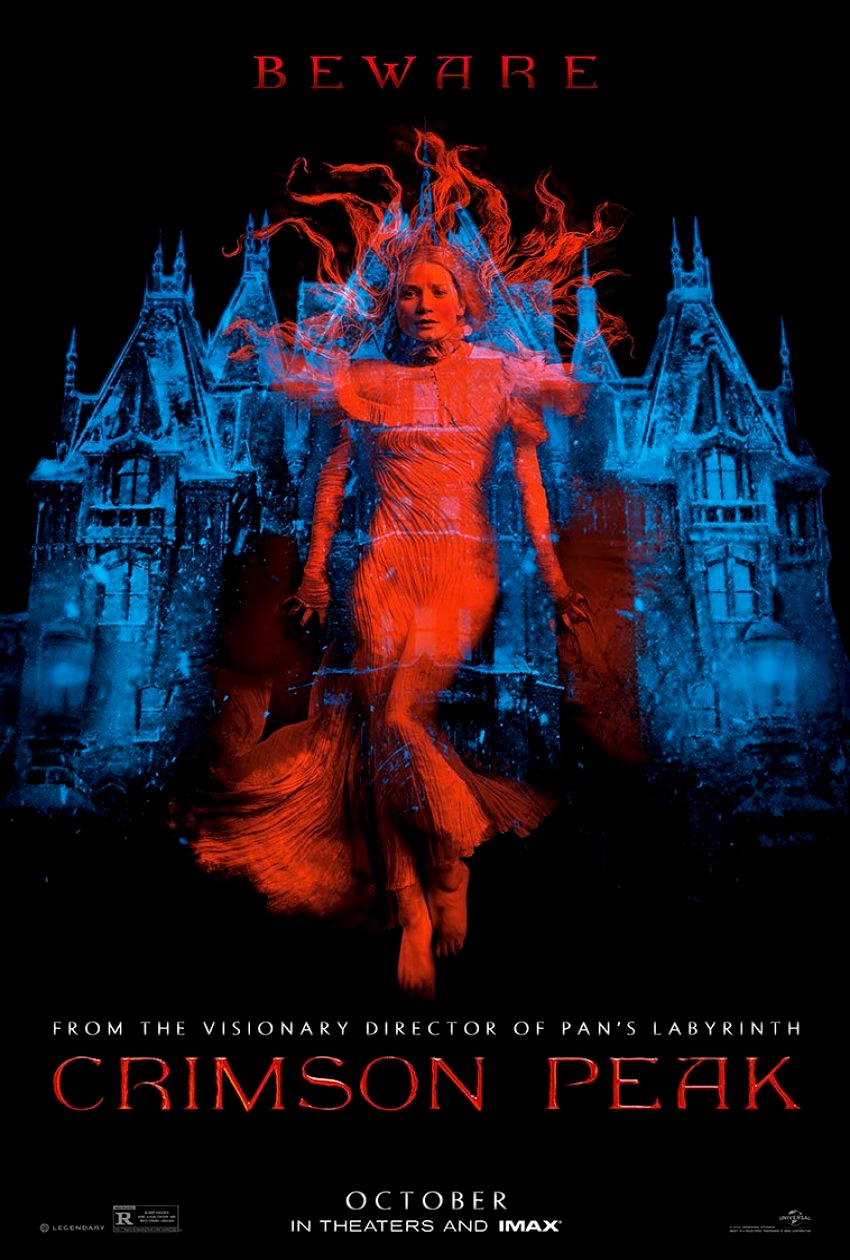
Crimson Peak’s Visually Stunning Gothic Horror


CrimsonPeak

Guillermo Del Toro has become the one filmmaker who seems to excite both the elitist cinephiles and the geek community whenever he comes out with a new film. He’s done both pop-friendly extravaganzas (Pacific Rim, Hellboy) to critically-acllaimed arthouse fares (Pan’s Labyrinth, The Devil’s Backbone). His name has been attached to so many projects of all stripe that one wonders if he ever gets time to rest.

Most of these projects never get past the concept stage, but when one does and he goes all out in directing such projects we get something that excites the fanbase like his upcoming gothic horror film Crimson Peak. It looks to be Del Toro’s love letter to gothic horror of the past with his own visual flair for the morbid and the beautiful in one package.

The film stars a who’s who of powerful performers from Jessica Chastain and Tom Hiddleston to Mia Wasikowska and Charlie Hunnam.

Crimson Peak is set to haunt the public this coming October 16, 2015

Jurassic World Adds To The Summer Action


JurassicWorld

Was there ever a need for a fourth film in the Jurassic Park franchise? For years many have tried to answer that and projects to get it up and running stalled for need of a director willing to sign on to a franchise that has been passed up by the superhero action tsunami that has hit pop culture.

It is now 2015 and we’re just months away from finally seeing the fruits of over a decade’s worth of labor to bring a fourth Jurassic Park film to the big screen. While it may still have Steven Spielberg attached as executive producer there’s no Joe Johnston anywhere near this fourth film. We have Carl Trevorrow taking the director’s chair with Chris Pratt and Bryce Dallas Howard taking on the lead roles.

Jurassic World is set to open it’s doors to the world on June 12, 2015 (took them long enough).