Review: The Blood of Dawnwalker


“Lord, please grant me the strength to resist this damn thirst… Grant me the will to keep the beast at bay.” — Coen

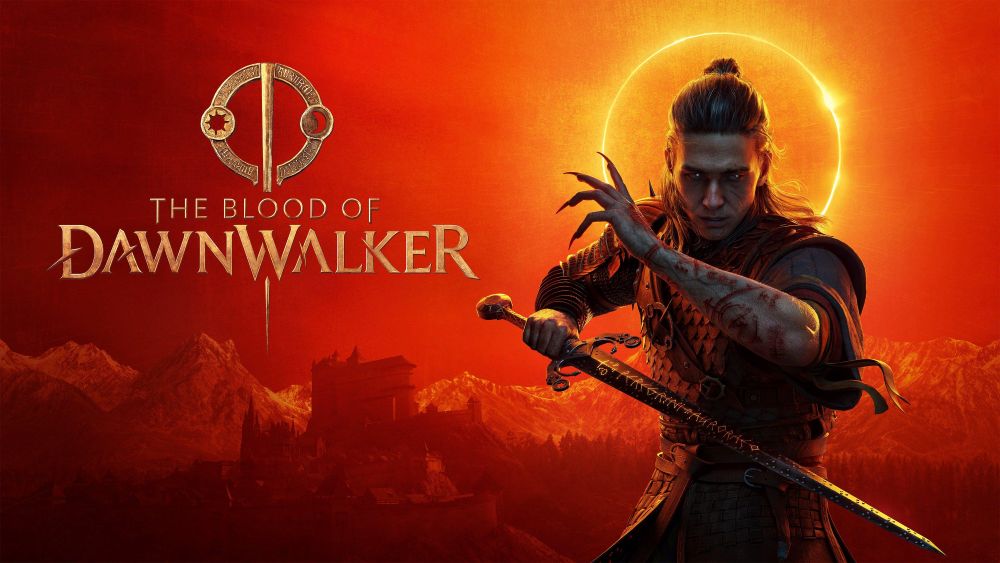
The Blood of Dawnwalker is a strong first showing from Rebel Wolves: a dark-fantasy action RPG that uses its vampire premise as the foundation for combat, exploration, role-playing, and player choice rather than as a simple visual hook. It is moody, bloody, occasionally demanding, and clearly made by a team that understands why players enjoy wandering through a richly imagined fantasy world and stumbling into trouble on their own terms.

Rebel Wolves comes into this project with a pedigree that is hard to ignore. The Polish studio includes several former top creatives from CD Projekt Red, the developer best known for The Witcher series and Cyberpunk 2077. Co-founder and game director Konrad Tomaszkiewicz directed The Witcher 3: Wild Hunt and held senior production and directing roles on Cyberpunk 2077, while other key Rebel Wolves figures—including narrative director Jakub Szamałek, art director Bartłomiej Gaweł, design director Daniel Sadowski, and creative director Mateusz Tomaszkiewicz—also have experience across The Witcher and Cyberpunk projects. That background does not mean The Blood of Dawnwalker is simply another Witcher, but you can absolutely see the shared interest in morally messy quests, local legends, dense world-building, and player-led approaches to problems.

The setting is one of the game’s greatest strengths. The Blood of Dawnwalker takes place in the fictional Vale Sangora, a dark medieval valley positioned in a 14th-century Europe devastated by plague, fear, political collapse, and religious unease. It is the kind of setting where villagers whisper about curses, old forests feel genuinely hostile, abandoned ruins suggest much older civilizations beneath the current order, and every noble house or holy institution seems to be concealing something ugly. Rather than relying only on the usual medieval-fantasy shorthand of castles, taverns, and bandits, Rebel Wolves grounds the setting in a more distinctive historical and cultural blend.

The world-building draws on local myths, folklore, legends, archetypes, and archaeological discoveries associated with Southeastern and Central Europe, especially Romania, Hungary, and Poland. Vale Sangora is not meant to be a direct recreation of any one real place, but the regional influence gives it a different texture from fantasy worlds modeled primarily on England, France, or generic “medieval Europe.” The atmosphere leans into Carpathian landscapes, mountain settlements, burial traditions, old sacred sites, folk monsters, regional superstition, and the tension between Christian authority and older beliefs that never fully disappeared. It gives the game a sense of place. You are not just moving through another interchangeable fantasy map; you are exploring a region where history, religion, folklore, and the supernatural seem permanently tangled together.

At the center of everything is Coen, a young man who exists between two states. By day, he is human. By night, he transforms into a vampire-like being called a Dawnwalker. That central duality is not merely part of the story or a convenient excuse for some special moves. It changes how you play the game, how you navigate locations, what abilities you have access to, and how you approach encounters. The day-and-night structure is easily the best thing about The Blood of Dawnwalker, because it keeps the game from becoming mechanically repetitive.

During the day, Coen plays more like a tough but vulnerable medieval warrior with access to unsettling occult magic. Human combat revolves around swordplay, and Rebel Wolves has put a surprising amount of thought into making that combat flexible for different kinds of players. If you prefer a simpler action-RPG setup, the game includes Omniattack and Omniblock options, allowing you to focus on timing, movement, and general survival without constantly managing directional inputs. If you want something more technical, you can use directional attacks and directional blocks, choosing which side to strike or defend from while reading an enemy’s position and responses.

That more hands-on combat style can make a fight feel like a proper duel instead of a button-mashing brawl. Blocking an incoming strike from the correct direction, parrying at the right moment, and following with a counterattack gives human Coen a satisfying grounded quality. He is capable, but he is not invincible. You need to pay attention to spacing, defense, stamina, and the number of enemies surrounding you. In a genre full of heroes who can flatten entire rooms without slowing down, there is something refreshing about the daytime game making you respect a sword fight.

Coen’s daytime magic adds another useful layer. His human abilities are tied to runes carved into his skin, turning scars into magical tools. Because his vampiric transformation heals those marks at night, this style of magic is specifically associated with his daylight form. That is a clever bit of design because it prevents daytime Coen from feeling like the lesser, restricted version of the protagonist. He has his own advantages and his own way of interacting with the world. Some magic is built for combat, but the more interesting powers support investigation and exploration. Compel Soul, for example, allows Coen to communicate with the dead, opening up possibilities for gathering information, investigating mysteries, and finding answers that living characters may not be willing or able to provide.

The nighttime half of the game delivers the vampire power fantasy, but it does so in a way that changes the rhythm rather than simply making Coen stronger. Once darkness falls, Coen gains vampiric abilities that favor speed, aggression, stealth, and vertical movement. His claws become central to combat, offering a more brutal and immediate alternative to the controlled, weapon-based swordplay of the day. Nighttime fights can feel much more predatory. You are quicker, more mobile, and better equipped to overwhelm isolated enemies, but there is also a constant undertone of hunger and self-control.

Blood is not just a healing item with gothic packaging. Feeding is tied to Coen’s condition, and managing bloodlust is part of the vampire experience. You can draw blood from different sources, and the choice can matter both mechanically and morally. Feeding may help sustain Coen, but it also makes the player consider what kind of person—or creature—he is becoming. If his hunger becomes too severe, he can become weakened or lose control, creating the possibility of consequences beyond a routine game-over screen. It is a more interesting use of vampirism than simply giving the player red eyes and a damage boost.

The other major nighttime advantage is movement. Coen can use Shadowstep, a short-distance teleporting ability that opens up fast escapes, surprise attacks, rooftop routes, stealthier paths, and alternate ways through guarded spaces. This is where the game’s two identities really begin to click. A location that seems straightforward during the day may reveal a completely different set of opportunities after dark. Walls, balconies, broken towers, rooftops, scaffolding, cliffs, and high windows become potential routes instead of mere scenery. At night, the game lets you think less like a knight walking through a gate and more like a supernatural predator looking for the path no one else can use.

The RPG side of The Blood of Dawnwalker is equally important, because the game does not treat dialogue as a brief pause between fights. Conversations can shape how characters view Coen, what information he receives, which opportunities become available, and how a given conflict develops. Your choices determine whether Coen comes across as diplomatic, threatening, manipulative, compassionate, secretive, ruthless, or simply desperate. That gives conversations a genuine role-playing function. You are not only picking the response that earns a reward or advances a marker; you are deciding how Coen handles people in a world that already fears monsters and has plenty of reason not to trust strangers.

Those choices carry beyond individual scenes. A side quest can be solved through violence, investigation, negotiation, stealth, supernatural ability, or a decision to walk away and deal with something else. The same applies to major story missions. A locked fortress, guarded estate, religious site, village dispute, or monster problem might offer more than one entry point and more than one resolution. You may learn useful information in a conversation, use your daylight magic to uncover a clue, wait for nightfall to find a new route, take the direct combat approach, or commit to a choice that changes the fate of a character or local community. The game’s best role-playing ideas come from allowing those systems to overlap rather than separating “dialogue choices,” “combat,” and “exploration” into isolated parts of the experience.

That design philosophy extends to quests and the larger structure of the game. The Blood of Dawnwalker uses a 30-day-and-night timeframe, but it does not appear to be a harsh real-time countdown that forces players to sprint through the main story. Time is treated as a resource. It advances when Coen commits to important actions, missions, or major choices, rather than simply because the player spent too long exploring an abandoned mine or checking every corner of a village. Before spending time, the game indicates the cost, letting players decide whether an opportunity is worth pursuing.

This makes the game’s narrative mechanics more meaningful than the usual good-versus-evil decision wheel. You cannot necessarily see every story thread, solve every problem, help every character, or complete every quest in one run. The order in which you pursue objectives matters, conversations can send situations in different directions, and choices made during side content can influence the broader experience. A main quest may be approached differently depending on what you learned elsewhere, who you allied with, which characters remain available, and whether you arrive as human Coen by day or vampire Coen by night.

The game’s multiple endings are a natural consequence of that structure. Rather than feeling like an arbitrary final selection screen, different endings grow out of the cumulative choices you make throughout the adventure: how you resolve key quests, how you handle relationships, what paths you prioritize, what consequences you accept, and how you use—or resist—Coen’s vampiric nature. That makes replay value feel built into the narrative rather than added afterward. A second playthrough is not just an excuse to choose a different dialogue line at the end; it is a chance to take alternate quest routes, make different alliances, pursue missed story threads, try new solutions, and see how those decisions reshape the road toward a different conclusion.

The biggest compliment I can give The Blood of Dawnwalker is that its mechanics and setting reinforce each other. The 14th-century landscape of Vale Sangora is not just a place to fight monsters; it is a setting built to make monsters feel plausible. In a world shaped by plague, rural isolation, ancient ruins, fragile faith, folklore, and social desperation, stories of vampires, curses, spirits, and hidden things in the dark do not feel like random fantasy decoration. They feel like natural extensions of how people might interpret a brutal and frightening world.

There are still a few potential sticking points. Players looking for a breezy, simple action game may find the more deliberate sword mechanics demanding, especially if they opt into directional offense and defense. The time-management framework may also create anxiety for people who dislike the idea of missing quests or content. The bloodlust system will depend heavily on balance: it needs to create real tension without becoming repetitive busywork. Still, those are the risks of a game trying to do something more ambitious than handing the player another enormous map full of icons.

Overall, The Blood of Dawnwalker succeeds because it has a real point of view. Rebel Wolves has taken a familiar fantasy subject—vampires—and tied it to an unusually specific cultural and historical atmosphere, then built its RPG systems around the tension between humanity and monstrosity. Daytime Coen is a sword-wielding investigator marked by ritual magic; nighttime Coen is a fast, lethal hunter with new routes through the world and dangerous urges to manage. Add in consequential conversations, flexible quest solutions, branching story paths, and multiple endings, and the game becomes much more than a vampire action RPG. It is a role-playing experience designed to make each player’s version of Coen—and each journey through Vale Sangora—feel meaningfully different.

Review: Apostle (dir. by Gareth Evans)


“She’s no god. She’s just a machine.” — Quinn

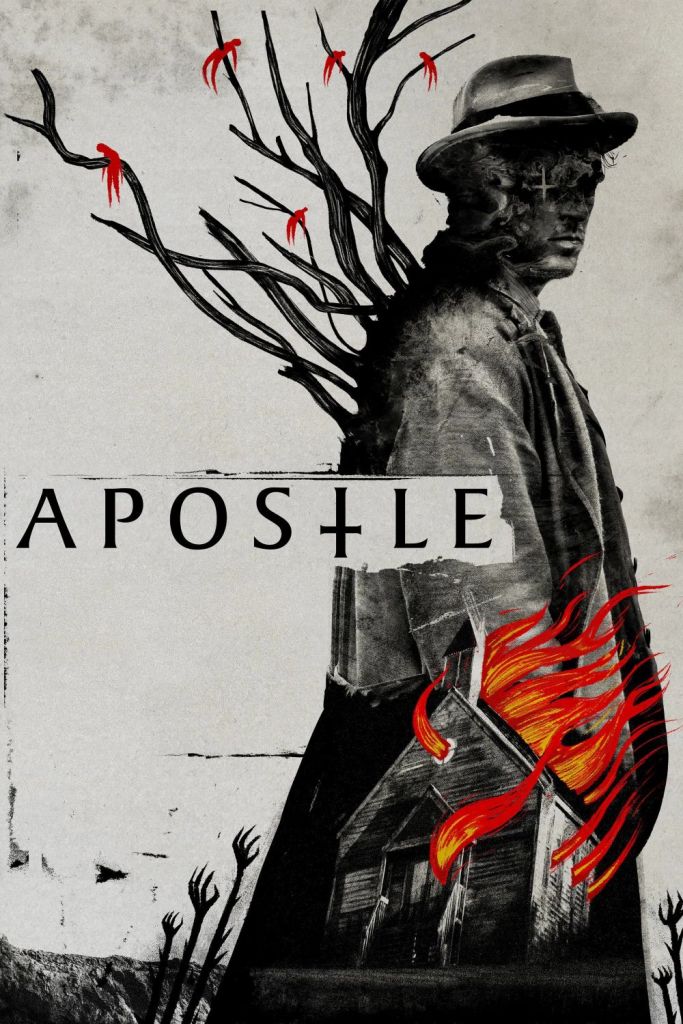
Apostle is one of those films that feels like Gareth Evans deliberately swerved away from the kinetic precision of The Raid and The Raid 2, as if to test whether he could still dominate the screen without back‑to‑back martial‑arts set pieces. The result is not a clean crowd‑pleaser, but a grim, blood‑soaked folk‑horror descent that trades velocity for dread, atmosphere, and the slow peeling away of civilized surfaces until what’s left is pure cruelty. It’s ambitious, dense, and at times unwieldy, but it is never the kind of hollow, algorithm‑friendly Netflix original that feels assembled by committee. The film leans into a slow‑burn approach, letting its cult setting and religious unease simmer before it erupts into something truly grotesque.

Set in 1905, Apostle follows Thomas Richardson, played by Dan Stevens with the exact right mix of haunted intensity and bruised arrogance, as he infiltrates a remote island cult to rescue his kidnapped sister. That setup sounds straightforward enough, but Evans uses it as a trapdoor into a much uglier story about faith, coercion, exploitation, and the grotesque systems people build when belief curdles into power. The cult is not merely spooky window dressing; it’s a functioning social organism with labor, hierarchy, punishment, and ritual, which gives the film a more grounded menace than a simple haunted‑house scenario. The island’s wrongness is not just in its rituals, but in the way ordinary domestic life has been turned into a kind of ongoing penance.

What makes Apostle compelling is how patiently Evans allows the island to breathe before he starts tearing it apart. The first half is almost methodical in the way it maps the place: the political tension within the cult, the uneasy alliances, the daily routines, the controlled scarcity, and the sense that every face hides some compromise. That slow construction is crucial, because once the film starts revealing what the island is actually built on, the horror lands with more force. It does not chase jump scares; it lets the audience sit inside the wrongness until the wrongness starts to feel inevitable. The film’s real horror is in the way it treats belief as a system of control rather than a source of comfort.

Michael Sheen is the other major pillar here, and he gives the film a wickedly slippery center as Malcolm, the island’s charismatic prophet. Sheen plays him as part messiah, part salesman, part exhausted tyrant, which is exactly the right tone for a character whose authority depends on performance. He isn’t merely loud or theatrical; he’s persuasive, and that is much scarier. The film understands that the most dangerous religious figures are often not the ones who snarl the loudest, but the ones who can make oppression sound like purpose. Dan Stevens plays beautifully against that energy, keeping Thomas in a state of wary observation until desperation forces him into action. The two actors give the movie a dramatic spine sturdy enough to support all the blood and theology around them.

Evans’ direction is, unsurprisingly, the film’s great technical asset. Even when Apostle feels overloaded, it never feels careless. He stages the island as an environment of mud, wood, fog, and decay, and his eye for spatial clarity keeps the film legible even when the narrative starts layering on secrets and hidden machinery. If The Raid was about velocity and geometry, Apostle is about pressure and contamination. The violence, when it arrives, still carries the director’s unmistakable talent for framing brutality on screen: every blow lands with a clarity and weight that makes the gore feel integral rather than gratuitous. But in Apostle he deftly dips his filmmaking talents into the world of gothic folk horror, slotting his sensibility alongside classics like The Wicker Man, Witchfinder General, and The Witch. The island’s rituals, its mix of agrarian dread and religious paranoia, and its sense of a sealed community preparing for a bloody reckoning all echo those earlier works, while Evans colors them in his own grimy palette.

There’s also something interesting about how the film handles world‑building. It is overstuffed, yes, but it is overstuffed in a way that feels earned rather than random. The island has systems, factions, and ugly little bureaucracies of suffering, and the film keeps revealing new layers of control and corruption until the whole place feels like a machine designed to consume bodies and faith at the same time. Some viewers will see that density as a flaw, and they’re not entirely wrong; Apostle can feel a little overextended, as if Evans has too many ideas he wants to wring out of the same pressure cooker. But it could also be argued that the excess is part of the film’s personality. It’s not elegant horror. It’s horrified by its own abundance.

Thematically, Apostle works best when it treats religion not as a decorative taboo, but as a field of contesting desires. The film isn’t interested in simple anti‑faith provocation. Instead, it examines what happens when belief becomes a resource to be managed, weaponized, and monetized. The cult claims to reject corruption from the outside world, but its inner life is every bit as predatory, which makes the island feel less like an isolated aberration and more like a compressed version of the larger world Thomas came from. That’s one of the movie’s smartest ideas: the mainland and the island are different expressions of the same rot. The difference is only one of scale and visibility.

As a horror film, Apostle is strongest when it is patient and weakest when it has to juggle too many moving parts at once. The final stretch escalates into an effectively feral confrontation, but the movie occasionally risks losing the eerie precision of its setup in favor of sheer attritional chaos. Still, even that chaos has a purpose. Evans is not just trying to shock; he’s trying to show what happens when systems of belief collapse under the weight of their own lies. The result is messy, unpleasant, and often very good. It is also one of the more distinctive Netflix originals of its era, precisely because it refuses to be easy or tidy.

Apostle feels like a filmmaker known for kinetic precision making a movie about spiritual and social collapse, and the contradiction works in its favor. Even as he steps into the domain of gothic folk horror, Evans never loses his gift for filming violence or his sense of where the camera should sit in relation to pain. It has the rough edges of an ambitious film reaching for too much, but those edges are part of what makes it memorable. Part of the reason the film is underappreciated as quietly as it is may be that it arrived with a reputation attached: if Evans did not already have a name as a master of action filmmaking, Apostle might be celebrated more openly as a standalone horror achievement. Sometimes moving out of one’s comfort zone and still succeeding is exactly what gets held back by one’s reputation for what they’re “supposed” to be good at.

Between the bleak atmosphere, the commanding performances, the grim folk‑horror imagery, and Evans’ refusal to soften the ugliness of his subject, Apostle stands as a smart, vicious, and unusually committed piece of genre filmmaking. It may not be the Gareth Evans movie action fans expected, but it is very much the one horror fans deserved.

Review: Penny Dreadful – Seasons 1 thru 3 (by John Logan)


“There are things within a soul that can never be unleashed… They would consume us. We would cease to be, and another would exist in our place, without control, without limits.” — Vanessa Ives

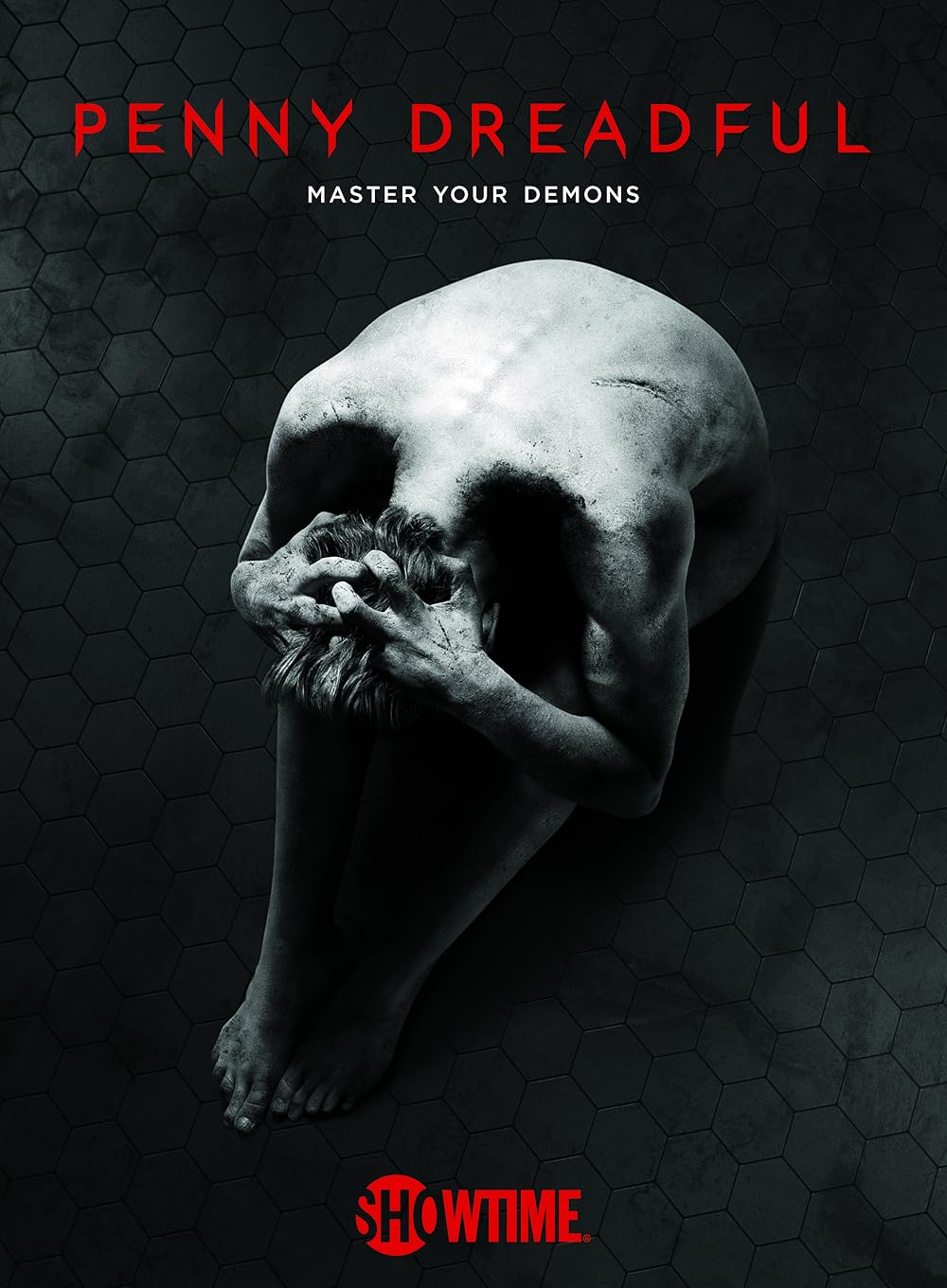
Penny Dreadful remains one of the more distinctive horror dramas of the 2010s, its three-season run on Showtime from 2014 to 2016 offering a rare blend of lush literary homage, character-driven tragedy, and outright Grand Guignol spectacle. Expanding the lens season by season clarifies how the series evolves from a moody, experimental monster mash into a full-blown gothic epic, while also highlighting the structural flaws and uneven pacing that prevent it from being universally accessible, even as standout performances from its ensemble elevate every frame. What emerges is a show that grows richer the more time it spends with its characters—particularly through highlight turns like Eva Green’s ferocious Vanessa Ives, Rory Kinnear’s soul-wrenching Creature, and the magnetic supporting work from Timothy Dalton, Josh Hartnett, and Billie Piper—rewarding patient viewers even as its narrative sometimes strains under the weight of its own ambition.

Season one of Penny Dreadful functions as an origin point and a proof of concept, introducing viewers to a haunted ensemble bound together by secrets, sin, and supernatural forces, with performances that immediately set a bar for emotional and physical intensity. The central plot—Sir Malcolm Murray and Vanessa Ives recruiting American gunslinger Ethan Chandler and tortured scientist Victor Frankenstein to rescue Malcolm’s daughter Mina from a vampiric master—serves less as a conventional quest and more as a framework to explore broken people clinging to purpose, anchored by Timothy Dalton’s commanding Sir Malcolm, whose gravelly authority and haunted eyes convey a lifetime of imperial regrets and paternal failure. Eva Green’s Vanessa is the undeniable highlight here, her ferocious intensity in episodes like Séance and Possession—where glossolalia, contortions, and violent ecstasy erupt—turning demonic outbreaks into raw expressions of guilt, repression, and spiritual crisis, earning her a Golden Globe nomination for a debut season that demands Oscar-level physicality and vulnerability. Josh Hartnett’s Ethan Chandler provides a grounded counterpoint, his brooding sharpshooter evolving from reluctant hero to tormented beast with subtle shifts in posture and gaze that foreshadow his lycanthropic reveal.

The first season also lays the groundwork for the show’s thematic fascination with duality and monstrosity, especially through Harry Treadaway’s brittle Victor Frankenstein—whose twitching desperation humanizes god-like hubris—and Rory Kinnear’s breakout as the Creature, a shambling horror who quickly reveals literate eloquence and bitter pathos, his scarred visage and rumbling baritone making every plea for connection a gut-punch that redefines “monster” from the outset. Season one’s pacing can feel deliberately slow, even theatrical, as it lingers on candlelit rooms, whispered confessions, and philosophical exchanges, and some viewers may find this emphasis on mood over plot progression alienating. Yet that same deliberation allows the show to build a cohesive emotional atmosphere in which every prayer, séance, and bloodletting feels weighted with meaning, amplified by Dalton’s authoritative gravitas and Green’s transcendent torment. Critics generally responded favorably to this opening run, praising these performances and the atmosphere while noting that its heavy tone and self-seriousness would not be to every viewer’s taste.

Season two represents Penny Dreadful at its most confident and cohesive, expanding the mythology while tightening the emotional focus around Vanessa’s confrontation with a coven of witches led by Evelyn Poole, with Helen McCrory’s serpentine Madame Kali emerging as a highlight villain whose purring malice and intimate manipulations steal scenes. By reframing the central antagonist from a shadowy vampire figure to this fully articulated witch—who weaponizes intimacy, religious iconography, and psychological terror—the show raises the stakes, and Green’s Vanessa responds with even greater ferocity, her possession battles now laced with backstory from Patti LuPone’s earthy, heartbreaking Cut-Wife, whose single-episode arc showcases LuPone’s unparalleled ability to blend folk wisdom with maternal ferocity. This season’s central conflict positions Vanessa as the battleground for Lucifer’s desire, giving the main cast a unity of purpose that the first sometimes lacked.

Character work in season two deepens significantly, with Josh Hartnett elevating Ethan into a moral savage whose lupine rampages in No Beast So Fierce blend raw physicality and soul-searching remorse, while Billie Piper’s evolution from fragile Brona Croft to the defiant Lily Frankenstein becomes a revelation—her steely monologues on patriarchal violence delivered with fiery conviction that rivals Green’s intensity. Rory Kinnear’s Creature reaches new pathos pleading for a mate, his rejection scene opposite Treadaway’s increasingly unhinged Victor one of the series’ most devastating showcases of mutual ruin. Reeve Carney’s Dorian Gray adds hedonistic shimmer, though his arc pales next to these powerhouses. Moments like the group’s desperate defense of Sir Malcolm’s home or Ethan’s transformations achieve a rare balance of gore, suspense, and lyrical resolution, with Dalton’s weary patriarch holding the emotional center. Critics frequently cite season two as the show’s peak, with 100% Rotten Tomatoes scores reflecting near-universal praise for these heightened performances and tighter narrative.

Season three is where the series’ strengths and weaknesses collide most dramatically, as it scatters the core ensemble geographically and mythologically while hurtling toward an abrupt conclusion, yet the actors rise to the challenge with career-best work. Eva Green’s Vanessa deepens into despairing isolation, her therapy sessions with Patti LuPone’s returning Dr. Seward (a chilling pivot from folk healer to clinical cutter) and tender courtship by Christian Camargo’s suave Dracula yielding some of her most nuanced work—balancing fragility, resolve, and erotic pull in a finale self-sacrifice that cements her as TV’s ultimate gothic heroine. Josh Hartnett’s Ethan, now grappling with Apache mystic Kaetenay (Wes Studi’s dignified gravitas a welcome addition), delivers visceral Western showdowns that showcase his action-hero chops alongside soulful reckoning. Timothy Dalton’s Sir Malcolm, questing in Zanzibar, brings imperial weariness to poignant closure, his highlight a raw confrontation with past sins.

Standouts continue with Billie Piper’s Lily rallying a feminist uprising, her ideological fire clashing gloriously with Dorian’s jaded ennui in scenes of revolutionary fervor and betrayal that highlight Carney’s subtle decay. Harry Treadaway’s Victor, partnering with Shazad Latif’s oily Jekyll, spirals into ethical abyss with manic precision, while Rory Kinnear’s Creature—rediscovering his identity as John Clare—delivers the series’ most quietly devastating arc, his family reunion a masterclass in restrained grief that rivals Green’s flashier exorcisms for emotional wallop. These performances salvage the fragmented plotting, infusing global detours with humanity even as resolutions feel rushed.

Evaluated across all three seasons, Penny Dreadful delivers a rich, if imperfect, journey elevated by its highlight performances: Green’s transcendent Vanessa as the tormented soul; Kinnear’s Creature as the rejected heart; Dalton’s authoritative patriarch; Hartnett’s brooding beast; Piper’s fiery avenger; and LuPone’s dual folk icons—forming an ensemble that turns gothic pulp into profound tragedy. Season one constructs a dense foundation; season two refines it into peak artistry; season three reaches for epic finality with power even in haste. The end result succeeds more as character-driven gothic poetry than tidy thriller, its actors ensuring unforgettable resonance for horror fans craving depth. In a landscape of sanitized scares, these performances make Penny Dreadful a dark, enduring achievement.

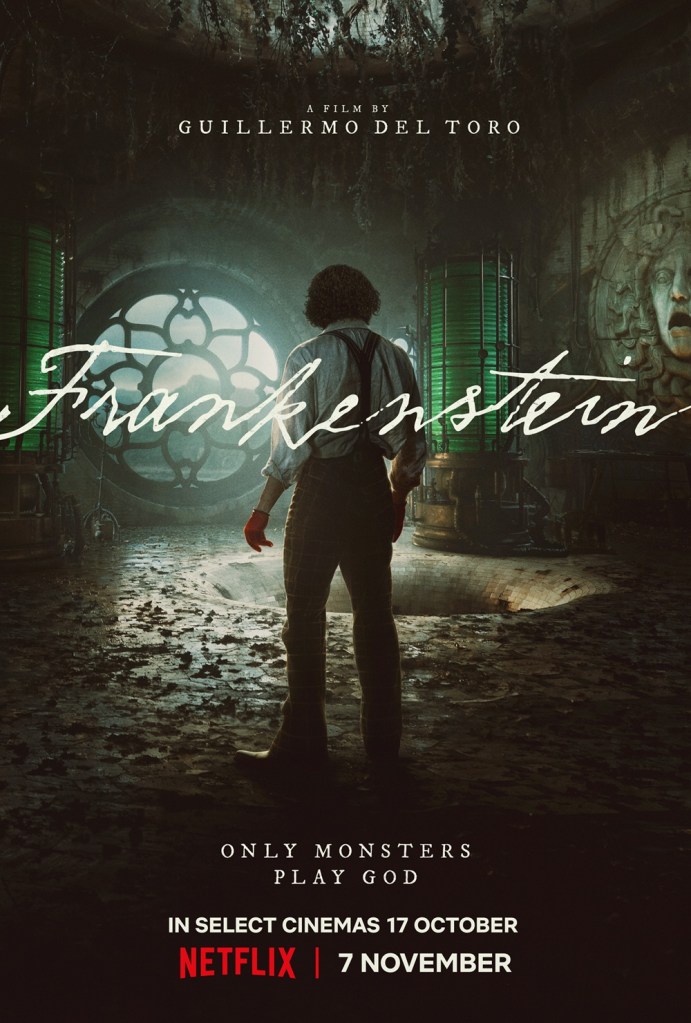
Review: Frankenstein (dir. by Guillermo Del Toro)


“An idea, a feeling became clear to me. The hunter did not hate the wolf. The wolf did not hate the sheep. But violence felt inevitable between them. Perhaps, I thought, this was the way of the world. It would hunt you and kill you just for being who you are.” — the Creature

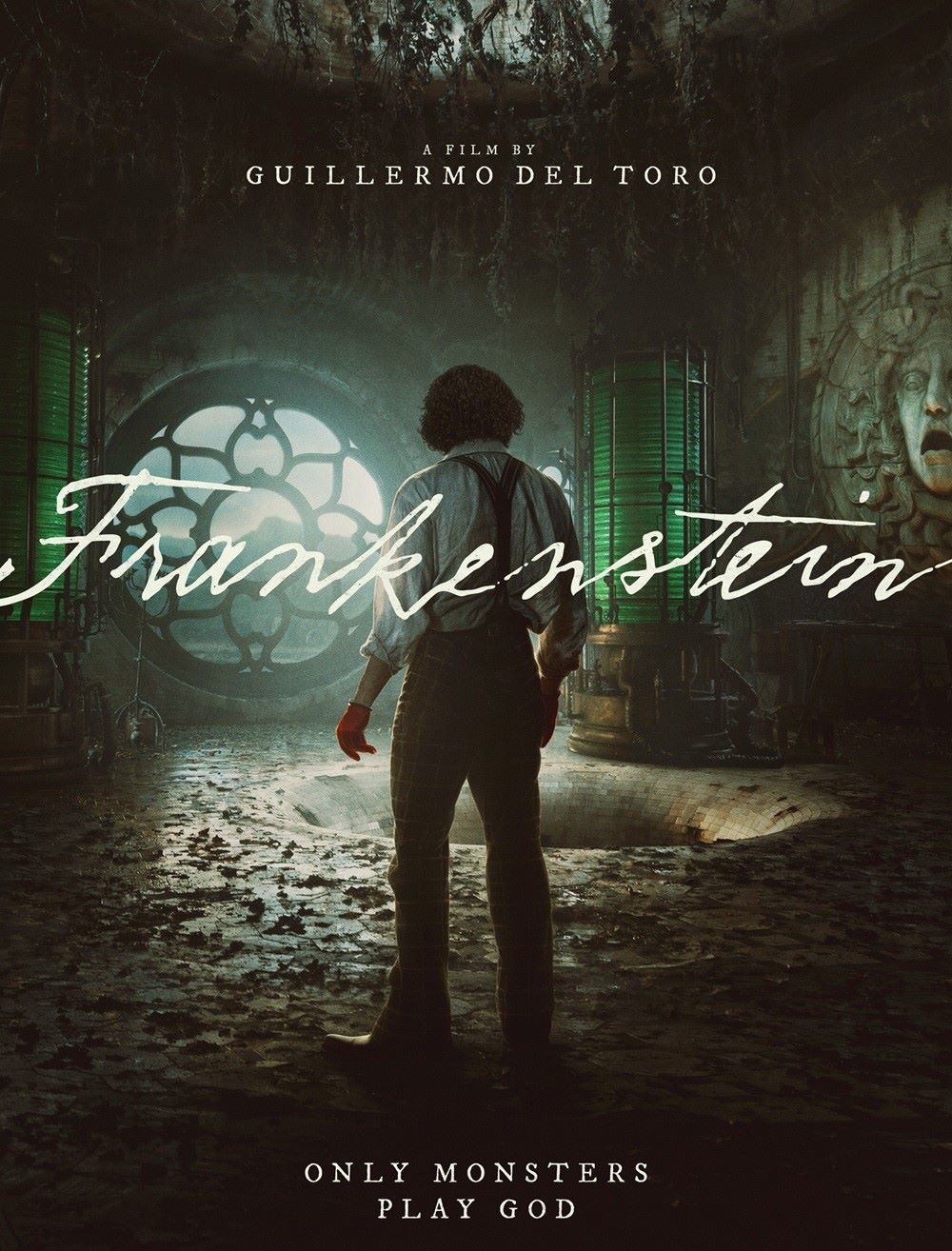
Guillermo del Toro’s long-awaited take on Frankenstein finally lumbers to life after years of speculation and teases, and it’s every bit the dark, hypnotic fever dream you’d expect from his imagination. The film, a Netflix-backed production running close to two and a half hours, stars Oscar Isaac as the guilt-ridden Victor Frankenstein and Jacob Elordi as his tragic creation. The result lands somewhere between Gothic melodrama and spiritual lament—a lush, melancholy epic about fathers, sons, and the price of neglect. It’s both a triumph of aesthetic world-building and a case study in overindulgence, the kind of movie that leaves you haunted even when it occasionally tests your patience.

From the very first frame, del Toro plunges us into a Europe steeped in rot and beauty. His world feels more haunted than alive—every misty street lamp and echoing corridor loaded with centuries of decay. Victor, introduced as both a visionary and a failed son, is shaped by years of cruelty at the hands of his domineering father, played with aristocratic venom by Charles Dance. That upbringing lingers in every decision he makes, especially when he turns to science to defy death. Del Toro shoots his laboratory scenes as though they were sacred rituals: the flicker of candlelight reflecting off glass jars, the close-up of trembling hands threading sinew into flesh. When the Creature awakens, lightning cracks like some divine act of punishment. It’s a birth scene that feels more emotional than monstrous—Elordi’s raw, wordless confusion gives it a painful tenderness that lingers longer than the horror. Del Toro discards the usual clichés of flat heads and neck bolts, opting for something far more human: an imperfect body full of scars and stitched reminders of mortality.

One of the most striking choices del Toro makes is reframing Victor and the Creature as mirror images rather than opposites. Instead of playing Victor as a simple mad scientist, del Toro paints him as a broken man desperate to reclaim the control he never had as a child. That fear and obsession ripple through the Creature, who becomes his unacknowledged shadow—an extension of Victor’s failure to love or take responsibility. The movie often frames the two in parallel shots, their movements synchronized across different spaces, suggesting that creator and creation are locked in a tragic loop. The audience watches both sides of the story—Victor’s guilt and the Creature’s anguish—without clear moral lines. This emotional split gives the film its heartbeat: the Creature isn’t a villain so much as a rejected child, articulate and lonely, begging to know why he was made to suffer.

Jacob Elordi’s performance is revelatory. He channels something hauntingly human beneath the layers of prosthetics and makeup. There’s a fragility to the way he moves—those long, uncertain gestures feel less like a monster testing its strength and more like someone trying to exist in a world that never wanted him. His eyes carry the movie’s emotional weight; the moment he sees his reflection for the first time is quietly devastating. Oscar Isaac, meanwhile, leans hard into Victor’s manic idealism, all sweat-soaked ambition and buried grief. He makes the character compelling even at his most despicable, though at times del Toro’s dialogue spells out Victor’s torment too bluntly. Still, the scenes between them—particularly their tense reunion in the frozen north—achieve the Shakespearean tragedy that del Toro clearly aims for.

Visually, Frankenstein is pure del Toro—sumptuous, grotesque, and alive in every corner of its composition. Each frame looks painted rather than filmed: flickers of gaslight reflecting on wet marble, glass jars filled with organs that seem to breathe, snow settling gently on slate rooftops. The film feels drenched in the texture of another century, yet vibrates with modern energy. Costume designer Kate Hawley, longtime collaborator of del Toro, deserves special recognition here. Her work helps define the story’s emotional tone, dressing Victor in meticulously tailored waistcoats that hint at obsession through precision, and the Creature in tattered fabrics that seem scavenged from several lives. Elizabeth’s gowns chart her erosion from warmth to mourning, using color and texture as silent narration. Hawley’s palette moves from opulent golds and creams to bleak greys and winter blues—visually tracing how ambition and grief drain the light from these characters’ worlds. The costumes, much like del Toro’s sets, feel alive with history, heavy with stories stitched into every seam.

Mia Goth gives a strong, if underused, turn as Elizabeth, Victor’s doomed fiancée. Her early scenes bring a spark of warmth to the story’s coldness; her later ones turn tragic in ways that push Victor toward his final breakdown. Minor characters—the townspeople, the academics, the curious aristocrats who toy with Victor’s discovery—carry familiar del Toro trademarks: grotesque faces, eccentric manners, glimmers of compassion buried in callousness. The composer’s score matches this tone perfectly, alternating between aching melodies on piano and surging orchestral crescendos that make even the quiet scenes feel mythic. Combined, the sound and visuals give Frankenstein a grandeur that most modern horror films wouldn’t dare attempt.

Still, not every gamble lands cleanly. Del Toro’s interpretation leans so hard into empathy that it dulls the edges of the original story’s moral conflict. Shelley’s Creature grows into a murderous intellect, acting out of vengeance as much as sorrow; here, his violence is softened or implied, as though del Toro can’t quite bring himself to stain the monster’s purity. The effect is powerful emotionally but flattens some of the tension—Victor becomes the clear villain, and the Creature, the clear victim. It fits del Toro’s worldview but leaves the viewer missing some ambiguity. The pacing also falters in the middle third. There are long, ornate monologues about divinity, creation, and guilt that blur together into a swirl of purple prose. The visuals never lose their grip, but the script occasionally does, especially when it slows down to explain what the imagery already tells us.

Those fits of overexplanation aside, del Toro’s Frankenstein stays deeply personal. The story connects directly to the themes he’s mined for years: innocence cursed by cruelty, love framed in pain, beauty stitched from the broken. The Creature isn’t just man made from corpses; he’s a kind of prayer for grace—a plea for understanding in a world defined by rejection. Victor’s failure to nurture becomes an act of spiritual cowardice rather than scientific arrogance. The parallels between them give the film its emotional voltage. Every time one character suffers, the other feels it by proxy, as if their bond transcends life and death.

By the final act, all the grand tragedy is distilled into the silence between two beings who can’t forgive each other—but can’t let go, either. The closing image of the Creature, trudging across a barren arctic plain beneath a rising sun, borders on mythic. His tear-streaked face and quiet acceptance of solitude bring the story full circle: a being born of man’s arrogance chooses forgiveness when his maker couldn’t. It’s sad, tender, and surprisingly spiritual, hinting at del Toro’s constant fascination with mercy in a cruel universe.

As a whole, Frankenstein feels like the culmination of del Toro’s career obsessions condensed into one sprawling film. It’s not perfect—it wanders, it sermonizes, and it sometimes sacrifices fear for sentiment—but it’s haunted by sincerity. You can see del Toro’s fingerprints in every gothic curve and crimson hue, and even when he overreaches, you believe in his conviction. Isaac anchors the film with burning intensity, Elordi gives it wounded humanity, and Goth tempers the heaviness with grace.

In the end, this version of Frankenstein isn’t about horror in the traditional sense. It’s not there to make you jump—it’s there to make you ache. The film trades sharp scares for bruised hearts, replacing terror with empathy. Del Toro reanimates not just flesh but feeling, dragging one of literature’s oldest monsters into our modern reckoning with parenthood, grief, and the burden of creation. It’s daring, messy, and undeniably alive. For better or worse, it’s exactly the Frankenstein Guillermo del Toro was always meant to make.

Horror Trailer: Frankenstein


The official trailer for Guillermo Del Toro’s take on the Mary Shelley’s classic gothic horror Frankenstein has finally been released.

An earlier teaser was sent out months ago, but that was mostly played off like sizzle reel of what Del Toro had been up to with this latest adaptation. This official trailer gives us a much more closer look at the type of adaptation Del Toro decided to take with Shelley’s novel of the tortured scientist and his creation.

Even though it will be show up on Netflix on November 7, 2025, I do believe that this film needs to be seen on the big screen when a select cities get them on October 17, 2025.

4 Shots From 4 Films: Guillermo del Toro Edition


Happy Birthday to the Master of Dark Fantasy.

Guillermo del Toro ranks high in my eyes as one of the best filmmakers working today. His films have ranged from an inventive take on the vampire genre, the mutant monster film, an evocative ghost story and right up to a dark fable. Guillermo del Toro has worked on both smaller, personal projects and the big, blockbuster action. He’s comfortable in living in both worlds.

No matter which side he happens to land at any particular time he always brings his own brand of visual style and storytelling to each and every film that tells the world that they’re watching a Guillermo del Toro production.

4 Shot From 4 Films

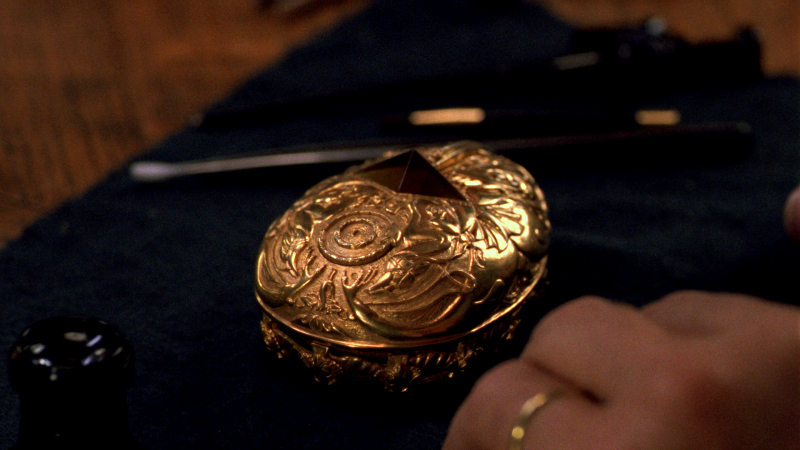
Cronos (dir. by Guillermo del Toro)

Cronos (dir. by Guillermo del Toro)

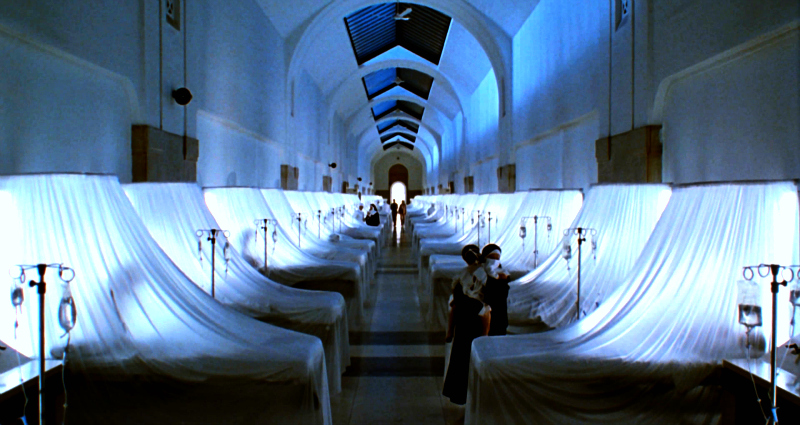
Mimic (dir. by Guillermo del Toro)

Mimic (dir. by Guillermo del Toro)

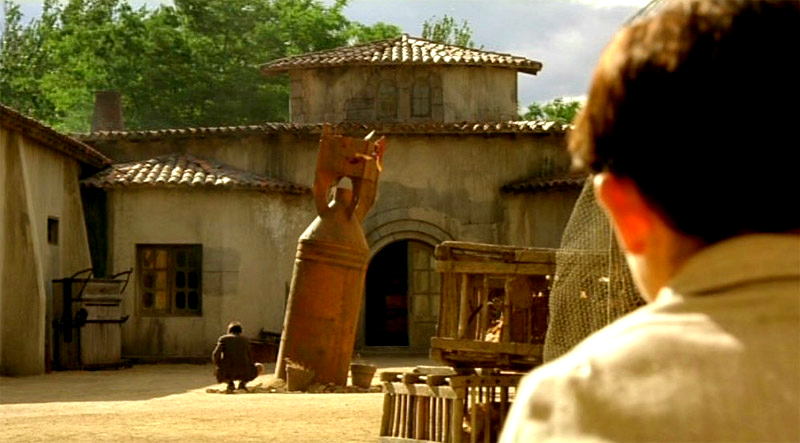
The Devil's Backbone (dir. by Guillermo del Toro)

The Devil’s Backbone (dir. by Guillermo del Toro)

Pan's Labyrinth (dir. by Guillermo del Toro)

Pan’s Labyrinth (dir. by Guillermo del Toro)

Horror Song of the Day: Penny Dreadful Theme (by Abel Korzeniowski)


penny-dreadful-logo-penny-dreadful-new-posters-and-a-new-character-trailer

It’s that time of the year. It’s October here in Through the Shattered Lens and that means one thing: horror-theme month.

October has become a sort of favorite month for us over here at Through the Shattered Lens. While other genres and topics will be posted and and get their time in the sun, this month always brings the site back to the shadows and things that made us fear the dark. Horror has been a common thing which drew Lisa and I to continue the site from it’s fledgling early months to going on almost 6 years.

I’d like to start my contribution to all-things horror by introducing those who haven’t experienced one of the best shows on TV which also has one of the most unique horror theme’s on either big or small screen.

The theme for Showtime’s Penny Dreadful was composed by Abel Korzeniowski. It’s a theme that gives an audience of hint at the show’s Victorian Age gothic setting with just the right amount of dark romance and psychological themes the show has become famous for.

So, here’s the latest “Song of the Day” set for the witching hour.

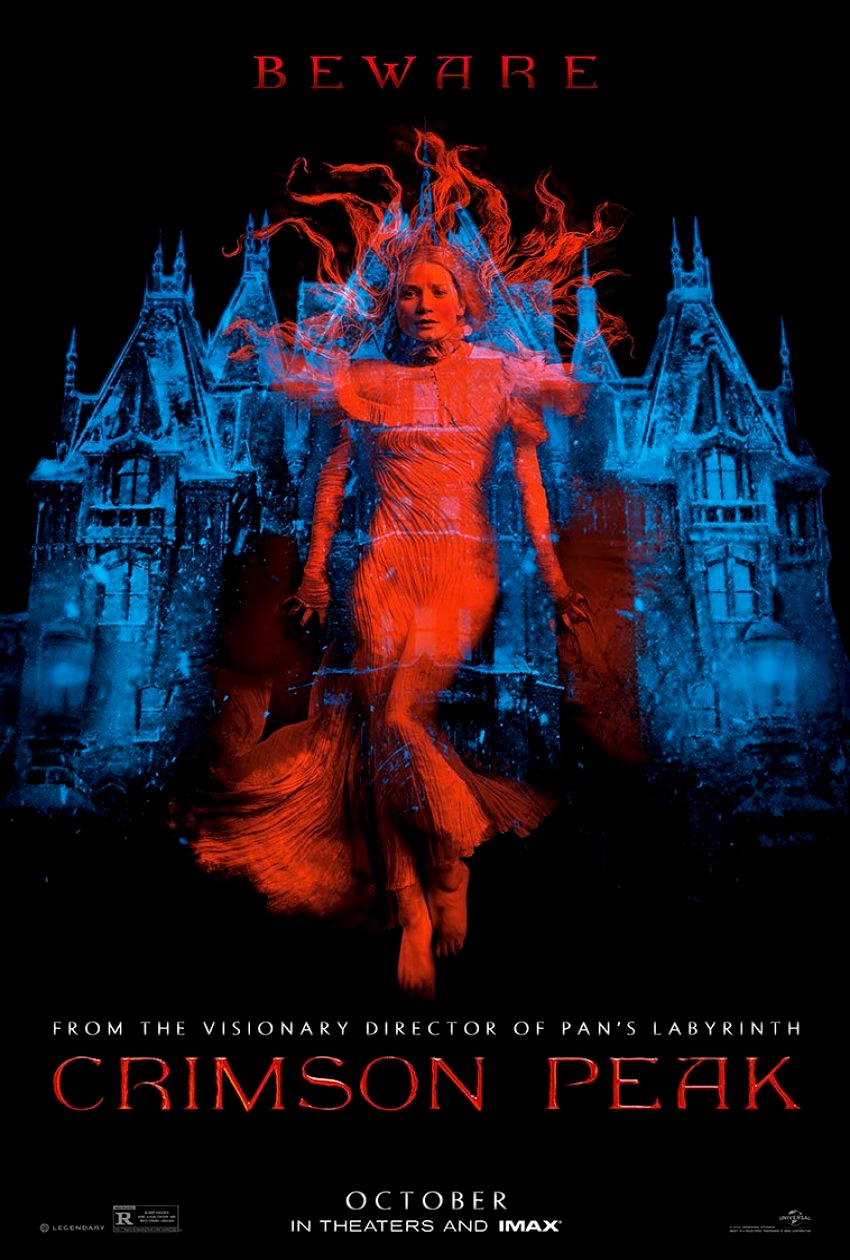
Crimson Peak’s Visually Stunning Gothic Horror


CrimsonPeak

Guillermo Del Toro has become the one filmmaker who seems to excite both the elitist cinephiles and the geek community whenever he comes out with a new film. He’s done both pop-friendly extravaganzas (Pacific Rim, Hellboy) to critically-acllaimed arthouse fares (Pan’s Labyrinth, The Devil’s Backbone). His name has been attached to so many projects of all stripe that one wonders if he ever gets time to rest.

Most of these projects never get past the concept stage, but when one does and he goes all out in directing such projects we get something that excites the fanbase like his upcoming gothic horror film Crimson Peak. It looks to be Del Toro’s love letter to gothic horror of the past with his own visual flair for the morbid and the beautiful in one package.

The film stars a who’s who of powerful performers from Jessica Chastain and Tom Hiddleston to Mia Wasikowska and Charlie Hunnam.

Crimson Peak is set to haunt the public this coming October 16, 2015

Review: Sunless Sea


Sunless-SeaI acquired Sunless Sea by impulse as soon as I heard it was a “story-driven roguelike”. I had heard of it before as a “lovecraftian ship navigation simulator”. So happens it attempts to be both, and executes its proposal with laudable competence. Sunless Sea is Uncharted Waters: New Horizons for the SNES meets Eternal Darkness for the Gamecube. It is Sid Meier’s Pirates with a Doctor Who, wacky kind of horror, eldritch and horrifying in its own right. It is fantastic, and scary and fascinating.

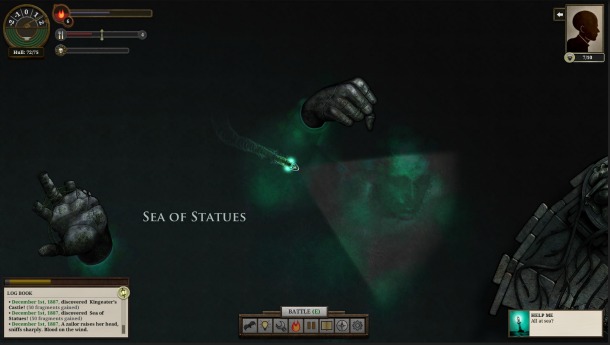
Sunless Sea evokes the mysteriousness of the oceans during the age of discoveries and displaces it into a fantasy, steampunk, victorian London to create a setting appropriately unknown. Your home port of Fallen London (Which as it implies, is London after falling into the earth. Get with the program.) is the only mostly safe place in the underground sea referred to as the Unterzee. As soon as you set sail from Fallen London, there’s no telling what you’ll find, with bat swarms, giant crabs and rat pirates being some of the most tame enemies you’ll encounter. The Unterzee is appropriately feared by those that dwell in it, and your own terror is only one of the things you must manage, lest despair drives you into joining the ghosts in the sea. Mind you, this is not a metaphor, there are actual sea ghosts who, on occasion, wail for you to join them. Your ship’s light brings some comfort at the cost of precious fuel. You must balance the intake of fear with the diminishing fuel and food supplies. It is a game of management. as well as exploration.

sunless1

But most of all, it’s story-driven. There is no single story to speak, but all of them are superbly written. You travel from port to port, from tale to tale, every one of them as eerie as the previous and never the same as any other. The seas are ruled by the gods of Salt, of Stone and of Storm, and you seek their favour, only hoping not to displease any of them. Spider-silk and mushroom wine are common trading goods, while human souls and uncensored romantic novels are illegal commodities. Every island you visit is a story. Every game update is a new set of stories added. It is a fascinating, ever expanding world for the fantasy and horror writer and all its consumers.

If I had to describe Sunless Sea in one word, it would be “enigmatic”. More extensively I’d describe it as dashingly green and black. But it offers too much content; it’s too original to be summarized so briefly. As a roguelike, it is unconventional. As a horror story, it is promising, and as an indie game as a whole it is very successful. I can only hope the Unterzee becomes richer and richer with its programmed updates, and so should you.


Trailer: Crimson Peak


crimson-peak-poster

When will studios finally smarten up and realize that Guillermo Del Toro is one of the preeminent fantasists of our time. Just give him the money and talent to finally make his dream project for the bigscreen: At the Mountains of Madness.

Until that happens we shall have to wait with anticipation for every new project he does see through to completion. This time around he leaves the world of Jaegers and Kaiju and takes us into the world of gothic horror with his upcoming film Crimson Peak.

The most talented cast he has work with to date, Crimson Peak is Del Toro’s take on the classic gothic ghost story but with more than just a tad and smidgen of his own narrative and visual style when it comes to horror. It stars Tom Hiddleston, Jessica Chastain, Mia Wasikowska, Charlie Hunnam and Jim Beaver.

Crimson Peak is set for an October 16, 2015 release date. Just in time for Halloween.