Horror Film Review: Re-Animator (dir. by Stuart Gordon)


“Who’s going to believe a talking head? Get a job in a sideshow.” — Herbert West

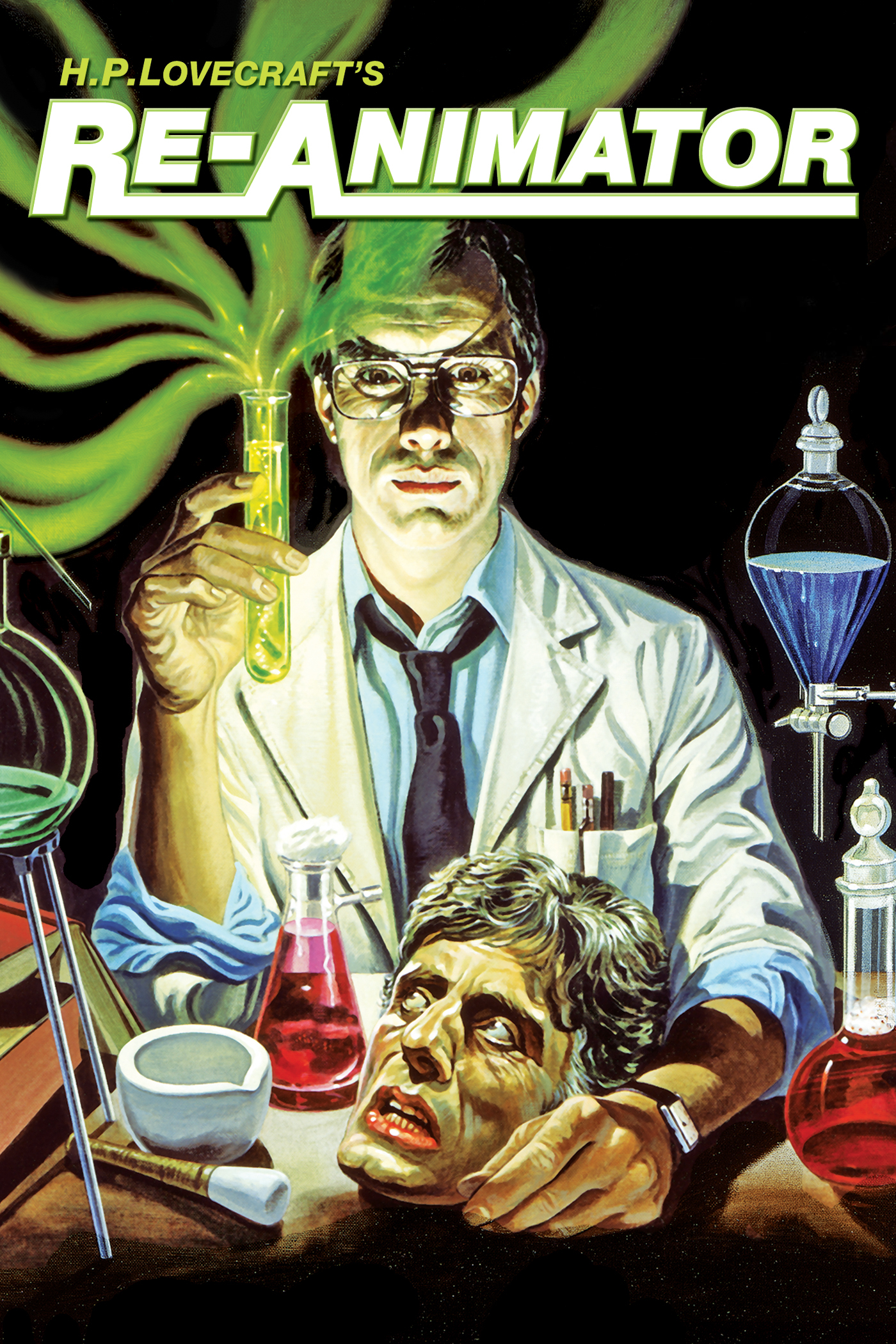
Somewhere in a cramped basement lab in Arkham, Massachusetts, a gaunt young man in glasses holds up a syringe of luminous green fluid and announces, with the total confidence of someone who has never once doubted himself, that death is merely a temporary condition. “Don’t expect it to tuck you in at night,” he warns about his reanimation serum. He’s right to be wary, because the things that come back in Stuart Gordon’s Re-Animator (1985) come back wrong. That single image—the needle full of ectoplasm-green juice—is the seed the entire film grows from. It’s a movie about the arrogance of believing death can be solved like a math problem, and it explores that idea with more fake blood per minute than almost anything made before or since. That it also happens to be one of the funniest, most quotable, and most flat-out entertaining horror films of its decade is the kind of miracle that happens only when everyone involved is operating at maximum commitment.

The plot is a beautifully simple delivery system for chaos. Dan Cain (Bruce Abbott), a promising medical student at Miskatonic University, takes in a new roommate: the twitchy, superior, relentlessly focused Herbert West (Jeffrey Combs), freshly arrived from Switzerland, where his mentor met a spectacularly bad end. West has developed a glowing green serum that, when injected into the freshly dead, jolts them back to violent, shambling, extremely angry life. His theory, delivered with clenched-jaw intensity, is that their aggression is merely a side effect of having been dead too long before the injection. It’s absurd pseudoscience, and the film knows it, leaning into every ridiculous beat with a straight face. That deadpan sincerity is the whole engine of the movie.

Gordon, working with producer Brian Yuzna and co-writer William J. Norris, never winks at the audience. A cat attacking West in a basement storage room makes for a legitimately tense scene right up until the punchline. A reanimated cadaver lurking in a morgue drawer is genuinely creepy. Then the film escalates to the point where severed heads are being reanimated in pans of blood, and you realize you’ve been grinning for forty straight minutes.

The crown jewel of the whole enterprise is Combs as Herbert West, delivering one of the great horror performances ever committed to film. West is written as a complete sociopath with zero social graces and an ego the size of a small planet. Combs plays him with clipped, precise, faintly outraged diction, like a man perpetually offended that the universe isn’t cooperating with his research. Every line reading is a small marvel of controlled, over-the-top delivery. West isn’t scary because of how he looks—he’s a scrawny guy in glasses and a suit. He’s scary because he simply does not care about anything beyond his experiments, and Combs lets you see that emptiness behind his eyes even in the film’s funniest moments.

Around him, the supporting cast gamely keeps pace. Abbott’s Dan is the classic 1980s horror protagonist: handsome and increasingly willing to go along with West’s atrocities once his fiancée, Megan (Barbara Crampton), is in danger. Crampton brings more to Megan than the screaming-final-girl archetype might suggest, though she does plenty of shrieking in the back half. Robert Sampson plays Dean Halsey, Megan’s father, who ends up as one of West’s reanimated subjects. Meanwhile, David Gale is magnificently unhinged as Dr. Carl Hill, the smug department head who becomes West’s academic nemesis and, eventually, a headless, telepathically linked villain in one of cinema’s most audacious third acts. You could say Hill really loses his head over Megan, and the film means that quite literally.

Because, yes, the finale is a delirious carnival of gore, black comedy, and genuinely disturbing imagery. Hill’s severed head gets the serum and acquires the ability to command his reanimated body, which abducts Megan. What follows is the film’s most infamous sequence, combining grotesque visual humor with sexual assault. The head-related wordplay practically writes itself, but the scene’s cruelty makes the laughter uncomfortable. Even within a movie this determined to offend, it’s a confrontational moment, and whether it feels audacious or simply ugly will depend on the viewer. Either way, it pushes the film’s collision of comedy and horror to its most extreme point.

The effects team deserves enormous credit for making the physical madness land. The gore, crafted by a crew including John Carl Buechler and Tony Doublin, with special makeup by John Naulin, is cartoonish, wet, and shockingly durable. There are gallons of blood, multiple severed heads, rubbery reanimated corpses, and an iconic image of a head impaled on a shovel. The effects don’t always look realistic, but realism isn’t quite the point. They have weight, texture, and a gloriously unpleasant physical presence that makes the mayhem feel immediate.

What elevates Re-Animator above its splattery peers is that, underneath the grue, it’s a genuinely well-made movie. Richard Band’s score wears its resemblance to Bernard Herrmann’s Psycho music so openly that the familiarity becomes part of the film’s cheeky charm. The pacing is brisk, the Miskatonic setting grounds the madness, and the low budget rarely reads as cheap—just resourceful. Gordon’s background in theatre shows in how tightly each scene builds and pays off. This is a director who understood dramatic construction even as blood poured over everything.

The film also takes enormous liberties with Lovecraft’s source material, “Herbert West–Reanimator,” particularly in its tone and content. But that freedom is a strength rather than a drawback. Gordon isn’t trying to preserve every detail or reproduce the experience of reading the original. He takes the central premise and turns it into something with its own nasty personality. The film captures the queasy idea that a scientific mind unconstrained by ethics is the real monster, then finds increasingly outrageous ways to make that idea entertaining.

That brings us back to the syringe of glowing green serum. Re-Animator understands something many horror movies forget: the scariest monster isn’t necessarily the thing on the slab. It’s the calm, rational man holding the needle who sees no reason to pause. The reanimated cat, the dead dean, the headless professor—they’re all just side effects. West’s indifference gives the chaos its connective tissue. No matter how grotesque the results become, he remains more interested in refining his process than questioning whether he should continue.

The film’s darkest, funniest joke is that catastrophic evidence never seems capable of shaking West’s faith in his own brilliance. Every disaster becomes another technical problem rather than a reason to stop. Forty years later, the movie remains a blast precisely because it plays that arrogance for both laughs and dread. It leaves you grinning while quietly wondering how many genuine Herbert Wests are out there, holding up their own green syringes, utterly certain that death is just a problem waiting to be solved. Maybe don’t watch it right after dinner.
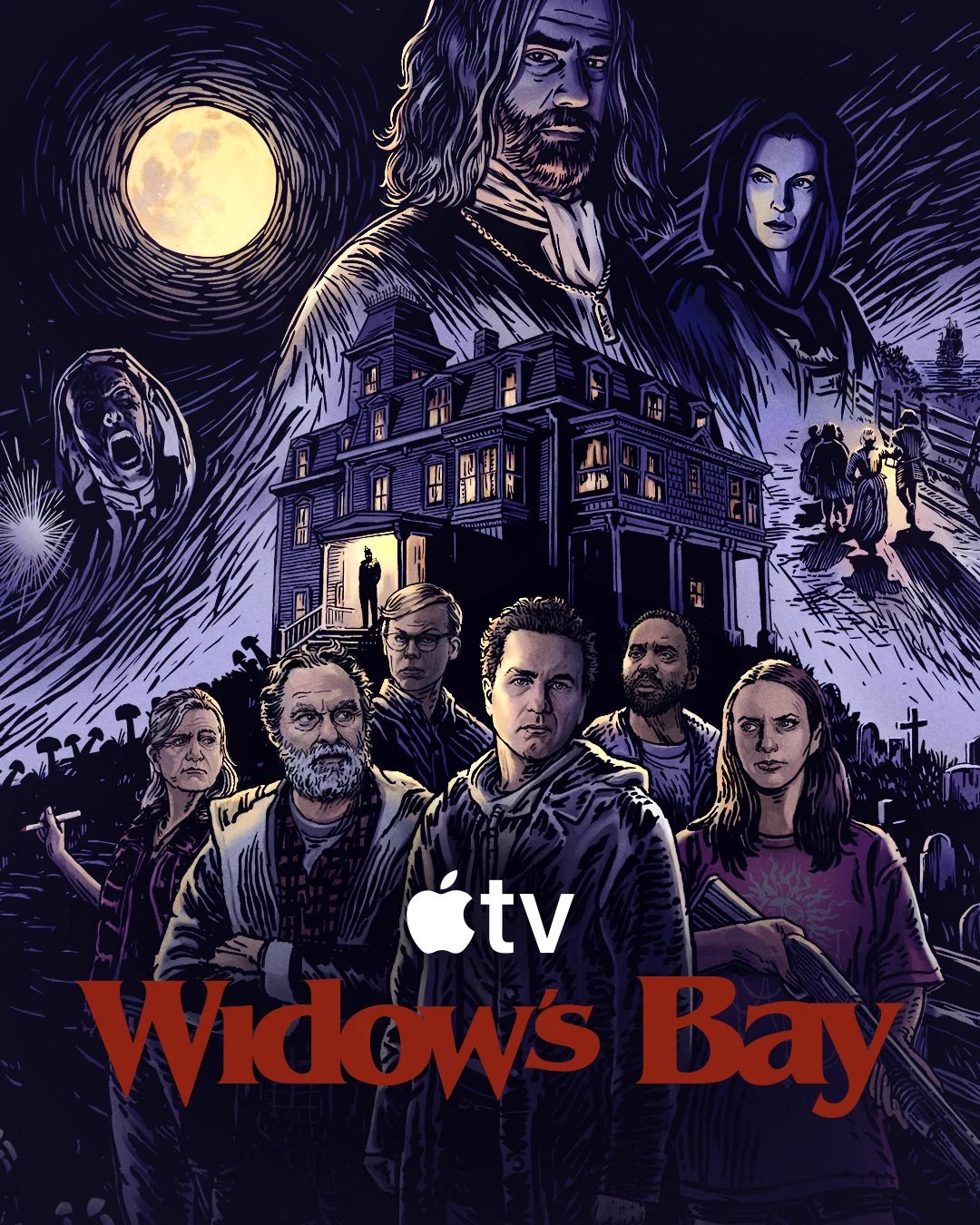
Horror Series Review: Widow’s Bay (by Katie Dippold)


“I didn’t realize it was a haunt. I’m sorry. Could you remind me again? A haunt is worse than a spook, but not as bad as a fright? Oh, oh, equal to a scare, right?” — Tom Loftis

Most horror stories would be a lot shorter if people could admit that something was wrong. Widow’s Bay turns that familiar frustration into the foundation of a very funny, genuinely creepy series about a community with plenty of reasons to avoid the truth. Created by Katie Dippold for Apple TV, the 2026 horror comedy understands that denial isn’t just a convenient way to keep characters in danger. Sometimes it’s a survival strategy, a family tradition, or practically a requirement for holding public office. That gives the show something more interesting to work with than another cursed town full of people making terrible decisions.

At the center of that denial is Tom Loftis, played by Matthew Rhys, the mayor of an isolated New England island he wants to turn into a thriving tourist destination. It’s an understandable ambition, except that his hometown’s atmosphere is less relaxing coastal getaway and more place where someone’s grandmother knows exactly why you shouldn’t go outside tonight. The residents believe the island is cursed, while Tom sees their superstitions as obstacles to progress. Their competing interpretations give the series its central tension: how do you convince people that their future can improve when their past apparently refuses to stay buried?

Rhys makes Tom’s refusal to acknowledge the obvious both entertaining and revealing. He’s not simply playing the clueless authority figure who exists so viewers can yell at the screen. There’s anxiety beneath his confidence, and his determination to control the island’s future overlaps with his worries about his increasingly independent son. He wants to believe that being responsible and working hard will eventually make everything manageable. Watching that belief collide with circumstances beyond his control provides some of the show’s best comedy. More importantly, it makes his stubbornness feel like a character flaw rather than a screenwriting shortcut.

Dippold does an excellent job of weaving comedy into the horror without making either side feel like an obligation. The jokes aren’t constantly elbowing the audience, pointing out how silly supernatural stories can be. Instead, they emerge from people trying to preserve their dignity, defend their authority, or get through an awkward conversation while something deeply unsettling happens around them. There’s a wonderful absurdity to treating a potentially cursed community as a branding problem. Yet the show never loses sight of the fact that these characters have to live with the consequences once the promotional optimism wears off.

That approach also gives familiar horror tropes some welcome personality. The series draws on recognizable territory, including haunted spaces, slasher scenarios, ominous warnings, and communities with disturbing histories. There are echoes of The Fog, The Shining, Halloween, and The Witch, but recognition isn’t the whole joke. Dippold uses those familiar shapes to explore how these particular people respond to fear. Sometimes they panic, sometimes they argue, and sometimes they behave as though acknowledging a supernatural threat would be more embarrassing than getting killed by it. The humor comes from their reactions, not from suggesting that the danger doesn’t matter.

The New England coastal setting gives that danger a distinct character. Widow’s Bay understands the appeal of a picturesque place where the local stories gradually make the scenery feel less inviting. Its folklore and mythology aren’t just decorative details sprinkled over a generic haunted-town premise. They influence how residents understand their surroundings and what they consider normal. Stories about church bells, mushrooms, and the consequences of leaving the island suggest a community organized around inherited warnings. There’s something especially creepy about rules everyone repeats but nobody can fully explain, particularly when ignoring them might carry consequences.

That uncertainty connects the show’s supernatural mythology to its interest in generational trauma. The island’s history isn’t something its residents can simply remember, regret, and move beyond. It has become part of their behavior, their relationships, and their expectations. The curse works as more than an explanation for frightening events; it also becomes a way of thinking about damage passed down through families and communities. The show’s attention to buried history and Puritan-era origins reinforces the sense that the present rests on foundations nobody has properly examined. Tom’s desire for a fresh start clashes with everything that a fresh coat of paint cannot fix.

What keeps this material from becoming heavy-handed is the show’s willingness to let pain and absurdity occupy the same scene. People don’t stop being petty, awkward, or unintentionally funny because they’re dealing with inherited suffering. Sometimes those habits are precisely how they avoid confronting it. Widow’s Bay finds humor in those defenses without treating the underlying hurt as a punch line. That distinction matters. The series can laugh at the ways people cope while still recognizing why they developed those responses. Its comedy makes the emotional material feel more human, rather than providing an escape hatch whenever things become uncomfortable.

The supporting cast helps make that balance convincing. Kate O’Flynn’s Patricia and Stephen Root’s Wyck contribute more than colorful reactions to the latest strange occurrence. Patricia’s loneliness and need for connection, along with Wyck’s regrets, give the island’s troubles an emotional dimension beyond the immediate business of staying alive. Their eccentricities might get the initial laugh, but the vulnerabilities underneath keep them interesting. The community works because it feels populated by people with unfinished lives, not just convenient victims. As those lives become entangled with the supernatural, the danger gains weight without requiring everyone to become suddenly solemn.

The season’s episodic variety is another strength, allowing individual supernatural stories to develop while the larger mystery continues taking shape. That structure gives different characters and different kinds of fear room to breathe. It also prevents the series from leaning too heavily on Tom’s skepticism as its only comic engine. Some horror imagery does make its influences obvious, and viewers looking for completely unfamiliar genre territory may recognize certain setups early. Still, the show usually finds its freshness in character and tone. Predicting the general direction of a scare doesn’t necessarily mean predicting the uncomfortable, funny, or revealing response that follows.

What makes Widow’s Bay worth spending time with is how comfortably it lets you laugh and feel uneasy without forcing a choice between the two. Dippold gives the island’s strange traditions, inherited wounds, and supernatural threats room to feed into one another, while the cast keeps everything grounded in recognizable human behavior. Not every familiar horror setup feels entirely fresh, but the people caught inside those situations make the difference. You’re laughing at their stubbornness one minute and worrying about them the next. That’s a tricky balance to sustain, and the show makes it look deceptively easy.

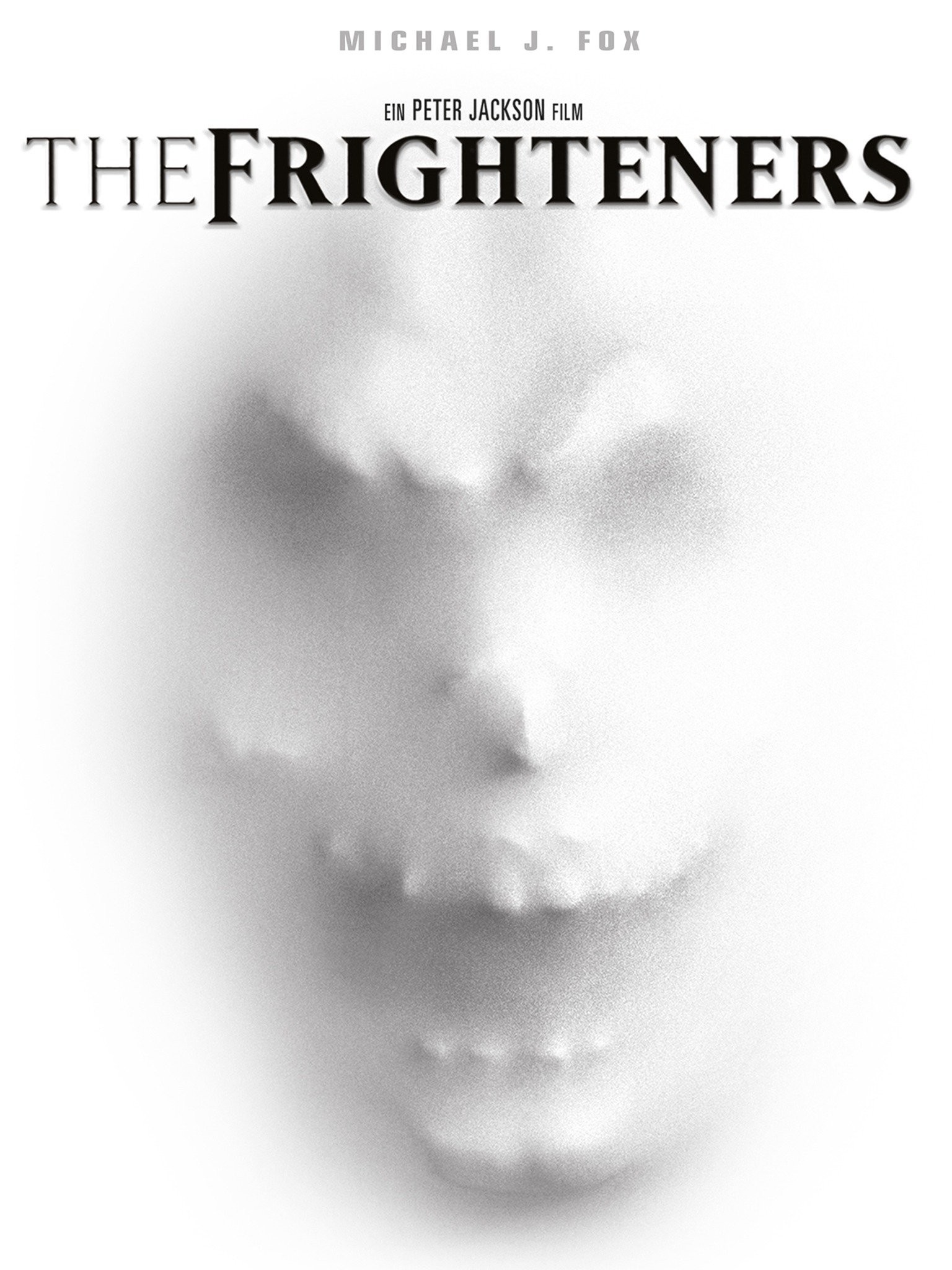
Horror Film Review: The Frighteners (dir. by Peter Jackson)


“Give it up, Frank! Death ain’t no way to make a living!” — The Judge

The best thing about The Frighteners is that its ghosts seem easier to live with than most of its people. Peter Jackson’s 1996 horror comedy builds a lively supernatural world around that idea, filling it with deadbeat spirits, suspicious neighbors, damaged investigators, and a paranormal con man who would rather make a quick buck than save anybody. It’s a funny, nasty, occasionally uneven movie that keeps finding something entertaining beneath its clutter. Even when the comedy and horror pull in different directions, Jackson’s enthusiasm makes the whole thing feel like an invitation to enjoy the chaos rather than question its manners.

At the center is Frank Bannister, played by Michael J. Fox with a mixture of nervous charm and emotional exhaustion. Following the accident that killed his wife, Frank can see and communicate with ghosts. Naturally, he turns this extraordinary ability into a questionable business opportunity. His dead associates haunt local homes, and he conveniently arrives to clear them out for a fee. It’s a wonderfully crooked arrangement because Frank really can do what he advertises; he just happens to be responsible for creating the problem. Things become considerably less manageable when unexplained deaths suggest that another supernatural presence is operating without his relatively harmless motives.

Fox gives the movie the grounding it needs. Frank has the quick wit and comic frustration associated with many of his performances, but the character feels more withdrawn and defeated. His scams aren’t simply evidence of greed. They’re part of a life that has stalled, leaving him more comfortable dealing with the dead than maintaining relationships with the living. Fox allows that grief to emerge without making every scene announce it. Consequently, Frank’s eventual willingness to risk himself for someone else feels like a genuine change rather than an obligation imposed by the screenplay. The wisecracks work because there’s somebody hurting underneath them.

His ghostly partners make the fraudulent haunting business look like a workplace comedy with unusually flexible rules about physical boundaries. Chi McBride’s Cyrus and Jim Fyfe’s Stuart bicker, complain, and carry out their assignments with personalities that death apparently did nothing to improve. John Astin’s deteriorating Judge pushes the humor into more grotesque territory, while R. Lee Ermey brings familiar drill-sergeant hostility to his cemetery patrol. These characters make the supernatural seem oddly mundane. Passing into the next world hasn’t erased anyone’s ego or annoying habits; it has merely removed some practical limitations on how those habits can bother everybody else.

Jackson clearly enjoys that comic freedom, sometimes a little too much. Certain jokes linger past their natural stopping point, and the supporting cast occasionally competes to see who can make the biggest impression. Still, the early silliness establishes an important distinction between Frank’s ghostly companions and the hooded killer moving through town. One group treats haunting as a hustle; the other turns death into a terrifying certainty. When that figure begins bending surfaces and pursuing victims, the movie briefly makes its own playful supernatural rules feel dangerous. Suddenly, walking through walls isn’t a funny trick. It means there may be nowhere safe to hide.

The transition from ghost comedy to serial-killer mystery gives The Frighteners its edge, although it also creates its biggest problems. Jackson and co-writer Fran Walsh gradually connect the present-day deaths to an earlier killing spree, introducing a nastier atmosphere than the opening antics suggest. That darkness gives the stakes weight, but the shifts can be abrupt. A cartoonish gag might sit beside an ugly revelation, with neither getting enough room to establish its intended mood. Sometimes the collision is exciting because the film becomes difficult to predict. Other times, it feels as though Jackson is enjoying every possibility too much to choose between them.

The performances embrace that excess. Jeffrey Combs makes FBI agent Milton Dammers a spectacular collection of twitches, strained reactions, and barely contained dysfunction. He’s entertainingly bizarre, although his scenes sometimes seem to belong to a separate, even stranger movie. Jake Busey brings an obnoxious, grinning confidence to Johnny Bartlett that makes the character’s cruelty especially unpleasant. Dee Wallace adds a more unsettling human dimension to the darker material, helping prevent the horror from becoming nothing more than an effects demonstration. These aren’t restrained performances, but restraint would probably look out of place in a film this committed to pushing its characters toward the grotesque.

Trini Alvarado provides a useful contrast as Lucy Lynskey. Her comparatively grounded presence gives Frank someone to connect with outside his circle of supernatural accomplices and hostile acquaintances. Their developing relationship isn’t the movie’s most fully realized element, but it supports his emotional recovery without overwhelming the story. Visually, meanwhile, Jackson rarely slows down. Ghosts slide through objects, bodies distort, and ordinary rooms become unstable territory. Some digital effects show their age, particularly when translucent figures interact with physical surroundings. Yet the imagery remains expressive, using exaggeration to sell jokes and scares rather than relying entirely on realism. The effects have personality, which helps them survive their technical limitations.

That ambition also makes The Frighteners an important bridge in Jackson’s career. His mostly low-budget New Zealand splatter-comedy roots in Bad Taste, Meet the Feebles, and Braindead remain visible in its grotesque humor and cheerful bad taste. Heavenly Creatures had already demonstrated his dramatic range, but this Robert Zemeckis-backed production gave him a larger Hollywood canvas while allowing him to keep working in New Zealand. Its extensive effects demands helped expand Wētā’s capabilities, building toward the filmmaking infrastructure that would become essential to The Lord of the Rings trilogy. The scale changed, but the filmmaker’s mischievous instincts clearly came along for the ride.

For all its importance as a stepping stone, the movie works best when appreciated as its own unruly creation. The plotting gets crowded, the climax occasionally substitutes activity for suspense, and the tonal balancing act never becomes effortless. But Fox gives the spectacle a heart, and Jackson gives it enough imagination to make its imperfections forgivable. There’s genuine affection for the misfits underneath the grotesque imagery, even as the story finds ugliness among people who should know better. By the end, The Frighteners makes a convincing case that being dead is less of a character flaw than being a jerk.

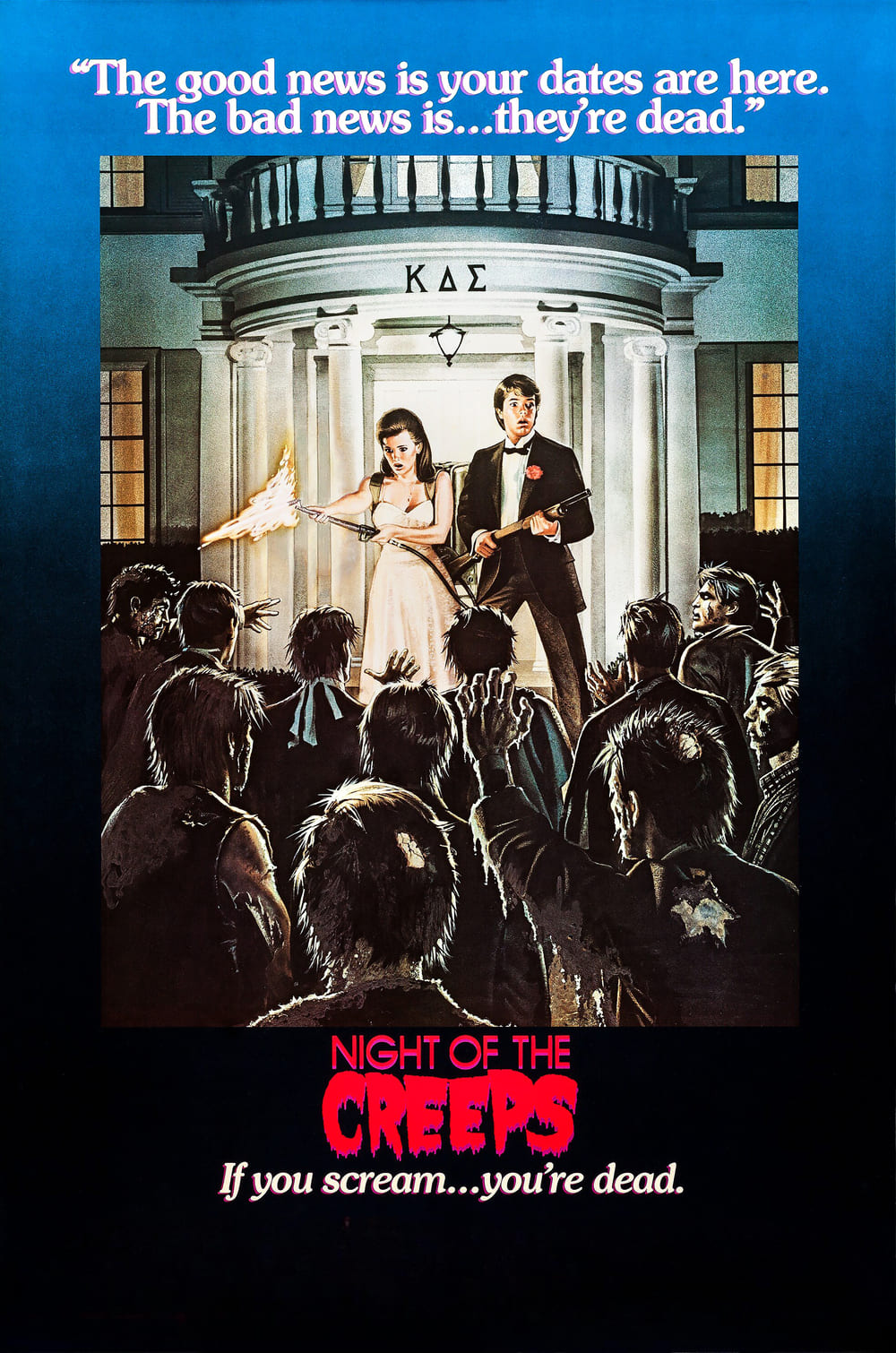
Horror Film Review: Night of the Creeps (dir. by Fred Dekker)


“Zombies, exploding heads, creepy-crawlies… and a date for the formal. This is classic, Spanky.” — Detective Ray Cameron

College is supposed to be a time for making questionable choices, but accidentally helping alien parasites invade campus probably falls outside the usual learning experience. That’s the basic joke behind Night of the Creeps, and Fred Dekker gets an impressive amount of mileage out of it. His 1986 horror comedy mixes the social embarrassment of a campus movie with the bodily violations of a creature feature, then throws in a detective who looks like he hasn’t enjoyed either company or daylight in years. The ingredients are familiar, but the combination has real personality. It’s messy, funny, occasionally touching, and much more interested in entertaining you than looking respectable.

Before the college kids get their chance to make everything worse, Dekker establishes that trouble has been brewing for decades. An opening aboard an alien spacecraft leads into a black-and-white stretch set in 1959, where young love runs into both an escaped axe murderer and an extraterrestrial experiment. It’s a wonderfully excessive introduction, almost daring you to question whether one movie needs all these threats. Somehow, the pieces fit. The opening establishes a history that will eventually catch up with the present, making the later outbreak feel like the continuation of a very bad night rather than a completely random disaster.

In 1986, Chris Romero, played by Jason Lively, has more ordinary concerns. He’s interested in Cynthia Cronenberg, played by Jill Whitlow, and figures pledging a fraternity might improve his romantic prospects. His best friend J.C., played by Steve Marshall, accompanies him on an initiation assignment to steal a corpse. This is, unsurprisingly, not a great plan. Their search brings them to a preserved body, and disturbing it helps unleash the alien slugs that drive the rest of the story. Dekker makes the escalation amusingly direct: Chris wants a more exciting social life, and the universe supplies one with considerably more decomposing flesh than he probably imagined.

The campus setting gives the movie an enjoyable contrast between petty problems and catastrophic ones. Fraternity status and romantic competition seem important until people start becoming breeding grounds for something from outer space. Still, the college-comedy material is also where the film feels most routine. The fraternity antagonists are obnoxious in predictable ways, and Chris spends a fair amount of time being the awkward underdog you’ve seen before. Lively keeps him sympathetic, but the character could use more spark. Cynthia is similarly likable without being especially developed. Whitlow gives her warmth, though the romance never becomes as engaging as the friendships surrounding it.

J.C. is a big reason those friendships work. Marshall brings a loose, teasing energy that makes his exchanges with Chris feel comfortable rather than written purely to deliver information. He can recognize that his friend is being ridiculous without making his affection seem conditional. That gives their relationship some substance beneath the jokes. In a lesser version of this movie, J.C. would exist only to encourage the romance and provide sarcastic commentary. Here, he becomes its emotional anchor. When the danger reaches him, the film briefly stops feeling like a harmless parade of genre references, and that change carries a genuine sting.

Tom Atkins gives the movie a different kind of personality as Detective Ray Cameron. He’s gruff, sarcastic, and seemingly irritated that another day has required his participation. Atkins knows exactly how to sell the dialogue, making “Thrill me” sound like the natural greeting of someone who expects disappointment and would appreciate being surprised. But Cameron isn’t just a collection of quotable lines. His connection to the events of 1959 gives his bitterness a history. Atkins lets that sadness sit beneath the swagger, which makes the character entertaining without reducing him to a tough-guy impersonation. He’s easily the strongest presence whenever he enters a scene.

Dekker deserves credit for allowing those feelings to coexist with the ridiculousness. Night of the Creeps has an obvious sense of humor about itself, but it doesn’t treat caring about its characters as another joke. The actors generally play the danger straight, leaving the comedy to emerge from their reactions and the increasingly unreasonable situation. That approach gives the darker moments room to land. The movie has heart, not because it pauses to insist on its importance, but because friendship and regret remain meaningful even when someone’s head might become a delivery system for space slugs.

The practical effects make that threat suitably unpleasant. There’s something especially nasty about creatures that don’t need to overpower you so much as find an opening, and the slugs turn an exposed mouth into a source of tension. The walking corpses have a grubby physicality that suits the film’s scrappy atmosphere. You can enjoy the craftsmanship while still appreciating how disgusting the result looks. The pacing isn’t quite as dependable: a few stretches of campus business delay the monster action, and the shifts between broad comedy and distress occasionally feel abrupt. Once the outbreak builds toward the formal dance, though, the movie finds the momentum it needs.

What ultimately makes Night of the Creeps work is that its foolish decisions have consequences worth caring about. Chris’s attempt to improve his college experience opens the door to a grotesque disaster, but Dekker doesn’t leave the story at “look what these idiots did.” He gives the characters reasons to stand by one another when their ordinary concerns become irrelevant. That makes the finale more satisfying than a simple procession of creature effects. The movie delivers its share of slime, corpses, and deadpan jokes, then leaves behind a surprisingly warm impression. For a story about things crawling inside people, it’s remarkably good company.

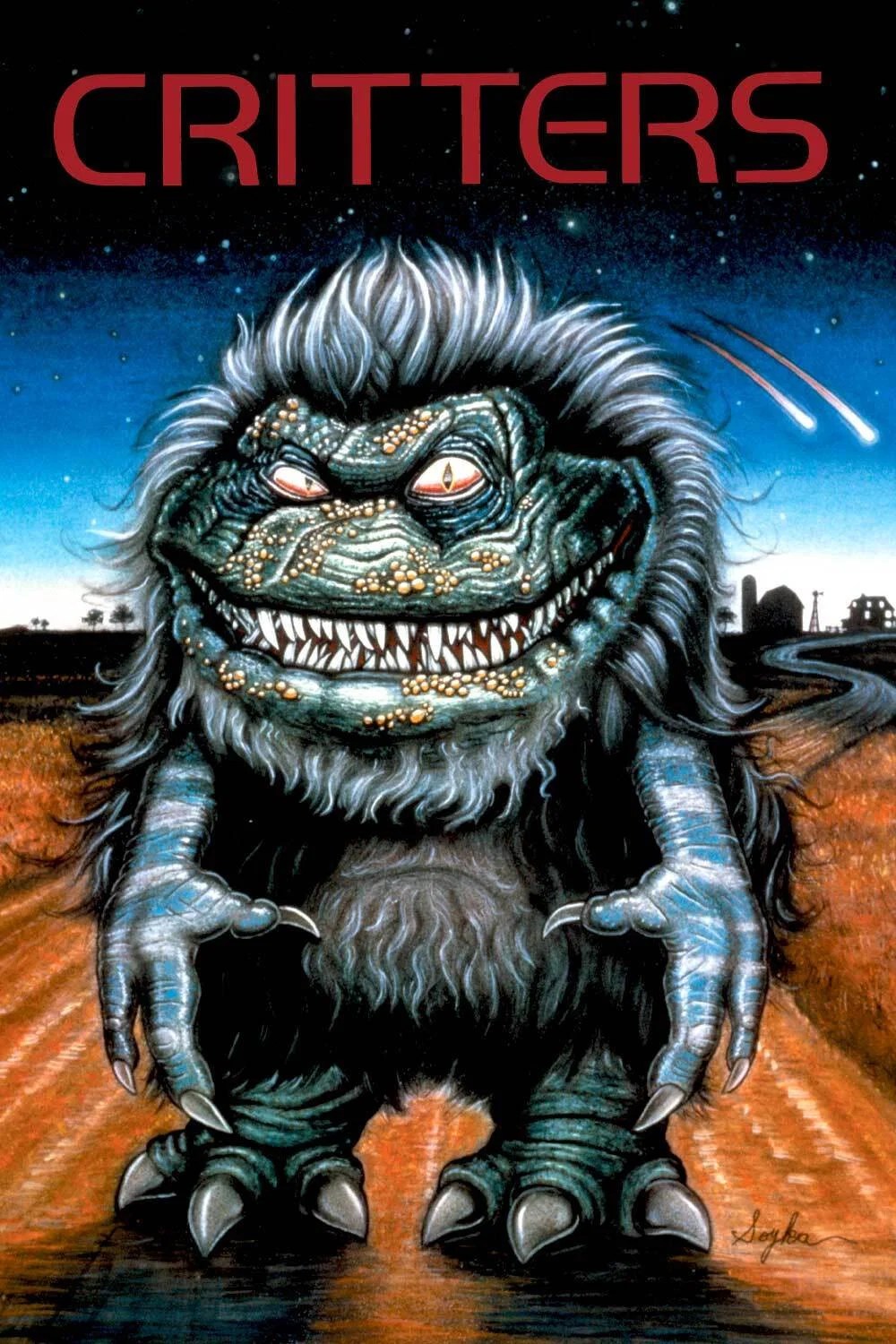
Horror Guilty Pleasure No. 135: Critters (dir. by Stephen Herek)


Some movie monsters want to conquer the planet. The creatures in Stephen Herek’s Critters seem perfectly happy eating their way through whatever happens to be standing on it. There is something refreshing about villains with such uncomplicated priorities, especially when they look like the contents of a clogged vacuum cleaner fitted with shark teeth. This is the sort of movie where the appeal is right there in the premise: nasty little aliens descend on rural America, and a perfectly ordinary family has to survive the visit. As an ’80s genre guilty pleasure, it delivers the goods with an appealing lack of pretension.

The story gets moving when a group of carnivorous aliens escapes from an extraterrestrial prison facility and makes its way to Earth. Their arrival puts the Brown family’s Kansas farm directly in the path of a feeding frenzy, while two shape-shifting bounty hunters follow close behind. Unfortunately, these heavily armed visitors are not especially concerned about keeping the peace or leaving buildings intact. Between the hungry fugitives and their destructive pursuers, an otherwise quiet community gets more excitement than it could possibly need. The setup is ridiculous, but Herek understands that explaining it too much would only spoil the fun.

What gives Critters some substance beneath the silliness is its interest in the people whose evening gets ruined. The Browns are not especially complicated characters, but their everyday disagreements and familiar household routines make them feel like a family rather than a collection of future victims. Spending time with them before the attack also gives the farmhouse a sense of normality worth protecting. The monsters are not simply invading a convenient horror-movie location; they are barging into somebody’s home. That modest distinction helps the film generate more audience investment than its toothy little troublemakers might initially suggest.

Scott Grimes makes Brad an easy young hero to root for. He has enough mischievous energy to seem capable of causing problems before the aliens ever arrive, but he never becomes so obnoxious that his survival feels like an obligation. His resourcefulness grows naturally out of that personality, giving the movie a kid protagonist who can participate in the action without seeming completely detached from his surroundings. There is a pleasing wish-fulfillment element to watching an underestimated youngster step up when things go wrong. Grimes sells that without turning Brad into an impossibly polished miniature action star.

Dee Wallace provides another important source of credibility as Brad’s mother, Helen. She brings warmth and urgency to situations that, described out loud, sound almost impossible to play straight. That commitment helps establish the film’s balance: the audience can laugh at the monsters without feeling that the characters are merely participating in a comedy routine. The family’s fear and concern remain sincere even when the surrounding action gets goofy. Critters does not require powerhouse dramatic performances, but it benefits enormously from actors willing to treat an attack by murderous furballs as an actual emergency.

Naturally, the furballs themselves are the main attraction. They look like what would happen if the Tribbles from Star Trek suddenly decided to stop being cute and start being mean and really, really hungry. Their dark hair, glowing eyes, enormous mouths, and projectile quills turn an otherwise cuddly shape into something you would desperately want off your lap. The fun comes from their rotten personalities as much as their physical design. These are greedy, bad-tempered little creatures whose curiosity usually leads directly to destruction. Their appetite drives the action, but their attitude gives it flavor, making them entertaining even when they are doing little more than looking for their next meal.

The practical effects contribute plenty of charm, although they do not always maintain the illusion. Some movements are stiff, and certain shots make the creatures look exactly like the puppets they are. Still, their physical presence gives the mayhem a satisfying texture. They seem to belong in the same messy environment as the furniture, debris, and frightened actors around them. The movie also benefits from not making them too adorable. They can be funny without losing that unpleasant suggestion of something that might bite straight through your hand. Their limitations are visible, but so is the craftsmanship behind their grotesque little faces.

The bounty hunters bring a broader, more cartoonish kind of entertainment. Terrence Mann plays Ug, who adopts the appearance of rock star Johnny Steele, while his partner Lee cycles through human identities played by Ethan Phillips, Jeremy Lawrence, and Don Keith Opper. Mann does most of the pair’s comedic heavy lifting, giving Ug a wonderfully straight-faced intensity that makes his rock-star appearance and excessive firepower even funnier. Their destructive pursuit suggests that Earth’s rescuers might require almost as much cleanup as its invaders. These scenes provide some welcome absurdity, although they also contribute to uneven pacing. Whenever the film moves away from the farmhouse, the pressure surrounding the Browns tends to ease. The hunters are amusing, particularly Mann, but their antics are not always as engaging as the central siege.

The resemblance to Gremlins is difficult to ignore, but Critters works best when it is not treated as a contest. It offers a smaller, scrappier variation on miniature-monster chaos, with a straightforward survival story holding everything together. The scares are limited, the plotting is thin, and the effects occasionally wobble, yet the movie remains likable because it commits to its own ridiculous appeal. There is no need to pretend it is a neglected masterpiece to appreciate its pleasures. Sometimes a decent creature feature only needs an appealing cast, a little suspense, and some ugly space pests making a spectacular nuisance of themselves. Critters understands the assignment.

Previous Guilty Pleasures

  1. Half-Baked
  2. Save The Last Dance
  3. Every Rose Has Its Thorns
  4. The Jeremy Kyle Show
  5. Invasion USA
  6. The Golden Child
  7. Final Destination 2
  8. Paparazzi
  9. The Principal
  10. The Substitute
  11. Terror In The Family
  12. Pandorum
  13. Lambada
  14. Fear
  15. Cocktail
  16. Keep Off The Grass
  17. Girls, Girls, Girls
  18. Class
  19. Tart
  20. King Kong vs. Godzilla
  21. Hawk the Slayer
  22. Battle Beyond the Stars
  23. Meridian
  24. Walk of Shame
  25. From Justin To Kelly
  26. Project Greenlight
  27. Sex Decoy: Love Stings
  28. Swimfan
  29. On the Line
  30. Wolfen
  31. Hail Caesar!
  32. It’s So Cold In The D
  33. In the Mix
  34. Healed By Grace
  35. Valley of the Dolls
  36. The Legend of Billie Jean
  37. Death Wish
  38. Shipping Wars
  39. Ghost Whisperer
  40. Parking Wars
  41. The Dead Are After Me
  42. Harper’s Island
  43. The Resurrection of Gavin Stone
  44. Paranormal State
  45. Utopia
  46. Bar Rescue
  47. The Powers of Matthew Star
  48. Spiker
  49. Heavenly Bodies
  50. Maid in Manhattan
  51. Rage and Honor
  52. Saved By The Bell 3. 21 “No Hope With Dope”
  53. Happy Gilmore
  54. Solarbabies
  55. The Dawn of Correction
  56. Once You Understand
  57. The Voyeurs
  58. Robot Jox
  59. Teen Wolf
  60. The Running Man
  61. Double Dragon
  62. Backtrack
  63. Julie and Jack
  64. Karate Warrior
  65. Invaders From Mars
  66. Cloverfield
  67. Aerobicide
  68. Blood Harvest
  69. Shocking Dark
  70. Face The Truth
  71. Submerged
  72. The Canyons
  73. Days of Thunder
  74. Van Helsing
  75. The Night Comes for Us
  76. Code of Silence
  77. Captain Ron
  78. Armageddon
  79. Kate’s Secret
  80. Point Break
  81. The Replacements
  82. The Shadow
  83. Meteor
  84. Last Action Hero
  85. Attack of the Killer Tomatoes
  86. The Horror at 37,000 Feet
  87. The ‘Burbs
  88. Lifeforce
  89. Highschool of the Dead
  90. Ice Station Zebra
  91. No One Lives
  92. Brewster’s Millions
  93. Porky’s
  94. Revenge of the Nerds
  95. The Delta Force
  96. The Hidden
  97. Roller Boogie
  98. Raw Deal
  99. Death Merchant Series
  100. Ski Patrol
  101. The Executioner Series
  102. The Destroyer Series
  103. Private Teacher
  104. The Parker Series
  105. Ramba
  106. The Troubles of Janice
  107. Ironwood
  108. Interspecies Reviewers
  109. SST — Death Flight
  110. Undercover Brother
  111. Out for Justice
  112. Food Wars!
  113. Cherry
  114. Death Race
  115. The Beast Within
  116. Girl Series
  117. Gone in 60 Seconds
  118. Swordfish
  119. Marked For Death
  120. The Internship
  121. The Angry Red Planet
  122. 2012
  123. Old School
  124. No Escape
  125. In Death Series
  126. Alligator
  127. Little Annie Fanny
  128. Wicked Wanda
  129. Congo
  130. The 13th Warrior
  131. Sudden Death
  132. The Convent of Hell
  133. Covent of Sinners
  134. Teen Witch

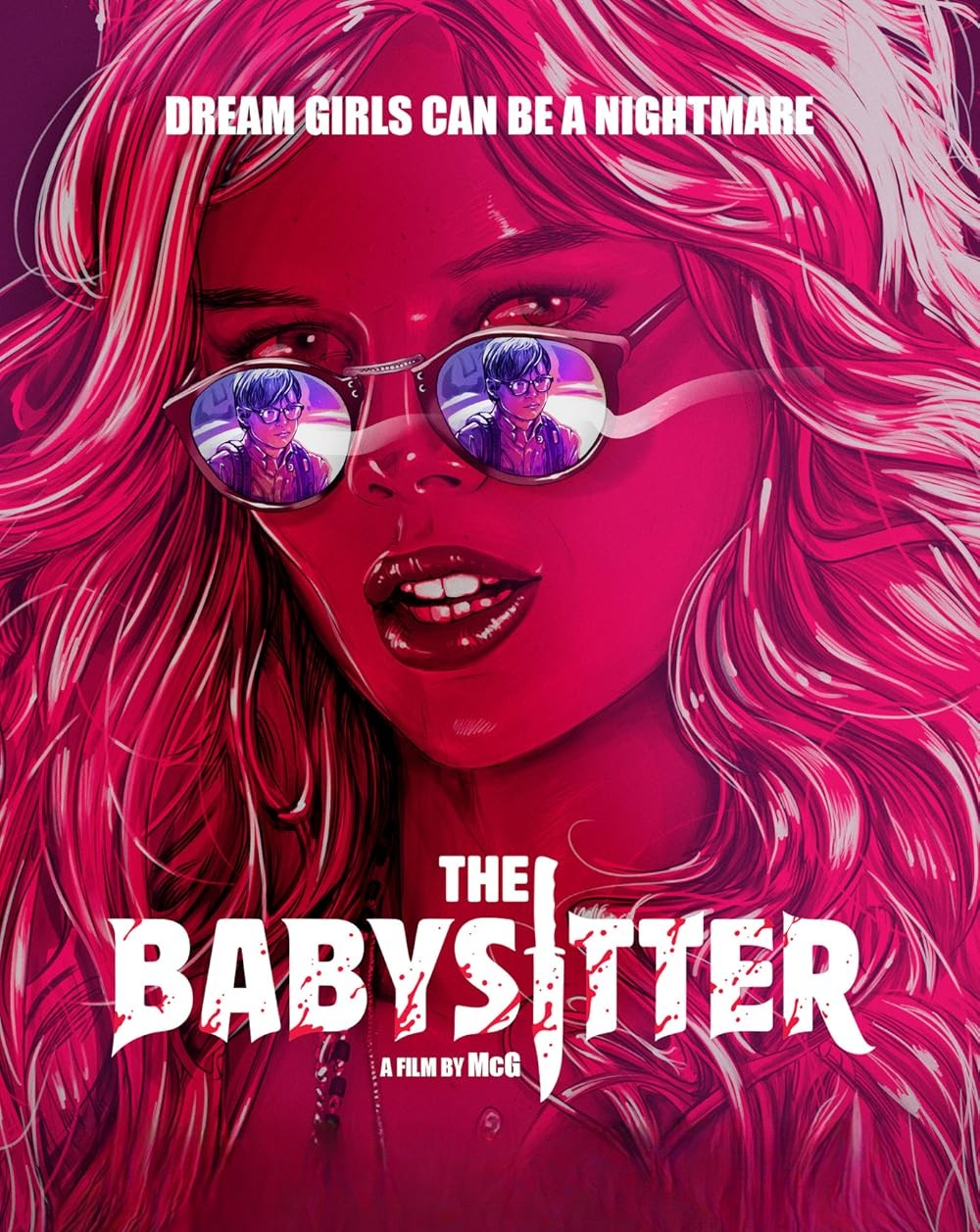
Horror Film Review: The Babysitter (dir. by McG)


“Well, I like weird, all of the time.” — Bee

The Babysitter is, above all else, Samara Weaving’s coming-out party—a wildly entertaining showcase that proves she can carry a horror movie with charm, menace, and complete comedic fearlessness. McG’s 2017 Netflix film, written by Brian Duffield, is built around a simple, absurd premise: a lonely kid discovers his beautiful babysitter is part of a Satanic cult. The movie lives and dies on Weaving’s performance as Bee, and she delivers enough star power, humor, and danger to turn a thin genre premise into a fast, colorful, gleefully violent horror comedy.

The story follows Cole, played by Judah Lewis, a nervous twelve-year-old who is still young enough to need a babysitter but old enough to hate that fact. His parents leave for the weekend, leaving him in the care of Bee. Cole has a massive crush on her, which makes the movie’s central betrayal sting even more. After staying up past bedtime to spy on the adults, he sees Bee and her friends murder someone as part of an occult ritual. Suddenly, the cozy suburban house becomes a battlefield, and Cole has to survive a night of Satanic murder, increasingly absurd violence, and the horrifying realization that the person he trusted most is trying to kill him.

Without Weaving, this premise could easily collapse into forgettable direct-to-streaming filler. Bee could have been nothing more than a one-dimensional “hot evil babysitter,” but Weaving gives her real charisma. She is funny, flirtatious, warm, and completely unhinged, often within the same scene. The film understands that Bee works best when she is both genuinely likable and genuinely dangerous. Cole trusts her because she treats him kindly, and that makes the reveal hurt. Weaving also gets most of the movie’s best lines and biggest moments, and she plays them with the kind of gleeful theatricality the material demands. This is the performance that announced her as a major modern horror presence, and it is easy to see why filmmakers and audiences took notice.

What makes The Babysitter work beyond Weaving is its total commitment to the bit. The film is essentially Home Alone filtered through a Satanic slasher and a teenage sex comedy. Cole fights back with household objects, improvisation, and pure panic, while Bee and her friends keep getting killed in ways that are gruesome, creative, and often funny. The movie never takes its mythology seriously enough for the ritual stuff to become dull. The cult’s plan is mostly an excuse for carnage, but the carnage is lively enough that the thin plot barely matters. This is a movie where a kitchen can become a weapon, a pool can become a crime scene, and a teenage cultist can be defeated by the kind of slapstick logic usually reserved for cartoons.

The supporting cult members are broad, ridiculous characters, but they fit the movie’s tone. Robbie Amell plays Max, a jock who clearly believes he is the coolest person in any room. Bella Thorne’s Allison is glamorous, vain, and increasingly undone as the night falls apart. Hana Mae Lee’s Sonya is the quiet, strange one, while Andrew Bachelor’s John is the guy who thinks he is more essential to the group than anyone else believes. None of them are deeply developed, but they do not need to be. They are archetypes, and the actors lean into that. Their banter is often juvenile, sometimes forced, but it matches the movie’s hyperactive, self-aware energy.

McG’s direction is both part of the film’s appeal and one of its biggest problems. He directs it like an extended music video: saturated colors, quick cuts, pop songs, pop-culture references, and a camera that rarely wants to sit still. When the style clicks, The Babysitter feels punchy and alive, with the energy of a comic book come to life. But McG leans so heavily into the comedy side that the movie often loses its horror footing. The jokes, quips, and broad performances are constantly pushed to the front, and when the film tries to shift into an actual horror beat, the moment frequently lands flat. The cult members are too goofy, the kills too cartoonish, and the tone too jokey for the movie to build much dread. Some jokes land with a thud, some references feel dated already, and the constant visual busy-ness can overwhelm the simpler pleasures of the premise. The film succeeds despite McG’s excesses, not entirely because of them.

The horror is more splattery than scary. Anyone expecting real dread, slow-building tension, or a genuinely unsettling villain will likely be disappointed. The movie’s comedy comes from the collision of childhood anxieties with extreme genre nonsense. Cole is afraid of bullies, girls, being alone, and growing up; the film literalizes those fears by putting him in a house full of murderous adults who want to sacrifice him. Beneath the blood and jokes, there is a surprisingly sincere coming-of-age story. But because the comedy is so relentless, the horror rarely gets room to breathe, and the movie’s scarier moments feel more like brief interruptions than genuine escalations.

Cole’s arc gives the chaos a little heart. At the beginning, he is passive, scared, and constantly humiliated. By the end, he has been forced to confront every fear he has, usually while covered in gore and running for his life. Judah Lewis is not giving a nuanced performance, but he is likable and believable as a terrified kid pushed past his limits. His friendship with Melanie, played by Emily Alyn Lind, adds another layer of warmth. Melanie encourages him to stand up for himself, and their awkward middle-school dynamic gives the movie a sweet emotional center beneath all the occult murder.

The film’s biggest weakness is its willingness to sacrifice logic for a joke. Characters make choices that only make sense because the plot needs them to. The cult’s plan is not especially well thought out. Adults and neighbors are conveniently unaware of gunfire, explosions, and general mayhem. The movie also sometimes views its female characters through Cole’s adolescent gaze, especially early on, which can make Bee and Allison feel more like fantasy objects than full people. The film gives them more agency as it goes, but the perspective remains very much that of a horny, terrified twelve-year-old boy. Whether that works for you depends on how much patience you have for that kind of teenage-male fantasy.

Still, The Babysitter has personality to spare. It is bright, brash, mean in a playful way, and unapologetically silly. It does not have the atmosphere of a prestige horror film or the emotional weight of the genre’s best work. It is not trying to be The Babadook or Hereditary. Instead, it is trying to be a bloody, funny, high-energy midnight movie, and it mostly succeeds. It is the kind of film best watched late at night, with low expectations and a high tolerance for cartoonish violence.

By the time the credits roll, The Babysitter has done exactly what it set out to do: deliver a loud, bloody, ridiculous good time while making Samara Weaving impossible to ignore. McG’s direction can be excessive, the comedy often crowds out the horror, and the scares are mild, but the film has enough energy, humor, and personality to make up for its flaws. Weaving turns Bee into one of the most entertaining horror villains of the Netflix era and uses the role as a true coming-out party for her career. Cole’s survival story gives the mayhem a surprisingly sweet coming-of-age core, but Weaving is the true engine of the film. It may not be a horror classic, but it is a very enjoyable piece of genre junk food: loud, colorful, violent, ridiculous, and much more fun than it has any right to be.

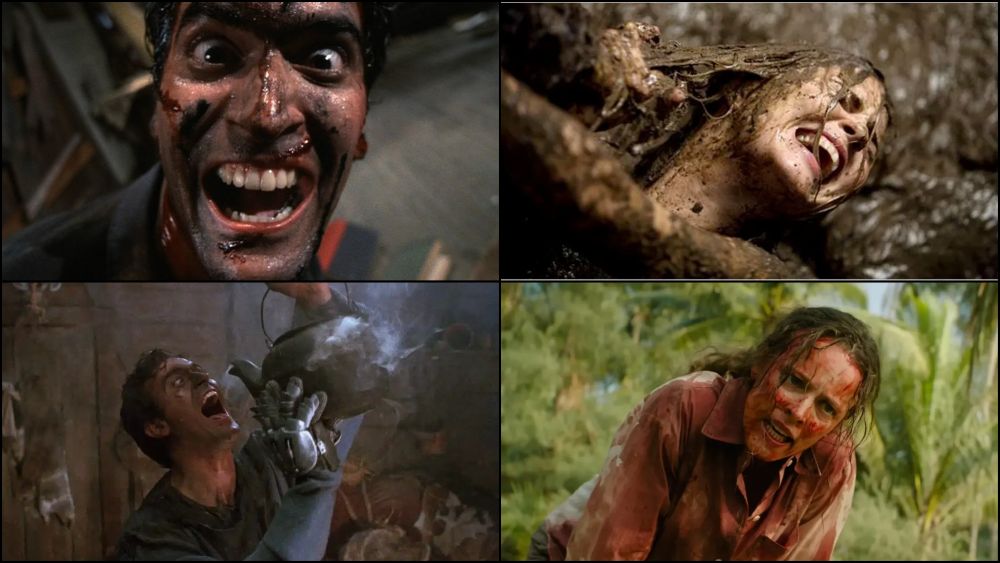
4 Shots from 4 Horror Films: Sam Raimi Edition


4 Shots From 4 Films is just what it says it is, 4 shots from 4 of our favorite films. As opposed to the reviews and recaps that we usually post, 4 Shots From 4 Films is all about letting the visuals do the talking.

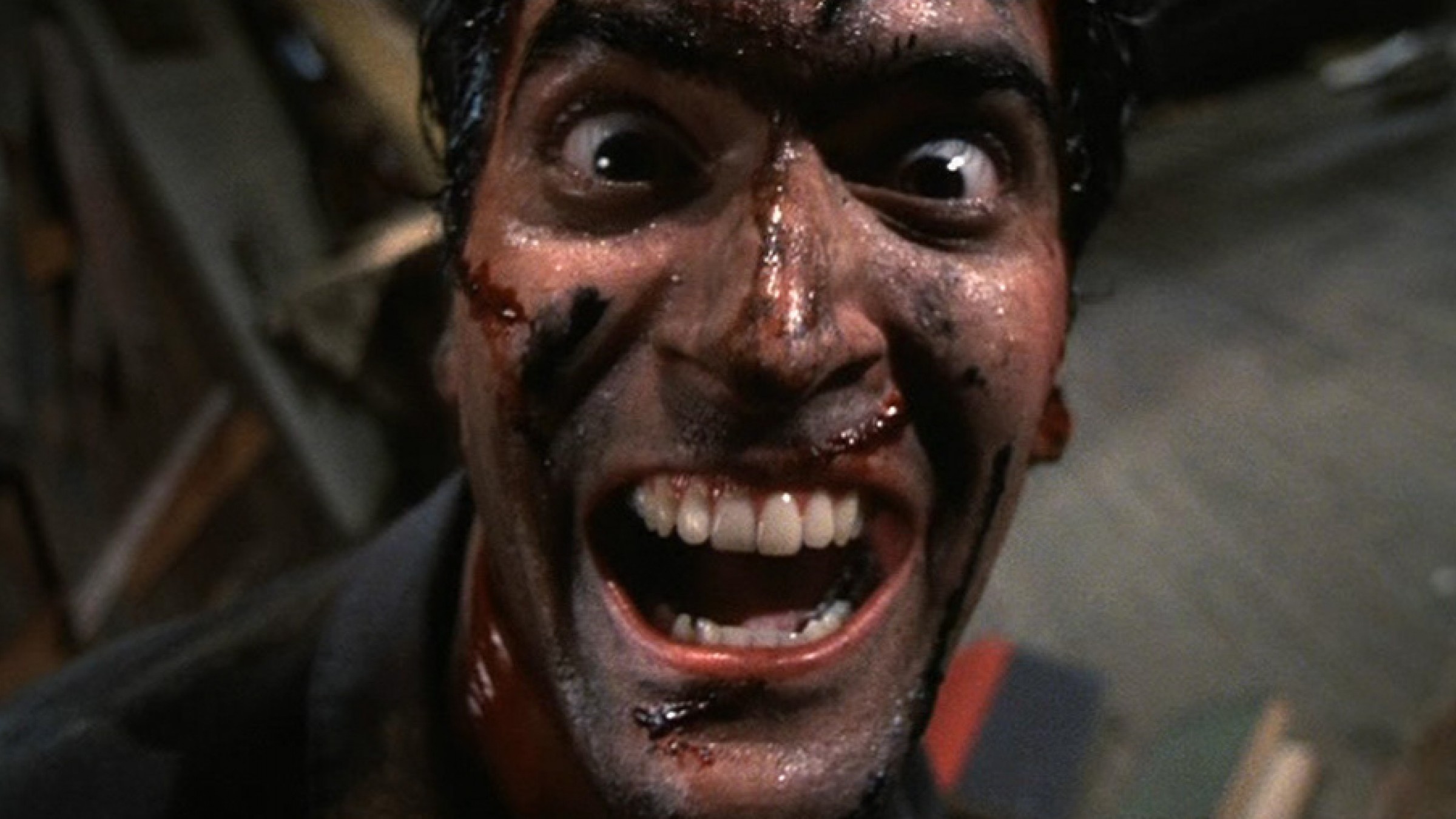
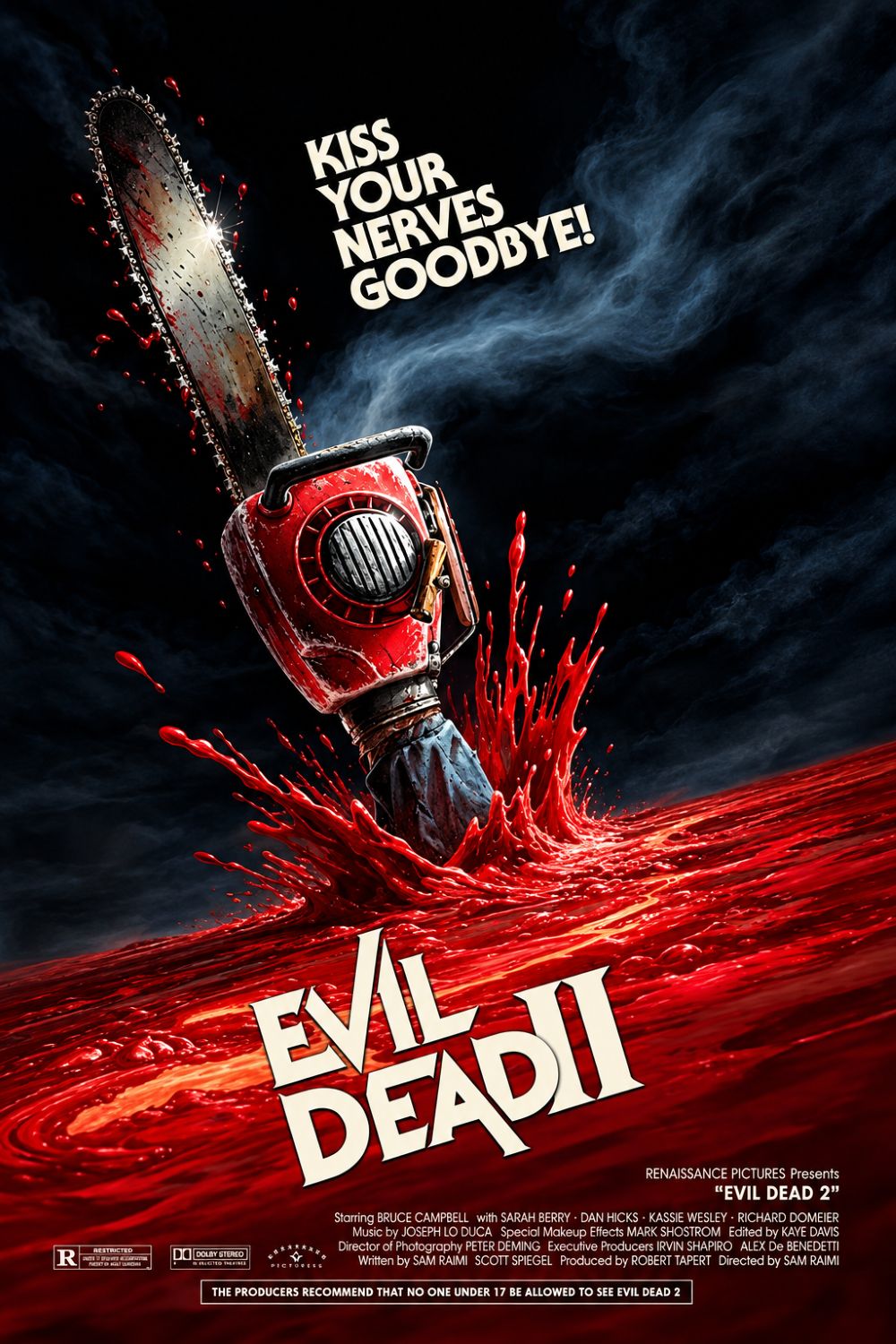
Evil Dead II (1987, dir. by Sam Raimi, DP: Peter Deming)
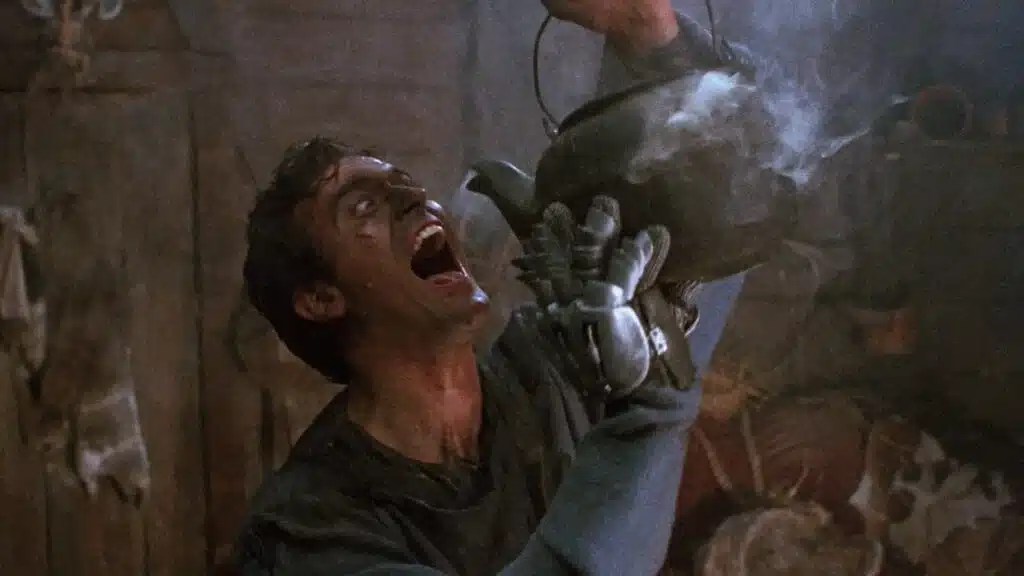
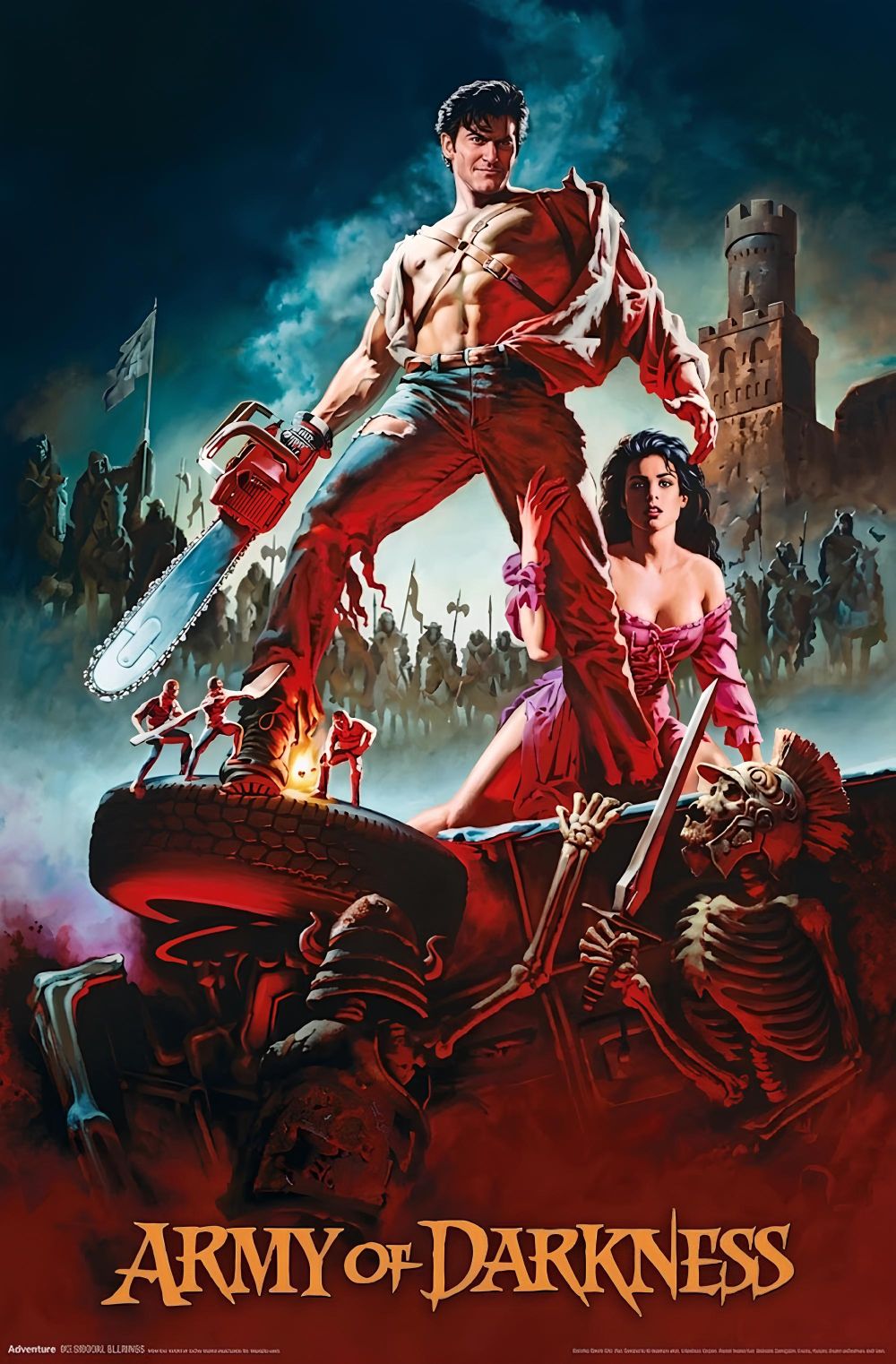
Army of Darkness (1992, dir. by Sam Raimi, DP: Bill Pope)
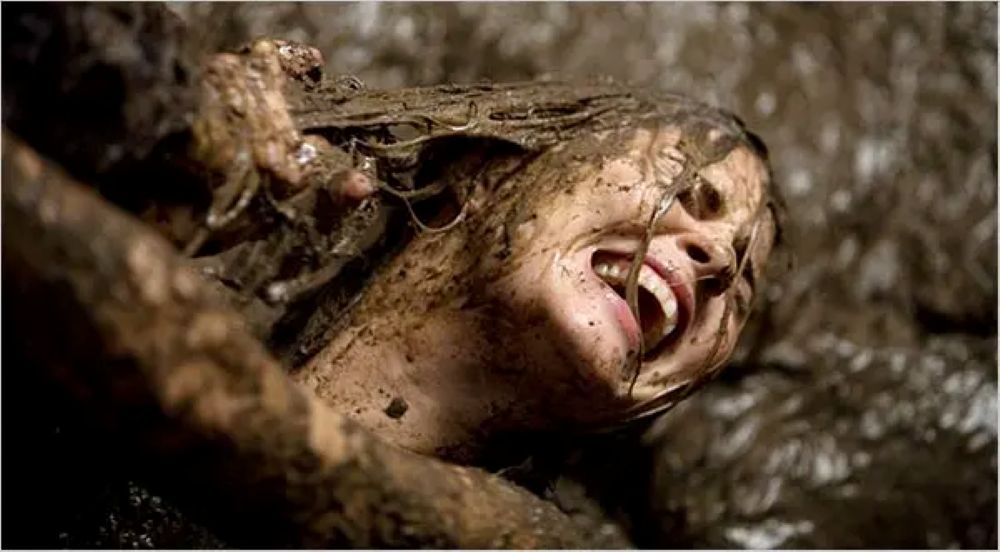
Drag Me to Hell (2009, dir. by Sam Raimi, DP: Bill Pope)
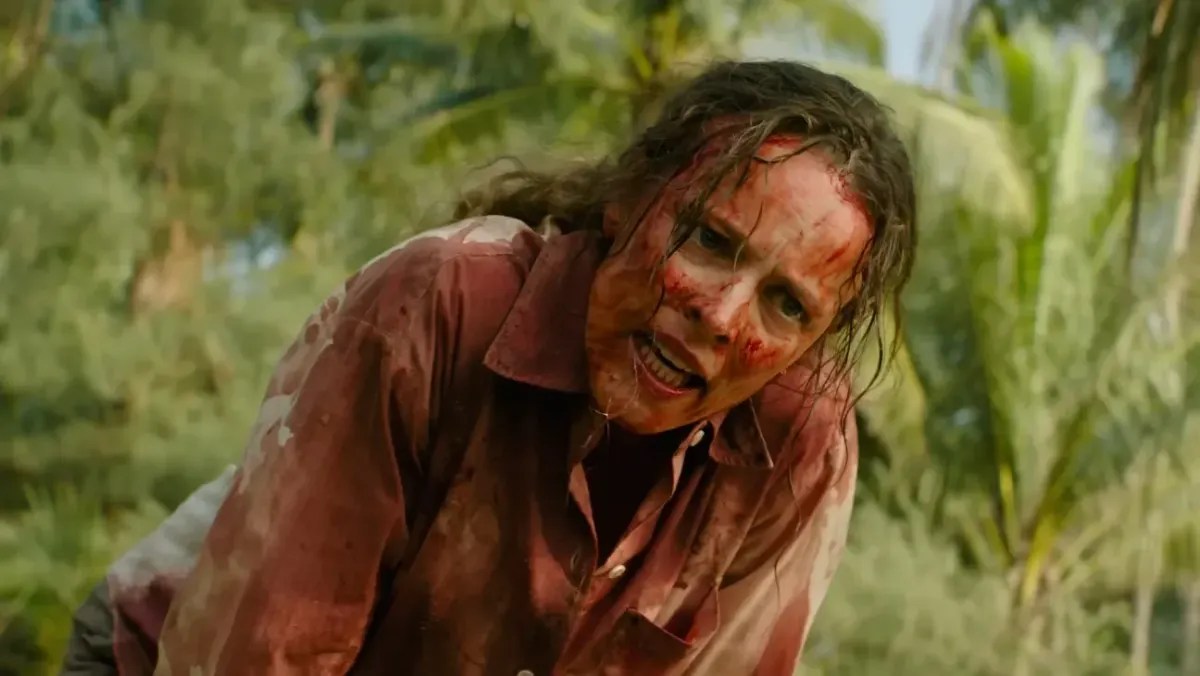
Send Help (2026, dir. by Sam Raimi, DP: Bill Pope)

Horror Film Review: Army of Darkness (dir. by Sam Raimi)


“Well hello, Mister Fancypants. Well, I’ve got news for you, pal: you ain’t leadin’ but two things right now: Jack and shit… and Jack just left town.” — Ash Williams

Few cult movies embrace their own insanity as joyfully as Sam Raimi’s Army of Darkness. Directed by Raimi and released in 1992, the third chapter in the Evil Dead series takes Ash Williams out of the isolated-cabin horror setting of The Evil Dead and Evil Dead II and drops him into a sword-and-sorcery adventure full of skeleton armies, haunted forests, miniature doppelgängers, exploding Deadites, and more quotable one-liners than most action comedies manage in an entire franchise. It is still technically a horror movie, but calling it just a horror movie misses the point. This is a slapstick fantasy-action comedy with monsters, and its ridiculousness is exactly why it has endured as a cult favorite.

The story picks up almost immediately after the end of Evil Dead II, with Ash getting sucked through a portal and landing in medieval England. Rather than being welcomed as some prophesied savior, he is immediately treated like a suspicious outsider and thrown into a pit with a Deadite. That opening alone tells you what kind of movie this will be. Ash is no longer simply a terrified everyman trying to survive an impossible nightmare. He is now a chainsaw-handed loudmouth who shoots first, insults everyone around him, and somehow carries himself like the greatest warrior in history despite constantly making situations worse through his own arrogance.

Bruce Campbell is the entire engine of Army of Darkness. Ash has become a full-blown cartoon hero by this point, halfway between a B-movie John Wayne, a professional wrestler cutting a promo, and a smug department-store employee who has somehow convinced himself he is a legendary warrior. Campbell plays the role with total commitment, which is the key to why the comedy works. He never acts embarrassed by the dialogue or tries to make Ash seem cooler than he is. The character is funny because he is deeply incompetent beneath all the bravado. Ash talks like a conquering hero, but his victories usually involve panic, luck, explosives, and a lot of property damage.

The familiar “Groovy” attitude from Evil Dead II gets pushed even further here. Ash is not meant to be a noble fantasy protagonist. He is selfish, crude, lazy, and usually more interested in returning to modern life than helping the people trapped in a medieval war. That makes him a funny fit for the genre. In a normal fantasy film, the chosen hero would humbly accept his destiny, train with a sword, and unite the kingdoms. Ash complains about the inconvenience, makes demands, insults the locals, and uses his knowledge of basic mechanics to become a magical figure in their eyes. His improvised metal hand, shotgun, chainsaw, and homemade weapons make him look like a mad scientist dropped into an old Ray Harryhausen movie.

Raimi’s direction is as energetic as ever, even if Army of Darkness is noticeably cleaner and more studio-sized than the first two films. The early Evil Dead movies had a grimy, do-it-yourself quality that made their horror feel unusually mean and immediate. This one has a broader, more polished adventure-movie look. There are castles, battlefields, elaborate costumes, large-scale miniature work, and a full army of stop-motion skeletons. It is still cheap-looking in places, but that is part of its charm. The effects do not need to be seamless because the movie’s entire personality is built around heightened artifice. When skeletons leap around in exaggerated stop-motion or a tiny Ash attacks the full-sized Ash in a windmill, the film feels like a live-action cartoon with blood, dirt, and medieval armor.

The windmill sequence is probably the purest expression of what makes the movie special. Ash enters a windmill to escape danger and ends up trapped with miniature versions of himself, eventually swallowing one by accident. It has almost nothing to do with the larger plot in any serious sense, yet it is hilarious because Raimi keeps escalating the gag. Instead of treating the tiny Ash as a brief visual joke, the movie turns him into a recurring problem that literally grows into Evil Ash, Ash’s undead double and the leader of the titular army. That progression makes perfect cartoon logic: a small annoyance becomes a full-scale apocalypse because Ash was too careless to deal with it properly.

The horror elements are lighter than they were in the first two films, and that will probably be the biggest dividing line for viewers. Anyone expecting the nasty isolation, body horror, and relentless dread of The Evil Dead may be surprised by how openly silly this installment is. The Deadites are still grotesque enough to keep the supernatural threat alive, especially in the opening pit fight and the later siege, but they are no longer as frightening as they are funny. Raimi is much more interested in visual gags, wild camera movement, and action-movie momentum than scares.

That tonal change does not make Army of Darkness a lesser movie; it just makes it a very different one. In fact, it may be the most accessible entry in the original trilogy for people who do not normally enjoy horror. You can watch it without being especially invested in the mythology, because the plot is basically a delivery system for set pieces. Ash needs the Necronomicon to get home. He says the magic words wrong. Evil Ash rises. A skeleton army attacks. Ash helps defend the castle. The movie keeps moving, rarely pauses to explain itself, and never tries to make its fantasy world feel more serious than necessary.

The final battle is a great example of Raimi getting the maximum entertainment out of a relatively limited toolbox. Ash turns medieval villagers into a makeshift modern army, complete with explosives, contraptions, and a vehicle that feels hilariously out of place in the period setting. The action is messy, noisy, and deliberately overblown, with exploding skeletons and clashing armies staged more like a rowdy theme-park spectacle than a conventional epic. Raimi understands that the point is not realism. The point is seeing Ash yell at an undead army while wielding a chainsaw and acting like he personally invented warfare.

The movie’s dialogue is another major reason it remains so beloved. “This is my boomstick” has become the obvious classic, but Army of Darkness is packed with lines that sound like they were designed to be repeated by friends after midnight screenings. Campbell’s delivery turns even the dumbest insult into something memorable. The movie knows Ash is absurd, but it also understands that he needs to be just cool enough for the audience to enjoy watching him survive. He is a lovable jerk because he is never actually in control for long. The universe keeps humiliating him, and Campbell makes every humiliation feel like another opportunity for a louder comeback.

Army of Darkness is not the scariest Evil Dead movie, the most atmospheric, or even necessarily the best constructed. It is uneven, shamelessly goofy, and occasionally held together by pure momentum. But it has a distinct personality that most franchise sequels would kill for. Raimi and Campbell take a low-budget horror premise and stretch it into a medieval monster comedy without losing the series’ manic spirit. It feels handmade even when it is big, silly even when it is violent, and weirdly triumphant despite Ash being one of the least heroic heroes in fantasy cinema. For fans of practical effects, stop-motion creatures, quotable cult movies, and Sam Raimi operating with absolutely no interest in restraint, Army of Darkness remains a blast.

Horror Film Review: Evil Dead II (dir. by Sam Raimi)


“Swallow this.” — Ash Williams

With Evil Dead II, Sam Raimi took the basic cabin-in-the-woods nightmare of The Evil Dead and turned it into a frantic horror-comedy fever dream. Released in 1987, the film occupies a strange and wonderful place between a genuine continuation of The Evil Dead and a wildly exaggerated reimagining of it. It is nastier, funnier, more technically ambitious, and considerably more confident than its predecessor, yet it retains the homemade, anything-can-happen energy that made the original such a cult landmark. If The Evil Dead was a lean, rough-edged cabin-in-the-woods nightmare made by young filmmakers determined to prove themselves, Evil Dead II is Raimi and star Bruce Campbell returning with more resources, sharper instincts, and a total willingness to push every idea until it becomes cartoonishly grotesque.

The film begins with Ash Williams and his girlfriend Linda arriving at the infamous isolated cabin in the woods. It does not take long for them to stumble across the Necronomicon, the ancient book responsible for awakening flesh-hungry Deadites. What follows is an escalating barrage of possession, bodily mutilation, flying blood, demonic laughter, severed limbs, possessed household objects, and increasingly deranged attempts by Ash to survive the night. On a basic story level, it is familiar material. A group of people trapped in a remote location awaken evil forces and become possessed one by one. Raimi’s great achievement is that he never treats the formula as a limitation. Instead, he turns it into a delivery system for visual invention, slapstick timing, and creative violence.

The question of whether Evil Dead II is a sequel, a remake, or both has followed the movie for decades, and the honest answer is that it is effectively a sequel with a condensed remake-style opening. Raimi could not simply reuse footage from The Evil Dead, so the beginning retells the essential premise of the first film with Ash and Linda as the only characters at the cabin. That recap changes details, leaves out the original group of friends, and presents a shortened version of Ash’s first encounter with the Deadites. Once Ash survives the opening stretch and the evil returns, the movie continues beyond the events of The Evil Dead, making it a genuine sequel. Still, because the first act recreates so much of the original’s setup in a more polished and heightened form, it understandably feels like a remake before it becomes a continuation.

Bruce Campbell is the center of everything, and his performance is a huge part of why the film remains so beloved. Ash begins as an ordinary, frightened guy in over his head, but Campbell slowly transforms him into the character audiences recognize today: bruised, filthy, angry, absurdly resilient, and just arrogant enough to make his suffering hilarious. One of the movie’s most impressive qualities is how long Campbell can hold the screen almost entirely by himself. For substantial stretches, Ash has no real human companion to play off. He is acting opposite fake hands, props, stop-motion creatures, splattering fluids, camera movements, and the hostile architecture of the cabin. Campbell has to sell physical terror while also land jokes with the precision of a silent-film comedian.

The famous scene in which Ash’s possessed hand attacks him is probably the clearest example of what makes Evil Dead II special. In another horror movie, a man losing control of his hand might be played as disturbing body horror. Raimi turns it into a manic live-action cartoon. Ash battles his own hand with plates, books, a mousetrap, and anything else within reach, while Campbell throws himself around the room with astonishing commitment. The scene is funny because it is so excessive, but it never entirely stops being gruesome. Ash is still bleeding, suffering, and increasingly losing his mind. That balance is essential to the movie. Raimi does not abandon horror for comedy; he makes the comedy emerge from the intensity of the horror.

The cabin itself becomes one of the film’s great characters. In The Evil Dead, the location feels claustrophobic and decayed, a believable place that happens to become a site of supernatural violence. In Evil Dead II, it becomes something closer to a haunted funhouse. The walls seem alive, furniture appears to mock Ash, mounted animal heads laugh at him, and the entire building seems to participate in his breakdown. The sequence where Ash starts laughing alongside the room’s objects is especially memorable because it captures the film’s unstable tone. It is visually ridiculous, but there is genuine unease underneath it. Ash may be seeing a supernatural manifestation, losing his sanity, or both. Raimi keeps the audience off-balance by making laughter and fear feel almost inseparable.

Raimi’s direction is ferocious. The camera is constantly moving, rushing through forests, crashing into rooms, swooping toward characters, and creating the impression that the evil itself is an invisible force with a point of view. The “demon-cam” technique, in which the camera races through the woods toward its victims, returns from the first film but feels even more aggressive here. It gives the Deadites a strange presence despite the fact that they are often unseen. You do not merely hear something approaching; you feel the camera barreling toward Ash as if the movie has become possessed.

The practical effects remain a major reason to watch the film. They are intentionally messy, tactile, and sometimes obviously artificial, but that artificiality is part of the charm. The Deadites look like diseased puppets dragged out of a nightmare, their faces stretching into exaggerated masks of rot and rage. Blood does not behave like blood; it sprays in impossible volumes and bizarre colors. Bodies deform, heads spin, limbs detach, and tiny monsters swarm the frame. Rather than striving for realism, the effects aim for maximum impact. They create a world where physical rules have broken down, which suits a story about ancient evil invading the ordinary world.

The film’s humor also deserves credit for never making Ash too cool too early. Later installments, especially Army of Darkness, would lean more heavily into the swaggering, wisecracking version of the character. In Evil Dead II, he earns every bit of confidence through suffering. He is not a superhero with a chainsaw hand; he is a man forced to improvise a grotesque solution because he has no better option. When he straps the chainsaw onto his stump and prepares for battle, it is triumphant, but it is also the result of one of the most painful and grotesque scenes in the movie. The iconic image works because Raimi lets the audience experience the desperation behind it.

The supporting cast arrives later than expected, including Annie Knowby, daughter of the archaeologist connected to the Necronomicon, along with several others whose involvement predictably goes terribly wrong. They are not developed with the same attention as Ash, but that is not really the point. Their function is to give the Deadites fresh bodies to possess, create new complications, and help move the story toward its gleefully chaotic finale. Sarah Berry gives Annie an appealing mix of intelligence and panic, while Ted Raimi’s Henrietta becomes one of the movie’s most monstrous creations. The cellar scenes involving Henrietta are nasty, darkly funny, and among the strongest reminders that Raimi still knows how to make the audience uncomfortable even amid all the comedy.

By the time the film reaches its ending, Evil Dead II has become larger than its cabin setting. Its final twist sends Ash somewhere no viewer could reasonably have expected, turning what began as a contained survival-horror story into the launching point for the more openly fantasy-driven Army of Darkness. Yet the ending works precisely because the entire film has trained us to expect escalation. Every scene somehow finds a way to become more exaggerated than the last. A possessed girlfriend becomes a dancing corpse. A severed hand becomes a homicidal creature. A cabin becomes a carnival of insanity. A man with a chainsaw becomes an accidental hero.

More than three decades later, Evil Dead II still feels alive because it has a personality that no polished studio production could replicate. Its effects are physical, its performances are fearless, and its direction is so energetic that the movie seems ready to burst through the screen. It is gross, loud, silly, inventive, and sincerely scary in flashes. Raimi understands that horror can be horrifying and hilarious without weakening either quality. Evil Dead II is not merely a cult classic because people quote Ash or remember the chainsaw. It is a cult classic because it transforms limitations, madness, and handmade craftsmanship into a one-of-a-kind cinematic experience.

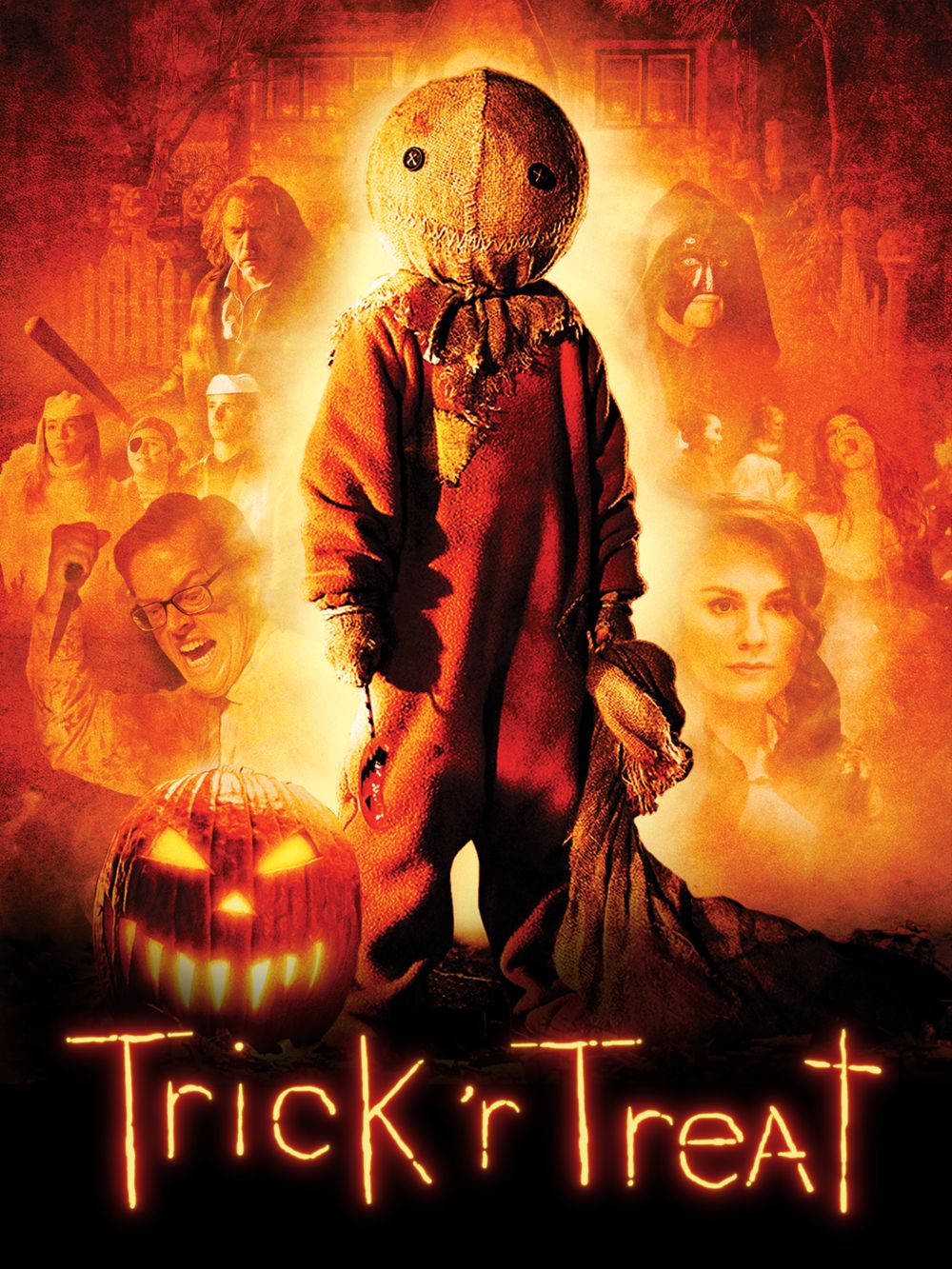
Horror Review: Trick ‘r Treat (dir. by Michael Dougherty)


“All these traditions, jack-o’-lanterns, putting on costumes, handing out treats, they were started to protect us, but nowadays… no one really cares.” — Principal Steven Wilkins

What better and more fun way is there to celebrate the full month of scares and horror that October has become than with Michael Dougherty’s 2007 film Trick ’r Treat? It is the kind of Halloween movie that feels less like it was merely set on the holiday and more like it was built out of everything people love about it. Trick ’r Treat has jack-o’-lanterns glowing on porches, costumes ranging from charming to grotesque, chilly nighttime streets, old local legends, candy bowls, haunted-school-bus stories, werewolves, serial killers, and that ever-present feeling that something is watching from behind a tree. It is funny, nasty, creepy, and strangely cozy at the same time. More than almost any modern horror film, it understands Halloween as a whole atmosphere rather than a collection of familiar props.

At first glance, the movie looks like an anthology film. It is divided into several distinct stories with their own central characters, premises, and horror styles. One segment involves a principal with a murderous secret, another follows a group of kids investigating a grim local legend, another centers on young women looking for dates at a costume party, and another focuses on a bitter old man dealing with a small but persistent visitor. Each story could almost function as its own short horror movie. Dougherty clearly enjoys shifting tones, moving from slasher material to ghost-story melancholy, then into monster-movie lunacy and dark comedy. But the key difference is that Trick ’r Treat is not simply an anthology stitched together by a host or a framing device. Every story told in the film ties into an overarching story unfolding across one night of Halloween.

That structure is one of the movie’s smartest features. Characters drift in and out of one another’s narratives, sometimes briefly and sometimes in ways that completely change the audience’s understanding of what they have already seen. A person who seems like a background extra in one sequence becomes the focus of another. A strange sound, a distant scream, a passing school bus, or a visual detail in one story can gain much more meaning when it reappears elsewhere. The movie plays with chronology too, allowing events to overlap and occasionally revealing that scenes which seemed straightforward were occurring at a different point in the night than viewers assumed. It rewards attention without becoming confusing for the sake of being clever.

Dougherty handles those connections smoothly because the film never stops feeling like one continuous Halloween night. The transitions are playful rather than showy. The camera may follow a character down a street, past a decorated yard, into another group’s story, and suddenly the audience has entered a different kind of nightmare. That makes the town itself feel like a character. It is not a generic horror-movie setting where bad things happen because the script requires them to. It feels like a community with traditions, buried crimes, local myths, annual rituals, and plenty of people who are either hiding something or about to discover something unpleasant.

The town’s Halloween obsession is also what gives the film its personality. Trick ’r Treat treats Halloween rules almost like ancient laws: wear a costume, hand out candy, never blow out a jack-o’-lantern before midnight, and always respect the dead. Breaking those rules does not guarantee immediate punishment in a simple moralistic way, but it certainly puts people at risk. The film’s central icon, Sam, embodies that idea. Wearing orange pajamas, a burlap sack mask, and carrying a lollipop that can become a weapon, Sam is one of the great modern horror mascots because he is both adorable and deeply unsettling. He is not presented as a typical slasher villain with a detailed backstory or a conventional motivation. He feels more like the living spirit of Halloween itself: mischievous, ceremonial, cruel when necessary, and completely devoted to the holiday’s traditions.

Sam’s presence gives the movie a connective thread beyond plot mechanics. He appears in the background, watches over events, and eventually takes center stage in a way that is both amusing and genuinely tense. There is something almost storybook-like about him. He resembles a child going door to door for candy, but his behavior suggests an old supernatural force enforcing rules everyone else has forgotten. The movie wisely never overexplains him. Horror icons often become less interesting once every mystery is reduced to lore, family trees, and exposition. Sam works because Dougherty lets him remain partly unknowable.

The cast is another reason the film holds together so well. Dylan Baker is excellent as Steven Wilkins, the seemingly mild suburban principal whose cheerful politeness becomes much more disturbing once the movie reveals what he is doing after dark. Baker has a talent for making every smile look just slightly too controlled. His storyline is especially effective because it mixes grotesque humor with an unsettling domestic quality. He is not stalking victims through a foggy forest or living in an abandoned asylum. He is cleaning up a mess in his backyard while trying to maintain a normal family routine. That contrast makes his scenes nastier and funnier.

Brian Cox brings real weight to Mr. Kreeg, the grumpy old man at the center of the film’s most memorable Sam-focused material. Cox could have played him as a broad caricature, but he gives the character enough fear, frustration, and hidden sadness to make the confrontation feel more substantial than a simple old-man-versus-monster sequence. The movie’s final act uses his house almost like a haunted maze, with the warm, cluttered interior gradually becoming a battlefield. The tone remains playful, yet there is a real sense of danger whenever Sam drops the cute disguise and shows what he can do.

Anna Paquin also stands out in the segment involving Laurie and her friends. At first, it seems like the film is setting up a familiar vulnerability narrative: young women in costumes, a dark forest, strange men, and the possibility of a predatory attacker. Then Trick ’r Treat gleefully twists expectations. The reveal is not subtle, but it is staged with enough energy and confidence that it lands as a crowd-pleasing monster-movie moment. Dougherty knows that horror does not always need to be grim to be effective. Sometimes the best reaction is an audience laughing in surprise right before a scene turns bloodier than expected.

The school-bus story is probably the film’s creepiest material. The idea of children killed by adults and returning as drowned, decayed figures could have been handled in a cheap or overly cruel way, but the movie gives it a sad, mythic edge. The ghosts are frightening, but the story is also about guilt, buried history, and a town that has allowed its ugliest secret to become a campfire legend. The children may be supernatural monsters by the time they reappear, but the adults who wronged them are even more horrifying. That is a recurring theme throughout Trick ’r Treat: Halloween monsters are dangerous, but human selfishness, cowardice, and cruelty tend to create the worst consequences.

Visually, the film has aged remarkably well because it does not chase a slick, overly polished look. It has a rich autumnal color palette full of oranges, blacks, deep reds, and warm porch-light yellows. The night scenes are dark enough to feel threatening but clear enough that viewers can appreciate the costumes, decorations, and production design. Every street seems covered in leaves, every house has candles or carved pumpkins, and every shadow seems capable of hiding a creature. It feels like a heightened version of childhood Halloween memories, except those memories have been invaded by murderers, werewolves, demons, and ghosts.

The practical effects and creature work add a lot to that charm. The movie uses CGI when needed, but it does not depend on weightless digital spectacle. Sam’s physicality, the werewolf transformations, the decayed school-bus children, and the various masks and props all have a tactile quality. They look like things that belong in a haunted attraction, a particularly elaborate costume shop, or an old EC Comics-style horror story. That handmade texture fits the film perfectly. Trick ’r Treat is polished, but it never feels sterile.

What makes the movie so rewatchable is how comfortably it moves between tones. It can be goofy without becoming stupid, gruesome without becoming exhausting, and sentimental about Halloween without turning saccharine. It embraces the holiday’s childish excitement while acknowledging the darker folklore underneath it. There is candy, costumes, and neighborhood fun, but there are also old grudges, punished sinners, restless dead, and things that hunt after midnight. Dougherty understands that those two sides belong together. Halloween is fun partly because it lets people play with fear in a safe, communal way, and Trick ’r Treat captures that balance better than most horror movies.

The film’s anthology-like design gives it variety, while its overlapping characters, recurring events, and shared setting make it feel like one cohesive story rather than a disconnected collection of shorts. Its lasting popularity has also made the lack of a sequel feel increasingly strange. Fans have been clamoring for another trip through Sam’s Halloween night for years, and Dougherty has repeatedly hinted that he has ideas for where a follow-up could go. He has discussed multiple script drafts, storyboards, concept art, and the possibility of giving Sam a new adversary, but the project still has not received an official greenlight.

That uncertainty is frustrating, especially because Trick ’r Treat feels like a world with plenty more stories left to tell. At the same time, it is probably better that Dougherty has not rushed out a sequel just to cash in on the film’s cult status. The original works because it feels carefully constructed, visually specific, and completely committed to its Halloween setting; any follow-up would need to preserve that same mix of horror, comedy, folklore, and interconnected storytelling. For now, Trick ’r Treat remains an annual October rewatch because it honors Halloween’s old traditions while creating its own: a funny, spooky, blood-soaked celebration of costumes, candy, campfire legends, and the things that come out once the porch lights go dark.