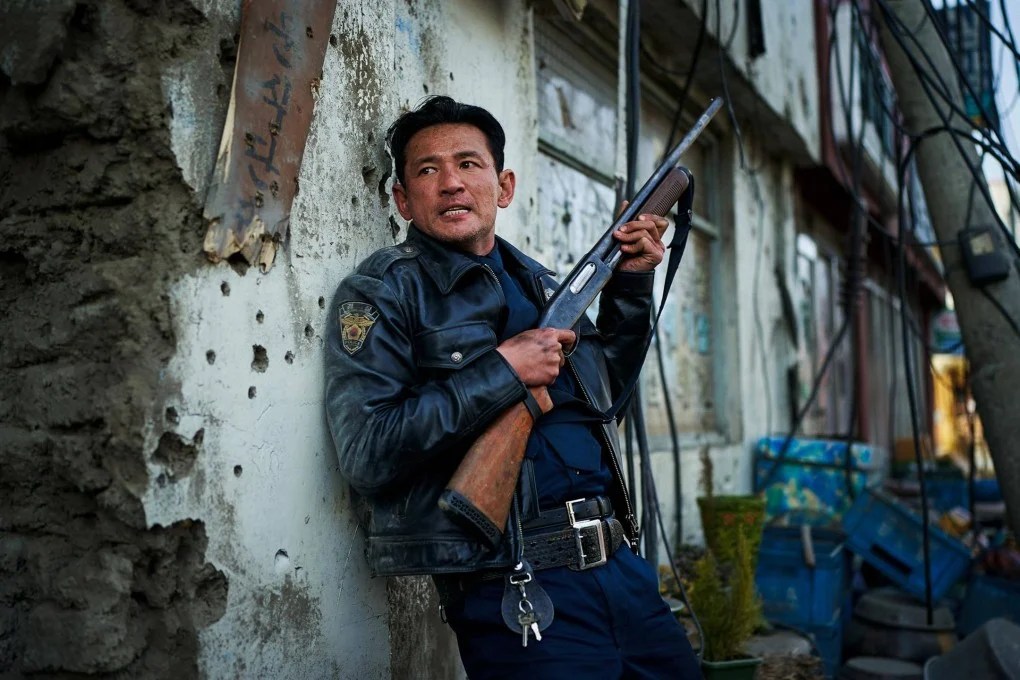
I’ve been seeing trailers for the South Korean action film HOPE (2026). Being a fan of the country’s cinema, it definitely piqued my interest. As I investigated a little further, I saw that it was written and directed by Na Hong-Jin who did the same for the unsettling THE WAILING back in 2016. Digging even deeper, I recognized actor Hwang Jung-Min as the lead of the film. He’s been great for a long time, starring in South Korean classics like A BITTERSWEET LIFE (2005), NEW WORLD (2013), VETERAN (2015), and the director’s THE WAILING. This being my birthday week, I decided I’d start it off with a bang by heading to the movie theater to see what this intriguing film has up its sleeves!
The movie gets right into the action as we meet small town Police Chief Beom Seok (Hwang Jung-Min) in the middle of his investigation of the vicious death of a cow. The incident was reported by a group of hunters who think the wounds look out of the ordinary. Wondering if a bear or a tiger might be on prowl as he’s driving back, he arrives in town where all hell has broken loose. It seems there’s something causing death and destruction, but it’s way too powerful to be a bear or a tiger. I won’t say anymore because the fun of the first half of the film is discovering just what the hell is bringing such chaos to this normally sleepy harbor town.
HOPE has a lot of good stuff going for it. The performances from the leads are at the very top of my list, beginning with Hwang Jung-min as the police chief. He has this ability to project goofy exasperation better than anyone else I know. A lesser actor might take this too far, but not Hwang. He is able to balance the film’s absurd humor while also being tough and fearless when he needs to be. He’s great here. Next up is Hoyeon (SQUID GAME), who plays police officer Sung Ae. I won’t say too much, but her character’s introduction into the film is incredibly fun and badass. I loved it, and you can’t help but love her as the film progresses. Finally, I really enjoyed actor Zo In-sung’s performance as one of the hunters who reports the suspicious cow death at the beginning of the film. At first he seems like a guy being set up as a victim, but he turns out to be much more than that by the end. I’ll have to give writer Na Hong-jin credit for creating such fun characters. I’ll mention here that Michael Fassbender and Alicia Vikander are also in the cast, but I won’t say anything more about their characters.
After actually watching the film, I can say that writer-director Na Hong-jin really did come up with a very interesting premise for HOPE. The first half of the film is so fun as our characters fight for their lives and simultaneously try to figure out what the hell they’re dealing with. I would say this is the best section of the film. When we finally see what our ragtag group is up against, we get an exciting, non-stop action sequence that ends with a bit of luck and relief for our heroes. Up to this point, the movie has been a violent, funny, action-packed ride!
The second half of the film, while still enjoyable, isn’t quite as successful as the first. The primary issue is the extreme length of the film. HOPE clocks in at over two and a half hours. While it continues on as a non-stop action ride, I think this movie would be just as good at only two hours long by cutting some repetitive action sequences. The last part of the film introduces a whole new storyline solely to set up future sequels. HOPE had the biggest box office opening weekend in South Korea thus far in 2026, so the sequels will definitely be coming. I’m certainly looking forward to them, but if you’re looking for closure for any of these characters, you won’t get it here. There is an almost unbelievable mid-credits sequence that’s truly absurd, but it’s also not out of line with the craziness of the film we just watched. Don’t miss that part!
For me, watching HOPE at the theater was 100% worth my time and an awesome start to my birthday week. It’s not a perfect film, but I truly enjoyed it, and I’ll be on the lookout for the sequels!
“A lot of those [German] soldiers, I’ve thought about this often, that man and I might’ve been good friends. We might’ve had a lot in common. We might’ve liked to fish, you know, he might’ve liked to hunt. You never know. You know. Of course, they were doin’ what they were supposed to do, and I was tryin’ to do what I was supposed to do. But, under different circumstances we might’ve been good friends.” — Darrell “Shifty” Powers
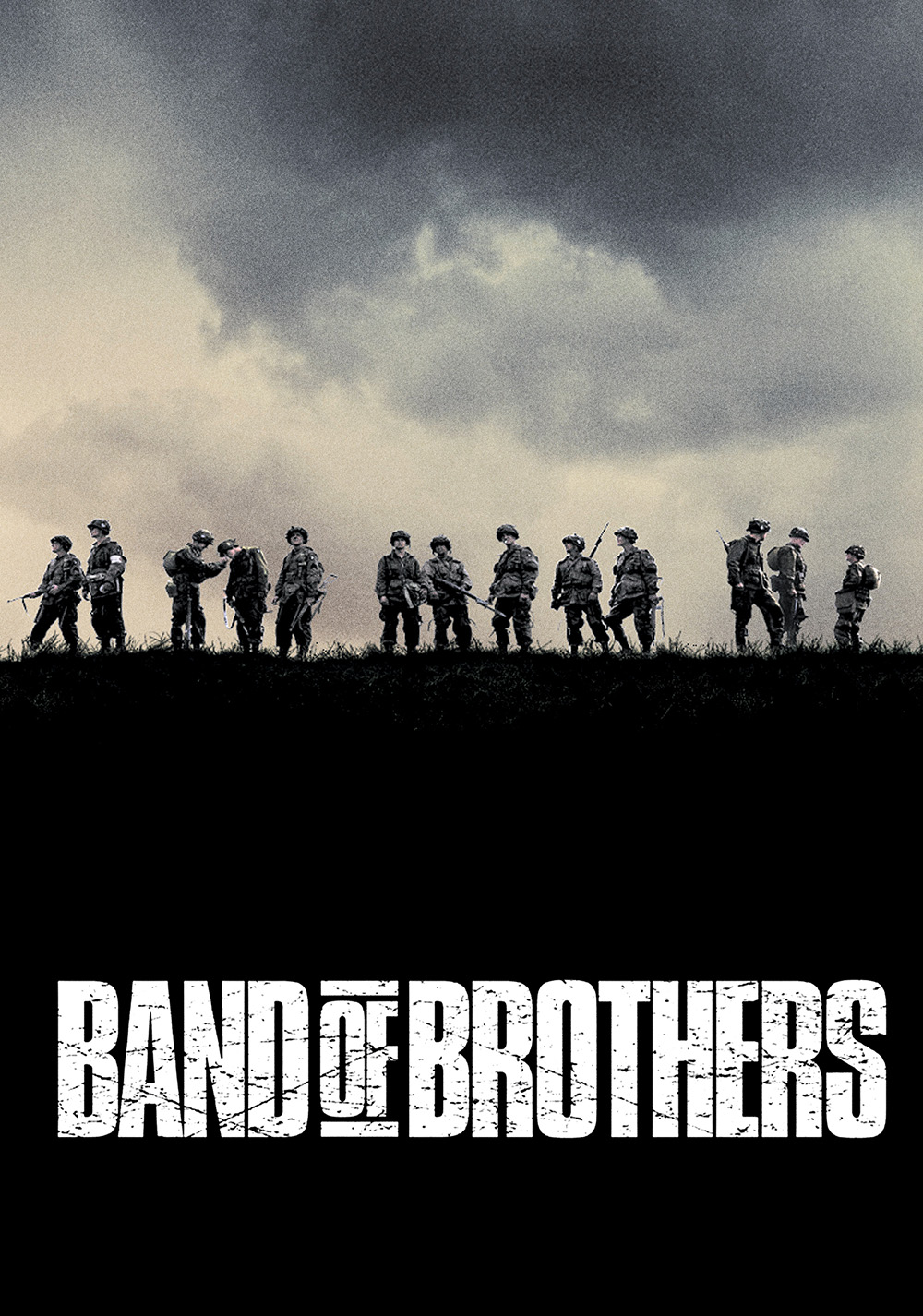
When we look back at the landscape of modern television, it is easy to take the concept of cinematic TV for granted. We live in an era where massive budgets, sweeping orchestral scores, and A-list Hollywood talent are regularly deployed on the small screen. But if you trace this golden lineage back to its true modern genesis, all roads inevitably lead to a singular, towering achievement: the 2001 HBO mini-series Band of Brothers. Produced by Tom Hanks and Steven Spielberg, this ten-part masterpiece did not just recount the harrowing journey of Easy Company, 506th Parachute Infantry Regiment, 101st Airborne Division during World War II; it fundamentally altered the DNA of television storytelling. Watching it today, a quarter-century after its initial broadcast, the series remains as potent, heartbreaking, and visually stunning as it was when it first shocked audiences. It exists as a perfect bridge between the classical Hollywood war epics of old and the uncompromising, gritty realism of twenty-first-century media. By committing to an unprecedented budget and an absolute refusal to sanitize the psychological horrors of combat, Band of Brothers set a high-water mark that few series have ever managed to touch, let alone surpass.
To understand the visual language and visceral power of Band of Brothers, one must first look at the cinematic earthquake that preceded it three years earlier: Steven Spielberg’s 1998 masterpiece Saving Private Ryan. That film rewrote the rules of how cinema captures warfare, abandoning the steady, heroic, brightly lit panoramas of mid-century studio pictures in favor of a terrifyingly immersive, chaotic style. Spielberg utilized desaturated colors, shutter-angle manipulation to create a jittery, hyper-real sense of motion, and handheld cameras that made the audience feel like they were ducking bullets in the surf of Omaha Beach. When Hanks and Spielberg pivoted to television to adapt Stephen E. Ambrose’s non-fiction book Band of Brothers, they brought this exact aesthetic blueprint with them. The impact of Saving Private Ryan on the mini-series cannot be overstated; it acts as the structural and aesthetic godfather of the entire project. Directors like Phil Alden Robinson, Richard Loncraine, and David Nutter utilized the same bleach-bypass film processing techniques to strip away vibrant primaries, leaving a color palette dominated by icy blues, muddy browns, and sickly olive drabs. This was not just a stylistic gimmick; it was a psychological tool that pulled the viewer out of the comfort of their living rooms and dropped them into the frozen, unforgiving forests of Bastogne or the smoke-choked ruins of Carentan. The camera became a participant in the war, getting splattered with mud, shaking violently during artillery barrages, and refusing to look away from the gruesome reality of what high-explosive shrapnel does to human flesh.
Yet, while it shared a visual vocabulary with Saving Private Ryan, Band of Brothers achieved something that a two-and-a-half-hour feature film simply never could, owing entirely to the expansive canvas of the mini-series format. A film must ultimately compress its narrative arc, often relying on archetypes and rapid pacing to reach a resolution. Over the course of ten hours, Band of Brothers allows its characters to breathe, change, harden, and break. Crucially, some of the show’s most powerful, lasting stories have absolutely nothing to do with active battles, but rather unfold in the quieter moments between the chaos. We do not just see these men in the heat of a firefight; we watch them suffer through the mundane, soul-crushing basic training regime of Camp Toccoa under the tyrannical eye of Captain Sobel, played with a brilliant, tragic insecurity by David Schwimmer. We sit with them in the agonizing, silent darkness of C-47 transport planes, listening to the vomit hitting the floorboards and watching the sheer, unadulterated dread on their faces before the jump over Normandy. We freeze with them in foxholes during the long, static winter in the forests of Bastogne, sharing the psychological numbness of isolation and the simple, desperate human desire for a dry pair of socks or a warm cup of coffee. This structural patience transforms the viewing experience from simple passive entertainment into an emotional marathon. We have known these men through their triumphs and their absolute lowest points, making their losses hit with the weight of personal bereavement.
While these quiet stretches build a deep, slow-burning empathy, the absolute biggest gut punch of the entire series arrives in Episode 9, titled Why We Fight. Throughout their march across Europe, the men of Easy Company—and by extension, the audience—have become somewhat cynical and battle-weary, numbly pushing forward simply to survive and get the job done. That numbness is completely shattered when a patrol stumbles across an sub-camp in the woods near Landsberg, which itself was part of the larger Dachau concentration camp complex. Up until this point, the war had been about geopolitical strategies, territory, and survival; suddenly, the men are brought face-to-face with the industrial scale of Nazi atrocities. The direction in this sequence is devastatingly restrained. There are no swelling orchestrations or heroic monologues, only the bewildered horror of soldiers looking at skeletal survivors wandering the camp in striped uniforms. Watching tough, battle-hardened paratroopers like Captain Nixon and Major Winters reduced to breathless, disbelieving silence as they uncover the truth of the Holocaust anchors the narrative in an entirely different tier of tragedy. It is an episode that completely recontextualizes the title of the series, showing that their ultimate purpose transcended military victory; they were liberating humanity from an unimaginable nightmare.
The casting of the series is another stroke of absolute genius that looks even more miraculous in hindsight. The producers deliberately avoided casting massive, distracting superstars for the main roles, opting instead for relatively unknown British and American theater and character actors. This decision was crucial for maintaining the show’s documentary-like authenticity; if Tom Cruise or Brad Pitt had been jumping out of those planes, the illusion would have been instantly shattered. Instead, we got Damian Lewis as Major Richard Winters, delivering a performance of quiet, stoic, and deeply principled leadership that serves as the moral anchor of the entire narrative. Alongside him was Ron Livingston as Captain Lewis Nixon, embodying the weary, cynical, and battle-fatigued intellect of a man seeking refuge from the horrors of war in a bottle of Vat 69. The ensemble is a treasure trove of talent, featuring early-career appearances from actors who would go on to become household names, including Tom Hardy, Michael Fassbender, James McAvoy, Simon Pegg, and Michael Cudlitz. Because the show focuses on an entire company, the perspective shifts naturally from episode to episode. One week we are viewing the war through the eyes of a terrified replacement medic in Bastogne, and the next we are embedded with the cynical, battle-hardened sergeant Carwood Lipton in The Breaking Point. This shifting focus ensures that the series never feels like a traditional Hollywood star vehicle, but rather a collective portrait of brotherhood where the company itself is the true protagonist.
The emotional resonance of Band of Brothers is amplified tenfold by the brilliant inclusion of interviews with the actual surviving veterans of Easy Company at the beginning of each episode. Kept anonymous until the very final moments of the series, these elderly men sit in simple chairs against dark backgrounds, their voices trembling and eyes misting over as they recall events that occurred more than half a century prior. There is a heartbreaking disconnect between the frail, weathered men on screen and the vibrant, muscular young actors portraying them in the dramatization. These interviews ground the cinematic spectacle in an undeniable, sobering reality. They serve as a constant reminder that the explosions, the blood, and the impossible acts of bravery we are witnessing were not the inventions of a Hollywood writers’ room, but the actual lived experiences of ordinary boys who were plucked from small-town America and dropped into the middle of the apocalypse. When the real-life winter veteran Dick Winters quotes his friend’s letter at the end of the series—saying, “Grandpa, were you a hero in the war? And Grandpa said no, but I served in a company of heroes”—it is impossible not to be moved to tears. It is a rare instance where a piece of media successfully honors historical figures without falling into the trap of cheap, unearned sentimentality or jingoistic propaganda.
Beyond its historical and emotional triumphs, the legacy of Band of Brothers is woven directly into the fabric of what we now refer to as prestige television. Before 2001, television was largely viewed as cinema’s lesser sibling—a medium defined by low budgets, procedural structures, and compromised production values meant to fit the square dimensions of old cathode-ray tube television sets. HBO had already begun to challenge this status quo with groundbreaking dramas like The Sopranos and Oz, but Band of Brothers was the project that proved television could match, and perhaps even exceed, the scale and artistic ambition of Hollywood blockbusters. With a staggering budget of over one hundred and twenty million dollars, it was the most expensive television miniseries ever produced at the time. The immense financial gamble paid off spectacularly, demonstrating to network executives and creators alike that audiences were hungry for complex, serialized, and visually uncompromising narratives that demanded to be treated as high art. The success of the show cleared the path for future cinematic television epics, directly inspiring sister projects like The Pacific and Masters of the Air, while setting the production standards that would later allow shows like Game of Thrones, Chernobyl, and Succession to flourish. It proved that the small screen was capable of housing massive, global historical narratives without losing the intimate character dynamics that make long-form storytelling so uniquely compelling.
Ultimately, Band of Brothers stands as a definitive milestone because it perfectly balanced the macro-scale horror of global warfare with the micro-scale beauty of human connection. It stripped away the romanticized myths of World War II to expose the sheer, terrifying randomness of survival, while simultaneously validating the profound love and loyalty that can only be forged in the crucible of shared suffering. It did not glamorize combat; instead, it illuminated the heavy, permanent psychological toll extracted from those who survived it. Through its hyper-realistic visual language inherited from Saving Private Ryan, its impeccable ensemble casting, and its revolutionary impact on the medium of television, the series achieved a timeless quality. It remains a definitive piece of cultural touchstone media that demands annual rewatches from millions of viewers around the globe. It is not just a historical chronicle, nor is it merely a well-executed piece of premium television; it is a monument to the human spirit, an artistic triumph that continues to remind us of the immense sacrifices made by an ordinary generation of heroes who stood together when the world was falling apart.
Yesterday, the Indiana Film Journalists Association announced its picks for the best of 2025. The winners are listed in bold.
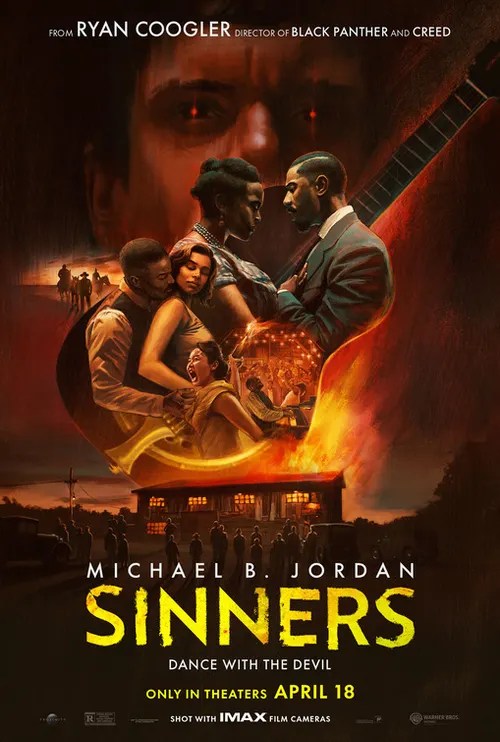
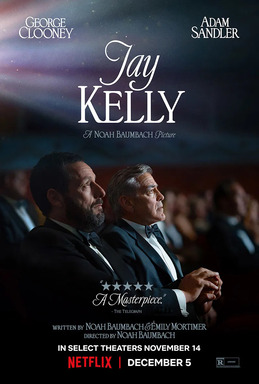
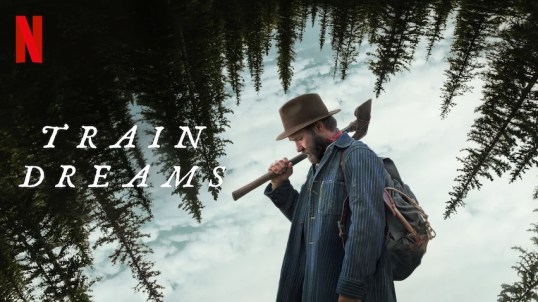
BEST FILM 28 Years Later Black Bag Bob Trevino Likes It Bugonia Frankenstein Friendship Hamnet Jay Kelly The Life of Chuck Marty Supreme No Other Choice One Battle After Another (RUNNER-UP) The Phoenician Scheme The Plague Sinners (WINNER) Splitsville Superman Train Dreams Wake Up Dead Man: A Knives Out Mystery Weapons
Other Best Film Finalists / Top 10 Films: (listed alphabetically)
Bob Trevino Likes It
Hamnet
The Life of Chuck
Marty Supreme
No Other Choice
Train Dreams
Wake Up Dead Man: A Knives Out Mystery
Weapons
BEST ANIMATED FILM In Your Dreams KPop Demon Hunters (WINNER) The Legend of Hei 2 (RUNNER-UP) Little Amélie Or The Character Of Rain Ne Zha 2 Predator: Killer of Killers Zootopia 2
BEST FOREIGN LANGUAGE FILM Cloud It Was Just an Accident Left-Handed Girl No Other Choice (WINNER) Reflection In A Dead Diamond Rental Family The Secret Agent Sentimental Value (RUNNER-UP) Universal Language The Voice of Hind Rajab
BEST DOCUMENTARY Are We Good? Deaf President Now! Disposable Humanity Grand Theft Hamlet Hacking at Leaves Orwell: 2+2=5 (RUNNER-UP) Pavements The Perfect Neighbor The Tenderness Tour (WINNER)
BEST ORIGINAL SCREENPLAY Noah Baumbach and Emily Mortimer – Jay Kelly Mary Bronstein – If I Had Legs I’d Kick You Ronald Bronstein and Josh Safdie – Marty Supreme (RUNNER-UP) Ryan Coogler – Sinners (WINNER) Michael Angelo Covino and Kyle Marvin – Splitsville Zach Cregger – Weapons David Koepp – Black Bag Tracie Laymon – Bob Trevino Likes It Jafar Panahi – It Was Just an Accident Charlie Polinger – The Plague
BEST ADAPTED SCREENPLAY Paul Thomas Anderson – One Battle After Another (WINNER) Clint Bentley and Greg Kwedar – Train Dreams Guillermo del Toro – Frankenstein Mike Flanagan – The Life of Chuck (RUNNER-UP) Alex Garland – 28 Years Later Dan Gregor, Doug Mand, and Akiva Schaffer – The Naked Gun James Gunn – Superman Rian Johnson – Wake Up Dead Man: A Knives Out Mystery Park Chan-wook, Lee Kyoung-mi, Don McKellar and Lee Ja-hye – No Other Choice Will Tracy – Bugonia
BEST DIRECTOR Paul Thomas Anderson – One Battle After Another (WINNER) Clint Bentley – Train Dreams Ryan Coogler – Sinners (RUNNER-UP) Michael Angelo Covino – Splitsville Zach Cregger – Weapons James Gunn – Superman Park Chan-wook – No Other Choice Charlie Polinger – The Plague Josh Safdie – Marty Supreme Steven Soderbergh – Black Bag
BEST LEAD PERFORMANCE Everett Blunck – The Plague Jessie Buckley – Hamnet (RUNNER-UP) Rose Byrne – If I Had Legs I’d Kick You Timothée Chalamet – Marty Supreme (WINNER) David Corenswet – Superman Leonardo DiCaprio – One Battle After Another Joel Edgerton – Train Dreams Michael Fassbender – Black Bag Barbie Ferreira – Bob Trevino Likes It Ethan Hawke – Blue Moon Michael B. Jordan – Sinners Liam Neeson – The Naked Gun Josh O’Connor – Wake Up Dead Man: A Knives Out Mystery Jesse Plemons – Bugonia Emma Stone – Bugonia
BEST SUPPORTING PERFORMANCE Pamela Anderson – The Naked Gun Miles Caton – Sinners Benicio del Toro – One Battle After Another (WINNER) Jacob Elordi – Frankenstein Nicholas Hoult – Superman Chase Infiniti – One Battle After Another John Leguizamo – Bob Trevino Likes It Amy Madigan – Weapons (RUNNER-UP) Paul Mescal – Hamnet Sean Penn – One Battle After Another Adam Sandler – Jay Kelly Stellan Skarsgård – Sentimental Value French Stewart – Bob Trevino Likes It Teyana Taylor – One Battle After Another
BEST VOCAL / MOTION-CAPTURE PERFORMANCE Oona Chaplin – Avatar: Fire And Ash Ebon Moss-Bachrach – The Fantastic Four: First Steps (RUNNER-UP) Will Patton – Train Dreams (WINNER) Dimitrius Schuster-Koloamatangi – Predator: Badlands Zhu Jing – The Legend of Hei 2
BEST ENSEMBLE ACTING Black Bag Bugonia The Life of Chuck Marty Supreme One Battle After Another (RUNNER-UP) The Plague Sinners (WINNER) Superman Wake Up Dead Man: A Knives Out Mystery Weapons
BEST EDITING Ronald Bronstein and Josh Safdie – Marty Supreme Barry Alexander Brown and Allyson C. Johnson – Highest 2 Lowest Mike Flanagan – The Life of Chuck Jon Harris – 28 Years Later Andy Jurgensen – One Battle After Another (RUNNER-UP) Kim Sang-bum – No Other Choice Brian Scott Olds – The Naked Gun Sara Shaw – Splitsville Michael P. Shawver – Sinners (WINNER) Steven Soderbergh – Black Bag
BEST CINEMATOGRAPHY Autumn Durald Arkapaw – Sinners (WINNER) Michael Bauman – One Battle After Another (RUNNER-UP) Steven Breckon – The Plague Darius Khondji – Marty Supreme Dan Laustsen – Frankenstein Anthony Dod Mantle – 28 Years Later Larkin Seiple – Weapons Steven Soderbergh – Black Bag Fraser Taggart – Mission: Impossible – The Final Reckoning Adolpho Veloso – Train Dreams
BEST MUSICAL SCORE Jerskin Fendrix – Bugonia Ludwig Göransson – Sinners (WINNER) Jonny Greenwood – One Battle After Another (RUNNER-UP) Ryan Holladay, Hays Holladay and Zach Cregger – Weapons David Holmes – Black Bag Johan Lenox – The Plague Daniel Lopatin – Marty Supreme John Murphy and David Fleming – Superman Nine Inch Nails – Tron: Ares Young Fathers – 28 Years Later
BEST STUNT / MOVEMENT CHOREOGRAPHY Wade Eastwood (second unit director / stunt coordinator) – Mission: Impossible – The Final Reckoning (WINNER) Timothy Eulich (stunt coordinator) – Eddington Tyler Hall (stunt coordinator / stunt driver) and Dave McKeown (stunt coordinator) – Splitsville Brian Machleit (stunt coordinator) – One Battle After Another (RUNNER-UP) Mandy Moore (choreographer) – The Life of Chuck Alain Moussi (stunt coordinator), Brahim Chab (fight coordinator), László Kósa (stunt coordinator, Hungary) and Balázs Lengyel (fight coordinator, Hungary) – Fight or Flight Celia Rowlson-Hall (choreographer) – The Testament of Ann Lee Jacob Tomuri (stunt coordinator) – Predator: Badlands
BEST SPECIAL EFFECTS Dennis Berardi, Ayo Burgess and Ivan Busquets (VFX supervisors) and José Granell (miniatures / models supervisor) – Frankenstein (WINNER) Jeff Capogreco (VFX supervisor), Dave Funston (VFX supervisor, OPSIS), Ross McCabe (VFX supervisor, Image Engine), Abishek Nair (VFX supervisor, Industrial Light and Magic / VFX supervisor, second unit), Vincent Papaix (VFX supervisor, Industrial Light and Magic) and Cameron Waldbauer (SFX supervisor) – Tron: Ares Stephane Ceretti, Enrico Damm, Stéphane Nazé and Guy Williams (VFX supervisors) – Superman Olivier Dumont and Sheldon Stopsack (VFX supervisors, Wētā), Kathy Siegel (VFX producer / co-producer) and Karl Rapley (animation supervisor, Wētā) – Predator: Badlands Dan Glass, Chris McLaughlin and Stuart Penn (VFX supervisors) and Dominic Tuohy (SFX supervisor) – Mickey 17 Joe Letteri (senior VFX supervisor), Richard Baneham (VFX supervisor, Lightstorm / virtual second unit director), Eric Saindon (senior VFX supervisor, Wētā Digital) and Daniel Barrett (senior animation supervisor, Wētā Digital) – Avatar: Fire And Ash Charlie Noble (VFX supervisor), David Zaretti (VFX supervisor, ILM), Russell Bowen (VFX supervisor, beloFX) and Brandon K. McLaughlin (SFX coordinator) – The Lost Bus Michael Ralla, Espen Nordahl and Guido Wolter (VFX supervisors) and Donnie Dean (SFX coordinator) – Sinners (RUNNER-UP) Scott Stokdyk (VFX supervisor, Marvel), Robert Allman (VFX supervisor, Framestore), Daniele Bigi (VFX supervisor, ILM), Theodore Bialek (VFX supervisor, SPI) and Alistair Williams (SFX supervisor) – The Fantastic Four: First Steps
BREAKOUT OF THE YEAR Clint Bentley (director / co-writer) – Train Dreams Everett Blunck (performer) – The Plague Miles Caton (performer) – Sinners (RUNNER-UP) Aidan Delbis (performer) – Bugonia Chase Infiniti (performer) – One Battle After Another (WINNER) Jacobi Jupe (performer) – Hamnet Tracie Laymon (director / writer) – Bob Trevino Likes It Charlie Polinger (director / writer) – The Plague Eva Victor (director / writer / performer) – Sorry, Baby Alfie Williams (performer) – 28 Years Later
ORIGINAL VISION Good Boy (WINNER) If I Had Legs I’d Kick You One Battle After Another The Plague Reflection In A Dead Diamond The Testament of Ann Lee (RUNNER-UP) Train Dreams
The Edward Johnson-Ott Hoosier Award
Chase Infiniti – One Battle After Another
Here are the 2025 nominations of the Indiana Film Journalists Association.
There’s a lot of them.
BEST FILM 28 Years Later Black Bag Bob Trevino Likes It Bugonia Frankenstein Friendship Hamnet Jay Kelly The Life of Chuck Marty Supreme No Other Choice One Battle After Another The Phoenician Scheme The Plague Sinners Splitsville Superman Train Dreams Wake Up Dead Man: A Knives Out Mystery Weapons
BEST ANIMATED FILM In Your Dreams KPop Demon Hunters The Legend of Hei 2 Little Amélie Or The Character Of Rain Ne Zha 2 Predator: Killer of Killers Zootopia 2
BEST FOREIGN LANGUAGE FILM Cloud It Was Just an Accident Left-Handed Girl No Other Choice Reflection In A Dead Diamond Rental Family The Secret Agent Sentimental Value Universal Language The Voice of Hind Rajab
BEST DOCUMENTARY Are We Good? Deaf President Now! Disposable Humanity Grand Theft Hamlet Hacking at Leaves Orwell: 2+2=5 Pavements The Perfect Neighbor
The Tenderness Tour
BEST ORIGINAL SCREENPLAY Noah Baumbach and Emily Mortimer – Jay Kelly Mary Bronstein – If I Had Legs I’d Kick You Ronald Bronstein and Josh Safdie – Marty Supreme Ryan Coogler – Sinners Michael Angelo Covino and Kyle Marvin – Splitsville Zach Cregger – Weapons David Koepp – Black Bag Tracie Laymon – Bob Trevino Likes It Jafar Panahi – It Was Just an Accident Charlie Polinger – The Plague
BEST ADAPTED SCREENPLAY Paul Thomas Anderson – One Battle After Another Clint Bentley and Greg Kwedar – Train Dreams Guillermo del Toro – Frankenstein Mike Flanagan – The Life of Chuck Alex Garland – 28 Years Later Dan Gregor, Doug Mand, and Akiva Schaffer – The Naked Gun James Gunn – Superman Rian Johnson – Wake Up Dead Man: A Knives Out Mystery Park Chan-wook, Lee Kyoung-mi, Don McKellar and Lee Ja-hye – No Other Choice Will Tracy – Bugonia
BEST DIRECTOR Paul Thomas Anderson – One Battle After Another Clint Bentley – Train Dreams Ryan Coogler – Sinners Michael Angelo Covino – Splitsville Zach Cregger – Weapons James Gunn – Superman Park Chan-wook – No Other Choice Charlie Polinger – The Plague Josh Safdie – Marty Supreme Steven Soderbergh – Black Bag
BEST LEAD PERFORMANCE Everett Blunck – The Plague Jessie Buckley – Hamnet Rose Byrne – If I Had Legs I’d Kick You Timothée Chalamet – Marty Supreme David Corenswet – Superman Leonardo DiCaprio – One Battle After Another Joel Edgerton – Train Dreams Michael Fassbender – Black Bag Barbie Ferreira – Bob Trevino Likes It Ethan Hawke – Blue Moon Michael B. Jordan – Sinners Liam Neeson – The Naked Gun Josh O’Connor – Wake Up Dead Man: A Knives Out Mystery Jesse Plemons – Bugonia Emma Stone – Bugonia
BEST SUPPORTING PERFORMANCE Pamela Anderson – The Naked Gun Miles Caton – Sinners Benicio del Toro – One Battle After Another Jacob Elordi – Frankenstein Nicholas Hoult – Superman Chase Infiniti – One Battle After Another John Leguizamo – Bob Trevino Likes It Amy Madigan – Weapons Paul Mescal – Hamnet Sean Penn – One Battle After Another Adam Sandler – Jay Kelly Stellan Skarsgård – Sentimental Value French Stewart – Bob Trevino Likes It Teyana Taylor – One Battle After Another
BEST VOCAL / MOTION-CAPTURE PERFORMANCE Oona Chaplin – Avatar: Fire And Ash Ebon Moss-Bachrach – The Fantastic Four: First Steps Will Patton – Train Dreams Dimitrius Schuster-Koloamatangi – Predator: Badlands Zhu Jing – The Legend of Hei 2
BEST ENSEMBLE ACTING Black Bag Bugonia The Life of Chuck Marty Supreme One Battle After Another The Plague Sinners Superman Wake Up Dead Man: A Knives Out Mystery Weapons
BEST EDITING Ronald Bronstein and Josh Safdie – Marty Supreme Barry Alexander Brown and Allyson C. Johnson – Highest 2 Lowest Mike Flanagan – The Life of Chuck Jon Harris – 28 Years Later Andy Jurgensen – One Battle After Another Kim Sang-bum – No Other Choice Brian Scott Olds – The Naked Gun Sara Shaw – Splitsville Michael P. Shawver – Sinners Steven Soderbergh – Black Bag
BEST CINEMATOGRAPHY Autumn Durald Arkapaw – Sinners Michael Bauman – One Battle After Another Steven Breckon – The Plague Darius Khondji – Marty Supreme Dan Laustsen – Frankenstein Anthony Dod Mantle – 28 Years Later Larkin Seiple – Weapons Steven Soderbergh – Black Bag Fraser Taggart – Mission: Impossible – The Final Reckoning Adolpho Veloso – Train Dreams
BEST MUSICAL SCORE Jerskin Fendrix – Bugonia Ludwig Göransson – Sinners Jonny Greenwood – One Battle After Another Ryan Holladay, Hays Holladay and Zach Cregger – Weapons David Holmes – Black Bag Johan Lenox – The Plague Daniel Lopatin – Marty Supreme John Murphy and David Fleming – Superman Nine Inch Nails – Tron: Ares Young Fathers – 28 Years Later
BEST STUNT / MOVEMENT CHOREOGRAPHY Wade Eastwood (second unit director / stunt coordinator) – Mission: Impossible – The Final Reckoning Timothy Eulich (stunt coordinator) – Eddington Tyler Hall (stunt coordinator / stunt driver) and Dave McKeown (stunt coordinator) – Splitsville Brian Machleit (stunt coordinator) – One Battle After Another Mandy Moore (choreographer) – The Life of Chuck Alain Moussi (stunt coordinator), Brahim Chab (fight coordinator), László Kósa (stunt coordinator, Hungary) and Balázs Lengyel (fight coordinator, Hungary) – Fight or Flight Celia Rowlson-Hall (choreographer) – The Testament of Ann Lee Jacob Tomuri (stunt coordinator) – Predator: Badlands
BEST SPECIAL EFFECTS Dennis Berardi, Ayo Burgess and Ivan Busquets (VFX supervisors) and José Granell (miniatures / models supervisor) – Frankenstein Jeff Capogreco (VFX supervisor), Dave Funston (VFX supervisor, OPSIS), Ross McCabe (VFX supervisor, Image Engine), Abishek Nair (VFX supervisor, Industrial Light and Magic / VFX supervisor, second unit), Vincent Papaix (VFX supervisor, Industrial Light and Magic) and Cameron Waldbauer (SFX supervisor) – Tron: Ares Stephane Ceretti, Enrico Damm, Stéphane Nazé and Guy Williams (VFX supervisors) – Superman Olivier Dumont and Sheldon Stopsack (VFX supervisors, Wētā), Kathy Siegel (VFX producer / co-producer) and Karl Rapley (animation supervisor, Wētā) – Predator: Badlands Dan Glass, Chris McLaughlin and Stuart Penn (VFX supervisors) and Dominic Tuohy (SFX supervisor) – Mickey 17 Joe Letteri (senior VFX supervisor), Richard Baneham (VFX supervisor, Lightstorm / virtual second unit director), Eric Saindon (senior VFX supervisor, Wētā Digital) and Daniel Barrett (senior animation supervisor, Wētā Digital) – Avatar: Fire And Ash Charlie Noble (VFX supervisor), David Zaretti (VFX supervisor, ILM), Russell Bowen (VFX supervisor, beloFX) and Brandon K. McLaughlin (SFX coordinator) – The Lost Bus Michael Ralla, Espen Nordahl and Guido Wolter (VFX supervisors) and Donnie Dean (SFX coordinator) – Sinners Scott Stokdyk (VFX supervisor, Marvel), Robert Allman (VFX supervisor, Framestore), Daniele Bigi (VFX supervisor, ILM), Theodore Bialek (VFX supervisor, SPI) and Alistair Williams (SFX supervisor) – The Fantastic Four: First Steps
BREAKOUT OF THE YEAR Clint Bentley (director / co-writer) – Train Dreams Everett Blunck (performer) – The Plague Miles Caton (performer) – Sinners Aidan Delbis (performer) – Bugonia Chase Infiniti (performer) – One Battle After Another Jacobi Jupe (performer) – Hamnet Tracie Laymon (director / writer) – Bob Trevino Likes It Charlie Polinger (director / writer) – The Plague Eva Victor (director / writer / performer) – Sorry, Baby Alfie Williams (performer) – 28 Years Later
ORIGINAL VISION Good Boy If I Had Legs I’d Kick You One Battle After Another The Plague Reflection In A Dead Diamond The Testament of Ann Lee Train Dreams
“Stick to your plan. Anticipate, don’t improvise. Trust no one. Never yield an advantage. Fight only the battle you’re paid to fight. Forbid empathy. Empathy is weakness. Weakness is vulnerability.” — The Killer
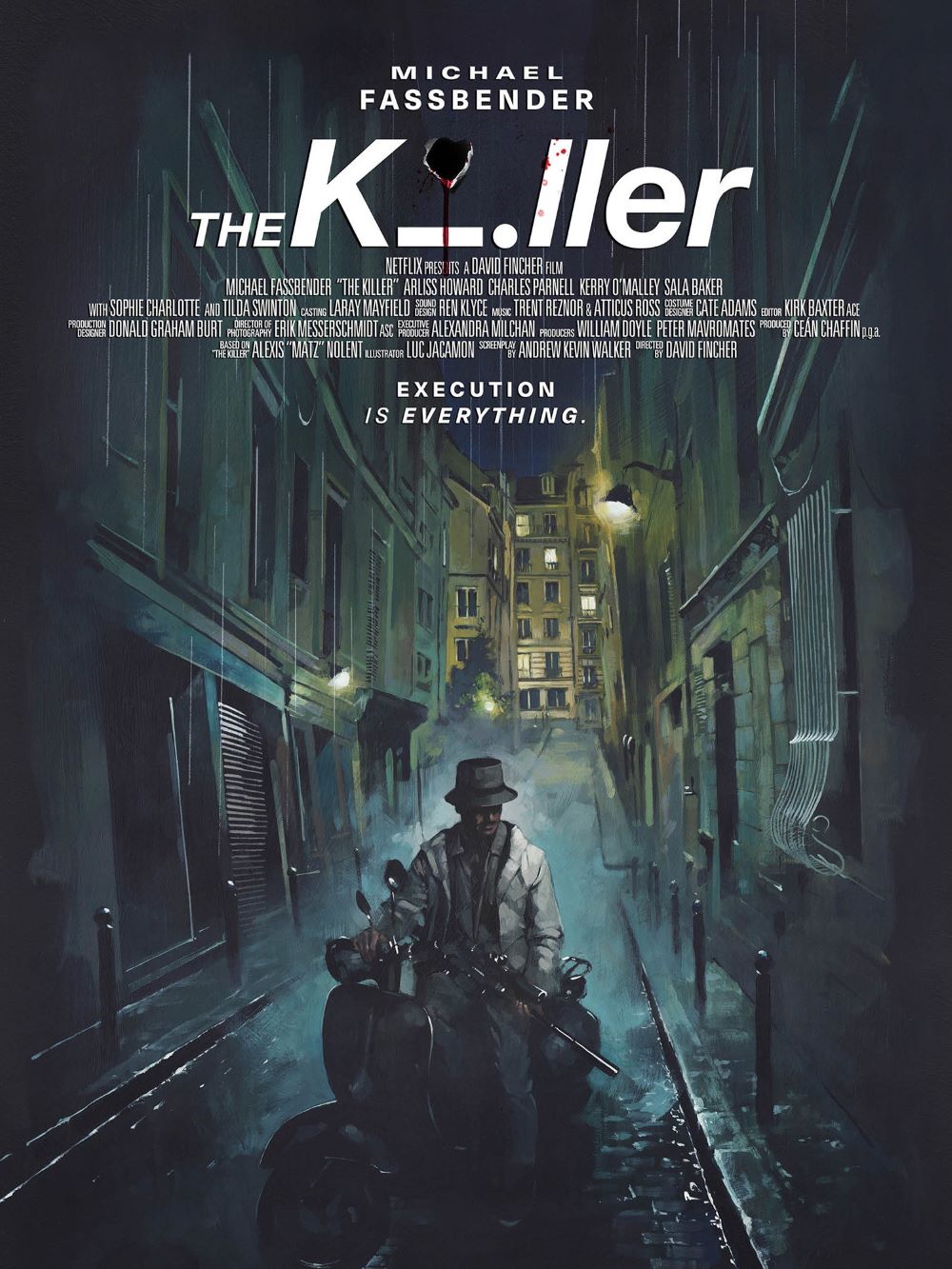
David Fincher’s The Killer lands like a perfectly aimed shot: clean, methodical, and laced with just enough twist to make you rethink the whole trajectory. At its core, the film follows an elite assassin—brilliantly played by Michael Fassbender—who suffers a rare professional failure during a high-stakes hit in Paris. After days of obsessive preparation in a WeWork cubicle, complete with hourly surveillance checks, yoga breaks, protein bar sustenance, and a nonstop loop of The Smiths, he pulls the trigger only to miss his target entirely.
This one slip shatters his world of ironclad redundancies and contingencies. Retaliation soon hits close to home, striking his secluded Dominican Republic hideout and drawing in his girlfriend. What begins as a routine job quickly escalates into a personal cleanup mission, spanning cities like New Orleans, Florida, New York, and Chicago. Fincher transforms these stops into taut, self-contained vignettes, layering precise bursts of violence over the protagonist’s gradual psychological fraying—all while keeping major reveals under wraps to maintain the film’s coiled tension.
The structure dovetails perfectly with Fassbender’s commanding performance. He embodies a man radiating icy zen on the surface, while a relentless machine churns underneath. His deadpan voiceover delivers self-imposed rules like a deranged productivity gospel—”forbid empathy,” “stick to your plan,” “anticipate, don’t improvise”—even as he slips seamlessly into civilian guises: faux-German tourist, unassuming janitor, casually ordering tactical gear from Amazon like it’s toothpaste.
The result is darkly hilarious, conjuring a corporate bro reborn as high-functioning sociopath, where bland covers clash absurdly with lethal intent. Yet as stakes mount, subtle cracks appear: split-second hesitations, flickers of unexpected mercy that betray buried humanity. Fassbender nails this evolution through sheer minimalism—piercing stares, economical gestures, weaponized silence—morphing the killer from untouchable elite into a flawed, expendable player in the gig economy’s brutal grind.
These nuances echo the film’s episodic blueprint, quintessential Fincher territory. On-screen city titles act as chapters in a shadowy assassin’s handbook, with tension simmering through drawn-out prep rituals: endless surveillance, gear assembly, contingency mapping that drags just enough to immerse you in the job’s soul-numbing tedium. The Paris mishap ignites the chase—he evades immediate pursuit, sheds evidence, and races home to fallout, then pursues leads through handlers, drivers, and rivals in a chain of escalating confrontations.
Fincher deploys action sparingly but with devastating impact. A standout brawl erupts in raw, prolonged chaos—captured in extended, crystal-clear shots with improvised weapons and no shaky-cam crutches—perfectly embodying the killer’s ethos even as it splinters around him. Each sequence builds without excess, from tense interrogations to standoffs that flip power dynamics, underscoring how the world’s rules bend unevenly.
This kinetic progression meshes flawlessly with Fincher’s visual command. Cinematographer Erik Messerschmidt crafts a hypnotic palette of cool desaturated blues, sterile symmetries, and digital hyper-reality, evoking unblinking surveillance feeds into an emotional void. Tactile details obsess: the rifle case’s satisfying zip, suppressed gunfire’s sharp snick, shadows creeping across WeWork pods, dingy motels, and gleaming penthouses—all mirroring the killer’s frantic grasp for order amid encroaching disarray.
Sound design heightens every layer, sharpening ambient clacks of keyboards, hallway breaths, and gravel footsteps to a razor’s edge. Integral to the immersion is the minimalist electronic score by Trent Reznor and Atticus Ross, Fincher’s trusted collaborators from The Social Network to Mank. Their eerie ambient drones and ominous rhythmic pulses bubble like a suppressed heartbeat—swelling subtly in stakeouts, throbbing through violence, threading haunting motifs into voiceovers. It mirrors the protagonist’s inner turmoil without overwhelming the chill precision, turning silences between notes into weapons as potent as any sniper round.
This sonic and visual restraint powers the film’s bone-dry irony, which methodically punctures the protagonist’s god-complex. He preaches elite status among the “few” lording over the “many sheep,” yet reality paints him as sleep-deprived, rule-bending, and perpetually improvising—empathy leaking through denials in quiet, humanizing beats. Fincher weaves these into his signature obsessions—unmasked control freaks, dissected toxic masculinity, exposed capitalist churn—but with playful lightness, sidestepping the heavier preachiness of Fight Club or Seven.
The killer’s neurotic Smiths fixation injects quirky isolation amid globetrotting nomadism; their melancholic lyrics (“How Soon Is Now?”) punctuate stakeouts and flights like wry commentary on his fraying detachment. It all resolves in a low-key homecoming: no grand redemption or downfall, just weary acknowledgment that even “perfect” plans crack under chaos’s weight.
This sleight-of-hand elevates The Killer beyond standard assassin tropes into a sharp study of elite evil’s banality. Supporting roles deliver pitch-perfect economy: Tilda Swinton’s poised, lethal rival in mind-game restaurant tension; Arliss Howard’s obliviously entitled elite; Charles Parnell’s wearily betrayed handler; Kerry O’Malley’s poignant bargainer; Sala Baker’s raw, physical menace. Under two hours, Fincher packs density without bloat—layered subtext, rewatchable craft everywhere.
Gripes about its procedural chill or emotional distance miss the sleight entirely: this is a revenge thriller masking profound dissection of a borderless mercenary world, where pros prove as disposable as their untouchable clients. Fans of methodical slow-burns like Zodiac, The Game, or Gone Girl will devour the razor wit, process immersion, and unflinching thematic bite.
Ultimately, The Killer crystallizes as a sly late-period Fincher gem, fusing pitch-black humor, visceral horror, and surprising humanism into precision-engineered sleekness. It dismantles mastery illusions in unforgiving reality, leaving Fassbender’s killer stubbornly human: loose ends mostly tied, slipping back to obscurity as a survivor adapting. In a flood of bombastic action sludge, it offers bracing cerebral air—proving restraint, dark laughs, and surgical insight remain the filmmaker’s deadliest tools. For obsessive breakdowns of the human machine at its breaking point, it’s Netflix essential.
I don’t know how many of you enjoy listening to podcasts, but I joined a Facebook group back in 2021 focused on the actor Charles Bronson. The group is called the “This Week in Charles Bronson: Podcast.” We focus on Bronson, but the page is really just a springboard for all kinds of pop culture discussions. Well, one of the things we do is periodically produce podcasts focused on Bronson’s movies, the actors who are in them, the directors, the stunt people… you name it, we discuss it. I’ve been lucky enough to meet actors and actresses who’ve worked with Bronson, authors who write about Bronson, and most importantly, people just like me all over the world who love Charles Bronson. It’s been such a fun experience in my life.
Today, I’m sharing just a snippet from one of our podcasts where we discuss the excellent opening sequence of Bronson’s 1972 action classic, THE MECHANIC! If you like what you hear, listen to the full episode and our back catalogue of episodes on YouTube, Spotify, Apple Podcasts, etc. Heck, we’d love you to join our Facebook page and get involved. That’s all I did! Before you know it, you could be part of the show! Enjoy my friends!
4 Shots From 4 Films is just what it says it is, 4 shots from 4 of our favorite films. As opposed to the reviews and recaps that we usually post, 4 Shots From 4 Films is all about letting the visuals do the talking.
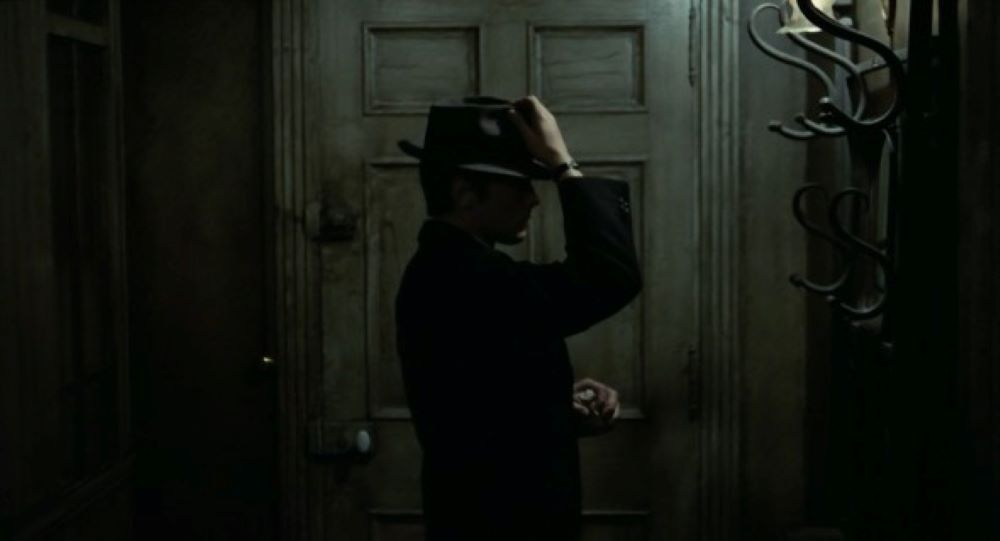
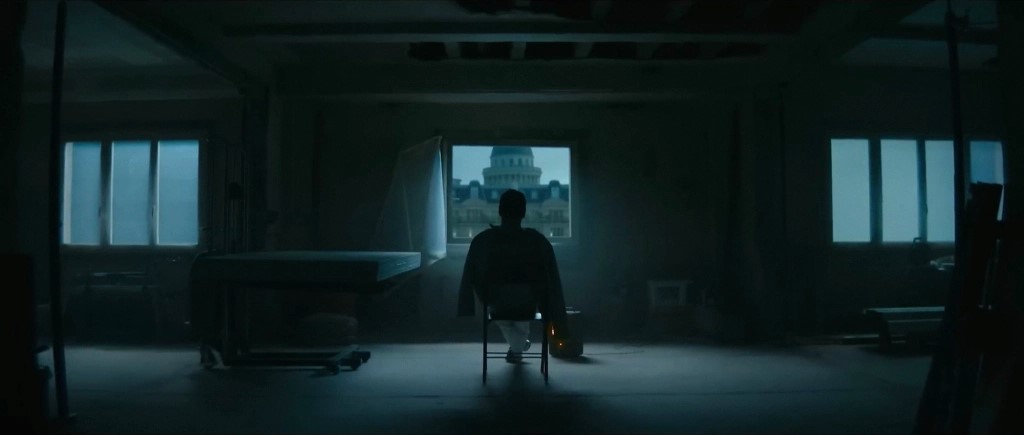
The Killer open with the film’s title character (played by Michael Fassbender) in an abandoned office in Paris.
He spends every day sitting in front of a window, watching the the luxury hotel across the street from him. As is evident from the film’s title and the character’s voice-over narration, the man is a professional killer. Sometimes, he kills up close-and-personal. Sometimes, he kills in a way that makes the death look like it occurred naturally. In Paris, he’s just waiting in an abandoned WeWork office with a sniper rifle. The Killer informs us that a good deal of his time is spent waiting and getting bored. Sometimes, he passes the time by listening to the Smiths. Sometimes, he takes a moment or two to glance at all of the “normies” living their lives with no idea about what’s happening in the otherwise empty office above their heads. The Killer spends a lot of time thinking about his philosophy of life and how that effects the way he does his job. Through his voice-over narration, he talks about the huge amount of people in the world. He talks about how an assassin should never improvise and how an assassin should never allow any feelings of empathy for other people.
That may sound like the beginning of a rather grim movie and certainly, there have been a lot of recent assassin films that have taken themselves way too seriously. Indeed, when the movie started with the Killer going on and on and on about how he prepares for a job, I started to have unwelcome flashbacks to Andrew Dominik’s mind-numbingly pretentious Killing Them Softly. (Really, I can only assume that everyone who was shocked by the mean-spirited ugliness of Blonde must have previously blocked KillingThemSoftly from their memory.)
I need not have worried. Fortunately, The Killer is directed by David Fincher and Fincher is far too clever a director to take any the character’s nonsense seriously. The Killer may be obsessed with his inner monologue but Fincher clearly is not. From the start, Fincher pokes fun at the Killer’s self-importance by having him do things like use the names of sitcom characters whenever he has to buy a plane ticket. More often than not, the Killer’s narration is interrupted by someone proving that, despite what he may believe, the Killer does not have complete control over every situation. All of the character’s philosophizing is ultimately his way of denying that, just like the people that he is hired to kill, he is also subject to the whims of fate.
For instance, in Paris, the job gets botched. The Killer does not kill his target and, when he calls his handler (Charles Parnell), he’s informed that there probably will be consequences for his failure. When the Killer returns to his home in South America, he discovers that his girlfriend has been assaulted and left near death by two other assassins. The Killer heads to America, to confront the people that he holds responsible. Some of those people are professionals who have offices and who live in the suburbs. Some of them live on the fringes of society. But all of them, like the Killer, exist in a shadowy and amoral world that makes sense to only them and which is invisible to most of the people around them.
It’s a revenge plot, the type that has been popular for decades. (Indeed, one could easily imagine TheKiller being made in the 70s with Charles Bronson playing the title role.) The story may not be unique but the action plays out with Fincher’s signature visual style and a welcome amount of wit. The Killer travels from Paris to South America to New Orleans to Florida to New York and eventually Chicago and each location has its own unique feel. As always, Fincher has a terrific eye for detail and this film is at its strongest when it captures the feel of everyone else’s life going forward while The Killer remains focused on his mission. Even the worst characters are allowed moments that humanize them. Meanwhile, The Killer is so coldly determined that he often becomes as frightening as the people that he is pursuing.
The film is dominated by Fassbender, who is in every scene and who brings a feral intensity to the character. The Killer may have a friendly smile but the viewer only has to look at his eyes to see just how shut off from any sort of human warmth that he actually is. (Indeed, the Killer only seems to genuinely care about his girlfriend and, even then, we don’t learn much about his relationship with her.) Over the course of the film, Fassbender shares scenes with Tilda Swinton, Charles Parnell, Arliss Howard, and an actress named Kerry O’Malley, who gives a sympathetic performance as a secretary who knows too much. Everyone makes a strong impression, bringing the world of The Killer to life.
The Killer can be viewed on Netflix. It’s a triumphant exercise in pure style.
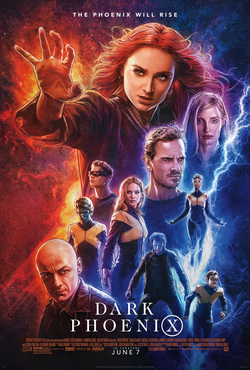
Last week, I finally watched Dark Phoenix and I could tell within 15 minutes that it wasn’t going to be good. From the start, everything about it seemed to be off, particularly compared with other, more recent comic book films. This is not Logan or Joker. It’s not even as good as Apocalypse. Dark Phoenix felt like a comic book film from 2002 that somehow got made and released in 2019.
The latest installment of the X-Men film saga opens in 1992. The X-Men have been hailed as heroes and it finally looks like like the dreams of Charles Xavier (James McAvoy) are going to come true. Humans and mutants are going to co-exist. Unfortunately, all of that progress is undone when Jean Grey (Sophie Turner) connects with a surge of energy and her powers go supernova. Jean discovers that she was responsible for her mother’s death and her father rejected her as a result. She also learns Xavier placed a mental block in her mind. Seriously pissed off, Jean flees to the island of Genosha, which is ruled over by Magneto (Michael Fassbender). She also accidentally kills Mystique, therefore freeing Jennifer Lawrence from having to appear in any more of these movies. All the while, a shape-shifting alien named Vuk (a slumming Jessica Chastain) wants to capture Jean’s powers and use them for herself.
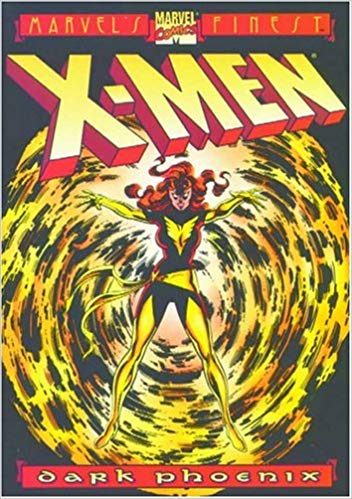
This was the second attempt to bring the Dark Phoenix saga to the screen and somehow, it was even more bland and forgettable than X-Men: Last Stand. The Dark Phoenix saga is one of the greatest comic book storylines of all time but it seems destined to never be the basis of a good movie. In the comic books, the Dark Phoenix saga was the accumulation of two decades of storytelling. After being the most forgettable member of the original X-Men, Jean suddenly became the most powerful mutant in the world. When she sacrificed herself for the good of the universe, it was not only the end of her life but also the end of one of Marvel’s longest-running love stories, as Cyclops could only cradle her body afterwards. As usual, Marvel later lessened the emotional impact by revealing that the Phoenix wasn’t actually Jean but just an alien force that took on her memories and personality while the real Jean remained in suspended animation at the bottom of Jamaica Bay. Despite this, the Dark Phoenix saga still remains a prime example of Marvel at its best.
Why, with such great source material and a talented cast, was this latest film version of the Dark Phoenix saga so cumbersome? No one seemed to care. Unlike in the comic books, there was no emotional depth to the story of Jean Grey losing herself and becoming the Dark Phoenix. Instead, every scene felt like it was just there to set up the next CGI-fueled confrontation. Sophie Turner and Tye Sheridan (who played Cyclops) seemed to barely know each other and the film spent more time on Nicholas Hoult’s Beast mourning for Mystique than on the relationship that should have been at the center of the film. None of the actors seemed to be invested in the story. I’ve never seen Jennifer Lawrence, Michael Fassbender, and James McAvoy look so bored. The inevitable Magneto scene felt pointless. The comic books could take a break from Magneto and let other villains have a turn. The movies have to find an excuse to force him into every story.
It’s been said that the X-Men will be moving into the MCU and will get a whole new reboot. We’ll probably get a third Dark Phoenix film someday. I hope this one gets it right.
So, I finally watched the 2018 thriller, The Snowman, and my main reaction to the film is that it featured a lot of snow.
That’s understandable, of course. The film takes place in Norway and it’s called The Snowman so, naturally, I wasn’t expecting a lot of sunshine. Still, after a while, the constant shots of the snow-covered landscape start to feel like almost some sort of an inside joke. It’s almost as if the film is daring you to try to find one blade of grass in Norway. Of course, the snow is important because the film’s about a serial killer who builds snowmen at the sites of his crimes. They’re usually pretty big snowmen as well. It’s hard not to be a little impressed by the fact that he could apparently make such impressive snowmen without anyone noticing.
Along with the snow, the other thing that I noticed about this movie is that apparently no one knows how to flip a light switch in Norway. This is one of those films where every scene seems to take place in a dark room. I found myself worrying about everyone’s eyesight and I was surprised the everyone in the film wasn’t wearing glasses. I can only imagine how much strain that puts on the eyes when you’re constantly trying to read and look for clues in the dark.
Michael Fassbender plays Harry Hole, a Norwegian police inspector who may be troubled but still gets results! He’s upset because his ex-girlfriend (Charlotte Gainsbourg) has a new boyfriend (Jonas Karlsson). He’s also upset because his son (Michael Yates) doesn’t know that Harry is actually his father. Or, at least, I think that Harry’s upset. It’s hard to tell because Fassbender gives a performance that’s almost as cold as the snow covering the Norwegian ground. Of course, he’s always watchable because he’s Fassbender. But, overall, he doesn’t seem to be particularly invested in either the role or the film.
Harry and his new partner (Rebecca Ferguson) are investigating a missing person’s case, which quickly turns into a multiple murder mystery. It turns out that the crimes are linked to a bunch of old murders, all of which were investigated by a detective named Gert Rafto (Val Kilmer). Gert was troubled but he still got results! Or, at least, Harry thinks that he may have gotten results. Nine years ago, Rafto died under mysterious circumstances…
Now, I have to admit that when, 30 minutes into the film, the words “9 years earlier” flashed on the screen, I groaned a bit. I mean, it seemed to me that the movie was already slow enough without tossing in a bunch of flashbacks. However, I quickly came to look forward to those brief flashbacks, mostly because they featured Val Kilmer in total IDGAF mode. Kilmer stumbles through the flashbacks, complete with messy hair and a look of genuine snarky bemusement on his face. Kilmer gives such a weird and self-amused performance that his brief scenes are the highlight of the film.
Before it was released, The Snowman was hyped as a potential Oscar contender. After the movie came out and got roasted by the critics, director Tomas Alfredson replied that the studio forced him to rush through the production and that 10 to 15% of the script went unfilmed. Considering Alfredson’s superior work on Let The Right One In and Tinker, Tailor, Soldier, Spy, I’m inclined to give him the benefit of the doubt. The film’s disjointed style would certainly seem to back up Alfredson’s claim that there was originally meant to be more to the film than actually ended up on the screen.
The Snowman is one of those films that doesn’t seem to be sure what it wants to be. At times, it aspires to David Lynch-style surrealism while, at other times, it seems to be borrowing from the morally ambiguous crime films of Taylor Sheridan. Ultimately, it’s a confused film that doesn’t seem to have much reason for existing. At the same time, I’ve also been told that the Jo Nesbø novel upon which the movie is based is excellent. The same author also wrote the novel that served as the basis for 2011’s Headhunters, which was pretty damn good. So, read the book and ignore the film.