Horror Film Review: Zodiac (dir. by David Fincher)


“Just because you can’t prove it, doesn’t mean it’s not true.” — Robert Graysmith

There’s a particular kind of dread in watching capable people do everything they can and still come up short. That’s the feeling David Fincher taps into throughout Zodiac, a movie where a promising lead can be almost as unnerving as a dead end. Every possibility raises hopes, invites scrutiny, and threatens to pull someone deeper into a mystery that refuses to settle. Released in 2007, it’s a remarkably absorbing thriller about a serial killer, but it’s just as interested in the people left sorting through his damage. Catching him is the goal. Living with the failure to catch him becomes the story.

The film approaches the Zodiac investigation through three men with different relationships to the case. Newspaper cartoonist Robert Graysmith, played by Jake Gyllenhaal, becomes fascinated by its puzzles. Crime reporter Paul Avery, played by Robert Downey Jr., follows it professionally, while police inspector Dave Toschi, played by Mark Ruffalo, works to build a prosecutable case. James Vanderbilt’s screenplay, adapted from Graysmith’s books Zodiac and Zodiac Unmasked, lets their paths overlap without making them a conventional crime-solving team. They share information and frustrations, but their responsibilities, methods, and personal stakes aren’t interchangeable. That distinction gives the investigation texture.

Although Zodiac isn’t a typical horror movie, its story and themes firmly belong in serial-killer horror. The fear comes from more than what happens at individual crime scenes. This is an entire region being terrorized by someone whose next move nobody can reliably predict. His letters extend that fear into homes and workplaces, keeping the possibility of another attack alive. The authorities appear almost helpless to provide reassurance, despite their efforts. Fincher doesn’t reduce that helplessness to incompetence. The disturbing point is that people can work diligently, follow procedures, and pursue credible leads without gaining the power to prevent another killing.

The early attacks make that threat feel horribly concrete. Fincher doesn’t treat the victims as disposable figures whose only purpose is to establish how dangerous the killer is. There’s an uncomfortable attention to their vulnerability, especially during the Lake Berryessa sequence. Its daylight setting strips away the familiar suggestion that darkness is what makes a place unsafe. Everything is visible, yet visibility offers no protection. The pacing is agonizing because it allows the situation to become clear without offering an escape from it. Rather than making the violence exciting, Fincher makes it something you want desperately to interrupt.

Once the film turns toward the investigation, it finds suspense in the distance between a discovery and a usable answer. Handwriting comparisons, witness descriptions, phone calls, and jurisdictional obstacles become compelling because their consequences are clear. A detail might matter enormously, but only if someone can verify it or connect it to something stronger. Fincher gets you invested in that process without making it look smooth. Information arrives late, recollections complicate things, and apparent breakthroughs lose their shape. The movie keeps generating momentum, then showing how easily that momentum can disappear. Progress is possible, but it’s never secure.

Ruffalo gives that uncertainty a persuasive human center. His Toschi is smart, engaged, and occasionally funny, but he isn’t presented as a detective whose instincts automatically outrank the evidence. He can suspect someone without possessing what he needs to move forward. Ruffalo makes that limitation frustrating without turning every setback into a speech. A tired expression or clipped response often carries the scene. His performance also gives the procedural material an emotional foundation: this isn’t paperwork for its own sake. It’s the work standing between an investigator’s conviction and the possibility of holding someone accountable.

Downey’s Avery brings a looser, more abrasive rhythm to the film. He’s comfortable with a cutting remark, and his humor initially makes him seem insulated from the ugliness he covers. Gradually, that apparent insulation wears thin. Downey lets the character’s wit remain recognizable even as the confidence behind it becomes less convincing. It’s an effective performance because the deterioration doesn’t feel like a separate dramatic subplot pasted onto the investigation. It grows out of his involvement. Avery’s trajectory also makes Graysmith’s increasing enthusiasm uneasy to watch. One man is getting pulled in while another shows the damage that involvement can leave behind.

Gyllenhaal handles Graysmith’s transformation with similar care. His curiosity starts out as something approachable: he likes puzzles, notices details, and wants people to take his observations seriously. Those qualities don’t vanish when his interest becomes obsession. They simply stop having sensible limits. Gyllenhaal makes it easy to understand the appeal of another conversation or another possible connection, even when the cost becomes obvious. The family scenes matter because they expose what the investigation can obscure. Time spent chasing the case is also time taken from people who need him, and being sincere doesn’t make him less capable of neglect.

Fincher’s control is evident in how naturally the movie makes years accumulate. The period setting feels functional rather than decorative, and the changing dates gradually become reminders of how much life this investigation consumes. Even the suspense changes character. Early fear of an attack develops into anxiety about what might have been missed or misunderstood. The basement sequence brings those feelings together beautifully. Graysmith goes looking for information, only to find himself questioning the safety of the room he’s standing in. It’s a genuinely frightening scene built around uncertain knowledge rather than a clear, visible threat.

The deliberate approach does have drawbacks. The volume of names and disputed details can become tiring, and viewers looking for a steadily escalating chase may find the later stretches repetitive. The shift toward Graysmith also sacrifices some of the balance that makes the earlier sections so engaging. There’s another tension worth keeping in mind: the film’s dramatic investment in a suspect isn’t the same as definitive proof. Its storytelling can make an interpretation feel persuasive without resolving every doubt. That distinction matters in a movie so concerned with how easily the desire for an answer can outrun the available evidence.

What makes Zodiac exceptional is that it never lets the investigation become separate from the lives carrying it. The suspense isn’t only about whether someone will find the right clue; it’s about what another year of searching will do to them. Fincher delivers frightening scenes, excellent performances, and an engrossing procedural, but the cumulative effect is more troubling than any single moment. The killer doesn’t need to remain constantly on-screen to dominate the movie. His absence leaves room for suspicion, fear, and unfinished business to spread—and for everyone else to discover how little control they have over where it ends.
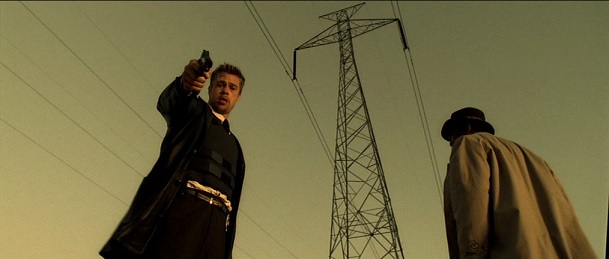
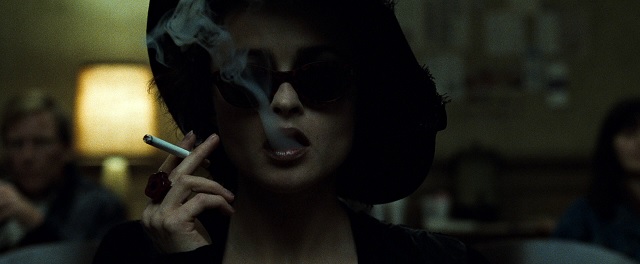
4 Shots From 4 Films: Special David Fincher Edition


4 Or More Shots From 4 Or More Films is just what it says it is, 4 shots from 4 of our favorite films. As opposed to the reviews and recaps that we usually post, 4 Shots From 4 Films lets the visuals do the talking!

Today, the Shattered Lens wishes a happy 64th birthday to David Fincher!  It’s time for….

4 Shots from 4 David Fincher Films

Seven (1995, dir by David Fincher. DP: Darius Khondji)

Fight Club (1999, dir by David Fincher, DP: Jeff Croneweth)

Zodiac (2007, dir by David Fincher, DP: Harris Savides)

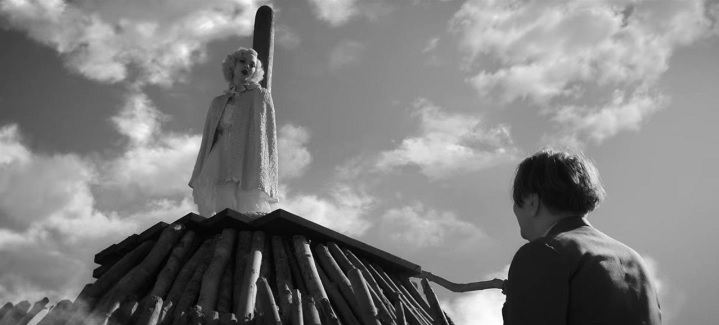
Mank (2020, dir by David Fincher, DP: Erik Messerschmidt)

4 Shots From 4 Films: Special Gus Van Sant Edition


4 Or More Shots From 4 Or More Films is just what it says it is, 4 shots from 4 of our favorite films. As opposed to the reviews and recaps that we usually post, 4 Shots From 4 Films lets the visuals do the talking!

Today the Shattered Lens wishes a happy birthday to one of the pioneers of American independent cinema, Gus Van Sant!

It’s time for….

4 Shots From 4 Gus Van Sant Films

Drugstore Cowboy (1989, dir by Gus Van Sant, DP: Robert Yeoman)

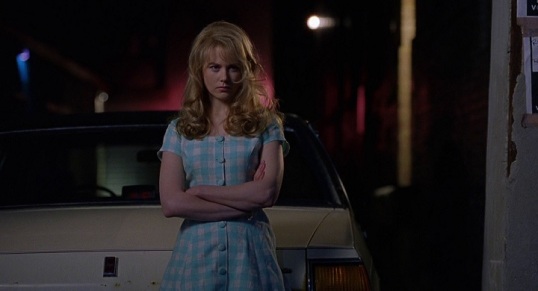
To Die For (1995, dir by Gus Vant Sant, DP: Eric Alan Edwards)

Gerry (2002, dir by Gus Van Sant, DP: Harris Savides)

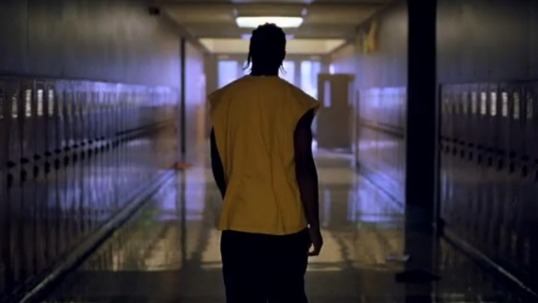
Elephant (2003, dir by Gus Van Sant, DP: Harris Savides)

4 Shots From 4 Films: Special David Fincher Edition


4 Or More Shots From 4 Or More Films is just what it says it is, 4 shots from 4 of our favorite films. As opposed to the reviews and recaps that we usually post, 4 Shots From 4 Films lets the visuals do the talking!

Today, the Shattered Lens wishes a happy 63rd birthday to David Fincher!  It’s time for….

4 Shots from 4 David Fincher Films

Seven (1995, dir by David Fincher. DP: Darius Khondji)

Fight Club (1999, dir by David Fincher, DP: Jeff Croneweth)

Zodiac (2007, dir by David Fincher, DP: Harris Savides)

Mank (2020, dir by David Fincher, DP: Erik Messerschmidt)

4 Shots From 4 Films: Special Gus Van Sant Edition


4 Or More Shots From 4 Or More Films is just what it says it is, 4 shots from 4 of our favorite films. As opposed to the reviews and recaps that we usually post, 4 Shots From 4 Films lets the visuals do the talking!

Today the Shattered Lens wishes a happy birthday to one of the pioneers of American independent cinema, Gus Van Sant!

It’s time for….

4 Shots From 4 Gus Van Sant Films

Drugstore Cowboy (1989, dir by Gus Van Sant, DP: Robert Yeoman)

To Die For (1995, dir by Gus Vant Sant, DP: Eric Alan Edwards)

Gerry (2002, dir by Gus Van Sant, DP: Harris Savides)

Elephant (2003, dir by Gus Van Sant, DP: Harris Savides)

4 Shots From 4 Films: Special David Fincher Edition


4 Or More Shots From 4 Or More Films is just what it says it is, 4 shots from 4 of our favorite films. As opposed to the reviews and recaps that we usually post, 4 Shots From 4 Films lets the visuals do the talking!

Today, the Shattered Lens wishes a happy 61st birthday to David Fincher!  It’s time for….

4 Shots from 4 David Fincher Films

Seven (1995, dir by David Fincher. DP: Darius Khondji)

Fight Club (1999, dir by David Fincher, DP: Jeff Croneweth)

Zodiac (2007, dir by David Fincher, DP: Harris Savides)

Mank (2020, dir by David Fincher, DP: Erik Messerschmidt)

4 Shots From 4 Films: Special Gus Van Sant Edition


4 Or More Shots From 4 Or More Films is just what it says it is, 4 shots from 4 of our favorite films. As opposed to the reviews and recaps that we usually post, 4 Shots From 4 Films lets the visuals do the talking!

Today the Shattered Lens wishes a happy birthday to one of the pioneers of American independent cinema, Gus Van Sant!

It’s time for….

4 Shots From 4 Gus Van Sant Films

Drugstore Cowboy (1989, dir by Gus Van Sant, DP: Robert Yeoman)

To Die For (1995, dir by Gus Vant Sant, DP: Eric Alan Edwards)

Gerry (2002, dir by Gus Van Sant, DP: Harris Savides)

Elephant (2003, dir by Gus Van Sant, DP: Harris Savides)

Music Video of the Day: Closer by Nine Inch Nails (1994, dir. Mark Romanek)


We’ve reached the end of my little journey from synthpop to industrial rock, and I think I’ve saved the best for last.

I didn’t watch MTV much in the early to mid-1990s, but I did on occasion. This was one of those music videos that would instantly stop me in my tracks. If it was on, then I was in front of the TV. At the time, it was the music video with the spinning pig’s head that seemed forbidden somehow. I also remember it being one of the most weird and best put together music videos of the time. Oh yeah, and the song is awesome. This is coming from someone who was not a fan of Nine Inch Nails either. I appreciated this song, I liked The Perfect Drug, and certainly was aware of their existence, but that still didn’t do it for me.

Today I remember Trent Reznor spinning on his back in the air more than anything else about it. The rest is filled with disturbing imagery, or at least imagery that appears disturbing when it is shown the way it is. I mean a lot of it is just stuff you would expect in a museum exhibit. One screwed up museum exhibit with the Warren Commission judging you for being there, but still. I’m also pretty sure that’s a picture of Jack Nicholson on the wall next to the monkey reminding me that I eventually have to do Jesus Christ Pose by Soundgarden. That’s really all I have to say because while I may love the song and video, I still have no real idea what it means. I just know that I want to watch it over and over till I figure it out, or it remains a mystery. Shouldn’t be too hard though, but I kind of like it just being a visual feast without any particular purpose to me.

This is one of those music videos where we know more than just the director.

Krista Montagna produced it, and appears to have produced some music videos for Madonna. She was also a production assistant on Silent Night, Deadly 2 (1987). That means the woman who produced this music video was probably there to witness Eric Freeman deliver his insanely over-the-top performance. Perhaps she was even there for “Garbage Day!”

On photography we have Harris Savides. He worked on numerous music videos. Some notable examples are Everybody Hurts for R.E.M. and Criminal for Fiona Apple. Not bad. He’s also done some work on feature films like Zodiac (2007), American Gangster (2007), Milk (2008), and Frances Ha (2012) among others. Again, not bad.

Robert Duffy edited the music video. He basically worked on other music videos that Mark Romanek made. Although, he did edit R.E.M.’s Losing My Religion. He has worked in feature films too, having edited The Cell (2000) and Self/less (2015).

Tom Foden worked as the production designer. Tom Foden did a few music videos, and what do you know, he was the art director on Radiohead’s Fake Plastic Trees. I didn’t expect that tie-in with what I said about Ministry’s Over The Shoulder. Foden also worked on The Cell and Self/less among other feature films as a production designer.

I guess the one we have to thank for Reznor spinning on his back in the air is Ashley Beck who did the visual effects on this and two other Mark Romanek music videos. She’s done visual effects on Romanek’s One Hour Photo (2002) all the way up to Suicide Squad (2016).

I guess I could go to Wikipedia and find out the intention of the music video, but I’m not going to do that. I’d like it to remain a mystery for me to crack for the time being.

Enjoy!