Horror Film Review: Se7en (dir. by David Fincher)


“I just don’t think I can continue to live in a place that embraces and nurtures apathy as if it was virtue.” — William Somerset

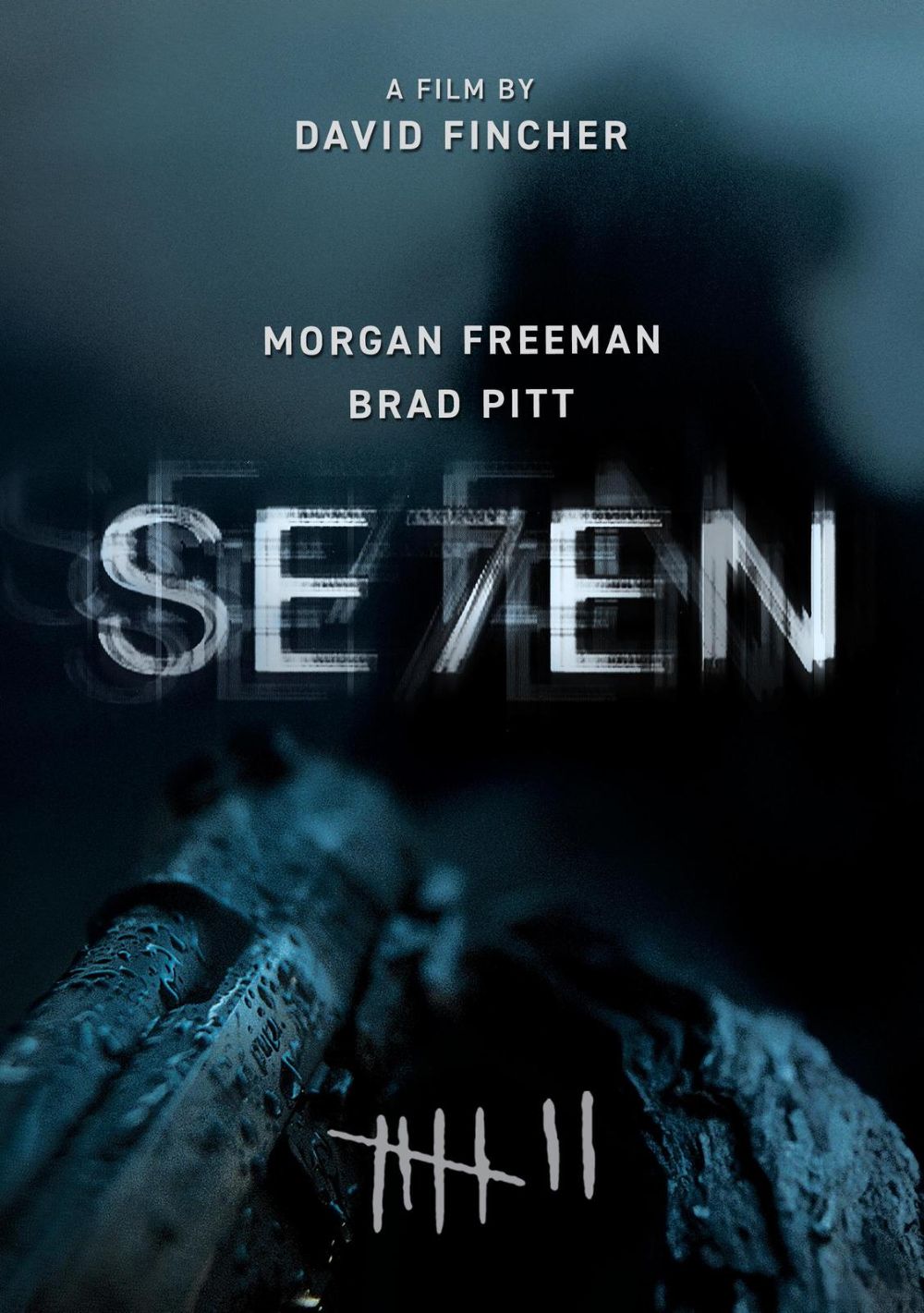
The nastiest thing about David Fincher’s Se7en is how quickly its horrors start to feel like part of the landscape. A gruesome murder should bring the world to a halt, but here it’s another room to enter, another report to write, another terrible thing happening while the rain keeps falling. Released in 1995, the film takes a serial-killer investigation and builds an atmosphere so oppressive that simply spending time in its unnamed city becomes uncomfortable. Yet the ugliness never feels entirely like an exercise in shock. Underneath it is a troubling question: what happens when people get used to looking away?

Morgan Freeman’s William Somerset has spent a career fighting that impulse, and he’s tired. Days away from retirement, he gets paired with Brad Pitt’s David Mills, a younger detective whose enthusiasm comes with a generous helping of impatience. Their investigation centers on a murderer arranging killings around the seven deadly sins. It’s a strong hook, but the movie doesn’t coast on the ingenuity of its crimes. Andrew Kevin Walker’s screenplay makes the detectives’ reactions just as important as the evidence. They’re looking at the same awful things while drawing very different conclusions about what their work can accomplish.

Freeman is terrific at suggesting how much effort Somerset’s composure requires. His quietness isn’t an absence of feeling; it’s a way of keeping feeling manageable. He asks questions carefully, studies details other people dismiss, and seems painfully aware of how easily a victim can become an inconvenience to everyone else. The familiar retiring-cop setup could have made him predictable, but Freeman gives his weariness a personal texture. Somerset still cares enough to be hurt by the job. Leaving is less a triumphant escape than an admission that he no longer knows how to keep doing it.

Pitt gives Mills an emotional openness that both challenges Somerset and exposes his own limitations. He’s cocky, easily irritated, and eager to interpret caution as defeatism. Sometimes he’s right to push back; sometimes he clearly needs to stop talking and listen. Pitt lets both sides exist without turning Mills into either a lovable hothead or a complete fool. His belief that police work should make a difference feels genuine. The tension comes from watching that belief encounter situations it can’t easily absorb. Together, the actors make a familiar mismatched partnership feel like an ongoing argument rather than a screenwriting obligation.

Fincher surrounds that argument with a city that seems to encourage surrender. The rain, clutter, cramped rooms, and dirty light create a place where basic comfort feels unavailable. Even spaces that should provide privacy seem invaded by noise or unease. What matters isn’t simply that everything looks miserable. It’s that people move through this misery as though it barely registers anymore. The setting gives Somerset’s exhaustion a believable source while making Mills’s confidence seem increasingly precarious. Neither man is investigating from a position of safety; they’re already living inside the atmosphere the killer exploits.

That’s also why the horror works beyond the immediate disgust of the crime scenes. Se7en often makes us confront what happened after the fact, with the detectives trying to reconstruct suffering from its remains. Fincher understands how disturbing a delayed realization can be. A room initially presents one terrible image, then a detail or explanation makes it worse. The film doesn’t need to show every act of violence because the aftermath supplies enough information for the imagination to take over. The dread comes from knowing that looking more closely will probably reveal something you would rather not understand.

Despite that relentless mood, the investigation stays engaging. There’s satisfaction in watching Somerset and Mills read, argue, follow leads, and gradually assemble a clearer picture. The library sequence is especially effective because it changes the film’s texture without breaking its spell. Somerset finds a measure of calm among books and music, using thought rather than momentum to approach the case. It’s a small reminder that the world contains more than brutality. Those quieter passages also make the shocks hit harder. Fincher knows that an audience needs time to anticipate the next discovery, not just recover from the last one.

Gwyneth Paltrow’s Tracy provides another necessary interruption. As Mills’s wife, she has a different relationship with the city: she isn’t trying to solve it, just work out whether she can live there. Her scenes bring out the personal cost of the detectives’ opposing attitudes. The dinner sequence allows some awkward humor, while her private conversation with Somerset reveals tenderness beneath his guarded manner. Paltrow makes Tracy feel vulnerable without making her helpless. Still, the screenplay gives her less independence than she deserves. She’s emotionally important, but the film is more curious about what she means to its men than about her own life.

John Doe takes that tendency to reduce people to their usefulness and pushes it into monstrous territory. To him, human beings are props in a moral demonstration. His certainty is chilling, but it isn’t the same as wisdom, and the movie works best when that distinction remains clear. There are moments when his elaborate planning feels almost too convenient, as though the screenplay needs him to possess whatever advantage the next development requires. Even so, his vanity keeps him from becoming merely an all-knowing villain. Beneath the preaching is someone desperate to force the world to acknowledge his importance.

Without detailing the final revelations, the closing stretch brings the film’s ideas into brutally personal focus. The shift into daylight feels wrong in a way that’s difficult to shake. After so many shadowy interiors, open space should offer relief, yet there’s nowhere emotionally safe to stand. The suspense becomes less about discovering another clue than watching people recognize what is happening and struggle to respond. That distinction gives the ending its force. Knowledge doesn’t automatically create control, and professional experience doesn’t make anyone immune to being overwhelmed. The case stops being something the detectives can hold at a distance.

What lingers after Se7en isn’t just the memory of its worst images. It’s the uncomfortable distance between noticing suffering and knowing what to do about it. Somerset has experience without much hope; Mills has conviction without enough restraint. Neither can offer a complete answer, but their struggle gives the film something more substantial than stylish despair. Fincher makes looking away seem tempting, even sensible, before leaving us with the cost of that choice. This is a grim, occasionally contrived, remarkably controlled thriller whose deepest horror is also its most recognizable: the fear that the world can wear down our willingness to care.
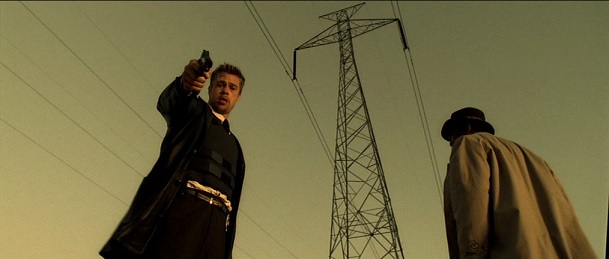
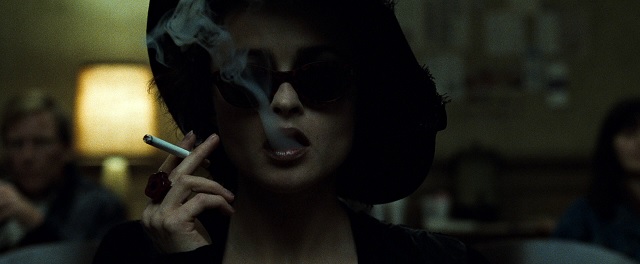
4 Shots From 4 Films: Special David Fincher Edition


4 Or More Shots From 4 Or More Films is just what it says it is, 4 shots from 4 of our favorite films. As opposed to the reviews and recaps that we usually post, 4 Shots From 4 Films lets the visuals do the talking!

Today, the Shattered Lens wishes a happy 64th birthday to David Fincher!  It’s time for….

4 Shots from 4 David Fincher Films

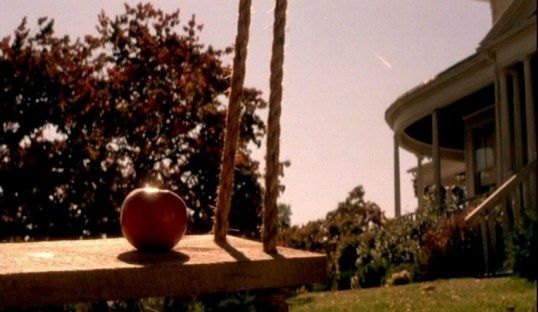
Seven (1995, dir by David Fincher. DP: Darius Khondji)

Fight Club (1999, dir by David Fincher, DP: Jeff Croneweth)

Zodiac (2007, dir by David Fincher, DP: Harris Savides)

Mank (2020, dir by David Fincher, DP: Erik Messerschmidt)

4 Shots From 4 Films: Special Bernardo Bertolucci Edition


4 Shots From 4 Films is just what it says it is, 4 shots from 4 of our favorite films. As opposed to the reviews and recaps that we usually post, 4 Shots From 4 Films lets the visuals do the talking!

Today, the Shattered Lens celebrates Italian director Bernardo Bertolucci!  It’s time for….

4 Shots From 4 Bernardo Bertolucci Films

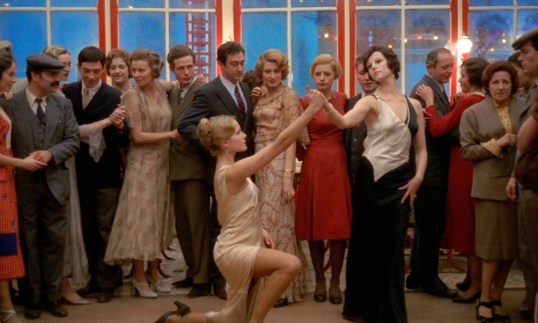
The Conformist (1970, dir by Bernardo Bertolucci, DP: Vittorio Storaro)

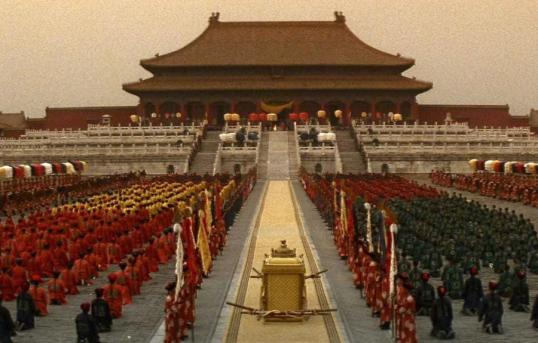
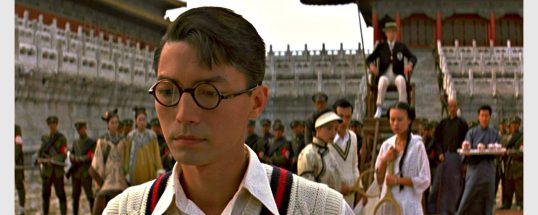
The Last Emperor (1987, dir by Bernardo Bertolucci, DP: Vittorio Storaro)

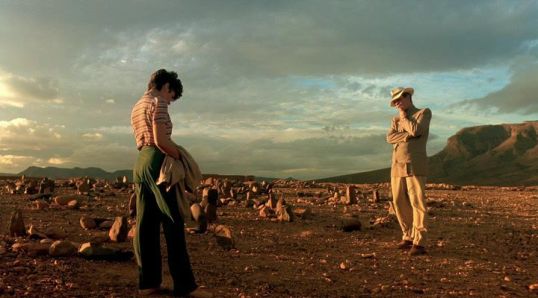
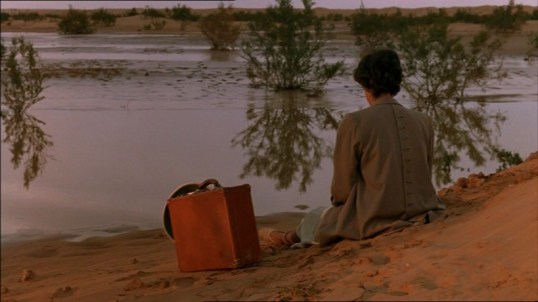
The Sheltering Sky (1990, dir by Bernardo Bertolucci, DP: Vittorio Storaro)

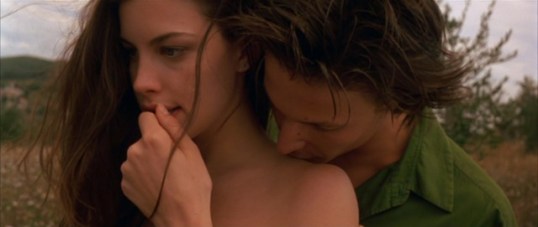
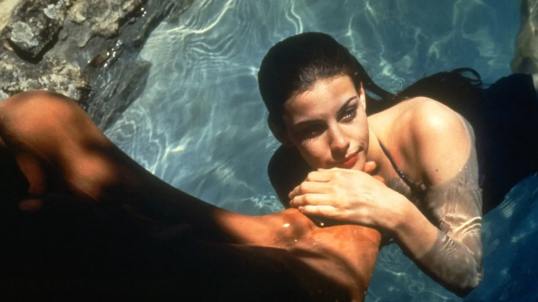
Stealing Beauty (1996, dir by Bernardo Bertolucci, DP: Darius Khondji)

4 Shots From 4 Films: Special Neil Jordan Edition


4 Shots From 4 Films is just what it says it is, 4 shots from 4 of our favorite films. As opposed to the reviews and recaps that we usually post, 4 Shots From 4 Films lets the visuals do the talking!

Today, the Shattered Lens wishes a happy birthday to Irish director Neil Jordan!  It’s time for….

4 Shots From 4 Neil Jordan Films

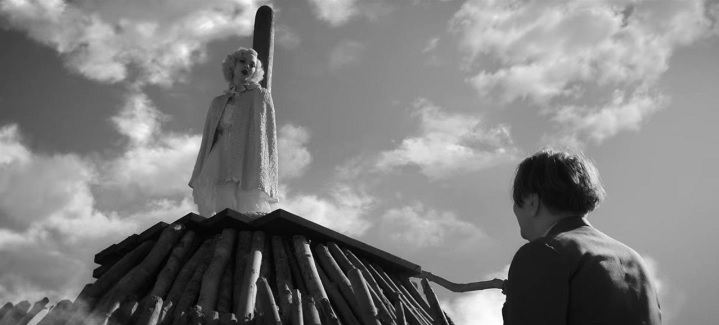
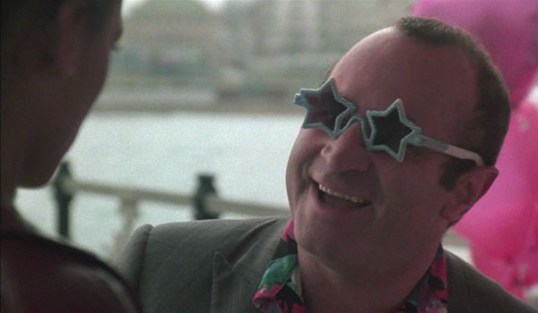
Mona Lisa (1986, dir by Neil Jordan, DP; Roger Pratt)

Interview With A Vampire (1994, dir by Neil Jordan, DP: Philippe Rousselot)

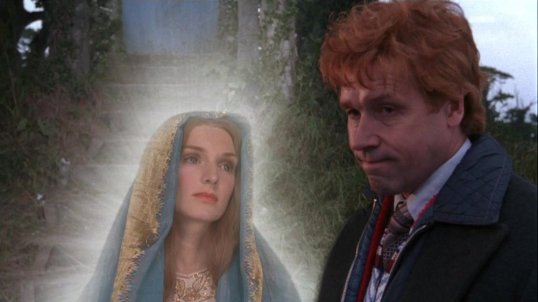
The Butcher Boy (1998, dir by Neil Jordan, DP: Adrian Biddle)

In Dreams (1999, dir by Neil Jordan, DP: Darius Khondji)

4 Shots From 4 Films: Special David Fincher Edition


4 Or More Shots From 4 Or More Films is just what it says it is, 4 shots from 4 of our favorite films. As opposed to the reviews and recaps that we usually post, 4 Shots From 4 Films lets the visuals do the talking!

Today, the Shattered Lens wishes a happy 63rd birthday to David Fincher!  It’s time for….

4 Shots from 4 David Fincher Films

Seven (1995, dir by David Fincher. DP: Darius Khondji)

Fight Club (1999, dir by David Fincher, DP: Jeff Croneweth)

Zodiac (2007, dir by David Fincher, DP: Harris Savides)

Mank (2020, dir by David Fincher, DP: Erik Messerschmidt)

4 Shots From 4 Films: Special Bernardo Bertolucci Edition


4 Shots From 4 Films is just what it says it is, 4 shots from 4 of our favorite films. As opposed to the reviews and recaps that we usually post, 4 Shots From 4 Films lets the visuals do the talking!

Today, the Shattered Lens celebrates Italian director Bernardo Bertolucci!  It’s time for….

4 Shots From 4 Bernardo Bertolucci Films

The Conformist (1970, dir by Bernardo Betrolucci, DP: Vittorio Storaro)

The Last Emperor (1987, dir by Bernardo Bertolucci, DP: Vittorio Storaro)

The Sheltering Sky (1990, dir by Bernardo Betrolucci, DP: Vittorio Storaro)

Stealing Beauty (1996, dir by Bernardo Bertolucci, DP: Darius Khondji)

4 Shots From 4 Films: Special Neil Jordan Edition


4 Shots From 4 Films is just what it says it is, 4 shots from 4 of our favorite films. As opposed to the reviews and recaps that we usually post, 4 Shots From 4 Films lets the visuals do the talking!

Today, the Shattered Lens wishes a happy birthday to Irish director Neil Jordan!  It’s time for….

4 Shots From 4 Neil Jordan Films

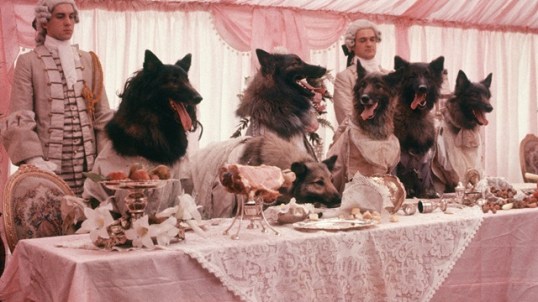
The Company of Wolves (1984, dir by Neil Jordan, DP: Bryan Loftus)

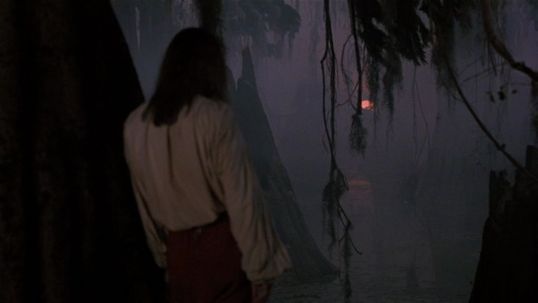
Interview With A Vampire (1994, dir by Neil Jordan, DP: Philippe Rousselot)

In Dreams (1999, dir by Neil Jordan, DP: Darius Khondji)

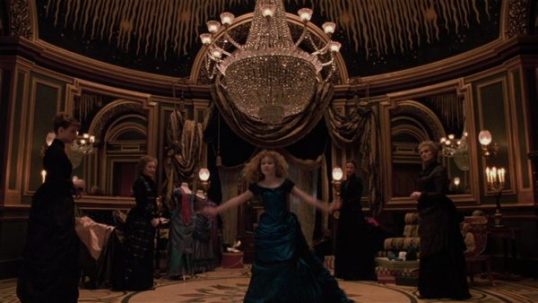
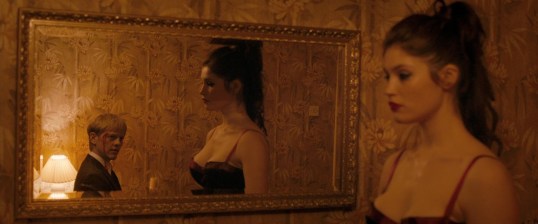
Byzantium (2012, dir by Neil Jordan, DP: Sean Bobbitt)

4 Shots From 4 Films: Special Neil Jordan Edition


4 Shots From 4 Films is just what it says it is, 4 shots from 4 of our favorite films. As opposed to the reviews and recaps that we usually post, 4 Shots From 4 Films lets the visuals do the talking!

Today, the Shattered Lens wishes a happy birthday to Irish director Neil Jordan!  It’s time for….

4 Shots From 4 Neil Jordan Films

The Company of Wolves (1984, dir by Neil Jordan, DP: Bryan Loftus)

Interview With A Vampire (1994, dir by Neil Jordan, DP: Philippe Rousselot)

The Butcher Boy (1998, dir by Neil Jordan, DP: Adrian Biddle)

In Dreams (1999, dir by Neil Jordan, DP: Darius Khondji)

4 Shots From 4 Films: Special David Fincher Edition


4 Or More Shots From 4 Or More Films is just what it says it is, 4 shots from 4 of our favorite films. As opposed to the reviews and recaps that we usually post, 4 Shots From 4 Films lets the visuals do the talking!

Today, the Shattered Lens wishes a happy 61st birthday to David Fincher!  It’s time for….

4 Shots from 4 David Fincher Films

Seven (1995, dir by David Fincher. DP: Darius Khondji)

Fight Club (1999, dir by David Fincher, DP: Jeff Croneweth)

Zodiac (2007, dir by David Fincher, DP: Harris Savides)

Mank (2020, dir by David Fincher, DP: Erik Messerschmidt)

Here Are The Online Film Critics Society Nominations!


The winners will be announced on December 28th.

It’s interesting to note that The Post is almost totally shut out here.  One thing I’ve noticed that critics who work for newspapers love The Post.  They see it as proof of their importance.  Online critics are far less impressed with The Post.  They tend to view it as a lament for a dead medium, a somewhat stodgy celebration of the past.  Whenever I finally get a chance to see The Post, I’ll let you know who’s right.

Best Picture
Call Me By Your Name
Dunkirk
The Florida Project
Get Out
A Ghost Story
Lady Bird
mother!
Phantom Thread
The Shape of Water
Three Billboards Outside Ebbing, Missouri

Best Director
Paul Thomas Anderson – Phantom Thread
Greta Gerwig – Lady Bird
Christopher Nolan – Dunkirk
Jordan Peele – Get Out
Guillermo del Toro – The Shape of Water

Best Actor
Timothée Chalamet – Call Me By Your Name
James Franco – The Disaster Artist
Daniel Kaluuya – Get Out
Gary Oldman – Darkest Hour
Robert Pattinson – Good Time

Best Actress
Sally Hawkins – The Shape of Water
Cynthia Nixon – A Quiet Passion
Frances McDormand – Three Billboards Outside Ebbing, Missouri
Margot Robbie – I, Tonya
Saoirse Ronan – Lady Bird

Best Supporting Actor
Armie Hammer – Call Me By Your Name
Richard Jenkins – The Shape of Water
Sam Rockwell – Three Billboards Outside Ebbing, Missouri
Patrick Stewart – Logan
Michael Stuhlbarg – Call Me By Your Name

Best Supporting Actress
Mary J. Blige – Mudbound
Tiffany Haddish – Girls Trip
Holly Hunter – The Big Sick
Allison Janney – I, Tonya
Laurie Metcalf – Lady Bird

Best Ensemble
Get Out
Mudbound
Lady Bird
The Post
The Shape of Water
Three Billboards Outside Ebbing, Missouri

Breakout Star
Timothée Chalamet – Call Me By Your Name
Tiffany Haddish – Girls Trip
Daniel Kaluuya – Get Out
Dafne Keen – Logan
Brooklynn Prince – The Florida Project

Best Original Screenplay
Jordan Peele – Get Out
Greta Gerwig – Lady Bird
Paul Thomas Anderson – Phantom Thread
Guillermo del Toro and Vanessa Taylor – The Shape of Water
Martin McDonagh – Three Billboards

Best Adapted Screenplay
Sofia Coppola – The Beguiled
James Ivory – Call Me By Your Name
Scott Nestadter and Micheal Weber – The Disaster Artist
James Gray – Lost City of Z
Aaron Sorkin – Molly’s Game

Best Editing
Paul Machliss and Jonathan Amos – Baby Driver
Lee Smith – Dunkirk
Ben Safdie and Ronald Bronstein – Good Time
Tatiana S Riegel – I, Tonya
Sidney Wolinsky – The Shape of Water

Best Cinematography
Roger Deakins – Blade Runner 2049
Hoyte van Hoytema – Dunkirk
Darius Khondji – Lost City of Z
Rachel Morrison – Mudbound
Dan Laustsen – The Shape of Water

Best Animated Feature
Coco
The Breadwinner
In This Corner Of The World
The LEGO Batman Movie
Loving Vincent

Best Foreign Film
BPM (Beats Per Minute)
First They Killed My Father
Nocturama
Raw
The Square
Thelma

Best Documentary
Dawson City: Frozen Time
Ex Libris: The New York Public Library
Faces Places
Jane
The Work

Memorial Award
Jonathan Demme
John Hurt
Bill Paxton
George A. Romero
Harry Dean Stanton

Lifetime Achievement Award
Willem Dafoe
Daniel Day-Lewis
Roger Deakins
Christopher Plummer
Agnes Varda