Famous Actors Throughout the Decades: Charles Bronson – 1960’s!


Last year around this time, I was sitting poolside at a resort in Maui when I wrote about Charles Bronson’s career in the 1950’s. A year later, I’m sitting on the beach in Perdido Key, FL, and it seems like the perfect time to write about Bronson in the 1960’s! Holy hell… a guy just caught a shark!!
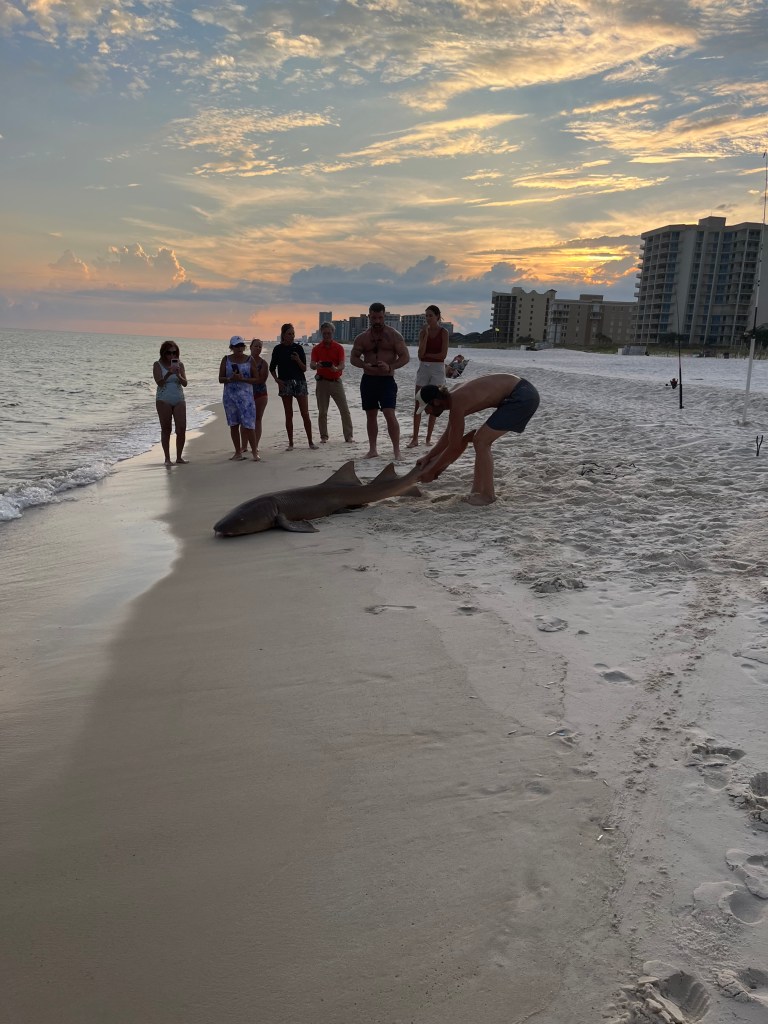
Random Beach Guy with Shark – He released the Shark back into the ocean right after I took this pic!

Back to Bronson, the 1960’s were a pivotal decade in Charles Bronson’s personal life and career. As the decade started, he was headlining his own TV series, MAN WITH A CAMERA, although that show’s run would end in 1960. He would also have a memorable supporting role in the classic western, THE MAGNIFICENT SEVEN (1960). His portrayal of Bernardo O’Reilly would be one of the most heroic of the film. This type of supporting performance would come to be a staple for Bronson throughout the 1960’s. 
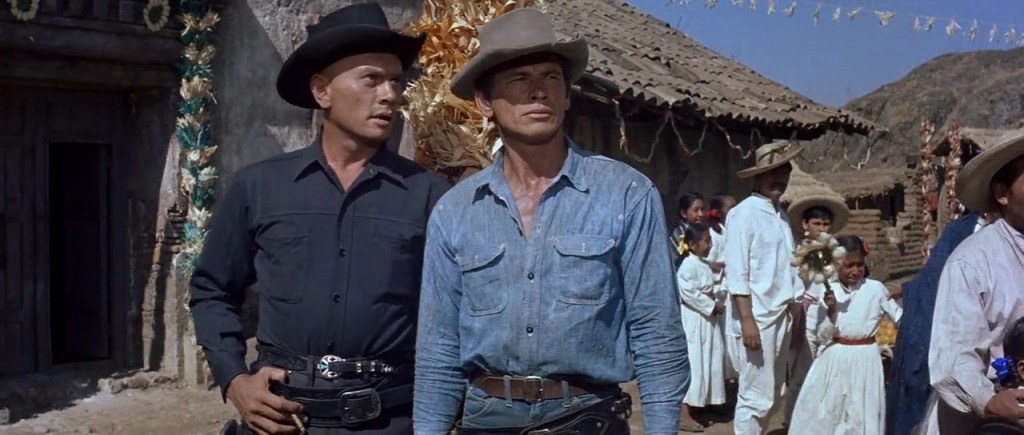
Charles Bronson and Yul Brynner in THE MAGNIFICENT SEVEN (1960)

For the most part, it seems that Charles Bronson’s career would settle into a series of important co-starring roles in both television and in major motion pictures. The most important of these movies were his excellent performances in classics like THE GREAT ESCAPE (1963) and THE DIRTY DOZEN (1967). He also had important supporting roles in popular films like KID GALAHAD (1962) with Elvis Presley, THE SANDPIPER (1965) with Richard Burton and Elizabeth Taylor, and THIS PROPERTY IS CONDEMNED (1966) with Natalie Wood and Robert Redford.
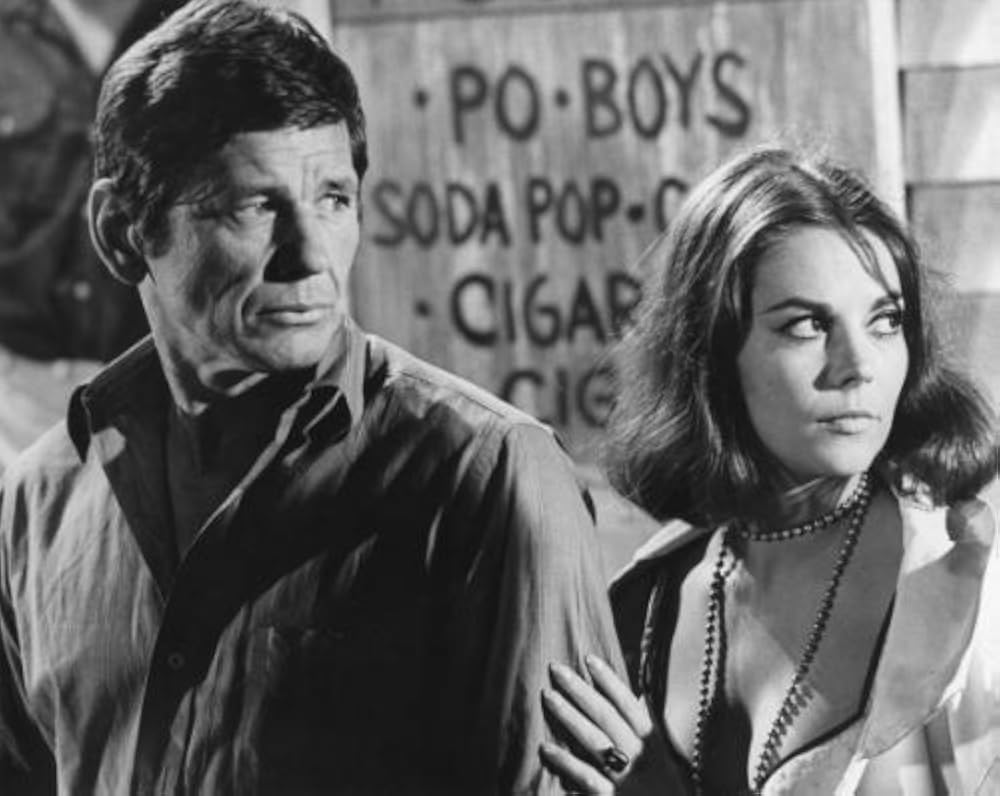
Charles Bronson and Natalie Wood in THIS PROPERTY IS CONDEMNED (1966)

On TV, he was performing in prominent “guest star” roles in classic TV series like ALFRED HITCHCOCK PRESENTS, BONANZA, GUNSMOKE, RAWHIDE, and THE F.B.I. He also had turned into an actor who would join a TV series already in progress to help class it up some. He would provide that service to EMPIRE (1962-1963), starring Richard Egan and Ryan O’Neal, as well as THE TRAVELS OF JAIMIE MCPHEETERS (1963-1964) starring a young Kurt Russell. While he seemed to be everywhere, and there were some exceptions, it seemed he was always the guest star and never the star. This was very frustrating for an actor who had already spent over a decade providing strong support to bigger stars, while his contemporaries like Steve McQueen and James Coburn were headlining their own films. But things were about to change in a big way for Bronson, in both his personal life and professional life. 
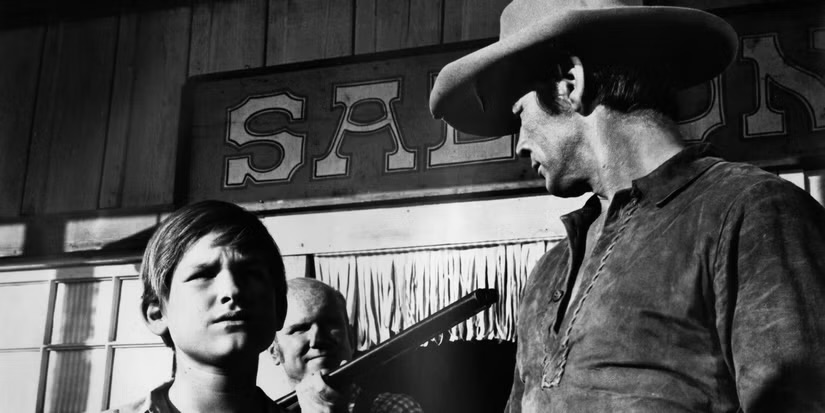
Kurt Russell and Charles Bronson in THE TRAVELS OF JAIMIE MCPHEETERS Television series

First, his personal life… Charles Bronson had been married to Harriet Tendler Bronson from 1949 to 1965. He met Jill Ireland on the set of THE GREAT ESCAPE in 1962 when she was there with her then-husband David McCallum, who was also starring in the film. Legend has it that Bronson told McCallum that he was going to “marry his wife,” but who really knows what’s fact and what’s fiction when it comes to Hollywood. Regardless, Bronson and Ireland would both get divorced in the sixties and marry each other on October 5th, 1968. They were a true Hollywood love story and would be inseparable until her death from breast cancer in 1990. 
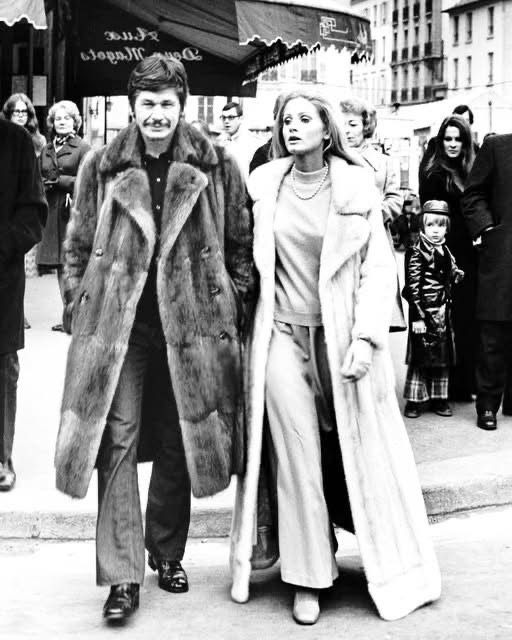
Charles Bronson and Jill Ireland

Jill Ireland turned out to be crucial in the success of Charles Bronson’s career. She was able to convince him to accept some of the offers that he had been receiving to go to Europe where he could finally be the “star” of his movies. The first of these films was FAREWELL, FRIEND (1968), where he would co-star with international superstar Alain Delon. Delon had specifically requested Bronson based on his strong performance a decade earlier in Roger Corman’s MACHINE GUN KELLY. Bronson would steal the film from Delon and it would be a huge box office hit across Europe. Suddenly, Bronson found himself to be a sex symbol across the continent. When I was a kid in the 80’s, this movie was only available on terrible VHS tapes under the title HONOR AMONG THIEVES. I didn’t fully appreciate how important it was to Bronson’s career until decades later.
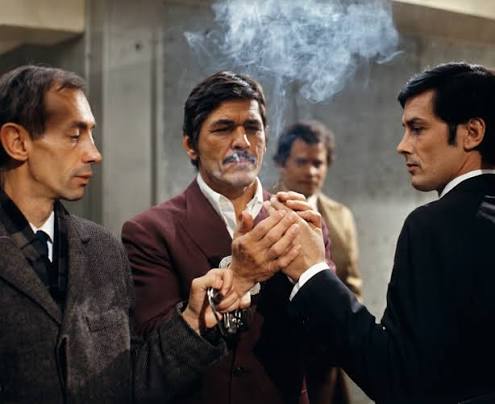
Charles Bronson and Alain Delon in FAREWELL, FRIEND (1968)

Bronson’s next film would turn him into a true international stud when he would play Harmonica in Sergio Leone’s ultimate masterpiece ONCE UPON A TIME IN THE WEST (1968). His incredible screen presence would dominate a film that featured excellent performances from Henry Fonda, Jason Robards and possibly the most beautiful woman on earth, Claudia Cardinale. Leone had wanted to work with Bronson for years, including all three films in the “Dollars” trilogy, but it had never worked out. While their film was butchered for its American release, it was a monster hit all across Europe and Bronson would be one of the biggest stars on the planet for the next decade.
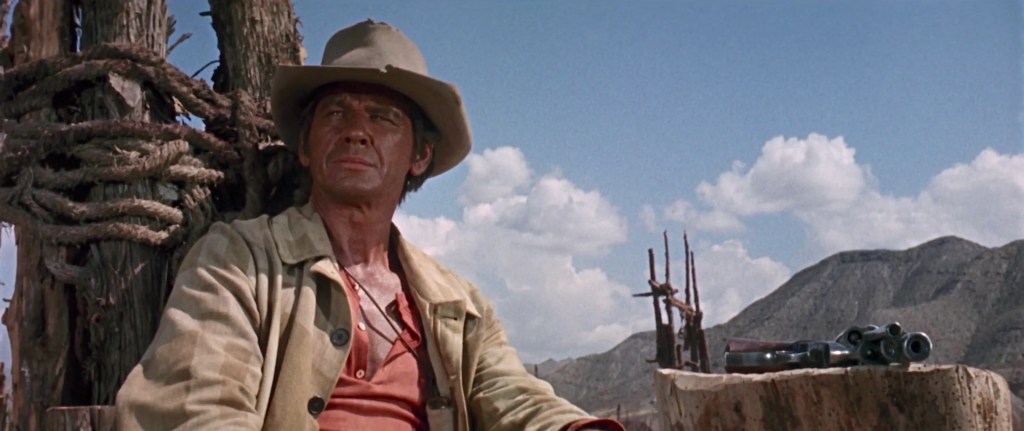
Charles Bronson in ONCE UPON A TIME IN THE WEST (1968)

The 1960’s turned out to be a great decade for Charles Bronson. He married the love of his life and became one of the biggest movie stars in the world, even if he wasn’t fully appreciated in his home country yet. But we’ll get to that next when we discuss the 1970’s, his most successful decade of all!
Film Review: The Concorde …. Airport ’79 (dir by David Lowell Rich)


In 1979’s The Concorde …. Airport ’79, Joe Patroni (George Kennedy) finally gets to fly the plane.

The plane is question is a Concorde, a supersonic airliner that can travel faster than the speed of sound.  When we first see the Concorde, it’s narrowly avoiding a bunch of dumbass hippies in a hot air balloon as it lands in Washington, D.C.  The recently widowed Joe Patroni joins a flight crew that includes neurotic Peter O’Neill (David Warner), who says that he has dreams in which he’s eaten by a banana, and suave co-pilot Paul Metrand (Alain Delon).  Because this is an Airport film, Mertrand is dating the head flight attendant, Isabelle (Syliva Kristel).  “You pilots are such men,” Isabelle says.  “It ain’t called a cockpit for nothing, honey,” Patroni replies.

(One thing that is not explained is just how exactly Joe Patroni has gone from being a chief technician in the first film to an airline executive in the second to a “liaison” in the third and finally to a pilot in the fourth.)

The Concorde is flying to Moscow with a stop-over in Paris.  There’s the usual collection of passengers, all of whom have their own barely-explored dramas.  Cicely Tyson plays a woman who is transporting a heart for a transplant.  She gets maybe four or five lines.  Eddie Albert is the owner of the airline and he’s traveling with his fourth wife.  (Of course, he’s old friends with Patroni.)  John Davidson is an American reporter who is in love with a Russian gymnast (Andrea Marcovicci).  Avery Schrieber is traveling with his deaf daughter.  Monica Lewis plays a former jazz great who will be performing at the Moscow Jazz Festival.  Jimmie Walker is her weed-smoking saxophonist.  Charo shows up as herself and gets kicked off the plane before it takes off.

The most important of the passengers is Maggie Whelan (Susan Blakely), a journalist who has evidence that her boyfriend, Kevin Harrison (Robert Wagner), is an arms trafficker.  Harrison is determined to prevent that evidence from being released so he programs a surface-to-air missile to chase the Concorde.  Patroni is able to do some swift maneuvers in order to avoid the missile, which means that we get multiple shots of passengers being tossed forward, backwards, and occasionally hanging upside down as Patroni flips over the plane.  Oddly no one really gets upset at Patroni about any of this and no one seems to be terribly worried about the fact that someone is obviously trying blow up their plane.  Even after the stop-over in Paris, everyone gets back on the Concorde!  That includes Maggie, who could have saved everyone a lot of trouble by just holding a press conference as soon as the plane landed in Paris.

A year after The Concorde came out, Airplane! pretty much ended the disaster genre.  However, even if Airplane! had never been released, I imagine The Concorde would have still been the final Airport film.  Everything about the film feels like the end of the line, from the terrible special effects to the nonsensical script to the Charo cameo and Martha Raye’s performance as a passenger with a weak bladder.  The first Airport film was an old-fashioned studio film standing defiant against the “New Hollywood.”  The second Airport film was a camp spectacular.  The third Airport film was an example of changing times.  The fourth Airport film is just silly.

And, really, that’s the main pleasure to be found in The Concorde.  It’s such an overwhelmingly silly film that it’s hard to look away from it.  For all of its weaknesses, The Concorde will always be remembered as the film that featured George Kennedy opening the cockpit window — while in flight — and shooting a flare gun at another plane.  As crazy as that scene is, just wait for the follow-up where Kennedy accidentally fires a second flare in the cockpit.  “Put that out,” Alain Delon says while David Warner grabs a fire extinguisher.  It’s a silly moment that it also, in its way, a great moment.

The Concorde brings the Airport franchise to a close.  At least George Kennedy finally got to fly a plane.

Roger Corman directed MACHINE GUN KELLY (1958), Charles Bronson’s first starring role!


I’ve always appreciated the legendary Roger Corman, who was born on this day in 1926, because he gave Charles Bronson his first starring role in MACHINE GUN KELLY. I’ve heard Quentin Tarantino himself say that It’s the best movie that Corman ever directed. It was such an important movie for Bronson because it directly led to a HUGE break 10 years later when Alain Delon wanted him for his co-star in FAREWELL, FRIEND (1968). Delon wanted Bronson because he admired his performance as George Kelly.

Happy Birthday in heaven, Mr. Corman! Thanks for giving Charles Bronson, and so many greats, the break of a lifetime!

Brad’s Song of the Day – “Toshiro and I” from CHARLES BRONSON – More Than a Vigilante – THE MUSICAL! 🎶 


Toshiro Mifune is one of the all time great actors in the history of world cinema, and he’s also one of my personal favorites. Charles Bronson may sit alone at the top of Mt. Bradmore, but there’s a tier of actors just below him who I also obsess over. That tier includes people like Chow Yun-Fat, Clint Eastwood, Lau Ching-Wan, Roy Scheider, James Woods, Rutger Hauer, John Wayne, Jimmy Stewart and Toshiro Mifune. I have read voluminous books about Mifune, and I’ve collected so many of his Japanese films. His work with Kurosawa is amazing, but he’s also done impressive work with other great Japanese directors like Kihachi Okamoto, Masaki Kobayashi, and Hiroshi Inagaki. 

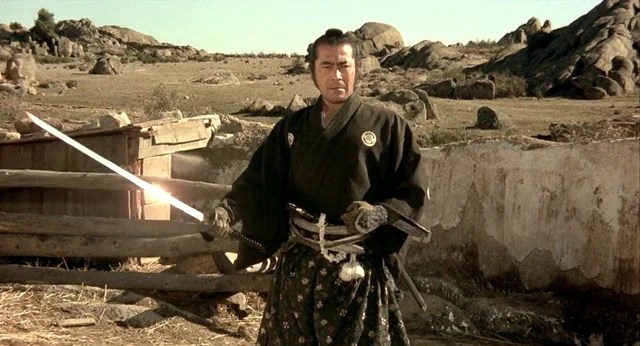
It makes me so happy that Charles Bronson and Toshiro Mifune had the opportunity to make the enjoyable East meets Western, RED SUN, together. Although Mifune had more range than Bronson as an actor, they both had such a magnificent screen presence. And the one time they worked together, Bronson actually had the more showy role. Watching Bronson underplay his scalawag cowboy against the honorable samurai played by Mifune is a true delight to any person who appreciates macho cinema. Henry Brooks really hones in on their macho personas in his song “Toshiro and I” from his new musical, CHARLES BRONSON – More Than a Vigilante – THE MUSICAL. It’s my favorite song in the entire musical, and I’m glad to be able to share it on the legendary Toshiro Mifune’s 105th birthday! Enjoy!

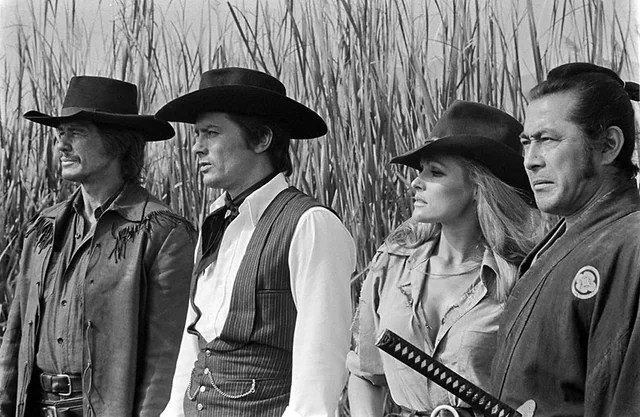
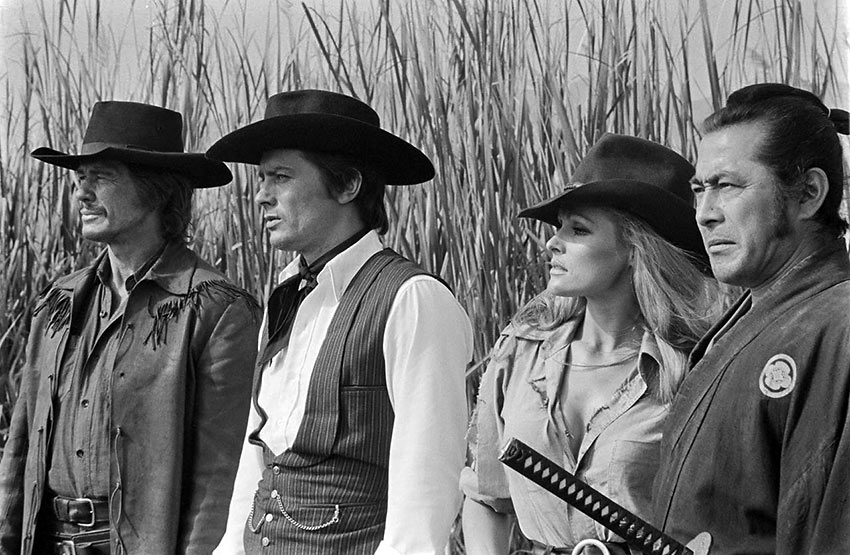
The underrated RED SUN (1971) – Charles Bronson & Toshiro Mifune in an East meets Western! 


Every so often I’m going to throw out a movie that I don’t think gets enough love, and that just doesn’t set right with me. Today’s movie is RED SUN. 

In RED SUN, two of the most macho actors in the history of world cinema team up in a western where train robber Link (Bronson) is forced to lead the honorable samurai Kuroda (Mifune) on a cross country trek to reclaim a stolen sword that was intended to be a gift from the Empire of Japan to the US President. If the two men can’t get the sword back in a week’s time, honor demands that the two men will lose their lives out of shame. Link isn’t really down with this plan, but he doesn’t have much of a choice in the matter due to the power and skill of Kuroda. Charles Bronson & Toshiro Mifune command the screen, with Charlie showing a likable sense of humor in his role as the bad / good cowboy. The two must find the evil Gauche (French superstar Alain Delon). Gauche is Bronson’s old train robbing partner who stole the sword and killed a samurai in the process, providing even more motivation for Kuroda. Add in Ursula Andress as a sexy woman who has a history with both Link and Gauche, and it doesn’t get much better than this!

RED SUN is not a perfect movie, but I couldn’t imagine anyone being disappointed by this enjoyable East meets Western that features true international superstars. In my book, it’s highly recommended!

Enjoy the trailer below:

Scenes That I Love: Alain Delon in Purple Noon


Alain Delon was left out of last week’s Oscar memorial montage but that doesn’t mean we can’t honor him here.  In today’s scene that I love, Alain Delon walks with style.  This is from the end of 1960’s Purple Noon, a French adaptation of Patricia Highsmith’s The Talented Mr. Ripley.

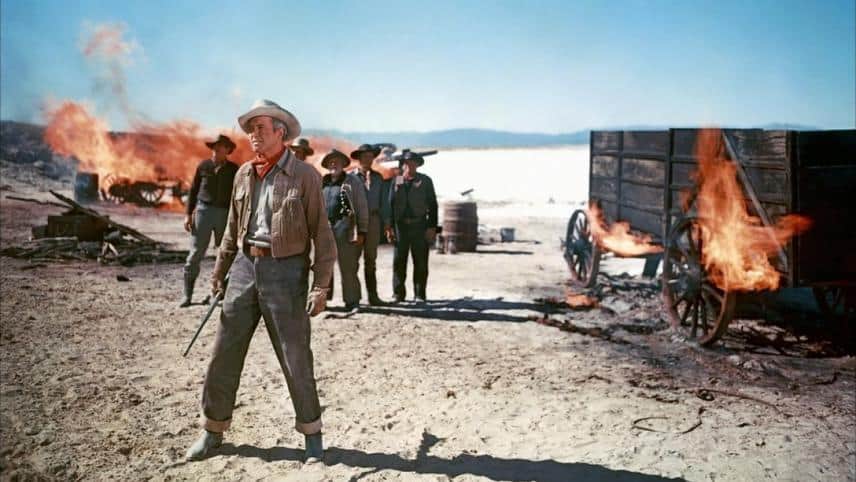
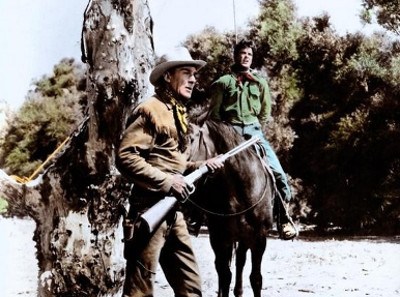
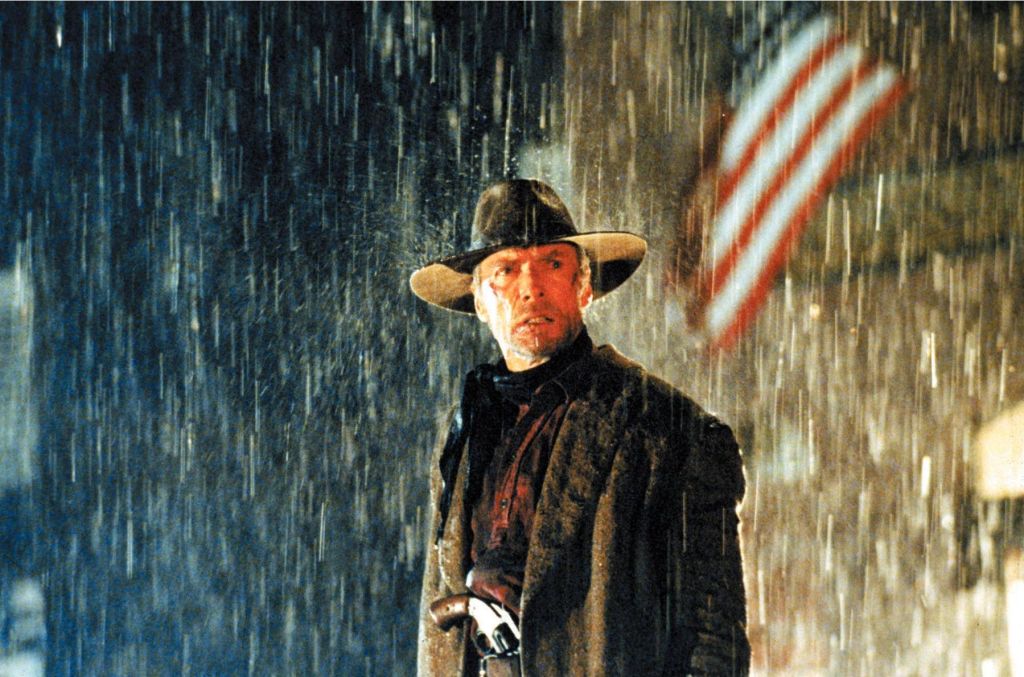
4 Shots From 4 Films – some of Brad’s “favorite westerns” edition!


4 Shots From 4 Films is just what it says it is, 4 shots from 4 of our favorite films. As opposed to the reviews and recaps that we usually post, 4 Shots From 4 Films lets the visuals do the talking!

I thought I’d try one of these “4 shots” posts. It’s really hard for me not to say anything, because each of these movies mean a lot to me, and the western remains my favorite genre even if I am a little stuck in the past. I’ll probably take a stab at a review of each of these films at some point. I hope you enjoy!

THE MAN FROM LARAMIE (1955)

RIDE LONESOME (1959)

RED SUN (1971)

UNFORGIVEN (1992)

4 Shots From 4 Films: Assassin Edition


4 Shots From 4 Films is just what it says it is, 4 shots from 4 of our favorite films. As opposed to the reviews and recaps that we usually post, 4 Shots From 4 Films is all about letting the visuals do the talking.

4 Shots from 4 Assassin Films

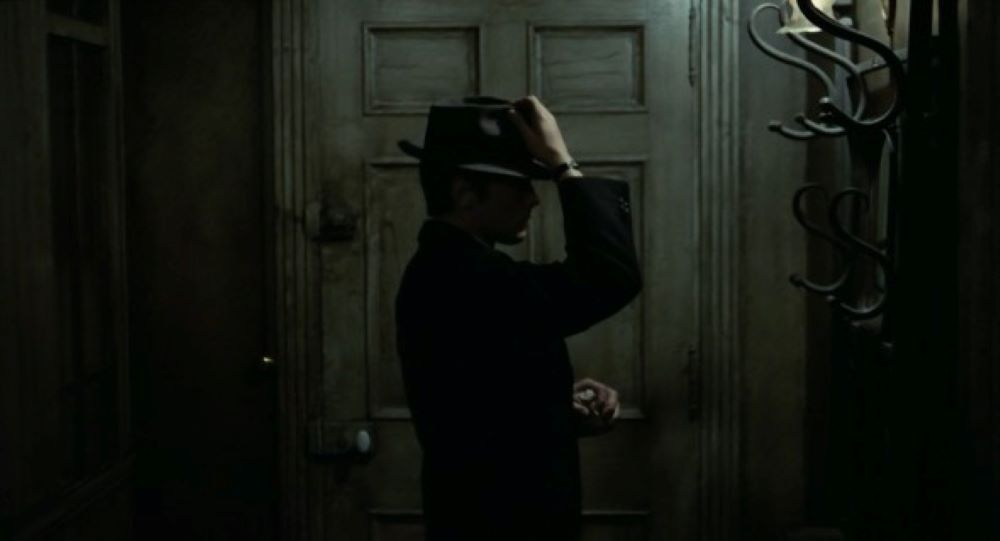
Le Samourai (1967, dir. by Jean-Pierre Melville, DP: Henri Decaë)
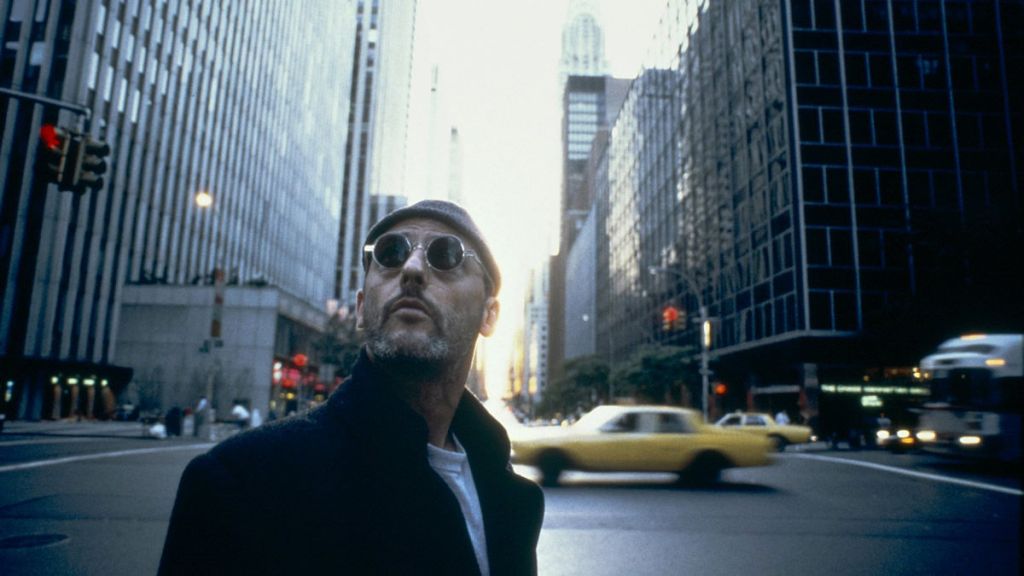
Léon: The Professional (1990, dir. by Luc Besson, DP: Thierry Arbogast)
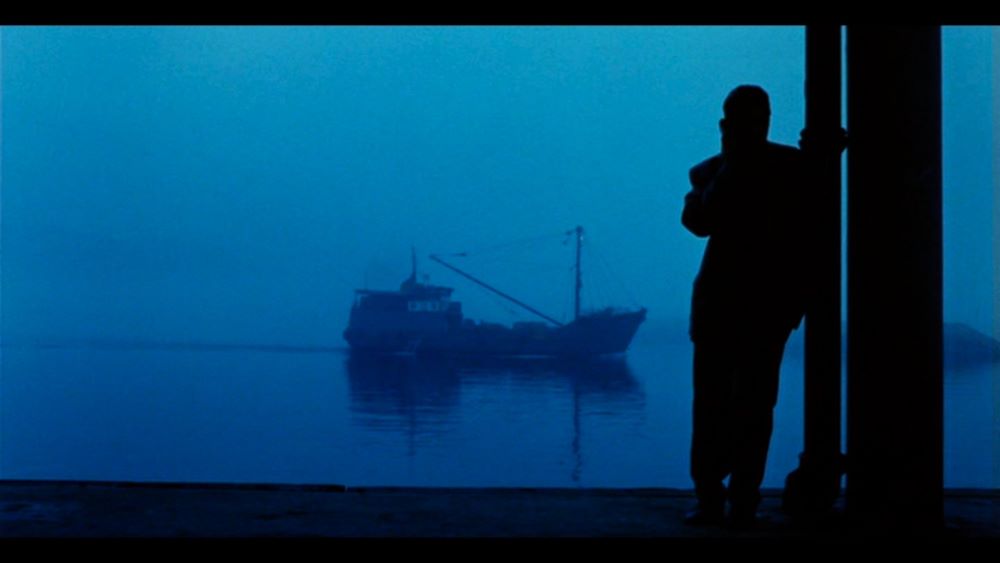
The Killer (1989, dir. by John Woo, DP: Peter Pau and Wong Wing-Hang)
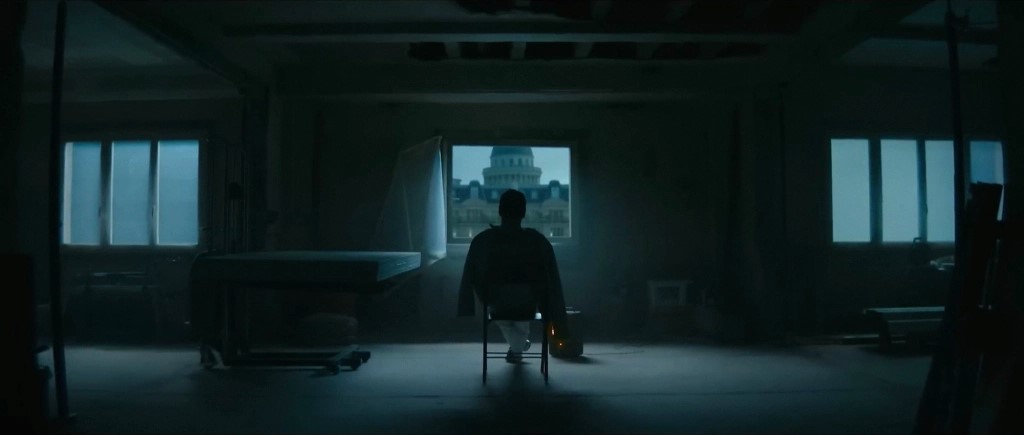
The Killer (2023, dir. by David Fincher, DP: Erik Messerschmidt)

Icarus File No. 16: The Assassination of Trotsky (dir by Joseph Losey)


If you study the history of the International Left in the years immediately following the death of Lenin, it quickly becomes apparent that the era was defined by the rivalry between Joseph Stalin and Leon Trotsky.

Trotsky, the self-styled intellectual who was credited with forming the Red Army and who many felt was Lenin’s favorite, believed that he should succeed Lenin as the leader of Communist Russia.  Stalin, the ruthless nationalist who made up in brutality what he lacked in intelligence, disagreed.  Stalin outmaneuvered Trotsky, succeeding Lenin as the leader of the USSR and eventually kicking Trotsky out of the country. Trotsky would spend the rests of his life in exile, a hero to some and a pariah to others.  While Stalin starved his people and signed non-aggression pacts with Hitler, Trotsky called for worldwide revolution.  To Stalin, Trotsky was a nuisance whose continued existence ran the risk of making Stalin look weak.  When Trotsky was assassinated in Mexico in 1940, there was little doubt who had given the order.  After Totsky’s death, the American Communist Party, which had already been weakened by the signing of the non-aggression pact between Hitler and Stalin, was further divided into Stalinist and Trotskyite factions.

Ideologically, was there a huge difference between Stalin and Trotsky?  Many historians have suggested that Trotsky probably would have taken many of the same actions that Stalin took had Trotsky succeeded Lenin.  Indeed, the idea that Trotsky was somehow a force of benevolence has more to do with the circumstances of his assassination than anything that Trotsky either said or did.  In the end, the main difference between Stalin and Trotsky seemed to be Trotsky was a good deal more charismatic than Stalin.  Unlike Trotsky, Stalin couldn’t tell a joke.  However, Stalin could order his enemies killed whenever he felt like it and some people definitely found that type of power to be appealing.  Trotsky could write essays.  Stalin could kill Trotsky.

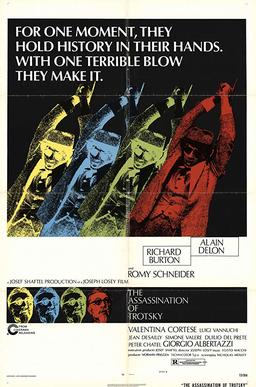
First released in 1972, The Assassination of Trotsky is a cinematic recreation of the events leading to the death of Leon Trotsky in Mexico.  French actor Alain Delon plays Frank Jacson, the Spanish communist who was tasked with infiltrating Trotsky’s inner circle and assassinating him with a pickaxe.  Welsh actor Richard Burton plays the Russian Trotsky, giving long-winded monologues about world revolution.  Italian Valentina Cortese also plays a Russian, in this case Trotsky’s wife, Natalia.  And finally, French actress Romy Schneider plays Gita Samuels, who is based on Jacson’s American girlfriend.  This international cast was directed by Joseph Losey, an American director who joined the Communist Party in 1946 and who moved to Europe during the McCarthy era.

Losey was an interesting director.  Though his first American feature film was the anti-war The Boy With Green Hair, the majority of his American films were on the pulpy side.  Not surprisingly, his European films were far more open in their politics.  Losey directed his share of undeniable masterpieces, like The Servant, Accident, and The Go-Between.  At the same time, he also directed his share of misfires, the majority of which were bad in the way that only a bad film directed by a good director can be.  The same director who gave the world The Go-Between was also responsible for Boom!

And then there’s The Assassination of Trotsky.  It’s a bit of an odd and rather uneven film.  Alain Delon’s performance as the neurotic assassin holds up well and some of his scenes of Romy Schneider have a true erotic charge to them.  The scenes of Delon wandering around Mexico with his eyes hidden behind his dark glasses may not add up too much but they do serve as a reminder that Delon was an actor who could make almost any scene feel stylish.

But then we have Richard Burton, looking like Colonel Sanders and not even bothering to disguise his Welsh accent while playing one of the most prominent Russians of the early 20th Century.  The film features many lengthy monologues from Trotsky, all of which Burton delivers in a style that is very theatrical but also devoid of any real meaning.  As played by Burton, Trotsky comes across as being a pompous phony, a man who loudly calls for world revolution while hiding out in his secure Mexican villa.  Now, for all I know, Trotsky could have been a pompous phony.  He certainly would not have been the first or last communist to demand the proletariat fight while he remained secure in a gated community.  The problem is that the film wants us to admire Trotsky and to feel that the world was robbed of a great man when Jacson drove that pickaxe into his head.  That’s not the impression that one gets from watching Burton’s performance.  If anything, Burton’s overacting during the assassination scene will likely inspire more laughs than tears.

The Assassination of Trotsky is one of those films that regularly appears on lists of the worst ever made.  I feel that’s a bit extreme.  The film doesn’t work but Alain Delon was always an intriguing screen presence.  (Interestingly enough, Delon himself was very much not a supporter of communism or the Left in general.)  The film fails as a tribute to Trotsky but it does make one appreciate Alain Delon.

Previous Icarus Files:

  1. Cloud Atlas
  2. Maximum Overdrive
  3. Glass
  4. Captive State
  5. Mother!
  6. The Man Who Killed Don Quixote
  7. Last Days
  8. Plan 9 From Outer Space
  9. The Last Movie
  10. 88
  11. The Bonfire of the Vanities
  12. Birdemic
  13. Birdemic 2: The Resurrection 
  14. Last Exit To Brooklyn
  15. Glen or Glenda

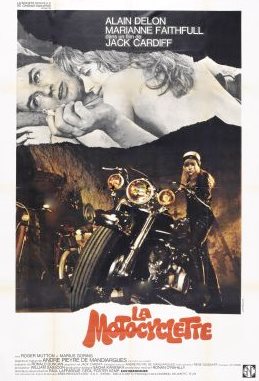
Film Review: The Girl On A Motorcycle (dir by Jack Cardiff)


Who would have guessed that a film from 1968, starring Marianne Faithfull and Alain Delon, would be a little bit pretentious?  I’m as shocked, as anyone.

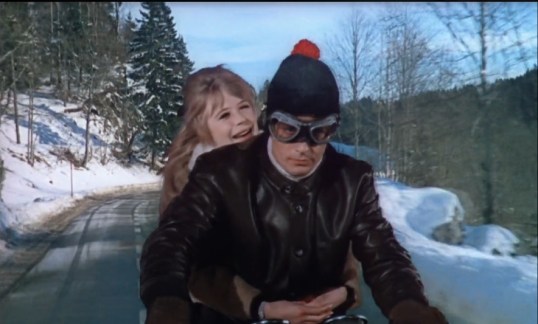
The Girl On A Motorcycle is Rebecca (Marianne Faithfull), the wife of Raymond (Roger Mutton).  One day, Rebecca wakes up, puts on a black leather jumpsuit, and gets on her motorcycle.  Abandoning her husband and her home, she rides through France and eventually reaches Germany.  Along the way, she thinks about how the motorcycle represents freedom and how no one is truly free unless they’re doing what they want to do.  We hear her inner monologue and it’s hard not to notice that, for someone riding a motorcycle across two countries, she often doesn’t seem to be paying that much attention to the road.  Rebecca has more important things to think about, like free love and Vietnam.  She watches as a transport of soldiers drive past her and she silently tells them not to look at her.  She drives through a city and starts to laugh while shouting “Bastard!” at the top of her lungs.  Pedestrians, all of whom are unhappy and middle-aged, stare at her in shock.

Along the way, Rebecca thinks about her life.  She’s married to Roger, who is a mild-mannered teacher who is so ridiculed by his students that even the local gas station attendant mentions how little respect anyone has for him.  However, Rebecca is haunted by memories of Daniel (Alain Delon), who is very, very French.

How French? This French.

Rebecca first met Daniel while working in her father’s bookstore and they had a passionate affair, despite the fact that Rebecca was already engaged to boring old Raymond.  Daniel even taught her how to ride a motorcycle.  When Rebecca got married, Daniel sent her the motorcycle that she is now riding as a wedding gift.  Rebecca is racing through Germany to be reunited Daniel, though it’s never quite clear if she’s truly leaving her husband or if she just wants to have a quick tryst before returning home.  Will Rebecca make it or will the unpredictable whims of fate intervene?

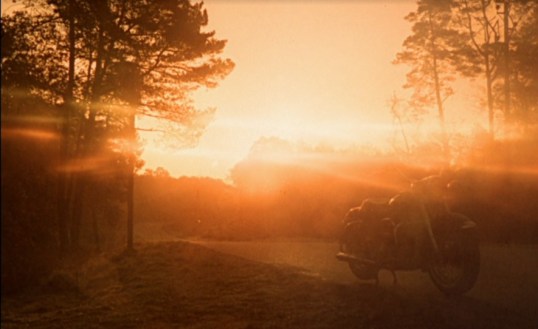
The Girl on a Motorcycle was directed by Jack Cardiff, a veteran cinematographer who first found acclaim working with directors like Michael Powell, Alfred Hitchcock, and John Huston.  Not surprisingly, the film is full of striking shots.  Unfortunately, Cardiff was 54 when he directed The Girl On A Motorcycle and he had been involved in the film industry since he was a child.  Watching the film, one gets the feeling that Cardiff was trying a bit too had to appeal to a young counterculture audience that he didn’t really have much of a natural affinity for.  As such, Cardiff drags out every psychedelic trick in the book.  Do you want excessive use of the zoom lens, ludicrously skewed camera angles, pointlessly surreal flashbacks, portentous narration, extreme close-ups, retina-burning solarization effects, and an ending that feels like it was stolen from Godard?  The Girl On A Motorcycle has all of them!  For every impressive shot of Rebecca riding on her motorcycle, there are several more shots that feel as if they were filmed in migrainevision.

There’s also quite a few shots that make remarkably poor use of rear projection.

The Girl On A Motorcycle is definitely a film of its time.  To give credit where credit is due, Alain Delon is handsome and charismatic as the enigmatic Daniel.  The viewer gets the feeling that Rebecca is probably idealizing him and assuming that he has more depth than he actually does but it’s still easy to understand why she would not be able to resist the temptation.  Marianne Faithfull seems a bit lost as Rebecca.  She smiles a lot and she laughs a lot but her inner monologue is flatly delivered and, as a result, the character comes across as being vapid.  The ideal Rebecca probably would have been a young Helen Mirren.

As it is, The Girl On A Motorcycle is a time capsule of the 60s aesthetic (albeit an aesthetic translated through the lens of a director who seems to be trying too hard to remain relevant).  Due to a few flashes of nudity and some sex scenes that are so psychedelic that they’re nearly impossible to watch, Girl On A Motorcycle was the first film to be slapped with an X rating in the United States.  It seems rather tame today.