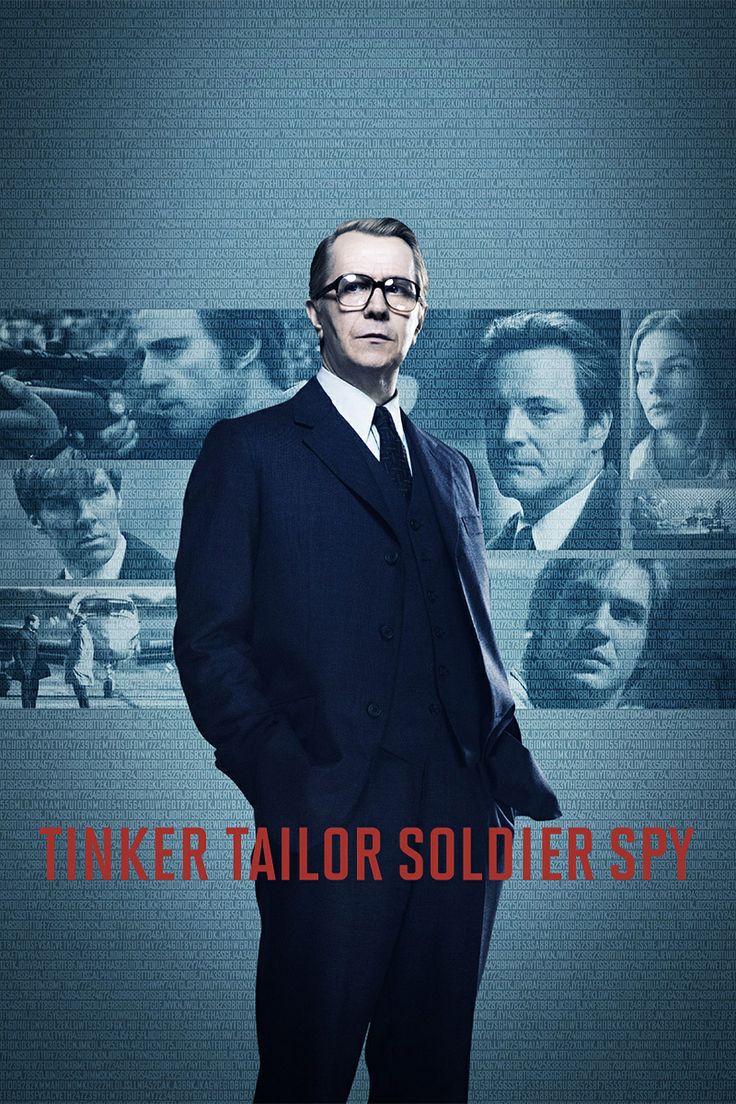
Review: Tinker Tailor Soldier Spy (dir. by Tomas Alfredson)


“We are not so very different, you and I.” — George Smiley

Tomas Alfredson’s Tinker Tailor Soldier Spy (2011) is a cold, coiled, and relentless march into the gray, rain-lashed corridors of British espionage—a film that exchanges Bond’s swagger for bureaucratic unease, where information is traded like poison and every conversation feels weaponized. The film is sheer confidence: so sure of itself, it expects you to keep up, get lost, and piece the puzzle together from the hushed fragments left in close-up reactions and glances across smoke-filled rooms. This is spy cinema not as spectacle, but as slow-burning existential puzzle.

A key element of the film’s mood is its distinctive brutalist aesthetic, which powerfully evokes the Cold War mentality not only behind the Iron Curtain but also in the West. Alfredson and cinematographer Hoyte van Hoytema immerse viewers in a London setting defined by greying, tired walls, bleak drizzle, and decaying interiors that feel as cold and institutional as the very espionage world they depict. This use of brutalism—with its bare concrete textures, utilitarian spaces, and sense of institutional decay—does more than create atmosphere; it visually projects the emotional and material exhaustion of a Britain entrenched in paranoia and internal rot. The characters seem physically and emotionally hemmed in by these spaces, reinforcing the film’s themes of secrecy, alienation, and moral corrosion.

There are no car chases or shootouts to speak of—just a masterclass in stillness where tension arises from precisely what remains unspoken. The film is closer to an autopsy than a thriller, dissecting the social and emotional costs of lives devoted to deception. It begins with a botched operation in Budapest—Jim Prideaux (Mark Strong), one of “the Circus’s” best agents, is captured in a tense, almost wordless scene that sets a tone of brooding unease. The fallout leads to a purge of the leadership, with Control (John Hurt) forced out and George Smiley (Gary Oldman), his quietly watchful confidant, retired—though soon to return for an unofficial mole hunt.

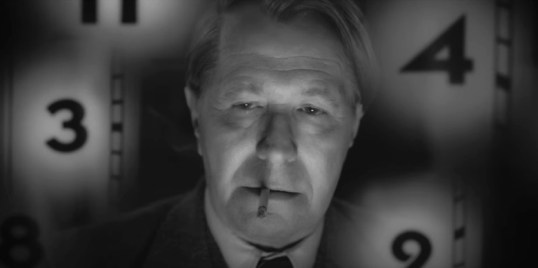
From there, the narrative unfolds elliptically, like a mosaic of recollections and betrayals, requiring viewers to assemble the truth from fractured glimpses. Gary Oldman’s Smiley is the film’s anchor—his performance a masterclass in minimalism and subtext. He’s the ultimate observer, haunted by decades of institutional compromises and personal betrayals.

The supporting cast is nothing short of exceptional, elevating the film through richly textured performances that bring vibrant life to an otherwise reserved script. Colin Firth as Bill Haydon delivers a quietly magnetic portrayal, his charm barely concealing the complexity beneath. Tom Hardy’s Ricki Tarr injects raw energy and restlessness, perfectly contrasting the film’s restrained atmosphere. Benedict Cumberbatch’s Peter Guillam is adept at conveying subtle shifts in allegiance and tension, his nuanced portrayal deepening the intrigue. John Hurt’s brief but potent presence as Control exudes weary gravitas, setting the tone for the murky world of espionage. Mark Strong as Jim Prideaux balances stoicism with vulnerable humanity, particularly in moments laden with pain and regret. Other supporting actors such as Ciarán Hinds, Toby Jones, and Kathy Burke contribute layered, compelling portrayals of individuals trapped within the machinery of the Circus. What binds these performances is a reliance on subtlety—expressing volumes through nuanced gestures and lingering silences, the cast anchors the complex narrative in a palpable human reality.

At its core, Tinker Tailor Soldier Spy is less a whodunnit than an exploration of institutional decay and emotional repression. The brutalist aesthetic mirrors this decline: just as the concrete and ochre walls close in on the agents, so too does the film reveal a Britain worn down by secrets and internal contradiction. Love and loyalty are liabilities in this world where everyone is alienated. The story’s emotional heart revolves around the search for a deeply embedded mole within the Circus—an elusive betrayal that shakes the organization to its core. The film carefully avoids easy reveals, maintaining a deliberate tension and exemplifying the emotional cost that the espionage game of the era had on everyone involved.

The film also explores themes of repressed queerness, class stratification, and misogyny, linking these to the numbing demands of espionage. The gloomy visuals and tightly controlled dialogue echo the emotional constraints on these men, underscoring that beneath the seemingly impenetrable exterior lies a fragile, fragile human cost.

This film is not an easy watch. Its elliptical storytelling, coded conversations, and subtle body language demand patience and multiple viewings. Yet that opacity is part of its power—uncertainty and not-knowing become central to the experience, enhanced by Alberto Iglesias’s restrained score and the claustrophobic mise-en-scène. Unlike many spy films, Tinker Tailor Soldier Spy is about process and detection, not action or glamour. Its cold, meticulous pacing trades on the cerebral seduction of uncovering hidden truths rather than adrenaline-fueled confrontations.

Ultimately, the film refuses easy resolutions. Though Smiley uncovers the mole and the Circus is superficially restored, there’s no real victory—only the acknowledgment of profound damage, both personal and institutional. The brutalist setting, with its unyielding, somber lines, stands as a perfect metaphor for this unresolved tension. Tinker Tailor Soldier Spy is a masterclass in unease and ambiguity, a film that stays with you because it reveals what you’ll never fully know about loyalty, betrayal, and the cost of secrets in a world where the line between friend and enemy is always blurred.

Scenes That I Love: Gary Oldman in Oppenheimer


Today, the Shattered Lens wishes a happy birthday to actor Gary Oldman!

My scene that I love features Gary Oldman as Harry S Truman in Oppenheimer.  Oldman doesn’t get a lot of screentime in Oppenheimer but he shows what a brilliant actor can do with a small role.  His casual dismissal of Oppenheimer’s guilt is one of the strongest moments in the film.  (And, for those of us who found Oppenheimer, as a character, to be a bit self-asborbed, it’s a cathartic moment, as well.)

4 Shots From 4 Films: Assassin Edition


4 Shots From 4 Films is just what it says it is, 4 shots from 4 of our favorite films. As opposed to the reviews and recaps that we usually post, 4 Shots From 4 Films is all about letting the visuals do the talking.

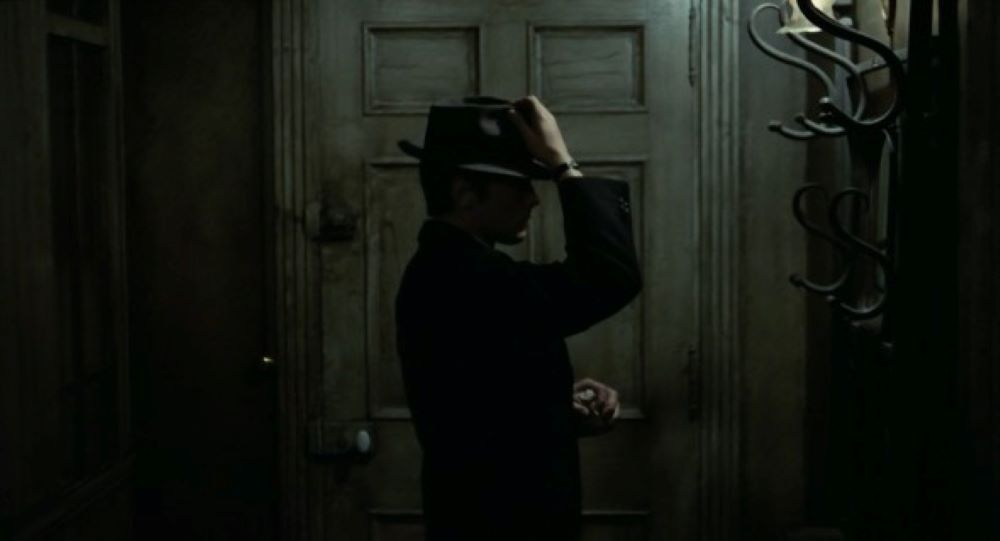
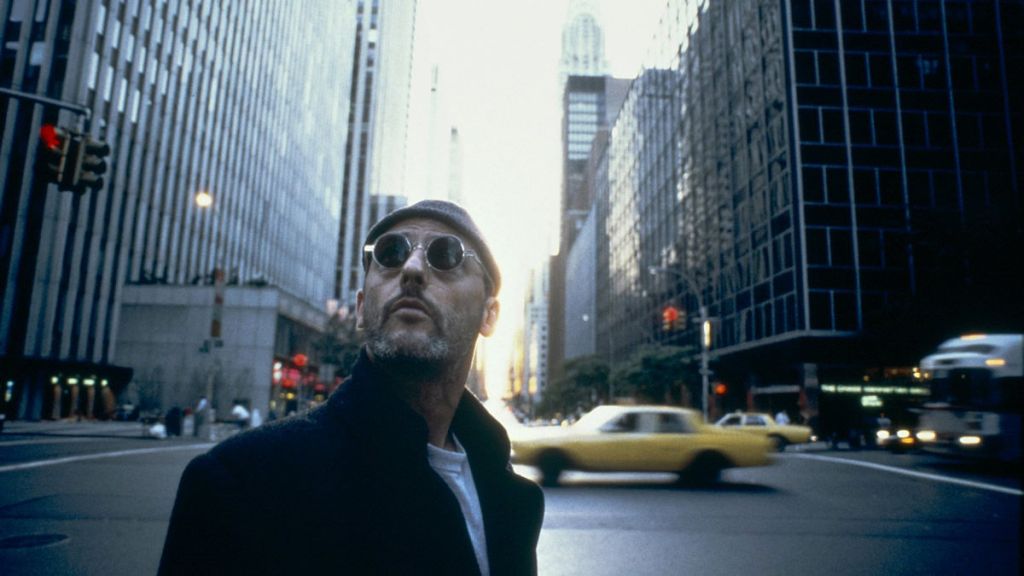
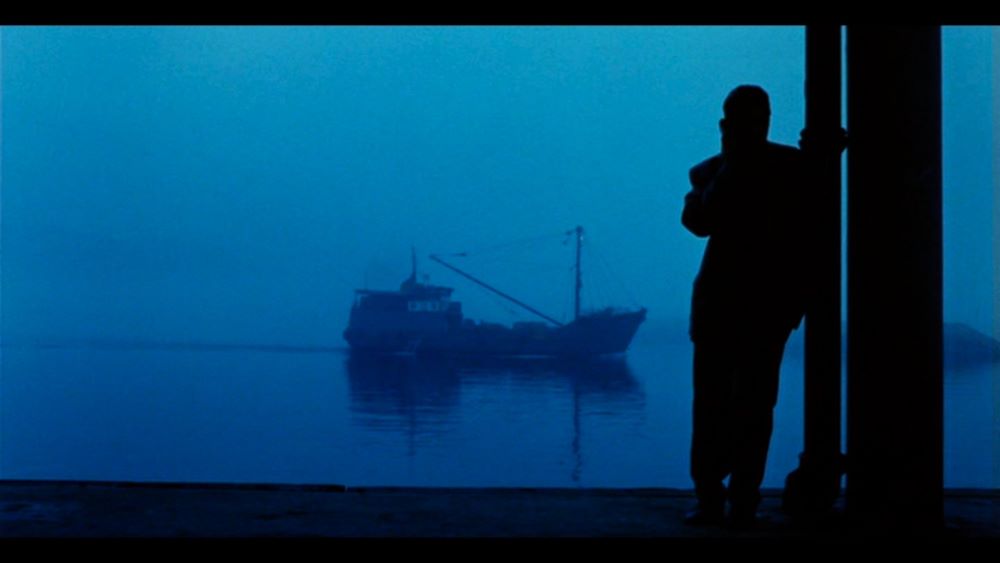
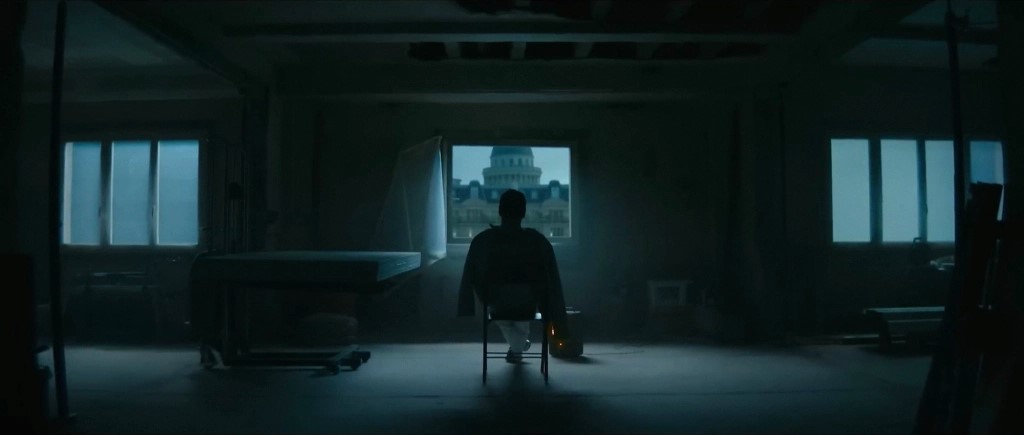
4 Shots from 4 Assassin Films

Le Samourai (1967, dir. by Jean-Pierre Melville, DP: Henri Decaë)
Léon: The Professional (1990, dir. by Luc Besson, DP: Thierry Arbogast)
The Killer (1989, dir. by John Woo, DP: Peter Pau and Wong Wing-Hang)
The Killer (2023, dir. by David Fincher, DP: Erik Messerschmidt)

Here Are The 2024 AARP Movies For Grown-Ups Nominations


The awards precursor season is getting started …. kinda.

The AARP Movies For Grown-Ups Nominations were announced last week, on the 20th.  I’m only now getting around to sharing them because I’m not a member of AARP and therefore, I had no idea these nominations had even been announced.  It seems a bit earlier than usual, for them.  Then again, you know how retired folks are about getting up early.

How influential are the AARP nominations?  Not very.  These nominations were not made being film critics or people who work in the industry.  They were made by the editors of AARP’s magazine.  That said, it’s always good to get mentioned somewhere.  If nothing else, this list might indicate which films are resonating with the over-5o set.

Or maybe I just like long lists.

Anyway, here are the nominations!  The winners will be announced on January 11th, during the Denny’s breakfast special.

Best Picture/Best Movie for Grownups
A Complete Unknown
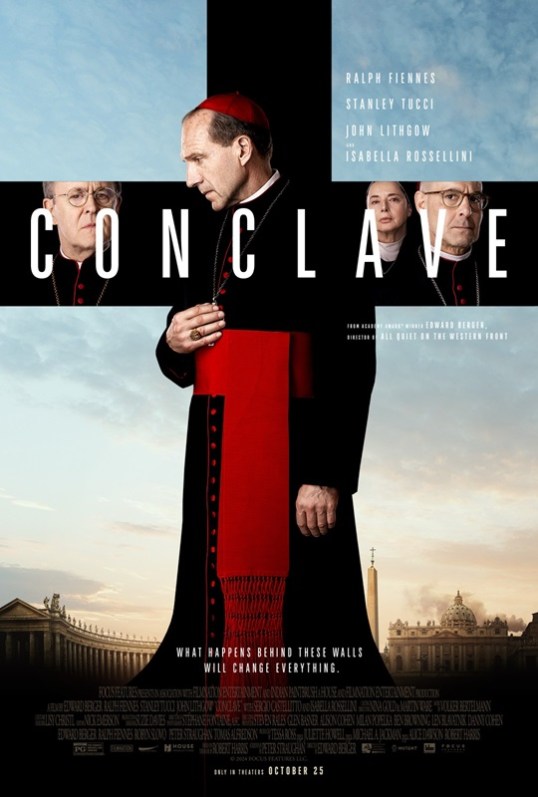
Conclave
Emilia Pérez
Gladiator II
September 5

Best Actress
Pamela Anderson (The Last Showgirl)
Marianne Jean-Baptiste (Hard Truths)
Nicole Kidman (Babygirl)
Demi Moore (The Substance)
June Squibb (Thelma)

Best Actor
Adrien Brody (The Brutalist)
Daniel Craig (Queer)
Colman Domingo (Sing Sing)
Ralph Fiennes (Conclave)
Jude Law (The Order)

Best Supporting Actress
Joan Chen (Didi)
Aunjanue Ellis-Taylor (Nickel Boys)
Lesley Manville (Queer)
Connie Nielsen (Gladiator II)
Isabella Rossellini (Conclave)

Best Supporting Actor
Clarence Maclin (Sing Sing)
Guy Pearce (The Brutalist)
Peter Sarsgaard (September 5)
Stanley Tucci (Conclave)
Denzel Washington (Gladiator II)

Best Director
Pedro Almodóvar (The Room Next Door)
Jacques Audiard (Emilia Pérez)
Edward Berger (Conclave)
James Mangold (A Complete Unknown)
Ridley Scott (Gladiator II)

Best Screenwriter
Jacques Audiard, Thomas Bidegain, Nicolas Livecchi (Emilia Pérez)
Jay Cocks and James Mangold (A Complete Unknown)
Winnie Holzman (Wicked)
Peter Straughan (Conclave)
Denis Villeneuve and Jon Spaihts (Dune: Part Two)

Best Ensemble
A Complete Unknown
Beetlejuice Beetlejuice
His Three Daughters
September 5
Sing Sing

Best Actress (TV)
Jennifer Aniston (The Morning Show)
Jodie Foster (True Detective: Night Country)
Jean Smart (Hacks)
Meryl Streep (Only Murders in the Building)
Sofia Vergara (Griselda)

Best Actor (TV)
Billy Crudup (The Morning Show)
Idris Elba (Hijack)
Jon Hamm (Fargo)
Gary Oldman (Slow Horses)
Hiroyuki Sanada (Shōgun)

Best TV Series or Limited Series
The Crown
Hacks
Palm Royale
Shōgun
Slow Horses

Best Intergenerational Film
Didi
Here
His Three Daughters
The Piano Lesson
Thelma

Best Time Capsule
A Complete Unknown
The Brutalist
Here
Maria
September 5

Best Documentary
I Am: Celine Dion
Luther: Never Too Much
Piece by Piece
Super/Man: The Christopher Reeve Story
Will & Harper

Scenes That I Love: George Smiley Confronts Bill Haydon In Tinker, Tailor, Soldier, Spy


Today is Gary Oldman’s 65th birthday and, in honor of the occasion, here’s a scene from one of my favorite Oldman films, 2011’s Tinker Tailor Soldier Spy.

In this scene, British intelligence officer George Smiley (Gary Oldman) confronts his colleague and Russian mole Bill Haydon (Colin Firth).  This scene is a masterclass of good acting, put on by both Firth and Oldman.  As Haydon tries to justify his behavior, Smiley listens with deceptive calmness.  When I first saw this film, Oldman suddenly raising his voice made the entire audience jump.

A Gary Oldman Scene That I Love: The Hotel Scene From The Firm


The Firm (1989, directed by Alan Clarke)

Since today is Gary Oldman’s birthday, I decided to share a scene that I love from The Firm.

Directed by Alan Clarke, this 1989 film was originally made for the BBC and it stars Oldman as Bex Bissell.  During the week, Bex sells real estate.  During the weekend, he’s a football hooligan and the leader of his own firm.  Though The Firm is not as well-known in the States as some of his other films, I think that Gary Oldman’s performance here might very well be the best of his career.

In this scene, Bex and his firm meet with two other firms in a London hotel.  They’re arguing about who is going to be the “top boy” during the upcoming international football tournament in Holland.  Mostly, they’re just trying to out-intimidate and one-up each other.  Oldman controls the scene through pure attitude.

We leave you with the ICC motto — “we come in peace, we leave you in pieces.”

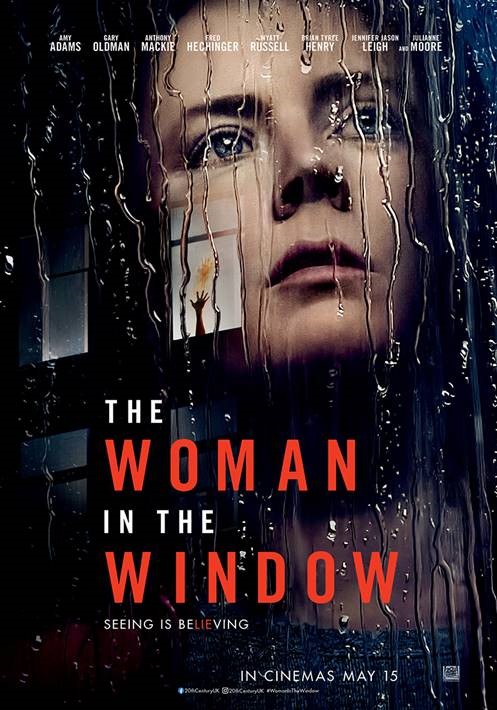
Film Review: The Woman In The Window (dir by Joe Wright)


Joe Wright’s The Woman In The Window is a film that was kicked around a bit before it was eventually released.

Based on the best-selling novel by A.J. Finn, The Woman In The Window was filmed in 2018 and was originally set to be released in October of 2019.  At the time, there were many who predicted that this would be the film for which Amy Adams would finally win an Oscar.  However, after a few poor test screenings, the release of Woman In The Window was pushed back.  The film’s producer, the now-infamous Scott Rudin, reportedly brought in Tony Gilory to re-shoot a few scenes.  The film was finally set to be released in May of 2020 and, needless to say, it was no longer expected to be an Oscar contender.  Then, the pandemic hit and, like so many movies, The Woman In The Window was left in limbo.  With its theatrical release canceled, the film was eventually purchased by Netflix.  Netflix finally released it in May of this year.  With all of the delays and the bad buzz, the critics had plenty of time to sharpen their knives and I don’t think anyone was surprised when the film got scathing reviews.

Though the film was completed long before the lockdowns, The Woman In The Window does feel like a COVID thriller.  Anna Fox (played by Amy Adams) is a child psychologist who is afraid to leave her Manhattan brownstone.  She has agoraphobia, the result of a personal trauma.  She’s not only scared to leave the safety of her apartment but she’s also terrified of anyone else getting inside.  She spends her days spying on the neighbors, drinking wine, and watching old movies.  Of course, that’s also what many people in the real world spent most of the past year doing.  As I watched Anna freak out over some trick or treaters throwing eggs at her door, I was reminded of my neighbor who, a few months ago, nearly had a panic attack because she saw someone walking past her house without a mask.  One could argue that the world itself has become agoraphobic.

Despite her housebound status, Anna does still have a few contacts with the outside world.  For instance, a psychiatrist (played by Tracy Letts, who also wrote the script) comes by every weekend.  She has a tenant named David (Wyatt Russell) who lives in her basement.  She regularly has conversations with her husband and her daughter, who she says are both living in another state.  And eventually, she meets Ethan (Fred Hechinger), the 15 year-old who has just moved in across the street.  When Anna thinks that she’s witnessed Ethan’s father (Gary Oldman) murdering his mother (Julianne Moore), Anna calls the cops.  However, when a totally different woman (Jennifer Jason Leigh) shows up and claims to be Ethan’s mother, Anna is forced to try to solve the mystery herself.

The Woman In The Window is a disjointed and rather messy film but I’d be lying if I said that I didn’t enjoy it.  The novel (which I also greatly enjoyed) was told entirely from Anna’s point of view, which means that we saw everything through the eyes of a sometimes unreliable narrator.  The novel did such a good job of putting us inside of Anna’s head that it didn’t matter that the story itself was full of improbable coincidences.  Director Joe Wright tries to recreate the novel’s uneasiness through garish lighting, crooked camera angles, and abrupt jump cuts.  Sometimes, it’s effective (as when Anna tries to leave her apartment in the rain, just to pass out after having a panic attack) and other times, the technique feels a bit too obvious.  And then there’s other scenes — like when Anna suddenly sees an overturned car in the middle of her living room — where it becomes brilliantly bizarre.  It’s in those scenes, in which the film carefully balances on the line between the surreal and the silly, that Wright seems to be most comfortable as a director.  Much as he did with Anna Karenina, Wright fills The Woman In The Window with scenes that suggest that, on some level, the characters are aware that they’re just characters in a B-melodrama.

Indeed, despite being directed by a great filmmaker and featuring a cast of award-winning actors, The Woman In The Window is a B-movie and, when taken on those terms, it’s an entertaining melodrama.  Interestingly enough, it actually helps that almost everyone in the film has either been miscast or is too obvious a choice for their role.  Gary Oldman is such an on-the-nose choice to play a tyrannical authority figure that it actually makes sense that a film buff like Anna would automatically assume the worst about him.  Julianne Moore has even less screen time than Oldman but she makes the most of it, playing yet another one of her talkative characters who doesn’t appear to have the ability to filter her thoughts.  It’s the type of role that Moore specializes in and one that she could probably play in her sleep but she and Adams establish a good rapport and the scene that they share is one of the best in the film.  Speaking of which, Amy Adams is so incredibly miscast as Anna that you actually find yourself rooting for her to somehow bring the character to life.  Amy Adams is one of the few performers who can make being cheerful compelling so it seems like a bit of a waste to cast her as a self-destructive agoraphobe who can’t leave her apartment  And yet, much as in Hillbilly Elegy where she was similarly miscast, Adams seems to be trying so hard to make her casting work that you appreciate the effort, even if she doesn’t quite succeed.  She’s just so likable that you sympathize with her, even if she isn’t quite right for the role.

(Myself, I pictured Naomi Watts in the role when I read the book.)

As a film, The Woman In The Window shares the book’s flaws.  The plot is a bit too heavy on coincidences and we’re asked to believe that Anna, who can’t leave her house without having a panic attack and who is terrified of someone getting into her house without her knowledge, would also invite Ethan to visit her and allow David to live in her basement.  As well, it’s hard to watch the movie without wondering which scenes were reshot by Tony Gilroy.  (The final scene especially feels out-of-place with what came before it, leading me to suspect that it may have been added in response to those negative test screenings.)  But, while the film’s defects are obvious, I still enjoyed it.  It may be flawed but it’s hardly the disaster that some have made it out to be.

The Woman in the Window

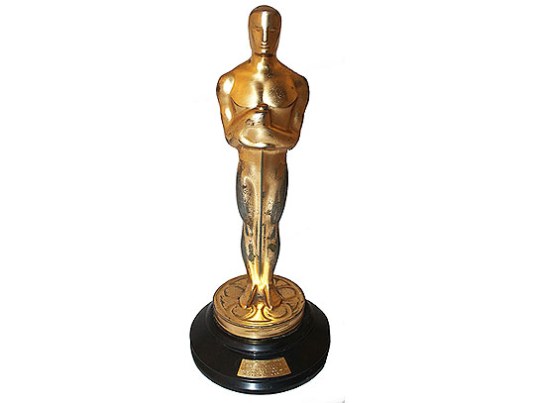
Lisa Marie’s Final 2020-2021 Oscar Predictions


The 2020 Oscar nominations are finally going to be announced on March 15th and then the Oscars themselves are going to be awarded at the end of April.  To be honest, we should call these the 2020-2021 Oscars because I refuse to think of Nomadland, Minari, or The Father as being 2020 films.  Because of the extended eligibility window, they’re all Oscar-eligible but still….

That means that it’s time for me to make my final Oscar predictions for this latest awards cycle.  Last night, The Golden Globes cleared up a few races and suggested that a few others are still in a state of flux.  Of the three big surprise winners from last night (Andra Day, Jodie Foster, and Rosamund Pike) Day seems to be the most likely to benefit from her victory.  I also think that Foster might benefit as well, just because she’s Jodie Foster and she doesn’t appear in a lot of films nowadays.  I’m also willing to say that, based on his getting a GG nom and a SAG nom, I think Jared Leto has a better chance than some might realize of picking up another Oscar nomination.

What about Glenn Close?  On the one hand, Close has never won an Oscar and she gives a very awards baity performance in Hillbilly Elegy.  On the other hand, Hillbilly Elegy was critically-blasted and both the film and Close’s performance were included on the Razzie longlist, which was released earlier today.  (The Razzies suck but that’s a topic for another post.)  I would feel better about Close’s chances if she had won a Golden Globe last night but I’m still inclined to include her in my predictions.

(To be honest, up until Close lost, I still thought there was a chance that Hillbilly Elegy could pick up an Extremely Loud and Incredibly Close-style best picture nomination, the type of nomination that comes as a result of voters watching a critically lambasted film for one performance and saying, “Well, that wasn’t as bad as everyone says!”)

Finally, I’m going to continue to predict a surprise Best Picture nomination for Borat Subsequent Moviefilm, just because it’ll be another chance for the same voters who nominated Vice to express their feelings about Donald Trump and Rudy Guiliani.

If you want to see how my thinking has evolved over this long awards season, check out my predictions for January (2020)February (2020), March (2020AprilMayJuneJulyAugustSeptemberOctoberNovember, December, and January (2021)!

Here are my final predictions:

Best Picture

Borat Subsequent Moviefilm

Ma Rainey’s Black Bottom

Mank

Minari

News of the World

Nomadland

One Night In Miami

Promising Young Woman

The Trial of the Chicago 7

(I’m predicting 9 best picture nominees. I’m looking forward to the Academy going back to having a set number of best picture nominees.  It breaks my heart not to include First Cow and Sound of Metal among my predicted nominees.)

Best Director

Lee Isaac Chung for Minari

Emerald Fennell for Promising Young Woman

Regina King for One Night in Miami

Aaron Sorkin for Mank

Chloe Zhao for Nomadland

Best Actor

Riz Ahmed in Sound of Metal

Chadwick Boseman in Ma Rainey’s Black Bottom

Anthony Hopkins in The Father

Gary Oldman in Mank

Steven Yeun in Minari

Best Actress

Viola Davis in Ma Rainey’s Black Bottom

Andra Day in The United States vs. Billie Holliday

Vanessa Kirby in Pieces of a Woman

Frances McDormand in Nomadland

Carey Mulligan in Promising Young Woman

Best Supporting Actor

Sacha Baron Cohen in The Trial of the Chicago 7

Chadwick Boseman in Da 5 Bloods

Daniel Kaluuya in Judas and the Black Messiah

Jared Leto in The Little Things

Leslie Odom Jr. in One Night In Miami

Best Supporting Actress

Maria Bakalova in Borat Subsequent Moviefilm

Glenn Close in Hillbilly Elegy

Jodie Foster in The Mauritanian

Amanda Seyfried in Mank

Youn Yuh-jung in Minari
We’ll find out how right or wrong I am on March 15th!
Here Are The 2020 Nominees of the Vancouver Film Critics Circle!


The never-ending awards season continues with the Vancouver Film Critics announcing their nominees for the best of 2020!  Apparently, up in Vancouver, they really, really like Mank.  I guess it’s because of the whole drunk socialist thing, I don’t know.

The Vancouver nominations are kind of strange because, in most of the categories, there’s only three nominees.  I mean, that just seems kind of pointless to me.  When other groups are nominating a 100 movies for best picture before selecting Nomadland, why would you only nominate three?  It’s especially strange when you consider that the eligibility period has been extended to such an extent that it seems to be practically begging everyone to give into excess.  The three nominee thing is odd and it’s going to leave me thinking for the next few hours or so.  Of course, as well all know, Vancouver is never less than intriguing.

Anyway, the winners will be announced on February 22nd!  Here are the nominees:

Best Picture
Mank
Nomadland
Promising Young Woman

Best Director
Thomas Vinterberg – Another Round
David Fincher – Mank
Chloe Zhao – Nomadland

Best Screenplay
Jack Fincher – Mank
Emerald Fennell – Promising Young Woman
Aaron Sorkin – The Trial of the Chicago 7

Best Actor
Anthony Hopkins – The Father
Gary Oldman – Mank
Chadwick Boseman – Ma Rainey’s Black Bottom
Riz Ahmed – Sound of Metal

Best Actress
Viola Davis – Ma Rainey’s Black Bottom
Frances McDormand – Nomadland
Carey Mulligan – Promising Young Woman

Best Supporting Actor
Daniel Kaluuya – Judas and the Black Messiah
Leslie Odom Jr. – One Night in Miami
Sacha Baron Cohen – The Trial of the Chicago 7

Best Supporting Actress
Maria Bakalova – Borat Subsequent Moviefilm
Amanda Seyfried – Mank
Yuh-jung Youn – Minari

Best Documentary
Athlete A
Collective
Totally Under Control

Best Foreign Language Film
Another Round
Dear Comrades
Minari

Nomadland Wins At The Satellite Awards


Here’s what won at the Satellite Awards on the 15th.  I apologize for being a bit late in posting this but the weather conspired to keep me from watching the Satellite Awards.

Actually, did anyone watch the Satellite Awards?  Does anyone even know who is even giving these things out?

Well, regardless, here’s what won in the film categories:

SPECIAL ACHIEVEMENT AWARD RECIPIENTS

Mary Pickford Award: Tilda Swinton
Tesla Award: Dick Pope
Auteur Award: Emerald Fennell – Promising Young Woman
Best First Feature: Channing Godfrey Peoples – Miss Juneteenth
Stunt Performance Award: Gaëlle Cohen
Humanitarian Award: Mark Wahlberg
Ensemble Motion Picture: The Trial of the Chicago 7
Ensemble Television: The Good Lord Bird

Actress in a Motion Picture Drama
Carey Mulligan – Promising Young Woman
Frances McDormand – Nomadland
Vanessa Kirby – Pieces of a Woman
Viola Davis – Ma Rainey’s Black Bottom
Kate Winslet – Ammonite
Sophia Loren – The Life Ahead

Actor in a Motion Picture Drama 
Anthony Hopkins – The Father
Delroy Lindo – Da 5 Bloods
Riz Ahmed – Sound of Metal
Steven Yeun – Minari
Chadwick Boseman – Ma Rainey’s Black Bottom
Gary Oldman – Mank

Actress in Motion Picture, Comedy or Musical 
Meryl Streep – The Prom
Rashida Jones – On the Rocks
Margot Robbie – Birds of Prey
Michelle Pfeiffer – French Exit
Maria Bakalova – Borat Subsequent Moviefilm
Anya Taylor-Joy – Emma

Actor in Motion Picture, Comedy or Musical
Andy Samberg – Palm Springs
Lin-Manuel Miranda – Hamilton
Dev Patel – The Personal History of David Copperfield
Sacha Baron Cohen – Borat Subsequent Moviefilm
Leslie Odom Jr. – Hamilton

Actress in a Supporting Role
Amanda Seyfried – Mank
Olivia Colman – The Father
Yuh-Jung Youn – Minari
Ellen Burstyn – Pieces of a Woman
Nicole Kidman – The Prom
Helena Zengel – News of the World

Actor in a Supporting Role
Brian Dennehy – Driveways
David Strathairn – Nomadland
Sacha Baron Cohen – The Trial of the Chicago 7
Chadwick Boseman – Da 5 Bloods
Kingsley Ben-Adir – One Night in Miami
Bill Murray – On the Rocks

Motion Picture, Drama
Nomadland
The Trial of the Chicago 7
The Father
Promising Young Woman
Minari
Ma Rainey’s Black Bottom
Tenet
Sound of Metal
One Night in Miami
Miss Juneteenth

Motion Picture, Comedy or Musical 
On the Rocks
Hamilton
Borat Subsequent Moviefilm
Palm Springs
The Personal History of David Copperfield
The Forty-Year-Old Version

Motion Picture, International
Another Round
Tove
A Sun
Two of Us
Jallikattu
I’m No Longer Here
Atlantis
My Little Sister
La Llorona

Motion Picture, Animated or Mixed Media
Over the Moon
Soul
Wolfwalkers
Demon Slayer-Kimetsu No Yaiba-The Movie: Mugen Train
Accidental Luxuriance of the Translucent Watery Rebus
No. 7 Cherry Lane

Motion Picture, Documentary
Collective
Crip Camp
MLK / FBI
The Dissident
A Most Beautiful Thing
The Truffle Hunters
Acasa, My Home
Coup 53
Gunda
Circus of Books

Director
Aaron Sorkin – The Trial of the Chicago 7
Chloé Zhao – Nomadland
David Fincher – Mank
Darius Marder – Sound of Metal
Lee Isaac Chung – Minari
Florian Zeller – The Father

Screenplay, Original
Lee Isaac Chung – Minari
Aaron Sorkin – The Trial of the Chicago 7
Jack Fincher – Mank
Pete Docter, Mike Jones & Kemp Powers – Soul
Andy Siara – Palm Springs
Emerald Fennell – Promising Young Woman

Screenplay, Adapted
Ruben Santiago-Hudson – Ma Rainey’s Black Bottom
Christopher Hampton & Florian Zeller – The Father
Jessica Bruder & Chloe Zhao – Nomadland
Kemp Powers – One Night in Miami
Edoardo Ponti – The Life Ahead
Luke Davies & Paul Greengrass – News of the World

Original Score
Ludwig Goransson – Tenet
Trent Reznor & Atticus Ross – Mank
Alexandre Desplat – The Midnight Sky
James Newton Howard – News of the World
Emile Mosseri – Minari
Terence Blanchard – One Night in Miami

Original Song
“Io Si” – The Life Ahead
“Hear My Voice” – The Trial of the Chicago 7
“Rocket to the Moon” – Over the Moon
“Speak Now” – One Night in Miami
“Everybody Cries” – The Outpost
“The Other Side” – Trolls World Tour

Cinematography
The Midnight Sky
Nomadland
Mank 
News of the World
One Night in Miami
Tenet

Film Editing
Nomadland
The Father
The Trial of the Chicago 7
Mank
One Night in Miami
Minari

Sound (Editing and Mixing)
Sound of Metal
Tenet
Mank
The Prom
The Midnight Sky
Nomadland

Visual Effects
The Midnight Sky
Mank
Tenet    
Birds of Prey
Greyhound
Mulan

Art Direction and Production Design
The Personal History of David Copperfield
One Night in Miami
Mank
The Midnight Sky
The Prom
Mulan

Costume Design
Mulan
Emma
Ma Rainey’s Black Bottom
Mank
The Personal History of David Copperfield
One Night in Miami