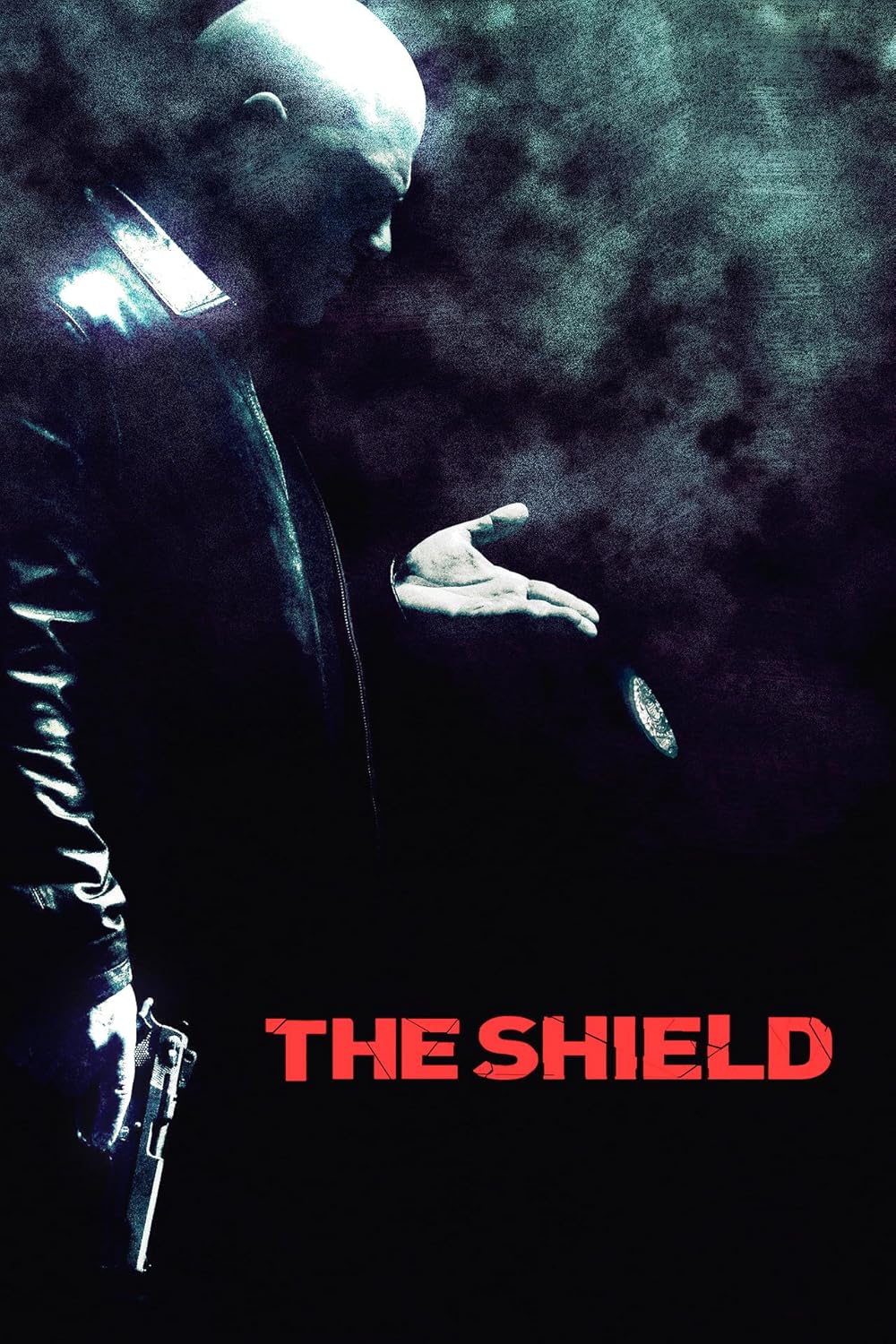
Review: The Shield (by Shawn Ryan)


“So, we cause a triple murder before breakfast, start a race war before dinner – that’s uh, that’s a pretty good day.” — Shane Vendrell

If you want to talk about the history of television, you basically have to divide the timeline into two distinct eras: before The Shield and after The Shield. When creator Shawn Ryan launched this gritty FX crime drama in 2002, the television landscape was a very different place. Sure, The Sopranos had already kicked down the door for premium cable, proving that audiences were hungry for complex, morally ambiguous anti-heroes. But basic cable was still largely seen as a graveyard for sanitized, formulaic network rejects. Then came The Shield, swaggering onto the screen with a chaotic energy that immediately changed the rules of the game. Running for seven intense seasons until 2008, the show didn’t just push the envelope; it set the envelope on fire and danced around the ashes. Looking back at it now, it remains a staggering achievement in storytelling that completely redefined what a cop show could be, sending shockwaves through basic cable, premium cable, and even Hollywood films.

The premise of the show sounds almost simple on paper, but its execution was anything but. The series follows the Strike Team, an elite anti-gang unit operating out of a rundown, overcrowded police station in the fictional Farmington district of Los Angeles. Leading this crew is Detective Vic Mackey, played with terrifying charisma by Michael Chiklis. Vic is not your typical television cop. He is not a flawed but ultimately noble hero who bends the rules to get the bad guys. Vic Mackey is, flat out, a criminal who happens to wear a badge. The show announces this immediately in the legendary opening scene of the pilot, where Vic murders a fellow police officer who is about to expose his corruption. It was a gut punch that served as a warning to the audience: you are not in Kansas anymore. From that moment on, you are complicit in Vic’s crimes because you are rooting for him to get away with them.

What made The Shield so brilliant was how it surrounded this monstrous central character with an incredibly rich ensemble cast that represented every facet of law enforcement. You had Shane Vendrell, Vic’s deeply insecure and ultimately tragic right-hand man, brought to life with jaw-dropping nuance by Walton Goggins. You had Claudette Wyms, the fiercely intelligent detective played by CCH Pounder, who spent the entire series fighting against the systemic rot embodied by Vic. And then there was Dutch Wagenbach, the deeply awkward, brilliantly analytical detective who provided a stark contrast to the Strike Team’s brute force approach. The show used these characters to explore the sheer exhaustion of police work. The Barn, as their station house was known, felt like a pressure cooker. It was a place where idealism went to die, crushed under the weight of endless caseloads, bureaucratic nonsense, and the depressing reality that the justice system is often deeply broken.

Visually and tonally, The Shield felt like a punch to the face. Ryan and his team utilized handheld cameras, harsh lighting, and a documentary-style grit that made the show feel dangerously real. There was no glossy cinematography or sweeping orchestral scores. The soundtrack was often just the ambient noise of the city, punctuated by sudden, shocking bursts of violence. This aesthetic choice was crucial because it stripped away the Hollywood glamour usually associated with police work. When Vic and the Strike Team kicked down a door, it didn’t look like an action movie; it looked like a chaotic, terrifying intrusion that left you feeling uneasy. This raw approach forced the audience to confront the physical and emotional toll of the job without any safety net.

When we talk about how The Shield redefined basic cable, it is hard to overstate its importance. Before this show, basic cable networks like FX were terrified of alienating advertisers. The Shield blew that hesitation out of the water by introducing unprecedented levels of profanity, nudity, and violence to non-premium television. But it wasn’t just about shock value; it was about authenticity. The criminals in Farmington talked like actual criminals, and the cops talked like actual cops who were fed up with the system. By proving that audiences would tune in in massive numbers to watch a show that didn’t hold their hand, FX essentially built its entire brand identity around The Shield. It paved the way for everything from Sons of Anarchy to American Horror Story, proving that basic cable could rival the creative freedom of HBO.

Interestingly, the success of The Shield also had a massive trickle-up effect on premium cable. HBO had been sitting comfortably as the king of prestige television, but suddenly a basic cable show was matching them punch for punch in terms of narrative complexity and character depth. Shows like The Wire and Breaking Bad (which debuted later on basic cable) owe a massive debt to the path Shawn Ryan blazed. The Shield proved that you didn’t need a massive HBO budget to create high art; you just needed a sharp script, fearless actors, and a network willing to take a risk. It forced premium cable to stop resting on its laurels and realize that the competition was no longer just the broadcast networks, but the upstarts on basic cable who were hungry for prestige.

The show’s influence even bled into the film industry, fundamentally altering the cop genre on the big screen. Before The Shield, the standard cop movie usually followed a fairly strict moral compass, or if it did feature a corrupt cop, like in Training Day, it was contained within a neat two-hour narrative arc. The Shield introduced the concept of the serialized corrupt cop. It showed audiences that the psychological unraveling of a dirty officer is much better suited to a long-form television format, where you can spend years peeling back the layers of their justification and paranoia. After The Shield, Hollywood started realizing that the simple “good guy versus bad guy” cop movie felt outdated. Films had to get darker, more ambiguous, and more willing to dwell in the gray areas of morality just to keep up with what was happening on television.

At the core of the series is a really fascinating, easy-to-understand analysis of utilitarianism versus deontology. In simple terms, Vic Mackey operates on the belief that the ends justify the means. He robs drug dealers, beats confessions out of suspects, and ruins innocent lives, but he argues that he is keeping the streets of Farmington safe. The show constantly challenges the audience to wrestle with this uncomfortable philosophy. Is a neighborhood actually safer if the people protecting it are worse than the criminals they are locking up? The Shield refuses to give you a tidy answer, which is what makes it so rewatchable. It presents a system where doing things the “right” way often lets the bad guys walk, while doing things the “wrong” way gets results but destroys the souls of everyone involved.

As the series moved into its later seasons, the narrative tension became almost unbearable. You cannot build a house on a foundation of lies and expect it to stand forever, and Vic’s world inevitably begins to collapse. The introduction of internal affairs, the escalating violence with the Mexican cartels, and the fracturing of the brotherhood between Vic and Shane created a tragic downward spiral that was riveting to watch. Walton Goggins’s portrayal of Shane’s descent into desperate paranoia is some of the best acting in television history. The show stopped being just about police corruption and turned into a Shakespearean tragedy about loyalty, betrayal, and the inescapable consequences of one’s actions.

The series finale of The Shield remains one of the greatest and most satisfying endings in television history. Without spoiling every detail, it manages to perfectly punish Vic for his lifetime of sins in a way that is far more cruel and poetic than simply sending him to prison or killing him. It is a masterclass in writing, wrapping up seven seasons of tangled plotlines and emotional baggage into a devastating final image. Vic Mackey gets exactly what he wanted, but he loses absolutely everything that made his life worth living in the process. It is bleak, brilliant, and completely uncompromising.

Ultimately, The Shield is a show that changed the DNA of television. It took the cop drama, stripped away all the nostalgia and hero-worship, and replaced it with a brutal, unflinching look at the cost of authority. Shawn Ryan and his incredible cast created a universe where the line between good and evil wasn’t just blurred; it was completely erased. It proved that audiences were smart enough to handle deeply flawed protagonists and narrative structures that refused to offer easy absolution. Whether you are looking at the rise of prestige basic cable, the evolution of the anti-hero on premium networks, or the dark turn that cop films took in the 2000s, you can trace the lineage right back to a rundown police station in Los Angeles. The Shield didn’t just redefine a genre; it helped build the modern era of television as we know it today, and for that alone, it demands to be remembered as an all-time great.
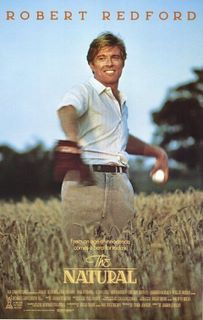
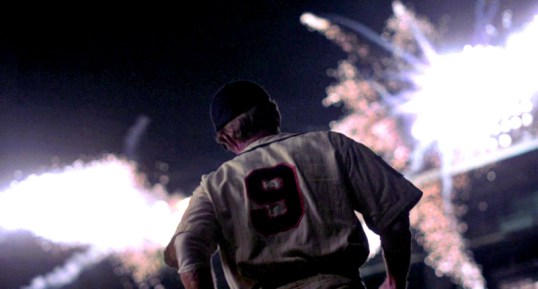
I Finally Watched The Natural (1984, Dir. by Barry Levinson)


Earlier today, I finally watched The Natural.

As a baseball fan, it feels like heresy to admit that it took me this long to watch The Natural.  I had seen plenty of scenes from the film.  I knew the music because there’s no way you can watch as much as baseball as I do without hearing it at least a few times every scene.  I knew about Wonderboy and the big home run and how Roy Hobbs came out of nowhere to lead the perennially last-place New York Knights to the championship series but I had never actually watched the entire film from beginning to end.

Until this afternoon.

When the movie started, I was worried.  Robert Redford plays Roy Hobbs, an outstanding hitter whose promising career appears to be over when a mysterious woman (Barbara Hersey) shoots him in the gut.  At the start of the movie, Roy and his girlfriend Iris (Glenn Close) are supposed to be teenagers but Redford was nearly 50 and Glenn Close was close to 40.  The whole point of the first part of the movie is that Roy and Iris are young and they have their whole future ahead of them but the actors were both clearly middle-aged.  There was a scene where Roy strikes out the best batter in the league (Joe Don Baker) and the batter kept calling Roy a kid but Redford looked like he was older than Baker.

The good thing is that you only have to buy Redford as being a teenager for about 15 minutes.  After he gets shot, Roy stops playing for several years.  By the time Roy makes it to the major leagues, he’s supposed to be older than everyone else.  No one gives Roy much of a chance when he’s first signed to the New York Knights.  The other players (including Michael Madsen) don’t respect him and the manager (Wilford Brimley) refuses to play him.  But when Roy Hobbs finally does get a chance to swing his home-made bat, he hits homer after homer.  Roy is a natural, the next great player even if he is at an age when most players retire.  A journalist (Robert Duvall) tries to uncover his background.  A seductress (Kim Basinger) tries to lead him astray.  A gambler (Darren McGavin) and the team’s owner (Robert Prosky) try to get him to throw the big game.  Anyone who has watched a baseball game knows how it ends because we’ve all heard the music and seen that clip.  But even if everyone knows how the story concludes, it’s impossible not to cheer when Roy gets a hit and to feel bad when he takes a strike.  Redford may have been old for a baseball player but he looked good out there, swinging that bat and throwing that ball.

I loved The Natural.  It’s extremely sentimental movie.  Sometimes, it feels old-fashioned.  That’s perfect for baseball, though.  Baseball is a sentimental, old-fashioned game and the story of Roy Hobbs is what baseball is all about.  The Knights are behind for most of the season.  Roy hits a slump.  But neither he nor the team ever give up because they know that baseball is a game of endurance.  It’s not like football, where you just have to win 9 games to make it to the playoffs.  Baseball is about never giving up, no matter what the score is.  Even the movie’s supernatural aspects — the sudden storms, a lightning bolt hitting a tree and creating Wonderboy, and even Glenn Close looking like an angel in the stands — work because baseball is a mystical sport.  It’s the closest thing we have to a spiritual sport.

You couldn’t make a movie like The Natural about football or basketball.  Only the game of baseball could have given us The Natural.

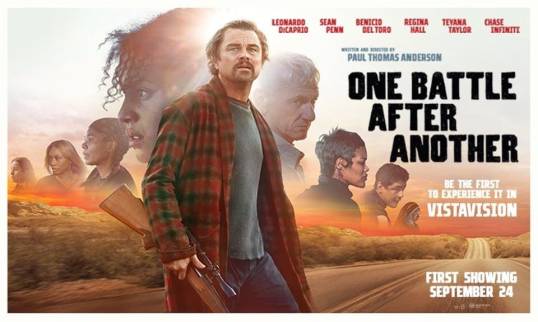
One Battle After Another Wins In Kansas City


The Kansas City Film Critics Circle have announced their picks for the best of 2025.  The winners are listed in bold.

BEST FILM
Frankenstein
Hamnet
It Was Just an Accident
Marty Supreme
One Battle After Another
Sentimental Value
Sinners
Springsteen: Deliver Me from Nowhere
Wake Up Dead Man: A Knives Out Mystery
Weapons

ROBERT ALTMAN AWARD FOR BEST DIRECTOR
Paul Thomas Anderson – One Battle After Another
Ari Aster – Eddington
Ryan Coogler – Sinners
Rian Johnson – Wake Up Dead Man: A Knives Out Mystery
Guillermo del Toro – Frankenstein
Joachim Trier – Sentimental Value

BEST ACTOR
Timothée Chalamet – Marty Supreme
Leonardo DiCaprio – One Battle After Another
Michael B. Jordan – Sinners
Joel Edgerton – Train Dreams
Ethan Hawke – Blue Moon

BEST ACTRESS
Rose Byrne – If I Had Legs I’d Kick You
Jessie Buckley – Hamnet
Jennifer Lawrence – Die My Love
Renate Reinsve – Sentimental Value
Emma Stone – Bugonia

BEST SUPPORTING ACTOR
Benicio Del Toro – One Battle After Another
Jacob Elordi – Frankenstein
Delroy Lindo – Sinners
Josh O’Connor – Wake Up Dead Man: A Knives Out Mystery
Sean Penn – One Battle After Another

BEST SUPPORTING ACTRESS
Glenn Close – Wake Up Dead Man: A Knives Out Mystery
Inga Ibsdotter Lilleaas – Sentimental Value
Amy Madigan – Weapons
Wunmi Mosaku – Sinners
Teyana Taylor – One Battle After Another

BEST ORIGINAL SCREENPLAY
Marty Supreme
Sentimental Value
Sinners
Sorry, Baby
Weapons

BEST ADAPTED SCREENPLAY
Frankenstein
Hamnet
The Life of Chuck
One Battle After Another
Train Dreams

BEST CINEMATOGRAPHY
F1 The Movie
Frankenstein
Hamnet
One Battle After Another
Sinners

BEST ORIGINAL SCORE
The Fantastic Four: First Steps
Frankenstein
One Battle After Another
Sinners
Tron: Ares

BEST ANIMATED FEATURE
Arco
The Bad Guys 2
KPop Demon Hunters
Predator: Killer of Killers
Zootopia 2

BEST FOREIGN LANGUAGE FILM
Arco
It Was Just an Accident
No Other Choice
The Secret Agent
Sentimental Value

BEST DOCUMENTARY
My Mom Jayne
Orwell: 2+2=5
The Perfect Neighbor
Secret Mall Apartment
We Best the Dream Team

VINCE KOEHLER AWARD FOR BEST SCIENCE FICTION/FANTASY/HORROR
28 Years Later
Frankenstein
Sinners
Superman
Weapons

TOM POE AWARD FOR BEST LGBTQ FILM
Hedda
The History of Sound
Twinless
Wake Up Dead Man: A Knives Out Mystery
The Wedding Banquet

BUSTER KEATON AWARD FOR THE BEST STUNT ENSEMBLE FILM
F1 The Movie
Mission: Impossible – The Final Reckoning
Nobody 2
The Running Man
Warfare

Review: Wake Up Dead Man (dir. by Rian Johnson)


“Grace isn’t cheap. It’s bought with blood and fire, not your weak-kneed handshakes with sin.” Monsignor Jefferson Wicks

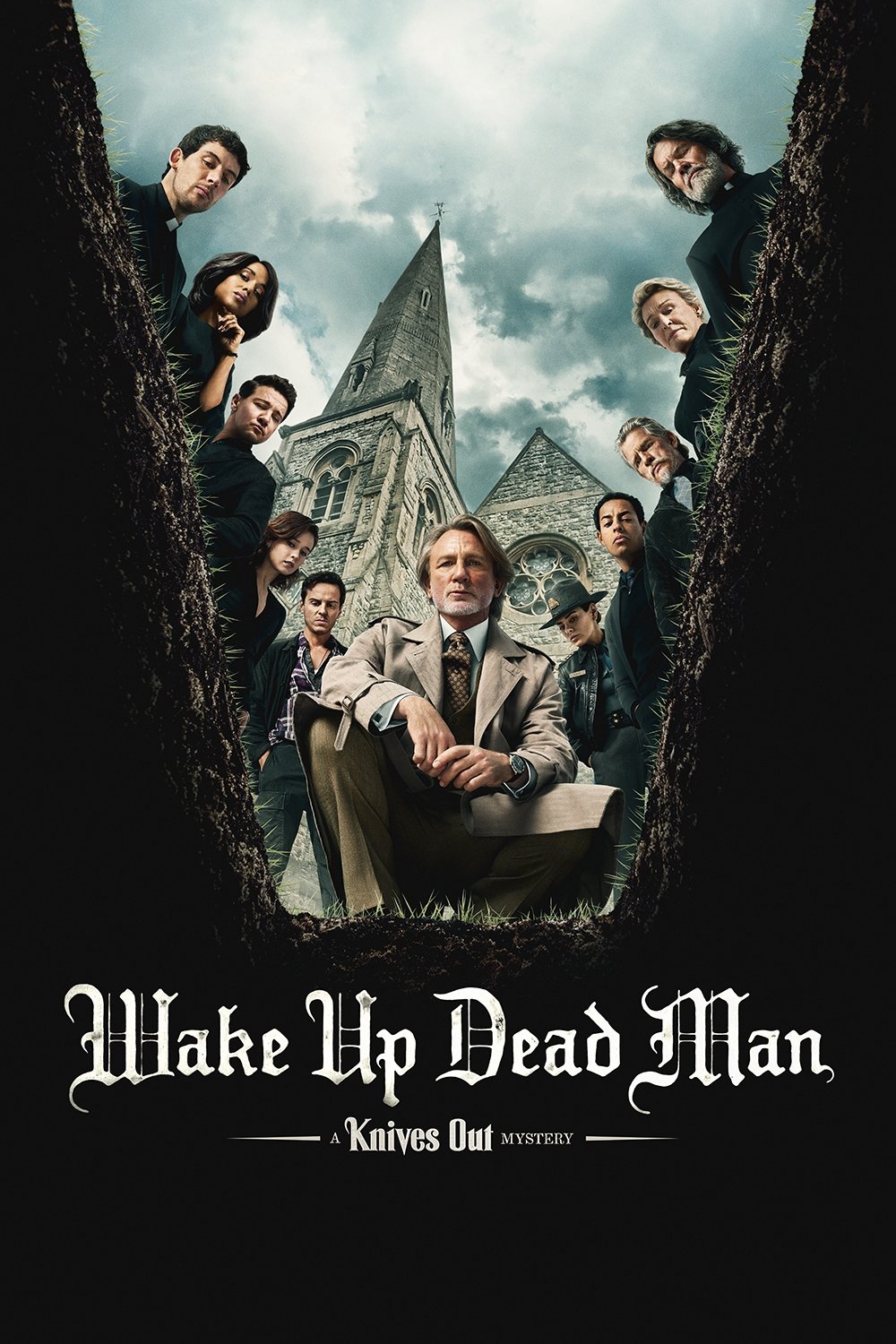
Wake Up Dead Man: A Knives Out Mystery is Rian Johnson’s latest entry in his whodunit series. It reunites Daniel Craig with his charismatic detective Benoit Blanc. The film trades the intimate family drama of the first movie and the over-the-top glamour of the second for a tense, small-town tale of faith, secrets, and an impossible crime at a rural church. It’s an ambitious evolution. Yet it doesn’t always land every punch in the trilogy.

To appreciate where this fits, glance back at the predecessors. The original Knives Out from 2019 burst onto the scene. It updated classic mystery tropes cleverly. The story centered on the death of a wealthy author. The dysfunctional Thrombey family circled like vultures over his estate. Blanc’s folksy charm cut through the lies with surgical precision. He delivered razor-sharp twists. His commentary bit into privilege and entitlement. All this wrapped in a snug, stage-play setup. It felt like a modern And Then There Were None. Every character popped—from Chris Evans’ smirking man-child to Ana de Armas’ wide-eyed nurse. The script’s misdirections kept you guessing until the final gut-punch reveal. It was tight, surprising, and endlessly rewatchable. Humor, heart, and social satire blended into a perfect whodunit package.

Glass Onion: A Knives Out Mystery followed in 2022. It cranked up the scale dramatically. A billionaire’s private island became the playground. A squad of self-important influencers played at being geniuses. The satire shifted gears. It skewered tech elites and performative allyship. Bigger laughs came from set pieces like the glass onion puzzle. Wilder ensemble clashes featured Edward Norton’s bumbling Miles Bron. Blanc unraveled the chaos with gleeful theatricality. Sure, it leaned heavier into farce than the original’s grounded tension. But those oh-so-satisfying reveals kept the momentum roaring. Janelle Monáe’s layered turn helped too. Each film stands alone as a self-contained puzzle. Yet they build Blanc’s legend incrementally. They refresh the murder-mystery playbook. Johnson’s signature flair nods to Agatha Christie roots.

Wake Up Dead Man arrives a few years after those events. Blanc looks more rumpled—bearded and brooding. He carries the visible weight of prior investigations. These have chipped away at his unflappable facade. Detective Benoit Blanc dives into a fresh case. It orbits a magnetic priest, Monsignor Jefferson Wicks. His tight-knit parish sits at Our Lady of Perpetual Fortitude. This is a fading rural church in snow-dusted upstate New York. A baffling death strikes right in the middle of services. It’s a stabbing during a Good Friday ritual. The congregation watches it unfold. It’s framed as an impossible crime with no clear entry or escape. Blanc must sift through hidden motives. He navigates frayed bonds and simmering tensions in the flock. His goal is to expose the culprit. Young assistant priest Rev. Jud Duplenticy becomes an unlikely ally.

Josh O’Connor stands out as Jud. He’s the earnest, ex-boxer priest. He brings raw vulnerability and quiet intensity. This grounds the film’s more outlandish elements. The powerhouse lineup fuels suspicion and sparks. Josh Brolin plays the commanding, domineering Wicks. His sermons blend fire-and-brimstone charisma with manipulative control. Glenn Close is the loyal church pillar Martha Delacroix. She’s his steely right-hand woman. She hides decades of devotion and resentment. Mila Kunis is police chief Geraldine Scott. She’s tough and skeptical but out of her depth. Jeremy Renner plays local doc Dr. Nat Sharp. His bedside manner conceals shadier dealings. Kerry Washington is attorney Vera Draven. She’s sharp-tongued and protective. Thomas Haden Church is reserved groundskeeper Samson Holt. He observes everything with cryptic folksiness. Andrew Scott plays best-selling author Lee Ross. He peddles scandalous exposes on the parish. Cailee Spaeny is the disabled former concert cellist Simone Vivane. Her ethereal presence masks deeper pain. Daryl McCormack is aspiring politician Cy Draven. He’s ambitious and entangled in family webs. Noah Segan pops up as sleazy Nikolai. It’s a fun callback to his earlier roles. This adds series continuity without stealing focus. The ensemble ignites every scene. Clashing agendas and barbed dialogue keep the paranoia boiling.

This installment carves its own distinct path. It embraces a darker, more introspective tone. Think faith-versus-reason noir laced with locked-room impossibility. The setting is a snow-dusted upstate New York parish. This contrasts the polished puzzle-box feel of the originals. The church throbs with simmering divisions. They feel palpably real. Fiery sermons alienate younger parishioners. They drive attendance into the dirt. Whispers hint at buried family fortunes. These tie to the church’s crumbling foundations. Rituals mask exploitation, abuse of power, and grudges. All hide under a veneer of piety.

Cinematographer Steve Yedlin works masterfully. He captures stark contrasts. Candlelit services flicker against vaulted ceilings. Shadowy mausoleums hide grisly secrets. Fog-shrouded grounds host midnight confessions that turn sinister. A cold, wintry palette amplifies isolation. Nathan Johnson’s score blends ominous orchestral swells. It adds subtle choral hints and dissonant organ tones. This creates a haunting vibe. It underscores spiritual unease without overpowering dialogue. Blanc prowls with trademark wit and theatrical flourishes. But a deeper layer emerges. He grapples with existential questions. These involve belief, deception, and waking from illusions. The title ties in directly. It calls amid apparent miracles, staged resurrections, and devilish symbolism. This blurs divine intervention and human malice.

The storyline thrives on classic misdirection. It piles on clues like a stolen devil’s-head knife from the altar. Vanished evidence dissolves in acid. Eerie occurrences hint at the otherworldly. Ghostly apparitions and bleeding statues appear. Then it snaps back to human frailty and greed. The film peels back the parish’s seedy underbelly. Hypocrisy rules the pulpit. Opportunism infects the flock. Buried sins span generations. It avoids preachiness or heavy-handedness. Instead, it fuels interpersonal fireworks. These erupt in confessionals, potlucks gone wrong, and heated vestry arguments.

Highlights abound. Blanc holds probing chats during tense masses. A single hymn masks frantic whispers. Late-night graveyard prowls use flashlights. They reveal half-buried scandals. A pulse-pounding chase winds through labyrinthine catacombs. Jud’s raw confession scenes blend vulnerability with defiance. The unmaskings cascade like dominoes. They form a brilliantly orchestrated finale. This echoes the first film’s precision. But it adds emotional stakes. Themes of redemption, forgiveness, and blind faith’s cost hit hard. They linger longer.

Flaws exist. The runtime stretches past two hours, leading to noticeable drag in the back half where explanatory flashbacks overstay their welcome and blunt the mounting tension. The crowded suspect list feels star-studded to a fault, with the expanded cast and their distinct personalities—from Renner’s oily doc to Washington’s sharp lawyer—often coming across more as a parade of familiar cameos than fully fleshed-out suspects. This dilutes the razor-sharp individual motivations that made the earlier entries so airtight, as some characters blend into the background despite the name recognition.

Craig remains the beating heart. He refines Blanc into a weary yet unbreakable warrior. Twinkling eyes hide hard-earned cynicism and quiet scars. This bridges the series’ growth perfectly. He evolves from wide-eyed newcomer to seasoned truth-seeker. Notably, his performance dials back bombastic Foghorn Leghorn bluster. It drops the scenery-chewing antics from Glass Onion. Instead, it opts for nuanced eccentricities. Subtle drawl inflections shift from playful to piercing. Haunted pauses carry unspoken regrets. Layered glances reveal a detective worn by deceptions. He keeps infectious charm and deductive brilliance.

He bounces off O’Connor’s conflicted priest. Their electric, buddy-cop chemistry grounds the mystery. It adds human connection amid supernatural tinges. Brolin chews scenery as tyrannical Wicks. His booming voice and piercing stare dominate. Close brings steely devotion to Martha. She layers quiet menace under pious smiles. The ensemble delivers scene-stealing turns. Renner’s oily doc has subtle tics. Washington’s lawyer cuts through BS like a blade. Church’s groundskeeper drops cryptic wisdom. Spaeny’s cellist haunts the score. The group dynamic crackles. Suspicion, snark, and alliances build tension. It doesn’t fully match Knives Out‘s intimacy. Nor does it rival Glass Onion‘s ego clashes. Raw charisma and sharp writing carry it far. Tighter arcs would elevate it further.

Behind the camera, Johnson amps visual and thematic style. It reflects the trilogy’s arc masterfully. The debut had cozy, rain-lashed Thrombey manor confines. The sequel brought flashy, tropical island excess. This film offers brooding parish grit. Sacred spaces twist into battlegrounds. Production design captures ecclesiastical opulence turned sinister. Vibrant stained glass casts blood-red shadows. Ancient relics whisper curses. Fog-shrouded grounds pulse with menace. It avoids campy parody. The balance feels reverent yet unsettling.

Dialogue pops with Blanc’s poetic rants. Extended musings explore faith’s illusions. They mirror “dead men walking” through empty rituals. This weaves personal growth into procedural beats. It never halts the pace. Screenplay-wise, it remixes boldly. It expands from domestic squabbles to global posers. Now it targets a fractured flock in dogma and greed. Subtle nods hint at Blanc’s odyssey. No direct sequel hook burdens it. No franchise baggage weighs it down.

In the end, Wake Up Dead Man solidifies the saga. It spins timeless whodunits freshly and vitally. Each outing sharpens the social knife. Targets evolve—from greedy kin to tycoons to holy hypocrites wielding faith. Pacing hiccups hit the bloated third act. The overwhelming ensemble poses challenges. Still, it grabs from the opening sermon-gone-wrong. It rewards with twists, depth, and a hopeful close. This lingers like a benediction. Devotees find layers to chew. Mystery fans geek over mechanics. Newcomers benefit from earlier starts. But this standalone shines. Johnson’s vision evolves fearlessly. Craig’s magnetism deepens. The door cracks for more mayhem. Pop the popcorn. Dim the lights. Let confessions begin.

Here Are The 2025 Nominations of the Kansas City Film Critics Circle


The Kansas City Film Critics Circle have announced their nominations for the best of 2025!  And here they are:

BEST FILM
Frankenstein
Hamnet
It Was Just an Accident
Marty Supreme
One Battle After Another
Sentimental Value
Sinners
Springsteen: Deliver Me from Nowhere
Wake Up Dead Man: A Knives Out Mystery
Weapons

ROBERT ALTMAN AWARD FOR BEST DIRECTOR
Paul Thomas Anderson – One Battle After Another
Ari Aster – Eddington
Ryan Coogler – Sinners
Rian Johnson – Wake Up Dead Man: A Knives Out Mystery
Guillermo del Toro – Frankenstein
Joachim Trier – Sentimental Value

BEST ACTOR
Timothée Chalamet – Marty Supreme
Leonardo DiCaprio – One Battle After Another
Michael B. Jordan – Sinners
Joel Edgerton – Train Dreams
Ethan Hawke – Blue Moon

BEST ACTRESS
Rose Byrne – If I Had Legs I’d Kick You
Jessie Buckley – Hamnet
Jennifer Lawrence – Die My Love
Renate Reinsve – Sentimental Value
Emma Stone – Bugonia

BEST SUPPORTING ACTOR
Benicio Del Toro – One Battle After Another
Jacob Elordi – Frankenstein
Delroy Lindo – Sinners
Josh O’Connor – Wake Up Dead Man: A Knives Out Mystery
Sean Penn – One Battle After Another

BEST SUPPORTING ACTRESS
Glenn Close – Wake Up Dead Man: A Knives Out Mystery
Inga Ibsdotter Lilleaas – Sentimental Value
Amy Madigan – Weapons
Wunmi Mosaku – Sinners
Teyana Taylor – One Battle After Another

BEST ORIGINAL SCREENPLAY
Marty Supreme
Sentimental Value
Sinners
Sorry, Baby
Weapons

BEST ADAPTED SCREENPLAY
Frankenstein
Hamnet
The Life of Chuck
One Battle After Another
Train Dreams

BEST CINEMATOGRAPHY
F1 The Movie
Frankenstein
Hamnet
One Battle After Another
Sinners

BEST ORIGINAL SCORE
The Fantastic Four: First Steps
Frankenstein
One Battle After Another
Sinners
Tron: Ares

BEST ANIMATED FEATURE
Arco
The Bad Guys 2
KPop Demon Hunters
Predator: Killer of Killers
Zootopia 2

BEST FOREIGN LANGUAGE FILM
Arco
It Was Just an Accident
No Other Choice
The Secret Agent
Sentimental Value

BEST DOCUMENTARY
My Mom Jayne
Orwell: 2+2=5
The Perfect Neighbor
Secret Mall Apartment
We Best the Dream Team

VINCE KOEHLER AWARD FOR BEST SCIENCE FICTION/FANTASY/HORROR
28 Years Later
Frankenstein
Sinners
Superman
Weapons

TOM POE AWARD FOR BEST LGBTQ FILM
Hedda
The History of Sound
Twinless
Wake Up Dead Man: A Knives Out Mystery
The Wedding Banquet

BUSTER KEATON AWARD FOR THE BEST STUNT ENSEMBLE FILM
F1 The Movie
Mission: Impossible – The Final Reckoning
Nobody 2
The Running Man
Warfare

The New York Film Critics Online Honor One Battle After Another


The New York Film Critics Online have announced their picks for the best of 2015.  The winners are listed in bold.

PICTURE
Hamnet
If I Had Legs I’d Kick You
It Was Just an Accident
Marty Supreme
No Other Choice
Nuremberg
One Battle After Another (WINNER)
Sentimental Value
Sinners (RUNNER-UP)
Train Dreams

DIRECTOR
Paul Thomas Anderson – One Battle After Another (RUNNER-UP)
Park Chan-wook – No Other Choice
Ryan Coogler – Sinners (WINNER)
Mona Fastvold – The Testament of Ann Lee
Olivier Laxe – Sirāt
Jafar Panahi – It Was Just an Accident
Lynne Ramsey – Die, My Love
Josh Safdie – Marty Supreme
Joachim Trier – Sentimental Value
Chloe Zhao – Hamnet

SCREENPLAY
Bugonia
Hamnet
If I Had Legs I’d Kick You
It Was Just an Accident (WINNER)
Marty Supreme
One Battle After Another
Sentimental Value (RUNNER-UP)
Sinners
Sorry, Baby
Train Dreams
Twinless

ACTOR
Timothee Chalamet – Marty Supreme (RUNNER-UP)
Leonardo DiCaprio – One Battle After Another
Sope Dirisu – My Father’s Shadow
Joel Edgerton – Train Dreams
Ethan Hawke – Blue Moon (WINNER)
Lee Byung Hun – No Other Choice
Dylan O’Brien – Twinless
Michael B. Jordan – Sinners
Wagner Moura – The Secret Agent
Jesse Plemons – Bugonia

ACTRESS
Rose Byrne – If I Had Legs I’d Kick You (RUNNER-UP)
Jessie Buckley – Hamnet (WINNER)
Kathleen Chalfant – Familiar Touch
Kate Hudson – Song Sung Blue
Jennifer Lawrence – Die, My Love
Renate Reinsve – Sentimental Value
Amanda Seyfried – The Testament of Ann Lee
Emma Stone – Bugonia
Sydney Sweeney – Christy
Tessa Thompson – Hedda

SUPPORTING ACTOR
Michael Cera – The Phoenician Scheme
Benicio Del Toro – One Battle After Another
Jacob Elordi – Frankenstein (WINNER)
Noah Jupe – Hamnet
Delroy Lindo – Sinners
Pierre Lottin – When Fall is Coming
Paul Mescal – Hamnet
Sean Penn – One Battle After Another
Adam Sandler – Jay Kelly
Alexander Skarsgard – Pillion
Stellan Skarsgard – Sentimental Value (RUNNER-UP)

SUPPORTING ACTRESS
Odessa A’zion – Marty Supreme
Glenn Close – Wake Up Dead Man
Elle Fanning – Sentimental Value
Ariana Grande – Wicked: For Good
Regina Hall – One Battle After Another
Inga Ibsdotter Lilleaas – Sentimental Value (WINNER)
Amy Madigan – Weapons (RUNNER-UP)
Wunmi Mosaku – Sinners
Da’Vine Joy Randolph – Eternity
Teyana Taylor – One Battle After Another

ENSEMBLE CAST
Avatar: Fire and Ash
Hamnet
It Was Just an Accident
Marty Supreme
No Other Choice
One Battle After Another (RUNNER-UP)
Sentimental Value
Sinners (WINNER)
The Testament of Ann Lee
Wake Up Dead Man

USE OF MUSIC
Hamnet
KPop Demon Hunters
Marty Supreme
One Battle After Another
Sinners (WINNER)
Sirāt (RUNNER-UP)
Song Sung Blue
Springsteen: Deliver Me From Nowhere
The Testament of Ann Lee
Wicked: For Good

CINEMATOGRAPHY
Avatar: Fire and Ash
Frankenstein
Hamnet
No Other Choice
One Battle After Another
Sinners (WINNER)
Sirāt
Train Dreams (RUNNER-UP)
The Testament of Ann Lee
28 Years Later
Wicked: For Good

DEBUT DIRECTOR
Akinola Davies Jr. – My Father’s Shadow
Harris Dickerson – Urchin
Sarah Friedland – Familiar Touch
Scarlett Johansson – Eleanor the Great
Harry Lighton – Pillion
Carson Lund – Eephus
Charlie Polinger – The Plague (RUNNER-UP)
Kristen Stewart – The Chronology of Water
Constance Tsang – Blue Sun Palace
Eva Victor – Sorry, Baby (WINNER)

BREAKTHROUGH PERFORMER
Odessa A’zion
Everett Blunck
Miles Caton (RUNNER-UP)
Chase Infiniti (WINNER)
Jacob Jupe
Inga Ibsdotter Lilleaas
Kayo Martin
Abou Sangare
Eva Victor

ANIMATION
A Magnificent Life
Arco (WINNER)
Elio
KPop Demon Hunters
Little Amelie or the Character of Rain (RUNNER-UP TIE)
100 Meters
Predator: Killer of Killers
Scarlet
Zootopia 2 (RUNNER-UP TIE)

INTERNATIONAL FEATURE
It Was Just an Accident (WINNER)
Left-Handed Girl
No Other Choice
Resurrection
The Secret Agent
Sentimental Value (RUNNER-UP)
Sirāt
Sound of Falling
The Voice of Hind Rajib
We Will Not Be Moved

DOCUMENTARY
Afternoons of Solitude
BLKNWS: Terms & Conditions (WINNER)
Come See Me in the Good Light
Cover-Up
My Undesirable Friends: Part 1 — Last Air in Moscow
Pee-wee as Himself
Put Your Soul in Your Hand and Walk
The Perfect Neighbor (RUNNER-UP)
The Alabama Solution
2000 Meters to Andriivka

One Battle After Another Gets Another Win In St. Louis


The St. Louis Film Critics Association has announced its picks for the best of 2025.  The winners are listed in bold.

BEST FILM
Frankenstein
Hamnet
It Was Just an Accident
Marty Supreme
One Battle After Another
The Phoenician Scheme
The Secret Agent
Sinners
Superman
Weapons

BEST DIRECTOR
Paul Thomas Anderson – “One Battle After Another”
Ryan Coogler – “Sinners”
Jafar Panahi – “It Was Just an Accident”
Josh Safdie – “Marty Supreme”
Chloe Zhao – “Hamnet”

BEST ACTRESS
Jessie Buckley – “Hamnet”
Rose Byrne – “If I Had Legs I’d Kick You”
Chase Infiniti – “One Battle After Another”
Amanda Seyfried – “The Testament of Ann Lee”
Emma Stone – “Bugonia”

BEST ACTOR
Timothee Chalamet – “Marty Supreme”
Leonardo DiCaprio – “One Battle After Another”
Ethan Hawke – “Blue Moon”
Michael B. Jordan – “Sinners”
Wagner Moura – “The Secret Agent”

BEST SUPPORTING ACTRESS
Glenn Close – “Wake Up Dead Man”
Elle Fanning – “Sentimental Value”
Inga Ibsdotter Lilleaas – “Sentimental Value”
Amy Madigan – “Weapons”
Teyana Taylor – “One Battle After Another”

BEST SUPPORTING ACTOR
Benecio del Toro – “One Battle After Another”
Paul Mescal – “Hamnet”
Sean Penn – “One Battle After Another”
Andrew Scott – “Blue Moon”
Stellan Skarsgard – “Sentimental Value”

BEST ADAPTED SCREENPLAY
Frankenstein
Hamnet
One Battle After Another
Train Dreams
Wake Up Dead Man

BEST ORIGINAL SCREENPLAY
Blue Moon
It Was Just an Accident
Marty Supreme
Sinners
Sorry, Baby
Weapons

BEST CINEMATOGRAPHY
Frankenstein
Hamnet
One Battle After Another
Sinners
Train Dreams

BEST COSTUME DESIGN
Frankenstein
Hamnet
Sinners
The Testament of Ann Lee
Wicked: For Good

BEST EDITING
F1
A House of Dynamite
Marty Supreme
One Battle After Another
Sinners

BEST PRODUCTION DESIGN
Frankenstein
Hamnet
The Phoenician Scheme
Sinners
Wicked: For Good

BEST ORIGINAL SCORE
Frankenstein
Hamnet
One Battle After Another
Sinners
The Testament of Ann Lee

BEST VISUAL EFFECTS
Avatar: Fire and Ash

F1
Sinners
Superman
Tron: Ares

BEST SOUNDTRACK
KPop Demon Hunters
Marty Supreme
Sinners
Springsteen: Deliver Me from Nowhere
Wicked: For Good

BEST VOCAL PERFORMANCE

Arden Cho – “KPop Demon Hunters”
Ginnifer Goodwin – “Zootopia 2”
Damian Lewis – “Orwell: 2+2=5”
Will Patton – “Train Dreams”
Scarlet Sher – “Weapons”

BEST ANIMATED FILM
Arco
Elio
KPop Demon Hunters
Ne Zha II
Zootopia 2

BEST ENSEMBLE

Black Bag
Hamnet
A House of Dynamite
One Battle After Another
Sinners

BEST HORROR FILM
28 Years Later
Companion
Frankenstein
Sinners
Weapons

BEST STUNTS
Ballerina
F1
Mission: Impossible – The Final Reckoning
One Battle After Another
Warfare

BEST COMEDY FILM
Eephus
Friendship
Good Fortune
The Naked Gun
The Phoenician Scheme

BEST ACTION FILM
F1
Mission: Impossible – The Final Reckoning
One Battle After Another
Superman
Warfare

BEST DOCUMENTARY FEATURE
2000 Meters to Andriivka
Afternoons of Solitude
Deaf President Now
Orwell: 2+2=5
The Perfect Neighbor

BEST INTERNATIONAL FEATURE FILM
It Was Just an Accident
No Other Choice
The Secret Agent
Sentimental Value
Sirāt

BEST FIRST FEATURE FILM
Emilie Blichfeldt – “The Ugly Stepsister”
Andrew DeYoung – “Friendship”
Drew Hancock – “Companion”
Carson Lund – “Eephus”
Eva Victor – “Sorry, Baby”

BEST SCENE
The Globe theatrical production in “Hamnet”
Finale in “It Was Just an Accident”
Music evolution “I Lied to You” in “Sinners”
Baktan Cross Car Chase Scene in “One Battle After Another”
The fate of Aunt Gladys in “Weapons”

Here Are The 2025 Nominations of the New York Film Critics Online


Here are the 2025 nominations of the New York Film Critics Online!

PICTURE
Hamnet
If I Had Legs I’d Kick You
It Was Just an Accident
Marty Supreme
No Other Choice
Nuremberg
One Battle After Another
Sentimental Value
Sinners
Train Dreams

DIRECTOR
Paul Thomas Anderson – One Battle After Another
Park Chan-wook – No Other Choice
Ryan Coogler – Sinners
Mona Fastvold – The Testament of Ann Lee
Olivier Laxe – Sirāt
Jafar Panahi – It Was Just an Accident
Lynne Ramsey – Die, My Love
Josh Safdie – Marty Supreme
Joachim Trier – Sentimental Value
Chloe Zhao – Hamnet

SCREENPLAY
Bugonia
Hamnet
If I Had Legs I’d Kick You
It Was Just an Accident
Marty Supreme
One Battle After Another
Sentimental Value
Sinners
Sorry, Baby
Train Dreams
Twinless

ACTOR
Timothee Chalamet – Marty Supreme
Leonardo DiCaprio – One Battle After Another
Sope Dirisu – My Father’s Shadow
Joel Edgerton – Train Dreams
Ethan Hawke – Blue Moon
Lee Byung Hun – No Other Choice
Dylan O’Brien – Twinless
Michael B. Jordan – Sinners
Wagner Moura – The Secret Agent
Jesse Plemons – Bugonia

ACTRESS
Rose Byrne – If I Had Legs I’d Kick You
Jessie Buckley – Hamnet
Kathleen Chalfant – Familiar Touch
Kate Hudson – Song Sung Blue
Jennifer Lawrence – Die, My Love
Renate Reinsve – Sentimental Value
Amanda Seyfried – The Testament of Ann Lee
Emma Stone – Bugonia
Sydney Sweeney – Christy
Tessa Thompson – Hedda

SUPPORTING ACTOR
Michael Cera – The Phoenician Scheme
Benicio Del Toro – One Battle After Another
Jacob Elordi – Frankenstein
Noah Jupe – Hamnet
Delroy Lindo – Sinners
Pierre Lottin – When Fall is Coming
Paul Mescal – Hamnet
Sean Penn – One Battle After Another
Adam Sandler – Jay Kelly
Alexander Skarsgard – Pillion
Stellan Skarsgard – Sentimental Value

SUPPORTING ACTRESS
Odessa A’zion – Marty Supreme
Glenn Close – Wake Up Dead Man
Elle Fanning – Sentimental Value
Ariana Grande – Wicked: For Good
Regina Hall – One Battle After Another
Inga Ibsdotter Lilleaas – Sentimental Value
Amy Madigan – Weapons
Wunmi Mosaku – Sinners
Da’Vine Joy Randolph – Eternity
Teyana Taylor – One Battle After Another

ENSEMBLE CAST
Avatar: Fire and Ash
Hamnet
It Was Just an Accident
Marty Supreme
No Other Choice
One Battle After Another
Sentimental Value
Sinners
The Testament of Ann Lee
Wake Up Dead Man

USE OF MUSIC
Hamnet
KPop Demon Hunters
Marty Supreme
One Battle After Another
Sinners
Sirāt
Song Sung Blue
Springsteen: Deliver Me From Nowhere
The Testament of Ann Lee
Wicked: For Good

CINEMATOGRAPHY
Avatar: Fire and Ash
Frankenstein
Hamnet
No Other Choice
One Battle After Another
Sinners
Sirāt
Train Dreams
The Testament of Ann Lee
28 Years Later
Wicked: For Good

DEBUT DIRECTOR
Akinola Davies Jr. – My Father’s Shadow
Harris Dickerson – Urchin
Sarah Friedland – Familiar Touch
Scarlett Johansson – Eleanor the Great
Harry Lighton – Pillion
Carson Lund – Eephus
Charlie Polinger – The Plague
Kristen Stewart – The Chronology of Water
Constance Tsang – Blue Sun Palace
Eva Victor – Sorry, Baby

BREAKTHROUGH PERFORMER
Odessa A’zion
Everett Blunck
Miles Caton
Chase Infiniti
Jacob Jupe
Inga Ibsdotter Lilleaas
Kayo Martin
Abou Sangare
Eva Victor

ANIMATION
A Magnificent Life
Arco
Elio
KPop Demon Hunters
Little Amelie or the Character of Rain
100 Meters
Predator: Killer of Killers
Scarlet
Zootopia 2

INTERNATIONAL FEATURE
It Was Just an Accident
Left-Handed Girl
No Other Choice
Resurrection
The Secret Agent
Sentimental Value
Sirāt
Sound of Falling
The Voice of Hind Rajib
We Will Not Be Moved

DOCUMENTARY
Afternoons of Solitude
BLKNWS: Terms & Conditions
Come See Me in the Good Light
Cover-Up
My Undesirable Friends: Part 1 — Last Air in Moscow
Pee-wee as Himself
Put Your Soul in Your Hand and Walk
The Perfect Neighbor
The Alabama Solution
2000 Meters to Andriivka

Here Are The 2025 Nominations of the St. Louis Film Critics Association


Here are the wonderfully quirky 2025 nominations of the St. Lous Film Critics Association!  Thank you, St. Louis, for thinking outside the box.

BEST FILM
Frankenstein
Hamnet
It Was Just an Accident
Marty Supreme
One Battle After Another
The Phoenician Scheme
The Secret Agent
Sinners
Superman
Weapons

BEST DIRECTOR
Paul Thomas Anderson – “One Battle After Another”
Ryan Coogler – “Sinners”
Jafar Panahi – “It Was Just an Accident”
Josh Safdie – “Marty Supreme”
Chloe Zhao – “Hamnet”

BEST ACTRESS
Jessie Buckley – “Hamnet”
Rose Byrne – “If I Had Legs I’d Kick You”
Chase Infiniti – “One Battle After Another”
Amanda Seyfried – “The Testament of Ann Lee”
Emma Stone – “Bugonia”

BEST ACTOR
Timothee Chalamet – “Marty Supreme”
Leonardo DiCaprio – “One Battle After Another”
Ethan Hawke – “Blue Moon”
Michael B. Jordan – “Sinners”
Wagner Moura – “The Secret Agent”

BEST SUPPORTING ACTRESS
Glenn Close – “Wake Up Dead Man”
Elle Fanning – “Sentimental Value”
Inga Ibsdotter Lilleaas – “Sentimental Value”
Amy Madigan – “Weapons”
Teyana Taylor – “One Battle After Another”

BEST SUPPORTING ACTOR
Benecio del Toro – “One Battle After Another”
Paul Mescal – “Hamnet”
Sean Penn – “One Battle After Another”
Andrew Scott – “Blue Moon”
Stellan Skarsgard – “Sentimental Value”

BEST ADAPTED SCREENPLAY
Frankenstein
Hamnet
One Battle After Another
Train Dreams
Wake Up Dead Man

BEST ORIGINAL SCREENPLAY
Blue Moon
It Was Just an Accident
Marty Supreme
Sinners
Sorry, Baby
Weapons

BEST CINEMATOGRAPHY
Frankenstein
Hamnet
One Battle After Another
Sinners
Train Dreams

BEST COSTUME DESIGN
Frankenstein
Hamnet
Sinners
The Testament of Ann Lee
Wicked: For Good

BEST EDITING
F1
A House of Dynamite
Marty Supreme
One Battle After Another
Sinners

BEST PRODUCTION DESIGN
Frankenstein
Hamnet
The Phoenician Scheme
Sinners
Wicked: For Good

BEST ORIGINAL SCORE
Frankenstein
Hamnet
One Battle After Another
Sinners
The Testament of Ann Lee

BEST VISUAL EFFECTS
Avatar: Fire and Ash
F1
Sinners
Superman
Tron: Ares

BEST SOUNDTRACK
KPop Demon Hunters
Marty Supreme
Sinners
Springsteen: Deliver Me from Nowhere
Wicked: For Good

BEST VOCAL PERFORMANCE

Arden Cho – “KPop Demon Hunters”
Ginnifer Goodwin – “Zootopia 2”
Damian Lewis – “Orwell: 2+2=5”
Will Patton – “Train Dreams”
Scarlet Sher – “Weapons”

BEST ANIMATED FILM
Arco
Elio
KPop Demon Hunters
Ne Zha II
Zootopia 2

BEST ENSEMBLE

Black Bag
Hamnet
A House of Dynamite
One Battle After Another
Sinners

BEST HORROR FILM
28 Years Later
Companion
Frankenstein
Sinners
Weapons

BEST STUNTS
Ballerina
F1
Mission: Impossible – The Final Reckoning
One Battle After Another
Warfare

BEST COMEDY FILM
Eephus
Friendship
Good Fortune
The Naked Gun
The Phoenician Scheme

BEST ACTION FILM
F1
Mission: Impossible – The Final Reckoning
One Battle After Another
Superman
Warfare

BEST DOCUMENTARY FEATURE
2000 Meters to Andriivka
Afternoons of Solitude
Deaf President Now
Orwell: 2+2=5
The Perfect Neighbor

BEST INTERNATIONAL FEATURE FILM
It Was Just an Accident
No Other Choice
The Secret Agent
Sentimental Value
Sirāt

BEST FIRST FEATURE FILM
Emilie Blichfeldt – “The Ugly Stepsister”
Andrew DeYoung – “Friendship”
Drew Hancock – “Companion”
Carson Lund – “Eephus”
Eva Victor – “Sorry, Baby”

BEST SCENE
The Globe theatrical production in “Hamnet”
Finale in “It Was Just an Accident”
Music evolution “I Lied to You” in “Sinners”
Baktan Cross Car Chase Scene in “One Battle After Another”
The fate of Aunt Gladys in “Weapons”

Wake Up Dead Man: A Knives Out Mystery Trailer


Wake Up Dead Man: A Knives Out Mystery is the third movie in Rian Johnson’s fun and twisty murder mystery series. Daniel Craig is back as the sharp detective Benoit Blanc, who’s got his work cut out for him with a seemingly impossible case this time. The movie is set in a small-town church with some pretty creepy secrets, and Blanc teams up with a young priest to crack the case. The cast is packed with great talent like Josh O’Connor, Glenn Close, Josh Brolin, Mila Kunis, Jeremy Renner, and Kerry Washington, so there’s a lot of star power mixed with sharp writing and those clever twists Johnson’s known for.

The movie mixes mystery, drama, and a bit of dark humor while diving into themes like faith, secrets, and lies. Benoit Blanc has to navigate a tangled web of hidden motives and dark pasts—all wrapped in the spooky atmosphere of the church and its community.

It’s dropping in theaters on November 26, 2025, and then hitting Netflix worldwide on December 12, so it’s definitely one to keep an eye out for whether you’re already a fan or just love a good whodunnit.