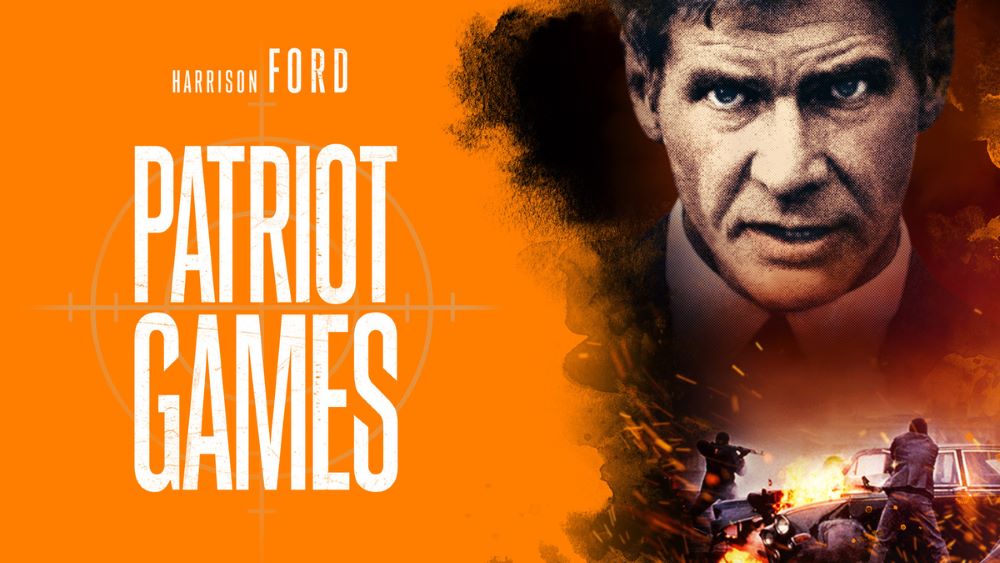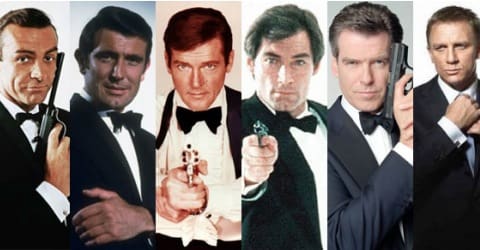
Review: Patriot Games (dir. by Phillip Noyce)


“You don’t know what it’s like to have your life destroyed by one stupid mistake!” — Sean Miller

Patriot Games hits the ground running by thrusting Jack Ryan and his family into the heart of a terrorist ambush on a London street, targeting a key British official tied to the royal family. Harrison Ford plays Ryan as a sharp-minded history professor and former CIA analyst on a simple vacation with his wife Cathy and daughter Sally, but his old Marine training surges up—he charges in, kills two attackers including one terrorist’s brother, and gets winged by a bullet himself. Right away, this setup grabs attention by showing how a random act of guts can boomerang into endless trouble, forcing a guy who craves quiet lectures to dodge bullets and betrayal across oceans, and it plants seeds about whether playing hero is worth the fallout on everyone you love.

Back in Maryland at the Naval Academy, Ryan tries piecing together normalcy, grading papers and dodging CIA calls, but Sean Miller—the captured terrorist whose sibling Ryan killed—gets sprung in a brutal prison convoy hit that leaves cops dead in the dirt. Miller, now laser-focused on payback, reroutes his rogue Ulster splinter group’s rage straight at Ryan’s home front, culminating in a savage freeway pileup where goons ram Cathy’s car off the road, injuring her and Sally badly. Ford nails the shift from composed academic to seething protector, his clenched jaw and urgent phone calls conveying a dad pushed to the brink, while these family-targeted strikes crank the paranoia, transforming everyday drives and school runs into potential kill zones that linger long after the crashes fade.

Sean Bean invests Miller with a coiled, wordless intensity—scarred features and piercing glares that scream obsession without needing speeches, flipping Ryan’s principled stand into the villain’s fuel for a mirror-image crusade. This fictional IRA offshoot rolls with pro-level gear for hits from UK alleys to U.S. suburbs, dodging authorities with insider tips, but their flat-out villainy skips any cracks in loyalty or ideology, turning them into efficient machines rather than messy humans with grudges worth unpacking. Anne Archer holds Cathy together through hospital beds and hushed fears, emerging tougher, as James Earl Jones’ Admiral Greer supplies the gruff guidance that tugs Ryan toward Langley, balancing the intimate home front with globe-spanning spycraft that feels like a real squeeze on one man’s bandwidth.

The camera shifts smoothly from rain-slicked London corners to bright Maryland bays, capturing open spaces that make characters look small and exposed against the sprawl. Gunshots snap clean and engines growl low during pursuits, pulling you deeper into the fray without drowning out the quieter beats. Horner’s soundtrack builds with brooding pipes and driving rhythms that hit hard in the final bay showdown, boats tearing through darkness with bursts of flame from hands-on stunts that pack a punch even now. Action ramps up step by step from early scraps to that watery chaos, mixing smarts with muscle, even if plot points line up a bit too neatly at times.

CIA war rooms buzz with satellite feeds sharpening grainy Libyan camp footage into proof of terror training, a tech showcase that echoes Clancy’s gearhead love and ramps brainpower against brute force without flashy overkill. Ryan hashes out returns to duty with British contacts, including a Sinn Féin type disavowing the extremists, sketching post-Cold War shifts where lone wolves replace nation-states in the threat lineup. Book-to-screen changes crank Ryan’s field time over desk strategy, letting Ford flex rugged moves that thrill audiences but sand off novel layers of naval tactics and alliance chess for punchier pacing.

Ford and Archer capture the raw friction in Ryan’s marriage through tense, whispered spats about diving back into danger, their easy chemistry making the pushback feel lived-in and real rather than scripted melodrama. Miller’s storyline hurtles toward a frantic leap onto Ryan’s rocking boat, boiling his grudge down to savage, no-holds-barred combat amid crashing waves. On-screen locations—from echoing Naval Academy corridors to churning bay waters—breathe life into the settings, casting national pride as a bruising, up-close shield instead of hollow cheers. Subtle audio touches, like distant creaks in the dim Ryan house, crank up the exposed feeling, linking slick production values to gut-punch emotions without piling on the noise.

Those procedural deep dives—poring over red-haired accomplice sketches or grilling shaky informants—add authentic wonkery, like Ryan spotting tells in grainy photos that crack the case wide, but they drag amid family rehab montages where Sally’s recovery mirrors the slow-burn hunt. The baddies’ cartoonish zeal glosses Northern Ireland’s brutal splits, opting for clear-cut evil over thorny politics that could’ve mirrored real headlines from the era, a choice that streamlines tension yet dates the take harshly next to modern nuance. Endgame flips the house siege into a decoy boat trap, Ryan baiting Miller solo on fiery Chesapeake swells, evolving his street-brawl start into tactical payback, though the tidy win lacks the submarine slyness of earlier Ryan yarns.

This swap prioritizes visceral family shields over shadowy sub hunts, hooking casual viewers while purists miss the book’s flowchart plotting, yet it spotlights Ford’s prime reluctant-warrior groove amid practical blasts that crush today’s green-screen slop. Pacing ebbs in alliance huddles, but peaks like the SAS desert wipeout—watched live via infrared ghosts—deliver clinical thrills tying brains to bangs seamlessly.

Taken together, the taut opener, vengeful pursuits, tech-savvy thrills, emotional anchors, dated politics, and solid craftsmanship add up to a clear verdict: Patriot Games is a good film, a reliable ’90s thriller that delivers crowd-pleasing tension and strong leads without reinventing the wheel. It holds up for its practical stunts and intimate stakes, earning replays as Ford’s standout Ryan turn, even if flaws like simplification and lulls keep it from greatness. Worth the watch for anyone craving balanced action with heart.

Daniel Day-Lewis Returns In The Trailer For Anemone


Daniel Day-Lewis “retired’ from acting in 2017, following his acclaimed performance in Paul Thomas Anderson’s Phantom Thread.  However, later this year, he will be returning to the big screen in AnemoneAnemone was directed by Ronan Day-Lewis, Daniel’s son.  Ronan and Daniel collaborated on the script.  Perhaps not coincidentally, Anemone features Daniel Day-Lewis and Sean Bean, playing father-and-son.

Anemone will premiere at the New York Film Festival in September before then moving onto a theatrical release in October.

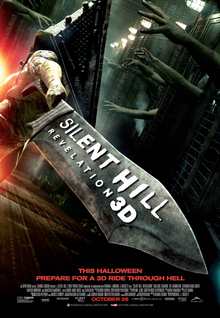
Horror Film Review: Silent Hill: Revelation (dir by M. J. Bassett)


The 2012 video game adaptation, Silent Hill: Revelation, is gloriously silly.

It’s also a sequel to the first Silent Hill. While many members of the original cast do return and while the sequel’s plot does directly follow up on the first film, Silent Hill: Revelation still feels like an all-together different film. Whereas the first Silent Hill was atmospheric and, with its 2 hour plus running time, a bit ponderous, the sequel is short, direct, and …. well, I hate to use that word again, a bit silly. It’s also undeniably entertaining.

Sharon (Adelaide Clemens) is now 18 and is currently using the name Heather. With her father, Harry (Sean Bean), Sharon/Heather has spent the last several years of her life moving from place to place and trying to keep one step ahead of the Order, the Silent Hill cult. Heather — let’s just use that name — tries to make the best of her situation but she is 18 and she would like a chance to do normal teenager stuff as opposed to just spending her life on the run.

Good luck with that! When Harry mysteriously vanishes, Heather finds a message telling her to go to Silent Hill. Teaming up with her classmate, the enigmatic Vincent (Kit Harrington), Heather heads back to Silent Hill. She hopes to find both Harry and Rose (Radha Mitchell) but the Order has other plans. Soon, Heather and Vincent are back in the alternate dimension, dealing with monsters and stabby blind nurses.

As is typical of horror films about cults, there’s a lot of talk about sacrifices and using blood to bring about a new age and everyone worships some mysterious God who doesn’t sound all that pleasant. Whenever I watch a movie like this, I find myself wondering how the cult got started in the first place. Who woke up one day and said, “I’m going to follow the demon that regularly kills all of his followers. Now, let’s go alter some adoption records!” I also can’t help but notice that cults can never do anything the simple way. Instead, there’s always some alternate dimension or some extremely complex ritual that has to be performed and it all has to be done at a certain time of the year. Maybe if they just simplified things, they wouldn’t have so much trouble getting stuff done. Maybe instead of always trying to steal new souls, they could just be happy with the ones they have. I mean, it’s just common sense.

But anyway, back to Silent Hill: Revelation. Silent Hill: Revelation usually gets dismissed as an inadequate sequel but I was entertained. The plot moves quickly and the film features some memorably gory scenes. The scene where Heather suddenly hallucinates about Silent Hill while walking through a mall was enjoyably gruesome. At the same time, I couldn’t help but regret that Revelation never quite succeeded in duplicating that ominous atmosphere of the first film. If the first film felt like a nightmare-come-to-life, Revelation feels more like the season finale of a long-running, supernatural-themed television show. It’s fun to watch but it’s not particularly challenging. That said, Adelaide Clemens gave a sympathetic performance as Heather, Sean Bean’s natural gravitas was put to good use, and Malcolm McDowell made a brief appearance. The film kept me entertained.

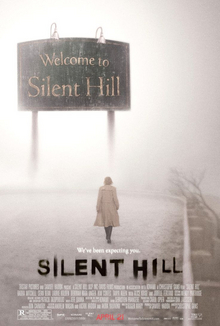
Horror Film Review: Silent Hill (dir by Christophe Gans)


Oh, Silent Hill.

I first saw this movie way back in 2006, when it was first released into theaters.  At the time, I knew nothing about Silent Hill, beyond the fact that it was based on a video game that a lot of my friends seemed to like.  I have to admit that I had a really hard time following the plot and yet the film still totally creeped me out.  The film was one of those movies that created such an atmosphere of impending doom that the real world looked and felt different when I left the theater.  For the rest of that night, I found myself feeling paranoid about any sudden shadows.

I’ve watched Silent Hill or, at the very least, parts of Silent Hill a few more times over the years.  The plot still makes little sense to me, though I am now a bit more familiar with the game that inspired the film.  Over the years, a handful of the special effects have aged a bit poorly, with many of the once-fearsome monsters now looking somewhat cartoonish.  And yet, when the film works, it really, really works. There are certain scenes in this film that still surprise and frighten me, even though I’ve already seen them.  One character, for instance, is burned alive and I still have to look away when the fire consumes them.  The thing is that, even if the CGI now looks a bit cartoonish, the atmosphere remains.  That feeling dread continues to snake its way through every scene in the film and into the consciousness of the viewer.

I rewatched the film earlier today.  I’m feeling nervous tonight.  Maybe it’s just because I’ve got a lot of writing to do and we’ve got some home repair people coming by tomorrow to do some work.  Or maybe, it’s because I’m worried that I’m suddenly going to find myself in some sort of shadow world, being menaced by blind but stabby nurses.

The film opens with Rose (Radha Mitchell) and her husband, Christopher (Sean Bean) trying to figure out why their adopted daughter, Sharon (Jodelle Ferland), is sleepwalking and having nightmares about a town called Silent Hill.  Silent Hill is in West Virginia and was abandoned after a mysterious natural disaster.  Rose decides that visiting the town is the best way to solve the mystery.  However, after an automobile accident, Sharon disappears and Rose finds herself wandering around the town and getting attacked by monsters and occultists.  Meanwhile, Christopher is also wandering around Silent Hill, accompanied by a helpful deputy (Kim Coates), but it’s hard not to notice that his Silent Hill seems to be signifcantly difficult from the Silent Hill that Sharon and motorcycle police officer Cybil (Laurie Holden) have found themselves in.

It’s a confusing plot but director Christopher Gans does such a good job of creating and maintaining the film’s creepy atmosphere that it doesn’t matter that you’re not always sure what’s going on.  And while it’s true that there’s perhaps too many scenes of Sharon walking from place to place, there’s also some truly frightening scenes, like the one with all of those killer nurses.  The film plays out like a dream and, as we all know, you don’t question dream logic.  Instead, you just go with it.

And so, 15 years after the film was first released, I’m usually willing to just go with Silent Hill.  I’m at peace with never quite understanding it.  Instead, I appreciate it for what it is: a creepy and surreal experience that will make you think twice before stepping out into the fog.

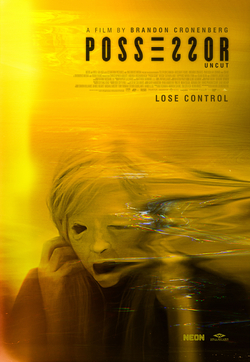
The Films of 2020: Possessor (dir by Brandon Cronenberg)


Tasya Vos (Andrea Riseborough) is a professional assassin.

That really shouldn’t come as too much of a surprise.  For whatever reason, films about assassins have become very popular over the past few years and those assassins are often women.  However, what sets Tasya apart from other assassins is the technique that she uses.  Under the direction of Girder (Jennifer Jason Leigh), Tasya can possess someone else’s body.  While controlling that other person’s body, Tasya commits her murders and then commits suicide.  The host dies while Tasya’s mind returns to her original body.  The media then reports that the murder was some sort of random incident and, with the killer dead by their own hand, their true motives will probably never be known.  It’s an outlandish premise and yet, it’s one that feels oddly plausible.  Most mass shootings and random acts of violence remain a mystery precisely because their perpetrators often take their own lives.  Three years after the deadliest mass shooting in U.S. history, we still don’t know why Stephen Paddock opened fire on a music festival in Las Vegas.  We’ve become conditioned, I think, to accept that these things just happen.

Wisely, Possessor doesn’t go into too much details about just how exactly Tasya possesses other people.  We see that it involves a lot of odd technology and we also discover that Tasya struggles to return to her “normal” self after her mind returns to her body.  That’s really all we need to see.  Too many films make the mistake of trying to explain all of the little details, as if the audience is going to be concerned as to whether or not a film about possession is 100% plausible.  The director of Possessor, Brandon Cronenberg, understands that all he really has to do is make it look convincing.  He doesn’t have to explain it and, indeed, there’s much that Cronenberg doesn’t explain.

Tasya’s latest assignment takes her into the body of Colin Tate (Christopher Abbott), who is engaged to marry the daughter of arrogant businessman named John Parse (Sean Bean).  Colin and Tasya find themselves fighting for control of Colin’s body.  Even while Tasya is setting up the circumstances that will lead to Colin killing both his girlfriend and her father, Colin is resisting and struggling to take control.  It all leads to some disturbingly surreal imagery, as well as some shockingly gory violence.  There’s a lot of blood in Possessor.  Both figuratively and literally, Possessor is a film that’s obsessed with what lies under the skin.  Throughout the film, bodies and minds are ripped open and what we discover inside of them is frequently grotesque.

Possessor is a film that raises a lot of questions and which often refuses to provide easy answers.  Does Girder sincerely care about Tasya or is she just manipulating her emotions to get the result that she desires?  Who exactly does Girder work for?  Does Tasya truly want to get back together with her estranged husband, Michael (Rossif Sutherland)?  Is Michael as clueless as he seems or does he secretly understand that Tasya is lying whenever she says that she has to go away on business?  Possessor is not always an easy film to follow but Cronenberg’s visuals are so strong and the performances are so wonderfully off-center that it remains enthralling regardless of whether or not it always makes it sense.  By the time one person is wearing someone else’s face as a mask, it’s pretty much impossible to look away.

With its emphasis on body horror and loss of identity (as well as its chilly Canadian setting), Possessor has a lot in common with the early work of David Croneberg.  That’s perhaps not surprising, considering that Possessor was directed by David’s son, Brandon Cronenberg.  Unfortunately, Possessor doesn’t really have the same dry sense of humor that distinguished David Cronenberg’s best films.  (David Cronenberg was, in his way, as much of a satirist as a horror director and Possessor doesn’t quite have the same subversive charge as something like Rabid or Shivers.)  That said, Possessor is still a fascinating and enthralling film, one that will stick with you long after it ends.

The Indiana Film Journalists Honor Nomadland!


The Indiana Film Journalists announced their picks for the best of 2020 earlier today.  Check out the nominee here and the winners below!

BEST FILM
Nomadland (winner)
Ma Rainey’s Black Bottom (RUNNER UP)

BEST ANIMATED FEATURE
Soul (WINNER)
Wolfwalkers (RUNNER UP)

BEST FOREIGN LANGUAGE FILM
Another Round (WINNER)
Song Without a Name (RUNNER UP)

BEST DOCUMENTARY
Dick Johnson is Dead (WINNER)
Athlete A (Runner-Up)

BEST ORIGINAL SCREENPLAY
Eliza Hittman – Never Rarely Sometimes Always (WINNER)
Matthew Rankin – The Twentieth Century (RUNNER UP)

BEST ADAPTED SCREENPLAY
Chloe Zhao — Nomadland (Winner)
Charlie Kaufman – I’m Thinking of Ending Things (RUNNER UP)

BEST DIRECTOR
Chloe Zhao — Nomadland (Winner)
Regina King – One Night in Miami (RUNNER UP)

BEST ACTRESS
Frances McDormand — Nomadland (Winner)
Jessie Buckley – I’m Thinking of Ending Things (RUNNER UP)

BEST SUPPORTING ACTRESS
Maria Bakalova – Borat Subsequent Moviefilm (WINNER)
Youn Yuh-jung – Minari (RUNNER UP)

BEST ACTOR
Delroy Lindo — Da 5 Bloods (Winner)
Chadwick Boseman – Ma Rainey’s Black Bottom (RUNNER UP)

BEST SUPPORTING ACTOR

Leslie Odom, Jr. — One Night In Miami (Winner)

Chadwick Boseman – Da 5 Bloods (RUNNER UP)

BEST VOCAL / MOTION CAPTURE PERFORMANCE

Jamie Foxx — Soul (Winner)

Sean Bean – Wolfwalkers (RUNNER UP)

BEST ENSEMBLE ACTING
Ma Rainey’s Black Bottom (WINNER)
One Night in Miami (RUNNER UP)

BEST MUSICAL SCORE
Ludwig Göransson – Tenet (WINNER)
Emile Mosseri – Minari (RUNNER UP)

BREAKOUT OF THE YEAR
Maria Bakalova (actress) – Borat Subsequent Moviefilm (WINNER)
Andrew Patterson (director) – The Vast of Night (RUNNER UP)

HOOSIER AWARD
Athlete A (WINNER)

ORIGINAL VISION AWARD
The Twentieth Century (WINNER)

Dick Johnson Is Dead (Runner-up)

Here Are The Nominees of the 2020 Indiana Film Journalists Assosciation!


Bad Education

The Indiana Film Journalists Association (IJA) has announced their nominees for the best of 2020!  They’ll be announcing the winners on December 21st!

What I like about these nominations is that there’s a lot of them.  2020 may have been a difficult year for many but there were a lot of good films released and it does seem kind of silly (as it does every year) to limit things to some sort of arbitrary number.  Why only nominate 10 films when you could nominate 20 or 30?  Many of the nominees below will appear on my own personal best lists in January.

The other thing that I like about these nominees is that the include films like Bad Education and Mangrove.  There’s some debate as to whether or not these films should be considered Oscar eligible.  I feel that they should be so it’s nice to see that the folks in Indiana agree with me!

Here are the nominees:

BEST FILM
Da 5 Bloods
Another Round
The Assistant
Athlete A
Bad Education
Crip Camp: A Disability Revolution
Dick Johnson is Dead
Emma.
The Father
First Cow
I’m Thinking of Ending Things
Ma Rainey’s Black Bottom
Minari
The Nest
Never Rarely Sometimes Always
Nomadland
One Night in Miami
Palm Springs
The Personal History of David Copperfield
Possessor
Promising Young Woman
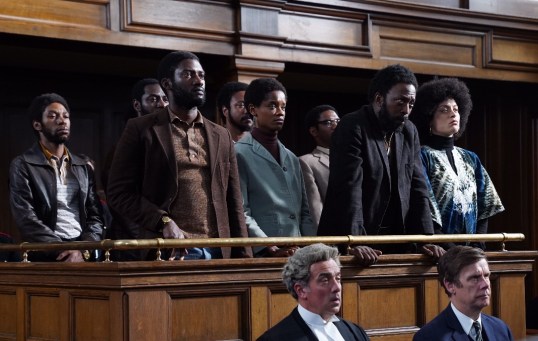
Small Axe: Mangrove
Song Without a Name
Soul
Sound of Metal
The Trial of the Chicago 7
The Twentieth Century
The Vast of Night

BEST ANIMATED FEATURE
Onward
Soul
Wolfwalkers

BEST FOREIGN LANGUAGE FILM
76 Days
Another Round
Bacurau
Beanpole
La Dosis
Song Without a Name

BEST DOCUMENTARY
76 Days
All In: The Fight for Democracy
Athlete A
Boys State
Crip Camp: A Disability Revolution
Desert One
Dick Johnson is Dead
Disclosure
John Lewis: Good Trouble
The Last Out
Miss Americana
MLK/FBI
Time
Totally Under Control
Welcome to Chechnya

BEST ORIGINAL SCREENPLAY
Lee Isaac Chung – Minari
Brandon Cronenberg – Possessor
Pete Docter, Mike Jones and Kemp Powers – Soul
Sean Durkin – The Nest
Emerald Fennell – Promising Young Woman
Kitty Green – The Assistant
Eliza Hittman – Never Rarely Sometimes Always
Tobias Lindholm and Thomas Vinterberg – Another Round
James Montague and Craig W. Sanger – The Vast of Night
Matthew Rankin – The Twentieth Century
Andy Siara – Palm Springs
Aaron Sorkin – The Trial of the Chicago 7
Alice Wu – The Half of It

BEST ADAPTED SCREENPLAY
Christopher Hampton and Florian Zeller – The Father
Armando Iannucci and Simon Blackwell – The Personal History of David Copperfield
Charlie Kaufman – I’m Thinking of Ending Things
Mike Makowsky – Bad Education
Kemp Powers – One Night in Miami
Jonathan Raymond and Kelly Reichardt – First Cow
Ruben Santiago-Hudson – Ma Rainey’s Black Bottom
Chloé Zhao – Nomadland

BEST DIRECTOR
Lee Isaac Chung – Minari
Brandon Cronenberg – Possessor
Pete Docter – Soul
Sean Durkin – The Nest
Emerald Fennell – Promising Young Woman
Kitty Green – The Assistant
Eliza Hittman – Never Rarely Sometimes Always
Kirsten Johnson – Dick Johnson is Dead
Charlie Kaufman – I’m Thinking of Ending Things
Regina King – One Night in Miami
Spike Lee – Da 5 Bloods
Melina Léon – Song Without a Name
Steve McQueen – Small Axe: Mangrove
Matthew Rankin – The Twentieth Century
Kelly Reichardt – First Cow
Aaron Sorkin – The Trial of the Chicago 7
George C. Wolfe – Ma Rainey’s Black Bottom
Alice Wu – The Half of It
Chloé Zhao – Nomadland

BEST ACTRESS
Haley Bennett – Swallow
Jessie Buckley – I’m Thinking of Ending Things
Carrie Coon – The Nest
Viola Davis – Ma Rainey’s Black Bottom
Sidney Flanigin – Never Rarely Sometimes Always
Julia Garner – The Assistant
Han Ye-ri – Minari
Leah Lewis – The Half of It
Rachel McAdams – Eurovision Song Contest: The Story of Fire Saga
Frances McDormand – Nomadland
Pamela Mendoza – Song Without a Name
Cristin Milioti – Palm Springs
Elisabeth Moss – The Invisible Man
Carey Mulligan – Promising Young Woman
Aubrey Plaza – Black Bear
Margot Robbie – BIrds of Prey (and the Fantabulous Emancipation of One Harley Quinn)
Anya Taylor-Joy – Emma.

BEST SUPPORTING ACTRESS
Jane Adams – She Dies Tomorrow
Maria Bakalova – Borat Subsequent Moviefilm
Toni Collette – I’m Thinking of Ending Things
Olivia Colman – The Father
Olivia Cooke – Sound of Metal
Allison Janney – Bad Education
Margo Martindale – Blow the Man Down
Talia Ryder – Never Rarely Sometimes Always
Youn Yuh-jung – Minari

BEST ACTOR
Christopher Abbott – Possessor
Ben Affleck – The Way Back
Riz Ahmed – Sound of Metal
Kingsley Ben-Adir – One Night in Miami
Paul Bettany – Uncle Frank
Chadwick Boseman – Ma Rainey’s Black Bottom
Eli Goree – One Night in Miami
Anthony Hopkins – The Father
Hugh Jackman – Bad Education
Jude Law – The Nest
Delroy Lindo – Da 5 Bloods
Mads Mikkelsen – Another Round
Jesse Plemons – I’m Thinking of Ending Things
Eddie Redmayne – The Trial of the Chicago 7
Steven Yeun – Minari

BEST SUPPORTING ACTOR
Chadwick Boseman, Da 5 Bloods
Bo Burnham – Promising Young Woman
Bill Burr – The King of Staten Island
Peter Capaldi – The Personal History of David Copperfield
Colman Domingo – Ma Rainey’s Black Bottom
Aldis Hodge – One Night in Miami
Caleb Landry Jones – The Outpost
Alan Kim – Minari
Frank Langella – The Trial of the Chicago 7
Orion Lee – First Cow
Ewan McGregor – BIrds of Prey (and the Fantabulous Emancipation of One Harley Quinn)
Bill Murray – On the Rocks
Leslie Odom, Jr. – One Night in Miami
Paul Raci – Sound of Metal
J.K. Simmons – Palm Springs
Dan Stevens – Eurovision Song Contest: The Story of Fire Saga
David Strathairn – Nomadland
David Thewlis – I’m Thinking of Ending Things

BEST VOCAL / MOTION CAPTURE PERFORMANCE
Sean Bean – Wolfwalkers
Tina Fey – Soul
Jamie Foxx – Soul
Oliver Platt – I’m Thinking of Ending Things
Donald Ray Pollock – The Devil All the Time
Ben Schwartz – Sonic the Hedgehog

BEST ENSEMBLE ACTING
Da 5 Bloods
Another Round
The Devil All the Time
I’m Thinking of Ending Things
The King of Staten Island
Ma Rainey’s Black Bottom
Minari
One Night in Miami
The Personal History of David Copperfield
She Dies Tomorrow
The Trial of the Chicago 7
Uncle Frank

BEST MUSICAL SCORE
Erick Alexander and Jared Bulmer – The Vast of Night
Terence Blanchard – One Night in Miami
Ludovico Einaudi – Nomadland
Ludwig Göransson – Tenet
Emile Mosseri – Minari
Richard Reed Parry – The Nest
Trent Reznor and Atticus Ross – Soul
William Tyler – First Cow
Jay Wadley – I’m Thinking of Ending Things
Isobel Waller-Bridge and David Schweitzer – Emma.
Benjamin Wallfisch – The Invisible Man
Jim Williams – Possessor

BREAKOUT OF THE YEAR
Maria Bakalova (actress) – Borat Subsequent Moviefilm
Max Barbakow (director) – Palm Springs
Emerald Fennell (writer / director) – Promising Young Woman
Sidney Flanigin (actress) – Never Rarely Sometimes Always
Alan Kim (actor) – Minari
Orion Lee (actor) – First Cow
Leah Lewis (actress) – The Half of It
Darius Marder (writer / director) – Sound of Metal
Andrew Patterson (director) – The Vast of Night
Tayarisha Poe (writer / director) – Selah and the Spades
Kemp Powers – co-writer / co-director for Soul and writer for One Night in Miami
Matthew Rankin (writer / director) – The Twentieth Century
Andy Siara (writer) – Palm Springs
Autumn de Wilde (director) – Emma.

HOOSIER AWARD
Athlete A
Eliza Hittman, writer / director of Never Rarely Sometimes Always and graduate of Indiana University

ORIGINAL VISION AWARD
After Midnight
Assassin 33 A.D.
Dick Johnson is Dead
I’m Thinking of Ending Things
Possessor
Promising Young Woman
She Dies Tomorrow
The Twentieth Century
The Vast of Night
Vivarium

Mangrove

Here’s The Trailer for Possessor!


Starring Christopher Abbott, Andrea Riseborough, Jennifer Jason Leigh, Tuppence Middleton and Sean Bean, Possessor is the new film from Canadian filmmaker Brandon Cronenberg!  And yes, if you’re wondering, Brandon is the son of the iconic horror director, David Cronenberg.

Possessor is a film about an elite assassin who can inhabit other people’s bodies.  The film made its premiere at the Sundance Film Festival, way back in January.  At the time, the critics loved it.  Speaking for myself, I’ve heard wonderful things about the film and I can’t wait to see it.  Possessor will be released on October 9th.

Here’s the trailer!

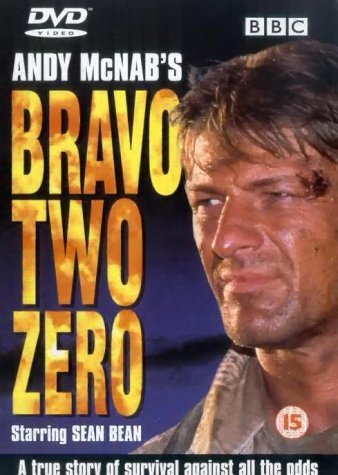
Bravo Two Zero (1999, directed by Tom Clegg)


In 1991, during the Gulf War, a British SAS patrol — codenamed Bravo Two Zero — is dropped behind enemy lines in Iraq.  Led by Andy McNabb (played by Sean Bean), their mission is to track down and destroy Iraqi scud missile launchers and also to disrupt communications between Baghdad and Northwestern Iraq.  Almost from the minute that the 8 member teams is dropped behind enemy lines, things start to go wrong.  The weather turns against them.  They’re spotted by both Iraqi civilians and soldiers.  While the team tries to make it back to safety, McNabb and three others are captured by the Iraqis and are forced to endure torture while looking for an opportunity to escape.

Bravo Two Zero, which originally aired in two parts on the BBC, is based on Andy McNabb’s memoir about what happened when Bravo Two Zero found themselves trapped behind enemy lines, their mission compromised.  It’s a rousing story but it’s also a controversial one.  Several other people who were involved with the operation claimed that McNabb (which was a pseudonym adopted to protect the identities of the other members of the unit) exaggerated certain details, particularly the extent that he was tortured and the number of Iraqi soldiers that the unit had to fight on their way to the Syrian border.  What is known for sure is that the unit was trapped behind enemy lines and, of the 8 who set out, only five returned, having survived against almost impossible odds.  It’s possible to debate the exact details but no one debates the bravery of the men involved.

As a film, Bravo Two Zero takes McNabb at his word.  It’s a tough and gritty war film and Sean Bean gives an excellent performance in the role of McNabb.  Real-life footage from the Gulf War is mixed in with the recreation of what happened to the unit and it gives the film both a semi-documentary feel and it also ratchets up the suspense.  While the news broadcasts present what appears to be a very easy victory over Iraq, we’re reminded that it wasn’t as easy for the men who were actually getting shot at on a daily basis.  Will the men be able to make it to Syria before the rest of the world moves on?  Though the film is clearly on the side of the Coalition Forces, it’s hardly blindly jingoistic.  While the Iraqis who torture McNabb are presented as being sadists, the majority of the Iraqi citizens come across as just people trying to survive day-by-day while bombs rain down upon them.  For the most part, the Iraqi people are presented as being caught in the middle of a war that, regardless of who wins, will never benefit them, pawns in a battle between competing super powers.  The film’s villain is Saddam Hussein and not the people living under his dictatorship.

Bravo Two Zero is an excellent war film, one that emphasizes the hard work and training that goes into serving with the SAS over the usual action film heroics.  While never glamorizing combat or war, it pays tribute to those who have served and made the ultimate sacrifice.

Celebrate National Trivia Day With The Actors Who Could Have Been James Bond!


Today is National Trivia Day so I thought why not share some trivia?  I love film trivia.  I especially love trivia about who was considered for certain films.  Hell, one of my most popular posts on the Shattered Lens dealt with all of the actors who were considered for the Godfather!

(I even came up with an alternative cast for The Godfather, even though I consider the actual film to be the best cast film in history.)

I also happen to love the James Bond films.  (Well, not so much the recent Bond films.  I’ve made my feelings on SPECTRE clear.)  As a franchise, I absolutely love them.  So, with all that in mind, here is a look at the actors who could have been Bond.  I’ve compiled this article from many sources.  And yes, you could probably just find a lot of the information on Wikipedia but then you’d miss out on my editorial commentary.
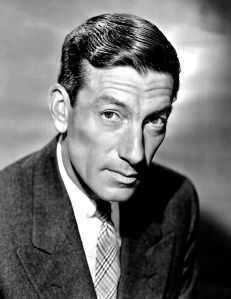
Hoagy Carmichael

Ian Fleming himself always said that his pick for Bond would have been the musician, Hoagy Carmichael.  He even made a point, in Casino Royale, of having Vesper Lynd exclaim that Bond looked like Hoagy Carmichael.  Of course, the first actor to actually play Bond was Barry Nelson in a 1954 television adaptation of Casino Royale.  Nelson is probably best remembered for playing Mr. Ullman in Stanley Kubrick’s The Shining.
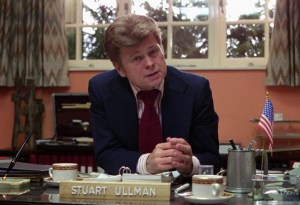
Barry Nelson, the first James Bond

When Dr. No went into production in 1961, many actors were considered for the role before Sean Connery was eventually cast.  Many of them were very well-known actors and, had they been cast, Dr. No would not have been remembered as a Bond movie.  Instead, it would be remembered as a star vehicle for … well, let’s take a look at some of the better-known possibilities:

Among the famous actors who were mentioned for Bond in 1961: Cary Grant, Richard Burton, James Mason, Trevor Howard, Stanley Baker, George Baker, Jimmy Stewart, Rex Harrison, and David Niven.  (Of that list, I think Burton would have made for an interesting Bond.  If the Bond films had been made in the 1940s, Grant would have been my first choice.  Trying to imagine Jimmy Stewart as a British secret agent is … interesting.)

Once it became obvious that a star was not going to play Bond, the role was offered to Patrick McGoohan and Rod Taylor.  McGoohan had moral objections to the character.  Rod Taylor reportedly felt that the film would flop.  Steve Reeves, the American body builder who became famous for playing Hercules in Italy, was reportedly strongly considered.  At one point, director Terrence Young wanted to offer the role to Richard Johnson, who later played Dr. Menard in Lucio Fulci’s Zombi 2.

Of course, the role went to Sean Connery and made Connery a huge star.  In 1967, after Connery announced that he would no longer play the world’s most famous secret agent, there was a huge and widely publicized search for his replacement.  Some of the names that were considered are intriguing.  Others are just bizarre.
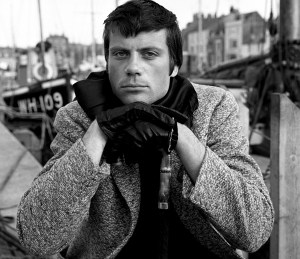
Oliver Reed

To me, perhaps the most intriguing name mentioned was that of Oliver Reed.  Reed definitely would have brought a rougher edge of the role than some of the other actors considered.  However, that’s one reason why Reed wasn’t picked.  Apparently, it was felt that he did not have the right public image to play the suave Mr. Bond.

Somewhat inevitably, Michael Caine was sought out for the role.  Caine, however, refused to consider it because he had already starred in three back-to-back spy thrillers and didn’t want to get typecast.  Caine’s former roommate, Terrence Stamp, was another possibility but wanted too much control over the future direction of the Bond films.  Future Bond Timothy Dalton was considered to be too young.  Another future Bond, Roger Moore, didn’t want to give up his television career.  Eric Braeden has the right look for Bond but was German.  Rumor has it that producer Cubby Broccoli even considered Dick Van Dyke for the role, though I find that hard to believe.  An even more surprising possibility was the nobleman Lord Lucan, who was offered a screen test in 1967 and who, ten years later, would vanish after being accused of murdering his children’s nanny.
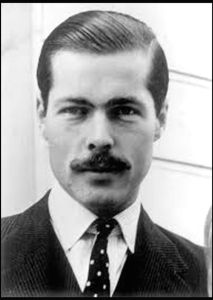
Lord Lucan

Among the actors who auditioned before George Lazenby was cast in On Her Majesty’s Secret Service: Michael Billington, Jeremy Brett, Peter Purves, Robert Campbell, Patrick Mower, Daniel Pilon, John Richardson, Anthony Rogers, Hans De Vries, and Peter Snow.

After the mixed reception of both Lazenby’s performance and On Her Majesty’s Secret Service, Lazenby was soon out as James Bond.  Even today, there’s a lot of controversy about what led to Lazenby being dismissed from the role.  Some say Lazenby demanded too much money.  Some say that Lazenby was merely used a pawn to try to get Sean Connery to return to the role.  Regardless, Lazenby only made one film as Bond.  (Of course, On Her Majesty’s Secret Service has retroactively been recognized as being one of the best of the series.)

With Connery still claiming that he would never return to the role, the film’s producers went through the motions of looking for a new Bond.  Once again, Roger Moore and Timothy Dalton were considered.  Connery suggested that a talk show host named Simon Dee should play the role.  An actor named Roger Green auditioned.  So did Michael Gambon, though he later said he was turned down because, in his own words, he “had tits like a woman.”  Interestingly, several Americans were mentioned.  Clint Eastwood as James Bond?  Burt Reynolds?  Adam “Batman” West? The mind boggles but their names were mentioned.
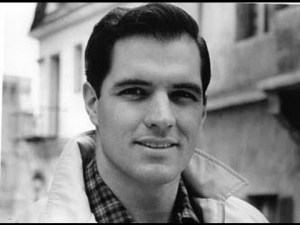
John Gavin

And interestingly enough, an American was cast.  John Gavin is best known for playing Sam Loomis in Psycho but he was also, briefly, James Bond.  After Gavin accepted he role and signed a contract, Sean Connery announced that he would be willing to return to the role.  Gavin was paid off and Connery went on to star in Diamonds are Forever.

After Diamonds, Connery left the role for a second time and, once again, Bond was recast.  This time, Roger Moore would finally accept the role.  However, before Moore was cast, several other actors were considered.  Some of the regular possibilities were mentioned again: John Gavin, Simon Oates, Timothy Dalton, and Michael Billington.  Others considered included Jon Finch, Ranulph Fiennes, Peter Laughton, and Guy Peters.  Some of those names are probably as unknown to you as they are to me but it’s intriguing to think that Guy Peters may not be a well-known name but, at one time, there was a possibility that he could suddenly become one of the biggest stars in the world.

Looking over the history of the Bond franchise, it’s interesting to see the number of times that Moore tried to leave the role, just to be talked into returning.  Every time that Moore considered quitting, a new group of actors would be considered for the role of Bond.  In 1979, when Moore said he might not return after Moonraker, Timothy Dalton, Michael Jayston, Patrick Mower (who was also considered for On Her Majesty’s Secret Service), and Michael Billington were all considered as replacements.  So was Julian Glover.  Ironically, when Moore did agree to return to the role, Glover was cast as the villain in For Your Eyes Only.
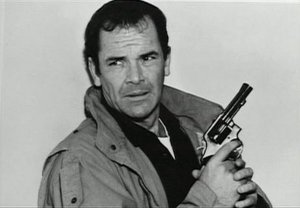
David Warbeck

To me, the most intriguing actor mentioned as a replacement for Roger Moore was David Warbeck.  Warbeck was a television actor and model who subsequently had a nearly legendary film career in Italy.  Not only did he play a key role in Sergio Leone’s Duck You Sucker!, but he also starred in Lucio Fulci’s The Black Cat and The Beyond.  He also appeared in the best of Italian Apocalypse Now rip-offs, The Last Hunter.  In interviews, Warbeck claimed that he was under contract to Cubby Broccoli to step into the role in case Roger Moore ever walked off the set.  The likable and rugged Warbeck would have been an interesting Bond.

In 1983, when Moore again said he might not return to the role, Michael Billington (who actually did appear in a Bond film when he played a KGB agent killed at the start of The Spy Who Loved Me) would be once more considered as a replacement.  British TV actors Lewis Collins and Ian Ogilvy were also considered for the role.  In a repeat of what happened with John Gavin in Diamonds are Forever, American actor James Brolin was actually put under contract until Moore agreed to play the role in Octopussy.

James Brolin, in a screen test for Octopussy

After A View To A Kill, Moore left the role for the final time.  Famously, future Bond Pierce Brosnan was actually cast as his replacement until the surge of interest created by his casting led to the renewal of Remington Steele, the American television show in which Brosnan was starring.  Once the show was renewed, Brosnan could no longer work the Bond films into his schedule.

Among the other names mentioned: Sean Bean, Simon MacCorkindale, Andrew Clarke, Finlay Light, Mark Greenstreet, Neil Dickson, Christopher Lambert, Mel Gibson, and Antony Hamilton.  Sam Neill was another possibility and reportedly came very close to getting the role.  Watch any of the films that Neill made when he was younger and you can definitely see hints of Bond.
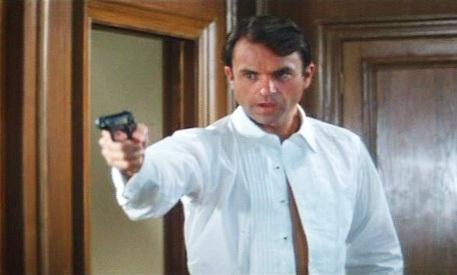
Sam Neill

In the end, Timothy Dalton finally accepted the role.  Ironically, for an actor who spent 20 years being courted for the role, Dalton turned out to be a bit of a flop as Bond.  He made two movies (both of which were considered to be disappointing when compared to the previous Bond films) and then left the role.

Looking over the contemporary reviews of Dalton as Bond, one thing that comes through clearly is that a lot of people resented him for taking a role that they felt should have gone to Pierce Brosnan.  When the Bond films resumed production with Goldeneye in 1994, Brosnan finally stepped into the role.  Reportedly, if Brosnan had turned down the role, the second choice was Sean Bean.  Much like Julian Glover, Bean may have lost out on 007 but he did end up playing the villain.
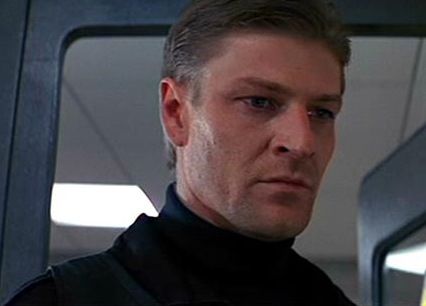
Sean Bean

Among the other actors who were reportedly considered before Brosnan accepted the role: Mark Frankel, Paul McGann, Liam Neeson, Russell Crowe, and Lambert Wilson.  Ralph Fiennes, who has been M since Skyfall, was also considered.

As opposed to his predecessors, Brosnan seemed to be very comfortable with the idea of playing Bond and never threatened to leave the role.  Looking over the Bond-related articles that were published from 1995 to 2004, I found the occasional speculation about whether Rupert Everett would be the first gay James Bond or if Sharon Stone would be the first female James Bond but I found very little speculation about Brosnan actually leaving the role.  Indeed, when Brosnan officially retired as Bond in 2004, it was less his decision and more at the prodding of the franchise’s producers, who felt that the series needed to be rejuvenated with a new (and younger) actor.  After Brosnan left, the series was rebooted and Daniel Craig played the role in Casino Royale.

In the past, I’ve made it clear that Daniel Craig is hardly my favorite Bond.  I loved Skyfall (and I consider it to the 2nd best Bond film, after From Russia With Love) but, even in that case, I felt that the film succeeded despite Craig instead of because of him.  With Casino Royale, we were supposed to be seeing a young and inexperienced Bond.  That’s never come through to me, probably because Craig looked like he was nearly 50 years old when he made Casino Royale.

Among the actors who were mentioned for the role before Craig received the role: Ralph Fiennes (again), Colin Salmon, Ewan McGregor, Henry Cavill, Rupert Friend, Julian McMahon, Alex O’Laughlin, Clive Owen, Dougray Scott, and Goran Visjnic.  Dominic West, who I think would have been great in the role, reportedly ruled himself out because he heard a rumor that Brosnan would be returning to the role.
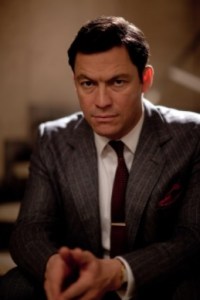
Dominic West

Daniel Craig, of course, has been talking about leaving the role ever since he was first cast.  I think Skyfall would have been a perfect movie for him to leave on.  (It would have saved the world from SPECTRE.)  However, Craig has apparently agreed to do at least one more Bond film.  Maybe two.

When Craig does leave, who will replace him?  Idris Elba, of course, is probably the most widely discussed possibility.  James Norton has also been named as a possibility.  Others that I’ve seen mentioned: Tom Hardy, Jack Huston, Aidan Turner, Tom Hiddleston, Michael Fassbender, Jamie Bell, and Henry Cavill (again).

My personal choice?  Dominic Cooper.  He’d be an off-center Bond but I think it would still be an intriguing pick.
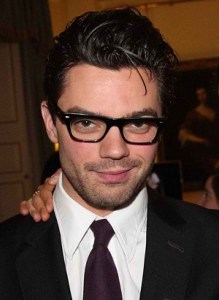
Dominic Cooper

Who knows what the future may hold for 007?  All I know is that I look forward to the speculation.

Happy National Trivia Day, everyone!