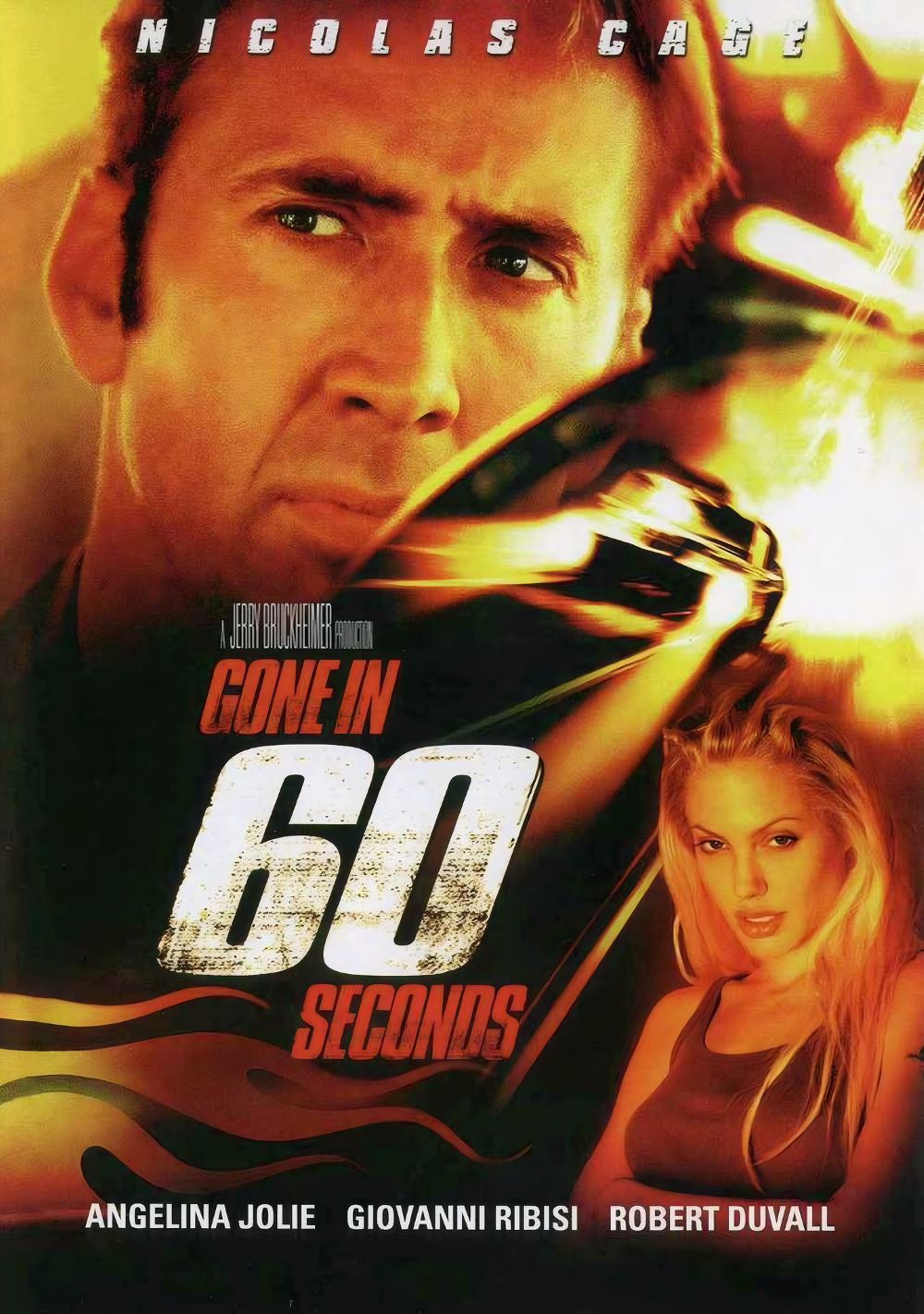
Guilty Pleasure No. 117: Gone in 60 Seconds (dir. by Dominic Sena)


There is a specific, almost alchemical quality to the late 1990s and early 2000s era of Nicolas Cage as an action star. Before the internet turned every one of his performances into a meme and before his financial troubles led him down the rabbit hole of direct-to-video oddities, Cage was genuinely one of the most exciting and weirdly compelling action heroes on the planet. From The Rock in 1996 to Con Air in 1997 and Face/Off in 1997, he delivered a holy trinity of high-octane insanity that no other actor could have pulled off. By the time the calendar flipped to 2000, Cage was at the peak of his powers, and director Dominic Sena’s Gone in 60 Seconds arrived as both a victory lap and a slight exhale. It is not as unhinged as Face/Off nor as tightly wound as The Rock, but it is a perfect snapshot of its moment: a glossy, MTV-infused car heist flick that smells like gasoline, leather, and late-90s hubris. And while it has plenty of shortcomings, Gone in 60 Seconds has earned its place not in the pantheon of great action cinema, but in that more beloved hall of fame: the Guilty Pleasure.

The plot is as simple as a carburetor. Cage plays Randall “Memphis” Raines, a legendary car thief who has supposedly gone straight, now living a quiet life designing hybrid engines. But when his reckless younger brother Kip, played with sweaty desperation by Giovanni Ribisi, botches a job for a ruthless British gangster named Raymond Calitri (Christopher Eccleston at his sleaziest), Memphis is forced back into the life he left behind. The task is absurdly impossible: steal 50 specific luxury cars in a single weekend, or Calitri will kill Kip. That’s right, fifty cars. In three days. The film never really bothers to explain the logistics of storing or delivering that many vehicles, but that’s not the point. The point is the ride, the revving engines, and the way Cage stares at a 1967 Shelby GT500 named Eleanor like she’s the ghost of a lost lover. That car is the real star, and the film knows it.

Dominic Sena, who previously directed Cage in the underrated road thriller Kalifornia, brings a music video sensibility to the proceedings. Gone in 60 Seconds is drenched in late-90s visual tics: slow-motion shots of hubcaps spinning, golden sunsets glaring off polished chrome, and a soundtrack that alternates between nu-metal grooves and bluesy rock. The editing is fast but not confusing, and the heist sequences have a rhythmic, almost choreographed feel. You never believe for a second that Memphis and his crew—a motley collection of oddballs played by Robert Duvall, Vinnie Jones, and a very underutilized Angelina Jolie—can actually pull off fifty thefts without the entire LAPD catching on. But the film operates on movie logic. Cars are hotwired in seconds, police radio chatter is effortlessly avoided, and every chase defies the laws of physics. It is pure fantasy, and that is exactly why it works as a guilty pleasure.

Now, let’s talk about Cage. In 2000, he was still riding the high of that legendary late-90s run, and Gone in 60 Seconds fits neatly into his brand of action star as tortured romantic. Memphis Raines is not the coked-up lunatic Castor Troy or the shouty Stanley Goodspeed. He is weary, melancholic, and trying to be honorable in a dishonorable profession. Cage plays him with a hangdog sincerity that is surprisingly effective. When he talks to Eleanor, stroking her steering wheel and whispering about how she tests her drivers, he is utterly committed. There is no irony, no winking at the camera. That is the secret to Cage’s enduring appeal in this era: he treats absurd material with the same intensity he would bring to a Shakespeare soliloquy. The action sequences—especially the climactic chase where Eleanor leaps over a drawbridge—showcase Cage’s physicality and willingness to do real stunt work. He sells the danger and the desperation. You believe that this man would risk everything for a car, and that belief makes the film’s silliness palatable.

But let’s be honest about the shortcomings, because Gone in 60 Seconds has plenty. The middle act drags considerably. For a movie about stealing fifty cars, there is a surprising amount of standing around in warehouses and having conversations about “respecting the machine.” Angelina Jolie’s character, Sara, is Memphis’s ex-girlfriend and a fellow thief, but she is given almost nothing to do except look cool in leather and exchange tepid romantic banter with Cage. The chemistry between them is nonexistent. Christopher Eccleston’s Calitri is a one-note villain who likes opera and cruelty, and his final defeat is laughably abrupt. Delroy Lindo plays a dogged detective, but he is so incompetent that he never generates real tension. The film’s central gimmick—the ticking clock of fifty cars in three days—is inconsistently tracked, and by the final act, you have no idea how many cars are left or why it still matters. The dialogue is also gloriously corny. Lines like “Ride or die” and “Respect the car, man” are delivered with such straight faces that they circle back around to being endearing.

And yet, Gone in 60 Seconds earns its status as a guilty pleasure because it understands exactly what it is. This is not a sophisticated heist thriller like Heat or a gritty crime drama. It is a shiny, high-budget B-movie about a man and his car, and it leans into that identity without apology. The final twenty-minute chase sequence is genuinely thrilling, with real cars being destroyed and practical stunts that modern CGI could never replicate. Eleanor getting airborne, landing hard, and somehow still running is a moment of pure cinematic joy. The sound design—the roar of that V8 engine, the screech of tires on asphalt—is visceral and satisfying. And Cage’s performance, even when the script lets him down, holds the whole thing together. He is the anchor that keeps the film from floating away into utter nonsense.

Looking back from today’s perspective, Gone in 60 Seconds is a time capsule of a very specific moment. It captures the tail end of the late-90s obsession with extreme sports, tuner culture, and the idea that cars had souls. It also captures Nicolas Cage at a fascinating crossroads: still an A-list action star, still capable of opening a blockbuster, but already showing the signs of the wonderful weirdness that would later define his career. This film is not his best, not by a long shot, but it is one of his most rewatchable. You put it on when you want to turn your brain off, hear some great engine noises, and watch a sweaty, sincere Nic Cage talk to a Shelby like she is his long-lost sweetheart. That is the definition of a guilty pleasure. It is not good in the traditional sense, but it is fun. And sometimes, fun is enough.

Previous Guilty Pleasures

  1. Half-Baked
  2. Save The Last Dance
  3. Every Rose Has Its Thorns
  4. The Jeremy Kyle Show
  5. Invasion USA
  6. The Golden Child
  7. Final Destination 2
  8. Paparazzi
  9. The Principal
  10. The Substitute
  11. Terror In The Family
  12. Pandorum
  13. Lambada
  14. Fear
  15. Cocktail
  16. Keep Off The Grass
  17. Girls, Girls, Girls
  18. Class
  19. Tart
  20. King Kong vs. Godzilla
  21. Hawk the Slayer
  22. Battle Beyond the Stars
  23. Meridian
  24. Walk of Shame
  25. From Justin To Kelly
  26. Project Greenlight
  27. Sex Decoy: Love Stings
  28. Swimfan
  29. On the Line
  30. Wolfen
  31. Hail Caesar!
  32. It’s So Cold In The D
  33. In the Mix
  34. Healed By Grace
  35. Valley of the Dolls
  36. The Legend of Billie Jean
  37. Death Wish
  38. Shipping Wars
  39. Ghost Whisperer
  40. Parking Wars
  41. The Dead Are After Me
  42. Harper’s Island
  43. The Resurrection of Gavin Stone
  44. Paranormal State
  45. Utopia
  46. Bar Rescue
  47. The Powers of Matthew Star
  48. Spiker
  49. Heavenly Bodies
  50. Maid in Manhattan
  51. Rage and Honor
  52. Saved By The Bell 3. 21 “No Hope With Dope”
  53. Happy Gilmore
  54. Solarbabies
  55. The Dawn of Correction
  56. Once You Understand
  57. The Voyeurs 
  58. Robot Jox
  59. Teen Wolf
  60. The Running Man
  61. Double Dragon
  62. Backtrack
  63. Julie and Jack
  64. Karate Warrior
  65. Invaders From Mars
  66. Cloverfield
  67. Aerobicide 
  68. Blood Harvest
  69. Shocking Dark
  70. Face The Truth
  71. Submerged
  72. The Canyons
  73. Days of Thunder
  74. Van Helsing
  75. The Night Comes for Us
  76. Code of Silence
  77. Captain Ron
  78. Armageddon
  79. Kate’s Secret
  80. Point Break
  81. The Replacements
  82. The Shadow
  83. Meteor
  84. Last Action Hero
  85. Attack of the Killer Tomatoes
  86. The Horror at 37,000 Feet
  87. The ‘Burbs
  88. Lifeforce
  89. Highschool of the Dead
  90. Ice Station Zebra
  91. No One Lives
  92. Brewster’s Millions
  93. Porky’s
  94. Revenge of the Nerds
  95. The Delta Force
  96. The Hidden
  97. Roller Boogie
  98. Raw Deal
  99. Death Merchant Series
  100. Ski Patrol
  101. The Executioner Series
  102. The Destroyer Series
  103. Private Teacher
  104. The Parker Series
  105. Ramba
  106. The Troubles of Janice
  107. Ironwood
  108. Interspecies Reviewers
  109. SST — Death Flight
  110. Undercover Brother
  111. Out for Justice
  112. Food Wars!
  113. Cherry
  114. Death Race
  115. The Beast Within
  116. Girl Series

Live Tweet Alert: Join #FridayNightFlix for The Sandlot!


As some of our regular readers undoubtedly know, I am involved in a few weekly watch parties.  On Twitter, I host #FridayNightFlix every Friday and I co-host #ScarySocial on Saturday.  On Mastodon, I am one of the five hosts of #MondayActionMovie!  Every week, we get together.  We watch a movie.  We tweet our way through it.

Tonight, at 10 pm et, I will be hosting #FridayNightFlix!  The movie?  1993’s The Sandlot!

If you want to join us this Friday, just hop onto twitter, find The Sandlot on Prime, start the movie at 10 pm et, and use the #FridayNightFlix hashtag!  I’ll be there happily tweeting.  It’s a friendly group and welcoming of newcomers so don’t be shy.

See you there!


Scenes That I Love: “Now is the winter of our discontent” from Laurence Olivier’s Richard III


119 years ago today, Laurence Olivier was born in Surrey.  The son of a clergyman, Olivier would go on to become one of the greatest stage actors of the 20th Century.  He would also have a distinguished film career, one that led to him frequently being described as being the world’s greatest living actor.

He is perhaps best-known for his Shakespearean performances.  He won multiple Oscars for directing and starring in 1948’s Hamlet.  Before his turn in Hamlet, he was similarly nominated for his film version of Henry V.  That said, for me, his best cinematic Shakespearean performance was as Richard III in the 1953 film of the same title.

Though acclaimed, Richard III was not quite the Oscar favorite that Olivier’s previous two adaptations of Shakespeare had been.  Henry V was released at a time when its portrayal of a determined British ruler could be viewed as a metaphor for the UK’s role in the second world war.  Hamlet was released at a time when the world was still rebuilding and trying to adjust to the new atomic age and its dark, noirish style captured those anxieties.  Richard III was released in the 50s, at a time when Americans perhaps weren’t as receptive to films that suggested that leaders should not be trusted.  As a result, Richard III received only one nomination, for Olivier’s performance in the title role.

Today, in honor of his birthday, here is a scene that I love from 1953’s Richard III:

4 Shots From 4 Films: Special Sherlock Holmes Edition


4 Shots From 4 Films is just what it says it is, 4 shots from 4 of our favorite films. As opposed to the reviews and recaps that we usually post, 4 Shots From 4 Films lets the visuals do the talking!

Today is Arthur Conan Doyle’s birthday.  Today, we pay tribute to Doyle’s most popular and influential creation.  It’s time for….

4 Shots From 4 Sherlock Holmes Films

Sherlock Holmes (1922, dir by Albert Parker, DP: J. Roy Hunt)


The Hound of the Baskervilles (1939, dir by Sindey Lanfield, DP: Peverell Marley)


The Private Life of Sherlock Holmes (1970, dir by Billy Wilder, DP: Christopher Challis)


Sherlock Holmes (2009, dir by Guy Ritchie, DP: Philippe Rousselot)

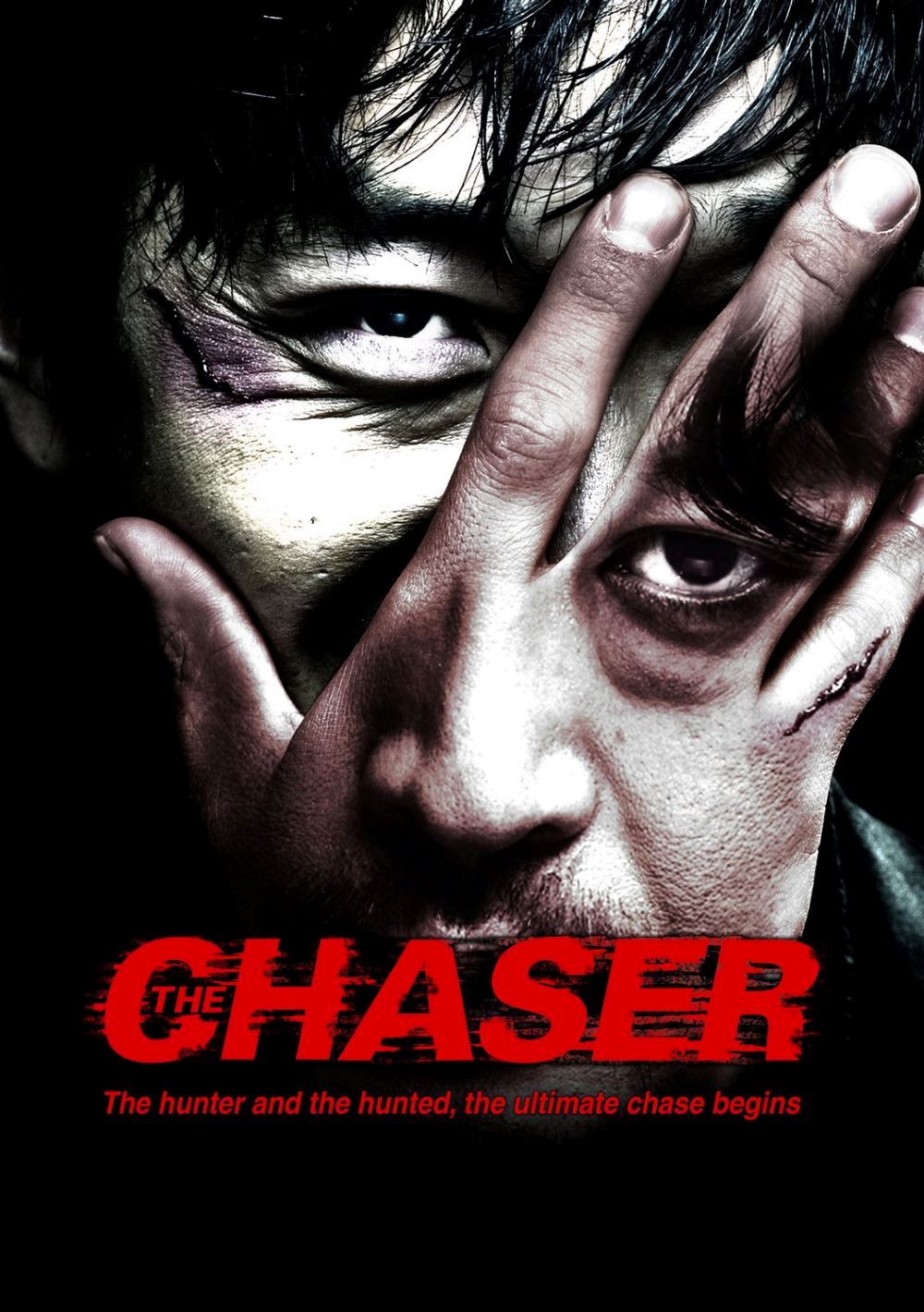
Review: The Chaser (dir. by Na Hong-jin)


“Find that bastard.” – Eom Joong-ho

You know that feeling when a thriller drags you so deep into its messiness that you forget to breathe? That’s The Chaser for most of its runtime, but it’s also a movie that stumbles as often as it sprints. Directed by Na Hong-jin in his feature debut back in 2008, this South Korean thriller doesn’t play by the usual rules. It’s not about a genius detective outsmarting a methodical killer. It’s about a washed-up, broke ex-cop turned pimp who stumbles into a serial murder case because one of his girls went missing and, frankly, he wants his money back. That blunt, ugly premise sets the tone for what follows: raw, desperate, and uncomfortably human. But being a first-time effort, The Chaser also shows its seams—clunky pacing in places, a few too many convenient coincidences, and an ending that tries for tragedy but sometimes feels more like the writer painted himself into a corner.

Let’s talk about our unlikely “hero,” Joong-ho, played with permanent five-o’clock shadow and simmering rage by Kim Yoon-seok. He’s not a good guy. He runs an escort service, slaps his girls around when they’re difficult, and only starts looking for one of them, Mi-jin, because her disappearance means lost profit. But here’s the tricky part Na Hong-jin pulls off: you still root for him. Joong-ho is tired, cynical, and beaten down by life, but underneath the scuzziness is a man who has seen too much corruption and feels a prick of responsibility when he realizes a customer might be a monster. The film doesn’t redeem him—he never turns into a noble saint—but it gives him a blunt, stubborn engine that feels real. That said, his character arc is more of a flat line. He doesn’t really change or learn anything by the end; he just gets more exhausted. For a debut, that’s a common shortcut—confusing intensity with development.

The killer, Young-min (Ha Jung-woo), is the opposite of what you’d expect. He’s not a lurking shadow or a theatrical psycho. He’s a soft-spoken guy with a pale, ordinary face who lives in a nondescript house. When Joong-ho first tracks him down through a phone number, Young-min calmly admits he took the girl, and then he calmly admits he probably killed her. The chilling part? He can’t remember the exact number of victims. He keeps a photo collection, but his memory is foggy from a brain injury. That detail is clever. It strips away the “mastermind” trope and leaves you with something more disturbing: a man who kills almost casually, like a bad habit he can’t quite recall. But the film never really explores why that brain injury matters beyond giving Young-min an occasional blank stare. As a debut flaw, it’s the kind of half-baked motivation that a more experienced director might have fleshed out or cut entirely.

What separates The Chaser from a typical cat-and-mouse thriller is how it weaponizes time and bad luck. The whole movie takes place over a day and a half, and every missed connection feels like a punch to the gut. At one point, Joong-ho drives right past the house where Mi-jin is still alive but bleeding out, because he’s following a different lead. Later, the police release Young-min on a technicality—lack of evidence—moments before Joong-ho finds crucial proof. You’ll scream at the screen. But here’s the thing: not all of these near-misses feel earned. Some of them rely on characters making decisions that are less “human error” and more “plot convenience.” For a debut director, balancing realism with momentum is tough, and Na Hong-jin sometimes tips too far into frustration for its own sake. The chase scenes aren’t slick; they’re clumsy and exhausting, which works in theory, but in practice, a couple of them drag on long enough that you start checking the runtime.

Then there’s Mi-jin (Seo Yeong-hie), the missing escort. For most thrillers, she’d be a corpse or a victim trophy. But The Chaser spends real time with her after she escapes Young-min’s basement—badly injured, confused, dragging herself through dark alleys. We see her call her young daughter. We see her haggle with a convenience store owner for a bandage. She’s not a plot device; she’s a tired single mom trying to survive. That’s genuinely good writing. However, the film also sidelines her for long stretches in the middle act, and when she reappears, the emotional payoff feels rushed. It’s a common debut problem: wanting to do justice to a supporting character but not yet knowing how to balance screen time across a whole cast.

Visually, the film is drenched in muted grays and wet streets. This isn’t the neon-lit Seoul of Oldboy or the slick gloss of I Saw the Devil. It’s rainy, cramped apartments, rundown police stations, and the kind of low-budget grit that makes everything feel lived-in and hopeless. That’s a strength. But the camerawork can get distractingly shaky, especially in dialogue scenes where no one is running. You can tell Na Hong-jin comes from a documentary background—sometimes it adds urgency, other times it feels like they forgot to set up a tripod. The sound design is nastier than the visuals: bones crack audibly, hammers thud on tile, and a child’s voice over a phone cuts through like glass. The score is barely there, which works until it doesn’t—some scenes feel a little too dry, a little too quiet, like the director was afraid of seeming manipulative.

What becomes increasingly difficult to ignore as The Chaser progresses is how the film’s portrayal of police incompetence drifts from pointed social critique into something closer to farce, yet without ever fully committing to satire. The detectives aren’t just flawed—they’re written as so hilariously useless that the movie flirts with dark comedy, but then pulls back. Are we supposed to laugh at the officer who falls asleep during a murder confession, or are we supposed to feel outraged? The tonal whiplash suggests Na Hong-jin wasn’t sure how far to push the absurdity, which is a common growing pain for a first-time director trying to balance genre beats with real-world cynicism. Also, the ending has become famous for its bleakness, but on a second watch, some of that bleakness feels forced. Without spoiling anything, the final fifteen minutes rely on a string of bad luck that would strain belief in a Final Destination movie. For a film that otherwise prides itself on gritty realism, that stretch feels like a debut director overcorrecting—trying too hard to avoid a happy ending and landing on something that’s more exhausting than meaningful.

If you compare The Chaser to Na Hong-jin’s later work, like The Yellow Sea or The Wailing, you can see the bones of a great filmmaker learning to control his impulses. Here, he throws everything at the wall: grueling chase scenes, social commentary about corrupt policing, a serial killer who isn’t a genius, a protagonist who isn’t a hero. Some of it sticks. Some of it slides off. The movie is too long by about fifteen minutes, and the middle section sags under the weight of repeated near-misses that start to feel less like tragedy and more like the director twisting the knife for the sake of it.

In the end, The Chaser is a good but uneven thriller. It’s not the masterpiece some fans claim, and it’s not a failure either. It’s a debut film with genuine energy, a couple of great performances, and a willingness to be ugly and uncomfortable. But it also has pacing issues, tonal confusion, and a third act that mistakes relentless misery for emotional depth. Watch it for Kim Yoon-seok’s grimy determination and Ha Jung-woo’s creepy blankness. Just don’t expect the polish of a veteran director. Na Hong-jin would get there later. Here, he’s still chasing his own potential.

The “This Week in Charles Bronson” podcast interviews Sherman Alexie, writer of SMOKE SIGNALS (1998)!


It’s been fun living life as one of the biggest fans of Charles Bronson in the world going back to around 1984 or 1985 when I first watched DEATH WISH on late night TV with my dad. For most of those years, my positive obsession was just shared with my family and friends. That began to change in 2021 when I met a guy named Eric Todd who ran the Facebook page “This Week in Charles Bronson.” Not only did Eric run the page, but he also hosted a podcast of the same name. I guess through my sheer enthusiasm about finally meeting people who love Bronson like I do, Eric asked me to be part of his show. I can’t tell you how much fun I’ve had joining Eric and his various guests over the last 4 years on the podcast. During that time, I’ve been part of interviews with actors Jordan Rhodes and Robert F. Lyons, actress Jan Gan Boyd, author Paul Talbot, and even Charles Bronson’s niece Lindsay Ireland. Each interview has been special to me, and Lindsay shared with us that her cousin Paul (Bronson’s stepson) listened to the episode that she was on. I never imagined my love of Bronson would afford me the opportunity to meet these kinds of people, and that Charles Bronson’s own family would enjoy our stuff!  

The fun continued this past week when Eric and I interviewed Native American author Sherman Alexie, who wrote the screenplay for the movie SMOKE SIGNALS, starring Adam Beach, Evan Adams, Irene Bedard, Gary Farmer, Tantoo Cardinal, and Tom Skerritt. Sherman loves Charles Bronson, and he told us that his dad even looked like Charles Bronson. We discussed some of his movie work, some of his short stories and novels, and the Bronson film THE WHITE BUFFALO (1977). We spend a lot of time discussing films in general, where Sherman introduced us to the movies REC (2007) and MEKKO (2015). We even spend some time talking about the “awesome” James Woods and the “scary” David Morse, who have both worked with Charles Bronson! If you want to know why I put “quotations” on those words, you’ll have to check us out.

So, if any of this sounds fun to you, I’ve linked to the YouTube video below for your viewing pleasure! If you like it, go back and watch some of our other shows and even subscribe! Some of my personal favorite shows are when us Bronson fans just sit around and talk about one of his movies. You never know where the conversations might end up. Heck, some of my favorites are shows I’m not even on! I do apologize in advance for my accent. What do you expect from a guy from Toad Suck, Arkansas?          

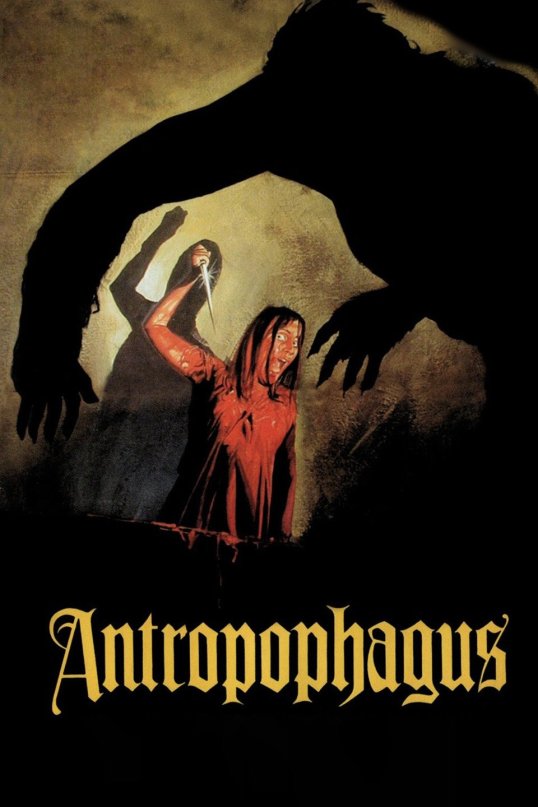
Villain of the Day: Klaus Wortmann (Antropophagus)


Yesterday, it was announced that George Eastman had passed away at the age of 83.

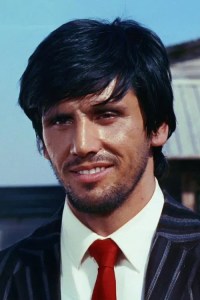
George Eastman was born Luigi Montefiori in Genoa, Italy.  Montefiori began his career by appearing in Spaghetti westerns.  The tall and often bearded Montefiori had the dangerous look that made him a natural for outlaw and henchmen roles.  Like many Italian actors, he took an “Americanized” alias for his acting roles.  He appeared in his share of American and British films (he appeared opposite Charlton Heston in Call of the Wild and played Goliath in King David) but his fans will always remember him best for the work that he did in his native Italy.  Occasionally, he played a hero.  He gave a particularly strong performance in — don’t laugh — Erotic Nights of the Living Dead.  That said, Eastman will always be best remembered for his villians.

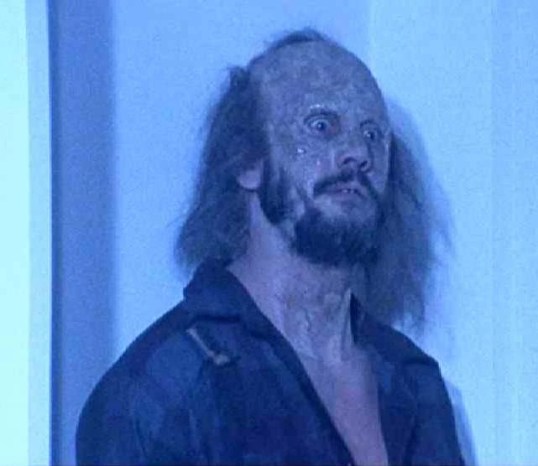
Klaus Wortmann is the one who will always give me nightmares.  Eastman played Wortmann in Joe D’Amato’s infamous 1980 film, Antropophagus.  Klaus Wortmann was a wealthy man who lived on a Greek island with his wife, daughter, and his sister.  Unfortunately, when he and his family were shipwrecked, Klaus resorted to cannibalism to survive.  As the movie begins, Klaus is back at his mansion and being sheltered by sister.  He’s also become an obsessive cannibal.  He’s surrendered his humanity.  He can no longer speak and instead just growls.  He attacks everyone that he sees and he does things to his victims that led to this film being banned in several countries.  Also known as The Grim Reaper, Antropophagus is film that delights in showing people being ripped to pieces and George Eastman is right in the middle of it all.

And he’s absolutely terrifying.

In real life, George Eastman was a handsome man.  That’s one of the things that made him such a fascinating villain in countless western and crime films.  He was usually playing a total psycho but there was still something about him that made you want to get to know more about him.  Klaus Wortmann, on the other hand, is a terrifying monster.  Unwashed, bearded, hideously scarred, continually bathed in sweat, growling and howling as he chases his victims, Klaus is a nightmare come to life.  Eastman throws himself into capturing every grimy detail of Wortmann’s twisted existence and he comes across as a creature who seems to have literally jumped out of the shadows of our greatest fears.

In many ways, Antropophagus is not a particularly good film.  Not even the notoriously shameless Joe D’Amato appeared to think much of it.  The story drags because there aren’t enough victims and therefore there’s a lot of travelogue padding, especially early on in the film.  Along with Eastman, there are some recognizable people in the cast — Tisa Farrow, Zora Kerova, Serena Grandi (who would later co-star with Eastman in Delirium) — both most of them come across like they’d rather be anywhere but there.  But when George Eastman is on-screen, the film become horrifying.  No one — not the pregnant woman and her husband, not the innocent blind girl, not even the flakey card reader — is safe.  By the end of the movie, Klaus is literally eating pieces of himself.  It takes a talented actor to pull that off.

That actor was George Eastman.

Villain of the Day

Join #TubiThursday For Brotherhood of Justice!


Hi, everyone!  Tonight, on Mastodon, I will be hosting the #TubiThursday watch party!  Join us for 1986’s Brotherhood of Justice!

You can find the movie on Tubi and you can join us on Mastodon at 9 pm central time!  (That’s 10 pm for you folks on the East Coast.)  We will be using #TubiThursday hashtag!  See you then!

4 Shots From 4 Films: Special John Wayne Edition


4 Shots From 4 Films is just what it says it is, 4 shots from 4 of our favorite films. As opposed to the reviews and recaps that we usually post, 4 Shots From 4 Films lets the visuals do the talking!

John Wayne’s birthday is just a few days away!  Here’s 4 shots from the Duke’s unforgettable career.

4 Shots From 4 Films

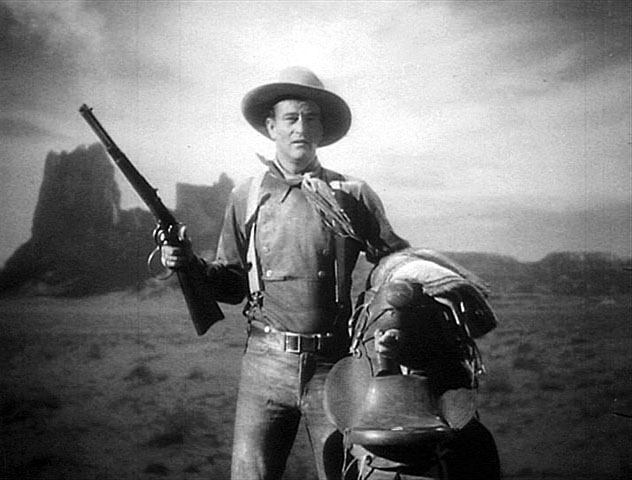
Stagecoach (1939, directed by John Ford)

Sands of Iwo Jima (1949, directed by Allan Dwan)

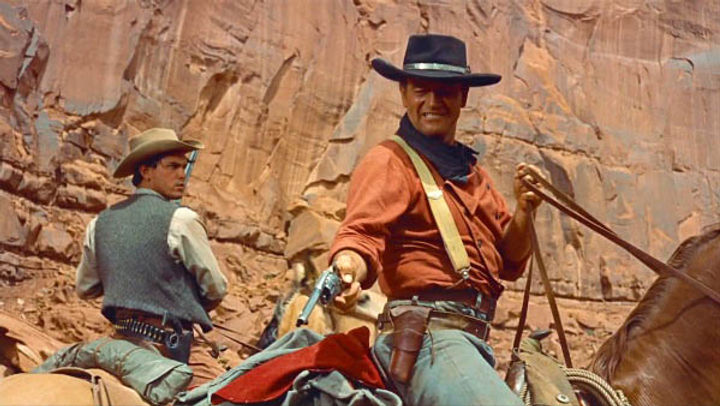
The Searchers (1956, directed by John Ford)

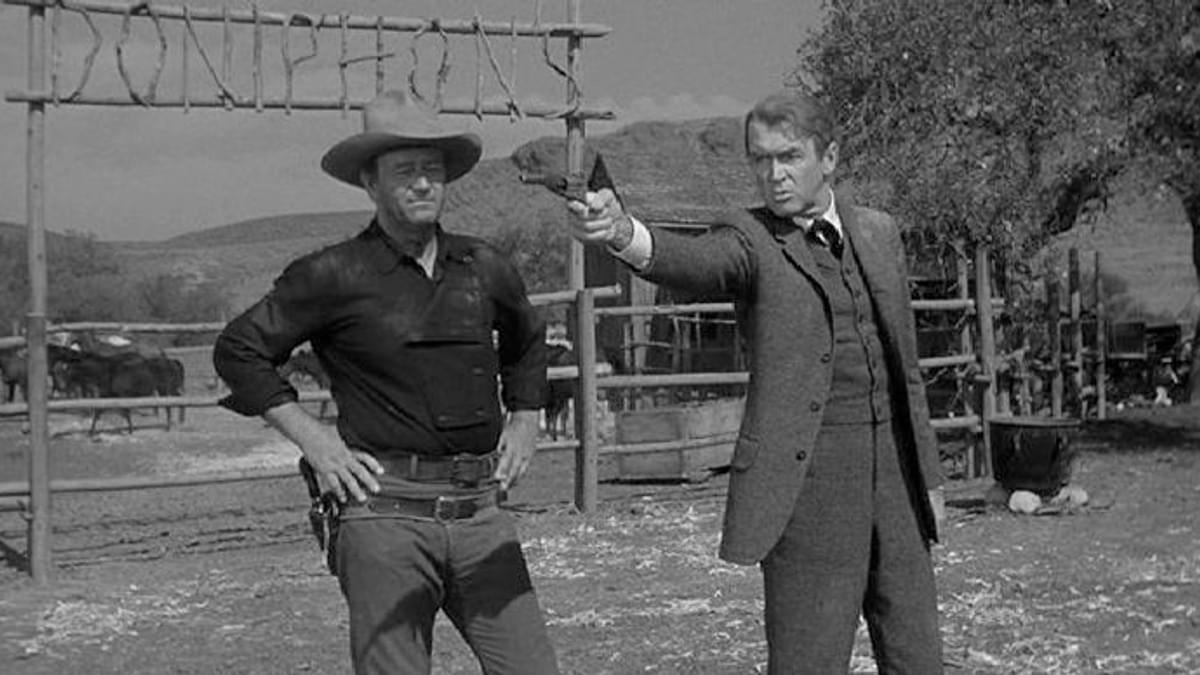
The Man Who Shot Liberty Valance (1962, directed by John Ford)