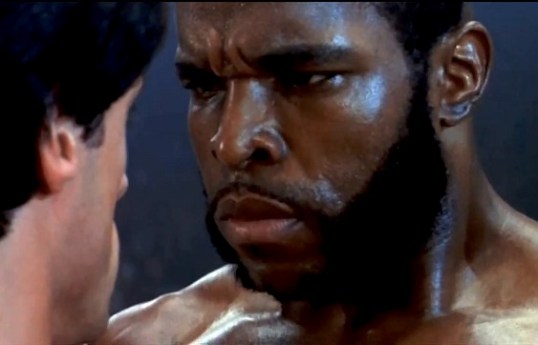
Happy birthday, Mr. T!
For today’s scene that I love, here’s Mr. T as Clubber Lang in Rocky III:
Happy birthday, Mr. T!
For today’s scene that I love, here’s Mr. T as Clubber Lang in Rocky III:
4 Shots From 4 Films is just what it says it is, 4 shots from 4 of our favorite films. As opposed to the reviews and recaps that we usually post, 4 Shots From 4 Films lets the visuals do the talking!
John Wayne’s birthday is just a few days away! Here’s 4 shots from the Duke’s unforgettable career.
4 Shots From 4 Films
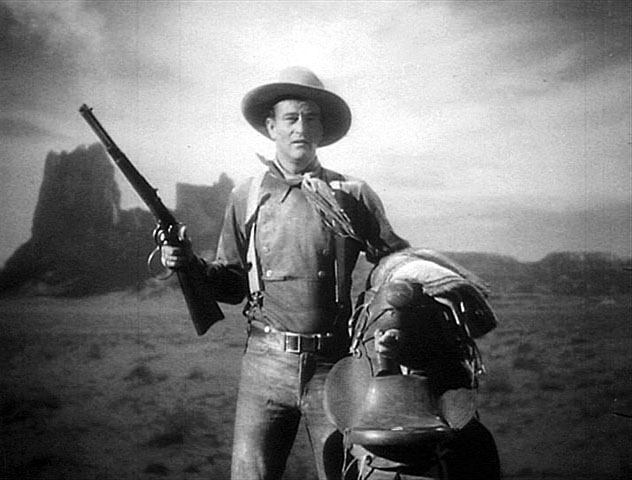
Stagecoach (1939, directed by John Ford)

Sands of Iwo Jima (1949, directed by Allan Dwan)
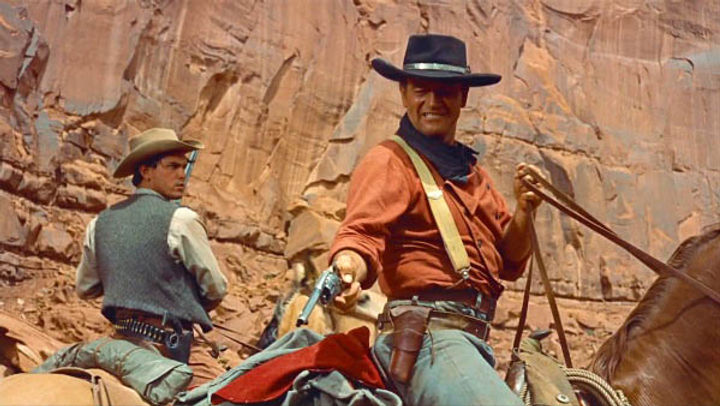
The Searchers (1956, directed by John Ford)
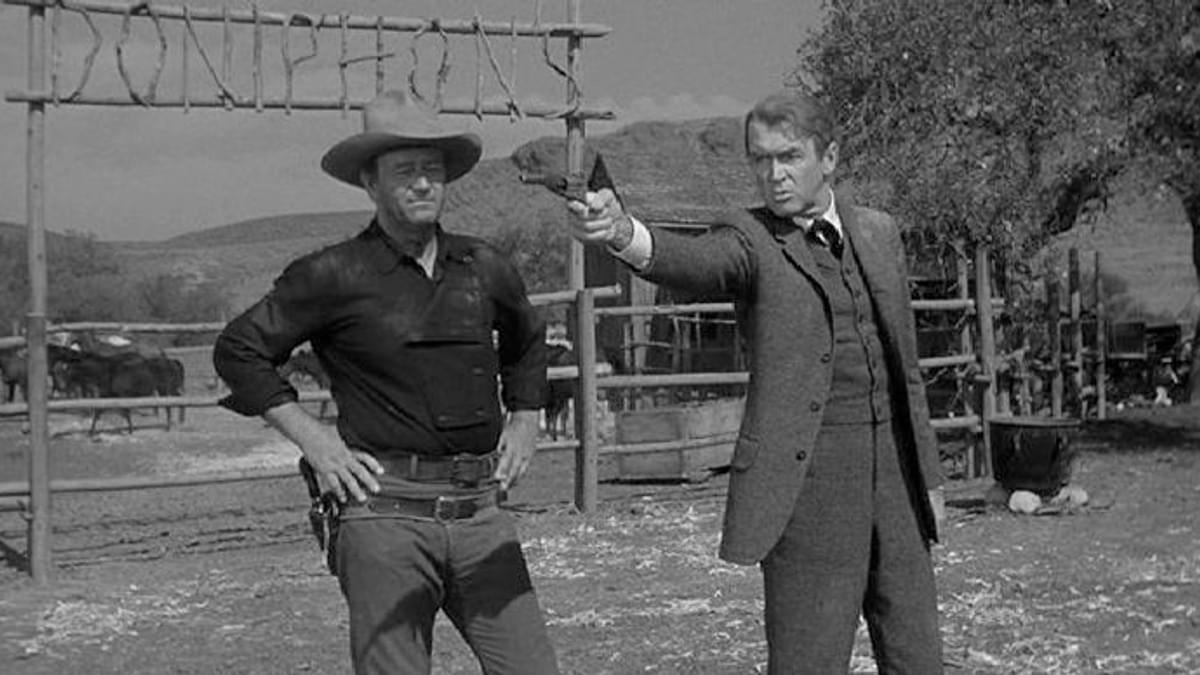
The Man Who Shot Liberty Valance (1962, directed by John Ford)
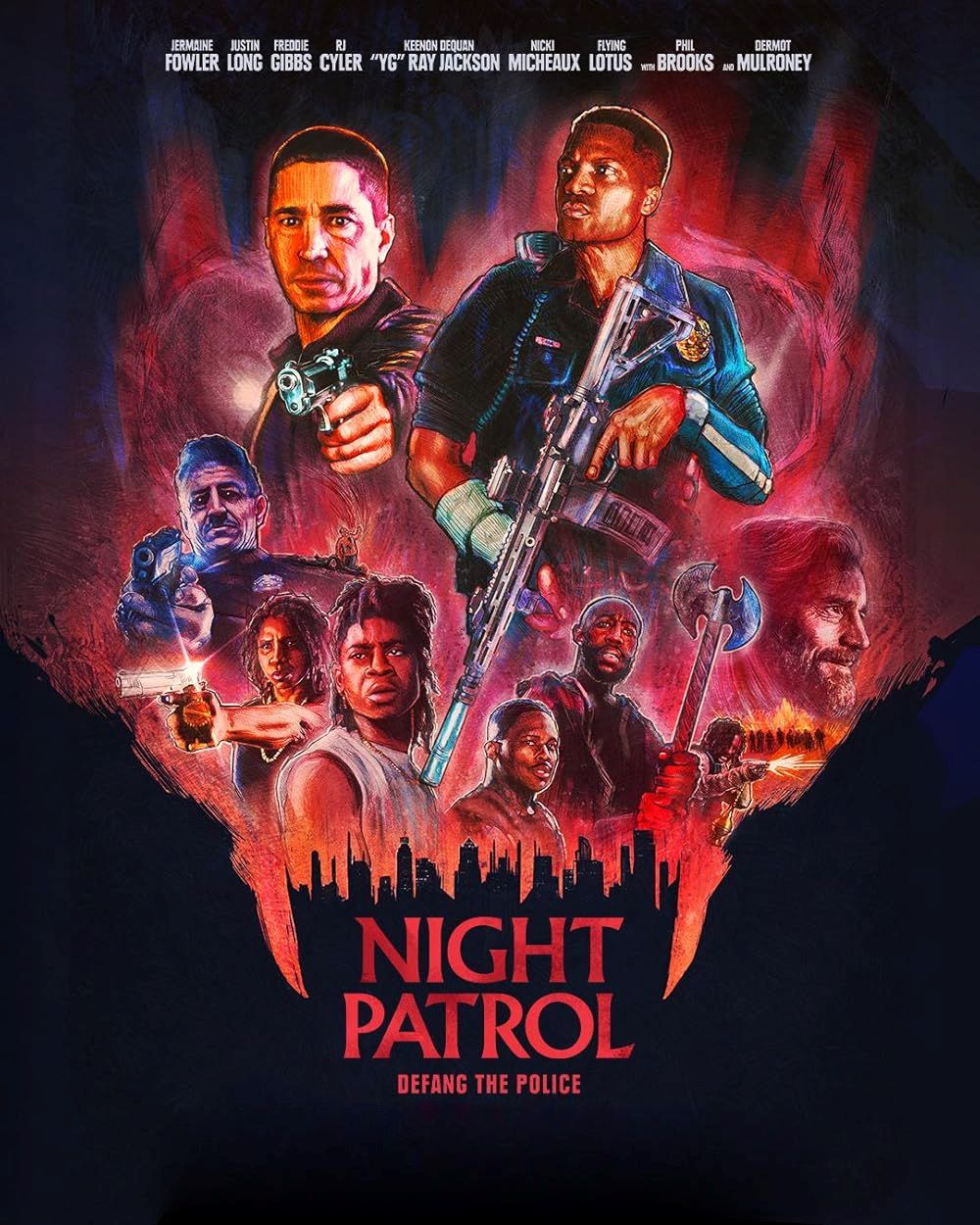
“They vampires. They drink blood!” Bornelius
You know the feeling of digging through a forgotten VHS bin and finding a movie that looks like it was beamed in from a parallel universe where grindhouse cinema never died? That’s Night Patrol in a nutshell. Directed by Ryan Prows, this scrappy, bloody genre mashup has a raw, politically charged energy that mixes social outrage with lurid horror tropes. And honestly, streaming services like Shudder have become the bargain bin of the 21st century—the place where genre films of dubious budget and quality get a new life, or in some cases, their only life. Night Patrol is a perfect example of that ecosystem: too weird for a wide theatrical release, too ambitious to be dismissed outright, and exactly the kind of movie you stumble upon at 1 AM, three scrolls deep into a streaming queue. The core idea is audacious: what if the most elite, secret unit of the LAPD wasn’t just crooked, but was actually a coven of vampires using gang violence as a cover for their midnight snacks? It’s the kind of premise that feels like it was dreamed up at 2 AM after a Super Fly and The Warriors double feature—and I mean that as a high compliment.
If you lean in, you’re in for a bumpy but often thrilling ride. The film centers on two LAPD partners: Ethan (Justin Long) and Xavier (Jermaine Fowler). Ethan is the legacy kid, the son of a legendary cop (Dermot Mulroney), who finally gets the nod to join the secretive “Night Patrol.” Xavier, who grew up in the very housing projects the unit is supposedly “cleaning up,” is left on the outside looking in, suspicious of everything. Naturally, Ethan quickly discovers that his new colleagues aren’t just trigger-happy; they’re literally heartless monsters with metal-plated fangs and a thirst for the residents of the neighborhood Xavier calls home.
Meanwhile, on the streets, Xavier’s brother Wazi (RJ Cyler) and his mother Ayanda (Nicki Micheaux) are realizing that the gang war heating up isn’t just about turf—it’s about survival against the undead. The film’s greatest strength is how it throws these characters into a blender. You have the buddy-cop tension between Long and Fowler, the street-level horror from Cyler’s perspective, and this ancient mystical element brought by Micheaux, who plays a matriarch dabbling in Zulu magic to fight the monsters. It’s a lot, but for the first hour, Prows manages to balance these plates relatively well. There’s a hint of that old-school exploitation energy here: Micheaux’s Ayanda refuses to rely on a broken system and instead arms herself with ancestral power, which gives the film a satisfying underdog-revenge backbone.
Let’s talk about the cast, because this is where Night Patrol either fires on all cylinders or sputters, depending on the scene. Justin Long, our reigning scream king, is perfectly cast as the moral compass who suddenly realizes he’s sold his soul to the corporate office. He plays the “good apple” realizing the whole barrel is rotten with a kind of weary, panicked authenticity. Jermaine Fowler is the secret weapon here; he’s grounded, funny, and provides the emotional anchor the film desperately needs when the visuals go off the rails. Think of him as a reluctant warrior caught between two worlds—the badge he wanted to trust and the community he can’t abandon.
Then, there’s C. M. Punk. The WWE champion plays a vicious white supremacist vampire sergeant, and I have to hand it to him—he’s terrifying. He doesn’t chew scenery so much as he drains it dry of all warmth. He has a physical presence and a cold, dead stare that works perfectly for a monster hiding in a uniform. On the flip side, while rapper Freddie Gibbs and Flying Lotus bring a fun, playful swagger to their gang-heavy roles, some of the other supporting performances—specifically among the vampire coven—feel stiff and amateurish. It creates an uneven texture where one scene feels like a gritty HBO drama and the next feels like a student film. That inconsistency is part of the movie’s scrappy charm, but it also keeps it from feeling fully polished—exactly the kind of rough edge you expect from a bargain bin discovery.
Visually, director Ryan Prows (who previously directed the segment The Subject in V/H/S/94) knows exactly how to make Los Angeles look like a sun-bleached hellscape during the day and a neon-drenched deathtrap at night. The cinematography is gritty and grainy, giving it that ’90s VHS vibe that makes every alleyway feel dangerous. It echoes the cheap, hungry look of independent cinema from decades past, which fits the movie’s B-movie ambitions perfectly. However, style only gets you so far, and Night Patrol hits a serious wall in its final act.
The pacing, which was already a slow burn, starts to drag heavily. There is a lot of talking. A lot of sitting in rooms explaining the “ancient lore” of the vampires, and honestly, the rules get so convoluted that you stop caring who the original evil vampire was and just want to see somebody get staked. The movie tries to have its cake and eat it too—it wants to be a serious critique of the “Thin Blue Line” ideology, an action-horror romp, and a mystical family drama. Usually, it ends up being a muddled version of all three. A tighter script would have known exactly how long to linger on a metaphor before cutting to the chase, but Night Patrol often forgets that lesson. This is where the bargain bin analogy really stings: you can feel the ambition straining against the budget and the runtime, and not every swing connects.
When the action finally does hit in the last twenty minutes, it’s brutally fun. There are guts ripped out, decapitations, and a final boss form for the villains that looks like something out of a heavy metal album cover. It’s just a shame it takes so long to get there. The social commentary is loud and clear—cops as gangs, systemic racism, the failure of the “few bad apples” defense. It’s not subtle, but for a movie where a guy gets thrown through a window in slow motion, subtlety isn’t really the goal. Night Patrol has teeth, and when it remembers to bite, it draws blood. It just spends too much time trying to decide what flavor of juice it wants to suck. And yet, without a service like Shudder, a movie like this probably never sees the light of day. It’s too rough for festivals, too niche for Netflix’s algorithm, and too weird for traditional distributors. Streaming has become the digital equivalent of the $5 DVD barrel outside a video store—full of misfires, hidden gems, and everything in between.
It’s a C+ effort that gets a B+ for sheer ambition, and honestly, in the wasteland of January genre releases, that’s more than enough to warrant a watch—if only to see Justin Long react to C. M. Punk turning into a bat-demon while Jermaine Fowler tries to talk sense into everyone. You can’t get that anywhere else, and that’s exactly why the bargain bin still matters.
Since today is James Stewart’s birthday, it seems appropriate that our scene should be from one of my favorite films of all time, 1946’s It’s A Wonderful Life. In this wonderfully acted and directed scene, George Bailey tells off Mr. Potter, for the first but certainly not the last time:
4 Shots From 4 Films is just what it says it is, 4 shots from 4 of our favorite films. As opposed to the reviews and recaps that we usually post, 4 Shots From 4 Films lets the visuals do the talking!
Today, we celebrate the birthday of one of the greatest American actors of all time, the wonderful James Stewart! It’s time for….
4 Shots From 4 James Stewart Films
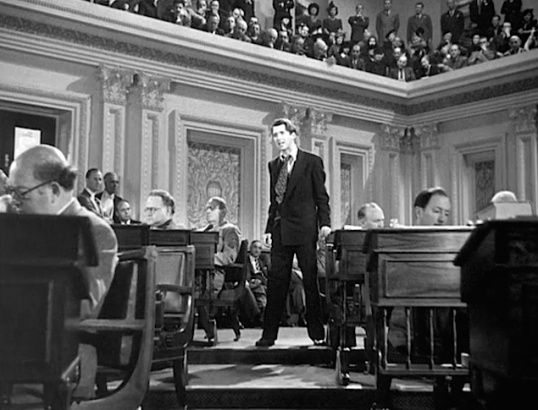
Mr. Smith Goes To Washington (1939, dir by Frank Capra, DP: Joseph Walker)

It’s A Wonderful Life (1946, dir by Frank Capra, DP: Joseph Walker and Joseph Biroc)

Rear Window (1954, dir by Alfred Hitchcock, DP: Robert Burks)
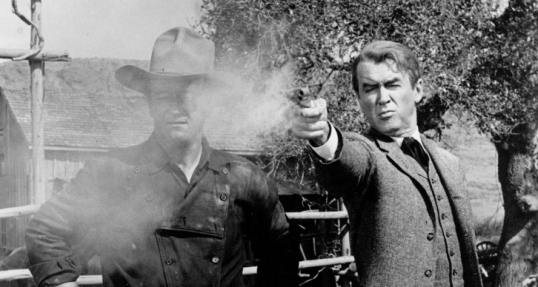
The Man Who Shot Liberty Valance (1962, dir by John Ford. DP: William H. Clothier)
Today is Pete Townshend’s 79th birthday and today’s scene that I love features Pete Townshend (as a member of The Who) performing at Woodstock in 1969.
Roger Daltrey later said that this was the worst gig that they ever played and The Who did end up going on stage early in the morning, with the sun rising as they performed See Me, Feel Me. The majority of The Who’s performance was not included in the initial release of the Woodstock documentary but the noticeably grainy footage would later be included in various rereleases.
Unfortunately, no cameras recorded the moment when Pete Townshend became the hero that 1969 needed by kicking a ranting Abbie Hoffman off of the stage. But, audio of the incident survived.
Here is The Who at Woodstock:
4 Shots From 4 Films is just what it says it is, 4 shots from 4 of our favorite films. As opposed to the reviews and recaps that we usually post, 4 Shots From 4 Films lets the visuals do the talking!
Today, on what would have been his 73rd birthday, we celebrate filmmaker Albert Pyun!
It’s time for….
4 Shots From 4 Albert Pyun Films
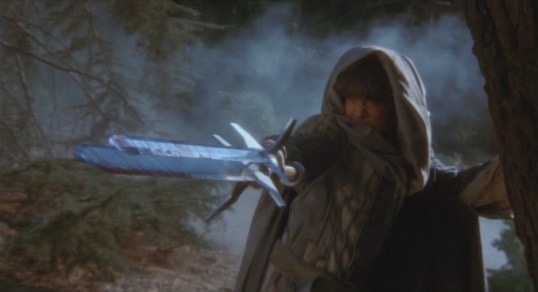
The Sword and the Sorcerer (1982, dir by Albert Pyun, DP: Joseph Margine)
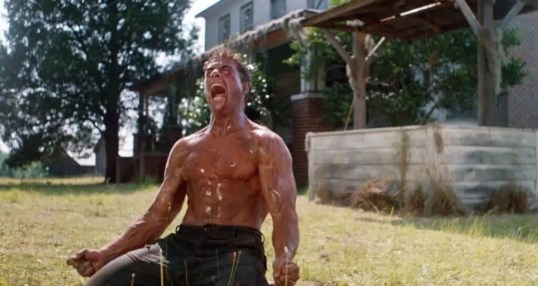
Cyborg (1989, dir by Albert Pyun, DP: Philip Alan Waters)
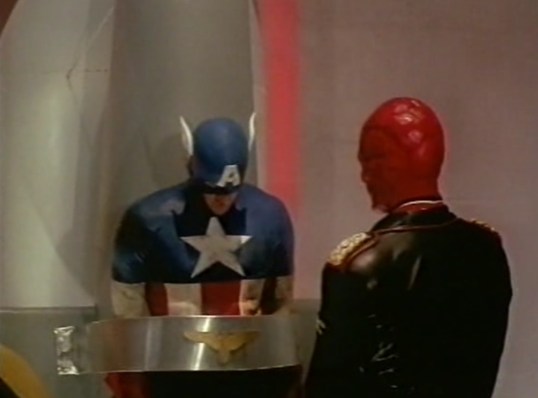
Captain America (1990, dir by Albert Pyun, DP: Philp Alan Waters)
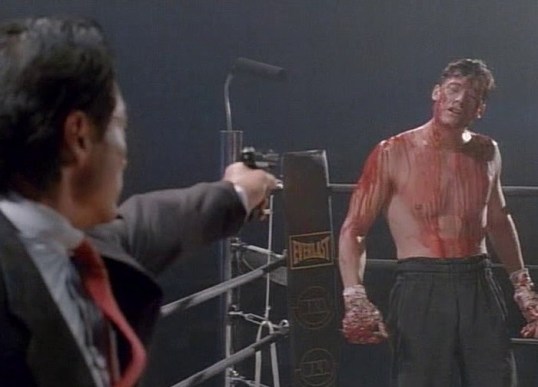
Kickboxer 2 (1991, dir by Albert Pyun, DP: George Mooradian)
Chow Yun-Fat is one of the great international movie stars, and he’s my favorite living actor. Today is his 71st birthday, and I’ve been watching and reviewing his movies like crazy this month. I’ve had a ball. I’ll have new reviews to share soon, but today I’m sharing six fun screen images featuring the Hong Kong legend!
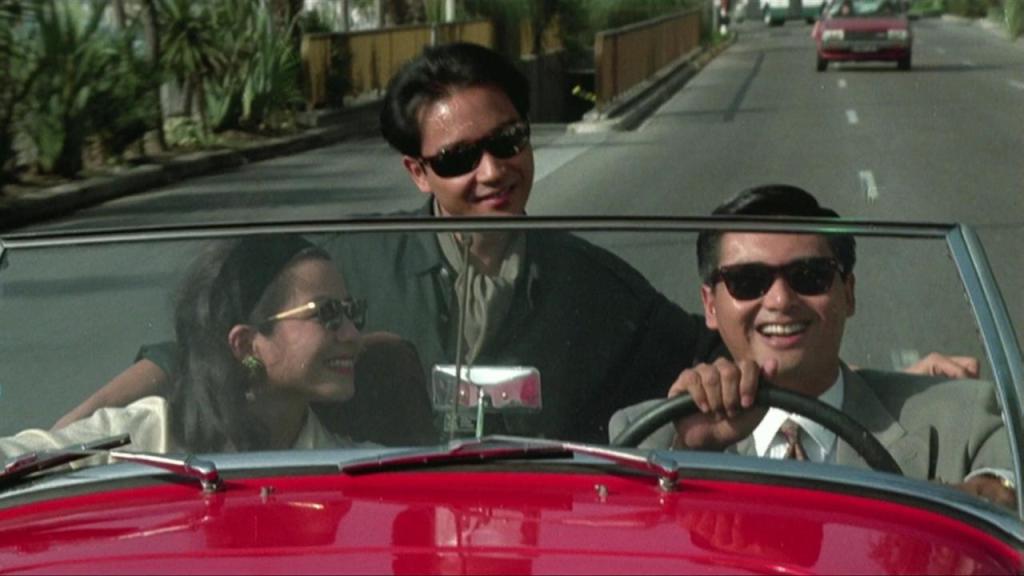
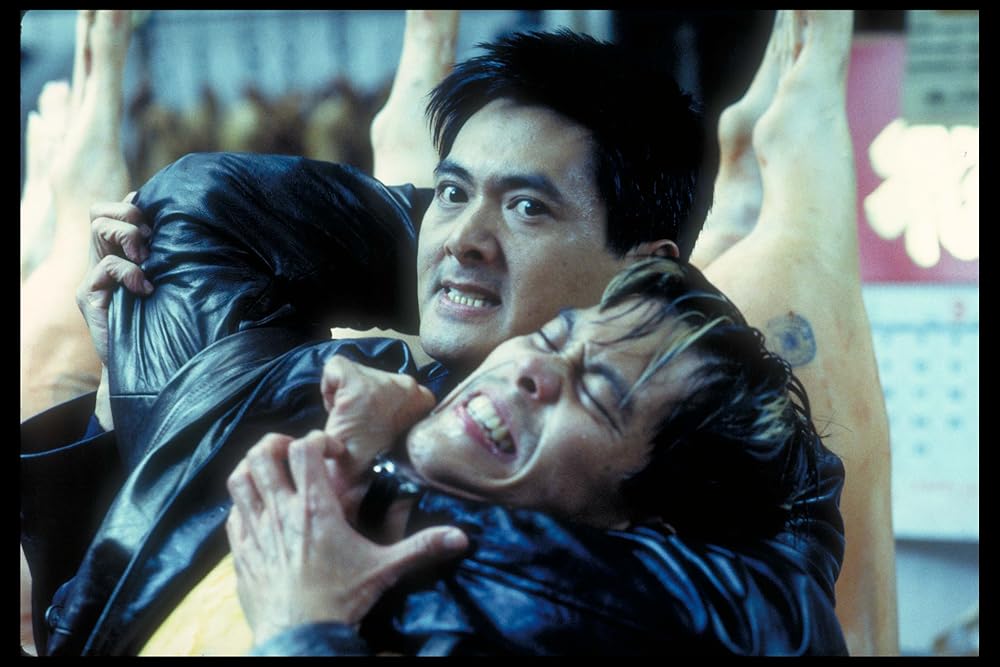
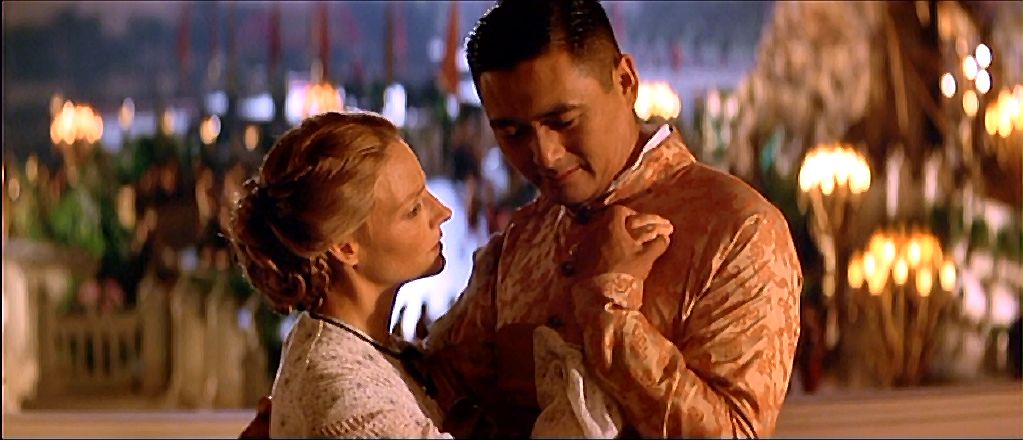



“Just because you chose this for her doesn’t make it less real.” — Phone Operator
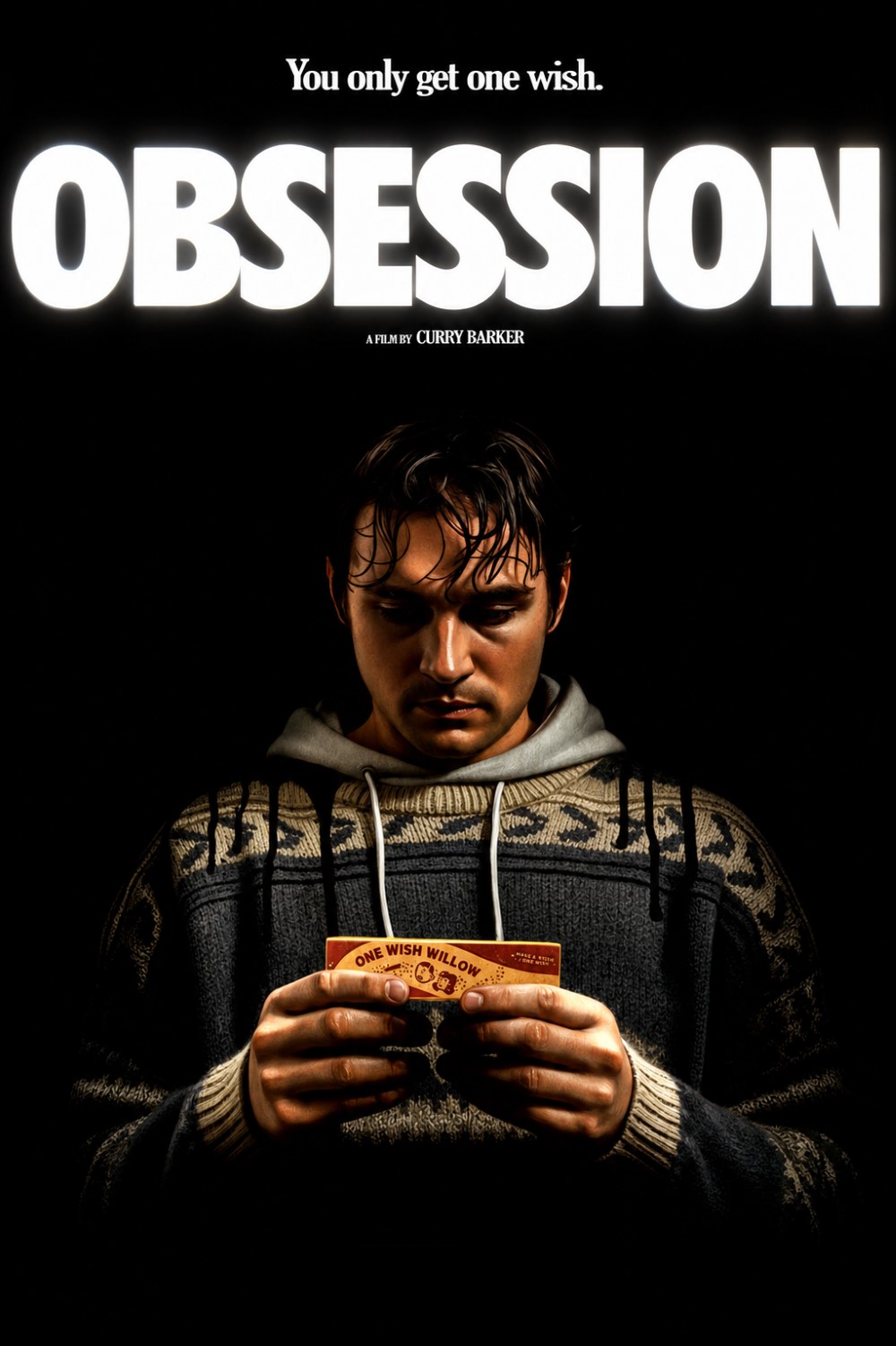
There is something especially unsettling about horror films that begin with a simple emotional truth. Obsession, written and directed by Curry Barker, starts with a feeling most people understand: wanting someone to love you back. Barker takes that universal desire and twists it into something ugly, tragic, and terrifying. The result is a horror film that works both as a supernatural nightmare and as an uncomfortable examination of loneliness, entitlement, and emotional dependency.
The premise sounds deceptively simple. Bear, played by Michael Johnston, is a socially awkward young man hopelessly in love with his longtime friend Nikki, played by Inde Navarrette. Bear convinces himself that if circumstances were just slightly different, Nikki would finally realize he is the right person for her. When he discovers a supernatural object known as the “One Wish Willow,” he makes the disastrous decision to wish that Nikki would love him completely. Naturally, the wish mutates into something horrific, transforming Nikki’s affection into a violent and all-consuming obsession.
At its core, Obsession feels like an old-fashioned monkey’s paw story updated for the modern age. Barker takes the familiar “be careful what you wish for” premise and dials the nastiness up to 11. The film fully commits to the emotional ugliness of its concept, giving the well-worn trope a vicious bite that makes the movie far better than it has any reason to be. Instead of treating the supernatural element like a gimmick, Barker roots the horror in emotional selfishness and the terrifying consequences of trying to control another person’s feelings.
What makes the film work so well is that Barker avoids turning the story into a heavy-handed moral lecture. The script trusts the audience to understand the disturbing reality underneath Bear’s actions. Bear is not portrayed as a cartoon villain. He is insecure, lonely, emotionally immature, and quietly resentful. That complexity makes him far more unsettling because he feels recognizable. The film taps into a very modern type of “nice guy” entitlement, where affection is viewed less as mutual connection and more as something owed or deserved.
Michael Johnston gives an impressively layered performance as Bear. He never plays the character as openly monstrous right away. Instead, Johnston leans into Bear’s passivity and self-pity, making him seem like someone convinced life has unfairly denied him happiness. Even as events spiral out of control, Bear continues rationalizing his decisions instead of fully confronting the damage he has caused. Johnston manages to make the character pathetic, frustrating, and disturbing all at once.
Inde Navarrette delivers the film’s strongest performance as Nikki. Once the wish begins taking hold, Navarrette shifts between affection, emotional collapse, desperation, and outright menace with remarkable control. What makes her performance especially effective is that Nikki never stops feeling human beneath the horror. There is a lingering sadness to the character because the film makes it clear she is losing her autonomy piece by piece. That loss of agency becomes one of the movie’s most disturbing ideas.
More than anything, Obsession is about the horror of emotional suffocation. Barker exaggerates toxic relationship dynamics into supernatural horror, but the emotions underneath everything feel believable enough to sting. The film understands how frightening dependency can become when love starts turning into possession. In many ways, the supernatural curse almost feels secondary to the emotional damage unfolding between the characters.
One of the film’s biggest surprises is how confidently Barker handles tone. Considering his background in online comedy and internet content, it would have been easy for the movie to lean too heavily into irony or self-awareness. Instead, Obsession balances dark humor and psychological dread remarkably well. There are genuinely funny moments throughout the film, often rooted in painfully awkward social interactions, but the comedy never weakens the horror. If anything, it makes scenes more uncomfortable because the characters and situations feel recognizable.
Visually, the film punches far above its apparent budget. Barker and cinematographer Taylor Clemons create an atmosphere that feels claustrophobic and emotionally oppressive. The framing often leaves characters isolated within empty spaces, subtly reinforcing the loneliness and discomfort driving the story. The lighting also deserves praise, frequently bathing scenes in dim yellows, reds, and shadows that gradually make ordinary environments feel increasingly hostile.
The sound design is equally effective. Barker wisely avoids relying only on loud jump scares. Instead, the film builds tension through silence, distant noises, and subtle audio distortions that make scenes feel emotionally wrong before anything overtly frightening even happens. Combined with Rock Burwell’s unsettling score, the movie maintains a lingering sense of dread that hangs over nearly every scene.
When the horror finally erupts into violence, Barker shows admirable restraint. The graphic moments land hard because the emotional groundwork has already been carefully established. Some scenes are genuinely difficult to watch not simply because they are bloody, but because the violence feels directly tied to desperation, obsession, and loss of control. The film understands that emotional discomfort can often be more disturbing than gore itself.
If the movie has weaknesses, they mostly stem from Barker occasionally pushing the central metaphor a little too hard. Some later scenes become slightly obvious in their symbolism, and a few supporting characters feel underdeveloped compared to the leads. Still, those flaws never seriously damage the film because the central performances and atmosphere remain compelling throughout.
What ultimately makes Obsession stand out from many modern horror films is how emotionally specific it feels. Rather than chasing broad social commentary, Barker narrows his focus onto a very particular kind of emotional dysfunction. The film is less interested in making sweeping statements about relationships and more interested in examining the terrifying consequences of confusing love with ownership.
In that sense, the “One Wish Willow” works less as a magical object and more as a representation of selfish fantasy. Bear wants love without vulnerability, rejection, or reciprocity. He wants an easy shortcut to emotional fulfillment. The horror comes from realizing that genuine love cannot exist without freedom.
There are traces of earlier psychological horror films throughout Obsession. The movie occasionally recalls the obsessive fixation of Misery and the emotional body horror of Possession, though Barker filters those influences through a distinctly modern lens shaped by internet-age loneliness and social isolation. Yet despite those influences, the film never feels derivative. Barker’s voice as a filmmaker comes through clearly in both the emotional discomfort and escalating supernatural chaos.
Perhaps the most impressive thing about Obsession is how assured it feels for a filmmaker still early in his career. Barker directs with confidence, gradually tightening the emotional pressure until the movie becomes almost suffocating by its final act. By the end, the film reaches a level of tragic inevitability that feels earned rather than forced.
Obsession succeeds because it recognizes how frightening loneliness and emotional dependency can become when mixed with entitlement and fantasy. Beneath the supernatural premise is a painfully human story about people confusing obsession with love. Curry Barker turns that idea into a disturbing, darkly funny, emotionally bruising horror film that lingers long after the credits roll.
For a filmmaker making such an ambitious leap into feature-length horror, Barker delivers something remarkably confident and emotionally sharp. Obsession is creepy, uncomfortable, tragic, and surprisingly insightful. More importantly, it feels like the arrival of a filmmaker who understands how modern horror can reflect real emotional anxieties while still delivering an entertaining and deeply unsettling experience. In many ways, Barker joins the recent wave of younger horror filmmakers like Oz Perkins and Zach Cregger who have proven that horror, dread, and dark comedy do not have to work against each other. Like those directors, Barker understands how to blend discomfort, absurdity, and genuine emotional tension into a cohesive whole, creating a film that is as unsettling as it is unexpectedly funny.
Hi, everyone! Tonight, on twitter, I will be hosting one of my favorite films for #MondayMania! Join us for 2015’s A Teacher’s Obsession!
You can find the movie on Prime and then you can join us on twitter at 9 pm central time! (That’s 10 pm for you folks on the East Coast.) See you then!

