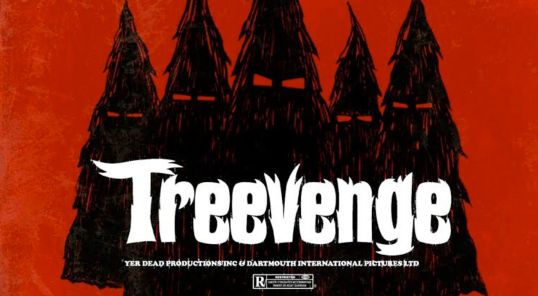
It’s that time of year again when Through the Shattered Lens celebrates it’s favorite month with another screening of I consider the greatest film ever made. This is a film that speaks to everyone at this site in one way or another. To dispute it’s “G.O.A.T.” status would be an exercise in inept futility.
It has horror, heartache, romance, kinky sex, interspecies assault, Disney-esque reenactments, revolution, ninja stars, redneck sociopaths, chainsaws and Jawa-speak. Not to mention it has baby-sitting tips, how to make a knothole in a Christmas tree and an Evil Dead tree reenactment. It’s a film that’s fun for the whole family.
As another October comes to a close it’s another opportunity to give Jason Eisener his due and say, “Good sir, we salute you.”
“You step outside. You risk your life.” — Hershel Greene
The first two episode of The Walking Dead for season 4 has been all about upending the sense of normalcy and serenity that Rick and his group of survivors have fought and worked to create within the safety of the prison. We saw a timeskip of many months from the time Rick brought the survivors of Woodbury back to the prison to show them that they weren’t the monsters the Governor had made them up to be and from there started up this community that the audience was dropped into in season 4.
As we saw with last week’s episode, “Infected”, that sense of civilization and safety was nothing but an illusion. The zombies got into the prison and attacked a major chunk of the survivors and now a new threat has reared it’s viral head to make the lives of Rick and the gang that much more difficult, if not, hopeless. Zombies, even herds of them, and other people this group could handle as Glenn commented to his father-in-law, but the disease which struck Patrick and looks to be burning through those who were in the compromised Cell Block D was one thing they couldn’t fight.
“Isolation” marks another forward step for a show that has had a difficult time trying to stay on course when it comes to it’s overarching story arcs for the season. New showrunner Scott M. Gimple promised a season that was going to avoid standing pat, but reintroduce a sense of mystery and unknown dangers to a group that’s as battle-hardened as any military unit after three seasons of constant fighting. Now we know that one of these new dangers is a disease (maybe a particularly strong strain of the flu or maybe even the plague itself) which has used the cramped living spaces of the prison and a shortage in proper medicines to incubate and spread itself amongst the survivors.
The entire episode works almost like an isolation ward for the main characters and some of the newer ones. They’ve come such a long way to survive this hellish new world and partly due to isolating themselves from the problems inherent in a zombie apocalyptic world, but also in a community that’s one step removed from the disease-ridden refugee camps we see televised on TV on a daily basis. This was a group that had fooled itself into thinking that isolating their little piece of “heaven” from the outside would keep them safe. It has to a certain degree but it also made them complacent. Yes, they’ve become more compassionate (though smarter) about letting new people into the community, but they’ve stopped trying to venture farther out into the wilderness to find other communities who could share resources and help rebuild the very civilization Rick and the council has been working so hard to accomplish.
Now, their isolation will need to end as they must find new sources of medicines to help combat the disease that’s burning through the prison. Their mission has become much more dire in that it’s not just the new additions to the group who have now become infected but one of their in Glenn has succumbed to it as well. And for all the hardcore survival instincts and skills Daryl, Michonne and the rest have honed to a deadly degree the world outside still remains one that could kill them all without hesitation no matter their skills. The pan of the camera to show the oncoming herd (much bigger than past shown herds) on the group of Daryl, Michonne, Tyreese and Bob was something we rarely see in zombie flicks and tv (though World War Z did it through use of CG). This sequence just shows how easily people who’ve isolated themselves from this never-ending danger could easily lose hope as Tyreese looked to have at first glance.
This latest episode of The Walking Dead really didn’t have any of the action we saw in the first two episode of the new season, but it’s been one that avoided the past season mistakes of not moving the story forward. Yes, they’re still stuck in the prison, but the narrative has continued to propel forward. We find out who killed Karen and David (the burnt bodies that ended episode 2) instead of the writers stretching it out over several episodes. The answer to this mystery brings up new questions as to why this long-standing character decided to act unilaterally even if it was for the greater good of the community. The fact that their actions ultimately failed to keep the disease in check still doesn’t change the fact that even the meekest of the group has grown and change to adapt to a world where even something as simple as a common cold or the flu could kill just as quickly as the zombies gathering at the prison fences.
“Isolation” was written by comic book creator Robert Kirkman who has grown to become better in translating ideas he has written for the series’ comic book counterpart and ideas discarded along the way into something that helps the tv show distinguish itself from the original source material. The show has almost become a way for Kirkman to recreate the early days of the comic book source with new themes and characters. With the comic book itself already years ahead of the show it’s going to be interesting to see whether the tv show will skip some of the smaller story arcs that occur after the prison and move the group closer to the timeline comic book readers are currently at.
While short on action, “Isolation” brings to the fore new problems for the group both immediate and moral. Will the admission of one of their own to the culpability of Karen and David’s murder be told to the rest of the council or will Rick keep this secret to himself? Is the brief radio signal caught in the car radio as Daryl and his scavenging group drive down the road lead to the Governor or a truly safe haven?
One thing that’s been consistent with this new season so far has been that the writers have learned to not stand pat with the show’s narrative. Previous showrunner Glen Mazzara preached forward momentum with season 3 but ultimately failed as the season limped to it’s finale. Only time will tell whether new showrunner Scott M. Gimple will do the same or actually finish this season strong and actually stay around for a following season.
Notes
“Infected” was written by source material creator Robert Kirkman and veteran tv director Dan Sackheim.
The fight between Rick and Tyreese was one of several fandom moments which mirrors similar scenes in the comic book, but with the show arriving to the scene in a much different manner. In the comic book, this fight occurred after Tyreese found out about her daughter’s death as part of a suicide pact with her boyfriend and Tyreese murdering the boyfriend and then shooting her daughter after she turned.
The other moment being Tyreese’s hammer rampage on the zombies that surrounded their car on the way to the veterinary college. In the comic book, this scene happened in the prison indoor gym.
We learn more about just how virulent the disease that took Patrick really is as survivors of Cell Block D and some of those who fought to save it succumb less than a day from Patrick dying from it.
I know it’s become a joke when it comes to Carl and his trusty gun, but it’s good that the writers saw fit to not prolong this particular storyline. Rick, more than anyone else, understands that Carl is one of the better fighters in the community and he’s come to regret trying to hamper the boy and in return make the group less effective.
Carl actually listening to Hershel about not having to kill every zombie they come across was a surprise. We’ve seen how leaving a zombie still standing and operating led to disastrous results for season 2. Will Carl practicing restraint come to bite the group again or does it mean Carl has edged back away from becoming a sociopath and into something more like his father and less like Shane. With each passing episode Carl looks to be emulating Daryl more and more and that could be a good thing in the long run seeing how Rick is not what one would call mentally stable.
Nice to see the writers actually giving one of the new characters, Larry Gilliard, Jr’s Bob Stookey, some character growth moments where in the past such new faces were relegated to becoming either zombie chow or cannon fodder. His reaction to finding out that they will be taking Zack’s car (Beth short-lived boyfriend from the season premiere) to their scavenge run to the local veterinary college 40 miles away shows how much guilt he feels at having caused the young man’s death.
One of the best reveals of the season so far has been that massive herd that looks to be in the thousands bearing down the highway and Daryl, Michonne, Tyreese and Bob stuck in their car. A question that rises up from this sequence is to whether this herd is heading towards the prison or will it just bypass their haven altogether.
Carol, Carol, Carol has become the new lightning rod for this season. Some have enjoyed the characters growth into a bonafide survivor in more than one sense. Some don’t like the fact that she’s become too cold and calculating even if it’s for the greater good of the group. Some just can’t get behind the fact that a woman on the show has actually become one of it’s more level-headed characters. I, for one, hope she sticks around past this season. This Carol has become the show’s comic book version of Andrea and that should be celebrated instead of denigrated.
Talking Dead Guests: Series executive producer Gale Anne Hurd, Jack Osborne and Marilyn Manson. Manson definitely made for a unique guest on the post-episode show. To say that he made show host Chris Hardwick more than just a tad uncomfortable would be an understatement.
“We make up horrors to help us cope with the real ones.” — Stephen King
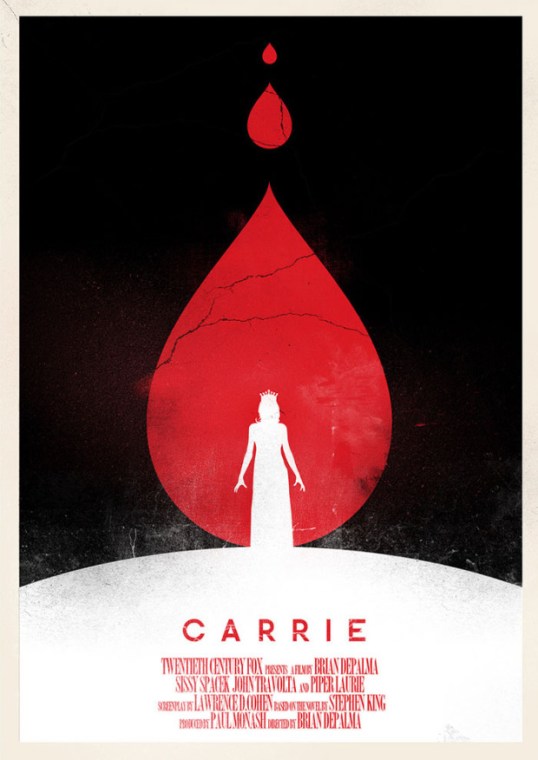
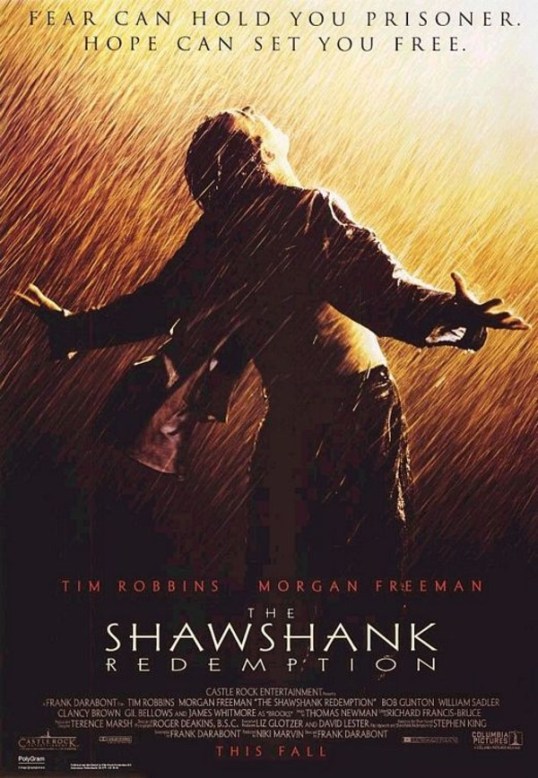
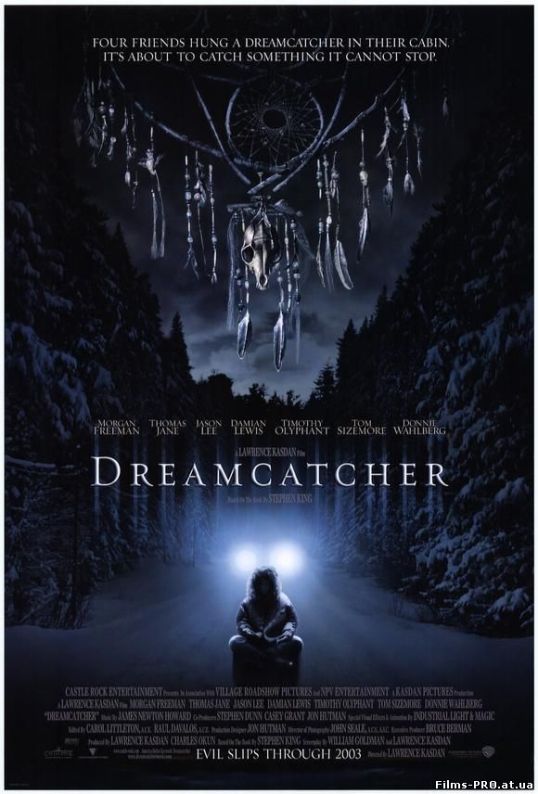
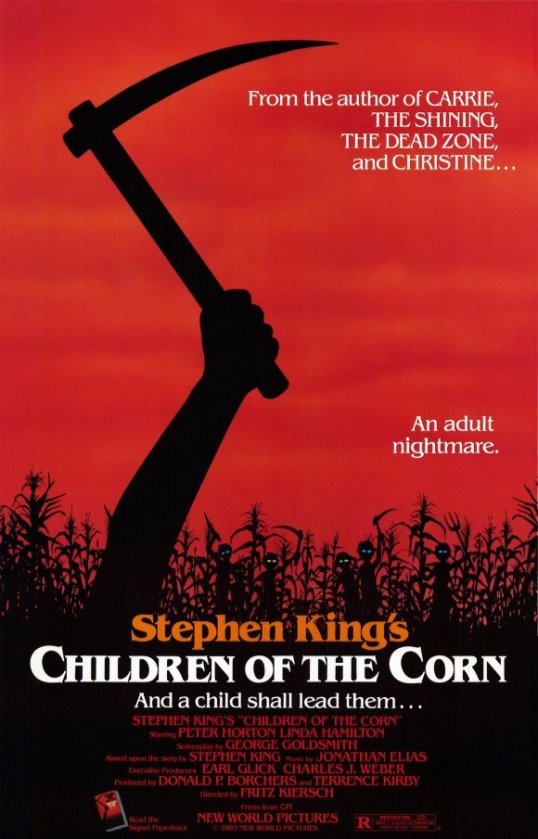
Last week we saw the release of the Carrie remake starring Chloe Grace Moretz and directed by Kimberly Peirce. This got me to thinking that of all the writers I grew up reading it was Stephen King whose novels, novellas and short stories made for easy film adaptations. His stories may be supernatural, horror scifi or dark fantasy but they all share that common denominator of having some basis in the real world.
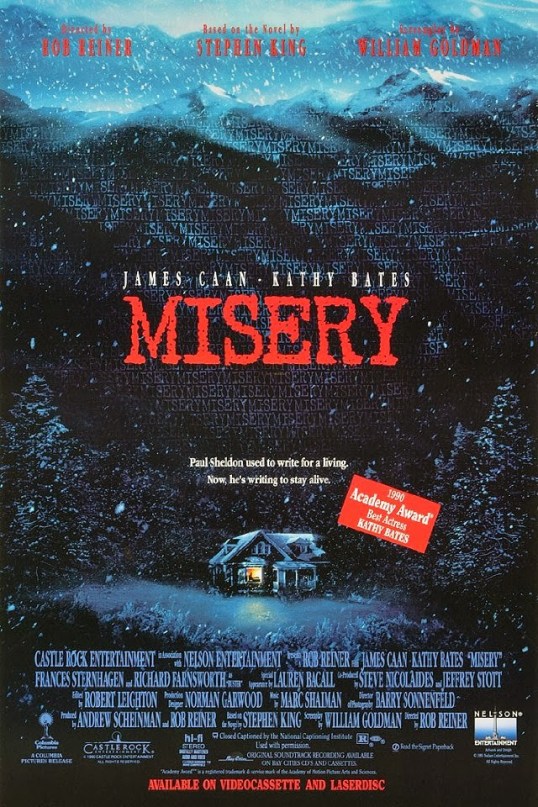
They’re stories of how the real world and it’s seemingly normal inhabitants will react to something just beyond the norm, the pale and the real. In one story we pretty much have a Peyton Place-like setting having to deal with a arrival of a Dracula-like figure. On another we see the isolated work of hotel sitting during the winter turn into something both supernatural and a look into the mind of someone cracking under the pressure of issues both personal and professional.
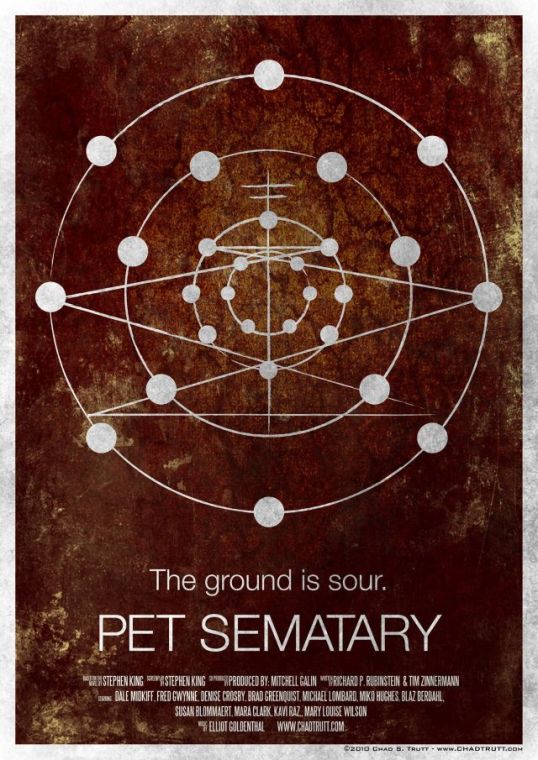
With all the Stephen King film adaptations since the original Carrie I know I have seen them all and can honestly say that I’ve become an expert on the topic. So, here’s what amounts to what I think would be my top 10 best and bottom 5 worst film/tv adaptations from Stephen King stories.
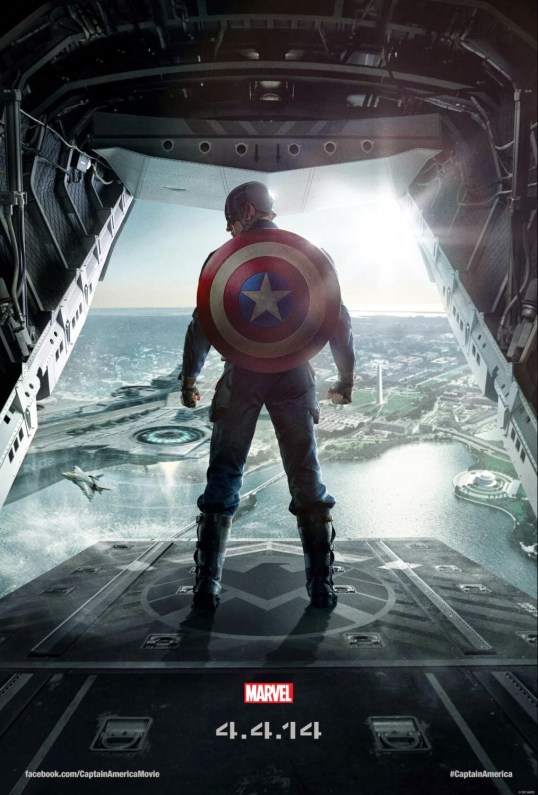
We take a brief break from all things horror here at Through the Shattered Lens to bring to you the first official trailer for Marvel Studios second film in their Phase 2 of their Marvel Cinematic Universe.
Captain America: The Winter Soldier sees the return of Steve Rogers aka Captain America (The first Avenger) post-Battle of New York. He’s now an official member of S.H.I.E.L.D. but soon realizes that his 40’s ideals may not mesh well with the all-encompassing and super-secretive intelligence organization. From the look and feel of the trailer it looks like the film’s directors, Anthony and Joe Russo, are going for the conspiracy thriller tone for this new Captain America entry.
This is a good choice considering that the screenplay has been heavily influenced by Ed Brubaker’s run on the Captain America comics which also introduced the Winter Soldier of the film’s title.
Captain America: The Winter Soldier is set for a Spring, April 4, 2014, release date.
Who said a song from a horror film had to be horrific. Some songs just attaches it’s hooks into you and won’t let go and one such song that one wouldn’t associate with the horror film genre just does that with the latest “Song of the Day”.
In 2006, a little horror-comedy film came out directed by James Gunn called Slither. There’s a repeating gag in the film that both highlights the film’s horror and comedy. It’s scored by a classic Air Supply ballad by the title of “Every Woman In the World”. It’s the love song of Grant Grant (played Merle Dixon himself, Michael Rooker) and his loyal and faithful wife, Starla (played with earnestness by Elizabeth Banks). It comes on whenever the two share a tender moment even when things get thick and slithery.
Every time this song plays on the radio now I can’t help but think back to Slither.
Every Woman In the World
Overnight scenes dinner and wine Saturday girls I was never in love, never had the time In my hustle and hurried world Laughing my self to sleep, waking up lonely I need someone to hold me, oh
It’s such a crazy home town It can drag you down Till you run out of dreams So you party all night to the music and lights But you don’t know what happiness means I was dancing in the dark with strangers No love around me When suddenly you found me, oh
(Chorus) Girl, you’re every woman in the world to me You’re my fantasy, you’re my reality Girl, you’re every woman in the world to me You’re everything I need, you’re everything to me Oh girl
Everything good, everything fine That’s what you are So put your hand in mine and together we’ll climb As high as the highest star I’m living the lifetime in every minute That we’re together And I’m staying right here forever, oh
(Chorus) Girl, you’re every woman in the world to me You’re my fantasy, you’re my reality Girl, you’re every woman in the world to me You’re everything I need, you’re everything to me Oh girl (5x)
The latest “Scenes I Love” is from a horror-comedy classic from the early 90’s.
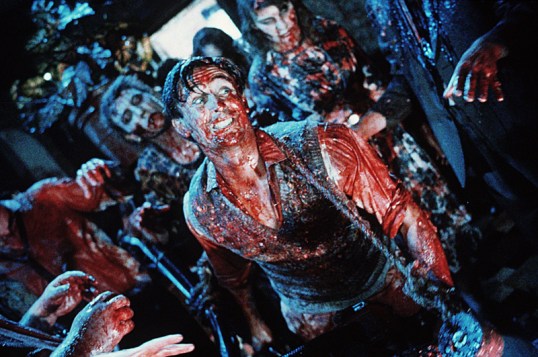
Before Peter Jackson traveled and chronicled Middle-Earth he was a Kiwi filmmaker who dabbled and had fun with low-budget splatstick horror. One such film was the horror-comedy zombie flick Dead Alive aka Braindead. The scene in question happens in the extended climactic third reel of the film and has to go down as the goriest and bloodiest film sequence ever shot.
Watching this clip makes one wonder how Peter Jackson was the same person who made this film and the Tolkien films.
“I see when the shit hits you’re standing there with a shovel.” — Daryl Dixon
[some spoilers]
Last week saw the return of AMC’s wildly popular horror tv series, The Walking Dead. The show ran huge ratings numbers which seems to still confound it’s critics. These are numbers that rivals Sunday Night Football ratings numbers. Yes, the show has had issues with character development and acting, but it continues to bring in more and more viewers. Could it be that the show is satisfying a jaded public’s appetite for bloodlust? If that’s the case then gory horror films should be doing much better in the theaters, but that’s definitely not the case.
With the show’s return we get to see what sort of long-running arc new showrunner Scott M. Gimple has planned for the series. With the first truncated season it was all about Rick adapting to this new dangerous world and reconnecting with his lost family. The second season saw a change in showrunners with series creator Frank Darabont fired and replaced by veteran producer Glen Mazzara and we saw the change in the show’s pacing and storytelling. What was a much more deliberate pacing under Darabont became much more about forward momentum. This worked for the most part and complaints about the show going in circles and nowhere died down, but Mazzara was soon replaced by the end of season 3.
So, the Scott M. Gimple era has begun and with last week’s premiere we found a season the started off full of hope and normalcy, but since this is a horror series that peaceful serenity ended just as fast as it was introduced.
“Infected” takes up very quickly after the cliffhanger of the season premiere which saw one of the new cast members die of some disease (I’m guessing a strong strain of the flu) in the showers and left unattended. If we’ve learned through the three seasons of this show that any death will cause the body of the deceased to reanimate and go looking for living flesh. So, that rule hasn’t changed and we see Harry Potter, I mean Patrick, get up from where he died in the showers and into a cell block full of sleeping people.
Tonight’s episode played out almost like a sort of crucible that Rick had to go through once more to find his true self. Last week’s episode showed us how Rick has turned his back on being the group’s leader. He’s stopped carrying his revolver when stepping beyond the prison’s fences. He’s trying to be a better role model for his son Carl who we saw last season become much colder and murderously pragmatic. Tonight we saw Rick having to face that decision to stop being a fighter and leader to become a farmer instead.
From the very beginning of the episode we see the seeds of doubt being planted in Rick’s mind that while his decision to forgo being a leader and fighter may save his son Carl from lsoing his childhood innocence he must believe deep in his heart that it’s a fool’s task. Rick is trying to regain a semblance of pre-zombie apocalypse world by being a better father to Carl, yet in doing so the group lost a person who had protected them from Atlanta and through Woodbury. It takes and outbreak within Cell Block D and the sorry state of the prison fences to finally wake Rick up from his utopian dream. By sacrificing the piglets Rick was dropping the act of being a farmer and going back to what he was good at doing and that’s protecting the group and killing zombies.
We see the opposite happening with the once meek and victimized Carol who has taken all the personal loss she’s had to go through the last three seasons and allowing that crucible to forge her into a survivor of this new world. She might’ve sounded harsh when dealing with the young girls and how they must learn to defend themselves even if it means killing a dying loved one, but nothing she said tonight was in the wrong. She’s adapted and accepted her new role as protector of the group even if it means she might alienate some. Rick was like this but could never find the balance between ruthless efficiency and empathy towards other survivors. It’ll be interesting to see what sort of pay off Carol’s character growth will mean not just for the group as a whole, but for Daryl who has formed a close relationship with the former victim.
Tonight’s episode was much stronger than last week’s by a wide margin. Where last week’s season premiere seemed like a new showrunner playing it safe with tonight’s episode we see a stronger and more focused narrative that looks to dominate at least the first half of this new season. So far, the new season had promised a new danger to harry the group and now we see what it is and we still haven’t seen the absent Governor. Scott Gimple promised that the show was going to go back to making the zombies a true danger once again after the human-on-human carnage from last season and if the first two episodes for season 4 were any indication he’s keeping his promise.
Notes
“Infected” was written and directed by series veterans Angela Kang and Guy Ferland.
Just when I thought Greg Nicotero and his make-up effects wizards at KNB EFX couldn’t top themselves they come up with several gory gags in just the first 20 minutes of the episode.
While some think it unbelievable that no one heard Patrick chowing down in the next cell one has to think that these people thought they were safe. The way the dead just geometrically expanded from Patrick to suddenly many in less than a morning was a nice touch.
It looks like we now have two new medical professionals with unnamed dude with the beard and Bob “On the Wagon” Stookey.
Carol has definitely grown as a character from the damaged housewife from season 1 to growing badass in Season 4. She’s even dressing up to look like one to match the new survival mindset.
The show has never been gun shy of putting children in danger but it was a tough scene to watch the one young mother carrying the small, bloody bundle out of Cell Black D to be buried.
I was very surprised at the event which finally looks to bring out the badass locked inside bug teddy bear Tyreese. I was thinking that it was something terrible happening to his younger sister, but definitely did not see Karen’s death at the hands of an unknown assailant as being the catalyst.
One the best gags in tonight’s episode was a nice homage to George A. Romero’s Day of the Dead were Greg Nicotero apprenticed with FX master Tom Savini and also appeared as one of the soldiers tasked with protecting the scientists. Here’s the scene in question from that film…
Tonight’s episode will definitely not amuse PETA. Not one bit.
Talking Dead Guests: Series exec. producer Greg Nicotero, comedian Doug Benson and Paramore singer Hayley Williams.
Not every comic book film is about superheroes. There’s been quite a bit of comic books adapted to film that has no superheroes, capes and superpowers at all. One such film came out in 1999. It was a film adapted from Chuck Pfarrer’s Dark Horse Comics mini-series titled Virus. This was a comic book that had a unique art-style to it that lent itself well to its scifi and body horror tale.
The film itself skews close enough to the comic book with some minor changes. Instead of a Chinese research vessel where most of the story takes place we find the film set on a derelict Soviet research ship. Even with the changes from comic book to film they both shared one common denominator and that would be the alien lifeform that has decided to systematically kill all humans aboard the ship.
Virus stars Jamie Lee Curtis and Donald Sutherland in two roles they probably wish they took a pass on or asked more money to do. While the film has some imaginative set pieces involving the melding of robotics and scavenged human body parts to create something bigger and homicidal the majority of the film involves pretty much every cast member in one stage or another of hysteria, incredulity and denial. Really, the only person in the whole film who seemed to go through the story with a clear and level head was Cliff Curtis’ seaman Hiko. All this means was that he would be one not to survive to the end of the film.
While the comic book itself was a nice piece of scifi horror storytelling then film stumbles right out of the gate not just because of the terrible acting, but just a dull and boring adaptation of the story. While, as stated earlier, some of the robotic designs were quite good and the use of practical effects made the killer robots something terrible behold, director John Bruno didn’t seem to have any ideas on how to put together an exciting sequence to take advantage of these inventive pieces at his disposal.
Virus was one film that comic book fans who read the mini-series were quite excited to see when it was first announced as a film in production. Stills of gruesome effects work would be admired and just add to the high expectations. What we got instead was a huge pile of a mess that was neither horrific, terrifying or remotely entertaining. Virus is one such film that I wouldn’t even bother catching on TV being shown for free.
William Peter Blatty took on the directing reins for the third film in the series. I’m going to take a huge leap of faith that he was none too happy with how the first sequel turned out.
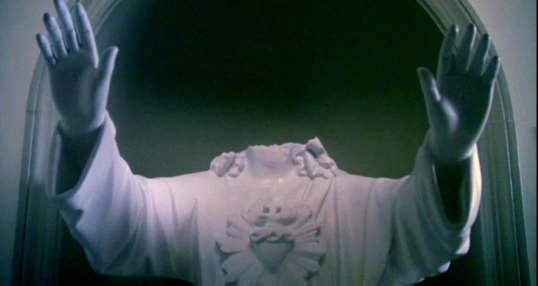
The latest “Scenes I Love” the Horror Edition comes from Blatty’s The Exorcist III and it’s actually a very effective jump scare that truly comes out of nowhere. I chose this particular clip because of how well Blatty frames and sets up the pay off. Some may argue that this third film in the series was a mixed bag but one thing it had was genuine scares making up for not being as disturbing as the first film.
I recommend watching this particular scene in a darkened room with headphones on to better appreciate the sound.
The previous “Song of the Day” was Polymorphia and comes courtesy of one Krzystof Penderecki. Why stop a good thing and go with someone else for the latest one when Penderecki continues to bring in the horror.
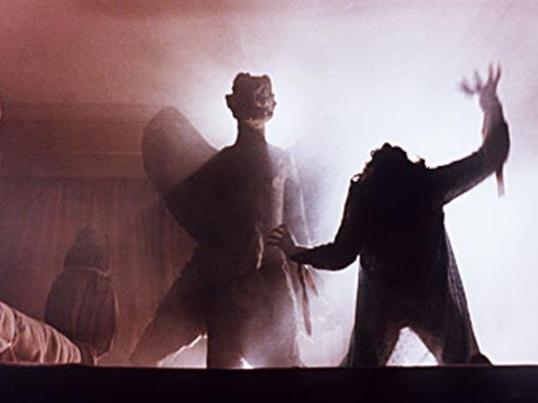
“Kanon For Orchestra and Tape” was also used in William Friedkin’s The Exorcist and one could tell just from listening to it that it fit perfectly. Like Polymorphia, this particular piece uses the string section to help create that encroaching dread and horror while adding some nontraditional sounds to keep the listener off-balance.
Just listening to this piece one could be made to believe that there is a Hell and the Devil’s just waiting to get out and play.









 Through the Shattered Lens