“Good cop and bad cop have left for the day. I’m a different kind of cop.” — Vic Mackey
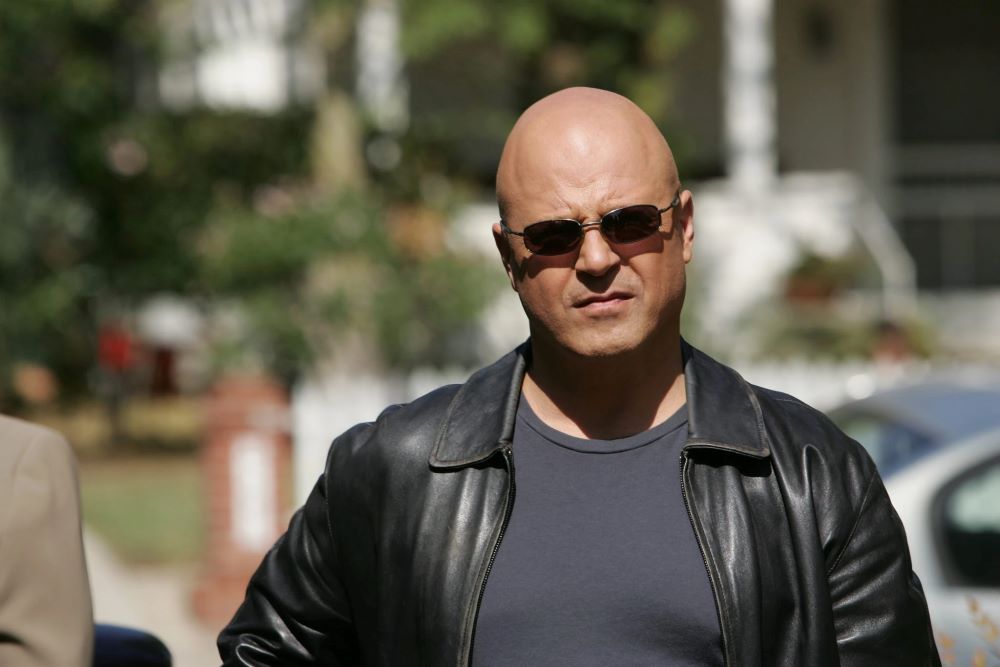
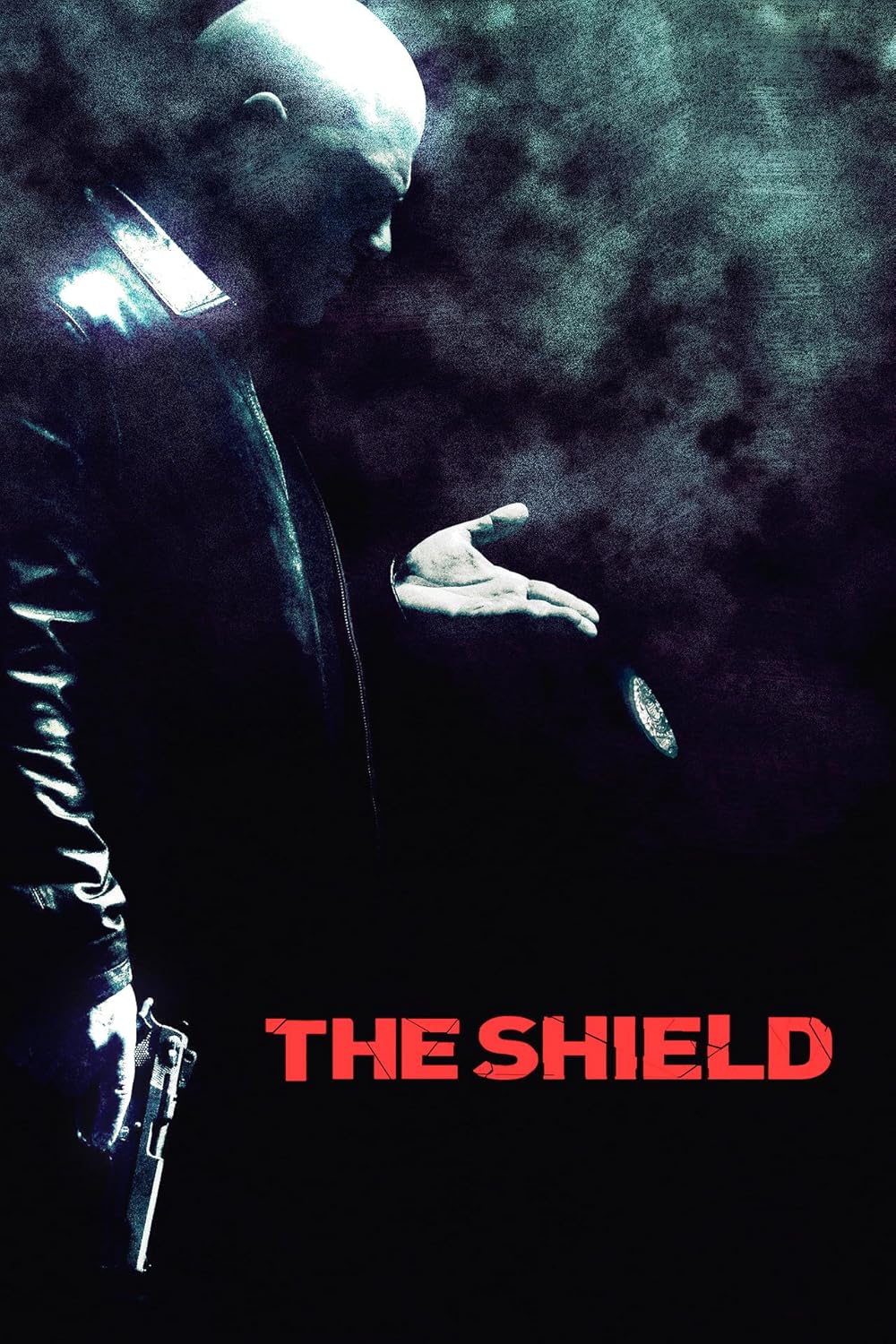
From the moment he shot a fellow detective in the face in the pilot episode, Vic Mackey of The Shield redefined the television antihero, establishing himself as one of the most mesmerizing and morally complex villains ever to grace the small screen. Unlike the charming mobsters or conflicted drug dealers that populated the era’s prestige dramas, Mackey was a cop—a figure sworn to uphold the very laws he so casually and brutally shattered. This foundational transgression was the show’s masterstroke, forcing the audience into a complicity that would only deepen over seven seasons, as they rooted for a man who was, by any conventional measure, a monster. His character wasn’t just a villain; he was a challenge to the very concept of heroism in a “gray time,” as actor Michael Chiklis aptly described it.
The bedrock of Vic Mackey’s charisma lies in his unwavering, almost terrifying, conviction in his own moral code. He is the ultimate “ends justify the means” pragmatist, operating in a world he sees as too dangerous for the niceties of due process. Mackey views his brutality and corruption as necessary tools to fight a greater evil, a twisted sense of duty that makes him simultaneously repulsive and indispensable. As the show’s creator, Shawn Ryan, noted, the audience was shown a man who was “a protector” in a frightening world, and that primal allure is potent. He steals from drug dealers, beats suspects, and burns a man’s face on a stove, yet all of this is framed as a means to keep the streets of Farmington safe—a justification that, for many viewers, became tragically persuasive.
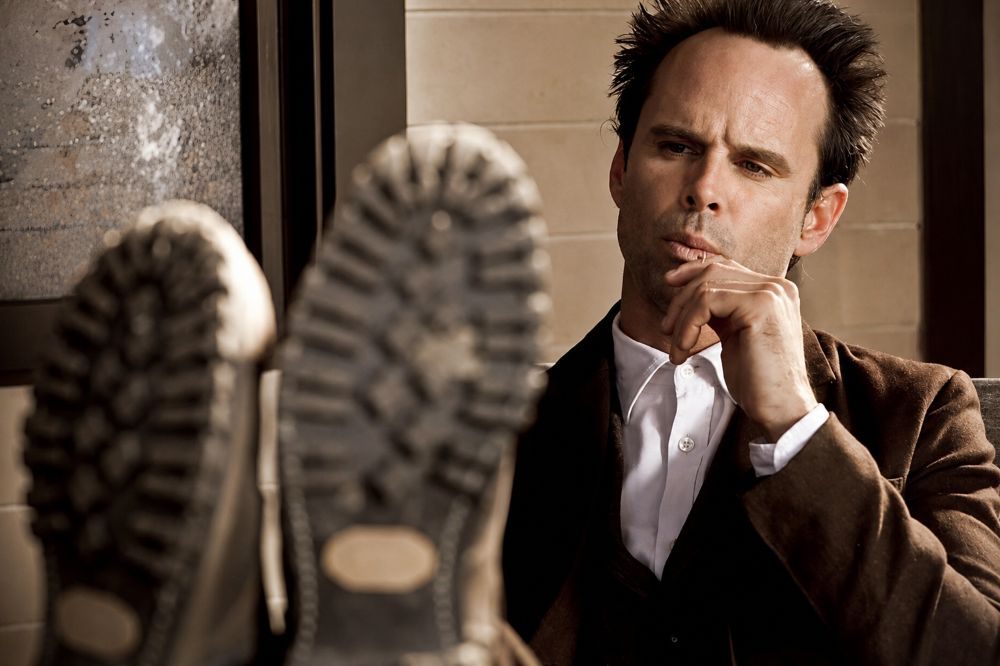
This duality is what makes him so compelling; Vic Mackey is not a one-dimensional sociopath but a man of fierce, contradictory loyalties. He is a devoted, if deeply flawed, father who steals to pay for his autistic children’s medical bills, and a protector of the vulnerable, like the prostitute Connie and the young victims of a child pornography ring. Walton Goggins, who played his partner Shane Vendrell, suggested that the character’s core was “compartmentalization.” This allowed Mackey to show genuine compassion in one breath and coldly blackmail a fellow officer for being gay in the next, using that knowledge as a tool for control. He is an “Even Evil Has Loved Ones” archetype, but pushed to such an extreme that his love for his family becomes yet another justification for his escalating sins. This constant oscillation between good and evil creates a magnetic dissonance, making him impossible to dismiss as a simple monster.
The show’s genius was in ensuring that this dissonance was a source of agonizing tension for the audience. Creator Shawn Ryan was genuinely surprised to find that viewers overwhelmingly rooted for Mackey against a “clean” Internal Affairs investigator, proving that Chiklis’s performance had woven an almost unbreakable spell. To watch The Shield is to engage in a constant, uncomfortable negotiation with one’s own morality. The show sparked intense debate about whether Vic deserved punishment or absolution, a testament to the complexity of the character. The show’s narrative, as Goggins put it, is a “morality tale” where “you reap what you’ve sown,” but the path to that reckoning is paved with so many justifications and compelling moments of “good” that the audience is left hoping against hope for his redemption, even as his sins pile up.
Ultimately, Vic Mackey’s mesmerizing villainy lies in his chillingly relatable humanity. He is not a cackling antagonist or a far-removed tyrant; he is a man who, when presented with a choice between his survival and his soul, consistently chooses the former with an unnerving lack of remorse. The show’s iconic final scene, where he is trapped in a bureaucratic purgatory at an ICE desk, is a perfect, ironic punishment for a man who lived for action and control. It’s a fate that feels both just and heartbreaking. Vic Mackey remains a towering figure in television history because he forces us to confront a disturbing question: if a man who commits such evil can still command our sympathy and allegiance, what does that say about us, and what are we willing to forgive?
“So, we cause a triple murder before breakfast, start a race war before dinner – that’s uh, that’s a pretty good day.” — Shane Vendrell
If you want to talk about the history of television, you basically have to divide the timeline into two distinct eras: before The Shield and after The Shield. When creator Shawn Ryan launched this gritty FX crime drama in 2002, the television landscape was a very different place. Sure, The Sopranos had already kicked down the door for premium cable, proving that audiences were hungry for complex, morally ambiguous anti-heroes. But basic cable was still largely seen as a graveyard for sanitized, formulaic network rejects. Then came The Shield, swaggering onto the screen with a chaotic energy that immediately changed the rules of the game. Running for seven intense seasons until 2008, the show didn’t just push the envelope; it set the envelope on fire and danced around the ashes. Looking back at it now, it remains a staggering achievement in storytelling that completely redefined what a cop show could be, sending shockwaves through basic cable, premium cable, and even Hollywood films.
The premise of the show sounds almost simple on paper, but its execution was anything but. The series follows the Strike Team, an elite anti-gang unit operating out of a rundown, overcrowded police station in the fictional Farmington district of Los Angeles. Leading this crew is Detective Vic Mackey, played with terrifying charisma by Michael Chiklis. Vic is not your typical television cop. He is not a flawed but ultimately noble hero who bends the rules to get the bad guys. Vic Mackey is, flat out, a criminal who happens to wear a badge. The show announces this immediately in the legendary opening scene of the pilot, where Vic murders a fellow police officer who is about to expose his corruption. It was a gut punch that served as a warning to the audience: you are not in Kansas anymore. From that moment on, you are complicit in Vic’s crimes because you are rooting for him to get away with them.
What made The Shield so brilliant was how it surrounded this monstrous central character with an incredibly rich ensemble cast that represented every facet of law enforcement. You had Shane Vendrell, Vic’s deeply insecure and ultimately tragic right-hand man, brought to life with jaw-dropping nuance by Walton Goggins. You had Claudette Wyms, the fiercely intelligent detective played by CCH Pounder, who spent the entire series fighting against the systemic rot embodied by Vic. And then there was Dutch Wagenbach, the deeply awkward, brilliantly analytical detective who provided a stark contrast to the Strike Team’s brute force approach. The show used these characters to explore the sheer exhaustion of police work. The Barn, as their station house was known, felt like a pressure cooker. It was a place where idealism went to die, crushed under the weight of endless caseloads, bureaucratic nonsense, and the depressing reality that the justice system is often deeply broken.
Visually and tonally, The Shield felt like a punch to the face. Ryan and his team utilized handheld cameras, harsh lighting, and a documentary-style grit that made the show feel dangerously real. There was no glossy cinematography or sweeping orchestral scores. The soundtrack was often just the ambient noise of the city, punctuated by sudden, shocking bursts of violence. This aesthetic choice was crucial because it stripped away the Hollywood glamour usually associated with police work. When Vic and the Strike Team kicked down a door, it didn’t look like an action movie; it looked like a chaotic, terrifying intrusion that left you feeling uneasy. This raw approach forced the audience to confront the physical and emotional toll of the job without any safety net.
When we talk about how The Shield redefined basic cable, it is hard to overstate its importance. Before this show, basic cable networks like FX were terrified of alienating advertisers. The Shield blew that hesitation out of the water by introducing unprecedented levels of profanity, nudity, and violence to non-premium television. But it wasn’t just about shock value; it was about authenticity. The criminals in Farmington talked like actual criminals, and the cops talked like actual cops who were fed up with the system. By proving that audiences would tune in in massive numbers to watch a show that didn’t hold their hand, FX essentially built its entire brand identity around The Shield. It paved the way for everything from Sons of Anarchy to American Horror Story, proving that basic cable could rival the creative freedom of HBO.
Interestingly, the success of The Shield also had a massive trickle-up effect on premium cable. HBO had been sitting comfortably as the king of prestige television, but suddenly a basic cable show was matching them punch for punch in terms of narrative complexity and character depth. Shows like The Wire and Breaking Bad (which debuted later on basic cable) owe a massive debt to the path Shawn Ryan blazed. The Shield proved that you didn’t need a massive HBO budget to create high art; you just needed a sharp script, fearless actors, and a network willing to take a risk. It forced premium cable to stop resting on its laurels and realize that the competition was no longer just the broadcast networks, but the upstarts on basic cable who were hungry for prestige.
The show’s influence even bled into the film industry, fundamentally altering the cop genre on the big screen. Before The Shield, the standard cop movie usually followed a fairly strict moral compass, or if it did feature a corrupt cop, like in Training Day, it was contained within a neat two-hour narrative arc. The Shield introduced the concept of the serialized corrupt cop. It showed audiences that the psychological unraveling of a dirty officer is much better suited to a long-form television format, where you can spend years peeling back the layers of their justification and paranoia. After The Shield, Hollywood started realizing that the simple “good guy versus bad guy” cop movie felt outdated. Films had to get darker, more ambiguous, and more willing to dwell in the gray areas of morality just to keep up with what was happening on television.
At the core of the series is a really fascinating, easy-to-understand analysis of utilitarianism versus deontology. In simple terms, Vic Mackey operates on the belief that the ends justify the means. He robs drug dealers, beats confessions out of suspects, and ruins innocent lives, but he argues that he is keeping the streets of Farmington safe. The show constantly challenges the audience to wrestle with this uncomfortable philosophy. Is a neighborhood actually safer if the people protecting it are worse than the criminals they are locking up? The Shield refuses to give you a tidy answer, which is what makes it so rewatchable. It presents a system where doing things the “right” way often lets the bad guys walk, while doing things the “wrong” way gets results but destroys the souls of everyone involved.
As the series moved into its later seasons, the narrative tension became almost unbearable. You cannot build a house on a foundation of lies and expect it to stand forever, and Vic’s world inevitably begins to collapse. The introduction of internal affairs, the escalating violence with the Mexican cartels, and the fracturing of the brotherhood between Vic and Shane created a tragic downward spiral that was riveting to watch. Walton Goggins’s portrayal of Shane’s descent into desperate paranoia is some of the best acting in television history. The show stopped being just about police corruption and turned into a Shakespearean tragedy about loyalty, betrayal, and the inescapable consequences of one’s actions.
The series finale of The Shield remains one of the greatest and most satisfying endings in television history. Without spoiling every detail, it manages to perfectly punish Vic for his lifetime of sins in a way that is far more cruel and poetic than simply sending him to prison or killing him. It is a masterclass in writing, wrapping up seven seasons of tangled plotlines and emotional baggage into a devastating final image. Vic Mackey gets exactly what he wanted, but he loses absolutely everything that made his life worth living in the process. It is bleak, brilliant, and completely uncompromising.
Ultimately, The Shield is a show that changed the DNA of television. It took the cop drama, stripped away all the nostalgia and hero-worship, and replaced it with a brutal, unflinching look at the cost of authority. Shawn Ryan and his incredible cast created a universe where the line between good and evil wasn’t just blurred; it was completely erased. It proved that audiences were smart enough to handle deeply flawed protagonists and narrative structures that refused to offer easy absolution. Whether you are looking at the rise of prestige basic cable, the evolution of the anti-hero on premium networks, or the dark turn that cop films took in the 2000s, you can trace the lineage right back to a rundown police station in Los Angeles. The Shield didn’t just redefine a genre; it helped build the modern era of television as we know it today, and for that alone, it demands to be remembered as an all-time great.
“A true victory is to make your enemy see they were wrong to oppose you in the first place. To force them to acknowledge your greatness.” — Gul Dukat
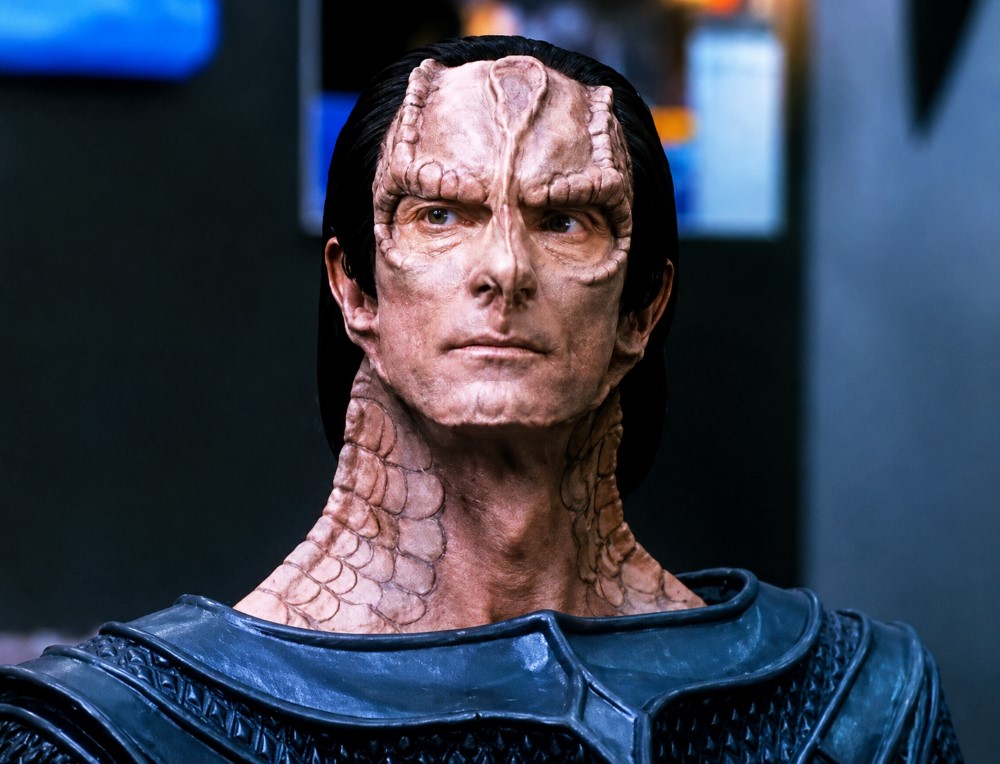
Few villains in science fiction are as captivating—and repulsive—as Gul Dukat from Star Trek: Deep Space Nine. From his first appearance as the smug, calculating prefect of the Cardassian occupation of Bajor, Dukat defies easy categorization. He is not a mustache-twirling tyrant who revels in evil for its own sake; rather, he genuinely believes himself to be a misunderstood hero. This self-deception is the engine of his charisma. Dukat constantly reminds anyone who will listen that he built schools and reduced labor camp sentences, conveniently omitting that he did so while overseeing the brutal subjugation of an entire species. His charm lies in his utter conviction that he is the victim of Bajoran ingratitude, a twist of logic so audacious it becomes mesmerizing to watch him rationalize atrocity.
What elevates Dukat above a simple megalomaniac is his deeply personal, almost intimate relationship with the protagonists of Deep Space Nine, particularly Commander Benjamin Sisko. Unlike the distant god-like foes of other Star Trek series, Dukat shares a border, a history, and a twisted mutual respect with Sisko. Their face-to-face confrontations crackle with tension because Dukat treats Sisko as a worthy adversary—a peer, even a friend. He craves Sisko’s acknowledgment more than any military victory. When Sisko refuses to validate his worldview, Dukat’s wounded ego curdles into obsessive hatred. This dynamic makes him unpredictable; one episode he is saving the station from a greater threat, the next he is selling out his own daughter, Ziyal, to save his career. His villainy is not abstract—it is a series of intimate betrayals that feel real and devastating.
Another key to Dukat’s magnetism is the show’s willingness to let him be competent, even admirable, in fleeting moments. He is a brilliant strategist, a cultured art lover, and possesses a dark wit that makes him genuinely entertaining. In episodes like “The Maquis, Part II,” he outmaneuvers both Starfleet and the Cardassian Central Command with ease. The series frequently teases redemption: he mourns Ziyal’s death with genuine anguish, he fights alongside the Federation against the Klingons, and he even briefly rejects his former life. Yet, each time, Dukat chooses power and self-justification over change. That tragic cycle—almost becoming better, then plunging further into evil—is what keeps viewers leaning in. We watch not hoping he will be defeated, but wondering if he will finally see himself clearly. He never does.
Dukat’s later descent into pacting with the demonic Pah-wraiths and literal religious madness has been debated by fans, yet it is a fitting culmination of his character. Stripped of his military command, his family, and his self-image as a beneficent ruler, Dukat’s narcissism finds new expression in cosmic evil. He transforms from a political villain into a metaphysical one, declaring himself a god. This shift does not erase his charisma; instead, it reveals that his charm was always a mask for an abyss of ego. Even then, he speaks in smooth, reasonable tones, offering Sisko “peace” if only he will bow. The charisma becomes sinister precisely because it never disappears—he is as persuasive as the devil, and just as hollow.
In the end, what makes Gul Dukat one of the greatest villains in television history is that he is terrifyingly human. He loves his children, believes his own lies, craves respect, and cannot bear to be seen as the monster he is. Deep Space Nine had the courage to let him win small victories, to seduce both characters and audience into almost rooting for him. And every time we feel that pull, the show reminds us: Dukat’s tragedy is not that he is evil, but that he had every opportunity to choose good and refused. His charisma is not a contradiction of his villainy—it is the very mechanism by which he, and we, excuse the inexcusable. That is why, decades later, we still cannot look away.
“There are things within a soul that can never be unleashed… They would consume us. We would cease to be, and another would exist in our place, without control, without limits.” — Vanessa Ives
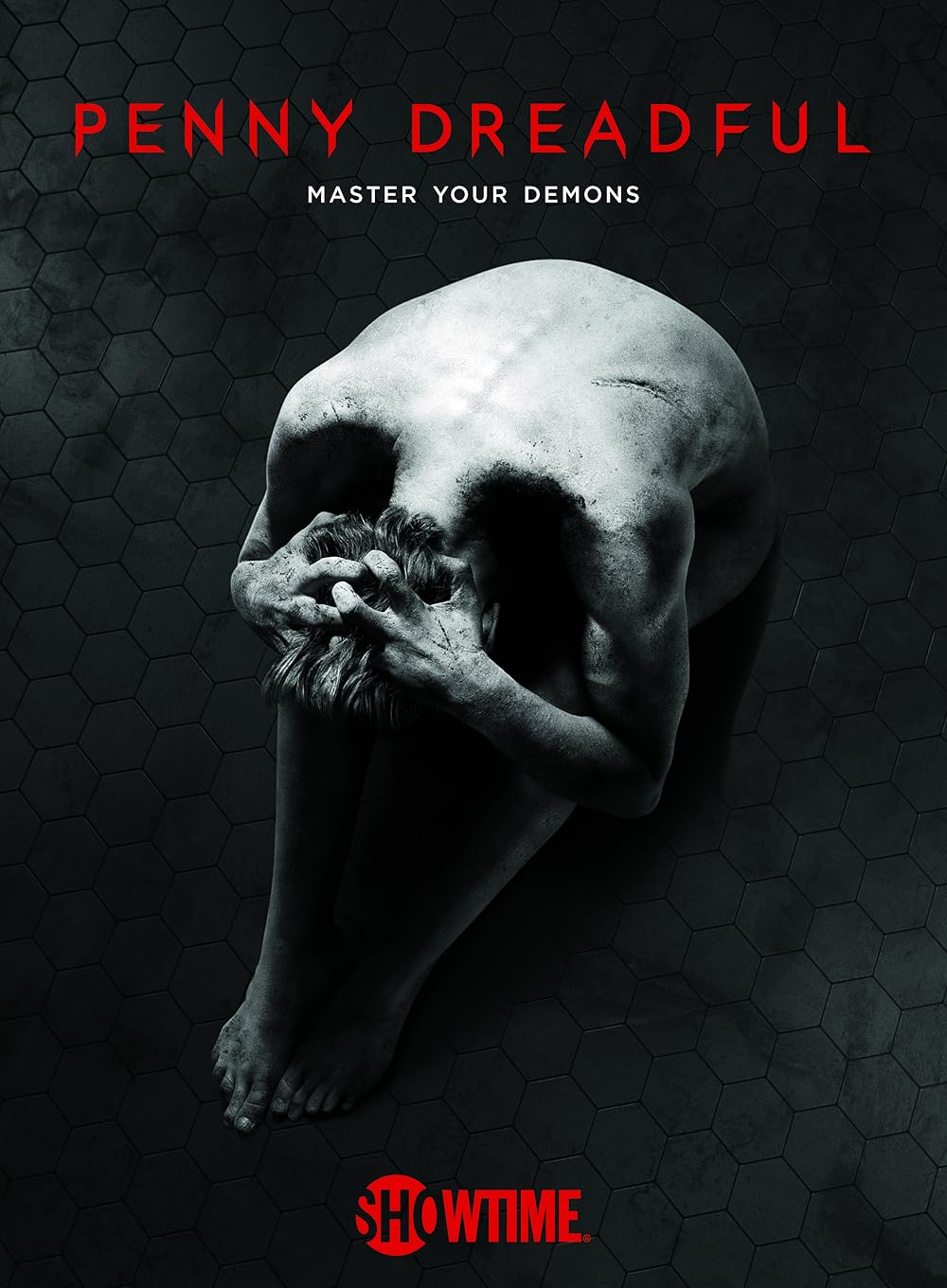
Penny Dreadful remains one of the more distinctive horror dramas of the 2010s, its three-season run on Showtime from 2014 to 2016 offering a rare blend of lush literary homage, character-driven tragedy, and outright Grand Guignol spectacle. Expanding the lens season by season clarifies how the series evolves from a moody, experimental monster mash into a full-blown gothic epic, while also highlighting the structural flaws and uneven pacing that prevent it from being universally accessible, even as standout performances from its ensemble elevate every frame. What emerges is a show that grows richer the more time it spends with its characters—particularly through highlight turns like Eva Green’s ferocious Vanessa Ives, Rory Kinnear’s soul-wrenching Creature, and the magnetic supporting work from Timothy Dalton, Josh Hartnett, and Billie Piper—rewarding patient viewers even as its narrative sometimes strains under the weight of its own ambition.
Season one of Penny Dreadful functions as an origin point and a proof of concept, introducing viewers to a haunted ensemble bound together by secrets, sin, and supernatural forces, with performances that immediately set a bar for emotional and physical intensity. The central plot—Sir Malcolm Murray and Vanessa Ives recruiting American gunslinger Ethan Chandler and tortured scientist Victor Frankenstein to rescue Malcolm’s daughter Mina from a vampiric master—serves less as a conventional quest and more as a framework to explore broken people clinging to purpose, anchored by Timothy Dalton’s commanding Sir Malcolm, whose gravelly authority and haunted eyes convey a lifetime of imperial regrets and paternal failure. Eva Green’s Vanessa is the undeniable highlight here, her ferocious intensity in episodes like Séance and Possession—where glossolalia, contortions, and violent ecstasy erupt—turning demonic outbreaks into raw expressions of guilt, repression, and spiritual crisis, earning her a Golden Globe nomination for a debut season that demands Oscar-level physicality and vulnerability. Josh Hartnett’s Ethan Chandler provides a grounded counterpoint, his brooding sharpshooter evolving from reluctant hero to tormented beast with subtle shifts in posture and gaze that foreshadow his lycanthropic reveal.
The first season also lays the groundwork for the show’s thematic fascination with duality and monstrosity, especially through Harry Treadaway’s brittle Victor Frankenstein—whose twitching desperation humanizes god-like hubris—and Rory Kinnear’s breakout as the Creature, a shambling horror who quickly reveals literate eloquence and bitter pathos, his scarred visage and rumbling baritone making every plea for connection a gut-punch that redefines “monster” from the outset. Season one’s pacing can feel deliberately slow, even theatrical, as it lingers on candlelit rooms, whispered confessions, and philosophical exchanges, and some viewers may find this emphasis on mood over plot progression alienating. Yet that same deliberation allows the show to build a cohesive emotional atmosphere in which every prayer, séance, and bloodletting feels weighted with meaning, amplified by Dalton’s authoritative gravitas and Green’s transcendent torment. Critics generally responded favorably to this opening run, praising these performances and the atmosphere while noting that its heavy tone and self-seriousness would not be to every viewer’s taste.
Season two represents Penny Dreadful at its most confident and cohesive, expanding the mythology while tightening the emotional focus around Vanessa’s confrontation with a coven of witches led by Evelyn Poole, with Helen McCrory’s serpentine Madame Kali emerging as a highlight villain whose purring malice and intimate manipulations steal scenes. By reframing the central antagonist from a shadowy vampire figure to this fully articulated witch—who weaponizes intimacy, religious iconography, and psychological terror—the show raises the stakes, and Green’s Vanessa responds with even greater ferocity, her possession battles now laced with backstory from Patti LuPone’s earthy, heartbreaking Cut-Wife, whose single-episode arc showcases LuPone’s unparalleled ability to blend folk wisdom with maternal ferocity. This season’s central conflict positions Vanessa as the battleground for Lucifer’s desire, giving the main cast a unity of purpose that the first sometimes lacked.
Character work in season two deepens significantly, with Josh Hartnett elevating Ethan into a moral savage whose lupine rampages in No Beast So Fierce blend raw physicality and soul-searching remorse, while Billie Piper’s evolution from fragile Brona Croft to the defiant Lily Frankenstein becomes a revelation—her steely monologues on patriarchal violence delivered with fiery conviction that rivals Green’s intensity. Rory Kinnear’s Creature reaches new pathos pleading for a mate, his rejection scene opposite Treadaway’s increasingly unhinged Victor one of the series’ most devastating showcases of mutual ruin. Reeve Carney’s Dorian Gray adds hedonistic shimmer, though his arc pales next to these powerhouses. Moments like the group’s desperate defense of Sir Malcolm’s home or Ethan’s transformations achieve a rare balance of gore, suspense, and lyrical resolution, with Dalton’s weary patriarch holding the emotional center. Critics frequently cite season two as the show’s peak, with 100% Rotten Tomatoes scores reflecting near-universal praise for these heightened performances and tighter narrative.
Season three is where the series’ strengths and weaknesses collide most dramatically, as it scatters the core ensemble geographically and mythologically while hurtling toward an abrupt conclusion, yet the actors rise to the challenge with career-best work. Eva Green’s Vanessa deepens into despairing isolation, her therapy sessions with Patti LuPone’s returning Dr. Seward (a chilling pivot from folk healer to clinical cutter) and tender courtship by Christian Camargo’s suave Dracula yielding some of her most nuanced work—balancing fragility, resolve, and erotic pull in a finale self-sacrifice that cements her as TV’s ultimate gothic heroine. Josh Hartnett’s Ethan, now grappling with Apache mystic Kaetenay (Wes Studi’s dignified gravitas a welcome addition), delivers visceral Western showdowns that showcase his action-hero chops alongside soulful reckoning. Timothy Dalton’s Sir Malcolm, questing in Zanzibar, brings imperial weariness to poignant closure, his highlight a raw confrontation with past sins.
Standouts continue with Billie Piper’s Lily rallying a feminist uprising, her ideological fire clashing gloriously with Dorian’s jaded ennui in scenes of revolutionary fervor and betrayal that highlight Carney’s subtle decay. Harry Treadaway’s Victor, partnering with Shazad Latif’s oily Jekyll, spirals into ethical abyss with manic precision, while Rory Kinnear’s Creature—rediscovering his identity as John Clare—delivers the series’ most quietly devastating arc, his family reunion a masterclass in restrained grief that rivals Green’s flashier exorcisms for emotional wallop. These performances salvage the fragmented plotting, infusing global detours with humanity even as resolutions feel rushed.
Evaluated across all three seasons, Penny Dreadful delivers a rich, if imperfect, journey elevated by its highlight performances: Green’s transcendent Vanessa as the tormented soul; Kinnear’s Creature as the rejected heart; Dalton’s authoritative patriarch; Hartnett’s brooding beast; Piper’s fiery avenger; and LuPone’s dual folk icons—forming an ensemble that turns gothic pulp into profound tragedy. Season one constructs a dense foundation; season two refines it into peak artistry; season three reaches for epic finality with power even in haste. The end result succeeds more as character-driven gothic poetry than tidy thriller, its actors ensuring unforgettable resonance for horror fans craving depth. In a landscape of sanitized scares, these performances make Penny Dreadful a dark, enduring achievement.
“I’m not afraid of dying. I’m afraid of not knowing the truth.” — Yoon Ji-woo
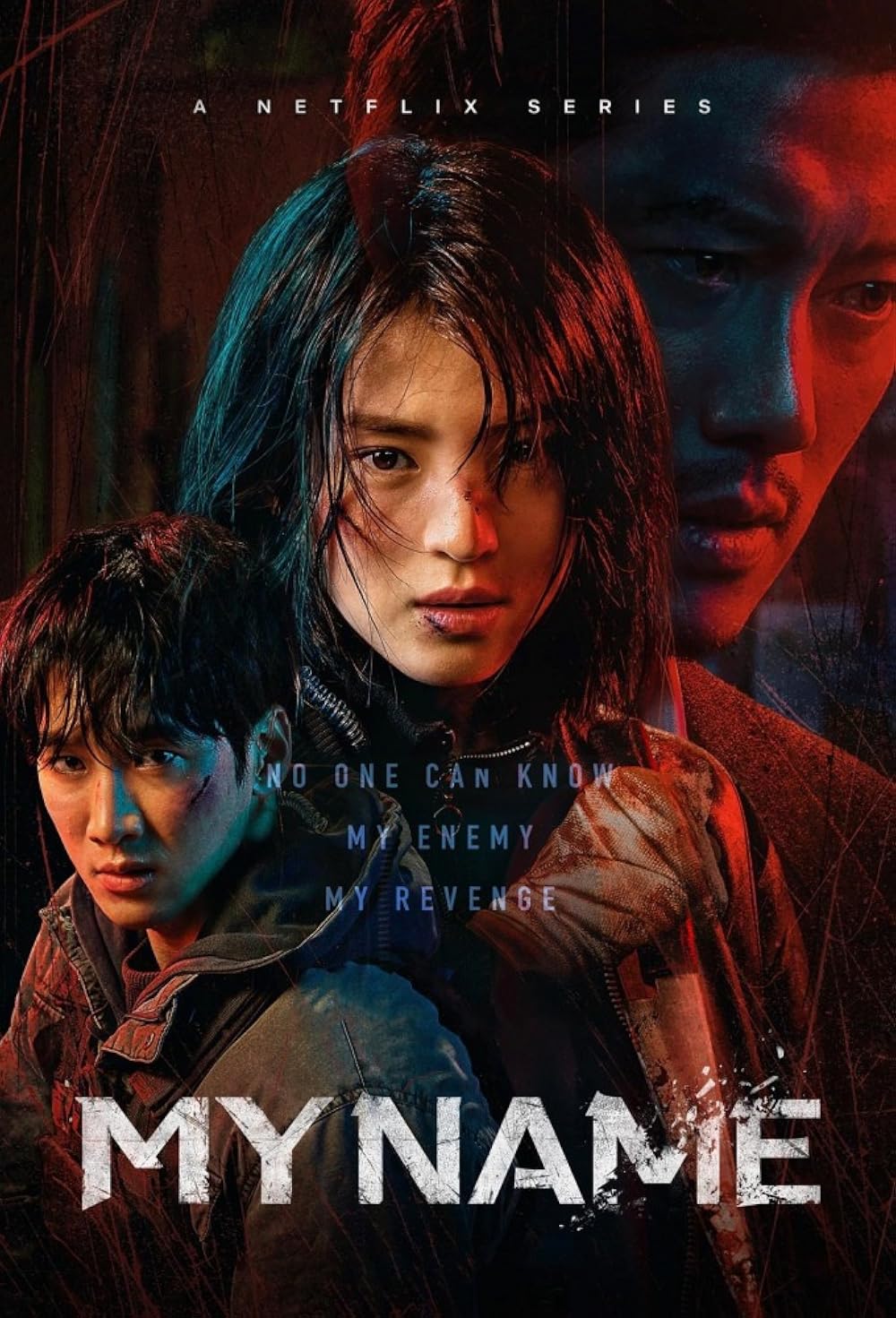
My Name is one of those K-dramas that grabs your attention from the start and maintains a relentless pace throughout. It is a gritty, action-packed series set in a dark, unforgiving underworld marked by crime, betrayal, and a driving quest for revenge. The story follows Yoon Ji-woo, a young woman whose life is shattered when her father, a figure tied to the mob, is brutally murdered. What unfolds is her transformation from a grieving daughter into a formidable and determined fighter intent on uncovering the truth behind her father’s death and exacting vengeance.
The series does not shy away from depicting violence in an unflinching manner. For those who appreciate intense and well-choreographed fight scenes, My Name provides a visually and emotionally striking experience. The physicality Han So-hee brings to her role is notable, lending authenticity to every punch, fall, and desperate struggle. However, the violence serves a narrative purpose beyond mere spectacle; it illuminates the bleak world Ji-woo inhabits and the extreme sacrifices demanded of her.
A particularly compelling aspect of My Name lies in its combination of emotional depth and action. Ji-woo is not portrayed as a simple avenger consumed by rage, but rather as a complex individual wrestling with grief, guilt, and profound loneliness. Han So-hee’s nuanced performance effectively balances raw toughness with moments of vulnerability, inviting viewers to engage with Ji-woo on a deeply human level despite her morally ambiguous actions.
The narrative unfolds briskly across eight episodes, avoiding the typical padding seen in many K-dramas. This lean structure maintains a consistently high level of tension as Ji-woo infiltrates the police force undercover on behalf of the criminal organization responsible for her father’s death. The tension arising from this double life—living between two opposing worlds—heightens the drama, creating an ever-present question of trust and betrayal.
This theme of undercover infiltration shares notable similarities with renowned thrillers such as Infernal Affairs and its American remake The Departed. Like those films, My Name explores the psychological strain of agents embedded within enemy organizations, examining shifting loyalties and blurred moral boundaries. Yet, My Name distinguishes itself by focusing intimately on Ji-woo’s personal journey of vengeance and identity. While Infernal Affairs and The Departed emphasize the intricate duality and game of cat and mouse between multiple undercover agents, My Name offers a singular, emotionally charged narrative driven by Ji-woo’s transformation both physically and mentally through relentless trials.
Supporting characters enrich the story further. Detective Pil-do serves as a humanizing counterpoint to the harshness of Ji-woo’s world. His relationship with Ji-woo adds emotional complexity to the story, gently probing themes of trust and moral conflict. The enigmatic crime boss Mu-jin, who mentors Ji-woo, embodies a pragmatic and often manipulative figure, complicating the traditional distinctions between good and evil with a nuanced portrayal.
Visually, My Name excels in creating a brooding and atmospheric setting, with evocative use of shadow, rain, and urban neon lighting that reinforces the noir tone. The haunting soundtrack complements the tension and emotional undertones, underscoring both frenetic action and quieter character moments with equal effectiveness.
That said, the drama’s heavy focus on violence and its dark tone may not appeal to all viewers. The unrelenting grimness and lack of lighter moments could prove challenging to those who prefer more varied emotional rhythms. Furthermore, some secondary characters are not as fully developed as they might be, which occasionally makes subplots feel less integral. Still, the tight focus on Ji-woo’s narrative keeps the drama paced and impactful without unnecessary distractions.
A central thematic strength of My Name is its exploration of identity. Ji-woo’s undercover infiltration prompts profound questions about the self: how much of her original identity can she retain while adopting false personas dictated by survival and revenge? This internal struggle adds a psychological depth that elevates the series beyond a straightforward revenge thriller, inviting reflection on trauma, loyalty, and selfhood.
The pacing is expertly managed, neither rushed nor weighed down by extraneous elements, culminating in a satisfying and emotionally resonant conclusion. The series even incorporates moments of romance late in the narrative, adding subtle layers of hope and human connection to balance the dominant themes of loss and revenge.
In sum, My Name distinguishes itself through Han So-hee’s powerful performance, its raw and realistic action sequences, and its willingness to grapple with complex emotional and moral questions. It is a compelling option for viewers drawn to intense, character-driven thrillers that refuse easy answers while delivering visceral storytelling.
If you are seeking a drama that explores the cost of revenge with both physical intensity and psychological nuance, My Name offers a gripping experience from beginning to end. It acknowledges its influences—such as Infernal Affairs and The Departed—but forges a unique path grounded in Korean drama sensibilities and the deeply personal story of its lead character. Its unyielding tone and evocative storytelling make it a memorable entry in contemporary Korean thrillers.
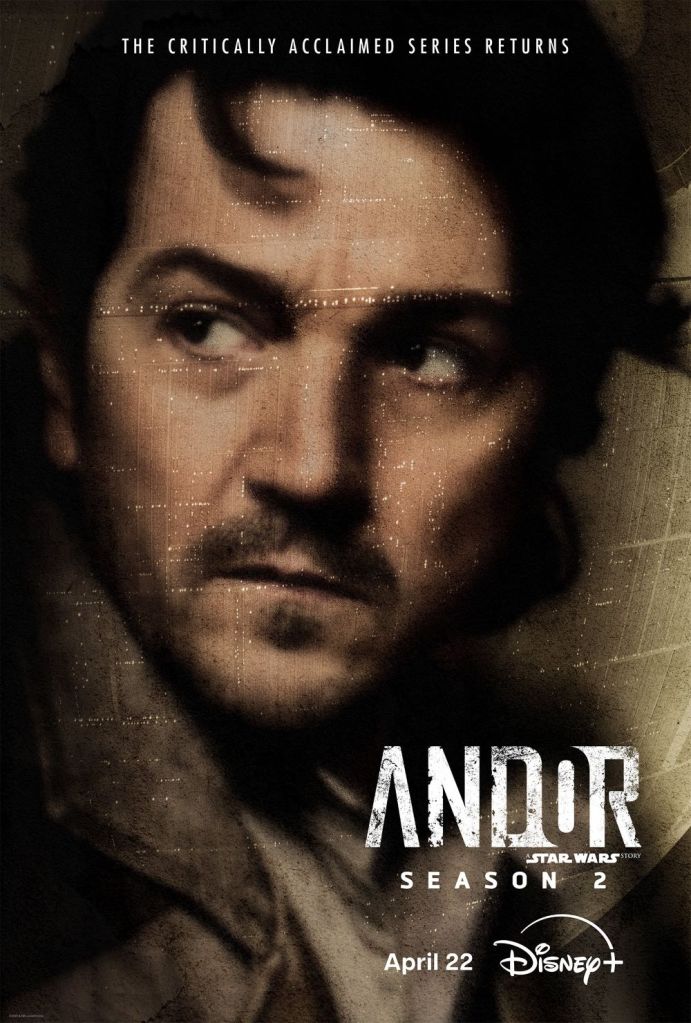
Star Wars fans have been very critical of Disney’s stewardship of the franchise since Star Wars: The Last Jedi landed with a monumental thud with the hardcore fanbase. There hasn’t been much to celebrate anything Star Wars under Disney with a few exceptions like Star Wars: Rogue One, The Mandalorian and Skeleton Crew. One Star Wars series that drew critical acclaim from fans and critics alike was Tony Gilroy’s series looking at the origins of one of the main characters from Rogue One and that would be the series Andor.
It was series that no one really wanted since it didn’t involve any of the legacy characters. Yet, under Tony Gilroy’s masterful hands it turned into one of the best shows on Disney+ and, if I daresay, one of the best on tv the year it came out.
It’s going to be almost three years since the first season premiered and, even though the long wait could’ve been a detriment, the second season has been one of the most-anticipated by Star Wars fans. Season 2 of Andor just got it’s first trailer it fetures a very non-Star Wars’y kind of music but very appropriate considering what the season will be about.
I, for one, never thought Steve Earle’s song of rebellion, “The Revolution Starts…” would be the clarion call to start the revolution.
Andor: Season 2 is set for an April 22, 2025 release.
There’s something to say about an individual who follows a code of behavior and has a moral compass that may seem archaic for today’s sensibilities, but when one really thinks about it…well, they’re not wrong.
We may hate that such people may be correct in their way of thinking and that it may offend certain sensibilities but that doesn’t necessarily means its wrong.
And on that note let me introduce you to Ray Shoesmith aka Mr Inbetween. This scene of him attending an anger management class best describes not just who Ray is but sets the tone for what this series is all about.
Welcome to Retro Television Reviews, a feature where we review some of our favorite and least favorite shows of the past! On Sundays, I will be reviewing Homicide: Life On The Street, which aired from 1993 to 1999, on NBC! It can be viewed on Peacock.
Today, I take a look at the pilot for a show that has been called one of the best of all time.
Episode 1.1 “Gone For Goode”
(Directed by Barry Levinson, originally aired on January 31st, 1993)
The opening credits for the first episode of Homicide: Life on the Street immediately announce that the show is not going to be a typical network cop show. The music starts out as moody and low-key before eventually being dominated by a pulsating beat. The images of dirty streets and crumbling rowhouses and of a dog running around behind a fence are all in black-and-white. The faces of the cast appear, the majority of them in harsh close-up. When viewed today, most of the faces are familiar. Daniel Baldwin, Ned Beatty, Andre Braugher, Clark Johnson, Yaphet Kotto, Melissa Leo, Jon Polito, and Kyle Secor all flash by and the thing that the viewer will immediately notice is that it’s almost as if they’ve been filmed to remove any hint of glamour or attractiveness. (Out of that impressive cast, only Baldwin, Johnson, Leo, and Secor are still with us.)
Gone for Goode tells several stories, introducing the detectives as they investigate various murders in Baltimore. Meldrick Lewis (Clark Johnson) and Steve Crosetti (Jon Polito) are first seen searching for a bullet in a dark alleyway and arguing in only the way that two people who have worked with each other for a long time can argue. Lewis continually refers to Crosetti as a “salami-head,” and Crosetti, who claims that he’s being kept up at night by his doubts about whether or not John Wilkes Booth was actually Lincoln’s assassin, repeatedly says that Lewis will regret that. Later, Crosetti writes a complaint about the ethnic insults that he’s been forced to listen to but apparently, he never actually sends it.
When not arguing with each other, Crosetti and Lewis investigate “Aunt Calpurnia,” who has buried five husbands and whose niece has nearly been murdered three times. Aunt Calpurnia has life insurance policies out on everyone. While digging up Calpurnia’s former husband, Lewis comments that the body in the grave doesn’t look as large as the man in the picture that he’s been given. The cemetery’s caretaker replies, “Nobody stays fat down there.” Technically, that’s true but it also turns out that the wrong man was buried in the grave and the caretaker has no idea where anyone is actually buried.
Detective Felton (Daniel Baldwin) and Detective Howard (Melissa Leo) investigate the murder of a man who was found decaying in a basement. Howard is the primary detective on the case because Felton, being a screw-up, has too many unsolved cases under his name on the dry-erase board that dominates the squad room. Howard currently has a streak of solved homicides and that continues for her when the murderer just happens to call the crime scene and then agrees to come in for a talk.
Detective Stanley Bolander (Ned Beatty) guilts Detective John Munch (Richard Belzer, who would play the same character years later on Law & Order: SVU) into investigating a hit-and-run that happened months ago. Munch, who earlier tells a suspect that he is not Montel Williams (“So don’t like to me like I’m Montel Williams”) and leaves both Bolander and the suspect confused as to who Montel Williams is, eventually discovers that the murder was committed by a brain-dread idiot who can only repeat, “I was drinking,” when he’s confronted with his guilt.
Finally, Lt. Al Giardello (Yaphet Kotto) assigns Felton to work with Frank Pembleton (Andre Braugher), a brilliant but arrogant detective who insists on working alone. Pembleton and Felton’s partnership begins with Pembleton spending an hour in the station’s garage, searching for his squad car because Pembleton forgot to write down the parking space on the back of his keys. (Of course the garage is full of identical white cars.) When Felton says suggests just going upstairs and getting a new set of keys, Pembleton shouts that the next car he tries to unlock could be the right car.
Needless to say, the Pembleton/Felton partnership does not last and Pembleton instead ends up working with an eager newcomer to the squad, Tim Bayliss (Kyle Secor). They two of them work surprisingly well together until Bayliss objects to Pembleton “fooling” a suspect into waving his right to an attorney.
As the episode comes to a close, Bayliss answers his first call in the squad room. At the crime scene, in the middle of a torrential storm, he discovers the body of a small girl.
I have to say that the idea of trying to review Homicide: Life on The Street is a bit intimidating, just because the show has got an almost legendary reputation. It’s often described as being the best cop show of the 90s, as well as being held up as a perfect example of a show that was too good to last. It was never a hit in the ratings and came close to being canceled several times. Because it was filmed in Baltimore, it was viewed as being an outsider amongst the New York and Hollywood-produced shows that dominated the airwaves. Executive produced by Barry Levinson (who also directed Gone for Goode) and based on a non-fiction book by David Simon, Homicide is the show that is often cited as the precursor for The Wire, another show that was loved by the critics but not by its network or the Emmy voters.
The pilot is intriguing, largely because it seems determined to scare off its audience. Unlike other television detectives, who are inevitably portrayed as being crusaders who are obsessed with justice, the detectives in Homicide are a blue collar bunch who, for the most part, are just doing their job. Sure, someone like Frank Pembleton might be brilliant. And Stanley Bolander might truly mean it when he tells Munch that “we speak for the dead.” And Bayliss does seem to be very enthusiastic about being a “thinking” policeman. But the show suggests that most detectives are like Felton, Lewis, and Much. They’re not particularly brilliant and their approach to the job can sometimes seem callous. But occasionally, they get lucky and a murder is solved. Indeed, if there is any real message to the pilot, it’s that criminals are stupid. They get caught not because of brilliant police work but because they do stupid things, like calling the crime scene or failing to ditch the car that they sole.
That said, the pilot also does what a pilot is supposed to do. It introduces the characters and gives them just enough space to make an impression, along with also leaving enough room for them to grow. The characters may not all be instantly likeable but, fortunately, the strong cast holds your interest. The pilot is very much a product of the 90s, with Munch ranting about Montel Williams and Crosetti mentioning Madonna at one point. But, at the same time, it still feels relevant today. Pop culture might change but murder remains the same.
The first season of The Punisher on Netflix ended up being better than what had been advertised. The series and it’s ultraviolent tone became a divisive factor in how the show was scene.
Some saw it as the true adaptation of the titular character and his anti-hero status within the Marvel Cinematic Universe. Others saw it as poor taste considering the rash of mass shootings and gun violence that’s plagued the country the last couple of years.
There was no disagreement in that Jon Bernthal owned and seemed born to play the role of vengeance-fueled and grief-stricken Marine veteran Frank Castle. His portrayal not just of Frank Castle but his vigilante alter-ego, The Punisher, was like watching a force of nature on screen.
It was a no-brainer that a second season of the series would be set into production and Netflix didn’t hesitate. It’s a bit bittersweet knowing that no matter how good season 2 turns out there’s a high probability that this will be the final season of The Punisher on Netflix as every Netflix-produced Marvel show has been cancelled the past year with only the upcoming seasons of The Punisher and Jessica Jones left.
Season 2 is set of a January 18, 2019 release date on Netflix worldwide.
Based in the Arabic folklore of the ghoul, a monster who can eat the flesh of another and take on its likeness. Set in a dystopian future where everything taught against the ruling class is punishable by any means necessary, Nida’s (Apte) father (Zaheer) is captured for just those crimes. Sentenced to a prison where the only possible outcome is death. Years later, Nida, after being recruited by a special force, is sent as a new recruit to that same prison as a guard and interrogator, only to find it has much darker secrets.
Quotes:
“Strike the deal with your blood….. and out of the smokeless fire…. The Ghul will come….”
“The near future. The country has changed. Sectarian violence has reached crisis point. Secret detention centers are established. A military clampdown is in effect.”
“You will not know its presence…. As it takes to your group…. Awake or asleep, The nightmares will begin…”
“Finish the task… Reveal their guilt… Eat their flesh…”
Review:
This, honestly, was one of the most intense, terrifying and horrific TV series I have ever watched. It seriously is not for the faint of heart. However, it also is one of the best written, acted and directed horror series I have seen in a long time. If you get a bit squeamish at intense horror, this might not be the series for you, but if you do love to be scared and on the edge of your seat for two and a half hours, this is the one for you.
Trailer:
Where can you watch?
The three part terrifying series is streaming on Netflix now.