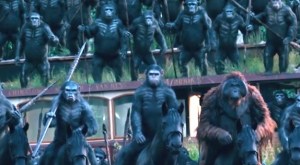
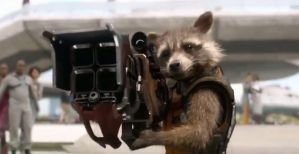
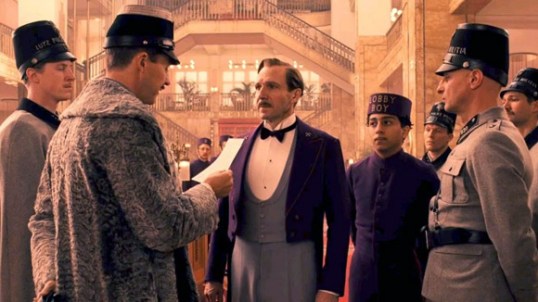
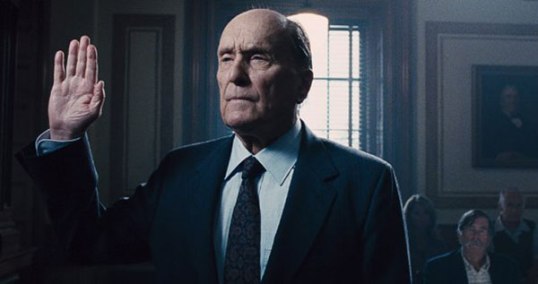
4 Or More Shots From 4 Or More Films is just what it says it is, 4 shots from 4 of our favorite films. As opposed to the reviews and recaps that we usually post, 4 Shots From 4 Films lets the visuals do the talking!
Today, we celebrate the birth and the legacy of the great Austrian director Fritz Lang. Starting his career during the silent era in Germany, Lang was both a proponent of expressionism and an early critic of the Nazis and Adolf Hitler. Despite this and the fact that Lang’s mother was Jewish, Josef Goebbels attempted to recruit Lang to run Germany’s largest film studio, UFA. Lang responded to Goebbels offer by moving to Paris and divorcing his wife, who was an ardent Nazi. Lang eventually found his way to Hollywood, where he worked for the next twenty years. With films like Metropolis, M, Fury, Hangmen Also Die, Scarlet Street, and The Testament of Dr. Mabuse, Lang proved himself to be a master of every genre and his influence is still felt to this day.
In honor of the man and his legacy, here are….
4 Shots From 4 Fritz Lang Films
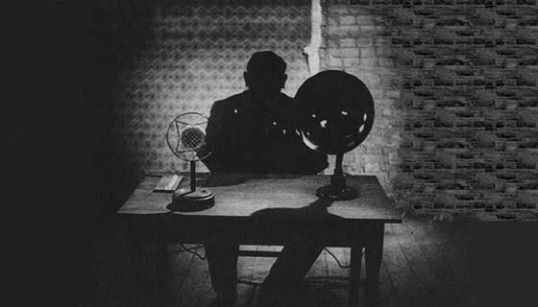
Metropolis (1927, dir by Fritz Lang, DP: Karl Freund and Gunther Rittau)
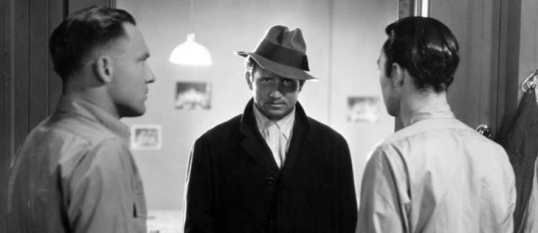
M (1931, dir by Fritz Lang, DP: Fritz Arno Wagner)
The Testament of Dr. Mabuse (1933, dir by Fritz Lang, DP: Karl Vash and Fritz Arno Wagner)
Fury (1936, dir by Fritz Lang, DP: Joseph Ruttenberg)
4 Or More Shots From 4 Or More Films is just what it says it is, 4 shots from 4 of our favorite films. As opposed to the reviews and recaps that we usually post, 4 Shots From 4 Films lets the visuals do the talking!
Today, we celebrate the birth and the legacy of the great Austrian director Fritz Lang. Starting his career during the silent era in Germany, Lang was both a proponent of expressionism and an early critic of the Nazis and Adolf Hitler. Despite this and the fact that Lang’s mother was Jewish, Josef Goebbels attempted to recruit Lang to run Germany’s largest film studio, UFA. Lang responded to Goebbels offer by moving to Paris and divorcing his wife, who was an ardent Nazi. Lang eventually found his way to Hollywood, where he worked for the next twenty years. With films like Metropolis, M, Fury, Hangmen Also Die, Scarlet Street, and The Testament of Dr. Mabuse, Lang proved himself to be a master of every genre and his influence is still felt to this day.
In honor of the man and his legacy, here are….
4 Shots From 4 Fritz Lang Films
Metropolis (1927, dir by Fritz Lang, DP: Karl Freund and Gunther Rittau)
M (1931, dir by Fritz Lang, DP: Fritz Arno Wagner)
The Testament of Dr. Mabuse (1933, dir by Fritz Lang, DP: Karl Vash and Fritz Arno Wagner)
Fury (1936, dir by Fritz Lang, DP: Joseph Ruttenberg)
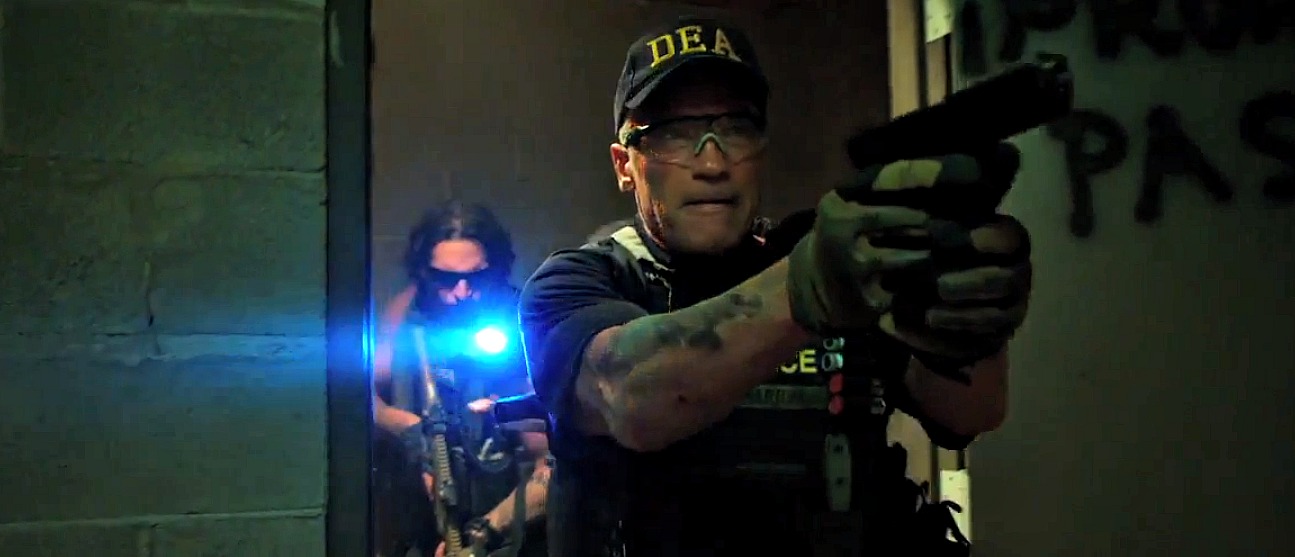
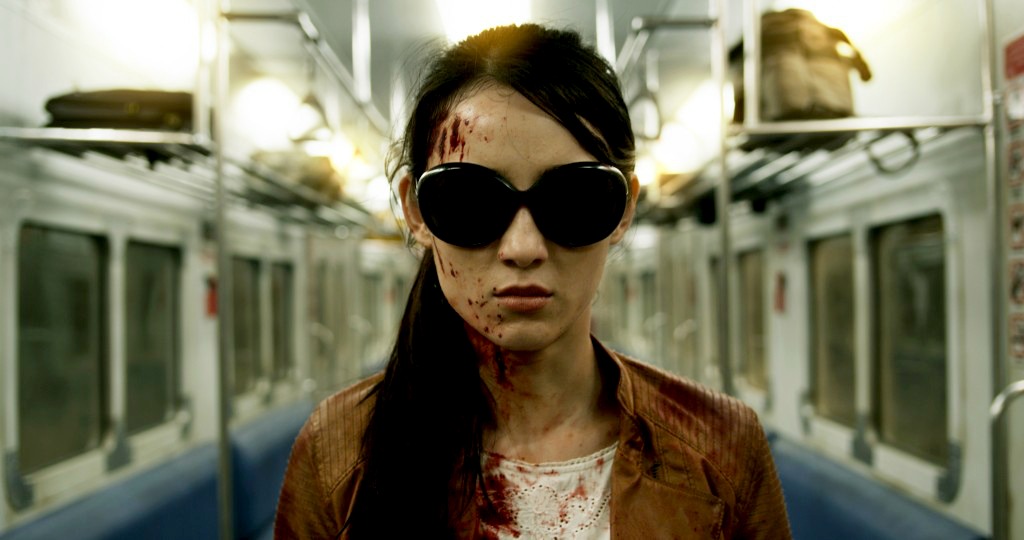
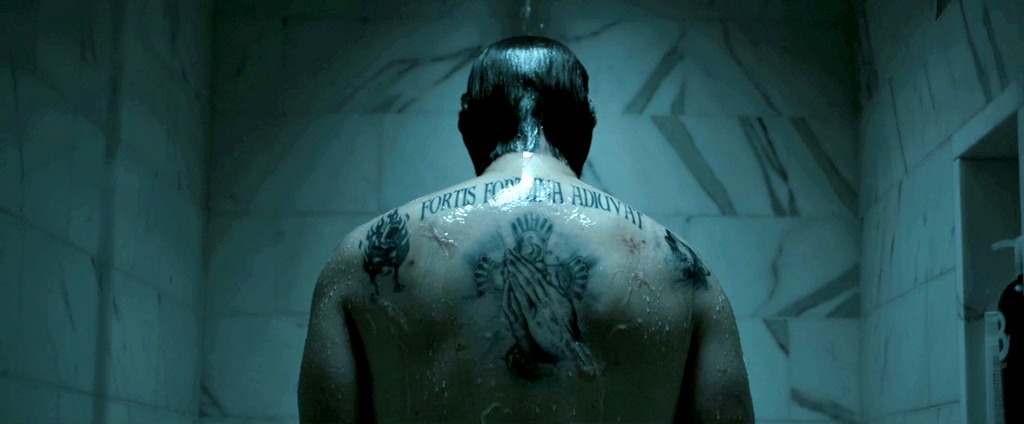
2014 had it’s share of very good action films and here are four that I was particularly drawn to. While the film themselves were of varying degrees of quality in terms of storytelling. These 4 films all had one thing that I enjoyed despite their films’ flaws. They all had action scenes that I thought were quite excellent.
You have gritty present-day action thriller, an operatic gangster epic, a revenge thriller and a war film. One stars an aging action star back from playing politician. Another a foreign film whose filmmaker and star have set the bar for all action films for years to come. Then there’s the stunt coordinators and 2nd unit directors finally making their mark with their first feature-length film. Lastly, a war film that brings the brutality of World War II tank warfare to the forefront.
With the Oscar nominations due to be announced tomorrow, now is the time that the Shattered Lens indulges in a little something called, “What if Lisa had all the power.” Listed below are my personal Oscar nominations. Please note that these are not the films that I necessarily think will be nominated. The fact of the matter is that the many of them will not. Instead, these are the films that would be nominated if I was solely responsible for deciding the nominees this year. Winners are listed in bold.
(You’ll also note that I’ve added four categories, all of which I believe the Academy should adopt — Best Voice-Over Performance, Best Casting, Best Stunt Work, and Best Overall Use Of Music In A Film.)
(Click on the links to see my nominations for 2013, 2012, 2011, and 2010!)
Earlier today, the Screen Actors Guild nominations were announced and I love them! Not because I agree with all of them but because they’re a nice mix of the expected and the surprising. Every category had at least one surprise and really, it’s the surprises that make Oscar Season so much fun.
For what they are worth, here are a few observations from yours truly:
When it comes to predicting the actual Oscar nominations, the SAG are usually an excellent precursor. It makes sense — the Actors Branch is the biggest of the Academy’s voting branches and many of the same people who determined the SAG nominees will also be casting ballots for the Academy Awards.
Foxcatcher did not receive an ensemble nomination but it did receive nominations for Steve Carell and Mark Ruffalo. That’s especially good news for Carell, who has yet to be much of a factor in the precursor voting.
Speaking of which, everyone keeps taking about how Foxcatcher hasn’t been a major player in the precursors. What about Unbroken? For a so-called Oscar front runner, Unbroken certainly hasn’t received much from the critics groups.
(I should note that I have yet to see either Foxcatcher or Unbroken so I don’t have an opinion on whether either one of them deserves awards.)
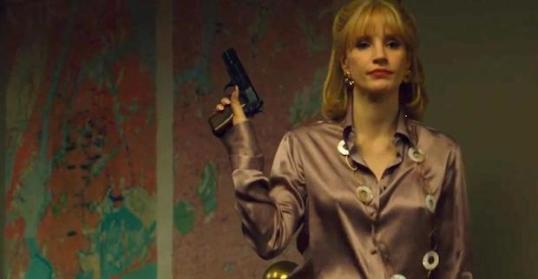
Among the big snubs: Amy Adams for Big Eyes, Jessica Chastain for A Most Violent Year or Interstellar, Marion Cotillard for Two Days, One Night, and Oscar Isaac for A Most Violent Year.
My favorite nomination was Jake Gyllenhaal for Nightcrawler. I haven’t seen Cake but I was happy to see Jennifer Aniston nominated because it was unexpected. Robert Duvall’s great but wow, was the Judge ever a disappointing movie.
I was shocked to see Naomi Watts nominated for St. Vincent but it actually makes sense. Her role in St. Vincent really was awards bait. And who doesn’t love Naomi Watts? (That said, I thought her performance was a bit cartoonish.)
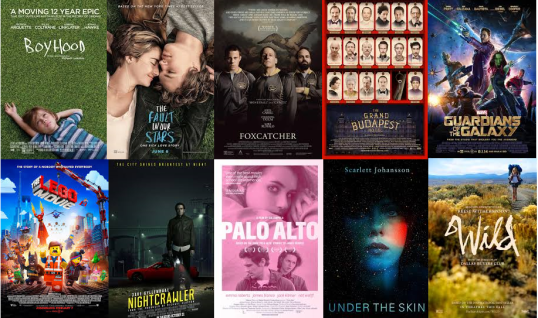
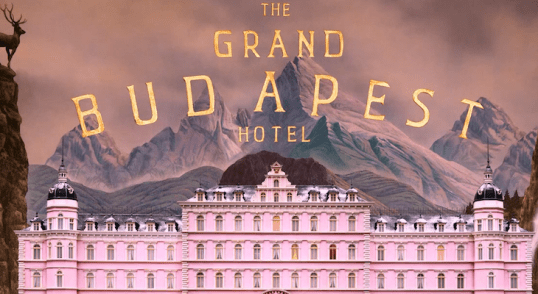
Both the Grand Budapest Hotel and especially The Theory of Everything are looking more and more like probable best picture nominees.
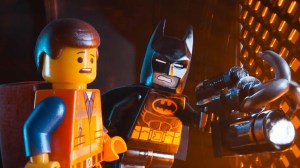
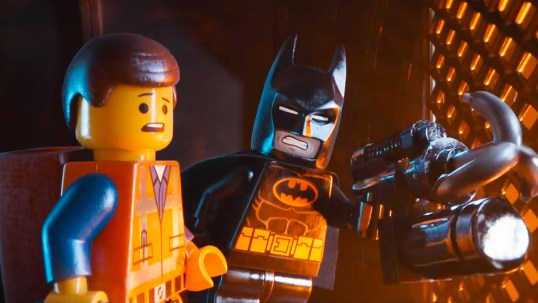
I have to admit that, when I first looked at the just-released Phoenix Film Critics Nominations for 2014, I got really excited. I saw The LEGO Movie listed among the nominees for best picture and I thought to myself, “Oh my God! Could The LEGO Movie be set to be the fourth animated film to score a best picture nomination from the Academy!?”
Seriously, my inner movie trivia lover was so excited!
Then, of course, I remembered that critical recognition doesn’t necessarily translate into Oscar nominations. And I was forced to admit that The LEGO Movie probably will not be nominated for best picture, though it definitely remains a front runner for best animated feature.
But, for a few moments there, I was truly an excited Oscar watcher.
Anyway, here are the Phoenix Film Critics Nominations!
The National Board of Review has spoken! They named their picks for the best of 2014 earlier today and — to the shock of many (especially me) — they picked JC Chandor’s crime drama A Most Violent Year as the best film of the year!
I love surprises!
Now, a lot of us were expecting A Most Violent Year to be an Oscar contender, with practically everyone expecting Jessica Chastain to either be nominated for best actress or supporting actress. (The NBR named her best supporting actress.) But I think a lot of us were expecting to see the NBR select Boyhood, Birdman, or maybe Selma.
Also of note is that Clint Eastwood won best director for American Sniper, which appears to be coming on strong as a potential Oscar nominee as well.
(Also of note: Foxcatcher was totally ignored by the NBR.)
Here are the NBR winners!
BEST PICTURE
“A Most Violent Year”
BEST DIRECTOR
Clint Eastwood, “American Sniper”
BEST ACTOR (TIE)
Oscar Isaac, “A Most Violent Year”
Michael Keaton, “Birdman”
BEST ACTRESS
Julianne Moore, “Still Alice”
BEST SUPPORTING ACTOR
Edward Norton, “Birdman”
BEST SUPPORTING ACTRESS
Jessica Chastain, “A Most Violent Year”
BEST ORIGINAL SCREENPLAY
Phil Lord and Christopher Miller, “The Lego Movie”
BEST ADAPTED SCREENPLAY
Paul Thomas Anderson, “Inherent Vice”
BEST ENSEMBLE
“Fury”
BEST ANIMATED FEATURE
“How to Train Your Dragon 2”
BEST FOREIGN LANGUAGE FILM
“Wild Tales”
BEST DOCUMENTARY
“Life Itself”
SPOTLIGHT AWARD
Chris Rock for writing, directing, and starring in “Top Five”
BREAKTHROUGH PERFORMANCES
Jack O’Connell, “Starred Up” and “Unbroken”
DEBUT DIRECTOR
Gillian Robespierre, “Obvious Child”
WILLIAM K. EVERSON FILM HISTORY AWARD
Scott Eyman
FREEDOM OF EXPRESSION
“Rosewater”
“Selma”
BEST PICTURE NOMINEES (alphabetical)
“American Sniper”
“Birdman”
“Boyhood”
“Fury”
“Gone Girl”
“The Imitation Game”
“Inherent Vice”
“The Lego Movie”
“Nightcrawler”
“Unbroken”
BEST FOREIGN LANGUAGE NOMINEES (alphabetical)
“Force Majeure”
“Gett: The Trial of Vivian Amsalem”
“Leviathan”
“Two Days One Night”
“We Are the Best!”
BEST DOCUMENTARY NOMINEES (alphabetical)
“Art and Craft”
“Jodorowsky’s Dune”
“Keep On Keepin’ On”
“The Kill Team”
“Last Days in Vietnam”
BEST INDEPENDENT FILMS (alphabetical)
“Blue Ruin”
“Locke”
“A Most Wanted Man”
“Mr. Turner”
“Obvious Child”
“The Skeleton Twins”,
“Snowpiercer”,
“Stand Clear of the Closing Doors”
“Starred Up”
“Still Alice”
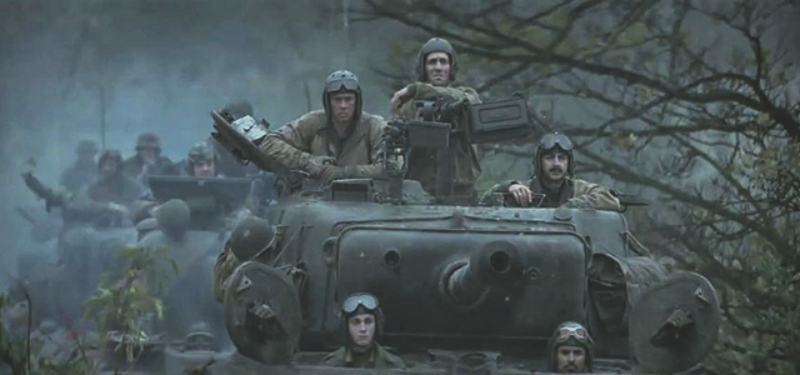
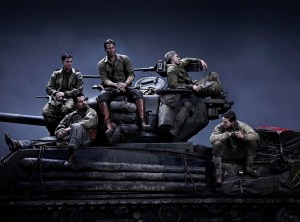
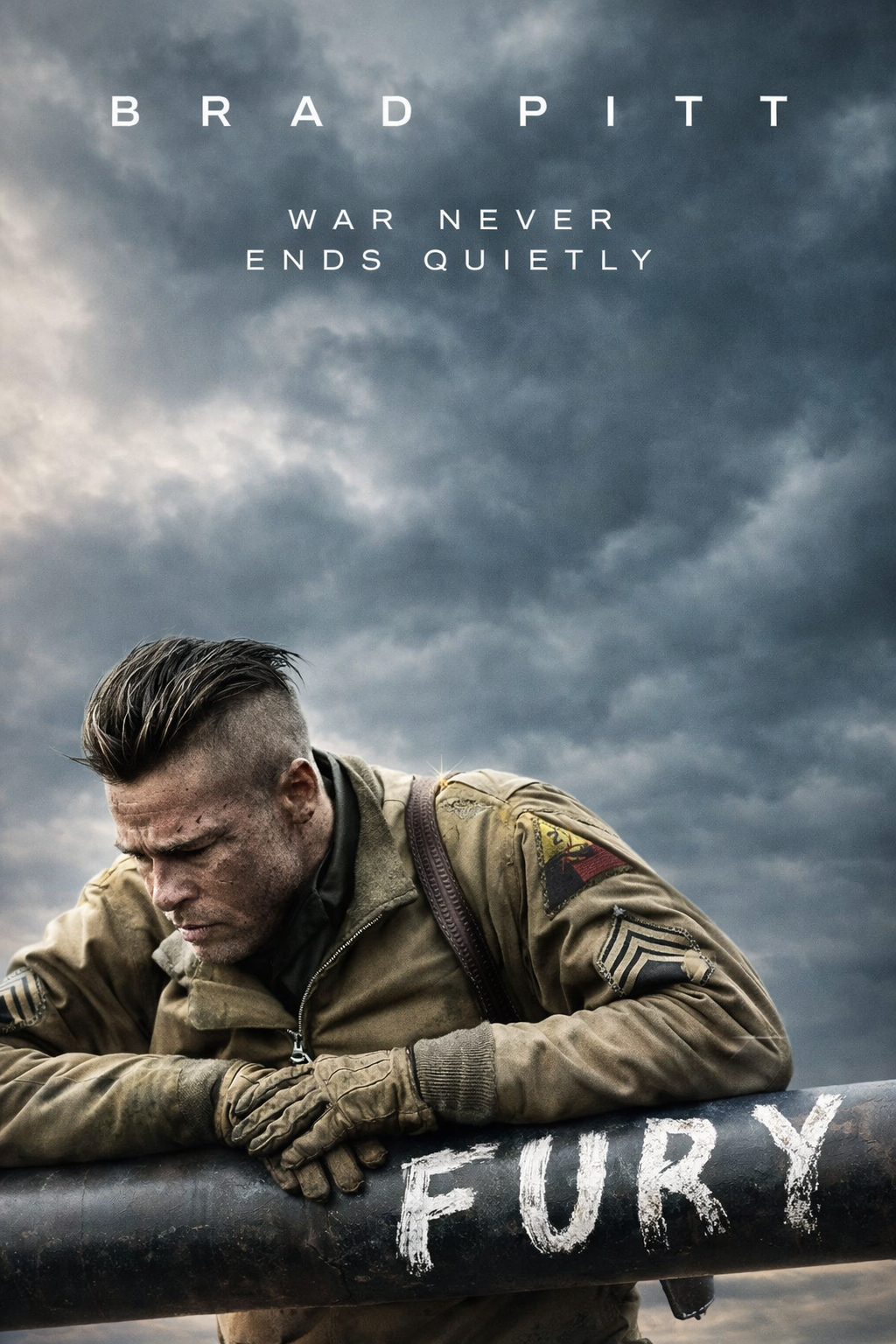
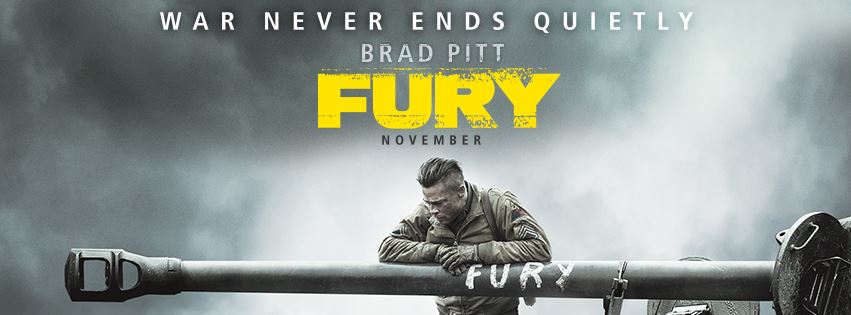
You know that feeling when a war movie tries so hard to be gritty that it forgets to be anything else? Fury, directed by David Ayer, flirts with that problem but mostly stays on the right side of the line. Released in 2014, this WWII drama follows a five-man American tank crew as they push deeper into Nazi Germany in April 1945. The war is almost over, but as the film constantly reminds us, that only makes the fighting more desperate and meaningless. Ayer, who wrote Training Day and directed End of Watch, clearly wanted to make a grimy, claustrophobic, and visceral experience—not a clean, heroic adventure. And for the most part, he succeeds. But the movie is also uneven, sometimes brilliant, and occasionally frustrating. One thing becomes clear early on: Ayer is not just making a war movie. He is trying to out-war the war movie that changed everything. Saving Private Ryan raised the bar for realistic combat violence in 1998, and ever since, directors have been chasing that opening Omaha Beach sequence. Fury spends its entire runtime trying to shove that bar even higher, especially in its final act, where the violence tips over from realistic into something almost performative—as if Ayer is daring you to look away.
The plot is simple. We meet Don “Wardaddy” Collier, played by Brad Pitt, as the seasoned commander of a Sherman tank nicknamed “Fury.” His crew includes Boyd “Bible” Swan (Shia LaBeouf), the religious gunner; Coon-Ass (Jon Bernthal), the volatile loader; and Grady (also Bernthal, though the character is actually Grady “Coon-Ass” Travis; the movie gives everyone a nickname). The crew loses their assistant driver in the opening scene, and they get a replacement: Norman Ellison (Logan Lerman), a young typist who has never fired a gun and has no intention of killing anyone. The rest of the film is basically a crash course in how war turns gentle men into monsters—or at least into effective killers.
What works best in Fury is the sense of being trapped inside a steel coffin. Ayer films almost everything from inside the tank or right next to it. You hear every shell clank, every engine strain, every bullet ping off the hull. The sound design is incredible—it’s the kind of movie where you feel the bass in your chest during combat scenes. And the tank battles are brutally realistic. There’s no slick choreography here. When a German Tiger tank shows up, the fight becomes static, clumsy, and terrifying. The Sherman isn’t some superhero; it’s outgunned and out-armored, and the crew wins only because they’re desperate and lucky. That sequence alone is worth the price of admission. You can feel Ayer’s respect for Saving Private Ryan in those moments—the same handheld cameras, the same sudden death, the same sense that no one is safe. But then the film goes further.
Brad Pitt gives one of his tougher, quieter performances. Wardaddy isn’t a philosopher or a hero. He’s a tired man who has seen too much and made too many compromises. He forces Norman to execute a German prisoner, not out of cruelty but out of a cold, broken logic: if Norman can’t kill, he’ll get the whole crew killed. Pitt sells the weight of that decision without grand speeches. Shia LaBeouf is surprisingly restrained as Bible, a character who prays before each battle but never preaches. The real surprise is Logan Lerman. He starts as a scared kid who vomits at the sight of corpses and ends the film doing things that would ruin anyone’s soul. His transformation is uncomfortable to watch, but that’s the point.
However, the movie has some clunky moments. One extended scene has Wardaddy and Norman sharing a meal with two German women in an abandoned apartment. It’s supposed to show a brief flash of normal life—eggs, music, a soft bed—but it feels oddly staged. The women are just props. They have no real personality except to be gentle and then get killed offscreen. It’s a rare moment where Ayer’s macho instincts flatten the story instead of deepening it. But the real problem is the final act. The crew holds a crossroads against an entire SS battalion of about 200 men, doing it with a broken-down tank that cannot move. Realistically, they’d be dead in minutes. But Ayer turns it into a grim last stand that feels more like a Western than a WWII movie. The Germans attack in waves like idiots, running straight into machine-gun fire. And here is where you sense Ayer’s real intention: he is not trying to be realistic anymore. He is trying to one-up Saving Private Ryan by making the violence not just brutal but excessive, almost numbing. Limbs fly. Faces get torn open. The camera lingers on wounds long past the point of necessary storytelling. It feels like Ayer is saying, “You thought Spielberg was intense? Watch this.” But instead of adding emotional weight, the violence starts to feel like a dare. The movie becomes less about these five men and more about proving it can stomach more than any other war film.
Thematically, Fury is about how institutions crush individuality. Norman was a decent person who typed letters and likely never hurt anyone. By the end, he is sitting in the commander’s seat, pulling triggers without hesitation. The movie doesn’t celebrate this—it presents it as a tragedy. But the final act undercuts that tragedy because it becomes so cartoonishly violent that you stop feeling for the characters and just wait for the bloodshed to end. Unlike Saving Private Ryan, which uses its famous opening sequence to establish horror and then pulls back for character moments, Fury seems to think that more gore equals more truth. It doesn’t. It just equals more gore.
If you’re looking for a clean story with clear good guys and bad guys, this isn’t it. The Germans are offscreen most of the time, and the real enemy is the war itself. Wardaddy even says, “The only thing that separates us from them is this uniform.” That’s a heavy line, and the film never really resolves it. It just lets it hang there. Some critics called Fury shallow because it raises moral questions without answering them. I’d argue that’s the point. War doesn’t come with footnotes. You just survive or you don’t. But the film’s desperate need to prove it is tougher than its predecessors does make it feel, at times, like a younger brother showing off.
On a technical level, the cinematography by Roman Vasyanov is beautiful in a grim way. Colors are desaturated—browns, grays, washed-out greens. Mud and blood look the same. The camera shakes when it needs to, but it’s not the hyperactive Bourne style. It’s controlled chaos. And the final shot, where the camera slowly pulls back from the dead tank, is haunting. It stays with you.
So, final verdict? Fury is a solid, often great war film that trips over its own ambitions in the last thirty minutes. It wants to be a small, character-driven horror show, then pivots to a heroic last stand that feels like it belongs in a different movie—one that cares more about shocking you than moving you. The comparison to Saving Private Ryan is unavoidable, and Fury clearly wants to be mentioned in the same breath. But where Spielberg used violence as a doorway into human cost, Ayer sometimes uses it as a blunt instrument. The performances are strong, the tank combat is second to none, and the atmosphere is suffocating in the best way. It’s not Come and See, but it’s also not Pearl Harbor. If you can handle the tonal whiplash and the occasional macho posturing, you’ll find a movie that respects its audience enough to leave them feeling dirty. Just don’t expect a clean exit—and don’t expect it to earn every drop of blood it spills.
I must admit that World War II films are a favorite of mine. Even bad ones I tend to enjoy. Whether it’s alternate fantasy fares like Tarantino’s Inglourious Basterds or something that combines historical accuracy with dramatic license like Spielberg’s Saving Private Ryan, the World War II genre always manage to hit straight and true to my film wheelhouse.
This October there looks to be another World War II film that seems almost tailor-fit for me. I’m talking about David Ayer’s follow-up to his underappreciated film End of Watch. This follow-up is Fury and tells the story of an American tank crew in the waning days of World War II in Europe. Just from the two trailer released I already know that I’m seeing this. Ayer looks to be exploring the bond of a tank crew that has seen war from the deserts of Africa and now to the urban and forested landscapes of Germany.
The film is already getting major buzz as a major contender for the upcoming awards season and I, for one, hope that it’s a well-deserved buzz. Even with Shia LaBeouf being part of the cast is not dampening my excitement for this film. Even if it doesn’t live up to the hype I know that I’ll probably still end up enjoying it.
This trailer looks to be selling the utter brutality and carnage of World War II’s final days in Europe when German forces were literally fighting for their homeland and that makes for a desperate enemy (who still had weapons and soldiers that were still hands down better than what the Allies had one-on-one).
On a side note, I like the fact that the tracers in the film actually look like tracers which means they look like freakin’ laser blasts. That’s how tracers behave.
Fury is set to hit theaters on October 17, 2014 in the United States and October 22, 2014 internationally.
If you’re a fan of movies about the military, like Arleigh or Erin, you will probably be excited by the first trailer for the upcoming World War II film Fury. I have to admit that I’m not particularly a fan of war movies but I still think that the Fury trailer is undeniably effective. I don’t know if I’ve quite bought into the idea that Fury is going to be an Oscar contender (as some Oscar bloggers are suggesting) but the trailer still suggests that Fury will, at the very least, be better than The Monuments Men.