After Nightcrawler (Alan Cumming) causes a national security crisis by teleporting into the White House, Colonel William Stryker (Brian Cox) is given the authority to invade Professor Xavier’s School and investigate its connection to the mutants. Stryker, who not only wants to investigate the mutants but also destroy them by manipulating the same technology that Xavier uses to find them, just happens to be an old enemy of Logan’s (Hugh Jackman). In fact, Stryker is responsible for Logan fusing the adamantium to his bones. That’s a hell of a coincidence.
A sequel to X-Men, X2 tells a bigger and more complex story than the first film. Professor Xavier’s students are spread out by the chaos. Rogue (Anna Paquin) sees prejudice firsthand when Bobby Drake (Shawn Ashmore) is betrayed by his own family. Pyro (Aaron Stanford) is tempted to reject the X-Men’s philosophy of coexistence. After being underused in the first film, both Scott (James Marsden) and Jean Grey (Famke Janssen) are key players here. Magneto (Ian McKellen) and Mystique (Rebecca Romijn-Stamos) return, this time temporarily allying with Professor X (Patrick Stewart) to stop Stryker. Logan has his own reasons to go after Stryker. Surprisingly, X2 is not only bigger than the first film but it’s also better. The actors are more convincing in their roles, the action is more exciting, and director Bryan Singer capably juggles all of the different parts without losing the plot. He even manages to ably set up the Dark Phoenix Saga. In the first film, the X-Men had it almost too easy when it came to battling opponents like Toad and Sabretooth. This film has not only Brian Cox’s William Stryker but also Kelly Hu’s Deathstrike.
Those of us who were shocked when X-Men turned out to be good were even more shocked when X2 turned out to be even better. For a little while, it seemed like there would never be a bad X-Men movie! Later, that’s the way a lot of us would also feel about the Marvel movies. Those were good days.
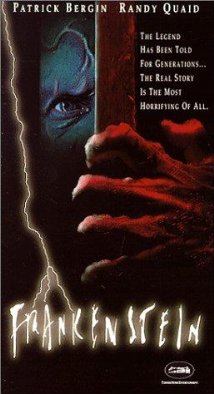
The crew of an icebound ship witnesses two men on dogsleds, apparently trying to kill each other. The sicklier of the men boards the ship and explains that his name is Victor Frankenstein (Patrick Bergin) and that he should not have tried to bring the dead back to life. As he tells the story of how he brought his Monster (Randy Quaid) to life, the film becomes a series of flashbacks.
Produced for TNT and playing up the costumes and the scenery at the expense of the story, this version of Frankenstein is the one that people forget about. This version emphasizes the psychic bond between the Monster and Victor. Whenever the Monster gets injured, Victor feels it, and that’s a problem because the Monster gets injured a lot, and Victor is already in ill health. Patrick Bergin plays Victor as a grandly romantic figure, which doesn’t make him particularly believable as a sickly and obsessed scientist. Randy Quaid is better as the Monster, especially in the scenes after the Monster is first brought to life and he’s still learning the basics. (I actually think Quaid’s performance is superior to Robert De Niro’s take on the character in Mary Shelley’s Frankenstein.) Finally, John Mills is memorable as the blind man who shows the Monster some kindness.
One thing that I will always remember about Frankenstein is the scene where the Monster tells Victor, “Ah wanna woman!” For months afterward, my friends and I would imitate Randy Quaid’s delivery of that line. Many actors have played the Monster in the years since, but none have topped “Ah wanna woman!”
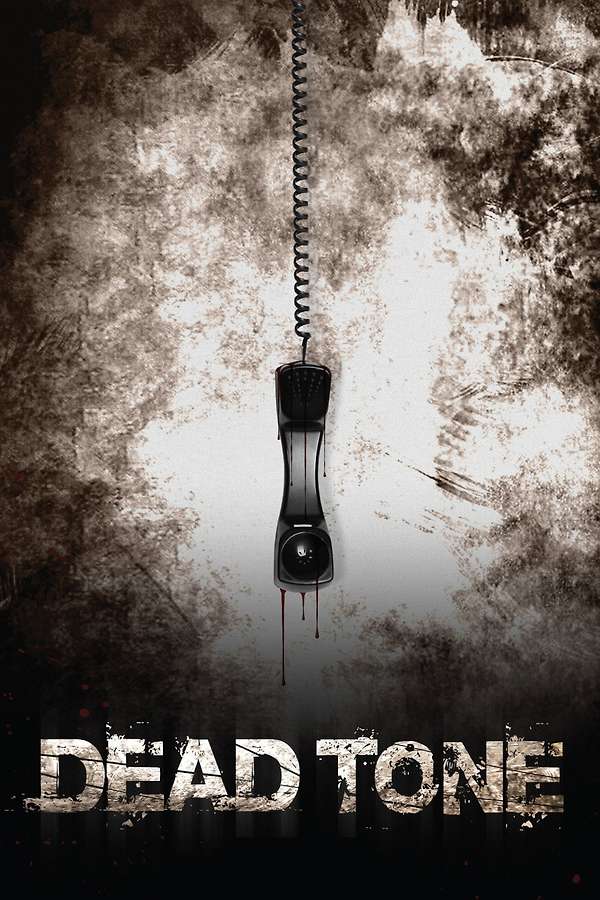
DEAD TONE (2007), also known as 7EVENTY 5IVE, opens with a group of kids playing a prank-calling game called “Seventy-Five,” where the goal is to place a random phone call and tell such a believable story that the person who answers will stay on the line at least 75 seconds. One guy seems upset when they call him. Later that night, while everyone is sleeping, a psycho with an axe comes in and brutally murders all the parents while the kids hide and watch in terror. Jump forward ten years and most of the kids who survived the night of terror are now college students. Invited to a weekend party at a wealthy classmate’s mansion, the group resumes their prank-calling game. Needless to say, when the maniac from ten years earlier answers the phone, the members of the group find themselves being stalked and murdered again. Hopefully Detective John Criton (Rutger Hauer), who worked the original murders 10 years earlier, will figure out who the killer is and stop him before everyone dies!
DEAD TONE is directed by Brian Hooks and Deon Taylor, who also star in the film. They’ve created a gory, low-budget slasher that blends elements of ‘80s and ‘90s horror films with an urban twist. For a guy who did his share of prank calls as a kid, I think the “psycho on the receiving end of a prank call” storyline is pretty cool. And the opening scene where the kids watch as their parents are killed because of their phone calls is horrific and pulls you right into the story. Unfortunately, once we get past the interesting open, there’s nothing that special about the rest of the movie. The characters aren’t particularly memorable or likable, and they sure as hell aren’t very smart. Call me crazy, but I’m thinking that I would never make another prank call again if I survived a mass murder event that was brought on by prank phone calls. These folks have no such qualms, which may not make any sense in the real world, but I guess is necessary if you need more axe murders for your plot. I will admit that there are a few awesome kills in the film, especially if you enjoy a good beheading. I won’t spoil the scenes, but the ones I’m specifically thinking of are both surprising and jarring at the same time. I’m also the kind of guy who will watch anything featuring Rutger Hauer. DEAD TONE’s Detective John Criton isn’t a character highlight of his career, but I still enjoy watching him go through the motions of investigating the crimes both in the present and in the past. It’s a part that he could have completed in his sleep, but this movie would have benefited from more “Hauer time.”
Overall, DEAD TONE is the kind of movie to watch with little to no expectations. It’s not great, but if you’re in the mood for a slasher movie with jump scares, silly characters, some decent gore, and even an acting legend thrown in for good measure, you could do a lot worse than DEAD TONE!
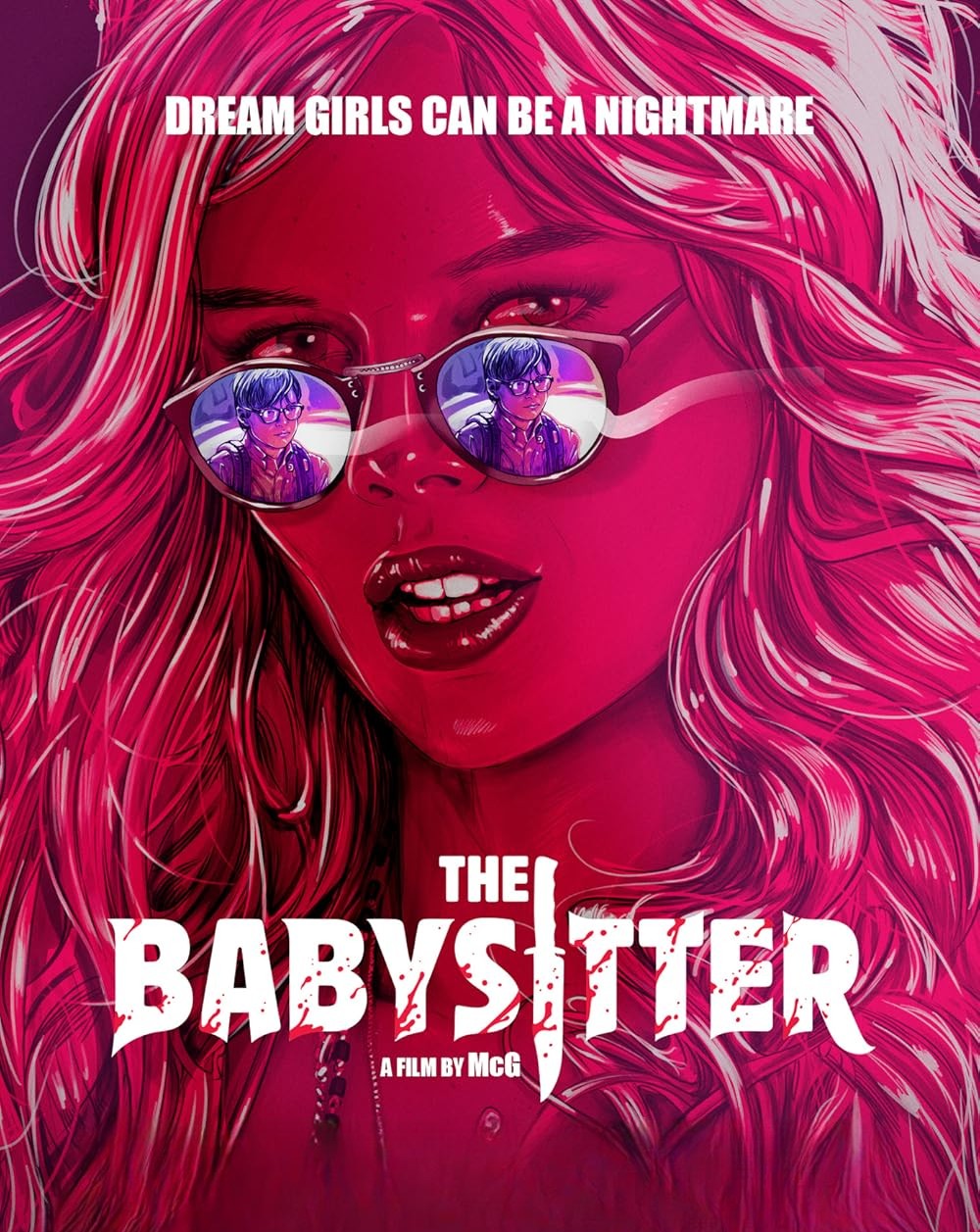
The Babysitter is, above all else, Samara Weaving’s coming-out party—a wildly entertaining showcase that proves she can carry a horror movie with charm, menace, and complete comedic fearlessness. McG’s 2017 Netflix film, written by Brian Duffield, is built around a simple, absurd premise: a lonely kid discovers his beautiful babysitter is part of a Satanic cult. The movie lives and dies on Weaving’s performance as Bee, and she delivers enough star power, humor, and danger to turn a thin genre premise into a fast, colorful, gleefully violent horror comedy.
The story follows Cole, played by Judah Lewis, a nervous twelve-year-old who is still young enough to need a babysitter but old enough to hate that fact. His parents leave for the weekend, leaving him in the care of Bee. Cole has a massive crush on her, which makes the movie’s central betrayal sting even more. After staying up past bedtime to spy on the adults, he sees Bee and her friends murder someone as part of an occult ritual. Suddenly, the cozy suburban house becomes a battlefield, and Cole has to survive a night of Satanic murder, increasingly absurd violence, and the horrifying realization that the person he trusted most is trying to kill him.
Without Weaving, this premise could easily collapse into forgettable direct-to-streaming filler. Bee could have been nothing more than a one-dimensional “hot evil babysitter,” but Weaving gives her real charisma. She is funny, flirtatious, warm, and completely unhinged, often within the same scene. The film understands that Bee works best when she is both genuinely likable and genuinely dangerous. Cole trusts her because she treats him kindly, and that makes the reveal hurt. Weaving also gets most of the movie’s best lines and biggest moments, and she plays them with the kind of gleeful theatricality the material demands. This is the performance that announced her as a major modern horror presence, and it is easy to see why filmmakers and audiences took notice.
What makes The Babysitter work beyond Weaving is its total commitment to the bit. The film is essentially Home Alone filtered through a Satanic slasher and a teenage sex comedy. Cole fights back with household objects, improvisation, and pure panic, while Bee and her friends keep getting killed in ways that are gruesome, creative, and often funny. The movie never takes its mythology seriously enough for the ritual stuff to become dull. The cult’s plan is mostly an excuse for carnage, but the carnage is lively enough that the thin plot barely matters. This is a movie where a kitchen can become a weapon, a pool can become a crime scene, and a teenage cultist can be defeated by the kind of slapstick logic usually reserved for cartoons.
The supporting cult members are broad, ridiculous characters, but they fit the movie’s tone. Robbie Amell plays Max, a jock who clearly believes he is the coolest person in any room. Bella Thorne’s Allison is glamorous, vain, and increasingly undone as the night falls apart. Hana Mae Lee’s Sonya is the quiet, strange one, while Andrew Bachelor’s John is the guy who thinks he is more essential to the group than anyone else believes. None of them are deeply developed, but they do not need to be. They are archetypes, and the actors lean into that. Their banter is often juvenile, sometimes forced, but it matches the movie’s hyperactive, self-aware energy.
McG’s direction is both part of the film’s appeal and one of its biggest problems. He directs it like an extended music video: saturated colors, quick cuts, pop songs, pop-culture references, and a camera that rarely wants to sit still. When the style clicks, The Babysitter feels punchy and alive, with the energy of a comic book come to life. But McG leans so heavily into the comedy side that the movie often loses its horror footing. The jokes, quips, and broad performances are constantly pushed to the front, and when the film tries to shift into an actual horror beat, the moment frequently lands flat. The cult members are too goofy, the kills too cartoonish, and the tone too jokey for the movie to build much dread. Some jokes land with a thud, some references feel dated already, and the constant visual busy-ness can overwhelm the simpler pleasures of the premise. The film succeeds despite McG’s excesses, not entirely because of them.
The horror is more splattery than scary. Anyone expecting real dread, slow-building tension, or a genuinely unsettling villain will likely be disappointed. The movie’s comedy comes from the collision of childhood anxieties with extreme genre nonsense. Cole is afraid of bullies, girls, being alone, and growing up; the film literalizes those fears by putting him in a house full of murderous adults who want to sacrifice him. Beneath the blood and jokes, there is a surprisingly sincere coming-of-age story. But because the comedy is so relentless, the horror rarely gets room to breathe, and the movie’s scarier moments feel more like brief interruptions than genuine escalations.
Cole’s arc gives the chaos a little heart. At the beginning, he is passive, scared, and constantly humiliated. By the end, he has been forced to confront every fear he has, usually while covered in gore and running for his life. Judah Lewis is not giving a nuanced performance, but he is likable and believable as a terrified kid pushed past his limits. His friendship with Melanie, played by Emily Alyn Lind, adds another layer of warmth. Melanie encourages him to stand up for himself, and their awkward middle-school dynamic gives the movie a sweet emotional center beneath all the occult murder.
The film’s biggest weakness is its willingness to sacrifice logic for a joke. Characters make choices that only make sense because the plot needs them to. The cult’s plan is not especially well thought out. Adults and neighbors are conveniently unaware of gunfire, explosions, and general mayhem. The movie also sometimes views its female characters through Cole’s adolescent gaze, especially early on, which can make Bee and Allison feel more like fantasy objects than full people. The film gives them more agency as it goes, but the perspective remains very much that of a horny, terrified twelve-year-old boy. Whether that works for you depends on how much patience you have for that kind of teenage-male fantasy.
Still, The Babysitter has personality to spare. It is bright, brash, mean in a playful way, and unapologetically silly. It does not have the atmosphere of a prestige horror film or the emotional weight of the genre’s best work. It is not trying to be The Babadook or Hereditary. Instead, it is trying to be a bloody, funny, high-energy midnight movie, and it mostly succeeds. It is the kind of film best watched late at night, with low expectations and a high tolerance for cartoonish violence.
By the time the credits roll, The Babysitter has done exactly what it set out to do: deliver a loud, bloody, ridiculous good time while making Samara Weaving impossible to ignore. McG’s direction can be excessive, the comedy often crowds out the horror, and the scares are mild, but the film has enough energy, humor, and personality to make up for its flaws. Weaving turns Bee into one of the most entertaining horror villains of the Netflix era and uses the role as a true coming-out party for her career. Cole’s survival story gives the mayhem a surprisingly sweet coming-of-age core, but Weaving is the true engine of the film. It may not be a horror classic, but it is a very enjoyable piece of genre junk food: loud, colorful, violent, ridiculous, and much more fun than it has any right to be.
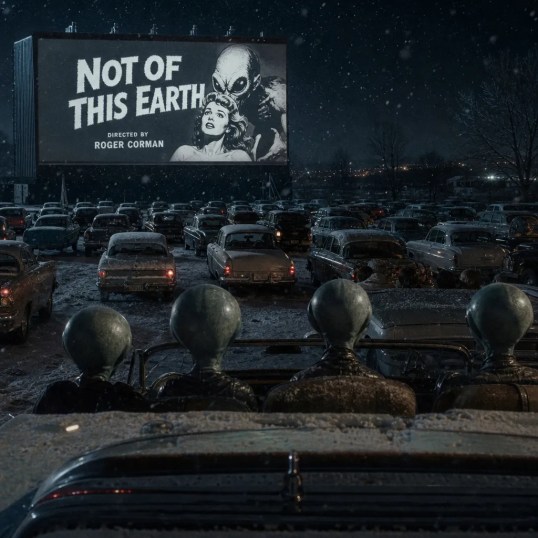
Today, we have a bonus horror on the Lens, the 1957 Roger Corman-directed, sci-fi “epic,” Not of this Earth.
Paul Johnson (Paul Birch) may seems like a strange character, with his stilted way of speaking and his sunglasses and his overdramatic reaction to any and all loud noises. Paul could us be an eccentric. Or, he could be …. NOT OF THIS EARTH! Actually, his habit of draining people of their blood and sending weird, umbrella-like creatures out to attack his enemies would seem to suggest that the latter is probably true.
Listen, it’s not easy being a blood-sucking alien. I mean, sure, there’s always seems to be people stupid enough to show up at your mansion so that you can drain their bodies. Paul is lucky that he doesn’t exactly seem to be surrounded by brain surgeons. But sometimes, things happen. For instance, someone might show up from your home planet and demand an immediate transfusion! What is an alien to do?
Watch this low-budget but undeniably entertaining film to find out! And be sure to especially keep an eye out for the great Dick Miller, who reportedly improvised his role as a vacuum cleaner salesman. (Before going into acting, Miller actually did sell vacuum cleaners door-to-door.)
Who wouldn’t love to see a movie where a youngish Jack Nicholson played a French soldier who, while searching for a mysterious woman, comes across a castle that’s inhabited by both Dick Miller and Boris Karloff?
In Roger Corman’s 1963 film The Terror, New Jersey-accented Jack Nicholson is the least believable 19th century French soldier ever. However, it’s still interesting to watch him before he became a cinematic icon. His performance here is rather earnest, with little of the sarcasm that would later become his trademark. Boris Karloff is, as usual, great and familiar Corman actor Dick Miller gets a much larger role than usual. Pay attention to the actress playing the mysterious woman. That’s Sandra Knight who, at the time of filming, was married to Jack Nicholson.
Reportedly, The Terror was one of those films that Corman made because he still had the sets from his much more acclaimed film version of The Raven. The script was never finished, the story was made up as filming moved alone, and no less than five directors shot different parts of this 81 minute movie. Boris Karloff’s scenes were filmed first, with the other actors performing in front of a body double during their scenes. Among the many directors who filmed bits and pieces of TheTerror: Roger Corman, Jack Hill, Monte Hellman, Francis Ford Coppola, Coppola’s roommate Dennis Jakob, and even Jack Nicholson himself! (Despite this number of directors involved, Corman received the sole directorial credit.) Perhaps not surprisingly, the final film is a total mess but it does have a definite historical value.
(In typical Corman fashion, scenes from The Terror were later used in the 1968 film, Targets. In that film, Karloff plays a version of himself, an aging horror actor who watches The Terror and dismisses it as being “terrible.”)
As some of our regular readers undoubtedly know, I am involved in a few weekly watch parties. On Twitter, I host #FridayNightFlix every Friday and I co-host #ScarySocial on Saturday. On Mastodon, I am one of the five hosts of #MondayActionMovie! Every week, we get together. We watch a movie. We tweet our way through it.
Tonight, at 10 pm et, I will be hosting #FridayNightFlix! Join us for Indiana Jones and the Temple of Doom!
If you want to join us this Friday, just hop onto twitter, find Indiana Jones and the Temple of Doom on Prime, start the movie at 10 pm et, and use the #FridayNightFlix hashtag! I’ll be there happily tweeting. It’s a friendly group and welcoming of newcomers so don’t be shy.
For today’s Horror Scene That I Love, let’s take a minute or two to show some respect to one of the world’s greatest (and longest-lived) film stars, Godzilla! Whether he’s attacking humanity as the literal representation of atomic age anxiety or if he’s saving Earth from a bunch of aliens, Godzilla has always been a superstar.
In this scene from 1973’s Godzilla vs. Megalon, Godzilla shows just how much of a star he is by taking a stand against bullying and saving his friend, Jet Jaguar. In this scene, Godzilla shows that he was an anti-bullying activist even before it was cool. Megalon and his friend thought they could just taunt poor old Jet Jaguar. Not as long as Godzilla’s around!
4 Shots From 4 Films is just what it says it is, 4 shots from 4 of our favorite films. As opposed to the reviews and recaps that we usually post, 4 Shots From 4 Films lets the visuals do the talking!
Today, we wish a happy birthday to Kevin S. Tenney, director of some of most best loved horror films of the 80s and the 90s! It’s time for….
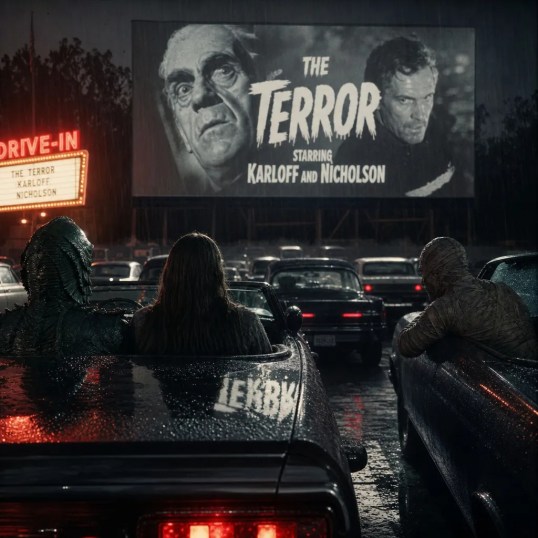
4 Shots From 4 Kevin S. Tenney Films
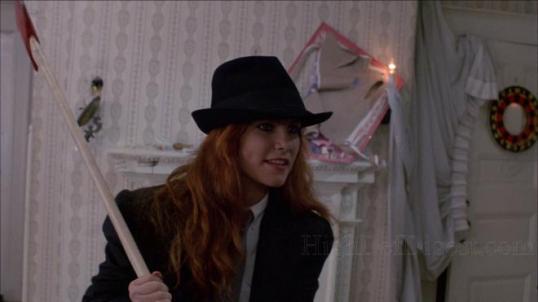
Witchboard (1986, dir by Kevin S. Tenney, DP: Roy Wanger)
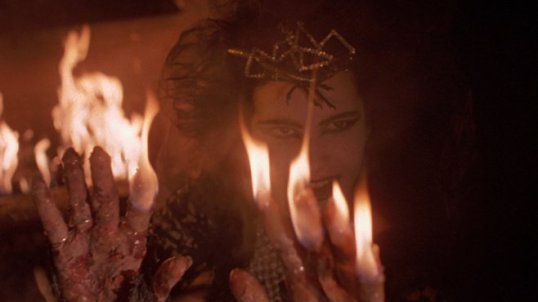
Night of the Demons (1988, dir by Kevin S. Tenney, DP: David Lewis)
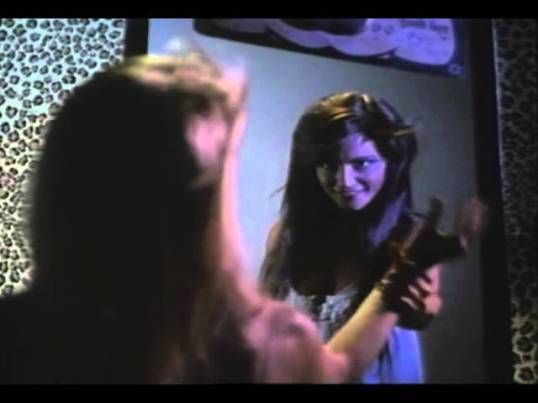
Witchboard 2: The Devil’s Doorway (1993, dir by Kevin S. Tenney, DP: David Lewis)
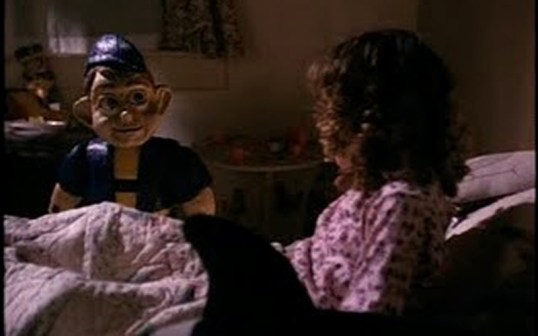
Pinnochio’s Revenge (1996, dir by Kevin S. Tenney, DP: Eric Anderson)
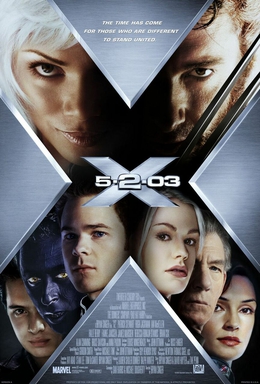 After Nightcrawler (Alan Cumming) causes a national security crisis by teleporting into the White House, Colonel William Stryker (Brian Cox) is given the authority to invade Professor Xavier’s School and investigate its connection to the mutants. Stryker, who not only wants to investigate the mutants but also destroy them by manipulating the same technology that Xavier uses to find them, just happens to be an old enemy of Logan’s (Hugh Jackman). In fact, Stryker is responsible for Logan fusing the adamantium to his bones. That’s a hell of a coincidence.