Frontier Fractured: Taylor Sheridan’s Neo-Western Reckoning


“The characters are fiction, but the landscape and the lives the characters are navigating are real.” — Taylor Sheridan

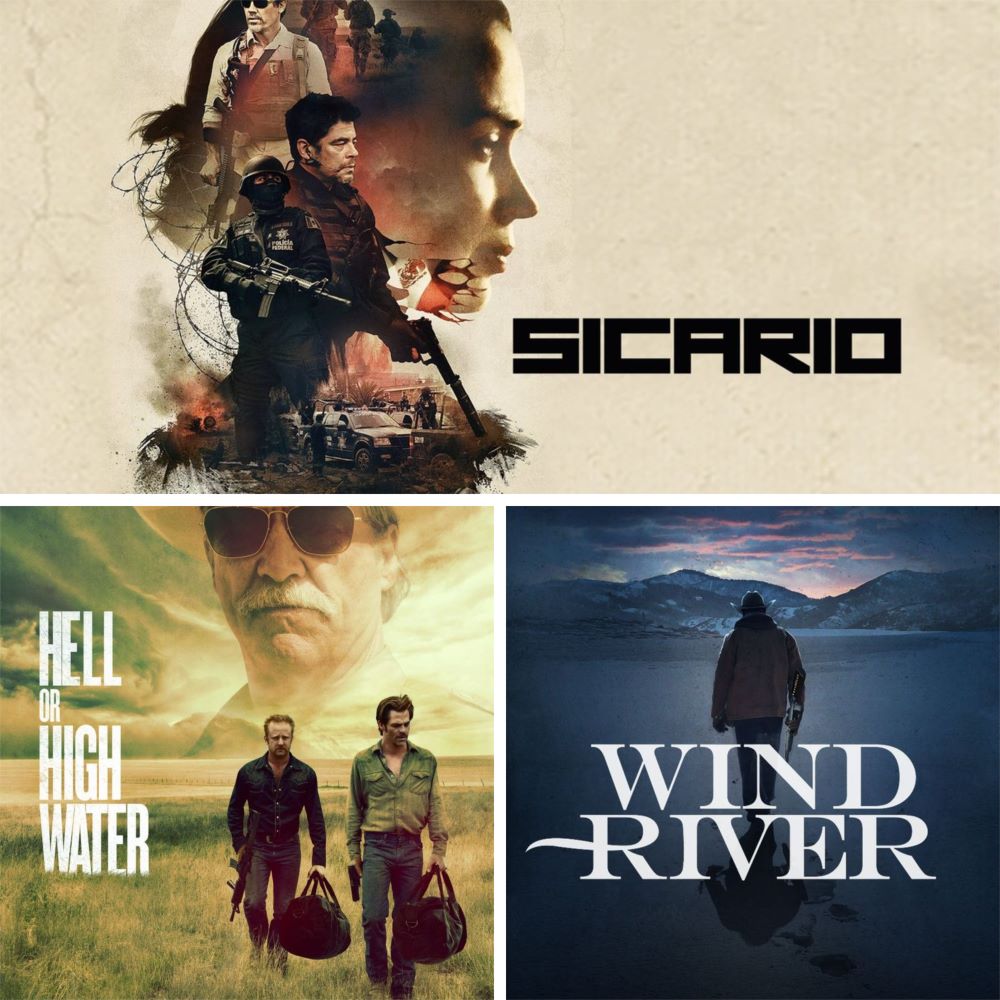
Taylor Sheridan’s American Frontier Trilogy—Sicario (2015), Hell or High Water (2016), and Wind River (2017)—stands as a landmark in modern neo-Western cinema, a tightly crafted exploration of America’s frayed edges penned by the screenwriter who would later dominate television with Yellowstone. These films, while not narratively linked, form a thematic triptych that dissects the moral decay of the contemporary frontier, where law buckles under the weight of systemic injustice, economic despair, and cultural erasure. This retrospective examines Sheridan’s screenplays as a cohesive vision of a nation haunted by its own myths of manifest destiny, blending pulse-pounding tension with unflinching social critique.

Defining the Trilogy’s Core

Sheridan’s “American Frontier” trilogy emerged from his own observations of overlooked American landscapes, as he described in interviews around Wind River‘s release. Sicario, directed by Denis Villeneuve, plunges into the U.S.-Mexico border war on drugs, following idealistic FBI agent Kate Macer (Emily Blunt) as she’s drawn into a shadowy CIA operation led by the enigmatic Matt Graver (Josh Brolin) and the ruthless Alejandro (Benicio del Toro). The film boasts breakneck pacing and claustrophobic tension, transforming a procedural thriller into a meditation on moral compromise, where the line between hunter and hunted dissolves in Juarez’s blood-soaked streets.

Hell or High Water, helmed by David Mackenzie, shifts to West Texas, chronicling brothers Toby (Chris Pine) and Tanner Howard (Ben Foster) as they rob branches of the Texas Midlands Bank—the same institution foreclosing on their mother’s ranch. It delivers a lean, character-driven drama, with an ear for authentic dialogue that captures rural Texan fatalism: lines like “You’re free now” underscore a cycle of poverty where crime becomes an act of reclamation. Ranger Marcus Hamilton (Jeff Bridges), pursuing them, embodies the law’s weary inefficiency.

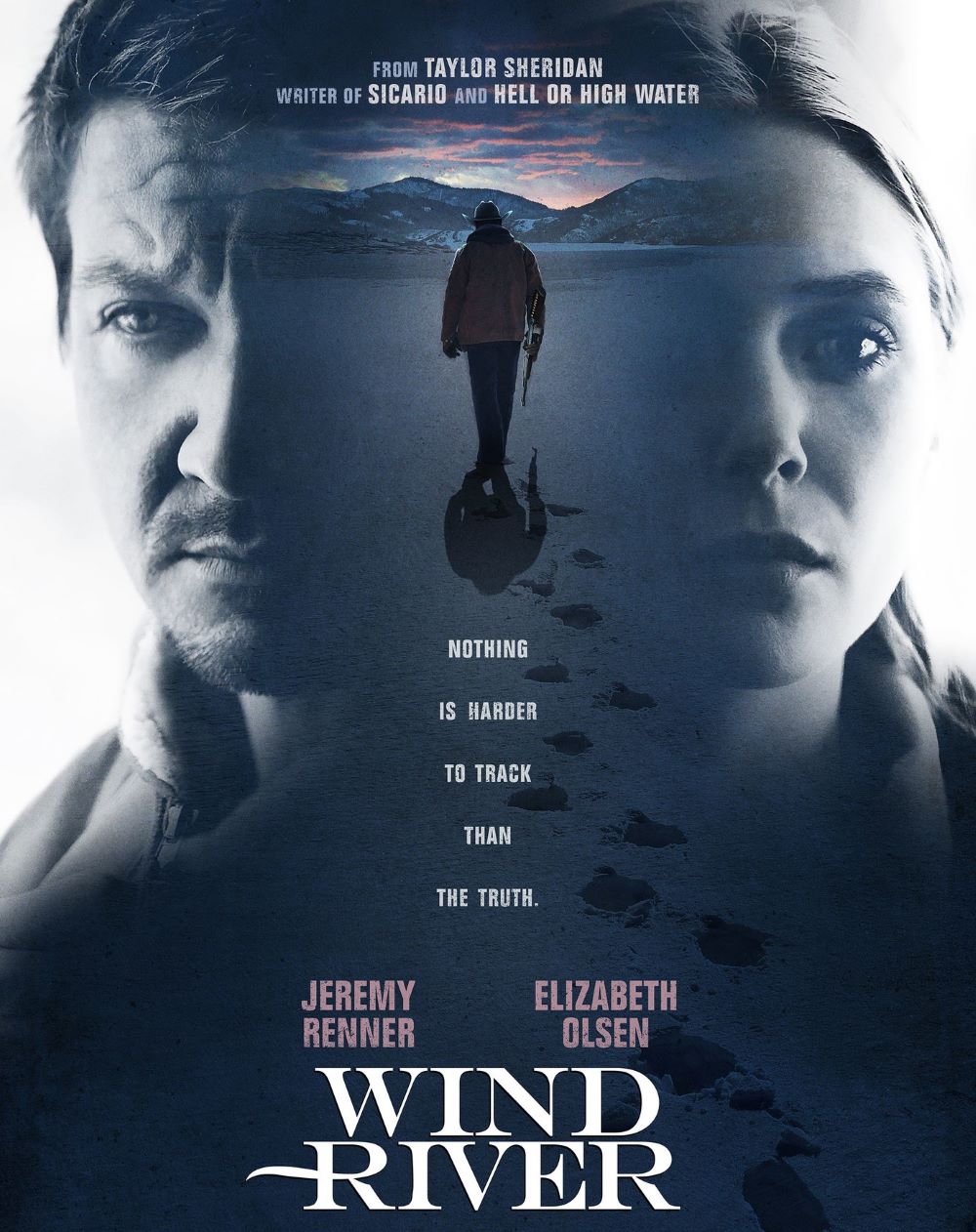
Wind River, which Sheridan also directed, unfolds on Wyoming’s Wind River Indian Reservation, where U.S. Fish and Wildlife officer Cory Lambert (Jeremy Renner) aids rookie FBI agent Jane Banner (Elizabeth Olsen) in investigating a young Native woman’s death in the snow. It lands as a gut-punch of grief and rage, spotlighting the epidemic of missing and murdered Indigenous women (MMIW), with Cory’s personal loss fueling a vigilante justice that indicts federal neglect.

What unites them? Remote, unforgiving terrains—the border deserts, dusty plains, frozen reservations—mirror the characters’ isolation. Protagonists skirt legality not from villainy but necessity, exposing institutions (CIA, banks, FBI) as complicit oppressors. The “United States legal system” emerges as the trilogy’s true antagonist, wreaking havoc on the marginalized.

Thematic Pillars: Justice Beyond the Badge

At the trilogy’s heart lies a profound distrust of official justice, a motif each film escalates. In Sicario, Kate’s arc is one of disillusionment; she clings to warrants amid Graver’s extralegal raids, only to realize the “war” thrives on endless escalation. Sheridan’s script masterfully builds dread through escalating set-pieces—like the night-vision tunnel assault—while Alejandro’s backstory reveals the human cost of cartel savagery, blurring good and evil. It’s a film where victory feels pyrrhic, the frontier’s violence spilling northward unchecked.

Hell or High Water flips the script to economic predation. The Howards aren’t greedy outlaws but desperate everymen funding their family’s future against predatory lending. Sheridan’s sardonic humor amid despair shines in banter between Marcus and his partner Alberto (Gil Birmingham), laced with casual racism that humanizes their bond. The film’s climax, a bank standoff turned shootout, affirms the brothers’ twisted righteousness, critiquing how banks “won the West” anew through debt. It’s Sheridan’s most optimistic entry, suggesting personal agency can pierce systemic greed.

Wind River delivers the rawest indictment, weaving personal trauma into institutional failure. Cory tracks predators—animal and human—across a landscape where Native lives vanish without trace; statistics cited in the film (96% of reservation rapes unreported) hit like bullets. Its poetic minimalism—from snow-dusted crime scenes to Cory’s haunting promise to a grieving father: “I wish I could take that pain away”—underscores how the reservation embodies America’s forgotten frontier. Here, justice is vengeance, meted quietly in the mountains.

Across the trilogy, Sheridan updates Western archetypes: the principled lawman (Kate, Marcus, Jane) yields to the lone avenger (Alejandro, Toby, Cory). This serves as a modernization of classic Western struggles, swapping cattle barons for cartels and banks.

Stylistic Mastery and Sheridan’s Voice

Sheridan’s prose is economical yet evocative, favoring sparse dialogue that reveals worlds. His authentic regionalism comes through in Texan drawls in Hell or High Water, Arapaho stoicism in Wind River, and border Spanglish in Sicario. Directors amplify this: Villeneuve’s Sicario is visceral, with Roger Deakins’ cinematography turning borders into hellscapes; Mackenzie’s Hell or High Water feels expansive yet intimate, Giles Nuttgens capturing Texas’s soul-crushing vastness; Sheridan’s Wind River is austere, Nick Cave’s score amplifying isolation.

Performances elevate the scripts. Del Toro’s coiled fury in Sicario earned Oscar nods; Bridges’ folksy gravitas anchors Hell or High Water; Renner and Olsen ground Wind River‘s procedural in raw emotion. Yet Sheridan’s writing shines brightest in quiet beats: Kate’s post-raid breakdown, Toby’s motel confession, Cory’s frozen vigil.

The films were critically acclaimed for their sharp writing and thematic depth, earning Sheridan Oscar nominations for Hell or High Water and Wind River, while resonating widely with general audiences through gripping narratives and relatable human struggles that packed theaters and sparked enduring discussions. This neo-Western revival took audiences to unseen locales, from Juarez slums to Wind River snows.

Cultural Impact and Legacy

Released amid the turbulent 2010s—marked by escalating border crises, the lingering financial fallout from the 2008 recession, and rising awareness of the #MMIW epidemic—the trilogy presciently tapped into deep-seated national anxieties, reshaping conversations around justice, identity, and power in America. Sicario arrived as tensions over immigration and the drug war boiled over, humanizing the futility of America’s “war on drugs” just before the 2016 presidential debates on border walls and cartel violence. Its portrayal of shadowy U.S. operations crossing ethical lines sparked debates on real-world CIA tactics and the moral cost of security, influencing discourse in policy circles and popular media alike. The film’s raw depiction of Juarez’s carnage forced viewers to confront overlooked atrocities, bridging Hollywood thrillers with journalistic urgency and priming audiences for later works like Narcos.

Hell or High Water struck a populist chord amid post-recession rage, echoing Occupy Wall Street’s anti-bank fervor and the foreclosure crisis that ravaged rural America. By framing bank robbers as sympathetic everymen fighting predatory lending, Sheridan tapped into widespread resentment toward financial institutions, a sentiment that fueled political movements from Tea Party economics to progressive wealth taxes. The film’s Texas setting amplified its authenticity, resonating in heartland theaters and inspiring think pieces on economic despair as a driver of crime. Its legacy endures in modern “eat the rich” narratives, from The Gentlemen to economic thrillers, while proving indie sensibilities could deliver blockbuster emotional punches.

Wind River ignited a cultural firestorm by centering the MMIW crisis, a long-ignored epidemic where Native women face violence at rates exponentially higher than the national average. The film’s stark statistics and harrowing story propelled #MMIW into mainstream consciousness, directly contributing to legislative momentum like Savanna’s Act (passed in 2020), which improved federal responses to cases on tribal lands. Sheridan consulted with Native communities for accuracy, amplifying Indigenous voices through actors like Gil Birmingham and Julia Jones, though it faced critiques for “white savior” elements. Nonetheless, it opened doors for Native-led stories in films like Reservation Dogs and heightened Hollywood’s focus on underrepresented frontiers.

Collectively, the trilogy’s impact reverberates profoundly. Lionsgate’s 2022 Blu-ray collection formalized its status as a cinematic canon, while Sheridan’s scripts birthed his TV empire—Yellowstone1883Lioness—exporting frontier grit to streaming billions. Yet the films surpass his serialized work in laser-focused purity, influencing a neo-Western renaissance seen in No Country for Old Men echoes, The Power of the Dog, and series like Longmire. In policy realms, Sicario informed border security debates under both Biden and now-President Trump’s 2025 reelection; Hell or High Water prefigured rural economic populism in Trump-era politics; Wind River bolstered tribal advocacy amid ongoing land rights battles.

By 2026, amid Sheridan’s Yellowstone spinoffs dominating Paramount+ and renewed border rhetoric in a second Trump administration, the trilogy feels more vital than ever. It birthed a cinematic language for America’s internal fractures—geographic, economic, racial—challenging viewers to question who truly governs the forgotten edges. Academic panels dissect its archetypes; fan communities on Reddit and Letterboxd binge it as essential viewing. Flaws persist—Sicario 2‘s dilution without Sheridan, Wind River‘s debated optics—but its triumph lies in tension and truth, proving standalone stories can outlast franchises. Sheridan’s evolution from struggling actor to scribe magnate underscores a rare feat: films that entertain viscerally while indicting society, ensuring the frontier’s ghosts haunt us still.

Individual Breakdowns

Sicario: Border Inferno

Villeneuve’s adaptation turns Sheridan’s outrage at Juarez carnage—ignored by U.S. media—into a descent narrative. Kate’s naivety crumbles amid moral voids; Alejandro’s vendetta personalizes cartel horrors. Its operatic violence peaks in the stadium raid, where justice devolves to assassination. At 121 minutes, it’s taut prophecy.

Hell or High Water: Desperate Heist

Sheridan’s personal favorite channels his Texas roots, pitting family against finance. Pine’s everyman resolve contrasts Foster’s volatility; Bridges steals scenes with wry wisdom. The thrilling cat-and-mouse culminates in redemption through sacrifice, a neo-Bonnie and Clyde for foreclosure America. 102 minutes of populist fire.

Wind River: Frozen Requiem

Sheridan’s directorial bow personalizes loss—his script grew from real MMIW stats. Renner’s haunted tracker partners uneasily with Olsen’s fish-out-of-water fed; subplots flesh reservation despair. Its heartbreaking intimacy ends not in triumph but resolve amid endless winter. 107 minutes of unflinching truth.

Why It Endures

Sheridan’s trilogy isn’t mere genre exercise; it’s elegy for eroded American dreams. By bucking plot contrivances for lived-in despair, it forces reckoning with borders, banks, and buried bodies. These thrillers bleed social conscience—unadulterated, unflagging. In a franchise-saturated era, these standalone gems reclaim cinema’s frontier spirit.
Review: Wind River (dir. by Taylor Sheridan)


“Luck don’t live out here.” — Cory Lambert

Wind River is a gripping crime thriller set against the stark, frozen backdrop of Wyoming’s Wind River Indian Reservation, where U.S. Fish and Wildlife tracker Cory Lambert teams up with rookie FBI agent Jane Banner to investigate the brutal death of a young Native American woman named Natalie Hanson. Wind River marks the third film in Taylor Sheridan’s American Frontier trilogy that he wrote—following Sicario and Hell or High Water—and it’s the first where Sheridan steps into the director’s chair himself, bringing his sharp eye for gritty realism to the helm. Clocking in at just under two hours, it delivers a mostly positive experience through strong performances, atmospheric visuals, and a script that builds suspense without unnecessary flash, though it occasionally leans on familiar tropes.

Right from the opening moments, Wind River immerses you in a world of isolation and harsh beauty. Snow-covered plains stretch endlessly under a pale sky, and the crunch of boots on ice sets an immediate tone of vulnerability. Cory, played with quiet intensity by Jeremy Renner, discovers Natalie’s frozen body while tracking a mountain lion that’s been preying on livestock. She’s barefoot, half-naked, and miles from any help—details that hit hard and underscore the film’s core mystery: what happened to her, and why does it feel like no one cares? Renner nails the role of a man haunted by his own past loss—his teenage daughter died under mysterious circumstances a few years back—making Cory a grounded everyman rather than a superheroic cowboy. His subtle grief adds layers to every scene, turning routine investigation beats into something personal and raw.

Enter Elizabeth Olsen as Jane Banner, the FBI agent flown in from Vegas who’s clearly out of her depth in sub-zero temperatures and jurisdictional limbo. Olsen brings a mix of determination and wide-eyed realism to the part, avoiding the cliché of the big-city hotshot who learns frontier wisdom overnight. She’s tough but human—hypothermic after a chase, throwing up from the cold, yet pushing through because Natalie deserves justice. The dynamic between Cory and Jane is one of the film’s highlights: no forced romance, just mutual respect born from necessity. Sheridan smartly lets their partnership evolve organically, with Cory’s local knowledge filling Jane’s gaps in protocol and reservation politics. It’s refreshing to see two leads click without sparks flying, focusing instead on shared purpose amid tragedy.

The script shines in its efficient storytelling. Sheridan wastes no time on exposition dumps; instead, he weaves backstory through quiet conversations and flashbacks that pack emotional punch. We learn about the epidemic of missing Indigenous women—thousands vanish yearly, often ignored by media and law enforcement—via stark statistics flashed on screen and through the eyes of Natalie’s family. Gil Birmingham delivers a heartbreaking performance as her father, Martin, a stoic oil rig worker whose rage simmers beneath a veneer of resignation. His scenes with Cory, especially a late-night talk by a bonfire, cut deep, exploring themes of fatherly failure and systemic neglect without preaching. Birmingham’s restrained power elevates what could have been a stock grieving parent into a standout supporting role.

Visually, Wind River is a stunner, thanks to cinematographer Ben Richardson. Those vast, snowy expanses aren’t just pretty—they mirror the characters’ emotional desolation and amplify the stakes. An early tracking sequence, with Cory following Natalie’s footprints in the snow, builds dread masterfully, the silence broken only by wind and labored breaths. The film shifts tones seamlessly: slow-burn investigation gives way to visceral action in the third act, including a raid on an oil site trailer that’s tense, realistic, and over in a flash—no prolonged shootouts or slow-mo heroics. Sound design plays a big role too; the howling wind and muffled gunshots make every moment feel immediate and unforgiving.

Sheridan’s direction keeps things taut without rushing the build-up. This is a slow-burner that earns its pace, letting tension simmer through everyday details like jurisdictional squabbles with underfunded tribal police or Cory teaching Jane to dress for the cold. Nick Cave and Warren Ellis’s score is another winner—sparse, haunting electronics that evoke loneliness rather than bombast. It underscores key scenes without overpowering them, much like the film itself avoids Hollywood excess.

That said, Wind River has its stumbles. Pacing dips in the middle, with some dialogue-heavy stretches that spell out themes a tad too explicitly—like chats about reservation poverty or ignored crimes. It can feel heavy-handed, pulling you out of the immersion. A few characters, like the bumbling FBI contingent or security guards, border on caricature, though the leads stay nuanced. The violence, while sparse and purposeful, includes a harrowing assault scene that’s tough to watch; it’s crucial to the story but might overwhelm sensitive viewers. And while the film tackles real issues facing Native communities, some critics note it centers white protagonists in a Native story, though Sheridan consulted tribal members and cast authentically.

Still, these are minor gripes in a film that largely succeeds on its own terms, especially as the capstone to Sheridan’s trilogy exploring America’s frayed edges. The ending delivers catharsis without easy answers, leaving you with a chill that lingers. Cory gets a measure of redemption, Jane gains hard-won insight, and the reservation’s harsh realities feel unflinchingly real. It’s the kind of movie that sticks because it respects your intelligence—connecting dots about corruption, indifference, and human cost without hand-holding.

What elevates Wind River above standard thrillers is its humanity. Every character, even antagonists, feels fleshed out rather than villainous stock. The oil workers aren’t cartoon evil; they’re desperate men making brutal choices in a forgotten corner of America. Sheridan, drawing from his own ranching background, captures blue-collar grit authentically—no glamour, just survival. Renner’s Cory hunts for a living, bottles his pain, and bonds with his ex-wife’s new family in tender asides that ground the procedural. Olsen’s Jane evolves from outsider to advocate, her arc subtle but satisfying.

The film’s relevance hasn’t faded since its 2017 release. With ongoing conversations around Missing and Murdered Indigenous Women (MMIW), it spotlights a crisis stats show claims over 5,000 cases annually, many unsolved due to jurisdictional messes. Wind River doesn’t solve it but demands attention, blending genre thrills with advocacy seamlessly.

In a crowded field of crime dramas, Wind River stands out for its chill factor, both literal and figurative. It’s not reinventing the wheel, but Sheridan proves he’s a triple threat: writer, director, voice for the voiceless. Renner and Olsen lead a tight ensemble, and the Wyoming wilderness becomes a character itself. If you dig thoughtful thrillers like Hell or High Water or Sicario, this one’s essential. It’s mostly positive vibes from me—intense, moving, and worth cranking up the thermostat for.

Sheridan’s ear for dialogue keeps things natural—terse exchanges crackle with subtext, like Cory’s line to Martin about enduring loss as a father that hits like a gut punch with simple words carrying profound weight. The film trusts silence too; long shots of characters staring into the void say more than monologues ever could, while technically it’s polished with editing that snaps during action and breathes during reflection. Even smaller roles shine—Kelsey Asbille as Natalie brings fire in limited screen time, and James Jordan plays an irredeemable private security contractor so well. Balanced against its preachiness, Wind River earns its emotional heft, dragging occasionally sure, but the payoff of an explosive finale and quiet closure makes it worthwhile, with power in inevitability and quiet fury as Sheridan avoids exploitative rape-revenge clichés to focus on aftermath and accountability.

Wind River delivers assured direction in Sheridan’s feature debut, memorable performances, and a compelling story that resonates. It refreshes the thriller genre with its blend of tension and substance.

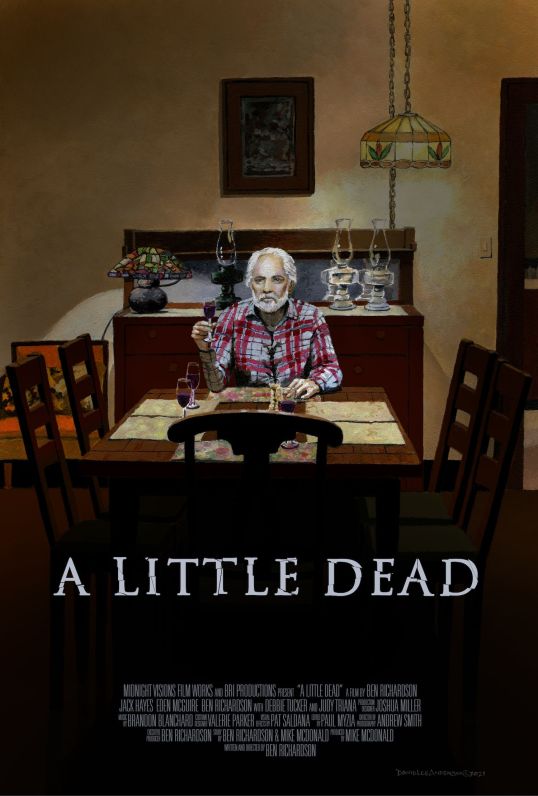
Short Film Review: A Little Dead (dir by Ben Richardson)


On a farm in Oklahoma, an old man who we get know as being Grandpa (Jack C. Hays) sits at a dinner table.  Though he seems to be alone, he’s got three glasses of wine sitting in front of the other chairs, along with with a glass for himself.  

Things haven’t been easy for Grandpa since Grandma passed away.  His two grandchildren, Hailey (Eden McGuire) and Kevin (Ben Richardson, who also directed the film) arranged for a caretaker to live with him but, when they stop by for a visit, they discover that the caretaker has vanished and Grandpa seems to be convinced that there are people sitting at the table with him.  When his grandchildren try to clean up the table, he snaps at them not to touch anyone’s drinks.  There’s a ritual going on and his well-meaning grandchildren better not interrupt it.  At times, Grandpa seems to be perfectly lucid.  At other times, he expresses surprise when Kevin tells him that it’s not a good idea to keep a big box of rat poison with all of the cereal.  Is Grandpa losing it or is there something else happening that only he can understand? 

Clocking in at a little over 10 minutes (not including the end credits) and deliberately paced without ever being slow, A Little Dead is a nicely atmospheric piece of country gothic.  On the one hand, it is a story of a man who may or may not be living with spirits.  On the other hand, I think it can be argued that the film is also a metaphor for the mixed emotions that many people have about the feelings of responsibility that they feel towards older relatives and the guilt that comes from feeling that maybe they were not there as much as they should have been.  There’s a lot of people like this film’s Grandpa, who are living alone and who are only occasionally visited by younger family members who are, for the most part, checking in to see if they still have their mind and if they’re still capable of taking care of themselves.  Is Grandpa talking to actual “people” at the table or is he just talking to the lingering memories of the people who used to be there?  And are his grandchildren correct to be concerned about him or are they just dealing with their own feelings of guilt?

A Little Dead is also an enjoyable little horror story.  It’s the type of story that you would might expect to find in an old horror comic book, complete with a nice little twist at the end.  The film makes good use of that old farmhouse and the desolate country landscape.  If you have spent anytime in the rural midwest, you will immediately recognize the film’s milieu.  If there were ghosts to be found, that’s definitely where they would probably be living.

This is one to keep an eye out for.  Pour yourself a glass and relax with A Little Death.


Here Are The Nominations From The San Diego Film Critics Society!


The San Diego Film Critics Society announced their nominations for the best of 2017 earlier today!  The actual winners will be announce on December 11th.

Check them out below!

(I know this might seem a little dry to some people but I love lists.)

(By the way, in case you’re wondering which sites I usually put the most trust in when it comes to Oscar coverage, here they are: AwardsWatch and AwardsCircuit.  Two of my favorite sites ever, right there.)

Best Picture
CALL ME BY YOUR NAME
DUNKIRK
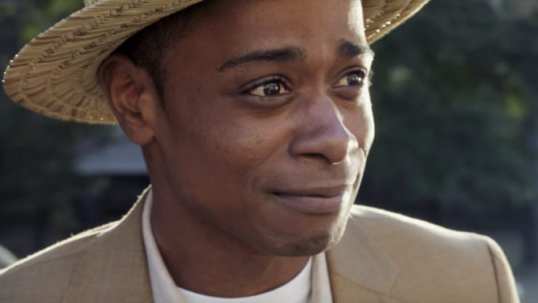
GET OUT
LADY BIRD
THREE BILLBOARDS OUTSIDE OF EBBING, MISSOURI

Best Director
Christopher Nolan, DUNKIRK
Greta Gerwig, LADY BIRD
Guillermo del Toro, THE SHAPE OF WATER
Jordan Peele, GET OUT
Martin McDonagh, THREE BILLBOARDS OUTSIDE OF EBBING, MISSOURI

Best Actor
Gary Oldman, DARKEST HOUR
James Franco, THE DISASTER ARTIST
James McAvoy, SPLIT
Robert Pattinson, GOOD TIME
Timothée Chalamet, CALL ME BY YOUR NAME

Best Actress
Frances McDormand, THREE BILLBOARDS OUTSIDE OF EBBING, MISSOURI
Margot Robbie, I, TONYA
Sally Hawkins, MAUDIE
Sally Hawkins, THE SHAPE OF WATER
Saoirse Ronan, LADY BIRD

Best Supporting Actor
Ethan Hawke, MAUDIE
Oscar Isaac, SUBURBICON
Sam Rockwell, THREE BILLBOARDS OUTSIDE OF EBBING, MISSOURI
Willem Dafoe, THE FLORIDA PROJECT
Woody Harrelson, THREE BILLBOARDS OUTSIDE EBBING, MISSOURI

Best Supporting Actress
Allison Janney I, TONYA
Bria Vinaite, THE FLORIDA PROJECT
Catherine Keener, GET OUT
Holly Hunter, THE BIG SICK
Laurie Metcalf, LADY BIRD

Best Comedic Performance
Daniel Craig, LOGAN LUCKY
Ezra Miller, JUSTICE LEAGUE
James Franco, THE DISASTER ARTIST
Lil Rel Howery, GET OUT
Ray Romano, THE BIG SICK

Best Original Screenplay
Christopher Nolan, DUNKIRK
Greta Gerwig, LADY BIRD
Emily V. Gordon and Kumail Nanjiani, THE BIG SICK
Jordan Peele, GET OUT
Martin McDonagh, THREE BILLBOARDS OUTSIDE OF EBBING, MISSOURI

Best Adapted Screenplay
James Gray, THE LOST CITY OF Z
James Ivory, CALL ME BY YOUR NAME
Scott Neustadter & Michael H. Weber, THE DISASTER ARTIST
Sofia Coppola, THE BEGUILED
Virgil Williams & Dee Rees, MUDBOUND

Best Documentary
EX LIBRIS: THE NEW YORK PUBLIC LIBRARY
FACES PLACES
JANE
LAST MEN IN ALEPPO
THE WORK

Best Animated Film
COCO
LOVING VINCENT
MY ENTIRE HIGH SCHOOL SINKING INTO THE SEA
MY LIFE AS A ZUCCHINI
THE BOSS BABY

Best Foreign Language Film
BPM (BEATS PER MINUTE)
FACES PLACES
THE OTHER SIDE OF HOPE
THE SQUARE
THELMA

Best Editing
Jonathan Amos & Paul Machliss, BABY DRIVER
Jon Gregory, THREE BILLBOARDS OUTSIDE EBBING, MISSOURI
Lee Smith, DUNKIRK
Sarah Broshar, Michael Kahn, THE POST
Sidney Wolinsky, THE SHAPE OF WATER

Best Cinematography
Ben Richardson, WIND RIVER
Dan Laustsen, THE SHAPE OF WATER
Darius Khondji, THE LOST CITY OF Z
Hoyte Van Hoytema, DUNKIRK
Roger Deakins, BLADE RUNNER 2049

Best Production Design
Anne Ross, THE BEGUILED
Alessandora Querzola and Dennis Gassner, BLADE RUNNER 2049
Nathan Crowley, DUNKIRK
Paul D. Austerberry, THE SHAPE OF WATER
Sarah Greenwood, BEAUTY AND THE BEAST

Best Visual Effects
BEAUTY AND THE BEAST
BLADE RUNNER 2049
DUNKIRK
THE SHAPE OF WATER
WAR FOR THE PLANET OF THE APES

Best Costume Design
Jacqueline Durran, BEAUTY and the BEAST
Jenny Eagan, HOSTILES
Luis Sesqueria, THE SHAPE OF WATER
Mark Bridges, PHANTOM THREAD
Sonia Grande, THE LOST CITY OF Z
Stacey Battat, THE BEGUILED

Best Use of Music
BABY DRIVER
BEAUTY AND THE BEAST
CALL ME BY YOUR NAME
DUNKIRK
THE SHAPE OF WATER

Breakthrough Artist
Barry Keoghan
Brooklyn Prince
Greta Gerwig
Jordan Peele
Sophia Lillis
Timothée Chalamet

Best Ensemble
GET OUT
LADY BIRD
MUDBOUND
THE POST
THREE BILLBOARDS OUTSIDE OF EBBING, MISSOURI

By the way, here are the Satellite Award Nominations…


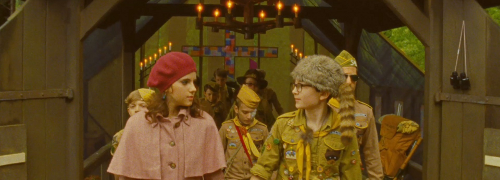
Moonrise

In even more Oscar season news, the International Press Association announced their nominations for the Satellite Awards yesterday.  Les Miserables led with 10 nominations.

If you’re like most people who don’t obsess over film awards then chances are that you’ve never heard of the International Press Association.  And that’s okay.  The main thing to know is that it’s Oscar season and that means that everyone’s giving out an award.  The Satellites are a lot like the Golden Globes, just with less credibility.  As far as serving as a precursor is concerned, a Satellite win can help a film maintain momentum but a loss doesn’t really hurt.

That said, for the past few years, I’ve always ended up agreeing more with the Satellite Nominations than with either the Oscars or the Golden Globes.  For instance, back in 2010, the Satellites nominated Noomi Rapace for her performance in the original (and the best) version of The Girl With The Dragon Tattoo.

BEST PICTURE
“Argo”
“Beasts Of The Southern Wild”
“Life Of Pi”
“Lincoln”
“Les Misérables”
“Moonrise Kingdom”
“The Sessions”
“Silver Linings Playbook”
“Skyfall”
“Zero Dark Thirty”

BEST DIRECTOR
Ben Affleck, “Argo”
Steven Spielberg, “Lincoln”
Kim Ki-duk, “Pieta“
Ben Lewin, “The Sessions”
David O. Russell, “Silver Linings Playbook”
Kathryn Bigelow, “Zero Dark Thirty”

BEST ACTRESS
Laura Birn, “Purge”
Jessica Chastain, “Zero Dark Thirty”
Emilie Dequenne, “Our Children”
Keira Knightley, “Anna Karenina”
Jennifer Lawrence, “Silver Linings Playbook”
Laura Linney, “Hyde Park On Hudson”
Emmanuelle Riva, “Amour”

BEST ACTOR
Bradley Cooper, “Silver Linings Playbook”
Daniel Day-Lewis, “Lincoln”
John Hawkes, “The Sessions”
Hugh Jackman, “Les Misérables”
Joaquin Phoenix, “The Master”
Omar Sy, “The Intouchables”
Denzel Washington, “Flight”

BEST SUPPORTING ACTRESS
Amy Adams, “The Master”
Samantha Barks, “Les Miserables“
Judi Dench, “Skyfall”
Helene Florent, “Café De Flore”
Anne Hathaway, “Les Misérables”
Helen Hunt, “The Sessions”

BEST SUPPORTING ACTOR
Javier Bardem, “Skyfall”
Robert De Niro, “Silver Linings Playbook”
John Goodman, “Flight”
Philip Seymour Hoffman, “The Master”
Tommy Lee Jones, “Lincoln”
Eddie Redmayne, “Les Misérables”

BEST ORIGINAL SCREENPLAY
John Gatins, “Flight”
Eric Toledano and Olivier Nakache, “The Intouchables”
Paul Thomas Anderson, “The Master”
Roman Coppola and Wes Anderson, “Moonrise Kingdom”
Kim Ki-duk, “Pieta”
Mark Boal, “Zero Dark Thirty”

BEST ADAPTED SCREENPLAY
Tom Stoppard, “Anna Karenina”
Chris Terrio, “Argo”
David Magee, “Life Of Pi”
Tony Kushner, “Lincoln”
Ben Lewin, “The Sessions”
David O. Russell, “Silver Linings Playbook”

BEST FOREIGN LANGUAGE FILM
“Amour” (Austria)
“Beyond The Hills” (Romania)
“Caesar Must Die” (Italy)
“The Intouchables” (France)
“Kon-Tiki” (Norway)
“Our Children” (Belgium)
“Pieta” (South Korea)
“A Royal Affair” (Denmark)
“War Witch” (Canada)

BEST ANIMATED OR MIXED-MEDIA FILM
“Brave”
“Frankenweenie”
“Ice Age 4: Continental Drift”
“Madagascar 3: Europe’s Most Wanted”
“Paranorman”
“Rise Of The Guardians”
“Wreck-It Ralph”

BEST DOCUMENTARY FEATURE
“Ai Weiwei: Never Sorry”
“The Central Park Five”
“Chasing Ice”
“The Gatekeepers”
“Marina Abramovic: The Artist Is Present”
“The Pruitt-Igoe Myth”
“Searching For Sugar Man”
“West Of Memphis”

BEST CINEMATOGRAPHY
Seamus McGarvey, “Anna Karenina”
Ben Richardson, “Beasts Of The Southern Wild”
Claudio Miranda, “Life Of Pi”
Janusz Kaminski, “Lincoln”
Mihai Malaimare, Jr., “The Master”
Roger Deakins, “Skyfall”

BEST PRODUCTION DESIGN
Sarah Greenwood, Niall Moroney, Thomas Brown, Nick Gottschalk and Tom Still, “Anna Karenina”
Nathan Crowley, Kevin Kavanaugh, James Hambidge and Naaman Marshall, “The Dark Knight Rises”
Rick Carter, Curt Beech, David Crank and Leslie McDonald, “Lincoln”
David Crank and Jack Fisk, “The Master”
Eve Stewart and Anna Lynch-Robinson, “Les Misérables”
Niels Sejer, “A Royal Affair”

BEST COSTUME DESIGN
Jacqueline Durran, “Anna Karenina”
Kym Barrett and Pierre-Yves Gayraud, “Cloud Atlas”
Christian Gasc and Valerie Ranchoux, “Farewell, My Queen”
Paco Delgado, “Les Misérables”
Manon Rasmussen, “A Royal Affair”
Colleen Atwood, “Snow White And The Huntsman”

BEST FILM EDITING
Alexander Berner, “Cloud Atlas”
Jeremiah O’Driscoll, “Flight”
Chris Dickens, “Les Misérables”
Lisa Bromwell, “The Sessions”
Jay Cassidy, “Silver Linings Playbook”
Dylan Tichenor, “Zero Dark Thirty”

BEST ORIGINAL SCORE
Dario Marianelli, “Anna Karenina”
Alexandre Desplat, “Argo”
Dan Romer and Benh Zeitlin, “Beasts Of The Southern Wild”
John Williams, “Lincoln”
Jonny Greenwood, “The Master”
Thomas Newman, “Skyfall”

BEST ORIGINAL SONG
“Learn Me Right,” “Brave”
“Fire In The Blood/Snake Song” “Lawless”
“Love Always Comes As A Surprise,” “Madagascar 3: Europe’s Most Wanted”
“Suddenly,” “Les Misérables”
“Still Alive,” “Paul Williams: Still Alive”
“Skyfall,” “Skyfall”

BEST SOUND (EDITING AND MIXING)
“Flight”
“Les Misérables”
“Snow White And The Huntsman”
“Kon-Tiki”
“Life Of Pi”
“Prometheus”

BEST VISUAL EFFECTS
“Cloud Atlas”
“The Dark Knight Rises”
“Flight”
“Life Of Pi”
“Prometheus”
“Skyfall”

And here are The Independent Spirit Nominations


The Gotham Awards aren’t the only awards regularly given to films that the majority of filmgoers will never get to see.  The Independent Spirit Nominations are also dedicated to recognizing the best of independent film and they tend to get a bit more attention than the Gothams.  With the early Oscar talk being dominated by mainstream studio films like Argo, Lincoln and Les Miserables, indie films like Bernie and Moonrise Kingdom are going to need all of the help that they can get.

BEST PICTURE

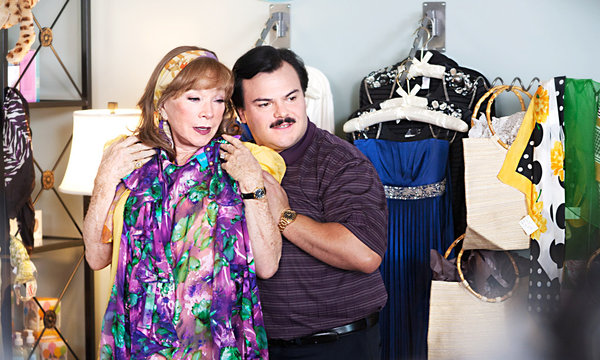
Bernie

Beasts of the Southern Wild

Keep The Lights On

Moonrise Kingdom

Silver Linings Playbook

BEST DIRECTOR

Wes Anderson, Moonrise Kingdom

Julia Loktev, The Loneliest Planet

David O. Russell, Silver Linings Playbook

Ira Sachs, Keep the Lights On

Benh Zeitlin, Beasts of the Southern Wild

BEST SCREENPLAY

Wes Anderson & Roman Coppola, Moonrise Kingdom

Zoe Kazan, Ruby Sparks

Martin McDonagh, Seven Psychopaths

David O. Russell, Silver Linings Playbook

Ira Sachs, Keep the Lights On

BEST FIRST FEATURE

Fill the Void

Gimme the Loot

Safety Not Guaranteed

Sound of My Voice

The Perks of Being a Wallflower

BEST FIRST SCREENPLAY

Rama Burshtein, Fill the Void

Derek Connolly, Safety Not Guaranteed

Christopher Ford, Robot & Frank

Rashida Jones & Will McCormack, Celeste and Jesse Forever

Jonathan Lisecki, Gayby

JOHN CASSAVETES AWARD – (for features under $500,000)

Breakfast with Curtis

Middle of Nowhere

Mosquita y Mari

Starlet

The Color Wheel

BEST FEMALE LEAD

Linda Cardellini, Return

Emayatzy Corinealdi, Middle of Nowhere

Jennifer Lawrence, Silver Linings Playbook

Quvenzhané Wallis, Beasts of the Southern Wild

Mary Elizabeth Winstead, Smashed

BEST MALE LEAD

Jack Black, Bernie

Bradley Cooper, Silver Linings Playbook

John Hawkes, The Sessions

Thure Lindhardt, Keep the Lights On

Matthew McConaughey, Killer Joe

Wendell Pierce, Four

BEST SUPPORTING FEMALE

Rosemarie DeWitt, Your Sister’s Sister

Ann Dowd, Compliance

Helen Hunt, The Sessions

Brit Marling, Sound of My Voice

Lorraine Toussaint, Middle of Nowhere

BEST SUPPORTING MALE

Matthew McConaughey, Magic Mike

David Oyelowo, Middle of Nowhere

Michael Péna, End of Watch

Sam Rockwell, Seven Psychopaths

Bruce Willis, Moonrise Kingdom

BEST CINEMATOGRAPHY

Yoni Brook, Valley of Saints

Lol Crawley, Here

Ben Richardson, Beasts of the Southern Wild

Roman Vasyanov, End of Watch

Robert Yeoman, Moonrise Kingdom

BEST DOCUMENTARY

How to Survive a Plague

Marina Abramović: The Artist is Present

The Central Park Five

The Invisible War

The Waiting Room

BEST INTERNATIONAL FILM

Amour (France)

Once Upon A Time in Anatolia (Turkey)

Rust And Bone (France/Belgium)

Sister (Switzerland)

War Witch (Democratic Republic of Congo)

PIAGET PRODUCERS AWARD

Nobody Walks, Alicia Van Couvering

Prince Avalanche, Derrick Tseng

Stones in the Sun, Mynette Louie

SOMEONE TO WATCH AWARD

Pincus, director David Fenster

Gimme the Loot, director Adam Leon

Electrick Children, director Rebecca Thomas

TRUER THAN FICTION AWARD (given to emerging documentary filmmaker)

Leviathan, directors Lucien Castaing-Taylor and Véréna Paravel

The Waiting Room, director Peter Nicks

Only the Young, directors Jason Tippet & Elizabeth Mims

ROBERT ALTMAN AWARD (for ensemble cast)

Starlet Director: Sean Baker Casting Director: Julia Kim Cast: Dree Hemingway, Besedka Johnson, Karren Karagulian, Stella Maeve, James Ransone