Review: 100 Bullets Vol. 2 – Split Second Chance


“Asking questions is free… but the answers—they can cost you your life.” — Agent Graves

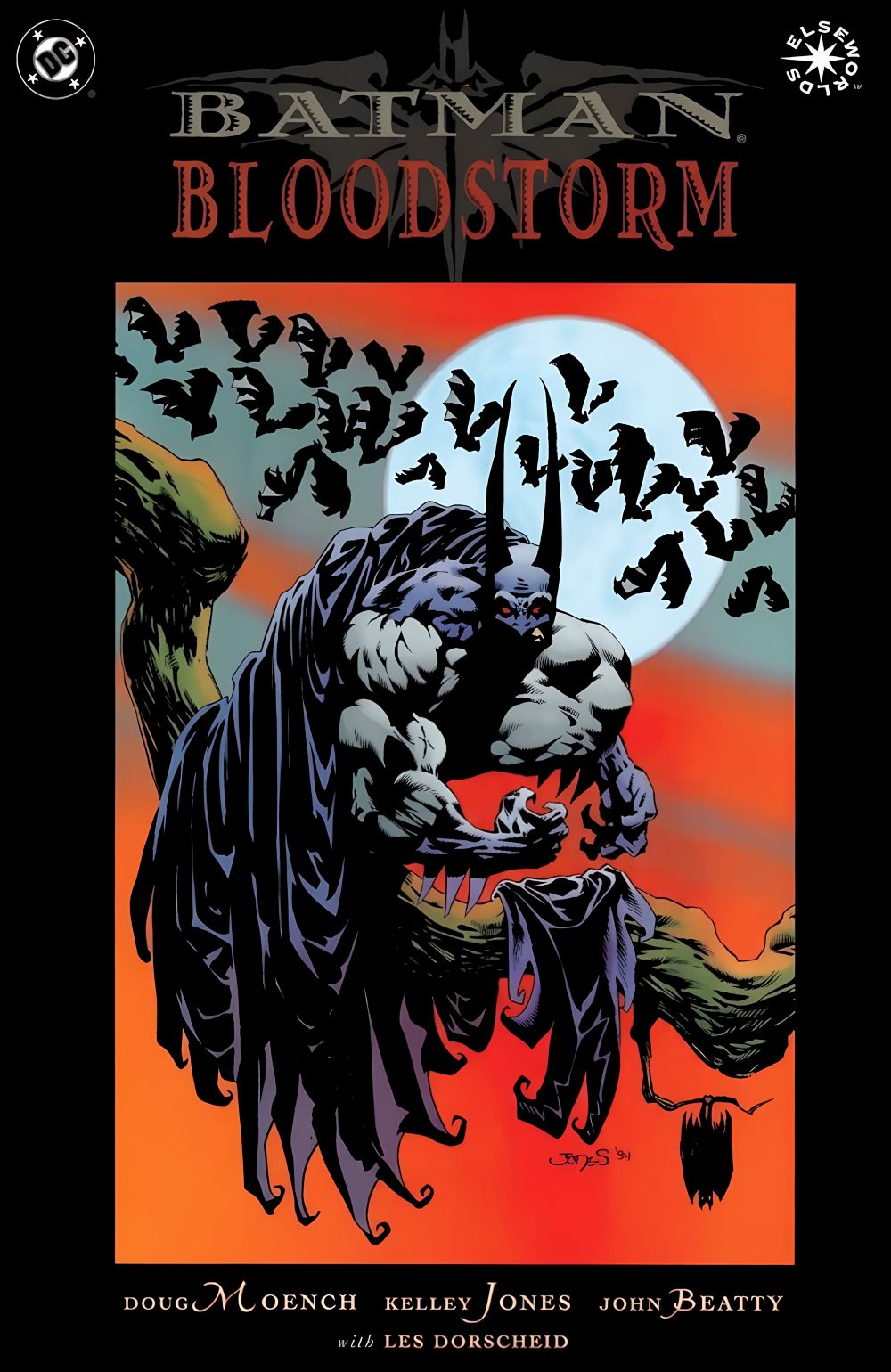
In the first volume of 100 Bullets, Brian Azzarello and Eduardo Risso laid down a stunning thesis for their magnum opus: a world where the wronged are offered the ultimate temptation of consequence-free vengeance. That volume, First Shot, Last Call, functioned as a potent thematic introduction, establishing the series’ central moral quandary through self-contained stories. With Split Second Chance, the creative team makes a crucial pivot. This collection, gathering issues #6-14, successfully preserves the gritty, anthology-style explorations of revenge while beginning to weave a much larger, more intricate conspiracy that feels poised to consume everything in its path. If the first book was a promise, this second volume is the first, gripping step toward its fulfillment, even if it occasionally stumbles under the weight of its own ambition.

The volume opens with “Short Con, Long Odds,” a two-part story that initially feels like familiar territory. We are introduced to Chucky, a small-time gambler fresh out of prison, who is approached by Agent Graves. As before, Graves offers incontrovertible proof of a betrayal and the tools for retribution—this time against Chucky’s childhood friend, Pony, who has seemingly built a successful gambling empire on his partner’s misery. What makes this story stand out is its focus on the petty, desperate world of gambling. Risso’s art is especially potent here, capturing the sad, seedy underbelly of street-corner hustles and back-alley games. The story’s conclusion, which unfolds off-panel, is a masterclass in implication, leaving the reader to piece together the grim aftermath. It is a solid entry that reinforces the series’ core premise, but its real purpose becomes clear retroactively as the larger plot comes into focus.

This is the volume where the series’ title begins to earn its meaning. Agent Graves is no longer just a cipher; he is revealed to be a man with a history, and Split Second Chance doles out those histories with deliberate, tantalizing precision. The most significant revelation comes in “Day, Hour, Minute… Man,” where we learn about The Trust and the enigmatic Minutemen. This arc peels back the curtain, suggesting that Graves and his associate, Mr. Shepherd, were once part of this shadowy organization before faking their deaths to escape its clutches. The introduction of Lono, the chilling hitman from the first volume’s “The Samurai,” becomes far more significant. His meeting with Graves is charged with a dangerous, unspoken history, confirming that Graves’s “gifts” are a part of a larger, more personal agenda. The plot is thickening nicely, and the promise of a sprawling, interconnected narrative starts to feel exhilaratingly real.

However, it is in the standalone stories that Azzarello’s writing truly shines, showcasing his ability to extract raw, human emotion from his noir framework. The standout is undoubtedly “Heartbreak, Sunnyside Up,” a single-issue story that follows a hard-working diner waitress named Rose. Rose’s life is a grinding cycle of poverty and worry for her runaway daughter. When Agent Graves appears, he doesn’t just offer her a gun and a target; he delivers a slow, agonizing explanation of how her daughter became a heroin-addicted prostitute after being molested by her own father. It is a moment of pure, unflinching tragedy. The brilliance of the story lies not in the revenge itself, but in the horror of the revelation. Azzarello forces the reader and the character to sit with the unbearable truth, making the subsequent act of violence feel less like empowerment and more like a desperate, last resort. It serves as a powerful reminder that “sometimes evil is closer to home than we think.”

“The Right Ear, Left in the Cold” offers a fascinating twist on the formula by introducing Cole Burns, a deadly assassin living undercover as a neighborhood ice cream man. This story introduces the concept of the “sleeper agent,” a tool that Graves and Shepherd can “reactivate” for their own ends. Cole is a more capable and cold-blooded protagonist than the average victim, which makes his story less about moral choice and more about professional obligation. Yet, it deepens the mythology, showing that Graves has an entire network of operatives at his disposal, further blurring the line between righteous avenger and puppet master. His ultimate task of retrieving the briefcase from Dizzy Cordova in the final arc, “Parlez Kung Vous,” masterfully ties this new plot thread back to the series’ very first protagonist.

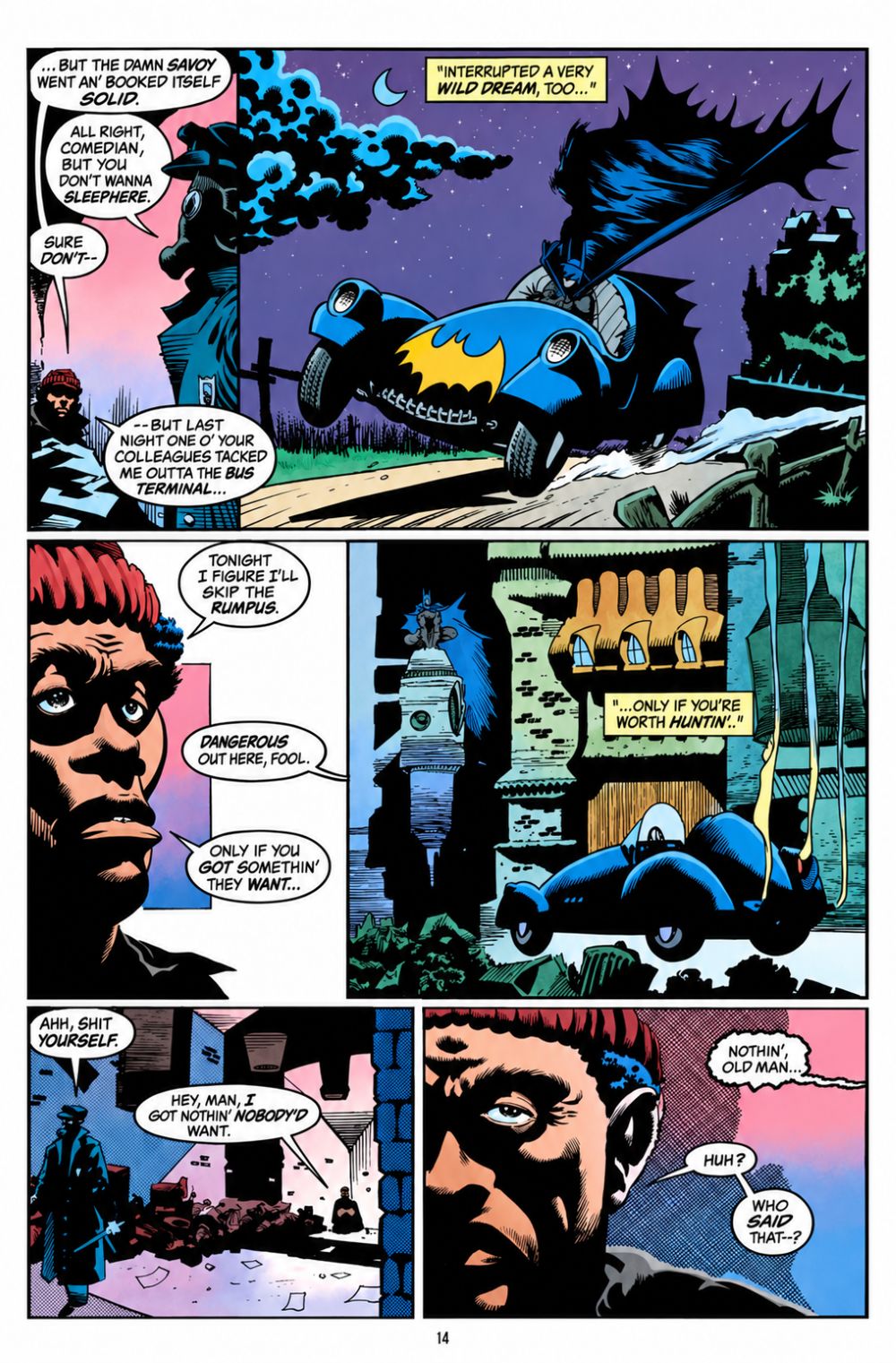
Throughout it all, Eduardo Risso’s artwork remains the series’ undeniable and consistent anchor. His style, which perfectly captured the cold, deliberate mood in the first volume, continues to excel in Split Second Chance. Risso’s panels have a cinematic rhythm; his compositions are economical yet expressive, using deep shadows and stark contrasts to build a world that feels dangerous and morally unstable. He excels at conveying unspoken tension and character attitude through posture and expression, a vital skill for a noir story where much is left unsaid. While some readers may find the depiction of female characters hyper-sexualized, Risso and colorist Grant Goleash unquestionably create a visual language that is sleek, uneasy, and unmistakably noir. The story’s pace may occasionally lag, but the art is always arresting.

100 Bullets: Split Second Chance is a more challenging and rewarding book than its predecessor. It sacrifices some of the first volume’s focus and self-contained impact to lay the foundation for something much grander. This is the volume where the series starts to earn its reputation for dense, interwoven plotting. It is a work of deliberate, intricate world-building that asks the reader to be patient and pay close attention. It is not without its flaws—some stories feel more like necessary setups than complete narratives, and the unrelentingly grim tone can be exhausting. Yet, the moments of genuine human tragedy, like Rose’s story, and the thrilling expansion of the central mystery make Split Second Chance an essential step in the journey. It confidently expands the world of 100 Bullets, deepening its mythology and proving that this is a saga built for the long haul.

100 Bullets Volume Reviews

Guilty Pleasure No. 125: In Death Series (by J.D. Robb)


If you’ve ever wondered what would happen if you mashed up a gritty police procedural with a futuristic New York City and a slow-burn romance that somehow never gets old, J.D. Robb’s In Death series is your answer. Now 62 books deep and still going strong, this series is a masterclass in how to take well-worn tropes—brilliant but emotionally closed-off detective, deadly serial killers, found family, and a romance that simmers across dozens of books—and make them feel fresh, addictive, and weirdly comforting every single time. It’s the kind of series you can binge like comfort food, but with a side of cybernetic enhancements and murder so creative it’ll make you side-eye your toaster. And yes, it’s absolutely a guilty pleasure—but not because it’s badly written or because Robb has lost her touch. It’s a guilty pleasure like that extra slice of pie you know you shouldn’t have but can’t resist, or buying a lottery ticket despite the astronomical odds. You know it’s not good for you in the grand scheme of things, but dang it, it feels good in the moment.

The series kicks off with Naked in Death, where we meet Lieutenant Eve Dallas, a homicide detective in 2058 New York who’s all sharp edges and zero patience for nonsense. She’s the kind of cop who’d rather work a double shift than talk about her feelings, which is convenient because her past is a landmine of trauma she’d prefer to ignore. Enter Roarke, the Irish billionaire with a shady past, a face that could melt glaciers, long black hair, deep blue sea eyes, and an Irish brogue that could charm the pants off a saint. He’s the billionaire playboy whose dubious criminal past built his legitimate business empire, and he’s the perfect foil to Eve’s law-abiding, no-nonsense demeanor. Their dynamic is the heart of the series and the ultimate embodiment of the “opposites attract” trope. Here you have two diametrically opposed characters—a by-the-book cop and a former criminal turned businessman—who somehow end up being perfect for each other. Their push-and-pull of trust, loyalty, and simmering tension is what makes their relationship so compelling. Robb (a pseudonym for Nora Roberts) takes her time with Eve and Roarke’s romance, letting it develop over the first handful of books in a way that makes their eventual partnership feel earned. And even when they’re officially together, their relationship keeps evolving—through marriage, career shifts, and the occasional murderous ex-lover trying to ruin their day. It’s the kind of slow-burn romance that makes you sigh happily every time they share a quiet moment, even if you know it’s all a little ridiculous.

What’s wild about In Death is how effortlessly it blends its genres while still finding new ways to retell similar stories. The sci-fi elements are often window dressing—hover cars, androids, and off-planet travel exist, but the focus is always on the murders, the investigation, and the people solving (or committing) them. The police procedural side is where the series shines, and Robb’s ability to take familiar setups (a killer targeting a specific demographic, a conspiracy within the police force, a cold case resurfacing) and twist them into something fresh is impressive. You’d think after 60-plus books, the well would run dry, but Robb consistently finds inventive angles, whether it’s the method of murder, the killer’s motive, or the personal stakes for Eve and her team. The supporting cast is a huge part of the charm, too. There’s Delia Peabody, Eve’s former rookie turned trusted partner, whose growth from wide-eyed newbie to seasoned detective is one of the series’ most rewarding arcs. Then there’s Captain Ryan Feeney, the gruff but lovable former cop turned consultant, whose gruff exterior hides a heart of gold (and a love for old-school tech). Even the villains often have depth, with motives that range from tragically relatable to straight-up unhinged.

But let’s talk about the tropes, because In Death has them in spades—and yet, they never feel lazy. Eve and Roarke are the poster children for the “opposites attract” trope, and it works because Robb gives them enough depth and chemistry to make their connection feel real. Eve is the classic “genius detective with a dark past” trope, but Robb gives her enough nuance and growth that she never feels like a caricature. She’s stubborn, yes, but she also learns—slowly—to let people in, to trust her team, and to accept that she doesn’t have to carry the weight of the world alone. Roarke, for his part, could easily have been a one-note “rich love interest” character, but instead, he’s a fully realized partner who respects Eve’s independence while also being unapologetically protective. Their relationship is built on mutual admiration and a shared sense of justice, and it’s refreshing to see a romance in a long-running series that doesn’t devolve into drama for drama’s sake. Even the recurring themes—like Eve’s struggle with her abusive childhood, or the way her job constantly tests her emotional boundaries—are handled with a deft touch that keeps them from feeling repetitive.

The series isn’t without its quirks, though. Some of the later books can feel a bit formulaic, with Eve and her team solving cases in a way that starts to resemble a well-oiled machine. And let’s be real: the number of times Eve gets into physical altercations with suspects who are way bigger and stronger than her, only to come out on top, starts to stretch credibility after a while. But these are minor nitpicks in the grand scheme of things. The real magic of In Death is how it makes you care about these characters, even when the plots start to blur together. There’s a comfort in returning to Eve’s world, where you know you’re going to get a solid mystery, a few laughs, and a healthy dose of heart. The series also does a great job of evolving its characters over time. Peabody’s rise through the ranks, for example, is a slow burn that pays off in satisfying ways, and even side characters like Dr. Morris, the medical examiner, get their moments to shine.

Another standout feature of the series is its ability to balance tone. One minute, you’re knee-deep in a gruesome murder investigation, and the next, you’re laughing at Eve’s sarcastic inner monologue or Roarke’s dry humor. The dialogue is sharp, the banter is frequent, and the chemistry between the characters—both romantic and platonic—keeps the pages turning. And while the sci-fi elements might not be the most hard-hitting or innovative, they serve their purpose: creating a world that feels just different enough from our own to be intriguing, but familiar enough to be relatable. New York in 2058 is still New York, just with more gadgets and a few extra layers of bureaucracy. It’s a world you want to escape into, even if you know it’s all a little indulgent.

At its core, In Death is a series about resilience. Eve’s journey from a traumatized orphan to a woman who’s found love, purpose, and a sense of belonging is the emotional backbone of the series. And while the mysteries are often the driving force of individual books, it’s the characters and their relationships that keep readers coming back. Robb’s ability to weave together sci-fi, police procedural, and romance into a cohesive, engaging whole is no small feat. It’s a testament to her skill as a storyteller that a series this long can still feel so vibrant and alive, even when it leans on familiar tropes. In a genre landscape where so many series fizzle out after a few books, In Death is a rare beast: a long-running saga that manages to stay fresh, fun, and deeply satisfying, book after book. Whether you’re here for the murders, the romance, or the sheer joy of watching Eve Dallas evolve, there’s plenty to love—and plenty more to dive into. And if anyone judges you for binging 10 books in a row? Well, they clearly haven’t experienced the simple joy of curling up with a new In Death novel and letting the rest of the world fade away.

Previous Guilty Pleasures

  1. Half-Baked
  2. Save The Last Dance
  3. Every Rose Has Its Thorns
  4. The Jeremy Kyle Show
  5. Invasion USA
  6. The Golden Child
  7. Final Destination 2
  8. Paparazzi
  9. The Principal
  10. The Substitute
  11. Terror In The Family
  12. Pandorum
  13. Lambada
  14. Fear
  15. Cocktail
  16. Keep Off The Grass
  17. Girls, Girls, Girls
  18. Class
  19. Tart
  20. King Kong vs. Godzilla
  21. Hawk the Slayer
  22. Battle Beyond the Stars
  23. Meridian
  24. Walk of Shame
  25. From Justin To Kelly
  26. Project Greenlight
  27. Sex Decoy: Love Stings
  28. Swimfan
  29. On the Line
  30. Wolfen
  31. Hail Caesar!
  32. It’s So Cold In The D
  33. In the Mix
  34. Healed By Grace
  35. Valley of the Dolls
  36. The Legend of Billie Jean
  37. Death Wish
  38. Shipping Wars
  39. Ghost Whisperer
  40. Parking Wars
  41. The Dead Are After Me
  42. Harper’s Island
  43. The Resurrection of Gavin Stone
  44. Paranormal State
  45. Utopia
  46. Bar Rescue
  47. The Powers of Matthew Star
  48. Spiker
  49. Heavenly Bodies
  50. Maid in Manhattan
  51. Rage and Honor
  52. Saved By The Bell 3. 21 “No Hope With Dope”
  53. Happy Gilmore
  54. Solarbabies
  55. The Dawn of Correction
  56. Once You Understand
  57. The Voyeurs 
  58. Robot Jox
  59. Teen Wolf
  60. The Running Man
  61. Double Dragon
  62. Backtrack
  63. Julie and Jack
  64. Karate Warrior
  65. Invaders From Mars
  66. Cloverfield
  67. Aerobicide 
  68. Blood Harvest
  69. Shocking Dark
  70. Face The Truth
  71. Submerged
  72. The Canyons
  73. Days of Thunder
  74. Van Helsing
  75. The Night Comes for Us
  76. Code of Silence
  77. Captain Ron
  78. Armageddon
  79. Kate’s Secret
  80. Point Break
  81. The Replacements
  82. The Shadow
  83. Meteor
  84. Last Action Hero
  85. Attack of the Killer Tomatoes
  86. The Horror at 37,000 Feet
  87. The ‘Burbs
  88. Lifeforce
  89. Highschool of the Dead
  90. Ice Station Zebra
  91. No One Lives
  92. Brewster’s Millions
  93. Porky’s
  94. Revenge of the Nerds
  95. The Delta Force
  96. The Hidden
  97. Roller Boogie
  98. Raw Deal
  99. Death Merchant Series
  100. Ski Patrol
  101. The Executioner Series
  102. The Destroyer Series
  103. Private Teacher
  104. The Parker Series
  105. Ramba
  106. The Troubles of Janice
  107. Ironwood
  108. Interspecies Reviewers
  109. SST — Death Flight
  110. Undercover Brother
  111. Out for Justice
  112. Food Wars!
  113. Cherry
  114. Death Race
  115. The Beast Within
  116. Girl Series
  117. Gone in 60 Seconds
  118. Swordfish
  119. Marked For Death
  120. The Internship
  121. The Angry Red Planet
  122. 2012
  123. Old School
  124. No Escape

Review: Heart of Darkness (by Joseph Conrad)


“The mind of man is capable of anything.” — Charles Marlow

There’s a strange, magnetic pull to Joseph Conrad’s Heart of Darkness that keeps readers coming back, even when the book itself seems determined to repel you. Published in 1899, this novella is often taught as a classic of colonial critique, but spending time with it feels less like a lecture and more like a slow, feverish drift up a murky river. The plot is deceptively simple: a British sailor named Marlow takes a job piloting a steamboat for an ivory trading company in the Belgian Congo. His real mission, however, is to find Kurtz, a charismatic, brilliant agent who has supposedly gone mad and set himself up as a god among the natives. What Marlow finds instead is a hollow man whose final whisper—“The horror! The horror!”—becomes one of literature’s most chilling epitaphs.

Conrad’s prose is dense and atmospheric, almost claustrophobic. He writes in long, looping sentences that circle back on themselves, mimicking the tangled jungle and Marlow’s own spiraling psyche. You don’t read this novella so much as wade through it, feeling the heat, the flies, and the creeping sense of moral decay. The frame narrative—Marlow telling his story to a group of sailors on the Thames—adds a layer of ironic distance. London, the heart of empire, is presented as another kind of darkness, a civilized wilderness that has simply learned to hide its savagery behind suits and ledgers. This structural choice is brilliant because it forces you to ask: is the “darkness” really in Africa, or is it something Europe shipped downriver?

That said, any honest review has to address the elephant in the room: the book’s treatment of race. For decades, the Nigerian writer and critic Chinua Achebe has mounted the most devastating case against Heart of Darkness. In his landmark 1975 lecture “An Image of Africa: Racism in Conrad’s Heart of Darkness,” Achebe argues that Conrad, despite ostensibly critiquing Belgian colonialism, produced a work that is fundamentally racist—a piece of literature born directly from the imperial colonial era and its dehumanizing ideologies. Achebe’s point is sharp and uncomfortable: the novella seeks to expose the dangers and horrors of imperialism, yet it simultaneously perpetuates the very racist ideas it should be dismantling. Conrad denies nearly every African character a name, a voice, or an interior life. They appear as limbs, grunts, or “savages” performing ominous rituals on the shore. Africa itself is reduced to “a place of darkness,” “the prehistoric earth,” and a blank space on the map waiting for European meaning. The sole exception is a well-dressed native man who works as a cook—and even he is reduced to a clumsy, almost comic figure. Marlow is more disturbed by the sight of “improper” cannibals restraining themselves than he is by the company’s brutal exploitation.

Achebe’s critique cuts to the bone: Conrad may have hated the cruelty of colonialism, but he couldn’t imagine Africans as fully human. He traded one set of stereotypes for another, offering a critique of empire that remains trapped inside empire’s own racial logic. You can argue that Conrad is exposing racism by showing Marlow’s limited perspective, but the text gives us no alternative viewpoint. The Congolese remain scenery for a white man’s existential crisis. That’s not just dated; it’s a structural flaw that makes the book feel less like a universal tragedy and more like a monologue delivered in a vacuum—and, as Achebe famously wrote, “a book which parades in the most vulgar fashion prejudices and insults from which a section of mankind has suffered untold agonies and atrocities should not be called a great work of art.” So while the novella wants to critique colonial violence, it cannot see the violence of its own representational strategies. The very language Conrad uses to evoke horror—the “savage” drums, the “prehistoric” shores—ends up reinforcing the racist hierarchies he pretends to question. Overt insults mix with subtle, almost unconscious dehumanization, creating a text that is as morally compromised as the ivory traders it condemns.

Where Heart of Darkness still stings is in its psychological precision, even as Achebe’s critique complicates any easy admiration. Kurtz is a masterpiece of ambiguity: a poet, a painter, a journalist who wrote a report on “civilizing” the natives, only to scribble at the bottom, “Exterminate all the brutes!” He represents the lie at the core of imperialism—the idea that Europe brings light to darkness, when in fact it brings greed, violence, and an insatiable hunger for ivory. The novella’s real horror isn’t the jungle or the cannibals; it’s how easily a man with noble ideals can become a skull-decorating tyrant. Conrad, who himself worked in the Congo, understood that the heart of darkness is not a place but a capacity we all carry. Yet Achebe would counter that this “we” is tellingly selective—the capacity for darkness is explored in Kurtz and Marlow, while actual African people are merely the backdrop against which that darkness is measured.

Despite its flaws—or perhaps because of their uncomfortable rawness—Heart of Darkness has proven enormously influential since its publication. Its DNA can be found in everything from T.S. Eliot’s The Waste Land (which originally quoted Kurtz’s “horror” as an epigraph) to Werner Herzog’s Aguirre, the Wrath of God. But the best and most famous example is Francis Ford Coppola’s 1979 film Apocalypse Now, which transplants the story from colonial Congo to the Vietnam War. Captain Willard stands in for Marlow, and the rogue Colonel Kurtz (famously played by Marlon Brando) becomes the ivory trader’s spiritual twin—a decorated American operative who has set up his own brutal kingdom in the Cambodian jungle. Coppola keeps Conrad’s core structure: a river journey into madness, a whispered report on “unsound methods,” and a final, intimate confrontation with a man who has seen too much. What makes Apocalypse Now such a brilliant adaptation is that it doesn’t just copy the plot; it captures the feverish, hallucinatory tone. The film’s famous line—“I love the smell of napalm in the morning”—echoes Kurtz’s seductive, terrifying embrace of violence. By updating the setting, Coppola proved that Heart of Darkness was never really about the Congo. It was about the darkness any empire carries inside itself. Yet even here, Achebe’s shadow lingers: the film, like the novella, largely sidelines the Vietnamese and Cambodian people, turning them into anonymous threats or scenery for an American psychodrama.

So, is this a book you should read? Yes, but with caution and critical awareness. It’s short—under 40,000 words—but it’s not an easy afternoon’s entertainment. Read it alongside Achebe’s essay “An Image of Africa” or a historical account of Leopold II’s atrocities. Treat Marlow as an unreliable narrator, not a prophet, and recognize that Conrad’s attempt to critique empire is fatally compromised by the very racial imagination he never managed to escape. The prose can be maddeningly vague, and the pacing sometimes stalls under the weight of its own symbolism. Yet for all its flaws, Heart of Darkness refuses to fade away, in part because artists from Conrad to Coppola keep finding new horrors to pour into its shape, and in part because critics like Achebe force us to read it honestly—as both a searing study of evil and an uncomfortable document of that same evil’s persistence. It’s a mirror held up to the worst of us, and whether you see a portrait of colonialism, a study of madness, a racist artifact, or all three at once, you won’t forget what stares back.

Guilty Pleasure No. 107: Ironwood (by Bill Willingham)


Bill Willingham’s Ironwood is the sort of graphic novel that lives in the uneasy space between bawdy escapism and unexpectedly thoughtful worldbuilding, making it a quintessential guilty pleasure that some readers insist on treating as near–high art. It is at once shamelessly pornographic and surprisingly committed to telling a coherent sword‑and‑sorcery story, which means your mileage will depend heavily on whether you can accept explicit sex as an integral—often dominant—part of the narrative rather than a tacked‑on indulgence.

Published by Eros Comix in the early 1990s, Ironwood ran for eleven issues and was later collected into two trade paperbacks that have acquired a minor cult status among fans of erotic fantasy comics. The premise follows Dave Dragovon, a juvenile dragon who appears entirely human because he has not yet matured into his full draconic form, as he is hired by the beautiful and cursed Pandora Breedlswight to seek out the wizard Gnaric and break the spell on her. It is a familiar quest hook—hero, sorcerer, cursed damsel—but Willingham uses it as a loose scaffold on which to hang an almost nonstop parade of sexual encounters, bawdy gags, and bursts of fantastical incident.

As a narrative, Ironwood is better than its reputation as “porn with plot” might suggest, though that label is not entirely unfair. The story is consciously serialized in the classic fantasy‑adventure mode: Dave and Pandora move from one locale to another, encountering wizards, monsters, political schemes, and rival factions, all while the central quest to undo Pandora’s curse gives a sense of forward momentum. Various readers have pointed out that there is genuine political intrigue and thought given to motivations, and you can see Willingham testing out the sort of layered plotting and character dynamics he would later refine in Fables, even if here they are wrapped around mandatory explicit scenes. There are moments when the story is engaging enough that the sex almost feels like an interruption, a dynamic Willingham himself has reportedly acknowledged when noting that fitting in each issue’s required sex scene could break the flow.

Tonally, the book leans heavily into adult humor, but it is not mean‑spirited. The jokes range from clever wordplay and situational comedy to unabashedly adolescent gags, the sort that make you groan even as you recognize they fit this world of oversexed dragons, lecherous wizards, and magically enhanced perversions. In this regard, Ironwood is very much a product of its era: a 1990s underground/alt sensibility that treats fantasy tropes and sexual taboos with the same irreverent shrug. When the humor lands, it gives the book a disarming charm, but when it doesn’t, the dialogue can feel like an overlong dirty joke that mistakes sheer explicitness for wit. Still, there is a lightness here—especially in Dave’s reactions and the deadpan absurdity of certain magical mishaps—that keeps the series from tipping into grim or exploitative darkness, despite its plentiful kinks.

Visually, Willingham’s art is the most persuasive argument for why some readers champion Ironwood as something more than disposable smut. His linework is clean and expressive, with a confident sense of anatomy, staging, and page composition that gives both the action and the erotic scenes a fluid, readable rhythm. The fantasy settings are detailed without being cluttered; taverns, towers, and mystical landscapes all feel like lived‑in spaces rather than generic backdrops for sex scenes. The character designs, especially Pandora and the various magical oddballs, show a cartoonist relishing the chance to exaggerate physicality and personality in equal measure, which goes a long way toward making these figures feel like characters rather than mere bodies.

That said, the erotic content is not merely frequent—it is foundational, and that is where Ironwood becomes a textbook guilty pleasure. This is an unabashedly hardcore series: explicit sex acts, imaginative uses of magic for sexual purposes, and sequences that leave nothing to implication. Devices like a hydra‑head spell repurposed so a character can pleasure multiple partners at once are emblematic of the book’s gleeful “power perversion potential,” embracing the logic of a sex‑obsessed Dungeons & Dragons campaign. For readers comfortable with that premise, there is an undeniable energy in the way Willingham integrates erotic spectacle into battles, spells, and negotiations; for others, the same material will read as juvenile, repetitive, or simply exhausting.

Reception among those who have sought out the collected volumes tends to be surprisingly positive, with many praising Ironwood as one of the rare “sex comics” where the story can stand on its own, even if stripped of the explicit content. Fans often note the balance between story, humor, and eroticism, arguing that the plot is engaging enough that the sex becomes a bonus rather than the sole reason to read. This is where the “high art” argument creeps in: within certain circles of fantasy and underground comics readers, Ironwood is celebrated as an early sign of Willingham’s strengths as a writer and artist, and as an example of how erotic comics can pursue worldbuilding and character arcs rather than simple vignettes. Yet that enthusiasm coexists with acknowledgment that, without the sex, this would largely be a light, sometimes flimsy adventure—a fun romp, but not a lost masterpiece of the medium.

In a broader context, Ironwood sits at an interesting crossroads in Willingham’s career and in the evolution of adult comics. Knowing his later mainstream success, you can see how this early project let him experiment with long‑form storytelling, recurring cast chemistry, and a blend of mythic and mundane concerns, all while operating in a corner of the market that gave him almost total creative freedom. That creative freedom is both the book’s greatest strength and its biggest barrier to entry: it delivers exactly the kind of unfiltered fantasy‑erotica hybrid it promises, but that same purity of purpose locks it firmly into the realm of niche appetite.

Ultimately, Ironwood is best approached with clear expectations and a sense of humor. As a graphic novel, it is technically accomplished, often funny, and occasionally more narratively ambitious than its reputation suggests, which explains why some fans will defend it as a minor classic of erotic fantasy comics. At the same time, its relentless explicitness, adolescent impulses, and lightweight core plot mark it firmly as a guilty pleasure—one that knows exactly what it is and never pretends otherwise, even as a devoted subset of readers insists on elevating it to the status of “high art.”

Previous Guilty Pleasures

  1. Half-Baked
  2. Save The Last Dance
  3. Every Rose Has Its Thorns
  4. The Jeremy Kyle Show
  5. Invasion USA
  6. The Golden Child
  7. Final Destination 2
  8. Paparazzi
  9. The Principal
  10. The Substitute
  11. Terror In The Family
  12. Pandorum
  13. Lambada
  14. Fear
  15. Cocktail
  16. Keep Off The Grass
  17. Girls, Girls, Girls
  18. Class
  19. Tart
  20. King Kong vs. Godzilla
  21. Hawk the Slayer
  22. Battle Beyond the Stars
  23. Meridian
  24. Walk of Shame
  25. From Justin To Kelly
  26. Project Greenlight
  27. Sex Decoy: Love Stings
  28. Swimfan
  29. On the Line
  30. Wolfen
  31. Hail Caesar!
  32. It’s So Cold In The D
  33. In the Mix
  34. Healed By Grace
  35. Valley of the Dolls
  36. The Legend of Billie Jean
  37. Death Wish
  38. Shipping Wars
  39. Ghost Whisperer
  40. Parking Wars
  41. The Dead Are After Me
  42. Harper’s Island
  43. The Resurrection of Gavin Stone
  44. Paranormal State
  45. Utopia
  46. Bar Rescue
  47. The Powers of Matthew Star
  48. Spiker
  49. Heavenly Bodies
  50. Maid in Manhattan
  51. Rage and Honor
  52. Saved By The Bell 3. 21 “No Hope With Dope”
  53. Happy Gilmore
  54. Solarbabies
  55. The Dawn of Correction
  56. Once You Understand
  57. The Voyeurs 
  58. Robot Jox
  59. Teen Wolf
  60. The Running Man
  61. Double Dragon
  62. Backtrack
  63. Julie and Jack
  64. Karate Warrior
  65. Invaders From Mars
  66. Cloverfield
  67. Aerobicide 
  68. Blood Harvest
  69. Shocking Dark
  70. Face The Truth
  71. Submerged
  72. The Canyons
  73. Days of Thunder
  74. Van Helsing
  75. The Night Comes for Us
  76. Code of Silence
  77. Captain Ron
  78. Armageddon
  79. Kate’s Secret
  80. Point Break
  81. The Replacements
  82. The Shadow
  83. Meteor
  84. Last Action Hero
  85. Attack of the Killer Tomatoes
  86. The Horror at 37,000 Feet
  87. The ‘Burbs
  88. Lifeforce
  89. Highschool of the Dead
  90. Ice Station Zebra
  91. No One Lives
  92. Brewster’s Millions
  93. Porky’s
  94. Revenge of the Nerds
  95. The Delta Force
  96. The Hidden
  97. Roller Boogie
  98. Raw Deal
  99. Death Merchant Series
  100. Ski Patrol
  101. The Executioner Series
  102. The Destroyer Series
  103. Private Teacher
  104. The Parker Series
  105. Ramba
  106. The Troubles of Janice

Guilty Pleasure No. 106: The Troubles of Janice (by Erich von Götha)


The Troubles of Janice by Erich von Götha remains one of the most infamous works in erotic comics, a multi-volume series spanning 1987 to 1996 that draws readers into a vivid world of sadomasochistic intrigue amid the lavish decay of 18th-century England. Janice McCormick, a curvaceous young woman released from Newgate Prison, soon finds herself ensnared by the sadistic Duke Viscount Vauxhall of Nether Wallop, whose experiments in female discipline propel her through a cascade of blackmail, assassinations, and sensual escapades—from the clandestine Hellfire Club to the shimmering waterways of Venice. Serialized initially in French magazines and later compiled into albums such as Parts 1 through 4, the narrative echoes the spirit of the Marquis de Sade’s Philosophy in the Bedroom, pitting innocence against unbridled authority in panels brimming with exaggerated forms and explicit encounters that straddle the edge of terror and desire.

This series thrives squarely in guilty pleasure territory, offering a procession of BDSM scenarios tailored for indulgent, after-hours reading—Janice bound and enduring floggings, group violations, and ceremonial degradations at the hands of depraved aristocrats, clergy, and a imposing black servant named Horace, whose prominence marks the early chapters. The artwork begins with a raw, straightforward style, its stark lines accentuating phallic prominence and voluptuous contours, but evolves across the run into more refined techniques, incorporating nuanced shading, occasional full-color pages, and fluid compositions that convey genuine motion. Under the pseudonym of British artist Robin Ray, von Götha refined his craft from earlier projects like the sporadic Torrid comic of the 1980s, achieving here a theatrical intensity that elevates rote erotica into something akin to a decadent opera. Janice’s subjugation under Vauxhall builds to extravagant bacchanals, her figure a stage for boundless transgression, sustained by slender plotlines: a doomed union with Lord Mitchcombe, clerical extortion of her fortune, and a desperate flight to Venice. It delivers unvarnished pornographic fantasy, where non-consent heightens the illicit allure, interwoven with dated racism, sexism, and brutality that clash with contemporary standards.

Nevertheless, amid its sensationalism, The Troubles of Janice carries a sly undercurrent that resonates as guilty pleasure, while dedicated admirers in specialized erotica and Sadean circles regard it as elevated art for its bold dissection of dominance and moral corruption. Enthusiasts praise von Götha’s fidelity to historical particulars—powdered periwigs, flickering chambers, and rigid social strata—which grounds the excess in authenticity, recasting Janice’s sufferings as a pictorial meditation on control and yielding. The work’s longevity, evidenced by deluxe reprints into 2008 via publishers like Dynamite and Priaprism/Last Gasp, underscores this devoted following, as initial stark visuals mature into polished depictions of perspiration, anguish, and rapture rendered with technical finesse. Partnership with writer Bernard Joubert lends philosophical weight reminiscent of Sade’s justifications for indulgence, complemented by von Götha’s advertising and design heritage, which infuses each frame with compelling, voyeuristic magnetism.

The episodic structure fosters escalating drama without pause: Janice’s journey from captive to bereaved inheritor to elusive temptress parallels gothic archetypes, her physique weathering not only corporal trials but subtle emotional fissures that suggest deeper psyche amid the torment. Venetian interludes in subsequent volumes add worldly elegance, with Janice alluring period luminaries amid carnivalesque revels and canal rendezvous, a momentary reprieve prior to recapture. Visually, the shift from monochrome austerity to vivid palettes enlivens flesh tones and intensifies ominous depths. Fair assessment reveals shortcomings, however: proportions veer toward the grotesque, recurring motifs dull the initial impact, and pervasive misogyny, though fitting the fantastical milieu, borders on excess even for 1980s sensibilities. Stereotypes such as Horace’s portrayal jar in modern light, affirming its roots in London’s pre-PC erotic underbelly.

Within insular communities, such elements paradoxically enhance its stature—collectors and forums acclaim von Götha as a virtuoso of restraint, his standalone prints and mythic illustrations perpetuating the legacy, bolstered by exhibitions in Bologna and Paris that confer artistic validity. To the broader audience, it embodies quintessential guilty pleasure—discreetly concealed material that fulfills taboo yearnings sans apology. The Troubles of Janice persists by unflinchingly engaging the subconscious, compelling confrontation with shadowed impulses through line and shade. Whether approached for its carnality or its Sadean resonances, The Troubles of Janice endures as a divisive masterpiece, ideally encountered with caution.

Previous Guilty Pleasures

  1. Half-Baked
  2. Save The Last Dance
  3. Every Rose Has Its Thorns
  4. The Jeremy Kyle Show
  5. Invasion USA
  6. The Golden Child
  7. Final Destination 2
  8. Paparazzi
  9. The Principal
  10. The Substitute
  11. Terror In The Family
  12. Pandorum
  13. Lambada
  14. Fear
  15. Cocktail
  16. Keep Off The Grass
  17. Girls, Girls, Girls
  18. Class
  19. Tart
  20. King Kong vs. Godzilla
  21. Hawk the Slayer
  22. Battle Beyond the Stars
  23. Meridian
  24. Walk of Shame
  25. From Justin To Kelly
  26. Project Greenlight
  27. Sex Decoy: Love Stings
  28. Swimfan
  29. On the Line
  30. Wolfen
  31. Hail Caesar!
  32. It’s So Cold In The D
  33. In the Mix
  34. Healed By Grace
  35. Valley of the Dolls
  36. The Legend of Billie Jean
  37. Death Wish
  38. Shipping Wars
  39. Ghost Whisperer
  40. Parking Wars
  41. The Dead Are After Me
  42. Harper’s Island
  43. The Resurrection of Gavin Stone
  44. Paranormal State
  45. Utopia
  46. Bar Rescue
  47. The Powers of Matthew Star
  48. Spiker
  49. Heavenly Bodies
  50. Maid in Manhattan
  51. Rage and Honor
  52. Saved By The Bell 3. 21 “No Hope With Dope”
  53. Happy Gilmore
  54. Solarbabies
  55. The Dawn of Correction
  56. Once You Understand
  57. The Voyeurs 
  58. Robot Jox
  59. Teen Wolf
  60. The Running Man
  61. Double Dragon
  62. Backtrack
  63. Julie and Jack
  64. Karate Warrior
  65. Invaders From Mars
  66. Cloverfield
  67. Aerobicide 
  68. Blood Harvest
  69. Shocking Dark
  70. Face The Truth
  71. Submerged
  72. The Canyons
  73. Days of Thunder
  74. Van Helsing
  75. The Night Comes for Us
  76. Code of Silence
  77. Captain Ron
  78. Armageddon
  79. Kate’s Secret
  80. Point Break
  81. The Replacements
  82. The Shadow
  83. Meteor
  84. Last Action Hero
  85. Attack of the Killer Tomatoes
  86. The Horror at 37,000 Feet
  87. The ‘Burbs
  88. Lifeforce
  89. Highschool of the Dead
  90. Ice Station Zebra
  91. No One Lives
  92. Brewster’s Millions
  93. Porky’s
  94. Revenge of the Nerds
  95. The Delta Force
  96. The Hidden
  97. Roller Boogie
  98. Raw Deal
  99. Death Merchant Series
  100. Ski Patrol
  101. The Executioner Series
  102. The Destroyer Series
  103. Private Teacher
  104. The Parker Series
  105. Ramba

Guilty Pleasure No. 104: The Parker Series (by Richard Stark)


Richard Stark’s Parker novels are the kind of crime fiction that feel like they’re bad for you in all the right ways: lean, mean, amoral heist stories that work as both clinical studies of professional thieves and utterly shameless page‑turners. Taken across the 24-book run, from The Hunter in 1962 through Dirty Money in 2008, the series is remarkably consistent, yet also strange and jagged enough that you never quite relax into it. Reading Parker is like chain‑smoking noir paperbacks—self‑aware guilty pleasure with just enough bite and bleakness that you can pretend it’s good for you.

The basic premise barely changes, and that’s part of the appeal. Parker is a professional robber who prefers big, high‑yield scores: armored cars, payrolls, entire towns temporarily cut off from the world. He’s not an antihero in the modern prestige‑TV sense so much as a working stiff whose job happens to be violent crime, a man who approaches robbery with the same cold professionalism most people reserve for accounting. In The Hunter, the novel that kicks everything off, he’s double‑crossed by his wife and partner, shot, and left for dead, and the story is essentially one long act of payback as he claws his way back to New York and into the orbit of the Outfit, the crime syndicate that ultimately ends up with his money. That mix of stripped‑down revenge and procedural detail sets the tone for almost everything that follows, even when the later books drift away from personal vendetta into cleaner, job‑of‑the‑week capers.

What makes the series work—what makes it weirdly addictive—is how mercilessly Donald Westlake (under the Stark pseudonym) commits to Parker as an almost inhuman constant in a chaotic world. He’s often described by fans as a kind of force of nature, and that tracks with how he moves through these books: stoic, unadorned, perpetually assessing angles, crew members, and exit routes. Traditional redeeming qualities—sentimentality, guilt, even much curiosity about other people—just aren’t there; what you get instead is a kind of brutal efficiency that, perversely, becomes its own charisma. The guilty‑pleasure element kicks in because the novels quietly invite you to enjoy watching a ruthless pro outthink and outmuscle everyone in his path, even though the moral framework is closer to nihilism than romantic outlaw fantasy. There’s pleasure in the competence and in the clean lines of the plotting, even as you’re aware you’re rooting for someone who treats human beings like moving parts in a job.

Formally, the books have a recognizable skeleton that Stark keeps returning to and subtly bending. Most of the novels are divided into four sections: first, Parker’s point of view as he’s planning or executing a job; second, a continuation that usually ends with a betrayal or reversal; third, a shift into the perspective of whoever is double‑crossing or hunting him; and finally, a return to Parker as he fixes what’s gone wrong and settles accounts. This architecture does a couple things. It gives the series a strong procedural rhythm that fans can relax into—you know there will be a job, a screw‑up, and a payback—but it also keeps the tension high by delaying gratification until that fourth‑quarter rampage. You get both the chess match and the inevitable explosion. It’s formulaic in the same way a great blues progression is formulaic: you come for the structure, you stay for the particular variations each time.

The prose is another major part of the series’ guilty‑pleasure charge. Westlake pares the language down to something close to bare steel; the description is sparse, the sentences short, the dialogue practical and unfussy. Reviewers frequently point to how there’s “not a wasted word,” and that seems right: you feel like every line is there to move money, people, or bullets into position. In an age where a lot of thriller writing leans on verbosity and constant internal monologue, Parker’s tight focus can feel almost cleansing. At the same time, that same spareness means the violence can land with an extra jolt—there’s no cushioning around it, no moral throat‑clearing, just the fact of what Parker decides to do when someone gets in his way.

Across the series, the quality is not perfectly even, and that’s where a fair, balanced take has to admit some dips. The early stretch—The HunterThe Man with the Getaway FaceThe OutfitThe Score, and The Jugger—has a raw momentum and a sense of discovery as Westlake works out how far he can push a protagonist this cold. Later titles, especially in the first run up to Butcher’s Moon, often expand the canvas, giving more time to side characters and to elaborate, multi‑phase heists. Some readers and critics consider The Score, with its audacious robbery of an entire mining town, a high‑water mark; others see it as simply a particularly well‑executed entry in a series where the baseline is already high. Then, after the long break between the 1970s and the 1990s revival with Comeback and Backflash, you can feel Westlake adjusting the formula to a slightly different era, with Parker still fundamentally the same but the world around him updated. Those later books are often solid and occasionally excellent, but the sheer shock of the early ones is hard to recapture.

From a modern perspective, one of the more interesting tensions in reading Parker is the question of identification. The books are not satire, and they aren’t quite celebrations; they’re closer to case files written with a strong sense of style. The theme that emerges most strongly is the amoral logic of criminal enterprise: loyalty is provisional, greed is constant, and institutions—whether the Outfit or banks or small‑town cops—are just different power systems to be exploited. There’s no sentimental criminal code here, only practical rules about not talking, not freelancing, and not getting sloppy. That worldview can be bracing and, frankly, kind of fun to inhabit for a few hundred pages at a time, particularly because Westlake doesn’t ask you to endorse it; he just drops you in and lets you watch how it operates.

At the same time, that detachment and hardboiled minimalism can turn some readers off. If you need emotional growth, redemptive arcs, or a sense that the universe punishes the wicked, Parker is going to feel either empty or actively hostile to your expectations. The closest the series comes to sentiment is in Parker’s occasional, grudging respect for other professionals who do their job well—safecrackers, drivers, heist planners—and even that is strictly bounded by the demands of survival and profit. Women, in particular, can feel underwritten or instrumental in some entries, especially the earlier books, reflecting both the genre conventions of the time and the series’ focus on Parker’s narrow, self‑interested worldview. It’s possible to argue that this is part of the point—these are Parker’s stories, and he does not care about anybody’s inner life—but it does mean the books can feel airless if you’re reading a bunch in a row.

Still, that’s the strange magic of Parker: for all the limitations and repetitions, you finish one and almost immediately think about the next job, the next crew, the next betrayal. The series taps into a very specific pleasure center: watching a ruthlessly competent person navigate systems stacked with corruption and stupidity, using only planning, discipline, and a willingness to hit back harder than anyone expects. It’s not aspirational, and it’s not comforting, but it is undeniably gripping. If you can accept an unapologetically amoral center and you have a taste for stripped‑down crime fiction with a strong procedural spine, Parker is easy to devour and just as easy to feel a little guilty about enjoying as much as you do.

Previous Guilty Pleasures

  1. Half-Baked
  2. Save The Last Dance
  3. Every Rose Has Its Thorns
  4. The Jeremy Kyle Show
  5. Invasion USA
  6. The Golden Child
  7. Final Destination 2
  8. Paparazzi
  9. The Principal
  10. The Substitute
  11. Terror In The Family
  12. Pandorum
  13. Lambada
  14. Fear
  15. Cocktail
  16. Keep Off The Grass
  17. Girls, Girls, Girls
  18. Class
  19. Tart
  20. King Kong vs. Godzilla
  21. Hawk the Slayer
  22. Battle Beyond the Stars
  23. Meridian
  24. Walk of Shame
  25. From Justin To Kelly
  26. Project Greenlight
  27. Sex Decoy: Love Stings
  28. Swimfan
  29. On the Line
  30. Wolfen
  31. Hail Caesar!
  32. It’s So Cold In The D
  33. In the Mix
  34. Healed By Grace
  35. Valley of the Dolls
  36. The Legend of Billie Jean
  37. Death Wish
  38. Shipping Wars
  39. Ghost Whisperer
  40. Parking Wars
  41. The Dead Are After Me
  42. Harper’s Island
  43. The Resurrection of Gavin Stone
  44. Paranormal State
  45. Utopia
  46. Bar Rescue
  47. The Powers of Matthew Star
  48. Spiker
  49. Heavenly Bodies
  50. Maid in Manhattan
  51. Rage and Honor
  52. Saved By The Bell 3. 21 “No Hope With Dope”
  53. Happy Gilmore
  54. Solarbabies
  55. The Dawn of Correction
  56. Once You Understand
  57. The Voyeurs 
  58. Robot Jox
  59. Teen Wolf
  60. The Running Man
  61. Double Dragon
  62. Backtrack
  63. Julie and Jack
  64. Karate Warrior
  65. Invaders From Mars
  66. Cloverfield
  67. Aerobicide 
  68. Blood Harvest
  69. Shocking Dark
  70. Face The Truth
  71. Submerged
  72. The Canyons
  73. Days of Thunder
  74. Van Helsing
  75. The Night Comes for Us
  76. Code of Silence
  77. Captain Ron
  78. Armageddon
  79. Kate’s Secret
  80. Point Break
  81. The Replacements
  82. The Shadow
  83. Meteor
  84. Last Action Hero
  85. Attack of the Killer Tomatoes
  86. The Horror at 37,000 Feet
  87. The ‘Burbs
  88. Lifeforce
  89. Highschool of the Dead
  90. Ice Station Zebra
  91. No One Lives
  92. Brewster’s Millions
  93. Porky’s
  94. Revenge of the Nerds
  95. The Delta Force
  96. The Hidden
  97. Roller Boogie
  98. Raw Deal
  99. Death Merchant Series
  100. Ski Patrol
  101. The Executioner Series
  102. The Destroyer Series
  103. Private Teacher

Guilty Pleasure No. 102: The Destroyer Series (by Warren Murphy and Richard Sapir)


The Destroyer series, launched in 1971 by Warren Murphy and Richard Sapir and later chiefly associated with Murphy, is the kind of long‑running action franchise that practically defines “guilty pleasure.” Spanning more than 150 paperback entries and various continuations, it rarely pretends to be anything other than what it is: fast, frequently outrageous pulp about a government assassin and his irascible Korean mentor saving the world by killing people who, in the moral logic of the series, really need killing.

At the center is Remo Williams, a former Newark cop framed for murder, executed on death row, and then quietly “resurrected” to become the enforcement arm for a secret U.S. organization called CURE. The first novel, Created, The Destroyer, uses this grim premise almost as a prologue; the series is far less interested in legal nuance than in setting up a clean break from Remo’s past so he can be remade as a weapon. His new life is one of deniability and isolation, and the books lean into that fantasy of the invisible man behind the headlines, quietly eliminating threats that conventional systems can’t touch. It’s not realistic, and it isn’t trying to be; the appeal lies in how cheerfully the series weaponizes that premise for brisk, punchy adventure.

The real hook, though, is Remo’s training in the Korean assassination art of Sinanju, and his relationship with its current master, Chiun. Chiun, drawn from a secretive village of assassins who have supposedly served emperors and leaders for millennia, turns the usual mentor trope into a running act of ethnic, generational, and cultural clash. He’s vain, mercenary, and spectacularly contemptuous of Americans, and a lot of the series’ humor comes from his withering commentary on U.S. culture, politics, and Remo’s stubbornly ordinary tastes. Remo calls him “Little Father,” and as the books go on, the bickering most often reads like a truly dysfunctional but oddly affectionate family argument played against a backdrop of exploding supervillain lairs. That dynamic is where the series unexpectedly finds a core of warmth amid all the cartoon violence.

On the action front, The Destroyer exists squarely in the men’s adventure boom of the 1970s, alongside series like Don Pendleton’s The Executioner, but evolves into something stranger and more openly satirical. Early on, Remo’s feats are at least vaguely grounded in martial arts exaggeration, but as the volumes pile up, Sinanju becomes almost superheroic: running up walls, shredding steel, and dispatching opponents with fingertips and casual nose‑ripping brutality. The series’ foes range from mobsters to mad scientists, corrupt officials, rogue militaries, and outright parodies of real‑world figures, and the books gleefully mix crime fiction with borderline science fiction and spy‑thriller gadgets. A lot of the fun is in watching Murphy escalate the stakes from book to book, then resolving everything with hands‑on mayhem because Sinanju doctrine disdains guns as spiritually unclean. When it clicks, it has the energy of a comic book written in pure pulp prose.

What keeps The Destroyer from feeling like just another relic of that boom is its tonal tightrope walk between earnest action and broad satire. CURE itself, the secret agency that “does not exist,” is a kind of bureaucratic joke: a tiny office, a frail director, and a mandate to do the dirtiest jobs in the name of national security. The series frequently aims its sharpest barbs at American government, media, and corporate greed, using Remo and Chiun as caustic outsiders who see through the patriotic rhetoric. Later installments lean even harder into political and cultural satire, lampooning televangelists, tech capitalism, and global politics in ways that are sometimes genuinely clever and sometimes just loud. Even when the targets feel dated or obvious, there’s a sense that Murphy is using the form of a disposable action paperback to smuggle in a surprisingly crabby worldview.

That said, this is also where the “guilty” part of the guilty pleasure label comes roaring in. By modern standards, The Destroyer is extremely non‑PC; race, gender, and nationality are all fodder for jokes that range from sharp‑edged caricature to material that many readers will reasonably find offensive. Chiun’s constant stereotyping of Americans and others is sometimes framed as a way of turning prejudice back on the majority culture, but the books often indulge in broad ethnic humor far beyond him. Women in many entries are treated primarily as scenery, sexual opportunities, or victims, though there are exceptions where they’re more capable players in the plot. If you’re reading with a contemporary lens, you’re likely to hit passages that stop you cold, and the series doesn’t apologize for any of it. Enjoyment here often requires compartmentalizing, acknowledging that the books reflect their era’s blind spots and biases while deciding whether the action and satire still outweigh that discomfort.

In terms of prose and pacing, the series is better crafted than its garish covers suggest but still rooted in the rhythms of fast‑turnaround paperbacks. The dialogue between Remo and Chiun has a crackling, insult‑laced snap that does a lot of heavy lifting in keeping you turning pages. Scenes of action are clear, efficient, and often imaginative in how Sinanju is used, even as the body count mounts to cartoonish levels. The humor, when it lands, blends deadpan absurdity with savage put‑downs, and the books occasionally deliver a line or a situational gag that feels sharper than their reputation would indicate. At the same time, the sheer volume of entries means unevenness is inevitable; some later volumes feel like they are coasting on formula, recycling set pieces and political targets with less bite. As with many long series, the high points are scattered, and part of the experience is learning which eras and authors click with you.

For readers who love action fiction, The Destroyer remains oddly addictive precisely because it refuses to be respectable. It revels in outlandish violence, outsize personalities, and unapologetic satire, while occasionally brushing up against genuine character moments in the Remo–Chiun relationship. The mythology of Sinanju, with its ancient lineage and mercenary code, gives the series a mythic backbone that most of its peers never bothered to build. At the same time, the dated politics, crude humor, and casual cruelty mean it’s not a series you recommend without caveats; it’s something you confess to loving, then immediately start explaining. If you can navigate those contradictions, The Destroyer offers exactly what its best covers promise: a relentless, often ridiculous, sometimes sharp pulp ride that you may not be proud of finishing, but will probably reach for again anyway.

Previous Guilty Pleasures

  1. Half-Baked
  2. Save The Last Dance
  3. Every Rose Has Its Thorns
  4. The Jeremy Kyle Show
  5. Invasion USA
  6. The Golden Child
  7. Final Destination 2
  8. Paparazzi
  9. The Principal
  10. The Substitute
  11. Terror In The Family
  12. Pandorum
  13. Lambada
  14. Fear
  15. Cocktail
  16. Keep Off The Grass
  17. Girls, Girls, Girls
  18. Class
  19. Tart
  20. King Kong vs. Godzilla
  21. Hawk the Slayer
  22. Battle Beyond the Stars
  23. Meridian
  24. Walk of Shame
  25. From Justin To Kelly
  26. Project Greenlight
  27. Sex Decoy: Love Stings
  28. Swimfan
  29. On the Line
  30. Wolfen
  31. Hail Caesar!
  32. It’s So Cold In The D
  33. In the Mix
  34. Healed By Grace
  35. Valley of the Dolls
  36. The Legend of Billie Jean
  37. Death Wish
  38. Shipping Wars
  39. Ghost Whisperer
  40. Parking Wars
  41. The Dead Are After Me
  42. Harper’s Island
  43. The Resurrection of Gavin Stone
  44. Paranormal State
  45. Utopia
  46. Bar Rescue
  47. The Powers of Matthew Star
  48. Spiker
  49. Heavenly Bodies
  50. Maid in Manhattan
  51. Rage and Honor
  52. Saved By The Bell 3. 21 “No Hope With Dope”
  53. Happy Gilmore
  54. Solarbabies
  55. The Dawn of Correction
  56. Once You Understand
  57. The Voyeurs 
  58. Robot Jox
  59. Teen Wolf
  60. The Running Man
  61. Double Dragon
  62. Backtrack
  63. Julie and Jack
  64. Karate Warrior
  65. Invaders From Mars
  66. Cloverfield
  67. Aerobicide 
  68. Blood Harvest
  69. Shocking Dark
  70. Face The Truth
  71. Submerged
  72. The Canyons
  73. Days of Thunder
  74. Van Helsing
  75. The Night Comes for Us
  76. Code of Silence
  77. Captain Ron
  78. Armageddon
  79. Kate’s Secret
  80. Point Break
  81. The Replacements
  82. The Shadow
  83. Meteor
  84. Last Action Hero
  85. Attack of the Killer Tomatoes
  86. The Horror at 37,000 Feet
  87. The ‘Burbs
  88. Lifeforce
  89. Highschool of the Dead
  90. Ice Station Zebra
  91. No One Lives
  92. Brewster’s Millions
  93. Porky’s
  94. Revenge of the Nerds
  95. The Delta Force
  96. The Hidden
  97. Roller Boogie
  98. Raw Deal
  99. Death Merchant Series
  100. Ski Patrol
  101. The Executioner Series

Guilty Pleasure No. 101: The Executioner Series (by Don Pendleton)


The Executioner series by Don Pendleton is one of those long-running action sagas that practically defines the phrase “guilty pleasure.” Kicking off in 1969 with War Against the Mafia, it introduces Mack Bolan, a Vietnam veteran whose homecoming turns into a nightmare and pushes him into a one-man war against organized crime. With an astonishing total of over 600 books across the main series and its spin-offs, it stands as one of the most prolific runs in pulp fiction history, delivering a steady diet of ambushes, car bombs, and last-stand shootouts, all orbiting a hero who lives somewhere between soldier, avenger, and urban legend. It’s even seeing a resurgence lately, with many original titles now available as e-books through Open Road Media, drawing in a new wave of digital readers hungry for retro action thrills.

The hook is simple and primal. Bolan comes back from Vietnam to discover his family destroyed by Mafia loan sharks, their lives shattered by debt, intimidation, and violence. The man who survived jungle warfare as a sniper becomes a domestic insurgent, redirecting the tactics of war onto American soil. In War Against the Mafia and the early novels, there’s a grim, almost workmanlike edge as he stalks mobsters through streets and back alleys, treating cities like new combat zones. Chapters move quickly, with Pendleton leaning into clear, muscular prose: weapons described with fetishistic precision, tactics laid out like field reports, and action beats that rarely pause for introspection longer than a sentence or two.

Those first runs of books form a surprisingly cohesive arc. Bolan’s war starts local and then scales outward: first the hometown syndicate, then larger crime families, then international networks and political entanglements. Titles like Death SquadBattle Mask, and Miami Massacre escalate the conflict, dropping Bolan into fresh arenas—new cities, new bosses, new layers of corruption—without ever really changing the fundamental formula. Each volume is basically a new operation: recon, infiltration, explosion. There’s comfort in that clockwork repetition, especially if you’re coming to the series for the thrill of seeing how Bolan will dismantle this week’s nest of villains, a pattern that sustains all 600-plus entries.

As pulp entertainment, the series doesn’t pretend to be anything but what it is: ruthlessly efficient action storytelling. Bolan isn’t written as a richly conflicted psychological study; he’s a vector. He thinks tactically, talks sparingly, and acts decisively. When he pauses to reflect, it’s usually to reaffirm his personal code—his obligation to protect innocents, his hatred for predators, his sense that the “jungle” followed him home from the war. That stripped-down approach makes the books read almost like mission logs. You don’t linger with him; you move with him, from weapon cache to kill zone to escape route.

The “guilty pleasure” part comes from how unapologetically the series indulges in its own extremes. Villains are drawn in thick strokes: sadistic enforcers, greedy bosses, corrupt officials, each more deserving of a bullet than the last. Bolan is judge, jury, and firing squad, and the narrative rarely questions whether that’s a good thing. The violence is frequent and often spectacular—blown-up cars, shredded safehouses, street battles that leave staggering body counts. It channels the same energy as grindhouse action cinema and ’70s vigilante films, but in prose form that you can tear through in a single sitting.

Taken purely as escapism, this is the series’ appeal: it offers a fantasy of absolute efficacy. Problems are solved through planning, courage, and overwhelming firepower, not through compromise or negotiation. If you’ve ever been frustrated with red tape and institutional inertia, Mack Bolan is the fantasy of ripping all that away and going straight to the source with a rifle. That’s also where the discomfort starts to creep in if you read the books with a more critical eye.

From a contemporary perspective, the vigilante ethos can feel both dated and unsettling. The books largely treat legal systems as ineffectual and police as either helpless, compromised, or quietly cheering Bolan from the sidelines. There’s little space for nuance when it comes to morality. That black-and-white worldview gives the action its propulsive drive, but it also flattens complexity: systemic issues collapse into a handful of “bad guys” to be eliminated. The series reflects the anxieties of its time—post-Vietnam disillusionment, fear of organized crime, distrust of institutions—but it rarely interrogates them.

Characterization is another weak spot, though it’s almost a feature of the genre. Outside of Bolan, most people function as types rather than fully realized individuals: the honorable cop, the tragic informant, the doomed love interest, the sneering mob lieutenant. Women, in particular, often feel like afterthoughts—romantic interludes, victims in need of saving, or temporary allies who don’t really alter the trajectory of Bolan’s mission. If you’re looking for layered relationships, you won’t find many here; the stories are built on momentum, not emotional intricacy.

As the series goes on and other writers take over, the tone and focus inevitably shift. The core template—lone warrior versus entrenched evil—remains, but the enemies expand from the Mafia to terrorists, cartels, rogue states, and shadowy conspiracies. Depending on your taste, that either keeps the concept fresh or dilutes Pendleton’s original blue-collar vendetta into something more generic and interchangeable with other men’s adventure titles. The early books carry a rough, personal edge; later entries sometimes feel more like franchise installments than deeply felt passion projects, stretched across hundreds of volumes.

All of that said, it’s hard to deny the series’ impact. Mack Bolan is a clear ancestor to a long line of fictional warriors and vigilantes, from paperback commandos to gun-toting comic book anti-heroes. You can see echoes of his DNA in countless characters who blend military skill with personal trauma and a private war against evil. In that sense, The Executioner isn’t just a pulpy distraction; it’s a foundational text for a whole corner of modern action storytelling.

Reading it today, the best way to approach The Executioner is with eyes open and expectations calibrated. It is not subtle, not especially nuanced, and not interested in long philosophical digressions about the nature of justice. It is fast, blunt, and engineered to scratch a very specific itch—now even more accessible thanks to Open Road Media’s e-book editions breathing fresh life into the saga. If you’re comfortable with that—if you want a hard-edged, morally stark, action-first series that feels like flipping through a stack of R-rated VHS tapes—then Mack Bolan’s war is easy to fall into and surprisingly hard to quit, even after 600 books.

If you’re curious, the ideal entry point is still the beginning: War Against the Mafia and the couple of books that follow. Those early volumes give you the raw version of the character and the template everyone else later imitates. If they don’t work for you, the rest of the series almost certainly won’t. But if you find yourself staying up late to squeeze in “just one more chapter,” that’s when you know the guilty pleasure has done its job.

Previous Guilty Pleasures

  1. Half-Baked
  2. Save The Last Dance
  3. Every Rose Has Its Thorns
  4. The Jeremy Kyle Show
  5. Invasion USA
  6. The Golden Child
  7. Final Destination 2
  8. Paparazzi
  9. The Principal
  10. The Substitute
  11. Terror In The Family
  12. Pandorum
  13. Lambada
  14. Fear
  15. Cocktail
  16. Keep Off The Grass
  17. Girls, Girls, Girls
  18. Class
  19. Tart
  20. King Kong vs. Godzilla
  21. Hawk the Slayer
  22. Battle Beyond the Stars
  23. Meridian
  24. Walk of Shame
  25. From Justin To Kelly
  26. Project Greenlight
  27. Sex Decoy: Love Stings
  28. Swimfan
  29. On the Line
  30. Wolfen
  31. Hail Caesar!
  32. It’s So Cold In The D
  33. In the Mix
  34. Healed By Grace
  35. Valley of the Dolls
  36. The Legend of Billie Jean
  37. Death Wish
  38. Shipping Wars
  39. Ghost Whisperer
  40. Parking Wars
  41. The Dead Are After Me
  42. Harper’s Island
  43. The Resurrection of Gavin Stone
  44. Paranormal State
  45. Utopia
  46. Bar Rescue
  47. The Powers of Matthew Star
  48. Spiker
  49. Heavenly Bodies
  50. Maid in Manhattan
  51. Rage and Honor
  52. Saved By The Bell 3. 21 “No Hope With Dope”
  53. Happy Gilmore
  54. Solarbabies
  55. The Dawn of Correction
  56. Once You Understand
  57. The Voyeurs 
  58. Robot Jox
  59. Teen Wolf
  60. The Running Man
  61. Double Dragon
  62. Backtrack
  63. Julie and Jack
  64. Karate Warrior
  65. Invaders From Mars
  66. Cloverfield
  67. Aerobicide 
  68. Blood Harvest
  69. Shocking Dark
  70. Face The Truth
  71. Submerged
  72. The Canyons
  73. Days of Thunder
  74. Van Helsing
  75. The Night Comes for Us
  76. Code of Silence
  77. Captain Ron
  78. Armageddon
  79. Kate’s Secret
  80. Point Break
  81. The Replacements
  82. The Shadow
  83. Meteor
  84. Last Action Hero
  85. Attack of the Killer Tomatoes
  86. The Horror at 37,000 Feet
  87. The ‘Burbs
  88. Lifeforce
  89. Highschool of the Dead
  90. Ice Station Zebra
  91. No One Lives
  92. Brewster’s Millions
  93. Porky’s
  94. Revenge of the Nerds
  95. The Delta Force
  96. The Hidden
  97. Roller Boogie
  98. Raw Deal
  99. Death Merchant Series
  100. Ski Patrol

Guilty Pleasure No. 99: Death Merchant Series (by Joseph Rosenberger)


The Death Merchant series by Joseph Rosenberger is a loud, relentless block of pulp action that feels less like a set of tidy thrillers and more like being dropped into a never-ending firefight powered by paranoia, gore, and fringe theorizing. It is the kind of series where your tolerance for over-the-top violence and unfiltered ideology will decide almost immediately whether you keep going or tap out after a book or two.

At the center of it all is Richard Camellion, the so-called Death Merchant: a master of disguise, martial arts, and “wet work” who usually contracts with off-the-books branches of Western intelligence for the jobs that are too dirty or politically dangerous to be handled in daylight. He is pitched as “a man without a face,” a professional who drifts from mission to mission, changing identities as easily as he swaps weapons, and charging serious money for operations that will leave plenty of bodies on the ground. Over the life of the series, he goes from taking on organized crime in the States to fighting terrorists, neo-Nazis, rogue generals, occult cults, and even plots involving aliens and lost civilizations. The world these books build is an anything-goes playground where paramilitary raids, Cold War spy games, and bizarre pseudo-science exist side by side, held together less by realism and more by sheer velocity and an obsession with tactics, gear, and mayhem.

Camellion, as a character, is deliberately underdeveloped in the conventional sense. There are fragments of backstory—St. Louis roots, an engineering degree, a Texas ranch with pet pigs, hints that he once taught history—but these details feel more like flavor text than emotional anchors. His real personality is defined by efficiency and detachment. He doesn’t agonize over moral lines; the mission objective comes first, and if that means innocent people or even cops get killed, so be it. The series is notably more nihilistic than many of its men’s-adventure peers, going so far as to show Camellion and his team gunning down large numbers of police officers when they get in the way of a job. There are gestures toward a personal code—he donates part of his fees to struggling students and the underprivileged in Texas—but that philanthropic angle never softens the basic reality that you’re dealing with a protagonist who treats lethal force as a casual tool rather than a last resort.

The real appeal, at least for fans, lies in the way Rosenberger stages and describes action. The violence is intensely graphic and highly technical, full of precise talk about trajectories, calibers, anatomy, and battlefield tactics. Shootouts and raids are broken down moment by moment, like a cross between a field manual and splatter prose, and they tend to go on long enough that you either settle into the rhythm or start to feel like you’re stuck in an endless report. Between all the bullets and explosions, the books frequently pause for gear talk—special gadgets, exotic weapons, improvised tech—and this side of the series is surprisingly imaginative, from microwave jammers to bizarre field devices that wouldn’t look out of place in a low-budget spy movie. When the stories drift into science-fiction or occult territory, that same almost deadpan, “here’s how it works” tone is applied to alien relics, psionic warfare, or secret cities, which only adds to the series’ strange charm.

Set against the broader landscape of 1970s–80s men’s adventure fiction, The Death Merchant both fits and mutates the template. It shares the basic chassis with series like The Executioner and The Destroyer: a super-competent operative, a paperback-per-mission structure, high body counts, and a constant churn of global crises. Where Mack Bolan’s saga leans on revenge, wounded honor, and a tangible sense of moral outrage, Camellion’s world is colder and more openly cynical; the emotional framing is thinner, and the books care much more about how an op is executed than about the psychological fallout. Compared to Remo Williams and his mentors in The Destroyer, the difference is tone. The Destroyer often treats its excesses with a wink, using satire and self-awareness to keep the carnage oddly light on its feet, while The Death Merchant plays things straight, even when plots involve cloning the hero, stumbling across Atlantean technology, or battling cults armed with mind-control drugs. In that sense, Rosenberger’s series feels like the genre with the safety off—less polished, less accessible, but also more unapologetic in how far it will chase its own wild ideas.

None of this would be quite so jarring if the worldview baked into the books weren’t as sharp-edged as it is. The series openly reflects the prejudices and anxieties of its time, and not in a subtle way: racism, sexism, and class hostility are frequent, along with a deep suspicion of almost everyone outside the protagonist’s narrow circle. Long digressions into politics, conspiracy theories, and metaphysics often read like the author stepping onto a soapbox, turning scenes into lectures that can be fascinating, infuriating, or simply exhausting depending on your mood. That ideological intensity, combined with the clinical violence and the lack of real emotional counterweight, makes the series a tough sell for readers looking for nuance or heroism in the more traditional sense. At the same time, it is exactly what gives these books their unmistakable flavor and helps explain why they’ve developed a cult following rather than vanishing completely into the used-book bins.

Taken together, The Death Merchant novels are wildly uneven, sometimes ridiculous, and frequently offensive, but they are also distinct and weirdly committed to their own warped vision of men’s adventure fiction. If you approach them as straightforward thrillers with the usual expectations of character arcs and tidy plotting, they will almost certainly disappoint. If you come to them as artifacts from the outer fringes of pulp—paperbacks that push violence, ideology, and high-concept plotting further than their more famous shelfmates—they become a fascinating, if abrasive, deep dive into what this genre looks like when nothing is toned down. For readers who like their action fiction loud, excessive, and unconcerned with respectability, there is a certain grim entertainment to be had in watching Richard Camellion move from one catastrophe to the next.

Below is a list of the main series titles, which gives a good sense of the range and escalating absurdity of Camellion’s missions:

​1. The Death Merchant – Richard Camellion versus the Chicago mob.

2. Operation Overkill – The demented leaders of the Knights of Vigilance plan to assassinate the President and overthrow the government.

3. The Psychotron Plot – The Russians and Egyptians team up to use a brain-scrambling device on Israel.

4. Chinese Conspiracy – The Chinese plan to maneuver a submarine into Canadian waters and shoot a US space shuttle out of the sky.

5. Satan Strike – The CIA and GRU combine forces to stop a dictator of a Caribbean nation from using a potent and deadly super-virus.

6. The Albanian Connection – Neo-Nazis, bent on reunifying Germany and restoring the Reich, have assembled seven nuclear bombs to use against the U.S., Europe, and Russia.

7. The Castro File – The Russians plan to gain complete control of Cuba by assassinating Castro and having a lookalike take his place.

8. The Billionaire Mission – Cleveland Winston Silvestter, a paranoid billionaire, believes he is Satan’s chosen disciple and is hellbent on triggering World War III.

9. The Laser War – A Nazi super-laser is pursued.

10. The Mainline Plot – Communists in North Korea have created a super-potent, super-addictive strain of heroin called Peacock-4. By introducing the heroin into the U.S., they hope to enslave a generation of young adults.

11. Manhattan Wipeout – The Death Merchant causes trouble for the four mob families in New York City.

12. The KGB Frame – Flash! Camellion turns double agent. The target of both his colleagues and his enemies, the Death Merchant becomes the object of the most intense manhunt in the history of international espionage.

13. The Mato Grosso Horror – Camellion leads an expedition into the Brazilian jungle to locate a group of Nazis who are perfecting a mind-control drug.

14. Vengeance of the Golden Hawk – The DM is tasked with saving Tel Aviv from a rocket barrage containing a deadly nerve gas.

15. The Iron Swastika Plot – The Nazi organization known as the Spider returns!

16. Invasion of the Clones – Camellion versus five clones of himself in Africa.

17. The Zemlya Expedition – The Death Merchant attempts to rescue a scientist from an underwater Russian city/complex in the Arctic Ocean.

18. Nightmare in Algeria – Camellion battles two terrorist organizations who have joined forces: the Black Avengers and the Blood Sons of Allah.

19. Armageddon, USA! – A far-right group threatens to set off nukes in three American cities unless its demands are met.

20. Hell in Hindu Land – The Death Merchant leads an expedition to a Buddhist monastery in India, where the bodies of aliens (and the secrets of their civilization) may be hidden.

21. The Pole Star Secret – Camellion treks to the North Pole to investigate a possible alien world hidden under the ice cap.

22. The Kondrashev Chase – A highly placed spy behind the Iron Curtain has disappeared while trying to escape to the West, and Camellion must find and rescue him.

23. The Budapest Action – The Hungarians are working with the KGB to develop a hallucinogenic toxin to be released over American cities and the DM is tasked with stopping them.

24. The Kronos Plot – Fidel Castro plans to destroy the Panama Canal.

25. The Enigma Project – Spying on Russia under the cover of finding Noah’s Ark.

26. The Mexican Hit

27. The Surinam Affair

28. Nipponese Nightmare – Japanese terrorists try to frame the CIA for murder.

29. Fatal Formula – Tracking a man-made flu strain.

30. Shambhala Strike – An ancient maze of caverns means China could easily invade.

31. Operation Thunderbolt – A bomb-maker is captured by North Korean forces.

32. Deadly Manhunt – An ally betrays Camellion.

33. Alaska Conspiracy

34. Operation Mind-Murder

35. Massacre in Rome – A civilian seems to be able to predict the future.

36. The Cosmic Reality Kill – A cult leader is targeting kids.

37. The Bermuda Triangle Action – The Russians are drilling along a fault line in the Atlantic, where a few well-placed hydrogen bombs could cause catastrophe for the U.S.

38. The Burning Blue Death – A neo-Nazi group called the Brotherhood has created a device that can make a human being spontaneously combust.

39. The Fourth Reich – A neo-Nazi conspiracy to trigger an atom bomb (twice as powerful as Hiroshima) in Cairo is crushed.

40. Blueprint Invisibility – The Red Chinese have stolen a vital top secret U.S. file dealing with electronic camouflage.

41. Shamrock Smash – Someone is supplying the IRA with weapons and the CIA and SIS call on Richard Camellion to find out who.

42. High Command Murder – At the end of World War II, American soldiers stole 100 crates of Nazi gold and hid the loot in an abandoned mine shaft in northern France. The Death Merchant races the Nazis to find it.

43. The Devil’s Trashcan – Did the Nazis bury treasure at the bottom of Lake Toplitz during World War II? Camellion, et al. plan to find out.

44. Island of the Damned – Soviet forces develop mind-reading technology.

45. The Rim of Fire Conspiracy – The Russians hope to trigger volcanoes on the U.S. West Coast by exploding bombs along fault lines.

46. Blood Bath – Camellion assists South Africa’s ruling whites defeat groups of blacks demanding an end to apartheid.

47. Operation Skyhook

48. Psionics War

49. Night of the Peacock

50. The Hellbomb Theft – Camellion must stop two mini-nukes from falling into the hands of Kaddafi, the dictator of Libya.

51. The Inca File

52. The Flight of the Phoenix

53. The Judas Scrolls

54. Apocalypse, USA! – Libyan terrorists plan to spray deadly nerve gas across the Eastern Seaboard. Not if the Death Merchant has anything to say about it!

55. Slaughter in El Salvador – The Death Merchant heads to war-torn El Salvador, where he tangles with death squads and Communist Sandinista rebels, with predictable carnage.

56. Afghanistan Crashout

57. The Romanian Operation

58. The Silicon Valley Connection

59. The Burma Probe – The Death Merchant teams up with Thunderbolt Unit Omega and Lester Vernon “The Widowmaker” Cole to stop a Chinese territory grab.

60. The Methuselah Factor

61. The Bulgarian Termination

62. The Soul Search Project – Camellion pursues a scientist who can talk to the dead. The protagonist and his allies willingly kill several dozen NYPD officers.

63. The Pakistan Mission – A Communist plan to invade Pakistan.

64. The Atlantean Horror – Camellion is in Antarctica, trying to keep an “energy converter” (buried 70,000 years ago by scientists from Atlantis) out of the hands of the Russians.

65. Mission Deadly Snow – The Death Merchant must destroy a South American drug cartel intent on supplying Fidel Castro with thousands of pounds of cocaine.

66. The Cobra Chase – Camellion tracks the Cobra, who escaped from the cocaine processing plant in the previous book.

67. Escape From Gulag Taria – A Soviet physicist who specializes in weather modification wants to defect.

68. The Hindu Trinity Caper – Camellion tracks down an East German spy who has stolen some parts to a nuclear weapon.

69. The Miracle Mission – The Shroud of Turin is stolen by an Arab terrorist group. Camellion’s job is to get it back.

70. The Greenland Mission – Camellion and his crew investigate a ‘U.F.O.’ in Greenland.

Previous Guilty Pleasures

  1. Half-Baked
  2. Save The Last Dance
  3. Every Rose Has Its Thorns
  4. The Jeremy Kyle Show
  5. Invasion USA
  6. The Golden Child
  7. Final Destination 2
  8. Paparazzi
  9. The Principal
  10. The Substitute
  11. Terror In The Family
  12. Pandorum
  13. Lambada
  14. Fear
  15. Cocktail
  16. Keep Off The Grass
  17. Girls, Girls, Girls
  18. Class
  19. Tart
  20. King Kong vs. Godzilla
  21. Hawk the Slayer
  22. Battle Beyond the Stars
  23. Meridian
  24. Walk of Shame
  25. From Justin To Kelly
  26. Project Greenlight
  27. Sex Decoy: Love Stings
  28. Swimfan
  29. On the Line
  30. Wolfen
  31. Hail Caesar!
  32. It’s So Cold In The D
  33. In the Mix
  34. Healed By Grace
  35. Valley of the Dolls
  36. The Legend of Billie Jean
  37. Death Wish
  38. Shipping Wars
  39. Ghost Whisperer
  40. Parking Wars
  41. The Dead Are After Me
  42. Harper’s Island
  43. The Resurrection of Gavin Stone
  44. Paranormal State
  45. Utopia
  46. Bar Rescue
  47. The Powers of Matthew Star
  48. Spiker
  49. Heavenly Bodies
  50. Maid in Manhattan
  51. Rage and Honor
  52. Saved By The Bell 3. 21 “No Hope With Dope”
  53. Happy Gilmore
  54. Solarbabies
  55. The Dawn of Correction
  56. Once You Understand
  57. The Voyeurs 
  58. Robot Jox
  59. Teen Wolf
  60. The Running Man
  61. Double Dragon
  62. Backtrack
  63. Julie and Jack
  64. Karate Warrior
  65. Invaders From Mars
  66. Cloverfield
  67. Aerobicide 
  68. Blood Harvest
  69. Shocking Dark
  70. Face The Truth
  71. Submerged
  72. The Canyons
  73. Days of Thunder
  74. Van Helsing
  75. The Night Comes for Us
  76. Code of Silence
  77. Captain Ron
  78. Armageddon
  79. Kate’s Secret
  80. Point Break
  81. The Replacements
  82. The Shadow
  83. Meteor
  84. Last Action Hero
  85. Attack of the Killer Tomatoes
  86. The Horror at 37,000 Feet
  87. The ‘Burbs
  88. Lifeforce
  89. Highschool of the Dead
  90. Ice Station Zebra
  91. No One Lives
  92. Brewster’s Millions
  93. Porky’s
  94. Revenge of the Nerds
  95. The Delta Force
  96. The Hidden
  97. Roller Boogie
  98. Raw Deal

Horror Book Review: Blood Meridian (by Cormac McCarthy)


“Whatever in creation exists without my knowledge exists without my consent.” — Judge Holden

Blood Meridian initially appears to be a story set in the violent American West, but beneath the surface, it presents a profound exploration of evil—a world where history and cosmic darkness merge in a landscape drenched with blood and despair.

Cormac McCarthy’s novel defies easy classification. It follows the Kid, a teenage drifter who joins the ruthless Glanton gang of scalp hunters during the lawless 19th-century borderlands. Yet this story is not about heroism or conquest; rather, it reveals a brutal, merciless world governed by cruelty and cosmic malevolence.

No traditional heroes emerge here. Every character either inflicts horror or suffers it, trapped in an endless cycle of violence. The Kid moves passively through this brutal landscape, lacking the conviction or agency typical of Western protagonists. This moral ambiguity immerses readers in a narrative saturated by horror at every turn.

Violence permeates the novel—not merely through vivid depictions of scalping and massacres but as a fundamental force governing existence itself. Violence shapes life’s fragile and transient nature. Spilled blood binds the characters and marks a universe where death and cruelty endure indefinitely. The visceral portrayal underscores violence as a relentless ritual as pervasive and elemental as the landscape itself.

At the violent core stands Judge Holden—monstrous and compelling. His towering, hairless, albino form immediately signals his unnaturalness: massive, lacking body hair, and displaying a blank, eerily calm expression that can swiftly shift into chilling ferocity. This physical otherness aligns him with mythic terrors that transcend humanity.

Holden’s vast intellect spans languages, science, and philosophy, making him appear nearly godlike. Yet his worldview exalts war and violence as the universe’s ultimate realities. He declares, “war is god,” and insists everything exists only under his knowledge and consent. He casts violence as the ultimate power and true order, positioning himself both as agent and embodiment of these forces.

He bears striking resemblance to the archons of Gnostic thought—malevolent cosmic rulers who imprison humanity in suffering and ignorance. Holden’s bald, pale form and inscrutable nature make him a living symbol of the universe’s cold indifference to human pain and violence. He embodies cosmic cruelty and indifferent fate, physically manifesting the harsh, uncaring forces shaping mankind’s brutal destiny.

Holden shrouds the narrative with cosmic dread. His mysterious origins, command over knowledge and power, and seeming invincibility elevate him beyond mere man. He becomes an embodiment of eternal evil and incomprehensible cosmic forces that dominate the novel’s bleak universe.

The desert landscape intensifies this cosmic horror. It is not mere backdrop but a symbol of a universe indifferent to life and moral distinctions. Traditional binaries of good and evil dissolve into endless cycles of destruction. Mercy and justice vanish, replaced by an uncaring void that swallows hope and meaning. The environment thus anchors the story’s existential dread.

The Kid’s journey reveals the story’s psychological core—his slow destruction of innocence. Initially barely aware of right and wrong, he sinks deeper into the Gang’s savagery. The line between victim and perpetrator blurs until innocence disappears. This loss exposes a deeper horror: the self’s annihilation through human cruelty.

McCarthy’s prose reflects this mythic and cosmic scale. His dense, biblical cadence challenges readers but deepens the story’s epic tone. Sparse punctuation and sweeping descriptions evoke a vast, harsh world that feels inevitable and overwhelming. This rigorous style immerses readers in a mood of doom and fatalism, amplifying the narrative’s grim vision.

Philosophically, Blood Meridian meditates on timeless cosmic evil. Holden transcends mere antagonist status to become a metaphysical force of destruction, both ancient and eternal. The novel’s final scenes suggest this cosmic power will forever govern human suffering and violence.

The novel echoes ancient philosophies that portray evil as pervasive and intrinsic. Violence weaves into existence’s fabric, turning the universe into a dark battleground where malevolent forces prevail unchecked. The text confronts complex themes of fate, power, and the buried truths beneath history’s surface.

Seen holistically, Blood Meridian transcends its Western roots to emerge as a raw chronicle of violence, evil, and cosmic dread. It offers no solace or redemption—only exposure to a primal darkness where humanity’s basest impulses attain mythic significance.

This potent combination of brutal historical insight, existential horror, and mythic storytelling delivers an intense, unforgettable literary journey. The novel stands as both a frontier saga and profound philosophical inquiry into evil itself—forcing confrontation with humanity’s deepest darkness and the indifferent vastness of the cosmos.

By articulating these themes through complex narrative, striking symbolism, and demanding prose, McCarthy not only reconstructs the American West but also presents a timeless meditation on human nature and the universe—a work that challenges readers intellectually and viscerally in equal measure.