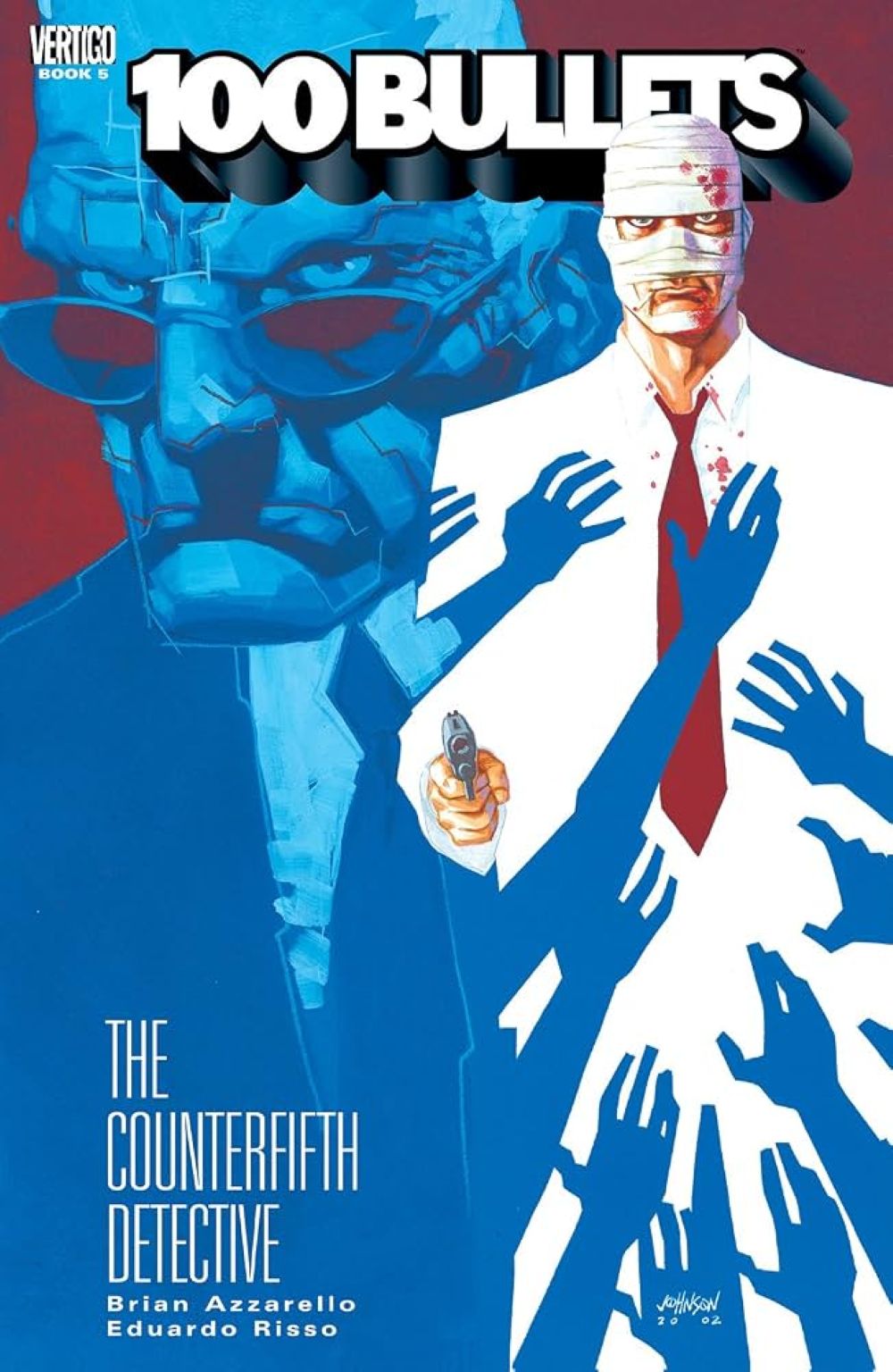
Review: 100 Bullets Vol. 4 – A Foregone Tomorrow


“On your feet, soldier. You’ve just been drafted. This is a war.” — Agent Graves

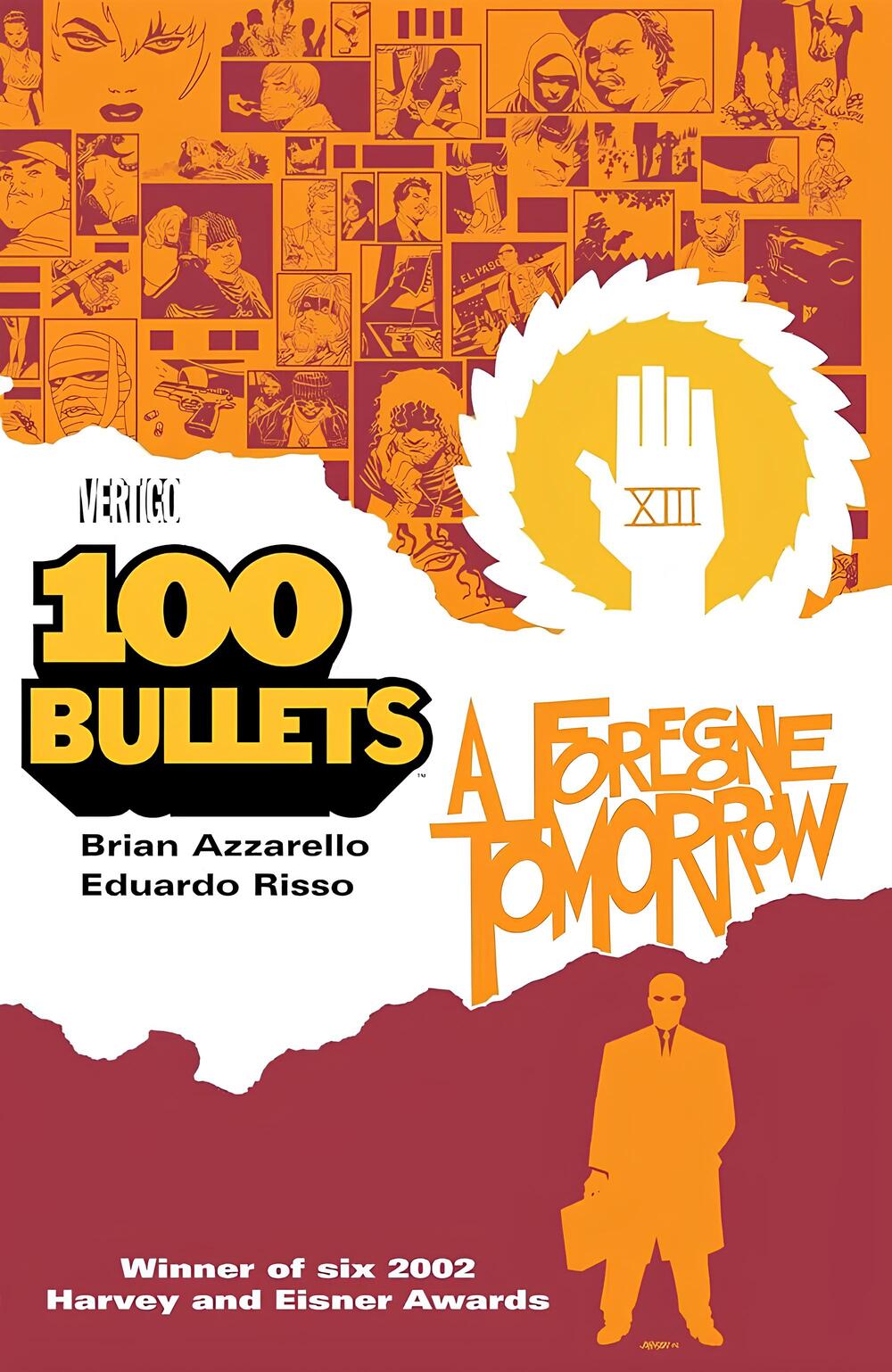
With A Foregone Tomorrow, Brian Azzarello and Eduardo Risso make it clear that 100 Bullets is done merely teasing the larger story behind Agent Graves, the Trust, and the Minutemen. The earlier volumes built their appeal around a very simple but powerful idea: Graves finds someone whose life has been ruined, hands them a briefcase containing a gun, proof, and one hundred untraceable bullets, then leaves them to decide what revenge is worth. That premise is still present here, but it no longer feels like the whole series. This fourth collection, which gathers issues #20-30, is where the long-running conspiracy really begins stepping out from the shadows. The Trust finally feels like a real organization rather than a few names being dropped in dark rooms, the Minutemen begin to take clearer shape, and Agent Graves starts to look less like a cryptic avenger and more like a man moving pieces around a board that only he fully understands.

The collection opens with “The Mimic,” and it is a good representation of what this volume does best. Azzarello ties together two conversations that seem unrelated at first: one involving Mr. Shepherd and Benito Medici, and another taking place at street level among people trying to survive in a world where even the smallest patch of territory has consequences. The contrast is important. On one side are the rich, insulated people who control entire criminal and financial networks without ever getting their own hands dirty. On the other are the desperate hustlers, dealers, addicts, and low-level criminals who are usually the first ones to bleed when those powerful people make a move. 100 Bullets has always had a strong sense of class anger under all the pulp dialogue and gunplay, but this volume puts that feeling more directly into the story.

Benito Medici is one of the most interesting additions here because he does not initially come across as the kind of polished, ruthless heir one would expect from the Trust. He seems immature, reckless, and more interested in enjoying the benefits of his family name than understanding what it costs other people. But Azzarello does not make him a joke. Benito is a spoiled rich kid, sure, but he is also a young man slowly realizing that he has been born into something dangerous and ancient. The Medici name gives him protection, money, and influence, but it also makes him a target. That uneasy realization gives his scenes some real tension. He is not just learning how much power his father Augustus has; he is learning that power in this world is never free.

The Trust itself is probably the biggest reason A Foregone Tomorrow feels like such a major turning point. Earlier books gave readers names like Augustus Medici and Megan Dietrich, along with hints about a hidden system that existed beyond regular crime families and street gangs. Here, the curtain gets pulled back much further. The Trust is revealed as a collection of powerful old families whose influence stretches across the country, while the Minutemen were created as their enforcers and internal police. The scope is suddenly much bigger than one person deciding whether to pull the trigger on somebody who wronged them. Agent Graves is not simply handing out opportunities for revenge. He is using those opportunities to destabilize a system that has spent generations protecting itself.

That expansion does make the book denser than the first three collections. Readers who liked the clean, self-contained revenge stories from First Shot, Last Call may need a little patience here. Azzarello is deliberately withholding information, and a lot of dialogue involves people speaking around the truth rather than plainly stating it. Characters mention events, names, and old betrayals that do not fully make sense until later. But that is also part of the fun. 100 Bullets is becoming a crime epic where every casual insult, odd coincidence, and brief appearance may eventually matter. The book trusts readers to keep up, and even when the plot gets murky, it rarely stops being compelling.

The Jack Daw material is probably the weakest portion of the collection, though it still has its uses. Jack is a huge, self-destructive junkie who already has one of Graves’s cases when the reader meets him. That is an interesting reversal of the usual formula because we do not see the initial pitch or the moment of temptation. We are instead dropped into the aftermath of a man who has already been given a chance to change his life and has clearly made a mess of it. Jack is not especially sympathetic, and the story never quite reaches the emotional impact of Dizzy Cordova’s or Loop Hughes’s earlier arcs. Still, he feels like another example of the kind of damaged person Graves is collecting. He is not a hero waiting to be awakened. He is a wrecking ball waiting for someone to point him in a direction.

The more memorable material comes from the way Azzarello keeps connecting old threads to new ones. Mr. Branch, who has spent much of the series trying to understand the conspiracy around Graves, becomes increasingly important as someone who sees patterns other characters are too close to notice. The story also takes a detour into the past with a strange, darkly funny episode involving baseball, Hollywood, and the Kennedy assassination. It is the kind of side story that might feel random in another series, but it works here because it reinforces the sense that Agent Graves has been active for a very long time. His briefcases are not a recent hobby. They are part of a much older game.

There is also an unexpectedly funny stretch involving a trip to Mexico, though the humor never makes the story feel safe. Azzarello has a talent for writing characters who can trade ridiculous insults and crude jokes one minute, then become frighteningly violent the next. That tonal balance is one of the things that keeps 100 Bullets from becoming unbearably grim. These people are living ugly lives in ugly places, but they still have personality. They still argue, posture, flirt, lie, and make each other laugh. The humor is usually mean, but it feels authentic to the world rather than forced comic relief.

Eduardo Risso remains the series’ secret weapon, even though by this point it is hard to call him a secret. His art gives every character an immediately recognizable silhouette and attitude. There are a lot of people in this volume, including gangsters, Trust members, old associates, street criminals, and potential Minutemen, yet Risso makes it easy to tell them apart. Benito looks like a privileged kid trying to wear confidence like a costume. Shepherd always carries himself with quiet control. Graves is still composed and unreadable, like somebody who has already calculated every possible outcome before entering the room.

Risso’s layouts are especially strong in the opening material, where different conversations and locations are visually paired to show how the powerful and powerless reflect each other. He can make a simple exchange in a park, a bar, or a hotel suite feel loaded with menace. His use of shadows, extreme angles, and stylized expressions gives the book its distinctive noir personality, but he never lets the style overwhelm the storytelling. You always know where to look and what emotional beat matters most. The guest pinup pages included around the original twenty-fifth issue are a neat bonus, though they do not have the same storytelling impact as Risso’s regular pages.

A Foregone Tomorrow is not as emotionally focused as Hang Up on the Hang Low, and it can feel more like a bridge volume than a completely self-contained story. But it is a very important bridge. This is where the series proves that its revenge setup was never just a clever anthology gimmick. The briefcases, bullets, and personal vendettas are all part of a larger conflict between men and women who believe they own the world and the people willing to burn that world down. By the end, Agent Graves is still mysterious, the Trust is still dangerous, and the Minutemen are only beginning to emerge from the past. But the road ahead is much clearer, and much more threatening.

100 Bullets Vol. 4: A Foregone Tomorrow is a strong, complicated, and occasionally messy installment that rewards readers who have been paying attention. Azzarello continues building the series into a sprawling noir conspiracy filled with damaged people, crooked power structures, and revenge that never comes without a price. Risso keeps the whole thing looking stylish, dangerous, and alive. It may not be the easiest volume to jump into, but for anyone following the series from the beginning, this is the point where the larger machine finally starts roaring to life.

100 Bullets Volume Reviews
Review: 100 Bullets Vol. 3 – Hang Up on the Hang Low


“I never told you to kill him. I just gave you the opportunity.” — Agent Graves

With Hang Up on the Hang Low, Brian Azzarello and Eduardo Risso continue to prove that 100 Bullets is far more than a series about revenge fantasies and mysterious briefcases. The first two collections introduced the basic concept of Agent Graves approaching damaged people with a gun, one hundred untraceable bullets, and proof of who ruined their lives. That premise was already strong, but this third volume starts showing just how much uglier and more complicated the world around Graves really is. This is where the series begins to feel less like a set of loosely connected crime stories and more like a large, carefully constructed noir epic. The revenge angle is still present, but it is no longer the whole point. The people who receive Graves’s offer are getting pulled into a much bigger machine, whether they realize it or not.

The main character this time is Loop Hughes, a young man who has spent much of his life acting tougher, smarter, and more connected than he actually is. He is a small-time street hustler, someone who talks a good game but clearly has no real direction in life. That makes him an interesting choice for Agent Graves. Loop is not someone who has already been crushed by a terrible tragedy in the same direct way as Dizzy Cordova or Lee Dolan. His grievance is more personal and more complicated: his father, a man known as the Rain, abandoned him and his mother when he was still a child. Loop has built up years of anger around that absence, even if he has never really known what to do with it.

When Graves gives Loop one of his trademark attaché cases, it seems at first like another straightforward setup. Loop has the gun, the bullets, the evidence, and the freedom to act without legal consequences. The temptation is there, and Azzarello makes it easy to understand why Loop would want to pull the trigger. The Rain did not just leave; he left a hole in Loop’s life that the younger man has filled with insecurity, bravado, and bad decisions. But the story becomes much more interesting when Loop finally finds his father and discovers that the Rain is not some helpless old man waiting to be punished. He is deeply involved with dangerous people and has his own place in the criminal underworld.

That is where Hang Up on the Hang Low really finds its momentum. Rather than immediately becoming a story about a son taking revenge on his father, it turns into a story about Loop being drawn into the world that helped create his father in the first place. The Rain is connected to organized crime, old grudges, and the kind of people who can make a murder look like business as usual. Loop thinks he is finally getting some answers, but every answer only opens another door to something worse. He is in well over his head almost from the beginning, and the book does a great job of making the reader feel that constant pressure.

Loop is one of the more sympathetic characters in the series so far because, underneath all of his posturing, he does seem to have a conscience. He is not innocent, exactly, and he certainly makes some dumb choices, but he is not naturally cruel. He wants respect, money, and an explanation for why his father left, but he also cares about people in a way that many of the hardened gangsters around him do not. Azzarello does not turn him into a saint, though. Loop is still immature and easily manipulated, which is exactly why his journey through this volume becomes so tragic. He keeps thinking he has found a way to gain control over his life, only to learn that somebody else has already decided the terms.

Agent Graves remains the most fascinating figure in the book. In the early volumes, he could be seen as a mysterious avenger or a kind of grim wish-fulfillment figure, handing victims the tools to get justice on their own terms. This collection makes him feel more unsettling than heroic. Graves is not necessarily lying to Loop, but he is absolutely steering him toward a result that serves some larger purpose. He is a man who sees people as pieces on a board, and even when he gives them a choice, it is hard to believe that he does not already have an idea of how they will respond. The briefcase may offer freedom from prosecution, but it never offers freedom from consequences.

The book also continues expanding the larger mythology involving the Trust and the Minutemen. Azzarello is still not explaining everything, and that can be frustrating if someone wants clean answers right away. At the same time, the lack of full explanation is part of what gives 100 Bullets its pull. The reader gets the sense that every crime boss, stray conversation, and seemingly random killing could matter later. People who initially seem like minor players keep revealing hidden ties to the larger conspiracy. Even the deaths and betrayals carry an extra weight because they do not feel random. This series is building toward something, and by the end of this volume it is clear that Graves has been setting events in motion for a long time.

Eduardo Risso’s artwork continues to be one of the best things about the series. His characters look stylized without ever feeling too cartoonish, and he gives every person a distinct physical presence. You can tell who is dangerous just by the way they stand in a room. You can tell who is nervous by the way they avoid eye contact. Risso’s visual storytelling is especially effective in the bar scenes, street confrontations, and quiet moments when characters are trying to decide whether to trust someone. He knows how to make a room feel crowded, seedy, and tense without overloading the page with unnecessary detail.

Risso also has a great eye for the ugly atmosphere of this world. The bars look worn down, the apartments feel cramped, and the city streets always seem like they are one bad decision away from turning violent. The noir influence is obvious, but it does not feel like a cheap imitation of old detective stories. It feels more like a modern crime story filtered through noir imagery: low lighting, cigarette smoke, suspicious looks, crooked power structures, and people who keep trying to escape the past only to be dragged deeper into it. The coloring helps the art stand out as well, giving the grimy environments and tense confrontations a little extra visual bite without making the book look overly polished.

The ending is what really makes the volume stick. Azzarello does not rely on a giant surprise twist so much as a sense of inevitability. You can see the bad outcome coming, but that does not make it any easier to watch. Loop spends most of the story trying to become somebody who matters, somebody with control and power, and the cruel part is that the criminal world is more than happy to let him feel that way for a little while. By the time reality catches up with him, he has learned that the people offering him opportunity were never offering him a real way out.

100 Bullets Vol. 3: Hang Up on the Hang Low is the strongest collection in the series so far. It has a more focused central story than Split Second Chance, while still pushing the wider conspiracy forward in a meaningful way. Loop is a memorable lead because he is flawed, angry, and trying desperately to look fearless when he is really just lost. Azzarello keeps the dialogue sharp and streetwise, Risso keeps every page visually charged, and the larger story continues to get more dangerous the more we learn about it. This is the point where 100 Bullets stops merely promising that it has a major story to tell and starts delivering on that promise.

100 Bullets Volume Reviews
Review: 100 Bullets Vol. 2 – Split Second Chance


“Asking questions is free… but the answers—they can cost you your life.” — Agent Graves

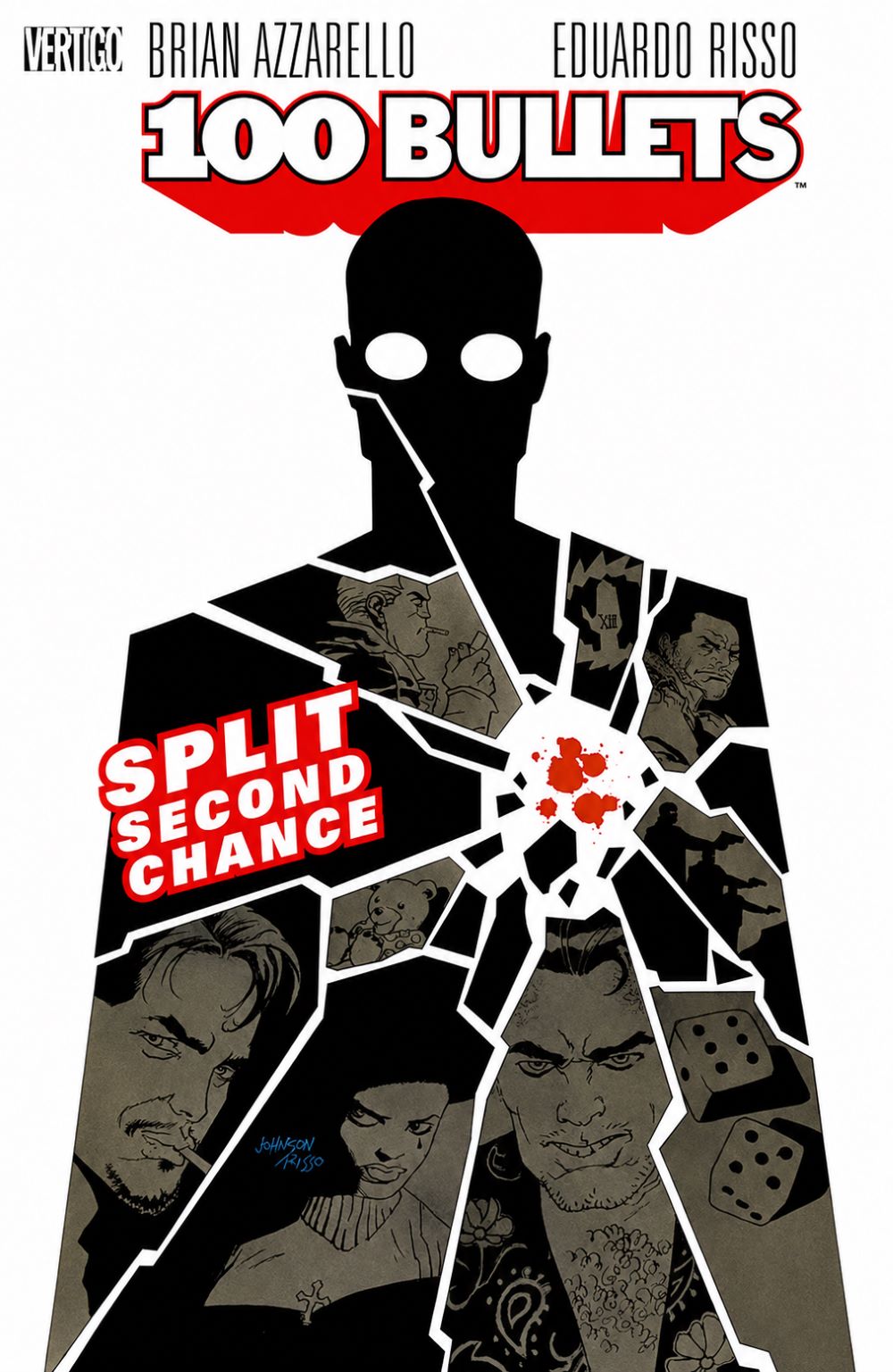
In the first volume of 100 Bullets, Brian Azzarello and Eduardo Risso laid down a stunning thesis for their magnum opus: a world where the wronged are offered the ultimate temptation of consequence-free vengeance. That volume, First Shot, Last Call, functioned as a potent thematic introduction, establishing the series’ central moral quandary through self-contained stories. With Split Second Chance, the creative team makes a crucial pivot. This collection, gathering issues #6-14, successfully preserves the gritty, anthology-style explorations of revenge while beginning to weave a much larger, more intricate conspiracy that feels poised to consume everything in its path. If the first book was a promise, this second volume is the first, gripping step toward its fulfillment, even if it occasionally stumbles under the weight of its own ambition.

The volume opens with “Short Con, Long Odds,” a two-part story that initially feels like familiar territory. We are introduced to Chucky, a small-time gambler fresh out of prison, who is approached by Agent Graves. As before, Graves offers incontrovertible proof of a betrayal and the tools for retribution—this time against Chucky’s childhood friend, Pony, who has seemingly built a successful gambling empire on his partner’s misery. What makes this story stand out is its focus on the petty, desperate world of gambling. Risso’s art is especially potent here, capturing the sad, seedy underbelly of street-corner hustles and back-alley games. The story’s conclusion, which unfolds off-panel, is a masterclass in implication, leaving the reader to piece together the grim aftermath. It is a solid entry that reinforces the series’ core premise, but its real purpose becomes clear retroactively as the larger plot comes into focus.

This is the volume where the series’ title begins to earn its meaning. Agent Graves is no longer just a cipher; he is revealed to be a man with a history, and Split Second Chance doles out those histories with deliberate, tantalizing precision. The most significant revelation comes in “Day, Hour, Minute… Man,” where we learn about The Trust and the enigmatic Minutemen. This arc peels back the curtain, suggesting that Graves and his associate, Mr. Shepherd, were once part of this shadowy organization before faking their deaths to escape its clutches. The introduction of Lono, the chilling hitman from the first volume’s “The Samurai,” becomes far more significant. His meeting with Graves is charged with a dangerous, unspoken history, confirming that Graves’s “gifts” are a part of a larger, more personal agenda. The plot is thickening nicely, and the promise of a sprawling, interconnected narrative starts to feel exhilaratingly real.

However, it is in the standalone stories that Azzarello’s writing truly shines, showcasing his ability to extract raw, human emotion from his noir framework. The standout is undoubtedly “Heartbreak, Sunnyside Up,” a single-issue story that follows a hard-working diner waitress named Rose. Rose’s life is a grinding cycle of poverty and worry for her runaway daughter. When Agent Graves appears, he doesn’t just offer her a gun and a target; he delivers a slow, agonizing explanation of how her daughter became a heroin-addicted prostitute after being molested by her own father. It is a moment of pure, unflinching tragedy. The brilliance of the story lies not in the revenge itself, but in the horror of the revelation. Azzarello forces the reader and the character to sit with the unbearable truth, making the subsequent act of violence feel less like empowerment and more like a desperate, last resort. It serves as a powerful reminder that “sometimes evil is closer to home than we think.”

“The Right Ear, Left in the Cold” offers a fascinating twist on the formula by introducing Cole Burns, a deadly assassin living undercover as a neighborhood ice cream man. This story introduces the concept of the “sleeper agent,” a tool that Graves and Shepherd can “reactivate” for their own ends. Cole is a more capable and cold-blooded protagonist than the average victim, which makes his story less about moral choice and more about professional obligation. Yet, it deepens the mythology, showing that Graves has an entire network of operatives at his disposal, further blurring the line between righteous avenger and puppet master. His ultimate task of retrieving the briefcase from Dizzy Cordova in the final arc, “Parlez Kung Vous,” masterfully ties this new plot thread back to the series’ very first protagonist.

Throughout it all, Eduardo Risso’s artwork remains the series’ undeniable and consistent anchor. His style, which perfectly captured the cold, deliberate mood in the first volume, continues to excel in Split Second Chance. Risso’s panels have a cinematic rhythm; his compositions are economical yet expressive, using deep shadows and stark contrasts to build a world that feels dangerous and morally unstable. He excels at conveying unspoken tension and character attitude through posture and expression, a vital skill for a noir story where much is left unsaid. While some readers may find the depiction of female characters hyper-sexualized, Risso and colorist Grant Goleash unquestionably create a visual language that is sleek, uneasy, and unmistakably noir. The story’s pace may occasionally lag, but the art is always arresting.

100 Bullets: Split Second Chance is a more challenging and rewarding book than its predecessor. It sacrifices some of the first volume’s focus and self-contained impact to lay the foundation for something much grander. This is the volume where the series starts to earn its reputation for dense, interwoven plotting. It is a work of deliberate, intricate world-building that asks the reader to be patient and pay close attention. It is not without its flaws—some stories feel more like necessary setups than complete narratives, and the unrelentingly grim tone can be exhausting. Yet, the moments of genuine human tragedy, like Rose’s story, and the thrilling expansion of the central mystery make Split Second Chance an essential step in the journey. It confidently expands the world of 100 Bullets, deepening its mythology and proving that this is a saga built for the long haul.

100 Bullets Volume Reviews
4 Shots From 4 Films: Special America At Cannes Edition


4 (or more) Shots From 4 (or more) Films is just what it says it is, 4 (or more) shots from 4 (or more) of our favorite films. As opposed to the reviews and recaps that we usually post, 4 (or more) Shots From 4 (or more) Films lets the visuals do the talking.

With the official Cannes line-up due to be announced tomorrow, it only seems right to highlight a few American films that have previously won the Palme d’Or.  It’s time for….

4 Shots From 4 Films That Won At Cannes

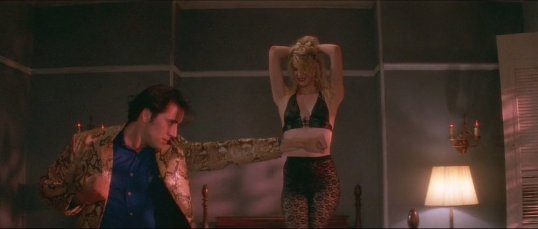
Wild At Heart (1990, dir by David Lynch, DP: Frederick Elmes)

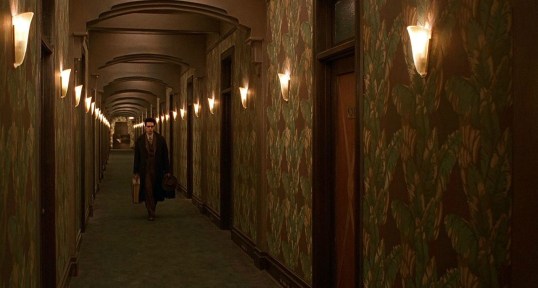
Barton Fink (1991, dir by the Coen Brothers, DP: Roger Deakins)

Pulp Fiction (1994, dir by Quentin Tarantino, DP: Andrzej Sekuła)

Tree of Life (2011, dir by Terrence Malick, DP: Emmanuel Lubezki)

Scenes That I Love: Christopher Walken in Pulp Fiction


Today is Christopher Walken’s 83rd birthday so it seems appropriate to share a Walken scene that I love.  Without further ado, here is the classic gold watch speech from the 1994 film, Pulp Fiction:

4 Shots From 4 Films: Special Bruce Willis Edition


4 Shots From 4 Films is just what it says it is, 4 shots from 4 of our favorite films. As opposed to the reviews and recaps that we usually post, 4 Shots From 4 Films lets the visuals do the talking!

Today, Bruce Willis turns 71.  It’s time for….

4 Shots From 4 Bruce Willis Films

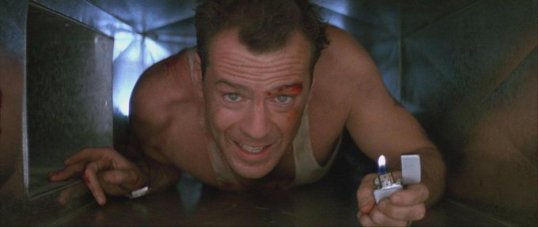
Die Hard (1988, dir by John McTiernan, DP: Jan de Bont)

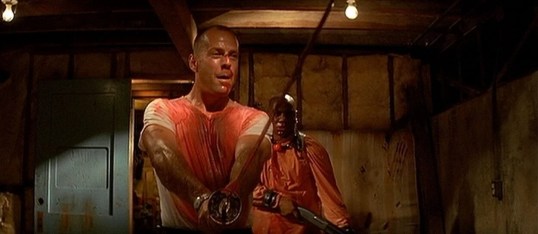
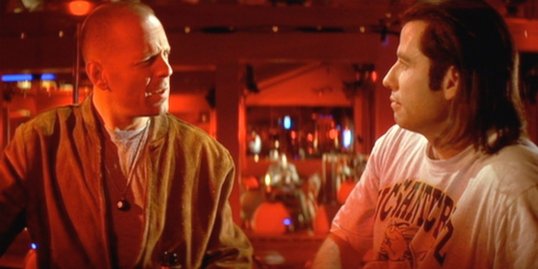
Pulp Fiction (1994, dir by Quentin Tarantino, DP: Andrzej Sekuła)

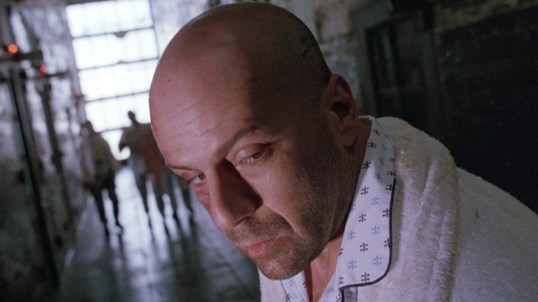
12 Monkeys (1995, dir by Terry Gilliam, DP: Roger Pratt)

Last Man Standing (1996, dir by Walter Hill, DP: Lloyd Ahern II)

4 Shots From 4 Films: Special Cannes Edition


4 (or more) Shots From 4 (or more) Films is just what it says it is, 4 (or more) shots from 4 (or more) of our favorite films. As opposed to the reviews and recaps that we usually post, 4 (or more) Shots From 4 (or more) Films lets the visuals do the talking.

With the official Cannes lineup being announced, it only seems right to highlight a few films that have previously won the Palme d’Or.  It’s time for….

4 Shots From 4 Films That Won At Cannes

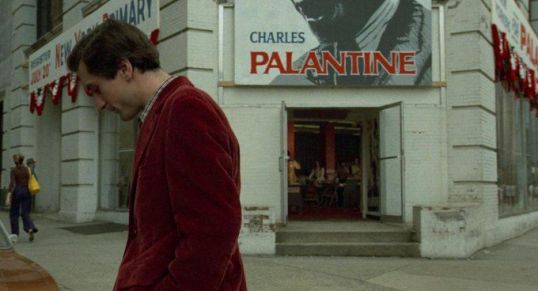
Taxi Driver (1976, dir by Martin Scorsese, DP: Michael Chapman)

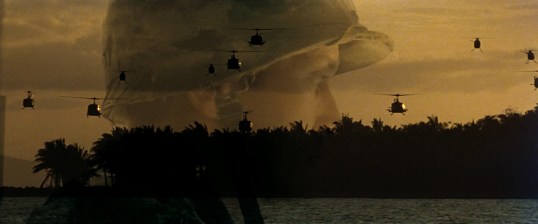
Apocalypse Now (1979, dir by Francis Ford Coppola, DP: Vittorio Storaro)

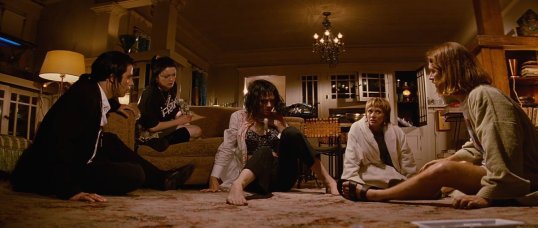
Pulp Fiction (1994, dir by Quentin Tarantino, DP: Andrzej Sekuła)

Tree of Life (2011, dir by Terrence Malick, DP: Emmanuel Lubezki)

Pulp Fiction, (Written & Dir. Quentin Tarantino) Review by Case Wright


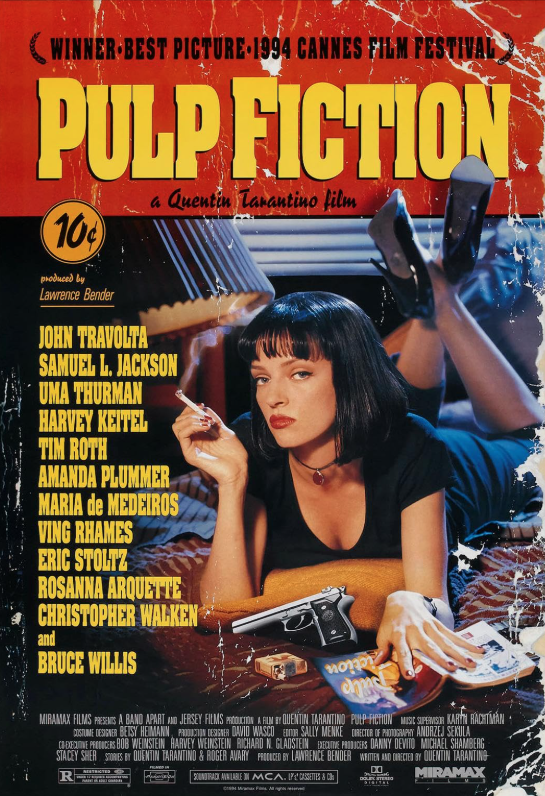
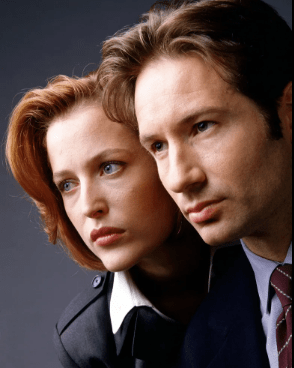
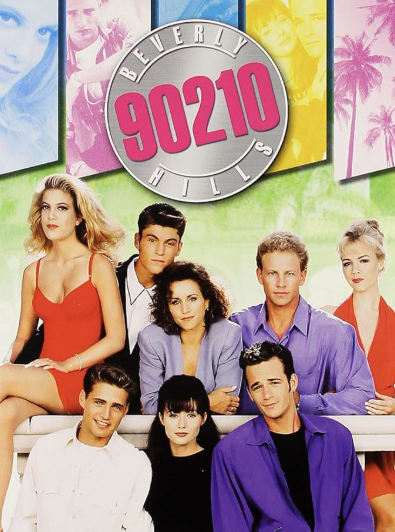
“Pulp Fiction” was as peak 1990s as much as these two:

Or this Archie’s Comic live action show

While “X-Files” attracted big audiences 60-40% male and the reverse for “90210”, “Pulp Fiction” captured 1994: Jocks, Nerds, Guys, Women, Girls, Boys, Boomers, X-ers, Older Millennials, you name it – Everyone was into Pulp Fiction. Tarantino described this art as a number of cliches: the mobster attracted to the mob wife, the boxer who tricks the mobsters into giving him money and NOT throwing the fight, and the killer who finds God. The cliches dig into DNA. WHY? Because they have the same motivations as our caveman ancestors: the unobtainable mate, a sense of honor, and redemption. These themes are the basic building blocks of what make us human beings and why these stories echo through the millennia – our ancestors fears are the same as ours today. Some might claim that “Reservoir Dogs’ was better- they are incorrect– Pulp Fiction was WAY more entertaining.

Even though this was released and written in the 1990s, it had an older feel to it. First, everyone smoked indoors. I remember the 1990s, smoking was on the OUTS big time! Second, man did he like to use a certain racial slur. OOF. But then again, I’m not from Los Angeles. Maybe, it’s like Alabama there? I have no idea! I can say that the film did hold up as re-watched it today. It was still relevant and maybe that’s because it was difficult to pin down the time period; in fact, the music was mostly from the 1970s and the story time jumped- A LOT! The Miramax producer who worked on the show also jumps a lot, but mostly in the shower.

The story begins with two mobsters Vincent Vega and Jules Winnfield murdering two guys to get a magical briefcase back to their boss Marsellus Wallace, which feeds into the next storyline of Butch an aging fighter who’s about to rip off the mob, which feeds into Mia Wallace – Marsellus Wallace’s wife overdosing on heroin, which feeds into Butch on a quest to retrieve his great-grandfather’s watch, which feeds into a pretty graphic man on man scene of sexual violence and revenge, which feeds into Jules finding God, which feeds into cleaning brains out of a car, and finally ending in a diner being robbed by Tim Roth. Yes, the film requires attention. It’s not “Dazed and Confused”. You gotta pay attention.

I recently watched a show with Lisa Marie that time jumped – oh no, were their Germans around who got too close at a family reunion off camera?!

I still believe this is Quentin’s Opus and you cannot convince me otherwise because it connected to everyone and launched and re-launched A LOT of careers. Pulp Fiction’s legacy was that it empowered a 1990s writers to work in humor with their grittiness like in Halloween H20, which I reviewed here

https://unobtainium13.com/2016/10/29/halloween-h20-alt-title-they-stab-baby-boomers-dont-they/
: Pulp Fiction, (Written & Dir. Quentin Tarantino) Review by Case Wright

I recommend to going on Hulu and checking Pulp Fiction out again.