Guilty Pleasure No. 128: Wicked Wanda (by Frederic Mullaly and Ron Embleton)


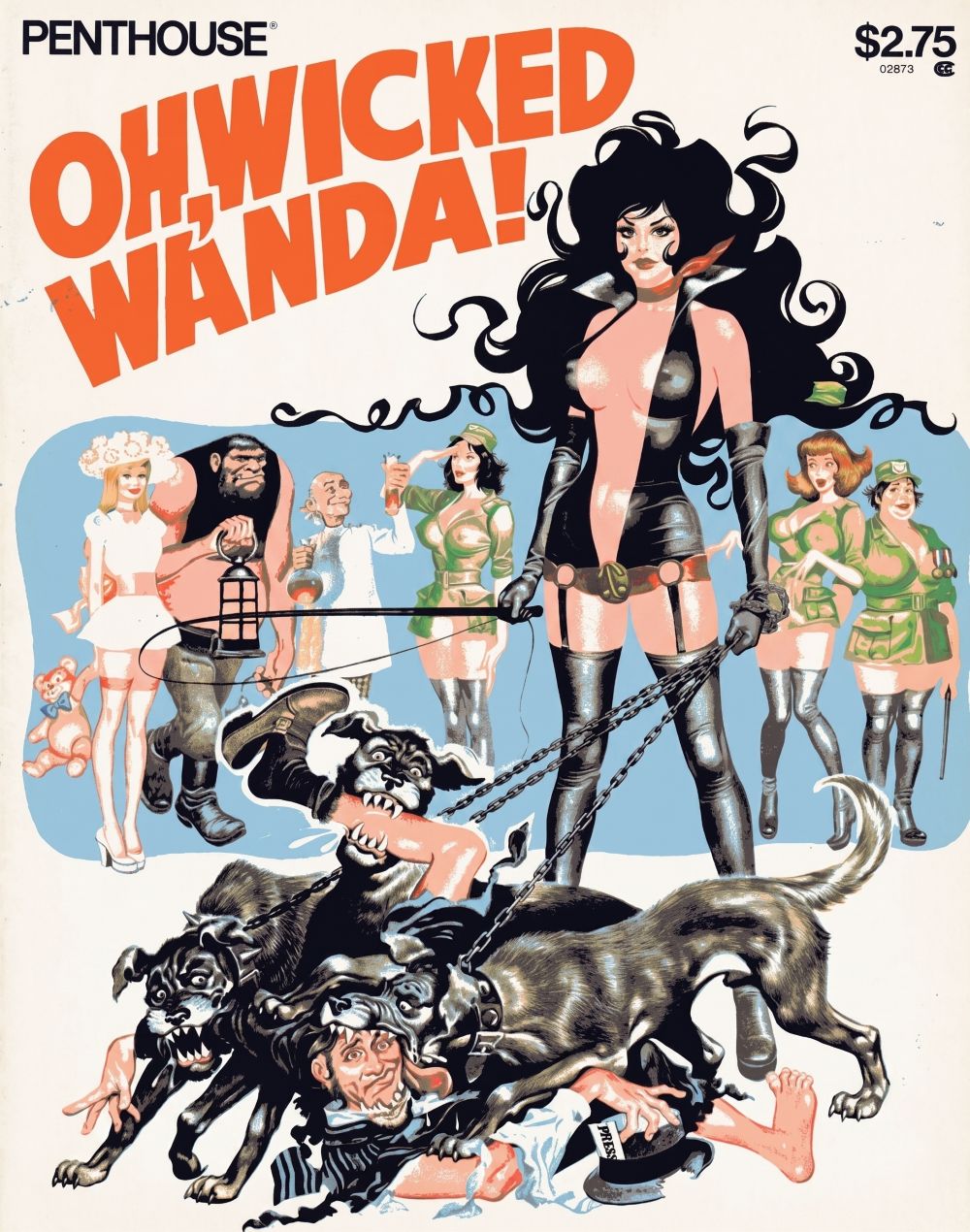
Oh, Wicked Wanda!—later shortened to Wicked Wanda—was Penthouse’s bold, lavish, and often deranged answer to Playboy’s Little Annie Fanny: an adult comic strip that met its competitor’s sexual satire with more cruelty, more eccentricity, more political bite, and startlingly beautiful painted art. Running as a full-color comic from 1973 to 1980, it paired novelist and journalist Frederic Mullally’s caustic scripts with Ron Embleton’s rich watercolor imagery, transforming a prior prose feature into one of the strangest recurring fixtures in 1970s men’s magazines.

Bob Guccione’s reaction to Playboy’s Little Annie Fanny was not merely to imitate it. He wanted Penthouse to have an equivalent feature—and, characteristically, something he considered superior. Playboy’s strip had been a signature showcase for Harvey Kurtzman and Will Elder: a highly polished, densely gagged satire built around the sexually guileless Annie, who repeatedly stumbled into an absurd succession of social fads, political caricatures, pop-cultural parodies, and erotic situations. Guccione saw the commercial and cultural value in such a feature and commissioned Mullally to develop Penthouse’s alternative, ultimately bringing in Embleton, an accomplished British comics artist and painter, to give the strip an unusually lush visual identity.

The crucial difference lies in what each strip thinks its heroine represents. Little Annie Fanny is fundamentally a comic of naïveté. Annie is constantly exploited, ogled, misled, commodified, or swept along by the lunacy of a world more foolish than she is. Kurtzman and Elder’s satire is crowded, busy, and democratic in its ridicule: everyone from hypocrites to celebrities to institutions becomes part of the page’s manic visual clutter. Wicked Wanda, by contrast, has no innocence at its center. Wanda Von Kreesus is a fabulously wealthy, sexually assertive, openly malicious heiress who does not drift helplessly through corruption; she thrives within it. She does not discover the depravity of society. She engineers it, enjoys it, or conquers it.
That shift makes Wicked Wanda feel less like a naughty comic romp and more like a grotesque aristocratic fantasy. Wanda is essentially an erotic supervillain, living in a gothic schloss with a bizarre supporting cast that includes her young companion Candyfloss, a brutish servant, a mad scientist, and an all-female private army. The strip’s premise gives Mullally considerable freedom: a Wanda episode can become a spy spoof, a mad-science horror story, a political satire, a time-travel farce, or simply a malicious practical joke played at the expense of a man, a public institution, or a recognizable cultural icon. This is a world in which immense wealth removes moral restraint rather than imposing responsibility.

Mullally’s writing is the source of the feature’s bitter flavor. Its comedy is not merely sexual; it is aggressively satirical, often directed at power, vanity, social respectability, consumerism, and masculine pomposity. Wanda’s money and immunity make her the perfect vehicle for exposing a world already ruled by appetite and status. The joke is frequently that society’s supposedly serious figures are no less ridiculous or depraved than Wanda herself. Rather than giving readers a conventional virtuous point of identification, the strip invites them into complicity with its amoral protagonist. That is a riskier, stranger comic strategy than the more buoyant misadventures of Annie Fanny.

The tone also benefits from the Britishness of Mullally’s sensibility. Wicked Wanda has the acidic air of a satire that distrusts authority at every level, but it is not solemn about that distrust. It is flamboyant, frequently silly, and happy to push a premise toward outright surrealism. Its plots can be crude, and its sexual politics can be distinctly uncomfortable to a contemporary reader, especially in the way the material handles power, coercion, and age. But that ugliness is partly inseparable from the strip’s chosen landscape: Wicked Wanda is a comic about people with too much power and too little conscience. Its excesses are rarely incidental; they are the point.

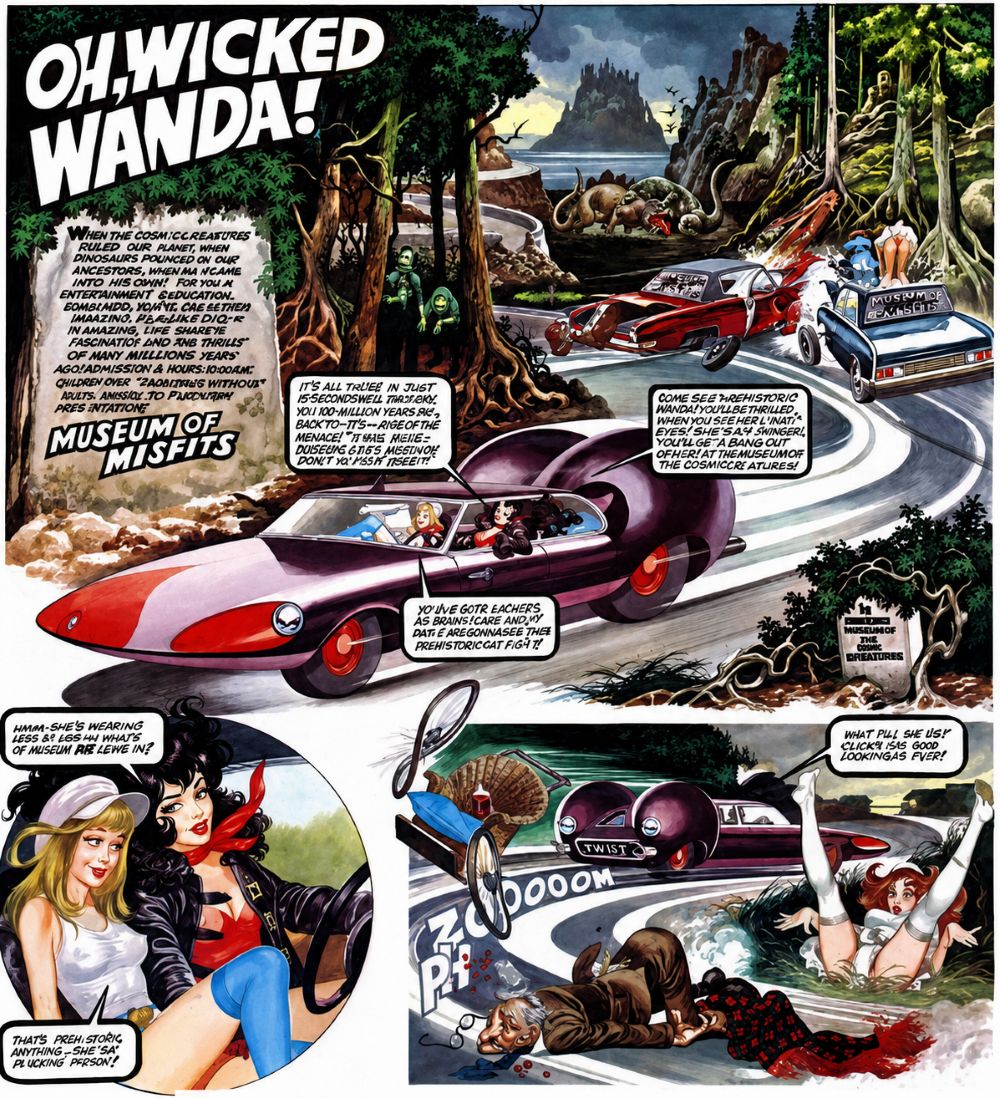
Embleton’s contribution is what elevates the feature beyond an interesting magazine curio. Unlike the deliberately cartoonish line work associated with Kurtzman and Elder’s Little Annie Fanny, Embleton approached Wicked Wanda with painted realism. He used watercolor for the comic’s panels, giving faces, fabrics, bodies, castles, machinery, landscapes, and elaborate costumes a level of sensual texture unusual for a periodical gag strip. The effect is fascinating because the visual surface is so much more refined than the situations it depicts. A scene may involve broad farce, bondage-inflected spectacle, grotesque parody, or a ridiculous villainous scheme, yet Embleton renders it with the seriousness of a lavish adventure illustration.
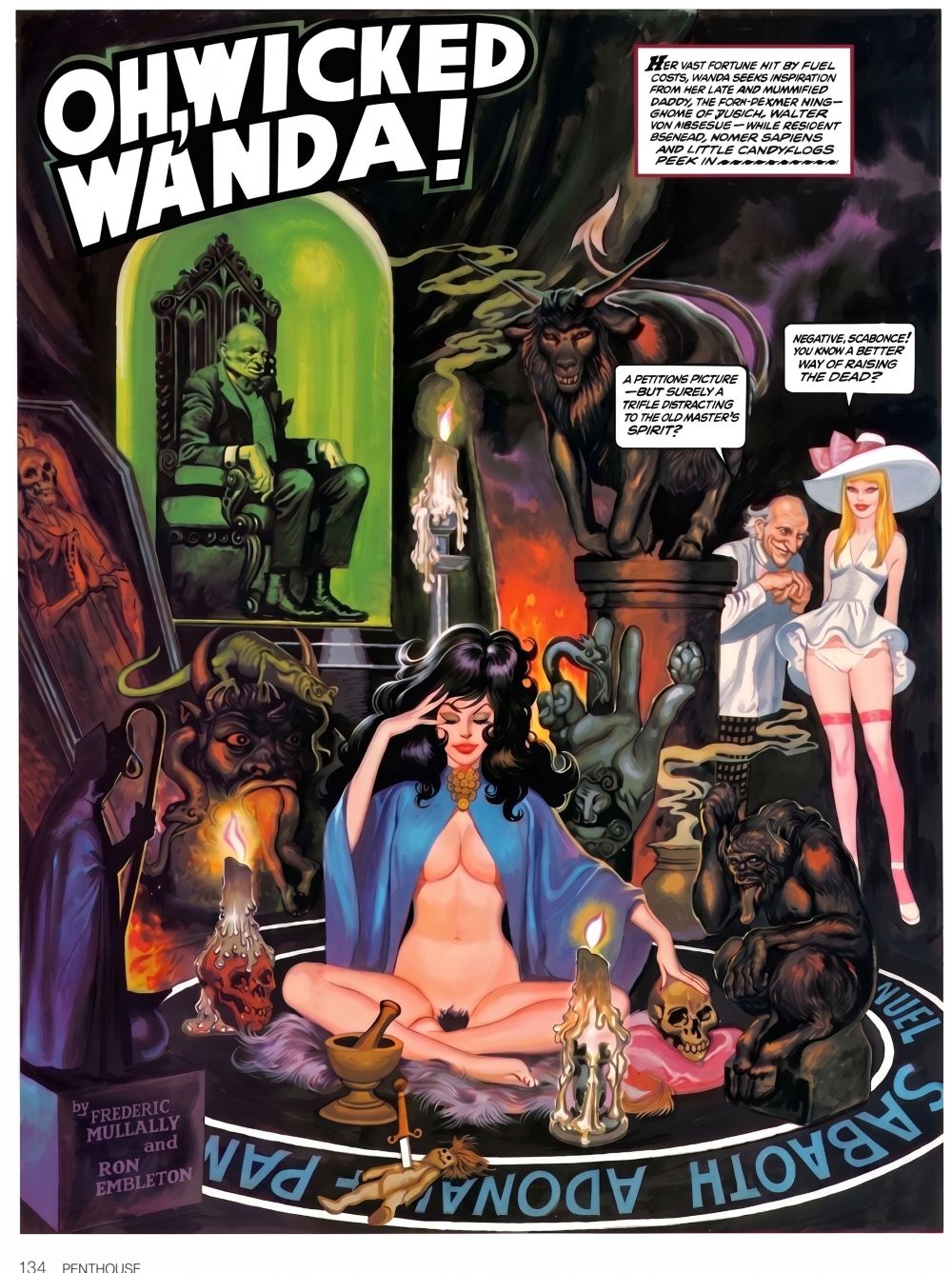
That tension is the strip’s great aesthetic achievement. Wicked Wanda looks expensive, almost prestigious, even when it is being juvenile, vulgar, or gleefully tasteless. Embleton’s polished craft does not sanitize Mullally’s material, but it gives the comic an eerie grandeur. Wanda herself becomes more than a pin-up figure because she is rendered as a commanding, almost mythic presence: elegant, dangerous, detached, and perfectly at home in worlds of luxury and nightmare. The visual vocabulary borrows from horror films, decadent European adventure comics, fashion illustration, and pulp fantasy, helping the strip build an identity that is far more distinctive than its origins as a competitive response to Playboy might suggest.

Its relationship to Little Annie Fanny is made explicit in early jokes that parody Playboy’s heroine, including gags involving artificial breasts or buttocks that deflate when punctured. These are hardly subtle gestures, but their lack of subtlety is revealing. Penthouse was not quietly borrowing Playboy’s format; it was declaring war on it. Where Little Annie Fanny offered a glamorous but comparatively benign sexual farce, Wicked Wanda presented itself as nastier, more confrontational, and more willing to make sex, class, and media fantasy look ludicrous.

Yet Wicked Wanda is not simply “better” than Little Annie Fanny in any universal sense. Kurtzman and Elder’s strip remains the more formally intricate comedic machine, with Elder’s pages packed with visual jokes that reward slow reading. Wicked Wanda is more uneven, more dependent on its period references, and more likely to mistake extremity for wit. But its best material possesses a singular personality. It is an adult comic that does not settle for supplying erotic ornament to a joke; it makes eroticism part of an entire system of domination, fantasy, absurdity, and satirical venom.

When Penthouse ended Wicked Wanda in 1980, it replaced the strip with Sweet Chastity, again illustrated by Embleton and associated with Guccione’s own creative direction. That succession underscores how important the format had become to Penthouse’s editorial identity. Still, Wicked Wanda remains the more memorable artifact: a decadent, politically irreverent, visually sumptuous comic whose villainous heroine gave Penthouse a genuinely different counterpoint to Playboy’s comic-strip institution. It began as Guccione’s competitive answer to Little Annie Fanny, but at its strongest it became something more peculiar and more enduring—a feverish fantasy of wealth, sex, cruelty, and satire painted with astonishing conviction.

Previous Guilty Pleasures

  1. Half-Baked
  2. Save The Last Dance
  3. Every Rose Has Its Thorns
  4. The Jeremy Kyle Show
  5. Invasion USA
  6. The Golden Child
  7. Final Destination 2
  8. Paparazzi
  9. The Principal
  10. The Substitute
  11. Terror In The Family
  12. Pandorum
  13. Lambada
  14. Fear
  15. Cocktail
  16. Keep Off The Grass
  17. Girls, Girls, Girls
  18. Class
  19. Tart
  20. King Kong vs. Godzilla
  21. Hawk the Slayer
  22. Battle Beyond the Stars
  23. Meridian
  24. Walk of Shame
  25. From Justin To Kelly
  26. Project Greenlight
  27. Sex Decoy: Love Stings
  28. Swimfan
  29. On the Line
  30. Wolfen
  31. Hail Caesar!
  32. It’s So Cold In The D
  33. In the Mix
  34. Healed By Grace
  35. Valley of the Dolls
  36. The Legend of Billie Jean
  37. Death Wish
  38. Shipping Wars
  39. Ghost Whisperer
  40. Parking Wars
  41. The Dead Are After Me
  42. Harper’s Island
  43. The Resurrection of Gavin Stone
  44. Paranormal State
  45. Utopia
  46. Bar Rescue
  47. The Powers of Matthew Star
  48. Spiker
  49. Heavenly Bodies
  50. Maid in Manhattan
  51. Rage and Honor
  52. Saved By The Bell 3. 21 “No Hope With Dope”
  53. Happy Gilmore
  54. Solarbabies
  55. The Dawn of Correction
  56. Once You Understand
  57. The Voyeurs 
  58. Robot Jox
  59. Teen Wolf
  60. The Running Man
  61. Double Dragon
  62. Backtrack
  63. Julie and Jack
  64. Karate Warrior
  65. Invaders From Mars
  66. Cloverfield
  67. Aerobicide 
  68. Blood Harvest
  69. Shocking Dark
  70. Face The Truth
  71. Submerged
  72. The Canyons
  73. Days of Thunder
  74. Van Helsing
  75. The Night Comes for Us
  76. Code of Silence
  77. Captain Ron
  78. Armageddon
  79. Kate’s Secret
  80. Point Break
  81. The Replacements
  82. The Shadow
  83. Meteor
  84. Last Action Hero
  85. Attack of the Killer Tomatoes
  86. The Horror at 37,000 Feet
  87. The ‘Burbs
  88. Lifeforce
  89. Highschool of the Dead
  90. Ice Station Zebra
  91. No One Lives
  92. Brewster’s Millions
  93. Porky’s
  94. Revenge of the Nerds
  95. The Delta Force
  96. The Hidden
  97. Roller Boogie
  98. Raw Deal
  99. Death Merchant Series
  100. Ski Patrol
  101. The Executioner Series
  102. The Destroyer Series
  103. Private Teacher
  104. The Parker Series
  105. Ramba
  106. The Troubles of Janice
  107. Ironwood
  108. Interspecies Reviewers
  109. SST — Death Flight
  110. Undercover Brother
  111. Out for Justice
  112. Food Wars!
  113. Cherry
  114. Death Race
  115. The Beast Within
  116. Girl Series
  117. Gone in 60 Seconds
  118. Swordfish
  119. Marked For Death
  120. The Internship
  121. The Angry Red Planet
  122. 2012
  123. Old School
  124. No Escape
  125. In Death Series
  126. Alligator
  127. Little Annie Fanny

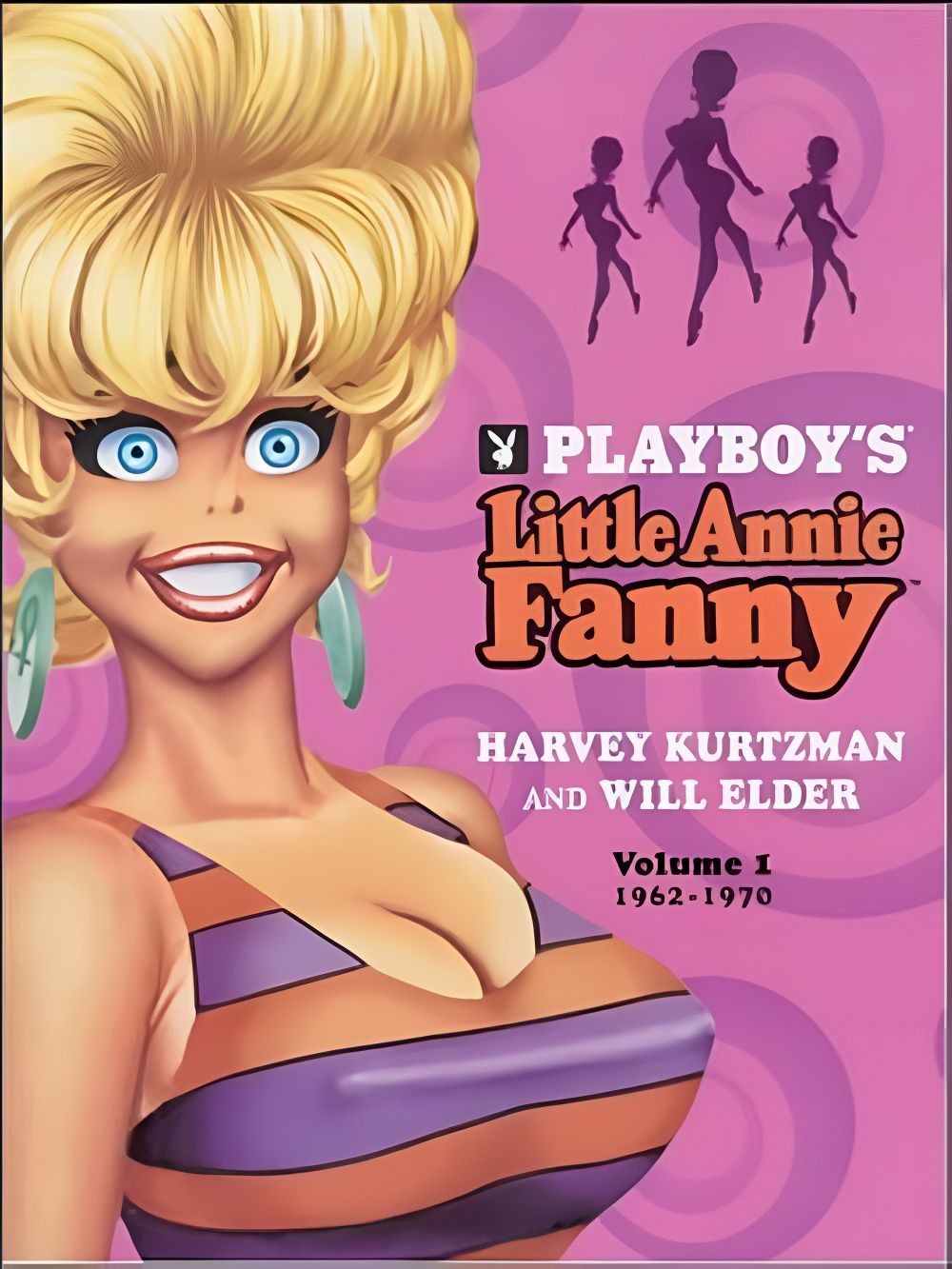
Guilty Pleasure No. 127: Little Annie Fanny (by Harvey Kurtzman and Will Elder)


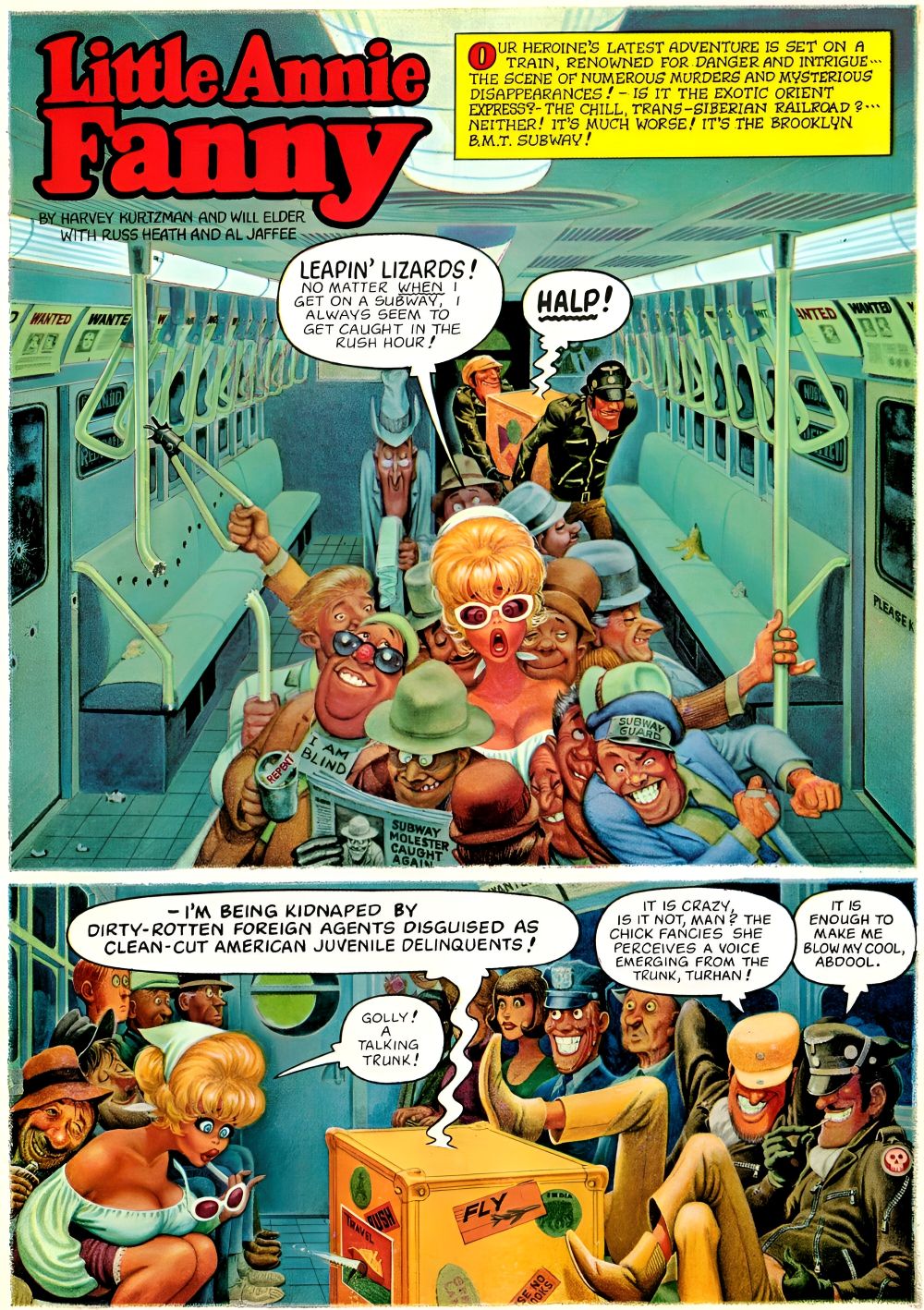
Harvey Kurtzman and Will Elder’s Little Annie Fanny is one of the strangest, most technically dazzling, and culturally revealing comic series ever to run in a mainstream American magazine. Published in Playboy from 1962 to 1988, its basic premise was deceptively simple: Annie Fanny, a gorgeous and spectacularly underdressed young woman, wanders into the social fashions, political anxieties, entertainment crazes, and sexual hypocrisies of the modern United States. Each installment then turns into a lavish full-color farce—part pinup, part Mad-style parody, part period satire, and part frantic visual scavenger hunt.

At a glance, it is easy to dismiss Little Annie Fanny as upscale smut for the Hugh Hefner readership: a glossy excuse to place a naked blonde in absurdly elaborate situations. And, to be fair, nudity was indisputably the commercial engine. Annie’s body is constantly on display, and the series depends on a recognizably male-gaze-centered Playboy sensibility. But that description alone misses why the strip endured for 26 years, or why the names Kurtzman and Elder matter. This was not merely an illustrated centerfold with punch lines. It was a sustained comic chronicle of postwar American fantasy, packaged in airbrushed color and crowded with some of the busiest, funniest, most viciously observant artwork in magazine comics.

Kurtzman had already helped create the language of modern American satire through Mad, while Elder was one of the great comic illustrators: capable of drawing beautiful people, grotesques, slapstick chaos, fake advertising, background gags, and social types all in the same image without losing the picture’s momentum. Their collaboration gives Little Annie Fanny a peculiar tension. The comic invites readers to look at Annie as an object of desire, then surrounds her with a world so ridiculous that the reader’s own desire becomes part of the joke. Annie may be the apparent target of everyone’s attention, but the real targets are the industries, subcultures, politicians, celebrity machines, and self-important movements that use sex, youth, rebellion, or status as branding tools.

The central comic mechanism comes directly from the Kurtzman/Elder school of satire: take a recognizable cultural phenomenon, exaggerate it just enough, and fill every inch of the panel with visual evidence that the whole thing is already absurd. An Annie story is rarely about plot in the conventional sense. Instead, it is a comic demolition derby of styles and attitudes.

One issue might send Annie into a parody of Hollywood, another toward fashionable psychology, youth culture, television, advertising, political campaigning, or a new spiritual fad. The stories often treat Annie as an innocent visitor entering a supposedly sophisticated environment. She is not exactly naïve—she is too adaptable and too knowingly glamorous for that—but she functions as a blank surface onto which the era projects its competing fantasies. Everybody wants Annie to be something: liberated woman, celebrity accessory, corporate mascot, hippie goddess, suburban temptation, political prop, or consumer-product spokesperson.

That flexibility was the strip’s key strength. The character did not need a rigid continuity because Annie was really a cultural barometer. Her changing hairstyles, outfits, settings, and social circles told the reader what America was obsessed with at any given moment. In that sense, Little Annie Fanny was less like a daily newspaper comic and more like a monthly satirical illustrated essay.

Elder’s art is especially essential to that effect. Even when the writing takes a broad, obvious swing at a target, the images add layers of parody. You can linger over a panel and find corrupt executives, ridiculous brand knockoffs, celebrity caricatures, awkward spectators, and small visual jokes functioning at the margins. The comic’s surfaces are glossy, but its worldview is densely cluttered. America in Little Annie Fanny is a carnival of people selling things, performing identities, chasing erotic freedom, and discovering that every supposedly spontaneous cultural movement somehow has merchandise attached to it.

The strip arrived at a perfect moment for Playboy. The early 1960s were still shaped by Cold War respectability, corporate conformity, suburban aspirations, and an increasingly polished mass-media culture. Yet beneath that surface, sexual attitudes, youth identity, popular music, civil rights activism, antiwar politics, and drug culture were transforming the country. Little Annie Fanny made all of this grist for its satirical mill.

Its version of the counterculture is not reverent. Kurtzman was too suspicious of slogans and Elder too alert to visual pretension for that. Hippies, gurus, psychedelic entrepreneurs, radicals, and bohemians appear as part of a world that wants to overthrow the establishment while rapidly developing its own uniforms, poses, and commercial opportunities. The series understood something many period commentators missed: rebellion could be sincere, necessary, theatrical, and exploitable at the same time.

Annie herself could be read as a conflicted symbol of the sexual revolution. On one level, she embodies Playboy’s ideal of sexual availability: glamorous, cheerful, and perpetually presented for heterosexual male consumption. On another, she moves with a freedom that was still startling in American popular culture. She has agency in the loose, comic-strip sense—she travels, experiments, participates, adapts, and refuses to remain confined to the domestic roles older mainstream media had assigned women. The problem is that this “freedom” is filtered through a magazine created largely for men.

That contradiction is one reason the strip is more interesting now than it may have seemed to its original audience. Little Annie Fanny does not stand outside the culture it mocks. It is deeply implicated in it. Its satire of commodified sex runs inside one of the country’s most famous commercial sex-and-lifestyle brands. The comic can laugh at male vanity and consumer lust while simultaneously feeding both. Rather than invalidating the series, that tension makes it an unusually revealing artifact of the era’s confused ideas about liberation.

By the 1970s, the national mood had changed. Vietnam, Watergate, inflation, oil shocks, institutional distrust, and general exhaustion had eroded the breezier confidence of the previous decade. Little Annie Fanny was well suited to this shift because Kurtzman’s comedy had always assumed that authority was partly a performance and that institutions were vulnerable to humiliation.

The 1970s version of the strip feels less enchanted by the promise of social change and more aware of bureaucracy, cynicism, fad culture, and the collapse of public trust. Government becomes an especially ripe target: not a grand moral force, but a machine full of evasive officials, empty rhetoric, paperwork, and people trying to turn scandal into public relations. In a country where political credibility had become a punch line, Annie’s comics could make officialdom look exactly as ridiculous as it felt.

The old counterculture also becomes a target of nostalgia, burnout, and commercialization. What once looked revolutionary now risks becoming a costume, a self-help brand, or an aging generation’s memory of its own glamour. This is where the series’ cynical streak becomes sharper. Kurtzman and Elder do not suggest that the establishment was redeemed; they suggest that American culture has an extraordinary capacity to absorb, neutralize, and resell its critics.

The final stretch of Little Annie Fanny lands in the Reagan 1980s, a decade that practically begs for Elder’s luxuriant visual excess. The cultural vocabulary had shifted again: wealth was louder, celebrity became more aggressively marketable, image management intensified, and the language of success increasingly revolved around luxury, ambition, consumption, and personal branding.

Annie fits naturally into this world because she had always been a glossy fantasy figure. But now the world around her starts to resemble an expanded version of the fantasy: power suits, high-end indulgence, media spectacle, fitness crazes, corporate opportunism, and a renewed confidence in money as a public identity. The strip’s satire becomes less about the dream of breaking free from conformity and more about what happens when conformity itself becomes glamorous, expensive, and aspirational.

There is something almost elegiac about the series ending in 1988. By then, the comic’s foundational ingredients—sexual satire, celebrity parody, consumer mockery, political caricature—were no longer unusual. Television, stand-up, magazines, and eventually the internet would make those modes ubiquitous. Yet few later works matched the tactile labor and visual density of Kurtzman and Elder’s pages. They made satire that looked expensive because it was expensive in attention, craft, and accumulated detail.

Little Annie Fanny remains messy, dated, funny, exploitative, sophisticated, and often astonishing to look at. It is not a cleanly progressive artifact, nor is it simply a relic of old-school Playboy sexism. It is both an expression of its magazine’s fantasies and a critique of the larger culture that produced them. Its real legacy lies in that contradiction: it captured America’s changing self-image from the optimistic, libidinal 1960s through the disillusioned 1970s and into the gold-plated theatricality of the Reagan era—always with Annie at the center, and always with the joke spreading outward until it included nearly everyone.

Previous Guilty Pleasures

  1. Half-Baked
  2. Save The Last Dance
  3. Every Rose Has Its Thorns
  4. The Jeremy Kyle Show
  5. Invasion USA
  6. The Golden Child
  7. Final Destination 2
  8. Paparazzi
  9. The Principal
  10. The Substitute
  11. Terror In The Family
  12. Pandorum
  13. Lambada
  14. Fear
  15. Cocktail
  16. Keep Off The Grass
  17. Girls, Girls, Girls
  18. Class
  19. Tart
  20. King Kong vs. Godzilla
  21. Hawk the Slayer
  22. Battle Beyond the Stars
  23. Meridian
  24. Walk of Shame
  25. From Justin To Kelly
  26. Project Greenlight
  27. Sex Decoy: Love Stings
  28. Swimfan
  29. On the Line
  30. Wolfen
  31. Hail Caesar!
  32. It’s So Cold In The D
  33. In the Mix
  34. Healed By Grace
  35. Valley of the Dolls
  36. The Legend of Billie Jean
  37. Death Wish
  38. Shipping Wars
  39. Ghost Whisperer
  40. Parking Wars
  41. The Dead Are After Me
  42. Harper’s Island
  43. The Resurrection of Gavin Stone
  44. Paranormal State
  45. Utopia
  46. Bar Rescue
  47. The Powers of Matthew Star
  48. Spiker
  49. Heavenly Bodies
  50. Maid in Manhattan
  51. Rage and Honor
  52. Saved By The Bell 3. 21 “No Hope With Dope”
  53. Happy Gilmore
  54. Solarbabies
  55. The Dawn of Correction
  56. Once You Understand
  57. The Voyeurs 
  58. Robot Jox
  59. Teen Wolf
  60. The Running Man
  61. Double Dragon
  62. Backtrack
  63. Julie and Jack
  64. Karate Warrior
  65. Invaders From Mars
  66. Cloverfield
  67. Aerobicide 
  68. Blood Harvest
  69. Shocking Dark
  70. Face The Truth
  71. Submerged
  72. The Canyons
  73. Days of Thunder
  74. Van Helsing
  75. The Night Comes for Us
  76. Code of Silence
  77. Captain Ron
  78. Armageddon
  79. Kate’s Secret
  80. Point Break
  81. The Replacements
  82. The Shadow
  83. Meteor
  84. Last Action Hero
  85. Attack of the Killer Tomatoes
  86. The Horror at 37,000 Feet
  87. The ‘Burbs
  88. Lifeforce
  89. Highschool of the Dead
  90. Ice Station Zebra
  91. No One Lives
  92. Brewster’s Millions
  93. Porky’s
  94. Revenge of the Nerds
  95. The Delta Force
  96. The Hidden
  97. Roller Boogie
  98. Raw Deal
  99. Death Merchant Series
  100. Ski Patrol
  101. The Executioner Series
  102. The Destroyer Series
  103. Private Teacher
  104. The Parker Series
  105. Ramba
  106. The Troubles of Janice
  107. Ironwood
  108. Interspecies Reviewers
  109. SST — Death Flight
  110. Undercover Brother
  111. Out for Justice
  112. Food Wars!
  113. Cherry
  114. Death Race
  115. The Beast Within
  116. Girl Series
  117. Gone in 60 Seconds
  118. Swordfish
  119. Marked For Death
  120. The Internship
  121. The Angry Red Planet
  122. 2012
  123. Old School
  124. No Escape
  125. In Death Series
  126. Alligator

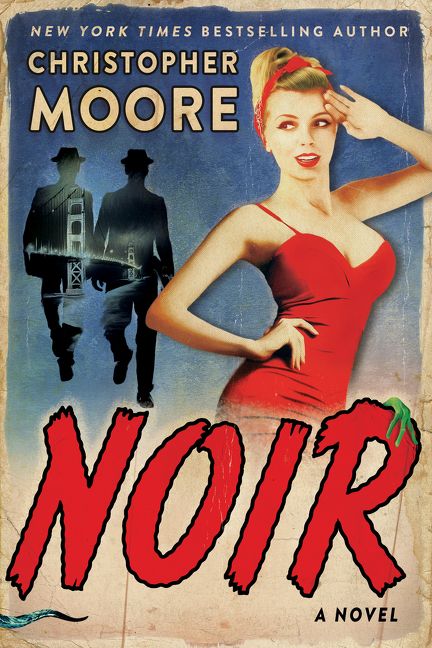
Book Review: NOIR by Christopher Moore (William Morrow 2018)


gary loggins's avatarcracked rear viewer

In between everything else I do, I read about a book a week, mainly mystery fiction. Current favorites include James Lee Burke, Lee Child, Michael Connelly, Janet Evanovich, and John Sandford, all with their own unique styles, and all masters of the genre. But when I need a good laugh, I pick up Christopher Moore. I first became aware of Moore’s work with his brilliant 2002 novel LAMB, OR THE GOSPEL ACCORDING TO BIFF, CHRIST’S CHILDHOOD PAL, an irreverent satire narrated by Jesus’s good buddy Biff that’s as outrageous as it sounds, and sinfully funny to boot.

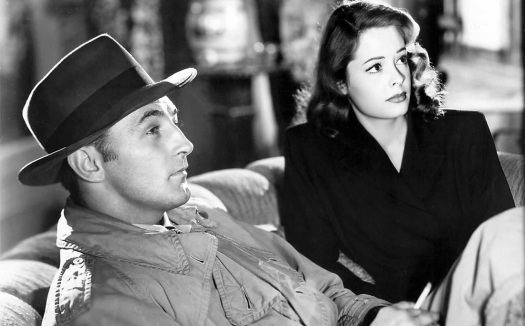
Robert Mitchum and Jane Greer in “Out of the Past” (RKO 1947) have nothing on Sammy and The Cheese!

This time around, Moore goes from taking on the Scriptures to the hard-boiled world of Raymond Chandler and Dashiell Hammett. The novel is set in 1947 San Francisco, a very good year for noir

View original post 303 more words

12 Days of Random Christmas Songs: “Green Chri$tma$” by Stan Freberg (Capitol Records 1958)


gary loggins's avatarcracked rear viewer

Satirist Stan Freberg’s fertile comic mind conceived “Green Chri$tma$”, a skewering of the commercialization of Christmas that’s as relevant now as it was 59 years ago. Though not technically a ‘Christmas song’, it’s a hilarious comedy classic that dumps a lump of coal in the wacky world of advertising. Also featuring the voice talents of Daws Butler, Marvin Miller, and Will Wright, enjoy “Green Chri$tma$” (and dig the vintage print ads in the video!):

View original post

Prophet Without Honor: Timothy Carey’s THE WORLD’S GREATEST SINNER (Timothy Carey 1962)


gary loggins's avatarcracked rear viewer

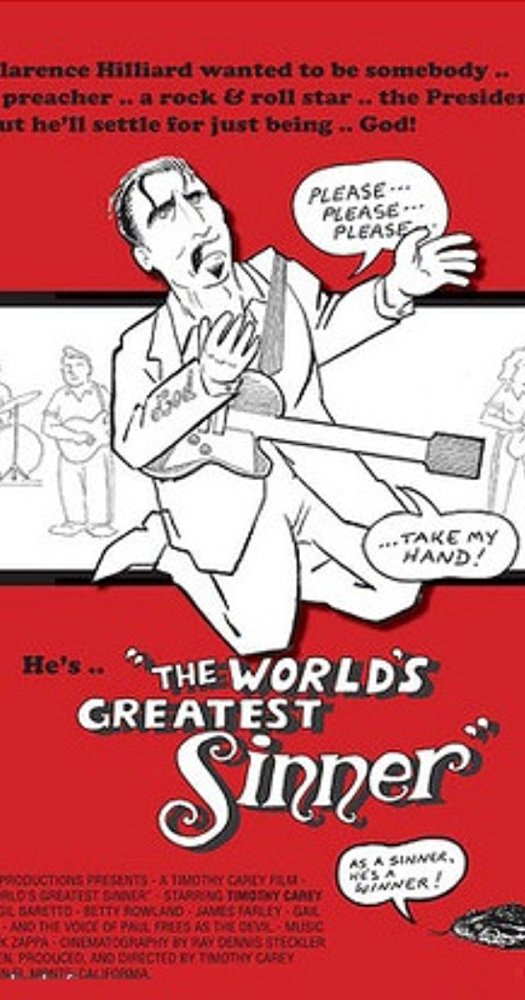
Timothy Agoglia Carey (1929-1994) was an eccentric, oddball actor who played in everything from early Stanley Kubrick films (THE KILLING, PATHS OF GLORY) to AIP Beach Party romps (BIKINI BEACH, BEACH BLANKET BINGO ). He had the look of an overfed vampire, and was noted for his off-the-wall characterizations. Carey didn’t play the Hollywood game, considering himself an artist, and you’ve got to admire that. In 1962, he made a film called THE WORLD’S GREATEST SINNER, which he produced, directed, wrote, starred in, and released himself. Top THAT, Orson Welles!.

This ultra-low-budget film is totally bizarre right off the rip. Insurance man Clarence Hilliard (Carey) gets himself fired from his job after telling people they don’t need insurance. He wants more out of life, believing man is a superbeing, and begins to set himself up as a God. After watching a rock’n’roll teen idol, Clarence becomes a charismatic, guitar-toting, fiery…

View original post 373 more words

Dead Pigeons Make Easy Targets: THE CHEAP DETECTIVE (Columbia 1978)


gary loggins's avatarcracked rear viewer

THE CHEAP DETECTIVE could easily be subtitled “Neil Simon Meets MAD Magazine”. The playwright and director Robert Moore had scored a hit with 1976’s MURDER BY DEATH, spoofing screen PI’s Charlie Chan, Sam Spade, and Nick & Nora Charles, and now went full throttle in sending up Humphrey Bogart movies. Subtle it ain’t, but film buffs will get a kick out of the all-star cast parodying THE MALTESE FALCON, CASABLANCA , TO HAVE AND HAVE NOT, and THE BIG SLEEP .

Peter Falk  does his best Bogie imitation as Lou Peckinpaugh, as he did in the previous film. When Lou’s partner Floyd Merkle is killed, Lou finds himself in a FALCON-esque plot involving some rare Albanian Eggs worth a fortune. Madeline Kahn , John Houseman, Dom De Luise , and Paul Williams stand in for Mary Astor, Sydney Greenstreet, Peter Lorre, and Elisha Cook Jr, respectively, and they milk it for every…

View original post 334 more words

Cockeyed Caravan: SULLIVAN’S TRAVELS (Paramount 1941)


gary loggins's avatarcracked rear viewer

sul1

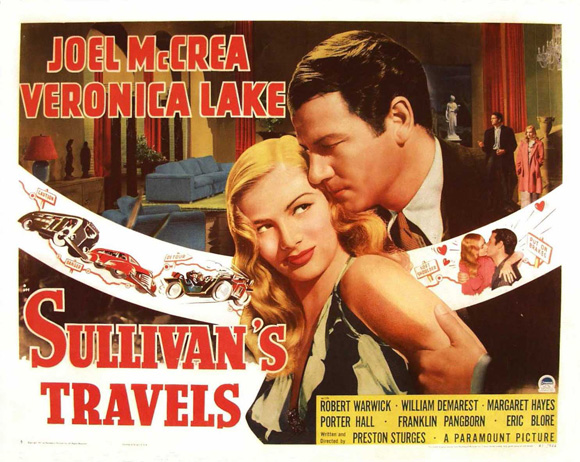
I’m no expert on Preston Sturges, having seen only two of his films, but after viewing SULLIVAN’S TRAVELS I now have a craving to see them all! This swift (and Swiftian) satire on Hollywood stars Joel McCrea as a successful slapstick comedy director yearning to make important, socially conscious films who gets more than he bargained for when he hits the road to discover what human misery and suffering is all about.

John L. “Sully” Sullivan sets his studio bosses on their collective ear when he tells them he wants to film an adaptation of ” O Brother, Where Art Thou?”, a serious novel by ‘Sinclair Beckstein’. The head honcho balks, wanting Sully to do another comedy, but Sully’s not dissuaded, deciding to see what life among the downtrodden is first-hand. He dresses in rags and sets out on his quest, followed by a gaggle of PR flacks in a bus. Somehow he…

View original post 558 more words

Poli-Tricksters: The Marx Brothers in DUCK SOUP (1933)


DuckSoup1When I heard TCM was airing DUCK SOUP tonight, I set the DVR. I got home as soon as I could (after an excellent Tom Rush concert) and began watching before it was finished recording. This is one of my favorite movies of all time, right up there in my personal comedy pantheon with such gems as AIRPLANE! and BLAZING SADDLES. It’s one of the most anarchic comedies ever made, and certainly one of the funniest.  If you think today’s politicians are a bunch of looney tunes, wait til you get a load of these guys.

We begin as Freedonia is on the brink of bankruptcy. Mrs. Teasdale (perennial Marx foil Margaret Dumont) will loan the country twenty million dollars only if her choice of leader is appointed. She wants Rufus T. Firefly (Groucho), a sarcastic, lecherous wise guy (Teasdale: “It’s a gala day for you.” Firefly: “Well, a gal a day is plenty for me, I don’t think I can handle any more”). Firefly’s accompanied by his personal secretary, Bob Roland (Zeppo). Meanwhile, Ambassador Trentino of rival Sylvania plots to woo the old dame for her money. He sends his two top spies, Chicolini and Pinky (Chico and Harpo), disguised as peanut vendors, to dig up dirt on Firefly.

Soon Chicolini is made secretary of war. Firefly and Bob, suspecting Trentino’s up to no good, devise a plan to insult Trentino and start a war. But Rufus is the one insulted when Trentino calls him an “upstart”, and war is declared! The spies are sent to Mrs. Teasdale’s house to steal Freedonia’s war plans, and they both impersonate Firefly to perform the dastardly deed. Chicolini gets caught and is put on trial for treason. The trial’s interrupted by Trentino, who’s come to make amends with Firefly. But the ‘headstrong’ Rufus ends up slapping the ambassador again, and the war is on.

The battle of Freedonia begins, with the brothers dressed in different war uniforms as the battle rages.  The bullets fly, as do the jokes (Bob: “General Smith reports a gas attack. He wants to know what to do.” Firefly: “Tell him to take a teaspoon of bicarbonate of soda and half a glass of water.”) Eventually, Sylvania is defeated when Trentino’s head gets trapped in a door and the madcap brothers pelt him with fruit, causing him to surrender. Freedonia victorious!

It’s hard to describe all the lunacy this film offers. The puns and one-liners fly fast and furious (my favorite line: “Remember we’re fighting for this woman’s honor, which is more than she ever did.”) Sight gags abound, like the running battle between the peanut vending spies and lemonade stand owner Edgar Kennedy. And of course there’s the classic ‘mirror scene’ with Groucho and Harpo, later reprised by the silent Harpo and Lucille Ball in TV’s I LOVE LUCY.

This was the last of five films the Marxes made for Paramount Pictures. DUCK SOUP was so ahead of it’s time, the movie did poor at the box-office, as they were released from their contract. Signing with MGM in 1935, the boys went on to star in hits like A NIGHT AT THE OPERA and A DAY AT THE RACES. But for sheer, unadulterated Marx madness, this is just their greatest comedy, indeed one of the best of all time. If you didn’t watch the broadcast, I hope you DVR’d it. And if you didn’t, go out and find a copy quick. I guarantee you won’t be disappointed. Hail, hail Freedonia!!

Scenes I Love: A Face In The Crowd


Located below is the famous Vitajex advertising montage from Elia Kazan’s 1957 film, A Face In The CrowdEverytime I see this, I wonder if maybe American audiences in the 50s were smarter than we give them credit for. 

Then again, A Face in The Crowd was a notorious financial and critical failure when it was first released.  It’s actually one of the best and most influential movies ever made.  Certainly, it’s one of the few Kazan films that still seems artistically relevent today.  It should also be noted that A Face in the Crowd features Anthony Franciosa years before his starring turn in Dario Argento’s Tenebrae, Andy Griffith playing a villain, the film debut of Lee Remick, Walter Matthau as a tv writer, and Patricia Neal having a nervous breakdown.  Supposedly, a very young Rip Torn is somewhere in this film as well but I’ve never been able to spot him.

A Quickie With Lisa Marie: Putney Swope (dir. by Robert Downey, Sr.)


One of my favorite recent DVD discoveries is an underground film from 1969 called Putney Swope.   Directed by Robert Downey, Sr. (who, as we all know, was the father of not only Iron Man and Sherlock Holmes but Sgt. Osiris as well!), Putney Swope is a hilarious satire of advertising, race relations, and everything in between.  It’s a must-see for anyone interested in American independent film, American satire, or just plain vulgarity in the service of art and humor.

Since the film takes place at the Truth and Soul Advertising Agency, it features several fake commercials that are so spot-on perfect that they could easily pass for the real thing if not for all the profanity and occasional nudity.  Below is my favorite Truth and Soul Commercial: