Guilty Pleasure No. 116: Girl Series (by Kevin J. Taylor)


Girl by Kevin J. Taylor: Taboo Erotica That’s Pure ’90s Id

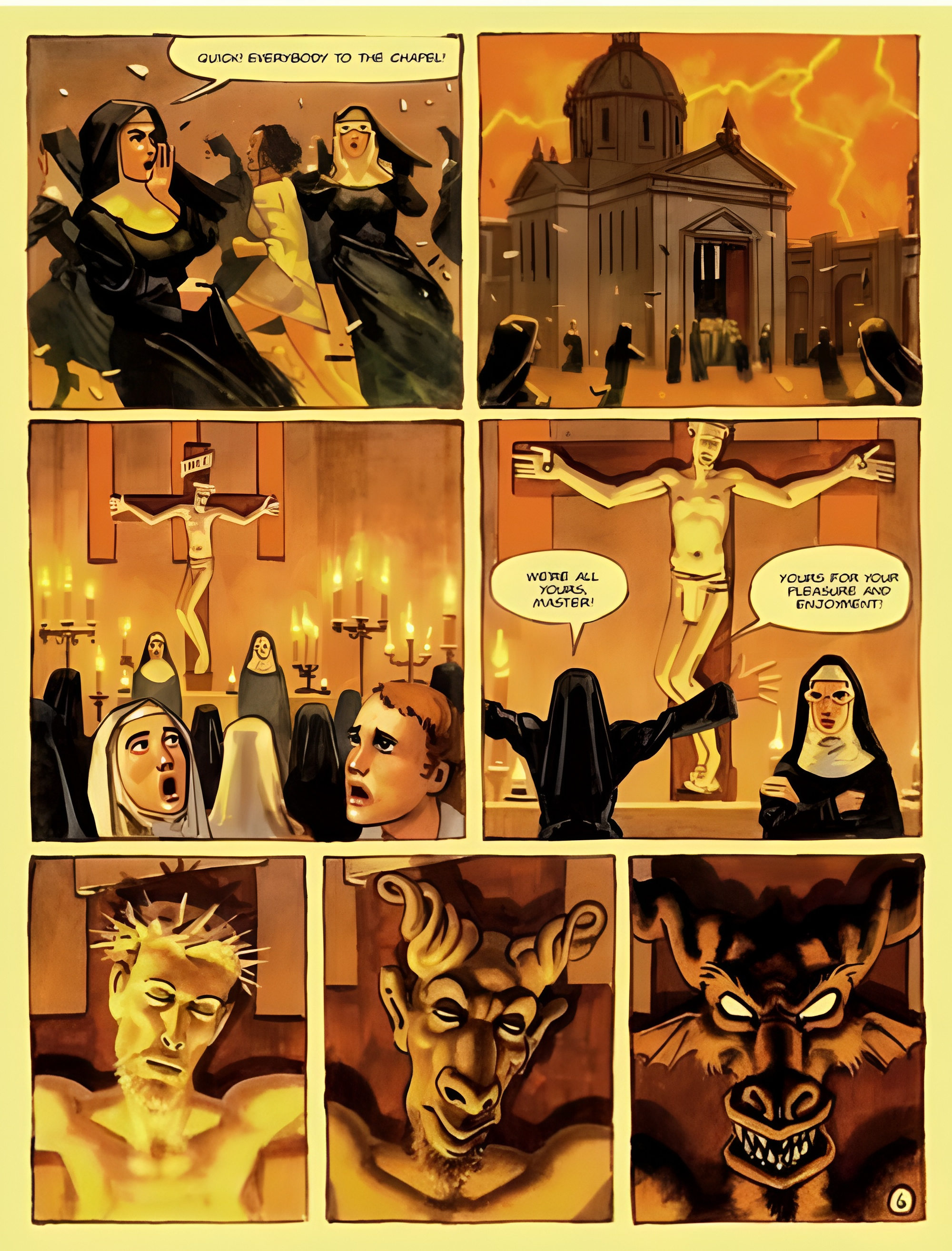
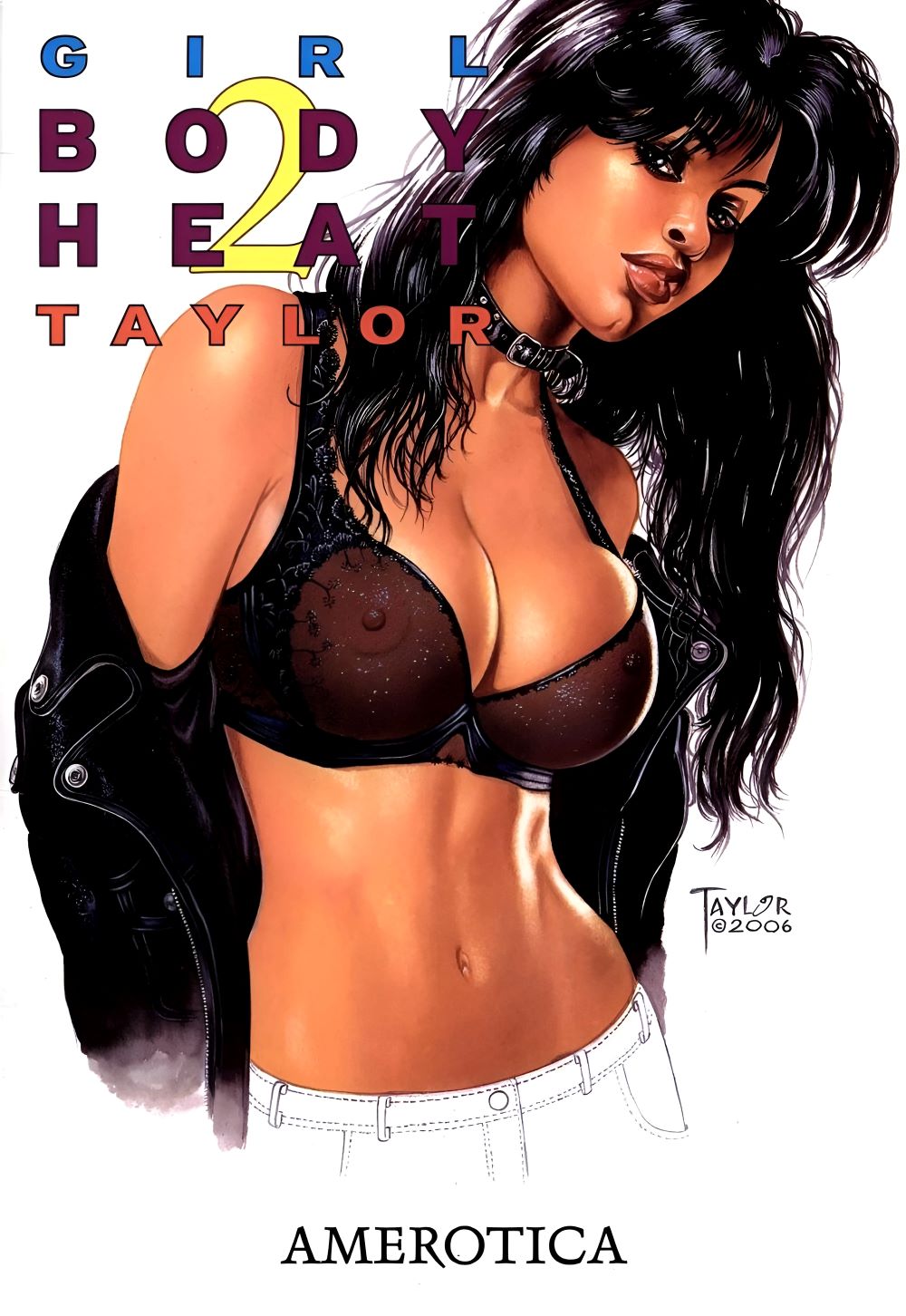
As a collector of comics of all kinds during the ’90s and early aughts, Girl was one of those titles relegated to the adult section of the comic book store—I can attest that many teens eyed that area with reverence and anticipation for the guilty pleasures awaiting them. Most would be disappointed with the stuff on those shelves, but Taylor’s comic series was not one of them; for good or ill, it drew people in like a magnet. The comic gained a wider audience when released by NBM Publishing in 1999, but comic fans knew of this series much earlier when it had been self-published by Taylor during the early ’90s.

It stars “Girl,” this busty dancer-turned-witch who kicks off the fun at the Cloven Hoof occult shop and her gig at the Kat Kat club, where her moves accidentally unleash horny hellspawn. Across its run, the project is made up of two volumes of the mainline Girl title and several spin-offs and related books, including Rule of Darkness, Co-Ed Diaries, Body Heat, Kama Sutra, and others, which together expanded the series into a larger adult-comics universe. Across these volumes, it’s all lust-fueled peril, and yeah, this review’s diving into why some see it as liberating pulp heaven while others call it a hot mess of outdated tropes.

Girl’s deal is simple but addictive: she’s slinging spells and poles, calling up demons for kinky romps that go sideways fast. Early books like the debut hit hard with quick chaos, then you get Body Heat packing erection-themed shorts, Rule of Darkness going full occult gloom, and the Second Coming trilogy ramping up to orgy-apocalypses. It’s got that Tales from the Crypt meets Penthouse vibe—grimy city nights bleeding into fiery underworld hookups—keeping things pulpy without pretending to be deep lore.

On the “artistic freedom” side, Taylor just lets it rip, with Prince emerging as a huge influence on the character designs—the artist himself channels a deep fascination with the musician, using his sleek likeness and glam swagger as the base for many male characters, while Girl struts as an avid Prince fan herself. Girl’s no victim; she starts the pacts, outsmarts devils, and owns her body like a boss, which felt super rebellious back when comics were getting all sanitized. The black-and-white art? Killer—curvy shadows, dynamic spreads of tentacle tangles and mid-air ecstasy that scream Frazetta pin-ups with a naughty twist. The series was mostly in black-and-white art in the first 10-15 years but soon transitioned to full color in the 2000s. Fans ate it up as a no-holds-barred fantasy zone, where exaggerated boobs and bad puns (“demonically delicious!”) were just part of the campy fun, echoing Heavy Metal‘s glory days.

But flip the coin, and it’s not just leaning into what critics see as perpetuating racial and sexual stereotypes—it’s also pushing the sort of extreme pornography that had American suburbia up in arms, with the series causing further controversy due to its treatment of organized religion which only fed the outrage from that crowd. The sexual stuff cranks stripper tropes to eleven, with Girl and sidekicks like Jill (Part-Time Lover) as walking wet dreams, consent blurring in demon romps that mix peril with nonstop explicit action.

Demons often play the exotic, hulking “other” with dark skins and primal urges chasing pale flesh, hitting cringey colonial fetish notes alongside graphic tentacle play and orgies that made PTA moms freak—think full-frontal infernal excess way beyond tame T&A, all while mocking holy symbols, clergy, and sacred rituals in ways that had church groups seeing red. Not outright hateful, but that combo of lazy shorthand, boundary-smashing smut, and anti-religious jabs made it feel regressive instead of edgy, sparking real backlash in the buttoned-up ’90s heartland.

Taylor’s visuals carry the load, no doubt. Rule of Darkness nails shadowy ritual vibes with flames licking curves, Body Heat‘s shorts flex his anatomy game without going full cartoon, and Second Coming ties it into bigger stakes. Monochrome keeps it intimate and gritty, though the hyper-proportions can tip into caricature, and repetition sets in by later volumes like Body Heat 2.

Girl stands as a vivid ’90s time capsule, capturing an era of unrestrained excess before cultural sensitivities tightened. Advocates for artistic freedom argue that its stereotypes and provocative content serve as exaggerated satire, offering an unfiltered outlet for taboo fantasies; critics counter that it reinforces harmful tropes while thrusting shocking imagery into the face of mainstream discomfort. Taylor’s independent spirit is evident throughout, influencing contemporary erotic webcomics, though the series ultimately compels readers to weigh its bold expression against its problematic elements.

The series itself, which began as a backroom, self-published adult comic and then gained a wider audience during the late ’90s and early aughts, has returned to its early roots as Taylor has resumed self-publishing via online crowdfunding. Pros: raw, unfiltered energy and drool-worthy art. Cons: shallow plots, iffy ethics, and those dated vibes. Girl is guilty-pleasure nitro—dive in if you’re game, but don’t say I didn’t warn ya about the demons.

Previous Guilty Pleasures

  1. Half-Baked
  2. Save The Last Dance
  3. Every Rose Has Its Thorns
  4. The Jeremy Kyle Show
  5. Invasion USA
  6. The Golden Child
  7. Final Destination 2
  8. Paparazzi
  9. The Principal
  10. The Substitute
  11. Terror In The Family
  12. Pandorum
  13. Lambada
  14. Fear
  15. Cocktail
  16. Keep Off The Grass
  17. Girls, Girls, Girls
  18. Class
  19. Tart
  20. King Kong vs. Godzilla
  21. Hawk the Slayer
  22. Battle Beyond the Stars
  23. Meridian
  24. Walk of Shame
  25. From Justin To Kelly
  26. Project Greenlight
  27. Sex Decoy: Love Stings
  28. Swimfan
  29. On the Line
  30. Wolfen
  31. Hail Caesar!
  32. It’s So Cold In The D
  33. In the Mix
  34. Healed By Grace
  35. Valley of the Dolls
  36. The Legend of Billie Jean
  37. Death Wish
  38. Shipping Wars
  39. Ghost Whisperer
  40. Parking Wars
  41. The Dead Are After Me
  42. Harper’s Island
  43. The Resurrection of Gavin Stone
  44. Paranormal State
  45. Utopia
  46. Bar Rescue
  47. The Powers of Matthew Star
  48. Spiker
  49. Heavenly Bodies
  50. Maid in Manhattan
  51. Rage and Honor
  52. Saved By The Bell 3. 21 “No Hope With Dope”
  53. Happy Gilmore
  54. Solarbabies
  55. The Dawn of Correction
  56. Once You Understand
  57. The Voyeurs 
  58. Robot Jox
  59. Teen Wolf
  60. The Running Man
  61. Double Dragon
  62. Backtrack
  63. Julie and Jack
  64. Karate Warrior
  65. Invaders From Mars
  66. Cloverfield
  67. Aerobicide 
  68. Blood Harvest
  69. Shocking Dark
  70. Face The Truth
  71. Submerged
  72. The Canyons
  73. Days of Thunder
  74. Van Helsing
  75. The Night Comes for Us
  76. Code of Silence
  77. Captain Ron
  78. Armageddon
  79. Kate’s Secret
  80. Point Break
  81. The Replacements
  82. The Shadow
  83. Meteor
  84. Last Action Hero
  85. Attack of the Killer Tomatoes
  86. The Horror at 37,000 Feet
  87. The ‘Burbs
  88. Lifeforce
  89. Highschool of the Dead
  90. Ice Station Zebra
  91. No One Lives
  92. Brewster’s Millions
  93. Porky’s
  94. Revenge of the Nerds
  95. The Delta Force
  96. The Hidden
  97. Roller Boogie
  98. Raw Deal
  99. Death Merchant Series
  100. Ski Patrol
  101. The Executioner Series
  102. The Destroyer Series
  103. Private Teacher
  104. The Parker Series
  105. Ramba
  106. The Troubles of Janice
  107. Ironwood
  108. Interspecies Reviewers
  109. SST — Death Flight
  110. Undercover Brother
  111. Out for Justice
  112. Food Wars!
  113. Cherry
  114. Death Race
  115. The Beast Within

Guilty Pleasure No. 113: Cherry (by Larry Welz)


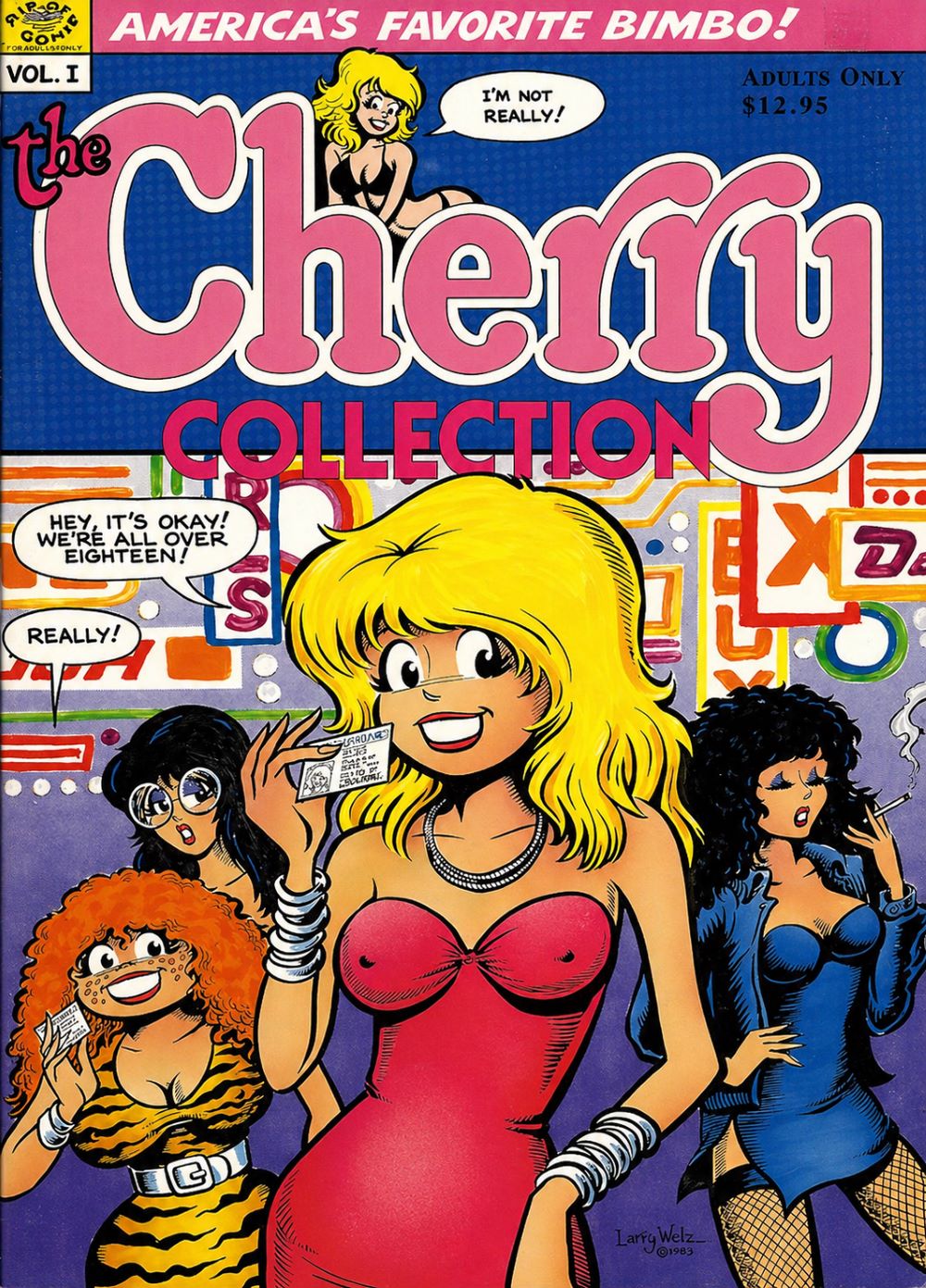
In the sprawling, often grimy landscape of underground comics, few characters have managed to carve out as distinct—or as controversial—a niche as Cherry, the perpetually eighteen-year-old protagonist born from the mind of cartoonist Larry Welz. Originally debuting in 1971 under the moniker Cherry Poptart, the character became a fixture of counter-culture erotica, eventually settling into a self-titled series that would span decades. Welz’s work was instrumental in helping to usher in the vibrant, anarchic underground comics movement in San Francisco during the tumultuous social and political landscape of the 1960s and 1970s. Engaging with Cherry today is an exercise in complex appreciation; it is the definition of a “guilty pleasure,” a work that exists at the intersection of satirical wit, overt hedonism, and a stylistic homage to the quintessential American comic book aesthetic.

At the core of the series’ appeal is the striking contrast between its visual presentation and its mature, often raunchy subject matter. Welz famously adopted an art style that directly mirrored the work of Dan DeCarlo, the legendary artist who defined the iconic look of the Archie comics. By utilizing the clean, “happy teenager” lines of mid-century Americana—often associated with the wholesome, classic adventures of Riverdale—and infusing them with unrestrained, sex-positive, and frequently explicit content, Welz created a powerful visual dichotomy. This deliberate juxtaposition of a quintessential teen comic aesthetic with an adults-only narrative creates a jarring, transgressive experience that makes the work particularly effective as a guilty pleasure. There is an undeniable, subversive thrill in seeing character designs that evoke the innocent charm of Betty or Veronica placed in scenarios that would have sent the strict mid-century Comics Code Authority into a tailspin.

The character of Cherry herself is a fascinating, if problematic, focal point. Defined by her insatiable curiosity, liberal attitude, and complete lack of inhibitions, she is less of a traditional narrative character and more of an agent of chaos who wanders through various high-school-adjacent tropes. Because she remains eighteen, the series avoids the weight of traditional character growth, opting instead for an episodic format where the pleasure is derived entirely from the immediate situation—be it a pop-culture parody, a bizarre social commentary, or a sexual escapade. While the series is categorized as erotica, to dismiss it solely as such is to overlook the sharp satirical edge that occasionally pokes through the panels. Fans of the underground and transgressive culture scene often point out that Cherry frequently served as a vehicle for Welz to comment on the broader socio-political zeitgeist of the era. By utilizing the “anything goes” freedom of the underground press, the series tackled issues and social norms that mainstream comics dared not touch, masking biting critiques within its provocative and irreverent framing.

This thematic depth, however, exists in tension with the repetitive nature of the stories. As a guilty pleasure, the series relies on a specific cadence: the setup of a conventional trope, the predictable introduction of sexual absurdity, and the punchline. For the dedicated reader, this repetition is comforting and familiar, but it is also the source of the series’ main weakness. There are moments where the narrative feels like it is running on fumes, and the reliance on sexual shock value can feel stagnant compared to more modern or structurally daring indie comics. Furthermore, admitting to enjoying Cherry in a contemporary landscape is complicated by how the series has—or hasn’t—aged. Much of the humor and the treatment of gender dynamics feel firmly rooted in the specific, often male-gaze-dominated world of mid-century underground comix.

Consequently, it is a work that requires a reader to compartmentalize; one can admire the historical significance of Welz’s contribution to erotic art and the audacity of his stylistic parody while simultaneously acknowledging that the execution of certain themes feels archaic. This is why Cherry remains a quintessential guilty pleasure. It does not aim for the lofty aspirations of a graphic novel masterpiece, nor does it try to serve as a beacon of progressive morality. Instead, it succeeds as a piece of “low-brow” entertainment that is proud of its own transgression. The inclusion of guest work, such as a rare script by Neil Gaiman in Cherry Deluxe, highlights that the series was often respected within its own subculture as a legitimate, if edgy, playground for creative expression.

Looking back, the series acts as a testament to the “anything goes” ethos of the underground press era. While there are certainly other adult-oriented comics that might offer more robust character arcs or sophisticated storytelling, few manage to balance the specific blend of nostalgia, irreverence, and raw, unapologetic hedonism that defines the Cherry universe. It is a series that invites the reader to lean into the discomfort and find humor in the sheer absurdity of the scenarios. For those who enjoy exploring the fringes of comic history, Cherry remains a vital, if occasionally flawed, artifact. It represents a time when comics were a battlefield for free speech and a canvas for uninhibited adult fantasy. As a guilty pleasure, it holds up because it never pretends to be anything other than what it is: a fun, slightly reckless, and undeniably bold experiment in the possibilities of the medium.

Previous Guilty Pleasures

  1. Half-Baked
  2. Save The Last Dance
  3. Every Rose Has Its Thorns
  4. The Jeremy Kyle Show
  5. Invasion USA
  6. The Golden Child
  7. Final Destination 2
  8. Paparazzi
  9. The Principal
  10. The Substitute
  11. Terror In The Family
  12. Pandorum
  13. Lambada
  14. Fear
  15. Cocktail
  16. Keep Off The Grass
  17. Girls, Girls, Girls
  18. Class
  19. Tart
  20. King Kong vs. Godzilla
  21. Hawk the Slayer
  22. Battle Beyond the Stars
  23. Meridian
  24. Walk of Shame
  25. From Justin To Kelly
  26. Project Greenlight
  27. Sex Decoy: Love Stings
  28. Swimfan
  29. On the Line
  30. Wolfen
  31. Hail Caesar!
  32. It’s So Cold In The D
  33. In the Mix
  34. Healed By Grace
  35. Valley of the Dolls
  36. The Legend of Billie Jean
  37. Death Wish
  38. Shipping Wars
  39. Ghost Whisperer
  40. Parking Wars
  41. The Dead Are After Me
  42. Harper’s Island
  43. The Resurrection of Gavin Stone
  44. Paranormal State
  45. Utopia
  46. Bar Rescue
  47. The Powers of Matthew Star
  48. Spiker
  49. Heavenly Bodies
  50. Maid in Manhattan
  51. Rage and Honor
  52. Saved By The Bell 3. 21 “No Hope With Dope”
  53. Happy Gilmore
  54. Solarbabies
  55. The Dawn of Correction
  56. Once You Understand
  57. The Voyeurs 
  58. Robot Jox
  59. Teen Wolf
  60. The Running Man
  61. Double Dragon
  62. Backtrack
  63. Julie and Jack
  64. Karate Warrior
  65. Invaders From Mars
  66. Cloverfield
  67. Aerobicide 
  68. Blood Harvest
  69. Shocking Dark
  70. Face The Truth
  71. Submerged
  72. The Canyons
  73. Days of Thunder
  74. Van Helsing
  75. The Night Comes for Us
  76. Code of Silence
  77. Captain Ron
  78. Armageddon
  79. Kate’s Secret
  80. Point Break
  81. The Replacements
  82. The Shadow
  83. Meteor
  84. Last Action Hero
  85. Attack of the Killer Tomatoes
  86. The Horror at 37,000 Feet
  87. The ‘Burbs
  88. Lifeforce
  89. Highschool of the Dead
  90. Ice Station Zebra
  91. No One Lives
  92. Brewster’s Millions
  93. Porky’s
  94. Revenge of the Nerds
  95. The Delta Force
  96. The Hidden
  97. Roller Boogie
  98. Raw Deal
  99. Death Merchant Series
  100. Ski Patrol
  101. The Executioner Series
  102. The Destroyer Series
  103. Private Teacher
  104. The Parker Series
  105. Ramba
  106. The Troubles of Janice
  107. Ironwood
  108. Interspecies Reviewers
  109. SST — Death Flight
  110. Undercover Brother
  111. Out for Justice
  112. Food Wars!

Guilty Pleasure No. 107: Ironwood (by Bill Willingham)


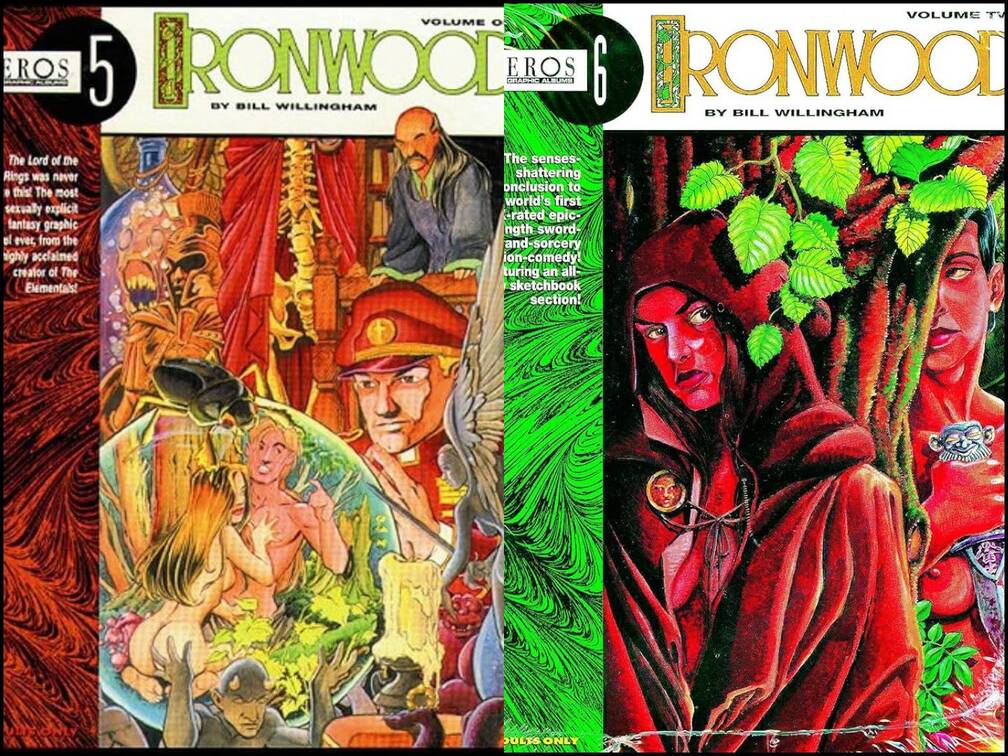
Bill Willingham’s Ironwood is the sort of graphic novel that lives in the uneasy space between bawdy escapism and unexpectedly thoughtful worldbuilding, making it a quintessential guilty pleasure that some readers insist on treating as near–high art. It is at once shamelessly pornographic and surprisingly committed to telling a coherent sword‑and‑sorcery story, which means your mileage will depend heavily on whether you can accept explicit sex as an integral—often dominant—part of the narrative rather than a tacked‑on indulgence.

Published by Eros Comix in the early 1990s, Ironwood ran for eleven issues and was later collected into two trade paperbacks that have acquired a minor cult status among fans of erotic fantasy comics. The premise follows Dave Dragovon, a juvenile dragon who appears entirely human because he has not yet matured into his full draconic form, as he is hired by the beautiful and cursed Pandora Breedlswight to seek out the wizard Gnaric and break the spell on her. It is a familiar quest hook—hero, sorcerer, cursed damsel—but Willingham uses it as a loose scaffold on which to hang an almost nonstop parade of sexual encounters, bawdy gags, and bursts of fantastical incident.

As a narrative, Ironwood is better than its reputation as “porn with plot” might suggest, though that label is not entirely unfair. The story is consciously serialized in the classic fantasy‑adventure mode: Dave and Pandora move from one locale to another, encountering wizards, monsters, political schemes, and rival factions, all while the central quest to undo Pandora’s curse gives a sense of forward momentum. Various readers have pointed out that there is genuine political intrigue and thought given to motivations, and you can see Willingham testing out the sort of layered plotting and character dynamics he would later refine in Fables, even if here they are wrapped around mandatory explicit scenes. There are moments when the story is engaging enough that the sex almost feels like an interruption, a dynamic Willingham himself has reportedly acknowledged when noting that fitting in each issue’s required sex scene could break the flow.

Tonally, the book leans heavily into adult humor, but it is not mean‑spirited. The jokes range from clever wordplay and situational comedy to unabashedly adolescent gags, the sort that make you groan even as you recognize they fit this world of oversexed dragons, lecherous wizards, and magically enhanced perversions. In this regard, Ironwood is very much a product of its era: a 1990s underground/alt sensibility that treats fantasy tropes and sexual taboos with the same irreverent shrug. When the humor lands, it gives the book a disarming charm, but when it doesn’t, the dialogue can feel like an overlong dirty joke that mistakes sheer explicitness for wit. Still, there is a lightness here—especially in Dave’s reactions and the deadpan absurdity of certain magical mishaps—that keeps the series from tipping into grim or exploitative darkness, despite its plentiful kinks.

Visually, Willingham’s art is the most persuasive argument for why some readers champion Ironwood as something more than disposable smut. His linework is clean and expressive, with a confident sense of anatomy, staging, and page composition that gives both the action and the erotic scenes a fluid, readable rhythm. The fantasy settings are detailed without being cluttered; taverns, towers, and mystical landscapes all feel like lived‑in spaces rather than generic backdrops for sex scenes. The character designs, especially Pandora and the various magical oddballs, show a cartoonist relishing the chance to exaggerate physicality and personality in equal measure, which goes a long way toward making these figures feel like characters rather than mere bodies.

That said, the erotic content is not merely frequent—it is foundational, and that is where Ironwood becomes a textbook guilty pleasure. This is an unabashedly hardcore series: explicit sex acts, imaginative uses of magic for sexual purposes, and sequences that leave nothing to implication. Devices like a hydra‑head spell repurposed so a character can pleasure multiple partners at once are emblematic of the book’s gleeful “power perversion potential,” embracing the logic of a sex‑obsessed Dungeons & Dragons campaign. For readers comfortable with that premise, there is an undeniable energy in the way Willingham integrates erotic spectacle into battles, spells, and negotiations; for others, the same material will read as juvenile, repetitive, or simply exhausting.

Reception among those who have sought out the collected volumes tends to be surprisingly positive, with many praising Ironwood as one of the rare “sex comics” where the story can stand on its own, even if stripped of the explicit content. Fans often note the balance between story, humor, and eroticism, arguing that the plot is engaging enough that the sex becomes a bonus rather than the sole reason to read. This is where the “high art” argument creeps in: within certain circles of fantasy and underground comics readers, Ironwood is celebrated as an early sign of Willingham’s strengths as a writer and artist, and as an example of how erotic comics can pursue worldbuilding and character arcs rather than simple vignettes. Yet that enthusiasm coexists with acknowledgment that, without the sex, this would largely be a light, sometimes flimsy adventure—a fun romp, but not a lost masterpiece of the medium.

In a broader context, Ironwood sits at an interesting crossroads in Willingham’s career and in the evolution of adult comics. Knowing his later mainstream success, you can see how this early project let him experiment with long‑form storytelling, recurring cast chemistry, and a blend of mythic and mundane concerns, all while operating in a corner of the market that gave him almost total creative freedom. That creative freedom is both the book’s greatest strength and its biggest barrier to entry: it delivers exactly the kind of unfiltered fantasy‑erotica hybrid it promises, but that same purity of purpose locks it firmly into the realm of niche appetite.

Ultimately, Ironwood is best approached with clear expectations and a sense of humor. As a graphic novel, it is technically accomplished, often funny, and occasionally more narratively ambitious than its reputation suggests, which explains why some fans will defend it as a minor classic of erotic fantasy comics. At the same time, its relentless explicitness, adolescent impulses, and lightweight core plot mark it firmly as a guilty pleasure—one that knows exactly what it is and never pretends otherwise, even as a devoted subset of readers insists on elevating it to the status of “high art.”

Previous Guilty Pleasures

  1. Half-Baked
  2. Save The Last Dance
  3. Every Rose Has Its Thorns
  4. The Jeremy Kyle Show
  5. Invasion USA
  6. The Golden Child
  7. Final Destination 2
  8. Paparazzi
  9. The Principal
  10. The Substitute
  11. Terror In The Family
  12. Pandorum
  13. Lambada
  14. Fear
  15. Cocktail
  16. Keep Off The Grass
  17. Girls, Girls, Girls
  18. Class
  19. Tart
  20. King Kong vs. Godzilla
  21. Hawk the Slayer
  22. Battle Beyond the Stars
  23. Meridian
  24. Walk of Shame
  25. From Justin To Kelly
  26. Project Greenlight
  27. Sex Decoy: Love Stings
  28. Swimfan
  29. On the Line
  30. Wolfen
  31. Hail Caesar!
  32. It’s So Cold In The D
  33. In the Mix
  34. Healed By Grace
  35. Valley of the Dolls
  36. The Legend of Billie Jean
  37. Death Wish
  38. Shipping Wars
  39. Ghost Whisperer
  40. Parking Wars
  41. The Dead Are After Me
  42. Harper’s Island
  43. The Resurrection of Gavin Stone
  44. Paranormal State
  45. Utopia
  46. Bar Rescue
  47. The Powers of Matthew Star
  48. Spiker
  49. Heavenly Bodies
  50. Maid in Manhattan
  51. Rage and Honor
  52. Saved By The Bell 3. 21 “No Hope With Dope”
  53. Happy Gilmore
  54. Solarbabies
  55. The Dawn of Correction
  56. Once You Understand
  57. The Voyeurs 
  58. Robot Jox
  59. Teen Wolf
  60. The Running Man
  61. Double Dragon
  62. Backtrack
  63. Julie and Jack
  64. Karate Warrior
  65. Invaders From Mars
  66. Cloverfield
  67. Aerobicide 
  68. Blood Harvest
  69. Shocking Dark
  70. Face The Truth
  71. Submerged
  72. The Canyons
  73. Days of Thunder
  74. Van Helsing
  75. The Night Comes for Us
  76. Code of Silence
  77. Captain Ron
  78. Armageddon
  79. Kate’s Secret
  80. Point Break
  81. The Replacements
  82. The Shadow
  83. Meteor
  84. Last Action Hero
  85. Attack of the Killer Tomatoes
  86. The Horror at 37,000 Feet
  87. The ‘Burbs
  88. Lifeforce
  89. Highschool of the Dead
  90. Ice Station Zebra
  91. No One Lives
  92. Brewster’s Millions
  93. Porky’s
  94. Revenge of the Nerds
  95. The Delta Force
  96. The Hidden
  97. Roller Boogie
  98. Raw Deal
  99. Death Merchant Series
  100. Ski Patrol
  101. The Executioner Series
  102. The Destroyer Series
  103. Private Teacher
  104. The Parker Series
  105. Ramba
  106. The Troubles of Janice