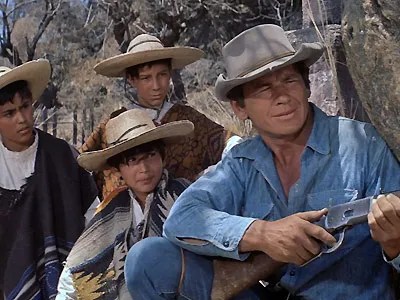
One of my favorite actors, James Coburn, was born on August 31, 1928, and he passed away on November 18, 2002. To celebrate and acknowledge the legend’s birthday, I thought I’d share one of my favorite scenes, and that’s his character’s introduction in THE MAGNIFICENT SEVEN. What makes the scene so impressive is that it comes in on the heels of the badass intro of Bernardo O’Reilly (Charles Bronson) and somehow manages to top it. Enjoy!
Tag Archives: James Coburn
Charles Bronson passed away 23 years ago, today…
I remember where I was when I heard the news that Charles Bronson passed away on August 30, 2003. I was standing outside of my parents’ cabin watching the South Fourche River roll by, when my sister came out and told me that a news report had just come across the TV. My family was there celebrating the Labor Day holiday. The cabin has always been my place of peace, and I guess you can say it was the perfect place to get the news.
In honor of the importance of this day in my life, I thought I would share a couple of scenes that I love from my two favorite Bronson films.
First comes a scene from MR. MAJESTYK where Al Lettier’s mobster tries to bully Majestyk. It doesn’t work out so well for the bully.
Next comes an early scene from HARD TIMES where a smirking opponent underestimates Bronson’s seasoned character of Chaney. Once again, things don’t go well for the smartass.
I’ll never be able to fully explain why I developed a healthy obsession for Charles Bronson when I was a kid growing up in the 1980’s and why that obsession still persists to this day. I may try to put that down on paper someday before I die, but today is not that day. Today, I just want to celebrate my movie hero with some of my favorite films and moments.

Brad’s “4 Shots from 4 Films” remembers Old West legend, Sheriff Pat Garrett!
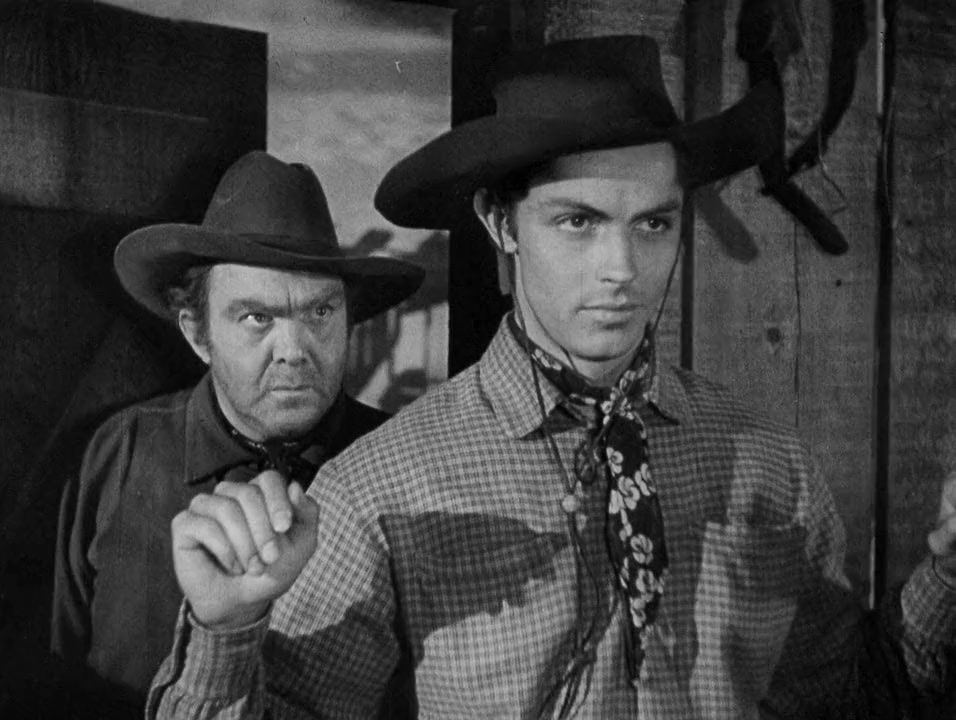
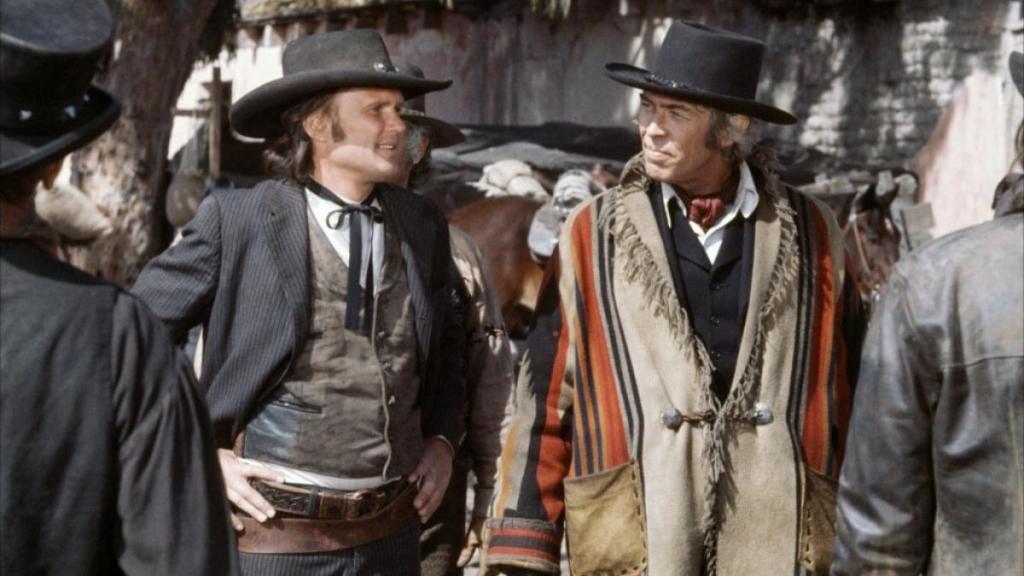
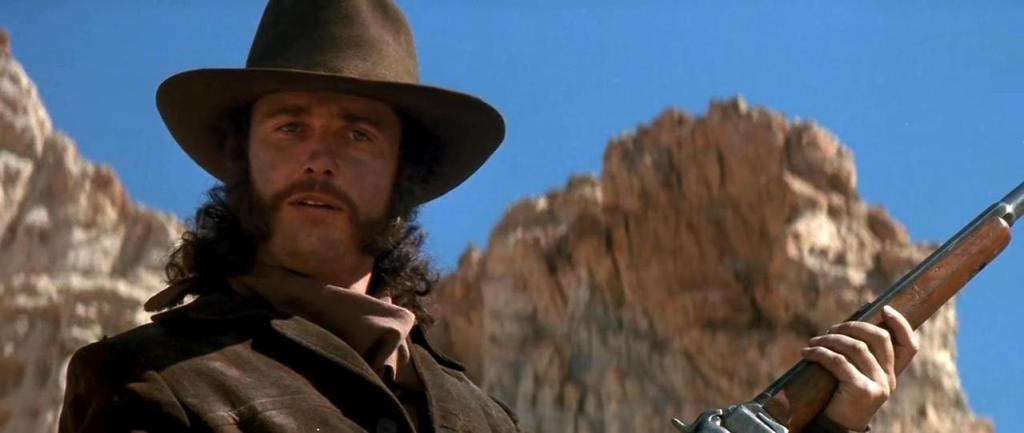
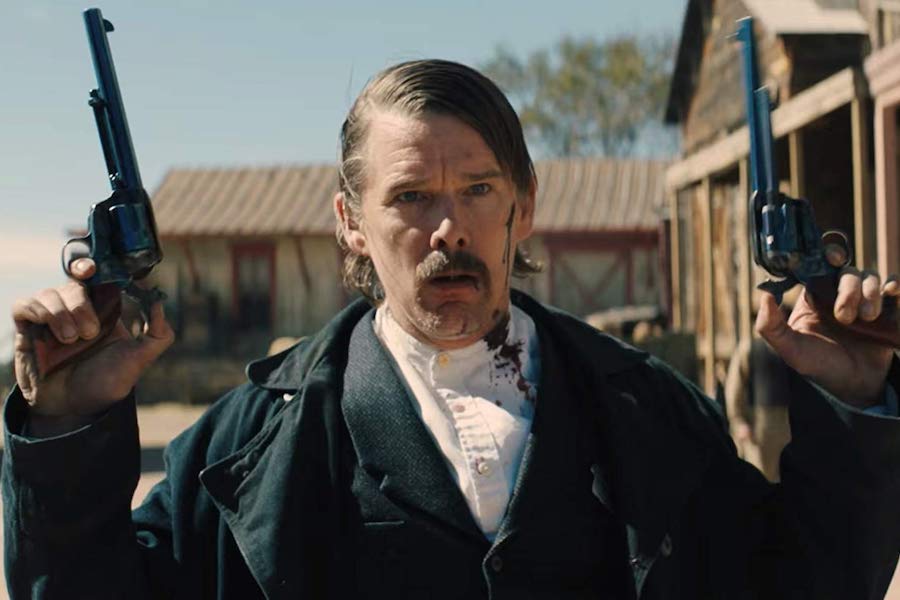
Pat Garrett, the man who shot and killed William “Billy the Kid” Bonney, was born on June 5th, 1850. He’s become a legend of the old west based on that fact, and he’s been portrayed by many different actors over the years in movies and on TV. I love westerns so the stories of Billy the Kid, and thus Pat Garrett, have always been fascinating to me. As such, on the anniversary of the man’s 176th birthday, here are “4 Shots from 4 Films” featuring some notable portrayals of Sheriff Pat Garrett.
Icarus File No. 28: Looker (dir. by Michael Crichton)
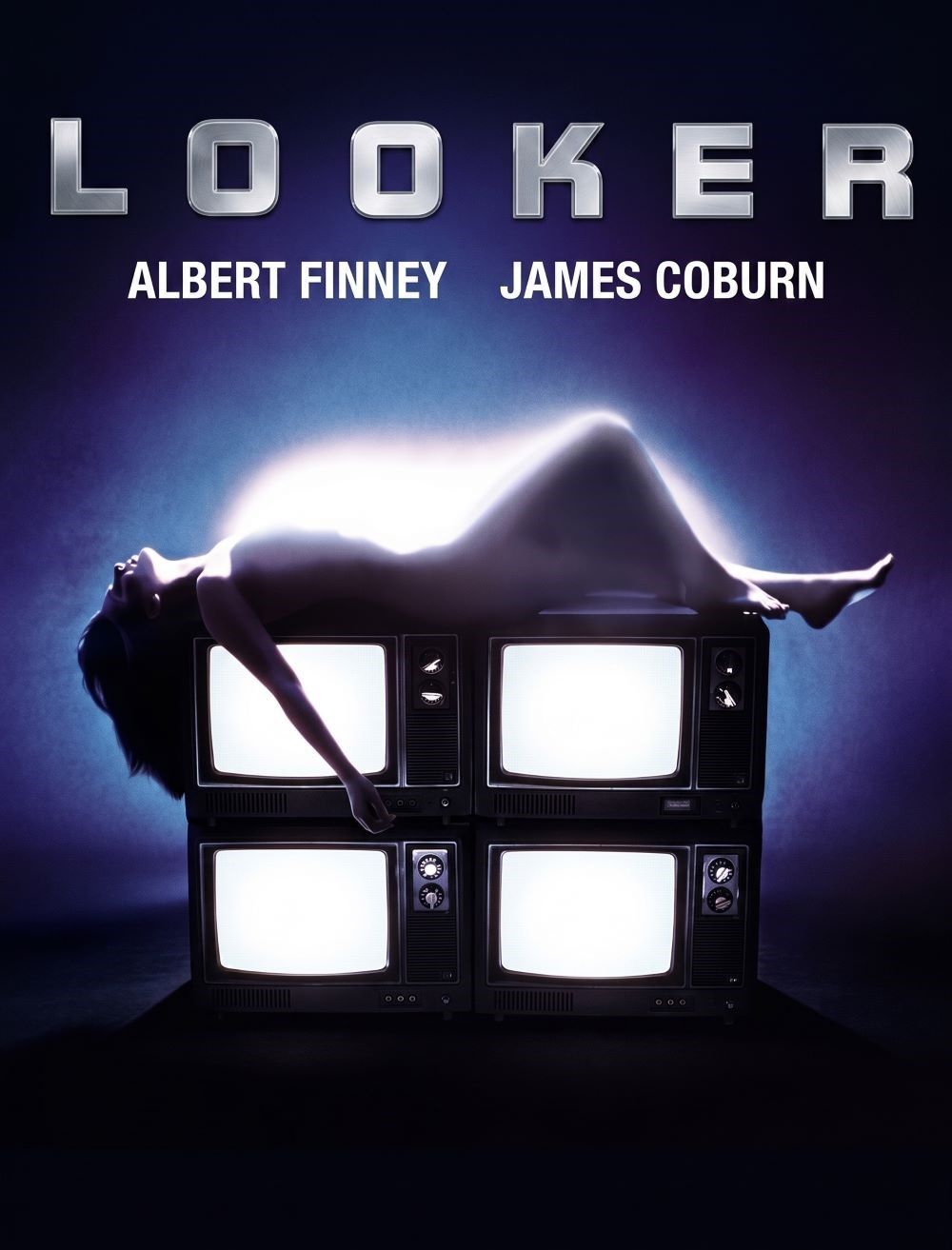
“Hi, I’m Cindy. I’m the perfect female type: 18 to 25. I’m here to sell for you.” — Cindy Fairmont
Looker is one of those 1981 films that, when it first came out, probably felt more like a goofy, slightly overwrought tech‑paranoia thriller than a serious prediction about the future. On paper, the premise—plastic‑surgery‑obsessed models being turned into digital clones for hyper‑tuned TV ads—sounds like a pulpy B‑movie gimmick. But viewed through the lens of right now, with Instagram influencers, AI‑generated content, and algorithm‑driven aesthetics shaping how we think about beauty and success, Looker starts to feel like a strangely accurate, almost eerie forecast. For a movie that was easy to write off as a minor, tonally wobbly Michael Crichton artifact, it does a surprisingly sharp job of outlining the emotional and cultural landscape we’re living in four decades later.
At the center of that landscape is Digital Matrix, the film’s antagonist in the form of a sleek, forward‑looking tech company that positions itself as a clean, rational, and indispensable partner to the advertising world. The company promises to revolutionize marketing by replacing messy, unreliable human models with perfectly calibrated digital avatars optimized to trigger maximum viewer response. That framing—as a neutral, even benevolent innovator—makes it all the more unsettling when its plans take on a distinctly murderous slant. To protect its “LOOKER” system and its vision of a world where perception can be mathematically controlled, Digital Matrix is willing to silence anyone who gets too close to the truth, from test‑subject models to inquisitive doctors. The bodies start piling up just off‑screen, treated as collateral damage in the pursuit of a more efficient, more profitable media ecosystem.
Seen from today’s vantage, Digital Matrix feels like a rough, bluntly drawn prototype of the big tech giants we now live with: polished, data‑driven, media‑centric, and profoundly invested in shaping what we see, buy, and believe. The difference, of course, is that modern tech behemoths are a lot better at hiding the bodies. In the real world, the “harm” is rarely as literal as Looker portrays it; instead, it shows up as algorithm‑driven addictions, mental health erosion, privacy carve‑ups, and the quiet erosion of trust in shared reality. People don’t get zapped by a sinister beam of light in a corporate lab; they get nudged into polarization, over‑consumption, or self‑images so warped that they resemble the film’s surgically obsessed models. The film exaggerates the physical violence, but its broader point—that when a tech company decides it can engineer human behavior at scale, ethical lines start to blur—still rings uncomfortably true.
Crichton’s version of this is less about organic social‑media culture and more about a centralized, corporate‑run system, but the emotional texture is similar. The models in Looker are under pressure to conform to a narrow, algorithmically derived standard of beauty, and the film doesn’t shy away from the toll that takes. They’re not just selling products; they’re being sold as products, their bodies and faces reduced to data points that can be adjusted, duplicated, and replaced. The idea that a person can be scanned, stored, and then endlessly repurposed as a digital avatar also anticipates contemporary debates about deepfakes, AI‑generated influencers, and the fear that real actors, musicians, and creators might be replaced by synthetic versions once their likeness and behavior are sufficiently “trained.” In that sense, Looker reads like an early, slightly clunky draft of the same anxieties we’re only now starting to grapple with at scale.
Where Looker falls short, at least in its day, is in fully articulating what all of this means for the idea of truth. The technology of 1981—not just the film’s budget and effects, but the broader cultural imagination—still assumed that truth was something largely fixed, something you could point to and defend if you had the right facts on your side. The movie flirts with the idea that perception can be manufactured, but it doesn’t really have the tools yet to show how completely that can destabilize the very concept of objective reality. The “LOOKER” system is treated as a kind of brainwashing gadget, a one‑off sci‑fi device rather than the logical endpoint of an entire infrastructure built to measure, model, and manipulate human behavior. The film wants to ask who controls the image, but in the early ’80s that question still felt contained, almost theatrical.
Now, in a world where truth is less about who has the facts in their corner and more about who controls the data, it’s clear how undercooked that idea really was in Looker. Today, truth is less a question of evidence and more a question of access: who has the biggest data centers, who owns the most comprehensive behavioral datasets, who runs the most sophisticated algorithmic matrices for shaping what people see, hear, and believe. Social‑media platforms, search engines, and ad networks don’t just reflect reality; they actively construct it by deciding which voices get amplified, which images get pushed, and which narratives get repeated until they feel like consensus. The company with the most money to build and refine those systems doesn’t just sell products; it sells versions of reality, packaged as personalized feeds, auto‑generated content, and AI‑driven narratives that feel increasingly indistinguishable from the “real” world.
Looker doesn’t fail because the ideas themselves are weak; in fact, the film actually does a fairly solid job of letting those ideas breathe and collide with each other. The problem is that those ideas sounded quite ludicrous within the context of 1981. A company digitally scanning and cloning models to engineer perfect ads, then using a device to subtly manipulate viewers’ minds, felt closer to paranoid pulp fantasy than plausible near‑future speculation. That gap between the film’s ambition and its audience’s willingness to buy into it gives the movie a slightly awkward tone, as if the world around it hasn’t yet caught up to the reality Crichton is trying to describe. The concepts are ahead of their time, which is exactly what makes them feel so prescient now, but back then, that same forward‑thinking quality made them easier to dismiss as silly or overreaching.
That disconnect is compounded by a cast that never quite seems to have fully bought into the film’s themes and narrative, even though several of them are game within the limits of the material. Albert Finney brings his usual grounded, slightly skeptical energy to Dr. Larry Roberts, lending the story a believable human center as the reluctant investigator pulled into Digital Matrix’s orbit. There’s a lived‑in quality to his performance that makes the ethical unease feel real, even when the plot veers into goofy sci‑fi mechanics. James Coburn, meanwhile, chews the scenery with a smarmy, charming conviction that suits Reston perfectly; he plays the corporate tech visionary as someone who genuinely believes in his own rhetoric, which makes his moral bankruptcy feel all the more unsettling. But around them, the rest of the ensemble often feels like it’s treating the premise more as a glossy thriller window dressing than a full‑blown social‑tech critique. The models and executives sometimes land their lines with a kind of detached professionalism that undercuts the deeper anxieties the film is trying to tap into.
As a piece of cultural legacy, Looker works less as a perfectly executed prediction and more as an early, slightly wobbly harbinger of the digital age we’re now fully immersed in. The film’s version of Digital Matrix may look clunky by our standards, but its logic—optimize attention, manufacture desire, and treat people as data to be extracted and reused—has become the default operating system of much of the digital world. The anxiety about who controls the image, who owns the algorithm, and who ultimately shapes what we see as “real” is no longer a speculative sci‑fi concern; it’s baked into the daily experience of social media, deepfake content, and AI‑driven feeds. Looker doesn’t need to be taken as a perfectly accurate prediction; it’s more powerful as a mood piece about the anxieties Crichton saw simmering beneath the surface of media, technology, and consumer culture. And in the way it casts a cutting‑edge tech company as the film’s real antagonist—a corporation whose “progressive” vision of the future quietly slides into murder and control—it feels uncomfortably close to the darker side of today’s Silicon Valley logic, minus the obvious body count but packed with a different kind of damage—one that’s less about visible corpses and more about the quiet erosion of what we can trust to be true.
Looker doesn’t so much fly too high to the sun and then crash‑burn under the weight of its ambition as it does peer through a cracked, slightly distorted future‑looking glass and just keeps staring in the wrong direction until the future finally catches up to it. It’s a film that doesn’t quite hold together as a flawless sci‑fi masterpiece, but it also never fully collapses under its own loftiness the way so many overly serious ’80s tech‑paranoia pictures do. Instead, it lurches forward with a rough, uneven energy that somehow makes its prescience feel more honest than polished. The movie doesn’t provide clean answers or tidy resolutions; it just lays out a set of ideas—about media, authenticity, beauty standards, and corporate control over perception—and then lets them sit in the air long after the credits roll.
Previous Icarus Files:
- Cloud Atlas
- Maximum Overdrive
- Glass
- Captive State
- Mother!
- The Man Who Killed Don Quixote
- Last Days
- Plan 9 From Outer Space
- The Last Movie
- 88
- The Bonfire of the Vanities
- Birdemic
- Birdemic 2: The Resurrection
- Last Exit To Brooklyn
- Glen or Glenda
- The Assassination of Trotsky
- Che!
- Brewster McCloud
- American Traitor: The Trial of Axis Sally
- Tough Guys Don’t Dance
- Reach Me
- Revolution
- The Last Tycoon
- Express to Terror
- 1941
- The Teheran Incident
- Con Man
Brad discusses THE MAGNIFICENT SEVEN (1960), directed by John Sturges!
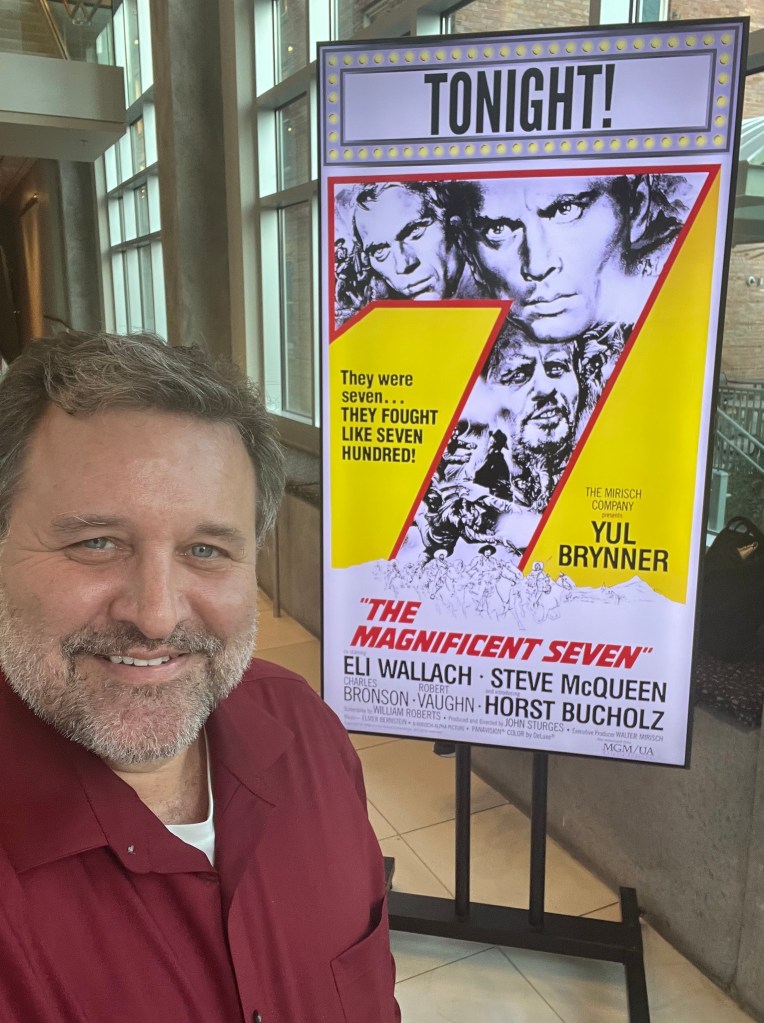
Way back in 1960, Director John Sturges took Akira Kurosawa’s timeless classic SEVEN SAMURAI (1954) and translated its themes of honor and sacrifice into the American western THE MAGNIFICENT SEVEN. A classic on its own, the film stars such cinematic legends as Yul Brynner, Steve McQueen, James Coburn, Eli Wallach, and Charles Bronson. The storyline of a small group of men protecting a village from bandits proved to be an irresistible subject once again, especially the way it was handled here. Its theme music by Elmer Bernstein is one of the most instantly recognizable pieces of music in western cinema. It’s not easy translating a masterpiece without suffering quite negatively in comparison, and I’ve always admired how Sturges and his team of writers were able to create a film that both honored the source material while successfully transferring its content to a different part of the world.
The lead performances of Yul Brynner and Steve McQueen anchor the film, and the screenplay masterfully takes the time to introduce us to each of the seven men and their myriad of reasons for taking on this mission. We care about the men because we get to know them. After Brynner and McQueen, we learn James Coburn is the most badass, Robert Vaughn is the most cowardly, Brad Dexter is the most money hungry, and Horst Buchholz is the most naive. Unsurprisingly, my favorite of the characters is Bernardo O’Reilly, played by Charles Bronson. In my opinion, the character of O’Reilly represents the heart of the story. His character is as tough as it gets and great with a gun, but it’s the way he cares for the actual people, especially the children of the village, that really stands out. It’s in these small moments and exchanges between Bronson and the kids, where the film seems to transcend the genre and become something even more reflective and meaningful. So when Bronson pays the ultimate price, it’s not for some grand purpose or ideal, it’s specifically for those kids, and the moment becomes powerful. For my money, Bronson gives one of the more moving turns in classic western cinema that remains under appreciated to this day.
In 2025, THE MAGNIFICENT SEVEN celebrated its 65th anniversary, with many theaters around the country screening the film again. I was lucky enough to catch one of those screenings at a theater in downtown Little Rock. It was a wonderful night at the movies. Today, on what would have been his 116th Birthday, I celebrate Director John Sturges and this great film that has meant so much to me!
Horror on TV: The Night America Trembled (dir by Tom Donovan)
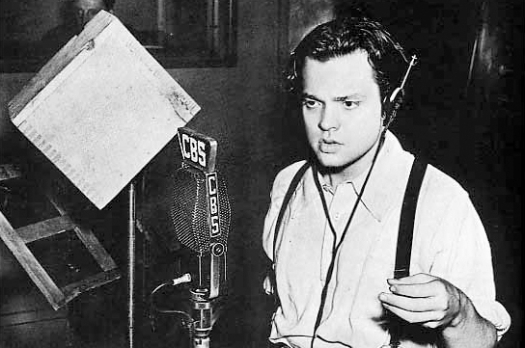
Filmed in 1957 for a television program called Westinghouse Studio One, The Night America Trembled is a dramatization of the night that Orson Welles terrified America with his radio adaptation of War of The Worlds.
For legal reasons, Orson Welles is not portrayed nor is his name mentioned. Instead, the focus is mostly on the people listening to the broadcast and getting the wrong idea. That may sound like a comedy but The Night America Trembled takes itself fairly seriously. Even pompous old Edward R. Murrow shows up to narrate the film, in between taking drags off a cigarette.
Clocking in at a brisk 60 minutes, The Night America Trembled is an interesting recreation of that October 30th. Among the people panicking: a group of people in a bar who, before hearing the broadcast, were debating whether or not Hitler was as crazy as people said he was, a babysitter who goes absolutely crazy with fear, and a group of poker-playing college students. If, like me, you’re a frequent viewer of TCM, you may recognize some of the faces in the large cast: Ed Asner, James Coburn, John Astin, Warren Oates, and Warren Beatty all make early appearances.
It’s an interesting little historical document and you can watch it below!
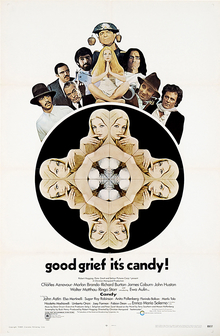
Insomnia File #69: Candy (dir by Christian Marquand)
What’s an Insomnia File? You know how some times you just can’t get any sleep and, at about three in the morning, you’ll find yourself watching whatever you can find on cable or streaming? This feature is all about those insomnia-inspired discoveries!
If you find yourself having trouble getting to sleep tonight, you can always pass the time by watching the 1968 film, Candy. It’s currently on Tubi.
Based on a satirical novel by Terry Southern and Mason Hoffenberg, Candy follows Candy Christian (Ewa Aulin), a naive teenager from middle America as she has a number of increasingly surreal adventures, the majority of which end with her getting sexually assaulted by one of the film’s special guest stars. It’s very much a film of the 60s, in that it’s anti-establishment without actually seeming to know who the establishment is. It opens with a lengthy sequence that appears to be taking place in outer space. It ends with an extended sequence of Candy walking amongst the film’s cast and a bunch of random hippies. Director Christian Marquand appears as himself, directing the film. Yep, this is one of those films where the director and the film crew show up and you’re supposed to be say, “Far out, I didn’t realize I was watching a movie, man.”
The whole thing is a bit of a misfire. The novel was meant to be smut that satirized smut. The film isn’t really clever enough to work on any sort of real satirical level. As was the case with a lot of studio-made “psychedelic” films in the 60s, everything is a bit too obvious and overdone. Casting the Swedish Ewa Aulin as a character who was meant to represent middle America was just one of the film’s missteps. Based on The Graduate, Mike Nichols probably could have made a clever film out of Candy. The French Christian Marquand, a protegee of Roger Vadim’s, can not because he refuses to get out of the film’s way. It’s all jump cuts, flashy cinematography, and attempts to poke fun at American culture by someone who obviously knew nothing about America beyond the jokes told in Paris.
That said, the main reason that anyone would watch this film would be for the collection of guest stars who all show up and try to take advantage of Candy. Richard Burton plays an alcoholic poet named MacPhisto and his appearance goes on for far too long. (Burton, not surprisingly, appears to actually be drunk for the majority of his scenes.) Ringo Star — yes, Ringo Starr — plays a Mexican gardener who assaults Candy after getting turned on by the sight of MacPhisto humping a mannequin. When Emmanuel’s sisters try to attack Candy, she and her parents escape on a military plane that is commanded by Walter Matthau. Landing in New York, Candy’s brain-damaged father (John Astin) is operated on by a brilliant doctor (James Coburn) who later seduces Candy after she faints at a cocktail party. Candy’s uncle (John Astin, again) also tries to seduce Candy, leading to Candy getting lost in New York, meeting a hunchback (Charles Aznavour), and then eventually ending up with a guru (Marlon Brando). Candy’s adventures climax with a particularly sick joke that requires a bit more skill to pull off than this film can afford.
If you’re wondering how all of these famous people ended up in this movie, you have Brando to thank (or blame). Christian Marquand was Brando’s best friend and Marlon even named his son after him. After Brando agreed to appear in the film, the rest of the actors followed. Brando, Burton, and Coburn received a share of the film’s profits and Coburn later said that his entire post-1968 lifestyle was pretty much paid for by Candy. That seems appropriate as, out of all the guest stars, Coburn i the only one who actually gives an interesting performance. Burton is too drunk, Matthau is too embarrassed, Starr is too amateurish, and Brando is too self-amused to really be interesting in the film. Coburn, however, seems to be having a blast, playing his doctor as being a medical cult leader.
Candy is very much a film of 1968. It has some value as a cultural relic. Ultimately, it’s main interest is as an example of how the studios tried (and failed) to latch onto the counterculture zeitgeist.
Previous Insomnia Files:
- Story of Mankind
- Stag
- Love Is A Gun
- Nina Takes A Lover
- Black Ice
- Frogs For Snakes
- Fair Game
- From The Hip
- Born Killers
- Eye For An Eye
- Summer Catch
- Beyond the Law
- Spring Broke
- Promise
- George Wallace
- Kill The Messenger
- The Suburbans
- Only The Strong
- Great Expectations
- Casual Sex?
- Truth
- Insomina
- Death Do Us Part
- A Star is Born
- The Winning Season
- Rabbit Run
- Remember My Name
- The Arrangement
- Day of the Animals
- Still of The Night
- Arsenal
- Smooth Talk
- The Comedian
- The Minus Man
- Donnie Brasco
- Punchline
- Evita
- Six: The Mark Unleashed
- Disclosure
- The Spanish Prisoner
- Elektra
- Revenge
- Legend
- Cat Run
- The Pyramid
- Enter the Ninja
- Downhill
- Malice
- Mystery Date
- Zola
- Ira & Abby
- The Next Karate Kid
- A Nightmare on Drug Street
- Jud
- FTA
- Exterminators of the Year 3000
- Boris Karloff: The Man Behind The Monster
- The Haunting of Helen Walker
- True Spirit
- Project Kill
- Replica
- Rollergator
- Hillbillys In A Haunted House
- Once Upon A Midnight Scary
- Girl Lost
- Ghosts Can’t Do It
- Heist
- Mind, Body & Soul
Strother Martin – One of the great character actors of all time!

The unique character actor, Strother Martin, is established as one of the most quoted people to ever grace the silver screen. His line from COOL HAND LUKE (1967), “What we’ve got here is… failure to communicate” ranks as number 11 on the American Film Institute’s list of the 100 greatest movie quotes of all time! He’s an incredibly talented man, and every time I see him pop up on an old TV show or movie, I smile.
My personal favorite film of all time is HARD TIMES (1975) starring Charles Bronson, James Coburn, Jill Ireland, and yes, Strother Martin. He is so good as Poe, Charles Bronson’s cut man, who also happens to be a recovering drug addict. HARD TIMES is Walter Hill’s debut film, and Hill couldn’t have picked a better cast to introduce himself to the world. It’s my opinion that Martin’s unique talents are a perfect compliment to Bronson’s strong, silent persona, and James Coburn’s motormouth, business man. I think it’s one of his best performances.
My favorite scene with Bronson and Strother Martin in HARD TIMES is the scene where they first meet. Unfortunately, I couldn’t find it on YouTube so I’m sharing this scene where Bronson collects their earnings from a guy who cheated them earlier in the day. Martin’s character isn’t featured in this scene, but he’s always right there with Bronson as a loyal friend. On what would have been Martin’s 106th birthday, I just wanted to take a moment to remember and appreciate him for his great work.
HARD TIMES (1975) and the One-Punch knockout! One of my favorite scenes!
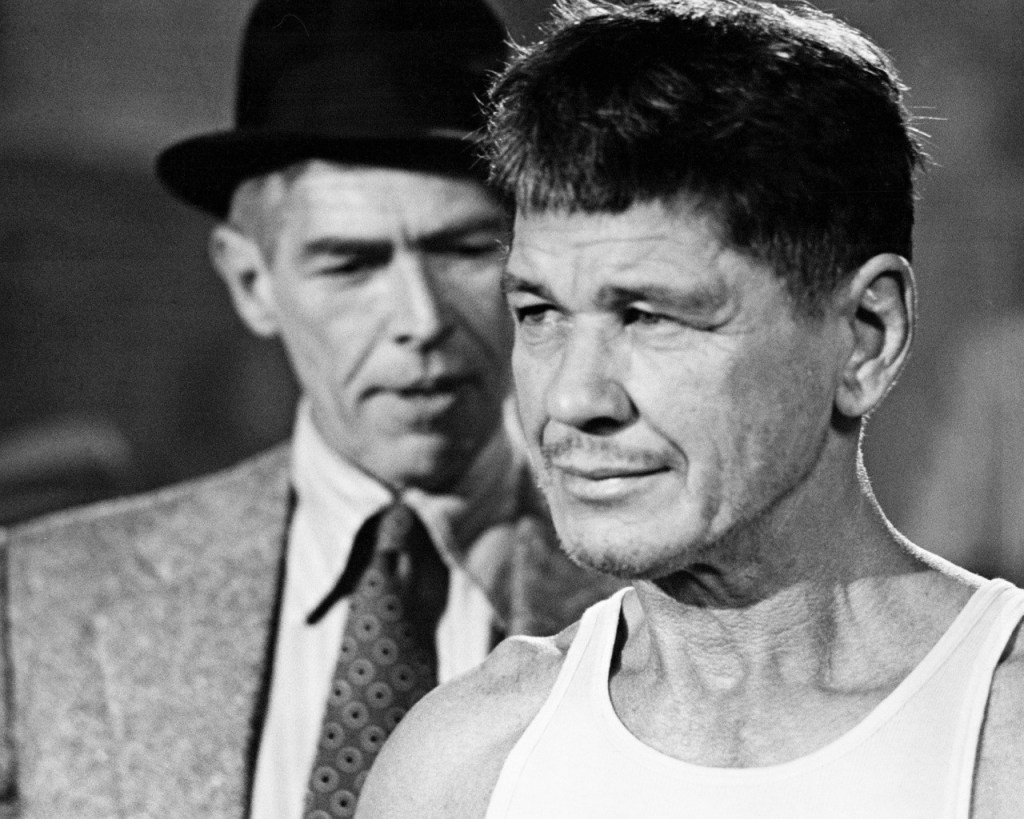
My personal favorite Charles Bronson movie is HARD TIMES, and this is one of my favorite scenes.
As an appreciation gift for helping him all summer with his many projects, my dad took me to Wal-Mart sometime back in the 80’s and told me I could pick out a movie. Wal-Mart just happened to have a big stack of HARD TIMES videocassettes. I was about 13 years old at the time, and I was already obsessed with Bronson, but I had never seen this movie before. So, dad bought the movie for me and did something he didn’t often do, he sat down and watched it with me when we got back home. This one-punch knockout scene takes place at the very beginning of the movie, and I vividly remember my dad having a nice laugh when the scene occurred. That made me happy, as I was always wanting my family members to watch and enjoy my movies with me. It’s a special memory for me of a great time with my dad and of the very first time I saw HARD TIMES!
Enjoy!
Happy Birthday to director Walter Hill, the guy who made my favorite film, HARD TIMES (1975)!
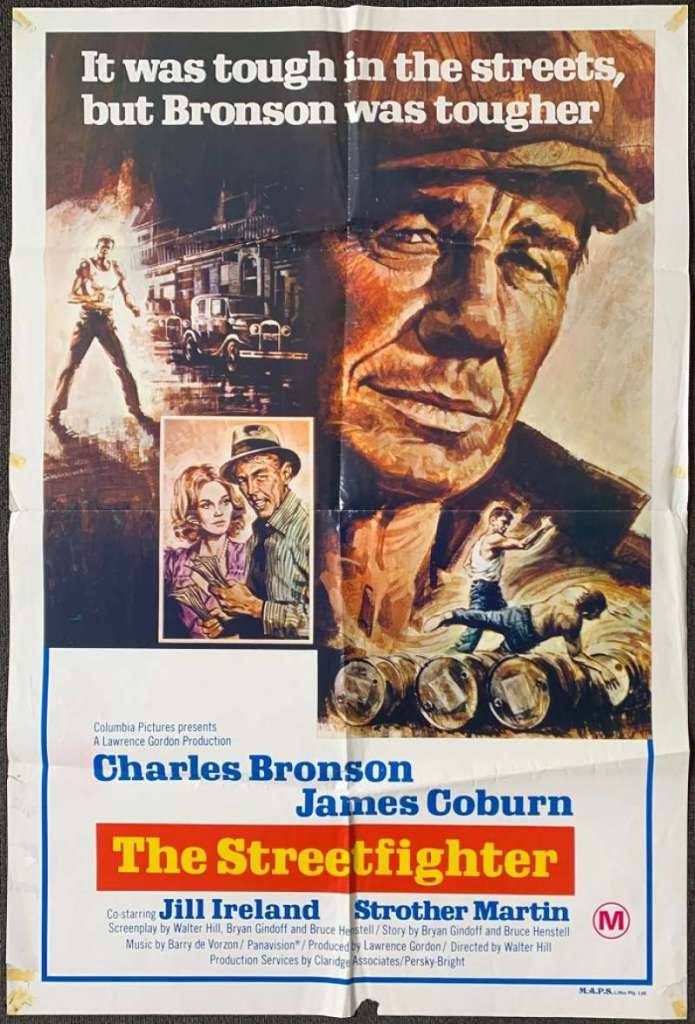
Walter Hill celebrates his 83rd birthday on January 10th, 2025. He has made so many great films in his career, but the one that stands out the most to me is his directorial debut from 1975, HARD TIMES, with Charles Bronson, James Coburn, Jill Ireland, and Strother Martin. The film was known as THE STREETFIGHTER in some parts of the world, like England, but due to Sonny Chiba’s “Street Fighter” movie from around the same time, the producers decided to go with HARD TIMES in America.
Here are a few more interesting facts about Hill’s directorial debut:
- Chaney (Bronson) was originally supposed to be a much younger man, with Jan-Michael Vincent being considered for the role.
- Charles Bronson was 52 years old when he made HARD TIMES. According to Hill, Bronson “was in remarkable physical condition for a guy his age…. He had excellent coordination, and a splendid build. His one problem was that he was a smoker, so he didn’t have a lot of stamina. I mean, he probably could have kicked anybody’s ass on that movie, but he couldn’t fight much longer than 30 or 40 seconds.”
- According to Hill, Charles Bronson was easier to work with than James Coburn. Hill would say “Bronson was a very angry guy who didn’t get along with a lot of people. The only reason I can tell you he and I got along well was he respected that I wrote the script. He liked the script. I didn’t try to get close to him. Kept it very business-like. I think he liked that. James Coburn, who everybody liked and got along well with, he and I did not get along well. I think he was not in a good mood about being in a movie with Charlie, it was second banana. He had been up there more, and his career was coming back a bit. I don’t think he was wild about being second banana. But Charlie was a big star… and when things had seemed to not be working well, or there was some impasse, Charlie would come down hard on my side. That was a tipping point”.
- Walter Hill thought the project could become more “up market” if he made it more like a Western and set it in the past. Hill incorporated elements of an earlier Western he had written, “Lloyd Williams and his Brother”. He wrote it in a style inspired by Alex Jacobs–“extremely spare, almost Haiku style. Both stage directions and dialogue.”
- The settings for the Capcom arcade game Street Fighter are taken right from HARD TIMES. This film is titled “The Street Fighter” in Japan, and the game designer was instructed to take inspiration from this film. He did just that and copied many of them directly.
I’m so thankful for Walter Hill and HARD TIMES. In fact, it’s my all-time favorite film, as well as the first review I ever published for The Shattered Lens.
So, if you like movies like HARD TIMES, THE DRIVER, THE WARRIORS, THE LONG RIDERS, SOUTHERN COMFORT, 48 HRS., EXTREME PREJUDICE, and RED HEAT, join us in celebrating the great director Walter Hill on his 83rd birthday. He has brought me countless hours of joy over the years!
Here’s a trailer from the Masters of Cinema for HARD TIMES…

