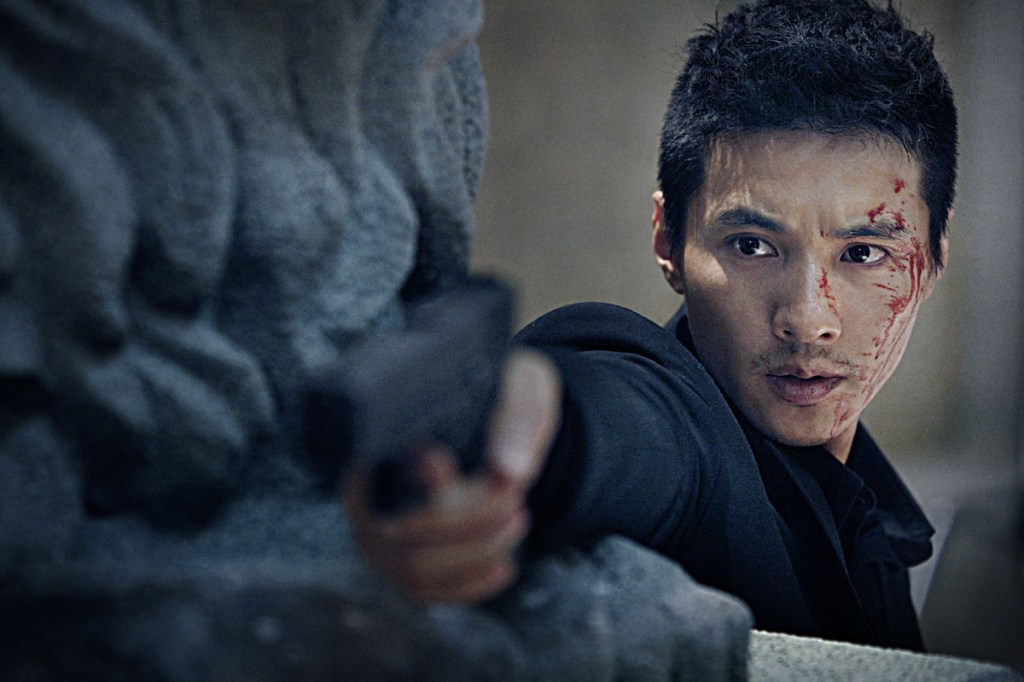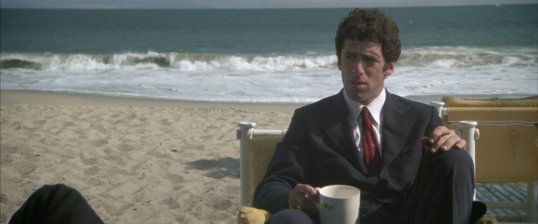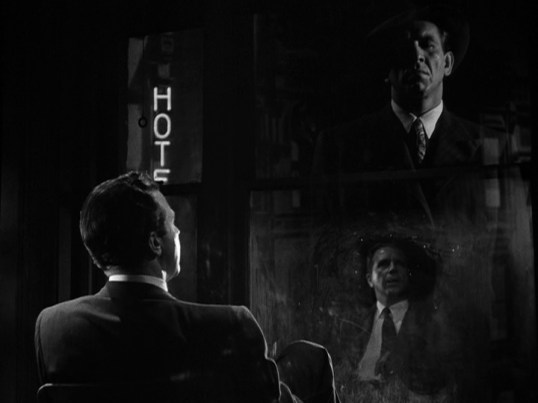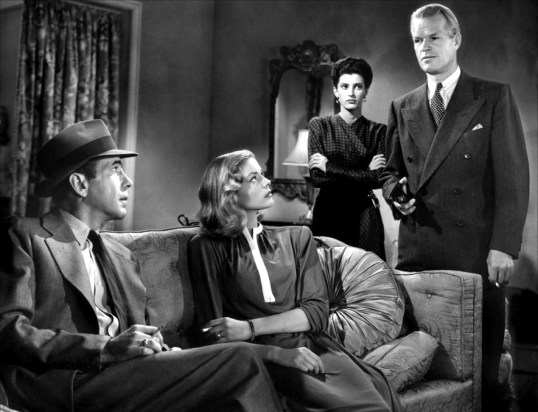
Hi, everyone! Tonight, on Mastodon, I will be hosting the #TubiThursday watch party! Join us for the original Red Dawn (1984)!
You can find the movie on Tubi and Prime and you can join us on Mastodon at 9 pm central time! (That’s 10 pm for you folks on the East Coast.) We will be using #TubiThursday hashtag! See you then!
Red Dawn (1984, dir by John Milius, DP: Ric Waite)
Today, the Shattered Lens wishes a happy birthday to Gal Gadot.
Perhaps not surprisingly, today’s scene that I love comes from the film that made Gadot a star worldwide, 2017’s Wonder Woman. Steve Trevor thinks that no one can cross No Man’s Land. Wonder Woman (played, of course, by Gal Gadot) is going to prove him wrong.
4 Or More Shots From 4 Or More Films is just what it says it is, 4 shots from 4 of our favorite films. As opposed to the reviews and recaps that we usually post, 4 Shots From 4 Films lets the visuals do the talking!
Today, the Shattered Lens wishes a happy 70th birthday to cinematic provocateur, Lars Von Trier!
It’s time for….
4 Shots From 4 Lars Von Trier Films
Europa (1991, dir by Lars Von Trier, DP: Henning Bendtsen, Edward Kłosiński, Jean-Paul Meurisse. Released as Zentropa in North America)
Breaking the Waves (1996, dir by Lars Von Trier, DP: Robby Muller)
Dogville (2002, dir by Lars Von Trier, DP: Anthony Dod Mantle)
Melancholia (2011, dir by Lars Von Trier, DP: Manuel Alberto Claro)
Back in the day, The Guvnors were one of the most feared and powerful firms around. Based in London, this group of football hooligans were famous for the brutality of their fights. More than 20 years later, they’ve all retired from hooliganism and, more or less, gone on to live normal lives. (One of them is a cop!) Their former leader, Mitch (Doug Allen), preaches non-violence and worries about his son copying his past mistakes. When he runs into the former members of a rival firm at a soccer game, he makes a point of shaking hands with them. The past is over.
When young drug dealer Adam (Harley Sule) takes over a London manor estate, he is eager to fight the former members of the Guvnors so that he can establish that he and his gang are now in charge of the neighborhood. Mitch tries to ignore him until a former Guvnor, Mickey (David Essex), is murdered in his home. Mitch gets the old firm back together again for one last brawl.
Also know as Hoodies vs Hoodlums, The Guvnors is gritty but contrived, with action that plays out at a slow pace while managing to hit just about urban gang movie cliche imaginable. There was a lot of potential to the idea of Mitch getting the old gang back together again but it doesn’t happen until nearly an hour into this 95-minute movie so, with the exception of a sepia-toned flashback, we don’t really get much of an idea of who these people were in the past. Doug Allen project quite authority as Mitch but rapper Harley Sule (credited here as Harley Sylvester) is unimpressive in the role of Adam. He doesn’t come across as being a dynamic enough leader to take over a manor estate, let alone defeat a group of middle-aged football hooligans.
Despite a premise with a lot of kick, The Guvnors misses the goal.
In the sprawling, often grimy landscape of underground comics, few characters have managed to carve out as distinct—or as controversial—a niche as Cherry, the perpetually eighteen-year-old protagonist born from the mind of cartoonist Larry Welz. Originally debuting in 1971 under the moniker Cherry Poptart, the character became a fixture of counter-culture erotica, eventually settling into a self-titled series that would span decades. Welz’s work was instrumental in helping to usher in the vibrant, anarchic underground comics movement in San Francisco during the tumultuous social and political landscape of the 1960s and 1970s. Engaging with Cherry today is an exercise in complex appreciation; it is the definition of a “guilty pleasure,” a work that exists at the intersection of satirical wit, overt hedonism, and a stylistic homage to the quintessential American comic book aesthetic.
At the core of the series’ appeal is the striking contrast between its visual presentation and its mature, often raunchy subject matter. Welz famously adopted an art style that directly mirrored the work of Dan DeCarlo, the legendary artist who defined the iconic look of the Archie comics. By utilizing the clean, “happy teenager” lines of mid-century Americana—often associated with the wholesome, classic adventures of Riverdale—and infusing them with unrestrained, sex-positive, and frequently explicit content, Welz created a powerful visual dichotomy. This deliberate juxtaposition of a quintessential teen comic aesthetic with an adults-only narrative creates a jarring, transgressive experience that makes the work particularly effective as a guilty pleasure. There is an undeniable, subversive thrill in seeing character designs that evoke the innocent charm of Betty or Veronica placed in scenarios that would have sent the strict mid-century Comics Code Authority into a tailspin.
The character of Cherry herself is a fascinating, if problematic, focal point. Defined by her insatiable curiosity, liberal attitude, and complete lack of inhibitions, she is less of a traditional narrative character and more of an agent of chaos who wanders through various high-school-adjacent tropes. Because she remains eighteen, the series avoids the weight of traditional character growth, opting instead for an episodic format where the pleasure is derived entirely from the immediate situation—be it a pop-culture parody, a bizarre social commentary, or a sexual escapade. While the series is categorized as erotica, to dismiss it solely as such is to overlook the sharp satirical edge that occasionally pokes through the panels. Fans of the underground and transgressive culture scene often point out that Cherry frequently served as a vehicle for Welz to comment on the broader socio-political zeitgeist of the era. By utilizing the “anything goes” freedom of the underground press, the series tackled issues and social norms that mainstream comics dared not touch, masking biting critiques within its provocative and irreverent framing.
This thematic depth, however, exists in tension with the repetitive nature of the stories. As a guilty pleasure, the series relies on a specific cadence: the setup of a conventional trope, the predictable introduction of sexual absurdity, and the punchline. For the dedicated reader, this repetition is comforting and familiar, but it is also the source of the series’ main weakness. There are moments where the narrative feels like it is running on fumes, and the reliance on sexual shock value can feel stagnant compared to more modern or structurally daring indie comics. Furthermore, admitting to enjoying Cherry in a contemporary landscape is complicated by how the series has—or hasn’t—aged. Much of the humor and the treatment of gender dynamics feel firmly rooted in the specific, often male-gaze-dominated world of mid-century underground comix.
Consequently, it is a work that requires a reader to compartmentalize; one can admire the historical significance of Welz’s contribution to erotic art and the audacity of his stylistic parody while simultaneously acknowledging that the execution of certain themes feels archaic. This is why Cherry remains a quintessential guilty pleasure. It does not aim for the lofty aspirations of a graphic novel masterpiece, nor does it try to serve as a beacon of progressive morality. Instead, it succeeds as a piece of “low-brow” entertainment that is proud of its own transgression. The inclusion of guest work, such as a rare script by Neil Gaiman in Cherry Deluxe, highlights that the series was often respected within its own subculture as a legitimate, if edgy, playground for creative expression.
Looking back, the series acts as a testament to the “anything goes” ethos of the underground press era. While there are certainly other adult-oriented comics that might offer more robust character arcs or sophisticated storytelling, few manage to balance the specific blend of nostalgia, irreverence, and raw, unapologetic hedonism that defines the Cherry universe. It is a series that invites the reader to lean into the discomfort and find humor in the sheer absurdity of the scenarios. For those who enjoy exploring the fringes of comic history, Cherry remains a vital, if occasionally flawed, artifact. It represents a time when comics were a battlefield for free speech and a canvas for uninhibited adult fantasy. As a guilty pleasure, it holds up because it never pretends to be anything other than what it is: a fun, slightly reckless, and undeniably bold experiment in the possibilities of the medium.
“They say there’s just enough religion in the world to make men hate one another, but not enough to make them love.” — Louis Cyphre
Angel Heart is one of those ’80s movies that sneaks up on you, starting like a gritty detective yarn before plunging into supernatural muck that leaves you questioning everything. Alan Parker’s 1987 neo-noir gem, adapted from William Hjortsberg’s Falling Angel, stars Mickey Rourke as Harry Angel, a down-and-out private eye in 1955 New York who gets pulled into a case that reeks of bad karma from the jump. It’s casual viewing at first—rain-slicked streets, fedoras, the whole bit—but Parker’s got a critical eye for blending hardboiled noir with occult horror, making it stick like gum on your shoe long after the credits roll.
Harry’s your classic hard luck of a gumshoe, hustling divorce cases in a dingy office when this slick mystery man named Louis Cypher (Robert De Niro, chewing scenery with devilish glee—get the name pun?) hires him to track down Johnny Favorite, a crooner who vanished after World War II. Cypher’s got cash to burn and an unsettling vibe that hints at deeper darkness, pulling Harry into a web of lies from the start. Harry follows the trail from NYC’s jazz dives to the steamy underbelly of New Orleans, where voodoo rituals, bloody murders, and hallucinatory nightmares start piling up like bodies in a back alley. Parker does a solid job adapting the source material’s clash of noir cynicism with Southern gothic rot, but his direction leans too heavily on the style of what he thinks a Southern gothic noir is supposed to look like—overripe with misty bayous and candlelit rituals—instead of letting the narrative drive the supernatural melding with the hardboiled detective beats.
What hooks you early is Rourke’s performance—he’s at his pre-meltdown peak here, all brooding intensity and rumpled charm, nailing the everyman unraveling under cosmic pressure. De Niro’s Cypher is a masterclass in minimalism; he lounges in that art deco office peeling a hard-boiled egg with surgical precision, dropping biblical barbs that land like gut punches. It’s not showy, but every word drips menace, elevating the whole film from B-movie territory to something almost operatic. Then there’s Lisa Bonet, fresh off The Cosby Show, diving headfirst into an X-rated role as Epiphany Proudfoot, Johnny’s daughter with a voodoo twist. Her steamy, sweat-drenched sex scene with Harry is erotic nightmare fuel—raw, uncomfortable, and unforgettable, pushing boundaries in a way that got the film slapped with an X rating before settling on R. Parker’s not afraid to get gory either; decapitations and ritual killings hit with visceral thud, but it’s the psychological slow burn that really twists the knife.
The film’s neo-noir DNA shines through in its voiceover narration, shadowy cinematography by Michael Seresin (those rain-lashed rooftops and fog-shrouded bayous are poetry), and a Trevor Jones score laced with eerie blues that pulses like a heartbeat from hell. Parker shifts gears from straight detective procedural to full-on supernatural dread, introducing occult hints gradually—a creepy voodoo ceremony here, a phantom vision there—until the genre flip feels inevitable yet shocking. New Orleans becomes a character itself, all humid decay and ritual undercurrents, contrasting sharp with New York’s cold urban grind. It’s Parker’s only stab at horror (he’s more Mississippi Burning or The Commitments guy), but while he nails the glossy nightmare aesthetic, the heavy stylistic hand sometimes overshadows the organic fusion of noir fatalism and otherworldly dread that the story begs for.
Critically, though, Angel Heart isn’t flawless. The late-game turns pack a wallop but drag a bit in laying out their logic, making you question the elaborate cat-and-mouse when a quicker path might’ve sufficed. Some dated effects in the dream sequences feel cheesy now, a minor blemish on an otherwise polished gem. Pacing sags slightly in the middle as Harry chases red herrings, and while the cast is gold, supporting players like Brownie McGhee as Toots Sweet add flavor without always deepening the mystery. Still, these are nitpicks; Parker’s atmospheric command and thematic depth—exploring guilt, denial, and the inescapability of one’s darker impulses—elevate it above pulp, even if the visuals occasionally feel more like a mood board than narrative propulsion.
Thematically, it’s a devil’s playground. Angel Heart riffs on classic Faustian tropes, but Parker’s critical lens probes deeper into fractured identity and moral rot. Harry’s journey mirrors the novel’s hardboiled cynicism, but the film amps the supernatural, turning noir fatalism into outright damnation. Mirrors recur obsessively—shattered glass, reflections warped by blood—symbolizing a crumbling self-image as buried truths bubble up. Voodoo isn’t just window dressing; it’s woven into the fabric, blending African diaspora mysticism with Catholic guilt for a uniquely American horror. Parker’s post-war setting adds layers, nodding to shell-shocked vets and racial undercurrents without preaching, letting the era’s shadows do the talking, though one wishes the story’s momentum had guided the gothic flourishes rather than the other way around.
Visually, it’s a feast. Seresin’s camera glides through rain-swept nights and candlelit rituals with painterly flair, while Parker’s British outsider gaze infuses Americana with alien menace—think Midnight in the Garden of Good and Evil but grimier. The egg-peeling scene alone is iconic, De Niro’s Cypher dissecting morality with yolk-stained fingers. And those final confrontations? Subtle, actor-driven tension that relies on faces, not effects, delivering chills through implication rather than revelation. Jones’ score weaves jazz horns with dissonant strings, amplifying the bluesy fatalism; it’s the perfect auditory companion to Harry’s descent, grounding the style in emotional truth.
For fans of the genre mashup, Angel Heart is essential—think Chinatown meets The Exorcist, with Parker’s glossy sheen making it pop. Rourke’s turn here is arguably his career best, raw and vulnerable before the tabloid implosion; De Niro proves he’s the king of charismatic evil. Bonet’s bold pivot shocked audiences, earning a career-defining role that proved her chops beyond sitcom smiles.
Rewatch value is sky-high; the slow build rewards patience, and clues hidden in plain sight make it a puzzle box. It’s not subtle—Cypher’s name screams spoilers—but that’s part of the fun, a winking nod to infernal cleverness. Parker’s eye for detail shines in production design: peeling wallpaper in tenements, incense-heavy apartments, gator-infested swamps. It’s immersive, oppressive, and oddly seductive, with every frame dripping atmosphere that pulls you deeper into the haze, even if the narrative sometimes plays catch-up to the visuals.
In a sea of jump-scare slop, Angel Heart stands tall as thoughtful horror-noir that lingers because it forces you to confront the monster in the mirror. If you’re digging into ’80s cult classics or just crave a detective tale with teeth, fire it up. It’s flawed, yeah—style occasionally eclipsing story—but those flaws make it human, much like Harry himself.
In honor of what would have been Fred Zinnemann’s 119th birthday, today’s scene that I love comes from 1953’s From Here To Eternity, one of the two Zinnemann-directed films to win the Oscar for Best Picture.
In this scene, Private Prewitt (Montgomery Clift) proves that he’s still a skilled boxer. That’s not something that Prewitt wants the world to know because he’s still guilt-stricken over accidentally blinding one of his sparring partners. Captain Holmes wants Prewitt to fight on the regimental team. Prewitt would rather just play the bugle but, as he shows in this scene, he can still throw a punch if he’s forced to. It leads to a lot of drama, the majority of which is forgotten in the wake of the attack on Pearl Harbor.
4 Or More Shots From 4 Or More Films is just what it says it is, 4 shots from 4 of our favorite films. As opposed to the reviews and recaps that we usually post, 4 Shots From 4 Films lets the visuals do the talking!
Today, the Shattered Lens wishes a happy 76th birthday to Australian filmmaker, Phillip Noyce. It’s time for….
4 Shots From 4 Phillip Noyce Films
Heatwave (1982, dir by Phillip Noyce, DP: Vincent Monton)
Dead Calm (1989, dir by Phillip Noyce, DP: Dean Semler)
Blind Fury (1989, dir by Phillip Noyce, DP: Don Burgess)
Sliver (1993, dir by Phillip Noyce, DP: Vilmos Zsigmond)
Johnny Mack Brown rides across the old west until he reaches a seemingly abandoned ranch. Someone takes a shot at him with a gold bullet. It’s because the the ranch has a reputation for being haunted and everyone knows that the only way to take care of a ghost is to shoot at it with gold bullets.
(It’s common frontier knowledge!)
Johnny may says that he’s a simple cowhand who has been hired to look after the ranch but actually, he’s a government agent who has been sent to investigate the disappearance of rancher John Roberts (Forrest Taylor) and the theft of government gold. Bill Grant (House Peters, Jr.) is the main suspect in the Roberts disappearance but Roberts’s daughter (Lois Hall) insists that he’s innocent. Even though Roberts forbid Grant from seeing his daughter, Johnny Mack Brown suspects that Grant is being set up as well. Brown doesn’t buy the idea of the ranch being haunted either. If Fuzzy Knight was there, he’d probably see a ghost but Fuzzy takes this film off. Time for Johnny Mack Brown to investigate.
Despite the exciting title, Blazing Bullets is only a so-so B-western. Working without his usual sidekicks, Brown just goes through the motions and there’s not nearly enough action. A movie called Blazing Bullets should have had more blazing bullets in it. Today, it’s impossible to watch the film without expecting Harvey Korman to show up as Hedley Lamarr.
Originally filmed in 2010 but not released until 2018, Con Man is one of the strangest vanity projects that I’ve ever seen.
Originally entitled Minkow, Con Man tells the story of Barry Minkow. When Minkow was a teenager, he started a carpet cleaning business and he quickly learned how to both promote himself and how to lie about how much money he was making. The media ate up the story of the teenager became a millionaire by cleaning carpets. His father (Mark Hamill) was proud of him. His mother (Talia Shire) worried that he was moving away from God. A local mobster (Armand Assante) decided to get involved. It was eventually discovered that Barry was kiting checks, lying to insurance companies, and massively defrauding both his investors and his employees. After being busted by the FBI (represented here by James Caan), Barry Minkow was sent to prison.
In the film, teenage Barry Minkow is played by a young, handsome, and charismatic Justin Baldoni. When Barry gets out of jail, he’s suddenly been transformed into …. well, Barry Minkow. That’s right. Barry Minkow plays himself. Needless to say, Barry Minkow looks nothing like Justin Baldoni. It’s not just that the two men are different ages. It’s also that there’s no way to imagine Justin Baldoni transforming into the gargoyle that is Barry Minkow.
In prison, Barry Minkow is converted to Christianity by a prisoner named Peanut (Ving Rhames). After Minkow serves his sentence, he not only helps the FBI track down other con artists but he becomes the pastor of his local church. Despite his past, everyone loves and trusts Barry Minkow. Everyone talks about how charismatic he is, despite the fact that the adult Barry Minkow delivers his lines in a flat monotone and looks like he should be sitting over the entrance of a cathedral. People who suspect that they’ve been a victim of financial fraud start to come to Barry, asking him for advice. The always humble Barry is concerned that he’ll let people down but, in the end, even James Caan says that Barry is a great guy. “I’m doing the work of God!” Barry proclaims.
Yes, the film is fueled by pure ego. Unfortunately, it took more than ego to pay the bills so Minkow embezzled money from his own church, stole money from his congregation, and resorted to his old track of “clipping” checks to finance the whole thing. Shortly after the film was completed, Minkow was arrested and sent back to prison. (A hot mic caught Minkow bragging to James Caan about how he financed the film. After his arrest, Minkow denied he had ever said that and dared anyone with proof to turn it over. The film’s director proceeded to do just that. Barry Minkow was not only a criminal. He was a stupid criminal.)
As for the film, it sat in limbo for eight years. Eventually, talking head interview with Minkow’s actual victims talking about how much they disliked Barry were sprinkled throughout the film. (Shortly before Minkow starts playing himself, we hear one of his business partners say that everyone told him not to play himself.) The original film ended on a triumphant note. The new film — which was retitled Con Man — ended with real people talking about Barry Minkow going back to jail and casting doubt as to whether or not Barry ever even knew a prisoner named Peanut.
The film is a vanity project and not a very good one. Minkow is a terrible actor and, just in case we forget that fact, he reminds us by trying to hold the screen opposite James Caan and Ving Rhames. (Even Elisabeth Rohm manages to outact him.) As bad as the film is, the story behind it is endlessly fascinating. Barry Minkow was determined to become a star. (Spielberg’s Catch Me If You Can was an obvious inspiration.) Instead, he went back to prison and his vanity project was transformed into a roast. And it probably couldn’t have happened to a more deserving guy.