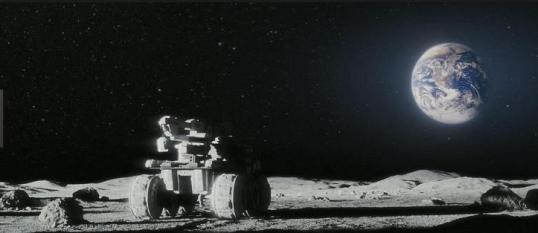
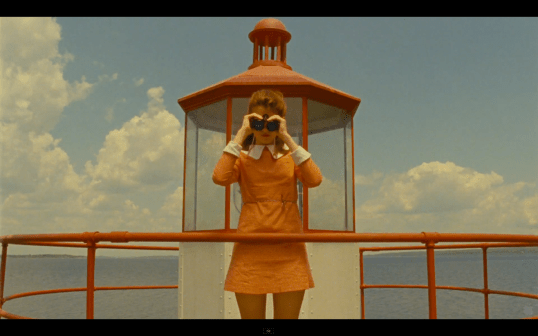
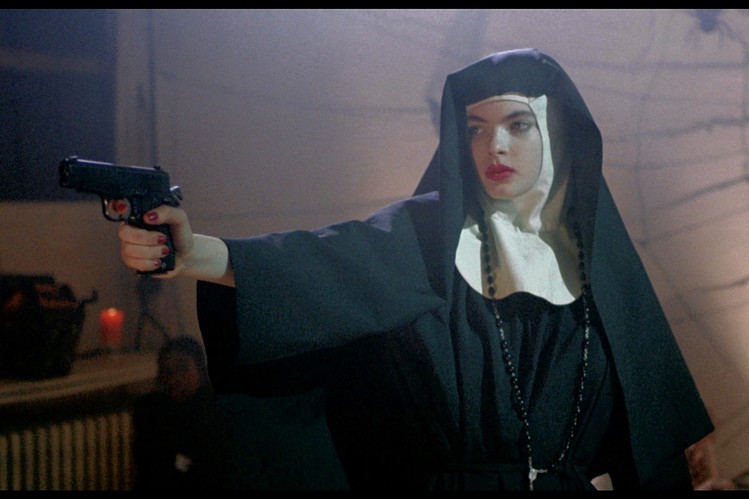
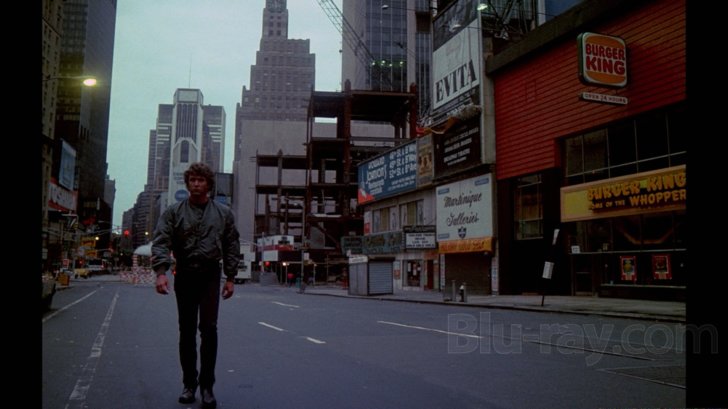
4 Or More Shots From 4 Or More Films is just what it says it is, 4 shots from 4 of our favorite films. As opposed to the reviews and recaps that we usually post, 4 Shots From 4 Films lets the visuals do the talking!
Today is the birthday of the one and only Paul Schrader! It’s time for….
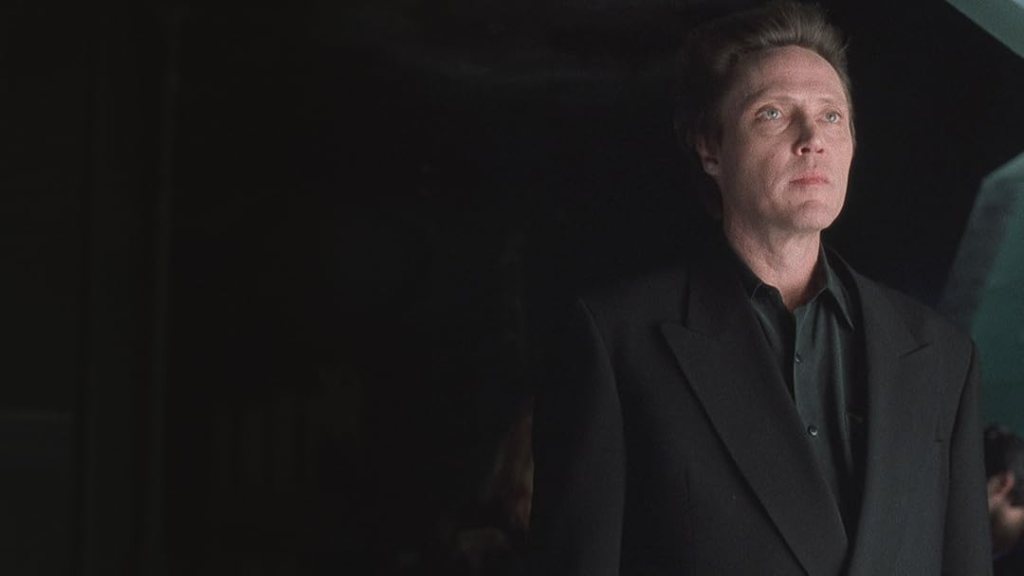
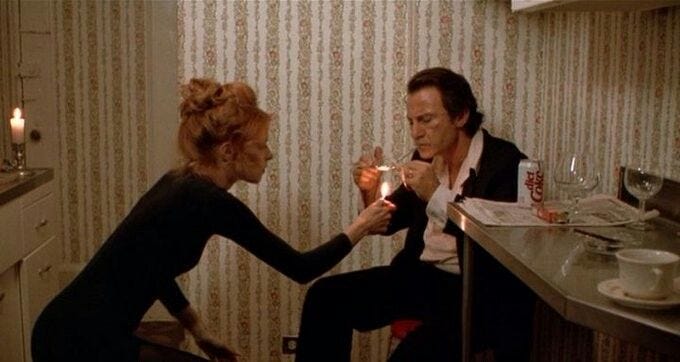
4 Shots From 4 Paul Schrader Films
Blue Collar (1978, dir by Paul Schrader, DP: Bobby Byrne)
American Gigolo (1980, dir by Paul Schrader, DP: John Bailey)
Cat People (1982, dir by Paul Schrader, DP: John Bailey)
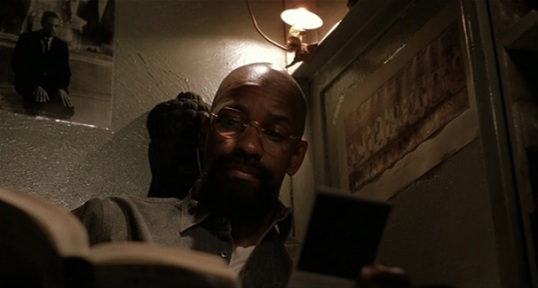
First Reformed (2018, dir by Paul Schrader, DP: Alexander Dynan)
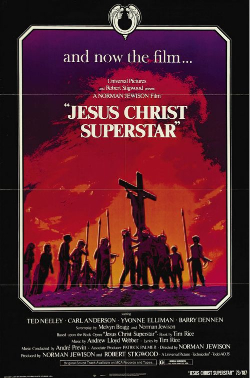
In honor of the late Norman Jewison, today’s scene that I love comes from my favorite film to have been directed by him.
In this scene from 1973’sJesus Christ Superstar, Mary Magdalene (Yvonne Elliman) attempts to comfort Jesus (Ted Neeley) while Judas (Carl Anderson) tries to pull Jesus away from her. This scene showcases both Elliman’s angelic voice and Anderson’s ferocious intensity as Mary and Judas present two very different sides of a spiritual journey.
4 (or more) Shots From 4 (or more) Films is just what it says it is, 4 (or more) shots from 4 (or more) of our favorite films. As opposed to the reviews and recaps that we usually post, 4 (or more) Shots From 4 (or more) Films lets the visuals do the talking.
Today would have been Norman Jewison’s birthday. It’s time for….
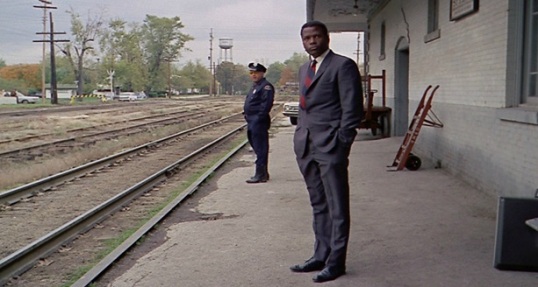
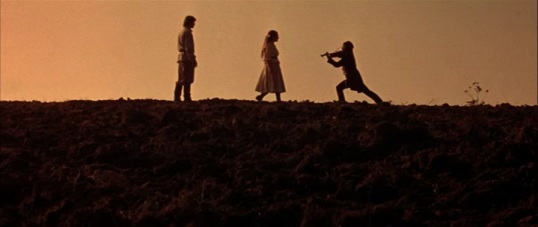
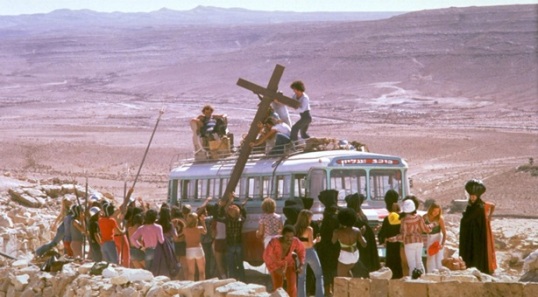
4 Shots From 4 Norman Jewison Films
In The Heat of the Night (1967, dir by Norman Jewison, DP: Haskell Wexler)
Fiddler on the Roof (1971, dir by Norman Jewison, DP: Oswald Morris)
Jesus Christ Superstar (1973, dir by Norman Jewison, DP; Douglas Slocombe)
The Hurricane (1999. dir by Norman Jewison, DP: Roger Deakins)
Hi, everyone! Tonight, on twitter, I will be hosting one of my favorite films for #MondayMania! Join us for 2017’s The Twin!
You can find the movie on Prime and then you can join us on twitter at 9 pm central time! (That’s 10 pm for you folks on the East Coast.) See you then!
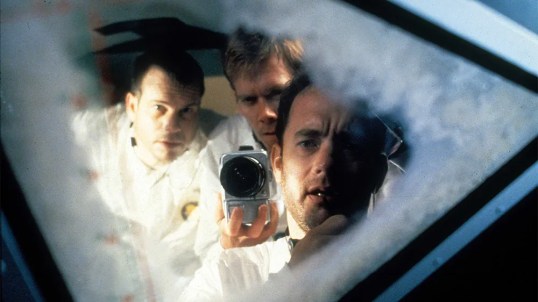
Apollo 13 (1995, dir by Ron Howard, DP: Dean Cundey)
Today we have an absolutely beautiful scene from 1995’s Apollo 13. In this scene, astronaut Jim Lovell (Tom Hanks) takes a look at the moon and, for a minute, thinks about what could have been, if only a malfunction hadn’t scuttled Apollo 13’s moon landing and left Lovell and his two crewmates apparently stranded in space. Though Lovell may dream of walking on the moon, he knows it won’t happen and that his only concern now is getting both himself and his crew back home.
Some critics have a tendency to dismiss Ron Howard as just being a director who makes middlebrow films but this scene shows him to be a director who instinctively understands not only what it’s like to dream but also what it’s like when reality intrudes on those dreams. This scene features both Howard and Tom Hanks at their best.
4 Shots From 4 Films is just what it says it is, 4 shots from 4 of our favorite films. As opposed to the reviews and recaps that we usually post, 4 Shots From 4 Films lets the visuals do the talking.
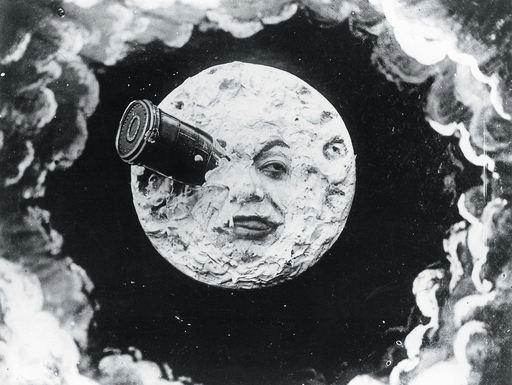
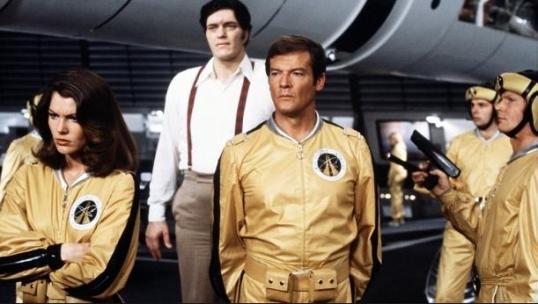
Today, we pay tribute to the moon! It’s time for….
As some of our regular readers undoubtedly know, I am involved in hosting a few weekly live tweets on twitter and occasionally Mastodon. I host #FridayNightFlix every Friday, I co-host #ScarySocial on Saturday, and I am one of the five hosts of Mastodon’s #MondayActionMovie! Every week, we get together. We watch a movie. We snark our way through it.
Tonight, for #MondayActionMovie, the film will be 2013’s The Adventurer: The Curse of the Midas Box!
It should make for a night of fun viewing and I invite all of you to join in. If you want to join the live tweets, just hop onto Mastodon, find the movie on YouTube and hit play at 8 pm et, and use the #MondayActionMovie hashtag! The watch party community is a friendly group and welcoming of newcomers so don’t be shy.
Today would have been the 89th birthday of actor Richard Jordan. Jordan was an excellent actor who died way too soon back in 1993. I’ve always liked him though, and he’s been in some excellent movies including CHATO’S LAND (1972), THE FRIENDS OF EDDIE COYLE (1973), THE YAKUZA (1974), and LOGAN’S RUN (1976).
Today, I share one of his great scenes from THE HUNT FOR RED OCTOBER, where he accurately portrays a politician. Enjoy my friends!
There’s a movie podcast I love to listen to called the “Podcast on Fire.” Kenny B and his various co-hosts focus on Asia, especially the films of Hong Kong and South Korea. They have a large back catalogue, and I’ve been catching up on their episodes related to South Korean horror. In the middle of a show on the WHISPERING CORRIDORS series, co-host Paul Quinn mentioned THE CALL, a film that was released on Netflix during the pandemic. I’m usually not a consumer of freaky horror, but his enthusiasm for the film proved infectious, so I decided I’d check it out when I got home from work.
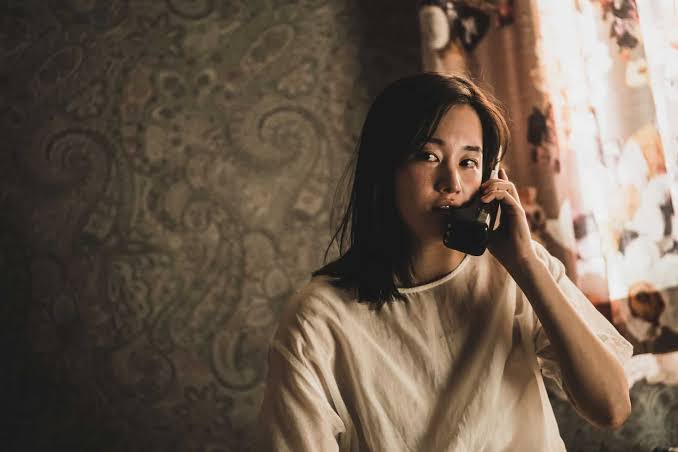
THE CALL centers on two 28 year old women. There’s Seo-yeon (Park Shin-hye), who’s visiting her childhood home in the country when she receives a series of phone calls from 28 year old Young-sook (Jeon Jong-seo). They soon realize that Young-sook is calling Seo-yeon from the same house… just from 20 years in the past. Both with severe mommy issues, the two ladies initially seem to form a friendship. They even use their knowledge of events in the past to help each other in ways that change the future. But as you might guess, these changes come with severe consequences, and the story eventually turns into one of bloody survival!
I wasn’t expecting it, but I kept thinking of one of my favorite movies, FREQUENCY (2000), while watching THE CALL. In FREQUENCY, an adult son is able to talk to his deceased dad from 30 years in the past on their family’s old ham radio. We may not really understand the science behind it all, but we just accept it. Their discussions start out as heartwarming, and their actions that change the future seem good at first, but then eventually bad things happen. That’s pretty much what takes place in THE CALL, with the exception that these ladies are not family and the radio has been replaced by one of those late 20th century cordless phones. The heartwarming early moments eventually devolve into a lot of crying, screaming, and gaping neck wounds.
While the concept has been done before, the filmmakers do a good job of building genuine suspense. It’s one of those movies where the stakes keep getting raised, and when you think they’re as high as they can go, they’re ramped up another notch. There are a few effective jump scares here, but the primary tension is in the growing sense of dread concerning how the actions in the past will affect the present. Let’s just say that some of the characters in the present aren’t allowed to enjoy their newfound health and well-being for very long.
I wasn’t familiar with either of the lead actresses going in, but they’re both excellent. In the present time, Park Shin-hye invests enough vulnerability in her character of Seo-yeon that you can’t help but pull for her, especially as her world is continuously turned upside down. And I can’t say enough about Jeon Jong-seo, who gets the showier role in the past timeline. Her character starts out as sympathetic, but she doesn’t stay that way. It’s an unnerving character and performance.
At the end of the day, I had a good time with THE CALL. It’s been awhile since I watched a film from South Korea, so it was fun for me to jump back in. If you enjoy a good horror-suspense-thriller, this one’s an easy recommendation!