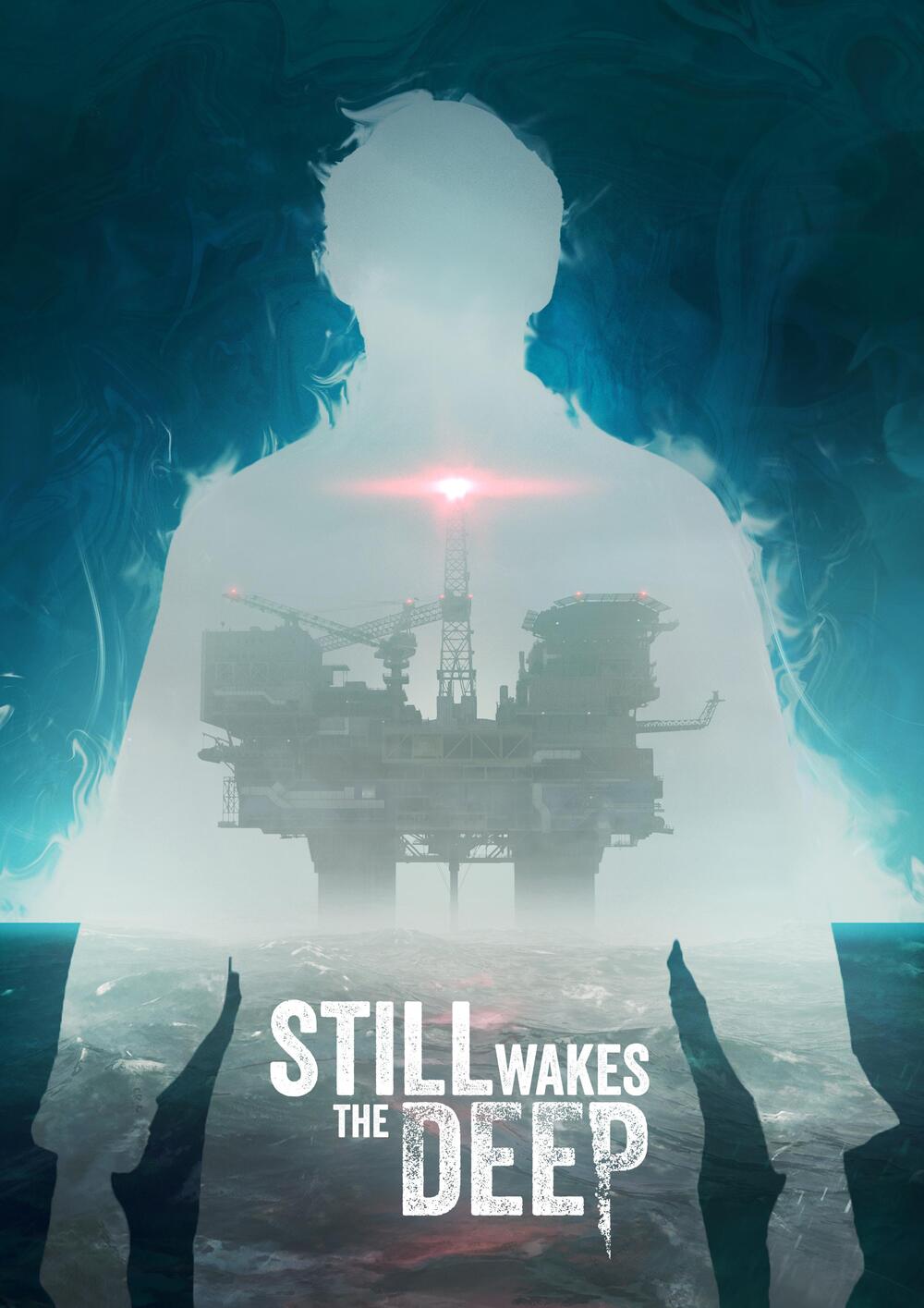
Horror Game Review: Still Wakes the Deep (by The Chinese Room)


“For once in your life, be brave! Be brave for them.” — Finlay

The ocean doesn’t care whether you make it home, and Still Wakes the Deep never lets you forget it. Even before its supernatural nightmare takes shape, the game makes life aboard an offshore oil rig feel like a fragile arrangement between people, machinery, and an environment that could swallow them without a second thought. Released in 2024 by British developer The Chinese Room, this first-person psychological horror game builds its strongest moments around that vulnerability. It isn’t the most mechanically ambitious horror game out there, but its unsettling setting, convincing performances, and emotional stakes make it more than a guided tour through some impressively disgusting scenery.

Set in December 1975, the story follows Cameron “Caz” McLeary, an electrician working aboard the Beira D oil rig in the North Sea off Scotland. Caz has brought plenty of trouble with him. His relationship with his family is strained, problems back home are catching up with him, and his job isn’t exactly secure. He’s already having a miserable time before the drilling operation disturbs something that should have remained buried. Once disaster strikes, getting off the rig becomes much more complicated than finding a boat. The appeal of that setup is how naturally it connects his personal circumstances with the surrounding danger. Home matters because his life there is unfinished, not because the script needs a convenient reason for him to survive.

Before everything falls apart, the game gives you enough time with the crew to understand what kind of place the Beira D is. Conversations are blunt, personalities clash, and the dialogue has the rough familiarity of people who work and live in close quarters. The regional accents and casual swearing help establish a workplace rather than a collection of horror-game characters waiting for their turn to scream. Nobody needs a lengthy introduction to suggest a history with the people around them. That makes the disaster more effective when it arrives. The rig isn’t just a location being destroyed; it’s a little community whose everyday routines suddenly become impossible.

Caz helps hold that human side together. Alec Newman’s performance gives him an appealing mixture of irritation, fear, stubbornness, and genuine concern for his coworkers. He isn’t instantly heroic, and the game doesn’t pretend that his personal problems make him especially noble. He can be difficult, but he remains understandable. More importantly, he sounds like someone struggling to cope with events rather than someone performing bravery for an audience. His family stays emotionally present even when the immediate situation demands all his attention. That connection gives the ocean beyond the rig a particular cruelty: somewhere past all that freezing water is a life he still has reasons to return to.

The Beira D itself does an enormous amount of the work. Its cramped interiors, exposed walkways, and heavy industrial machinery create a setting where comfort always seems temporary. Indoors, there’s barely enough room to feel safe; outdoors, the sea makes every exposed crossing feel worse. The visual detail grounds the place without making it inviting, while the lighting turns familiar spaces into increasingly hostile territory. What starts as an unpleasant workplace gradually becomes an environment you can no longer trust. The game understands that a damaged walkway or a flooding compartment can be frightening without a monster standing in the middle of it.

Sound design strengthens that feeling of instability. Machinery strains, metal bangs, and horrible noises travel through spaces where you can’t always see their source. The rig feels active even when you’re standing still, and not in a reassuring way. Sometimes you’re listening for a creature; sometimes you’re wondering whether the structure around you is about to give out. That overlap is one of the game’s best qualities. The supernatural threat doesn’t replace the practical dangers of being offshore. It makes them worse, leaving Caz caught between something impossible and hazards that require no explanation whatsoever.

The body horror is particularly effective because it corrupts people and spaces the game has already made recognizable. Human forms become grotesquely distorted, but traces of the people underneath remain, especially in their voices. That makes the creatures upsetting in a way that goes beyond impressive monster design. There’s something cruel about hearing recognizable humanity survive inside a body that has become a threat. The game draws on familiar science-fiction horror territory, but its specific setting and working-class cast give that material personality. These aren’t simply monsters loose on an oil rig. They’re part of the destruction of the crew’s shared world.

Playing Still Wakes the Deep is more straightforward than its imagery might suggest. There’s no combat system, so you spend your time navigating damaged sections of the rig, completing simple environmental tasks, climbing through obstacles, and avoiding threats. Keeping Caz defenseless is the right call. Handing him increasingly powerful weapons would undermine the sense that he’s an ordinary person trying to survive something far beyond him. The physical traversal also gives the experience more activity than the “walking simulator” label suggests. At its best, the game makes crossing a dangerous gap or moving through a compromised section of the rig feel like a substantial ordeal.

Still, its narrow design can become a problem. The game usually has a specific route and a specific solution in mind, and it doesn’t take long to notice how firmly it steers you toward both. Stealth encounters can lose some tension once their intended pattern becomes clear, while practical objectives occasionally feel like errands placed between dramatic scenes. There’s a meaningful difference between being trapped by the disaster and being restricted by the design. Still Wakes the Deep sometimes makes the latter too obvious. Anyone hoping for flexible survival systems, substantial exploration, or demanding puzzles will probably find its interactions thin.

That simplicity does help keep the focus on the characters and atmosphere, though. Without inventory juggling or repeated combat encounters, the game can move directly between physical danger and quieter emotional moments. Its roughly six-to-seven-hour length also suits the premise, even if some trips around the rig feel stretched out. The original story is strongest when it treats survival as something more complicated than reaching safety. Caz’s connection to his family, his responsibilities to the crew, and the terrifying circumstances around him give its horror an emotional dimension that carries beyond the immediate disaster.

The expansion Siren’s Rest, released in June 2025, picks up that lingering emotional thread rather than simply repeating Caz’s ordeal with another character. Set in 1986, it takes you beneath the North Sea to the wreck of the Beira D, where a specialist diving team hopes to uncover what happened and bring answers to the families of the lost crew. You play Mhairi, the leader of the dive, exploring the remains of a place that players know far better than she initially does. It’s a smart way to continue the story: the original shows the catastrophe from inside, while the expansion examines what it leaves behind.

That change of perspective gives the return to the rig a different kind of sadness. Spaces that once contained conversations, arguments, and hurried attempts to survive have become submerged remnants of those lives. Mhairi’s work involves photographing remains, collecting personal belongings, and examining evidence, turning familiar locations into places of recovery rather than escape. The connection to the original isn’t just geographical. Its crew members become people whose absence has shaped families for years, extending the first game’s concern with home and responsibility beyond the boundaries of Caz’s experience. The sea may have swallowed the rig, but it hasn’t neatly ended the story for everyone onshore.

Mechanically, Siren’s Rest replaces much of the original’s climbing and scrambling with underwater navigation. A cutting torch, crowbar, and camera give Mhairi practical ways to investigate the wreck, while her connection to the diving bell and communication with her colleague Rob reinforce how dependent she is on equipment and other people. The danger now comes with the added discomfort of being submerged inside a ruined industrial structure. The original made the water outside feel like something to avoid at all costs; the expansion makes entering it the entire premise. That reversal is a strong atmospheric hook, even when the interactions remain fairly straightforward.

The expansion is less convincing as a major escalation of the horror. Its roughly two-to-three-hour length makes it a compact follow-up, but that brevity also leaves less room for its new relationships to develop. Mhairi’s search gives the story a human focus, and the unsettling wreck provides plenty of atmosphere, yet the experience doesn’t consistently turn those advantages into scares as memorable as the original’s. It also shouldn’t be approached as a comprehensive explanation of every supernatural mystery. Its interests lean more toward grief, personal connection, and the desire for closure than toward spelling out exactly what the drilling uncovered. That restraint can preserve the unease, but it may frustrate players expecting more concrete answers.

Taken together, Still Wakes the Deep and Siren’s Rest tell a more interesting story than a simple disaster followed by a cleanup mission. The original makes you care about the people trapped aboard the Beira D, while the expansion asks what their loss means to those left searching for them. The base game remains the stronger experience, with a fuller cast and a more immediate sense of danger, but the follow-up gives its setting an effective second life as a place of mourning and investigation. Neither offers especially deep gameplay, yet both understand the value of putting human concerns inside an inhuman environment. The ocean remains indifferent throughout. What gives the story its weight is that the people living with the consequences never can be.
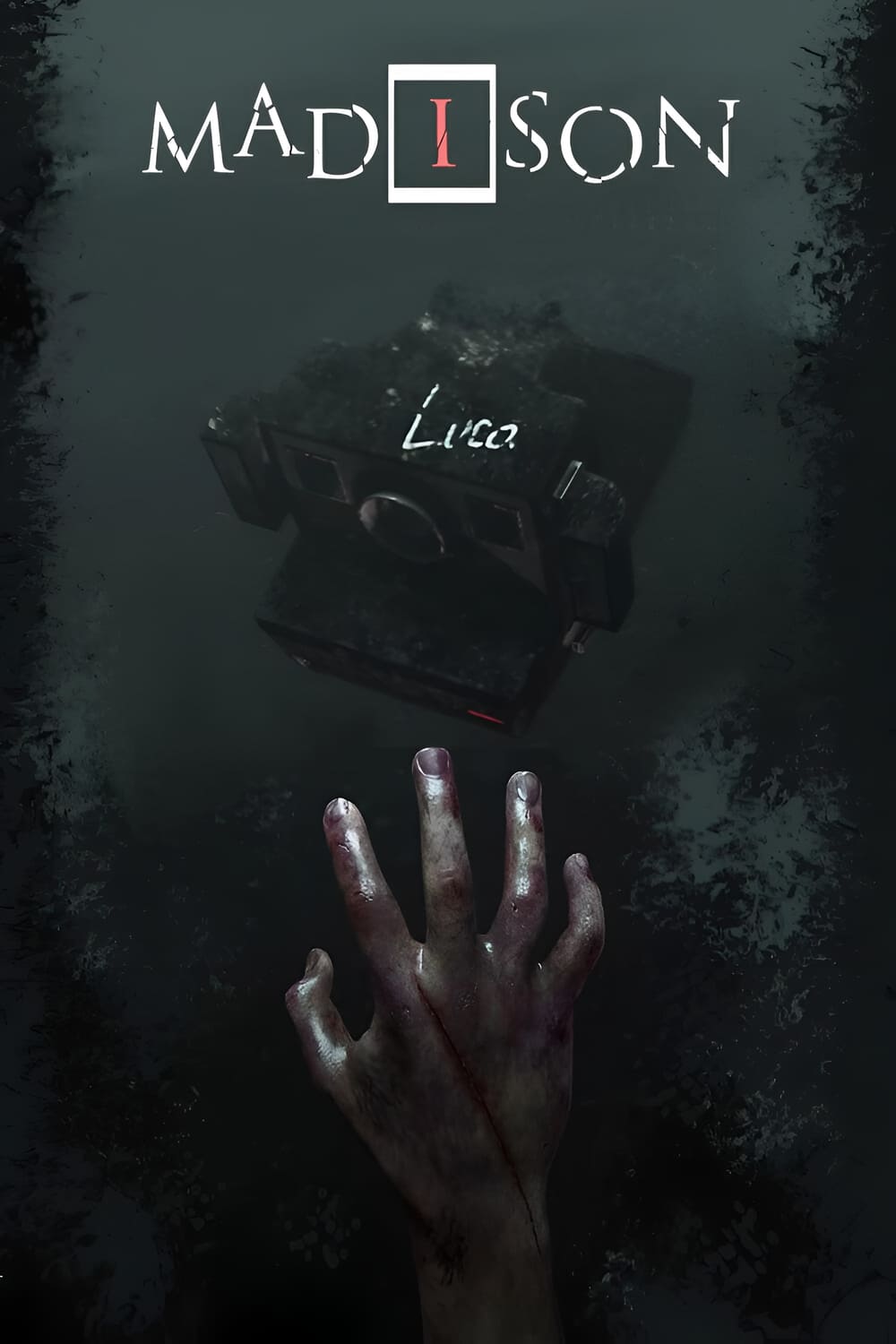
Horror Game Review: MADiSON (by Bloodious Games)


“At the moment of first contact, it is already too late.” — Father Thomas

MADiSON has a knack for making you dread the next room while giving you just enough reason to step inside anyway. Released in 2022 by Bloodious Games, this first-person nightmare puts a camera in your hands and sends you into a house where practically everything seems determined to ruin your evening. It isn’t especially interested in reinventing supernatural horror, and some of its puzzles make being trapped with a demon seem less annoying than being trapped without clear instructions. Still, when its atmosphere, sound, and scares come together, MADiSON delivers something genuinely unsettling: a haunted-house experience that understands how vulnerable curiosity can make you.

You play as Luca, a young man caught in a horrifying situation involving his family, a demonic presence, and a serial killer whose influence hasn’t ended with her death. The opening establishes distress before offering much explanation, which suits a game built around uncertainty. Rather than giving you a comfortable overview of the situation, MADiSON makes understanding what happened part of the ordeal. Its story develops through exploration, recordings, and disturbing discoveries, with the supernatural mystery pulling you farther into danger instead of toward reassurance. The setup works because investigating the house and participating in something sinister gradually start to feel uncomfortably similar.

Veteran gamers will recognize the camera-centered premise, especially anyone familiar with the Fatal Frame series from the early 2000s. Like those games, MADiSON leans heavily on a camera as your means of interacting with the supernatural. But that is where the similarities end. Here, the instant camera drives investigation and puzzle-solving, revealing information that isn’t otherwise visible and triggering changes in the environment. That gives an ordinary action an unpleasant double meaning: you need the camera to make progress, but using it can also bring you closer to something you would rather leave alone. You’re not just asking what might appear in the picture; you’re wondering what taking the picture might have done to the room around you.

That relationship between looking and provoking is where the game finds its strongest identity. Plenty of horror games make players inspect threatening spaces, but MADiSON gives that inspection a tangible ritual. Raise the camera, choose the shot, and discover whether your curiosity has paid off or made things worse. Its photographs connect the supernatural material to the actual puzzle-solving rather than leaving the camera as a decorative gimmick. The result is a useful tension between wanting answers and fearing the process of obtaining them. Even when the surrounding horror imagery feels familiar, the camera helps make engaging with it feel more personal and less passive.

The house itself does a lot of the heavy lifting. MADiSON belongs to the strain of horror associated with P.T. and Visage, where domestic spaces become threatening through repetition, uncertainty, and the feeling that familiar surroundings can no longer be trusted. Its confined layout gives you plenty of opportunities to revisit places that have already made you uncomfortable. At its best, that familiarity becomes a weapon: recognizing a room doesn’t necessarily mean feeling safe inside it. At its worst, however, the same compact environment becomes a source of tedious navigation. There’s a fine line between dreading another trip down a corridor and simply wishing the game would let you get there faster.

The audiovisual presentation generally keeps that line from collapsing entirely. Detailed horror imagery, tense sound, and aggressive scares give the environment a nasty sense of presence. The game knows that an unseen threat can make an otherwise uneventful walk feel loaded with possibility. It also knows how to puncture that anticipation with a sudden shock. The jump scares are a major part of the experience, so anyone hoping for an entirely restrained, slow-burning approach should adjust their expectations. MADiSON wants to get a physical reaction, not just inspire thoughtful unease. Fortunately, its stronger shocks have an oppressive atmosphere supporting them rather than existing as isolated bursts of noise.

Still, the game’s enthusiasm for frightening you can become excessive. There’s a difference between keeping someone on edge and constantly reminding them that the next loud interruption is coming. Its more aggressive audiovisual choices risk making the horror feel pushy, particularly when exaggerated camera movement and awkward interactions are already demanding attention. The problem isn’t that jump scares are automatically cheap; a well-timed one can be hugely effective. It’s that tension needs room to develop, and mechanical irritation can interrupt that development. When the player starts thinking about getting the cursor into exactly the right position, the supernatural threat temporarily loses control of the scene.

Puzzle-solving is the other major ingredient, and it produces the game’s biggest split between satisfaction and frustration. MADiSON uses an old-school structure in which objects, clues, and obstacles may appear well before their purpose becomes clear. That can make the house feel interconnected and reward attention to details encountered earlier. The camera also gives some puzzles a distinctive supernatural twist. But the distinction between an intriguing mystery and an arbitrary roadblock isn’t always maintained. A good puzzle makes you reconsider the evidence; a weaker one makes you reconsider whether you’ve missed an interaction prompt. Too often, the game risks replacing productive uncertainty with aimless experimentation.

That matters especially in horror because confusion has a short shelf life. Initially, not knowing what to do can intensify the feeling of helplessness. After enough unsuccessful attempts, though, fear starts giving way to impatience. Slow movement, repeated routes, and unclear solutions compound one another, making stretches of MADiSON feel less like an escalating nightmare and more like a haunted escape room with uneven instructions. Interestingly, that awkwardness can occasionally work in its favor by making events harder to predict. But unpredictability is more effective when it feels deliberately controlled. The game doesn’t always convince you that its friction serves the horror rather than simply getting in its way.

Narratively, MADiSON benefits from committing to its demonic material. It doesn’t need to transform every frightening image into an elaborate psychological metaphor to justify itself. There’s an appeal to its relatively straightforward interest in possession, occult rituals, and malignant forces. The story provides a reason to keep investigating without becoming the sole attraction, while its familiar genre ingredients give the camera and environmental design something immediately understandable to work against. The downside is that familiarity limits the sense of discovery. Horror veterans will recognize much of its vocabulary, even if the game can still arrange those recognizable pieces into some effective, unpleasant situations.

Ultimately, MADiSON is a strong horror experience wrapped around a sometimes aggravating adventure game. Its camera mechanic gives the fear an interactive foundation, its house sustains an oppressive mood, and its best scares have real bite. The puzzles, pacing, and interaction issues prevent it from feeling consistently assured, however. It’s easiest to recommend to players who enjoy supernatural horror enough to tolerate a little fumbling between the memorable moments. Anyone who needs elegant signposting or dislikes aggressive jump scares will have a rougher time. For everyone else, there’s a compelling nightmare here—one that repeatedly makes finding the next clue feel like opening a door you already know you shouldn’t.

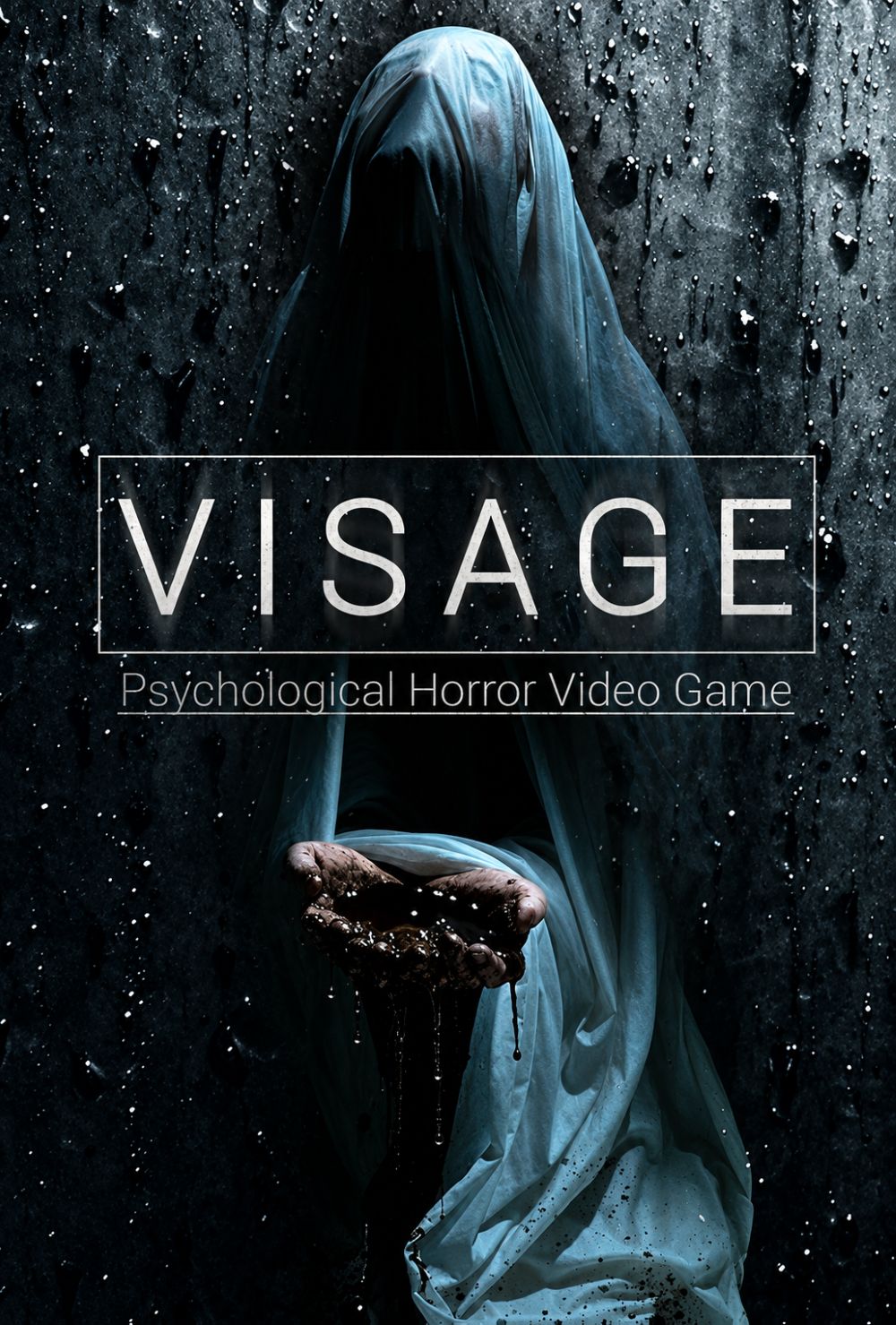
Horror Game Review: Visage (by SadSquare Studio)


“It feels like the treatments are only making things worse.” — George

Visage knows how to make you dread the next room long before anything actually happens. Released in 2020 by SadSquare Studio, this indie psychological nightmare takes the familiar haunted-house setup and stretches it into something deeply uncomfortable. Its connection to P.T.—Hideo Kojima’s playable teaser for a canceled entry in the Silent Hill series—is obvious, but dismissing it as another imitator would overlook how much it brings to the table. There are proper survival mechanics, substantial exploration, and several distinct stories beneath its ghostly surface. It is also clumsy, confusing, and occasionally exhausting for the wrong reasons. Still, when everything clicks, its atmosphere makes those shortcomings surprisingly easy to forgive.

The setup puts you in the shoes of Dwayne Anderson, a man exploring a sprawling house burdened by the tragedies of its previous inhabitants. Before that exploration begins, though, the game opens with a deeply disturbing sequence involving family murder and suicide. That immediately establishes how ugly things can get. This is not a playful ghost story where a few spooky noises lead to a monster reveal. The house becomes a space for confronting violence, suffering, and uncertainty, with Dwayne’s connection to everything left deliberately murky. The mystery offers plenty to chew on, although anyone expecting straightforward answers should adjust those expectations early.

What makes the house so effective is how ordinary it feels before reality starts coming apart. These are recognizable domestic spaces rather than elaborate gothic chambers, and that familiarity does much of the heavy lifting. A dark corner does not need a creature standing in it to become threatening; the possibility is enough. Visage understands that horror often works best when the player is mentally filling in the blanks. Its environments create an uneasy relationship between recognition and suspicion: you know what a home should feel like, but this one keeps quietly violating that understanding. Even exploration can feel like trespassing.

The audiovisual presentation reinforces that discomfort without needing nonstop spectacle. The house looks convincingly lived-in, while shadows and unsettling creaks make its emptier spaces feel occupied. Technically, this is not a game that needs to outmuscle a blockbuster production. Its strength lies in how effectively the visuals and sound work together to make you distrust your surroundings. The jump scares certainly matter, but they land because tension has already done most of the work. The frightening part is often the stretch before something happens, when you are staring into darkness and wondering whether moving forward will finally trigger the thing you have been dreading.

Unlike a purely passive haunted-house tour, Visage gives you systems to manage while all that anxiety builds. Spending too long in darkness or experiencing disturbing events affects your sanity, introducing another layer of uncertainty through hallucinations. You also have to juggle objects between your hands and a limited inventory. Conceptually, this is a smart combination: navigating the environment becomes more involved than simply following the next corridor. You are not just witnessing frightening events; you are trying to stay functional inside them. That extra responsibility helps distinguish the game from horror experiences that rely almost entirely on scripted surprises.

Unfortunately, the inventory is also where that involvement becomes irritating. The two-handed control system sounds immersive until using a tool requires clearing your other hand, rearranging your possessions, or dropping something because there is no room left. There is a difference between making a character vulnerable and making basic actions unnecessarily awkward, and Visage does not always respect that distinction. Some friction suits survival horror, but menu and item-management friction can pull attention away from the environment entirely. When your biggest concern becomes figuring out how to hold the correct object, the haunting has temporarily lost its grip.

The chapter structure provides welcome variety. Lucy’s chapter leans closest to the intimate, oppressive horror associated with P.T., while Dolores’s puts greater emphasis on puzzles. Rakan’s moves toward more traditional survival-horror encounters, and the final chapter pushes further into surreal territory. That variation keeps the game from feeling like one idea repeated indefinitely. It also gives the house a broader identity, as though different tragedies have left different kinds of damage behind. The tradeoff is unevenness: depending on whether you prefer exploration, puzzles, or direct danger, some sections will naturally feel stronger than others.

Puzzle design is the biggest obstacle to enjoying that variety. There are satisfying moments of observation and deduction, but the game also slips into obscure interactions that can feel arbitrary rather than clever. Being lost in a haunted house should be frightening; being lost because you cannot identify the next required trigger is mostly annoying. Once exploration turns into repeatedly checking familiar rooms, suspense risks giving way to impatience. The game deserves credit for resisting constant hand-holding, but withholding direction is not automatically good design. A stronger balance between subtle guidance and uncertainty would preserve the mystery without draining so much momentum.

Ultimately, Visage is an impressive horror game with rough edges that genuinely matter. Its storytelling favors implication over resolution, its controls need patience, and its puzzles can interrupt an otherwise powerful sense of dread. Yet those problems do not erase how convincingly it turns an ordinary house into somewhere you desperately want to leave. It builds fear through familiarity, then steadily makes that familiarity unreliable. For players who value slow-burning psychological horror and can tolerate some frustration, there is a memorable experience here. It is not consistently elegant, but it understands something essential: the scariest room is often the one you have not entered yet.

Warhammer 40K: Darktide Review


“From duty and death there can be no respite.” — Imperial Devotional

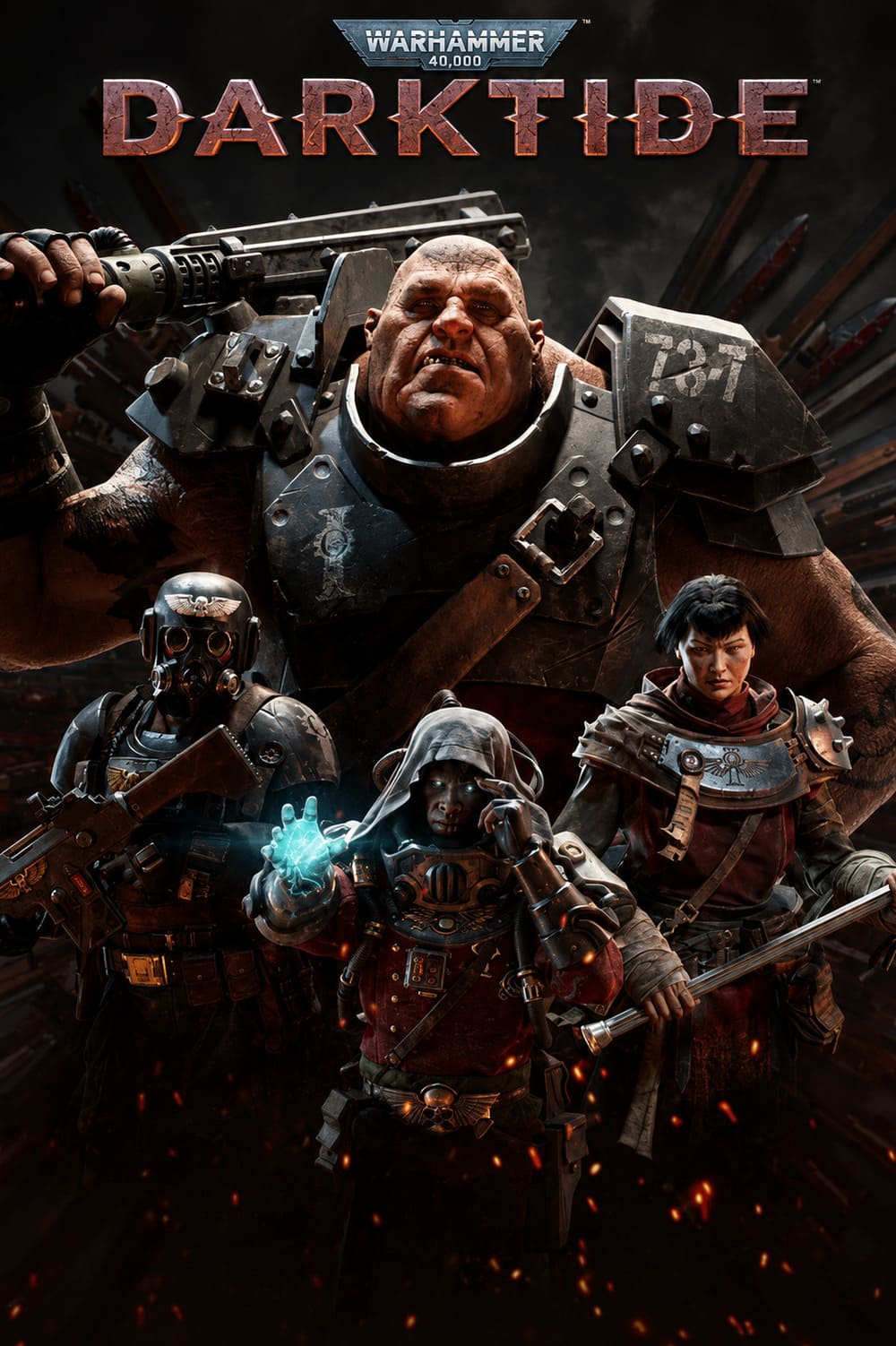
Warhammer 40,000: Darktide understands the core appeal of Warhammer 40K better than most games carrying the license: this is a setting where humanity is vast, miserable, paranoid, religiously fanatical, and constantly one bad day away from being devoured by something unspeakable. Rather than putting the player in the polished power armor of a Space Marine or making them a heroic commander steering armies across a galactic map, Darktide makes you one of the forgotten people at the bottom of the Imperial food chain. You are a convict, a disposable recruit, and—depending on your class—a soldier, preacher, psyker, or big angry guy with a shield. Your job is not to save the galaxy. Your job is to get sent into a plague-infested hive city, kill everything in the way, retrieve whatever your superiors need, and hopefully make it back onto the extraction shuttle alive.

That smaller scale is one of the game’s greatest strengths. Darktide does not try to explain every faction, era, Primarch, chapter, or cosmic crisis in the massive 40K setting. Instead, it traps players in Tertium, a decaying hive city that has been overwhelmed by a Chaos corruption outbreak. The city is a vertical nightmare of industrial machinery, polluted lower levels, cathedrals large enough to swallow city blocks, cramped hab corridors, manufactorums, rail lines, sewage tunnels, and military facilities. It feels like a place where billions of people might actually live, work, worship, suffer, and die without ever seeing the sky. More importantly, it feels unmistakably like 40K.

At its core, Darktide is a four-player cooperative horde shooter in the same broad family as Left 4 Dead and Fatshark’s own Vermintide games. Missions send a squad through hostile territory toward some objective: restore power, investigate a disturbance, assassinate a major enemy, retrieve data, sabotage an operation, or escape a sector before the situation becomes even worse. The basic rhythm will be familiar to anyone who has played a co-op action game. You move through an environment, fight waves of enemies, search for supplies, survive scripted events, and reach extraction. But Darktide succeeds because its moment-to-moment combat has a tremendous amount of weight and tension.

The shooting is excellent. Lasguns feel precise and satisfying, autoguns kick hard, shotguns deliver the expected up-close brutality, and explosive weapons can turn a packed corridor of cultists into a bloody mess in seconds. Every weapon has a distinct personality. A fast-firing infantry autogun feels wildly different from a heavy bolter-like weapon built to chew through armored targets, while a revolver can be a lifesaver when a special enemy needs to die immediately. The game encourages players to learn which tools work best against particular threats, because blindly spraying into a horde is rarely enough once the difficulty rises.

What really separates Darktide from many shooters, though, is its melee combat. This is not a game where you merely pull out a knife when ammunition runs low. Swords, axes, clubs, chain weapons, thunder hammers, and force weapons are central to survival. The melee system asks players to manage crowd control, dodge timing, blocking, pushing enemies back, and targeting priority. A horde of shambling Poxwalkers may look easy to handle, but being surrounded can become fatal almost instantly. Meanwhile, heavily armored Scab enemies require more deliberate attacks, and elite enemies such as Crushers can force a team to react quickly or get flattened.

There is a pleasing physicality to landing a heavy axe strike on a cultist or cleaving through a group with a chainsword. Weapons connect with a crunchy, ugly impact that suits the material perfectly. Darktide often feels like a desperate street fight happening inside a nightmare factory. You are not an invincible superhuman; you are a person trying not to get dragged down by dozens of infected bodies. Even when players become more powerful through better gear and refined builds, the game retains that sense of chaos. One missed dodge, one ignored Trapper, or one badly timed push into a dark hallway can wreck an otherwise successful run.

The four main archetypes offer enough variety to keep the game interesting. The Veteran is the most straightforward ranged specialist, built around firearms, target elimination, and battlefield awareness. The Zealot leans into aggressive melee combat, religious fury, and reckless survivability. The Psyker uses Warp-based abilities to control crowds, destroy priority targets, and bring some of the setting’s psychic horror into the action. The Ogryn is the team’s giant bruiser, capable of absorbing punishment, disrupting enemy formations, and smashing through crowds with the subtlety of a cargo hauler. Each class can be shaped in different directions through talent trees, allowing players to experiment with support roles, damage-focused builds, mobility options, and specialized weapon combinations.

The build system is one of Darktide’s more rewarding long-term features, even if it can become overwhelming for newcomers. A Veteran might become a precision shooter who deletes enemy specialists from across the room, or a more flexible squad leader who supports teammates with ammunition and defensive buffs. A Psyker can focus on popping elite enemies with psychic attacks, spread crowd-controlling flames through hordes, or wield lightning that locks down a dangerous room. The most successful teams usually have some degree of balance: players need horde-clearing power, anti-armor tools, reliable ranged damage, and someone ready to rescue allies when the formation collapses.

That need for cooperation is where the game is at its best. Darktide is much more enjoyable with a team that stays together, calls out threats, shares ammunition, and understands that rescuing a trapped teammate can matter more than chasing a few extra kills. The game’s enemy director is especially good at creating panic. A group can be calmly clearing a hallway when the audio suddenly signals a nearby Mutant, a Hound begins its distinctive howl, a Sniper takes position somewhere in the darkness, and a horde pours through every doorway at once. In those moments, Darktide becomes frantic without turning completely unreadable. Players have to make choices quickly: deal with the special enemy, hold the choke point, revive the downed teammate, or move before the entire squad gets buried.

The visuals do an enormous amount of work in selling the setting. Tertium is one of the best-looking locations in any Warhammer game, not because it is pretty in a conventional sense, but because it is so oppressive and detailed. The city is built from brutalist metal, rust, smoke, cables, oil, religious iconography, and vast Gothic architecture. One mission may take place in an industrial complex full of furnaces and machinery, while another sends players through an abandoned archive, a ruined marketplace, a cathedral-like transit station, or a lower hive district washed in toxic green light. There is always a feeling that the playable mission area is only a tiny piece of an impossible structure extending far beyond the map boundaries.

Darktide’s lighting is particularly effective. Darkness matters mechanically as well as visually, since enemies can emerge from blackened corridors with almost no warning. Flashlights create a narrow sense of security while making everything outside their beam feel more threatening. When the game shifts into a high-intensity combat sequence—sirens blaring, red emergency lights flashing, bodies charging down a corridor, gunfire lighting up the smoke—it can look spectacular. It captures the grimy grandeur that people expect from 40K without making the world too clean or overly polished.

Its sound design may be even better than the graphics. Weapons sound brutal, enemy barks are useful and memorable, and the audio cues for special threats become essential survival tools. The soundtrack gives the action a huge industrial-gothic pulse, mixing choir-like grandeur, metallic percussion, and aggressive electronic energy. It makes even routine fights feel like they are happening at the end of civilization, which, in the context of 40K, is basically an average Tuesday.

The game’s themes are equally faithful to the source material. Darktide is about oppression, faith, bureaucracy, militarism, decay, and survival inside a civilization that treats human life as expendable. The Imperium is not portrayed as a warm or aspirational institution. Your characters are prisoners recruited because the Inquisition needs bodies. The people giving orders are suspicious, ruthless, and generally willing to sacrifice anyone below them if it serves the mission. Yet the game also understands why ordinary citizens might cling to Imperial faith: in a universe full of daemons, alien horrors, and corruption that can literally infect the soul, belief can become a survival mechanism as much as a tool of control.

The lore handling is smart because it stays grounded. There are references to the Imperium, the Inquisition, Chaos, the Moebian Sixth, the Astra Militarum, the Adeptus Mechanicus, psykers, and the Warp, but Darktide does not stop the game every few minutes for a lore lecture. Veterans will recognize the details immediately, while newcomers can understand the basic situation through atmosphere and dialogue. The banter between characters is especially valuable here. It reveals differences in class, background, belief, and social status while making the squad feel more like actual inhabitants of the setting than generic multiplayer avatars.

Darktide has had its share of rough edges, particularly in how its progression, crafting, mission structure, and live-service ambitions have landed at different points in its life. The game can feel repetitive if players are not drawn in by the combat loop, and random teammates can make higher-difficulty missions either thrilling or deeply frustrating. Still, those issues do not erase what Fatshark has built. When Darktide clicks, it is one of the most convincing Warhammer 40K experiences available in games.

Warhammer 40,000: Darktide is not the place to go for a sweeping campaign about galaxy-changing heroes. It is better than that in a different way: it puts you in the boots of a disposable Imperial nobody and makes survival feel like an achievement. Its combat is vicious, its environments are wonderfully bleak, and its understanding of 40K’s grimdark atmosphere is exceptional. For fans of co-op shooters, melee-heavy action, or the Warhammer universe itself, Darktide delivers the rare experience of making the 41st Millennium feel enormous precisely because it lets you see how horrifying life is at ground level.

Review: Dredge


When you boot up Dredge, you might think you are getting a relaxing, Stardew Valley-style fishing experience where you just kick back, cast a line, and listen to lo-fi beats. But developer Black Salt Games and publisher Team17 had something much weirder and far more sinister in store. You play as a nameless fisherman who arrives in a strangely secluded archipelago called the Marrows, and right from the jump, things feel incredibly off. You are given a rundown boat and told to catch fish to make money, but the game slowly peels back its layers to reveal something deeply unsettling lurking beneath the waves. It is a game that takes the most mundane aspects of the fishing sim genre and twists them into a brilliant, unforgettable blend of survival, horror, and puzzle mechanics.

Let’s talk about the actual fishing mechanics because they are surprisingly robust and satisfying. You are not just mashing a button to reel in a generic fish. As you progress through the game, you unlock different rods, crab pots, and trawling nets, each requiring a slightly different approach to use effectively. There is a simple but engaging timing-based mini-game for reeling that varies depending on the size and rarity of the catch, keeping you on your toes. Catching common fish like mackerel or cod is a breeze, but when you hook something aberrant or otherworldly, the mini-game gets incredibly frantic. The game does a fantastic job of making you feel like a competent angler while constantly introducing new species and equipment to keep the core gameplay loop from going stale.

But the real genius of Dredge lies in its inventory management, which essentially turns your boat into a spatial puzzle game. Your catch does not just magically go into a bottomless bag; you have to physically slot fish into a grid on your boat’s deck. Different fish take up different amounts of space, shaped like Tetris blocks. A small anchovy takes up one square, while a massive shark might take up four or five. As your boat gets bigger, so does the grid, but you also have to fit engine upgrades, tighter nets, and refrigerated storage on that exact same grid. You are constantly playing a game of spatial Tetris while out on the water, deciding if you have room for that highly valuable abyssal fish or if you need to toss out some common junk to make space.

This is where the survival mechanics start to bleed into the gameplay, and it is also exactly where the horror starts to creep in. During the day, Dredge feels almost peaceful. The pixel art is gorgeous, the water looks serene, and the locals at the docks are quirky but polite. But once the sun goes down, the entire vibe of the game shifts dramatically. A thick, suffocating fog rolls in, your visibility drops to almost nothing, and the soundtrack changes to something deeply oppressive. You start to hear strange noises in the water, and if you linger out in the dark too long, your screen starts to warp and distort as your character’s mind begins to fracture.

This introduces the panic meter, which is easily one of the most stressful survival mechanics I have played with in a long time. If you stay in the dark or get too close to the rogue eldritch horrors swimming around the islands, your panic goes up. If it maxes out, you crash your boat and wake up having lost a chunk of your hard-earned catch and inventory space. You also have to manage your hull integrity, because ramming into rocks or getting smacked by a sea monster costs you money and risks sinking your only means of survival. Add in the need to manage your fuel to get back to port and your sleep meter to avoid passing out, and you suddenly realize you are not playing a cozy fishing game anymore. You are playing a tense resource management game where one wrong decision in the dark can completely ruin your entire run.

The way Dredge mashes up these seemingly incompatible genres is incredibly seamless. It takes the soothing, methodical loop of a game like Moonglow Bay or Animal Crossing and injects it directly with the survival anxiety of Don’t Starve and the creeping cosmic dread of a game like Call of Cthulhu. You want to push your luck and stay out late to catch that one rare nocturnal fish, but the survival mechanics punish you harshly for being greedy. The horror elements do not just serve as cheap jump scares, either; they are baked directly into the fishing mechanics. Some rare fish can only be caught during a blood moon or in the darkest parts of the ocean, forcing you to navigate through pitch-black waters filled with terrifying rock formations and unseen monsters just to fill out your encyclopedia.

Exploring the world is a joy in itself, even when it is scaring the pants off you. The archipelago is divided into distinct biomes, each with its own unique fish, hidden secrets, and terrified residents. As you complete quests for the locals—fetching specific fish, finding lost items, or hunting down dangerous aberrations—you unlock new parts of the map and new abilities for your boat. The overarching narrative is mysterious and vague in a way that works perfectly for the genre. You do not need a massive lore dump to understand that something went terribly wrong in this place a long time ago; the environment tells the story brilliantly through ruined ships, mutated wildlife, and the paranoid ramblings of the islanders.

By the time you reach the late game, your little dinghy has been transformed into a high-tech seafaring vessel, but the waters feel just as dangerous, if not more so. Dredge is an absolute masterclass in taking familiar gaming mechanics and twisting them into something completely unique. It respects your time as a player, offering a tight, well-paced experience that never feels like it is padding its runtime. Whether you are happily organizing your latest haul in the warm glow of the daytime sun or frantically paddling for your life through a foggy nightmare, the game constantly keeps you engaged. If you have even a passing interest in fishing games, survival mechanics, or Lovecraftian horror, you owe it to yourself to drop a line into Dredge. Just do not forget to head back to port before dark.

Review: Ball x Pit


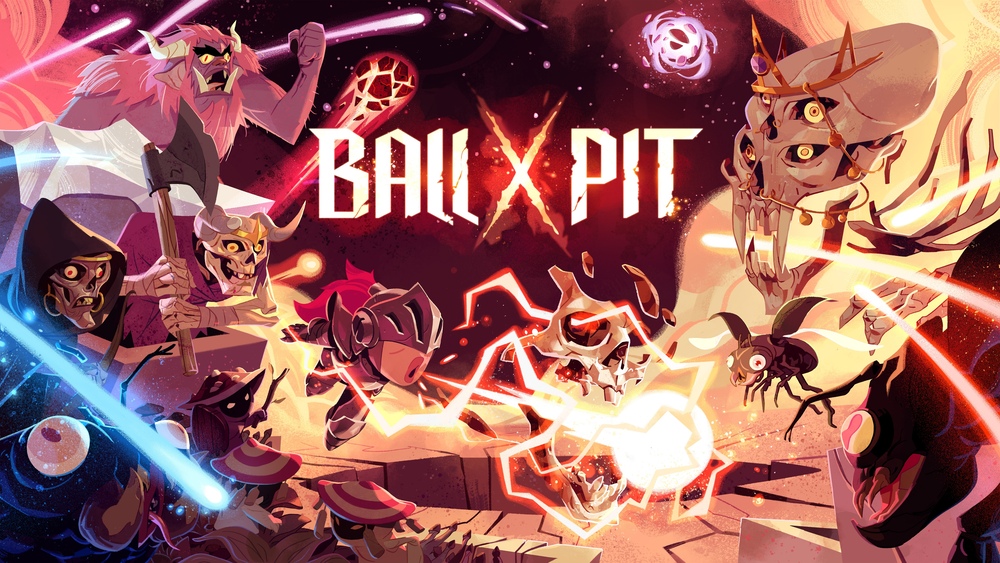
 have been playing Ball x Pit way too many times. It is the kind of game that sinks its hooks into you, not through a gripping narrative or photorealistic graphics, but through a pure, unfiltered gameplay loop that is as addictive as anything I have played in years. Developed by Kenny Sun and published by Devolver Digital, this title takes the classic, almost primordial concept of Breakout and smashes it together with the modern, progression-driven obsession of a roguelike, all while throwing in a dash of bullet-hell chaos and even a little bit of base-building for good measure. The result is a game that feels both immediately familiar and utterly fresh, a bizarre and brilliant genre stew that has completely consumed my gaming time.

At its core, the action in the pit is a frantic, vertical-scrolling brawl. You control a hero at the bottom of the screen, and from above, relentless waves of blocky enemies march downwards. Your only defense is a stream of magical balls that you launch upwards, watching them bounce off walls and foes alike. The key is to angle your shots to get the most bounces for maximum damage, a concept straight out of the Arkanoid playbook. But where it gets wild is the roguelike layer. Enemies drop XP gems, and with each level-up, you are presented with a choice of new abilities or perks. This is where your build starts to take shape. You might pick a fireball, a ball that spawns smaller “baby” balls on impact, or a passive perk that causes enemies to explode upon death. This system, highly reminiscent of Vampire Survivors, is where the “bullet hell” moniker comes into play, as your screen eventually becomes a chaotic, beautiful mess of ricocheting projectiles and particle effects.

The true genius of Ball x Pit, however, lies in its fusion and evolution mechanics. You have limited slots for your special balls, but the game frequently drops items that allow you to merge two existing balls into one powerful, combined version. This frees up a slot and creates something new and often devastating, like a laser that also causes bleeding damage. Deciding which balls to fuse, and which passive abilities to stack to support them, is a constant, engaging puzzle that makes every run feel distinct. As one review perfectly described it, the game is a laboratory of damage-dealing, where the question of who do I want to be for this run drives the entire experience. With over fifteen unique characters and dozens of possible evolutions, the strategic potential is huge.

Just when you think you have got the loop figured out, you return to the surface, and the game completely switches gears. The resources you have gathered in the pit are used to rebuild the fallen city of New Ballbylon in a clever base-building minigame. You place farms, quarries, and forests on a grid and then, in a brilliant twist, you harvest them by launching your own heroes into the town like they are balls in a game of Peggle. They bounce off buildings and collect resources, which you then use to construct permanent stat-boosting buildings and unlock new characters. This dual-loop structure is relentlessly compelling. A fifteen-minute run in the pit is always followed by a quick visit to the city to manage your resources and feel your power grow, which in turn makes you eager to dive back into the pit.

It is this frictionless cycle of action, reward, and progression that makes Ball x Pit so dangerously addictive. It is the perfect game for a quick session, but its just one more run hook makes it nearly impossible to put down. Some critics have noted that the base-building can feel a bit tedious and that the game can become too easy once you have unlocked a powerful build, but these are minor complaints against the sheer, joyful momentum of the experience. It is a game that respects your time with its short runs, rewards experimentation, and consistently makes you feel like a genius when a risky fusion pays off. Ball x Pit is more than just a good game; it is a masterclass in game design that understands the core appeal of a simple, satisfying mechanic and builds a sprawling, intricate, and endlessly replayable world around it. It is a cheap, chaotic, and utterly brilliant time sink that I wholeheartedly recommend.

Review: Lost Odyssey


“When people die, they just… go away. If there’s any place a soul would go… It’s in your memories. People you remember are with you forever.” – Kaim Argonar

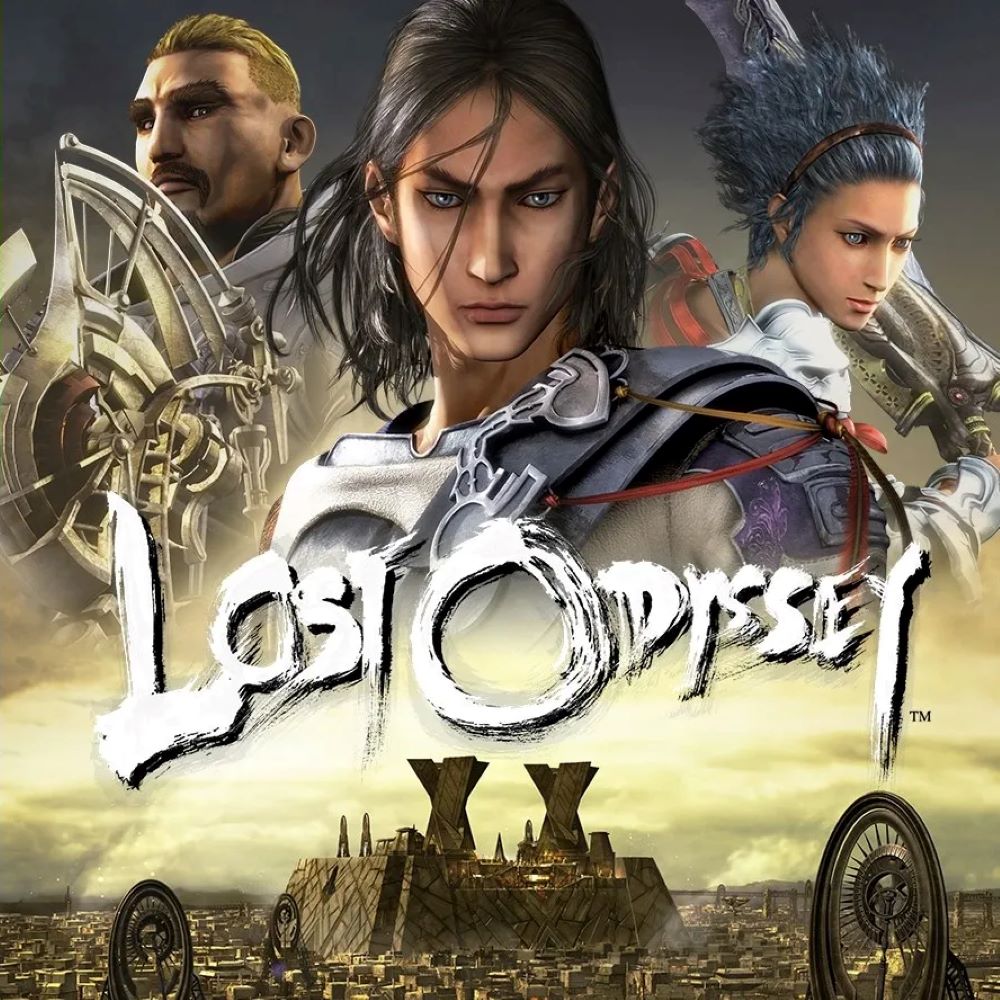
Lost Odyssey stands out as one of those RPGs from the late Xbox 360 era that doesn’t scream for attention with flashy mechanics or boundary-pushing innovations, but instead draws you in through its deeply introspective storytelling and a commitment to emotional depth that feels almost defiant in its restraint. Developed by Mistwalker’s Hironobu Sakaguchi—the mastermind behind the original Final Fantasy games—this title arrived in 2007 as a love letter to classic JRPG traditions, complete with turn-based combat, sprawling world exploration, and a narrative centered on immortality’s quiet horrors. It’s a game that rewards patience, asking players to linger in moments of melancholy rather than rushing toward bombastic climaxes, and in today’s landscape of hybrid action-RPGs like Clair Obscur: Expedition 33, it feels both timeless and a touch nostalgic.​

The protagonist, Kaim Argonar, is an immortal wanderer who’s lived for over a thousand years, his memories eroded by time like sand slipping through fingers. This setup immediately sets Lost Odyssey apart, turning what could have been a rote hero’s journey into something far more personal and haunting. Kaim isn’t driven by prophecy or destiny in the typical sense; he’s haunted by fragments of lives long lost, piecing together his past while grappling with the present. Accompanied by a party of fellow immortals and mortals who bring their own baggage—Seth, a fierce queen-turned-revolutionary; Jansen, the wisecracking raconteur and black magic user; Mack, Cooke’s adventurous brother and a spirit magic specialist; Cooke, the earnest white mage sister; and others who evolve from archetypes into fully fleshed-out companions—the story unfolds across a world on the brink of magical and technological upheaval. Wars rage between nations like the Republic of Uhra and the Kingdom of Goht experimenting with dangerous “aether” energy, ancient gaia cults stir forgotten powers from the earth’s core, and a comically over-the-top villain named Gongora pulls strings from the shadows with his dream-manipulating sorcery. But it’s the immortals’ shared curse—living forever while everyone else fades—that grounds everything in raw, relatable humanity, forcing reflections on attachment, regret, and the passage of time.​

What truly elevates the narrative are the “Thousand Years of Dreams,” a collection of over thirty short story interludes scattered throughout the game like hidden treasures, all penned by acclaimed Japanese author Kiyoshi Shigematsu. These vignettes replay key moments from Kaim’s (and later other immortals’) pasts: a father’s quiet desperation as his family starves during a harsh winter, a lover’s betrayal amid wartime chaos that shatters trust forever, a child’s innocent wonder abruptly ended by sudden violence in a peaceful village. They’re presented as dream sequences with minimal interactivity—just reading the poignant prose accompanied by subtle animations and ambient sounds—but their impact is profound, blending poetic introspection with raw emotional punches that make loss feel visceral and immediate. Shigematsu, known for his family-centered novels like Naifu and Bitamin F, infuses these tales with his signature themes of everyday struggles, parental love, and quiet resilience, drawing from his own life experiences such as overcoming a childhood stammering disorder. These aren’t mere filler; they mirror and deepen the main plot’s themes of memory, fleeting bonds, and the futility of outliving joy, often landing harder than the epic set pieces like airship chases or gaia temple collapses. In a fair assessment, though, not every dream hits the mark equally—some lean repetitive in their focus on tragedy and separation, and the heavy reliance on text-heavy exposition can test players who prefer more visual or interactive storytelling over contemplative reading.​

Comparatively, the core plot treads more familiar JRPG ground, with globe-trotting quests to collect six magic seeds capable of restoring the world’s fading magic, infiltrate enemy strongholds like the White Citadel, and unravel a conspiracy involving dreamless immortals, experimental magic tech, and an impending apocalypse. It’s competently paced for its 40-60 hour runtime (longer for completionists), building to satisfying reveals about Kaim’s origins, the party’s interconnected fates, and the true nature of immortality in a world where magic is dying. Yet it lacks the moral ambiguity that makes contemporaries like Clair Obscur: Expedition 33 so gripping—that game thrives on tough choices where apparent triumphs often sow seeds of future doom, forcing players to question if their “expedition” against the Paintress is true heroism or just delayed hubris. Lost Odyssey flirts with similar existentialism—Kaim repeatedly forms bonds only to anticipate their inevitable fraying—but ultimately resolves in a more optimistic, collective salvation arc centered on hope and reunion. This makes it comforting for fans of straightforward fantasy epics with clear good-vs-evil lines, yet somewhat safe for a tale about eternal life, where deeper philosophical dives into immortality’s ethics, like the morality of intervening in mortal affairs, could have pushed boundaries further without alienating its audience.

​

The supporting cast shines as a counterbalance, with banter during airship travels and camp rests that humanizes even the most ancient immortals. Take Gongora, the flamboyant antagonist whose Shakespearean monologues, reality-warping sorcery, and personal grudge against his immortal brethren make him a delightfully theatrical foe worth rooting against. Or the mortal siblings Cooke and Mack, whose dynamic starts as lighthearted comic relief—pranks, inventions gone wrong, sibling squabbles—with Mack’s adventurous spirit driving bold escapades while Cooke provides steady white magic support, maturing into poignant growth arcs as they confront loss and responsibility together. Jansen brings levity as the wisecracking raconteur, spinning tales and unleashing black magic with reluctant flair that often steals scenes during downtime. Party chemistry fosters organic moments, like shared reflections on recent dreams or lighthearted ribbing during skill training, that deepen player investment over the long haul. Not all characters resonate equally; some, like the naive inventor Littleton or the initially whiny prince Tolten, lean into tropes without much subversion, leading to occasional eye-rolls amid the stronger portrayals from Seth’s fiery leadership. Still, the innovative “Immortal” skill-sharing system, where immortals permanently absorb abilities from fallen mortals via “Skill Link” beads, ingeniously reinforces the core theme: eternity doesn’t preclude learning, growth, or change through relationships with the temporary.​

Combat embodies Lost Odyssey‘s old-school soul, sticking faithfully to turn-based roots with thoughtful layers that demand strategy over button-mashing reflexes. Battles unfold on a grid-like interface where positioning is crucial—front-row tanks like Kaim absorb hits for backline healers like Cooke and her white magic or mages like Jansen with his black magic arsenal, while the signature “Ring” system adds tension to every basic attack or spell: time your button presses precisely to hit colored rings for boosted damage, critical hits, or multi-hit combos. Condition management becomes key, as poison, sleep, paralysis, and weakness can derail even well-planned fights, encouraging thorough prep with items, protective spells, and the flexible “Skill Link” beads that let any character equip enemy-learned abilities like fire immunity or poison breath. Boss encounters ramp up dramatically with multi-phase patterns, status ailment spam, massive HP pools, and environmental hazards, rewarding exploitation of elemental weaknesses (fire vs. ice foes, etc.), party swaps, and layered buffs/debuffs for tense, chess-like victories.​

Yet fairness demands noting the system’s notable flaws, which haven’t aged gracefully. Random encounters populate every screen with alarming density, leading to grindy slogs in weaker areas before you unlock enemy visibility via skills or items, and early-game pacing suffers from these constant interruptions amid tutorial-heavy chapters. Load times between battles and zone transitions feel archaic by modern standards—often 10-20 seconds on original hardware—and the lack of auto-battle, speed-up toggles, or robust fast travel exacerbates repetition for completionists chasing ultimate weapons, all 33 dreams, or optional gaia quests. Contrast this with Clair Obscur‘s slick hybrid combat, which fuses turn-based planning with real-time dodges, parries, and QTEs in a fluid “expedition” rhythm inspired partly by Lost Odyssey itself—every fight, from trash mobs to epic bosses, pulses with immediacy and the “dial of fate” mechanic that turns timing into life-or-death dance steps. Lost Odyssey prioritizes cerebral, menu-driven setups—buff-stacking, weakness chains, formation tweaks—over kinetic flair, appealing deeply to tacticians who savor the deliberate pace but alienating those craving Clair-style adrenaline and fluidity. It’s a classic strategic depth versus modern dynamic polish tradeoff, and your mileage will vary sharply based on tolerance for 2007-era JRPG rhythms.

​​

Exploration weaves together standard JRPG fare with moments of quiet wonder—roaming a vast overworld via massive airship (the Nautilus), delving into multi-floor dungeons with hidden chests and switch puzzles, solving environmental riddles involving weight balances, light beams, or wind currents—but injects personality through diverse biomes: mist-shrouded ancient ruins teeming with spectral foes, frozen tundras where blizzards obscure paths, volcanic badlands with lava flows and ash-choked air. Sidequests expand the lore meaningfully, like aiding immortal Seth’s rebel faction in underground networks, delving into sacred gaia shrines for permanent power-ups, or hunting elusive immortal encounters for rare skills, though many lesser ones boil down to repetitive fetch tasks or escort missions. The world map’s sheer scale impresses, hiding optional superbosses like the immortal-hunting Black Knights, treasure troves in hard-to-reach ledges, and secret dream triggers, but frequent backtracking without comprehensive fast travel can drag, especially post-game. Presentation captures the Xbox 360’s graphical peak for its time: cinematic FMV cutscenes rival Hollywood trailers in scope and polish, character models boast fluid animations, expressive facial captures (rare for 2007), and detailed costumes, while environments blend stunning pre-rendered backgrounds with real-time lighting and particle effects for moody, immersive atmospheres. Draw distance limitations, occasional texture pop-in, and lower-res models show their age on HD displays, but the art direction—shadowy, desaturated palettes evoking faded memories and encroaching oblivion—holds up remarkably well.

Nobuo Uematsu’s soundtrack remains the undisputed MVP, a masterclass in emotional orchestration blending sweeping orchestral swells with intimate piano solos and ethnic instrumentation. Battle themes like the pulse-pounding “Battle with Immortal” or tense “Boss Battle” drive adrenaline without overpowering, dream sequences float on delicate harpsichord, strings, and solo vocals for heartbreaking intimacy, and overworld motifs evoke vast, lonely skies over crumbling civilizations. It’s Uematsu post-Final Fantasy at his most evocative and personal, rivaling series highs and clearly influencing modern scores—direct echoes resonate in Clair Obscur‘s painterly OST, where swelling choirs and haunting flutes underscore expedition perils with a similar blend of grandeur, sorrow, and fragile hope. Voice acting offers a mixed bag: highs like Kaim’s gravelly, world-weary delivery from Jeff Kramer or Seth’s commanding fire from Sarah Tancer contrast with occasional stiff accents and wooden line reads in lesser roles. The English localization shines brightest in Shigematsu’s dreams—preserving nuanced melancholy and cultural subtlety—but occasionally clunks in casual banter or expository dumps.​

Pacing represents Lost Odyssey‘s biggest double-edged sword, perfectly suiting its themes of slow erosion and reflection but testing modern attention spans. The game’s deliberate rhythm manifests in long linear chapters (Disc 1’s tutorial stretch, Disc 3’s sidequest marathon), mandatory backtracks to missed dreams or seeds, and optional hunts that balloon playtime to 70+ hours without always advancing the central plot. Mid-game lulls, particularly after major reveals like the immortals’ gathering or Gongora’s betrayal, lean heavily on grinding and collection, demanding commitment from players not fully hooked by the dreams. Technical quirks persist too: occasional frame drops in massive battles, finicky ring input timing on controllers, and long save/load cycles remind players of its 2007 origins, though Xbox One/Series backward compatibility smooths some edges with Auto HDR and FPS boosts. The game earned widespread praise for its story depth, Uematsu’s music, and emotional resonance, tempered by critiques of its dated combat pacing, grind, and conservative design in an era shifting toward action hybrids.​

Against Clair Obscur: Expedition 33, Lost Odyssey feels like the contemplative grandfather to a bold, innovative successor—Clair‘s tighter 20-30 hour sprint packs nonlinear branching choices, grotesque evolutions of its turn-based system, and a fractured, painterly world where expeditions literally rewrite reality through “painted” fates, with its combat’s “dial of fate” parries making every decision feel consequential and irreversible. Lost Odyssey sprawls longer and commits to strict linearity to pace out Shigematsu’s dreams methodically, trading reactive choice systems for patient, interior reflection on grief. Both excel at probing mortality’s sting—Clair through visceral, grotesque horrors and ambiguous victories, Lost Odyssey via intimate, lived-through tragedies—but Mistwalker’s effort prioritizes small-scale, personal grief over systemic reinvention or high-stakes moral quandaries.​

Ultimately, Lost Odyssey endures as a balanced, heartfelt gem for JRPG purists and story enthusiasts: stellar writing from Kiyoshi Shigematsu anchors a solid but unflashy package, with Uematsu’s music, immortal hooks, and dream vignettes lingering longest in the mind. It’s not flawless—grindy encounters, safe plotting, and archaic pacing hold it from undisputed masterpiece status—but its emotional core crafts a rare resonance, blending melancholy fantasy with subtle wisdom about time’s toll. In an era dominated by Clair-like hybrids blending action and choice, it reminds why pure turn-based tales still captivate, offering a somber, patient journey for those willing to dream along with Kaim’s thousand years.

Clair Obscur: Expedition 33 Review


“Life keeps forcing cruel choices.” — Verso

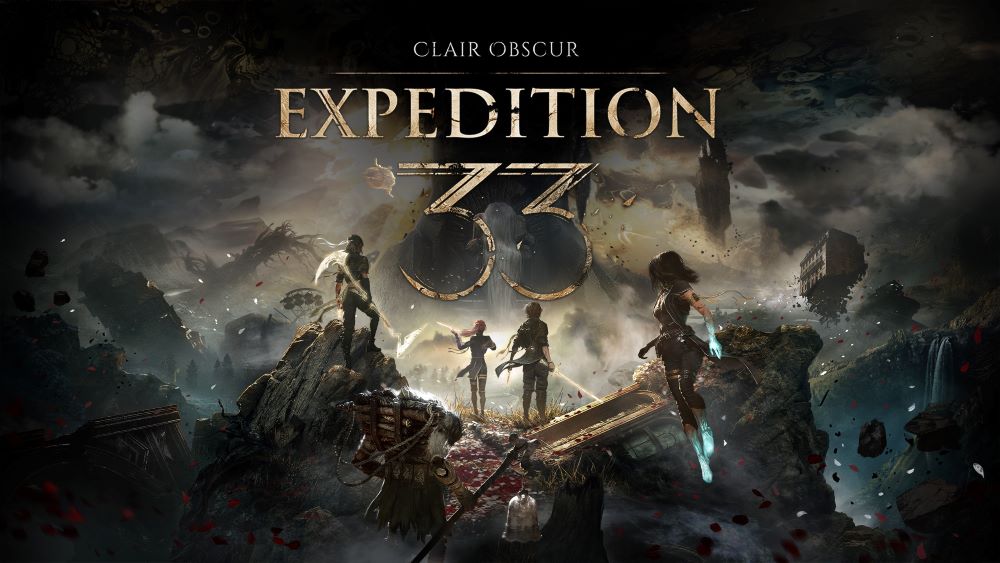
I’ve now played through and finished Sandfall Interactive’s Clair Obscur: Expedition 33, and it stands out as a captivating entry in the JRPG space, blending a deeply melancholic storyline with eye-catching visuals and a combat setup that mixes thoughtful planning with split-second decisions, all within a richly detailed world evoking a fading era of grandeur. At its heart lies the chilling concept of the Paintress, a mysterious entity who annually inscribes a number across the heavens, causing all who reach that age to fade from existence without fanfare or trace. The game’s protagonists band together for a high-stakes voyage aimed at scaling her towering domain and halting this grim tradition before it strikes Year 33, transforming a familiar quest motif into an extended reflection on life’s brevity, rebellion against destiny, and the customs societies invent to endure tragedy. The tone stays approachable, laced with sharp-witted exchanges amid the gloom, while gameplay keeps players actively involved, and echoes of iconic JRPG influences from Hironobu Sakaguchi—like the sweeping epics of Final Fantasy and the poignant depth of Lost Odyssey—shine through in its design choices.

The plot progresses as a gripping blend of escalating peril and introspective pauses, opening in communities that have woven the Paintress’s decree into their daily fabric. Local celebrations honor remaining time, households tally days with subdued anxiety, and affluent districts ponder existence over lavish artworks meant to defy forgetting. Your team gathers from those scarred by previous culls—bereaved kin, displaced souls, wanderers—infusing the group with individual wounds that amplify the shared plight. The path forward involves sidetracks through abandoned sites, fraught dealings with devotees viewing the Paintress as a benevolent force, and ethical dilemmas such as granting mercy to those facing obliteration. Closer to the summit, layers of lore unfold, suggesting the Paintress could stem from a misguided origin or embodied sorrow, prompting the crew to debate whether victory redeems or merely reshuffles catastrophe.

This storytelling prowess draws clear lines to Hironobu Sakaguchi’s legacy, the visionary behind early Final Fantasy triumphs and the overlooked masterpiece Lost Odyssey. The grand-scale conflicts and heartfelt interpersonal ties of Final Fantasy resonate in how Clair Obscur intertwines global peril with private sorrows. Yet Lost Odyssey provides the closest parallel, with its focus on ageless wanderers burdened by sorrow—mirrored here by time-bound lives—employing ethereal sequences and subdued musings to delve into mourning’s toll. The short, evocative tales in Lost Odyssey‘s “Thousand Years of Dreams” parallel the game’s archival entries and memory glimpses, which breathe life into vanished souls: versifiers halted in flow, tinkerers forsaking unfinished marvels, youths denied basic legacies. Studio insights highlight Sakaguchi’s skill in rendering eternal burdens profoundly mortal as a guiding light for crafting the party’s resilient yet fractured ideals.

Central motifs pit surrender to fate against willful resistance, threading seamlessly through dialogues at rest stops and chance meetings to avoid heavy-handedness. Communal resignation appears as sensible resilience rather than weakness—resisting an annual wave proves futile, so adaptation prevails. The travelers represent the flip side: audacious optimism teetering on folly, fueled by unyielding curiosity, akin to Lost Odyssey‘s undying figures rediscovering purpose amid oblivion’s threat. A comrade might grip a memento from a lost relative as rage’s spark; another embraces excess, seeking fleeting thrills since futures dissolve; yet another serves as ethical anchor, cautioning that unchecked revolt harms bystanders. These paths collide poignantly—fractures from panic, mends through peril’s forge, hushed admissions of battling for vitality over triumph, capturing Sakaguchi’s fusion of mythic scope and visceral feeling.

Sorrow and recollection anchor further layers, via retrospective visions and elective records that personalize the toll, nodding to Sakaguchi’s use of intimate narratives to anchor vast realms. This juxtaposes against vibrant holdouts—opulent dances beneath ominous vaults, buskers flaunting flames to taunt twilight—fueling an overarching idea of enactment drawn from his dramatic sensibilities. Existence morphs into a drama directed by the Paintress, participants ad-libbing parts: resolute captain veiling dread, comic veiling remorse in quips, thinker unraveling legends pre-finale. The script deftly merges genuineness and showmanship; raw outpourings yield to lush scores, probing if sentiments endure or merely peak performances—reminiscent of Lost Odyssey‘s detached eternals reenacting humanness.

Optimism faces scrutiny, portrayed with nuance rather than idealization, honoring Sakaguchi’s shift from Final Fantasy‘s luminous quests to Lost Odyssey‘s jaded realism. Initially a binding flame, it frays amid reversals—raids by adherents, glimpses of doomed prior ventures—exposing vulnerabilities. Does opposition uplift, or burden allies with delusion? Nuanced moments abound: euthanizing a settlement embracing mass erasure to spare agony ignites clashes mirroring life’s terminal choices, akin to Lost Odyssey‘s eternal-versus-finite contemplations. Kinship and affection weave closeness—a divided pair riven by self-offering, budding connection strained by farewell drafts—revolving around fleeting hours. Cling or release kin? Impact stems from narrative faith in interpretive space, shunning neat closures per Sakaguchi’s player-trusting ethos.

The orchestral soundtrack stands as one of the game’s true triumphs, composed by the talented Lorien Testard with contributions from a full symphony orchestra that captures the Belle Époque essence in every sweeping string section and haunting motif. Testard’s score masterfully shifts from delicate piano interludes during quiet camp reflections—evoking fragile hope amid numbered days—to thunderous brass crescendos during tower ascents and boss confrontations, perfectly syncing with the emotional highs of defiance and loss. Guest artists like Alice Duport-Percier on vocals add ethereal layers to key themes, such as the Paintress’s ritual melody, which recurs as a leitmotif tying personal grief to cosmic dread. Recorded live with meticulous attention to period instrumentation, including harps and woodwinds for that ornate, fading-elegance vibe, the music doesn’t just accompany; it immerses, turning traversal into symphonic poetry and battles into operatic clashes that linger long after the controller’s down.

Performances soar across the board, with standout work from Charlie Cox as the determined Gustave, bringing a grounded intensity to the engineer’s final-year desperation, and Ben Starr as the enigmatic Verso, delivering a layered mix of menace and vulnerability that keeps you guessing. Jennifer English shines as the fiery Maelle with raw emotional power, while Shala Nyx’s calm yet fierce Sciel adds a steady anchor amid chaos. These voices, alongside gravel-voiced wisdom akin to Andy Serkis and resilient fire reminiscent of others in the cast, lend real heft to reflections on purpose in a counted world, elevating every dialogue into something memorable.

The opulent, twilight-era backdrop enriches motifs, merging Sakaguchi-esque fantasy with continental lavishness for novelty. Elaborate towers rend misty expanses, attire upholds decorum in wreckage, vessels glide as innovation’s specters—all painting a realm in refined decline, staging poise toward closure. Playful quirks—a trader morphing beasts for barter scraps, an aeronaut spouting verse aloft—highlight stubborn spirit, easing gravity sans dilution. Runtime hits 20 hours core, concise yet hinting at untapped depths—like genesis tales or foe quests—primed for expansions, echoing Sakaguchi’s potent brevity.

Gameplay propels via evolved hybrid vigor, building on Sakaguchi-defined norms: menu selections via vibrant dial (strikes, resource skills for ruptures/chains, targeted blasts, aids) merge with instant retorts through evades, counters, leaps versus foe cues, like Lost Odyssey‘s strategy plus timing. Flawless guards restore fuel for climaxes, crafting battles as hazard-harmony flows syncing with tale strains. Traversing covers sparse hubs with patrolling threats in flexible areas—bypass for pace, engage for growth—stats tilt to quickness/endurance edges, execution overriding setups. Initial timing hurdles test, end patterns exact, glitches annoy, yet synergy evokes tale revolt and Sakaguchi innovation.

Aesthetics dazzle: interfaces flare in spectacle—delays, bursts—rendering wins grand, saluting Final Fantasy pomp. Taken as a whole, Sandfall Interactive’s Clair Obscur: Expedition 33 takes a well-established brand of RPG mechanics and storytelling, polishes it with modern hybrid twists, introspective depth, that masterful orchestral score, and stellar voice work, modernizing it into one of the best games of recent years—a somber treasure where fate-drama depths, keen casts, and dynamic clashes in compact form outshine sheer scale, flaunting its Sakaguchi nods boldly while standing tall on its own. Shortfalls in ancillary tales and timing tilt persist, yet for evocative RPGs melding soul and vigor, it endures memorably—affirming grace persists, counted or not.

FTL – Advanced Edition


When Faster Than Light first launched, in the before time, in the long long ago… the developers talked about updates. Upgrades. Expansions. For a long time, we had nothing.

But then, as good developers are wont to do… we got everything. We got FTL – Advanced Edition. It’s more than just an expansion to the amazing space-based Rogue-like that we already played. It’s more than a remake which provides tons of extra features and cosmetic improvements that would have helped the initial release. It’s both an expansion and a remake all at once. It’s a huge upgrade to the core game filled with many quality-of-life improvements combined with an expansion that introduces many new mechanics, a new cruiser, a heavy load of new weapons and augments… even a new alien race. It’s pretty good.

And before I go a step further, let me tell you about the best part: It’s free!

It’s free because you already bought Faster Than Light on my recommendation. If you didn’t… well, I feel for you. Because a great game has been out for years without your knowledge. Luckily, it’s not too late. Things haven’t changed. Even if you’re just buying now, the game is still going to cost you only $9.99 US. For everything! If you have any interest in this deep, strategic, space-based Rogue-like… this is an excellent price point. It could get better on the Steam sale… but in general, this isn’t too dear a price to pay to support an excellent indie developer who has produced an excellent product.

So what’s so good about FTL Advanced Edition? I guess everything. Let’s talk about the improvements, in no particular order.

– A new alien cruiser, provided free of charge to owners of Advanced Edition. It’s a totally unique ship. The new alien species (no surprise) mans this craft… and their special characteristic is being awesome… but also draining oxygen out of any room they’re in. Obviously, you can create an awesome ship out of these aliens alone. But that’s not guaranteed in FTL. Still, it’s brutally hard for boarders to take a ship with no oxygen. I’m sure we’ve all tried and been burned horribly by automated ships in the past!

– A new alien species! They suck oxygen, but otherwise are pretty awesome. Wait, it’s easy to turn no air to your advantage? Maybe they’re just awesome.

– Tooltips. The game has had a staggering upgrade in UI. One of the biggest and most immediately apparent differences is in UI. I think literally one zillion (technical term) tooltips have been added to the game. More or less everything now has some information associated. In some ways, you’re still flying blind, but in others… there’s a degree of transparancy which will help you decode what to do.

– Piles of new stuff. New equipment. New weapons. New events. Old events re-worked. It’s the same game, but it’s different enough. If you thought, for example, Reaper of Souls, was a very nice quality of life upgrade with some new content… this is at least that good. Only it’s free to game owners. Pretty rough, huh?

– New qualities, new hazards. Ion events in deep space. Freezing. Fire! Totally new qualities. In many ways, this is the same FTL that you already knew… except there’s a thousand more variables now. The expansiveness of the game has increased dramatically.

– Let’s talk more about those UI upgrades. Simple quality of life stuff. Making a jump on the sector map? You can now see what jumps are ‘in range’ and you can make from your destination. Ever been frustrated, being stuck in a random corner you thought you could escape, fighting Rebel cruiser after Rebel cruiser? Nah, no big deal now.

– More ship layouts. More ship access. You can now unlock any ship in the game (except for the Crystal cruiser) by beating the game. If you’re good, you’ll get access to ship after ship… and eventually, you’ll begin to gain access to C-style layouts. They include many of the new…

– New ships systems. Replace your medical healing bay with a Clone Bay that heals crew members only on jump, but also clones new copies of dead crewmates. Gain a battery backup that gives you a gigantic reactor boost for 30 seconds, giving you overwhelming power in those nebulae. Gain a hacking module which lets you close doors and cripple opposing ships. Gain the mind control module, turning opposing crewmen into your crewmen. Try deploying MC tech against the Rebel flagship, and make a winning strategy even better!

– A new sector. This exists, but I have not yet been able to produce it, through the games I’ve played. I apologize. Rumour holds that it centers around the new alien race, and their oxygen-sucking ways. It’s probably awesome.

– It bears repeating that the script has been revisited, expanded, and improved. This includes both old events and new. The overall experience is more streamlined, and more awesome, than it was before.

Do I seriously need to keep stumping for a free upgrade with bullet points?

Buy the game! Upgrade the game! Enjoy the game!

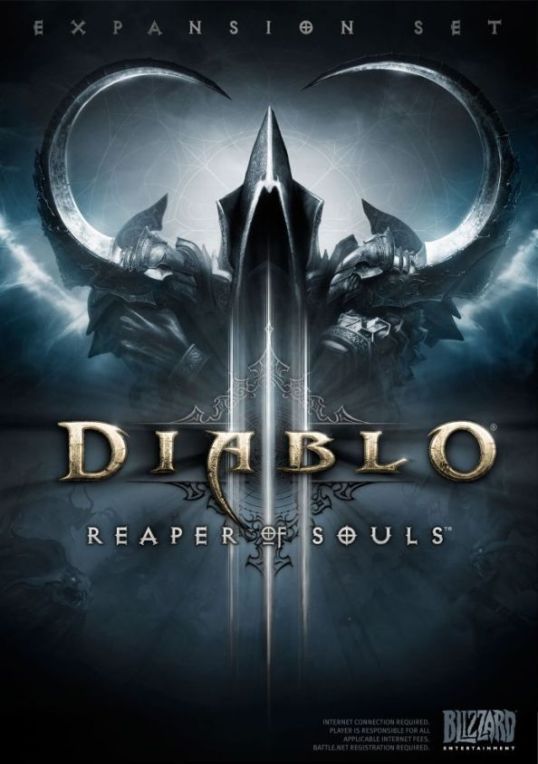
The Reaper of Souls


Diablo_3_reaper_of_souls_box_art_0

There’s no need to be afraid. Spoilers do follow (to the extent that a Diablo game can be spoiled). You have been warned.

So, in the relatively recent (surprisingly still recent!) past… Blizzard Entertainment released a hilariously long-delayed sequel, which is sort of their hallmark, in Diablo 3. Probably everyone who had some interest in the Diablo franchise played it. And, in several ways, it was sort of the ultimate evolution of the Diablo formula and format. Is the storyline silly? Yes. In fact, it borders on preposterous. But it also holds together in a ‘good enough’ way to propel the action through a variety of beautifully rendered locales killing everything in sight. Reaper of Souls does not alter this formula. Presumably none of us tuned into Diablo for storytelling, right? It’s not an RPG. It’s a game where you click on monsters and kill them. Your reward is better loot, which makes it easier to click on monsters and kill them. It is weirdly absorbing in its way, but it is not high art. This is a game about a visceral experience; it is purely about fun.

And Diablo 3 was fun. It improved heavily upon Diablo 2. Each class can now be either sex! Each class now has a half dozen abilities in play at a given time, rather than just ‘left click’ and ‘right’ click… and the procedural generation, while still present, is a little more structured… or, at least, it feels a little more structured. Some areas seem to vary little between different playthroughs. To be perfectly honest, while it is a very competently produced game, a tight experience, with lovely graphics… I didn’t feel like I had $60 worth of game when I acquired Diablo 3. I think I eventually got enough play hours out of it to where I can shrug and move on… but I didn’t expect to find myself shelling out another $40 for Reaper of Souls. I did it anyway, though.

The good news is, for what fence-sitters may remain… Reaper of Souls is pretty good! Let’s discuss several reasons why:

– Act V. Act V is a massive act, easily twice the size of any of Diablo 3’s four acts. It comes complete with an entirely new selection of monsters, three major bosses with complex battle mechanics and a variety of environments, all of which are pretty cool. It’s hard not to respond to Act V as the best overall Act available in the game now. Act V, for those who haven’t been paying attention, follows the Nephalem’s quest to save the entire world of Sanctuary from a renegade angel, Malthael, whose exact plan remains unknown.

– Crusader. Crusader is the new class, a melee attacker like the Barbarian or Monk. The Crusader uses a weapon and shield style, though the weapon can be two-handed with the use of a passive skill slot. In play, they feel strong defensively, with a good area of effect capability. I have yet any of their legendary items with my own eyes, but the class does represent a new way to experience the game. I certainly can’t claim to have 60’d a Crusader, let alone 70’d… but I have played the Crusader, and it is good.

– Loot 2.0. I know this actually launched at the start of March, but it was part of the build-up to Reaper of Souls. I get how a company seeking profit would clamp onto the idea of the real cash auction house. I get how the economic power of the World of WarCraft Aution House could invite the creation of a similar body in Diablo 3… but even the most hardcore players I know would suggest that the existence of both cash and gold AHs was a mistake in Diablo 3. At best, they did nothing to improve the experience. In the real world, they significantly harmed it.

Now that the Auction House is gone… we get Loot 2.0. A universal improvement over loot 1.0, randomly generated loot now tends to generate according to your needs. Stats are much more likely to roll for your class, legendaries will (almost) always be for your class. Sets? I haven’t seen much of, despite a good number of hours invested… but I assume they adhere to similar principles.

– Bosses 2.0.

One area where Reaper of Souls really shrines is in boss design. Did you like the act bosses in Diablo 3? Because loot 2.0 comes with boss 2.0, and even without the expansion, the purple encounters throughout the game have been tweaked, revisited, improved… and it goes double for Reaper of Souls itself. Uzrael, the first of three significant act bosses, was more complex than the act bosses in Diablo 3… more complex than Baal had been in Diablo 2… Blizzard applying lessons learned from years of creating raid encounters for increasingly sophisticated MMO players. But there are balances to be struck, and they differ between products. A single character has to be able to confront Malthael at the finale of Reaper of Souls, and ultimately that’s as much a part of the game as 10/25 man raids are for World of WarCraft. This is a process that easily could have been screwed up, but instead it’s been implemented beautifully. Malthael’s encounter is an epic affair, featuring no easily discernible pattern, with Malthael possessing at least a dozen different types of attacks, some of which are not easy to dodge. He will test both your skill and your gear, and it was awfully satisfying to finally see him fall.

– Difficulty 2.0

Reaper of Souls heralds a new dynamic difficulty system for Diablo.. one that is based, more or less, on your gear… rather than your level. In Diablo 2, and again at Diablo 3’s launch, difficulty consisted of Normal, Nightmare, Hell, etc. difficulties, each higher difficulty “unlocked” by completing the previous one. In order to proceed, you have no choice but to play through the entire storyline, consecutively. It made it harder to just “jump in” to games with your friends unless they were in the same difficulty of the game, and the difficulty jumps generally were quite drastic.

Difficulty 2.0 attempts to smooth all of this with a much more dynamic difficulty system. Now, the player has access to a several ‘standard’ difficulty levels, and then Torment levels which are designed for high-level (60+ minimum) play. The higher the difficulty you play on, the bigger the bonus is to the player’s experience points earned, gold and item find. Since this sliding scale also stacks with the inherent bonuses from having multiple players in the game, high level runs on Torment difficulties with your friends can produce quick dividends in terms of loot. Of course, there’s always better loot just around the corner…

These are the most substantive changes. They were needed, they are positive, and if anything could re-invigorate the Diablo 3 experience for you… this patch and expansion will probably do it. The game features many other improvements, like customising items (both a single property of a given item can be swapped out, and its appearance ‘transmogrified’, using a new artisan in town), an expanded stash, re-worked items and class features, and so on.

There are two big negatives, however. They are intertwined, and they are compelling.

– $39.95 U.S.. And that’s not me getting overcharged for physical media at Wal-Mart. That’s from Blizzard’s digital store, through my Battle.net account. For an expansion? Ouch. Now, obviously, they did a lot of work on this one. Act V is big, Malthael is a bad ass, and all of the other updates and improvements were welcome… but it’s still a stiff price tag to pay for a game add-on. I’m suspicious of the idea that a new character class is really that big of an addition to this type of game. But there it is. They’ve already got my money.

– It’s still Diablo. That means that its replayability mileage for you [i]may vary[/i]. Just keep that in mind, before you shell out your hard-earned money. Still, if Diablo has always been something you’ve enjoyed, you will find this the most pleasing offering so far.