Horror Game Review: Still Wakes the Deep (by The Chinese Room)


“For once in your life, be brave! Be brave for them.” — Finlay

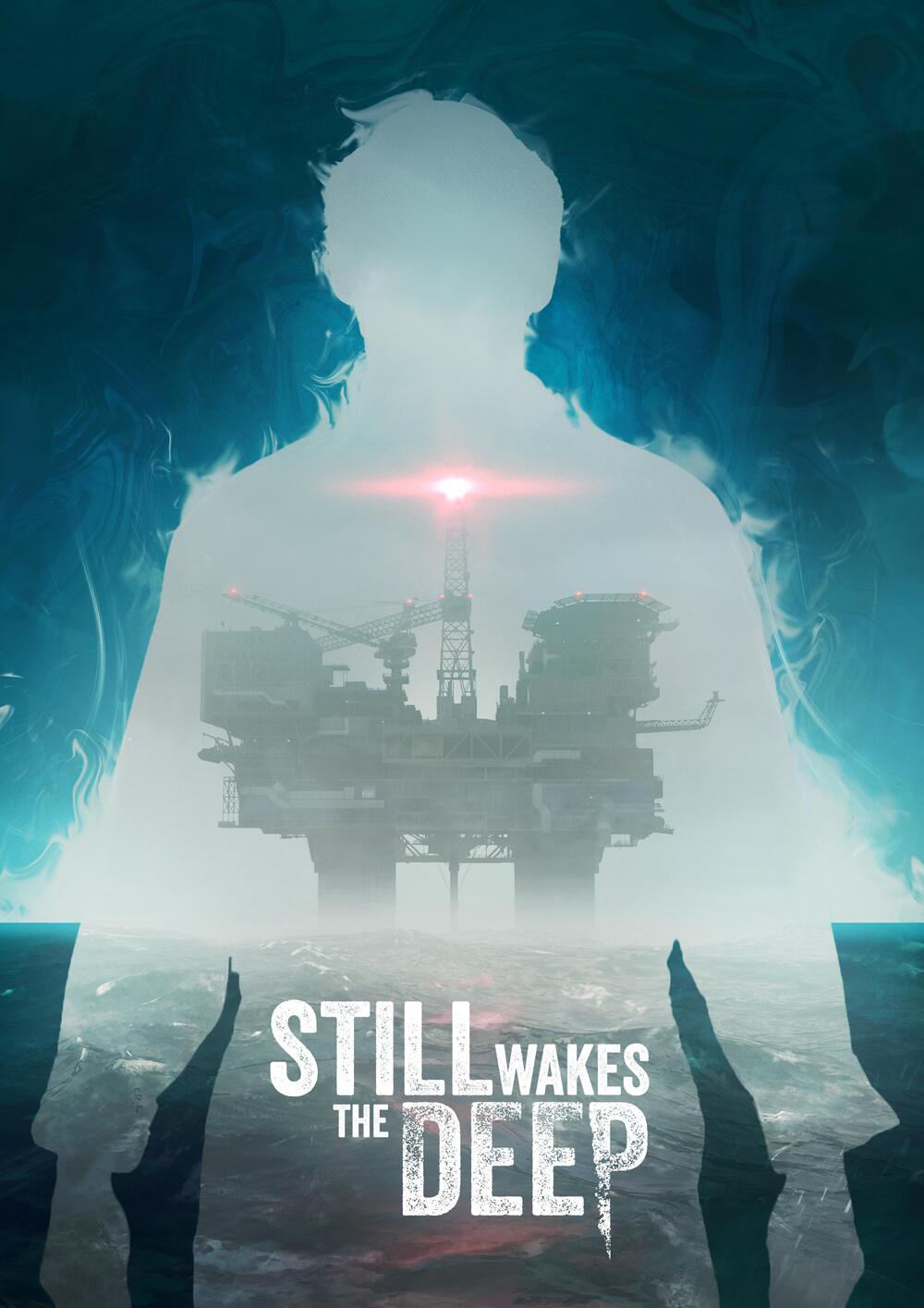
The ocean doesn’t care whether you make it home, and Still Wakes the Deep never lets you forget it. Even before its supernatural nightmare takes shape, the game makes life aboard an offshore oil rig feel like a fragile arrangement between people, machinery, and an environment that could swallow them without a second thought. Released in 2024 by British developer The Chinese Room, this first-person psychological horror game builds its strongest moments around that vulnerability. It isn’t the most mechanically ambitious horror game out there, but its unsettling setting, convincing performances, and emotional stakes make it more than a guided tour through some impressively disgusting scenery.

Set in December 1975, the story follows Cameron “Caz” McLeary, an electrician working aboard the Beira D oil rig in the North Sea off Scotland. Caz has brought plenty of trouble with him. His relationship with his family is strained, problems back home are catching up with him, and his job isn’t exactly secure. He’s already having a miserable time before the drilling operation disturbs something that should have remained buried. Once disaster strikes, getting off the rig becomes much more complicated than finding a boat. The appeal of that setup is how naturally it connects his personal circumstances with the surrounding danger. Home matters because his life there is unfinished, not because the script needs a convenient reason for him to survive.

Before everything falls apart, the game gives you enough time with the crew to understand what kind of place the Beira D is. Conversations are blunt, personalities clash, and the dialogue has the rough familiarity of people who work and live in close quarters. The regional accents and casual swearing help establish a workplace rather than a collection of horror-game characters waiting for their turn to scream. Nobody needs a lengthy introduction to suggest a history with the people around them. That makes the disaster more effective when it arrives. The rig isn’t just a location being destroyed; it’s a little community whose everyday routines suddenly become impossible.

Caz helps hold that human side together. Alec Newman’s performance gives him an appealing mixture of irritation, fear, stubbornness, and genuine concern for his coworkers. He isn’t instantly heroic, and the game doesn’t pretend that his personal problems make him especially noble. He can be difficult, but he remains understandable. More importantly, he sounds like someone struggling to cope with events rather than someone performing bravery for an audience. His family stays emotionally present even when the immediate situation demands all his attention. That connection gives the ocean beyond the rig a particular cruelty: somewhere past all that freezing water is a life he still has reasons to return to.

The Beira D itself does an enormous amount of the work. Its cramped interiors, exposed walkways, and heavy industrial machinery create a setting where comfort always seems temporary. Indoors, there’s barely enough room to feel safe; outdoors, the sea makes every exposed crossing feel worse. The visual detail grounds the place without making it inviting, while the lighting turns familiar spaces into increasingly hostile territory. What starts as an unpleasant workplace gradually becomes an environment you can no longer trust. The game understands that a damaged walkway or a flooding compartment can be frightening without a monster standing in the middle of it.

Sound design strengthens that feeling of instability. Machinery strains, metal bangs, and horrible noises travel through spaces where you can’t always see their source. The rig feels active even when you’re standing still, and not in a reassuring way. Sometimes you’re listening for a creature; sometimes you’re wondering whether the structure around you is about to give out. That overlap is one of the game’s best qualities. The supernatural threat doesn’t replace the practical dangers of being offshore. It makes them worse, leaving Caz caught between something impossible and hazards that require no explanation whatsoever.

The body horror is particularly effective because it corrupts people and spaces the game has already made recognizable. Human forms become grotesquely distorted, but traces of the people underneath remain, especially in their voices. That makes the creatures upsetting in a way that goes beyond impressive monster design. There’s something cruel about hearing recognizable humanity survive inside a body that has become a threat. The game draws on familiar science-fiction horror territory, but its specific setting and working-class cast give that material personality. These aren’t simply monsters loose on an oil rig. They’re part of the destruction of the crew’s shared world.

Playing Still Wakes the Deep is more straightforward than its imagery might suggest. There’s no combat system, so you spend your time navigating damaged sections of the rig, completing simple environmental tasks, climbing through obstacles, and avoiding threats. Keeping Caz defenseless is the right call. Handing him increasingly powerful weapons would undermine the sense that he’s an ordinary person trying to survive something far beyond him. The physical traversal also gives the experience more activity than the “walking simulator” label suggests. At its best, the game makes crossing a dangerous gap or moving through a compromised section of the rig feel like a substantial ordeal.

Still, its narrow design can become a problem. The game usually has a specific route and a specific solution in mind, and it doesn’t take long to notice how firmly it steers you toward both. Stealth encounters can lose some tension once their intended pattern becomes clear, while practical objectives occasionally feel like errands placed between dramatic scenes. There’s a meaningful difference between being trapped by the disaster and being restricted by the design. Still Wakes the Deep sometimes makes the latter too obvious. Anyone hoping for flexible survival systems, substantial exploration, or demanding puzzles will probably find its interactions thin.

That simplicity does help keep the focus on the characters and atmosphere, though. Without inventory juggling or repeated combat encounters, the game can move directly between physical danger and quieter emotional moments. Its roughly six-to-seven-hour length also suits the premise, even if some trips around the rig feel stretched out. The original story is strongest when it treats survival as something more complicated than reaching safety. Caz’s connection to his family, his responsibilities to the crew, and the terrifying circumstances around him give its horror an emotional dimension that carries beyond the immediate disaster.

The expansion Siren’s Rest, released in June 2025, picks up that lingering emotional thread rather than simply repeating Caz’s ordeal with another character. Set in 1986, it takes you beneath the North Sea to the wreck of the Beira D, where a specialist diving team hopes to uncover what happened and bring answers to the families of the lost crew. You play Mhairi, the leader of the dive, exploring the remains of a place that players know far better than she initially does. It’s a smart way to continue the story: the original shows the catastrophe from inside, while the expansion examines what it leaves behind.

That change of perspective gives the return to the rig a different kind of sadness. Spaces that once contained conversations, arguments, and hurried attempts to survive have become submerged remnants of those lives. Mhairi’s work involves photographing remains, collecting personal belongings, and examining evidence, turning familiar locations into places of recovery rather than escape. The connection to the original isn’t just geographical. Its crew members become people whose absence has shaped families for years, extending the first game’s concern with home and responsibility beyond the boundaries of Caz’s experience. The sea may have swallowed the rig, but it hasn’t neatly ended the story for everyone onshore.

Mechanically, Siren’s Rest replaces much of the original’s climbing and scrambling with underwater navigation. A cutting torch, crowbar, and camera give Mhairi practical ways to investigate the wreck, while her connection to the diving bell and communication with her colleague Rob reinforce how dependent she is on equipment and other people. The danger now comes with the added discomfort of being submerged inside a ruined industrial structure. The original made the water outside feel like something to avoid at all costs; the expansion makes entering it the entire premise. That reversal is a strong atmospheric hook, even when the interactions remain fairly straightforward.

The expansion is less convincing as a major escalation of the horror. Its roughly two-to-three-hour length makes it a compact follow-up, but that brevity also leaves less room for its new relationships to develop. Mhairi’s search gives the story a human focus, and the unsettling wreck provides plenty of atmosphere, yet the experience doesn’t consistently turn those advantages into scares as memorable as the original’s. It also shouldn’t be approached as a comprehensive explanation of every supernatural mystery. Its interests lean more toward grief, personal connection, and the desire for closure than toward spelling out exactly what the drilling uncovered. That restraint can preserve the unease, but it may frustrate players expecting more concrete answers.

Taken together, Still Wakes the Deep and Siren’s Rest tell a more interesting story than a simple disaster followed by a cleanup mission. The original makes you care about the people trapped aboard the Beira D, while the expansion asks what their loss means to those left searching for them. The base game remains the stronger experience, with a fuller cast and a more immediate sense of danger, but the follow-up gives its setting an effective second life as a place of mourning and investigation. Neither offers especially deep gameplay, yet both understand the value of putting human concerns inside an inhuman environment. The ocean remains indifferent throughout. What gives the story its weight is that the people living with the consequences never can be.
Horror Game Review: Visage (by SadSquare Studio)


“It feels like the treatments are only making things worse.” — George

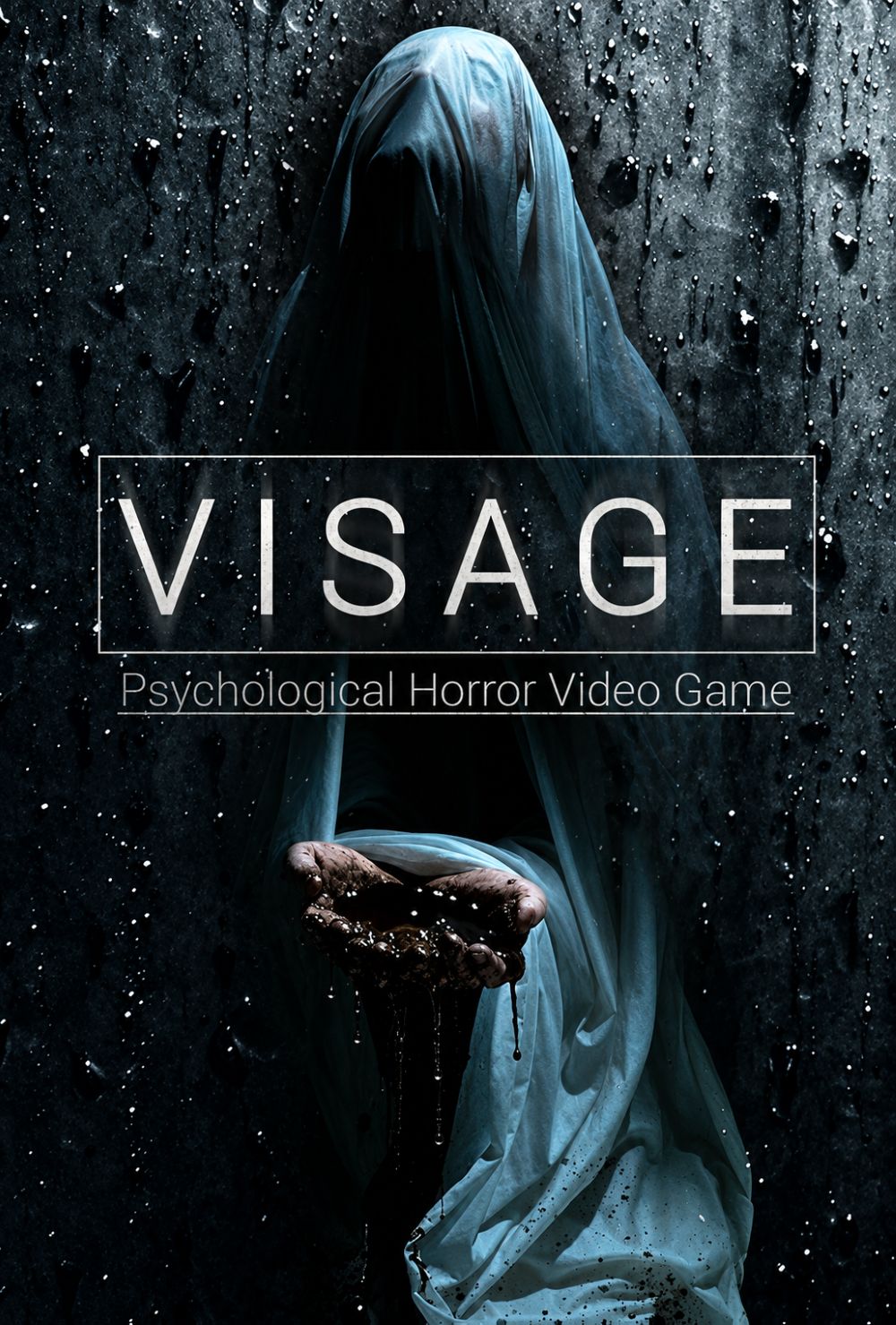
Visage knows how to make you dread the next room long before anything actually happens. Released in 2020 by SadSquare Studio, this indie psychological nightmare takes the familiar haunted-house setup and stretches it into something deeply uncomfortable. Its connection to P.T.—Hideo Kojima’s playable teaser for a canceled entry in the Silent Hill series—is obvious, but dismissing it as another imitator would overlook how much it brings to the table. There are proper survival mechanics, substantial exploration, and several distinct stories beneath its ghostly surface. It is also clumsy, confusing, and occasionally exhausting for the wrong reasons. Still, when everything clicks, its atmosphere makes those shortcomings surprisingly easy to forgive.

The setup puts you in the shoes of Dwayne Anderson, a man exploring a sprawling house burdened by the tragedies of its previous inhabitants. Before that exploration begins, though, the game opens with a deeply disturbing sequence involving family murder and suicide. That immediately establishes how ugly things can get. This is not a playful ghost story where a few spooky noises lead to a monster reveal. The house becomes a space for confronting violence, suffering, and uncertainty, with Dwayne’s connection to everything left deliberately murky. The mystery offers plenty to chew on, although anyone expecting straightforward answers should adjust those expectations early.

What makes the house so effective is how ordinary it feels before reality starts coming apart. These are recognizable domestic spaces rather than elaborate gothic chambers, and that familiarity does much of the heavy lifting. A dark corner does not need a creature standing in it to become threatening; the possibility is enough. Visage understands that horror often works best when the player is mentally filling in the blanks. Its environments create an uneasy relationship between recognition and suspicion: you know what a home should feel like, but this one keeps quietly violating that understanding. Even exploration can feel like trespassing.

The audiovisual presentation reinforces that discomfort without needing nonstop spectacle. The house looks convincingly lived-in, while shadows and unsettling creaks make its emptier spaces feel occupied. Technically, this is not a game that needs to outmuscle a blockbuster production. Its strength lies in how effectively the visuals and sound work together to make you distrust your surroundings. The jump scares certainly matter, but they land because tension has already done most of the work. The frightening part is often the stretch before something happens, when you are staring into darkness and wondering whether moving forward will finally trigger the thing you have been dreading.

Unlike a purely passive haunted-house tour, Visage gives you systems to manage while all that anxiety builds. Spending too long in darkness or experiencing disturbing events affects your sanity, introducing another layer of uncertainty through hallucinations. You also have to juggle objects between your hands and a limited inventory. Conceptually, this is a smart combination: navigating the environment becomes more involved than simply following the next corridor. You are not just witnessing frightening events; you are trying to stay functional inside them. That extra responsibility helps distinguish the game from horror experiences that rely almost entirely on scripted surprises.

Unfortunately, the inventory is also where that involvement becomes irritating. The two-handed control system sounds immersive until using a tool requires clearing your other hand, rearranging your possessions, or dropping something because there is no room left. There is a difference between making a character vulnerable and making basic actions unnecessarily awkward, and Visage does not always respect that distinction. Some friction suits survival horror, but menu and item-management friction can pull attention away from the environment entirely. When your biggest concern becomes figuring out how to hold the correct object, the haunting has temporarily lost its grip.

The chapter structure provides welcome variety. Lucy’s chapter leans closest to the intimate, oppressive horror associated with P.T., while Dolores’s puts greater emphasis on puzzles. Rakan’s moves toward more traditional survival-horror encounters, and the final chapter pushes further into surreal territory. That variation keeps the game from feeling like one idea repeated indefinitely. It also gives the house a broader identity, as though different tragedies have left different kinds of damage behind. The tradeoff is unevenness: depending on whether you prefer exploration, puzzles, or direct danger, some sections will naturally feel stronger than others.

Puzzle design is the biggest obstacle to enjoying that variety. There are satisfying moments of observation and deduction, but the game also slips into obscure interactions that can feel arbitrary rather than clever. Being lost in a haunted house should be frightening; being lost because you cannot identify the next required trigger is mostly annoying. Once exploration turns into repeatedly checking familiar rooms, suspense risks giving way to impatience. The game deserves credit for resisting constant hand-holding, but withholding direction is not automatically good design. A stronger balance between subtle guidance and uncertainty would preserve the mystery without draining so much momentum.

Ultimately, Visage is an impressive horror game with rough edges that genuinely matter. Its storytelling favors implication over resolution, its controls need patience, and its puzzles can interrupt an otherwise powerful sense of dread. Yet those problems do not erase how convincingly it turns an ordinary house into somewhere you desperately want to leave. It builds fear through familiarity, then steadily makes that familiarity unreliable. For players who value slow-burning psychological horror and can tolerate some frustration, there is a memorable experience here. It is not consistently elegant, but it understands something essential: the scariest room is often the one you have not entered yet.

Music Video of the Day: Steam by Peter Gabriel (1993, directed by Stephen R. Johnson)


Steam was the second single to be released from Peter Gabriel’s sixth solo album, Us.  Buoyed with this memorable music video, Steam reached number ten in the UK and number one in the U.S.

When asked about his vision for Peter Gabriel’s video for Steam, director Stephen R. Johnson said he wanted to cram as many things in possible and he certainly did that.  Johnson also did the video’s for Gabriel’s Sledgehammer and Big Time and, as with those two videos, the special effects and visuals were so outrageous that a lot of viewers probably missed that they were very subversive and sometimes disturbing.

(As for Gabriel, he said it was simply a song about a relationship where the woman was cultured and well-educated while the man was less intellectual but was also more street smart.)

Enjoy!

One Hit Wonders #4: NA NA HEY HEY KISS HIM GOODBYE by Steam (Fontana Records 1969)


gary loggins's avatarcracked rear viewer

Singer Gary DeCarlo died this past week at age 75. Who the heck is Gary DeCarlo, you may well ask? The name may not be familiar, but the song he sang that had a two-week run at #1 in 1969 sure is:

The song was written by DeCarlo and his friends Paul Leka and Dale Frasheur in the early 60’s when they were in a Bridgeport, CT doo-wop group. Later that decade, when DeCarlo was looking for a B-side for a single he recorded, he dug up this old tune and it was put together in the studio. The band Steam in that video wasn’t really a band at all, just some dudes lip-synching DeCarlo’s hit!

“Na Na Hey Hey Kiss Him Goodbye” was resurrected in 1977 when the Chicago White Sox organist at Comiskey Park began playing it whenever the Sox’s opposing pitcher got knocked out of the ballgame. Soon other sports…

View original post 111 more words

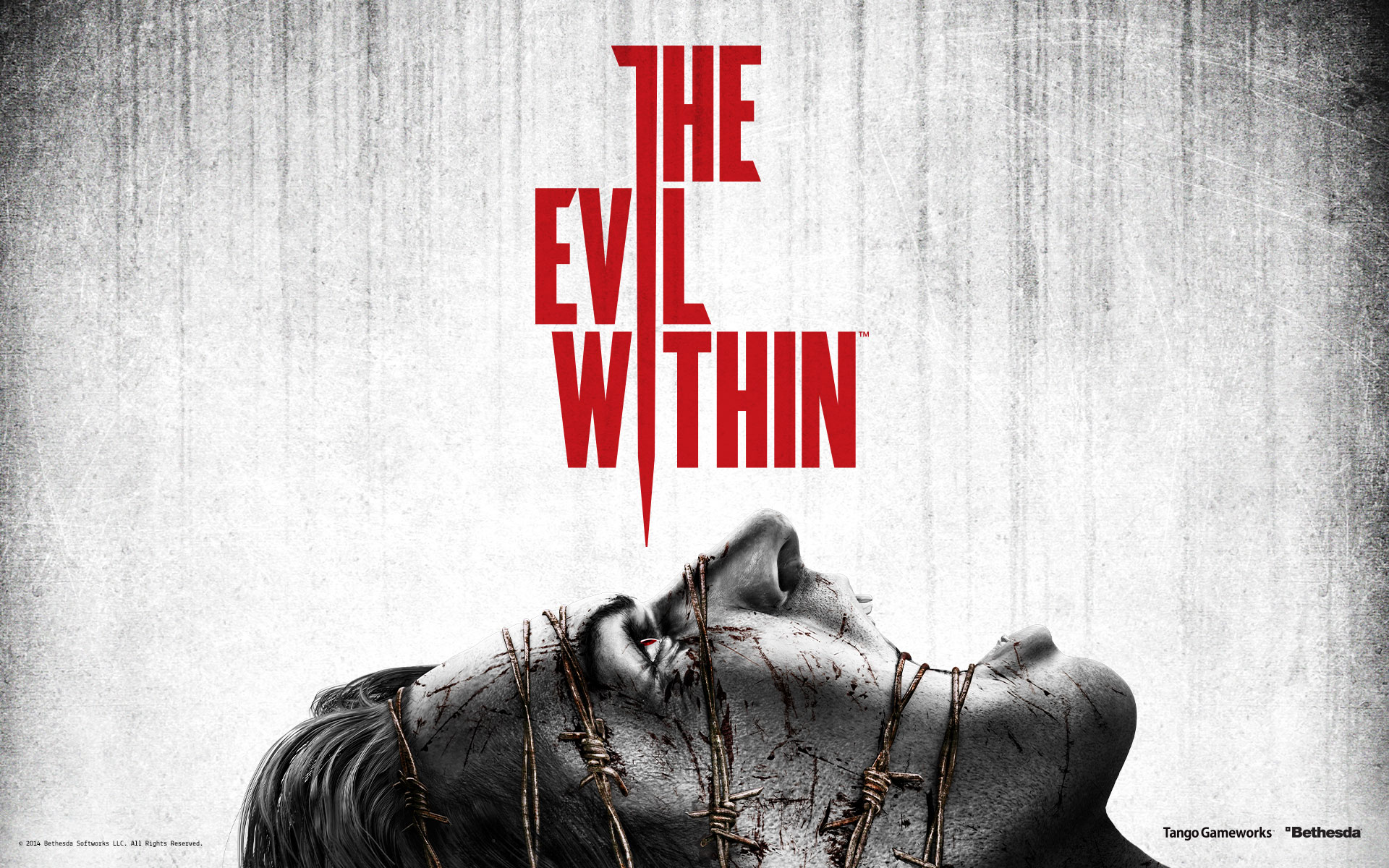
Horror Review: The Evil Within


evil-within-4
The Evil Within’s announcement was met with huge expectations for being an original horror title directed by Shinji Mikami, creator of Resident Evil, benchmark of modern horror videogames. Over the years he personally directed a few projects with very fluctuating results, but his leadership of the Resident Evil games was competent, and they only really squandered when he cut ties with the series after his involvement right after Resident Evil 4, which many regard as one of the best games of the last decade. No pressure in this new intellectual property then.

And I’ll just straight out say it. It’s a disappointment. It would be hard not to be one. But it’s not a normal disappointment. If it were I’d give it a passable review and say that people might enjoy it just for the effort. However, The Evil Within is, pardon me, utter piss. I realize negative reviews are very “in” nowadays and people do them just for the sake of it, but this one is sincere. I wouldn’t buy something on retail price crossing my fingers, HOPING, it would be such a mess. I spent cash on this shit. This money was invested. I wanted it to give some return in the form of entertainment. Which was wishful thinking, of course.

First of all let me talk about the technical issues. Full disclosure; I played the PC port; not a good option, apparently. To be honest I only had one issue with it, but I understand that “it is not a good port” because this piece of trivia was bombarded on me by my peers. So don’t buy the PC version, it’s bad (maybe until they release some patches). That being stated, we’re left with “the game”. The real horror.

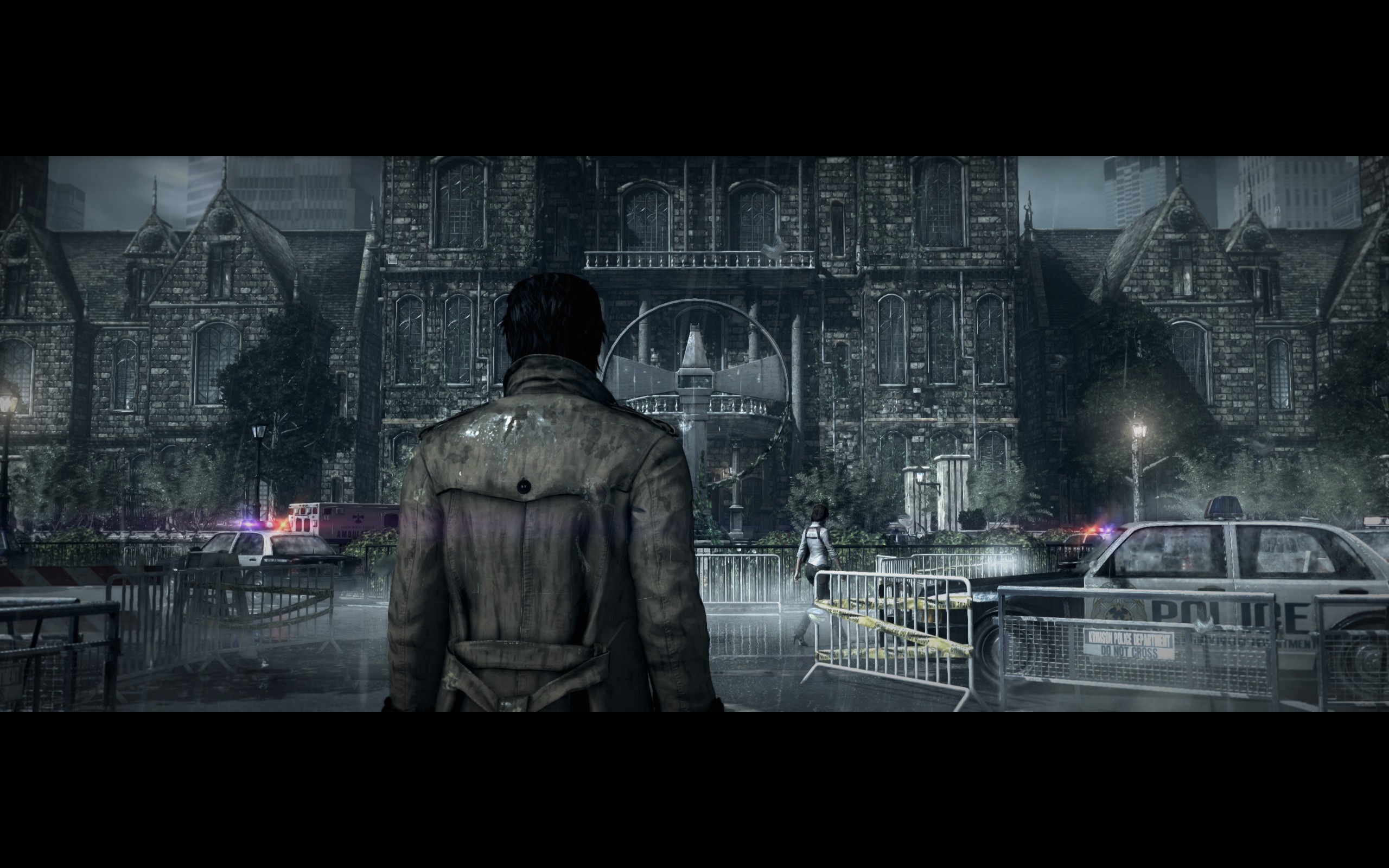
Probably under the pretense that this would make the game scarier, the development team decided that the camera just had to be forever stuck on letterbox view. This is not just pretentious, it is an OBSTACLE. It takes maybe a third of everything in your field of view. Your eyes are hindered by two monstrous gaps of black bars, top and bottom. And you need to actually look at stuff to be able to pick them, so you can only imagine how this is cumbersome on the playing experience (By items, I mean ammo, medicine, documents, same kind of thing that was in Resident Evil). Are you a fan of collecting stuff? A perfectionist maybe? You’ll either spend more time than you should inside one map to make sure you’ve gotten everything or you’ll forget that. Chances are you’ll miss items either way. This camera is out of this world. It is a monster incarnate full of spite toward you. Catching inbound enemies is an equally hard job, as the lack of proper vision of your immediate surroundings makes it hard to realize if you’re being chased, or to know exactly how many enemies are around you. This might lead to some unintentional scares if that fancies you, but fact of the matter is that it’s simply put, bad camera mechanics. And let’s not talk about the obtuse amount of film grain. That being said, this title is not entirely offensive on a visual scale. The art and graphics are quite nice, even if hamfisted on the gore. It’s just too bad it’s so hard to see it properly.

Apparently it actually covers something around 45% of the screen

Actually, it seems to cover something closer to 45% of the screen

A document early on the playthrough makes a point of telling you that the protagonist, Sebastian Castellanos is one of the fastest ever policemen of Krimson City to rise to the rank of detective (I feel like the name of the city might have been suggested by me when I was 14 and thought I was really death metal) . You will quickly notice though that Detective Castellanos isn’t the physical marvel he is laid out to be. The act of sprinting in the beginning takes a full 3 seconds from top speed to complete exhaustion. At his best, Sebastian can run for ten seconds before needing to stop and breathe in the middle of a full herd of enemies (which he WILL do if you rely on sprinting too much). He’s not a very good shot either, even at ranges close to point blank he’ll miss often unless you upgrade his weapon. Walking is awkward, running away is awkward, shooting is awkward. Some of these can be improved by buying common sense into the game in the form upgrades for the character with green goop. Seriously, that’s their currency. I confess to maybe having missed something, but I don’t think that part was ever explained.

If you think objectively about it, Resident Evil was awkward. Even the fourth one. The controls were always strange at best. It comes to me that, while people were begging for a new, good Resident Evil, Mikami acknowledged their wants and needs. That’s what The Evil Within is. I mean, the zombies are there, the alien controls as well, and it’s ever so slightly scarier, which was another major complaint, since some viewed the Resident Evil series as having swayed from survival horror to mostly action with some horror elements. In this sense, people got just what they asked for: A survival horror made by Mikami that is very much like Resident Evil. However since Resident Evil 4, Mikami directed two titles, a four year gap between each of them (2006, 2010, and The Evil Within in this Gregorian year of 2014), and the other two were not even close to being horror games. So what we got is a newly released outdated survival horror with ten year old survival horror mechanics.

B

What happened!? I heard there was a good game in here!

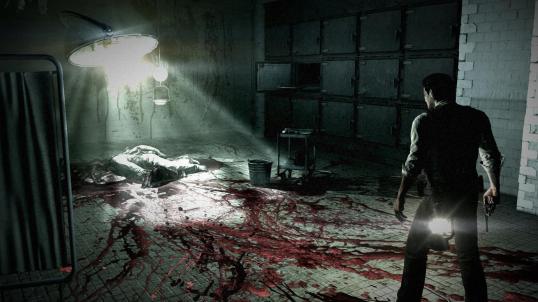
The sad realization is that maybe Shinji Mikami isn’t a master of horror. The Evil Within isn’t very scary past the few initial chapters, where you’re completely powerless (and maybe this was this game’s real element, which in my opinion he failed to realize). Some of the more tense parts orchestrated by him come from trial and error, when some scripted event or other makes you face something new, something you’re totally willing to fight against. Then, upon closer inspection, you notice your head has just been pulverized by this new thing you perceive. So it occurs to you that you don’t fight this thing, you run from it. Of course, that’s after you died. Not very fair, honestly. The story is intriguing, but extends itself far too much. My interest was gradually lost on what could be a great mixture of body and psychological horror. It failed because while the art was on the right spot, the writing lost its way and somewhere it just became a zombie game. And I hoped it would pick up again. It never did.

It seems The Evil Within has few redeeming features and is somewhat obsolete in a very weird way. The space reserved for its image projection is malevolent. The gameplay is unimpressive and clumsy. It is artistically well intentioned, but ultimately poor. It does have, however, a very nice character in the form of an otherworldly and cryptic nurse that helps you through the story during dreamlike sequences. Her personality and oddities make her seem like a character from a Suda51 game, maybe something learned by Mikami in his time working with Suda on Shadows of the Damned. Man, now that’s a good title. Suda is really good, isn’t he?

The-evil-within

Payday 2


Payday2_logo_white

A little while back, a little studio called Overkill put a game on Steam called Payday: The Heist. The release completely passed me by. In fact, I was totally ignorant even of the existence of the title until a group of my friends all bought it and decided to start robbing banks together. They were so taken with it that they demanded that I join them, and I couldn’t have been happier with the purchase. We passed many nights (and into the early mornings, sometimes!) trying to grind our way through harder difficulties, and try to learn more advanced ways to stealth through the various ‘heists’, which included stuff ranging from your standard-issue bank job through a Left 4 Dead inspired hospital mission called, fittingly, No Mercy, where a shadowy anonymous buy was willing to pay bank in exchange for a sample of infected blood.

The game was marked by a number of good ideas. It includes minor RPG elements in that your account ‘levels up’ as you play more heists, granting access to useful abilities. In the original game, most of these bonuses were tied directly to weapons and armor and your ability to last in combat against the inevitable waves of police and SWAT forces that would attempt to keep you from escaping with your ill-gotten gains. Being stealthy at the start of a heist by using silenced weapons and preventing any civilian hostages in the area from escaping to summon help could pay significant dividends as you waited for your large thermal drill to bore its way into this vault or that one. A variety of weapons and gadgets rounded out your heisting arsenal, modeled off of real-life weapons augmented by just a bit of fancy. The game included multiple difficulty levels for every heist which would affect the number and types of enemies that spawn, and add other random factors that could make heists substantially more challenging. Indeed, that random AI Director feature of the game also helped its replayability dramatically, as heists could play out very differently if things went right – or very much wrong.

Payday 2 improves noticeably upon almost all of this. The heists are now more elaborate, including multi-day criminal enterprises (such as a ‘Watchdog’ mission where you must first secure a shipment of cocaine against an FBI operation, then in ‘day 2’ load the coke onto a drug boat at the docks, all while under police assault), and a wider variety of possible objectives – your crew are no longer strictly robbers, but rather highly skilled specialists for higher, men of limited principles and significant hardware.

The skill trees (Mastermind, Enforcer, Technician and Ghost, respectively) now include a wider variety of abilities, many of which can be directly employed for greater speed or stealth in the missions. Now, being a high level player with access to the best gadgets can make the simpler heists significantly easier, allowing the players to focus on the greater challenges of high difficulty level multi-day jobs. I personally find it very rewarding to try and work through missions in a stealthy way. Not only can some rewards become greater when you don’t have to battle you way through police lines, but the heists can also (often) be done cleaner and more quickly with the application of stealth. Returning is the oft-failing thermal drill which is the centerpiece of a number of missions where you try to gain access to a safe or other place you shouldn’t be, but this can now be circumvented if your technician is skilled enough to deploy shaped charges to blow off hinges, or if your ghost has an ECM Jammer that can bypass electronic security. The Mastermind can talk down inquisitive guards on the other end of the phone, easily intimidate and control civilians, and provide a slew of buffs to the group, and the Enforcer can (among so many other things) bring a powerful rotary saw to slice open less-imposing lockboxes, ATM machines, and encroaching enemies who draw too close.

Also notable in Payday 2 is a more credible electronic opponent. In the original game, the challenge was typically increased by sending more powerful units earlier in the mission, legions of ‘special’ units, and an unending stream of SWAT goons and their guns. To an extent, this is still completely true. However, the enemy now employs lesser raw numbers in favour of better tactics, and more threatening enemy units. Of course, stealth your way through the missions, and you may never have to suffer their wrath…

Payday 2 is not by any means a perfect game, however. The mission select is now done through an interface called Crime.net, which is a black and white overhead map of a city on which missions appear as ‘pings’ (as if the job just became available, complete with a timer before the job eventually disappears). Because of this system, if your crew is in favour of running a particular heist, it quite literally might take as long as half an hour of ‘browsing’ Crime.net for it to appear (or perhaps even longer!). In the most recent update, Overkill added some very basic filters to the Crime.net interface, allowing you to opt out of missions below a certain difficulty level… but this seems woefully inadequate. Though the game contains 10 heists, they re-use a couple of maps between them, and some of them are completely basic – there’s almost nothing to them. These are offset by some very complex heists higher up in pay scale, but some of them start to feel less replayable after a couple of solid nights with the group. This happened in the first game too, of course, but it’s much more annoying now with the obstacle of Crime.net possibly throwing you copy after copy of an undesirable heist that you are totally burned out on… instead of something you’d really like to do. I frankly do not understand the creative choice behind not offering better filters for this system.

While it is true that the police do not attack in such great numbers as before, they do still leave a lot of artifacts around the map, with corpses, piles of ammo, and miscellaneous gear (such as riot shields) strewn about, and I have seen the game start to chug on systems that are powerful enough to run many other contemporary games without issue. By its nature, this is probably something that’s hard for this game to overcome, but it’s a frustrating problem to have when the key resource that you need to enjoy this game to its fullest is friends who can also play it with you.

Yes, Payday 2 has in-game voice chat, and yes, you can jump into public games with strangers anytime you want. Some people might really enjoy doing so, in fact, and I don’t really mind it…. but I would much rather gather a group of 3 friends to roll with and work in tandem to complete heists. The AI team-mate can be valuable in combat because of their accuracy (though sometimes the team AI seems bewildered in a way the police AI rarely is… failing to respond even in a dire emergency) but is also frustratingly useless as they cannot transport filthy lucre, or drugs, or whatever, cannot advance mission objectives, and will occasionally blunder into unwinnable firefights against a legion of police in the middle of the street… where they can’t even be reached for a quick revive. As a result, you really want a full party, regardless of how you have to get it.

One thing to admire entirely about Payday 2 is its price point. At $29.99 on Steam (it’s also available on Xbox 360 and Playstation 3, the physical media involved means your price point will be $39.99 instead), this game has real value, though I can’t necessarily recommend it if you don’t have at least one friend who would be willing to buy the game as well and commit to playing it with you. Your mileage may vary with teaming up with strangers (I’ve had a mixed bag of results, myself) but I wouldn’t have purchased the game without friends I knew for certain would play, so I certainly won’t tell you to do it!

What I Played Today: Majesty 2 and MLB 2K11


MLB 2K11

I bought MLB 2K11 on the first day of its release… and, having played hours upon hours of it, I’ve been dying to review it ever since. The core problem, however, is that there’s really not that much to say about a sports game. Especially a baseball game. Especially a baseball game that doesn’t really boast any new features over its predecessor from the year before. It’s the tightest baseball simulation with the best graphics that I’ve seen. You know, since last year. It still uses the one-touch control system that basically lets you play the entire game with only single presses (or maneuvers of the thumbsticks. Whatever.) to take any action. I would say the ease with which the game can be played is its best feature by far…

And it’s hard to criticize the game, since they’ve culled the irritating features over the years, until the tight baseball simulation is basically all that remains.

It’s worth noting that unlike other sports offerings (Madden, I’m looking at you!) MLB 2k11 does a fantastic job of keeping up with the big league rosters if you’re playing in an online format, or if you just hop straight in and want to play a game of baseball.

As you would expect, the game has all of the modern game modes. Many of the big achievements revolve around the My Player mode, which is also one of the most fulfilling modes… depending on the position you prefer. I would say, tentatively, that I’ve spent more time in My Player than in Franchise or Play Ball this year. It really is kind of fun to work your way up from AA ball into the big leagues, and then to carve a name out for yourself from there. I like this mode in MLB far better than I ever have in Madden, and I really can’t recommend it any more strongly.

Oh, and it’s worth noting… out of all of the 2K Sports offerings for baseball, this one is easily the best. It runs mostly alike to the 2K10 effort, but as you would expect, it’s a little tighter, and a touch better looking… and, really, with not much else to improve on that’s the story of the game. If you like baseball, or you have some hankering to play it, this game is definitely for you. If you’re looking to gain 1000 GS then this game will disappoint you with the amount of time required to earn some of the achievements. If you’re *that sort*, I wouldn’t bother with this title.

Majesty 2

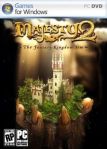
The self-described fantasy sim game, Majesty 2, makes its triumphant return on Steam. I bought the gold collection when it became available partially out of nostalgia, and partially because I desperately wanted a strategy game to play that I hadn’t worn out. I could always return to StarCraft II, but for some reason Majesty 2 caught hold of my imagination, and drew me back in.

The outstanding feature of Majesty 2 as opposed to your generic RTS game is that much of the action is not under your direct control. Your armed forces consist of guards, who will defend your town and your palace in a very automated, very uninspired, way… and heroes, who do their own thing, unless they’re being paid. You can throw out contracts of various types (examples include ‘destroy target’, or ‘explore region’) in the form of flags, for which you announce a bounty you’re willing to pay. In an ideal world, your heroes will help you out, and dash to the rescue. Of course, the interest level of your heroes and their personal gumption depends both on their hero type and their hero level. For example, the Rogues from the Thieves Guild are a bit on the cowardly side and flee at the first sign of real trouble, while the Rangers Guild and its heroes are particularly excited about exploring the wilderness and battling beasts.

You personally control the construction of town structures and fortifications, and choose the path through the single player campaign; a rich experience which takes its decent share of time. This experience can actually get a little repetitive; you’ll want the missions to end a bit quicker, at the very least, no later than halfway through the campaign. No doubt if you’re better at the game than me, this will never become a problem.

L.A. Noire

Strictly as a tease… I’ve been playing a great deal of this game lately. A full review from me is forthcoming.

Quick Take: Magicka


Quick Take

If you ever asked yourself how much fun it would be to randomly combine 10 different “elements” to create an absurdly large array of spell effects this game answers the question. For the rest? Don’t ask questions.

Unfocused Ramblings

I have, upon reflection, a soft spot for games that are developed by groups of Swedish students. I mean – in a broader sense, if you can make a game that people will enjoy, then why not? And through the magic of Steam, this game becomes available to the world. I know a lot of people have already played Magicka, and but I’m hoping more people will take the plunge into it.

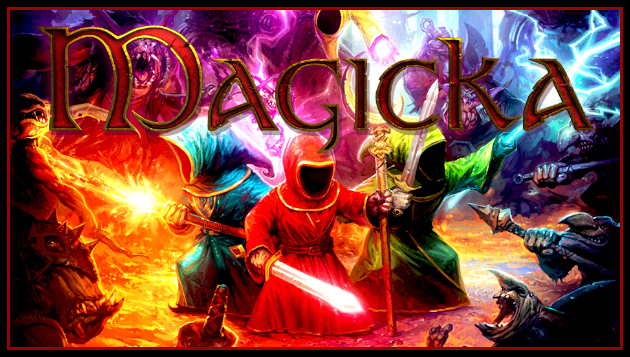
So what is Magicka? It’s a humorous adventure-RPG-ish-game set in a world that parodies a number of mythologies as well as aspects of pop culture. You’ll see a ton of references to pop culture icons like Star Wars, 300, and literally dozens of others. The opening movie which introduces the setting and the premise is chock full of pop culture references and popular memes, and it doesn’t slow down from there. The player takes command of a nameless mage clad in an obscuring robe who has been taught at the academy of magic, and learned to wield eight ‘basic’ elements in order to weave together ever-more-impressive spells. If that weren’t enough, you quickly learn about two basic combines which produce two other, we’ll say “hidden”, elements (which, themselves, are frequently used to create still more sophisticated spells). With these ten building blocks, tens of thousands of combinations are possible. And, since the game doesn’t really force you to progress forward, and even your most tenderly beloved allies are valid targets for your spells, the game really does encourage you to play with these elements until you create something you really like. And from there, to use that spell until you get tired of the animation… and develop something new… and so on.

And yes, there are some big booms available in the more sophisticated spell combinations.

On top of just randomly mixing and matching various elemental building blocks to create beams, balls, streams, and walls, there also exist a repertoire of ‘Magicka’; defined spells that you learn the combination to which have particularly powerful effects (such as Revive, which restores a dead ally, Haste, which allows your mage to run at incredible speed, or Grease which deposits some very flammable fun on the ground).

Your mages can collect weapons from time to time which have some special effects, but for the most part, the game attempts to steer clear of any kind of level-up or power-up type stuff. The focus is very much on the interplay of the spell combinations, and the limitless fun you can have blasting your friends up, over, and through the landscape elements using your magical powers.

All of that sounds good, right? Well, it is. But the game does have some problems, and I would be remiss if I didn’t warn you about them before you shell out your hard-earned cash for a copy of Magicka.

– The single-player version of this game just doesn’t stand up well on its own. For several reasons. The most important one is that it’s very easy to kill yourself in Magicka, and if you do so when playing solo, you’ll find yourself regressing to a checkpoint that could be a good ways back. Quit the game? You’ll end up restarting the entire chapter. This glaring weakness still exists in multiplayer, but with a team of four, you can revive your comrades and hopefully not all die at once. This is tough in single player.

– There are some bugs. Let’s not mince words about this. In addition to wacky things that can happen with spell effects (many of which will send you or your enemies flying around the screen) the game seems to crash occasionally, and it just doesn’t feel quite as polished as you might expect from EA’s latest release.

– They made some inexplicable choices with the multi-player, such as not being able to reconnect to a game in progress, and the cut-scenes not being skip-able except by the host (and they’re pretty lengthy cut scenes at that. You can skip ahead of the cut-scene even if you’re not hosting, but you just stare at a loading bar until the cut-scene ends anyway).

– Despite having its own tutorial section, Magicka really doesn’t teach you much about how to play. Pay close attention to the controls it does show you, and don’t be afraid to experiment, but also don’t spend a lot of time looking for the game to guide you… because it won’t. That having been said, it’s not a crippling problem since experimentation is half of the fun in this title.

– Although the game is clearly more friendly for multi-player use, you’re definitely going to prefer putting together a group of four friends as opposed to playing open multiplayer. Friendly fire is a huge part of this game, and you’ll enjoy it more with your friends. Trust me.

The Bottom Line

Personally, I love Magicka. It’s a great multi-player experience and the combination of spell effects is a lot of fun. But it’s not a polished experience; it has some bugs, some of which are frustrating, and as a single player experience it leaves quite a bit to be desired. For what you’re going to pay for Magicka, however, you’ll feel as if you’ve gotten your money’s worth.